Jostaberry
Un híbrido sin espinas entre la grosella negra y la grosella espinosa, que produce bayas oscuras del tamaño de una canica con un sabor único.





En esta páginaResumen
Conoce Jostaberry
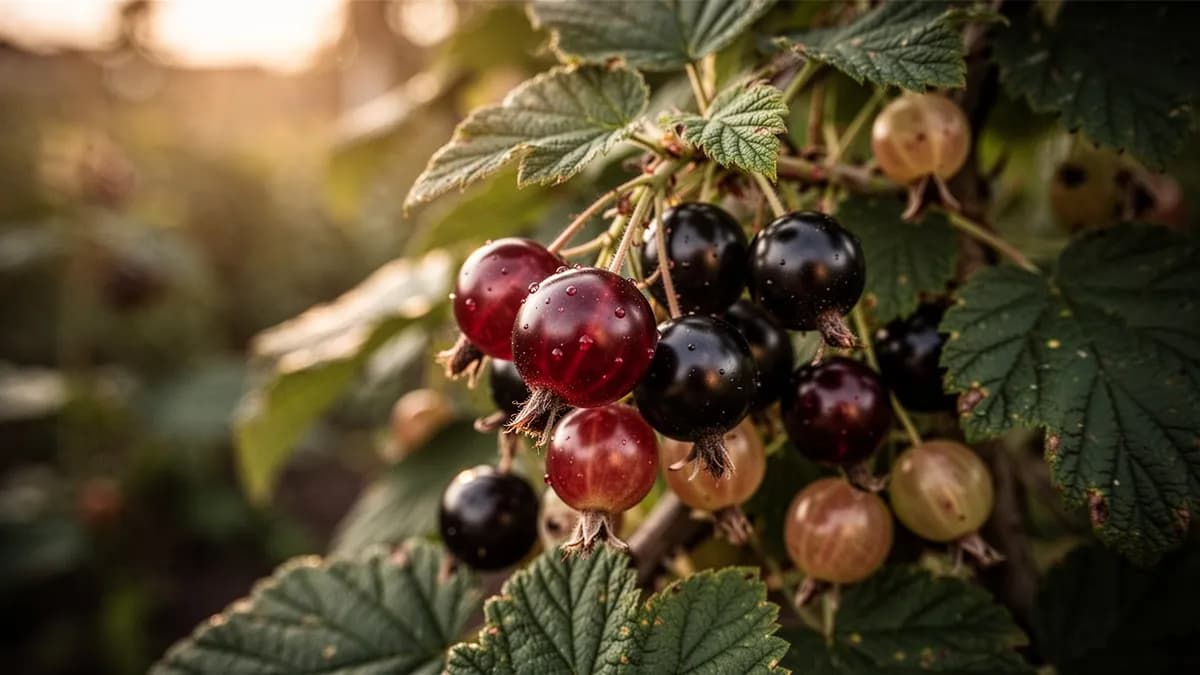
Un híbrido sin espinas entre la grosella negra y la grosella espinosa, que produce bayas oscuras del tamaño de una canica con un sabor único. Las jostaberries combinan la resistencia a enfermedades de la grosella espinosa con el sabor intenso de la grosella negra en un arbusto vigoroso y fácil de cuidar. Las plantas son autofértiles y muy productivas, y solo requieren una poda anual básica.
Cuándo plantar Jostaberry
Las jostaberries se propagan exclusivamente por métodos vegetativos, ya que son híbridos que no se reproducen fielmente por semilla y a menudo producen semillas estériles. El método más fiable es el esquejado leñoso a finales de otoño: corte secciones de 20 a 25 centímetros del crecimiento de la temporada, elimine las yemas superiores e insértelas en un suelo bien preparado, dejando dos yemas por encima del nivel del suelo. Los esquejes enraízan con facilidad durante el invierno y pueden trasplantarse al otoño siguiente. La división de arbustos establecidos a finales del invierno también funciona bien.
Tu año de Jostaberry
Ajustado a Zona 7 · temporada típica · la helada se va hacia el 2 abr y vuelve hacia el 1 nov
Planta Jostaberry Mar – Abr y cosecha Jul – Ago. Consulta los métodos de plantación y elige tu clima para adaptar los periodos.
Cómo cultivar Jostaberry
Las jostaberries son arbustos vigorosos y sin espinas que crecen con rapidez hasta alcanzar entre metro y medio y casi dos metros de alto y ancho. Son extraordinariamente fáciles de mantener y resisten muchas de las enfermedades que afectan a sus especies parentales. Plántelas a pleno sol o en semisombra en un suelo fértil y bien drenado, enriquecido con compost. Separe las plantas a metro y medio si va a formar un seto, o entre dos y dos metros y medio si las quiere como ejemplares aislados.
Plante jostaberries a raíz desnuda a finales de otoño o a comienzos de la primavera. Riegue bien durante la primera temporada de crecimiento para establecer un sistema radicular fuerte. Las jostaberries son autofértiles, pero el rendimiento mejora mucho si se planta cerca una grosella negra o una grosella espinosa para favorecer la polinización cruzada.
Pode cada año a finales del invierno retirando aproximadamente una cuarta parte de las ramas más viejas a ras de suelo, junto con cualquier crecimiento débil, dañado o entrecruzado. Así se mantiene el arbusto productivo con una mezcla de madera joven fructífera. Acolche generosamente con compost o astillas de corteza. Las jostabberries son de necesidades moderadas; aplique a comienzos de la primavera un fertilizante orgánico equilibrado. Estos arbustos rústicos y resistentes a enfermedades están entre los frutos más fáciles de cultivar para el huerto doméstico.
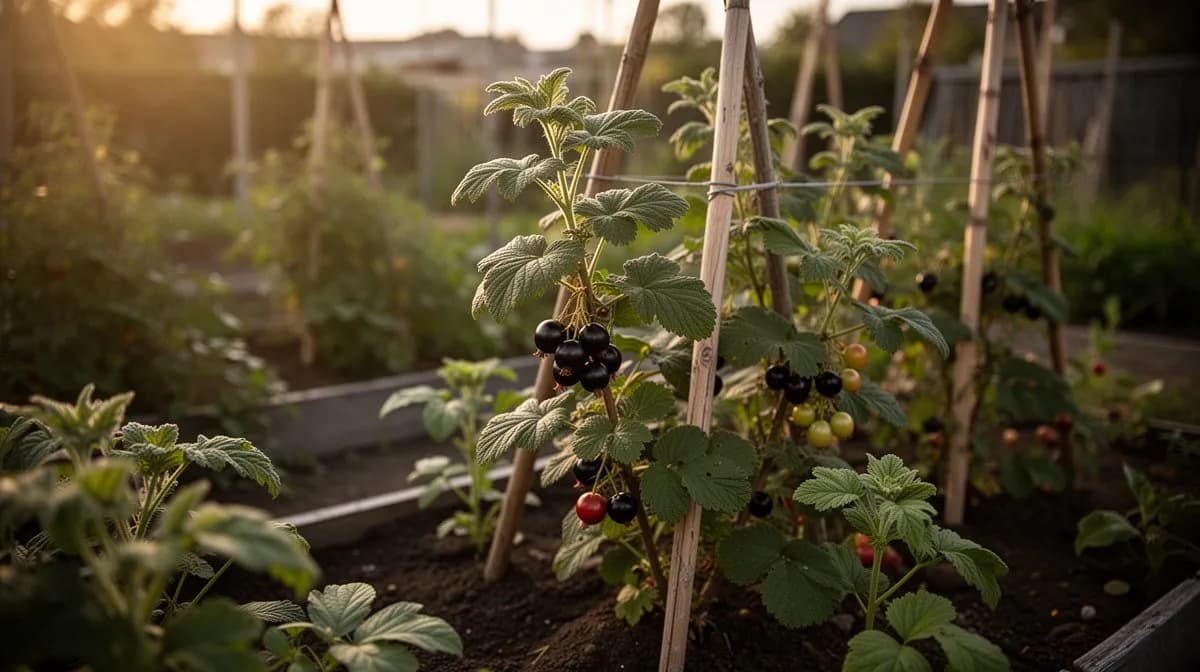
Para Jostaberry un bancal de 120 × 240 cm se queda corto
Cada Jostaberry pide 150 cm de margen. El planificador guarda ese marco por ti — cada planta, cada bancal.
Los mejores vecinos de Jostaberry
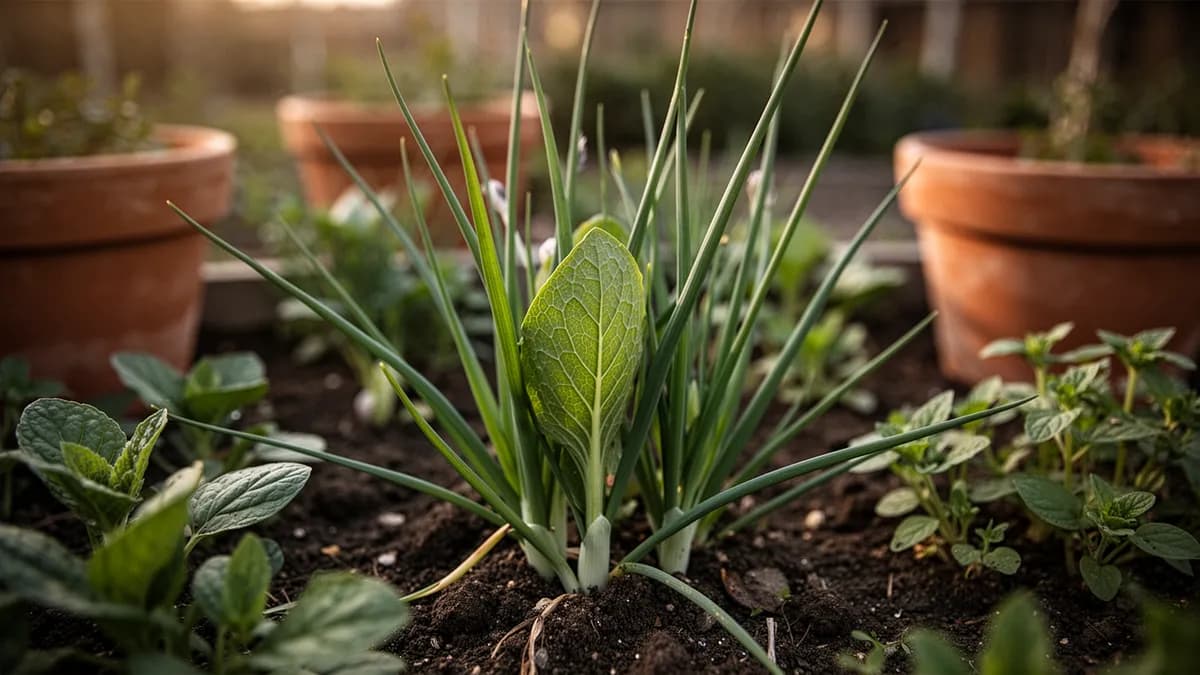
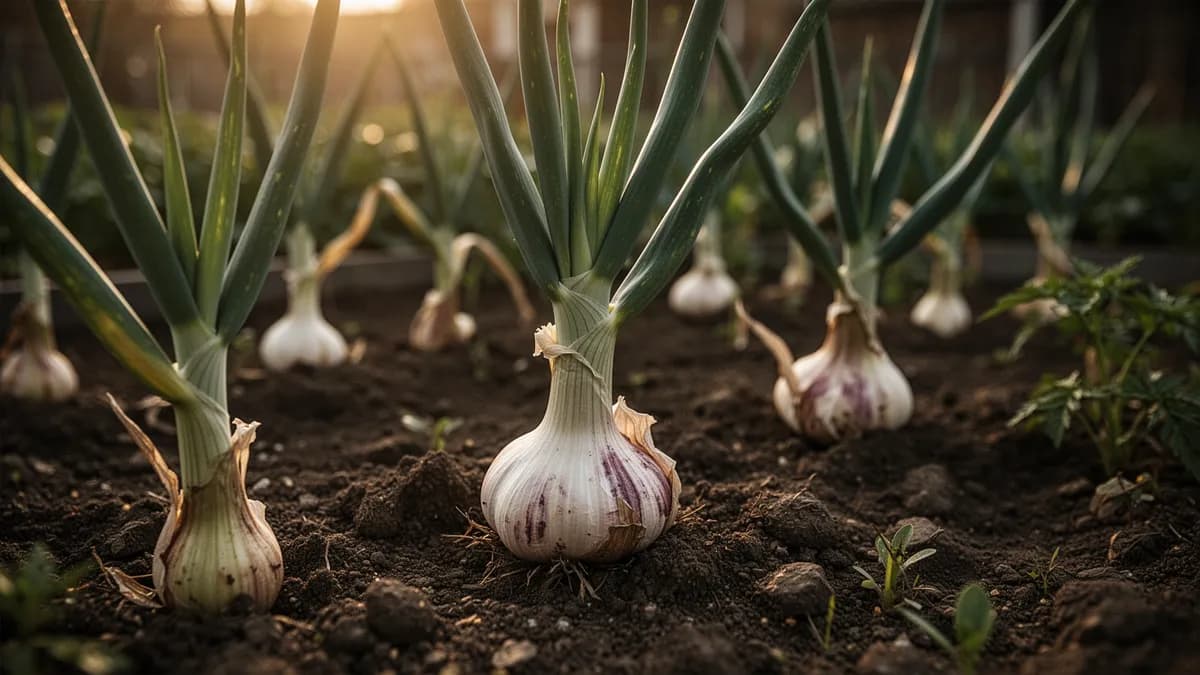
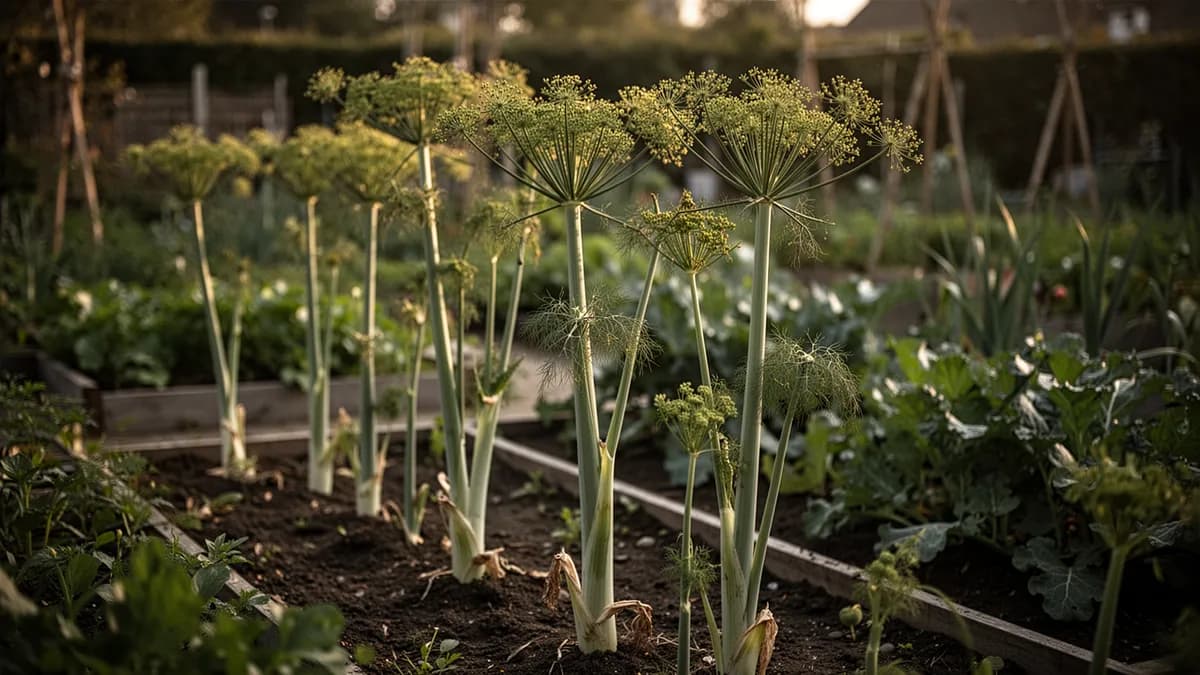
El cebollino y el ajo plantados cerca de las jostabberries ayudan a disuadir a los pulgones y pueden ahuyentar al ácaro de la yema grande. Plantar una grosella negra o una grosella espinosa cerca como compañero de polinización puede mejorar de forma notable el rendimiento. La consuelda plantada al lado aporta un excelente material de acolchado cuando se corta. Evite plantar cerca de hinojo, que inhibe el crecimiento de muchas plantas. Las jostaberries son un excelente seto informal y se integran muy bien en diseños mixtos de frutales.
Cebollino va a su lado. Hinojo no.
Saber de huerto de siempre, cotejado con la tabla real de Jostaberry — prueba cualquier planta que cultives.
Prueba Jostaberry en un bancal, aquí mismo
Un bancal real del planificador con Jostaberry ya plantado. Toca una planta compañera para colocarla y mira cómo responde la comprobación de vecinos: verde para buenos vecinos, rojo si hay conflicto.


Guías de cultivo relacionadas
Abónalo bien
Las jostabberries crecen bien en una variedad de suelos, pero prefieren un suelo fértil, con buena retención de humedad y bien drenado, con un pH de 6.0 a 6.8. Mejore los suelos pobres con abundante compost antes de plantar y añada cobertura nutritiva cada año. Aplique a comienzos de la primavera un fertilizante orgánico equilibrado, como 5-5-5. Evite el exceso de nitrógeno, que favorece un crecimiento foliar denso en detrimento de la fruta. El potasio impulsa el desarrollo del fruto; si el suelo es bajo en potasio, complemente con ceniza de madera o arena verde.
Temperatura ideal
Compatibilidad de zonas de rusticidad
De la semilla a la cosecha, etapa por etapa
Plantación en reposo
Las jostabberries se plantan con mayor frecuencia como plantas a raíz desnuda o arbustos en contenedor durante la estación de reposo, desde finales de otoño hasta comienzos de la primavera. Las plantas a raíz desnuda arraigan con facilidad si se plantan cuando están completamente dormidas. El sistema radicular empieza a establecerse en suelo fresco antes de que reanude el crecimiento aéreo. Las plantas jóvenes pueden no mostrar señales visibles de vida durante varias semanas después de plantar, lo cual es totalmente normal mientras las raíces colonizan activamente el suelo.
Primer brote y salida de hojas
Cuando sube la temperatura del suelo a comienzos de la primavera, las yemas se hinchan y se abren para mostrar las hojas lobuladas y brillantes, muy parecidas al follaje de la grosella negra. Nuevas cañas empiezan a brotar con vigor desde la base de la planta. Las plantas jóvenes van formando su estructura de 3 a 5 cañas principales durante el primer año. El ritmo de crecimiento se acelera con rapidez una vez que el sistema radicular queda asentado. La jostaberry brota un poco más tarde que la mayoría de las demás especies de Ribes, lo que le ayuda a evitar los peores daños por heladas tardías.
Floración
Pequeños racimos de flores de color blanco pálido a rosa rubor aparecen a comienzos o mediados de la primavera, normalmente antes de que las hojas se hayan expandido por completo. Cada racimo lleva 3 a 5 flores que son en gran parte autofértiles, lo que significa que una sola planta producirá cosecha sin necesidad de un compañero de polinización. Sin embargo, plantar dos o más arbustos de jostaberry, o tener cerca grosellas negras o grosellas espinosas, puede aumentar de forma notable el cuajado y el rendimiento. Las flores aparecen lo bastante pronto como para que las heladas tardías supongan un riesgo ocasional en lugares expuestos.
Desarrollo del fruto
Las flores polinizadas con éxito se convierten en racimos de 3 a 5 bayas, inicialmente pequeñas y de color verde hierba. Los frutos engordan con rapidez durante las semanas siguientes, pasando de verde a una fase rojo púrpura antes de alcanzar la madurez total en negro púrpura. Al madurar, las jostabberries son notablemente más grandes que las grosellas negras, aproximadamente del tamaño de una pequeña grosella espinosa. A diferencia de las grosellas espinosas, las bayas carecen de las venas y espinas características, con piel lisa y un pequeño cáliz seco en el extremo.
Cosecha
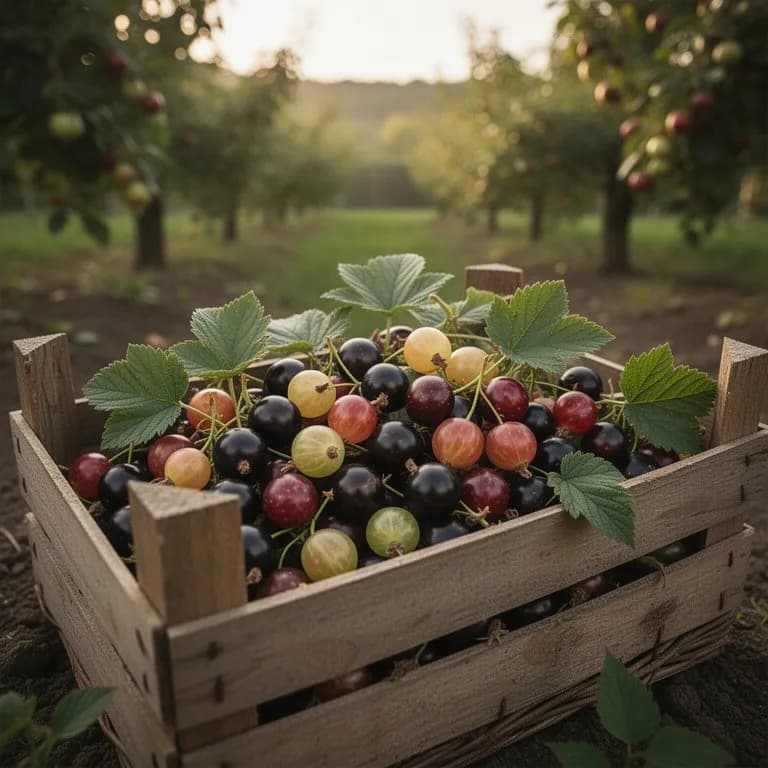
Las jostabberries maduran a mediados del verano, normalmente desde finales de junio hasta julio en el norte de Europa y Norteamérica. Los frutos maduros son negro púrpura intenso, ligeramente blandos y desprenden una fragancia intensamente aromática que combina el almizcle de la grosella negra con la acidez de la grosella espinosa. A diferencia de las grosellas negras, las jostabberries no maduran todas al mismo tiempo; dentro de un mismo racimo puede haber bayas en distintas fases, por lo que conviene cosechar durante varios días. El sabor alcanza su punto máximo cuando las bayas están totalmente negras y ceden suavemente al tacto.
Crecimiento poscosecha y poda
Después de la cosecha, el arbusto de jostaberry sigue creciendo con vigor, produciendo nuevas cañas desde la base que darán fruto en los años siguientes. El arbusto desarrolla toda su estructura productiva en 2-3 años y termina alcanzando entre 1.5 y 2 metros de alto y ancho. El final del verano es el momento ideal para eliminar las cañas más viejas y menos productivas, las de 3 años o más, y así estimular nuevos brotes basales. Las cañas sin espinas hacen que la poda poscosecha sea una tarea segura y sencilla.
Reposo invernal
A medida que bajan las temperaturas en otoño, las hojas de jostaberry pasan de amarillo a violeta antes de caer, dejando a la vista la atractiva estructura arqueada de sus cañas sin espinas. El arbusto entra en reposo total a finales de otoño y necesita un período de frío de 800 a 1200 horas por debajo de 7 °C para romper la dormancia y florecer correctamente la primavera siguiente. Este requisito de frío hace que la jostaberry se adapte bien a climas templados continentales y marítimos, pero no a zonas subtropicales cálidas sin suficiente frío invernal.
Plante en un hoyo preparado que sea el doble de ancho que el cepellón y a la misma profundidad a la que crecían antes. Incorpore compost bien descompuesto al hoyo de plantación. Recorte todos los tallos a 15-20 cm del suelo en el momento de plantar para fomentar un crecimiento basal fuerte. Riegue bien incluso con tiempo fresco. Acolche con 8-10 cm de compost o astillas de madera para suprimir las malas hierbas y conservar la humedad.
Cuidar Jostaberry mes a mes
Qué hacer cada mes para tu Jostaberry
Octubre
Mes actualAplique una capa gruesa de estiércol bien descompuesto o compost alrededor de todas las plantas, dejando 10 cm libres alrededor de las cañas. Esto alimenta el suelo, protege las raíces y suprime las malas hierbas primaverales. Tome esquejes leñosos del crecimiento de la temporada para propagarlos; secciones de 20 a 25 cm introducidas en compost arenoso enraízan con facilidad durante el invierno.
Ten claro qué hacer en tu huerto, cada mes
Un correo al empezar cada mes: qué sembrar, plantar y hacer ahora mismo — para tu Jostaberry y todo lo que crece alrededor. Más un breve curso inicial para esquivar los errores clásicos.
- Qué hacer ahora mismo
- Ajustado a tu temporada
- Curso inicial incluido
Cosechar Jostaberry
Las jostaberries maduran a mediados del verano, pasando de verde a negro púrpura oscuro cuando están listas. A diferencia de las grosellas negras, las bayas individuales de cada racimo maduran en momentos distintos, por lo que es normal hacer varias cosechas a lo largo de dos o tres semanas. Recoja las bayas cuando estén completamente oscuras y ligeramente blandas. Son más grandes que las grosellas negras, aproximadamente del tamaño de uvas pequeñas, lo que facilita la recolección. Cuando están maduras, se desprenden limpiamente del racimo. Pruebe antes de cosechar en cantidad, porque las bayas verdes son bastante ácidas.
se supone que plantas al comenzar el periodo — indica tu fecha real
Cosecha Jostaberry a tiempo y la planta sigue produciendo.
Almacenamiento y conservación
Las jostaberries frescas se conservan en el refrigerador hasta una semana. Para congelarlas, extiéndalas sobre bandejas y luego páselas a bolsas; así duran hasta doce meses. Las jostabberries son excelentes para mermeladas, jaleas y siropes de fruta con un sabor que combina la riqueza de la grosella negra con la frescura de la grosella espinosa. Funcionan muy bien en tartas, crumbles y batidos. Su alto contenido de pectina hace que la mermelada cuaje con facilidad sin añadir pectina extra. El vino de jostaberry tiene un color intenso y un sabor complejo.
Qué falla — y cómo solucionarlo
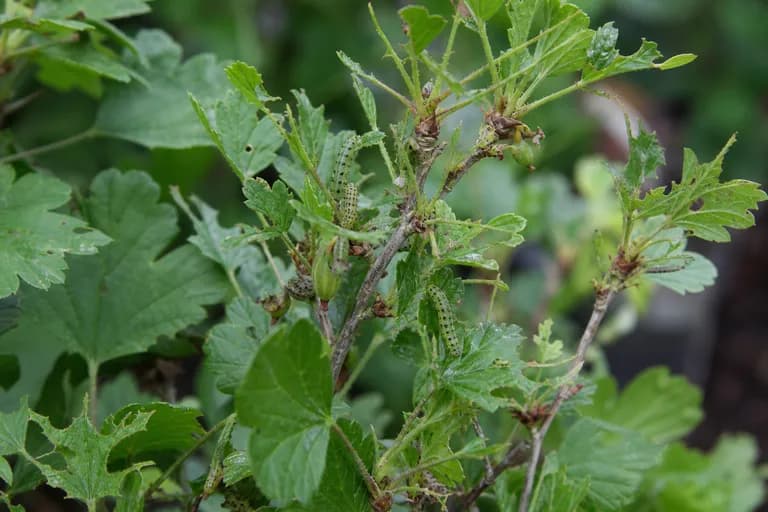
Mosca de la grosella espinosa
PlagaDefoliación rápida causada por pequeñas larvas de aspecto de oruga, de color verde pálido, que comen desde el interior del arbusto hacia fuera.
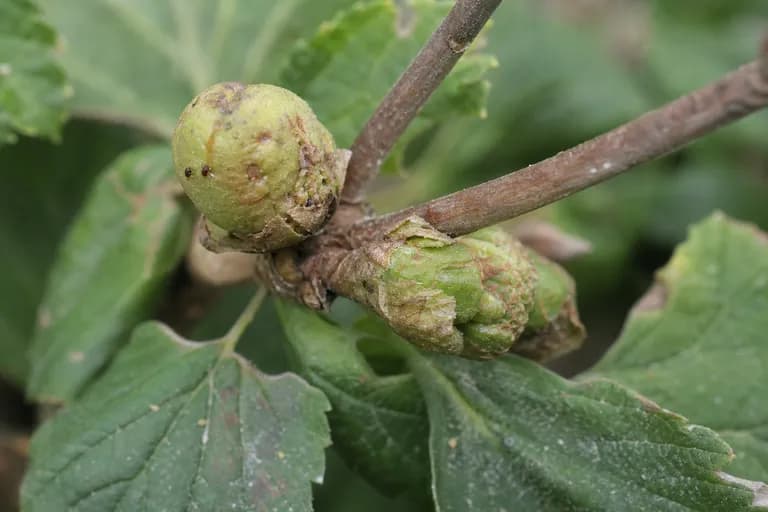
Ácaro de la yema grande
PlagaYemas anormalmente hinchadas y redondeadas en invierno y primavera; las yemas afectadas no abren o producen brotes deformes.
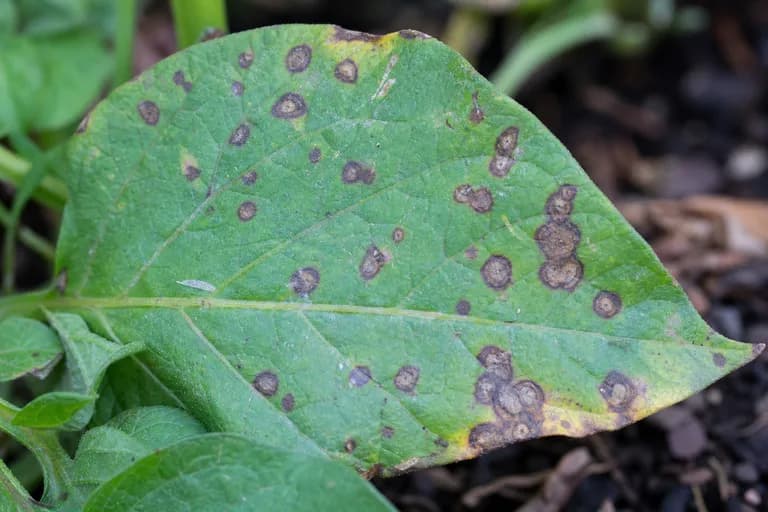
Mancha foliar
EnfermedadPequeñas manchas marrón oscuro en las hojas que pueden unirse y causar caída prematura del follaje en casos graves durante las temporadas húmedas.
Solución de problemas comunes
La queja más común es su vigor de crecimiento, ya que las jostabberries pueden convertirse en arbustos grandes y extendidos que invaden jardines pequeños. La poda regular controla su tamaño. Algunos jardineros consideran que su sabor es demasiado suave en comparación con la grosella negra, aunque eso las hace más agradables para comer frescas. Los pájaros pueden vaciar la fruta madura con rapidez; conviene usar malla. Aunque resisten la mayoría de las enfermedades, todavía pueden verse afectadas por larvas de mosca de la grosella espinosa si las especies parentales crecen cerca.
Consejos de cultivo
- Plante a pleno sol para obtener el máximo rendimiento y sabor; la jostaberry crecerá en semisombra, pero la producción de fruta y el contenido de azúcar disminuyen de forma notable. Se necesitan al menos 6 horas de sol directo al día para obtener una cosecha fiable.
- La jostaberry es autofértil y fructificará con una sola planta, pero plantar dos o más arbustos, o cultivarla cerca de grosellas negras o grosellas espinosas, mejora mucho el cuajado gracias a la polinización cruzada y puede aumentar el rendimiento entre un 20 y un 40 %.
- Pode cada año usando el método de renovación: después de la cosecha, elimine un tercio de las cañas más viejas desde la base, dejando las cañas de uno, dos y del año en curso. Esta estructura rotatoria mantiene el arbusto en su madera más productiva de 1 a 3 años y evita que el centro se vuelva demasiado denso y propenso a enfermedades.
- Las cañas sin espinas son una gran ventaja en la cosecha, pero la planta sigue creciendo con vigor y puede convertirse en un arbusto grande y extendido de hasta 2 metros de alto y ancho si no se poda. Reserve suficiente espacio, como mínimo 1.5 x 1.5 metros por planta, o prepárese para controlar su tamaño con poda anual.
- Cubra el arbusto con malla cuando los frutos empiecen a pasar de verde a rojo púrpura; los pájaros, especialmente estorninos y mirlos, pueden vaciar las jostabberries maduras en cuestión de horas. En la mayoría de los jardines, una estructura sencilla con malla es esencial para obtener una cosecha digna.
- Propáguela fácilmente mediante esquejes leñosos tomados en otoño. Corte secciones de 20 a 25 cm de madera de la temporada, del grosor de un lápiz, sumerja la base en hormona de enraizamiento e introduzca dos tercios del esqueje en una mezcla arenosa de compost. Durante el invierno, los esquejes enraízan con fiabilidad y pueden pasarse a maceta en primavera, una forma gratuita de ampliar la plantación.
- La jostaberry es una excelente candidata para setos frutales a lo largo de los límites del jardín. Plantada a 1.2-1.5 metros de distancia en una hilera, las plantas establecidas se entrelazan en una barrera productiva y favorable para la fauna, que aporta privacidad, protección contra el viento y una gran cosecha anual en poco espacio.
- Evite los suelos encharcados: las raíces de la jostaberry son susceptibles a la podredumbre de raíz por Phytophthora en condiciones constantemente húmedas. Si su suelo es muy arcilloso, mejore el drenaje incorporando grava afilada y compost antes de plantar, o eleve ligeramente la posición de plantación por encima del nivel del suelo circundante.
- Acolche de forma generosa y permanente alrededor de las jostaberries. Una capa de 10 cm de astillas de madera o compost, renovada cada año, suprime las malas hierbas que compiten con fuerza con las especies de Ribes de raíces superficiales, retiene la humedad durante la sequía estival y alimenta el suelo al descomponerse, reduciendo la necesidad de fertilizante adicional.
- La jostaberry responde muy bien a una aplicación anual de fertilizante rico en potasio en primavera; un abonado orgánico con alto contenido en potasio, como pellets de consuelda o ceniza de madera incorporados al suelo alrededor de la base, fomenta una fructificación abundante, mejora el sabor y el contenido de azúcar del fruto y refuerza el tejido de las cañas.
Cultiva tu mejor Jostaberry — y todo lo que la rodea.
Empieza un plan gratis hoy. Diseña tus bancales, coloca tu Jostaberry y deja que PlotMyGarden gestione el momento, el espaciado, las asociaciones y los recordatorios de la semilla a la cesta.
Elige tu Jostaberry
Jostaberry (Standard)
El cruce híbrido original, que produce arbustos vigorosos y sin espinas con cosechas abundantes de bayas oscuras del tamaño de una canica.
Josta
La selección más disponible en Norteamérica, conocida por su producción fiable y buena resistencia a enfermedades.
Jogranda
Una selección alemana que produce frutos ligeramente más grandes que la jostaberry estándar, con un sabor excelente para comer en fresco.
Las jostabberries frescas rara vez se encuentran en los supermercados convencionales y alcanzan precios de especialidad de 8-15 $ por bandeja de 200 g cuando aparecen en mercados de agricultores o fruterías artesanas, lo que equivale aproximadamente a 40-75 $ por kilogramo al por menor. Un arbusto maduro de jostaberry que produzca 3-5 kg representa entre 120 y 375 $ en fruta fresca al año. La inversión inicial en una planta a raíz desnuda (8-20 $) se recupera en la primera temporada productiva. La mermelada, jalea y sirope de jostaberry hechos en casa cuestan una fracción de sus equivalentes artesanales, que se venden a 6-10 $ por tarro. Además, las plantas se propagan fácilmente mediante esquejes leñosos sin coste alguno, lo que permite que una sola planta original genere un seto productivo invirtiendo solo tiempo.
Recetas rápidas
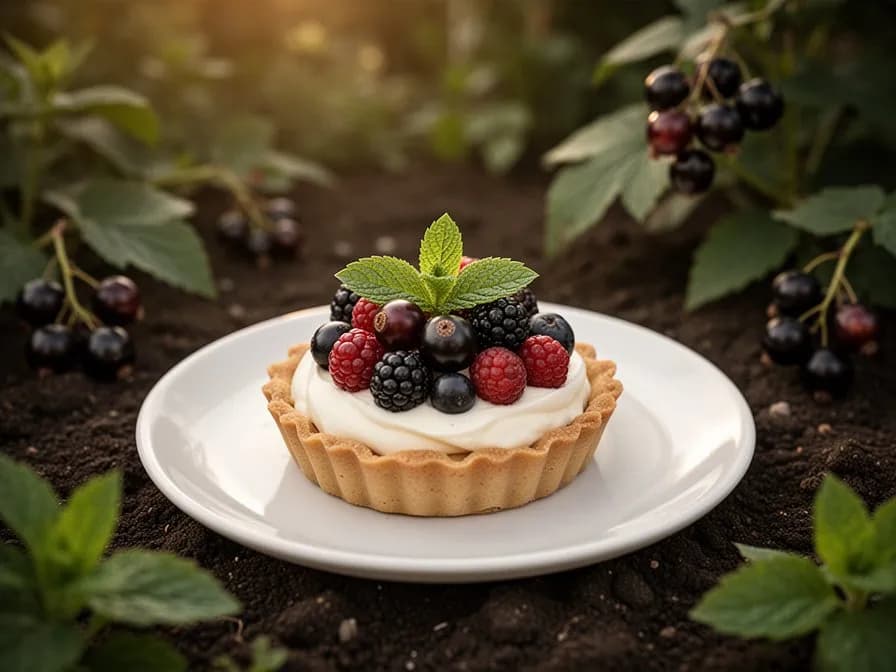
Mermelada de jostaberry y vainilla
45 minUna mermelada de color púrpura joya y sabor profundo que pone en primer plano el perfil único de la jostaberry: la profundidad de la grosella negra con un vivo toque de grosella espinosa, realzado por la calidez de la vainilla. La pectina natural de la fruta hace que cuaje de maravilla sin añadir pectina extra, dando como resultado una mermelada de sabor limpio e intenso, perfecta sobre pan tostado, mezclada con yogur o como relleno de pasteles.
5 ingredientesCrumble de jostaberry
55 minUn crumble de frutas al estilo británico que deja brillar el sabor intenso de la jostaberry. Las bayas se deshacen en un compota espesa e intensamente púrpura bajo una cobertura de avena y mantequilla. La acidez natural de la fruta equilibra a la perfección el crumble dulce y una generosa porción de natillas templadas o helado de vainilla. Queda mejor con una mezcla de bayas maduras y ligeramente inmaduras para equilibrar dulzor y acidez.
8 ingredientesShrub de jostaberry (vinagre bebible)
15 min activos, 3 días de maceraciónUn vinagre bebible ácido y complejo que captura el sabor extraordinario de la jostaberry para usarlo en cócteles, bebidas sin alcohol y agua con gas. El vinagre conserva la fruta y se suaviza maravillosamente con el tiempo, creando un mezclador sofisticado con notas profundas de bayas, acidez brillante y un final largo. Mezcle dos cucharadas con agua con gas y hielo para una bebida refrescante, o añádalo a ginebra o whisky para un cóctel sobresaliente.
4 ingredientesUsos culinarios
Las jostabberries tienen un sabor más suave y dulce que la grosella negra, con un matiz fresco de grosella espinosa, lo que las hace más versátiles en la cocina. Son excelentes frescas cuando están completamente maduras, algo que las distingue de la grosella negra, más astringente. Úselas en mermeladas, tartas, batidos y salsas de fruta. Combinan bien con manzanas y otras bayas en conservas mixtas. Su jugo da una bebida de color púrpura intenso, rica en vitamina C.
Qué contiene
Beneficios para la salud
- Fuente excepcional de vitamina C, que aporta casi la mitad de la ingesta diaria recomendada por 100 g, una de las fuentes más ricas de vitamina C entre las frutas de clima templado, y que apoya la función inmunitaria, la producción de colágeno y la absorción de hierro.
- Rica en antocianinas y polifenoles derivados de su progenitor grosella negra, especialmente delfinidinas y cianidinas, que han demostrado una actividad antioxidante significativa y se asocian con una reducción de marcadores de inflamación en la investigación clínica.
- Su alto contenido de fibra dietética favorece un microbioma intestinal saludable, promueve una función intestinal regular y contribuye a niveles estables de glucosa en sangre después de las comidas, algo importante para la salud metabólica y la regulación del apetito.
- Buena fuente de potasio, un electrolito esencial que ayuda a mantener una presión arterial saludable, apoya la transmisión correcta de señales nerviosas y regula el equilibrio de líquidos en el organismo.
- Contiene vitamina E y vitamina K1, vitaminas liposolubles que contribuyen a la defensa antioxidante frente al daño oxidativo y apoyan respectivamente una coagulación sanguínea saludable.
- Aporta manganeso, un mineral traza esencial para la activación de la superóxido dismutasa, una de las enzimas antioxidantes más importantes del cuerpo, así como para la formación ósea y la síntesis de colágeno.
De dónde viene Jostaberry
La jostaberry (Ribes × nidigrolaria) es un logro hortícola relativamente moderno, fruto de un trabajo deliberado de hibridación interespecífica realizado en Alemania durante gran parte del siglo XX. El objetivo de la mejora era combinar el sabor superior y el contenido vitamínico de la grosella negra (Ribes nigrum) con el vigor, el gran tamaño del fruto y la ausencia de espinas de la grosella espinosa, incorporando además la resistencia a enfermedades de la grosella espinosa extendida americana (Ribes divaricatum).
La posibilidad teórica de cruzar grosellas negras y grosellas espinosas se había explorado desde finales del siglo XIX, pero los primeros intentos produjeron en su mayoría híbridos estériles o improductivos debido a las diferencias cromosómicas entre las especies. El trabajo sistemático de mejora comenzó en Alemania en la década de 1920 en lo que más tarde sería el Instituto Max Planck de Mejoramiento Vegetal en Colonia. Los investigadores descubrieron finalmente que incluir Ribes divaricatum, una especie tetraploide de Norteamérica, en el cruce permitía obtener descendencia fértil y vigorosa que combinaba rasgos de las tres especies parentales.
Tras décadas de selección y evaluación, el Instituto Max Planck lanzó el primer cultivar comercial de jostaberry en 1977, bautizándolo con una combinación de las palabras alemanas de sus especies parentales. El lanzamiento despertó un notable interés hortícola en toda Europa, especialmente en Alemania, Suiza, los Países Bajos y, más tarde, en el Reino Unido y Escandinavia. Se establecieron huertos comerciales en Europa del Este, especialmente en Polonia y la República Checa, para abastecer los mercados de fruta fresca y procesada.
En Norteamérica, el cultivo de jostaberry despertó interés en parte por su resistencia a la roya del pino blanco, una enfermedad fúngica para la que las especies de Ribes actúan como hospedador alternativo y que llevó a amplias prohibiciones del cultivo de grosella negra en muchos estados de EE. UU. a comienzos del siglo XX. La resistencia demostrada de la jostaberry a este patógeno ha hecho posible su cultivo legal en algunos estados donde la grosella negra sigue restringida.
Hoy en día, la jostaberry sigue siendo un cultivo especializado más que una fruta comercial de gran consumo, ocupando un nicho como planta excepcional para huertos domésticos y cultivo especializado a pequeña escala. Su combinación de frutos grandes y sabrosos, resistencia a enfermedades, ausencia de espinas y tolerancia al frío le ha ganado una base fiel de aficionados entre jardineros y amantes de la fruta en las regiones templadas de Europa, Norteamérica y Nueva Zelanda.
Jostaberry: ¿sabías que?
Datos fascinantes sobre Jostaberry
El nombre 'jostaberry' es un acrónimo de las palabras alemanas para grosella negra (Johannisbeere, abreviado 'Jo') y grosella espinosa (Stachelbeere, abreviado 'sta'), y refleja su parentesco híbrido. El nombre se acuñó en el Instituto Max Planck de Mejoramiento Vegetal en Alemania, donde se desarrolló la planta.
Jostaberry: preguntas frecuentes
¿Cuándo debo plantar Jostaberry?
¿Cuáles son buenas plantas acompañantes para Jostaberry?
¿En qué zonas de rusticidad puede crecer Jostaberry?
¿Cuánto sol necesita Jostaberry?
¿A qué distancia debo espaciar Jostaberry?
¿Qué plagas y enfermedades afectan a Jostaberry?
¿Cómo almaceno Jostaberry después de la cosecha?
¿Cuáles son las mejores variedades de Jostaberry para cultivar?
¿Qué suelo necesita Jostaberry?
¿A qué sabe una jostaberry?
¿Cuánto tarda un arbusto de jostaberry en producir una cosecha decente?
¿Las jostabberries tienen espinas?
¿Puedo cultivar jostaberry en un contenedor?
¿La jostaberry es resistente a las enfermedades de la grosella negra?
¿Cuándo y cómo debo podar mi jostaberry?
Acabas de leer la teoría. Ahora cultívala en piloto automático.
Todo lo que hace que Jostaberry sea delicado — el momento, el espaciado, las asociaciones, la ventana de cosecha — es justo lo que PlotMyGarden resuelve por ti, para cada planta de tu huerto.
Un plan que conoce tu clima
Indica tu ubicación una vez. Recibe fechas de siembra, abonado y cosecha basadas en tu última helada real y el pronóstico en vivo — sin adivinar con un sobre genérico.
De la sección “Cuándo plantar”Planificador de bancales de arrastrar y soltar
Diseña bancales sobre una cuadrícula. Cada planta encaja con su espaciado correcto y ves toda la temporada antes de gastar un céntimo en semillas.
De la sección “Cultivo”Conflictos de asociación, detectados a tiempo
Más de 200 buenas y malas combinaciones comprobadas en vivo mientras plantas — para que un error que arruine la temporada nunca llegue a la tierra.
De la sección “Asociaciones”Recordatorios que sí vas a seguir
“Riega las judías.” “Recoge hoy antes de que se pase.” Oportunos, concretos y ligados a las plantas que de verdad cultivas.
De la sección “Cosecha”Escalonado, programado
¿Quieres cosechar seis semanas en vez de seis días? Reparte tus siembras automáticamente y te avisa cuando toca el siguiente lote.
De la sección “Cuándo plantar”Un registro que se vuelve más listo
Cada cosecha que registras le enseña tu huerto. El plan del año que viene parte de lo que de verdad funcionó en tu suelo, no en un manual.
De la sección “Resumen”Planta estos junto a Jostaberry
Más Bayas
Mantén Jostaberry lejos de estos
Cultiva tu mejor Jostaberry — y todo lo que la rodea.
Empieza un plan gratis hoy. Diseña tus bancales, coloca tu Jostaberry y deja que PlotMyGarden gestione el momento, el espaciado, las asociaciones y los recordatorios de la semilla a la cesta.