Jiaogulan
A climbing vine from southern China called the herb of immortality, containing compounds similar to those found in ginseng.





On this pageOverview
Meet Jiaogulan
A climbing vine from southern China called the herb of immortality, containing compounds similar to those found in ginseng. Jiaogulan tea has a slightly sweet, grass-like flavor and is consumed daily in regions of China known for longevity. Grow on a trellis in partial shade with moist soil and harvest young leaves for the mildest, sweetest tea.
When to plant Jiaogulan
Jiaogulan seeds have a hard coat and benefit from overnight soaking in warm water or light scarification with sandpaper before sowing. Start seeds indoors 6 to 8 weeks before the last frost date. Sow on the surface of moist seed-starting mix, pressing lightly but not covering, as seeds need light to germinate. Keep at 70 to 75 degrees Fahrenheit with consistent moisture. Germination is slow and uneven, taking 2 to 6 weeks. Transplant seedlings outdoors after all danger of frost has passed, hardening off for a week first. Propagation by stem cuttings or root division is faster and more reliable than seed.
Your Jiaogulan Year
Composed for Zone 7 · typical seasons · frost passes Apr 2, returns Nov 1
Plant Jiaogulan Apr – May, pick Jun – Sep. Check the planting methods below and set your climate to personalize these windows.
How to grow Jiaogulan
Jiaogulan is a herbaceous climbing vine native to southern China and Southeast Asia that thrives in partial shade with consistent moisture. Start plants from seed, cuttings, or divisions in spring after the last frost. Seeds require scarification or soaking in warm water overnight before sowing, as germination can be slow and erratic without pretreatment.
Provide a sturdy trellis, fence, or support structure as the vine can reach 8 to 25 feet in length during a single growing season. Plant in rich, well-draining soil amended with compost, spacing plants about 12 inches apart. Jiaogulan prefers dappled sunlight or morning sun with afternoon shade, mimicking its natural forest understory habitat.
Water regularly to keep soil consistently moist but not waterlogged. Mulch heavily around the base to retain moisture and suppress weeds. In zones 7 and below, grow in containers that can be brought indoors for winter, or treat as an annual. The vine dies back to the ground in winter but returns reliably from the roots in zones 8 to 10. Feed monthly with a balanced organic fertilizer during the growing season to encourage lush leaf production for tea harvesting.
32 plants fit a 4 × 8 ft bed
Each Jiaogulan wants 30 cm of elbow room. The planner keeps that spacing for you — every plant, every bed.
Jiaogulan's best neighbours
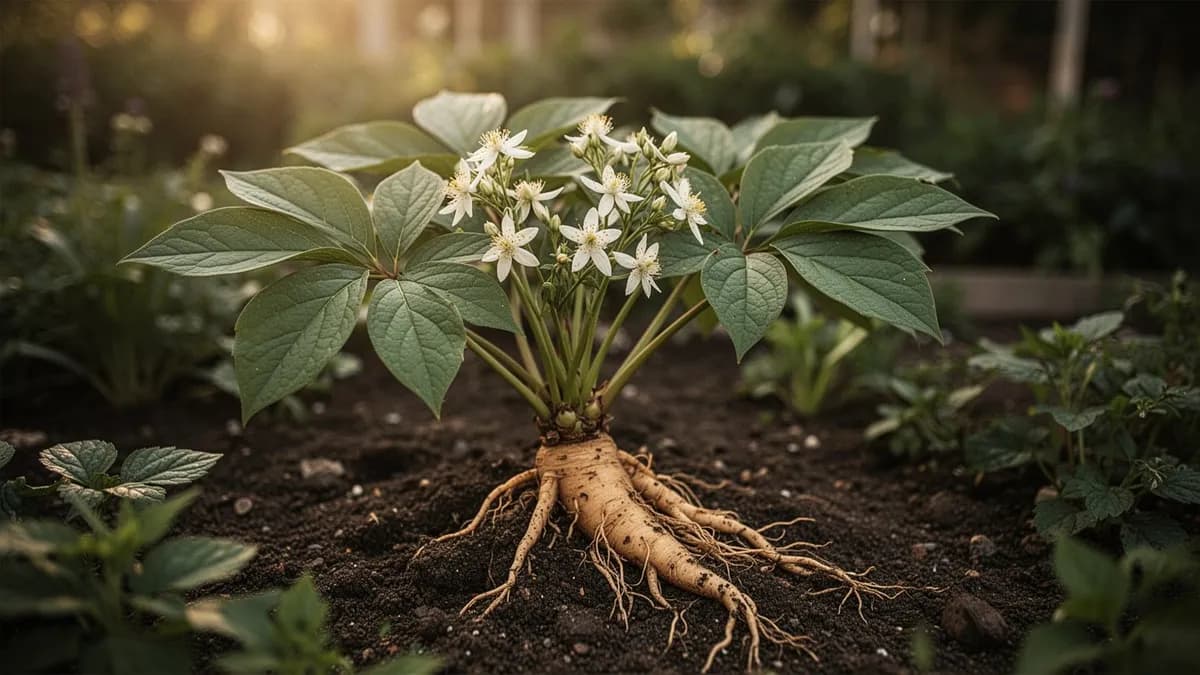
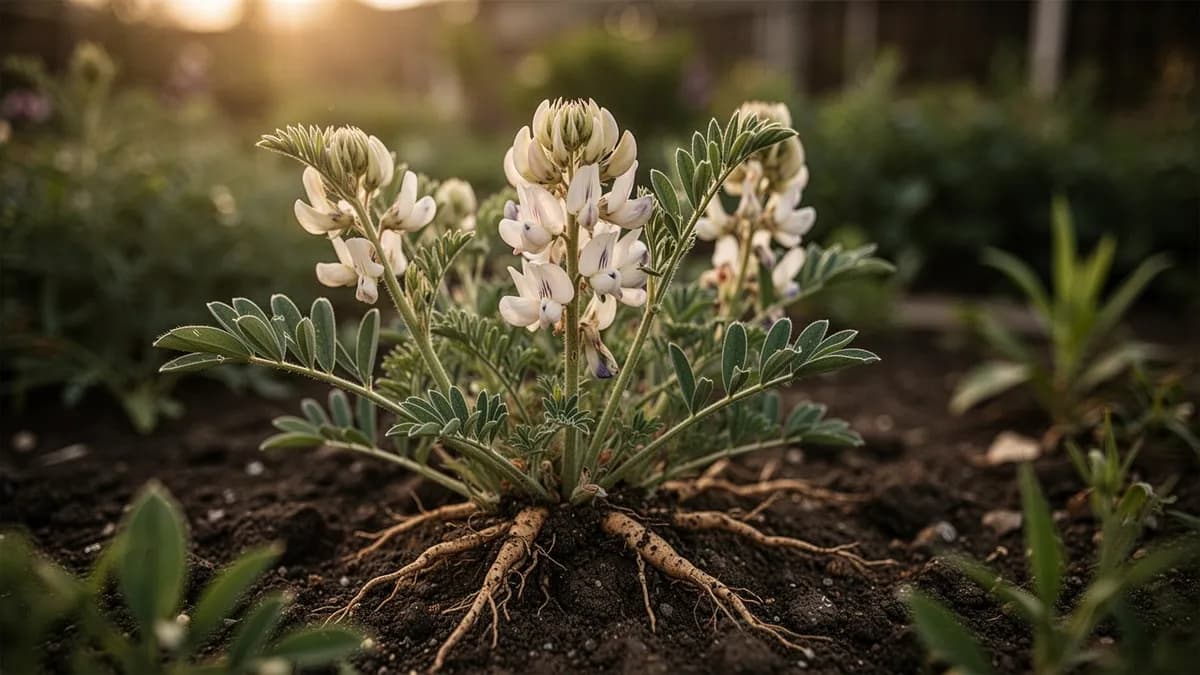
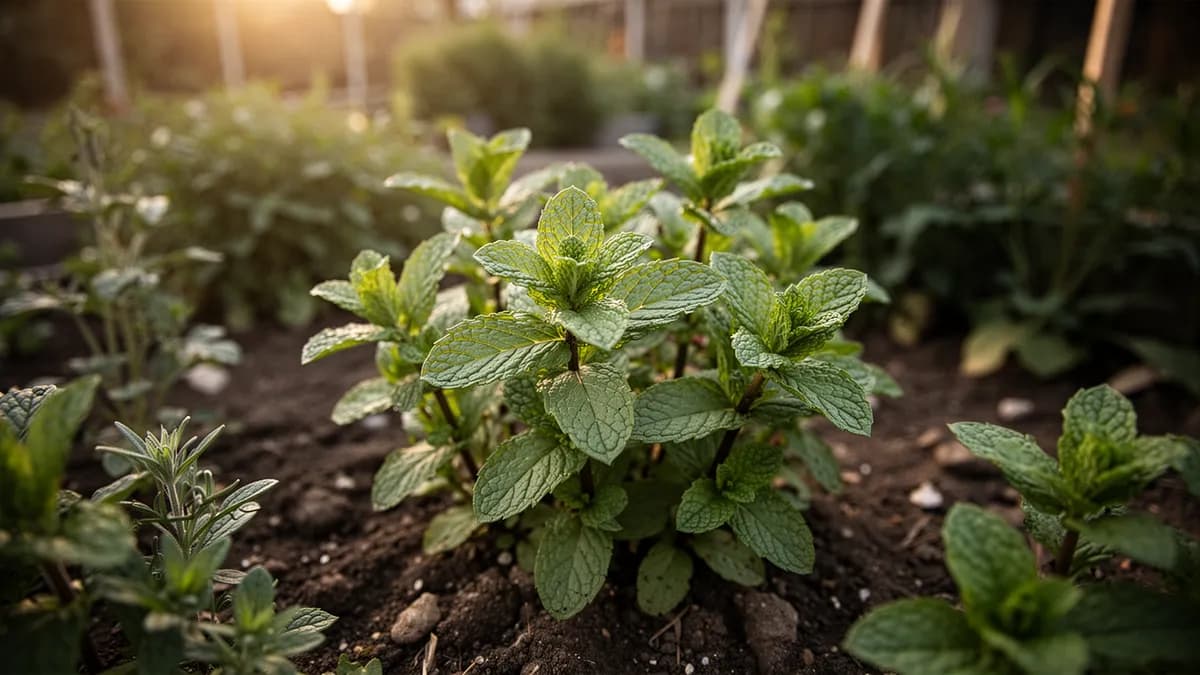
Jiaogulan grows well alongside other shade-loving herbs such as ginseng and astragalus, sharing similar cultural requirements. Plant with hostas or ferns that provide ground-level shade to keep roots cool. Avoid planting near aggressive spreaders like mint, which compete for moisture and nutrients. The vine can be grown alongside other climbing plants on a shared trellis, but ensure it is not shaded out by faster-growing species. Interplant with shade-tolerant flowers like impatiens to attract pollinators.
Ginseng belongs beside it.
Old growers' knowledge, checked against Jiaogulan's real companion table below — test any plant you're growing.
Try Jiaogulan in a bed — right here
A real planner bed with Jiaogulan already in it. Tap a companion to place it and watch the pairing checks answer — green for good neighbours, red for a clash.


Related growing guides
Feed it well
Jiaogulan prefers rich, humus-laden soil with a slightly acidic to neutral pH of 5.5 to 7.0. Amend planting areas with generous amounts of compost, leaf mold, or well-rotted manure. The soil must drain well while retaining moisture, similar to a forest floor. Feed every 3 to 4 weeks during the growing season with a balanced organic fertilizer or compost tea. Avoid high-nitrogen synthetic fertilizers, which can produce excessive but less flavorful growth. A top dressing of compost in spring provides slow-release nutrition throughout the season.
Ideal Temperature
Hardiness Zone Compatibility
From seed to harvest, stage by stage
Seed Germination
Jiaogulan seeds have a hard outer coat and benefit from scarification and soaking in warm water for 24 hours before sowing. Plant seeds about 3 mm deep in moist, well-draining seed-starting mix. Maintain temperatures between 20-25°C and keep the medium consistently moist. Germination can be erratic, with seedlings emerging anywhere from 7 to 21 days after sowing.
Seedling Establishment
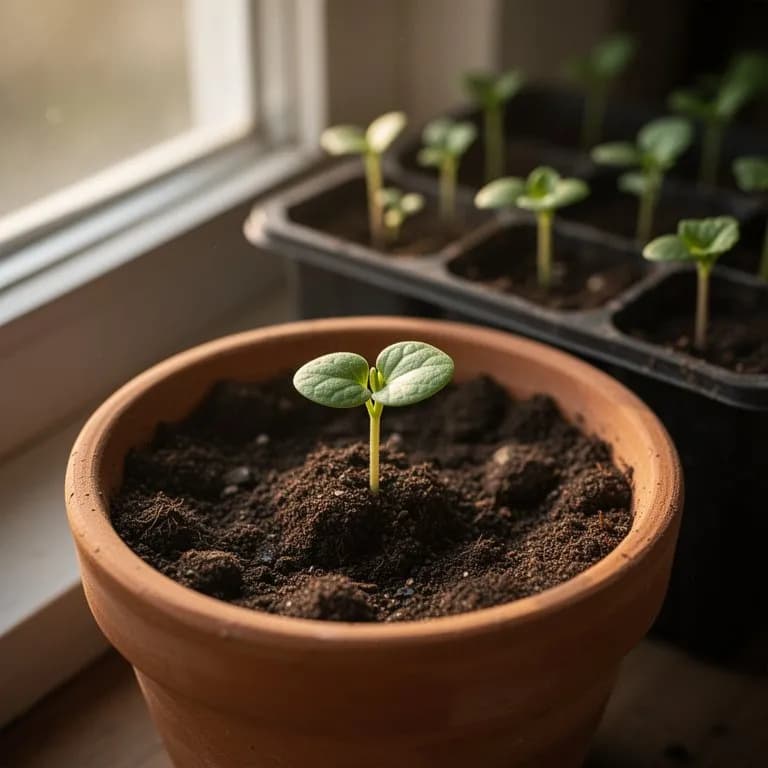
Young seedlings develop their first true leaves, which already show the beginnings of the palmate shape. Growth is initially slow as the plant establishes its root system. Provide bright indirect light and consistent moisture without waterlogging.
Vine Development
The plant shifts into active vine growth, producing tendrils and beginning to climb. Stems lengthen rapidly and the distinctive five-lobed leaves increase in size. The vine can grow 15-20 cm per week under favorable conditions. This is the stage where a support structure becomes essential.
Active Growth and First Harvest
The vine is now growing vigorously, producing abundant foliage along its climbing stems. Leaves reach their full mature size and develop the deep green color that indicates peak saponin content. This is the ideal window to begin regular harvesting of tender leaf tips and young leaves.
Flowering and Seed Set
Small, inconspicuous greenish-white flowers appear in branching clusters along the vine. Jiaogulan is dioecious, meaning male and female flowers grow on separate plants. If both sexes are present, small dark green berries will develop that ripen to black. Leaves can still be harvested during this stage.
Late Season and Dormancy Preparation
As temperatures cool in autumn, growth slows and the vine begins to yellow. In USDA zones 8-10, the above-ground portion may die back to the root crown while the underground rhizome system survives winter. In colder zones, the plant is grown as an annual or overwintered indoors. Perform a final large harvest before the first frost.
Cover seed trays with a humidity dome to maintain moisture levels. Seeds germinate best in warm conditions with indirect light. Be patient, as germination rates can be uneven.
Caring for Jiaogulan month by month
What to do each month for your Jiaogulan
October
You are hereHarvest remaining usable foliage before the first frost. In zones 7-8, cut back above-ground growth and apply a 10-15 cm layer of straw or leaf mulch over the root zone. Bring container plants indoors to a bright cool location.
Know exactly what to do in your garden — every month
One email at the start of each month: what to sow, plant, and tackle right now — for your Jiaogulan and everything growing around it. Plus a short starter course that helps you dodge the classic mistakes.
- What to do, right now
- Matched to your season
- Starter course included
Harvesting Jiaogulan
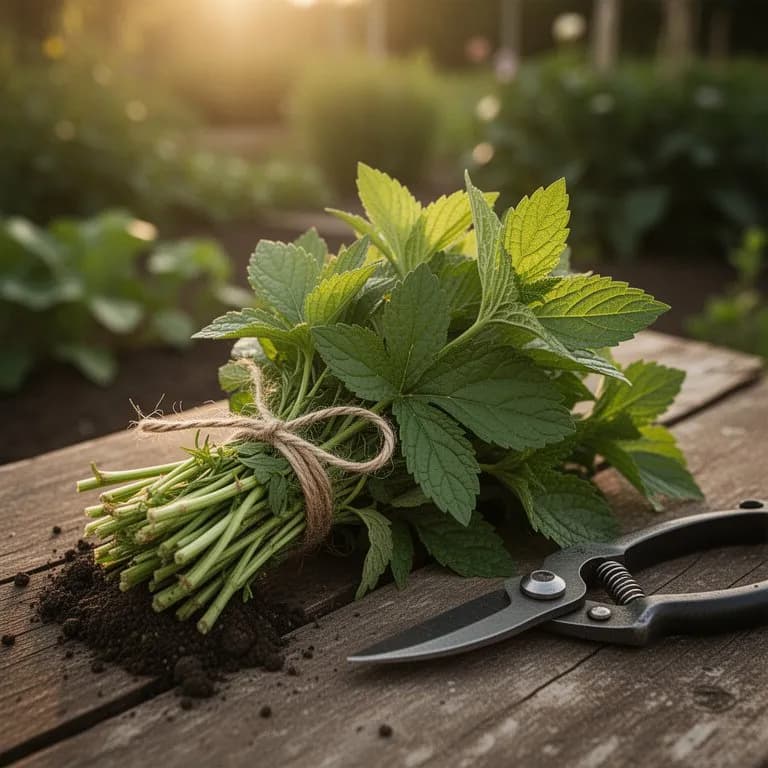
Begin harvesting jiaogulan leaves once the vine is well-established, typically 90 days after planting. Pick young, tender leaves and growing tips for the sweetest, mildest tea flavor. Harvest in the morning after dew has dried for the best concentration of beneficial compounds. Regular harvesting encourages bushier growth and more leaf production. Cut stems back to a leaf node to promote branching. Avoid harvesting more than one-third of the plant at any one time to maintain vigor.
assuming you plant when the window opens — set your real date
Pick Jiaogulan promptly and the plant keeps producing.
Storage & Preservation
Dry jiaogulan leaves in a single layer on screens in a warm, well-ventilated area out of direct sunlight for 3 to 5 days. Alternatively, use a food dehydrator set to 95 to 105 degrees Fahrenheit. Properly dried leaves should crumble easily when crushed. Store in airtight glass jars away from light and heat for up to one year. Fresh leaves can be refrigerated in a damp paper towel inside a sealed bag for up to one week. Frozen leaves retain flavor for several months.
What goes wrong — and the fix
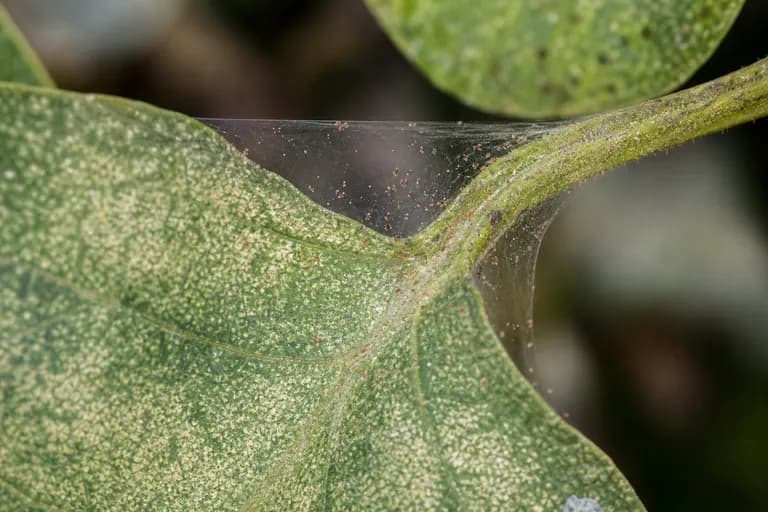
Spider Mites
PestFine webbing on undersides of leaves, stippled or yellowed foliage, and overall decline in plant vigor during hot, dry conditions.
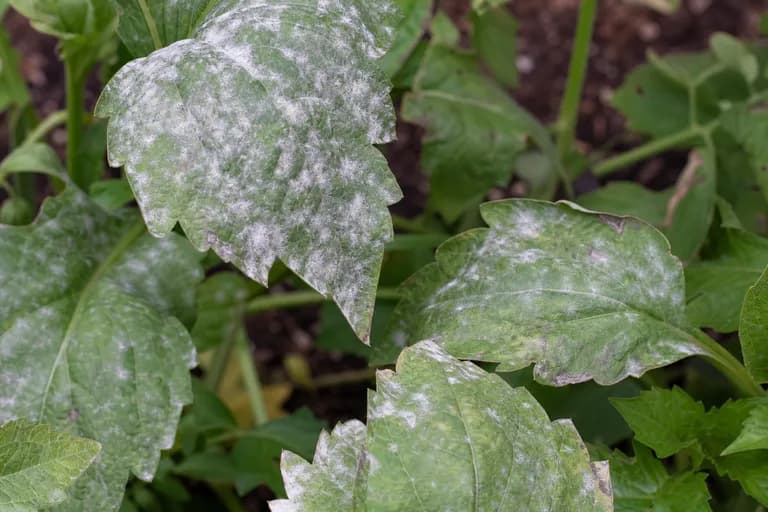
Powdery Mildew
DiseaseWhite powdery coating on leaf surfaces, distorted new growth, and premature leaf drop in severe cases.
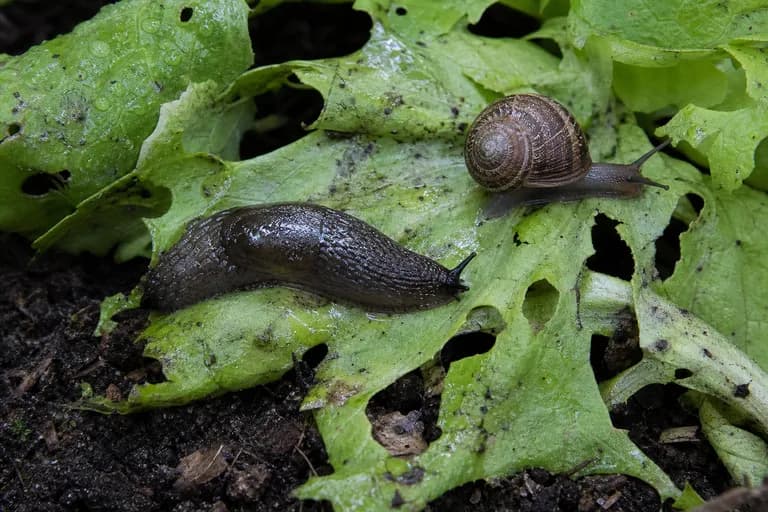
Slugs and Snails
PestIrregular holes in leaves, slime trails on foliage and surrounding soil, especially noticeable in the morning.
Troubleshooting Common Problems
The most common issue with jiaogulan is inadequate support for climbing, causing the vine to sprawl along the ground where it is vulnerable to rot and pest damage. Plants may struggle in full sun, developing scorched or yellowed leaves. Overwatering leads to root rot, while underwatering causes wilting and reduced leaf quality. In cold climates, failure to protect roots with heavy mulch or bring containers indoors results in winter kill. Inconsistent watering produces bitter-tasting leaves less suitable for tea.
Growing Tips
- Plant jiaogulan in partial shade to mimic its natural forest understory habitat. It tolerates morning sun well but benefits from protection against intense afternoon sunlight, which can scorch leaves and slow growth.
- Provide a climbing support such as a trellis, netting, or string framework. Jiaogulan is a natural climber that uses tendrils to grip supports, and vertical growing maximizes leaf production in a small footprint.
- Keep soil consistently moist but never waterlogged. Jiaogulan prefers evenly moist, humus-rich soil similar to a woodland floor. Mulch around the base with compost or leaf mold to retain moisture and keep roots cool.
- Feed every two weeks during the active growing season with a balanced liquid fertilizer or compost tea. Jiaogulan is a heavier feeder than most herbs because its rapid vine growth demands consistent nutrient availability.
- Harvest by cutting the top 10-15 cm of each growing stem, including the tender leaves and tip. This pruning method encourages the plant to branch below the cut, resulting in a bushier plant with more harvestable shoots.
- Propagate easily from stem cuttings placed in water or moist perlite. Cuttings root in 7-14 days during warm weather, making it simple to create new plants for friends or to expand your growing area at no cost.
- In zones colder than 8, grow jiaogulan in containers that can be moved indoors before the first frost. A bright windowsill or grow light setup will keep the plant alive through winter, though growth will slow significantly.
- Enrich the planting area with generous amounts of compost, aged leaf mold, or well-rotted manure before planting. Jiaogulan evolved in forest soils rich in organic matter and performs best in similarly fertile, humus-dense growing media.
- Watch for slugs, snails, and spider mites, which are the most common pests. Use organic slug pellets or beer traps for slugs and snails, and spray a strong jet of water or neem oil solution for spider mites on the undersides of leaves.
- If growing indoors during winter, maintain humidity above 50% by placing the pot on a tray of wet pebbles or using a room humidifier. Dry indoor air causes leaf browning and encourages spider mite infestations.
Grow your best Jiaogulan yet — and everything around it.
Start a free plan today. Lay out your beds, drop in your Jiaogulan, and let PlotMyGarden handle the timing, spacing, companions and reminders from seed to harvest basket.
Pick your Jiaogulan
Standard Jiaogulan
The most commonly cultivated form with vigorous climbing habit and reliable leaf production for tea. Mild, slightly sweet flavor with grassy undertones.
Fat Leaf Jiaogulan
A variety with broader, thicker leaves that produce a stronger, more full-bodied tea. Slightly slower growing but yields more leaf mass per harvest.
Southern Jiaogulan
Selected from populations in southern China and Vietnam, this form is more heat-tolerant and better suited to subtropical growing conditions.
A single jiaogulan plant or rhizome division costs $5-12 from specialty herb nurseries. Dried jiaogulan tea leaves retail for $15-30 per 100 grams at health food stores and online retailers. One well-maintained vine produces 200-400 grams of dried leaf per season across multiple harvests, representing $30-120 worth of tea from a single plant. Since jiaogulan is a perennial that returns from its roots in mild climates and propagates easily from cuttings, a small initial investment of two or three plants can supply a household with years of free herbal tea while eliminating ongoing purchases.
Quick recipes
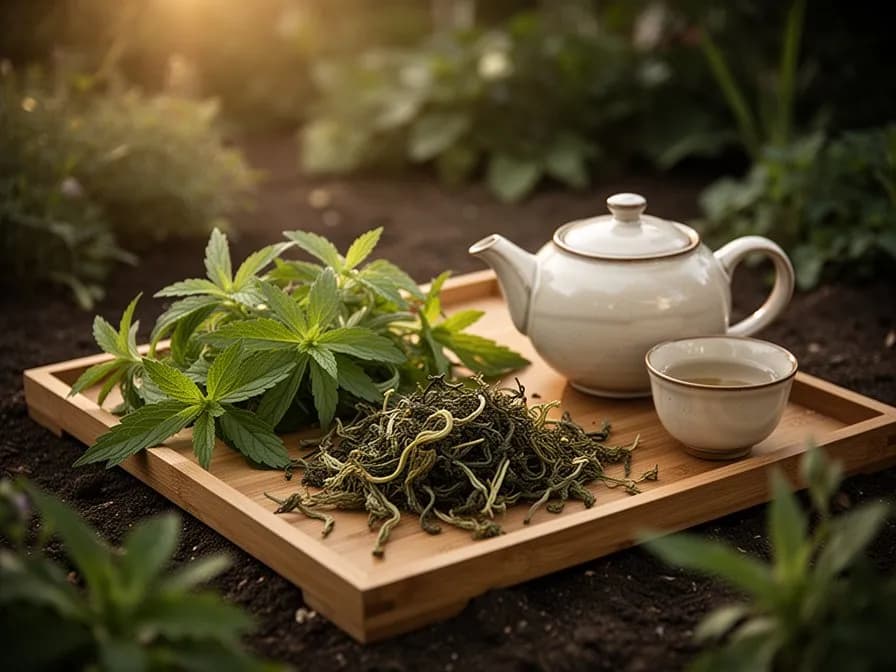
Classic Jiaogulan Longevity Tea
10 minutesThe most traditional and popular way to enjoy jiaogulan. Fresh or dried leaves are steeped in hot water to produce a light green infusion with a mildly sweet, herbaceous flavor. This tea can be re-steeped 3-4 times before the leaves lose their potency, making it economical as well as flavorful.
5 ingredients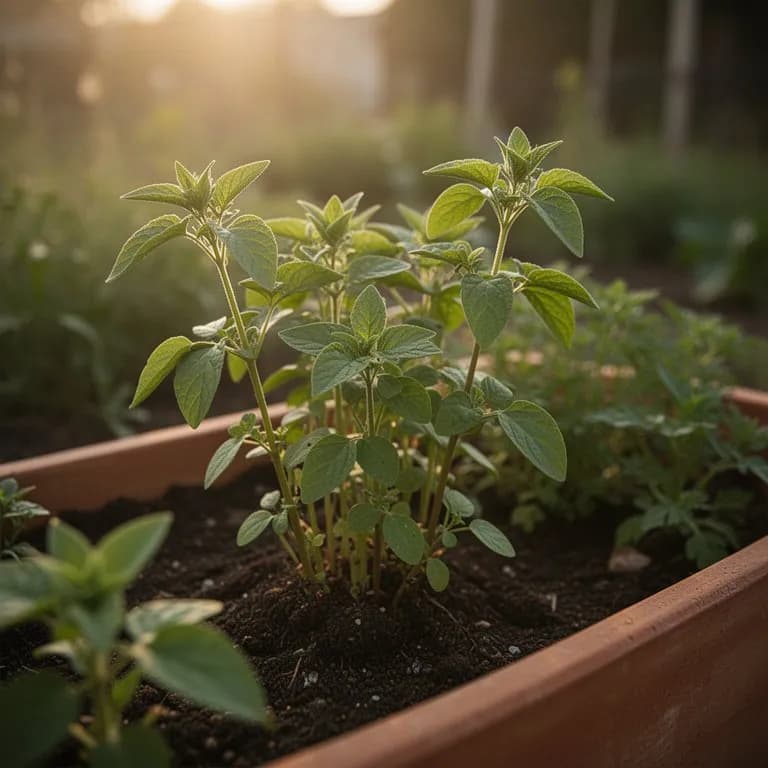
Jiaogulan and Sesame Stir-Fry Greens
15 minutesYoung jiaogulan leaves and tender stem tips are quickly stir-fried with garlic and finished with a splash of sesame oil for a nutritious side dish. This preparation is common in the mountainous regions of southern China where jiaogulan grows wild and has been eaten as a leafy vegetable for centuries.
7 ingredientsJiaogulan Herbal Smoothie
5 minutesA refreshing green smoothie that blends fresh jiaogulan leaves with tropical fruit for a nutrient-rich drink. The naturally sweet aftertaste of jiaogulan complements the fruit flavors, while its adaptogenic compounds provide a gentle energy boost without the jitters of caffeine.
6 ingredientsCulinary Uses
Jiaogulan leaves are primarily used for tea, brewed fresh or dried in hot water for 3 to 5 minutes. The mildly sweet, slightly grassy flavor pairs well with green tea. Young leaves can be added raw to salads for a nutritious boost. In Vietnamese cuisine, fresh leaves are included in spring rolls and salads. The leaves can also be blended into smoothies or used as a natural sweetener in herbal tea blends.
What's inside
Health Benefits
- Jiaogulan contains gypenosides that have been studied for their potential to support cardiovascular health by promoting healthy cholesterol balance and supporting normal blood pressure levels.
- As a classified adaptogenic herb, jiaogulan may help the body manage stress by modulating cortisol production and supporting the hypothalamic-pituitary-adrenal axis.
- Laboratory studies have identified potent antioxidant activity in jiaogulan extracts, with certain gypenosides shown to stimulate the body's production of superoxide dismutase (SOD), a key endogenous antioxidant enzyme.
- Traditional Chinese herbalism has long used jiaogulan to support digestive health, and modern studies suggest it may promote healthy gut flora and support normal gastric function.
- Research indicates that compounds in jiaogulan may support healthy blood sugar metabolism by improving insulin sensitivity and glucose uptake in cells.
- Jiaogulan tea has been traditionally consumed to support immune function, and studies have shown that its polysaccharides and saponins may help modulate immune system activity.
Where Jiaogulan comes from
Jiaogulan (Gynostemma pentaphyllum) is native to the mountainous regions of southern China, extending through northern Vietnam, Laos, Thailand, and parts of South Korea and Japan. It thrives as an understory vine in subtropical and temperate forests, typically growing at elevations between 300 and 3,200 meters where it receives dappled sunlight beneath the forest canopy. The plant belongs to the Cucurbitaceae family, making it a distant relative of cucumbers, melons, and gourds, though its vining habit and leaf shape bear little resemblance to its culinary cousins. The earliest known written reference to jiaogulan appears in Zhu Xiao's 1406 text 'Materia Medica for Famine,' where it was described as a survival food during times of scarcity rather than a medicine. Local populations in Guizhou, Guangxi, and Sichuan provinces had long consumed the young leaves as a vegetable and brewed the dried foliage into a daily tea, a practice that continued quietly for centuries. Jiaogulan remained largely unknown to formal Chinese medicine and the wider world until the 1970s, when a nationwide census in China drew attention to several remote villages where residents exhibited remarkable longevity. Researchers investigating the phenomenon discovered that daily consumption of jiaogulan tea was a common habit among these elderly villagers. This sparked scientific curiosity, and in 1976 Japanese researcher Dr. Masahiro Nagai identified compounds in jiaogulan that were structurally identical to the ginsenosides found in Panax ginseng. This discovery transformed jiaogulan from a regional folk herb into a subject of international botanical and pharmacological research. Throughout the 1980s and 1990s, Chinese and Japanese scientists published hundreds of studies examining its chemical composition, identifying over 170 distinct saponins called gypenosides. The plant gradually entered commercial cultivation in China and Southeast Asia, grown on small farms and hillside terraces. Today jiaogulan is cultivated across subtropical Asia and increasingly in greenhouses and home gardens worldwide, valued by herbalists, tea enthusiasts, and gardeners alike for its vigorous growth, low maintenance requirements, and extensive traditional reputation as a tonic herb.
Jiaogulan: did you know?
Fascinating facts about Jiaogulan
Jiaogulan earned the nickname 'the immortality herb' after a Chinese census study in the 1970s reportedly found that a village in Guizhou province where residents regularly drank jiaogulan tea had an unusually high number of centenarians.
Jiaogulan questions, answered
When should I plant Jiaogulan?
What are good companion plants for Jiaogulan?
What hardiness zones can Jiaogulan grow in?
How much sun does Jiaogulan need?
How far apart should I space Jiaogulan?
What pests and diseases affect Jiaogulan?
How do I store Jiaogulan after harvest?
What are the best Jiaogulan varieties to grow?
What soil does Jiaogulan need?
Is jiaogulan safe to consume as a daily tea?
Can jiaogulan survive winter outdoors?
How does jiaogulan compare to ginseng?
What is the best way to dry jiaogulan leaves for tea?
Does jiaogulan need male and female plants to produce seeds?
Can I grow jiaogulan as a ground cover instead of a climbing vine?
You just read the theory. Now grow it on autopilot.
Everything that makes Jiaogulan fiddly — the timing, the spacing, the companions, the harvest window — is exactly what PlotMyGarden handles for you, for every plant in your garden.
A plan that knows your weather
Set your location once. Get sow, feed and harvest dates built around your real last-frost date and live forecast — no more guessing from a generic seed packet.
From the “When to plant” sectionDrag-and-drop bed planner
Design beds on a grid. Every plant snaps to its proper spacing, and you can see your whole season laid out before you spend a cent on seed.
From the “Growing guide” sectionCompanion conflicts, caught early
200+ good-and-bad pairings checked live as you plant — so a season-wrecking mistake never makes it into the ground.
From the “Companions” sectionReminders you'll actually act on
“Water the beans.” “Pick today before it turns.” Timely, specific, and tied to the plants you're really growing.
From the “Harvest” sectionSuccession, scheduled
Want a harvest for six weeks, not six days? It spaces your sowings automatically and reminds you when each new block is due.
From the “When to plant” sectionA record that gets smarter
Every harvest you log teaches it your garden. Next year's plan starts from what actually worked in your soil, not a textbook's.
From the “Overview” sectionPlant these alongside Jiaogulan
More Tea Herbs
Grow your best Jiaogulan yet — and everything around it.
Start a free plan today. Lay out your beds, drop in your Jiaogulan, and let PlotMyGarden handle the timing, spacing, companions and reminders from seed to harvest basket.