Hisopo Medicinal
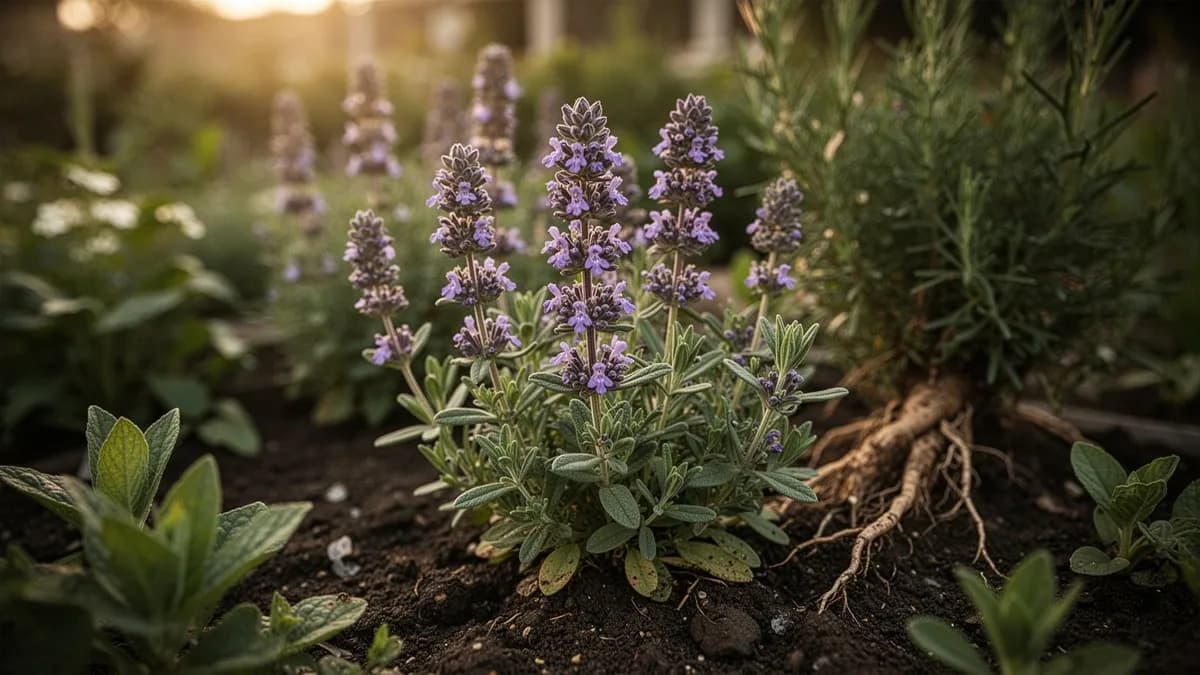
Hierba bíblica ancestral valorada en la medicina tradicional por sus propiedades sobre las vías respiratorias y digestivas, con llamativas espigas de flores azules.





En esta páginaResumen
Conoce Hisopo Medicinal
Hierba bíblica ancestral valorada en la medicina tradicional por sus propiedades sobre las vías respiratorias y digestivas, con llamativas espigas de flores azules. El hisopo medicinal contiene aceites volátiles con propiedades antisépticas y se emplea en infusiones, jarabes e inhalaciones de vapor. Cultívese a pleno sol en suelo alcalino bien drenado y pode tras la floración para mantener un porte compacto y arbustivo.
Cuándo plantar Hisopo Medicinal
Siembre las semillas de hisopo en la superficie de una mezcla húmeda para semillero en primavera: las semillas necesitan luz para germinar. La germinación es fiable en 2-3 semanas a 18-22°C. También puede sembrarse directamente en el exterior tras la última helada. Aclare las plántulas a 30 cm de separación. Las esquejes semileñosas a principios del verano enraízan fácilmente. La división de plantas establecidas en primavera proporciona plantas más grandes con mayor rapidez. El acodo de ramas bajas sujetándolas al suelo también funciona bien. Las plántulas son variables: seleccione las de color de flor más vivo y aroma más intenso.
Tu año de Hisopo Medicinal
Ajustado a Zona 7 · temporada típica · la helada se va hacia el 2 abr y vuelve hacia el 1 nov
Planta Hisopo Medicinal Mar – May y cosecha Jun – Ago. Consulta los métodos de plantación y elige tu clima para adaptar los periodos.
Cómo cultivar Hisopo Medicinal
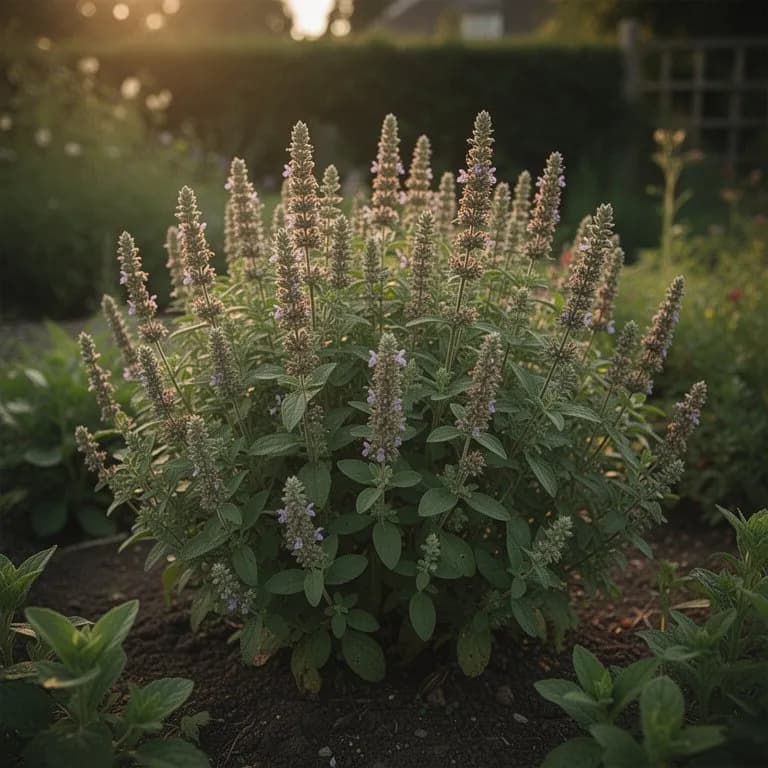
El hisopo medicinal es una hierba antiquísima mencionada en la Biblia, cultivada desde al menos el año 2000 a.C. por sus vistosas espigas de flores azul-violeta y sus hojas aromáticas de sabor ligeramente menta-amargo. Este subarbusto perennifolio alcanza entre 30 y 60 cm de altura y forma matas compactas y tupidas de follaje verde oscuro, coronadas por densas espigas florales de extraordinaria atracción para abejas y mariposas. Plántese a pleno sol en suelo bien drenado y alcalino, con una separación de 30 cm entre plantas.
Proporcione un suelo pobre y bien drenado que reproduzca las laderas rocosas mediterráneas y de Oriente Próximo donde el hisopo evolucionó. Las condiciones alcalinas (pH 7.0-8.0) producen las plantas más aromáticas. Riegue con moderación una vez establecido: el hisopo es notablemente tolerante a la sequía y desarrolla su mejor contenido en aceite esencial bajo condiciones algo estresantes y secas.
Recorte en un tercio a principios de primavera para mantener un porte compacto y arbustivo, evitando que la planta se vuelva leñosa y desgarbada. Tras la primera floración, esquile ligeramente para estimular una segunda tanda de flores. El hisopo es semiperennifolio en inviernos suaves y totalmente resistente hasta la zona 3. Sus vistosas espigas azules se encuentran entre las más atractivas para las abejas de entre todas las hierbas aromáticas: una sola planta en plena floración estará repleta de polinizadores.
32 plantas caben en un bancal de 120 × 240 cm
Cada Hisopo Medicinal pide 30 cm de margen. El planificador guarda ese marco por ti — cada planta, cada bancal.
Los mejores vecinos de Hisopo Medicinal
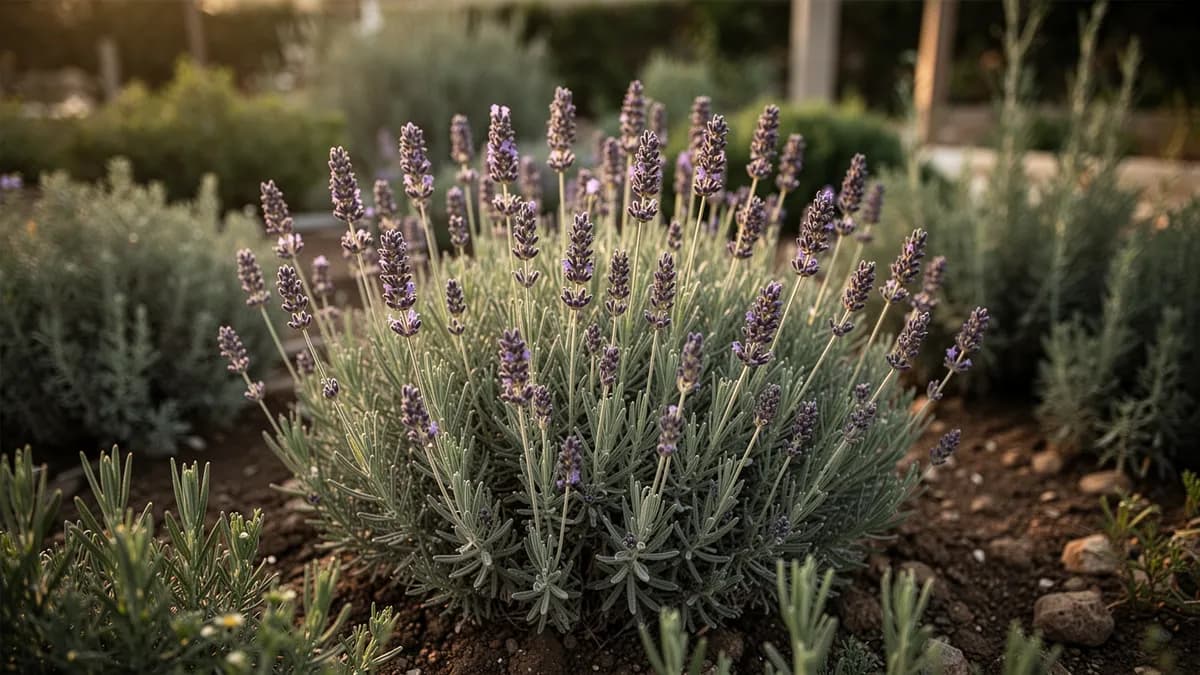
El hisopo es una de las mejores plantas para atraer abejas, mariposas y otros polinizadores al jardín. Plántese cerca de hortalizas y frutales para potenciar la polinización. Los aceites aromáticos pueden repeler algunas plagas del jardín, incluidas las mariposas de la col. La tradición de cultivo asociado sugiere plantar hisopo cerca de los viñedos. Crece bien junto a otras hierbas mediterráneas como la lavanda, el romero y el tomillo, que comparten requisitos culturales similares.
Lavanda va a su lado.
Saber de huerto de siempre, cotejado con la tabla real de Hisopo Medicinal — prueba cualquier planta que cultives.
Prueba Hisopo Medicinal en un bancal, aquí mismo
Un bancal real del planificador con Hisopo Medicinal ya plantado. Toca una planta compañera para colocarla y mira cómo responde la comprobación de vecinos: verde para buenos vecinos, rojo si hay conflicto.


Guías de cultivo relacionadas
Abónalo bien
Cultívese en suelo pobre, bien drenado y alcalino con pH 7.0-8.0. Añada cal a los suelos ácidos. El drenaje excelente es imprescindible: enmiende los suelos pesados con gravilla y arena gruesa. No es necesaria la fertilización; las condiciones pobres producen las plantas más aromáticas y medicinalmente potentes. En macetas, use una mezcla de libre drenaje con un 30% de perlita y añada piedra caliza triturada para la alcalinidad. Cubra la superficie con grava. El hisopo prospera en condiciones pobres, rocosas y secas.
Temperatura ideal
Compatibilidad de zonas de rusticidad
De la semilla a la cosecha, etapa por etapa
Germinación de la semilla
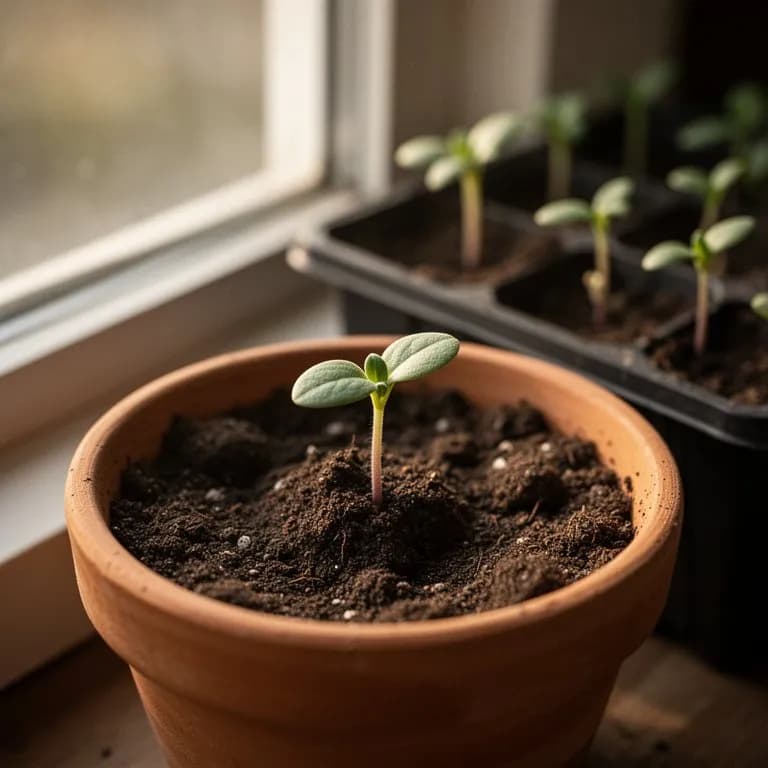
Las semillas de hisopo son diminutas y requieren luz para germinar: deben sembrarse en superficie o apenas cubiertas con una fina capa de vermiculita. La germinación es lenta e irregular, tardando típicamente entre 14 y 21 días a temperaturas de 15-20°C. Aparece el primer par de pequeñas hojas cotiledonares redondeadas, a menudo de forma desigual en la bandeja, ya que las semillas brotan a distintas velocidades.
Desarrollo de plántulas
Las hojas verdaderas emergen como pequeños pares opuestos y estrechos a lo largo de un fino tallo verde. El crecimiento es lento durante esta fase mientras la planta establece su sistema radicular. Las plántulas desarrollan el característico aroma al frotar suavemente las hojas, lo que confirma su identidad. Al final de esta etapa, las plantas miden entre 8 y 12 cm de altura y tienen entre 4 y 6 pares de hojas verdaderas.
Crecimiento vegetativo
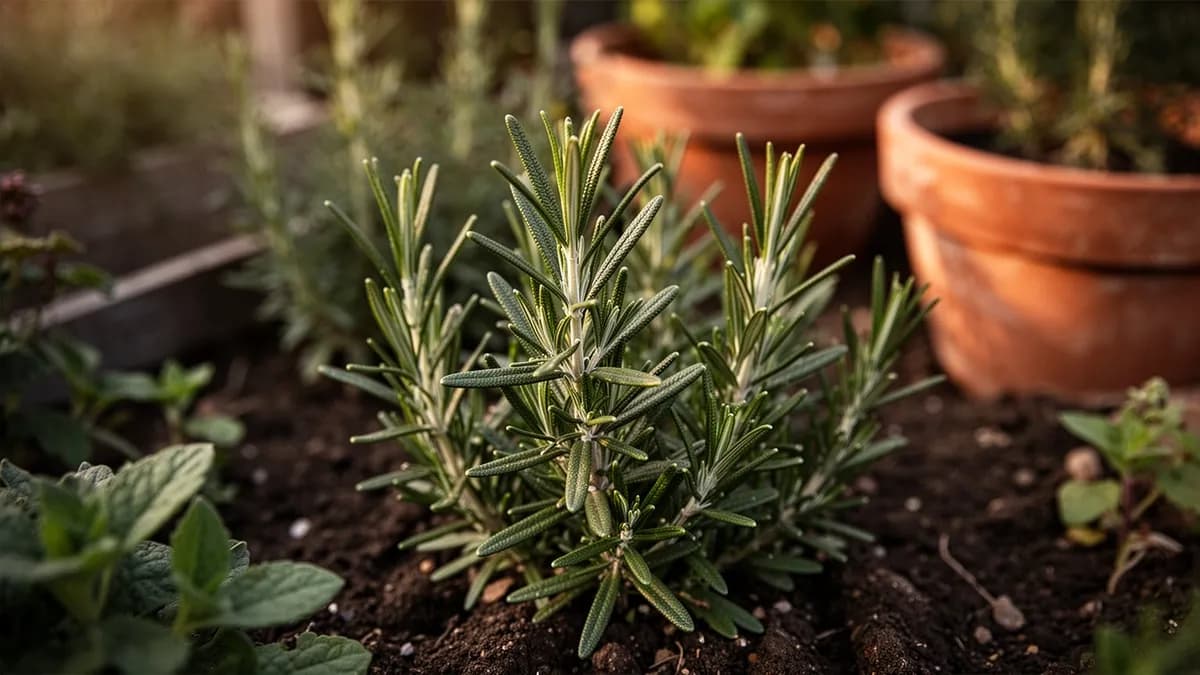
Las plantas crecen vigorosamente formando subarbus tos densos y arbustivos de 40-60 cm de altura. Múltiples tallos emergen de la base, volviéndose progresivamente leñosos en la parte inferior mientras permanecen herbáceos en las puntas. Las hojas estrechas y lanceoladas se vuelven muy aromáticas a medida que maduran las glándulas de aceite esencial. El sistema radicular se expande y se ancla firmemente en el suelo bien drenado.
Floración
Aparecen densas espigas terminales de pequeñas flores tubulares que florecen desde la base de cada espiga hacia arriba durante varias semanas. El color más común es el azul-violeta intenso, aunque existen variedades rosa y blancas. Las flores son extremadamente atractivas para abejas melíferas, abejorros y mariposas. Este es el período de máxima producción de aceite esencial y el momento ideal para la cosecha medicinal.
Formación y maduración de semillas
Tras la polinización, se forman pequeñas núculas de color marrón oscuro dentro de los cálices persistentes a lo largo de las espigas florales. Cada cáliz contiene cuatro semillas diminutas. A medida que las semillas maduran, las espigas se vuelven marrones y se secan. Las plantas pueden producir una segunda tanda de flores si se recortan los primeros brotes rápidamente. Las plántulas autosembradas suelen aparecer cerca de las plantas madre en la primavera siguiente.
Dormancia invernal
En climas más fríos (zonas 3-6), el hisopo pierde su parte aérea hasta la base leñosa a finales de otoño, con el crecimiento herbáceo superior volviéndose marrón y seco. La corona y raíces leñosas permanecen vivas bajo tierra, protegidas por la resistencia de la planta hasta -30°C. En climas suaves (zonas 7-9), el hisopo puede permanecer semiperennifolio durante el invierno, conservando algo de follaje basal.
Siembre las semillas en la superficie de una mezcla húmeda para semillero y presione suavemente sin cubrir. Mantenga una humedad constante usando un pulverizador de niebla en lugar de regar desde arriba, lo que puede arrastrar las semillas diminutas. El calor de fondo proporcionado por una esterilla de germinación acelera significativamente la germinación.
Cuidar Hisopo Medicinal mes a mes
Qué hacer cada mes para tu Hisopo Medicinal
Octubre
Mes actualRealice las cosechas finales del follaje restante para secarlo. En climas fríos, evite las podas intensas tras mediados de otoño para no estimular brotes tiernos que serían dañados por las heladas. Asegure un buen drenaje alrededor de la corona de la planta: la humedad invernal mata más hisopos que el frío invernal.
Ten claro qué hacer en tu huerto, cada mes
Un correo al empezar cada mes: qué sembrar, plantar y hacer ahora mismo — para tu Hisopo Medicinal y todo lo que crece alrededor. Más un breve curso inicial para esquivar los errores clásicos.
- Qué hacer ahora mismo
- Ajustado a tu temporada
- Curso inicial incluido
Cosechar Hisopo Medicinal
Coseche las sumidades floridas del hisopo cuando las espigas azul-violeta estén en plena floración para obtener el máximo contenido de aceite esencial. Corte los tallos entre 10 y 15 cm por encima de la base leñosa, dejando suficiente crecimiento para que la planta se regenere. La cosecha matutina concentra la mayor cantidad de aceites volátiles. Tanto las hojas como las flores se utilizan con fines medicinales. El hisopo puede cosecharse 2-3 veces por temporada si las plantas están bien establecidas y se cortan siempre por encima de la base leñosa.
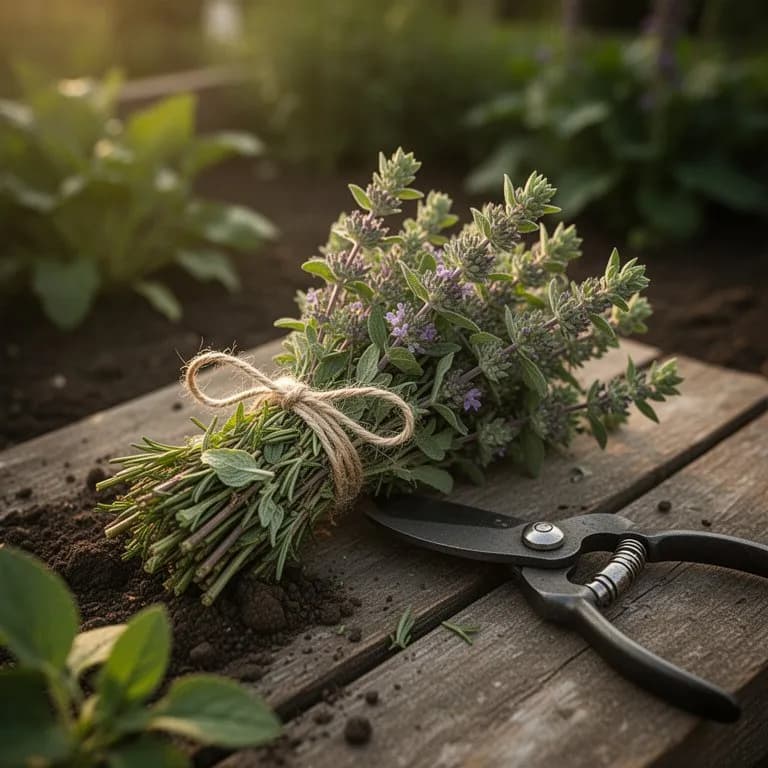
se supone que plantas al comenzar el periodo — indica tu fecha real
Cosecha Hisopo Medicinal a tiempo y la planta sigue produciendo.
Almacenamiento y conservación
Seque el hisopo colgando pequeños manojos boca abajo en un lugar cálido y oscuro durante 1-2 semanas. La hierba seca conserva bastante bien su carácter aromático y el color azul-violeta de las flores. Desprenda las hojas y flores secas de los tallos y guárdelas en tarros herméticos alejados de la luz hasta un año. Prepare tintura de hisopo macerando la hierba fresca o seca en alcohol. La miel infusionada con hisopo es un remedio tradicional para las vías respiratorias. El aceite esencial puede destilarse por vapor para un uso más concentrado.
Qué falla — y cómo solucionarlo
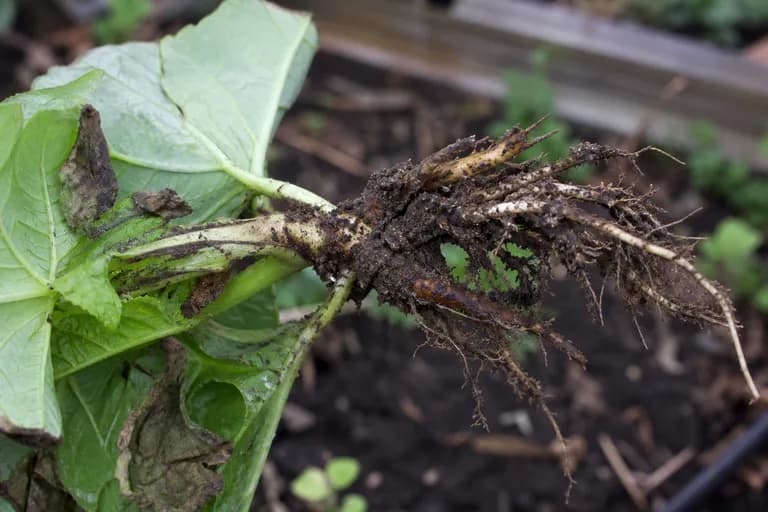
Pudrición de raíces
EnfermedadEnnegrecimiento y muerte regresiva desde la base, tejido del tallo blando a nivel del suelo, colapso de la planta en condiciones de humedad.
Sin plagas significativas
PlagaEl hisopo es notablemente resistente a las plagas. Los aceites volátiles aromáticos disuaden a la mayoría de los insectos herbívoros.
Solución de problemas comunes
Se vuelve leñoso y desgarbado sin podas regulares: recorte en un tercio anualmente en primavera. Nunca corte en la madera vieja y desnuda, ya que el hisopo regenera mal desde los tallos viejos. Renueve las plantas cada 4-5 años cuando se vuelvan excesivamente leñosas. En suelos ricos y húmedos el crecimiento es exuberante pero el sabor es débil; cultívese en condiciones pobres y secas para la mejor calidad medicinal. Puede autosembrarse moderadamente: aproveche o retire las plántulas según convenga.
Consejos de cultivo
- Inicie el hisopo a partir de semillas en interior entre 8 y 10 semanas antes de la última helada, ya que la germinación es lenta e irregular. Siembre en superficie sobre mezcla húmeda sin cubrir: las semillas necesitan luz para germinar. Espere entre 14 y 21 días para que aparezcan las plántulas y no abandone demasiado pronto, ya que los rezagados suelen emerger mucho después del primer lote.
- Elija el lugar más soleado y bien drenado de su jardín para el hisopo. Prospera en suelo pobre, rocoso y alcalino, y no tolera las condiciones ricas y húmedas. Si su suelo es arcilla pesada, cultive el hisopo en un bancal elevado o en un macetón grande con arena y grava añadidas para el drenaje.
- El hisopo es una planta compañera excepcional para el huerto. Plántelo cerca de las brásicas para repeler las mariposas blancas de la col y las pulgas de tierra, cerca de las vides para mejorar su vigor, y cerca de cualquier cultivo que se beneficie de una mayor actividad polinizadora: sus flores se encuentran entre las más atractivas para las abejas de entre todas las hierbas.
- Pode las plantas establecidas en un tercio a principios de primavera justo cuando los nuevos brotes emergen de la base. Esto evita que la planta se desgarbue y se vuelva excesivamente leñosa. Nunca pode hasta la madera vieja y desnuda: corte siempre hasta un punto donde sean visibles brotes verdes o yemas foliares.
- Propague el hisopo fácilmente a partir de esquejes semileñosos tomados a finales del verano. Corte puntas de brotes no floridos de 10-15 cm, retire las hojas inferiores, sumerja en hormona de enraizamiento e inserte en una maceta de sustrato arenoso. Enraízan en 3-4 semanas y pueden plantarse en el exterior la primavera siguiente.
- Riegue el hisopo con moderación una vez establecido. Es genuinamente tolerante a la sequía y responde mejor a riegos profundos ocasionales que a una irrigación superficial frecuente. El exceso de riego es la causa más común del fracaso del hisopo: si la corona permanece húmeda, la pudrición de raíces se instala rápidamente, especialmente en suelos pesados.
- Coseche el hisopo para secarlo en el momento de máxima potencia cortando los tallos floridos cuando las primeras flores de cada espiga se acaben de abrir. Agrupe 5-6 tallos y cuélguelos boca abajo en un lugar cálido, oscuro y bien ventilado. Las hojas y flores se secan en 5-7 días; despréndalas de los tallos y guárdelas en tarros de cristal herméticos.
- Divida los cúmulos establecidos de hisopo cada 3-4 años a principios de primavera para mantener el vigor y evitar que el centro de la planta se agote. Desentierre todo el cúmulo, deseche la parte central leñosa y replante las secciones exteriores vigorosas con un nuevo espaciado de 30-45 cm.
- Cultive el hisopo como un seto bajo e informal a lo largo de los senderos o los bordes de los bancales plantando a 25-30 cm de separación. Recorte ligeramente tras la floración para mantener una forma uniforme. Esta técnica de plantación tradicional crea un límite fragante y favorable a los polinizadores que dobla como cultivo de hierba medicinal productiva.
- Proteja el hisopo de su principal enemigo: la humedad invernal, no el frío invernal. La planta es resistente hasta la zona 3 pero se pudrirá si su corona permanece en suelo encharcado durante la dormancia invernal. Asegure un drenaje perfecto y evite aplicar mantillo orgánico directamente contra los tallos: use grava o piedra triturada.
Cultiva tu mejor Hisopo Medicinal — y todo lo que la rodea.
Empieza un plan gratis hoy. Diseña tus bancales, coloca tu Hisopo Medicinal y deja que PlotMyGarden gestione el momento, el espaciado, las asociaciones y los recordatorios de la semilla a la cesta.
Elige tu Hisopo Medicinal
Hyssopus officinalis (Hisopo azul)
La especie medicinal estándar con flores azul-violeta intensas. La variedad más cultivada y con mayor documentación medicinal.
Hyssopus officinalis f. albus (Hisopo blanco)
Una forma de flores blancas con las mismas propiedades medicinales. Contraste atractivo cuando se planta junto a la forma azul.
Hyssopus officinalis f. roseus (Hisopo rosa)
Una forma de flores rosas. Las mismas propiedades medicinales que el hisopo azul. Los tres colores forman una llamativa plantación conjunta.
El hisopo seco se vende a entre 8 y 15 dólares por onza en tiendas especializadas de hierbas y herbolarios en línea, con fuentes orgánicas y silvestres que alcanzan precios de hasta 20 dólares por onza. Un solo sobre de semillas que cuesta entre 2 y 4 dólares puede producir entre 20 y 30 plantas, cada una con un rendimiento de 1-2 onzas de hierba seca por temporada, un valor potencial de 30-60 dólares por planta a precios de venta al público. Dado que el hisopo es una planta perenne de larga vida que vuelve durante 5-10 años con cuidados mínimos y sin fertilizante, el ahorro acumulado es sustancial. Además, el hisopo fresco prácticamente no está disponible en tiendas, lo que hace que el hisopo cultivado en casa sea la única fuente práctica para el uso culinario y medicinal en fresco.
Recetas rápidas
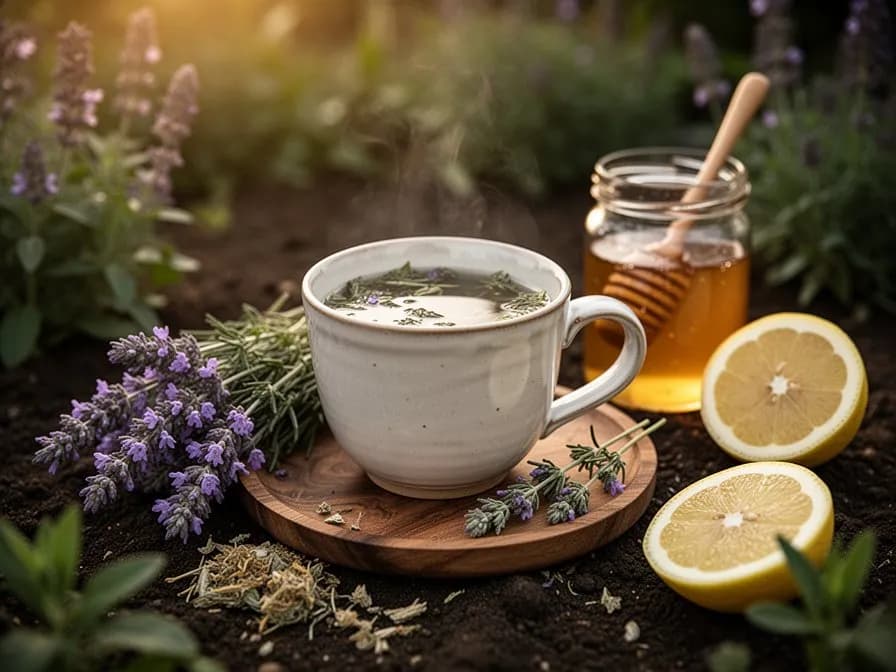
Infusión clásica de hisopo
10 minUna infusión herbal calmante y aromática usada tradicionalmente para aliviar la congestión respiratoria, calmar las molestias digestivas y relajar la tensión muscular. El sabor mentolado y ligeramente amargo combina a la perfección con miel y limón. Tomar hasta tres tazas al día durante la temporada de resfriados y gripe.
5 ingredientesMiel infusionada de hisopo
15 min + 2 semanas de infusiónUna miel medicinal fragante que combina las propiedades calmantes de la miel cruda con los aceites esenciales aromáticos del hisopo. Perfecta disuelta en té, vertida sobre yogur o tomada a cucharadas como calmante natural para la garganta durante la temporada de resfriados.
4 ingredientesCordial de hisopo y melisa
30 min + enfriamientoUn jarabe herbal refrescante que captura la esencia de un jardín de hierbas en verano. Diluya con agua con gas para obtener una bebida sofisticada sin alcohol, o úselo como ingrediente en cócteles. El hisopo aporta una nota característica mentolada y alcanforada equilibrada por el suave cítrico de la melisa.
6 ingredientesUsos culinarios
El hisopo tiene un sabor intenso, ligeramente amargo, con notas de menta y carácter medicinal, por lo que se usa con moderación en cocina. Añada hojas frescas a platos de carnes grasas (especialmente cerdo y caza) donde el amargor favorece la digestión. Úselo en rellenos, patés y embutidos. Es un ingrediente clave en algunas recetas del licor Chartreuse. Las flores hacen una atractiva guarnición comestible para ensaladas. Prepare infusiones con hojas frescas o secas que se usan tradicionalmente como apoyo respiratorio.
Qué contiene
Beneficios para la salud
- Usado tradicionalmente durante siglos como remedio respiratorio: la infusión de hisopo actúa como un suave expectorante que ayuda a fluidificar el moco y aliviar la congestión asociada con resfriados, bronquitis e infecciones respiratorias superiores. Sus aceites volátiles han demostrado actividad antiviral frente a ciertos patógenos respiratorios en estudios de laboratorio.
- Contiene altas concentraciones de ácido rosmarínico, un polifenol bien investigado con potentes propiedades antiinflamatorias y antioxidantes que puede ayudar a reducir las respuestas alérgicas inhibiendo la liberación de compuestos inflamatorios de los mastocitos.
- Apoya la salud digestiva como hierba carminativa tradicional: la infusión de hisopo ayuda a aliviar la hinchazón, los gases y los calambres estomacales leves relajando el músculo liso del tracto digestivo y estimulando la producción de enzimas digestivas.
- Rico en flavonoides como diosmina y hesperidina, que la investigación clínica ha relacionado con una mejor salud de venas y capilares; estos compuestos se utilizan en medicina convencional para tratar la insuficiencia venosa crónica y las hemorroides.
- Posee propiedades antimicrobianas atribuidas a los componentes de su aceite esencial: la investigación ha demostrado que los extractos de hisopo pueden inhibir el crecimiento de varias especies bacterianas y fúngicas, lo que avala su uso tradicional como hierba para el lavado de heridas y enjuague bucal.
- Puede apoyar la salud cardiovascular a través de sus propiedades antioxidantes, antiinflamatorias y de apoyo a la circulación combinadas. Los herboristas tradicionales han recomendado durante mucho tiempo el hisopo para la hipertensión leve, y los estudios modernos sobre su contenido en polifenoles sugieren mecanismos que podrían apoyar la regulación saludable de la presión arterial.
De dónde viene Hisopo Medicinal
El hisopo (Hyssopus officinalis) es originario de las laderas rocosas de piedra caliza y las praderas secas del sur de Europa, la cuenca mediterránea y Asia Central, con su área de distribución ancestral extendiéndose desde la Península Ibérica a través de los Balcanes, Turquía y hasta el Cáucaso. Las poblaciones silvestres siguen prosperando en laderas soleadas y bien drenadas de toda esta región, creciendo a menudo en el suelo delgado de los acantilados calizos y los afloramientos rocosos donde pocas plantas pueden sobrevivir.
La relación del hisopo con la civilización humana se remonta a miles de años, lo que lo convierte en una de las hierbas medicinales cultivadas de forma continua más antiguas. Los antiguos egipcios usaban el hisopo en rituales de purificación, y aparece repetidamente en la Biblia hebrea como una planta asociada con la purificación espiritual y la curación. Hipócrates recetaba hisopo para las afecciones del pecho, y Dioscórides documentó su uso como remedio respiratorio en su fundamental farmacopea del siglo I 'De Materia Medica', estableciendo una tradición medicinal que perduró prácticamente sin cambios durante casi dos milenios.
Durante la Edad Media, el hisopo se convirtió en una de las plantas más importantes en la tradición del jardín monástico europeo. Los monjes benedictinos y cartujos lo cultivaban ampliamente con fines medicinales, culinarios y para la producción de licores herbales. El famoso 'Capitulare de Villis' de Carlomagno, de 812 d.C., ordenaba específicamente el cultivo del hisopo en todos los jardines imperiales, confirmando su condición de hierba imprescindible del Imperio Carolingio. La planta se extendió por toda la Europa medieval a través de redes monásticas y se convirtió en un elemento fijo de los jardines de boticarios y herbolarios.
El hisopo llegó a las Américas con los primeros colonos europeos en el siglo XVII y se estableció rápidamente en los jardines de hierbas del Nuevo Mundo, desde Nueva Inglaterra hasta Virginia. Se naturalizó con facilidad en los suelos secos y alcalinos del interior de América del Norte y todavía puede encontrarse creciendo de forma silvestre en cunetas y laderas rocosas de muchos estados. En la actualidad, el hisopo se cultiva comercialmente para la producción de aceite esencial principalmente en Francia, Hungría y los Balcanes, mientras que los jardineros de todo el mundo lo cultivan como planta ornamental, atractora de polinizadores, hierba culinaria y remedio medicinal tradicional.
Hisopo Medicinal: ¿sabías que?
Datos fascinantes sobre Hisopo Medicinal
El hisopo es una de las hierbas medicinales más antiguas de la historia registrada: aparece varias veces en la Biblia, incluso en el Salmo 51 ('Purifícame con hisopo y quedaré limpio'), donde se usaba en ceremonias de purificación ritual hace más de 3.000 años.
Hisopo Medicinal: preguntas frecuentes
¿Cuándo debo plantar Hisopo Medicinal?
¿Cuáles son buenas plantas acompañantes para Hisopo Medicinal?
¿En qué zonas de rusticidad puede crecer Hisopo Medicinal?
¿Cuánto sol necesita Hisopo Medicinal?
¿A qué distancia debo espaciar Hisopo Medicinal?
¿Qué plagas y enfermedades afectan a Hisopo Medicinal?
¿Cómo almaceno Hisopo Medicinal después de la cosecha?
¿Cuáles son las mejores variedades de Hisopo Medicinal para cultivar?
¿Qué suelo necesita Hisopo Medicinal?
¿Es seguro el hisopo como infusión herbal y hay alguna precaución que tener en cuenta?
¿Cuál es la diferencia entre el hisopo (Hyssopus officinalis) y el hisopo anisado (Agastache foeniculum)?
¿Cuánto tiempo vive una planta de hisopo y cuándo necesita ser reemplazada?
¿Se puede cultivar el hisopo con éxito en macetas?
¿Cuándo y cómo debo cosechar el hisopo para obtener la mejor calidad medicinal?
¿Por qué mi planta de hisopo se marchita y se vuelve marrón aunque la riego con regularidad?
Acabas de leer la teoría. Ahora cultívala en piloto automático.
Todo lo que hace que Hisopo Medicinal sea delicado — el momento, el espaciado, las asociaciones, la ventana de cosecha — es justo lo que PlotMyGarden resuelve por ti, para cada planta de tu huerto.
Un plan que conoce tu clima
Indica tu ubicación una vez. Recibe fechas de siembra, abonado y cosecha basadas en tu última helada real y el pronóstico en vivo — sin adivinar con un sobre genérico.
De la sección “Cuándo plantar”Planificador de bancales de arrastrar y soltar
Diseña bancales sobre una cuadrícula. Cada planta encaja con su espaciado correcto y ves toda la temporada antes de gastar un céntimo en semillas.
De la sección “Cultivo”Conflictos de asociación, detectados a tiempo
Más de 200 buenas y malas combinaciones comprobadas en vivo mientras plantas — para que un error que arruine la temporada nunca llegue a la tierra.
De la sección “Asociaciones”Recordatorios que sí vas a seguir
“Riega las judías.” “Recoge hoy antes de que se pase.” Oportunos, concretos y ligados a las plantas que de verdad cultivas.
De la sección “Cosecha”Escalonado, programado
¿Quieres cosechar seis semanas en vez de seis días? Reparte tus siembras automáticamente y te avisa cuando toca el siguiente lote.
De la sección “Cuándo plantar”Un registro que se vuelve más listo
Cada cosecha que registras le enseña tu huerto. El plan del año que viene parte de lo que de verdad funcionó en tu suelo, no en un manual.
De la sección “Resumen”Planta estos junto a Hisopo Medicinal
Más Hierbas medicinales
Cultiva tu mejor Hisopo Medicinal — y todo lo que la rodea.
Empieza un plan gratis hoy. Diseña tus bancales, coloca tu Hisopo Medicinal y deja que PlotMyGarden gestione el momento, el espaciado, las asociaciones y los recordatorios de la semilla a la cesta.