Hyazinthe
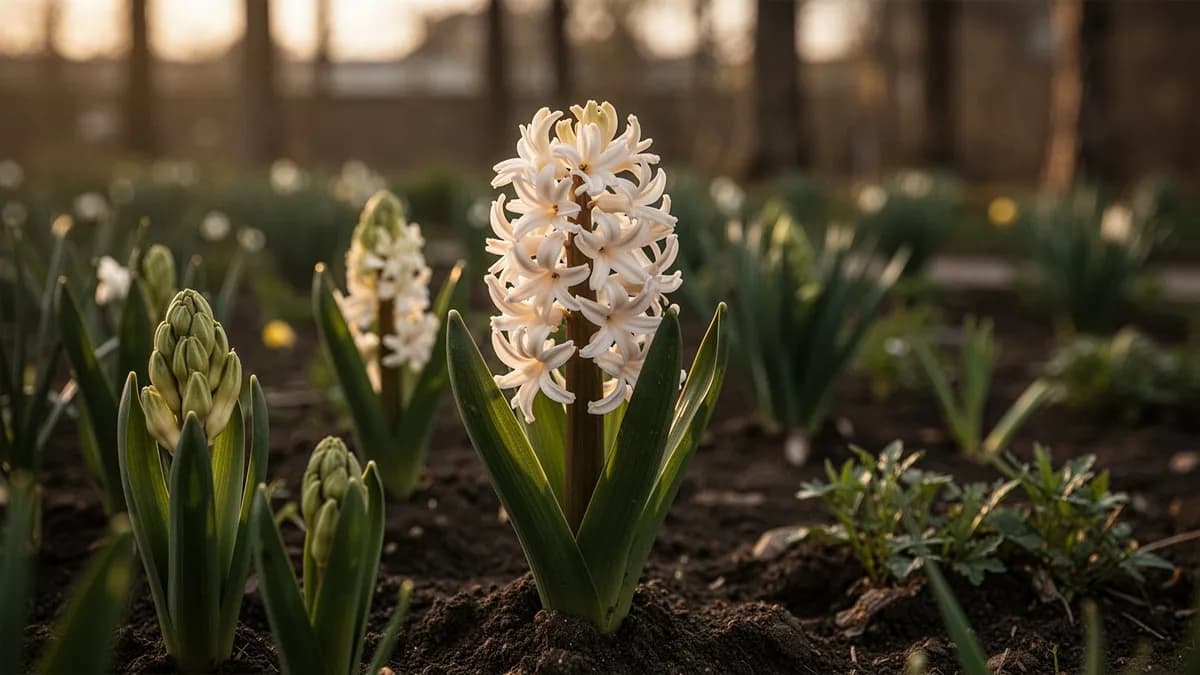
Eine Frühlingszwiebel, die für ihre intensiv duftenden, dicht gepackten Blütenähren in Blau, Rosa, Weiß und Violett geschätzt wird.





Auf dieser SeiteÜberblick
Hyazinthe im Überblick
Eine Frühlingszwiebel, die für ihre intensiv duftenden, dicht gepackten Blütenähren in Blau, Rosa, Weiß und Violett geschätzt wird. Hyazinthen eignen sich perfekt zum Treiben im Haus während des Winters und schaffen atemberaubende Massenanpflanzungen in Frühlingsgärten. Tragen Sie beim Umgang mit Zwiebeln Handschuhe, da diese Hautreizungen verursachen können, und pflanzen Sie sie im Herbst etwa 15 cm tief.
Wann Hyazinthe pflanzen
Hyazinthensorten werden kommerziell durch Zwiebelbrutzwiebeln oder Zwillingsschuppen-Methode vermehrt und nicht durch Samen, da aus Samen gezogene Pflanzen 5–6 Jahre bis zur Blüte brauchen und nicht sortenecht ausfallen. Hobbygärtner sollten jeden Herbst neue Zwiebeln kaufen, um die besten Ergebnisse zu erzielen. Wenn Sie die Zwillingsschuppen-Methode ausprobieren möchten, schneiden Sie eine ruhende Zwiebel im Spätsommer in 8–16 Abschnitte, bestäuben Sie sie mit Fungizid und halten Sie sie in feuchtem Vermiculit an einem warmen Ort, bis sich am Grund jeder Schuppe kleine Brutzwiebeln bilden.
Dein Hyazinthe-Jahr
Abgestimmt auf Zone 7 · typische Saison · Frost geht um den 2. Apr. und kehrt um den 1. Nov. zurück
Hyazinthe Okt – Nov pflanzen, Mär – Apr ernten. Beachte die Pflanzmethoden unten und wähle dein Klima für passende Zeiträume.
So baust du Hyazinthe an
Pflanzen Sie Hyazinthenzwiebeln im Herbst, sechs bis acht Wochen vor dem ersten strengen Frost, an einem sonnigen Standort mit gut durchlässigem Boden. Setzen Sie die Zwiebeln 15 cm tief und 15 cm auseinander mit der Spitze nach oben. Tragen Sie beim Umgang Handschuhe – Hyazinthenzwiebeln enthalten Oxalsäure, die die Haut reizen kann.
Hyazinthen produzieren ihre eindrucksvollsten, dicht gepackten Blütenähren im ersten Jahr. Die Blüten der Folgejahre sind lockerer und entspannter, was viele Gärtner für ein natürlicheres Aussehen tatsächlich bevorzugen. Um formale Beetgestaltungen mit dichten Ähren beizubehalten, ersetzen Sie die Zwiebeln alle ein bis zwei Jahre.
Zum Treiben im Haus setzen Sie gekühlte Zwiebeln im Spätherbst in Hyazinthengläser oder Schalen mit Kieselsteinen und Wasser. Lagern Sie sie an einem dunklen, kalten Ort (2–7 °C) für 10–12 Wochen, bis sich Wurzeln entwickeln und Triebe erscheinen. Stellen Sie sie dann in einen kühlen, hellen Raum und beobachten Sie, wie sie in nur wenigen Wochen blühen und das Haus mit ihrem berauschenden Duft erfüllen.
200 Pflanzen passen in ein Beet von 120 × 240 cm
Hyazinthe braucht 12 cm Platz pro Pflanze. Der Planer hält diesen Abstand für dich ein — jede Pflanze, jedes Beet.
Die besten Nachbarn für Hyazinthe
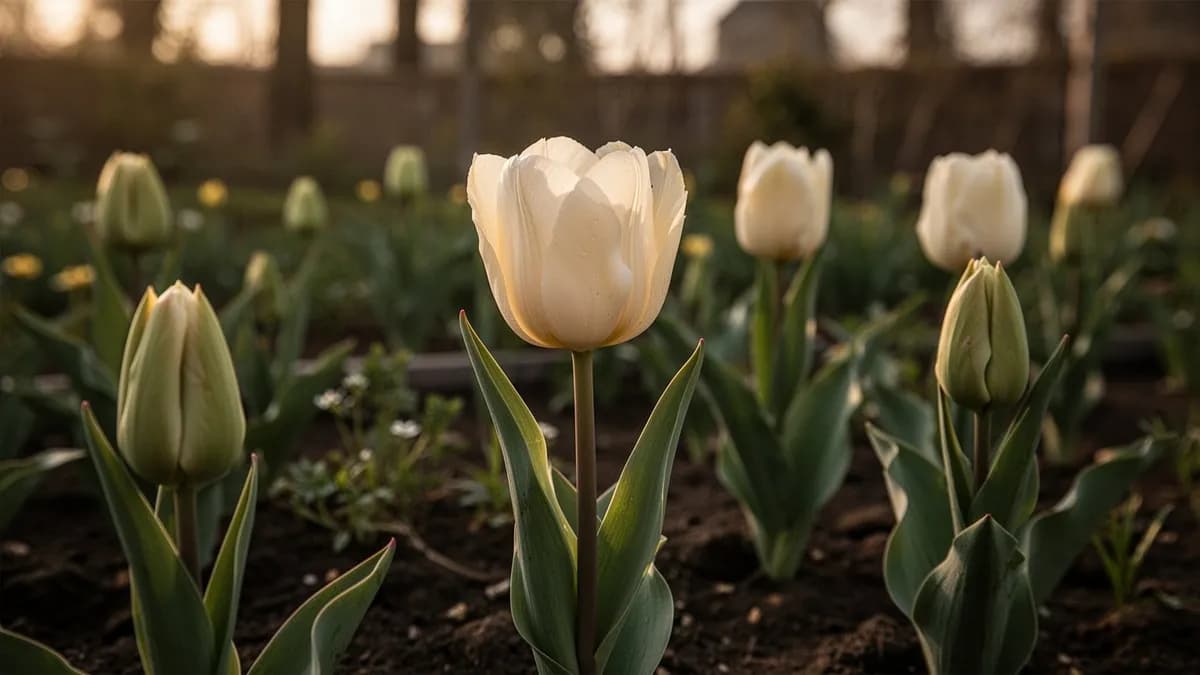
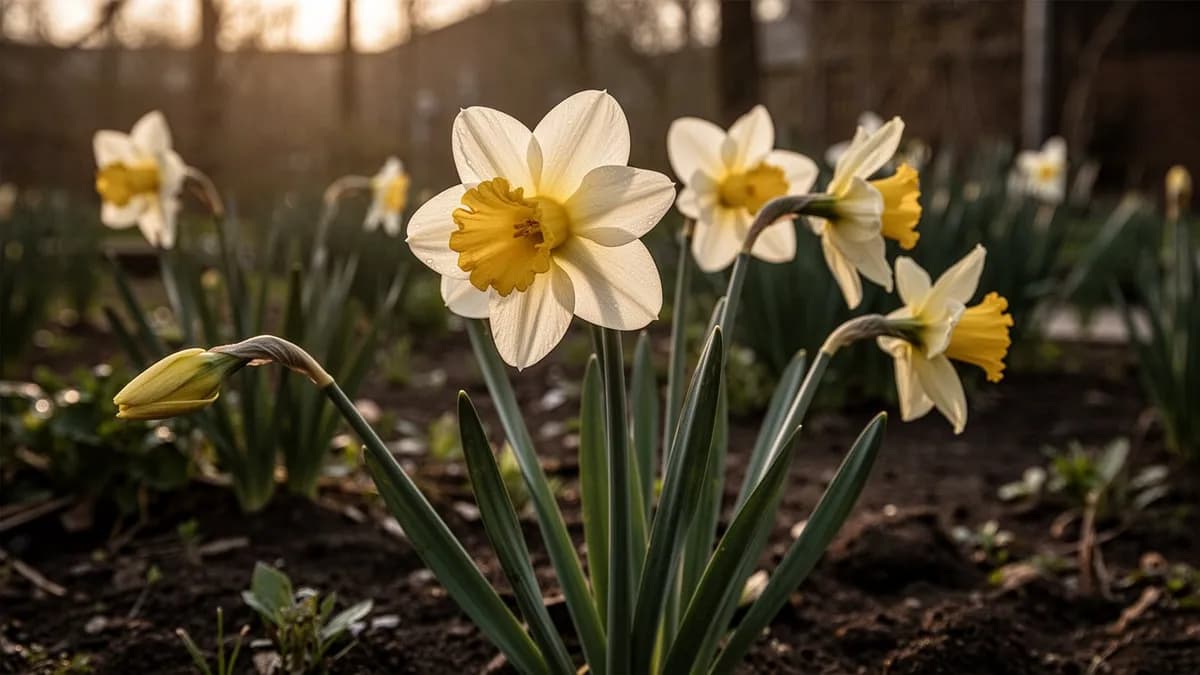
Hyazinthen lassen sich wunderbar mit anderen mittelfrühen Frühlingszwiebeln kombinieren – Tulpen, Narzissen und Traubenhyazinthen schaffen klassische Frühlingsgestaltungen. Pflanzen Sie sie zwischen frühe Stauden wie Primeln und Stiefmütterchen, die die kräftigen Hyazinthenfarben ergänzen. Die steifen, formalen Ähren kontrastieren schön mit luftigen Vergissmeinnicht und Tränenden Herzen. Unterpflanzen Sie mit niedrig wachsenden Stiefmütterchen oder Polsterphlox, um das riemenartige Laub beim Vergilben zu verbergen.
Tulpe gehört daneben.
Altes Gärtnerwissen, geprüft an der echten Nachbartabelle von Hyazinthe — teste jede Pflanze, die du anbaust.
Probiere Hyazinthe direkt hier im Beet
Ein echtes Planer-Beet, Hyazinthe steht schon drin. Tippe einen Begleiter an, platziere ihn und sieh, wie die Nachbarschaftsprüfung antwortet — grün für gute Nachbarn, rot bei Streit.


Passende Anbau-Ratgeber
Richtig düngen
Hyazinthen benötigen gut durchlässigen Boden, der mit organischer Substanz angereichert ist. Ein pH-Wert von 6,0–7,0 ist ideal. Arbeiten Sie Kompost und Knochenmehl vor dem Setzen der Zwiebeln in die Pflanzfläche ein. Fügen Sie in schwerem Lehmboden scharfen Sand oder Kies hinzu, um Staunässe zu vermeiden, die Zwiebelfäule verursacht. Bringen Sie im zeitigen Frühjahr beim Austrieb der Triebe einen ausgewogenen Zwiebeldünger auf, und erneut nach der Blüte, um den Zwiebeln zu helfen, Energie für das folgende Jahr zu speichern.
Ideale Temperatur
Winterhärtezone-Kompatibilität
Von der Saat zur Ernte, Schritt für Schritt
Zwiebelpflanzung
Pflanzen Sie Hyazinthenzwiebeln im Herbst, typischerweise 6–8 Wochen vor dem ersten strengen Frost. Setzen Sie die Zwiebeln 10–15 cm tief und 8–10 cm auseinander in gut durchlässigen Boden mit der Spitze nach oben. Hyazinthen benötigen eine anhaltende Kälteperiode von 12–14 Wochen bei Temperaturen zwischen 2–9 Grad Celsius, um die Blütenentwicklung in der Zwiebel einzuleiten. Wählen Sie einen Standort mit voller Sonne bis Halbschatten.
Kälteruheperiode
Während des Winters durchlaufen Hyazinthenzwiebeln unter der Erde die Vernalisation. In dieser Phase entwickeln sich die Wurzelsysteme intensiv, obwohl kein oberirdisches Wachstum sichtbar ist. Die anhaltende Kälteperiode löst biochemische Veränderungen in der Zwiebel aus, die für die richtige Bildung des Blütenstiels unerlässlich sind. In Regionen mit milden Wintern sind vorgekühlte Zwiebeln für eine zuverlässige Blüte notwendig.
Triebaustrieb
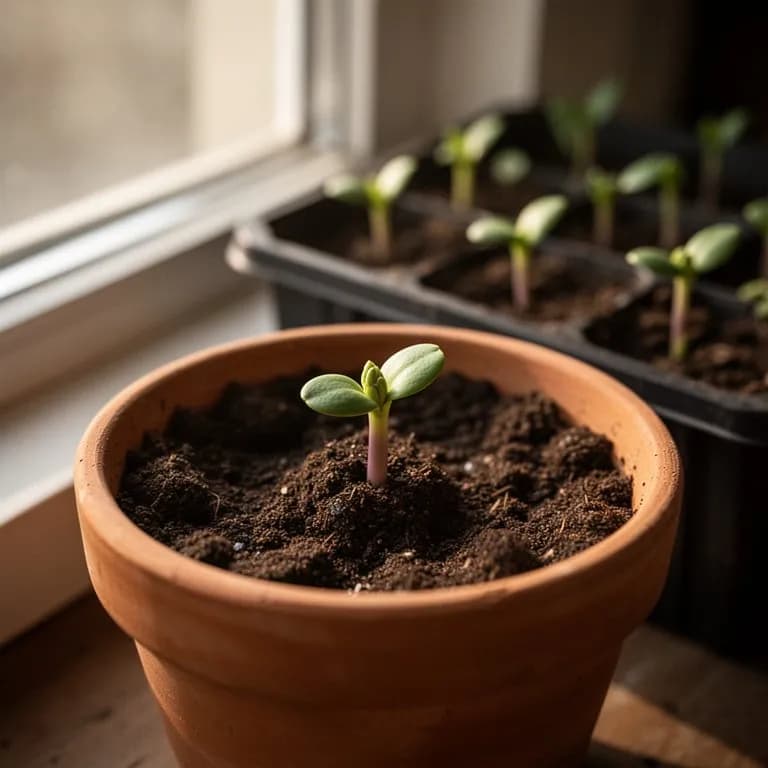
Wenn die Bodentemperaturen im Spätwinter oder zeitigen Frühjahr über 7 Grad Celsius steigen, durchbrechen dicke, blassgrüne Triebe die Bodenoberfläche. Die austreibende Knospe ist in einer engen Rosette aus riemenförmigen Blättern eingehüllt. In diesem Stadium ist die Blütenähre bereits vollständig im Trieb ausgebildet und verlängert sich lediglich. Frühes Wachstum verläuft bei günstigen Bedingungen schnell.
Blütezeit
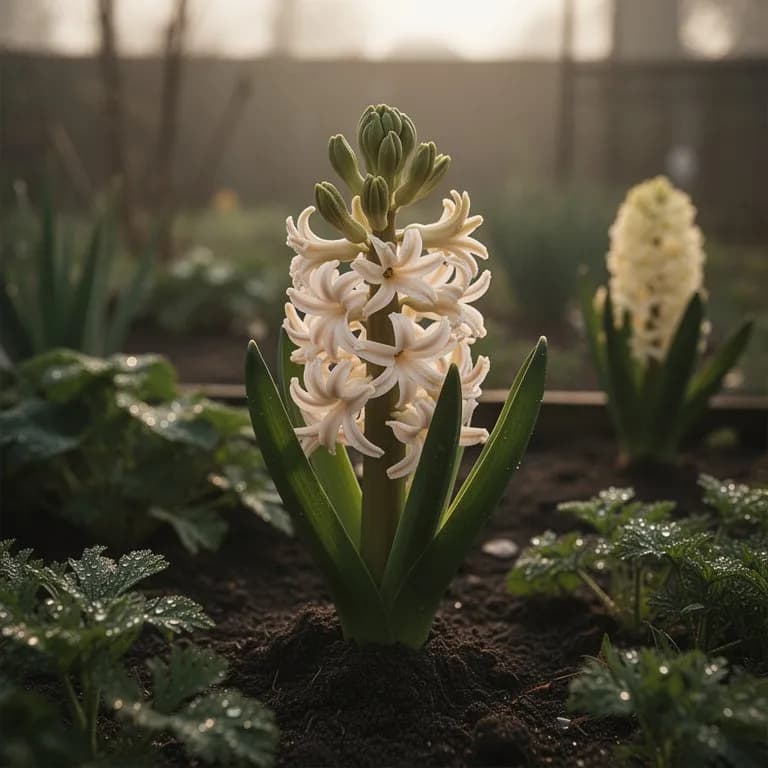
Die dichte Blütenähre streckt sich und einzelne Blüten öffnen sich nacheinander von unten nach oben an der Traube über etwa zwei bis drei Wochen. Jede Blütenähre trägt typischerweise 20–40 intensiv duftende, sternförmige Einzelblüten. Zwiebeln im ersten Jahr produzieren die größten und eindrucksvollsten Blütenköpfe. Der Duft ist an warmen, windstillen Tagen am stärksten und kann einen ganzen Gartenbereich parfümieren.
Laubperiode nach der Blüte
Nach dem Verblühen der Blüten entfernen Sie den verblühten Blütenstiel, um die Samenbildung zu verhindern, die der Zwiebel Energie entzieht. Die riemenförmigen Blätter müssen intakt bleiben, damit sie durch Photosynthese die Kohlenhydratreserven der Zwiebel für die Blüte des folgenden Jahres auffüllen können. Diese Laubperiode dauert etwa sechs bis acht Wochen und ist entscheidend für die mehrjährige Leistung.
Sommerruhe
Sobald das Laub vollständig abgestorben ist, geht die Zwiebel in die Sommerruhe über. Während dieser Ruhephase ist die Zwiebel metabolisch inaktiv und bevorzugt trockene, warme Bedingungen. In schweren oder schlecht durchlässigen Böden kann übermäßige Sommerfeuchtigkeit Zwiebelfäule verursachen. Im Laufe der Jahre kann sich die ursprünglich große Zwiebel in mehrere kleinere Tochterzwiebeln teilen, die entsprechend kleinere Blütenähren hervorbringen.
Tragen Sie beim Umgang mit Hyazinthenzwiebeln Handschuhe. Sie enthalten Oxalsäure und andere Calciumoxalat-Kristalle, die bei vielen Menschen Hautreizungen und Kontaktdermatitis verursachen.
Hyazinthe Monat für Monat pflegen
Was du jeden Monat für deine Hyazinthe tun solltest
Oktober
Aktueller MonatHauptpflanzmonat in den meisten gemäßigten Regionen. Pflanzen Sie Zwiebeln 10–15 cm tief, mit der Spitze nach oben, in Gruppen von 7–12 für die beste optische Wirkung. Nach dem Pflanzen gut wässern.
Immer wissen, was jetzt im Garten zu tun ist
Eine E-Mail zum Monatsanfang: was du jetzt säen, pflanzen und anpacken solltest — für deine Hyazinthe und alles, was drumherum wächst. Dazu ein kurzer Startkurs, der dich vor den klassischen Fehlern bewahrt.
- Was jetzt zu tun ist
- Passend zu deiner Saison
- Startkurs inklusive
Hyazinthe ernten
Schneiden Sie Hyazinthenblütenähren, wenn etwa ein Drittel der Einzelblüten an der Ähre geöffnet sind. Schneiden Sie am Stielansatz mit einem scharfen Messer. Beachten Sie, dass der Pflanzensaft Hautreizungen verursachen kann, tragen Sie daher Handschuhe. Stellen Sie die Stiele sofort in kühles Wasser. Hyazinthen halten etwa eine Woche in der Vase und parfümieren einen ganzen Raum. Nach der Blüte im Garten entfernen Sie verblühte Blütenähren, lassen aber das Laub auf natürliche Weise absterben, um die Zwiebel zu nähren.
angenommen, du pflanzt zu Beginn des Zeitraums — trage dein tatsächliches Datum ein
Aus Zwiebeln, Knollen oder Zehen
Ernte Hyazinthe zügig, dann trägt die Pflanze weiter.
Lagerung & Konservierung
In den meisten Klimazonen innerhalb ihrer Winterhärtezone können Hyazinthenzwiebeln ganzjährig im Boden bleiben. Wenn Sie sie zum Umpflanzen herausnehmen, graben Sie sie aus, nachdem das Laub vollständig vergilbt ist, bürsten Sie die Erde ab und lassen Sie sie eine Woche an einem warmen, trockenen Ort nachreifen. Lagern Sie sie bei 15–21 °C in Netzgitterbeuteln bis zur Herbstpflanzung. Bei im Haus getriebenen Zwiebeln pflanzen manche Gärtner diese nach der Blüte in den Garten, wobei die folgenden Blüten lockerer als die ursprünglich getriebene Ähre ausfallen.
Was schiefgeht — und die Lösung
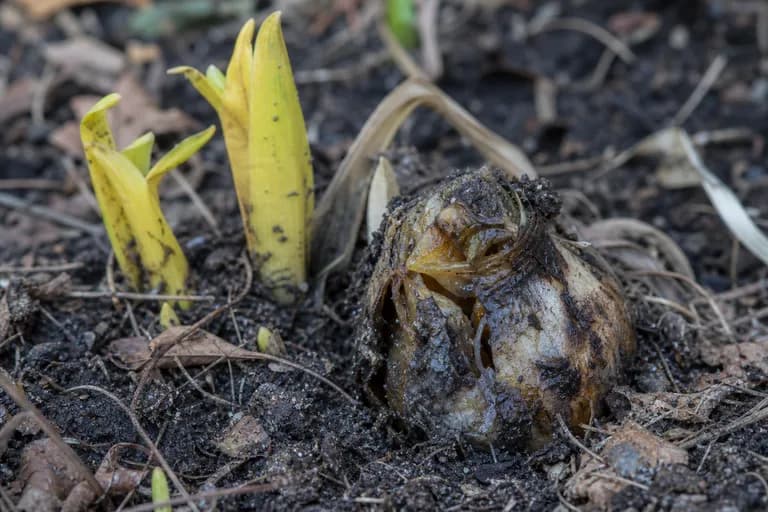
Hyazinthenzwiebelfäule
KrankheitDie Zwiebel wird weich und matschig mit einem fauligen Geruch. Pflanzen treiben nicht aus oder bilden verkümmerte, vergilbte Triebe.
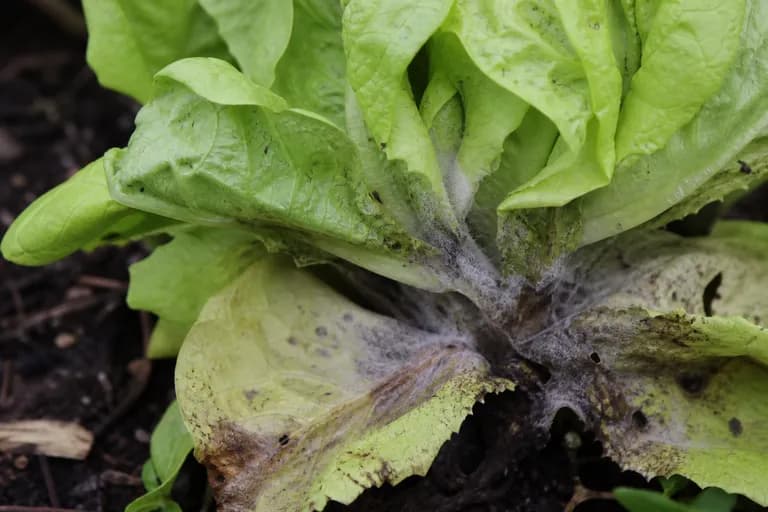
Grauschimmel (Botrytis)
KrankheitGrauer, flaumiger Schimmel auf Blüten und Blättern, besonders bei kühlen, feuchten Frühlingstagen. Blütenähren können faulen, bevor sie sich vollständig öffnen.
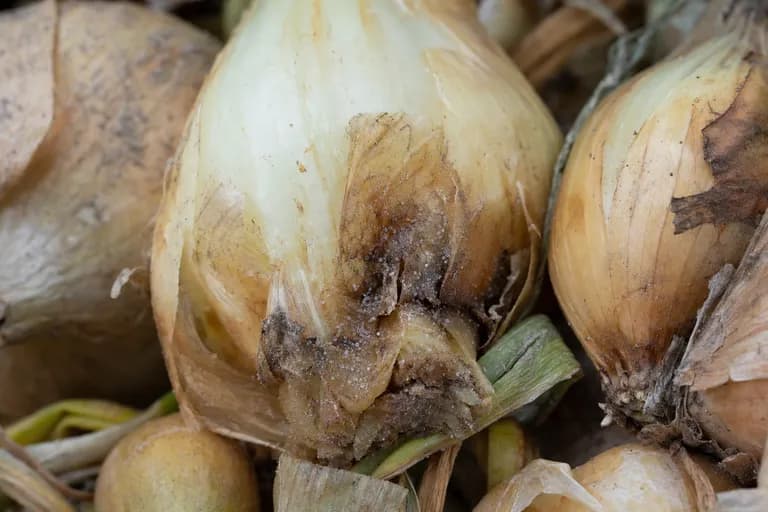
Zwiebelmilben
SchädlingWinzige weiße Milben auf der Zwiebeloberfläche bei der Lagerung sichtbar. Zwiebeln werden weich und wachsen nicht richtig.
Fehlerbehebung bei häufigen Problemen
Das häufigste Problem ist Zwiebelfäule durch schlechte Drainage oder zu flaches Pflanzen. Blütenähren, die verkümmert oder seitlich aus der Zwiebel austreiben, wurden bei falschen Temperaturen gelagert. Manche Menschen entwickeln juckende Hautausschläge beim Umgang mit Zwiebeln ohne Handschuhe – die Calciumoxalat-Kristalle in der Zwiebelhaut sind die Ursache. Eine abnehmende Blütenqualität von Jahr zu Jahr ist normal; für gleichbleibend dichte Ähren behandeln Sie Hyazinthen als Ein- oder Zweijährige.
Anbautipps
- Tragen Sie beim Umgang mit Hyazinthenzwiebeln immer Handschuhe. Die Calciumoxalat-Raphiden im Saft verursachen eine gut dokumentierte Hautreizung namens Hyazinthenjuckreiz, die mehrere Tage anhalten kann.
- Pflanzen Sie Hyazinthenzwiebeln in einer Tiefe von 10–15 cm, gemessen vom Zwiebelboden bis zur Bodenoberfläche. Zu flaches Pflanzen führt zu schwachen Stielen, die unter dem Gewicht der Blütenähre leicht umknicken.
- Ausgezeichnete Drainage ist absolut unerlässlich. Hyazinthenzwiebeln sind sehr anfällig für Bodenfäule, die durch Fusarium-Arten in staunassen oder schweren Lehmböden verursacht wird. Verbessern Sie schwere Böden großzügig mit grobem Kies oder scharfem Sand vor der Pflanzung.
- Für die eindrucksvollste Gartengestaltung pflanzen Sie Hyazinthen in engen Gruppen von 7–12 Zwiebeln mit nur 8–10 cm Abstand anstatt in Einzelreihen. Dies erzeugt einen konzentrierten Farbakzent und verstärkt den Duft.
- Nach dem ersten Jahr nimmt die Größe der Blütenähre natürlicherweise ab. Akzeptieren Sie diesen anmutigen Übergang oder ergänzen Sie jährlich mit frischen Zwiebeln für gleichbleibend große, ausstellungswürdige Blüten in formalen Beetgestaltungen.
- Beim Treiben von Hyazinthen im Haus geben Sie die volle 12–14-wöchige Kältebehandlung im Dunkeln bei 2–9 Grad Celsius. Das Auslassen oder Verkürzen dieser Periode führt zu verkümmerten Blütenähren, die nicht richtig aus der Blattrosette herauswachsen.
- Schneiden Sie verblühte Blütenstiele sofort nach der Blüte ab, indem Sie den Stiel an seiner Basis abschneiden. Dies verhindert, dass die Pflanze Energie für die Samenproduktion verschwendet, und leitet alle Ressourcen zurück in die Zwiebel für das nächste Jahr.
- Hyazinthen lassen sich wunderbar mit anderen Frühlingszwiebeln wie Narzissen, Tulpen und Traubenhyazinthen kombinieren, um eine gestaffelte Blütenabfolge vom Spätwinter bis zum späten Frühling zu schaffen. Unterpflanzen Sie mit niedrig wachsenden Stiefmütterchen oder Vergissmeinnicht, um das verblassende Laub zu kaschieren.
- In den USDA-Zonen 8–10, wo die Winter für eine natürliche Kühlung zu mild sind, kaufen Sie vorgekühlte Zwiebeln oder kühlen Sie Zwiebeln 12–14 Wochen im Kühlschrank, bevor Sie sie im Spätherbst pflanzen. Halten Sie Zwiebeln von reifendem Obst fern, da Ethylengas den Blütenembryo in der Zwiebel schädigt.
- Vermeiden Sie das Pflanzen von Hyazinthen in der Nähe von Gemüsegärten oder Bereichen, in denen Kinder und Haustiere frei spielen. Alle Pflanzenteile sind giftig, und insbesondere die Zwiebeln können mit Zwiebeln oder Schalotten verwechselt werden, was bei Verschlucken schwerwiegende Folgen haben kann.
Bau deine beste Hyazinthe an — und alles drumherum.
Starte heute kostenlos. Lege deine Beete an, setze deine Hyazinthe ein und lass PlotMyGarden Timing, Abstände, Begleiter und Erinnerungen von der Saat bis zum Erntekorb übernehmen.
Finde deine Hyazinthe
Hyacinthus 'Delft Blue'
Die beliebteste Hyazinthe mit weichen, porzellanblauen Blüten und einem außergewöhnlich süßen Duft. Zuverlässig und wüchsig.
Hyacinthus 'Jan Bos'
Leuchtend kirschrote Blüten, die Frühlingsbeeten kräftige Farbe verleihen. Eine der stärksten roten Hyazinthensorten.
Hyacinthus 'City of Haarlem'
Zarte primelgelbe Blüten, die zu cremigem Elfenbein nachreifen und einen warmen Ton bieten, der unter Hyazinthen ungewöhnlich ist.
Hyacinthus 'Woodstock'
Tiefburgunderviolette Blüten mit einem kraftvollen, betörenden Duft. Eine auffällige moderne Sorte für dramatische Frühlingspflanzungen.
Hyacinthus 'Carnegie'
Reinweiße Blüten an dichten, wohlgeformten Ähren. Elegant für formale Gestaltungen und wunderbar duftend.
Eine einzelne Hyazinthenzwiebel kostet etwa 1–3 USD und kann in geeigneten Klimazonen 3–5 Jahre oder länger im Garten überdauern. Die Blüten des ersten Jahres sind die größten und eindrucksvollsten, wobei die Blütengröße in den Folgejahren allmählich abnimmt. Jede ausgewachsene Zwiebel kann jährlich 1–3 Tochterzwiebeln hervorbringen, die abgetrennt und in 2–3 Jahren zur Blühgröße herangezogen werden können. Das Treiben von Hyazinthen im Haus bietet wochenlangen Duft und Schönheit für einen Bruchteil der Kosten von Schnittblumen oder Duftkerzen. Eine einzelne eingetopfte Hyazinthenzwiebel erzeugt einen Duft, der einer hochwertigen Duftkerze im Wert von 20–40 USD entspricht. Der Kauf von 25–50 Zwiebeln in großen Mengen im Herbst reduziert die Kosten pro Zwiebel typischerweise um 30–50 Prozent im Vergleich zum Einzelkauf.
Schnelle Rezepte
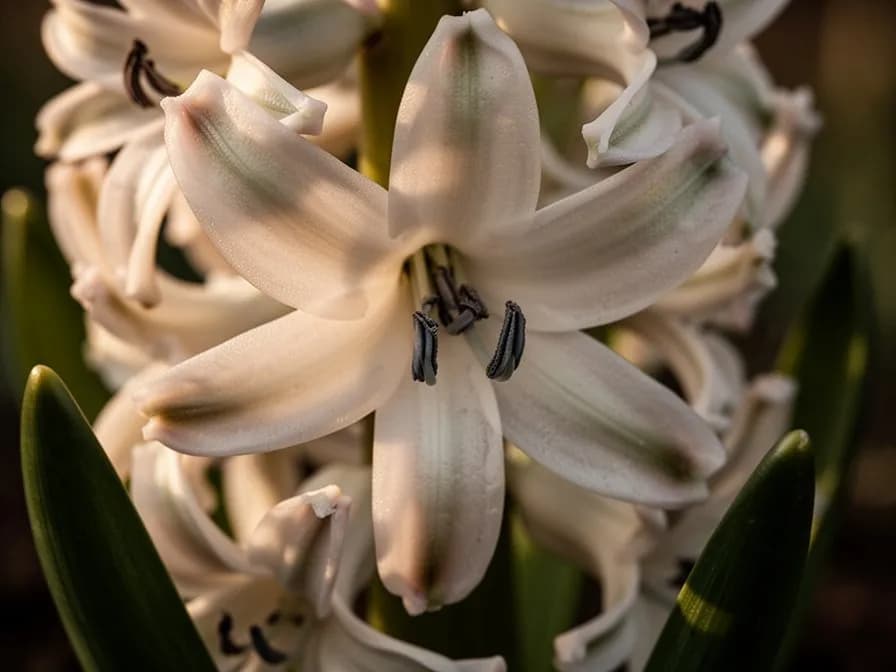
Getriebene Hyazinthe im Glasgefäß
10 Min. plus 12–14 Wochen KühlungErleben Sie die Magie, wie eine Hyazinthenzwiebel im Wasser Wurzeln, Triebe und eine duftende Blütenähre entwickelt, indem Sie eine traditionelle sanduhrförmige Treibvase verwenden. Dies ist ein rein dekoratives Projekt. Die Zwiebeln sind giftig und dürfen niemals verzehrt werden.
4 ZutatenHyazinthen-Duft-Potpourri
20 Min. plus 2 Wochen TrocknungszeitFangen Sie den legendären Hyazinthenduft ein, indem Sie einzelne Blüten sorgfältig trocknen und mit ergänzenden getrockneten Pflanzenmaterialien zu einem natürlichen, nach Frühling duftenden Potpourri kombinieren. Dies ist nur ein Bastelprojekt. Keine Bestandteile verschlucken und getrocknete Blüten mit Vorsicht handhaben.
5 Zutaten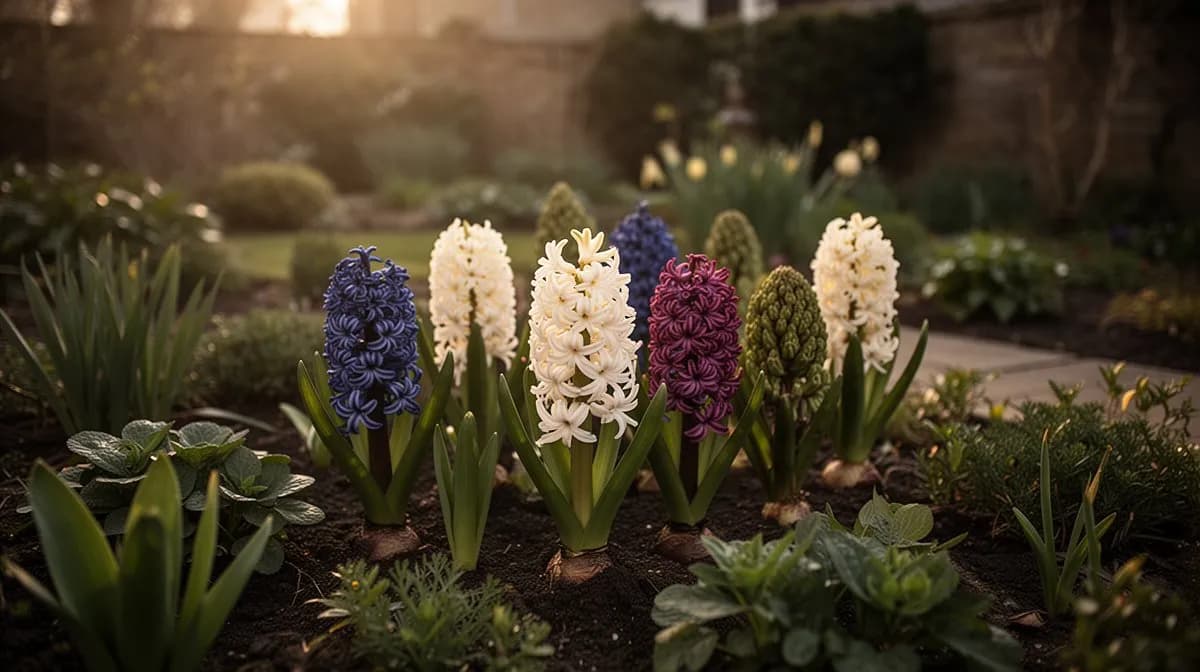
Hyazinthen-Frühlingszwiebel-Pflanzgefäß-Arrangement
30 Min.Gestalten Sie ein atemberaubendes, geschichtetes Frühlingszwiebel-Pflanzgefäß, indem Sie Hyazinthen zusammen mit ergänzenden Zwiebeln in verschiedenen Tiefen pflanzen, für eine Abfolge von Farbe und Duft vom Spätwinter bis Mitte Frühling. Dies ist ein Gartenprojekt, kein Kochrezept. Alle Teile der Hyazinthe sind giftig.
5 ZutatenWas drinsteckt
Gesundheitsvorteile
- WARNUNG VOR GIFTPFLANZE: Hyazinthe ist giftig und bietet keine ernährungsbezogenen Gesundheitsvorteile. Alle Teile enthalten Calciumoxalat-Kristalle und Oxalsäure, die bei Verschlucken oder Kontakt ohne Schutz schädlich sind.
- Nur zur Aromatherapie: Der Duft von Hyazinthenblüten wird traditionell mit Stressabbau und Stimmungsaufhellung während der Frühlingssaison in Verbindung gebracht, obwohl die wissenschaftlichen Belege dafür begrenzt sind.
- Der Anbau von Hyazinthen kann psychische Gesundheitsvorteile bieten, die mit Gartenarbeit verbunden sind, darunter reduzierter Stress, verbesserte Stimmung und ein Erfolgserlebnis durch die Pflege lebender Pflanzen durch ihren jahreszeitlichen Zyklus.
- Die Pflege von im Frühling blühenden Zwiebelgärten fördert sanfte körperliche Aktivität im Freien während der Übergangswochen des zeitigen Frühjahrs und unterstützt die allgemeine Fitness und den Kontakt mit natürlichem Tageslicht.
- Der intensive Duft von Hyazinthen wird in historischen Kräuterkunde-Texten als stimmungsaufhellend beschrieben, und moderne Studien deuten darauf hin, dass die Exposition gegenüber angenehmen natürlichen Düften den Cortisolspiegel senken kann.
- Im Haus getriebene Hyazinthen bringen während der Wintermonate lebende Pflanzen ins Haus, tragen zu einer verbesserten Wahrnehmung der Raumluftqualität bei und bieten eine psychologische Verbindung zur kommenden Frühlingssaison.
Woher Hyazinthe stammt
Hyacinthus orientalis ist im östlichen Mittelmeerraum beheimatet, wobei sich sein natürliches Verbreitungsgebiet von der südlichen Türkei über Syrien und den Libanon bis in Teile des nördlichen Israels erstreckt. Die Art wächst wild auf felsigen Kalksteinhängen und offenen Waldgebieten in Höhenlagen zwischen 200 und 2000 Metern, wo sie kalte, feuchte Winter und heiße, trockene Sommer erlebt. Antike Griechen und Römer kultivierten Hyazinthen hauptsächlich wegen ihres Duftes und ihrer mythologischen Bedeutung und verbanden die Blume mit der tragischen Geschichte des Jünglings Hyakinthos und des Gottes Apollon. Die Pflanze wurde im späten 16. Jahrhundert in Westeuropa eingeführt und gelangte um 1562 über Handelswege mit dem Osmanischen Reich in die Niederlande. Niederländische Züchter erkannten sofort das gärtnerische Potenzial der Art, und im frühen 18. Jahrhundert waren die Niederlande zum unbestrittenen Zentrum der Hyazinthenzucht und -produktion geworden. In den 1720er und 1730er Jahren bildete sich eine Spekulationsblase um seltene gefüllte Hyazinthensorten, wobei einzelne Zwiebeln zu außergewöhnlichen Summen gehandelt wurden. Madame de Pompadour füllte bekanntlich jeden Frühling die Gärten von Versailles mit Hyazinthen und festigte damit die Verbindung der Blume mit Luxus und erlesenem Geschmack. Im 19. Jahrhundert hatten niederländische Züchter Hunderte von benannten Sorten in einem vollständigen Farbspektrum entwickelt, darunter Blau, Violett, Rosa, Rot, Weiß, Gelb und Orange. Gärtner der viktorianischen Ära schätzten die Hyazinthe sowohl für die Freilandbepflanzung als auch zum Treiben im Haus und entwickelten spezielle Glasvasen für den Anbau von Zwiebeln über Wasser. Heute ist Hyacinthus orientalis eine der beliebtesten Frühlingszwiebelpflanzen weltweit, geschätzt für ihre unübertroffene Duftintensität und ihre Eignung für formale Gartengestaltungen, Gefäßkultur und den Anbau im Haus.
Hyazinthe: Schon gewusst?
Faszinierende Fakten über Hyazinthe
Der Name Hyazinthe stammt aus der griechischen Mythologie. Der Gott Apollon tötete versehentlich den Jüngling Hyakinthos mit einem Diskus, und aus seinem Blut entsprang eine Blume. Apollon markierte die Blütenblätter mit den Buchstaben ‚AI' als Klageruf.
Hyazinthe: Fragen & Antworten
Wann sollte ich Hyazinthe pflanzen?
Was sind gute Begleitpflanzen für Hyazinthe?
In welchen Winterhärtezonen kann Hyazinthe wachsen?
Wie viel Sonne braucht Hyazinthe?
Welchen Abstand sollte ich zwischen Hyazinthe lassen?
Welche Schädlinge und Krankheiten befallen Hyazinthe?
Wie lagere ich Hyazinthe nach der Ernte?
Was sind die besten Hyazinthe-Sorten zum Anbauen?
Welchen Boden braucht Hyazinthe?
Sind Hyazinthen sicher für Haustiere und Kinder?
Warum werden meine Hyazinthenblütenähren jedes Jahr kleiner?
Wie treibe ich Hyazinthenzwiebeln zum Blühen im Haus während des Winters?
Was verursacht Hyazinthenjuckreiz und wie kann ich ihn verhindern?
Kann ich Hyazinthen in warmen Klimazonen ohne kalte Winter anbauen?
Was soll ich mit Hyazinthenzwiebeln machen, nachdem sie aufgehört haben zu blühen?
Du hast die Theorie gelesen. Jetzt baue sie auf Autopilot an.
Alles, was Hyazinthe knifflig macht — das Timing, die Abstände, die Begleiter, das Erntefenster — genau das übernimmt PlotMyGarden für dich, für jede Pflanze im Garten.
Ein Plan, der dein Wetter kennt
Standort einmal festlegen. Aussaat-, Dünge- und Erntedaten rund um deinen echten letzten Frosttermin und die Live-Vorhersage — kein Raten mehr nach Saattüte.
Aus dem Abschnitt „Pflanzzeit“Beetplaner per Drag & Drop
Beete auf einem Raster gestalten. Jede Pflanze rastet im richtigen Abstand ein, und du siehst die ganze Saison, bevor du einen Cent für Saatgut ausgibst.
Aus dem Abschnitt „Anbau“Begleiter-Konflikte früh erkannt
Über 200 gute und schlechte Kombinationen werden beim Pflanzen live geprüft — so landet ein saisonruinierender Fehler nie in der Erde.
Aus dem Abschnitt „Begleiter“Erinnerungen, nach denen du wirklich handelst
„Gieß die Bohnen.“ „Heute ernten, bevor's umschlägt.“ Pünktlich, konkret und auf deine echten Pflanzen bezogen.
Aus dem Abschnitt „Ernte“Staffel-Aussaat, geplant
Sechs Wochen ernten statt sechs Tage? Die App verteilt deine Aussaaten automatisch und erinnert dich, wenn der nächste Satz fällig ist.
Aus dem Abschnitt „Pflanzzeit“Ein Verlauf, der schlauer wird
Jede protokollierte Ernte bringt der App deinen Garten bei. Der Plan fürs nächste Jahr startet bei dem, was in deinem Boden wirklich funktioniert hat.
Aus dem Abschnitt „Überblick“Pflanze diese neben Hyazinthe
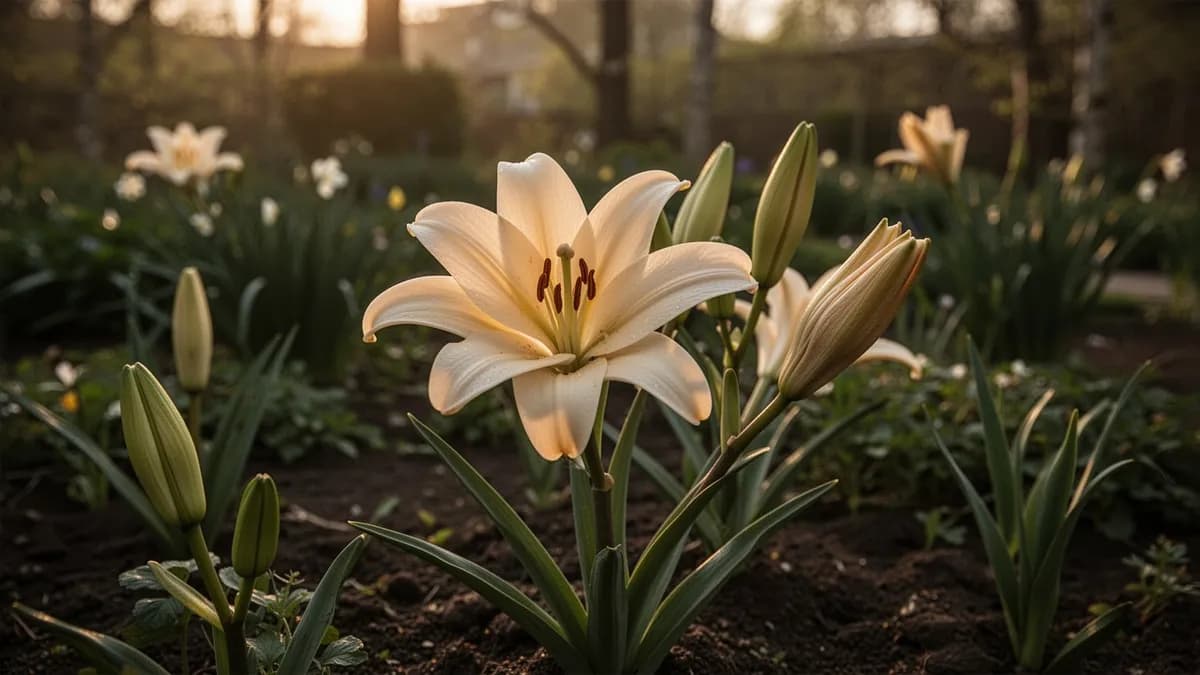
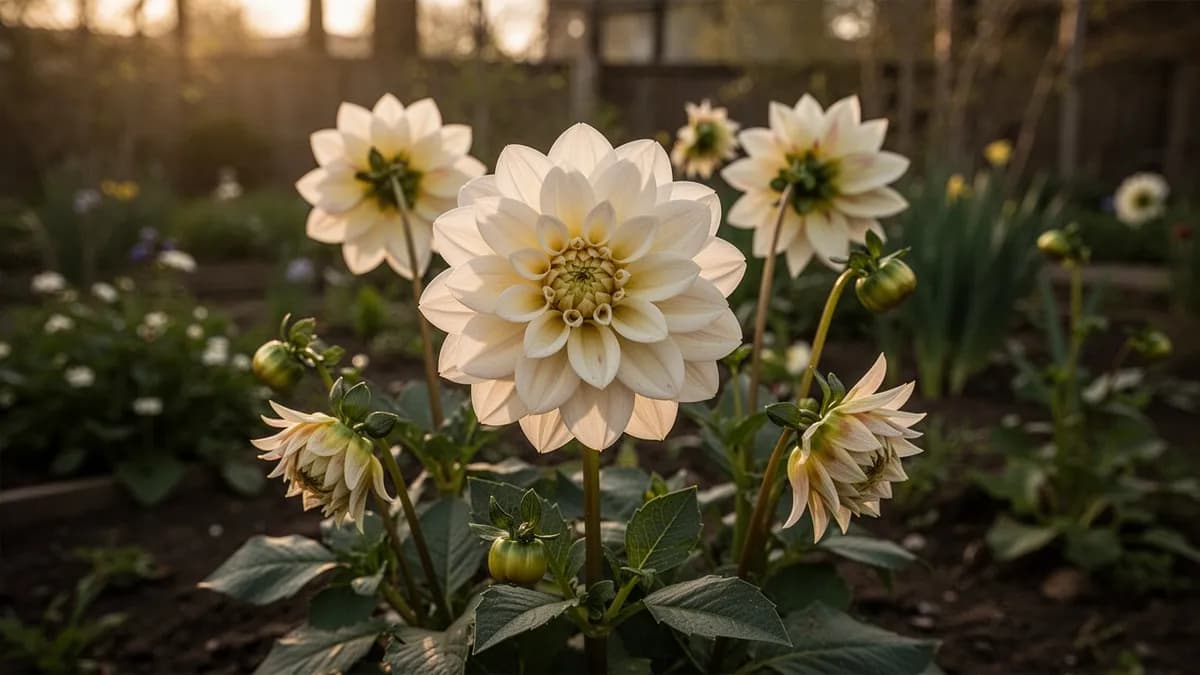
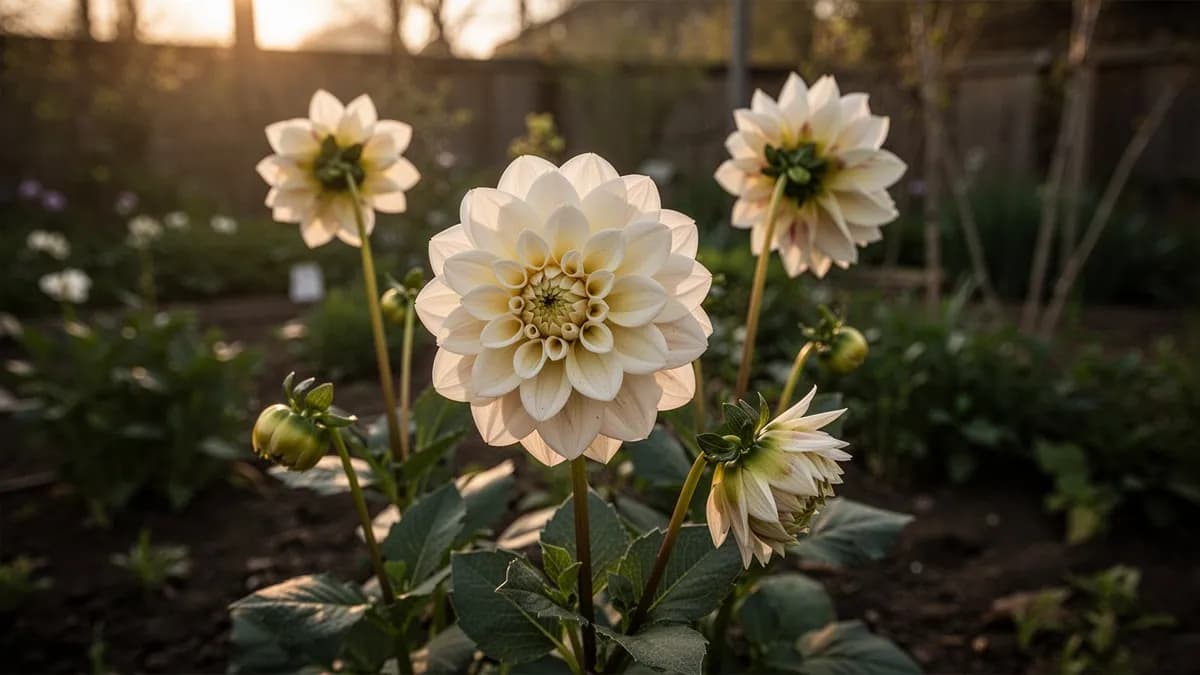
Weitere Zwiebelpflanzen
Bau deine beste Hyazinthe an — und alles drumherum.
Starte heute kostenlos. Lege deine Beete an, setze deine Hyazinthe ein und lass PlotMyGarden Timing, Abstände, Begleiter und Erinnerungen von der Saat bis zum Erntekorb übernehmen.