Helichrysum
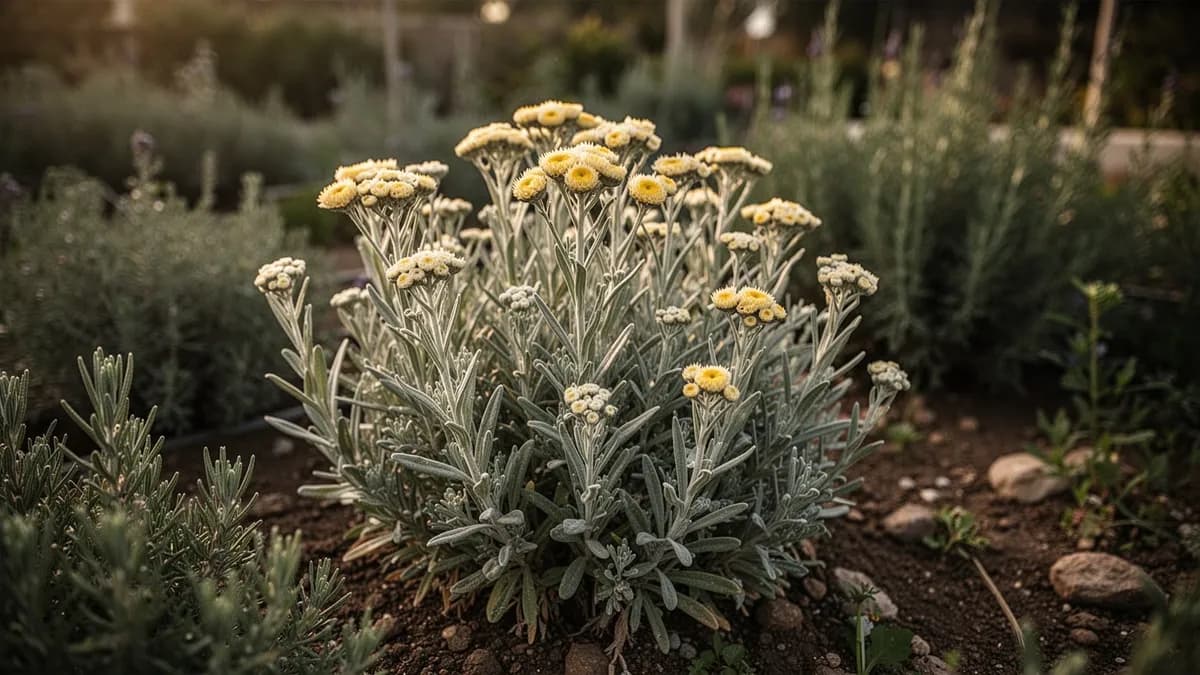
Also known as immortelle or everlasting flower, this silvery Mediterranean sub-shrub produces yellow button flowers prized in aromatherapy.





On this pageOverview
Meet Helichrysum
Also known as immortelle or everlasting flower, this silvery Mediterranean sub-shrub produces yellow button flowers prized in aromatherapy. Helichrysum essential oil is one of the most expensive and sought-after for skin care preparations and emotional aromatherapy. Grow in full sun with lean, well-drained soil and harvest flower buds just before they fully open.
When to plant Helichrysum
Helichrysum is best propagated from semi-ripe cuttings taken in late summer. Select 7-10cm non-flowering shoot tips, strip lower leaves, dip in rooting hormone, and insert into a very gritty compost mix. Keep barely moist in a bright, frost-free location. Roots develop in 4-8 weeks. Can also be grown from seed: surface-sow on gritty compost in spring at 18-22°C. Germination takes 1-3 weeks but is often irregular. Cuttings produce more uniform plants.
Your Helichrysum Year
Composed for Zone 7 · typical seasons · frost passes Apr 2, returns Nov 1
Plant Helichrysum Mar – May, pick Jun – Aug. Check the planting methods below and set your climate to personalize these windows.
How to grow Helichrysum
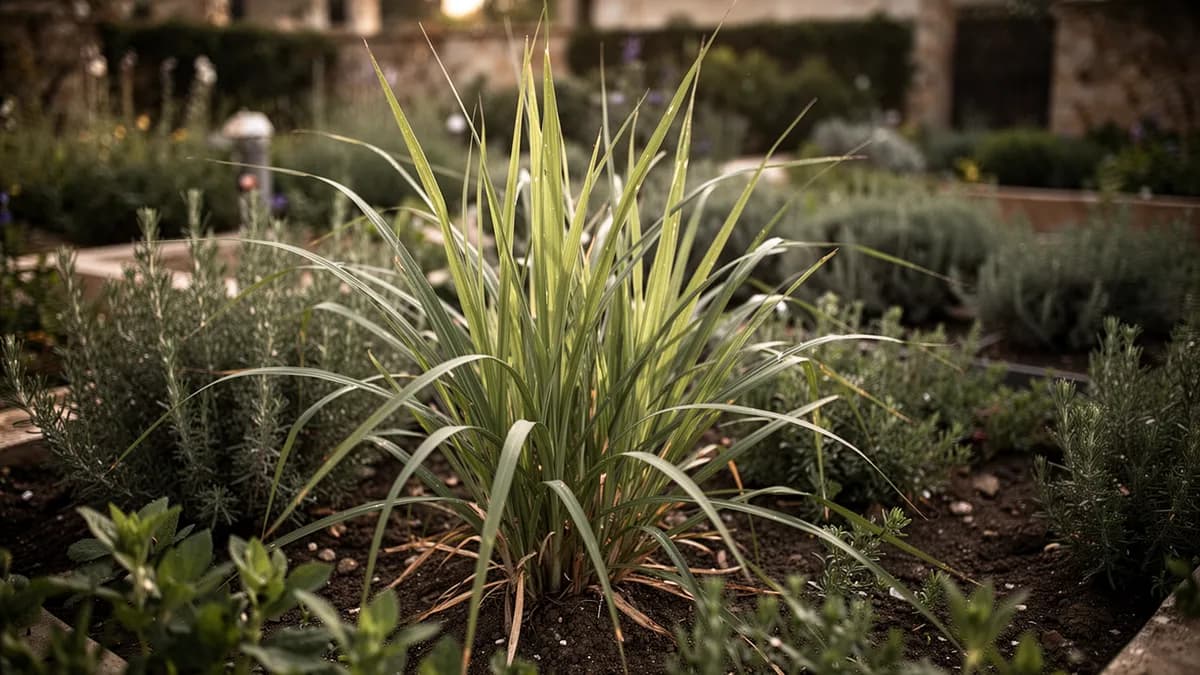
Helichrysum, also known as immortelle or everlasting flower, is a compact silver-leaved sub-shrub forming dense mounds 30-50cm tall. Note that this aromatic/essential oil variety is the same species (H. italicum) as the curry plant but is grown specifically for its flowers and essential oil rather than culinary use. Plant in full sun with lean, very well-drained soil.
This Mediterranean native thrives on neglect in hot, dry conditions. Avoid rich soil, frequent watering, or heavy feeding—all of which produce weak growth and dilute the essential oils that make helichrysum so valuable. Sandy, gravelly, or chalky soils are ideal. In cooler climates, plant against a south-facing wall for maximum warmth and reflected heat.
Prune lightly after flowering, cutting back to just below the spent flower heads but never into bare old wood. This maintains the compact, silvery mound shape. In colder areas (zone 7), protect the crown with a deep gravel mulch in winter. Container culture is ideal where winter drainage cannot be guaranteed—use a terracotta pot with a very gritty compost mix.
18 plants fit a 4 × 8 ft bed
Each Helichrysum wants 40 cm of elbow room. The planner keeps that spacing for you — every plant, every bed.
Helichrysum's best neighbours
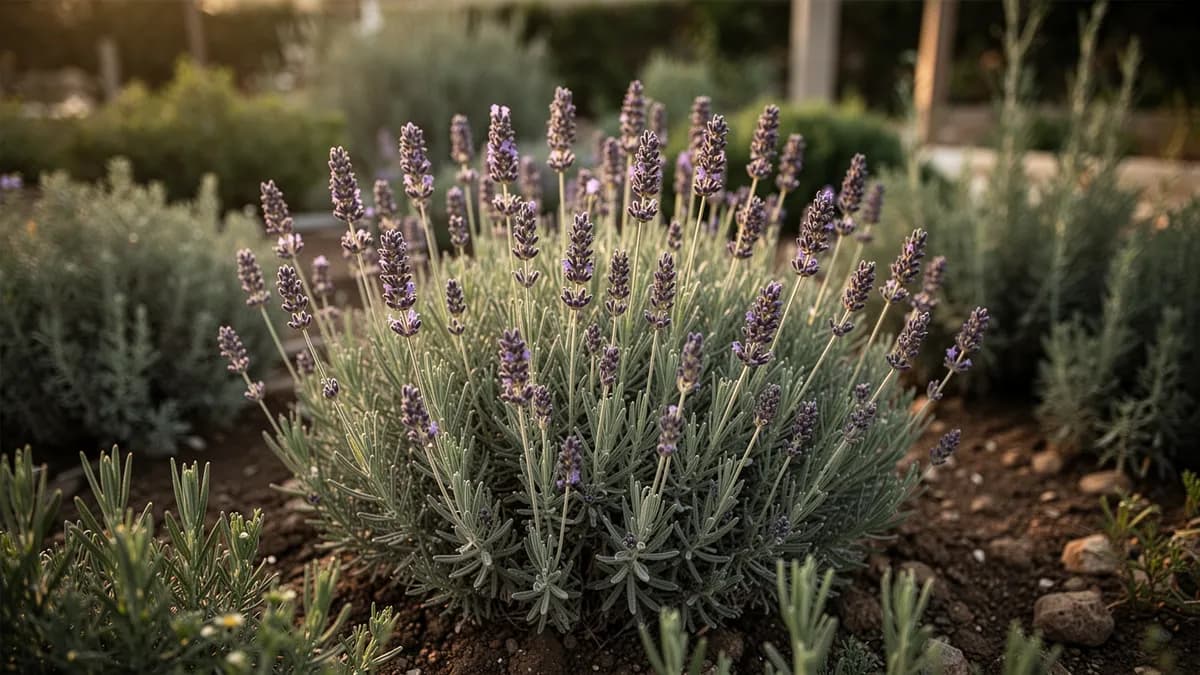
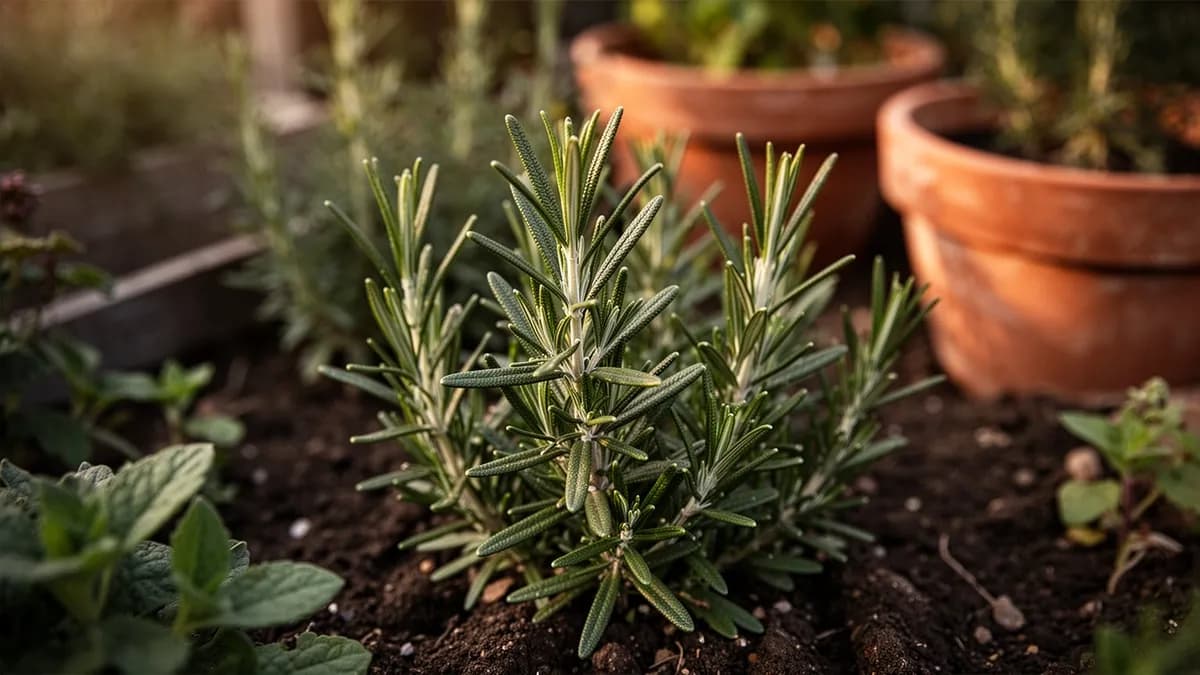
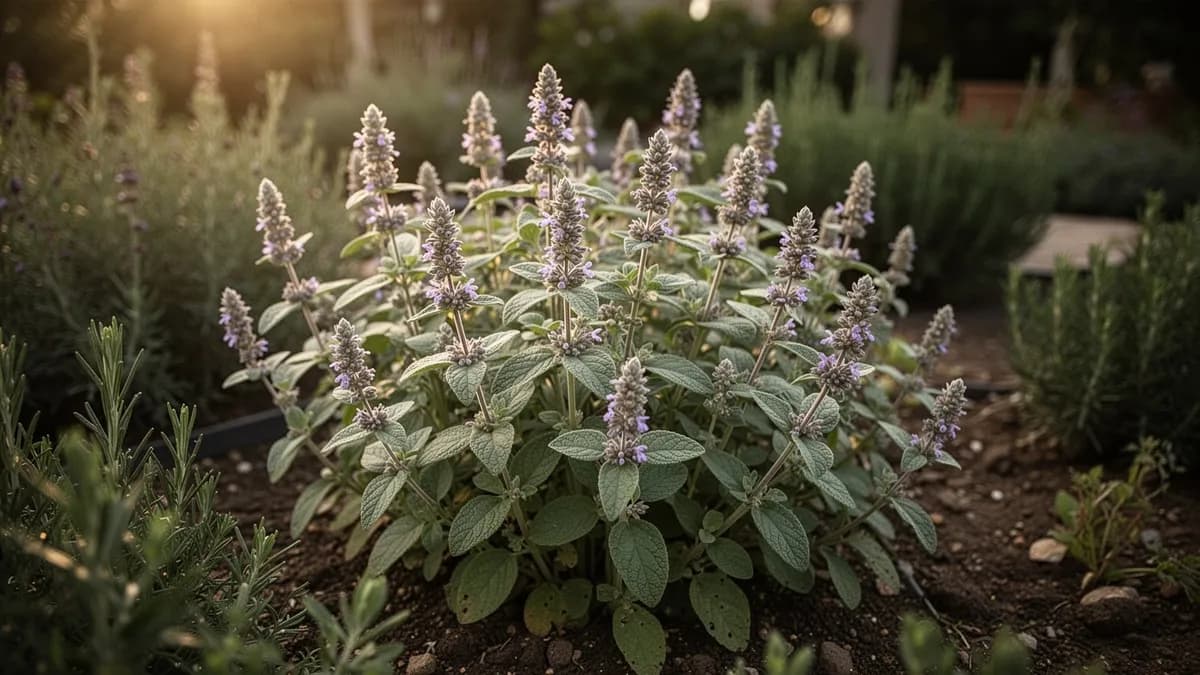
Helichrysum is a natural companion for other silver-leaved Mediterranean herbs including lavender, santolina, rosemary, and artemisia in hot, dry borders and gravel gardens. The silvery foliage provides beautiful textural contrast with purple, blue, and pink flowers. Plant along paths and borders where the sun-warmed foliage releases its aromatic oils.
Lavender belongs beside it.
Old growers' knowledge, checked against Helichrysum's real companion table below — test any plant you're growing.
Try Helichrysum in a bed — right here
A real planner bed with Helichrysum already in it. Tap a companion to place it and watch the pairing checks answer — green for good neighbours, red for a clash.


Related growing guides
Feed it well
Helichrysum demands the sharpest possible drainage with a pH of 6.5-8.5. Poor, gravelly, sandy, or chalky soils are ideal. Never enrich the soil—lean conditions produce the highest concentrations of essential oils. Mix at least 50% grit into planting holes in average garden soil. No fertilizer is needed or wanted. Container plants can receive a very dilute liquid feed once in spring.
Ideal Temperature
Hardiness Zone Compatibility
From seed to harvest, stage by stage
Seed Germination
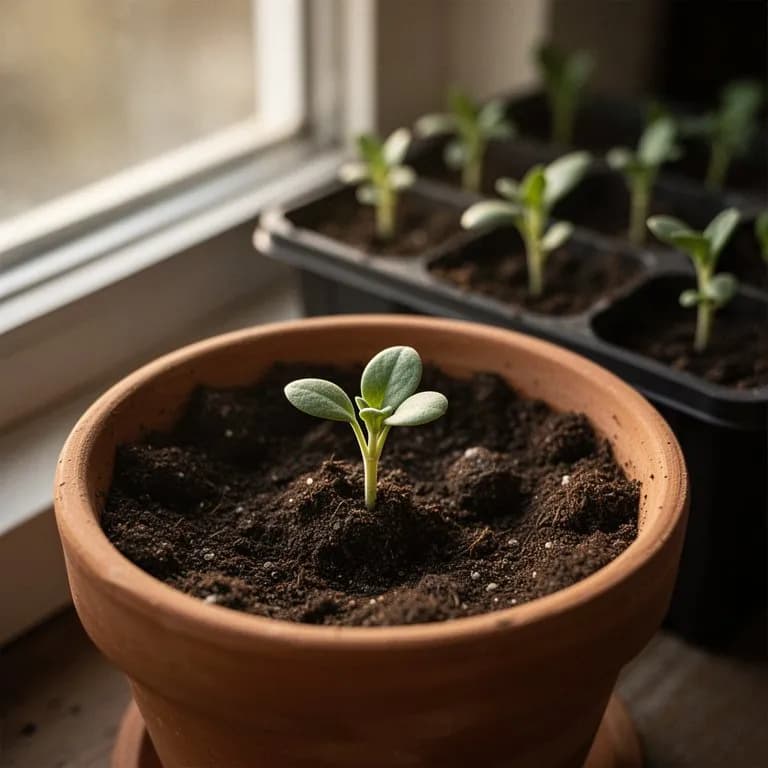
Helichrysum seeds are very fine and need light to germinate. Surface-sow on moist, well-drained seed-starting mix and press gently without covering. Provide consistent warmth around 18-22°C and bright indirect light. Germination can be erratic, taking anywhere from 7 to 14 days under optimal conditions.
Seedling Establishment
Tiny seedlings emerge with slender, silvery-green cotyledons followed by narrow true leaves. Growth is slow initially and the seedlings are delicate. Provide bright light for 10-12 hours per day and maintain good air circulation to prevent damping off disease.
Vegetative Growth
Plants develop their distinctive narrow, silvery-grey aromatic foliage and begin building a semi-woody framework. Stems become wiry and the plant starts to form a loose, bushy mound. The curry-like scent of the foliage becomes more pronounced as leaves mature.
Bud Formation
Rounded clusters of small buds appear at the tips of the stems, initially tightly closed and covered with papery bracts. The buds gradually develop their golden-yellow colouration as they prepare to open. The plant directs energy upward and flower stems elongate.
Full Bloom
Golden button-like flowers open in flat-topped clusters, attracting pollinators with their subtle honey-like fragrance. The papery petals feel dry to the touch even while fresh, a hallmark of the everlasting flower family. This is the ideal time to harvest for drying and essential oil extraction.
Seed Set and Late Season
Unfertilised flowers gradually fade while pollinated blooms develop tiny seeds with fluffy pappus for wind dispersal. The plant begins to slow its growth and redirect energy to its root system. Foliage remains aromatic and attractive throughout this period.
Winter Rest
Growth slows considerably as temperatures drop. In mild climates the silver foliage persists through winter, maintaining ornamental interest. In colder regions the plant may die back partially. The semi-woody base provides some frost protection for the crown.
Mist the surface gently to keep it evenly moist. Using a clear humidity dome helps maintain the moisture level these tiny seeds require without waterlogging them.
Caring for Helichrysum month by month
What to do each month for your Helichrysum
October
You are hereApply a fresh layer of gravel mulch around the base of plants to improve winter drainage. In cold regions, move container-grown plants under cover. Stop all feeding and reduce watering to near zero.
Know exactly what to do in your garden — every month
One email at the start of each month: what to sow, plant, and tackle right now — for your Helichrysum and everything growing around it. Plus a short starter course that helps you dodge the classic mistakes.
- What to do, right now
- Matched to your season
- Starter course included
Harvesting Helichrysum
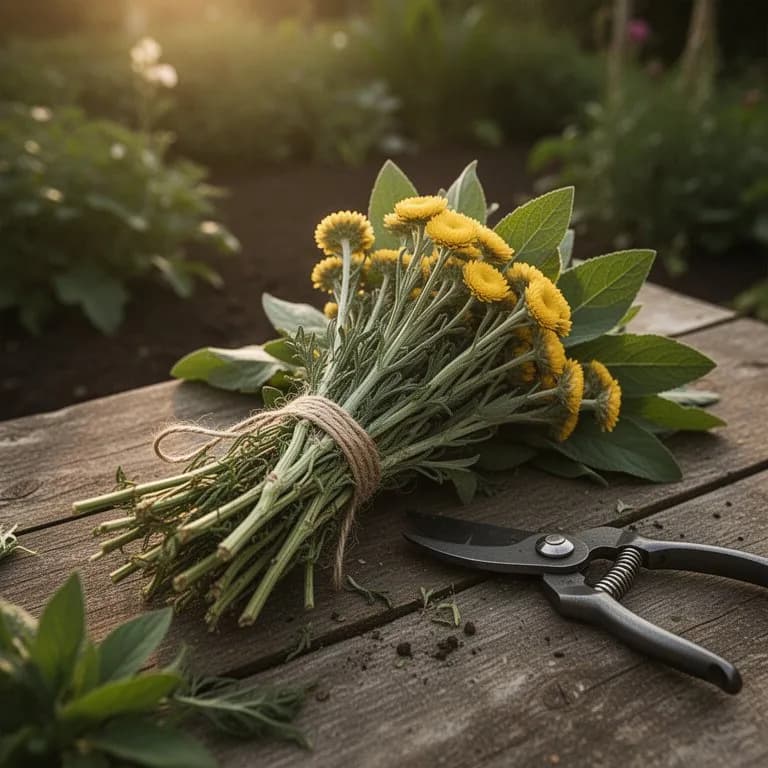
Harvest helichrysum flower buds just as they begin to open but before they are fully expanded—this is when essential oil content peaks. Cut flower stems with secateurs, leaving enough foliage below for the plant to regenerate. For dried flowers, harvest when buds are half-open; they will continue to open as they dry. The silver foliage can be harvested sparingly throughout the season for sachets and potpourri.
assuming you plant when the window opens — set your real date
Pick Helichrysum promptly and the plant keeps producing.
Storage & Preservation
Hang flower stems upside down in a warm, dark, well-ventilated area to dry. The papery, straw-like flowers are true everlastings—they retain their form and golden color indefinitely when properly dried. Store dried flowers loosely in paper bags or display in arrangements. For essential oil, steam distillation of fresh flowers yields the prized helichrysum oil used in skin care and aromatherapy. Dried foliage retains its silver color and subtle fragrance for potpourri.
What goes wrong — and the fix
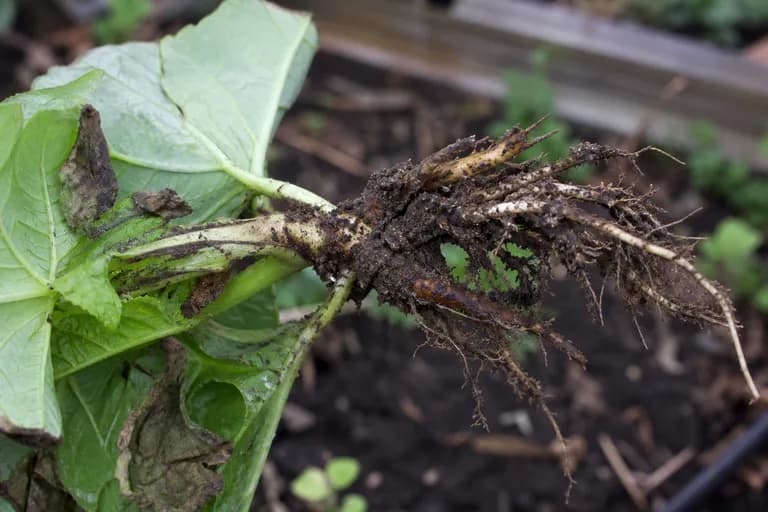
Root Rot
DiseaseBrowning foliage, wilting despite wet soil, mushy stem bases. Almost always caused by poor drainage and overwatering.
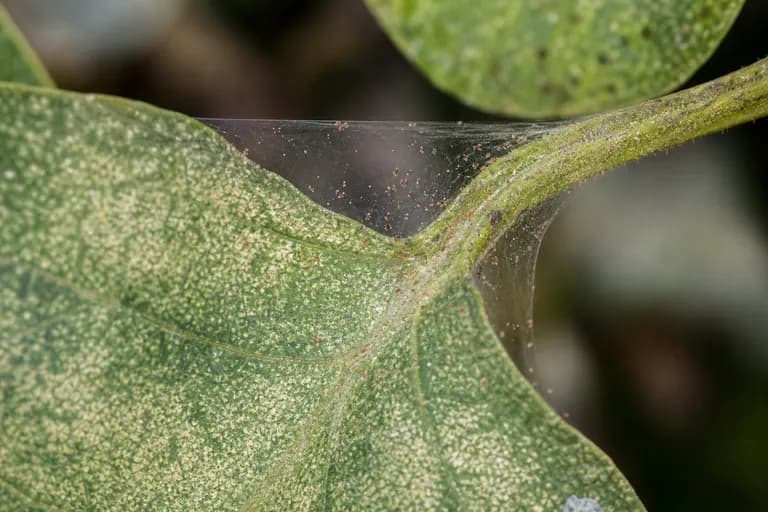
Spider Mites
PestFine stippling on leaves, tiny webbing between needles. More common on stressed plants in hot, dry conditions.
Troubleshooting Common Problems
Winter death from wet soil is the primary cause of failure. Ensure perfect drainage or grow in containers that can be sheltered from winter rain. Leggy, open growth means insufficient sun or too-rich conditions. Cutting into old bare wood usually kills that section—always prune to where green growth exists. In humid climates, fungal problems are more likely; extra drainage is essential.
Growing Tips
- Plant helichrysum in the hottest, driest, most sun-baked spot in your garden. It evolved on exposed Mediterranean hillsides and produces the most aromatic foliage and abundant flowers when pushed by heat and light.
- Drainage is the single most critical factor for helichrysum. Amend heavy or clay soils with generous amounts of coarse grit, perlite, or sharp sand before planting. Raised beds and rockeries are ideal.
- Water sparingly once established. Helichrysum is extremely drought-tolerant and overwatering is the most common cause of plant death. Let the soil dry completely between waterings, especially in cooler months.
- Avoid rich, fertile soil and heavy feeding. Helichrysum produces more aromatic oils and compact growth in poor, lean soil. Excessive nitrogen leads to floppy, less fragrant plants with fewer flowers.
- Prune lightly in spring once new growth appears, shaping the plant into a compact mound. After flowering, trim back spent stems by about one-third to maintain density and encourage fresh foliage.
- Use gravel or stone mulch rather than organic bark mulch around helichrysum. Organic mulches trap moisture against the crown and stems, creating conditions for root rot and stem dieback.
- Propagate from semi-ripe cuttings taken in late summer. Select non-flowering shoots about 8-10 cm long, strip the lower leaves, dip in rooting hormone, and root in a gritty mix of perlite and sand.
- In regions with cold, wet winters, grow helichrysum in terracotta containers that can be moved to a sheltered, dry position over winter. Terracotta breathes and helps prevent waterlogging.
- Companion plant helichrysum with other Mediterranean herbs such as lavender, rosemary, and thyme. They share identical cultural requirements and create a beautiful, low-maintenance aromatic garden.
- Harvest flowers for drying just as the buds begin to open. The papery bracts will continue to unfurl after cutting, giving you perfectly formed everlasting blooms that retain their golden colour indefinitely.
Grow your best Helichrysum yet — and everything around it.
Start a free plan today. Lay out your beds, drop in your Helichrysum, and let PlotMyGarden handle the timing, spacing, companions and reminders from seed to harvest basket.
Pick your Helichrysum
Helichrysum italicum subsp. serotinum
The variety most commonly grown for essential oil production. Late-flowering with particularly high oil content in the flower heads.
Helichrysum italicum 'Tall'
Taller selection reaching 60cm, producing more flower stems for cutting. Good for larger garden borders.
Helichrysum italicum 'Dwarf'
Compact form at just 20-25cm tall. Excellent for rock gardens, containers, and front-of-border positions.
A single helichrysum plant costs $5-10 at a nursery and, in mild climates, can live for 8-12 years with minimal care. Helichrysum essential oil retails for $30-80 per 5 ml bottle, making it one of the most expensive botanical oils. While home distillation requires substantial plant material, growing your own provides an unlimited supply of fresh and dried foliage for culinary use, herbal teas, and infused oils that would otherwise cost $10-25 per small packet. Dried everlasting flowers sell for $8-15 per bunch at florists. A mature plant easily produces 3-5 bunches per season. Propagation from cuttings is straightforward and free, allowing you to expand your planting without additional cost.
Quick recipes
Helichrysum Curry-Scented Rice
25 minutesAromatic basmati rice infused with fresh helichrysum leaves that impart a subtle, warm curry-like flavour without any actual curry spices. The leaves are added during cooking and removed before serving, leaving behind a delicate savoury aroma that pairs beautifully with grilled fish, chicken, or roasted vegetables.
7 ingredientsHelichrysum and Honey Herbal Tea
10 minutesA soothing golden infusion made from dried helichrysum flowers and aromatic leaves. This traditional Mediterranean tisane has a warm, slightly sweet, herbaceous flavour with subtle notes of chamomile and honey. It has been enjoyed for centuries as a gentle digestive aid and calming evening drink.
5 ingredientsMediterranean Herb Butter with Helichrysum
15 minutes + chillingA fragrant compound butter blending helichrysum leaves with classic Mediterranean herbs. The helichrysum contributes a warm, curry-like undertone that makes this butter exceptional on grilled fish, roasted lamb, or crusty sourdough bread. Roll into a log and slice as needed.
7 ingredientsWhat's inside
Health Benefits
- Helichrysum essential oil contains italidiones, rare compounds with clinically studied anti-haematoma properties that may help reduce bruising and promote the reabsorption of blood under the skin when applied topically in diluted form.
- The plant is rich in arzanol, a potent anti-inflammatory compound that has been shown in laboratory studies to inhibit key inflammatory pathways, potentially offering relief for skin irritation and minor inflammatory conditions.
- Traditional Mediterranean herbal medicine has long used helichrysum infusions to support liver health and detoxification, with modern research suggesting the flavonoids present may have hepatoprotective effects.
- Helichrysum tea has been used for centuries as a gentle digestive aid, helping to relieve bloating, indigestion, and mild stomach discomfort thanks to its antispasmodic properties.
- The antioxidant-rich flavonoids in helichrysum, including naringenin and apigenin, help neutralise free radicals and may contribute to cellular protection against oxidative stress.
- Topical preparations containing helichrysum extract have been studied for their skin-regenerative properties, showing promise in supporting wound healing, reducing scarring, and soothing minor burns and sunburn.
Where Helichrysum comes from
Helichrysum (Helichrysum angustifolium, also classified as Helichrysum italicum) is native to the rocky, sun-drenched hillsides and coastal scrublands of the Mediterranean basin, with its primary range extending across southern France, Corsica, Sardinia, the Dalmatian coast, Greece, and North Africa. It is a defining species of the Mediterranean maquis and garrigue plant communities, thriving in thin, calcareous or sandy soils at elevations from sea level to about 800 metres, where summer drought and intense sunshine would challenge less adapted species. The plant has been intertwined with Mediterranean culture for millennia. Ancient Greeks and Romans valued helichrysum for both its ornamental beauty and its medicinal properties. Greek physicians including Dioscorides and Galen described its use in treating wounds, respiratory complaints, and digestive disorders. The flowers were woven into garlands for religious ceremonies because they never wilted, earning the plant associations with immortality and the divine. During the medieval period, helichrysum continued to be cultivated in monastery physic gardens across southern Europe, where monks documented its effectiveness as an anti-inflammatory and skin-healing agent. Folk medicine traditions on the islands of Corsica and Sardinia developed particularly detailed knowledge of the plant, using infusions of the flowers and leaves to treat bruises, burns, allergies, and liver complaints. The essential oil industry brought renewed attention to helichrysum in the 20th century, as steam distillation revealed the extraordinary concentration of bioactive compounds in the flowers, including italidiones, neryl acetate, and curcumene. Today, Helichrysum italicum essential oil is among the most prized and expensive botanical extracts in aromatherapy and natural skincare, driving significant commercial cultivation in the Balkans, Corsica, and parts of southern France. As a garden plant, helichrysum has gained popularity worldwide for its drought tolerance, silver foliage, and everlasting golden flowers.
Helichrysum: did you know?
Fascinating facts about Helichrysum
Helichrysum gets its name from the Greek words 'helios' (sun) and 'chrysos' (gold), meaning 'golden sun,' a reference to the brilliant colour of its everlasting flowers.
Helichrysum questions, answered
When should I plant Helichrysum?
What are good companion plants for Helichrysum?
What hardiness zones can Helichrysum grow in?
How much sun does Helichrysum need?
How far apart should I space Helichrysum?
What pests and diseases affect Helichrysum?
How do I store Helichrysum after harvest?
What are the best Helichrysum varieties to grow?
What soil does Helichrysum need?
Is helichrysum the same as the curry plant?
Can I use helichrysum for cooking and is it safe to eat?
Why is my helichrysum dying or turning brown?
How cold-hardy is helichrysum and can it survive frost?
How do I make helichrysum essential oil or infused oil at home?
How do I dry helichrysum flowers so they keep their colour?
You just read the theory. Now grow it on autopilot.
Everything that makes Helichrysum fiddly — the timing, the spacing, the companions, the harvest window — is exactly what PlotMyGarden handles for you, for every plant in your garden.
A plan that knows your weather
Set your location once. Get sow, feed and harvest dates built around your real last-frost date and live forecast — no more guessing from a generic seed packet.
From the “When to plant” sectionDrag-and-drop bed planner
Design beds on a grid. Every plant snaps to its proper spacing, and you can see your whole season laid out before you spend a cent on seed.
From the “Growing guide” sectionCompanion conflicts, caught early
200+ good-and-bad pairings checked live as you plant — so a season-wrecking mistake never makes it into the ground.
From the “Companions” sectionReminders you'll actually act on
“Water the beans.” “Pick today before it turns.” Timely, specific, and tied to the plants you're really growing.
From the “Harvest” sectionSuccession, scheduled
Want a harvest for six weeks, not six days? It spaces your sowings automatically and reminds you when each new block is due.
From the “When to plant” sectionA record that gets smarter
Every harvest you log teaches it your garden. Next year's plan starts from what actually worked in your soil, not a textbook's.
From the “Overview” sectionPlant these alongside Helichrysum
More Aromatic Herbs
Grow your best Helichrysum yet — and everything around it.
Start a free plan today. Lay out your beds, drop in your Helichrysum, and let PlotMyGarden handle the timing, spacing, companions and reminders from seed to harvest basket.