Guayusa
An Amazonian holly tree whose caffeinated leaves are brewed into a smooth, non-bitter energy tea by indigenous Kichwa people.





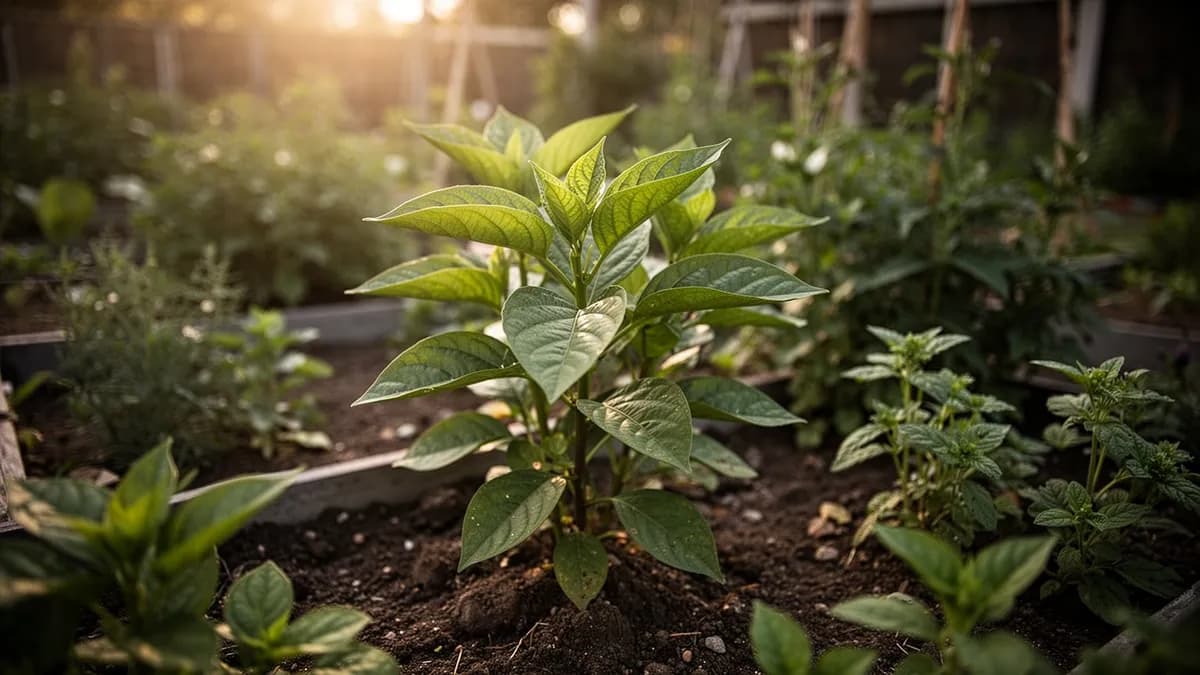
On this pageOverview
Meet Guayusa
An Amazonian holly tree whose caffeinated leaves are brewed into a smooth, non-bitter energy tea by indigenous Kichwa people. Guayusa contains as much caffeine as coffee but with a clean, gentle lift and no jitters due to its L-theanine content. Grow only in tropical conditions with rich soil, high humidity, and year-round warmth.
When to plant Guayusa
Guayusa seeds are extremely difficult to obtain and have very low germination rates, making vegetative propagation the preferred method. If seeds are available, sow fresh seeds immediately as viability drops rapidly. Surface sow on moist, acidic seed-starting mix and maintain high humidity and temperatures of 25-30 degrees Celsius. Germination is erratic and may take several months. Stem cuttings taken from semi-hardwood growth in summer root more reliably under mist with bottom heat. Air layering established branches is also effective.
Your Guayusa Year
Composed for Zone 7 · typical seasons · frost passes Apr 2, returns Nov 1
Plant Guayusa Apr – Jun, pick Jan – Dec. Check the planting methods below and set your climate to personalize these windows.
How to grow Guayusa
Guayusa is a tropical holly tree native to the upper Amazon rainforest of Ecuador, growing naturally at elevations of 200-2000 meters. It requires consistently warm temperatures between 20-30 degrees Celsius year-round and cannot tolerate any frost. In zones 10-12, plant in a sheltered location with filtered light mimicking its understory forest habitat.
Plant young trees in rich, well-drained soil amended with generous amounts of organic matter. Guayusa thrives in the same acidic, humus-rich soil conditions as tea plants (Camellia sinensis), with an ideal pH of 5.0 to 6.5. Water frequently to maintain consistent moisture, as the tree is accustomed to Amazonian rainfall levels. High humidity is essential for healthy growth.
Guayusa can reach 6-30 meters in the wild but is typically maintained as a smaller tree or large shrub through regular pruning and leaf harvesting. Prune to maintain a manageable height of 2-3 meters, which also encourages bushy lateral growth and easier leaf harvest. In temperate climates, grow in large containers in a heated greenhouse or conservatory with supplemental humidity. Young trees grow slowly for the first two years before accelerating once established.
2 plants fit a 4 × 8 ft bed
Each Guayusa wants 120 cm of elbow room. The planner keeps that spacing for you — every plant, every bed.
Related growing guides
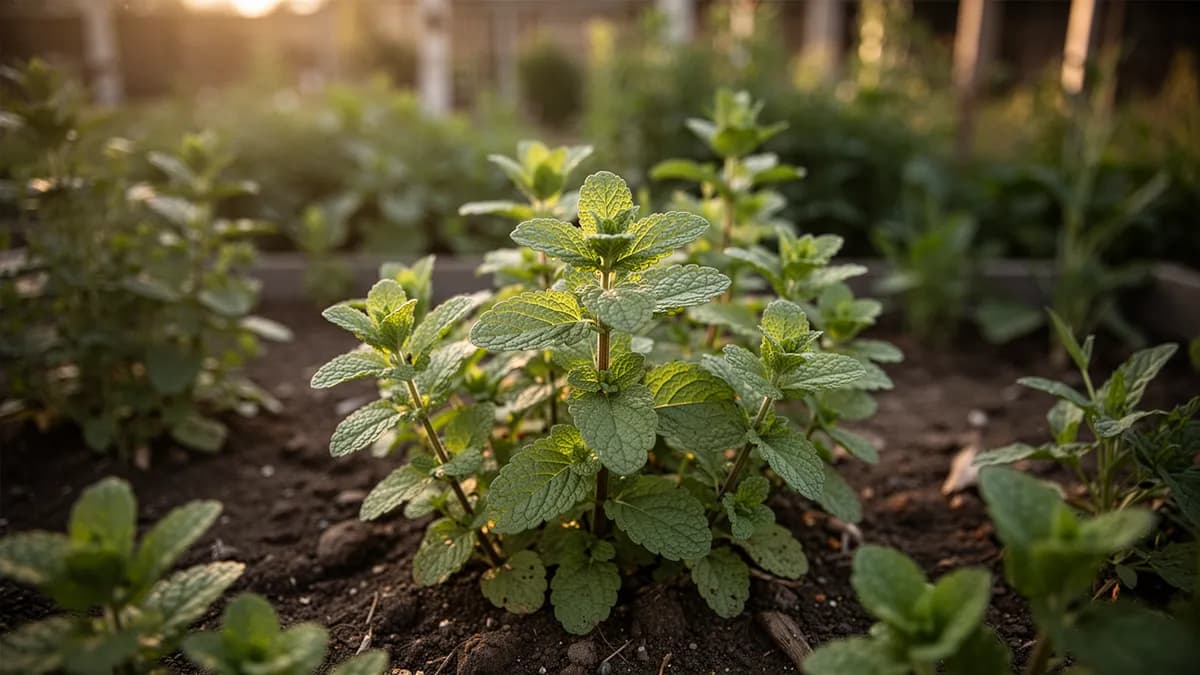
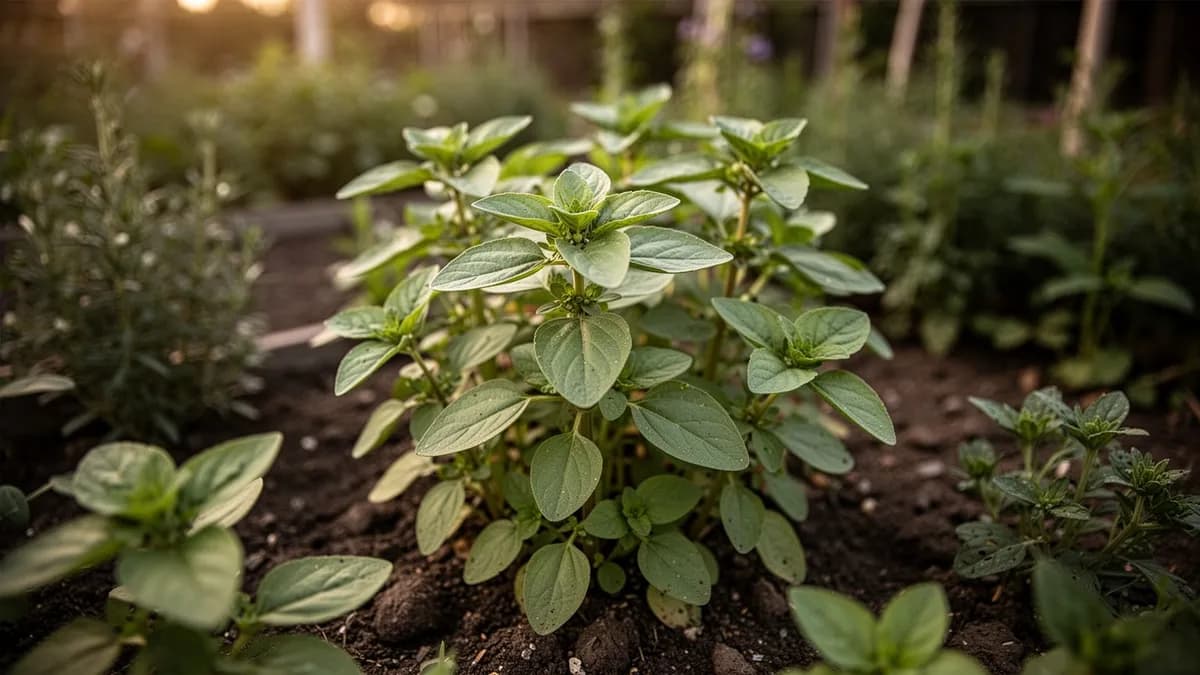
Feed it well
Guayusa requires rich, acidic soil with a pH of 5.0 to 6.5, high in organic matter and with excellent drainage. In containers, use a mix of pine bark, peat moss, perlite, and compost. Feed monthly with an acidifying fertilizer formulated for acid-loving plants such as azaleas or camellias. Supplement with fish emulsion or compost tea during the growing season. Mulch with pine needles or acidic bark chips to maintain soil acidity and moisture.
Ideal Temperature
Hardiness Zone Compatibility
From seed to harvest, stage by stage
Propagation and Germination
Guayusa is notoriously difficult to grow from seed, as viable seeds are extremely rare in cultivation. Most propagation is done through stem cuttings or air layering. Cuttings taken from semi-hardwood stems require warm, humid conditions and rooting hormone to establish. Germination from seed, when available, can take 30 to 60 days under consistent tropical warmth.
Seedling Establishment
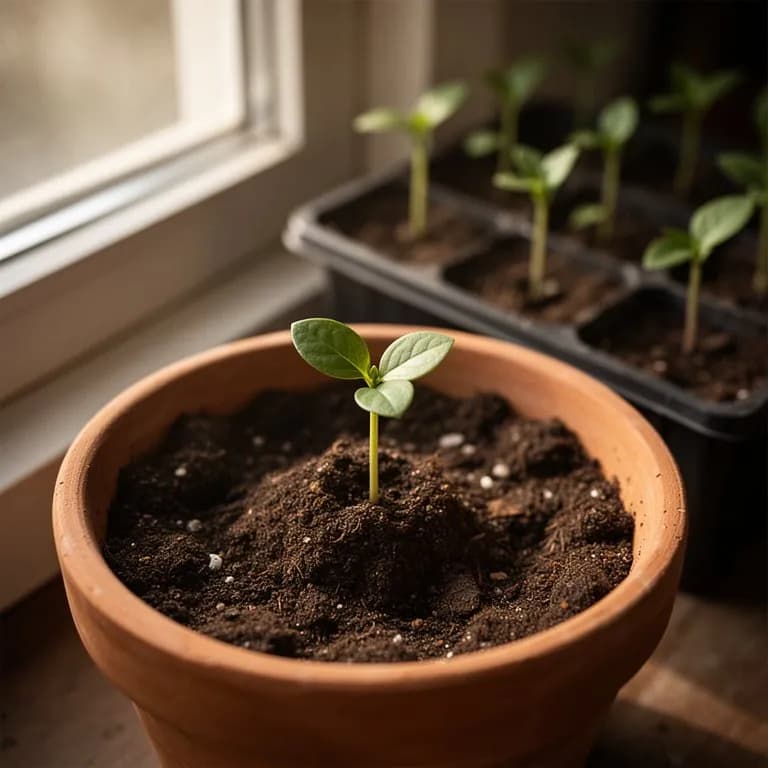
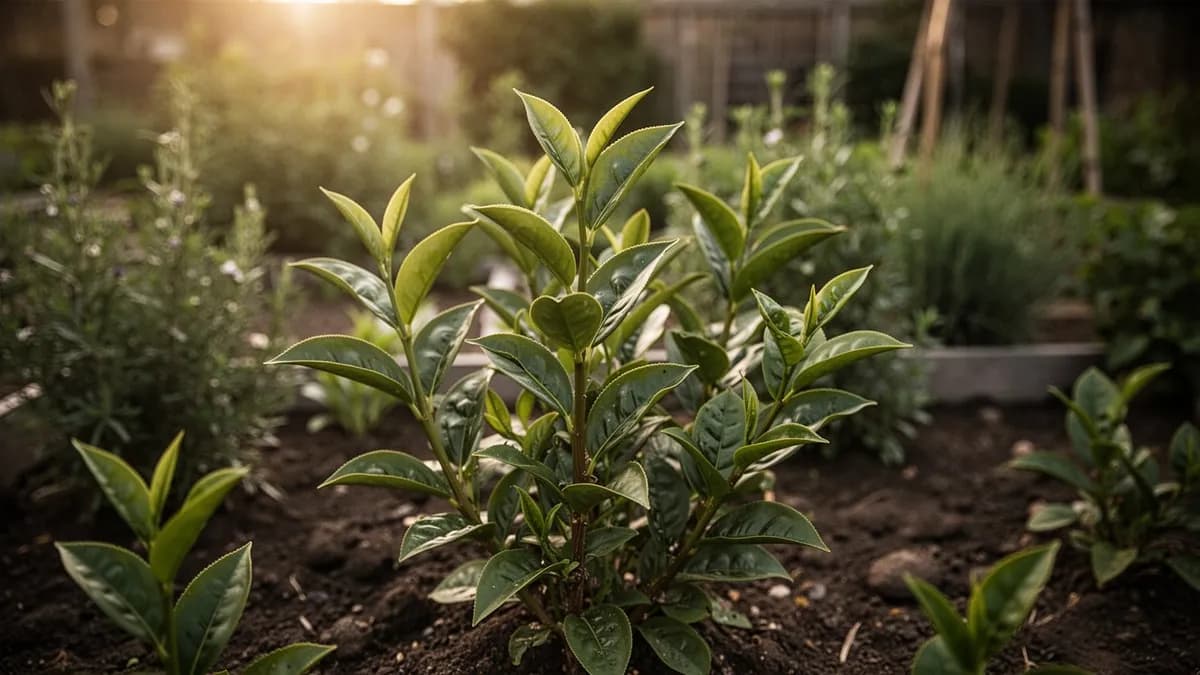
Young guayusa plants develop slowly in their first months, producing small pairs of glossy leaves along a single stem. The root system is establishing during this period and the plant is particularly sensitive to cold, drought, and direct intense sunlight. Growth is modest but steady in warm, sheltered conditions.
Juvenile Growth
The plant begins to accelerate growth, developing lateral branches and larger leaves. In tropical conditions, guayusa can grow 60-90 cm per year during this phase. The leaves become increasingly leathery and dark green as the plant matures. A woody stem base begins to form as the plant transitions from herbaceous to woody growth.
Active Canopy Development
Guayusa develops a dense canopy of glossy evergreen leaves and begins to resemble a small tree. In its native habitat, plants can reach 6-10 meters at maturity, though container-grown specimens remain much smaller. The leaves reach their full size of 10-17 cm and develop maximum caffeine and antioxidant concentrations.
Mature Productive Stage
A fully established guayusa plant produces abundant foliage suitable for regular harvesting. Mature trees in the Amazon can be harvested multiple times per year over decades. The plant may produce small white flowers and occasionally small berry-like fruits, though fruiting is uncommon in cultivation outside its native range.
Use a rooting hormone on semi-hardwood cuttings about 15-20 cm long. Place in a well-draining medium of perlite and peat, and maintain humidity above 80% using a plastic dome or misting system. Bottom heat of 24-27°C significantly improves rooting success rates.
Caring for Guayusa month by month
What to do each month for your Guayusa
October
You are hereTransition container plants back indoors before nighttime temperatures drop below 10°C. Place in the brightest available location, ideally near a south-facing window. Reduce watering slightly as the plant adjusts to lower light conditions.
Know exactly what to do in your garden — every month
One email at the start of each month: what to sow, plant, and tackle right now — for your Guayusa and everything growing around it. Plus a short starter course that helps you dodge the classic mistakes.
- What to do, right now
- Matched to your season
- Starter course included
Harvesting Guayusa
Begin harvesting guayusa leaves once the tree is at least two years old and well established. Pick mature, dark green leaves from outer branches, leaving younger growth to continue developing. Harvest in the morning for highest caffeine and antioxidant content. For traditional preparation, leaves can be used fresh or dried. Remove leaves by hand or snip small branches, taking no more than one-third of the foliage at a time to maintain tree health. Regular harvesting promotes bushier growth.
assuming you plant when the window opens — set your real date
Pick Guayusa promptly and the plant keeps producing.
Storage & Preservation
Dry fresh guayusa leaves by spreading them on screens in a warm, well-ventilated area for three to five days, or use a food dehydrator at 45 degrees Celsius for eight to twelve hours. Dried leaves should be crisp and dark green. Store in airtight containers away from light for up to eighteen months. For a smoother flavor, some producers lightly roast dried leaves. Fresh leaves can be refrigerated for up to one week or frozen for longer storage.
What goes wrong — and the fix
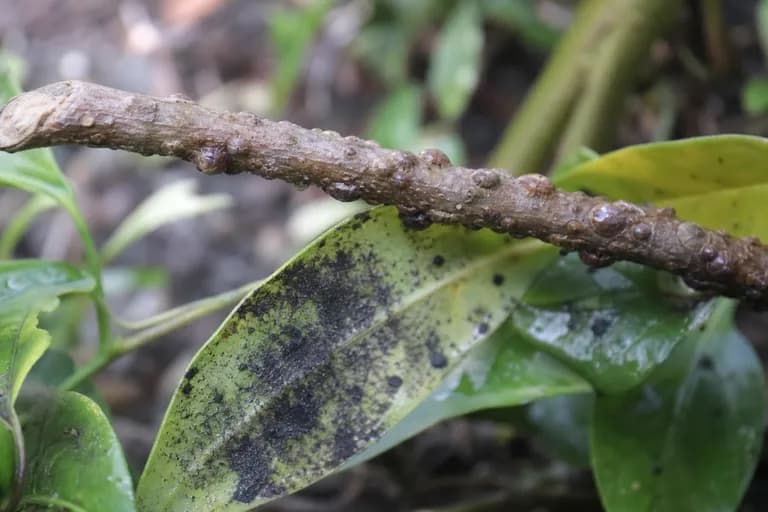
Scale Insects
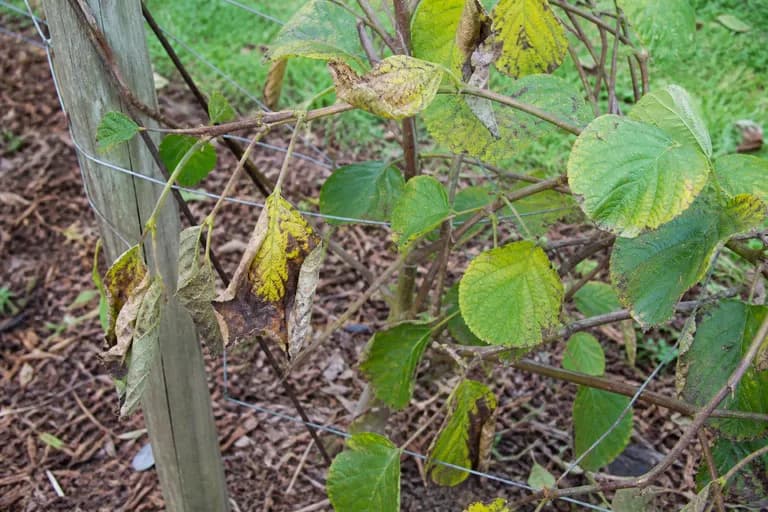
PestSmall brown or white bumps on stems and leaf undersides, sticky honeydew secretion, sooty mold growth on leaves, gradual yellowing and weakening of affected branches
Root Rot (Phytophthora)
DiseaseSudden wilting despite moist soil, dark discolored roots, leaf drop starting from lower branches, stunted growth and general decline
Troubleshooting Common Problems
Cold damage is the most limiting factor, as guayusa dies at temperatures below 5 degrees Celsius. Low humidity causes brown leaf margins and tip burn, especially indoors during winter heating season. Chlorosis from alkaline soil or water appears as yellowing between leaf veins. Slow initial growth in the first two years tests grower patience. Container-grown trees need repotting every two to three years to prevent root-bound decline.
Growing Tips
- Propagate guayusa from semi-hardwood cuttings rather than seeds, as viable seeds are extremely rare. Take 15-20 cm cuttings with at least 3-4 leaf nodes, dip in rooting hormone, and place in a warm, humid propagation chamber for 6-8 weeks.
- Provide bright, indirect light or dappled shade rather than full direct sun. Guayusa is an understory rainforest species adapted to filtered light, and intense direct sunlight can scorch the leaves and stress the plant.
- Maintain high humidity above 60% at all times, especially when growing indoors. Use a pebble tray filled with water beneath the pot, group with other tropical plants, or run a humidifier nearby during dry winter months.
- Use an acidic, well-draining potting mix similar to what you would use for camellias or blueberries. A blend of peat moss, perlite, and pine bark in equal parts works well. Guayusa prefers a soil pH between 4.5 and 6.0.
- Water consistently to keep the soil evenly moist but never soggy. Guayusa does not tolerate drought or waterlogging. Use rainwater or filtered water when possible, as the plant is sensitive to chlorine and fluoride in municipal tap water.
- Feed every two weeks during the active growing season with a balanced acidic fertilizer formulated for hollies, camellias, or tea plants. Reduce feeding to once a month during autumn and stop entirely during the winter rest period.
- Prune regularly to maintain a manageable size and bushy shape in containers. Without pruning, guayusa will grow as a single-stemmed tree. Pinch growing tips to encourage lateral branching and a denser, more productive canopy.
- Protect from temperatures below 10°C at all times. In temperate climates, grow guayusa in a pot that can be moved indoors during autumn and winter. A heated greenhouse or warm conservatory is ideal for year-round cultivation.
- Watch for scale insects and mealybugs, which are the most common pests on indoor guayusa plants. Inspect the undersides of leaves and stem joints regularly, and treat infestations promptly with insecticidal soap or neem oil spray.
- Allow harvested leaves to wilt for 12-24 hours, then dry them slowly in a dehydrator at 40-50°C or in a warm oven with the door ajar. Store dried leaves in airtight containers away from light and moisture for up to one year.
Grow your best Guayusa yet — and everything around it.
Start a free plan today. Lay out your beds, drop in your Guayusa, and let PlotMyGarden handle the timing, spacing, companions and reminders from seed to harvest basket.
Pick your Guayusa
Ecuadorian Guayusa
The primary cultivated form from Ecuador's Napo province, producing large glossy leaves with high caffeine content and a smooth, slightly sweet flavor, the standard for commercial guayusa tea.
Colombian Guayusa
A regional variety found in southern Colombia with slightly smaller leaves and a more herbal, grassy flavor profile, less commonly cultivated but valued by local communities.
A single guayusa plant grown as a container tree can produce enough leaves for 50-100 cups of tea per year once established, replacing specialty guayusa tea bags that retail for $0.50-1.00 each. Over several years, a productive plant can save $50-100 annually compared to purchasing commercial guayusa products. Since guayusa is a perennial evergreen that can be harvested year-round in warm indoor conditions, it provides a continuous supply of fresh caffeinated leaves without recurring seed or planting costs.
Quick recipes
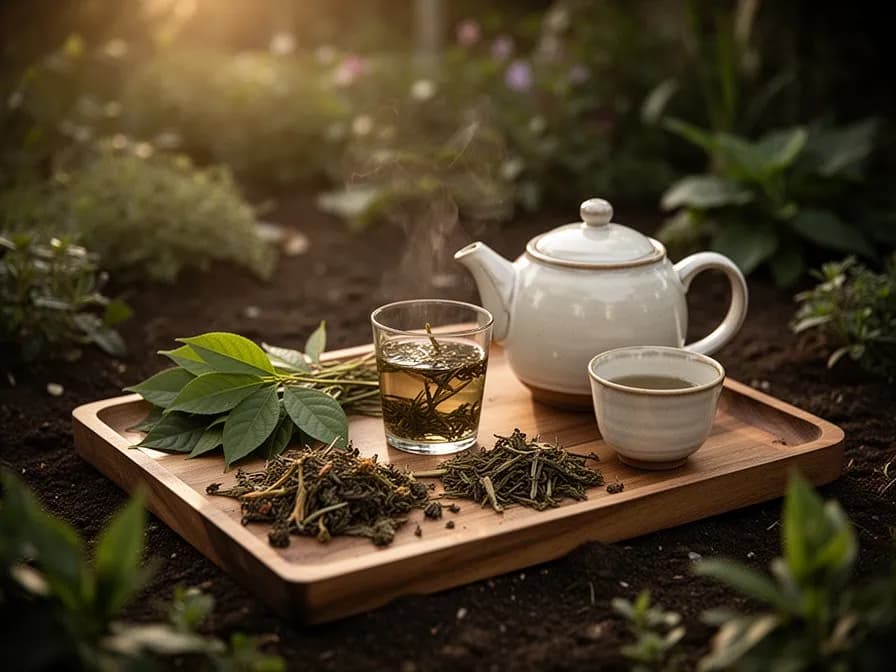
Traditional Amazonian Guayusa Tea
10 minutesA simple, authentic brewing method inspired by the Kichwa tradition of preparing guayusa in the pre-dawn hours. This clean, smooth tea has an earthy, slightly sweet flavor with gentle grassy notes. Unlike most teas, guayusa never becomes bitter no matter how long it steeps, making it wonderfully forgiving to prepare.
5 ingredients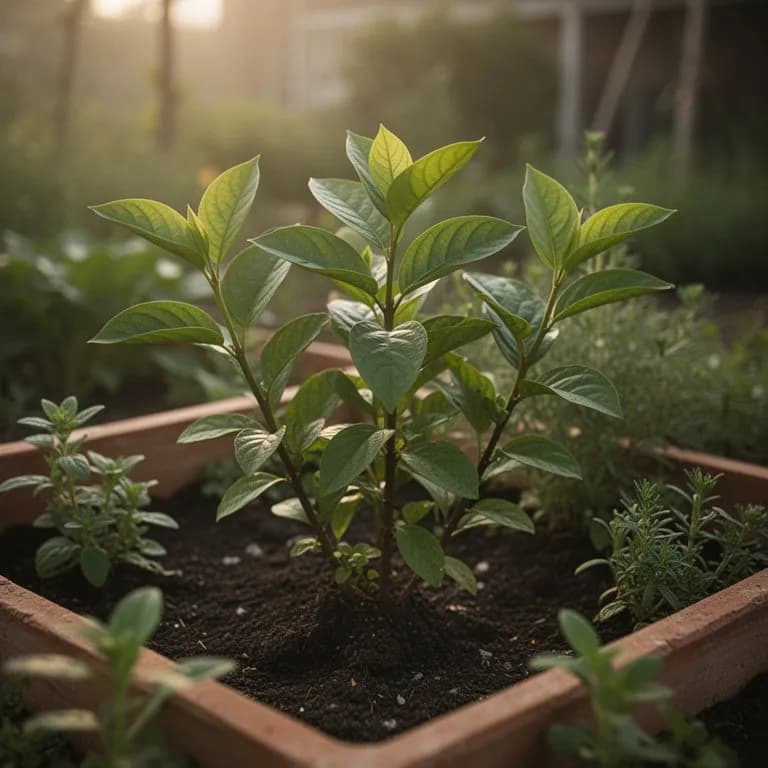
Iced Guayusa Mint Energizer
15 minutesA refreshing cold beverage that combines the smooth caffeine boost of guayusa with the cooling brightness of fresh mint. This drink is an excellent natural alternative to commercial energy drinks, providing sustained focus and hydration without artificial additives or sugar crashes.
7 ingredients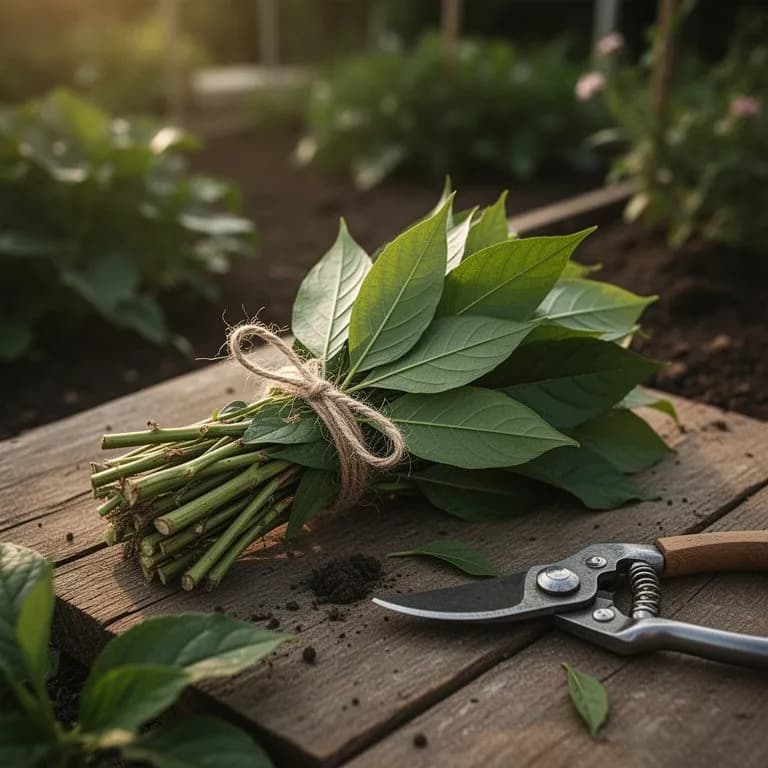
Guayusa Citrus Concentrate
20 minutesA concentrated guayusa brew infused with citrus peel and ginger, designed to be stored in the refrigerator and diluted throughout the week for a convenient daily energy boost. This concentrate captures the full depth of guayusa's earthy flavor with bright citrus and warming ginger notes.
6 ingredientsCulinary Uses
Steep dried or fresh guayusa leaves in water at 85-95 degrees Celsius for three to seven minutes for a smooth, naturally sweet, slightly earthy caffeinated tea. Unlike coffee, guayusa produces no bitterness even when over-steeped. Brew a strong concentrate and serve over ice as cold-brewed guayusa. Blend with mint or lemongrass for flavored variations. The leaves can also be used in caffeinated smoothies and energy drinks.
What's inside
Health Benefits
- Provides a clean, sustained caffeine energy boost without the jitters or crash associated with coffee, thanks to the synergistic combination of caffeine, L-theanine, and theobromine working together
- Rich in chlorogenic acids and polyphenol antioxidants that help reduce oxidative stress and may lower the risk of chronic diseases including cardiovascular disease and type 2 diabetes
- Contains anti-inflammatory compounds that have been traditionally used by Amazonian communities to relieve headaches, muscle aches, and digestive discomfort
- Supports mental clarity and cognitive function through its unique combination of stimulant alkaloids and calming amino acids, making it valued as a natural nootropic beverage
- May support healthy weight management by gently boosting metabolic rate and promoting fat oxidation, effects attributed to its high caffeine and chlorogenic acid content
- Traditionally used by Kichwa healers as a digestive tonic to soothe stomach ailments, reduce nausea, and support healthy gut function after meals
Where Guayusa comes from
Guayusa (Ilex guayusa) is a holly species native to the upper Amazon rainforest, found primarily in Ecuador, Colombia, and Peru at elevations between 200 and 2,000 meters. The plant has been cultivated by indigenous peoples of the western Amazon for millennia, with archaeological evidence suggesting its use dates back at least 2,000 years. The Kichwa people of Ecuador have the deepest and most continuous relationship with guayusa, integrating it into every aspect of daily life and spiritual practice. Before dawn each morning, Kichwa families traditionally gather around a communal fire to drink large bowls of brewed guayusa in a ritual known as the guayusa upina, or morning guayusa ceremony. During these gatherings, elders share stories, interpret dreams from the previous night, and plan the day's activities. Guayusa was believed to sharpen hunting skills, provide protection from snakes, and facilitate communication with the spirit world through vivid dreams. Spanish colonial records from the 1700s mention guayusa as an important trade item among Amazonian communities, and Jesuit missionaries documented its stimulant properties. Remarkably, guayusa is almost never found growing in truly wild conditions, leading ethnobotanists to theorize that it may be one of the oldest cultivated plants in the Amazon, potentially domesticated to the point of losing its ability to reproduce by seed. Nearly all existing guayusa trees descend from cuttings carefully maintained in indigenous garden systems called chacras, a sustainable agroforestry model that integrates food crops, medicinal plants, and timber species under a diverse forest canopy. In the 21st century, guayusa has gained global recognition as a clean energy beverage, with fair-trade initiatives partnering with Kichwa communities to bring sustainably harvested guayusa tea to international markets while supporting rainforest conservation and indigenous livelihoods.
Guayusa: did you know?
Fascinating facts about Guayusa
Guayusa contains one of the highest caffeine concentrations found in any plant, with dried leaves testing at 2-3.5% caffeine by weight, comparable to or exceeding most coffee beans and tea leaves.
Guayusa questions, answered
When should I plant Guayusa?
What hardiness zones can Guayusa grow in?
How much sun does Guayusa need?
How far apart should I space Guayusa?
What pests and diseases affect Guayusa?
How do I store Guayusa after harvest?
What are the best Guayusa varieties to grow?
What soil does Guayusa need?
Can I grow guayusa outside of the tropics?
How long does it take before I can start harvesting guayusa leaves?
Why is guayusa so difficult to grow from seed?
How do I brew guayusa tea for the best flavor and energy?
Is guayusa safe to drink every day?
What pests and diseases affect guayusa plants?
You just read the theory. Now grow it on autopilot.
Everything that makes Guayusa fiddly — the timing, the spacing, the companions, the harvest window — is exactly what PlotMyGarden handles for you, for every plant in your garden.
A plan that knows your weather
Set your location once. Get sow, feed and harvest dates built around your real last-frost date and live forecast — no more guessing from a generic seed packet.
From the “When to plant” sectionDrag-and-drop bed planner
Design beds on a grid. Every plant snaps to its proper spacing, and you can see your whole season laid out before you spend a cent on seed.
From the “Growing guide” sectionCompanion conflicts, caught early
200+ good-and-bad pairings checked live as you plant — so a season-wrecking mistake never makes it into the ground.
From the “Companions” sectionReminders you'll actually act on
“Water the beans.” “Pick today before it turns.” Timely, specific, and tied to the plants you're really growing.
From the “Harvest” sectionSuccession, scheduled
Want a harvest for six weeks, not six days? It spaces your sowings automatically and reminds you when each new block is due.
From the “When to plant” sectionA record that gets smarter
Every harvest you log teaches it your garden. Next year's plan starts from what actually worked in your soil, not a textbook's.
From the “Overview” sectionMore Tea Herbs
Grow your best Guayusa yet — and everything around it.
Start a free plan today. Lay out your beds, drop in your Guayusa, and let PlotMyGarden handle the timing, spacing, companions and reminders from seed to harvest basket.