Ground Cherry
A unique nightshade producing sweet, tropical-flavored fruits inside papery husks that drop to the ground when ripe.





On this pageOverview
Meet Ground Cherry
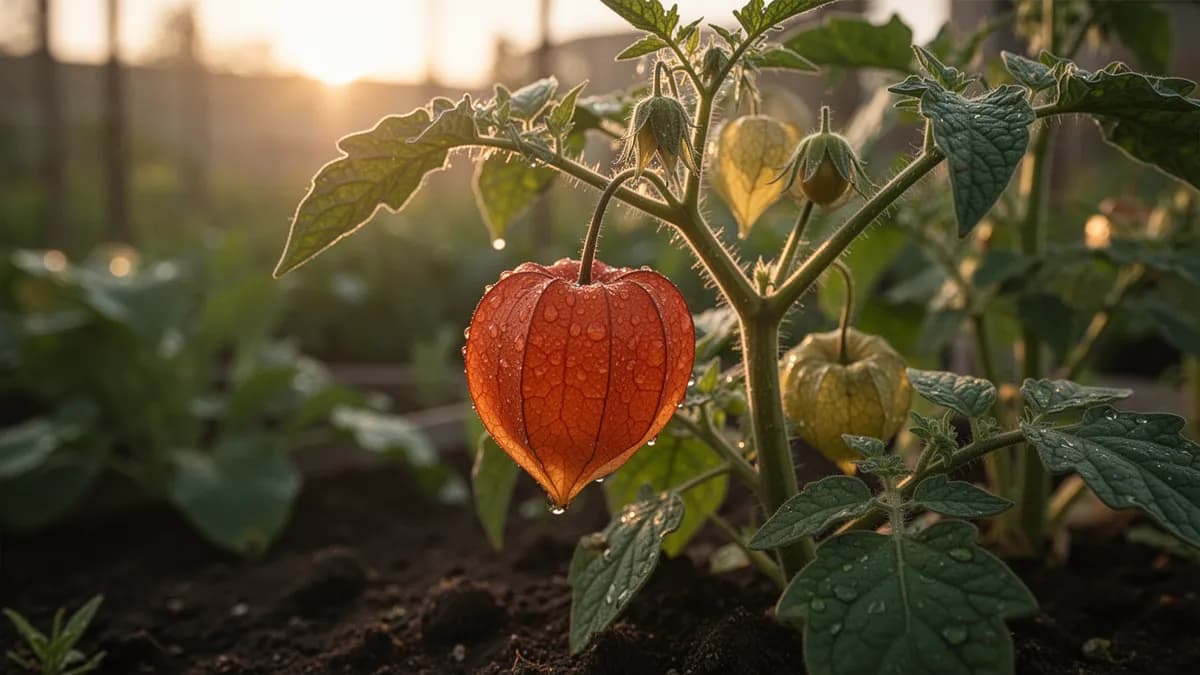
A unique nightshade producing sweet, tropical-flavored fruits inside papery husks that drop to the ground when ripe. Ground cherries have a pineapple-vanilla flavor that is excellent fresh, in pies, or made into preserves and jams. The sprawling plants benefit from mulching to keep fallen fruits clean, and a single plant can produce hundreds of small fruits. Start seeds early indoors as they need a long season, and harvest by collecting the fallen husked fruits regularly.
When to plant Ground Cherry
Ground cherry seeds require warmth for germination, so start indoors eight to ten weeks before the last frost. Sow seeds on the surface or barely covered with fine vermiculite, as light aids germination. Maintain 75 to 85°F soil temperature for best results; germination takes 7 to 21 days and can be erratic. Provide 14 to 16 hours of bright light daily. Pot up seedlings when they have two sets of true leaves. Harden off gradually over seven to ten days before transplanting after frost danger passes. Fresh seed germinates best; viability declines after two years.
Your Ground Cherry Year
Composed for Zone 7 · typical seasons · frost passes Apr 2, returns Nov 1
Plant Ground Cherry Feb – May, pick Aug – Oct. Check the planting methods below and set your climate to personalize these windows.
How to grow Ground Cherry
Ground cherries need a long growing season of 75 to 90 days, so start seeds indoors eight to ten weeks before the last frost. Transplant hardened seedlings outdoors after all frost danger has passed and soil temperatures reach at least 55°F. Space plants 24 to 36 inches apart in full sun with rich, well-drained soil amended with compost.
These sprawling plants grow two to three feet tall and can spread equally wide. Support with small tomato cages or let them sprawl with a thick mulch layer of straw underneath to cushion dropping fruits. Water consistently, providing one inch per week, and avoid overhead irrigation to prevent fungal issues on foliage.
Fertilize lightly at transplanting with balanced fertilizer and again when fruits begin to set. Excessive nitrogen encourages leaf growth over fruit production. Ground cherries tolerate some drought once established but produce best with consistent moisture. In shorter season areas, use black plastic mulch to warm soil and extend the productive period. Plants self-sow prolifically, and volunteer seedlings often appear the following spring.
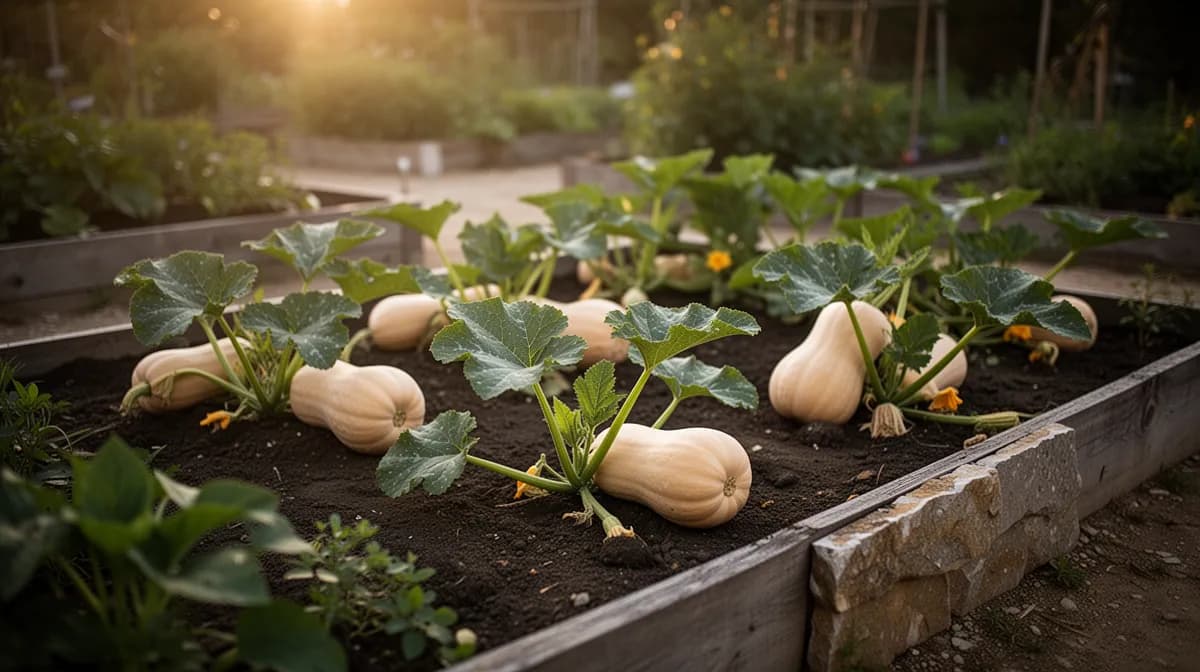
8 plants fit a 4 × 8 ft bed
Each Ground Cherry wants 60 cm of elbow room. The planner keeps that spacing for you — every plant, every bed.
Ground Cherry's best neighbours
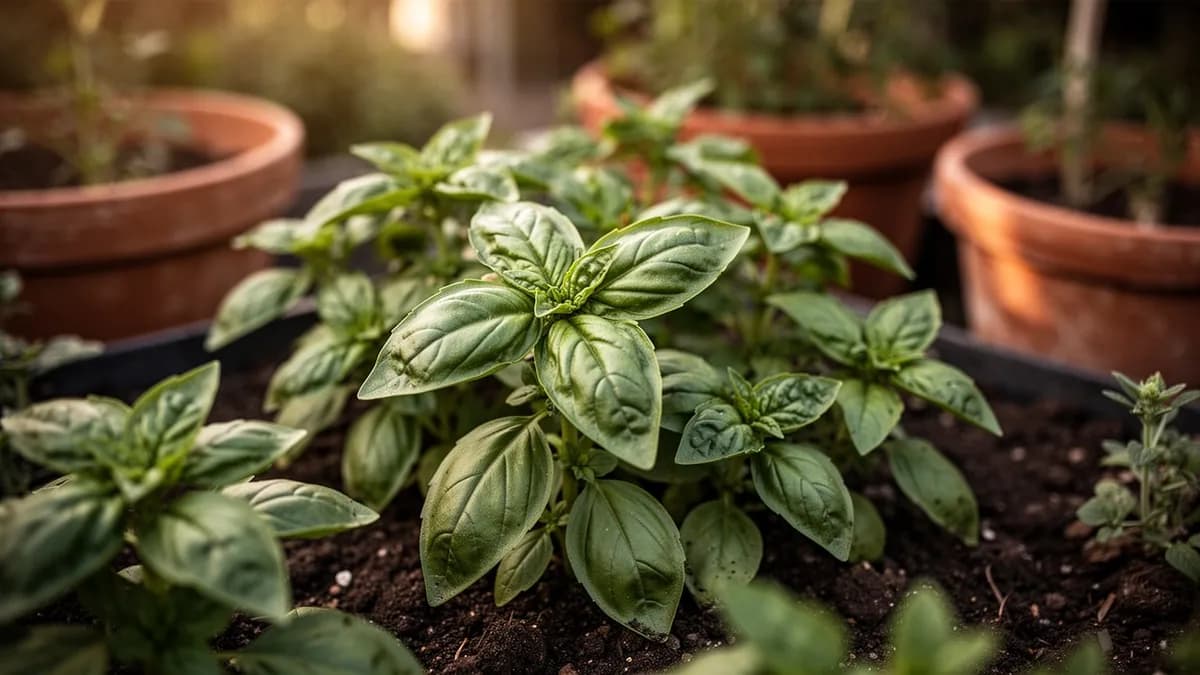
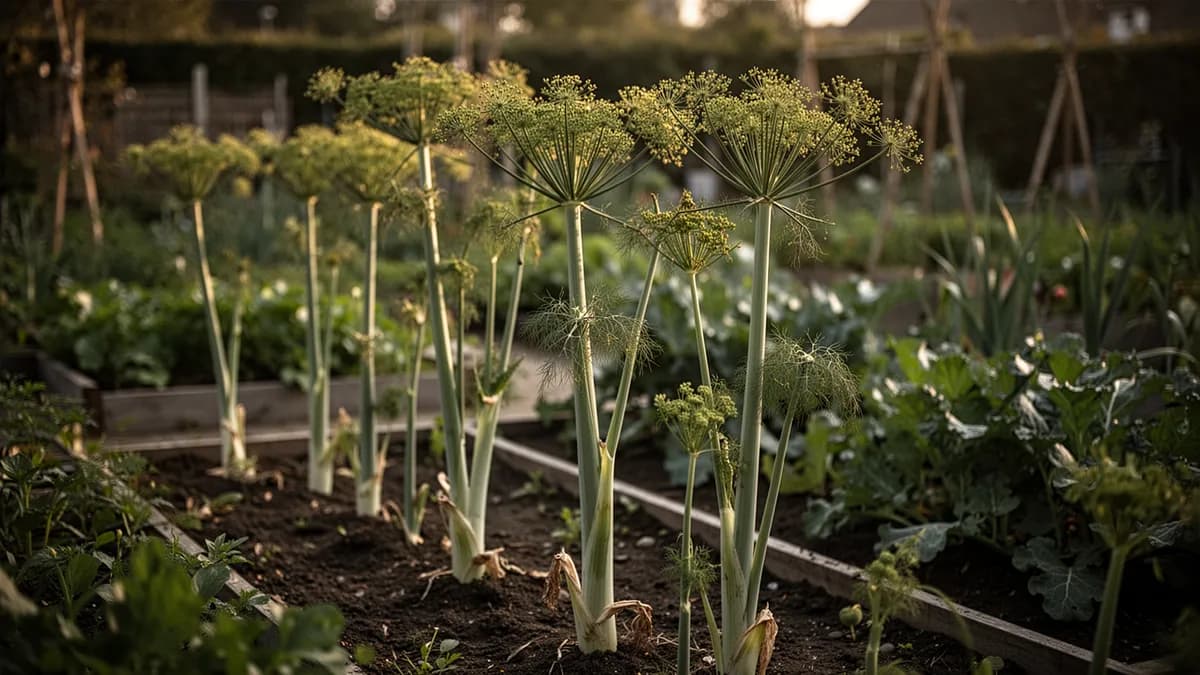
Ground cherries pair well with basil, which may improve flavor and deter aphids. Marigolds planted nearby repel nematodes and whiteflies. Parsley and cilantro attract beneficial predatory insects. As nightshade family members, avoid planting near fennel, which inhibits their growth. Keep them separate from other Physalis species to prevent cross-pollination if saving seed. Nasturtiums serve as effective trap crops for aphids. Low-growing herbs make good ground cover companions underneath the spreading plants.
Basil belongs beside it. Fennel doesn't.
Old growers' knowledge, checked against Ground Cherry's real companion table below — test any plant you're growing.
Try Ground Cherry in a bed — right here
A real planner bed with Ground Cherry already in it. Tap a companion to place it and watch the pairing checks answer — green for good neighbours, red for a clash.


Related growing guides
Feed it well
Ground cherries prefer well-drained, moderately fertile soil with a pH between 6.0 and 6.8. Overly rich soil produces excessive vegetative growth at the expense of fruiting. Work one inch of compost into planting beds before transplanting and add a handful of bone meal to each planting hole for phosphorus. Side-dress once with balanced fertilizer when the first flowers appear. Sandy loam is ideal, though plants adapt to clay if amended for drainage. Avoid heavy applications of nitrogen-rich fertilizer throughout the season.
Ideal Temperature
Hardiness Zone Compatibility
From seed to harvest, stage by stage
Seed Starting
Seeds are tiny and slow to germinate, requiring consistent warmth and light. Germination is often erratic, with seedlings appearing over a two to three week period. The first seed leaves are small and rounded.
Seedling Development
True leaves emerge with a slightly fuzzy texture similar to tomatillo leaves. Seedlings grow slowly at first, developing a branching root system. Plants reach 10-15cm tall with multiple sets of true leaves before transplanting.
Vegetative Growth
After transplanting, plants establish quickly in warm soil and begin sprawling outward. Stems branch freely and plants can spread 60-90cm wide. The foliage is lush and slightly sticky to the touch.
Flowering
Small, pale yellow bell-shaped flowers with dark centers appear at leaf axils along each branch. Each flower is self-fertile and produces a single fruit. Flowering continues for weeks as the plant grows.
Husk and Fruit Development
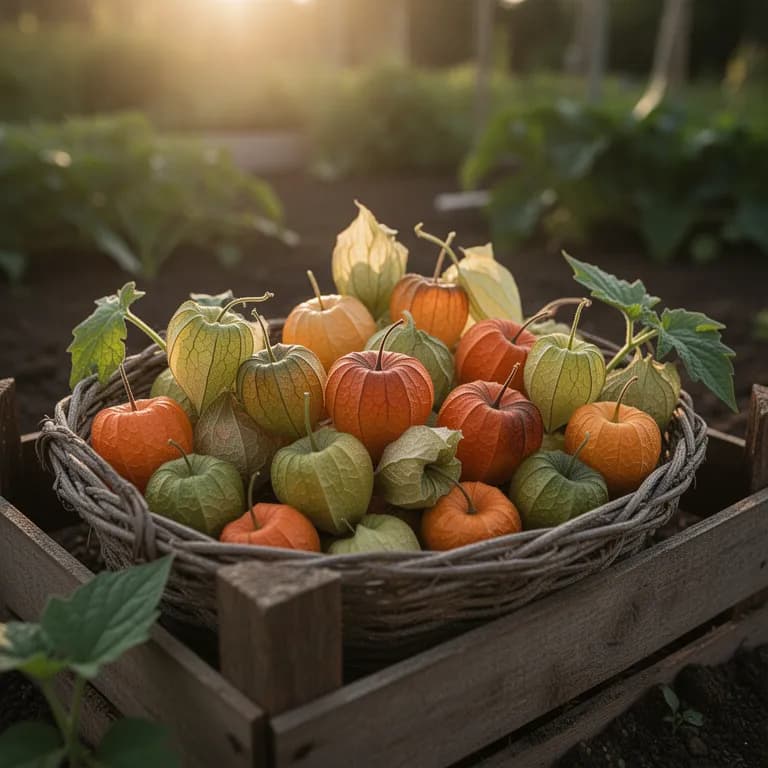
After pollination, a papery husk or calyx enlarges around each developing fruit, forming a distinctive lantern shape. The fruit inside grows from green to golden yellow as it ripens. The husk dries and becomes papery as the fruit matures.
Harvest
Ripe fruits naturally detach from the plant and fall to the ground inside their husks. The husk turns from green to tan or straw-colored. Inside, the fruit is golden amber and slightly soft. Harvest continues until frost kills the plant.
Sow on the surface of moist seed-starting mix and press gently without covering. Use a heat mat to maintain 75-85°F. Cover with a humidity dome and provide 14-16 hours of light once sprouts appear.

Caring for Ground Cherry month by month
What to do each month for your Ground Cherry
October
You are hereHarvest continues until frost. Before the first hard frost, pick all remaining fruits including those with green husks. Green-husked fruits ripen indoors at room temperature within one to two weeks.
Know exactly what to do in your garden — every month
One email at the start of each month: what to sow, plant, and tackle right now — for your Ground Cherry and everything growing around it. Plus a short starter course that helps you dodge the classic mistakes.
- What to do, right now
- Matched to your season
- Starter course included
Harvesting Ground Cherry
Ground cherries are uniquely self-harvesting as ripe fruits naturally drop from the plant inside their papery husks. Collect fallen fruits daily from the mulch or ground, which is why clean mulch underneath plants is essential. Ripe fruits inside the husk turn from green to golden yellow or amber and feel slightly soft when gently squeezed through the husk. Fruits harvested while the husk is still green will ripen if left at room temperature for a few days. A productive plant can yield one to two pounds of fruit over the season.
assuming you plant when the window opens — set your real date
Pick Ground Cherry promptly and the plant keeps producing.
Storage & Preservation
Leave ground cherries in their husks for storage; they keep for several weeks at room temperature and up to three months in a cool, dry location around 50°F, making them one of the longest-storing fresh fruits. Refrigerate husked fruits for up to two weeks. For freezing, remove husks, wash off the sticky residue, dry thoroughly, and freeze on a single layer before bagging. Ground cherries make exceptional preserves, pies, and chutneys. They can also be dehydrated for a raisin-like snack with concentrated tropical sweetness.
What goes wrong — and the fix
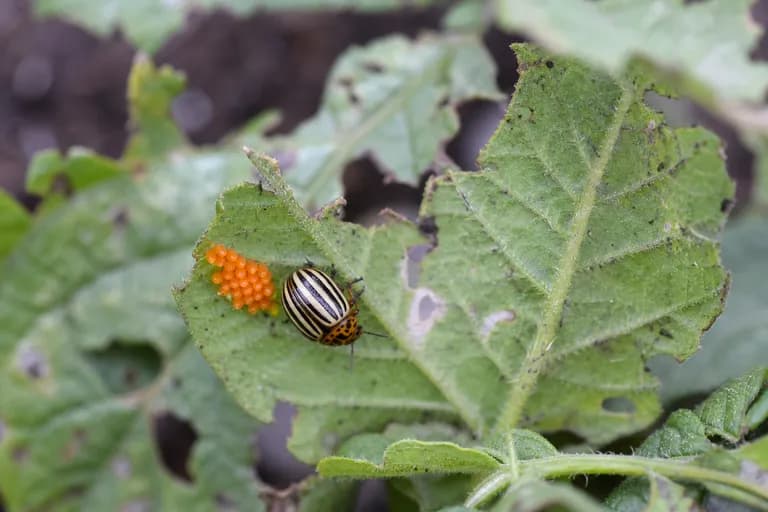
Colorado Potato Beetle
PestStriped beetles and red larvae defoliate plants rapidly, consuming leaves from the edges inward.
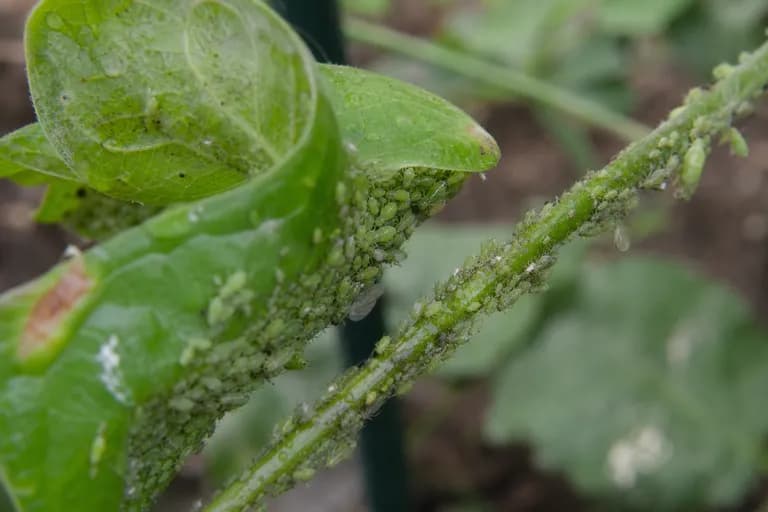
Aphids
PestClusters of small green or black insects on shoot tips and under leaves, causing curling and sticky honeydew deposits.
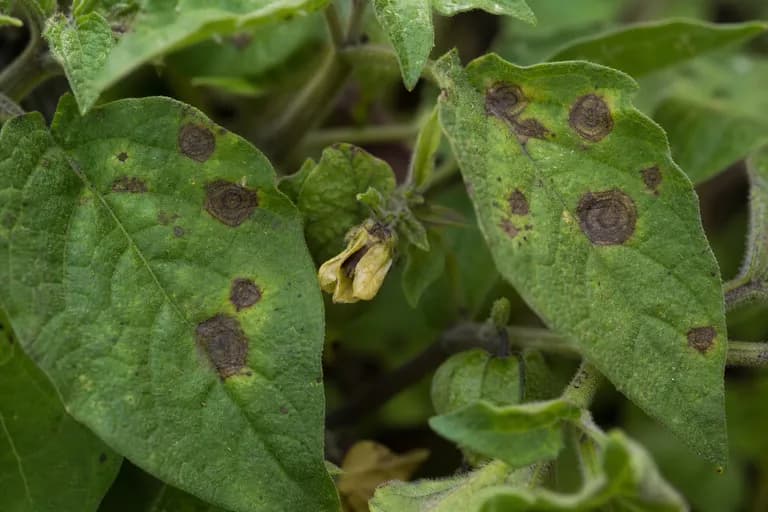
Alternaria Leaf Spot
DiseaseDark brown circular lesions with concentric rings on older leaves, spreading upward during warm humid weather.
Troubleshooting Common Problems
The biggest challenge is the long season required for fruit maturity, which can be difficult in northern climates. Poor fruit set may result from temperatures below 55°F or above 90°F during flowering. Self-sowing can become aggressive in garden beds, with hundreds of volunteer seedlings appearing the following year. Fruits left on the ground too long attract slugs and ground beetles. Husks that remain tight and green indicate the plant needs more heat or the variety needs a longer season to mature properly.
Growing Tips
- Start seeds indoors very early — eight to ten weeks before your last frost. Ground cherries have a long season and slow seedling growth. Late-started plants may not produce ripe fruit before fall frost in northern zones.
- Sow seeds on the surface of moist seed-starting mix and press gently. Ground cherry seeds need light to germinate and should not be buried. Cover the tray with a clear humidity dome until sprouts appear.
- Be patient with germination. Ground cherry seeds sprout erratically over 7 to 21 days, even under ideal conditions. Do not discard trays too early — late germinators often catch up to earlier ones.
- Spread a thick layer of clean straw mulch under each plant before fruits begin to drop. This keeps fallen fruits clean, makes collection easy, and prevents soil-borne pathogens from reaching the fruit.
- Harvest by collecting dropped fruits from the ground daily. Ripe fruits detach naturally when ready. If you must pick from the plant, choose only fruits whose husks have turned fully tan and papery.
- Do not overwater or overfertilize. Ground cherries produce best in moderately fertile, well-drained soil. Excessive nitrogen creates lush foliage at the expense of fruit, and waterlogged soil promotes root rot.
- Plan for self-sowing. Ground cherries drop hundreds of seeds via fallen fruits. If you do not want volunteers next year, collect all fruits promptly and avoid composting husks in the garden bed.
- In short-season climates, use black plastic mulch to warm the soil and floating row covers in spring to extend the growing window by two to three weeks at each end of the season.
Grow your best Ground Cherry yet — and everything around it.
Start a free plan today. Lay out your beds, drop in your Ground Cherry, and let PlotMyGarden handle the timing, spacing, companions and reminders from seed to harvest basket.
Pick your Ground Cherry
Aunt Molly's
The most popular heirloom variety with rich, sweet pineapple flavor and golden-orange fruits. Highly productive and reliable.
Cossack Pineapple
An early-maturing variety with strong tropical flavor and good yields, well-suited to shorter growing seasons.
Goldie
A productive variety bearing large golden fruits with exceptionally sweet flavor and good disease resistance.
New Hanover
A mid-Atlantic heirloom producing smaller but intensely flavored fruits with notes of citrus and vanilla.
Ground cherries are rarely found in grocery stores and when available at farmers' markets, they typically sell for $6-10 per pint (about 250g). A single plant costing $3-5 as a seedling can produce four to six pints of fruit worth $24-60 at market prices. Growing four to six plants provides a generous supply for fresh eating and preserving, saving $100-300 compared to farmers' market purchases. As a bonus, ground cherries self-sow freely, providing free plants in subsequent years.
Quick recipes
Ground Cherry Preserves
40 minA golden jam with tropical pineapple-vanilla flavor that captures the essence of summer. Ground cherries have natural pectin, so this jam sets beautifully without commercial pectin. Spread on toast, scones, or use as a glaze for roasted poultry.
6 ingredientsGround Cherry Salsa
15 minA sweet-tart salsa that pairs perfectly with grilled fish or chicken. The tropical notes of ground cherry replace tomatillo in this fresh, vibrant condiment. Best served the same day for maximum brightness.
6 ingredientsGround Cherry Crumble
35 minA rustic dessert that showcases the unique pineapple-vanilla flavor of ground cherries under a buttery oat topping. The fruits collapse into a golden, jammy filling as they bake. Serve warm with vanilla ice cream.
8 ingredientsCulinary Uses
Ground cherries are delightful eaten fresh as a sweet snack with tropical pineapple-vanilla notes. They excel in jams, preserves, and pies where their unique flavor shines. Roast them for salsas or blend into chutneys with warm spices. They make elegant garnishes when their husks are peeled back and twisted. Dipped in chocolate or added to fruit salads, they become conversation-starting treats.
What's inside
Health Benefits
- Rich in beta-carotene and Vitamin A, which support healthy vision, skin integrity, and immune system function. The golden color of the fruit directly reflects its carotenoid content.
- Contains withanolides, a class of naturally occurring steroidal lactones with documented anti-inflammatory and antioxidant properties. These compounds are actively studied for potential roles in cancer prevention.
- Provides a meaningful dose of Vitamin C per serving, supporting collagen synthesis, wound healing, and enhanced iron absorption from plant-based foods.
- Good source of dietary fiber relative to its size, promoting digestive regularity and supporting beneficial gut bacteria when eaten regularly.
- Contains B-complex vitamins including niacin (B3) and thiamine (B1), which play essential roles in energy metabolism and nervous system health.
- Low in calories and naturally fat-free, making ground cherries a nutrient-dense snack option that satisfies sweet cravings without excessive sugar or processed ingredients.
Where Ground Cherry comes from
Ground cherries (Physalis pruinosa) are native to the Americas, with wild species found from the eastern United States through Central America and into South America. Indigenous peoples across the continent gathered and cultivated various Physalis species for centuries, valuing the sweet, shelf-stable fruits that could be dried and stored for winter use. The Algonquin and Iroquois nations are documented as having cultivated ground cherries in their garden plots alongside corn, beans, and squash.
European colonists quickly adopted the fruit, and by the 18th and 19th centuries ground cherries were a common garden crop across rural America. They appeared in early American cookbooks as pie fillings, preserves, and fresh dessert fruits. Pennsylvania Dutch communities were particularly fond of ground cherry pie, a tradition that persists in some families to this day. The fruit was also popular in Victorian England, where it was grown in kitchen gardens and served as a novelty dessert.
During the 20th century, ground cherries gradually disappeared from mainstream agriculture as commercial farming favored crops that shipped well and had uniform appearance. However, the rise of farmers' markets, heirloom gardening, and interest in unusual edible plants has sparked a renaissance. Today, plant breeders are working to develop improved varieties with larger fruits, higher yields, and shorter maturation times, positioning the ground cherry as a potential new commercial berry crop for temperate climates.
Ground Cherry: did you know?
Fascinating facts about Ground Cherry
Ground cherries are native to the Americas and were cultivated by Indigenous peoples long before European contact. Archaeological evidence suggests they were grown in the eastern United States for hundreds of years before colonization.
Ground Cherry questions, answered
When should I plant Ground Cherry?
What are good companion plants for Ground Cherry?
What hardiness zones can Ground Cherry grow in?
How much sun does Ground Cherry need?
How far apart should I space Ground Cherry?
What pests and diseases affect Ground Cherry?
How do I store Ground Cherry after harvest?
What are the best Ground Cherry varieties to grow?
What soil does Ground Cherry need?
When are ground cherries ripe and ready to eat?
Are ground cherries the same as tomatillos or Cape gooseberries?
How do I store ground cherries for long-term use?
Will ground cherries come back every year on their own?
Can I grow ground cherries in containers?
Are ground cherry leaves and unripe fruits safe to eat?
You just read the theory. Now grow it on autopilot.
Everything that makes Ground Cherry fiddly — the timing, the spacing, the companions, the harvest window — is exactly what PlotMyGarden handles for you, for every plant in your garden.
A plan that knows your weather
Set your location once. Get sow, feed and harvest dates built around your real last-frost date and live forecast — no more guessing from a generic seed packet.
From the “When to plant” sectionDrag-and-drop bed planner
Design beds on a grid. Every plant snaps to its proper spacing, and you can see your whole season laid out before you spend a cent on seed.
From the “Growing guide” sectionCompanion conflicts, caught early
200+ good-and-bad pairings checked live as you plant — so a season-wrecking mistake never makes it into the ground.
From the “Companions” sectionReminders you'll actually act on
“Water the beans.” “Pick today before it turns.” Timely, specific, and tied to the plants you're really growing.
From the “Harvest” sectionSuccession, scheduled
Want a harvest for six weeks, not six days? It spaces your sowings automatically and reminds you when each new block is due.
From the “When to plant” sectionA record that gets smarter
Every harvest you log teaches it your garden. Next year's plan starts from what actually worked in your soil, not a textbook's.
From the “Overview” sectionPlant these alongside Ground Cherry
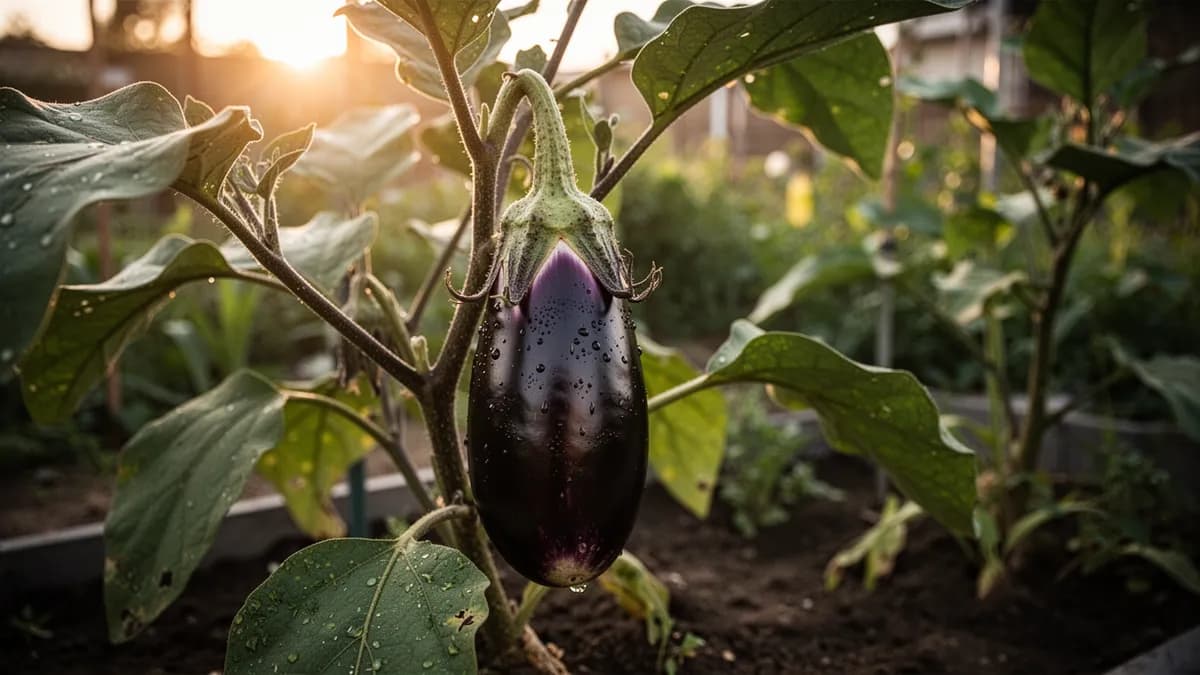
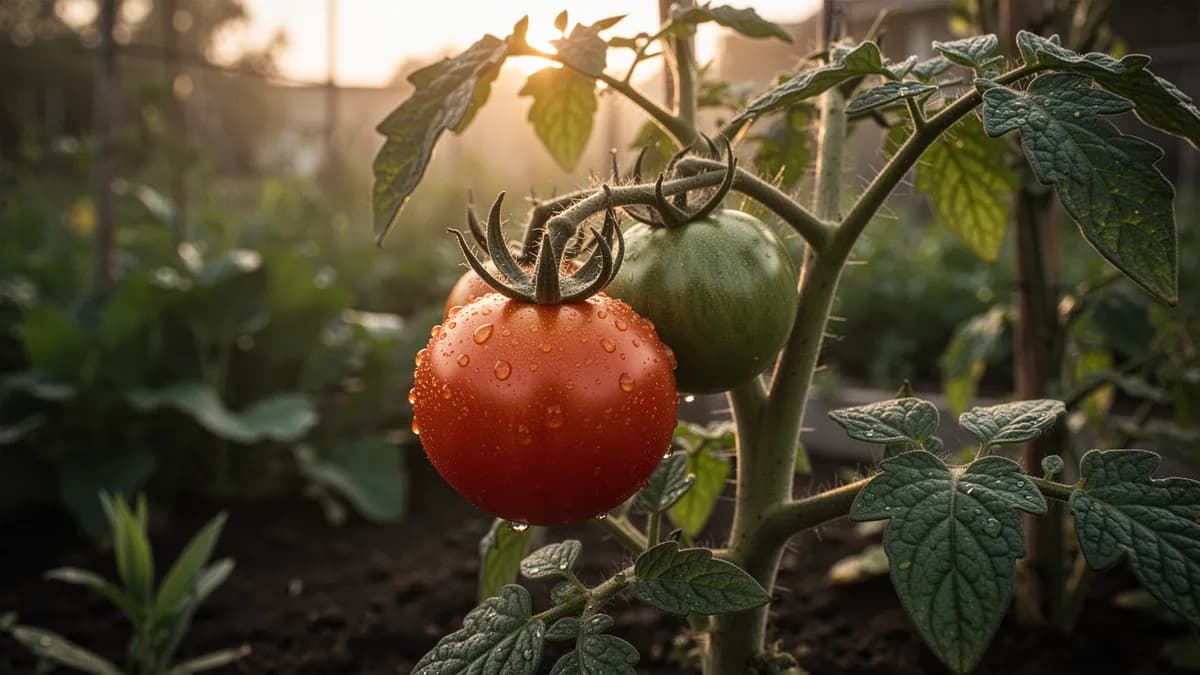
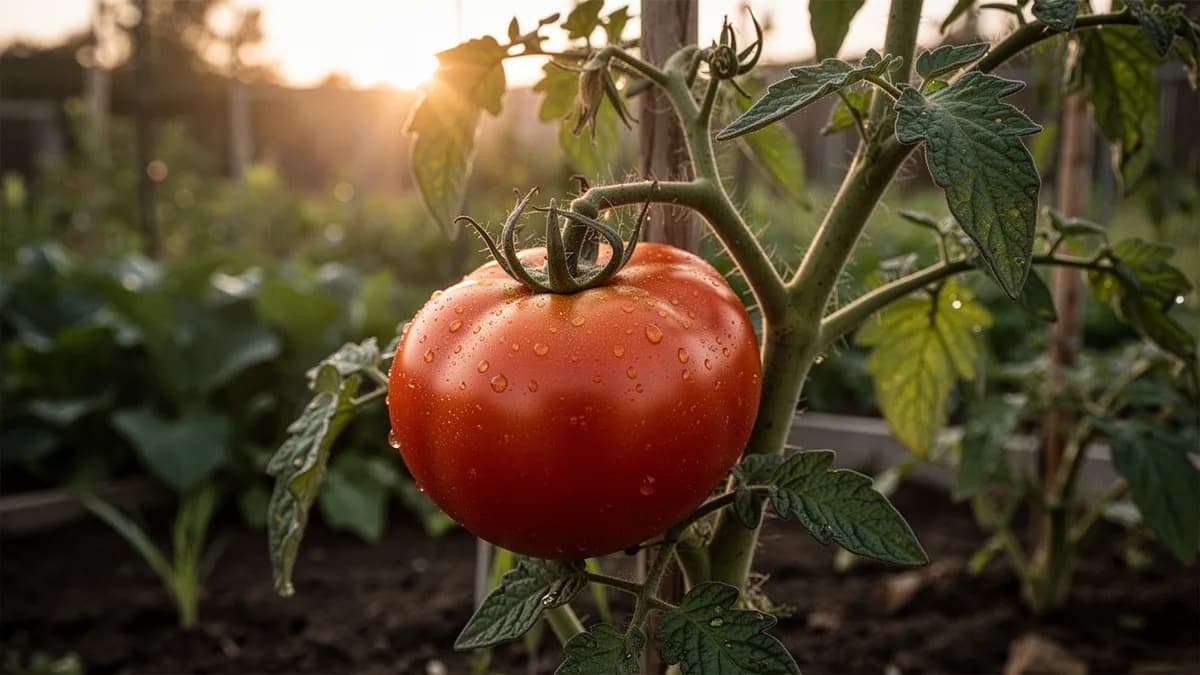
More Nightshades
Keep Ground Cherry away from these
Grow your best Ground Cherry yet — and everything around it.
Start a free plan today. Lay out your beds, drop in your Ground Cherry, and let PlotMyGarden handle the timing, spacing, companions and reminders from seed to harvest basket.