Gotu Kola
A creeping tropical herb with kidney-shaped leaves used in Ayurvedic medicine as a brain tonic and longevity herb.





On this pageOverview
Meet Gotu Kola
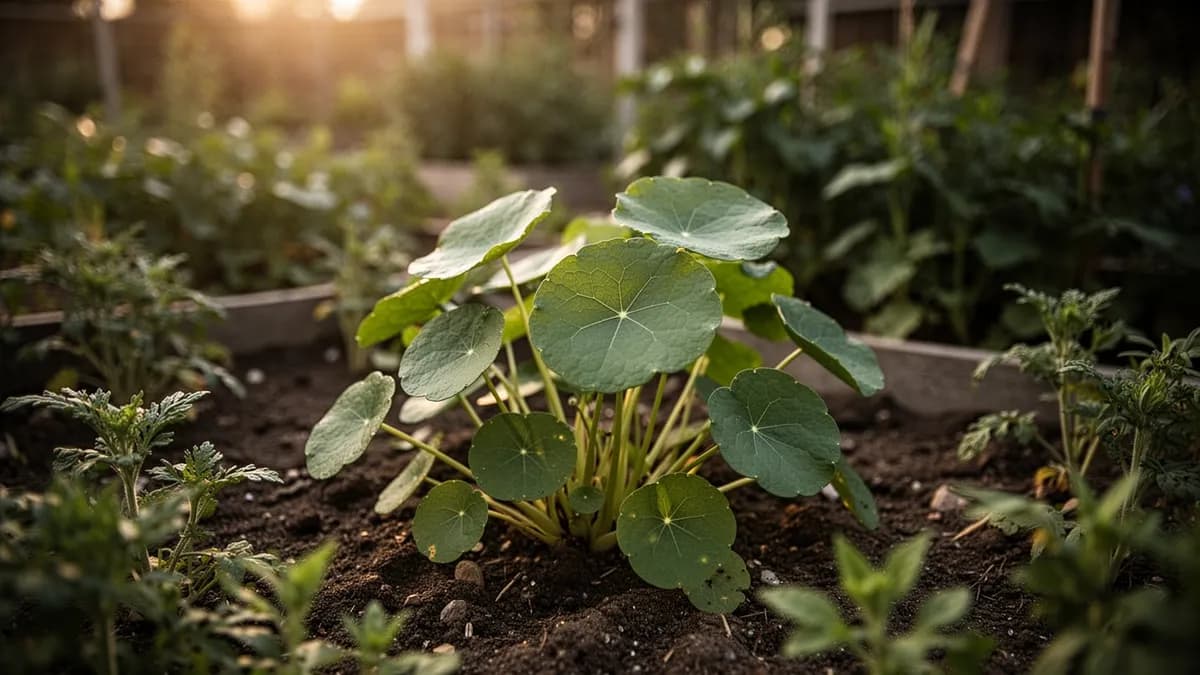
A creeping tropical herb with kidney-shaped leaves used in Ayurvedic medicine as a brain tonic and longevity herb. Gotu kola tea is widely consumed in Sri Lanka and India for cognitive support and stress reduction. Grow in moist, shaded conditions and harvest young leaves regularly, as the plant spreads by runners like strawberries.
When to plant Gotu Kola
Gotu kola seeds germinate slowly and erratically, making divisions the preferred propagation method. If starting from seed, sow on the surface of moist seed-starting mix and press lightly without covering. Keep consistently moist at 20-25 degrees Celsius. Germination takes two to three weeks or longer. Division is much faster and more reliable: simply separate rooted runners from established plants and replant immediately in moist soil. Even small pieces with a single node will root quickly in warm, humid conditions.
Your Gotu Kola Year
Composed for Zone 7 · typical seasons · frost passes Apr 2, returns Nov 1
Plant Gotu Kola Apr – Jun, pick Jun – Oct. Check the planting methods below and set your climate to personalize these windows.
How to grow Gotu Kola
Gotu kola is a low-growing, creeping herb that spreads by stolons much like strawberries, forming a lush ground cover in warm, humid conditions. It thrives in partial shade to full shade with consistently moist soil. In tropical and subtropical zones 9-12, plant outdoors as a perennial ground cover. In cooler climates, grow in containers that can be brought indoors before first frost.
Plant divisions or nursery starts in spring, spacing them 20 cm apart. Gotu kola quickly fills in to create a dense mat. Use rich, moisture-retentive soil amended with plenty of compost or coconut coir. Keep the soil consistently moist but not waterlogged. The plant is semi-aquatic in nature and can even be grown in shallow water gardens or bog planters.
Provide high humidity by misting regularly or placing containers on pebble trays. Feed monthly with a diluted liquid organic fertilizer during the growing season. Harvest outer leaves regularly to encourage fresh growth from the center. In containers, gotu kola does well in wide, shallow pots that accommodate its spreading habit. The plant rarely flowers in cultivation, but when it does, the tiny pink flowers are inconspicuous.
72 plants fit a 4 × 8 ft bed
Each Gotu Kola wants 20 cm of elbow room. The planner keeps that spacing for you — every plant, every bed.
Gotu Kola's best neighbours
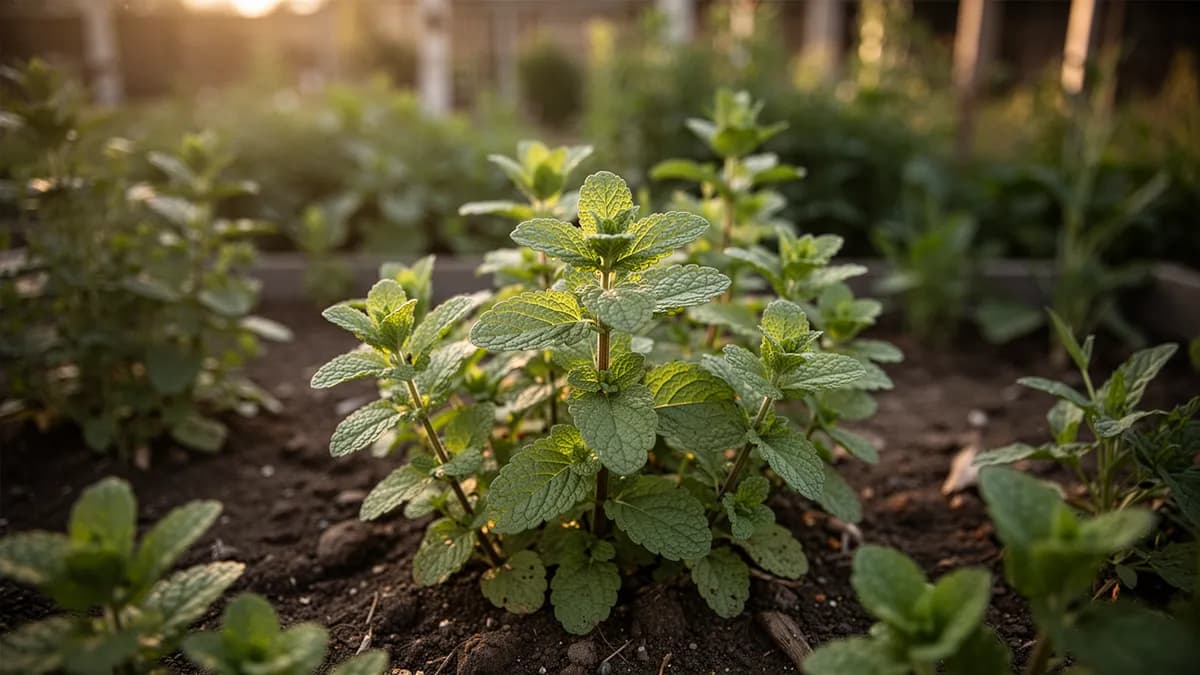
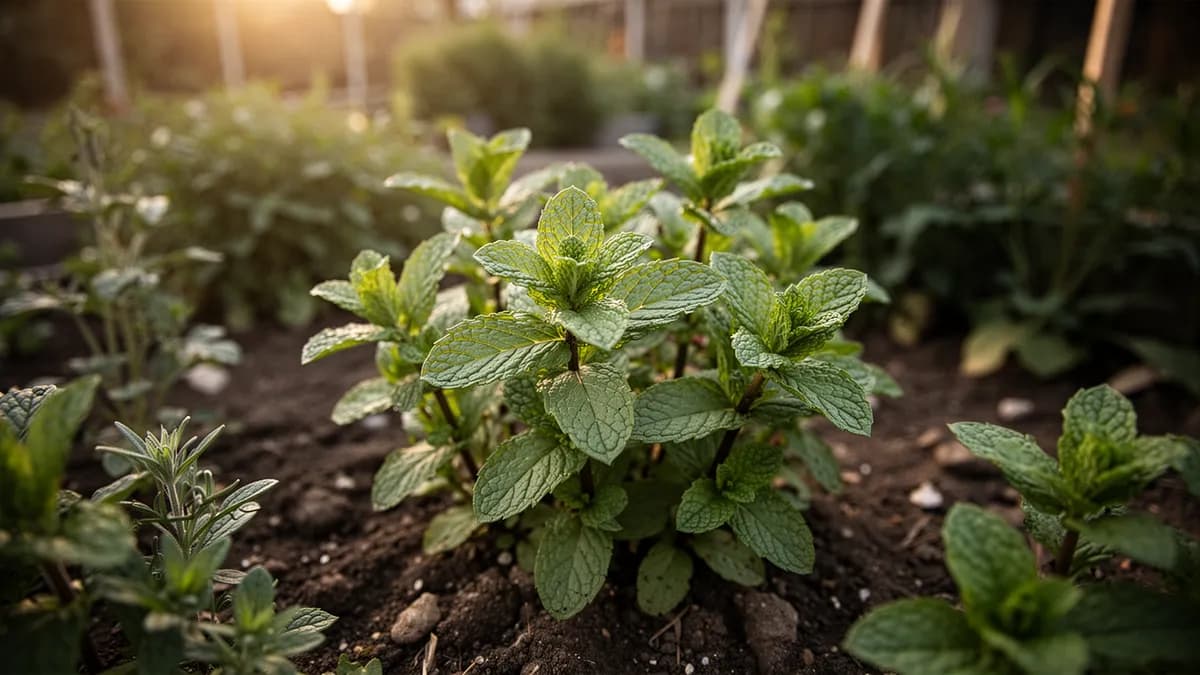
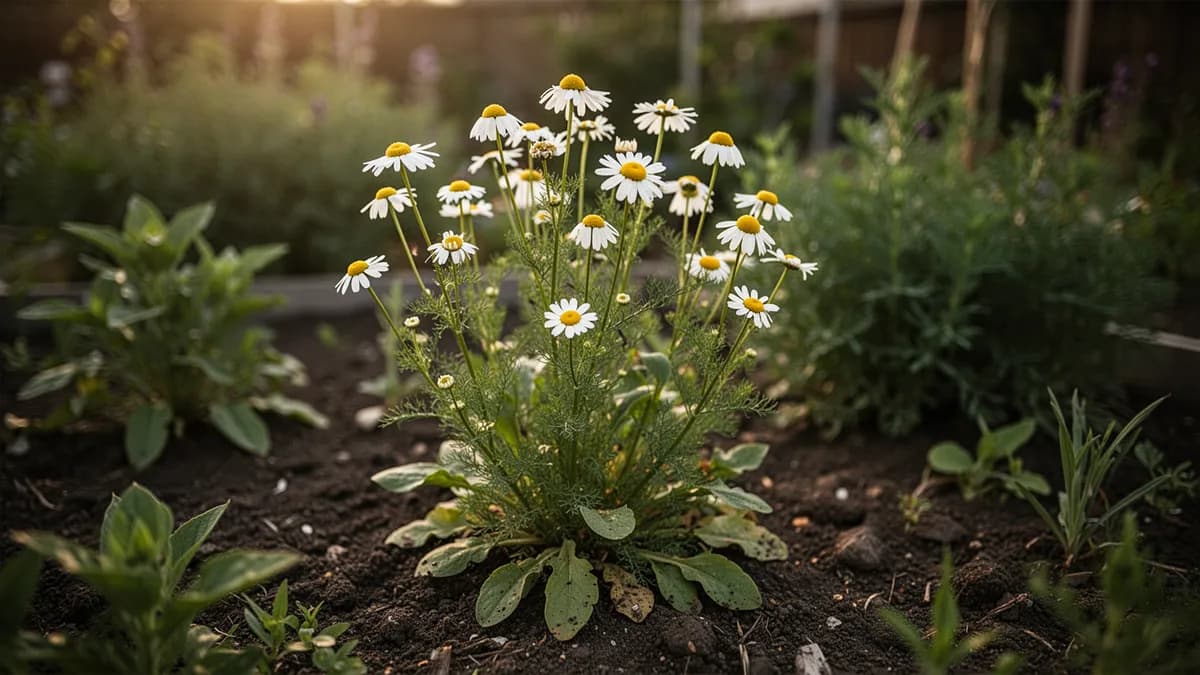
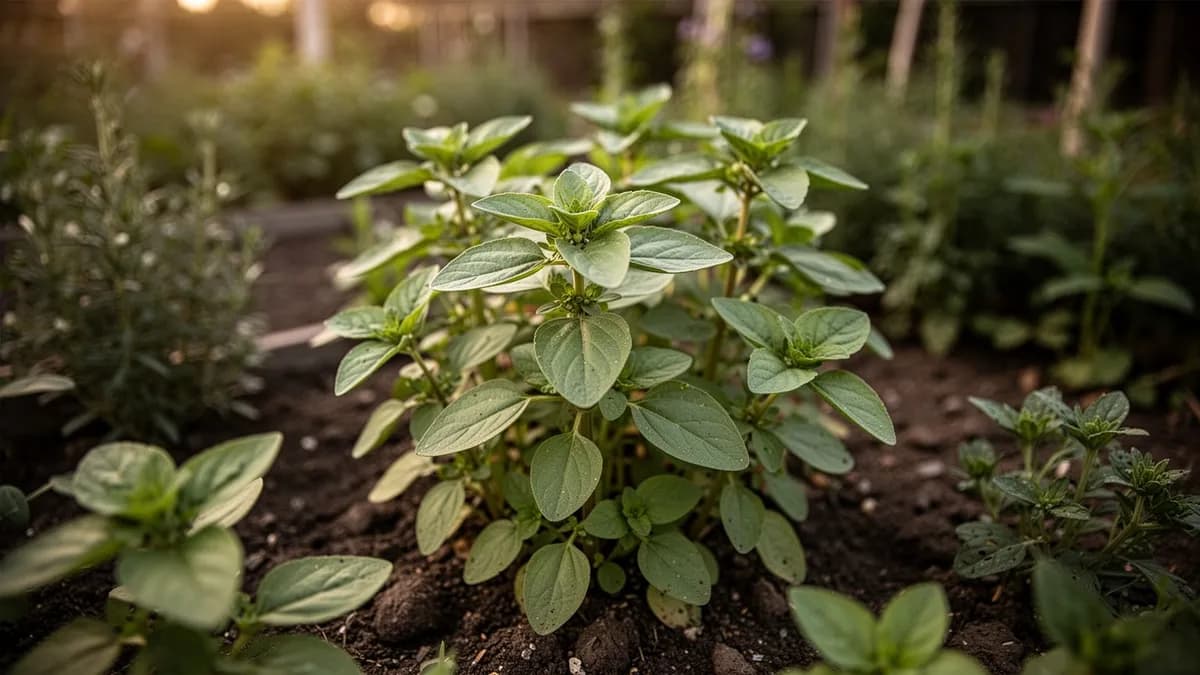
Gotu kola grows well as a living mulch beneath taller tropical herbs and vegetables, helping retain soil moisture and suppress weeds. It pairs naturally with mint, lemon balm, and other moisture-loving herbs. Plant alongside watercress or taro in bog-style gardens. In container combinations, group with ferns and begonias that share similar shade and humidity preferences. Avoid planting near aggressive runners that could outcompete it.
Lemon Balm belongs beside it.
Old growers' knowledge, checked against Gotu Kola's real companion table below — test any plant you're growing.
Try Gotu Kola in a bed — right here
A real planner bed with Gotu Kola already in it. Tap a companion to place it and watch the pairing checks answer — green for good neighbours, red for a clash.


Related growing guides
Feed it well
Gotu kola prefers rich, moisture-retentive soil with a pH of 6.0 to 7.0. Use a mix of compost, peat moss or coconut coir, and perlite for container growing. The soil should hold moisture without becoming anaerobic. Feed every two to three weeks with a diluted fish emulsion or seaweed fertilizer. Avoid heavy nitrogen feeds that produce lush but flavorless growth. Top-dress with worm castings quarterly for sustained nutrition and beneficial soil biology.
Ideal Temperature
Hardiness Zone Compatibility
From seed to harvest, stage by stage
Seed Sowing or Division
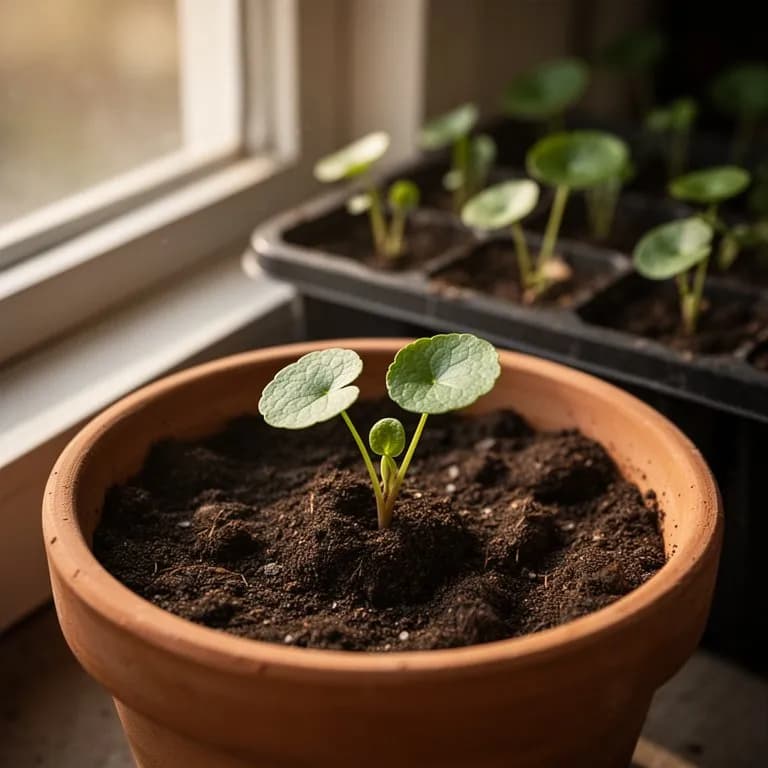
Gotu kola can be started from seed, stem cuttings, or root divisions. Seeds are slow and erratic germinators, often taking 2-3 weeks or longer. Sow seeds on the surface of consistently moist, fine seed-starting mix and press lightly without covering. Division of established runners is the fastest and most reliable propagation method.
Germination and Rooting
Small round cotyledon leaves emerge from seeds, or new roots form on divided runners. Seedlings are delicate at this stage and require consistent moisture and warmth. Transplanted divisions establish more quickly, sending out new roots within 7-10 days when kept in humid conditions.
Leaf Development
True leaves appear with their characteristic kidney or fan shape and scalloped edges. Plants begin to form a small rosette of leaves on thin petioles that rise 5-15 cm from the crown. Growth accelerates noticeably once the root system is established in warm, moist conditions.
Runner Production
Horizontal stolons (runners) emerge from the base of the plant and creep along the soil surface, rooting at each node to form new plantlets. This is gotu kola's primary method of vegetative spread. A single healthy plant can send out multiple runners in all directions, rapidly expanding its coverage.
Mature Ground Cover
The plant forms a dense, low-growing mat of overlapping leaves typically 5-20 cm tall. In tropical and subtropical climates, gotu kola remains evergreen and continues growing year-round. Leaves are now full-sized and ready for regular harvesting. Small, inconspicuous pinkish-white flowers may appear in clusters at the leaf nodes.
Flowering and Seed Set
Tiny clusters of three to five pale pink to white flowers appear at the leaf axils, often hidden beneath the foliage canopy. The flowers are small and inconspicuous, typically only 2-3 mm across. After pollination, small flattened oval fruits develop, each containing a single seed. Seed production is generally modest compared to the plant's prolific vegetative spreading.
Soak seeds in warm water for 24 hours before sowing to improve germination rates. Keep the soil surface moist at all times using a mist sprayer, and maintain temperatures between 20-25°C for best results.
Caring for Gotu Kola month by month
What to do each month for your Gotu Kola
October
You are hereIn frost-prone areas, move container plants indoors to a bright location before nighttime temperatures drop below 5°C. Reduce watering slightly but never allow the soil to dry out completely. Clean up spent foliage in outdoor beds.
Know exactly what to do in your garden — every month
One email at the start of each month: what to sow, plant, and tackle right now — for your Gotu Kola and everything growing around it. Plus a short starter course that helps you dodge the classic mistakes.
- What to do, right now
- Matched to your season
- Starter course included
Harvesting Gotu Kola
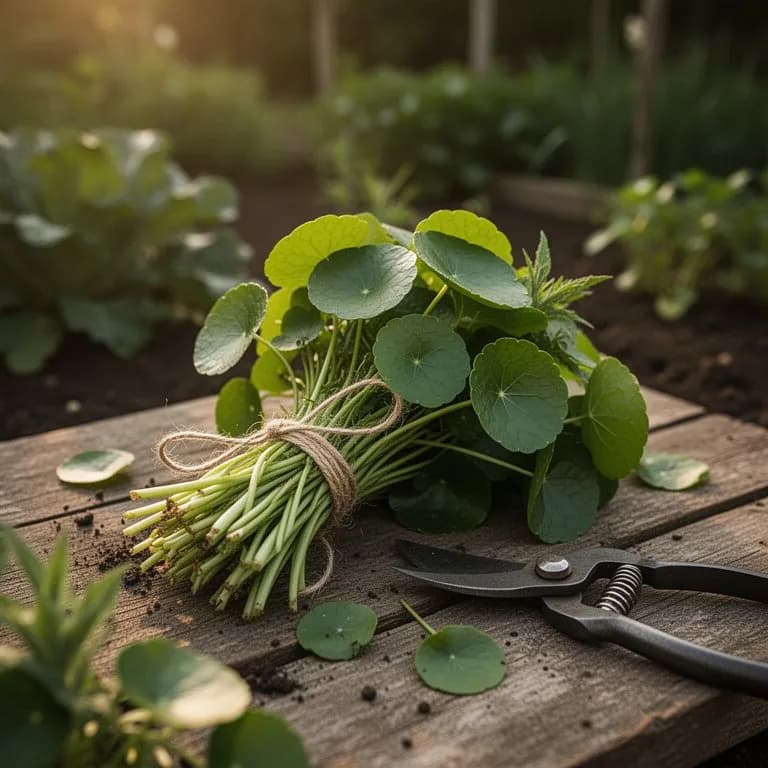
Begin harvesting gotu kola leaves about sixty days after planting, once plants are well established and spreading actively. Pick individual leaves or cut entire stems from the outer edges of the plant, leaving the growing center intact for continued production. Harvest in the morning when leaves are most turgid. Young, bright green leaves have the best flavor and highest nutrient content. Regular harvesting encourages vigorous new growth and prevents the plant from becoming woody or leggy.
assuming you plant when the window opens — set your real date
Pick Gotu Kola promptly and the plant keeps producing.
Storage & Preservation
Fresh gotu kola leaves keep for three to five days in the refrigerator wrapped in damp paper towels inside a sealed container. For drying, spread leaves in a single layer on screens in a warm, well-ventilated area away from direct sunlight, turning daily until crisp. Dried leaves store for up to one year in airtight containers. Alternatively, blend fresh leaves with a small amount of water and freeze in ice cube trays for convenient tea portions.
What goes wrong — and the fix
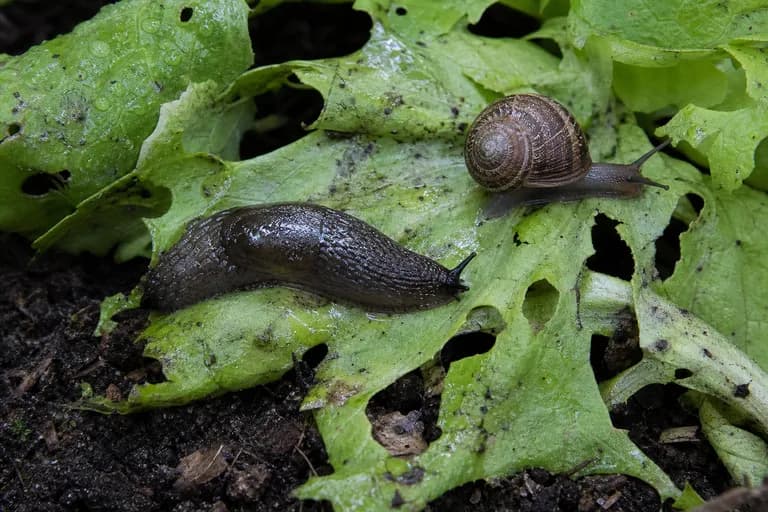
Slugs and Snails
PestIrregular holes chewed in the soft kidney-shaped leaves, slime trails on foliage and soil, leaves consumed to midrib overnight, seedlings completely eaten
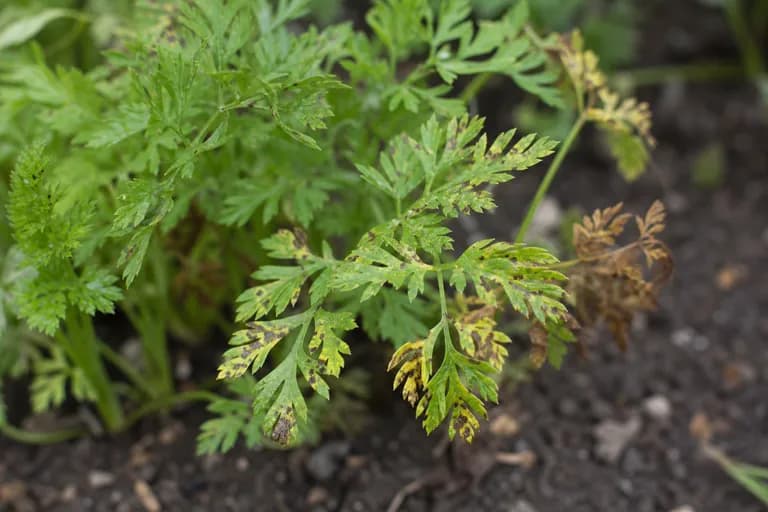
Leaf Blight
DiseaseBrown or black water-soaked spots on leaves that enlarge rapidly in humid conditions, leaves may turn completely brown and collapse, stunted new growth
Troubleshooting Common Problems
Drying out is the most common problem, as gotu kola wilts rapidly in dry conditions and may not recover from severe drought stress. Excessive direct sun causes leaf scorching, turning leaves yellow or brown at the edges. In cool climates, growth slows dramatically below 15 degrees Celsius and plants die at frost. Aggressive spreading can become a nuisance in tropical gardens where conditions are ideal. Root-bound container plants produce smaller, less flavorful leaves.
Growing Tips
- Grow gotu kola in partial shade with consistently moist, rich soil. It naturally inhabits stream banks and marshy areas, so replicate these conditions with generous compost, frequent watering, and mulching to retain soil moisture.
- Start with nursery transplants or divisions rather than seed for faster results. Gotu kola seeds can be erratic and slow to germinate, while a transplanted runner will establish and begin spreading within weeks.
- Use containers at least 30 cm wide and 15 cm deep with drainage holes to control spreading. Gotu kola makes an excellent hanging basket or window box plant where its runners can cascade attractively over the edges.
- Maintain soil pH between 6.0 and 7.0 for optimal growth. Amend acidic soils with a light application of lime, or use a quality potting mix with added compost for container growing.
- Feed every two weeks during the active growing season with a dilute balanced liquid fertilizer or compost tea. Avoid high-nitrogen fertilizers that promote rapid but weak, leggy growth at the expense of leaf density.
- Bring plants indoors before temperatures drop below 10°C in temperate climates. Place in a bright location with good humidity, or grow under fluorescent or LED lights for 12-14 hours daily through winter.
- Harvest by snipping individual leaves and petioles just above the crown, taking outer leaves first and leaving the center to regenerate. Regular harvesting every 7-10 days promotes bushier, more productive growth.
- Propagate easily by severing rooted runners from the mother plant and potting them up individually. Each node along a stolon that has rooted can become an independent plant, making it simple to share with fellow gardeners.
- Watch for slugs and snails, which are the most common pests attracted to the soft, moist foliage. Use organic slug barriers such as copper tape around containers or diatomaceous earth around garden plantings.
- Grow gotu kola alongside other moisture-loving herbs like watercress, mint, or Vietnamese coriander in a dedicated bog garden or self-watering planter for a low-maintenance edible ground cover display.
Grow your best Gotu Kola yet — and everything around it.
Start a free plan today. Lay out your beds, drop in your Gotu Kola, and let PlotMyGarden handle the timing, spacing, companions and reminders from seed to harvest basket.
Pick your Gotu Kola
Common Gotu Kola
The standard Centella asiatica with small, scalloped kidney-shaped leaves and creeping habit, widely grown across tropical Asia for culinary and medicinal use, the most readily available form.
Large-Leaved Gotu Kola
A selected form with larger than typical leaves up to 5 cm across, producing more biomass per plant and preferred for tea and salad use, vigorous grower in moist conditions.
Variegated Gotu Kola
An ornamental selection with cream-edged leaves that is equally usable for tea, adding visual interest to container gardens and herb collections while providing the same medicinal properties.
A single gotu kola starter plant typically costs $5-10 from a nursery and can spread to fill an entire garden bed or multiple containers within one growing season. Each established patch produces abundant harvests of fresh leaves from spring through autumn. Fresh gotu kola leaves sell for $15-25 per pound at specialty Asian grocery stores, and standardized gotu kola supplements retail for $12-20 per bottle. A single well-maintained plant and its runners can easily yield $50-100 worth of fresh leaves per season, making it one of the most cost-effective medicinal herbs to grow at home.
Quick recipes
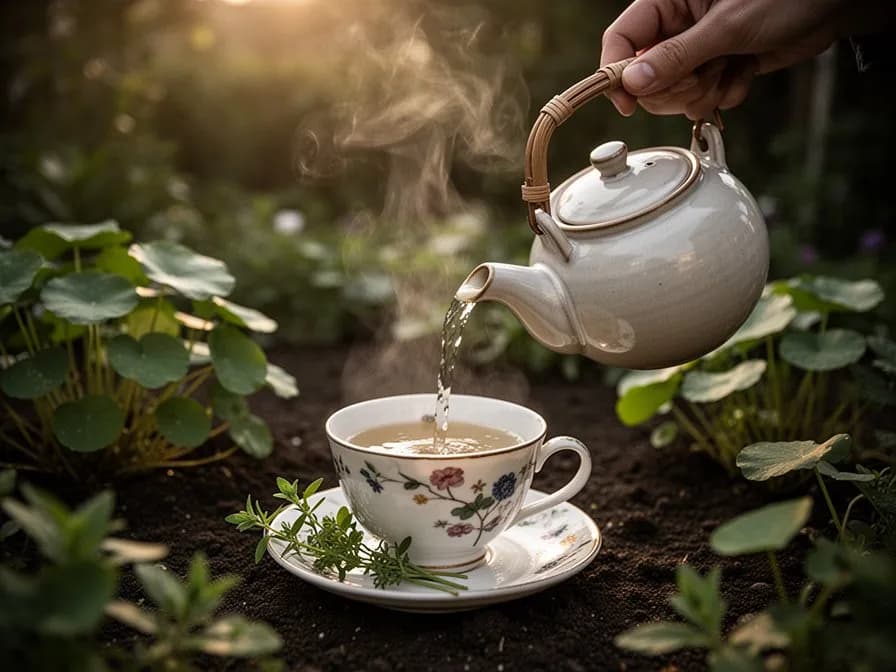
Fresh Gotu Kola Green Juice
10 minutesA revitalizing green juice blending fresh gotu kola leaves with fruit for a refreshing drink popular across Sri Lanka and Malaysia. The mild, slightly bitter flavor of the leaves is balanced by the sweetness of pineapple and the brightness of lime, creating an energizing morning tonic.
6 ingredientsGotu Kola Sambol (Sri Lankan Salad)
15 minutesA traditional Sri Lankan raw salad known as 'gotukola sambol,' combining finely shredded gotu kola leaves with freshly grated coconut, red onion, and a squeeze of lime. This dish is a staple accompaniment to rice and curry meals and is valued for its nutritional and digestive benefits.
7 ingredients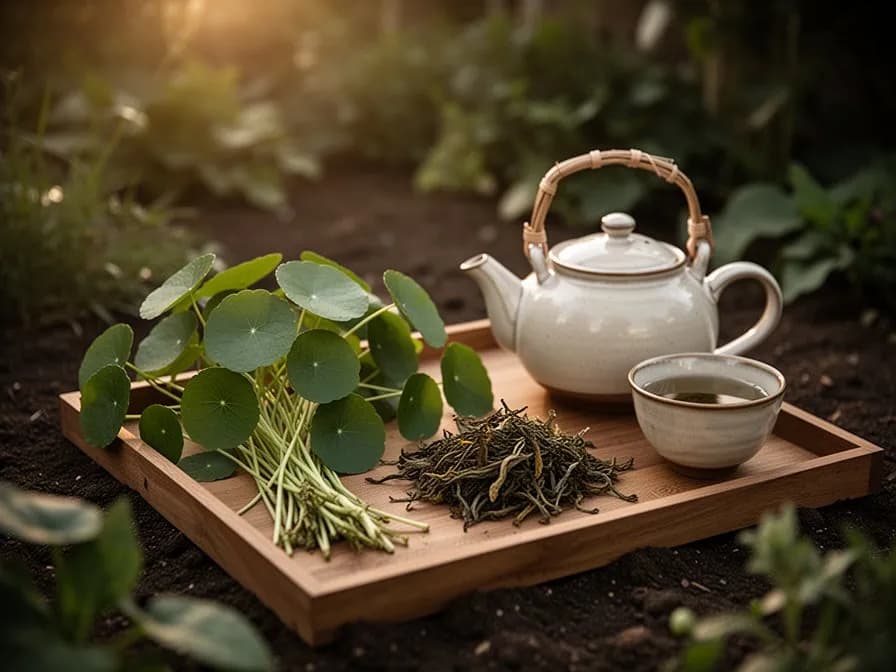
Gotu Kola Herbal Tea
15 minutesA simple, calming herbal tea made from fresh or dried gotu kola leaves. This caffeine-free infusion has been consumed for centuries across Asia as a daily wellness tonic to support mental clarity and relaxation. The flavor is mild, earthy, and slightly grassy with a pleasant green aroma.
5 ingredientsCulinary Uses
Steep fresh or dried gotu kola leaves in hot water for five to seven minutes for a mild, slightly grassy, earthy tea. In Sri Lanka, fresh leaves are commonly eaten raw in salads or made into a refreshing green drink called kola kenda. Blend fresh leaves into smoothies with tropical fruits. In Southeast Asian cuisine, leaves are used in curries and stir-fries.
What's inside
Health Benefits
- Supports cognitive function and memory by promoting healthy circulation to the brain. Triterpene compounds in gotu kola have been shown in studies to enhance nerve growth factor and support neural pathway development.
- Promotes wound healing and skin repair through its asiaticoside and madecassoside content, which stimulate collagen synthesis and enhance the formation of new tissue at wound sites.
- Helps reduce anxiety and stress by modulating the activity of the neurotransmitter GABA, producing a calming effect without the sedation associated with many pharmaceutical anxiolytics.
- Supports healthy blood circulation and vein integrity, with clinical evidence showing improvement in symptoms of chronic venous insufficiency such as leg heaviness, swelling, and varicose veins.
- Exhibits anti-inflammatory properties that may benefit joint health and reduce systemic inflammation, with research pointing to inhibition of pro-inflammatory cytokines and oxidative stress markers.
- Contains potent antioxidants including quercetin, kaempferol, and asiatic acid that help protect cells from free radical damage and may slow aspects of age-related cognitive decline.
Where Gotu Kola comes from
Gotu kola (Centella asiatica) is a small, creeping herbaceous plant native to the wetlands and tropical regions of Southeast Asia, South Asia, and parts of Africa and Australia. It has been a cornerstone of traditional medicine systems for well over three millennia. In Ayurvedic medicine, gotu kola holds a particularly elevated status as a 'medhya rasayana' or brain tonic, prescribed to sharpen intellect, improve memory, and promote overall longevity. Ancient Sanskrit texts including the Sushruta Samhita and Charaka Samhita document its use for wound healing, skin conditions, and mental clarity. In Traditional Chinese Medicine, it is known as 'ji xue cao' and has been used since at least the Shennong Ben Cao Jing era to treat wounds, clear toxins, and support healthy circulation. Throughout Southeast Asia, gotu kola has long been consumed as a common culinary green, eaten fresh in salads, added to curries, and blended into juices and smoothies in countries like Sri Lanka, Malaysia, Vietnam, and Indonesia. Its reputation as a longevity herb was bolstered by the legend of the Chinese herbalist Li Ching-Yun, who reportedly consumed gotu kola regularly and was said to have lived to extraordinary old age. European interest in gotu kola grew in the mid-twentieth century when French researchers began studying its wound-healing triterpene compounds, particularly asiaticoside and madecassoside. These studies led to the development of standardized extracts widely used in modern dermatology for treating scars, burns, and venous insufficiency. Today gotu kola is cultivated commercially across tropical Asia and is increasingly grown by home gardeners in temperate climates as a container herb. It remains one of the most scientifically studied traditional medicinal plants, with ongoing research exploring its neuroprotective, anti-inflammatory, and adaptogenic properties.
Gotu Kola: did you know?
Fascinating facts about Gotu Kola
Gotu kola has been used in traditional Ayurvedic and Chinese medicine for over 3,000 years, where it is revered as a rejuvenating herb for the brain and nervous system.
Gotu Kola questions, answered
When should I plant Gotu Kola?
What are good companion plants for Gotu Kola?
What hardiness zones can Gotu Kola grow in?
How much sun does Gotu Kola need?
How far apart should I space Gotu Kola?
What pests and diseases affect Gotu Kola?
How do I store Gotu Kola after harvest?
What are the best Gotu Kola varieties to grow?
What soil does Gotu Kola need?
Is gotu kola the same as kola nut, and does it contain caffeine?
Can I grow gotu kola outdoors in a temperate climate?
How do I harvest gotu kola without damaging the plant?
Is gotu kola safe to eat raw, and what does it taste like?
How quickly does gotu kola spread, and will it become invasive?
What are the main medicinal uses of gotu kola?
You just read the theory. Now grow it on autopilot.
Everything that makes Gotu Kola fiddly — the timing, the spacing, the companions, the harvest window — is exactly what PlotMyGarden handles for you, for every plant in your garden.
A plan that knows your weather
Set your location once. Get sow, feed and harvest dates built around your real last-frost date and live forecast — no more guessing from a generic seed packet.
From the “When to plant” sectionDrag-and-drop bed planner
Design beds on a grid. Every plant snaps to its proper spacing, and you can see your whole season laid out before you spend a cent on seed.
From the “Growing guide” sectionCompanion conflicts, caught early
200+ good-and-bad pairings checked live as you plant — so a season-wrecking mistake never makes it into the ground.
From the “Companions” sectionReminders you'll actually act on
“Water the beans.” “Pick today before it turns.” Timely, specific, and tied to the plants you're really growing.
From the “Harvest” sectionSuccession, scheduled
Want a harvest for six weeks, not six days? It spaces your sowings automatically and reminds you when each new block is due.
From the “When to plant” sectionA record that gets smarter
Every harvest you log teaches it your garden. Next year's plan starts from what actually worked in your soil, not a textbook's.
From the “Overview” sectionPlant these alongside Gotu Kola
More Tea Herbs
Grow your best Gotu Kola yet — and everything around it.
Start a free plan today. Lay out your beds, drop in your Gotu Kola, and let PlotMyGarden handle the timing, spacing, companions and reminders from seed to harvest basket.