Ginkgo Tree
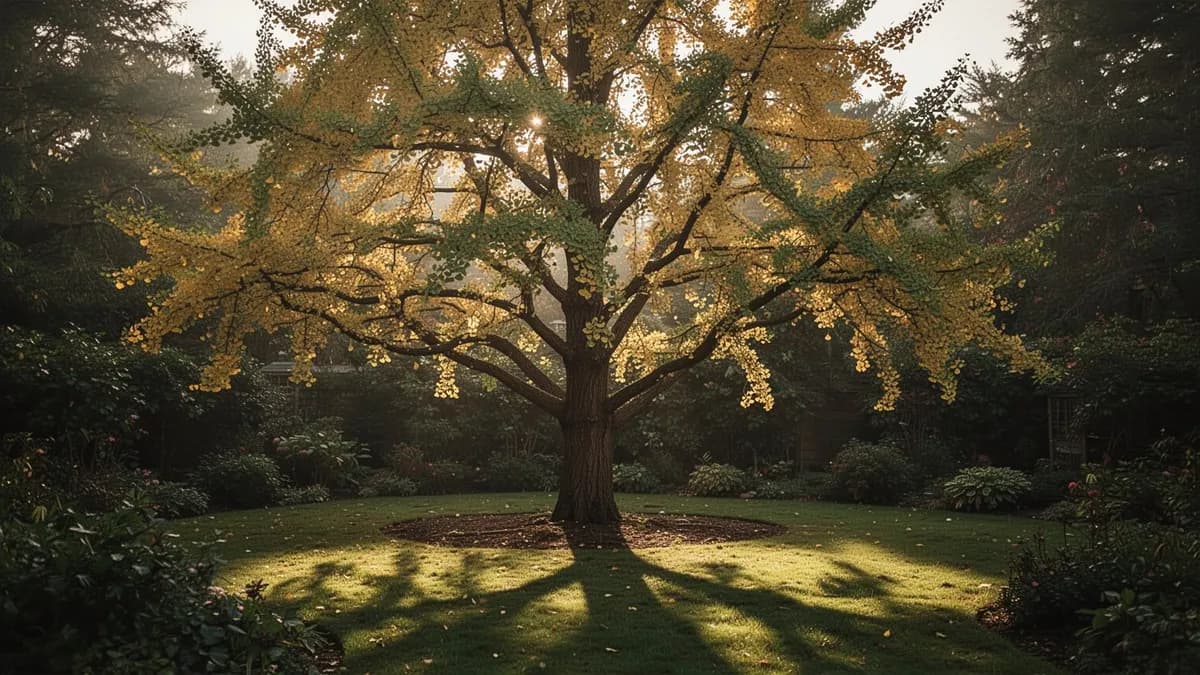
A living fossil and the last surviving member of an ancient plant family, with distinctive fan-shaped leaves that turn brilliant gold in autumn.





On this pageOverview
Meet Ginkgo Tree
A living fossil and the last surviving member of an ancient plant family, with distinctive fan-shaped leaves that turn brilliant gold in autumn. Always plant male cultivars, as female trees produce foul-smelling fleshy seeds that create a slippery, malodorous mess on walkways. Ginkgos are virtually pest and disease free and extremely tolerant of urban pollution, compacted soil, and salt spray. They are slow to establish but ultimately form handsome shade trees that can live for hundreds of years.
When to plant Ginkgo Tree
Ginkgo trees are most reliably propagated through grafting of named male cultivars onto seedling rootstock. Growing from seed is possible but impractical for most gardeners, as seedlings take decades to reveal their sex and may produce unwanted female trees. If starting from seed, clean the outer flesh from fresh seeds, then cold-stratify in moist sand at 35 to 40 degrees Fahrenheit for 60 to 90 days. Sow stratified seeds one inch deep in containers and germinate at 65 to 75 degrees. Seedlings grow slowly in the first few years.
Your Ginkgo Tree Year
Composed for Zone 7 · typical seasons · frost passes Apr 2, returns Nov 1
Plant Ginkgo Tree Mar – Apr, Oct – Nov, pick —. Check the planting methods below and set your climate to personalize these windows.
How to grow Ginkgo Tree
Select a planting site with full sun and well-drained soil. Ginkgo trees are exceptionally adaptable, tolerating a wide range of soil types including clay, sandy, and compacted urban soil with a pH from 5.0 to 8.0. Space trees at least 35 feet from structures and other large trees to accommodate their eventual broad canopy. Plant balled-and-burlapped or container-grown specimens in spring or early fall, setting the root flare level with the surrounding grade.
Water newly planted ginkgos deeply once a week during the first two growing seasons to establish a strong root system. Apply a 3-inch layer of organic mulch around the base, keeping it 6 inches from the trunk. Ginkgos are slow to establish and may appear to do little in the first few years while building root mass underground. Once established, they are remarkably drought-tolerant and require virtually no supplemental irrigation.
Pruning needs are minimal. Remove crossing or rubbing branches and maintain a strong central leader in the first decade. Ginkgos have few if any pest or disease problems and rarely need spraying. Always plant male cultivars such as Autumn Gold or Princeton Sentry to avoid the malodorous fruit produced by female trees. Ginkgos are among the most pollution-tolerant trees known and perform superbly as urban street and park trees.
Ginkgo Tree needs more room than a 4 × 8 ft bed gives
Each Ginkgo Tree wants 800 cm of elbow room. The planner keeps that spacing for you — every plant, every bed.
Ginkgo Tree's best neighbours
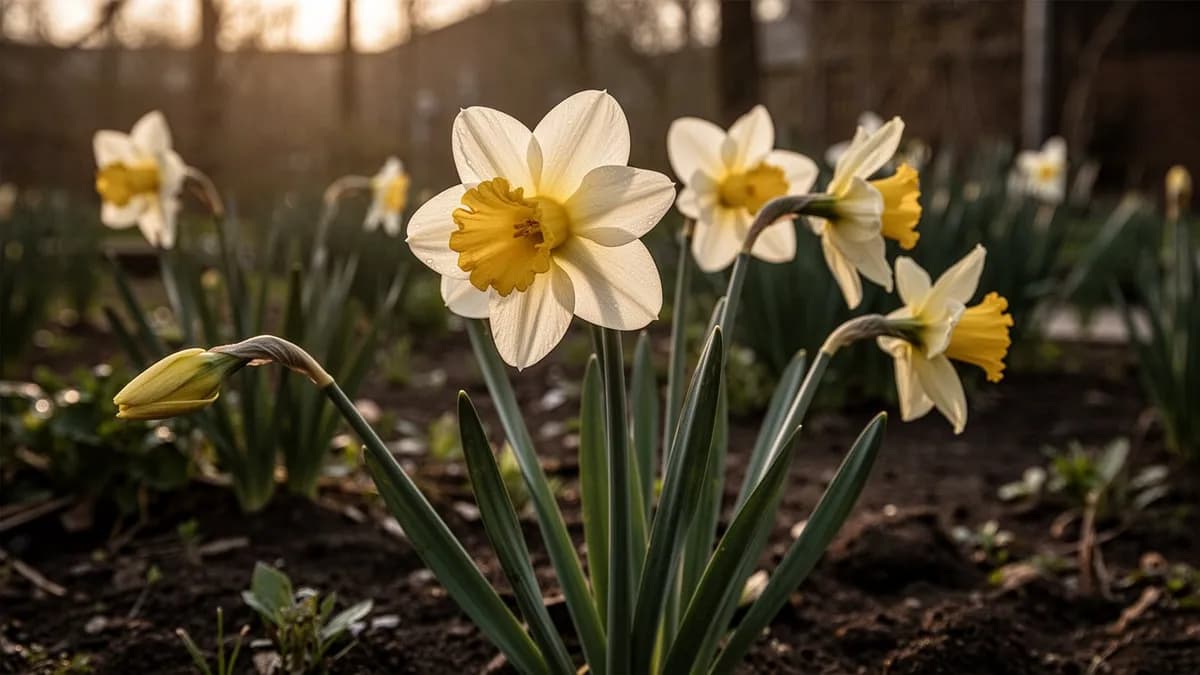
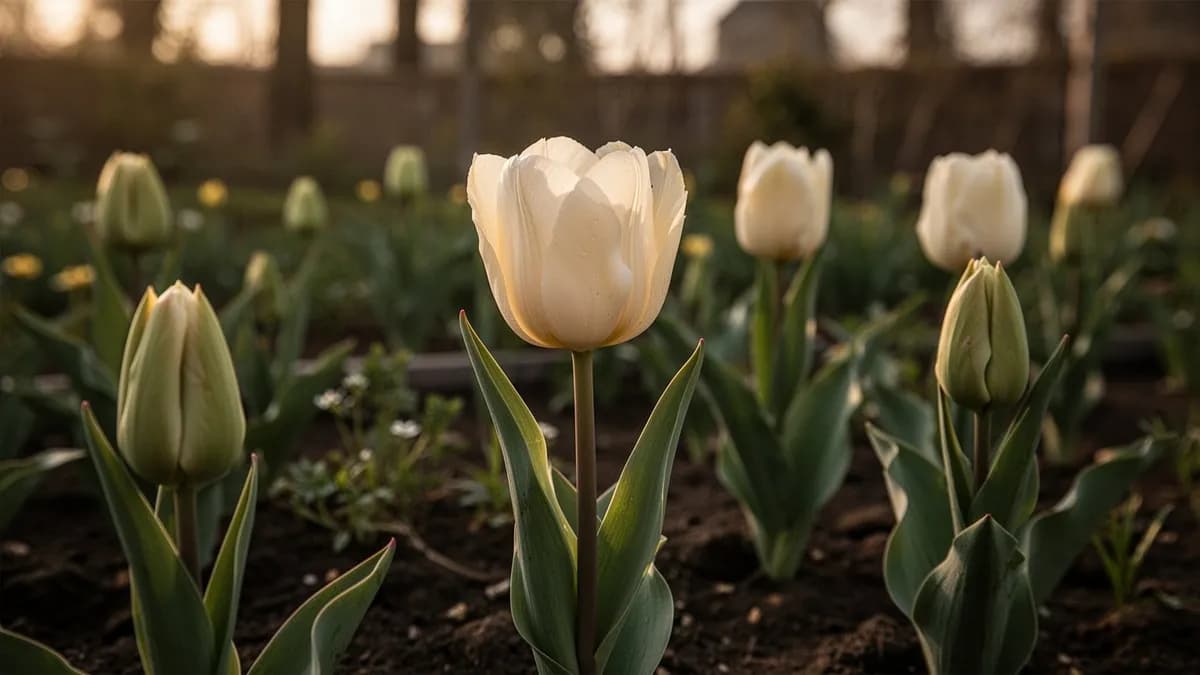
Ginkgo trees have a light, open canopy that allows dappled sunlight to reach understory plantings. Spring-blooming bulbs like daffodils, crocuses, and tulips thrive beneath ginkgos, completing their growth cycle before the canopy fills in. Shade-tolerant groundcovers such as hostas, epimedium, and vinca provide attractive understory coverage. The fallen ginkgo leaves decompose slowly and make a good mulch layer. Avoid planting moisture-loving perennials directly beneath mature specimens, as established ginkgos can dry out the surrounding soil significantly.
Daffodil belongs beside it.
Old growers' knowledge, checked against Ginkgo Tree's real companion table below — test any plant you're growing.
Try Ginkgo Tree in a bed — right here
A real planner bed with Ginkgo Tree already in it. Tap a companion to place it and watch the pairing checks answer — green for good neighbours, red for a clash.


Related growing guides
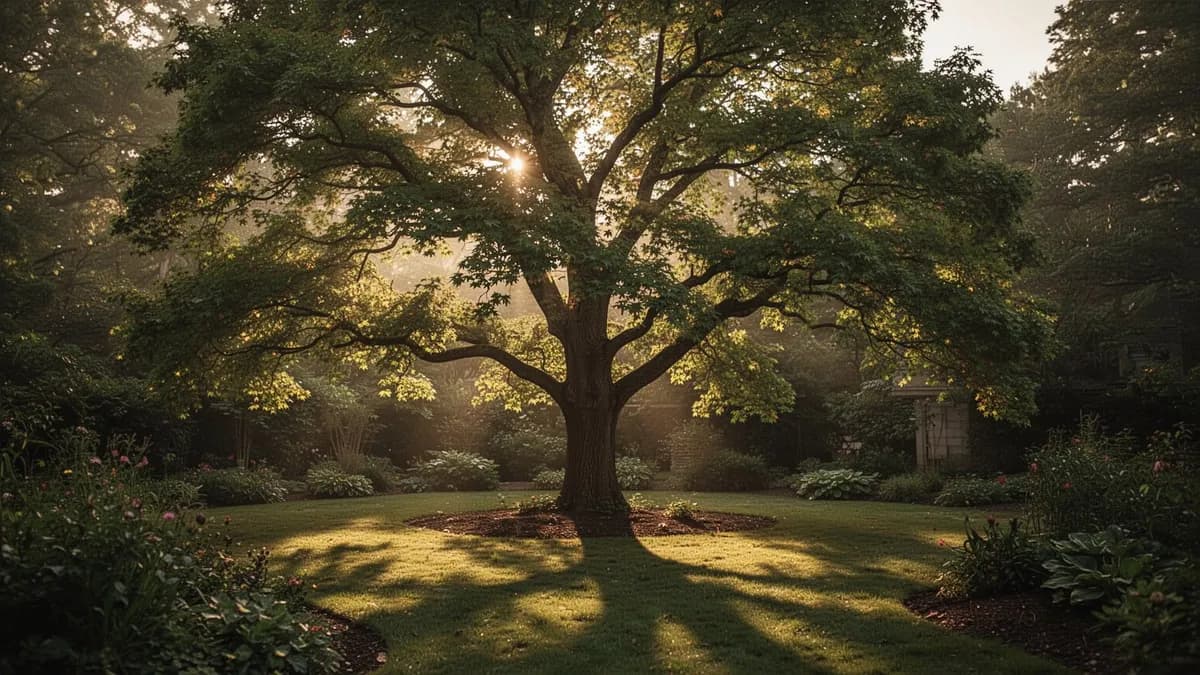
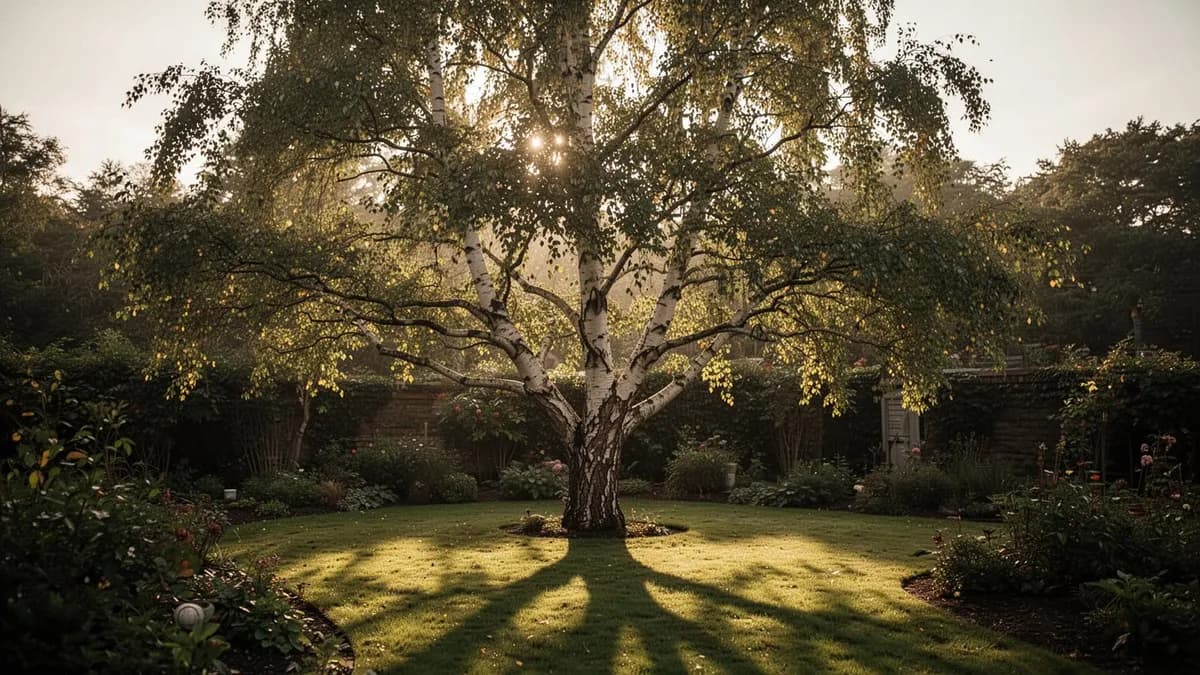
Feed it well
Ginkgo trees are among the most soil-tolerant trees available, growing in clay, sand, loam, and even compacted urban soil. They prefer a slightly acidic to neutral pH of 5.5 to 7.5 but tolerate alkaline conditions well. Fertilize young trees in early spring with a balanced slow-release fertilizer for the first three to five years. Established ginkgos rarely need supplemental fertilization. Avoid high-nitrogen fertilizers that promote excessive soft growth at the expense of root development and structural wood.
Ideal Temperature
Hardiness Zone Compatibility
From seed to harvest, stage by stage
Seed Germination
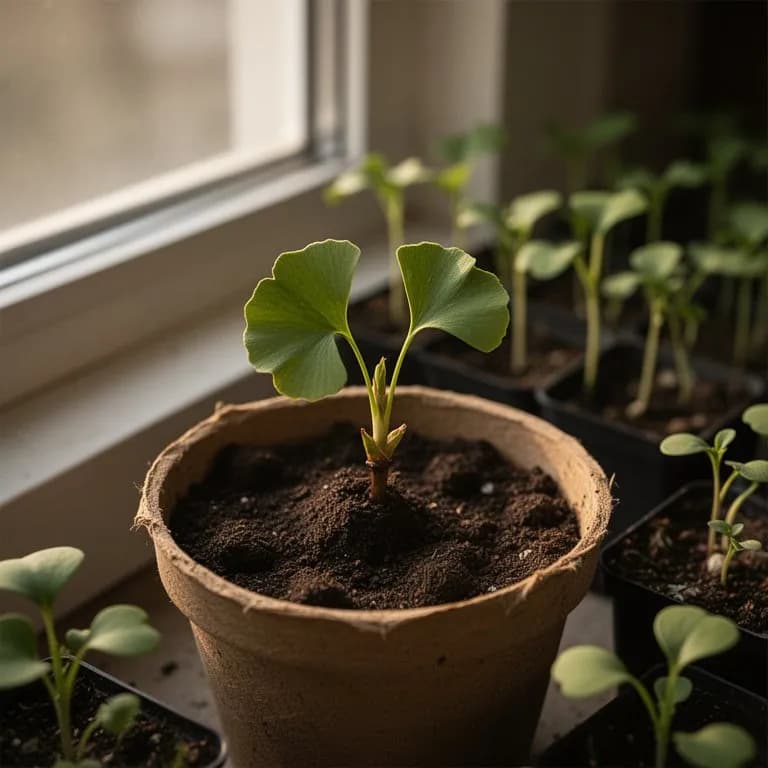
Ginkgo seeds require cold stratification for 60 to 90 days before germination. Once stratified, seeds are planted 2 to 3 centimeters deep in moist, well-draining soil. Germination is slow and may take 4 to 8 weeks as the embryo breaks through the hard seed coat.
Seedling Establishment
Young ginkgo seedlings develop a strong taproot and produce their first set of fan-shaped leaves. Growth is moderate during this stage, with seedlings typically reaching 15 to 30 centimeters in the first year. The stem begins to lignify and the seedling develops its first branching pattern.
Juvenile Growth
During years 2 through 7, the ginkgo develops a characteristic pyramidal or columnar form. Annual growth averages 30 to 60 centimeters in height. The trunk thickens and the root system expands significantly. Leaves become larger and may show more pronounced bilobed shapes than mature foliage.
Young Tree Maturation
Between years 7 and 20, the ginkgo transitions from its narrow juvenile form to a broader spreading habit. Growth rate increases to 30 to 45 centimeters per year in favorable conditions. The canopy fills out and the tree begins to develop its mature silhouette. Female trees may begin producing seeds around year 20, though some take longer.
Mature Specimen
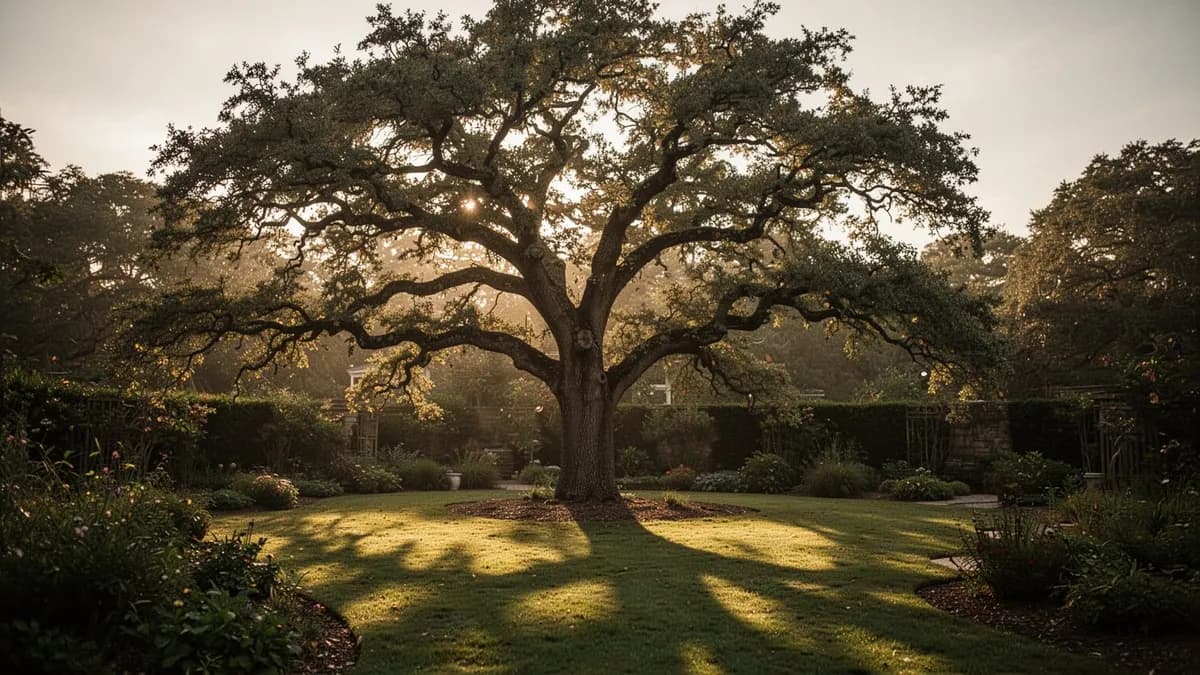
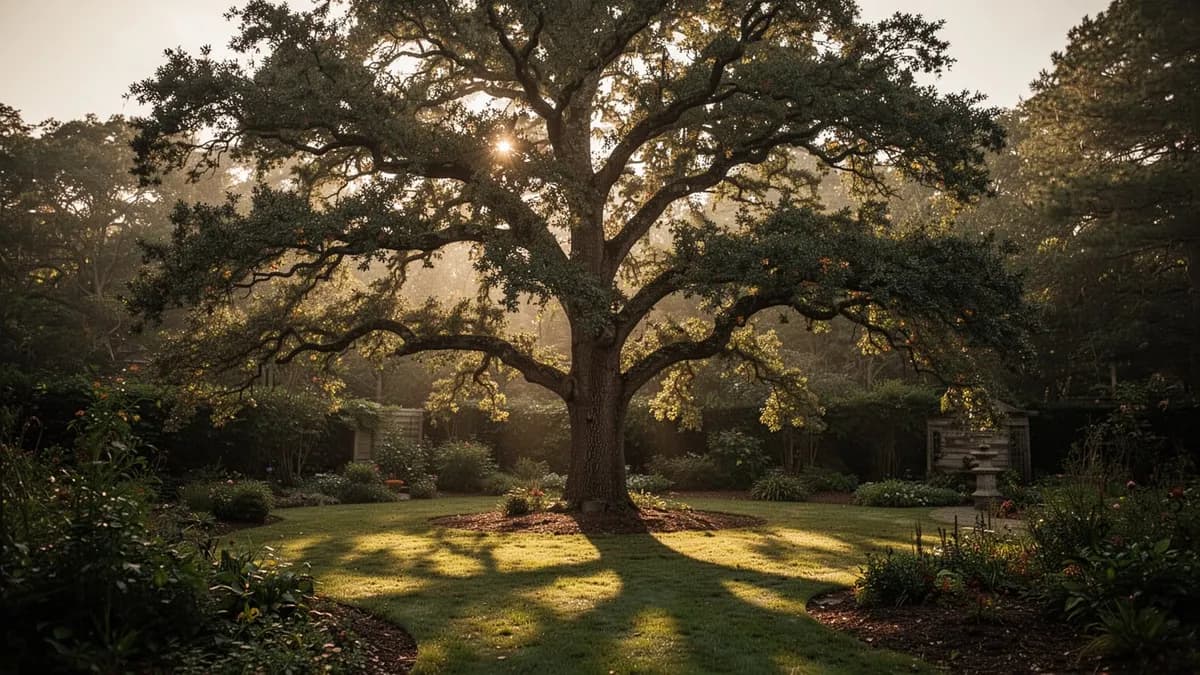
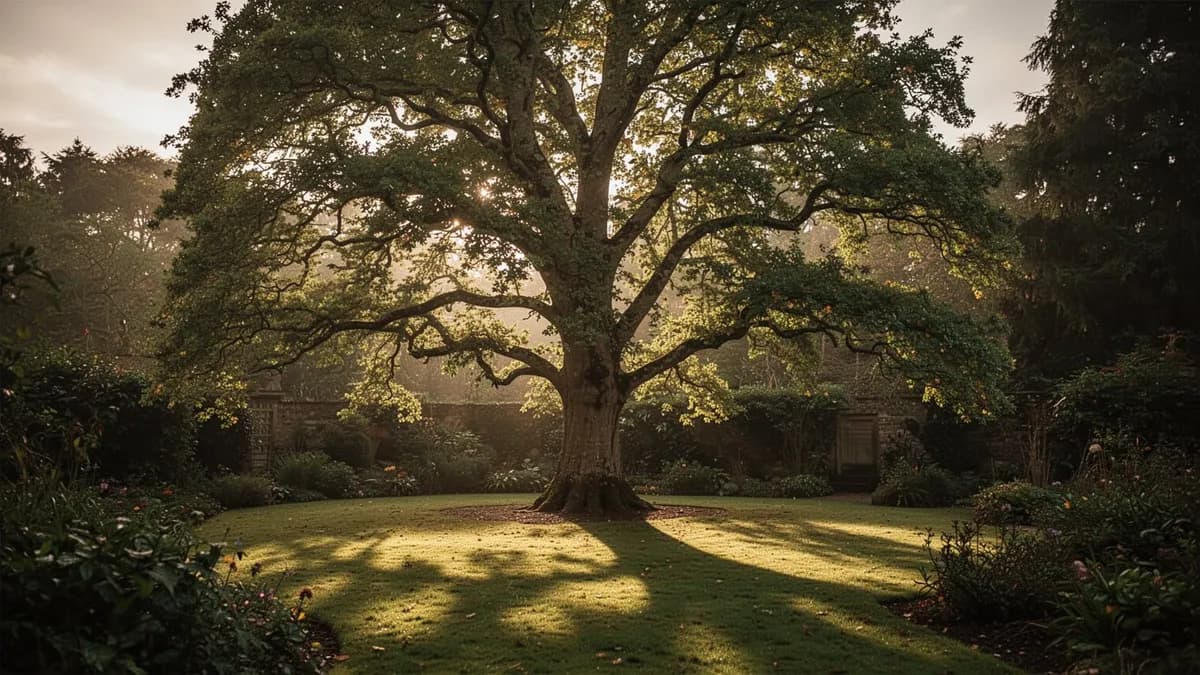
Mature ginkgo trees reach 20 to 35 meters in height with a broad, irregular crown. Female trees produce abundant crops of fleshy-coated seeds in autumn. The bark becomes deeply furrowed and the trunk can reach over 1 meter in diameter. Ginkgo trees are extremely long-lived, with some specimens in China and Japan estimated to be over 1000 years old.
Ancient Veteran
Ginkgo trees that reach several decades to centuries old become monumental specimens with massive trunks and sweeping canopies. Some develop aerial roots called chichi that hang from large branches. The tree continues to produce seeds prolifically. Ancient ginkgos are often found near temples in East Asia where they have been cultivated and protected for centuries.
Keep the soil consistently moist but not waterlogged during germination. A temperature range of 20 to 25 degrees Celsius is ideal. Cover pots with plastic wrap to maintain humidity until sprouts appear.
Caring for Ginkgo Tree month by month
What to do each month for your Ginkgo Tree
October
You are hereHarvest fallen ginkgo nuts from female trees, wearing gloves to avoid contact with the irritating fleshy outer layer.. Clean harvested seeds by removing the fleshy coating outdoors and washing the inner nuts thoroughly.. Admire the spectacular golden yellow autumn foliage display that ginkgo trees are famous for.
Know exactly what to do in your garden — every month
One email at the start of each month: what to sow, plant, and tackle right now — for your Ginkgo Tree and everything growing around it. Plus a short starter course that helps you dodge the classic mistakes.
- What to do, right now
- Matched to your season
- Starter course included
Harvesting Ginkgo Tree
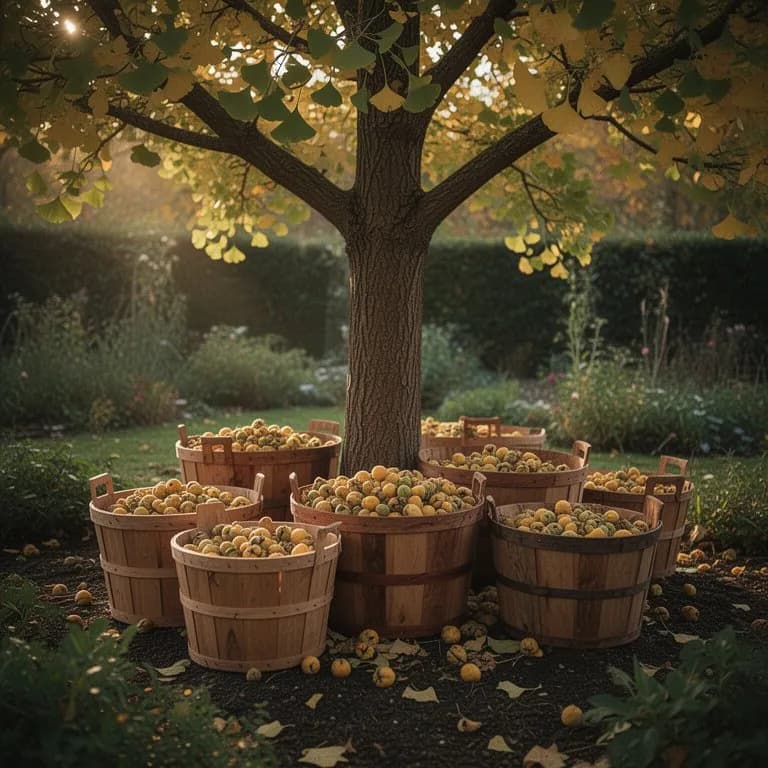
Female ginkgo trees produce fleshy, apricot-like seeds in autumn that emit a strong odor when the outer coating decays. If you have a female tree and wish to harvest the edible inner nuts, collect fallen seeds wearing gloves to avoid skin irritation from butyric acid in the flesh. Remove the outer pulp by soaking seeds in water for several days, then wash and dry the hard inner shells. Crack shells to reveal the pale green kernel inside, which must be cooked before eating as raw ginkgo nuts contain mild toxins.
assuming you plant when the window opens — set your real date
Pick Ginkgo Tree promptly and the plant keeps producing.
Storage & Preservation
After cleaning and drying, ginkgo nuts can be stored in their shells in a cool, dry place for several weeks. For longer storage, shell the nuts and freeze the kernels in airtight containers for up to six months. Roasted ginkgo nuts can be kept in sealed jars at room temperature for one to two weeks. In Asian culinary traditions, ginkgo nuts are sometimes preserved in brine or vacuum-sealed after blanching to extend their shelf life through the winter months.
What goes wrong — and the fix
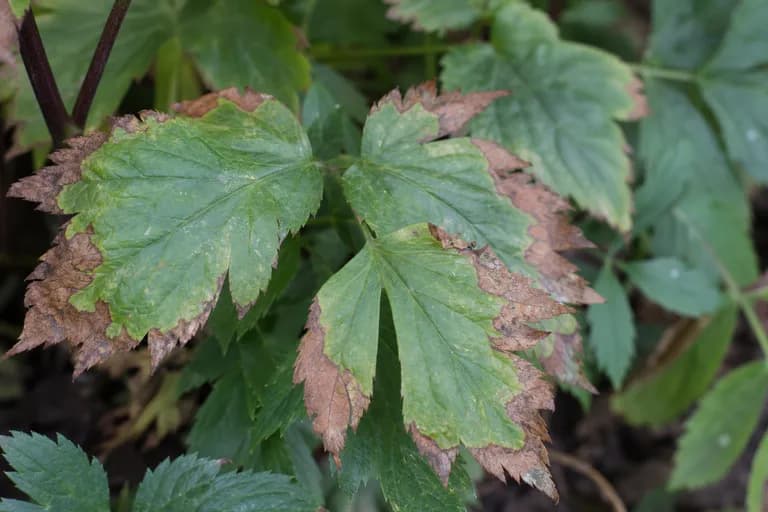
Leaf Scorch
DiseaseBrown, crispy leaf margins during hot, dry summers, particularly on newly planted or stressed trees.
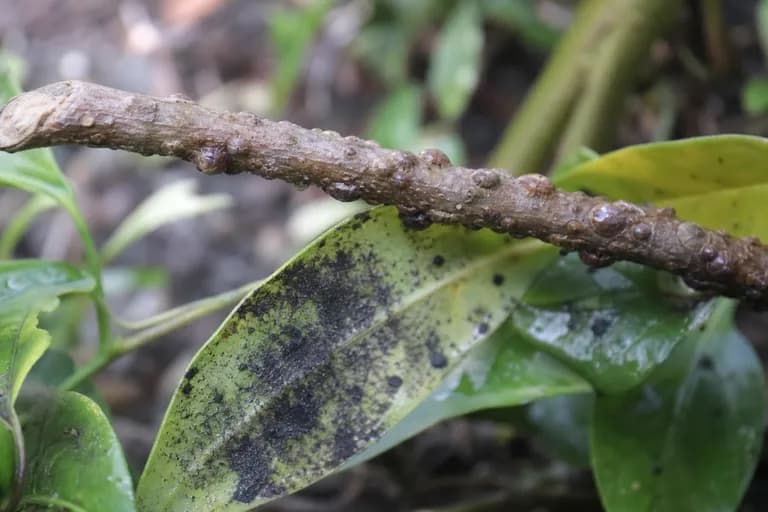
Scale Insects
PestSmall, immobile bumps on twigs and branches. Heavy infestations may cause branch dieback and reduced vigor.
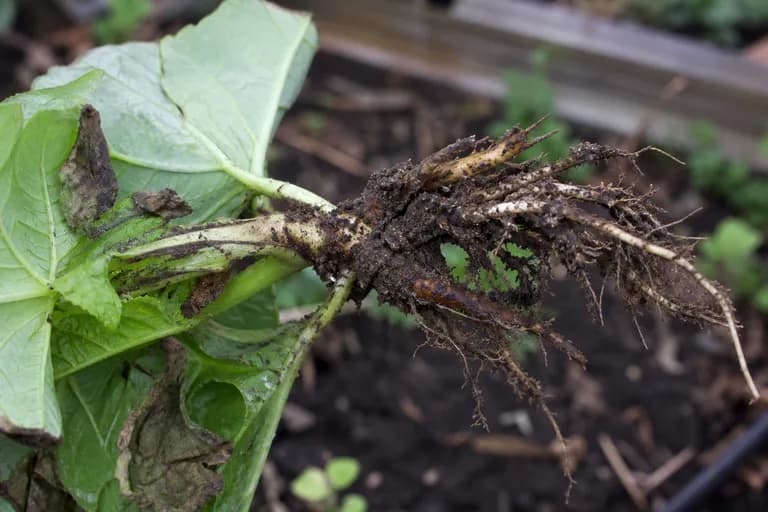
Root Rot
DiseaseYellowing foliage, premature leaf drop, and overall decline in trees planted in waterlogged soil.
Troubleshooting Common Problems
The most significant problem is planting a female tree, which produces foul-smelling fruit that creates a slippery, offensive mess on sidewalks and patios. Always purchase named male cultivars from reputable nurseries. Ginkgos may experience transplant shock and appear dormant for the first year or two after planting. Slow initial growth is normal and not a cause for concern. Leaf scorch during extreme heat is cosmetic and does not indicate a serious health problem. The tree has virtually no significant pest or disease issues.
Growing Tips
- Plant ginkgo trees in full sun to partial shade with deep, well-drained soil for best growth. They tolerate a wide range of soil types including clay, sand, and loam with a pH range of 5.0 to 8.0.
- If you want edible ginkgo nuts, you must plant at least one female and one male tree. Most nursery stock is male to avoid the malodorous fruit, so specifically request female cultivars for nut production.
- Space ginkgo trees at least 10 to 15 meters apart to allow for their broad mature canopy spread. Consider the eventual size of 20 to 35 meters tall when selecting a planting location.
- Water newly planted ginkgo trees deeply once or twice per week during the first 2 to 3 growing seasons. Once established, ginkgo trees are quite drought tolerant and rarely need supplemental irrigation.
- Apply a 7 to 10 centimeter layer of organic mulch around the root zone extending to the drip line, but keep mulch at least 10 centimeters away from the trunk to prevent moisture buildup and bark rot.
- Prune ginkgo trees during dormancy in late winter to establish a strong central leader when young. Mature trees require very little pruning beyond removal of dead, damaged, or crossing branches.
- Wear rubber or nitrile gloves when handling ginkgo fruit and cleaning the nuts, as the fleshy outer coating contains urushiol and ginkgolic acids that can cause contact dermatitis similar to poison ivy in sensitive individuals.
- Propagate ginkgo from seed by stratifying cleaned seeds in moist sand at 1 to 5 degrees Celsius for 60 to 90 days, then sowing in spring. Named cultivars must be propagated by grafting onto seedling rootstock.
- Ginkgo trees are exceptionally tolerant of urban conditions including compacted soil, road salt, air pollution, and restricted root zones, making them outstanding street trees and specimens for challenging urban landscapes.
- Be patient with ginkgo trees as they are slow to moderate growers averaging 30 to 40 centimeters of height per year when young. Growth rate increases as the tree matures and the root system becomes well established.
Grow your best Ginkgo Tree yet — and everything around it.
Start a free plan today. Lay out your beds, drop in your Ginkgo Tree, and let PlotMyGarden handle the timing, spacing, companions and reminders from seed to harvest basket.
Pick your Ginkgo Tree
Autumn Gold
A male cultivar prized for its symmetrical broad-spreading form and outstanding golden-yellow fall color. One of the most reliable and widely planted ginkgo selections.
Princeton Sentry
A narrow, upright male cultivar ideal for street planting and tight spaces. Grows 40 to 50 feet tall but only 15 to 20 feet wide.
Jade Butterflies
A compact dwarf male cultivar reaching only 10 to 15 feet tall with a vase-shaped form. Excellent for smaller landscapes and containers.
Saratoga
A distinctly upright male cultivar with a strong central leader and pendulous branch tips. Develops outstanding golden fall color and resists storm damage.
A single mature female ginkgo tree can produce 20 to 40 kilograms of nuts annually for decades or even centuries, providing a substantial return on a one-time planting investment. Fresh ginkgo nuts sell for 15 to 30 dollars per kilogram at Asian grocery stores and specialty markets. Beyond edible nuts, ginkgo trees serve as exceptional shade and ornamental specimens that can increase property values by several thousand dollars at maturity. The trees require minimal maintenance once established, with virtually no pest or disease treatments needed, resulting in negligible ongoing care costs compared to most fruit and nut trees.
Quick recipes
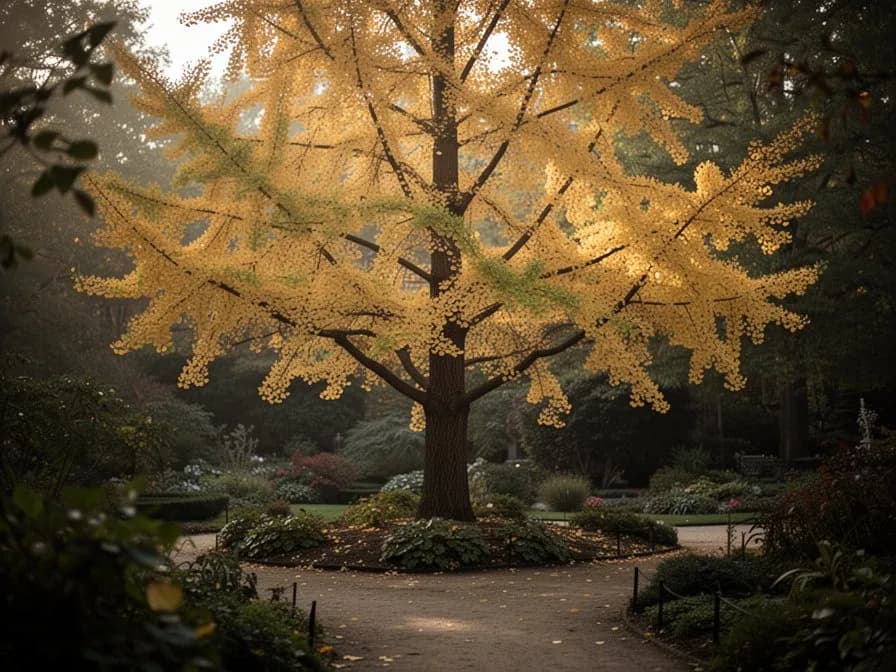
Salt-Roasted Ginkgo Nuts
15 minutesA classic Japanese and Chinese preparation where shelled ginkgo nuts are dry-roasted in a skillet with coarse salt until the shells crack and the emerald-green kernels inside become tender and slightly translucent. The salt helps conduct heat evenly and adds subtle seasoning. These are traditionally served as a snack with sake or beer and are a popular autumn seasonal treat.
3 ingredients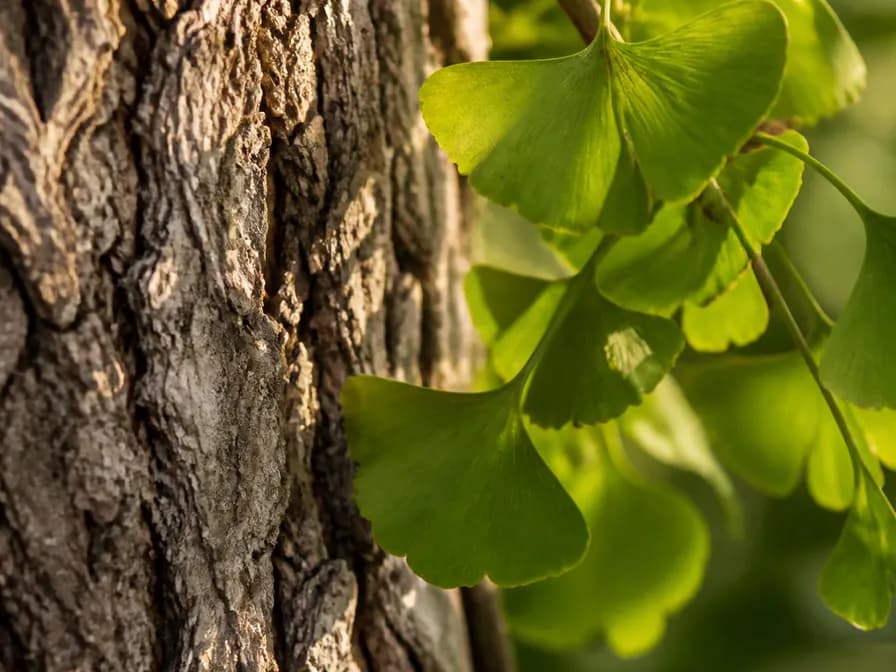
Chawanmushi with Ginkgo Nuts
40 minutesA traditional Japanese savory egg custard steamed with dashi broth, shrimp, chicken, and ginkgo nuts. The ginkgo nuts add a mild, slightly bitter and nutty flavor with a distinctive waxy texture that contrasts beautifully with the silky custard. Chawanmushi is served as an appetizer or side dish and is one of the most celebrated uses of ginkgo nuts in Japanese cuisine.
8 ingredientsStir-Fried Ginkgo Nuts with Vegetables
25 minutesA Cantonese-style stir-fry where pre-boiled ginkgo nuts are wok-fried with celery, lily bulbs, and cashews in a light garlic sauce. The ginkgo nuts become slightly crispy on the outside while remaining soft and starchy inside. This dish is often served at Chinese banquets and festive meals where ginkgo nuts symbolize longevity and good fortune.
9 ingredientsCulinary Uses
Ginkgo nuts are a traditional ingredient in East Asian cuisine, particularly in Chinese, Japanese, and Korean cooking. The cooked kernels have a mild, slightly sweet flavor with a starchy texture similar to chestnuts. They are commonly added to congee, chawanmushi (savory egg custard), stir-fries, and hotpot dishes. In Japanese cooking they appear in autumn dishes and festive New Year cuisine. Ginkgo nuts must always be cooked before eating and should be consumed in moderation, as large quantities can cause digestive discomfort.
What's inside
Health Benefits
- Ginkgo nuts contain flavonoid glycosides and terpenoids including ginkgolides and bilobalide, which have demonstrated antioxidant and anti-inflammatory properties in clinical research studies.
- Traditional Chinese medicine has used ginkgo nuts for centuries to support respiratory health, particularly for conditions involving excessive phlegm, cough, and asthma symptoms.
- The high potassium content in ginkgo nuts supports cardiovascular health by helping to regulate blood pressure and maintain proper fluid balance in the body.
- Ginkgo nuts provide a good source of plant-based protein and complex carbohydrates, making them a nutritious energy source with a lower fat content than most other edible tree nuts.
- The niacin (vitamin B3) present in ginkgo nuts supports healthy metabolism, nervous system function, and the maintenance of healthy skin and digestive tissues.
- Ginkgo leaf extract, distinct from the edible nuts, is one of the most researched herbal supplements and has been studied extensively for its potential to support circulation, cognitive function, and antioxidant defense systems in the body.
Where Ginkgo Tree comes from
Ginkgo biloba, commonly known as the maidenhair tree, is a botanical marvel often called a living fossil. Its lineage stretches back approximately 270 million years to the Permian period, and leaf fossils nearly identical to modern ginkgo leaves have been found in rocks dating to the early Jurassic, over 200 million years ago. During the Mesozoic era, diverse species of Ginkgoales were widespread across the Northern Hemisphere, but the order gradually declined, and Ginkgo biloba is the last surviving member of its entire division, Ginkgophyta.
The species is native to China, where it was long believed to be extinct in the wild until small natural populations were discovered in the Tianmu Mountain region of Zhejiang province and in parts of Guizhou province. For centuries, ginkgo trees were cultivated and preserved by Buddhist monks at temple grounds throughout China, Korea, and Japan, which likely saved the species from complete extinction during periods of climate change and habitat loss.
Ginkgo was introduced to Europe in the early 18th century, with the first recorded European specimen planted at the Utrecht Botanic Garden in the Netherlands around 1730. The German physician and botanist Engelbert Kaempfer was the first Western scientist to describe the tree after encountering it in Japan in the 1690s. Carl Linnaeus formally described it as Ginkgo biloba in 1771. The tree quickly became popular as an ornamental specimen across Europe and North America due to its graceful form, spectacular autumn color, and extraordinary tolerance of urban conditions including compacted soils, restricted root space, road salt, and air pollution. Today ginkgo is one of the most widely planted urban street trees in temperate regions worldwide, valued for its hardiness and longevity.
Ginkgo Tree: did you know?
Fascinating facts about Ginkgo Tree
Ginkgo biloba is the sole surviving species of the entire order Ginkgoales, which flourished during the Jurassic and Cretaceous periods alongside dinosaurs. Fossil records show ginkgo-like leaves dating back over 200 million years, making it one of the oldest living tree species on Earth.
Ginkgo Tree questions, answered
When should I plant Ginkgo Tree?
What are good companion plants for Ginkgo Tree?
What hardiness zones can Ginkgo Tree grow in?
How much sun does Ginkgo Tree need?
How far apart should I space Ginkgo Tree?
What pests and diseases affect Ginkgo Tree?
How do I store Ginkgo Tree after harvest?
What are the best Ginkgo Tree varieties to grow?
What soil does Ginkgo Tree need?
Are ginkgo nuts safe to eat and how should they be prepared?
How can I tell if my ginkgo tree is male or female?
Why do ginkgo fruits smell so bad and how do I deal with the odor?
How long does it take for a ginkgo tree to produce nuts?
Is ginkgo biloba extract the same as eating ginkgo nuts?
Can ginkgo trees survive in cold climates and harsh conditions?
You just read the theory. Now grow it on autopilot.
Everything that makes Ginkgo Tree fiddly — the timing, the spacing, the companions, the harvest window — is exactly what PlotMyGarden handles for you, for every plant in your garden.
A plan that knows your weather
Set your location once. Get sow, feed and harvest dates built around your real last-frost date and live forecast — no more guessing from a generic seed packet.
From the “When to plant” sectionDrag-and-drop bed planner
Design beds on a grid. Every plant snaps to its proper spacing, and you can see your whole season laid out before you spend a cent on seed.
From the “Growing guide” sectionCompanion conflicts, caught early
200+ good-and-bad pairings checked live as you plant — so a season-wrecking mistake never makes it into the ground.
From the “Companions” sectionReminders you'll actually act on
“Water the beans.” “Pick today before it turns.” Timely, specific, and tied to the plants you're really growing.
From the “Harvest” sectionSuccession, scheduled
Want a harvest for six weeks, not six days? It spaces your sowings automatically and reminds you when each new block is due.
From the “When to plant” sectionA record that gets smarter
Every harvest you log teaches it your garden. Next year's plan starts from what actually worked in your soil, not a textbook's.
From the “Overview” sectionPlant these alongside Ginkgo Tree
More Shade Trees
Grow your best Ginkgo Tree yet — and everything around it.
Start a free plan today. Lay out your beds, drop in your Ginkgo Tree, and let PlotMyGarden handle the timing, spacing, companions and reminders from seed to harvest basket.