Pfefferminz-Geranie
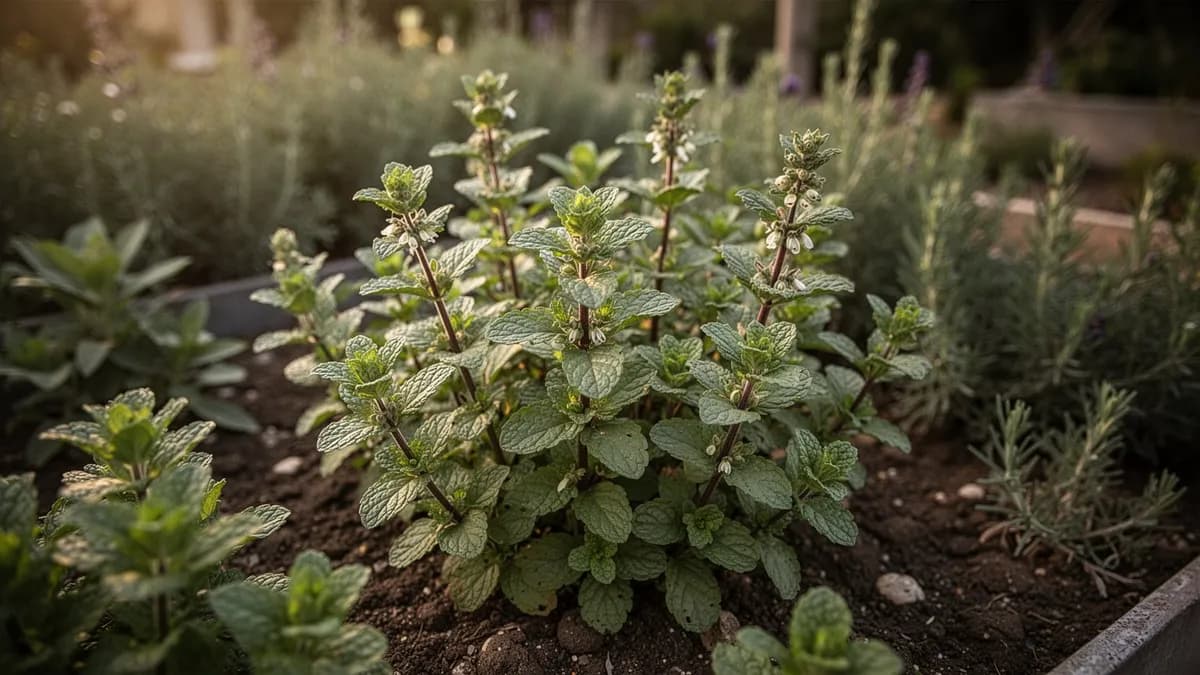
Die großblättrigste Duftgeranie mit weichem, samtigem Laub, das einen kühlenden Pfefferminzduft verströmt.





Auf dieser SeiteÜberblick
Pfefferminz-Geranie im Überblick
Die großblättrigste Duftgeranie mit weichem, samtigem Laub, das einen kühlenden Pfefferminzduft verströmt. Die Pfefferminz-Geranie ist ein kräftiger Bodendecker und eignet sich hervorragend als Hängepflanze für große Gefäße und Ampeln. Die großen Blätter sind perfekt geeignet, um Schokoladen-Minz-Brownies zuzubereiten, indem man die Backform vor dem Einfüllen des Teigs damit auslegt.
Wann Pfefferminz-Geranie pflanzen
Vermehren Sie die Pfefferminz-Geranie ausschließlich durch Stecklinge, da Saatgut nicht im Handel erhältlich ist. Schneiden Sie im Frühjahr oder Spätsommer 7–10 cm lange Stecklinge von nicht blühenden Trieben. Entfernen Sie die unteren Blätter, lassen Sie die Schnittstelle einige Stunden antrocknen und stecken Sie sie dann in feuchtes Perlit oder sandige Erde. Halten Sie sie bei 18–22 °C in hellem, indirektem Licht ohne Abdeckung. Die Bewurzelung dauert 2–4 Wochen. Diese wüchsige Art bewurzelt leicht und wächst nach dem Anwachsen schnell. Das Absenken von Trieben, die den Boden berühren, funktioniert ebenfalls mühelos.
Dein Pfefferminz-Geranie-Jahr
Abgestimmt auf Zone 7 · typische Saison · Frost geht um den 2. Apr. und kehrt um den 1. Nov. zurück
Pfefferminz-Geranie Apr – Mai pflanzen, Mai – Okt ernten. Beachte die Pflanzmethoden unten und wähle dein Klima für passende Zeiträume.
So baust du Pfefferminz-Geranie an
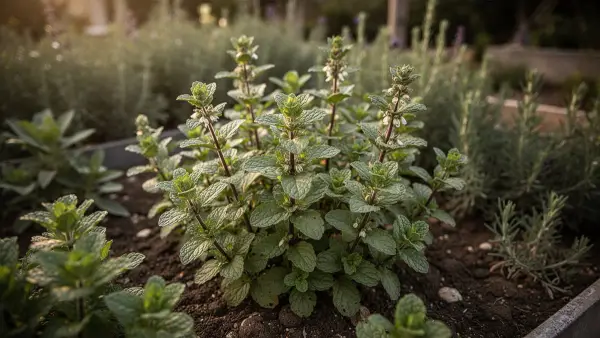
Die Pfefferminz-Geranie ist die wüchsigste und großblättrigste aller Duft-Pelargonien und bildet ausladende Triebe mit weichen, samtigen, tief gelappten Blättern von bis zu 12 cm Durchmesser, die einen unverkennbaren Pfefferminzduft verströmen. Die Pflanzen können sich 90–120 cm breit ausbreiten und sind daher spektakulär in großen Gefäßen, Hängeampeln und als Bodendecker in frostfreien Gärten.
Anders als die meisten Duftgeranien, die volle Sonne verlangen, bevorzugt die Pfefferminz-Geranie tatsächlich Halbschatten und verträgt geringere Lichtverhältnisse gut. Das macht sie zu einer ausgezeichneten Wahl für nach Norden ausgerichtete Terrassen und schattige Wintergärten. Pflanzen Sie sie in eine hochwertige Blumenerde mit guter Drainage und gießen Sie regelmäßig – diese Art verträgt mehr Feuchtigkeit als andere Pelargonien. Düngen Sie während der Wachstumsperiode alle 2–3 Wochen.
Der hängende, ausladende Wuchs macht die Pfefferminz-Geranie ideal für große Hängeampeln und erhöhte Gefäße, in denen die Triebe dramatisch herabhängen können. Kneifen Sie die Triebspitzen gelegentlich, um die Verzweigung zu fördern, lassen Sie aber einige Triebe natürlich herabhängen. Holen Sie die Pflanze vor dem Frost ins Haus und bieten Sie im Winter helles, indirektes Licht. Schneiden Sie sie im Spätwinter um die Hälfte zurück, um frisches Frühlingswachstum anzuregen.
8 Pflanzen passen in ein Beet von 120 × 240 cm
Pfefferminz-Geranie braucht 60 cm Platz pro Pflanze. Der Planer hält diesen Abstand für dich ein — jede Pflanze, jedes Beet.
Die besten Nachbarn für Pfefferminz-Geranie
Platzieren Sie die Pfefferminz-Geranie in großen Gefäßen in der Nähe von Sitzplätzen, wo Gäste versucht sein werden, die unwiderstehlich weichen, samtigen Blätter zu berühren. Sie harmoniert wunderbar mit anderen Duft-Pelargonien in einer Duftgartensammlung. Der hängende Wuchs macht sie zu einer ausgezeichneten Begleiterin für aufrecht wachsende Pflanzen in Mischgefäßen. In frostfreien Klimazonen verwenden Sie sie als Bodendecker unter Zitrusbäumen oder neben tropischen Bepflanzungen.
Rosengeranie gehört daneben.
Altes Gärtnerwissen, geprüft an der echten Nachbartabelle von Pfefferminz-Geranie — teste jede Pflanze, die du anbaust.
Probiere Pfefferminz-Geranie direkt hier im Beet
Ein echtes Planer-Beet, Pfefferminz-Geranie steht schon drin. Tippe einen Begleiter an, platziere ihn und sieh, wie die Nachbarschaftsprüfung antwortet — grün für gute Nachbarn, rot bei Streit.


Passende Anbau-Ratgeber
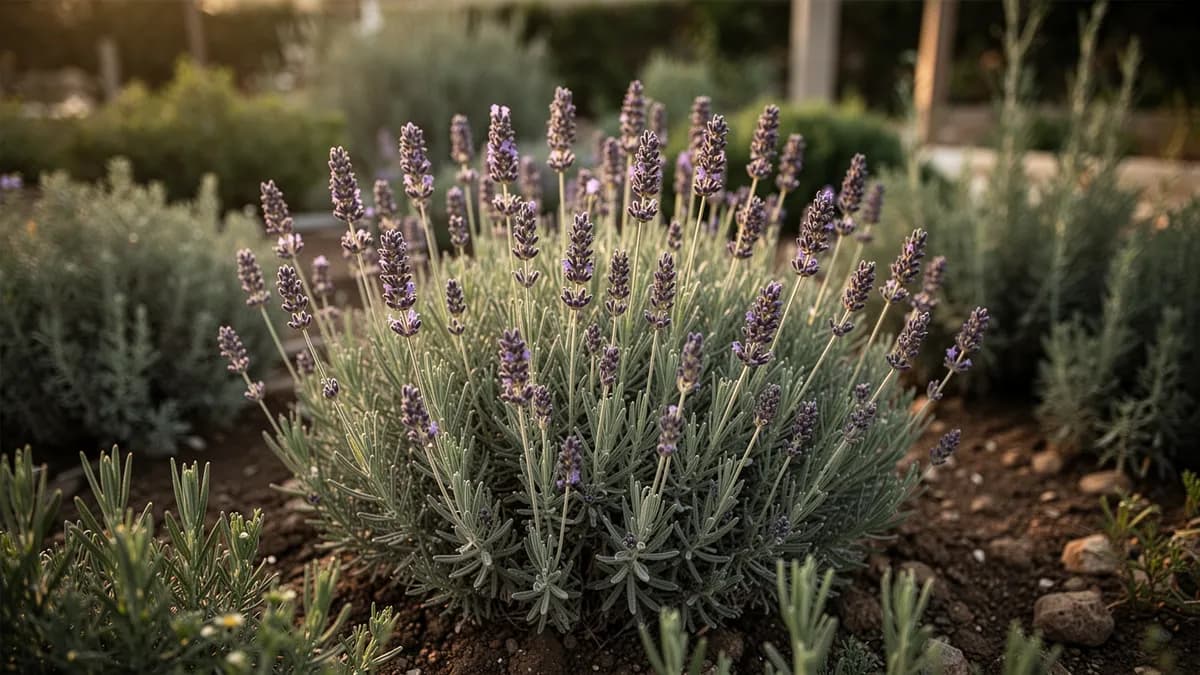
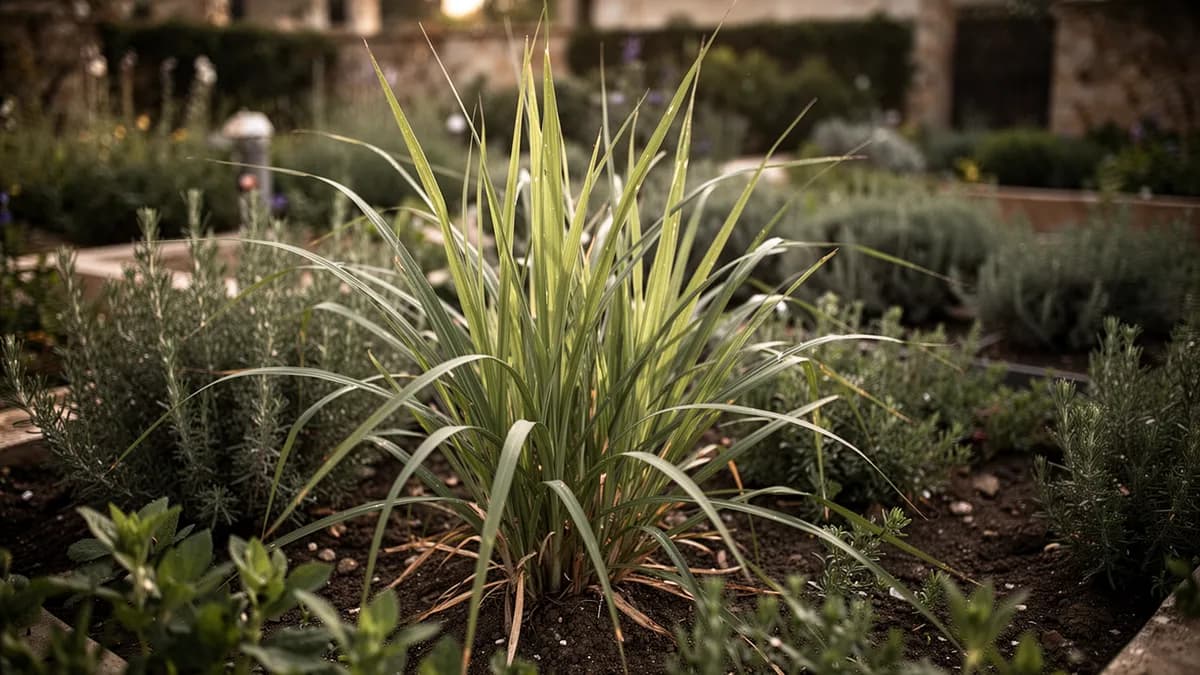
Richtig düngen
Verwenden Sie eine feuchtigkeitsspeichernde, aber gut durchlässige Blumenerde mit einem pH-Wert von 6,0–7,0. Eine Standard-Universalerde mit 20 % zugesetztem Perlit funktioniert gut. Diese Art verträgt nährstoffreichere Bedingungen als die meisten Pelargonien. Düngen Sie während der Wachstumsperiode alle 2–3 Wochen mit einem ausgewogenen Flüssigdünger. Im Herbst reduzieren und im Winter einstellen. Topfen Sie im Frühjahr jährlich um, da das kräftige Wachstum die Gefäße schnell füllt.
Ideale Temperatur
Winterhärtezone-Kompatibilität
Von der Saat zur Ernte, Schritt für Schritt
Stecklingsvermehrung
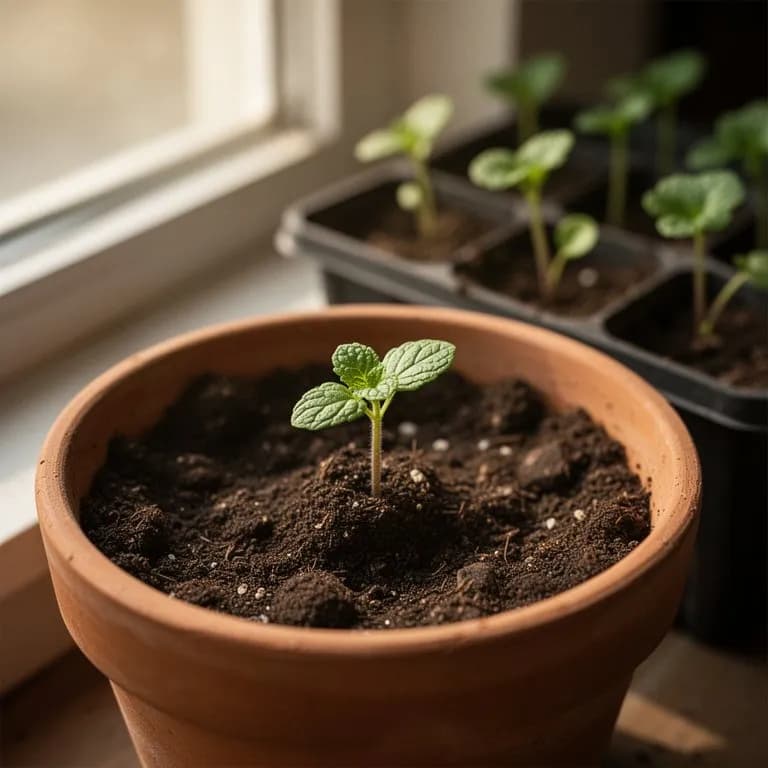
Die Pfefferminz-Geranie wird am besten durch Stecklinge einer gesunden Mutterpflanze vermehrt. Wählen Sie einen festen, nicht blühenden Trieb von etwa 10–15 cm Länge, entfernen Sie die unteren Blätter und lassen Sie die Schnittstelle über Nacht antrocknen, bevor Sie sie in ein feuchtes, gut durchlässiges Vermehrungssubstrat aus Perlit und Torf stecken.
Wurzelentwicklung
Sobald sich Wurzeln gebildet haben, beginnt der junge Steckling ein funktionsfähiges Wurzelsystem aufzubauen. Neue Blätter erscheinen an der Triebspitze und signalisieren, dass die Pflanze selbstständig Wasser und Nährstoffe aufnimmt. Das Wachstum ist in dieser Phase bescheiden, da die Energie nach unten gelenkt wird.
Vegetative Ausbreitung
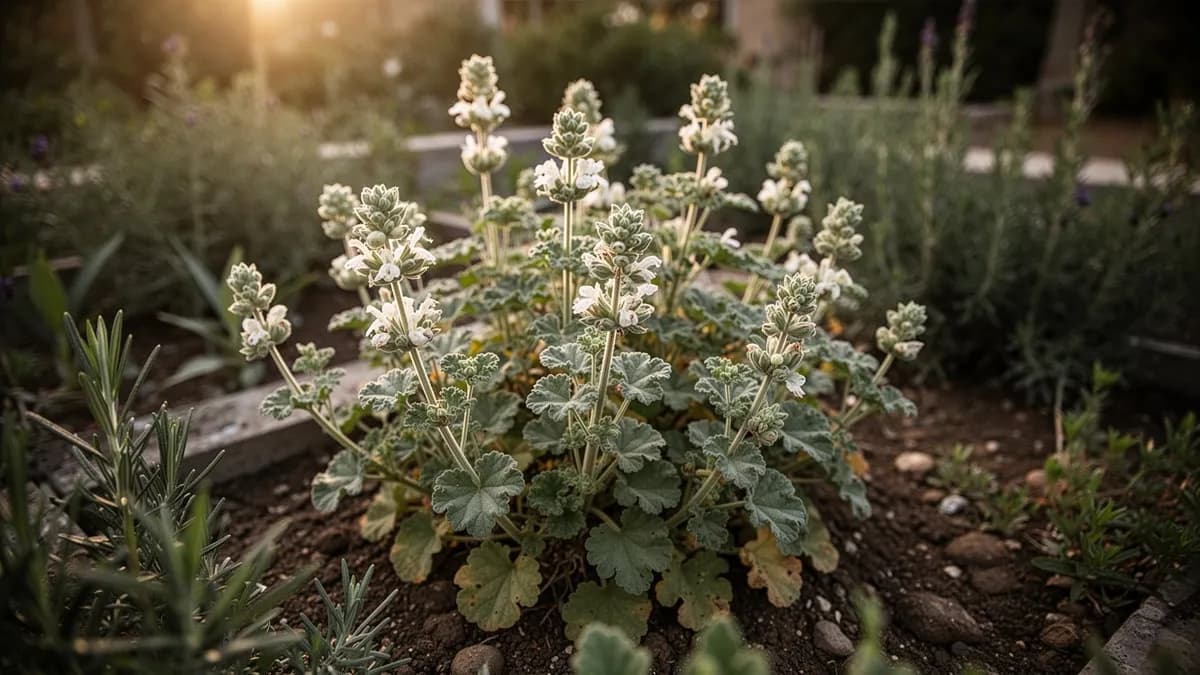
Die Pflanze tritt in eine Phase schnellen Wachstums ein und bildet große, weiche, tief gelappte Blätter, die mit feinen Trichomen bedeckt sind. Die Triebe verlängern sich und beginnen sich zu verzweigen, wobei der ausladende, kissenartige Wuchs entsteht, der für diese Art charakteristisch ist. Der Pfefferminzduft verstärkt sich mit der Reifung des Laubs.
Blühphase
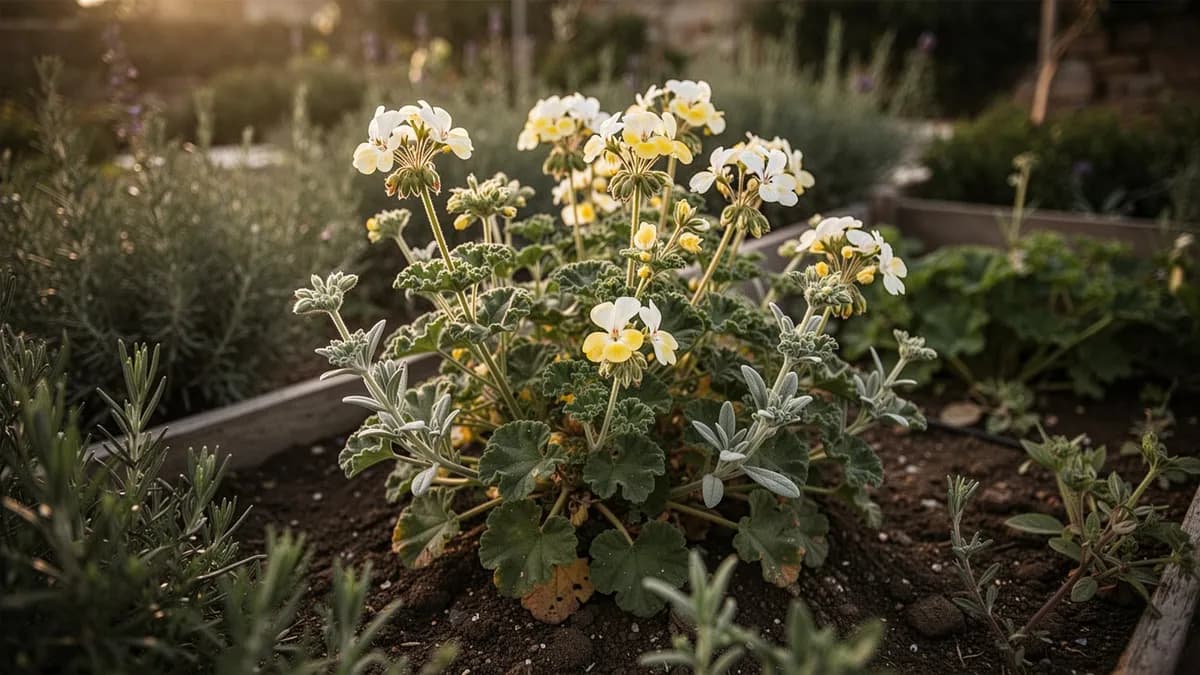
Büschel kleiner, weißer Blüten mit zarter rosa oder malvenfarbener Äderung erscheinen an schlanken Stielen über dem Laub. Obwohl die Blüten nicht so auffällig sind wie die von Zonal-Geranien, ziehen sie Nützlinge an und verleihen der Pflanze einen zierlichen Charme. Die Blüte kann sich über mehrere Monate erstrecken.
Reife Ausbreitung
Gut etablierte Pflanzen entwickeln einen ausladenden, bodendeckenden Wuchs, der sich 60–90 cm oder mehr ausbreiten kann. Triebe können an den Knoten wurzeln, wo sie feuchten Boden berühren, und so natürliche Ableger bilden. Die Pflanze ist in dieser Phase am produktivsten für die Blatternte.
Überwinterung und Ruhe
Wenn die Temperaturen unter 10 °C fallen, verlangsamt sich das Wachstum deutlich. Die Pfefferminz-Geranie ist frostempfindlich und überlebt keine Minustemperaturen im Freien. In kühleren Klimazonen bedeutet diese Phase, die Pflanze zum Winterschutz ins Haus oder in ein Gewächshaus zu bringen.
Halten Sie das Substrat leicht feucht, aber nicht nass. Stellen Sie die Stecklinge an einen hellen Platz mit indirektem Licht und halten Sie die Temperatur bei etwa 20–24 °C. Wurzeln erscheinen typischerweise nach 2–3 Wochen.
Pfefferminz-Geranie Monat für Monat pflegen
Was du jeden Monat für deine Pfefferminz-Geranie tun solltest
Oktober
Aktueller MonatHolen Sie die Pflanzen vor dem ersten Frost ins Haus. Schneiden Sie etwa ein Drittel zurück, um eine handliche Zimmerpflanze zu erhalten. Kontrollieren Sie gründlich auf Schädlinge, bevor Sie sie hereinbringen. Stellen Sie sie ans hellste verfügbare Fenster und reduzieren Sie die Bewässerung.
Immer wissen, was jetzt im Garten zu tun ist
Eine E-Mail zum Monatsanfang: was du jetzt säen, pflanzen und anpacken solltest — für deine Pfefferminz-Geranie und alles, was drumherum wächst. Dazu ein kurzer Startkurs, der dich vor den klassischen Fehlern bewahrt.
- Was jetzt zu tun ist
- Passend zu deiner Saison
- Startkurs inklusive
Pfefferminz-Geranie ernten
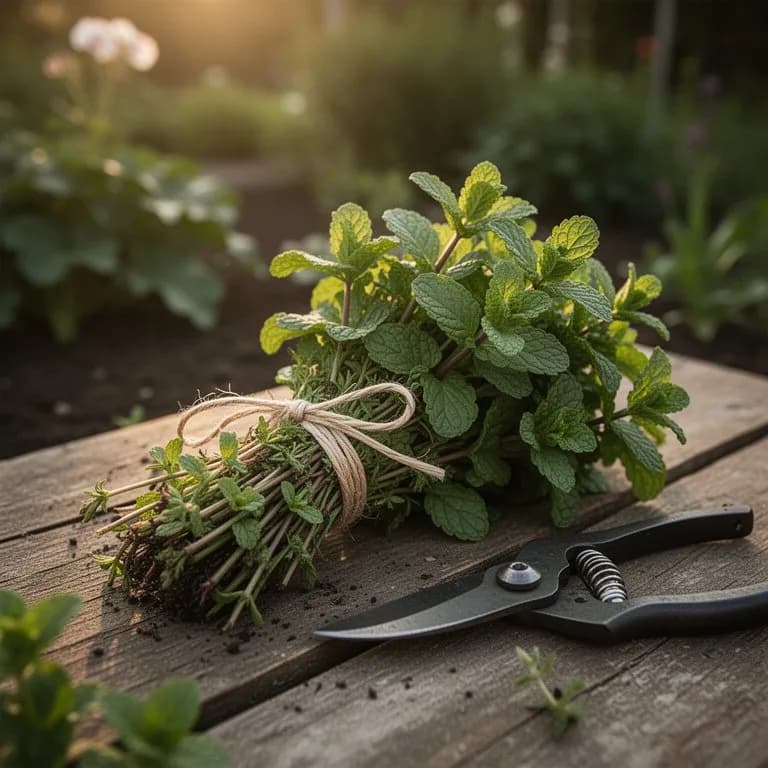
Ernten Sie die großen, samtigen Blätter jederzeit während der Wachstumsperiode. Die größten, reifsten Blätter haben den stärksten Pfefferminzduft und eignen sich am besten für die kulinarische Verwendung. Für Schokoladen-Minz-Brownies wählen Sie die flachsten Blätter zum Auslegen der Backformen. Ernten Sie durch Abschneiden einzelner Blätter oder durch Einkürzen der Triebspitzen. Die kleinen weißen Blüten sind ebenfalls essbar, haben aber einen milderen Duft. Regelmäßiges Ernten fördert buschigeres Wachstum.
angenommen, du pflanzt zu Beginn des Zeitraums — trage dein tatsächliches Datum ein
Ernte Pfefferminz-Geranie zügig, dann trägt die Pflanze weiter.
Lagerung & Konservierung
Die großen Blätter trocknen gut auf Gittern oder in einem Dörrgerät bei 35 °C, schrumpfen dabei aber erheblich. Getrocknete Blätter behalten ihren Pfefferminzduft 6–12 Monate lang in luftdichten Gläsern. Für die besten kulinarischen Ergebnisse legen Sie frische Blätter unmittelbar vor dem Einfüllen des Teigs in die Backform. Frische Blätter können flach auf Tabletts eingefroren werden. Die getrockneten Blätter sind hervorragende Ergänzungen für Potpourris, Duftsäckchen für Wäscheschubladen und Kräuterteemischungen.
Was schiefgeht — und die Lösung
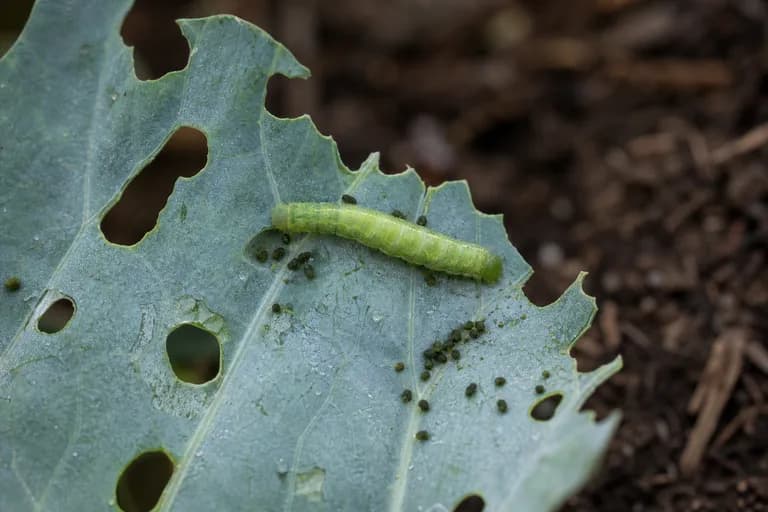
Raupen
SchädlingUnregelmäßige Löcher in den großen, weichen Blättern. Geranien-Knospenwickler-Raupen können sich auch in Blütenknospen bohren.
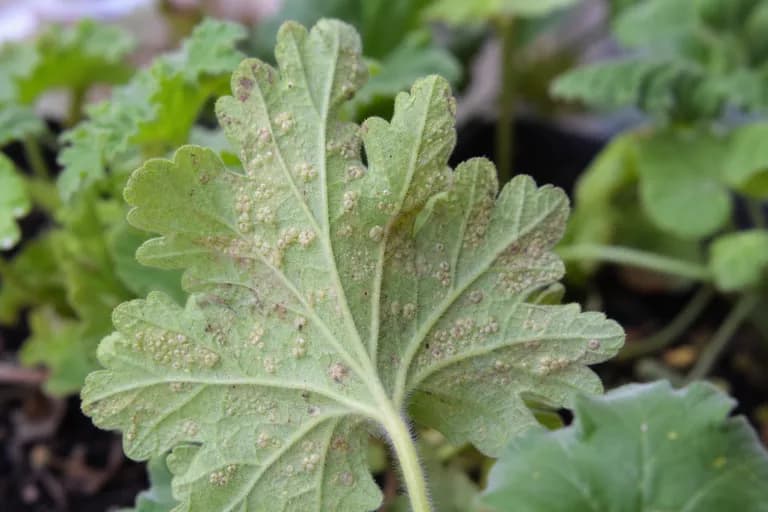
Ödem
KrankheitKorkige, erhabene Beulen auf den Blattunterseiten, verursacht durch Überwässerung in Kombination mit kühlen Temperaturen und hoher Luftfeuchtigkeit.
Fehlerbehebung bei häufigen Problemen
Langes, gestrecktes Wachstum deutet auf unzureichendes Licht hin – obwohl diese Pelargonie Schatten verträgt, braucht sie dennoch helle Bedingungen. Blattverbrennungen oder Welken in voller Sommersonne zeigen zu viel direkte Sonneneinstrahlung an – bieten Sie Nachmittagsschatten. Blattfall bei Zimmerhaltung signalisiert meist zu wenig Licht oder zu viel bzw. zu wenig Wasser. Der kräftige, ausladende Wuchs kann kleinere Begleitpflanzen in Mischgefäßen überwältigen – geben Sie ihr ausreichend Platz.
Anbautipps
- Die Pfefferminz-Geranie bevorzugt helles, indirektes Licht oder Morgensonne mit Nachmittagsschatten. Anders als die meisten Pelargonium-Arten wächst sie natürlich im Halbschatten und kann bei intensiver Ganztags-Sonne verbrennen, besonders in heißen Klimazonen.
- Verwenden Sie ein leichtes, gut durchlässiges Substrat mit Perlit oder grobem Sand. Die Wurzeln sind anfällig für Fäulnis in schwerer, staunasser Erde. Stellen Sie daher sicher, dass die Gefäße ausreichend Abzugslöcher haben, und lassen Sie Töpfe nie in wassergefüllten Untersetzern stehen.
- Gießen Sie, wenn die oberen 3 cm der Erde trocken sind. Die Pfefferminz-Geranie mag etwas mehr Feuchtigkeit als andere Duftgeranien aufgrund ihrer Herkunft an Bachufern, sollte aber nie dauerhaft nass stehen.
- Düngen Sie während der aktiven Wachstumsperiode vom Frühjahr bis zum Frühherbst alle zwei Wochen mit einem ausgewogenen Flüssigdünger in halber Konzentration. Stellen Sie die Düngung im Winter komplett ein, wenn die Pflanze ruht.
- Kneifen Sie die Triebspitzen während der gesamten Wachstumsperiode regelmäßig, um die Verzweigung zu fördern und zu verhindern, dass die Pflanze sparrig und lückig wird. Jede Kneifstelle bildet zwei neue Triebspitzen.
- Vermehren Sie jederzeit während der Wachstumsperiode durch Stecklinge. Schneiden Sie 10–15 cm lange Stecklinge von nicht blühenden Trieben, entfernen Sie die unteren Blätter, lassen Sie die Schnittstelle einige Stunden antrocknen und bewurzeln Sie sie in feuchtem Perlit oder Vermiculit.
- Holen Sie die Pflanzen rechtzeitig vor dem ersten Frost ins Haus, da die Pfefferminz-Geranie keinerlei Frosttoleranz besitzt. Eine sonnige Fensterbank oder ein Wintergarten mit Temperaturen über 10 °C ist ideal zum Überwintern.
- Kontrollieren Sie regelmäßig auf Weiße Fliege, den häufigsten Schädling an Pfefferminz-Geranien im Haus. Verwenden Sie Gelbtafeln und Insektenseifensprays, um Befall einzudämmen, bevor er sich auf andere Zimmerpflanzen ausbreitet.
- Schneiden Sie die Pflanzen um ein Drittel zurück, wenn Sie sie zum Überwintern ins Haus holen. Das reduziert die Pflanze auf eine handliche Größe, entfernt schädlingsanfälliges Laub und regt frisches Wachstum im Frühjahr an.
- Platzieren Sie die Pfefferminz-Geranie in der Nähe von Sitzplätzen im Freien, an Gartenwegen oder neben Eingängen, wo Menschen das Laub streifen und den herrlichen Pfefferminzduft im Vorbeigehen freisetzen.
Bau deine beste Pfefferminz-Geranie an — und alles drumherum.
Starte heute kostenlos. Lege deine Beete an, setze deine Pfefferminz-Geranie ein und lass PlotMyGarden Timing, Abstände, Begleiter und Erinnerungen von der Saat bis zum Erntekorb übernehmen.
Finde deine Pfefferminz-Geranie
Pelargonium tomentosum (Standard)
Die klassische Pfefferminz-Geranie mit großen, weichen, graugrünen, samtigen Blättern und winzigen weißen Blüten. Die am weitesten verbreitete Form.
Pelargonium tomentosum 'Chocolate'
Ausgelesene Form mit einem dunklen schokoladenbraunen Fleck in der Mitte jedes Blattes. Vereint optische Attraktivität mit dem gleichen Pfefferminzduft.
Eine einzelne Pfefferminz-Geranie kostet in der Gärtnerei 5–10 € und kann bei guter Pflege unbegrenzt durch Stecklinge kostenlos vermehrt werden. Frische Duftgeranien-Blätter werden auf Wochenmärkten für 3–6 € pro kleinem Bund verkauft, und Pfefferminz-Geranien-Zucker oder -Sirup kann 8–15 € pro Glas erzielen. Eine ausgewachsene Pflanze produziert mehr Blätter, als ein Haushalt verwenden kann, und liefert eine volle Saison lang Küchengewürze, aromatische Tees und natürliches Insektenschutzmittel, das ansonsten 40–80 € pro Jahr kosten würde. Über fünf Jahre Vermehrung kann eine einzige Ausgangspflanze Dutzende von Ablegern hervorbringen, wodurch Hunderte von Euro gespart werden, während sie endlose duftende Stecklinge zum Teilen mit Freunden liefert.
Schnelle Rezepte
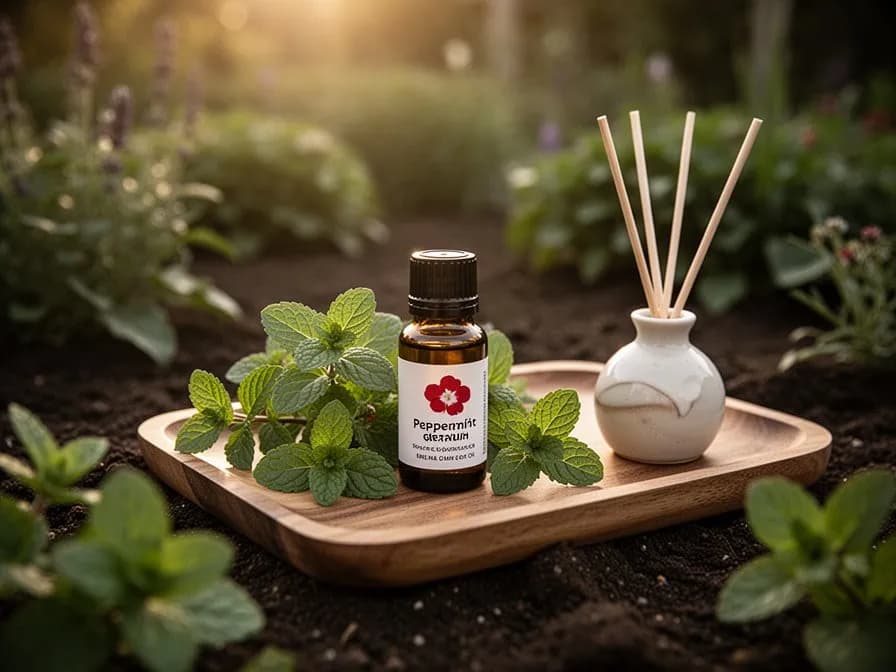
Pfefferminz-Geranien-Eistee
10 Min. + KühlenEin kühlender, aromatischer Eistee, der die reine Pfefferminzessenz frischer Geranienblätter einfängt. Die natürliche Süße der Blätter bedeutet, dass weniger Zucker benötigt wird, und die dezente Kräuterkomplexität hebt ihn von gewöhnlichem Minztee ab. Perfekt für heiße Sommernachmittage im Garten.
6 ZutatenPfefferminz-Geranien-Zucker
5 Min. + 1 Woche ZiehzeitDuftender, minziger Zucker, hergestellt durch abwechselndes Schichten frischer Pfefferminz-Geranien-Blätter mit Kristallzucker in einem verschlossenen Glas. Im Laufe einer Woche durchdringen die ätherischen Öle den Zucker und ergeben ein wunderschön duftendes Süßungsmittel zum Backen, für Tee oder zum Bestreuen von frischem Obst und Desserts.
3 ZutatenPfefferminz-Geranien-Blattkuchen
20 Min. + 30 Min. BackenEin klassischer, viktorianisch inspirierter Biskuitkuchen, durchdrungen vom frischen Pfefferminzaroma der Geranienblätter. Ganze Blätter werden auf den Boden der Kuchenform gelegt, bevor der Teig eingefüllt wird, und verleihen dem Kuchen beim Backen einen sanften Minzduft. Die Blätter werden nach dem Stürzen abgezogen und hinterlassen einen wunderschönen botanischen Abdruck.
7 ZutatenKulinarische Verwendung
Die Pfefferminz-Geranie ist die erste Wahl unter den Duftgeranien für Schokoladendesserts. Legen Sie Brownie- und Kuchenformen mit Blättern aus, bevor Sie den Teig einfüllen – die Hitze setzt die Pfefferminzöle in die Schokolade frei und ergibt eine natürliche Minz-Schokoladen-Kombination. Schichten Sie frische Blätter zwischen Kugeln von Schokoladeneis, lassen Sie sie in Sahne ziehen für Desserts mit Pfefferminzgeschmack oder geben Sie sie in heiße Schokolade. Die Blätter ergeben auch einen erfrischenden Kräutertee mit Pfefferminzaroma.
Was drinsteckt
Gesundheitsvorteile
- Die aromatischen Verbindungen in Pfefferminz-Geranien-Blättern, darunter Menthon und Isomenthon, werden traditionell zur Linderung von Kopfschmerzen und Nasenverstopfung eingesetzt, wenn sie als Dampf inhaliert oder zerrieben und auf die Schläfen aufgetragen werden.
- Pfefferminz-Geranien-Tee ist ein altbewährtes Verdauungsmittel in der südafrikanischen Volksmedizin, das zur Linderung von Übelkeit, Magenkrämpfen und Blähungen nach dem Essen verwendet wird.
- Das ätherische Öl von Pelargonium tomentosum enthält Geraniol und Citronellol, Verbindungen, die auf ihre entzündungshemmenden Eigenschaften untersucht wurden und bei verdünnter äußerlicher Anwendung leichte Hautreizungen lindern können.
- Forschungen an Pelargonium-Arten deuten darauf hin, dass ihre Blattextrakte antimikrobielle Aktivität gegen mehrere Bakterien- und Pilzstämme besitzen, was die traditionelle Verwendung in der Wundpflege und Mundhygiene unterstützt.
- Das Berühren und Riechen von Pfefferminz-Geranien-Blättern bei der Gartenarbeit wird mit Stressabbau und Stimmungsverbesserung in Verbindung gebracht, was mit den breiteren Erkenntnissen über die psychischen Gesundheitsvorteile des aromatischen Kräutergärtnerns übereinstimmt.
- Zerriebene Pfefferminz-Geranien-Blätter wurden als natürliches Insektenschutzmittel auf die Haut aufgetragen, wobei der Geraniol-Gehalt dokumentierte abschreckende Wirkung gegen Mücken und Zecken zeigt.
Woher Pfefferminz-Geranie stammt
Die Pfefferminz-Geranie (Pelargonium tomentosum) stammt aus der Provinz Westkap in Südafrika, wo sie natürlich an schattigen Bachufern, feuchten Waldrändern und an den Kanten felsiger Schluchten in den Fynbos- und Afromontanwaldregionen wächst. Anders als viele ihrer sonnenliebenden Pelargonium-Verwandten entwickelte sie sich im Halbschatten unter höherer Vegetation und passte sich an kühlere, feuchtere Mikroklimate an, während sie die für ihre Gattung typische Trockenheitsresistenz beibehielt. Die Pflanze gehörte zu den vielen südafrikanischen Pelargonium-Arten, die von niederländischen und britischen Botanikern während des 17. und 18. Jahrhunderts gesammelt wurden, als die Kapkolonie als wichtiger Versorgungspunkt auf den Handelsrouten nach Ostindien diente. Pelargonium-Arten begannen Ende des 17. Jahrhunderts in europäischen botanischen Gärten einzutreffen, und Anfang des 18. Jahrhunderts waren sie zu modischen Wintergartenpflanzen unter der europäischen Aristokratie geworden. Die Pfefferminz-Geranie zog besondere Aufmerksamkeit auf sich wegen ihres intensiv aromatischen, samtigen Laubs, das einen auffallend klaren Pfefferminzduft verströmte, wie er in europäischen Kräutergärten nicht zu finden war. Während der viktorianischen Ära erreichten Duftblattgeranien den Höhepunkt ihrer Beliebtheit. Sie wurden auf Salonfensterbänken und in Wintergärten gezogen, ihre Blätter zum Parfümieren von Fingerschalen bei formellen Abendessen, zum Aromatisieren von Gelees und Kuchen sowie zum Beduften von Hauswäsche verwendet. Pelargonium tomentosum wurde besonders für kulinarische Anwendungen geschätzt, da sein Pfefferminzaroma wunderbar zu Desserts und Getränken passte. Die Pflanze wurde auch im aufkommenden Bereich der Aromatherapie geschätzt, wobei das ätherische Öl aus ihren Blättern in Hausmitteln gegen Kopfschmerzen, Verdauungsbeschwerden und nervöse Anspannung eingesetzt wurde. Im 20. Jahrhundert ließ das Interesse an Duftgeranien nach, da synthetische Duftstoffe weit verbreitet wurden, aber eine ab den 1980er-Jahren einsetzende Wiederentdeckung brachte erneute Wertschätzung unter Kräutergärtnern, Genussköchen und Permakultur-Begeisterten. Heute wird die Pfefferminz-Geranie weltweit in gemäßigten und subtropischen Gärten kultiviert, geschätzt als aromatischer Bodendecker, schädlingsabwehrende Begleitpflanze und Quelle frischer, minziger Blätter für die Küche.
Pfefferminz-Geranie: Schon gewusst?
Faszinierende Fakten über Pfefferminz-Geranie
Die Pfefferminz-Geranie ist weder eine echte Geranie noch eine echte Minze. Sie gehört zur Gattung Pelargonium, die im südlichen Afrika heimisch ist und nur entfernt mit der Gattung Geranium verwandt ist, trotz des gemeinsamen Namens.
Pfefferminz-Geranie: Fragen & Antworten
Wann sollte ich Pfefferminz-Geranie pflanzen?
Was sind gute Begleitpflanzen für Pfefferminz-Geranie?
In welchen Winterhärtezonen kann Pfefferminz-Geranie wachsen?
Wie viel Sonne braucht Pfefferminz-Geranie?
Welchen Abstand sollte ich zwischen Pfefferminz-Geranie lassen?
Welche Schädlinge und Krankheiten befallen Pfefferminz-Geranie?
Wie lagere ich Pfefferminz-Geranie nach der Ernte?
Was sind die besten Pfefferminz-Geranie-Sorten zum Anbauen?
Welchen Boden braucht Pfefferminz-Geranie?
Ist die Pfefferminz-Geranie essbar und sicher zum Kochen?
Wie überwintere ich die Pfefferminz-Geranie in kaltem Klima?
Warum bekommt meine Pfefferminz-Geranie gelbe Blätter?
Kann die Pfefferminz-Geranie als Bodendecker verwendet werden?
Wie unterscheidet sich die Pfefferminz-Geranie von echter Pfefferminze?
Vertreibt die Pfefferminz-Geranie wirklich Mücken?
Du hast die Theorie gelesen. Jetzt baue sie auf Autopilot an.
Alles, was Pfefferminz-Geranie knifflig macht — das Timing, die Abstände, die Begleiter, das Erntefenster — genau das übernimmt PlotMyGarden für dich, für jede Pflanze im Garten.
Ein Plan, der dein Wetter kennt
Standort einmal festlegen. Aussaat-, Dünge- und Erntedaten rund um deinen echten letzten Frosttermin und die Live-Vorhersage — kein Raten mehr nach Saattüte.
Aus dem Abschnitt „Pflanzzeit“Beetplaner per Drag & Drop
Beete auf einem Raster gestalten. Jede Pflanze rastet im richtigen Abstand ein, und du siehst die ganze Saison, bevor du einen Cent für Saatgut ausgibst.
Aus dem Abschnitt „Anbau“Begleiter-Konflikte früh erkannt
Über 200 gute und schlechte Kombinationen werden beim Pflanzen live geprüft — so landet ein saisonruinierender Fehler nie in der Erde.
Aus dem Abschnitt „Begleiter“Erinnerungen, nach denen du wirklich handelst
„Gieß die Bohnen.“ „Heute ernten, bevor's umschlägt.“ Pünktlich, konkret und auf deine echten Pflanzen bezogen.
Aus dem Abschnitt „Ernte“Staffel-Aussaat, geplant
Sechs Wochen ernten statt sechs Tage? Die App verteilt deine Aussaaten automatisch und erinnert dich, wenn der nächste Satz fällig ist.
Aus dem Abschnitt „Pflanzzeit“Ein Verlauf, der schlauer wird
Jede protokollierte Ernte bringt der App deinen Garten bei. Der Plan fürs nächste Jahr startet bei dem, was in deinem Boden wirklich funktioniert hat.
Aus dem Abschnitt „Überblick“Pflanze diese neben Pfefferminz-Geranie
Weitere Duftkräuter
Bau deine beste Pfefferminz-Geranie an — und alles drumherum.
Starte heute kostenlos. Lege deine Beete an, setze deine Pfefferminz-Geranie ein und lass PlotMyGarden Timing, Abstände, Begleiter und Erinnerungen von der Saat bis zum Erntekorb übernehmen.