Zitronengeranie
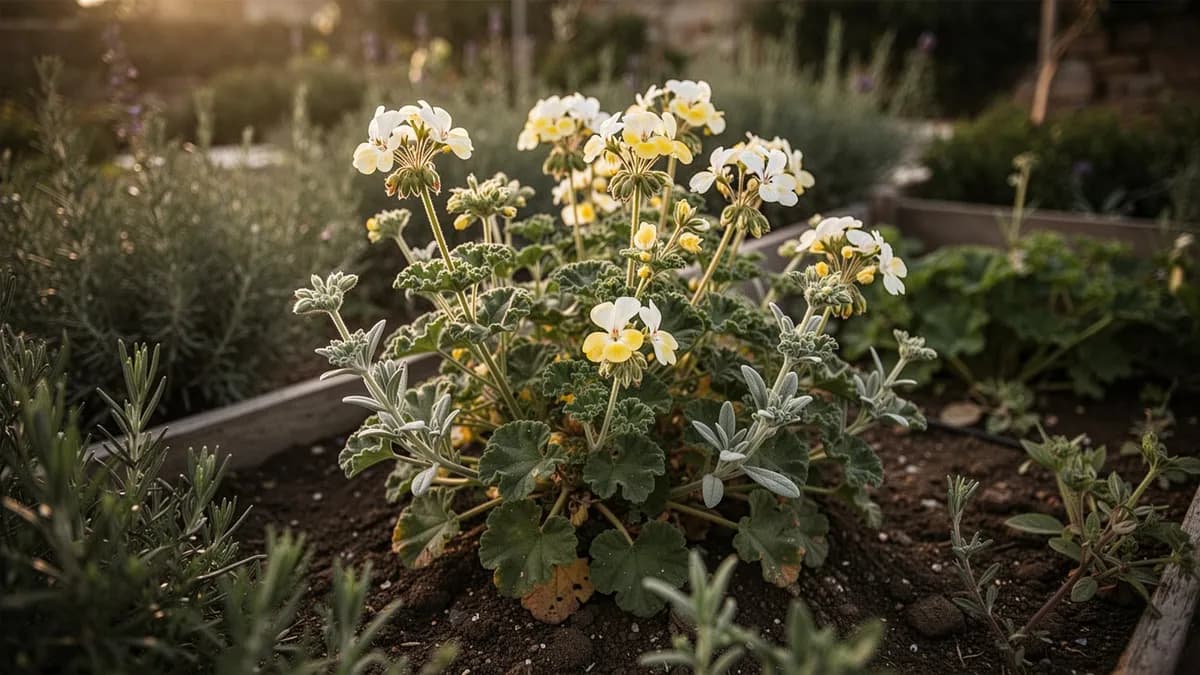
Eine kompakte Duftgeranie mit kleinen, gekräuselten Blättern, die beim Berühren oder Streifen ein helles Zitronenaroma freisetzen.





Auf dieser SeiteÜberblick
Zitronengeranie im Überblick
Eine kompakte Duftgeranie mit kleinen, gekräuselten Blättern, die beim Berühren oder Streifen ein helles Zitronenaroma freisetzen. Die Zitronengeranie ist ein hervorragendes Fensterbrettkraut und natürliches Insektenschutzmittel für Küchen und Terrassen. Verwenden Sie die Blätter, um Zitronenzucker herzustellen, Sirupe zu aromatisieren oder sie in Fingerschalen für eine erfrischende Zitrusnote zu geben.
Wann Zitronengeranie pflanzen
Die Zitronengeranie wird am besten durch Stängelstecklinge im Frühling oder Spätsommer vermehrt. Wählen Sie 7–10 cm lange, nicht blühende Triebspitzen, entfernen Sie die unteren Blätter und lassen Sie die Schnittenden 2–3 Stunden trocknen. Stecken Sie sie in eine Mischung aus gleichen Teilen Perlit und torffreier Erde, halten Sie sie kaum feucht bei hellem, indirektem Licht bei 18–22 °C. Wurzeln bilden sich in 2–4 Wochen. Decken Sie die Stecklinge nicht ab, da eingeschlossene Feuchtigkeit Stängelfäule fördert. Saatgut ist für diese Art selten erhältlich; Stecklinge sind die Standardvermehrungsmethode.
Dein Zitronengeranie-Jahr
Abgestimmt auf Zone 7 · typische Saison · Frost geht um den 2. Apr. und kehrt um den 1. Nov. zurück
Zitronengeranie Apr – Mai pflanzen, Mai – Okt ernten. Beachte die Pflanzmethoden unten und wähle dein Klima für passende Zeiträume.
So baust du Zitronengeranie an
Die Zitronengeranie ist eine kompakte, aufrechte Duftpelargonie, die 45–75 cm hoch wird und kleine, gekräuselte, fächerförmige Blätter besitzt, die beim Berühren ein intensives Zitronenaroma freisetzen. Diese südafrikanische Pflanze ist eine der beliebtesten Duftgeranien für Küchenfensterbänke aufgrund ihrer kompakten Größe und ihres klaren Zitrusduftes. Kultivieren Sie sie in voller Sonne mit gut durchlässiger Blumenerde in Gefäßen.
Der natürlich aufrechte, säulenförmige Wuchs macht die Zitronengeranie ideal für die Fensterbank, wo der Platz begrenzt ist. Knipsen Sie die Triebspitzen regelmäßig, um eine ausgewogene Form zu erhalten, obwohl sie von Natur aus kompakter bleibt als größere Duftgeranien. Gießen Sie, wenn die oberste Erdschicht sich trocken anfühlt – diese Pelargonie ist trockenheitstolerant und bevorzugt trockenere Bedingungen gegenüber nassen.
Düngen Sie alle 2–3 Wochen im Frühling und Sommer mit einem ausgewogenen Flüssigdünger in halber Konzentration. Bringen Sie sie vor dem Frost ins Haus und stellen Sie sie an das hellste verfügbare Fenster. Im Winter reduzieren Sie das Gießen und stellen das Düngen ein. Die Zitronengeranie verträgt Innenbedingungen besser als viele Pelargonien aufgrund ihrer kompakten Größe und geringeren Lichtanforderungen. Topfen Sie alle 1–2 Jahre im Frühling um und wählen Sie eine Topfgröße größer.
18 Pflanzen passen in ein Beet von 120 × 240 cm
Zitronengeranie braucht 40 cm Platz pro Pflanze. Der Planer hält diesen Abstand für dich ein — jede Pflanze, jedes Beet.
Die besten Nachbarn für Zitronengeranie
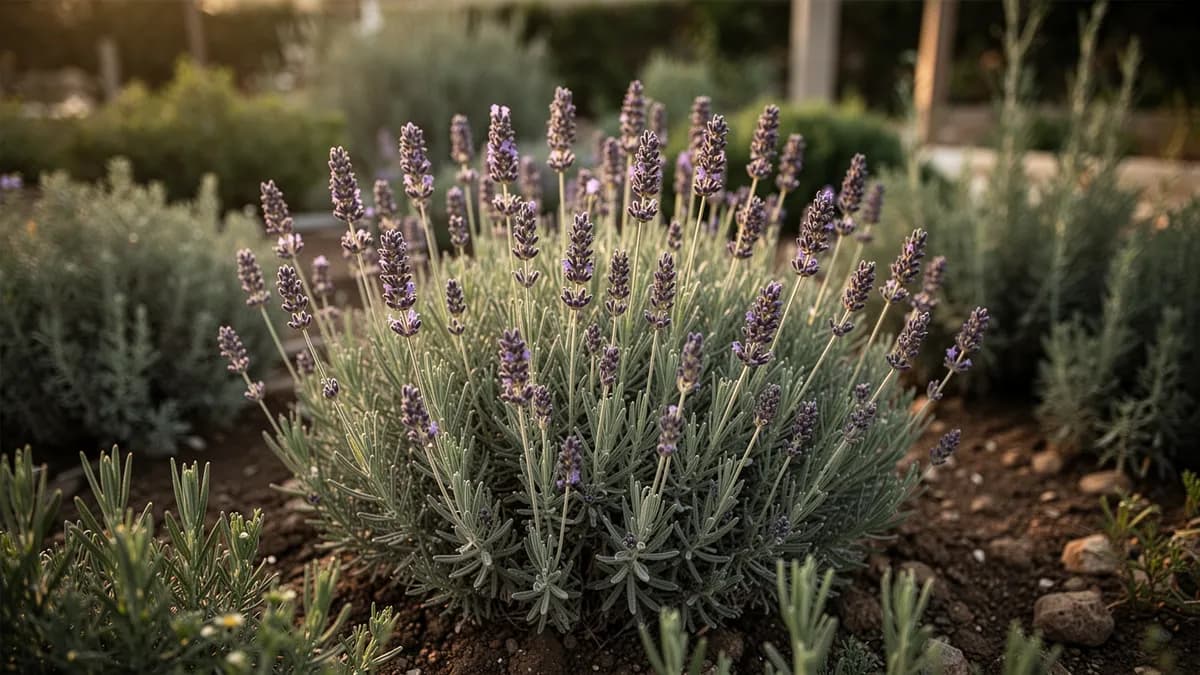
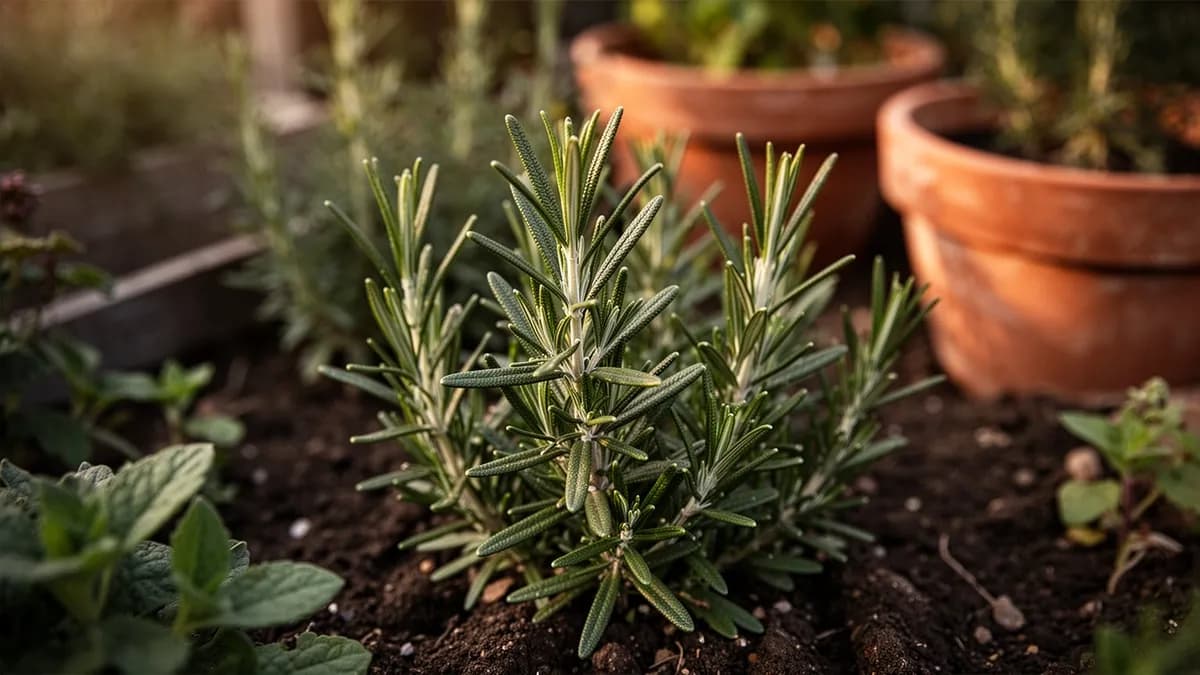
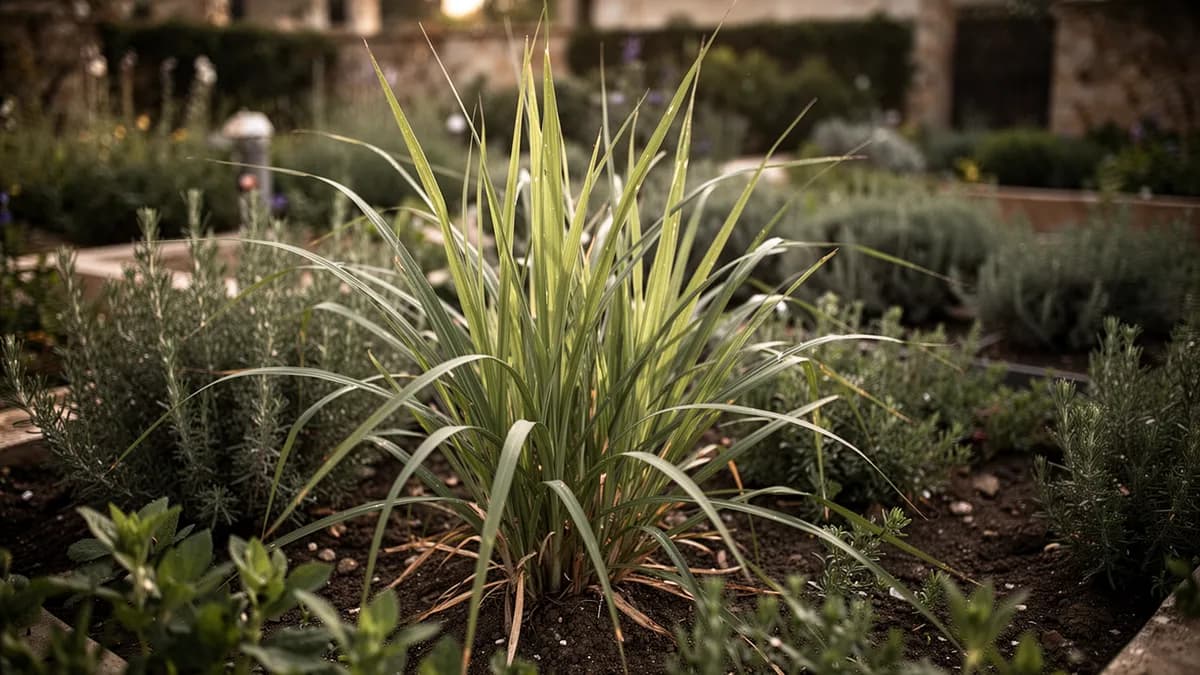
Stellen Sie die Zitronengeranie neben andere Duftpelargonien in einer duftenden Sammlung in der Nähe von Eingängen, Wegen und Sitzplätzen auf, wo Menschen vorbeistreifen und den Duft freisetzen. Auf Terrassen und Balkonen sollen die citronellaartigen Verbindungen in den Blättern helfen, Mücken abzuwehren. Kombinieren Sie sie mit anderen zitrusduftenden Kräutern wie Zitronenverbene, Zitronengras und Zitronenthymian für eine spezielle Zitronenkräutersammlung.
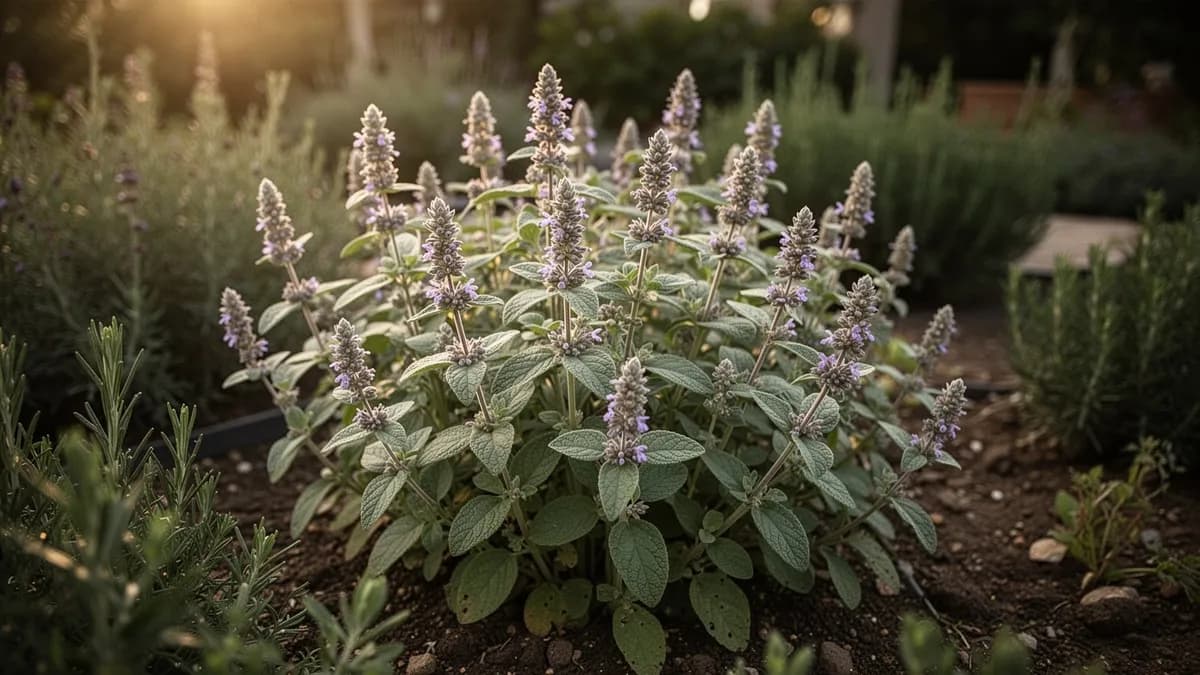
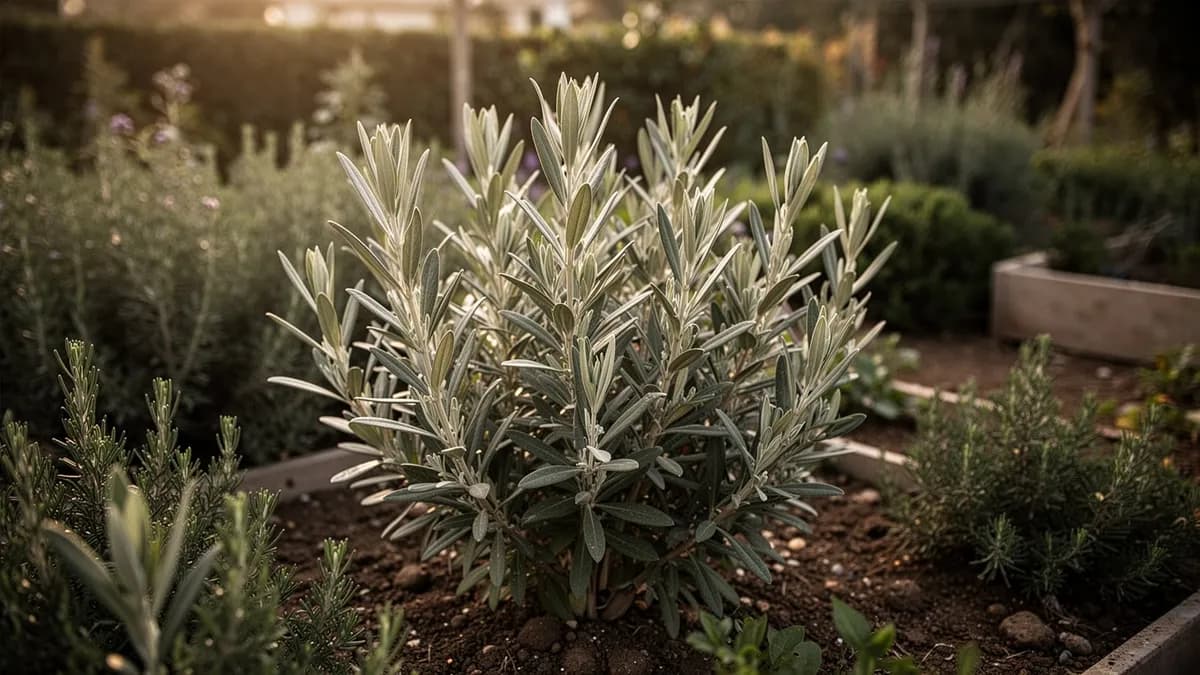
Lavendel gehört daneben.
Altes Gärtnerwissen, geprüft an der echten Nachbartabelle von Zitronengeranie — teste jede Pflanze, die du anbaust.
Probiere Zitronengeranie direkt hier im Beet
Ein echtes Planer-Beet, Zitronengeranie steht schon drin. Tippe einen Begleiter an, platziere ihn und sieh, wie die Nachbarschaftsprüfung antwortet — grün für gute Nachbarn, rot bei Streit.


Passende Anbau-Ratgeber
Richtig düngen
Verwenden Sie eine gut durchlässige Blumenerde mit einem pH-Wert von 6,0–7,0. Eine Standard-Mehrzweckerde gemischt mit 25–30 % Perlit funktioniert gut. Düngen Sie alle 2–3 Wochen während der Vegetationsperiode mit einem ausgewogenen Flüssigdünger in halber Konzentration. Stellen Sie das Düngen von Oktober bis März ein. Topfen Sie im Frühling um, wenn die Wurzeln den aktuellen Topf ausfüllen, und verwenden Sie jedes Mal frische Erde.
Ideale Temperatur
Winterhärtezone-Kompatibilität
Von der Saat zur Ernte, Schritt für Schritt
Stecklingsvermehrung
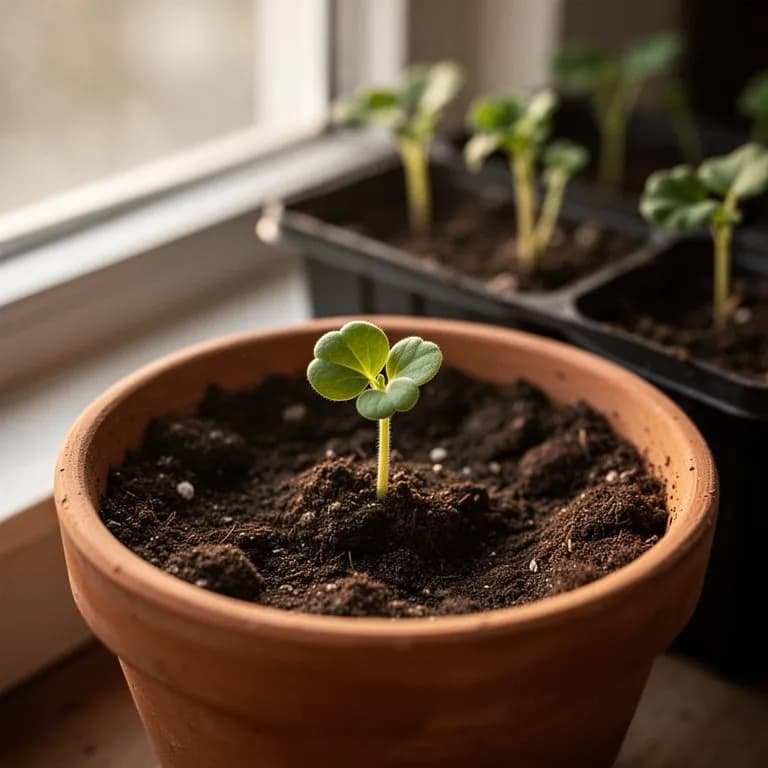
Die Zitronengeranie wird am besten durch Stängelstecklinge von einer gesunden Mutterpflanze vermehrt. Wählen Sie einen nicht blühenden Trieb von etwa 8–10 cm Länge, entfernen Sie die unteren Blätter und lassen Sie das Schnittende einige Stunden trocknen, bevor Sie ihn in eine gut durchlässige Vermehrungserde stecken. Stecklinge bewurzeln sich bei warmen Bedingungen mit indirektem Licht leicht.
Wurzelbildung
Wurzeln beginnen sich an der Basis des Stecklings zu bilden und die ersten Anzeichen neuen Blattwachstums erscheinen an der Spitze. Die junge Pflanze ist noch zerbrechlich und sollte in ihrem Vermehrungstopf verbleiben. Vermeiden Sie es, den Wurzelbereich in dieser Phase zu stören, da sich neu bildende Wurzeln empfindlich sind.
Vegetatives Wachstum
Die Pflanze tritt in eine kräftige Wachstumsphase ein und bildet ihre charakteristischen gekräuselten, zitronenduftenden Blätter an verzweigten Stängeln. Das Laub wird bei regelmäßigem Entspitzen dicht und buschig. Dies ist die Hauptphase zum Aufbau einer kräftigen, gut geformten Pflanze.
Reife Blattproduktion
Die Pflanze erreicht ihre endgültige Größe von 60–90 cm und produziert reichlich aromatisches Laub. Die Blätter haben ihre höchste Ölkonzentration und den stärksten Duft. Regelmäßiges Ernten der Blätter fördert weiterhin frisches Wachstum und verhindert, dass die Pflanze vergeilt.
Blütezeit
Kleine, zarte rosa bis lavendelfarbene Blüten erscheinen in Büscheln an den Stängelspitzen. Die Blüten sind zwar hübsch, aber im Vergleich zu anderen Pelargonien bescheiden. Die Pflanze kann in dieser Phase etwas Energie von der Blattproduktion zur Blütenbildung umleiten.
Spätsaison und Überwinterungsvorbereitung
Wenn die Temperaturen sinken und die Tageslänge abnimmt, verlangsamt sich das Wachstum erheblich. Die Pflanze beginnt sich auf kühlere Bedingungen einzustellen. In frostfreien Klimazonen bleibt sie ganzjährig halbimmergrün, aber in kälteren Regionen muss sie vor dem ersten Frost ins Haus geholt werden, da sie keinerlei Frosttoleranz besitzt.
Halten Sie das Vermehrungssubstrat leicht feucht, aber nicht durchnässt. Eine durchsichtige Plastikabdeckung kann die Luftfeuchtigkeit aufrechterhalten, aber entfernen Sie sie täglich zur Belüftung, um Pilzbefall zu verhindern.
Zitronengeranie Monat für Monat pflegen
Was du jeden Monat für deine Zitronengeranie tun solltest
Oktober
Aktueller MonatBringen Sie Pflanzen vor dem ersten Frost an ein helles Fensterbrett oder in den Wintergarten. Reduzieren Sie das Gießen entsprechend der langsameren Wachstumsrate. Stellen Sie Pflanzen mit Abstand auf, um gute Luftzirkulation zu gewährleisten und Pilzprobleme zu vermeiden. Stellen Sie das Düngen für den Winter ein.
Immer wissen, was jetzt im Garten zu tun ist
Eine E-Mail zum Monatsanfang: was du jetzt säen, pflanzen und anpacken solltest — für deine Zitronengeranie und alles, was drumherum wächst. Dazu ein kurzer Startkurs, der dich vor den klassischen Fehlern bewahrt.
- Was jetzt zu tun ist
- Passend zu deiner Saison
- Startkurs inklusive
Zitronengeranie ernten
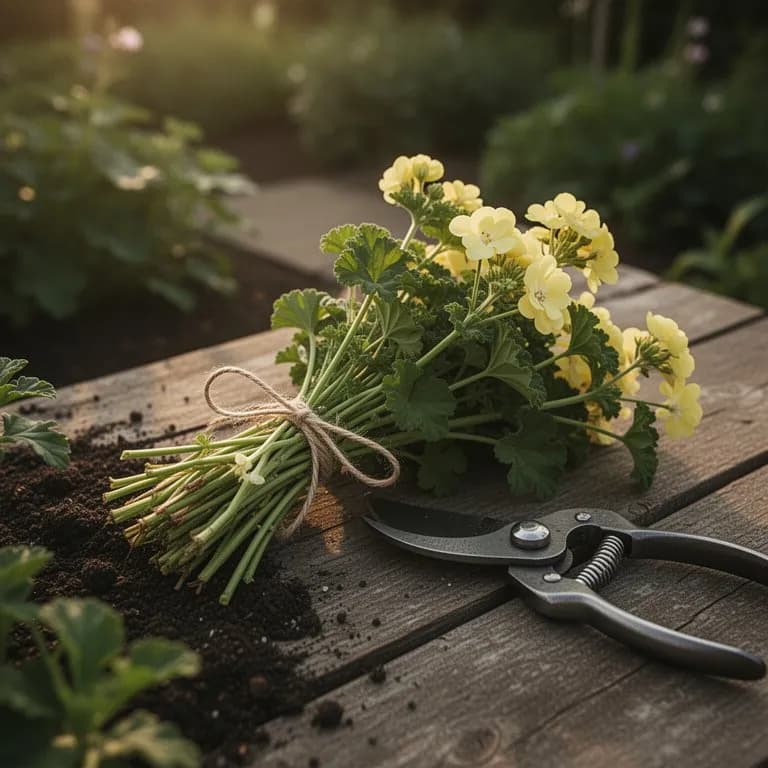
Pflücken Sie jederzeit während der Vegetationsperiode einzelne Blätter für den sofortigen Gebrauch. Die kleinen Blätter eignen sich perfekt, um sie ganz zu Gerichten hinzuzufügen oder in Getränken schwimmen zu lassen. Für den stärksten Zitronenduft wählen Sie Blätter, die sich leicht fest und wachsartig anfühlen, anstatt dünne, junge Triebe. Knipsen Sie regelmäßig die Triebspitzen ab – das dient gleichzeitig als Ernte und Rückschnitt. Die kleinen rosa Blüten sind ebenfalls essbar und leicht zitronenduftend.
angenommen, du pflanzt zu Beginn des Zeitraums — trage dein tatsächliches Datum ein
Ernte Zitronengeranie zügig, dann trägt die Pflanze weiter.
Lagerung & Konservierung
Trocknen Sie die Blätter schnell auf Gittern oder in einem Dörrgerät bei 35 °C, um den Zitronenduft zu bewahren. Die kleinen, gekräuselten Blätter trocknen schnell und behalten ein gutes Aroma für 6–9 Monate in luftdichten Glasgefäßen. Stellen Sie Zitronenzucker her, indem Sie frische Blätter schichtweise mit Kristallzucker in ein Glas geben und 2 Wochen verschließen. Frische Blätter können flach auf Tabletts eingefroren und dann in verschlossenen Beuteln aufbewahrt werden. Die getrockneten Blätter sind hervorragende Ergänzungen für Potpourri, Duftsäckchen und Kräuterteemischungen.
Was schiefgeht — und die Lösung
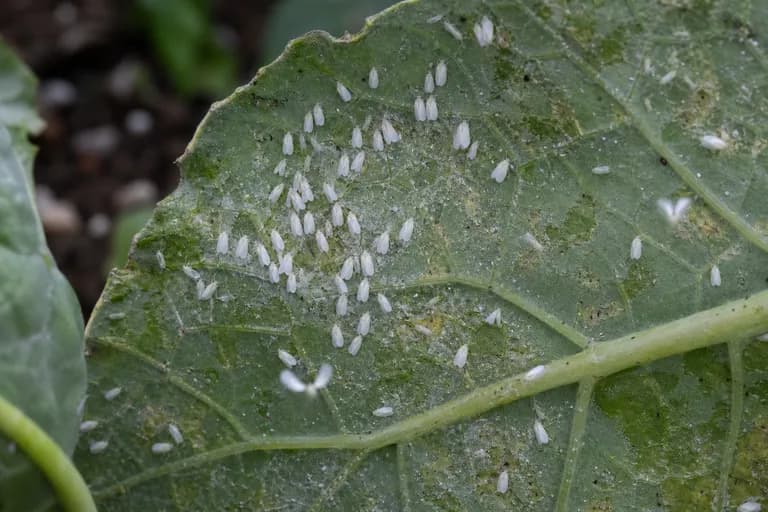
Weiße Fliegen
SchädlingKleine weiße Insekten, die von der Pflanze aufflattern, wenn sie gestört wird. Klebriger Honigtau auf den Blättern kann zu Rußtau führen.
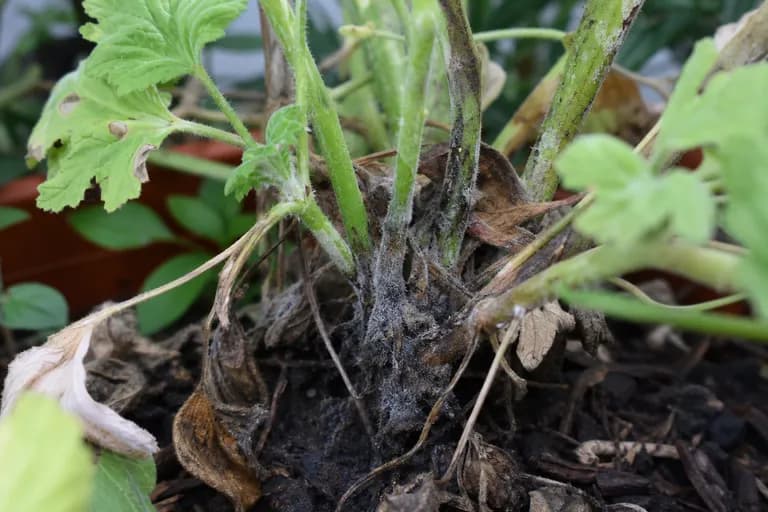
Stängelfäule (Botrytis)
KrankheitGrauer, pelziger Schimmel an den Stängeln, besonders an der Basis. Stängel werden weich und fallen zusammen. Häufig bei kühlen, feuchten Bedingungen.
Fehlerbehebung bei häufigen Problemen
Das Abwerfen unterer Blätter ist häufig und weist meist auf Unterwässerung oder natürliche Alterung hin – entfernen Sie vergilbte Blätter der Ordnung halber. Schwacher, blasser Wuchs im Innenbereich signalisiert unzureichendes Licht; stellen Sie die Pflanze an das hellste verfügbare Fenster. Wenn der Zitronenduft schwächer wird, braucht die Pflanze wahrscheinlich mehr Sonne und weniger Wasser/Dünger. Stängelfäule durch Überwässerung ist die größte Bedrohung – lieber zu trocken als zu nass halten.
Anbautipps
- Pflanzen Sie die Zitronengeranie in gut durchlässige Blumenerde, die mit Perlit oder grobem Sand ergänzt ist. Sie verträgt keine Staunässe, und schwere Ton- oder feuchtigkeitsspeichernde Böden führen zu Wurzelfäule und schnellem Verfall.
- Bieten Sie täglich mindestens 6 Stunden direktes Sonnenlicht für die beste Blattproduktion und den stärksten Duft. Pflanzen, die zu schattig stehen, vergeilen, produzieren weniger ätherische Öle und sind anfälliger für Pilzkrankheiten.
- Gießen Sie gründlich, wenn sich die oberen 2–3 cm der Erde trocken anfühlen, und lassen Sie die Erde dann vor dem nächsten Gießen abtrocknen. Die Zitronengeranie ist einmal etabliert trockenheitstolerant und bevorzugt deutlich Unterwässerung gegenüber Überwässerung.
- Knipsen Sie während der gesamten Vegetationsperiode alle paar Wochen die Triebspitzen, um buschiges, kompaktes Wachstum zu fördern und zu verhindern, dass die Pflanze hoch und spindelig wird. Jedes Entspitzen regt zwei neue Seitentriebe an.
- Düngen Sie alle zwei bis drei Wochen während der aktiven Vegetationsperiode vom Frühling bis zum Spätsommer mit einem ausgewogenen Flüssigdünger in halber Konzentration. Stellen Sie das Düngen im Herbst und Winter vollständig ein.
- Holen Sie Pflanzen ins Haus, bevor die Temperaturen im Herbst unter 10 °C fallen. Stellen Sie sie an das hellste verfügbare Fensterbrett, idealerweise nach Süden ausgerichtet, und reduzieren Sie das Gießen während der Überwinterungsperiode deutlich.
- Nehmen Sie Stängelstecklinge im Spätfrühling oder Hochsommer für die höchste Erfolgsrate. Verwenden Sie nicht blühende Triebe von etwa 8–10 cm Länge, entfernen Sie die unteren Blätter, lassen Sie das Schnittende einige Stunden abtrocknen und stecken Sie es in feuchtes Perlit.
- Kontrollieren Sie Pflanzen regelmäßig auf Weiße Fliege, den häufigsten Schädling bei Duftgeranien im Innenbereich. Gelbe Klebefallen in Pflanzennähe helfen, Weiße-Fliegen-Populationen zu überwachen und zu reduzieren, bevor sie schwerwiegend werden.
- Schneiden Sie überwinterte Pflanzen im Vorfrühling kräftig um ein Drittel bis zur Hälfte zurück, um das Wachstum zu verjüngen und eine kompakte Form zu erhalten. Verwenden Sie die abgeschnittenen Stängel als Stecklingsmaterial zur Vermehrung neuer Pflanzen.
- Vermeiden Sie das direkte Besprühen des Laubes, da nasse Blätter in Kombination mit schlechter Luftzirkulation Botrytis und andere Pilzkrankheiten begünstigen. Erhöhen Sie stattdessen die Umgebungsluftfeuchtigkeit mit einem Kieselstein-Tablett mit Wasser unter dem Topf.
Bau deine beste Zitronengeranie an — und alles drumherum.
Starte heute kostenlos. Lege deine Beete an, setze deine Zitronengeranie ein und lass PlotMyGarden Timing, Abstände, Begleiter und Erinnerungen von der Saat bis zum Erntekorb übernehmen.
Finde deine Zitronengeranie
Pelargonium crispum (Standard)
Die klassische zitronenduftende Art mit kleinen, gekräuselten Blättern. Aufrechter, kompakter Wuchs, perfekt für Fensterbänke.
Pelargonium crispum 'Variegatum'
Cremefarbig gerandete, panaschierte Blätter mit dem gleichen Zitronenduft. Außergewöhnlich attraktiv als Zierpflanze für die Wohnung.
Pelargonium crispum 'Minor'
Miniaturform mit winzigen Blättern und sehr kompaktem Wuchs. Ideal für kleine Töpfe und Miniaturgärten.
Pelargonium citronellum
Eine größere Art mit einem stärkeren, citronellaartigen Zitronenduft. Wüchsiger als P. crispum. Hervorragende mückenabweisende Eigenschaften.
Eine einzelne Zitronengeranie kostet in der Gärtnerei 5–10 € und kann bei richtiger Überwinterung viele Jahre leben, während sie jede Saison Hunderte aromatischer Blätter produziert. Frische Duftgeranienblätter werden selten in Supermärkten verkauft und kosten in Spezialgeschäften typischerweise 4–8 € für eine kleine Packung, wenn sie überhaupt erhältlich sind. Getrocknete Zitronengeranienmischungen kosten im Handel 10–20 € pro 30 Gramm. Durch die kostenlose Vermehrung neuer Pflanzen aus Stecklingen kann ein einzelner Kauf zu einer Pflanzensammlung heranwachsen, die einen unbegrenzten Vorrat dieses Spezialkrauts liefert. Über fünf Jahre kann eine Pflanze und ihre vermehrten Ableger 100–250 € im Vergleich zum Kauf gleichwertiger frischer oder getrockneter Blätter einsparen.
Schnelle Rezepte
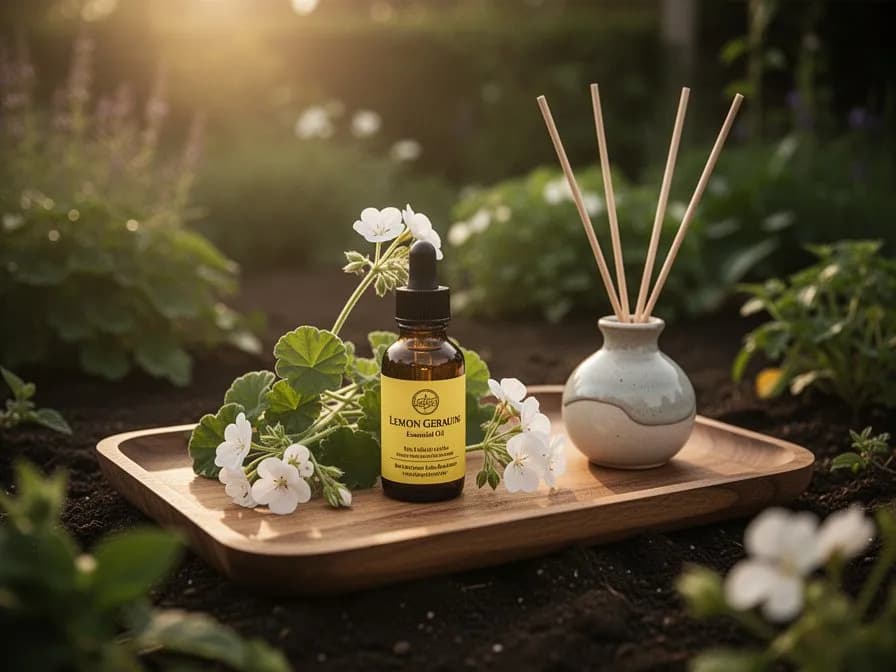
Zitronengeranien-Zucker
5 Min. + 1 Woche ZiehzeitEin aromatischer Aromenzucker, der die helle Zitrusessenz der Zitronengeranienblätter einfängt. Schichten Sie frische Blätter mit Kristallzucker und lassen Sie die Zeit wirken. Verwenden Sie diesen duftenden Zucker in Tee, auf frischen Beeren, in Shortbread oder als Finishing auf Scones und Muffins.
3 ZutatenZitronengeranien-Panna-Cotta
20 Min. + 4 Stunden KühlungEin seidiger italienischer Pudding, durchzogen vom zarten Zitronenduft frischer Geranienblätter. Die Blätter werden in warmer Sahne gezogen und geben ihre Aromaöle an das Dessert ab, ganz ohne künstliche Aromen. Das Ergebnis ist eine elegante, dezent zitrusartige Köstlichkeit, die das Kraut wunderbar zur Geltung bringt.
7 ZutatenZitronengeranien-Eistee
10 Min. + KühlungEin erfrischender Kräuter-Eistee mit natürlichem Zitronengeschmack, der ausschließlich aus frischen Geranienblättern stammt. Es werden keine echten Zitronen benötigt, da die Blätter eine reine, helle Zitrusessenz liefern. Leicht gesüßt mit Honig ist dieser Tee koffeinfrei und perfekt für warme Nachmittage im Garten.
6 ZutatenKulinarische Verwendung
Die Zitronengeranie verleiht sowohl süßen als auch herzhaften Gerichten eine helle Zitrusnote. Stellen Sie Zitronenzucker zum Backen her, indem Sie Blätter mit Zucker schichten. Geben Sie frische Blätter in Fingerschalen bei formellen Abendessen, ziehen Sie sie in Sahne für zitronenduftende Desserts oder muddeln Sie sie in Cocktails und Limonaden. Die Blätter können in vielen Rezepten Zitronenschale ersetzen und verleihen eine blumige Dimension, die echte Zitrone nicht bietet. Lassen Sie einzelne Blätter in Eistee oder Champagner schwimmen als duftende Garnitur.
Was drinsteckt
Gesundheitsvorteile
- Zitronengeranientee wird traditionell als mildes Verdauungsmittel verwendet und hilft, Übelkeit, Blähungen und Magenbeschwerden nach dem Essen durch seine karminativen ätherischen Öle zu lindern.
- Die Citronellol- und Geraniol-Verbindungen in Zitronengeranienblättern besitzen dokumentierte antimikrobielle Eigenschaften, und Blattaufgüsse werden äußerlich zur Reinigung leichter Hautreizungen verwendet.
- Aromatherapeuten verwenden ätherisches Zitronengeranienöl, um Angst- und Stressgefühle zu reduzieren, da sein heller Zitrusduft mit Stimmungsaufhellung und geistiger Klarheit in Verbindung gebracht wird.
- Pelargonium-Arten enthalten Rosmarinsäure, ein Polyphenol, das auf seine entzündungshemmenden Wirkungen untersucht wird und bei regelmäßigem Konsum als Tee die Entzündungsreaktion des Körpers modulieren kann.
- Die adstringierenden Eigenschaften von Zitronengeranien-Blattpräparaten werden in der traditionellen Kräuterpraxis zum Straffen und Festigen der Haut sowie als sanftes Gesichtswasser für fettige Haut verwendet.
- In der südafrikanischen Volksmedizin werden Pelargonium-Arten seit langem zur Unterstützung der Atemwegsgesundheit eingesetzt, und die moderne Forschung untersucht ihr Potenzial zur Linderung von Symptomen bei Bronchitis und Infektionen der oberen Atemwege.
Woher Zitronengeranie stammt
Die Zitronengeranie (Pelargonium crispum) stammt aus der Provinz Westkap in Südafrika, wo sie wild an felsigen Hängen und sandigen Küstengebieten im Fynbos-Biom wächst. Das mediterrane Klima dieser Region mit trockenen Sommern und milden, feuchten Wintern prägte die Vorliebe der Pflanze für gut durchlässige Böden und ihre bemerkenswerte Trockenheitstoleranz. Die Gattung Pelargonium umfasst über 280 Arten, von denen die meisten im südlichen Afrika endemisch sind. Europäische Entdecker begegneten diesen aromatischen Pflanzen erstmals auf Reisen um das Kap der Guten Hoffnung im 17. Jahrhundert. Niederländische und englische Seefahrer sammelten Exemplare und brachten sie in botanische Gärten nach Leiden, London und Paris zurück. Bis zum frühen 18. Jahrhundert waren Duftpelargonien zu geschätzten Zier- und Aromapflanzen unter der europäischen Aristokratie geworden. Die zitronenduftende Sorte P. crispum war besonders wegen ihres kompakten Wuchses, der gekräuselten Blätter und ihres intensiven Zitrusduftes geschätzt. Während der georgianischen und viktorianischen Ära erlebten Duftgeranien einen enormen Popularitätsschub in England und Kontinentaleuropa. Sammler trugen Dutzende Sorten mit Düften zusammen, die von Rose und Minze bis Muskat und Apfel reichten. Die Zitronengeranie wurde zu einem festen Bestandteil von Salonfensterbänken und Wintergärten, wo das Vorbeistreifen an der Pflanze ihren erfrischenden Duft in stickige Räume freisetzte. Im 19. Jahrhundert expandierte der kommerzielle Anbau von Duftpelargonien in Südfrankreich und Nordafrika erheblich für die Parfümindustrie. Grasse, die historische Parfümhauptstadt, war stark auf Pelargonium-Ätherische-Öle als Basisnote in zahlreichen Düften angewiesen. Die Pflanze wurde auch in traditionelle Kräutermedizin-Praktiken aufgenommen, wobei Aufgüsse aus Zitronengeranienblättern zur Beruhigung der Nerven und Linderung von Verdauungsbeschwerden verwendet wurden. Heute bleibt Pelargonium crispum weltweit eine beliebte Kräutergartenpflanze, die gleichermaßen für ihren Zierwert, ihre kulinarische Vielseitigkeit und ihre Aromatherapie-Anwendungen geschätzt wird.
Zitronengeranie: Schon gewusst?
Faszinierende Fakten über Zitronengeranie
Die Zitronengeranie ist gar keine echte Geranie, sondern gehört zur Gattung Pelargonium, die 1789 vom französischen Botaniker Charles Louis L'Héritier de Brutelle von Geranium abgetrennt wurde.
Zitronengeranie: Fragen & Antworten
Wann sollte ich Zitronengeranie pflanzen?
Was sind gute Begleitpflanzen für Zitronengeranie?
In welchen Winterhärtezonen kann Zitronengeranie wachsen?
Wie viel Sonne braucht Zitronengeranie?
Welchen Abstand sollte ich zwischen Zitronengeranie lassen?
Welche Schädlinge und Krankheiten befallen Zitronengeranie?
Wie lagere ich Zitronengeranie nach der Ernte?
Was sind die besten Zitronengeranie-Sorten zum Anbauen?
Welchen Boden braucht Zitronengeranie?
Ist die Zitronengeranie essbar und kann man sie zum Kochen verwenden?
Warum hat meine Zitronengeranie gelbe Blätter?
Kann die Zitronengeranie Frost oder kalte Winter im Freien überstehen?
Wie vermehre ich die Zitronengeranie durch Stecklinge?
Was ist der Unterschied zwischen Zitronengeranie und Citronella-Geranie?
Wie oft sollte ich meine Zitronengeranie umtopfen?
Du hast die Theorie gelesen. Jetzt baue sie auf Autopilot an.
Alles, was Zitronengeranie knifflig macht — das Timing, die Abstände, die Begleiter, das Erntefenster — genau das übernimmt PlotMyGarden für dich, für jede Pflanze im Garten.
Ein Plan, der dein Wetter kennt
Standort einmal festlegen. Aussaat-, Dünge- und Erntedaten rund um deinen echten letzten Frosttermin und die Live-Vorhersage — kein Raten mehr nach Saattüte.
Aus dem Abschnitt „Pflanzzeit“Beetplaner per Drag & Drop
Beete auf einem Raster gestalten. Jede Pflanze rastet im richtigen Abstand ein, und du siehst die ganze Saison, bevor du einen Cent für Saatgut ausgibst.
Aus dem Abschnitt „Anbau“Begleiter-Konflikte früh erkannt
Über 200 gute und schlechte Kombinationen werden beim Pflanzen live geprüft — so landet ein saisonruinierender Fehler nie in der Erde.
Aus dem Abschnitt „Begleiter“Erinnerungen, nach denen du wirklich handelst
„Gieß die Bohnen.“ „Heute ernten, bevor's umschlägt.“ Pünktlich, konkret und auf deine echten Pflanzen bezogen.
Aus dem Abschnitt „Ernte“Staffel-Aussaat, geplant
Sechs Wochen ernten statt sechs Tage? Die App verteilt deine Aussaaten automatisch und erinnert dich, wenn der nächste Satz fällig ist.
Aus dem Abschnitt „Pflanzzeit“Ein Verlauf, der schlauer wird
Jede protokollierte Ernte bringt der App deinen Garten bei. Der Plan fürs nächste Jahr startet bei dem, was in deinem Boden wirklich funktioniert hat.
Aus dem Abschnitt „Überblick“Pflanze diese neben Zitronengeranie
Weitere Duftkräuter
Bau deine beste Zitronengeranie an — und alles drumherum.
Starte heute kostenlos. Lege deine Beete an, setze deine Zitronengeranie ein und lass PlotMyGarden Timing, Abstände, Begleiter und Erinnerungen von der Saat bis zum Erntekorb übernehmen.