Gazania
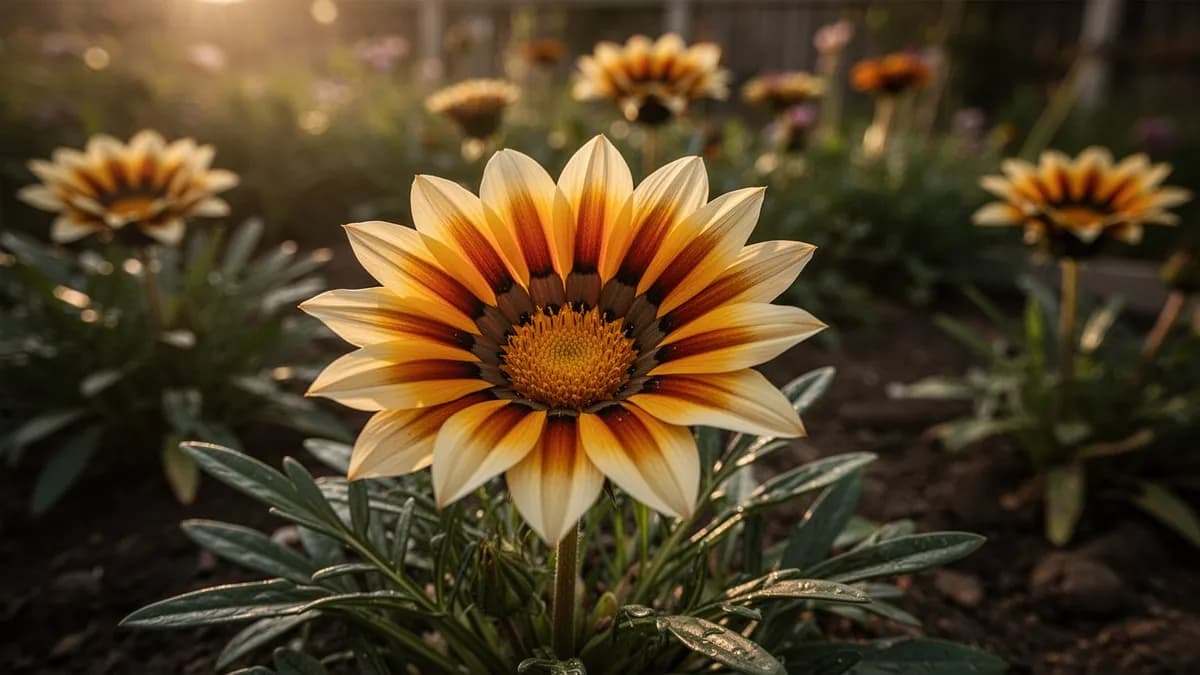
Una margarita sudafricana de flores grandes y llamativamente rayadas que se abren con el sol y se cierran en días nublados y por la noche.





En esta páginaResumen
Conoce Gazania
Una margarita sudafricana de flores grandes y llamativamente rayadas que se abren con el sol y se cierran en días nublados y por la noche. Las gazanias son extremadamente tolerantes a la sequía y prosperan en condiciones cálidas y secas con suelo arenoso o pobre. Son excelentes cubresuelos para laderas soleadas e ideales para jardines costeros.
Cuándo plantar Gazania
Empieza las semillas de gazania en interior de seis a ocho semanas antes de la última helada. Siembra sobre la superficie de un sustrato húmedo para siembra y cúbrelas muy ligeramente, ya que las semillas necesitan algo de luz para germinar. Germinan en ocho a catorce días a 20-24 °C (68-75 °F). Las plántulas crecen lentamente al principio. Trasplántalas al exterior después de que haya pasado todo riesgo de heladas, cuando el suelo esté cálido. La siembra directa es posible en las zonas 9 y superiores, pero da lugar a una floración tardía. La mayoría de los jardineros en climas fríos compran plántulas para obtener flores antes.
Tu año de Gazania
Ajustado a Zona 7 · temporada típica · la helada se va hacia el 2 abr y vuelve hacia el 1 nov
Planta Gazania Abr – May y cosecha Jun – Oct. Consulta los métodos de plantación y elige tu clima para adaptar los periodos.
Cómo cultivar Gazania
Las gazanias son plantas de estación cálida que prosperan en los lugares más calurosos y soleados del jardín. Siembra las semillas en interior de seis a ocho semanas antes de la última helada, o compra plántulas en primavera. Siembra las semillas sobre la superficie de un sustrato húmedo para siembra y cúbrelas muy ligeramente. Germinan en ocho a catorce días a 20-24 °C (68-75 °F). Trasplanta al exterior después de que haya pasado todo riesgo de heladas, dejando entre 20 y 30 cm entre plantas.
Elige el lugar más soleado disponible, con suelo bien drenado y pobre. Las gazanias son originarias de Sudáfrica y rinden mejor en suelos arenosos, pedregosos o pobres, donde la mayoría de las plantas tendrían dificultades. Un suelo rico produce mucho follaje a costa de las flores. Riega con moderación una vez que las plantas estén establecidas, ya que las gazanias son extremadamente tolerantes a la sequía y de hecho rinden peor con riegos regulares.
Las flores se abren solo con luz solar intensa y se cierran en días nublados y por la noche, que es su principal peculiaridad. Las series híbridas modernas ofrecen un comportamiento algo mejor en condiciones cubiertas. No hace falta eliminar las flores marchitas, pero sí mejora el aspecto. En las zonas 9 a 11 sin heladas, las gazanias son perennes y pueden formar cubresuelos extendidos. Abona ligeramente al plantar y evita fertilizar adicionalmente durante la temporada de crecimiento.
36 plantas caben en un bancal de 120 × 240 cm
Cada Gazania pide 25 cm de margen. El planificador guarda ese marco por ti — cada planta, cada bancal.
Los mejores vecinos de Gazania
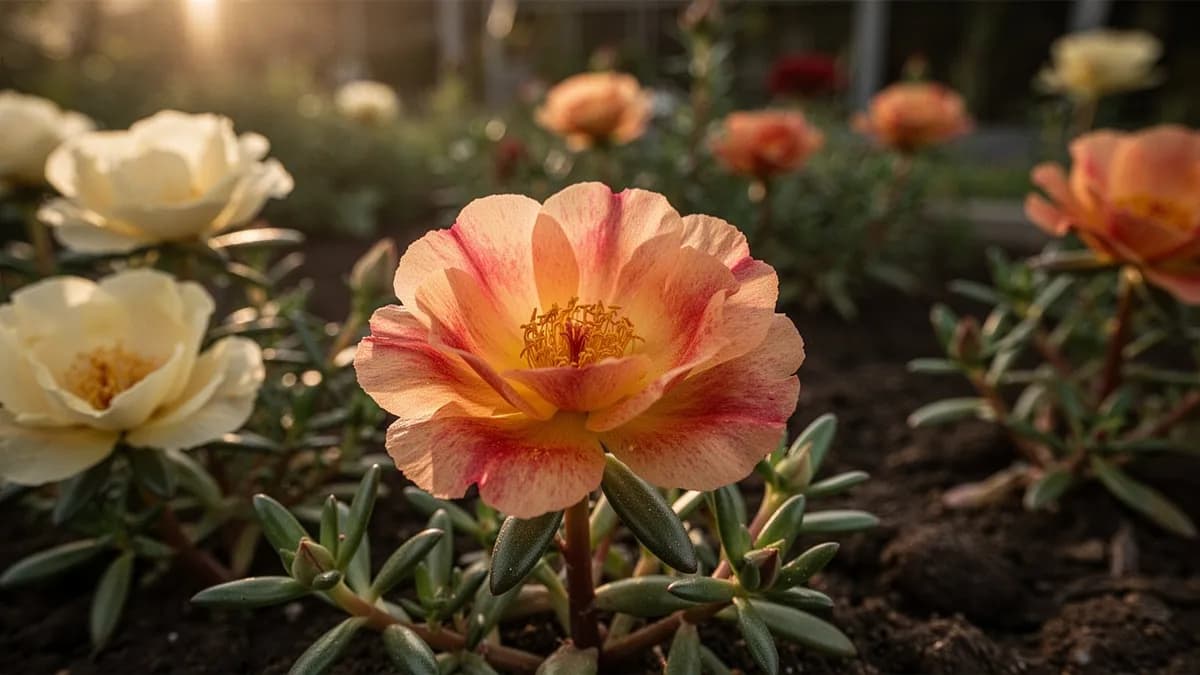
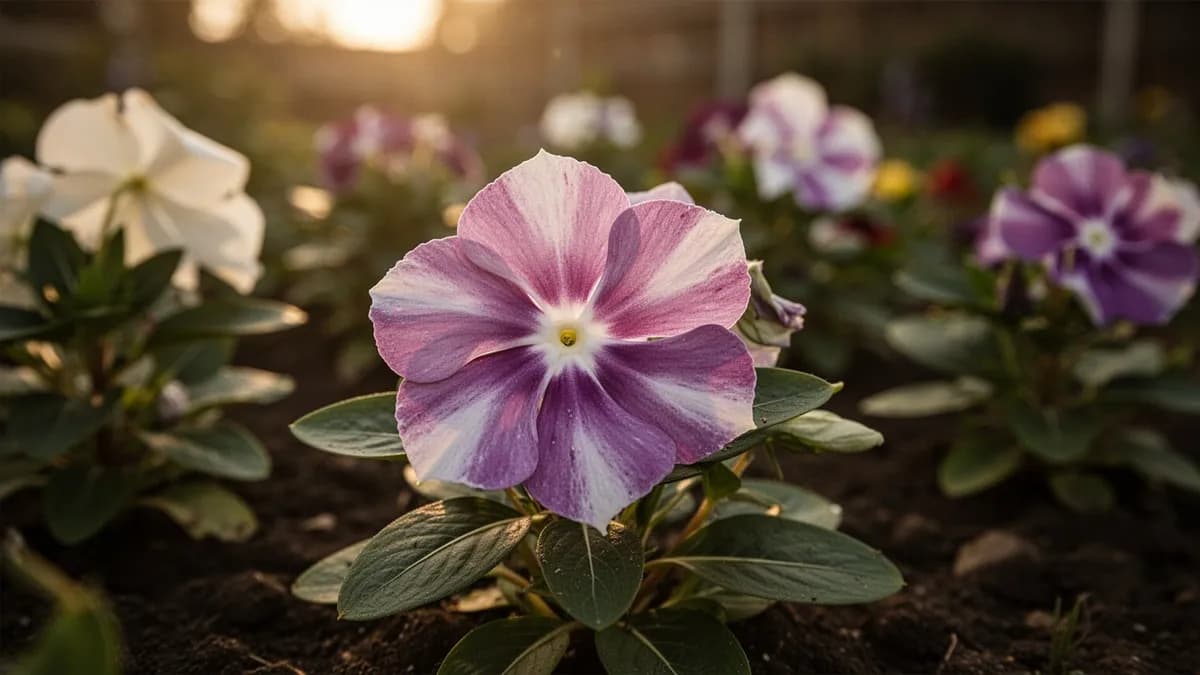
Las gazanias combinan de maravilla con otras plantas amantes del sol y tolerantes a la sequía, como portulaca, lantana, vinca y gramíneas ornamentales en plantaciones xerófitas. Su porte bajo y extendido las convierte en excelentes cubresuelos debajo de compañeras más altas. Úsalas en jardines de rocas con sedums, plantas de hielo y otras suculentas. Las flores grandes y rayadas ofrecen un contraste llamativo frente a plantas de follaje plateado como la cineraria marítima. Las gazanias son ideales para laderas calientes y secas donde pocas otras flores prosperan.
Portulaca va a su lado.
Saber de huerto de siempre, cotejado con la tabla real de Gazania — prueba cualquier planta que cultives.
Prueba Gazania en un bancal, aquí mismo
Un bancal real del planificador con Gazania ya plantado. Toca una planta compañera para colocarla y mira cómo responde la comprobación de vecinos: verde para buenos vecinos, rojo si hay conflicto.


Guías de cultivo relacionadas
Abónalo bien
Las gazanias prosperan en suelo pobre a medio, extremadamente bien drenado, con un pH de 5.8 a 6.8. El suelo arenoso, pedregoso o rocoso es ideal. Son plantas excelentes para jardines costeros con condiciones salinas y arenosas. Evita la arcilla pesada y el suelo muy enmendado y rico. Basta con una aportación muy ligera de fertilizante granulado equilibrado al plantar. No fertilices durante la temporada de crecimiento, ya que el exceso de nutrientes produce mucho follaje y menos flores. Las plantas en maceta solo necesitan un abonado diluido ocasional.
Temperatura ideal
Compatibilidad de zonas de rusticidad
De la semilla a la cosecha, etapa por etapa
Siembra
Las semillas de gazania se siembran en interior entre 6 y 8 semanas antes de la última helada. Presiónalas ligeramente sobre la superficie de un sustrato para siembra bien drenado. Las semillas necesitan oscuridad para germinar, así que cubre las bandejas con una capa ligera de vermiculita o un paño oscuro.
Germinación
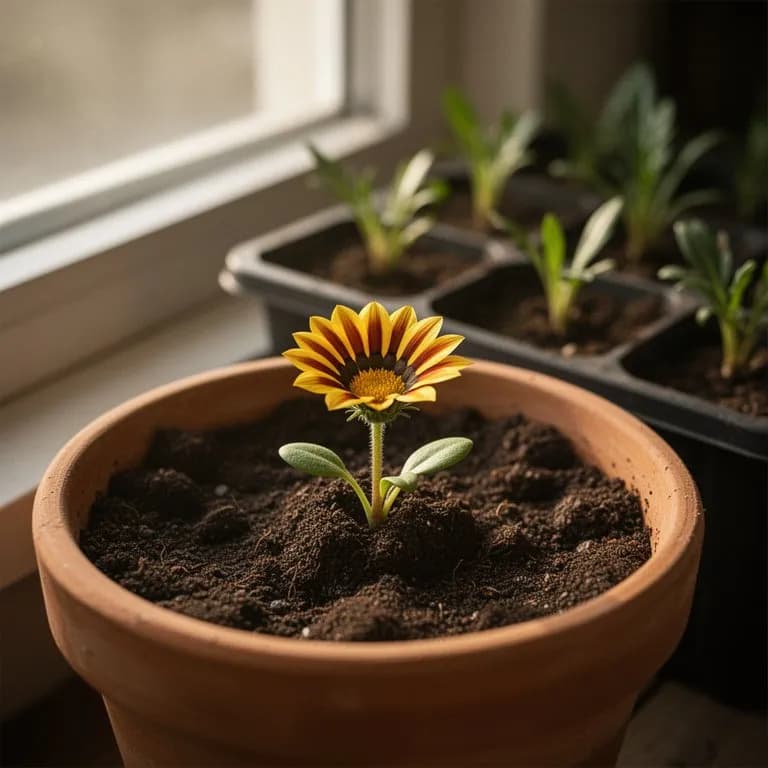
Las plántulas emergen con un par de pequeños cotiledones redondeados. En esta etapa las plantas son delicadas y crecen lentamente. Una vez que los cotiledones estén completamente abiertos, retira cualquier cobertura y lleva las bandejas a un lugar con mucha luz para evitar el ahilamiento.
Crecimiento vegetativo
Se desarrollan hojas verdaderas con la forma lanceolada característica y los envés plateados. Las plantas forman una roseta baja y extendida de follaje cerca del suelo. Los sistemas radiculares se expanden rápidamente durante esta fase, estableciendo la tolerancia a la sequía.
Formación de botones
Los botones florales aparecen en las puntas de tallos cortos que surgen del centro de la roseta foliar. Los botones están muy cerrados y envueltos en brácteas verdes. La planta sigue expandiéndose lateralmente mientras dirige energía al crecimiento reproductivo.
Floración
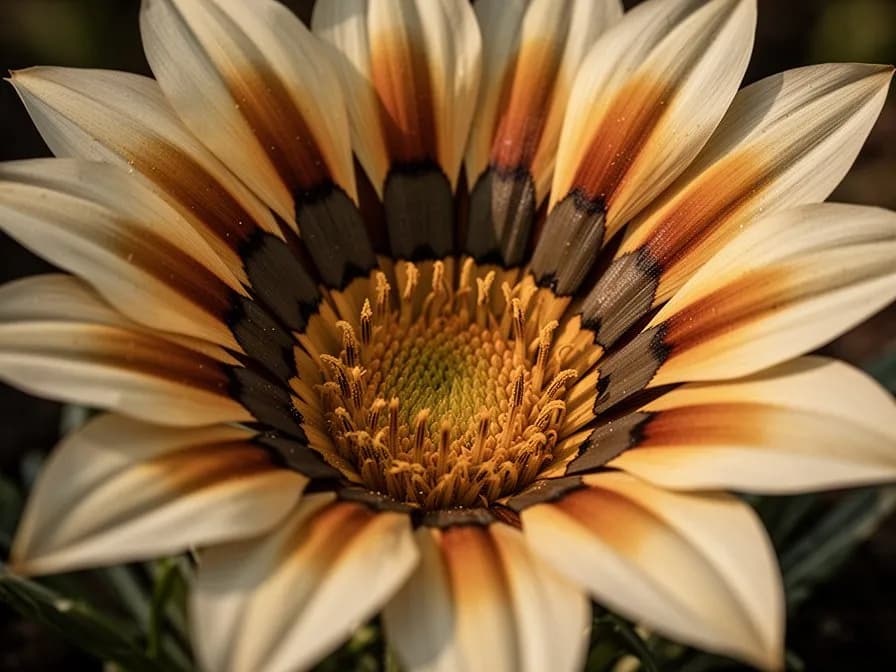
Las flores se abren por completo con luz solar intensa, mostrando colores vivos y llamativas marcas oscuras en la zona central. Cada flor dura entre 5 y 7 días. Las plantas producen oleadas sucesivas de flores durante la estación cálida, con la floración máxima en pleno verano.
Formación de semillas
Las flores no fecundadas se desvanecen y se desarrollan cabezas de semillas. Cada capítulo produce numerosos aquenios pequeños y peludos. Si se deja formar semilla, la planta reduce gradualmente la producción de nuevas flores y redirige su energía a la maduración de las semillas.
Reposo o fin de temporada
En regiones propensas a heladas, las gazanias se tratan como anuales y mueren después de la primera helada fuerte. En las zonas USDA 9 a 11, las plantas se vuelven semidormantes en invierno, conservando el follaje basal pero dejando de producir flores hasta que regrese el calor.
Mantén la temperatura del sustrato entre 18 y 24 °C (65-75 °F) para una germinación óptima. Mantén el medio uniformemente húmedo pero nunca encharcado, ya que las semillas de gazania son propensas al damping-off en condiciones demasiado húmedas.
Cuidar Gazania mes a mes
Qué hacer cada mes para tu Gazania
Octubre
Mes actualEn zonas propensas a heladas, desentierra las plantas que quieras pasar el invierno y pásalas a maceta para guardarlas en interior. Como alternativa, toma los últimos esquejes antes de la primera helada. En climas cálidos, reduce el riego y deja de abonar.
Ten claro qué hacer en tu huerto, cada mes
Un correo al empezar cada mes: qué sembrar, plantar y hacer ahora mismo — para tu Gazania y todo lo que crece alrededor. Más un breve curso inicial para esquivar los errores clásicos.
- Qué hacer ahora mismo
- Ajustado a tu temporada
- Curso inicial incluido
Cosechar Gazania
Las gazanias se disfrutan mejor en el jardín que como flores cortadas, ya que se cierran al retirarlas de la luz solar. Para una exhibición temporal en interior, corta los tallos por la mañana, cuando las flores estén completamente abiertas, y colócalos en una ventana soleada. Las flores duran dos o tres días en un jarrón si se mantienen con mucha luz. Para guardar semillas, deja que las flores marchitas se sequen en la planta y luego recoge las cabezas plumosas para separar las semillas de la paja. Guarda las semillas en un lugar fresco y seco.
se supone que plantas al comenzar el periodo — indica tu fecha real
Cosecha Gazania a tiempo y la planta sigue produciendo.
Almacenamiento y conservación
Las gazanias no son adecuadas para conservarse como flores cortadas o secas debido a su tendencia a cerrarse sin luz solar directa. En climas fríos, desentierra las plantas en otoño antes de la helada, pásalas a macetas y resérvalas en interior junto a una ventana soleada a 10-15 °C (50-60 °F). Reduce el riego durante el reposo invernal. Vuelve a plantarlas en exterior en primavera, cuando haya pasado el riesgo de heladas. Las semillas siguen siendo viables de dos a tres años si se almacenan en un lugar fresco y seco. En verano avanzado, toma esquejes de tallo para pasar el invierno con las variedades preferidas en interior.
Qué falla — y cómo solucionarlo
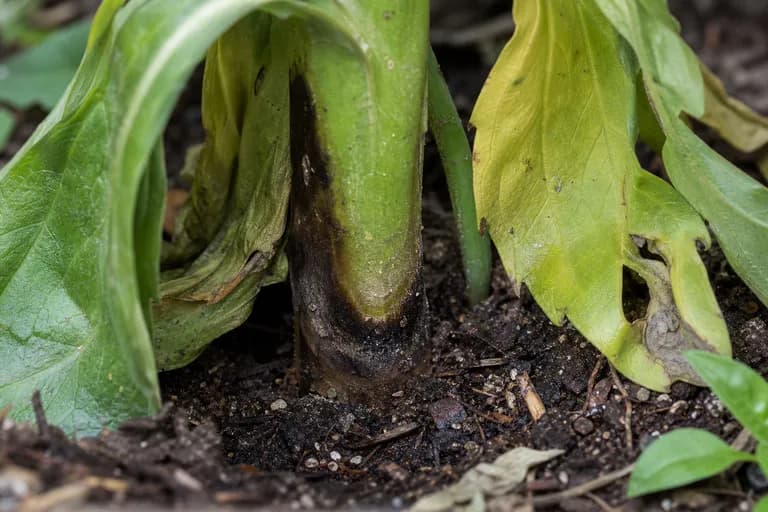
Pudrición de la corona
EnfermedadColapso repentino de la planta con tejido marrón y blando en la corona y las raíces. Es común en condiciones húmedas y con mal drenaje.
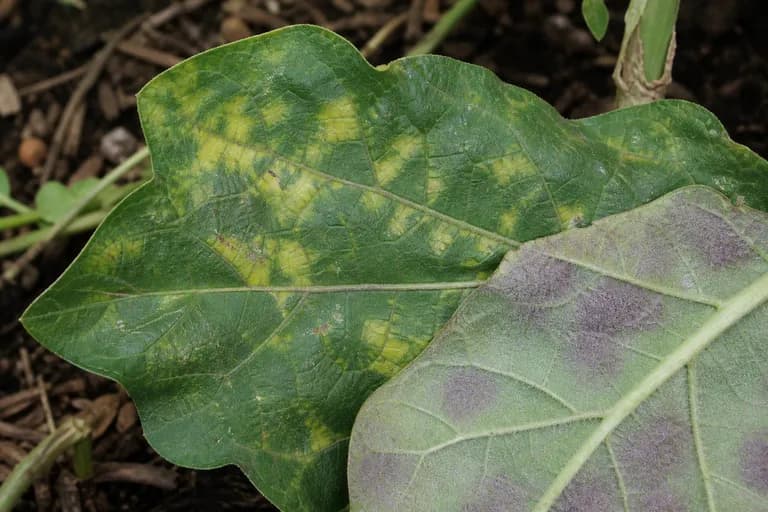
Mildiu velloso
EnfermedadManchas amarillas en la parte superior de las hojas con moho grisáceo por debajo, normalmente durante tiempo fresco y húmedo.
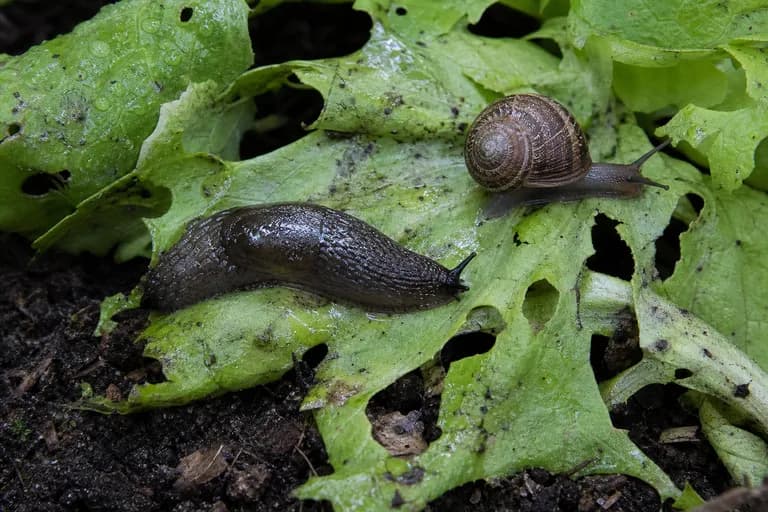
Babosas y caracoles
PlagaAgujeros irregulares en hojas y pétalos, rastros viscosos sobre el follaje y daños concentrados durante la noche en condiciones húmedas.
Solución de problemas comunes
El rasgo más frustrante es que las flores se cierren en días nublados, en sombra y por la noche. Elige series híbridas modernas mejoradas para permanecer abiertas durante más tiempo. El exceso de riego y el mal drenaje causan pudrición de corona y raíces, la causa más común de muerte de la planta. Las gazanias se niegan a florecer en sombra o incluso en semisombra. En climas húmedos, las enfermedades fúngicas pueden ser problemáticas. Estas plantas necesitan de verdad condiciones cálidas, secas y soleadas para prosperar, y son una mala elección para jardines frescos, húmedos o sombríos.
Consejos de cultivo
- Planta las gazanias en el lugar más caluroso y soleado de tu jardín. Necesitan al menos 6 a 8 horas diarias de sol directo para florecer bien y producirán pocas flores en semisombra.
- Usa un suelo extremadamente drenante. El suelo arenoso o pedregoso es ideal. En terrenos arcillosos, enmienda generosamente con arena gruesa y perlita o planta en bancales elevados para evitar la pudrición de raíz.
- Riega en profundidad pero con poca frecuencia. Deja que el suelo se seque por completo entre riegos. El exceso de riego es la causa más común del fracaso de la gazania y conduce a pudrición de corona y enfermedades fúngicas.
- Evita suelos ricos y muy abonados. Las gazanias evolucionaron en arenas costeras pobres en nutrientes y, de hecho, rinden mejor con abonado mínimo. Una sola aplicación de fertilizante equilibrado de liberación lenta en primavera basta.
- Retira las flores marchitas cada 3 a 5 días pellizcando o cortando el tallo hasta la base de la roseta. Así se evita la formación de semillas y se redirige la energía de la planta a producir más flores.
- Deja entre 25 y 30 cm entre plantas cuando hagas plantaciones masivas. Rellenarán el espacio formando un cubresuelo denso que suprime las malas hierbas en 6 a 8 semanas con tiempo cálido.
- Toma esquejes de tallo de 8 a 10 cm a final del verano para propagar los cultivares favoritos. Enraíza en una mezcla arenosa de propagación mantenida apenas húmeda en un lugar brillante y sin sol directo del mediodía.
- En regiones más frías que la zona USDA 9, trata las gazanias como anuales o desentierra las plantas antes de la primera helada y pásalas el invierno en macetas dentro de casa, cerca de una ventana luminosa orientada al sur.
- Mulcha alrededor de las plantas con grava, piedra triturada o arena gruesa en lugar de mantillo orgánico. Los mantillos orgánicos retienen humedad alrededor de la corona y pueden favorecer enfermedades fúngicas en estas plantas adaptadas a la sequía.
- Vigila pulgones y cochinillas, especialmente en los brotes nuevos y los botones florales. Un chorro fuerte de agua o una aplicación de jabón insecticida controlará la mayoría de las infestaciones sin dañar a los insectos beneficiosos.
Cultiva tu mejor Gazania — y todo lo que la rodea.
Empieza un plan gratis hoy. Diseña tus bancales, coloca tu Gazania y deja que PlotMyGarden gestione el momento, el espaciado, las asociaciones y los recordatorios de la semilla a la cesta.
Elige tu Gazania
Kiss Series
Plantas compactas de 20 a 25 cm con flores grandes y muy dibujadas en una impresionante gama de colores rayados y lisos, que florecen antes que la mayoría.
New Day Mix
Variedad mejorada con flores que permanecen abiertas más tiempo en días nublados, disponible en naranja brillante, rosa, rojo, amarillo y blanco con centros oscuros.
Big Kiss White Flame
Pétalos blancos dramáticos con una llamativa franja flameada rosa rojiza, que crean un efecto bicolor muy vistoso en plantas compactas.
Talent Mix
Presenta un atractivo follaje verde plateado con flores tipo margarita muy llamativas, aportando valor ornamental incluso cuando las flores están cerradas.
Las gazanias son uno de los cubresuelos ornamentales más rentables que existen. Un solo paquete de semillas (aproximadamente 50-100 semillas) cuesta 2-4 € y puede llenar un gran bancal. Las plantas establecidas se resiembran fácilmente en climas suaves, proporcionando plantas gratuitas en años posteriores. Su extrema tolerancia a la sequía reduce de forma significativa la factura del agua en comparación con ornamentales sedientas como petunias o impatiens. Al tomar esquejes de tallo de los cultivares favoritos cada otoño, los jardineros pueden propagar plantas nuevas sin coste, evitando el precio de 3-6 € por planta de los ejemplares de vivero cada primavera.
Recetas rápidas
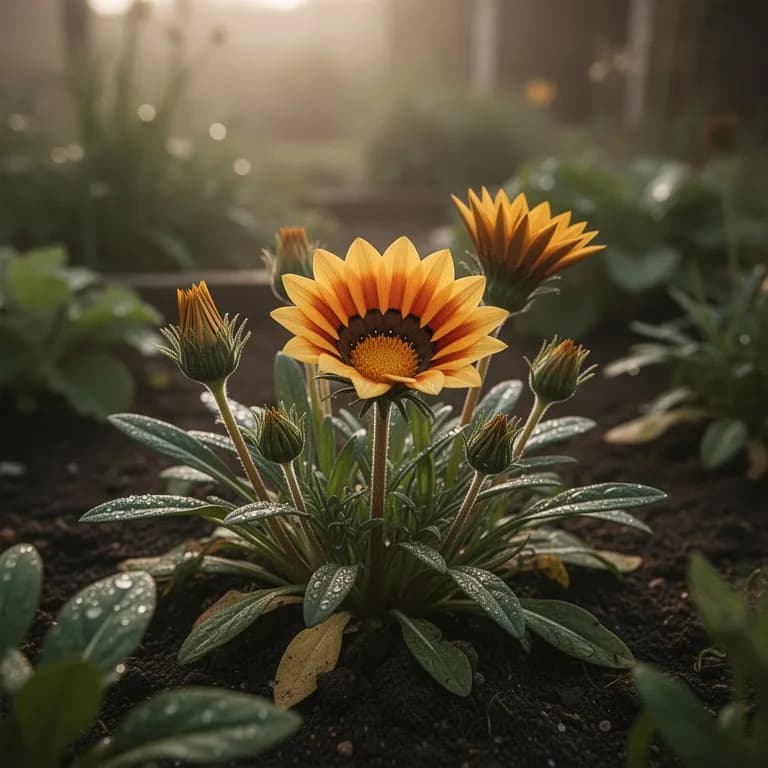
Arte botánico con flores prensadas de gazania
30 minutos de trabajo activo, 2-3 semanas de secadoConserva los colores vivos de las flores de gazania prensándolas entre capas de papel absorbente para crear piezas botánicas preciosas para enmarcar o usar en tarjetas de felicitación. Las gazanias mantienen el color de forma extraordinaria al secarse.
6 ingredientes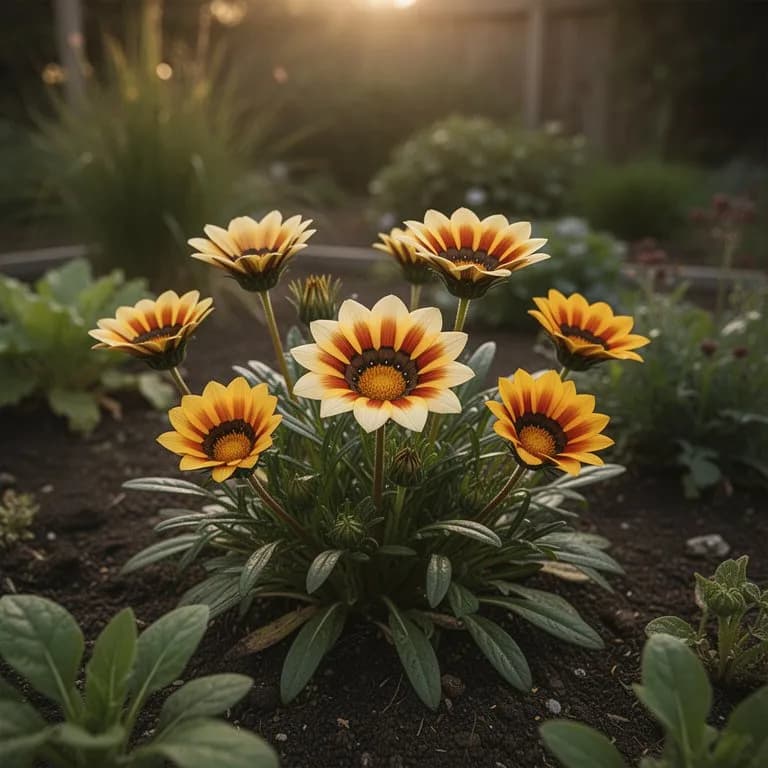
Baño tintóreo natural con pétalos de gazania
2 horasUsa los pétalos vibrantes de las flores de gazania naranjas y amarillas para crear un baño tintóreo natural que produce tonos cálidos dorado-ámbar en fibras naturales como algodón, lino y seda. Un proyecto ecológico para aprovechar flores abundantes.
6 ingredientesArreglo floral de gazania para un centro soleado
20 minutosCrea un arreglo fresco y vibrante con flores de gazania. Como las gazanias se cierran por la noche, este centro de mesa es ideal para eventos diurnos, fiestas de jardín y almuerzos al aire libre, donde las flores pueden permanecer abiertas con luz intensa.
6 ingredientesQué contiene
Beneficios para la salud
- Las gazanias atraen abejas, mariposas y sírfidos, contribuyendo a la salud de los polinizadores y apoyando la biodiversidad en jardines domésticos y comunitarios.
- Cultivar gazanias en espacios exteriores fomenta pasar tiempo en la naturaleza y bajo la luz del sol, lo que favorece el bienestar mental, reduce el estrés y anima a la actividad física mediante la jardinería.
- La naturaleza de bajo mantenimiento y tolerante a la sequía de las gazanias reduce la necesidad de insumos químicos como fertilizantes excesivos y pesticidas, promoviendo un ecosistema de jardín más sano.
- Las gazanias usadas como cubresuelo ayudan a estabilizar suelos arenosos o propensos a la erosión, reduciendo el polvo y las partículas en suspensión que pueden agravar afecciones respiratorias.
- Plantar gazanias en macetas y jardineras de ventana aporta color vibrante a los espacios de vida, algo que los estudios han relacionado con mejor estado de ánimo, creatividad y bienestar psicológico general.
- Como ornamental de bajo consumo hídrico, las gazanias ayudan a conservar los recursos de agua municipales cuando se usan en xerojardinería, apoyando así la salud ambiental más amplia de la comunidad.
De dónde viene Gazania
Gazania rigens, conocida comúnmente como flor del tesoro, es una planta con flor de la familia Asteraceae originaria de las regiones costeras del sur de África, especialmente Sudáfrica y Mozambique. La especie prospera en su hábitat nativo a lo largo de dunas arenosas, afloramientos rocosos y praderas secas, donde se ha adaptado a la luz solar intensa, suelos pobres y sequías prolongadas. La pubescencia blanco plateada en el envés de las hojas es una adaptación evolutiva clave que refleja el exceso de radiación solar y minimiza la transpiración, permitiendo que la planta sobreviva en ambientes costeros áridos. Las gazanias se introdujeron por primera vez en la horticultura europea a comienzos del siglo XVII, cuando comerciantes holandeses y portugueses llevaron ejemplares desde el Cabo de Buena Esperanza. El género fue descrito formalmente por el botánico alemán Joseph Gaertner en 1791 y nombrado en homenaje a Theodoros de Gaza, un destacado erudito del siglo XV que desempeñó un papel crucial al traducir al latín los textos botánicos clásicos de Teofrasto, ayudando a preservar y difundir el conocimiento botánico griego antiguo por toda la Europa del Renacimiento. Para el siglo XIX, las gazanias se habían convertido en plantas de parterre muy populares en jardines europeos y británicos, valoradas por sus flores vistosas parecidas a margaritas y su extraordinaria tolerancia al calor y la sequía. Amplios programas de hibridación, especialmente en Alemania, los Países Bajos y más tarde en Estados Unidos y Japón, produjeron una gran variedad de series de cultivares con una paleta ampliada de colores y un mejor comportamiento en el jardín. Hoy en día, las gazanias se cultivan en todo el mundo como cubresuelos ornamentales, plantas de maceta y anuales de parterre en climas templados cálidos y subtropicales. Se han naturalizado en partes de Australia, California y la cuenca mediterránea, llegando en ocasiones a ser invasoras en ecosistemas costeros sensibles. Aun así, las gazanias siguen siendo una de las ornamentales tolerantes a la sequía más valoradas para jardines de bajo consumo de agua y programas de xerojardinería en todo el planeta.
Gazania: ¿sabías que?
Datos fascinantes sobre Gazania
Las flores de gazania cierran sus pétalos por la noche y en días cubiertos, y se abren solo con luz solar directa; por eso reciben el apodo de flor del tesoro, porque su belleza hay que buscarla a pleno sol.
Gazania: preguntas frecuentes
¿Cuándo debo plantar Gazania?
¿Cuáles son buenas plantas acompañantes para Gazania?
¿En qué zonas de rusticidad puede crecer Gazania?
¿Cuánto sol necesita Gazania?
¿A qué distancia debo espaciar Gazania?
¿Qué plagas y enfermedades afectan a Gazania?
¿Cómo almaceno Gazania después de la cosecha?
¿Cuáles son las mejores variedades de Gazania para cultivar?
¿Qué suelo necesita Gazania?
¿Por qué mis flores de gazania se cierran por la noche y en días nublados?
¿Pueden las gazanias sobrevivir a las heladas y volver al año siguiente?
¿Cómo hago para que mis gazanias produzcan más flores?
¿Las gazanias son tóxicas para mascotas o niños?
¿Por qué se ponen amarillas las hojas de mi gazania?
¿Puedo cultivar gazanias en macetas y cestas colgantes?
Acabas de leer la teoría. Ahora cultívala en piloto automático.
Todo lo que hace que Gazania sea delicado — el momento, el espaciado, las asociaciones, la ventana de cosecha — es justo lo que PlotMyGarden resuelve por ti, para cada planta de tu huerto.
Un plan que conoce tu clima
Indica tu ubicación una vez. Recibe fechas de siembra, abonado y cosecha basadas en tu última helada real y el pronóstico en vivo — sin adivinar con un sobre genérico.
De la sección “Cuándo plantar”Planificador de bancales de arrastrar y soltar
Diseña bancales sobre una cuadrícula. Cada planta encaja con su espaciado correcto y ves toda la temporada antes de gastar un céntimo en semillas.
De la sección “Cultivo”Conflictos de asociación, detectados a tiempo
Más de 200 buenas y malas combinaciones comprobadas en vivo mientras plantas — para que un error que arruine la temporada nunca llegue a la tierra.
De la sección “Asociaciones”Recordatorios que sí vas a seguir
“Riega las judías.” “Recoge hoy antes de que se pase.” Oportunos, concretos y ligados a las plantas que de verdad cultivas.
De la sección “Cosecha”Escalonado, programado
¿Quieres cosechar seis semanas en vez de seis días? Reparte tus siembras automáticamente y te avisa cuando toca el siguiente lote.
De la sección “Cuándo plantar”Un registro que se vuelve más listo
Cada cosecha que registras le enseña tu huerto. El plan del año que viene parte de lo que de verdad funcionó en tu suelo, no en un manual.
De la sección “Resumen”Planta estos junto a Gazania
Más Anuales
Diseños de jardín con Gazania
Cultiva tu mejor Gazania — y todo lo que la rodea.
Empieza un plan gratis hoy. Diseña tus bancales, coloca tu Gazania y deja que PlotMyGarden gestione el momento, el espaciado, las asociaciones y los recordatorios de la semilla a la cesta.