Frijol Flageolet
El frijol flageolet (Phaseolus vulgaris) es una variedad de frijol semi-seco de origen francés, considerado el rey de los frijoles en la alta cocina gala.





En esta páginaResumen
Conoce Frijol Flageolet
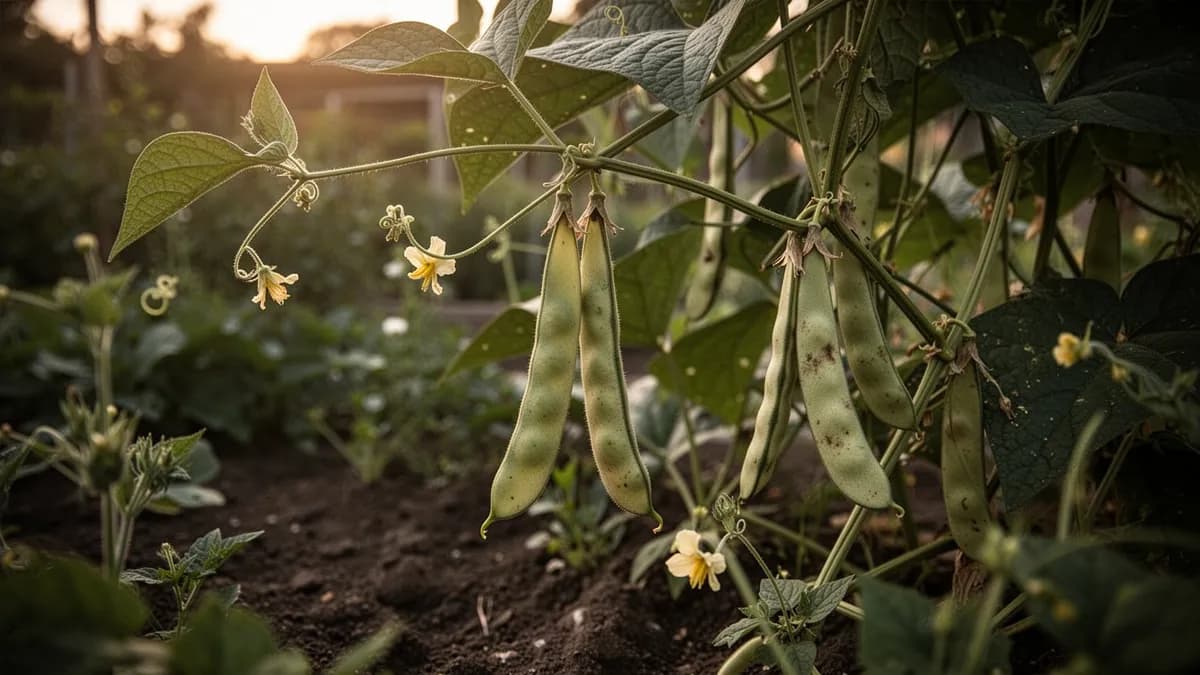
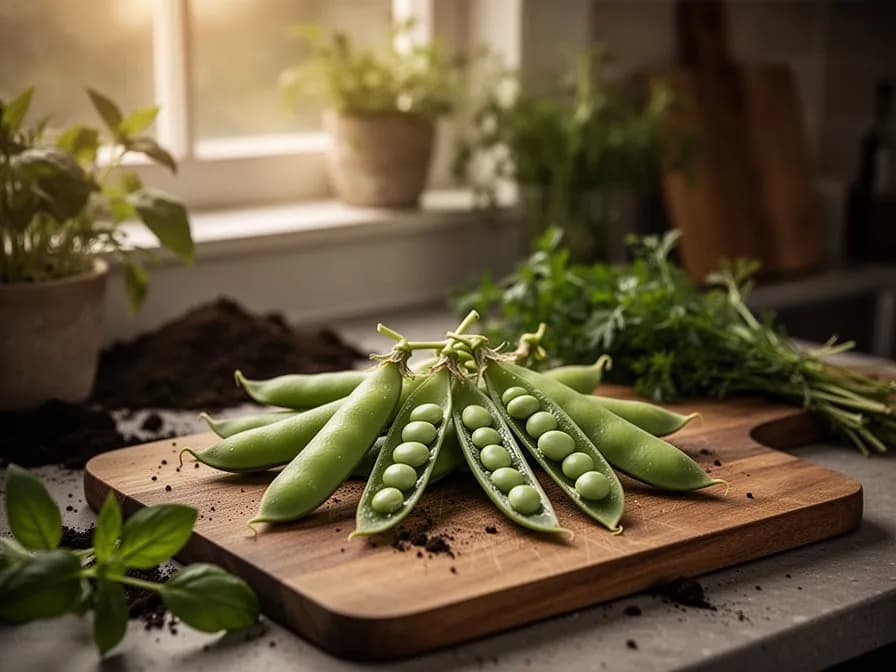
El frijol flageolet (Phaseolus vulgaris) es una variedad de frijol semi-seco de origen francés, considerado el rey de los frijoles en la alta cocina gala. Se cosecha antes de la maduración completa, cuando las semillas son de un verde pálido delicado, lo que le confiere una textura excepcionalmente cremosa y un sabor refinado y suave. Es un ingrediente imprescindible en el cassoulet y otras preparaciones clásicas francesas.
Cuándo plantar Frijol Flageolet
Siembre directamente en el lugar definitivo cuando el suelo alcance 15-18°C, generalmente de mediados a finales de primavera. No remoje las semillas antes de plantar, ya que los flageolets tienen una piel delicada que puede agrietarse con el exceso de humedad. Plante a 3-4 cm de profundidad con el ojo hacia abajo. La germinación ocurre en 8-12 días. Realice siembras sucesivas cada 2-3 semanas para cosecha prolongada.
Tu año de Frijol Flageolet
Ajustado a Zona 7 · temporada típica · la helada se va hacia el 2 abr y vuelve hacia el 1 nov
Planta Frijol Flageolet May – Jun y cosecha Ago – Sep. Consulta los métodos de plantación y elige tu clima para adaptar los periodos.
Cómo cultivar Frijol Flageolet
El frijol flageolet se siembra directamente en el suelo cuando la temperatura alcance al menos 15°C y haya pasado el riesgo de heladas. Siembre las semillas a 3-4 cm de profundidad, espaciadas 10-15 cm en hileras separadas 45-60 cm. Existen variedades tanto de mata baja (determinadas) como trepadoras; las trepadoras necesitan tutores de 1,5-2 metros.
El riego regular y uniforme es fundamental para obtener frijoles de textura cremosa, especialmente durante la floración y el llenado de las vainas. Aplique mantillo orgánico para mantener la humedad del suelo y reducir las malas hierbas. Evite mojar el follaje para prevenir enfermedades fúngicas. Como leguminosa, no requiere fertilización nitrogenada adicional.
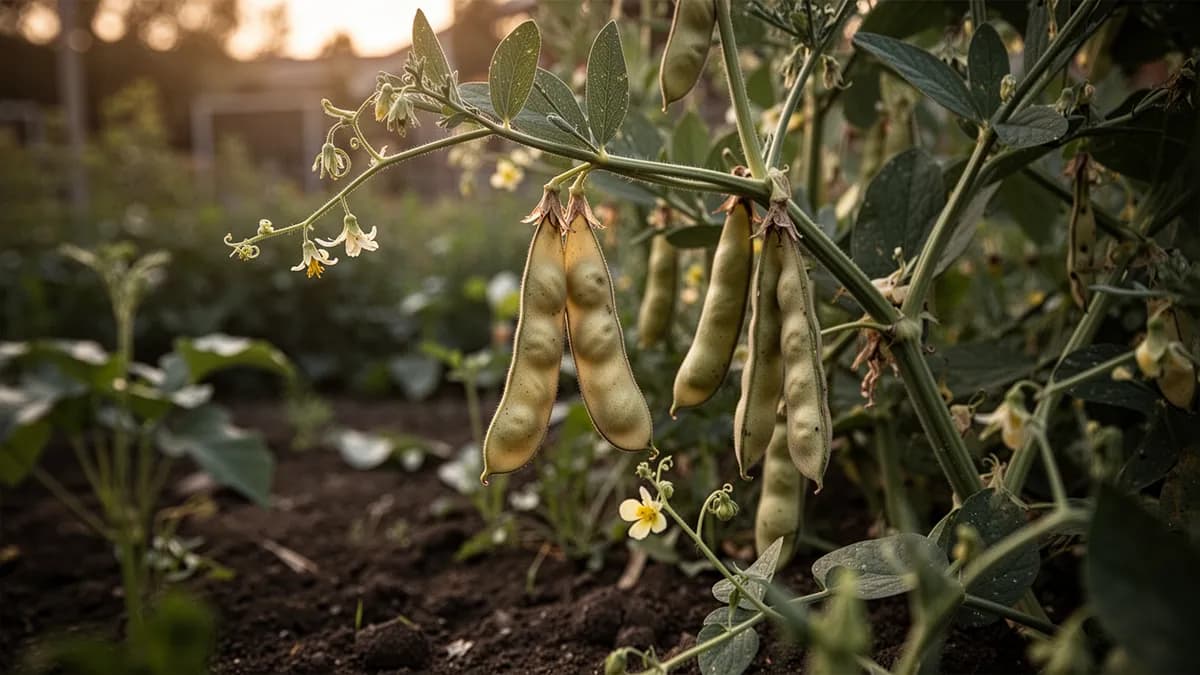
El momento de la cosecha es crítico para el flageolet: debe recolectarse en un estado intermedio, cuando las vainas han perdido su color verde brillante y comienzan a palidecer, pero antes de que se sequen completamente. Las semillas en este punto tienen un color verde pálido translúcido y una textura tierna. Si se dejan secar demasiado, pierden su color y sabor distintivos.
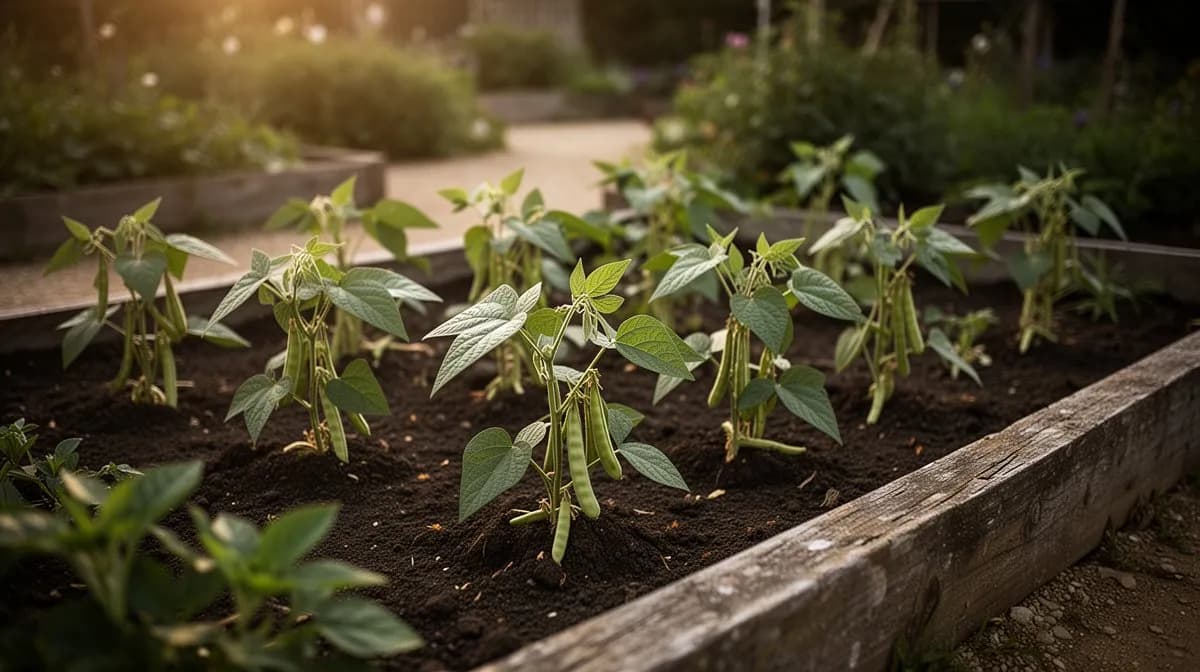
128 plantas caben en un bancal de 120 × 240 cm
Cada Frijol Flageolet pide 15 cm de margen. El planificador guarda ese marco por ti — cada planta, cada bancal.
Los mejores vecinos de Frijol Flageolet
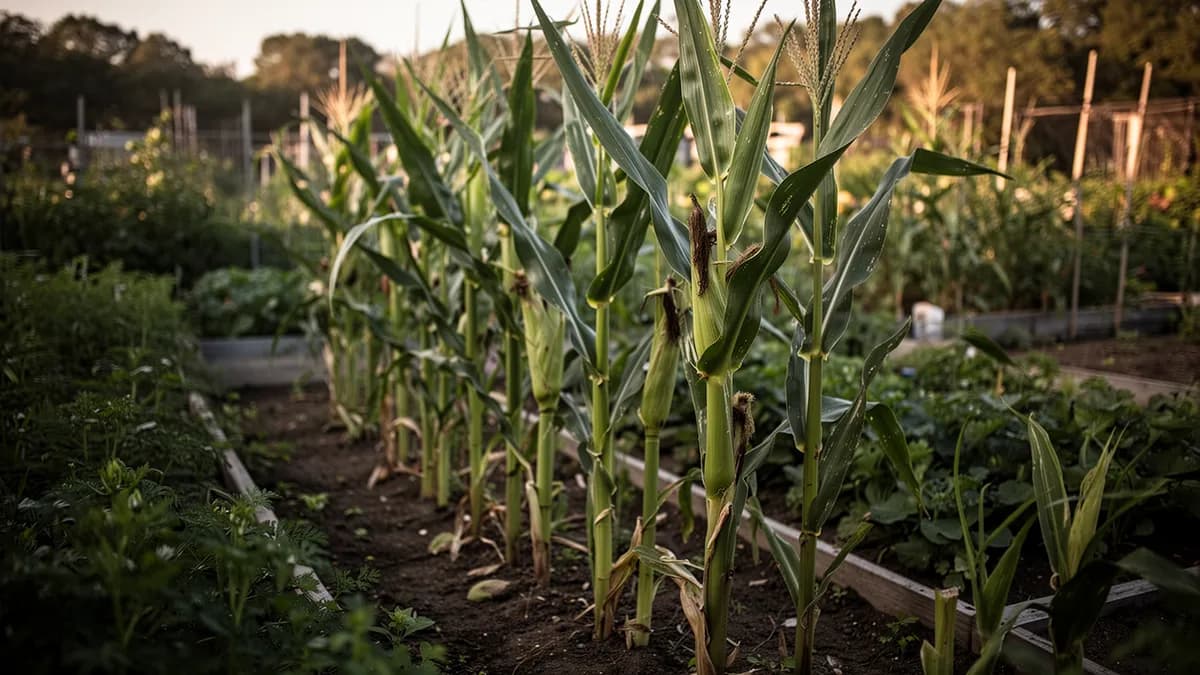
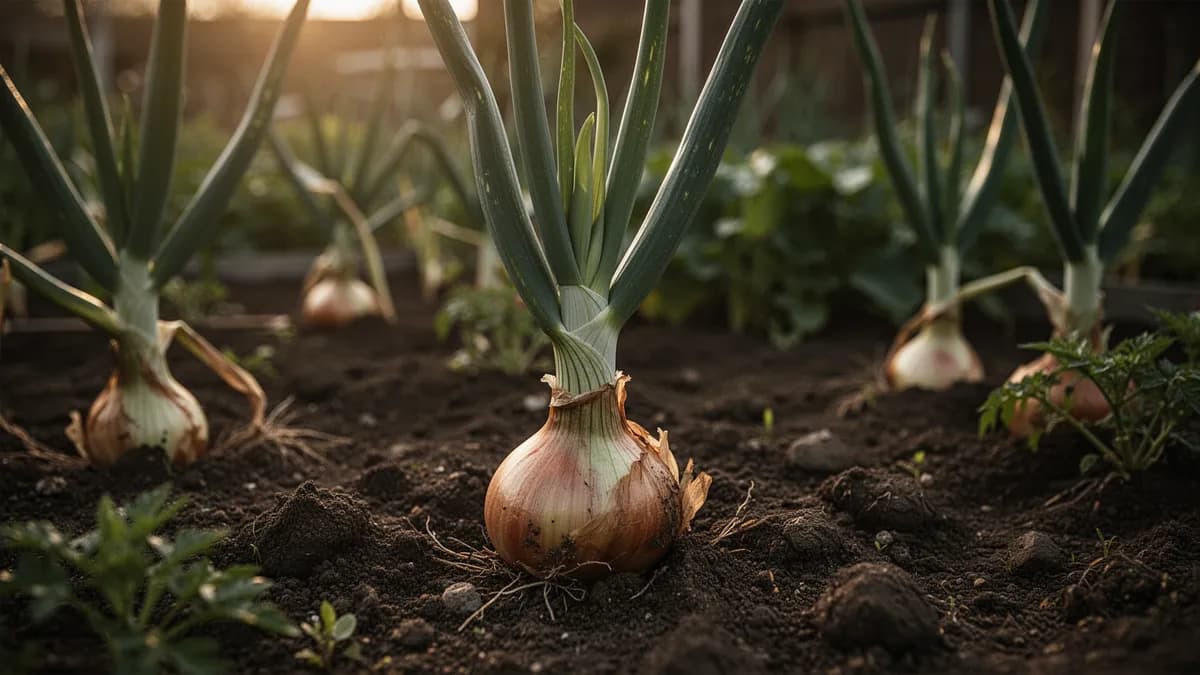
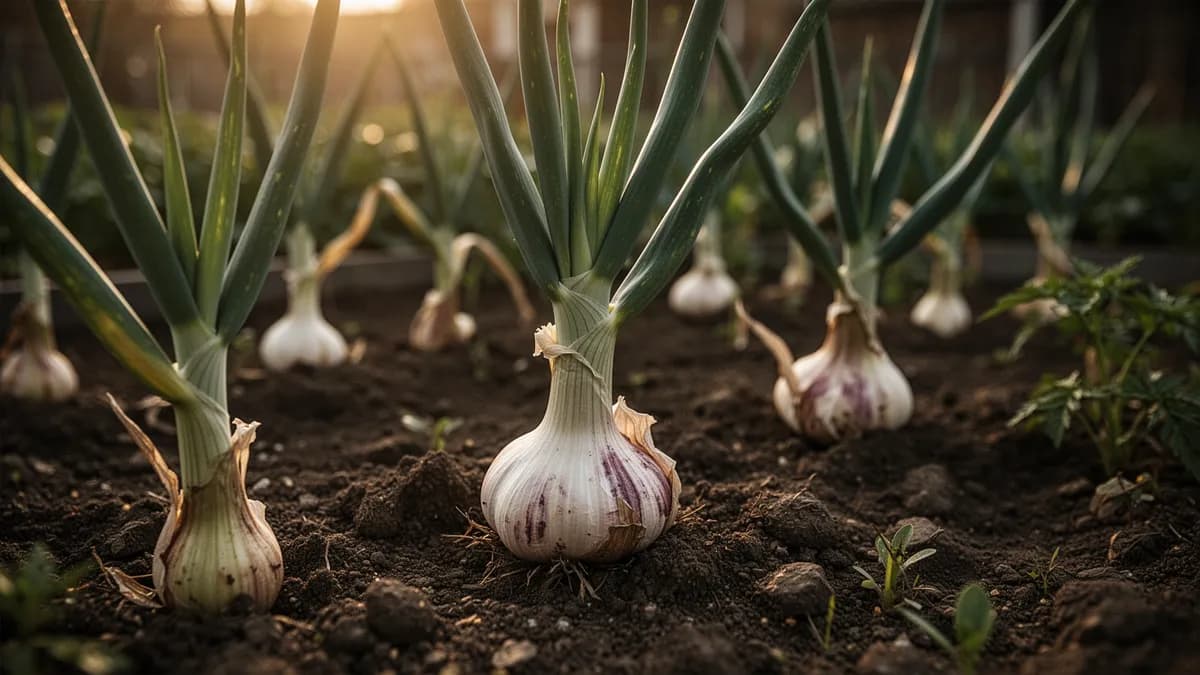
Se asocia favorablemente con maíz, calabazas, zanahorias, remolacha y hierbas aromáticas como el romero y la ajedrea, esta última conocida como la hierba del frijol en Francia por realzar su sabor. Evite plantar junto a cebollas, ajos, puerros y hinojo, que pueden inhibir el crecimiento de las leguminosas y afectar la fijación de nitrógeno.
Maíz va a su lado. Cebolla no.
Saber de huerto de siempre, cotejado con la tabla real de Frijol Flageolet — prueba cualquier planta que cultives.
Prueba Frijol Flageolet en un bancal, aquí mismo
Un bancal real del planificador con Frijol Flageolet ya plantado. Toca una planta compañera para colocarla y mira cómo responde la comprobación de vecinos: verde para buenos vecinos, rojo si hay conflicto.


Guías de cultivo relacionadas
Abónalo bien
Prefiere suelos ligeros, bien drenados y moderadamente fértiles con un pH entre 6,0 y 7,0. Como leguminosa fijadora de nitrógeno, no necesita aportes nitrogenados; de hecho, el exceso promueve follaje a expensas de la producción de vainas. Enriquezca el suelo con compost maduro antes de la siembra y asegure niveles adecuados de fósforo y potasio para un buen desarrollo de las semillas.
Temperatura ideal
Compatibilidad de zonas de rusticidad
De la semilla a la cosecha, etapa por etapa
Siembra
Las semillas se siembran directamente en un suelo cálido y bien drenado después de que haya pasado todo riesgo de heladas. Las semillas, de color pálido y forma arriñonada, absorben la humedad rápidamente, y la radícula emerge en 3-5 días, seguida por los cotiledones que atraviesan la superficie del suelo. Para una germinación fiable se necesitan temperaturas del suelo de al menos 16°C.
Establecimiento de plántulas
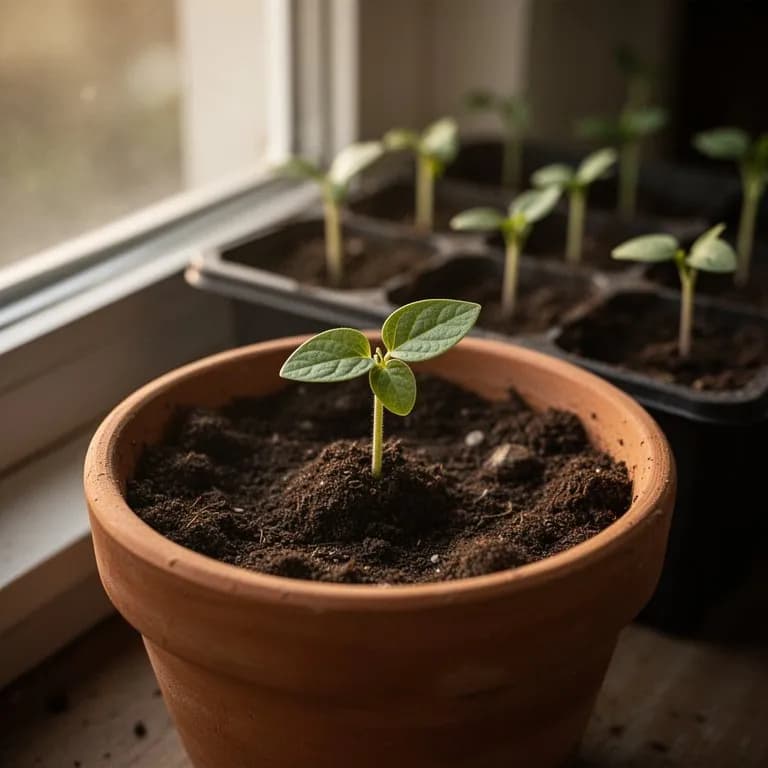
Se desarrollan las primeras hojas trifoliadas verdaderas mientras la plántula establece su sistema radicular. Las judías flageolet son de porte arbustivo y crecen de forma compacta hasta 40-50 cm de altura sin necesidad de soporte. Los nódulos fijadores de nitrógeno comienzan a formarse cuando las bacterias Rhizobium colonizan las raíces.
Crecimiento vegetativo
Las plantas desarrollan una copa densa y arbustiva de hojas trifoliadas verde oscuro. El porte compacto hace que las judías flageolet se sostengan solas y no necesiten tutor. La ramificación aumenta y la planta acumula reservas de energía para la floración y la formación de vainas.
Floración
Aparecen pequeñas flores blancas o de color lavanda pálido en racimos en las axilas de las hojas. Cada flor es autopolinizante, aunque las abejas que visitan las flores pueden mejorar el cuajado de las vainas. La floración continúa durante 2-3 semanas a medida que nuevas flores se abren progresivamente a lo largo del tallo.
Desarrollo de vainas
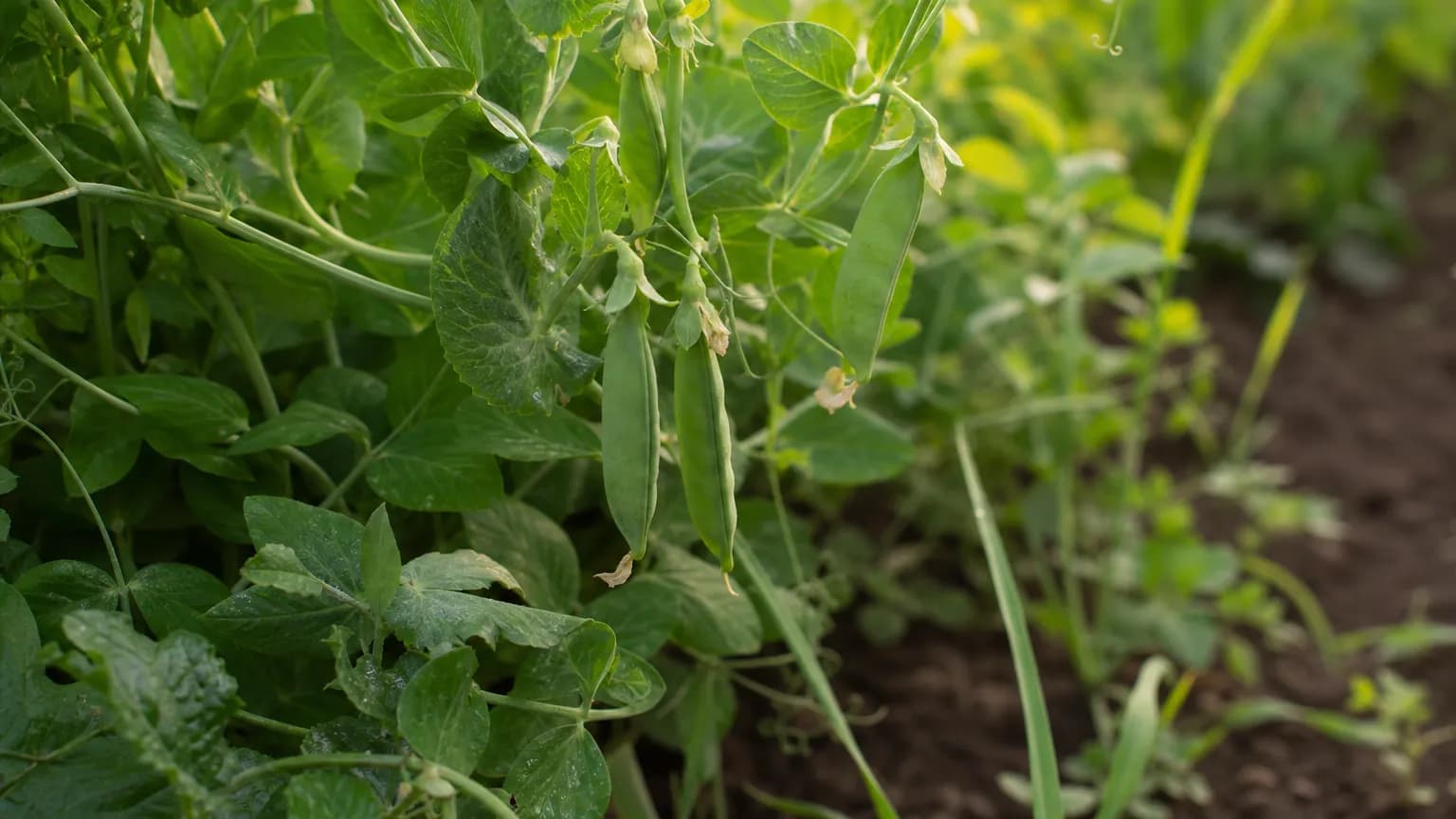
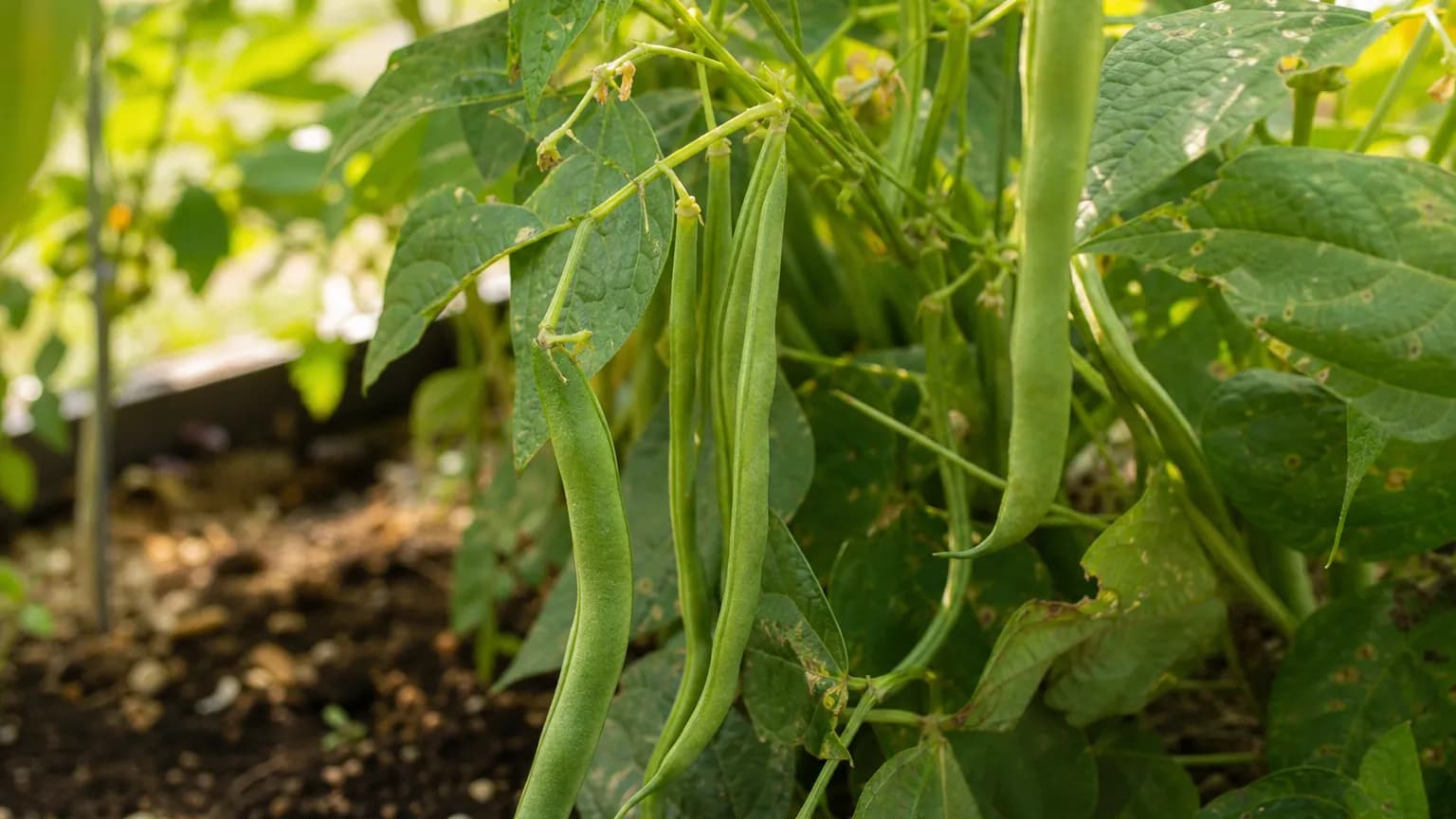
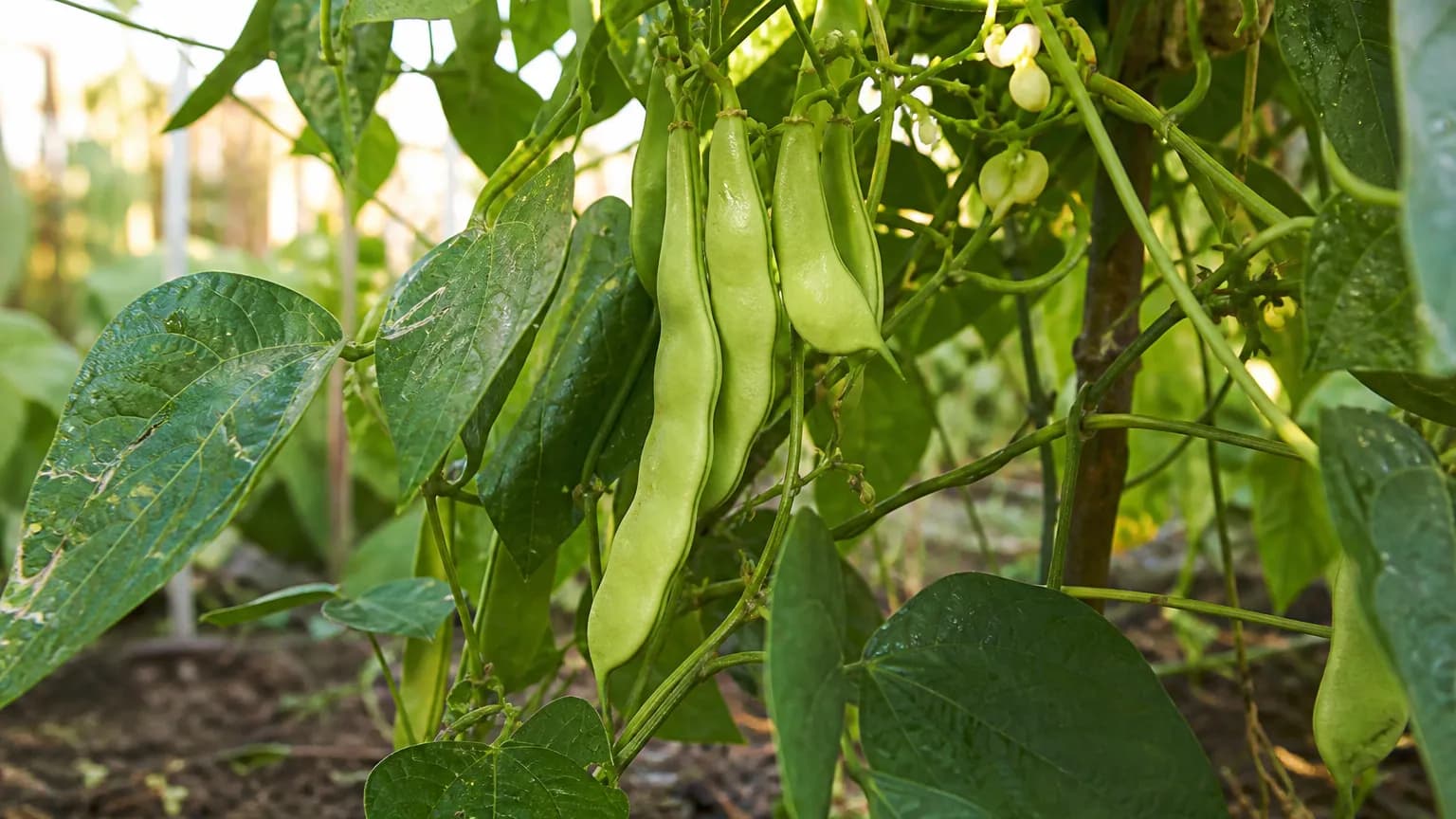
Se forman vainas verdes y delgadas que se alargan hasta 10-15 cm, cada una con 5-7 semillas en desarrollo. La diferencia clave con las judías flageolet es el momento de la cosecha: las vainas se recogen en la fase semimadura de “desgrane”, cuando las semillas del interior han engrosado pero siguen tiernas y verde pálido, sin secarse todavía.
Ventana de cosecha
La ventana de cosecha para las flageolet frescas es relativamente estrecha: unos 7-10 días por siembra. Las judías deben desgranar cuando las vainas empiezan a pasar de verde intenso a verde amarillento pálido, pero antes de secarse por completo. En esta etapa, los granos son verde jade pálido, cremosos en textura y tienen el sabor delicado que hace tan apreciadas a las flageolet en la cocina francesa.
No remojes las semillas de judía flageolet antes de plantarlas: a diferencia de muchas otras judías, su fina cubierta absorbe el agua con rapidez y el pre-remojo puede hacer que se partan. Planta a 3-4 cm de profundidad y a 15 cm de distancia, en hileras separadas 45 cm.
Cuidar Frijol Flageolet mes a mes
Qué hacer cada mes para tu Frijol Flageolet
Octubre
Mes actualComplete final harvests and finish drying any remaining beans. Store fully dried flageolets in airtight glass jars in a cool, dark place — they will keep for 1-2 years but are best used within the first year for optimal texture and color.
Ten claro qué hacer en tu huerto, cada mes
Un correo al empezar cada mes: qué sembrar, plantar y hacer ahora mismo — para tu Frijol Flageolet y todo lo que crece alrededor. Más un breve curso inicial para esquivar los errores clásicos.
- Qué hacer ahora mismo
- Ajustado a tu temporada
- Curso inicial incluido
Cosechar Frijol Flageolet
El flageolet se cosecha en un estado semi-seco único, cuando las vainas comienzan a perder su color verde y las semillas tienen un tono verde pálido translúcido, generalmente entre 80-90 días después de la siembra. Coseche las vainas a mano, seleccionando las que estén en el punto óptimo. Para uso seco, deje las vainas en la planta hasta que estén completamente marrones y crujientes, aunque perderán su distintivo color verde.
se supone que plantas al comenzar el periodo — indica tu fecha real
Cosecha entre 85-100 días, cuando las vainas estén llenas y empiecen a pasar de verde a verde amarillento, pero antes de que se sequen por completo.
Almacenamiento y conservación
Los flageolets frescos se conservan en el refrigerador en sus vainas durante 3-5 días. Para congelación, desgrane, blanquee durante 2 minutos y congele, manteniéndose hasta 10 meses. Los flageolets secos se almacenan en recipientes herméticos en lugar fresco y oscuro durante 1-2 años. También pueden comprarse enlatados o en conserva de vidrio, que es la forma más común de encontrarlos fuera de Francia.
Qué falla — y cómo solucionarlo
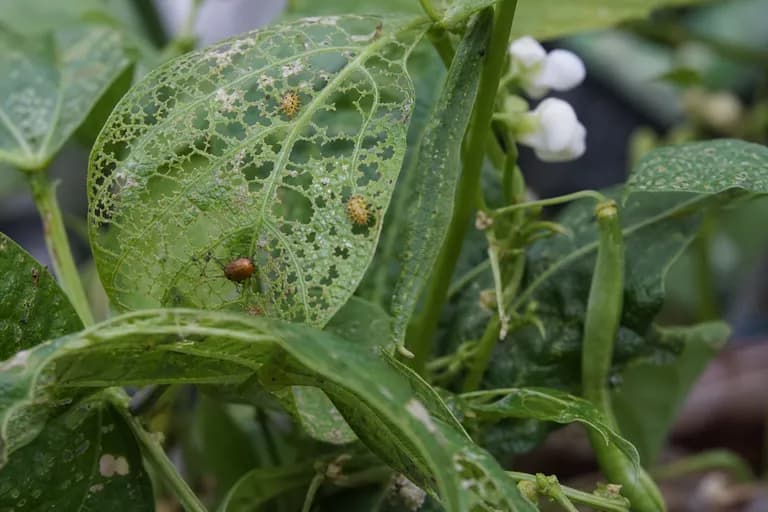
Pulgón verde del frijol
PlagaColonias de pulgones verdes en los brotes tiernos y el envés de las hojas jóvenes, causando enrollamiento y deformación del follaje. Secretan melaza que atrae hormigas y favorece el desarrollo de fumagina negra.
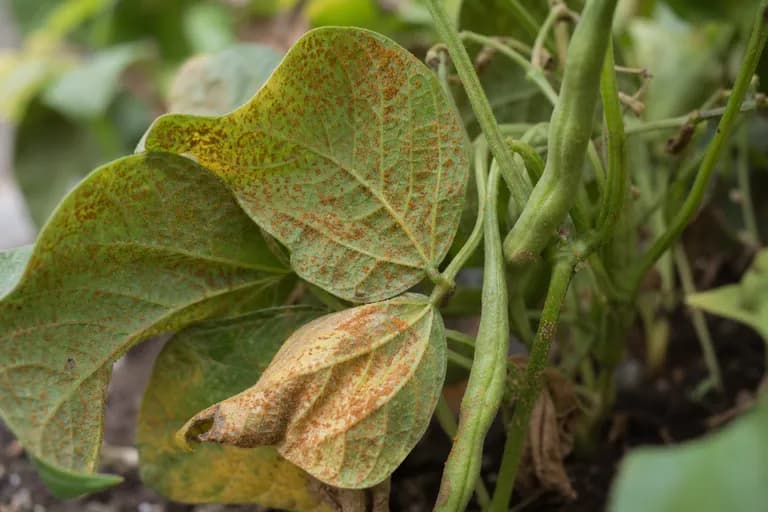
Roya del frijol
EnfermedadPústulas pequeñas de color marrón rojizo a negro en el envés de las hojas, que liberan esporas pulverulentas al tocarlas. Las hojas infectadas se amarillean, se secan y caen prematuramente, reduciendo significativamente el rendimiento.
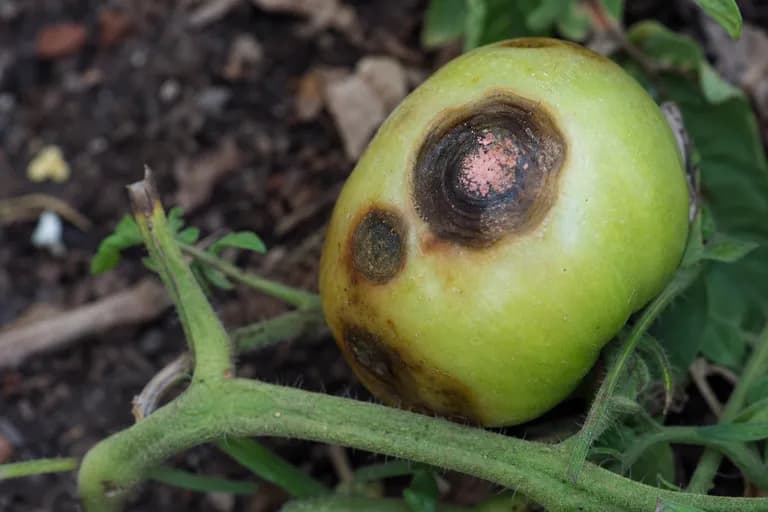
Gusano perforador de vainas
PlagaLas larvas penetran en las vainas y se alimentan de las semillas en desarrollo, dejando agujeros de entrada visibles y excremento oscuro. Las semillas dañadas se deforman y pueden desarrollar pudrición secundaria.
Solución de problemas comunes
El mayor desafío es determinar el momento exacto de cosecha: demasiado pronto y los frijoles son acuosos y sin sabor; demasiado tarde y pierden su color verde distintivo y textura cremosa. La pudrición de vainas durante lluvias prolongadas en la maduración puede arruinar la cosecha. Las heladas tempranas de otoño también pueden dañar los frijoles que aún no han alcanzado la madurez.
Consejos de cultivo
- Harvest timing is everything with flageolets. The window between 'too young' and 'too mature' is only about 7-10 days per planting. Shell a test pod every other day once pods feel plump — the beans should be pale jade-green, tender when pressed with a fingernail, and swollen to about 75% of their full dried size.
- Make successive sowings every 2-3 weeks from late spring through midsummer. This is the single most important technique for a reliable flageolet harvest, as each planting has a narrow ideal harvest window and staggered sowings ensure a steady supply of beans at the perfect stage.
- Do not over-fertilize. Flageolet beans, like all legumes, fix atmospheric nitrogen through symbiotic bacteria in their root nodules. Excess nitrogen from fertilizer promotes lush foliage at the expense of pods and can actually inhibit nitrogen fixation by the roots.
- Water consistently but never overhead during flowering and pod development. Wet foliage invites rust, anthracnose, and white mold — the three most damaging diseases of flageolet beans. Drip irrigation or soaker hoses at the base of plants are ideal.
- Rotate your bean planting location every year and never grow legumes in the same spot more than once every 3-4 years. This breaks disease cycles for soil-borne pathogens like Fusarium wilt and white mold that devastate bean crops.
- If you want to dry flageolets for storage, leave the pods on the plant slightly longer until they have turned pale yellow but are not yet brittle and cracking. Shell promptly and finish drying indoors on screens in a warm, well-ventilated space — never in direct sunlight, which bleaches the green color.
- Inoculate seeds with Rhizobium legume inoculant before planting if your garden has not grown beans or peas in the past 2-3 years. This ensures the nitrogen-fixing bacteria colonize the roots quickly, improving plant health and reducing the need for supplemental feeding.
- Companion plant flageolets with carrots, celery, or summer savory — the French tradition of planting savory alongside beans is not just culinary but practical, as the herb's strong scent helps repel bean beetles and aphids.
Cultiva tu mejor Frijol Flageolet — y todo lo que la rodea.
Empieza un plan gratis hoy. Diseña tus bancales, coloca tu Frijol Flageolet y deja que PlotMyGarden gestione el momento, el espaciado, las asociaciones y los recordatorios de la semilla a la cesta.
Elige tu Frijol Flageolet
Chevrier Vert
La variedad clásica francesa y la más tradicional para flageolets. Semillas de un hermoso verde jade pálido con sabor delicado y cremoso. Planta de porte bajo que no requiere tutores. Madura en 85-90 días.
Flambo
Variedad moderna mejorada con mayor rendimiento y resistencia a enfermedades que Chevrier. Mantiene excelente el color verde pálido característico. Planta semi-erecta de fácil cosecha.
Elsa
Variedad de porte enano muy productiva, ideal para huertos pequeños. Vainas agrupadas que facilitan la cosecha. Semillas de color verde claro uniforme con textura especialmente cremosa.
Flagerano
Variedad trepadora vigorosa que produce abundantes vainas largas. Mayor rendimiento por planta que las variedades de mata baja. Requiere tutores pero ofrece cosecha prolongada.
Dried flageolet beans are among the most expensive common legumes, costing $8-14 per pound at specialty grocery stores and up to $18-24 per pound for imported French-grown Chevrier Vert varieties. A single $3-4 seed packet grows 20-30 plants that can produce 2-4 kg of dried beans — equivalent to $35-110 worth of store-bought flageolets. Fresh shelled flageolets are virtually impossible to buy in most markets outside of France, making home-growing the only realistic way to experience this delicacy at its absolute best.
Recetas rápidas
Classic Flageolets à la Bretonne
45 minThe quintessential French preparation — creamy flageolet beans braised with aromatic vegetables, tomato, and fresh herbs. This is the traditional accompaniment to roast leg of lamb and the dish that elevated flageolets to their legendary status in French gastronomy.
9 ingredientes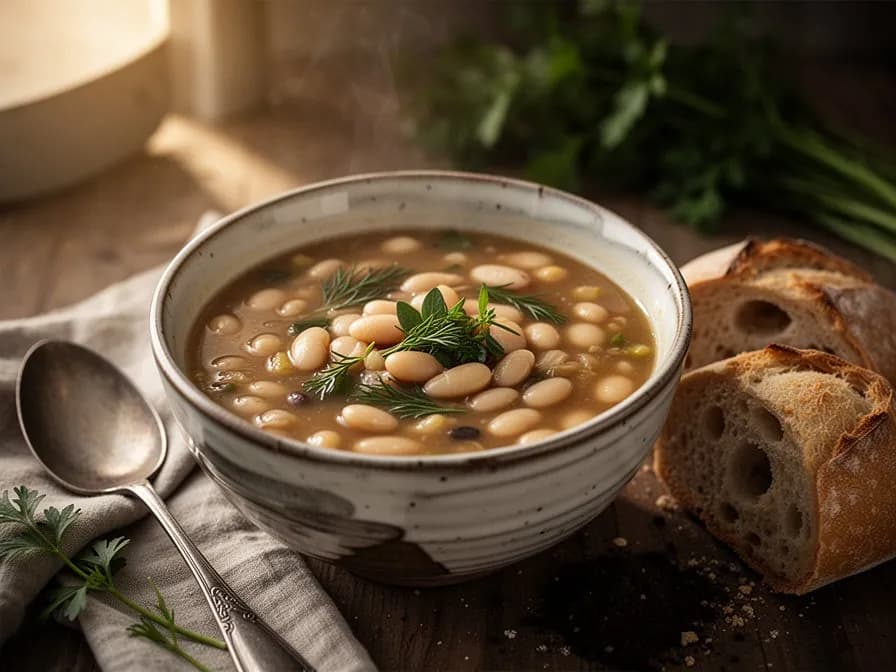
Flageolet Bean Salad with Dijon Vinaigrette
20 minAn elegant, refreshing salad that showcases the delicate flavor and creamy texture of flageolet beans. Tossed with shallots, fresh herbs, and a sharp Dijon mustard vinaigrette, this is a staple of French bistro cuisine and a perfect summer side dish.
8 ingredientesCreamy Flageolet Bean and Herb Purée
30 minA velvety, luxurious purée that rivals the best mashed potatoes as a side dish. The natural creaminess of flageolet beans makes this silky smooth without added cream, and fresh herbs give it a vibrant, elegant character worthy of a fine dining plate.
8 ingredientesUsos culinarios
El flageolet es el acompañamiento clásico del gigot d'agneau (pierna de cordero asada) en la cocina francesa, donde se sirven simplemente guisados con ajo, tomillo y mantequilla. Es ingrediente esencial del cassoulet del Languedoc junto con salchichas y confit de pato. También se prepara en ensaladas tibias con vinagreta de mostaza Dijon, en sopas cremosas y como puré refinado para acompañar carnes y pescados.
Qué contiene
Beneficios para la salud
- Outstanding source of plant-based protein (8.8g per 100g cooked) that, when combined with whole grains, provides all essential amino acids — making flageolet beans a cornerstone of healthy vegetarian and vegan nutrition.
- Exceptionally high in dietary fiber (7.5g per 100g cooked, 30% DV), which promotes digestive regularity, feeds beneficial gut bacteria, and has been linked to reduced risk of colorectal cancer in large population studies.
- Rich in folate (vitamin B9), providing approximately 35% of the daily value per 100g cooked — critical for DNA repair, red blood cell formation, and especially important during pregnancy for preventing neural tube defects.
- Contains resistant starch that passes through the small intestine undigested, functioning as a prebiotic that feeds beneficial bacteria in the colon — this improves gut health and may enhance insulin sensitivity over time.
- Good source of iron (2.5mg per 100g cooked, 14% DV) and magnesium, supporting oxygen transport in the blood, energy metabolism, and cardiovascular health. Pair with vitamin C-rich foods to boost non-heme iron absorption.
- Regular consumption of legumes like flageolet beans is associated with lower LDL cholesterol levels — the soluble fiber binds bile acids in the digestive tract, forcing the liver to use cholesterol to produce more bile, effectively lowering blood cholesterol.
De dónde viene Frijol Flageolet
The flageolet bean (Phaseolus vulgaris) is not a wild species but a deliberately cultivated variety developed in France in the early 19th century. In 1832, Gabriel Chevrier, a farmer in the town of Brétigny-sur-Orge near Arpajon in the Île-de-France region south of Paris, began experimenting with harvesting common kidney beans at an earlier stage of maturity — before the pods had fully dried on the vine. He discovered that beans picked at this semi-mature 'shelling' stage had an exceptionally delicate texture, a subtle and refined flavor, and a beautiful pale jade-green color that set them apart from any bean known at the time. Chevrier selected and stabilized this trait over successive generations, creating the variety that still bears his name: the Chevrier Vert.
The flageolet quickly became one of the most prized ingredients in French cuisine. By the mid-19th century, it had established itself as the essential accompaniment to roast leg of lamb — a pairing so iconic that it became synonymous with French Sunday family cooking and holiday feasting. The bean's delicate, almost creamy flavor and its ability to absorb the juices of roasted meats without becoming mushy made it the preferred legume of French chefs from humble home kitchens to the grandest Parisian restaurants. The Arpajon region became famous for its flageolet production, and an annual bean fair celebrating the harvest drew visitors from across the country.
Today, flageolet beans remain a cornerstone of French gastronomy, though production has expanded beyond the Paris region to include growing areas in Brittany, the Loire Valley, and parts of northern France. The Chevrier Vert remains the most sought-after variety, prized for its superior color retention and flavor. Flageolet cultivation has also spread to parts of California, where the Mediterranean-like climate produces excellent results. Despite this expansion, demand consistently outstrips supply, and genuine French-grown flageolets command premium prices in specialty markets worldwide.
Frijol Flageolet: ¿sabías que?
Datos fascinantes sobre Frijol Flageolet
Flageolet beans were developed in France in 1832 by Gabriel Chevrier, a farmer near Arpajon south of Paris, who discovered that harvesting common beans at the semi-mature stage produced an exceptionally tender, delicately flavored bean with a pale jade-green color unlike any other variety.
Frijol Flageolet: preguntas frecuentes
¿Cuándo debo plantar Frijol Flageolet?
¿Cuáles son buenas plantas acompañantes para Frijol Flageolet?
¿En qué zonas de rusticidad puede crecer Frijol Flageolet?
¿Cuánto sol necesita Frijol Flageolet?
¿A qué distancia debo espaciar Frijol Flageolet?
¿Qué plagas y enfermedades afectan a Frijol Flageolet?
¿Cómo almaceno Frijol Flageolet después de la cosecha?
¿Cuáles son las mejores variedades de Frijol Flageolet para cultivar?
¿Qué suelo necesita Frijol Flageolet?
What is the difference between flageolet beans and other white beans like cannellini or navy beans?
Can I grow flageolet beans from dried beans purchased at the grocery store?
Do flageolet beans need a trellis or support structure?
Why are my flageolet beans white instead of green after drying?
How long do dried flageolet beans keep, and do they need to be soaked before cooking?
When is the best time to harvest flageolet beans for fresh eating versus drying?
Acabas de leer la teoría. Ahora cultívala en piloto automático.
Todo lo que hace que Frijol Flageolet sea delicado — el momento, el espaciado, las asociaciones, la ventana de cosecha — es justo lo que PlotMyGarden resuelve por ti, para cada planta de tu huerto.
Un plan que conoce tu clima
Indica tu ubicación una vez. Recibe fechas de siembra, abonado y cosecha basadas en tu última helada real y el pronóstico en vivo — sin adivinar con un sobre genérico.
De la sección “Cuándo plantar”Planificador de bancales de arrastrar y soltar
Diseña bancales sobre una cuadrícula. Cada planta encaja con su espaciado correcto y ves toda la temporada antes de gastar un céntimo en semillas.
De la sección “Cultivo”Conflictos de asociación, detectados a tiempo
Más de 200 buenas y malas combinaciones comprobadas en vivo mientras plantas — para que un error que arruine la temporada nunca llegue a la tierra.
De la sección “Asociaciones”Recordatorios que sí vas a seguir
“Riega las judías.” “Recoge hoy antes de que se pase.” Oportunos, concretos y ligados a las plantas que de verdad cultivas.
De la sección “Cosecha”Escalonado, programado
¿Quieres cosechar seis semanas en vez de seis días? Reparte tus siembras automáticamente y te avisa cuando toca el siguiente lote.
De la sección “Cuándo plantar”Un registro que se vuelve más listo
Cada cosecha que registras le enseña tu huerto. El plan del año que viene parte de lo que de verdad funcionó en tu suelo, no en un manual.
De la sección “Resumen”Planta estos junto a Frijol Flageolet
Más Legumbres
Mantén Frijol Flageolet lejos de estos
Cultiva tu mejor Frijol Flageolet — y todo lo que la rodea.
Empieza un plan gratis hoy. Diseña tus bancales, coloca tu Frijol Flageolet y deja que PlotMyGarden gestione el momento, el espaciado, las asociaciones y los recordatorios de la semilla a la cesta.