Reina de la Pradera
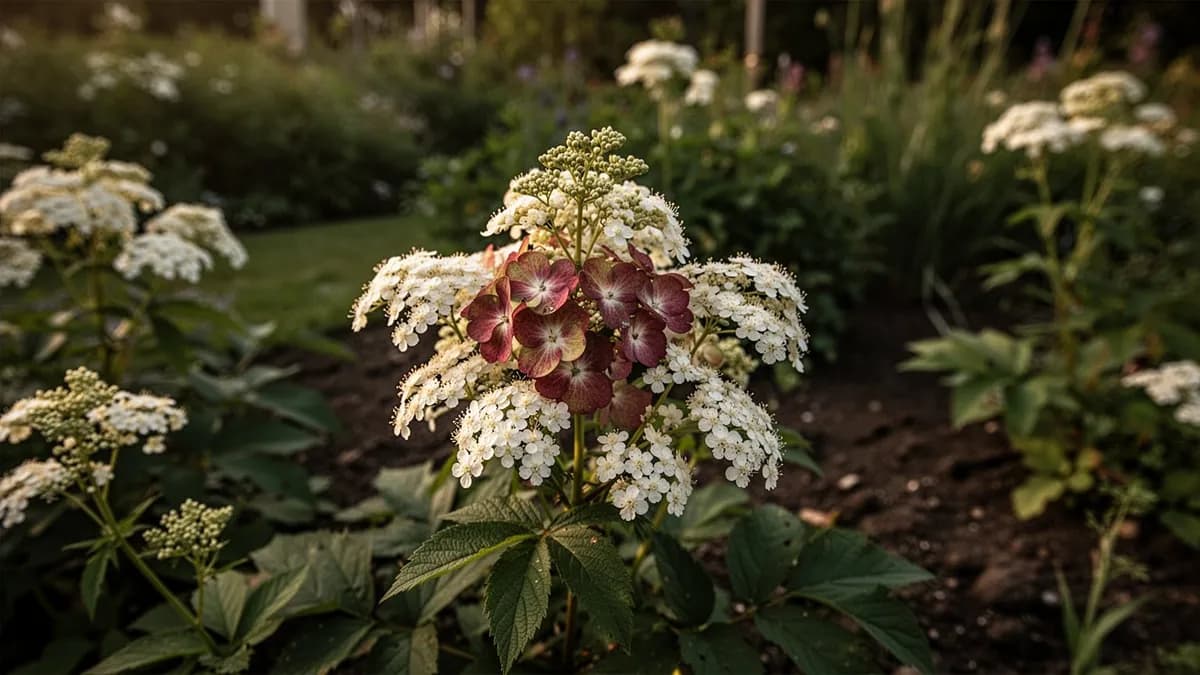
Una majestuosa vivaz nativa con grandes penachos esponjosos de flores rosa caramelo sobre tallos altos con follaje profundamente recortado.





En esta páginaResumen
Conoce Reina de la Pradera
Una majestuosa vivaz nativa con grandes penachos esponjosos de flores rosa caramelo sobre tallos altos con follaje profundamente recortado. La reina de la pradera prospera en suelos consistentemente humedos a encharcados y es ideal para jardines de lluvia, margenes de estanques y plantaciones naturalistas. Se extiende por rizomas y puede formar colonias impresionantes en condiciones favorables.
Cuándo plantar Reina de la Pradera
Siembre las semillas sobre la superficie de compost humedo en otono: necesitan estratificacion en frio. Deje las macetas en el exterior durante el invierno. La germinacion se produce en primavera. Las plantulas crecen lentamente. La division en primavera temprana es mas rapida y garantiza plantas fieles al tipo.
Tu año de Reina de la Pradera
Ajustado a Zona 7 · temporada típica · la helada se va hacia el 2 abr y vuelve hacia el 1 nov
Planta Reina de la Pradera Mar – May y cosecha Jun – Jul. Consulta los métodos de plantación y elige tu clima para adaptar los periodos.
Cómo cultivar Reina de la Pradera
La reina de la pradera es una vivaz nativa amante de la humedad que crea exhibiciones dramaticas en zonas humedas. Plante en primavera, con una separacion de 60-90 cm, en sombra parcial a pleno sol y con suelo consistentemente humedo a encharcado. Destaca en margenes de estanques, orillas de arroyos y jardines de lluvia.
Los grandes penachos esponjosos de flores rosa caramelo aparecen a mediados del verano sobre robustos tallos de 120-180 cm. El follaje profundamente dividido de color verde oscuro resulta atractivo durante toda la temporada. La reina de la pradera se extiende por rizomas subterraneos y puede formar colonias impresionantes, por lo que conviene darle espacio o usar barreras para contenerla.
Esta planta exige humedad constante: se marchitara dramaticamente y puede morir en condiciones secas. En pleno sol se necesita agua adicional. La sombra ligera reduce las necesidades de riego. Pode los penachos de flores marchitas para mantener un aspecto ordenado y evitar la autosiembre.
8 plantas caben en un bancal de 120 × 240 cm
Cada Reina de la Pradera pide 60 cm de margen. El planificador guarda ese marco por ti — cada planta, cada bancal.
Los mejores vecinos de Reina de la Pradera
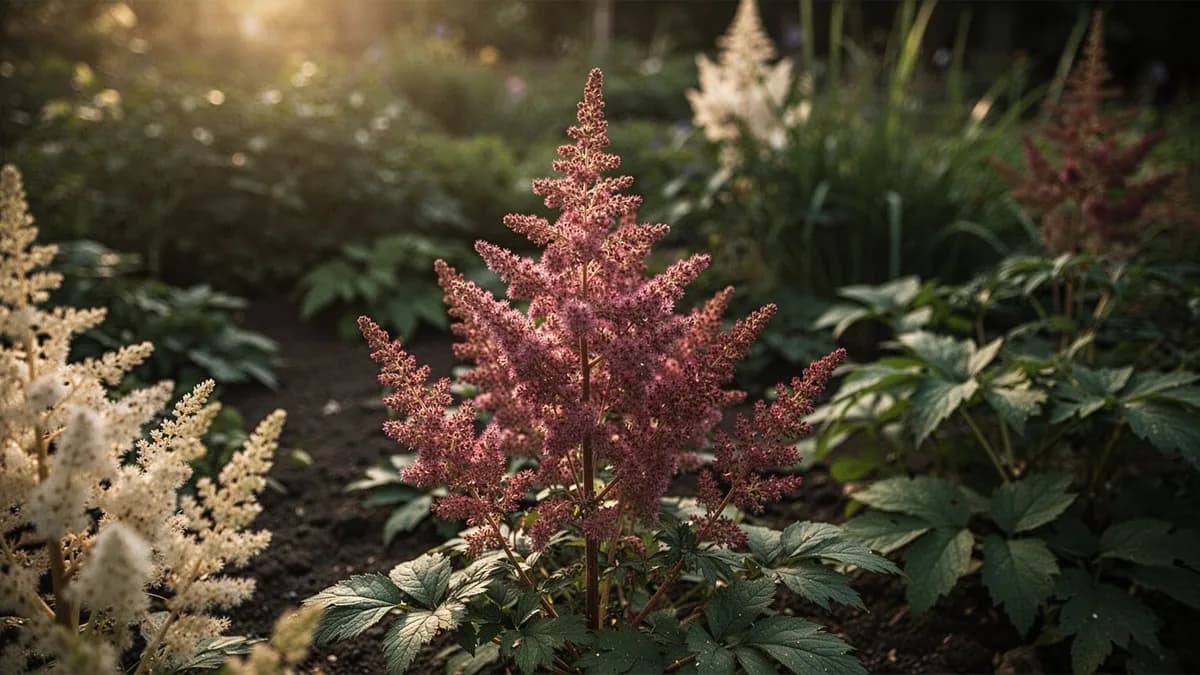
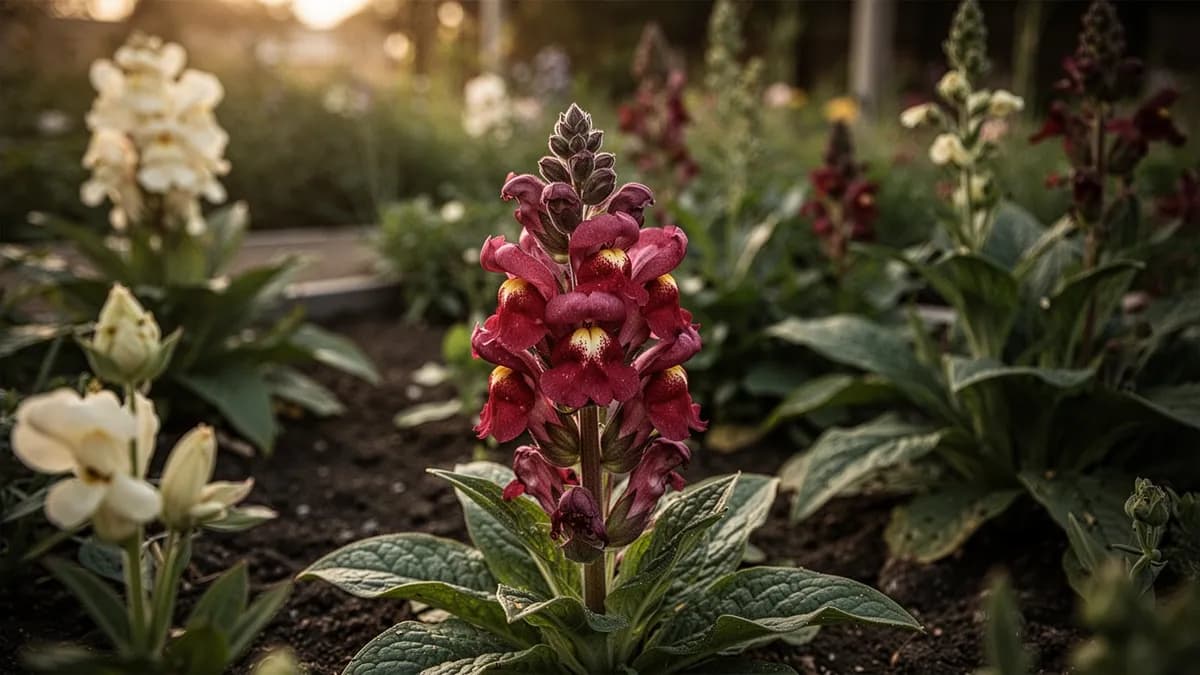
La reina de la pradera se combina de forma natural con otras plantas gigantes amantes de la humedad: eupatorio, ironweed y flor cardinal. En jardines de lluvia, combínela con chelone, lobelia cardinalis y gramineas ornamentales. Los atrevidos penachos rosas contrastan de forma hermosa con las espigas azules de la lobelia siphilitica.
Astilbe va a su lado.
Saber de huerto de siempre, cotejado con la tabla real de Reina de la Pradera — prueba cualquier planta que cultives.
Prueba Reina de la Pradera en un bancal, aquí mismo
Un bancal real del planificador con Reina de la Pradera ya plantado. Toca una planta compañera para colocarla y mira cómo responde la comprobación de vecinos: verde para buenos vecinos, rojo si hay conflicto.


Guías de cultivo relacionadas
Abónalo bien
La reina de la pradera exige un suelo rico y consistentemente humedo a encharcado con un pH de 5.5-7.0. La arcilla pesada es perfectamente aceptable si se mantiene humeda. Enmiende con compost y aplique un mantillo abundante. Aplique fertilizante equilibrado en primavera. Esta planta no tolera la sequia bajo ninguna circunstancia.
Temperatura ideal
Compatibilidad de zonas de rusticidad
De la semilla a la cosecha, etapa por etapa
Rizoma en Reposo
Las divisiones de rizoma o coronas de raiz desnuda se plantan a principios de primavera o en otono. El crecimiento subterraneo comienza cuando las raices se establecen en un suelo consistentemente humedo.
Emergencia Primaveral
Brotes de color verde rojizo emergen del suelo cuando las temperaturas suben por encima de 10 °C. Las rosetas basales de hojas palmeadas profundamente recortadas se desarrollan rapidamente.
Crecimiento Vegetativo
Los robustos tallos se alargan rapidamente, alcanzando entre 120 y 180 cm de altura. Las grandes hojas compuestas de bordes dentados se expanden a lo largo de los tallos formando un impresionante macizo erguido.
Floracion
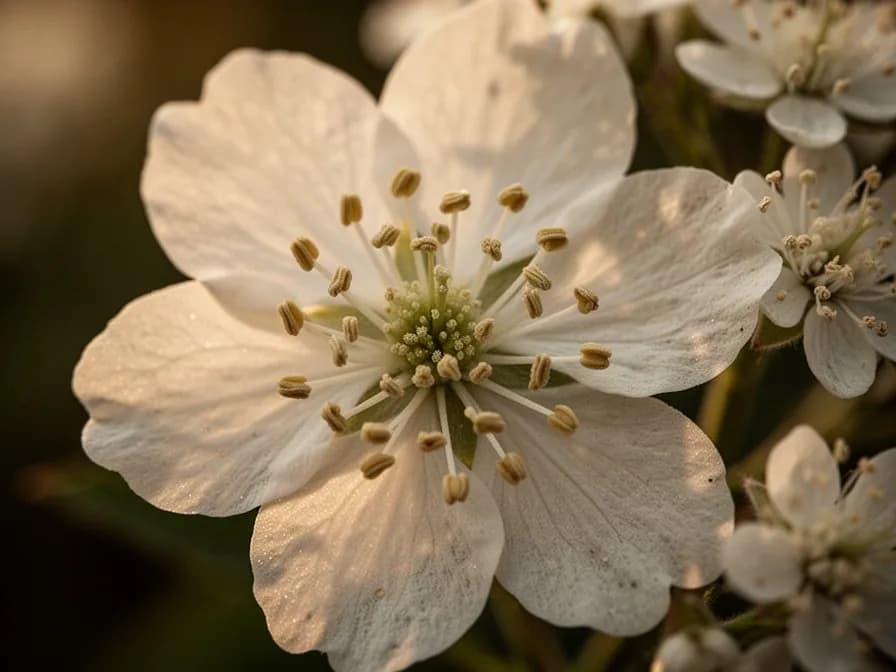
Grandes paniculas terminales de flores de color rosa intenso a rosado florecen de junio a agosto. Cada racimo en forma de penacho puede alcanzar entre 15 y 23 cm de diametro y emite una suave fragancia similar a la almendra.
Formacion de Semillas y Final del Verano
Las flores fecundadas desarrollan pequenas capsulas de semillas secas que pasan del verde al marron rojizo. El follaje comienza a amarillear en los bordes a medida que la planta redirige la energia hacia el rizoma.
Senescencia Otoñal
Las hojas adquieren tonos dorado-bronceados antes de secarse. La planta entra en letargo a medida que descienden las temperaturas, almacenando energia en el rizoma para la siguiente temporada.
Letargo Invernal
El rizoma permanece vivo bajo tierra durante el invierno, tolerando temperaturas muy por debajo de cero en las zonas USDA 3 a 9. No se aprecia crecimiento sobre el suelo.
Mantenga el suelo uniformemente humedo pero sin encharcar. Plante los rizomas a 2.5-5 cm de profundidad con los puntos de crecimiento hacia arriba.
Cuidar Reina de la Pradera mes a mes
Qué hacer cada mes para tu Reina de la Pradera
Octubre
Mes actualCorte el follaje tras la primera helada fuerte o dejelo en pie para aportar interes invernal. Aplique una capa nueva de mantillo alrededor de la base de la planta.
Ten claro qué hacer en tu huerto, cada mes
Un correo al empezar cada mes: qué sembrar, plantar y hacer ahora mismo — para tu Reina de la Pradera y todo lo que crece alrededor. Más un breve curso inicial para esquivar los errores clásicos.
- Qué hacer ahora mismo
- Ajustado a tu temporada
- Curso inicial incluido
Cosechar Reina de la Pradera
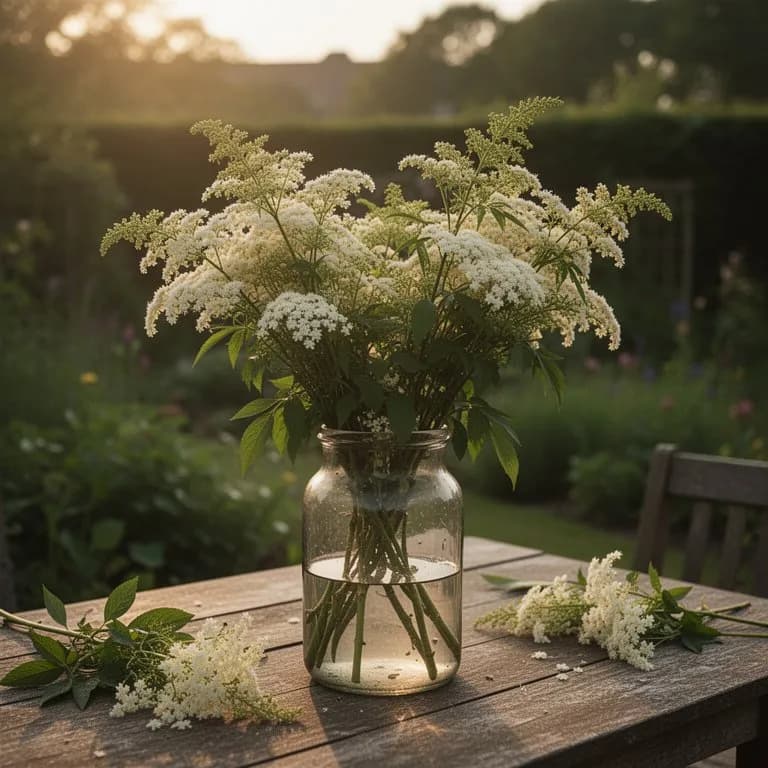
Corte los esponjosos penachos rosas para arreglos florales dramaticos cuando aproximadamente tres cuartas partes de los pequenos floretes se hayan abierto. Los penachos son espectaculares en composiciones a gran escala y duran 5-7 dias en agua. Tambien pueden secarse colgandolos boca abajo, aunque pierden algo de su calidad esponjosa.
se supone que plantas al comenzar el periodo — indica tu fecha real
Cosecha Reina de la Pradera a tiempo y la planta sigue produciendo.
Almacenamiento y conservación
La reina de la pradera es completamente resistente al frio y no necesita almacenamiento especial. Corte hasta el nivel del suelo tras las heladas. Divida cada 3-4 anos en primavera para controlar la expansion y mantener el vigor. La division es el metodo de propagacion mas sencillo.
Qué falla — y cómo solucionarlo
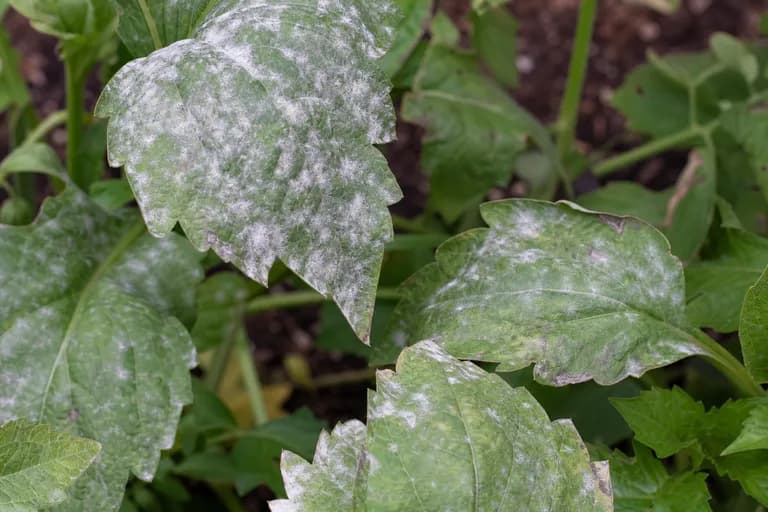
Oidio
EnfermedadRecubrimiento blanco en las hojas en condiciones secas. Inusual en una planta amante de la humedad.
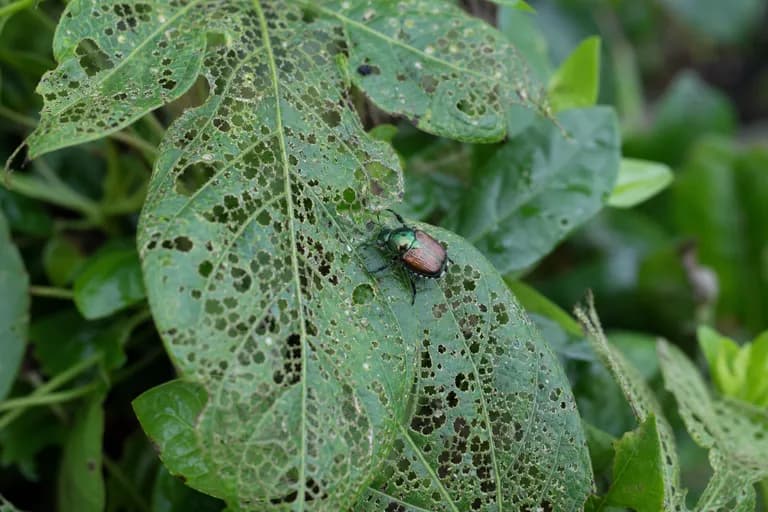
Escarabajo japones
PlagaHojas esqueletizadas con solo las venas visibles. Escarabajos de color verde-bronce metalico visibles sobre el follaje.
Solución de problemas comunes
La sequia mata a la reina de la pradera. La humedad constante es absolutamente esencial. La expansion agresiva por rizomas puede requerir contension en jardines pequenos. Las plantas a pleno sol sin humedad adecuada se quemaran y marchitaran. El oidio puede aparecer ironicamente en condiciones secas: cuando las propias necesidades de humedad de la planta estan satisfechas, esta queda protegida frente a este problema.
Consejos de cultivo
- Plante la filipendula en suelo consistentemente humedo a encharcado; crece de forma natural junto a arroyos y en praderas humedas y no prosperara en condiciones secas.
- Proporcione pleno sol en jardines del norte (zonas 3 a 5), pero ofrezca sombra por las tardes en las zonas 6 a 9 para evitar la quemadura del follaje durante los veranos calurosos.
- Enmiende los hoyos de plantacion con generosas cantidades de compost o estiercol bien maduro para mejorar la retencion de humedad en suelos de jardin medios.
- Separe las plantas entre 45 y 60 cm para dar cabida a su habito expansivo y al mismo tiempo crear el efecto de masa que muestra la planta en su mejor momento.
- Aplique un mantillo abundante de 5-7 cm de material organico como corteza triturada o mold de hojas para mantener las raices frescas y humedas durante todo el verano.
- Evite plantar en bancales elevados o macetas que se sequen rapidamente, ya que la filipendula exige una humedad mas constante que la mayoria de las vivaces.
- Divida las matas apiñadas cada 3-4 anos a principios de primavera o en otono para mantener el vigor y evitar que el centro de la mata muera.
- La filipendula es una opcion excelente para jardines de lluvia, biozanjas y zonas bajas donde el agua se acumula tras las tormentas y otras plantas tienen dificultades.
- Combínela con vivaces complementarias amantes de la humedad como el eupatorio, la flor cardinal, el ironweed y los helechos nativos para crear una composicion naturalista.
- Vigile el oidio en climas humedos asegurando una buena circulacion de aire alrededor de las plantas y evitando el riego por aspersion a ultima hora del dia.
Cultiva tu mejor Reina de la Pradera — y todo lo que la rodea.
Empieza un plan gratis hoy. Diseña tus bancales, coloca tu Reina de la Pradera y deja que PlotMyGarden gestione el momento, el espaciado, las asociaciones y los recordatorios de la semilla a la cesta.
Elige tu Reina de la Pradera
Filipendula rubra 'Venusta'
Penachos de un rosa intenso sobre tallos de 150-180 cm. La seleccion mas popular y ampliamente disponible.
Filipendula ulmaria 'Aurea'
Follaje amarillo dorado que ilumina zonas humedas y sombrías. Flores blancas. Reina de los prados europea.
Filipendula purpurea
Flores de un intenso carmesi purpureo. Mas compacta, de 90-120 cm. Especie japonesa.
Una sola division de rizoma de filipendula con un coste de entre 8 y 15 euros puede multiplicarse hasta formar una colonia sustancial en 3-4 anos mediante la expansion natural de los rizomas y la division. Cada mata madura puede dividirse en 4-6 plantas nuevas cada 3 anos, llenando rapidamente grandes areas del jardin sin coste adicional. En comparacion con la compra de plantas de temporada cada ano, una unica inversion en reina de la pradera proporciona decadas de cobertura fiable y de bajo mantenimiento para zonas de jardin humedas, jardines de lluvia y paisajes naturalizados.
Recetas rápidas
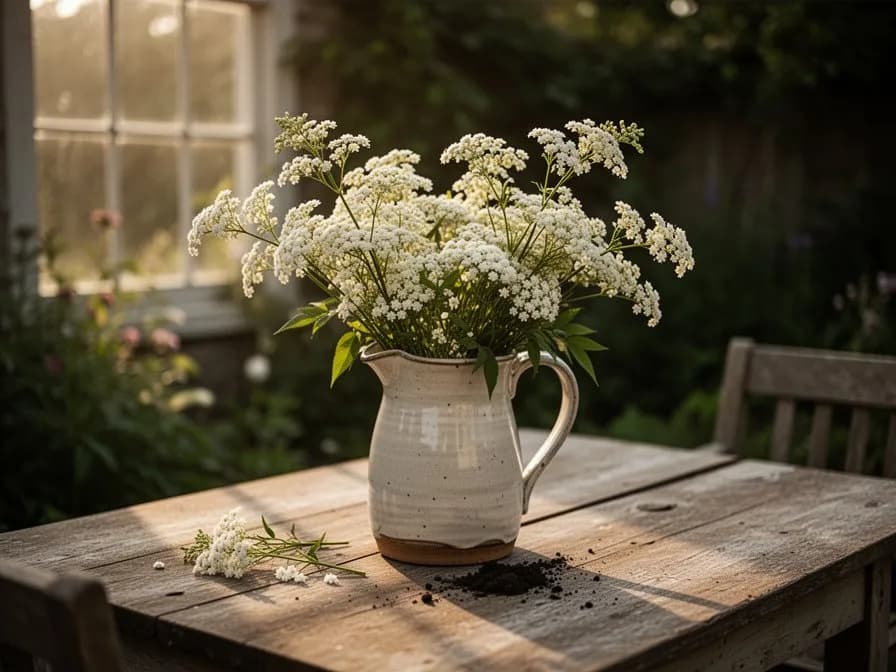
Te de Flores de Filipendula
10 minutosUna reconfortante infusion herbal elaborada con flores secas de filipendula de aroma dulce y similar a la almendra. Utilizada tradicionalmente como te digestivo suave y calmante.
4 ingredientesJarabe de Flores de Filipendula
30 minutos mas una noche de maceracionUn fragante jarabe floral que captura el dulce aroma de pradera de las flores de filipendula. Ideal para aromatizar limonadas, cocteleria, agua con gas o rociar sobre postres.
5 ingredientesVinagre Herbal Aromatizado con Reina de los Prados
15 minutos mas 2 semanas de maceracionUn vinagre herbal de sabor delicado infusionado con flores de filipendula. Excelente en aliños de ensalada, marinadas o como base de shrub para bebidas.
4 ingredientesQué contiene
Beneficios para la salud
- Contiene salicilatos naturales similares a la aspirina que pueden ayudar a reducir la inflamacion y aliviar los dolores leves cuando se consume en infusion
- Los taninos y la mucilago de las flores y hojas favorecen la salud digestiva al calmar el revestimiento del estomago y reducir el exceso de acidez
- Los compuestos flavonoides, incluidos la quercetina y la rutina, proporcionan actividad antioxidante que ayuda a proteger las celulas del estres oxidativo
- Uso herbal tradicional como diaforetico suave para favorecer la transpiracion y ayudar al organismo a controlar la fiebre durante los resfriados y la gripe
- Las propiedades astringentes de la planta se han utilizado en la medicina popular para tratar la diarrea leve y favorecer la funcion intestinal saludable
- La suave accion antiinflamatoria puede ayudar a aliviar los dolores de cabeza y las molestias articulares sin la irritacion gastrica asociada comunmente a la aspirina sintetica
De dónde viene Reina de la Pradera
Filipendula rubra, conocida comunmente como reina de la pradera, es una elegante vivaz herbacea nativa del este y centro de los Estados Unidos. Su area de distribucion natural se extiende desde la region de los Grandes Lagos hacia el sur, a traves de los pastizales de pradera alta de Illinois, Indiana, Iowa, y hasta poblaciones dispersas en las tierras altas de los Apalaches en Pensilvania, Virginia Occidental y Georgia. La planta prospera en praderas humedas, orillas de arroyos, praderas encharcadas y margenes de turberas y pantanos donde el suelo permanece consistentemente humedo durante toda la temporada de crecimiento. Los colonos europeos se encontraron con esta llamativa flor silvestre al avanzar hacia el oeste del continente en los siglos XVIII y XIX, y pronto fue introducida en jardines ornamentales tanto en America del Norte como en Europa. El nombre del genero Filipendula deriva de las palabras latinas filum, que significa hilo, y pendulus, que significa colgante, en referencia a los tuberculos radicales de la especie europea relacionada Filipendula vulgaris, que cuelgan unidos por fibras radicales en forma de hilo. Estrechamente relacionada con la reina de los prados (Filipendula ulmaria), una especie europea con una larga historia en la medicina herbal, la reina de la pradera comparte muchos de los mismos compuestos medicinales, incluidos los salicilatos. Los pueblos indigenas de America del Norte valoraban la planta tanto por sus usos practicos como ceremoniales, empleando decocciones de raiz para tratar afecciones cardiacas y usando las fragantes flores en diversas practicas culturales. A mediados del siglo XX, las poblaciones silvestres habian disminuido significativamente debido a la conversion generalizada de habitats de pradera y humedal en tierras agricolas. Hoy la especie esta catalogada como amenazada o en peligro en varios estados, lo que hace del cultivo en jardin un importante acto de conservacion. El cultivar Venusta, seleccionado por sus flores de color especialmente intenso, recibio el Premio al Merito de Jardin de la Real Sociedad de Horticultura y sigue siendo la forma mas popular en cultivo en todo el mundo.
Reina de la Pradera: ¿sabías que?
Datos fascinantes sobre Reina de la Pradera
Filipendula rubra es una de las vivaces de pradera nativas mas altas de America del Norte, alcanzando con frecuencia entre 180 y 240 cm en condiciones ideales, superando en altura a la mayoria de las demas flores silvestres.
Reina de la Pradera: preguntas frecuentes
¿Cuándo debo plantar Reina de la Pradera?
¿Cuáles son buenas plantas acompañantes para Reina de la Pradera?
¿En qué zonas de rusticidad puede crecer Reina de la Pradera?
¿Cuánto sol necesita Reina de la Pradera?
¿A qué distancia debo espaciar Reina de la Pradera?
¿Qué plagas y enfermedades afectan a Reina de la Pradera?
¿Cómo almaceno Reina de la Pradera después de la cosecha?
¿Cuáles son las mejores variedades de Reina de la Pradera para cultivar?
¿Qué suelo necesita Reina de la Pradera?
¿Es la filipendula lo mismo que la reina de los prados?
¿Como controlo la expansion de la reina de la pradera?
¿Puede la filipendula crecer en suelo de jardin normal que no este encharcado?
¿Es seguro consumir la filipendula en infusion herbal?
¿Por que las hojas de mi filipendula se estan poniendo marrones en los bordes?
¿Cual es el mejor momento para dividir la filipendula?
Acabas de leer la teoría. Ahora cultívala en piloto automático.
Todo lo que hace que Reina de la Pradera sea delicado — el momento, el espaciado, las asociaciones, la ventana de cosecha — es justo lo que PlotMyGarden resuelve por ti, para cada planta de tu huerto.
Un plan que conoce tu clima
Indica tu ubicación una vez. Recibe fechas de siembra, abonado y cosecha basadas en tu última helada real y el pronóstico en vivo — sin adivinar con un sobre genérico.
De la sección “Cuándo plantar”Planificador de bancales de arrastrar y soltar
Diseña bancales sobre una cuadrícula. Cada planta encaja con su espaciado correcto y ves toda la temporada antes de gastar un céntimo en semillas.
De la sección “Cultivo”Conflictos de asociación, detectados a tiempo
Más de 200 buenas y malas combinaciones comprobadas en vivo mientras plantas — para que un error que arruine la temporada nunca llegue a la tierra.
De la sección “Asociaciones”Recordatorios que sí vas a seguir
“Riega las judías.” “Recoge hoy antes de que se pase.” Oportunos, concretos y ligados a las plantas que de verdad cultivas.
De la sección “Cosecha”Escalonado, programado
¿Quieres cosechar seis semanas en vez de seis días? Reparte tus siembras automáticamente y te avisa cuando toca el siguiente lote.
De la sección “Cuándo plantar”Un registro que se vuelve más listo
Cada cosecha que registras le enseña tu huerto. El plan del año que viene parte de lo que de verdad funcionó en tu suelo, no en un manual.
De la sección “Resumen”Planta estos junto a Reina de la Pradera
Más Perennes
Cultiva tu mejor Reina de la Pradera — y todo lo que la rodea.
Empieza un plan gratis hoy. Diseña tus bancales, coloca tu Reina de la Pradera y deja que PlotMyGarden gestione el momento, el espaciado, las asociaciones y los recordatorios de la semilla a la cesta.