Lirio Cola de Zorro
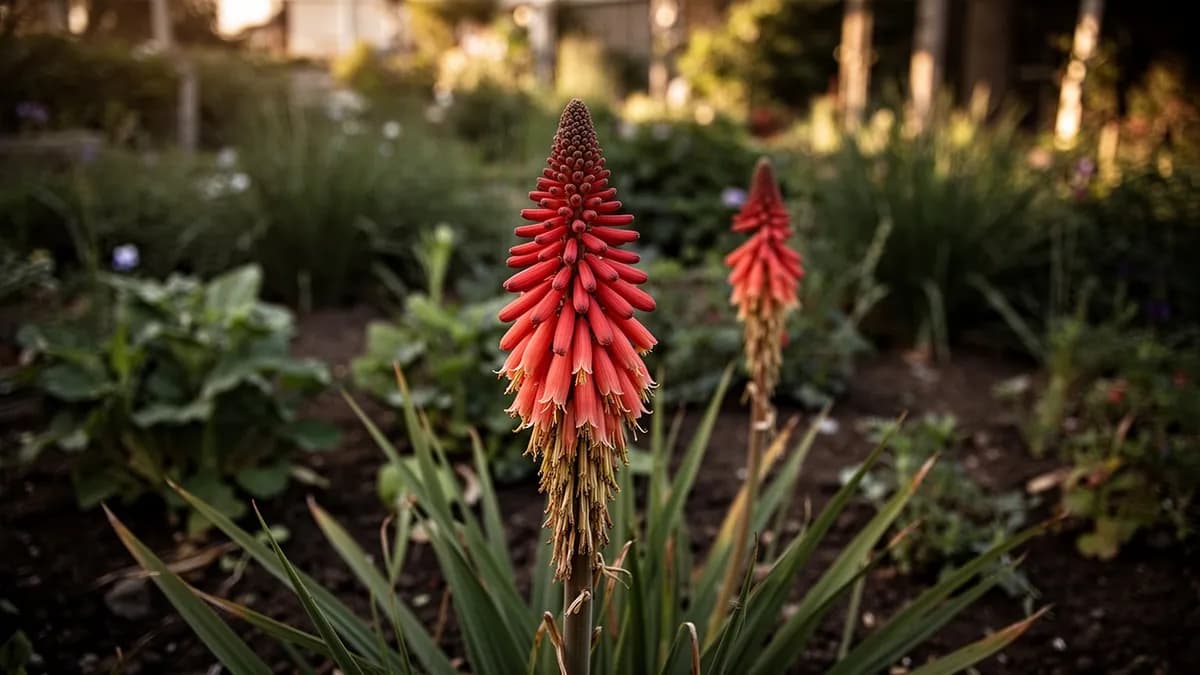
Un bulbo espectacular que eleva imponentes espigas de estrellas en amarillo, naranja, rosa o blanco que pueden superar los dos metros de altura.





En esta páginaResumen
Conoce Lirio Cola de Zorro
Un bulbo espectacular que eleva imponentes espigas de estrellas en amarillo, naranja, rosa o blanco que pueden superar los dos metros de altura. Los lirios cola de zorro exigen un drenaje excelente y una dormancia estival seca, lo que los convierte en la planta ideal para jardines de grava y arriates elevados. Plante las raices tuberosas en forma de pulpo con delicadeza sobre un montículo de arena gruesa para evitar la pudricion de la corona.
Cuándo plantar Lirio Cola de Zorro
El eremurus puede cultivarse a partir de semillas sembradas frescas en otoño en macetas profundas de compost arenoso. Las semillas requieren estratificacion con frio invernal y suelen germinar de forma erratica durante una o dos primaveras. Cultive las plantulas en recipientes profundos durante al menos dos anos antes de trasplantarlas al exterior, ya que el sistema radicular en desarrollo necesita profundidad. Las plantas obtenidas de semillas tardan de cuatro a seis anos en alcanzar el tamano florifero, por lo que este es un metodo para el jardinero paciente. La division de matas establecidas en otoño es mas rapida, pero igualmente requiere una manipulacion cuidadosa.
Tu año de Lirio Cola de Zorro
Ajustado a Zona 7 · temporada típica · la helada se va hacia el 2 abr y vuelve hacia el 1 nov
Planta Lirio Cola de Zorro Sep – Oct y cosecha May – Jul. Consulta los métodos de plantación y elige tu clima para adaptar los periodos.
Cómo cultivar Lirio Cola de Zorro
Plante las raices de eremurus en otoño, manejando con sumo cuidado las fragilisimas raices tuberosas en forma de pulpo para evitar que se rompan. Cave un hoyo amplio y poco profundo y forme un monticulo de arena gruesa o gravilla en el centro. Extienda las raices uniformemente sobre el monticulo con la corona central justo al nivel del suelo o ligeramente por debajo. Rellene con una mezcla de tierra de jardin y arena gruesa para garantizar un drenaje perfecto alrededor de la corona.
El lirio cola de zorro exige pleno sol y un drenaje excelente por encima de todo. Procede de las estepas secas de Asia Central y necesita un periodo de dormancia estival seca para prosperar. Los arriates elevados, los jardines de grava y las laderas orientadas al sur son ubicaciones ideales. Los suelos arcillosos pesados deben enmendarse abundantemente con gravilla y arena, o las raices se pudriran.
Proteja los brotes emergentes de las heladas tardias en primavera cubriendolos con una capa gruesa de paja o helecho seco, ya que el crecimiento joven es sensible a las heladas aunque las raices sean resistentes. Retire la proteccion una vez pasado el riesgo de heladas fuertes. Entutore las variedades altas en ubicaciones expuestas para evitar que las magnificas espigas florales se vuelquen con el viento. Evite remover las plantas establecidas, ya que las raices no toleran ser transplantadas.
8 plantas caben en un bancal de 120 × 240 cm
Cada Lirio Cola de Zorro pide 60 cm de margen. El planificador guarda ese marco por ti — cada planta, cada bancal.
Los mejores vecinos de Lirio Cola de Zorro
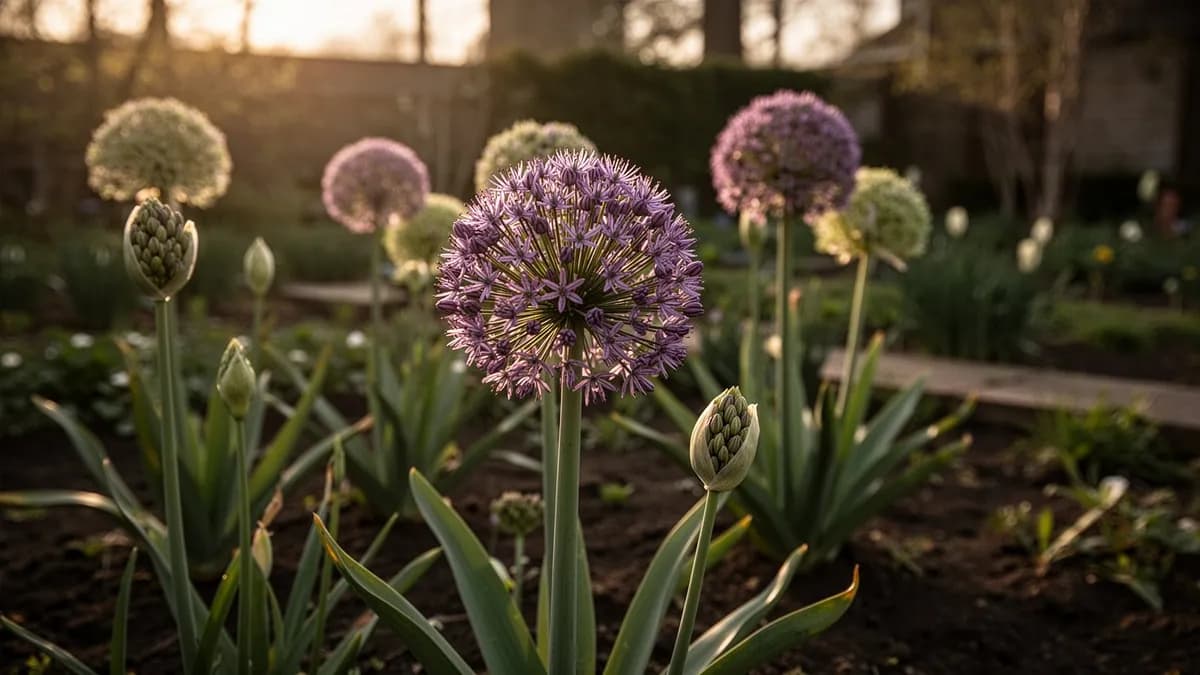
El eremurus crea un impresionante acento vertical en jardines de grava junto a alliums, aquileas y gramineas ornamentales. Plante en el centro del arriate con vivaces mas bajas al frente para disimular el modesto follaje basal. Combina perfectamente con plantas mediterraneas como lavanda, romero y nepeta que comparten su preferencia por condiciones secas y bien drenadas. Las espigas imponentes crean contrastes sorprendentes con formas vegetales redondeadas u horizontales.
Allium ornamental va a su lado.
Saber de huerto de siempre, cotejado con la tabla real de Lirio Cola de Zorro — prueba cualquier planta que cultives.
Prueba Lirio Cola de Zorro en un bancal, aquí mismo
Un bancal real del planificador con Lirio Cola de Zorro ya plantado. Toca una planta compañera para colocarla y mira cómo responde la comprobación de vecinos: verde para buenos vecinos, rojo si hay conflicto.


Guías de cultivo relacionadas
Abónalo bien
El eremurus exige un suelo arenoso o pedregoso de drenaje rapido con un pH de 6.5 a 8.0. La arcilla pesada es su peor enemiga y debe enmendarse a fondo con gravilla, arena gruesa y compost. Los arriates elevados rellenos con una mezcla de drenaje libre son con frecuencia la mejor solucion. Aplique una ligera dosis de harina de huesos en el momento de la plantacion y un abono granular equilibrado a principios de primavera cuando comienza el crecimiento. Evite los fertilizantes ricos en nitrogeno, que favorecen un follaje exuberante pero tallos debiles.
Temperatura ideal
Compatibilidad de zonas de rusticidad
De la semilla a la cosecha, etapa por etapa
Plantacion de la corona radicular
Plante las carnosas coronas radiculares en forma de pulpo en otoño, colocandolas sobre un monticulo de arena gruesa o gravilla en un hoyo amplio de unos 15 cm de profundidad. Las raices fragiles se extienden hacia afuera y deben manejarse con cuidado para evitar que se rompan. Espacie las coronas de 60 a 90 cm para dar cabida a las matas maduras.
Emergencia primaveral
A principios o mediados de primavera, rosetas de hojas estrechas y aquilladas en forma de correuela asoman por la superficie del suelo. El follaje crece rapidamente, formando una mata basal de 30 a 60 cm de diametro. En esta fase los brotes jovenes son extremadamente vulnerables a las heladas tardias, que pueden danar o destruir los puntos de crecimiento emergentes.
Desarrollo foliar y acumulacion de energia
Las hojas en forma de correuela se alargan hasta 30-90 cm y comienzan a fotosintetizar activamente, canalizando energia hacia la carnosa corona radicular para la produccion de espigas florales. El follaje forma una roseta en forma de fuente a ras del suelo. La cantidad de luz y la humedad adecuada durante esta fase influyen directamente en el tamano de la espiga floral venidera.
Elongacion de la espiga floral
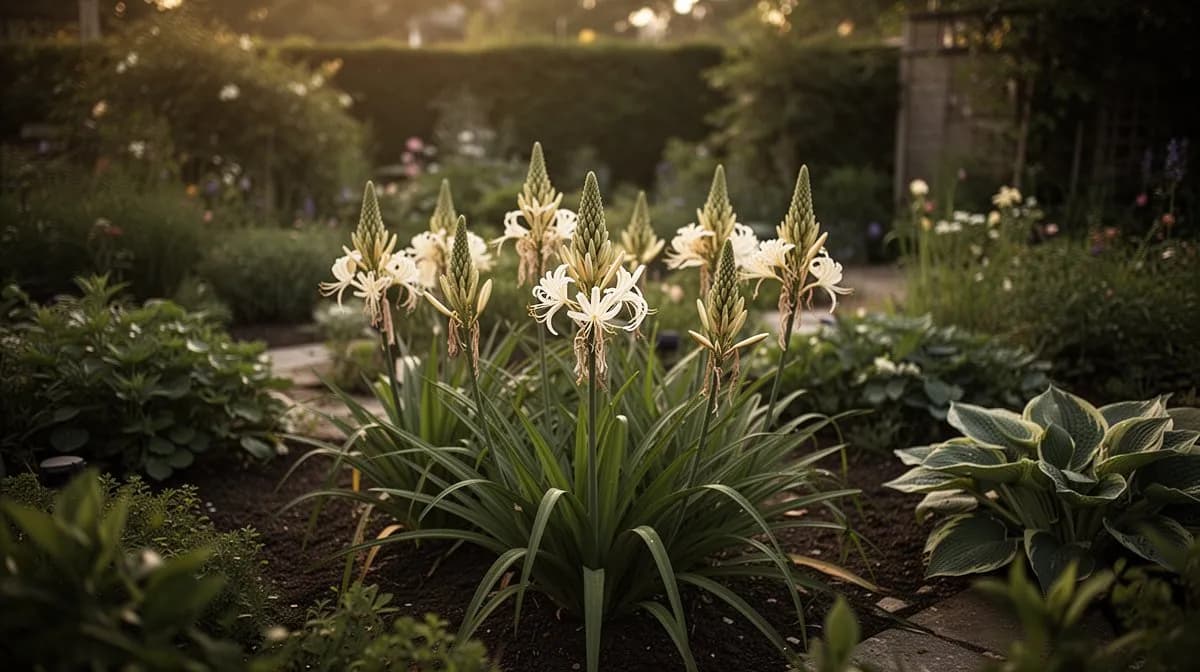
Un grueso y robusto tallo floral surge rapidamente del centro de la roseta de hojas, alargandose varios centimetros al dia en buenas condiciones. La espiga emergente esta densamente repleta de cientos de pequenos capullos dispuestos en un racimo compacto. Segun la especie y el cultivar, el tallo puede alcanzar de 1 a 2.5 metros de altura.
Floracion plena
La espiga floral florece de abajo hacia arriba durante un periodo de dos a tres semanas, con cada florecilla individual en forma de estrella abriendose en sucesion. Los colores van desde el blanco puro y el rosa suave hasta el albaricoque, el naranja intenso y el amarillo brillante segun la especie y el cultivar. Las flores atraen enormemente a las abejas y otros polinizadores.
Formacion de semillas y marchitamiento del follaje
Tras la floracion, se desarrollan capsulas verdes redondas a lo largo del tallo mientras el follaje basal comienza a amarillear y morir de forma natural. La planta redirige la energia de las hojas en declive hacia la corona radicular para la temporada siguiente. A mediados del verano el follaje se ha marchitado completamente y la planta entra en dormancia estival.
Dormancia estival
La corona radicular descansa bajo tierra durante los calurosos meses de verano y hasta el otoño. Durante esta fase durmiente, las carnosas raices deben permanecer relativamente secas para evitar su pudricion. La corona desarrolla silenciosamente nuevos brotes para la primavera siguiente en el interior de su estructura subterranea protegida.
Coloque una fina capa de arena gruesa tanto por debajo como por encima de la corona para evitar que el agua se acumule alrededor de los brotes durmientes, que son muy susceptibles a la pudricion invernal en suelos pesados.
Cuidar Lirio Cola de Zorro mes a mes
Qué hacer cada mes para tu Lirio Cola de Zorro
Octubre
Mes actualPlante nuevas coronas radiculares sobre un monticulo de arena en suelo bien drenado. Divida con cuidado las matas maduras y congestionadas, asegurandose de que cada division tenga al menos dos o tres puntos de crecimiento y raices intactas.
Ten claro qué hacer en tu huerto, cada mes
Un correo al empezar cada mes: qué sembrar, plantar y hacer ahora mismo — para tu Lirio Cola de Zorro y todo lo que crece alrededor. Más un breve curso inicial para esquivar los errores clásicos.
- Qué hacer ahora mismo
- Ajustado a tu temporada
- Curso inicial incluido
Cosechar Lirio Cola de Zorro
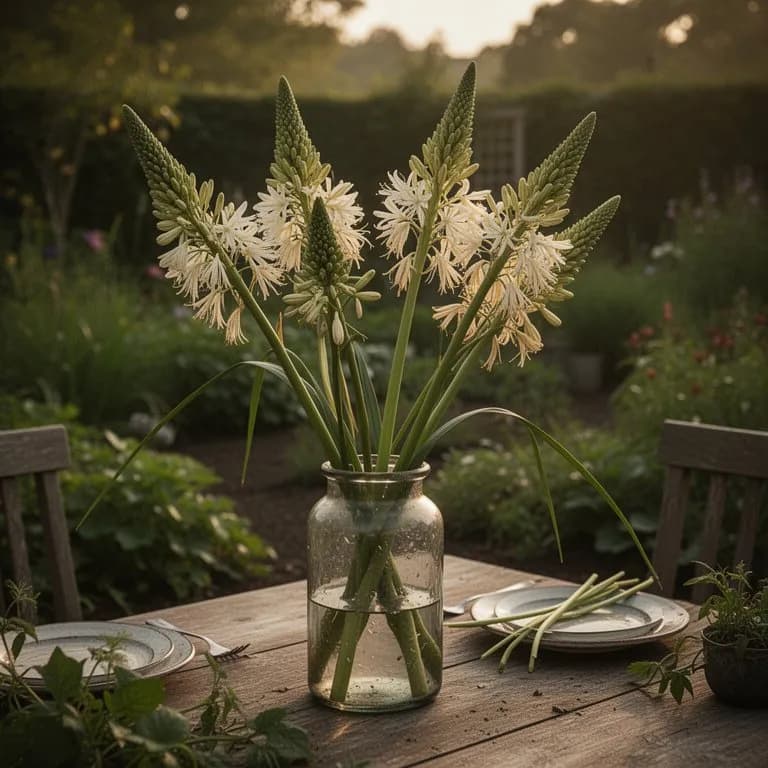
Corte las espigas de eremurus para arreglos dramaticos cuando el cuarto inferior de las flores este abierto y los capullos superiores todavia esten bien cerrados. Use tijeras de podar afiladas para cortar los tallos en su base. Las imponentes espigas son protagonistas extraordinarios en arreglos de gran formato y pueden alcanzar de uno a dos metros en las condiciones adecuadas. Coloquelas en jarrones profundos y pesados para sostener los tallos altos. Las flores duran de siete a diez dias en agua si se cambia cada dos dias.
se supone que plantas al comenzar el periodo — indica tu fecha real
A partir de bulbos, tubérculos o dientes
Cosecha Lirio Cola de Zorro a tiempo y la planta sigue produciendo.
Almacenamiento y conservación
Las raices de eremurus se conservan mejor sin moverlas en el suelo, ya que una vez establecidas no toleran ser transplantadas. Si necesita dividirlas o recolocarlas, hagalo a principios del otoño cuando la planta este completamente dormante. Maneje las raices fragiles con sumo cuidado y replante de inmediato sobre un monticulo de arena. Las espigas florales secas pueden preservarse para arreglos eternos cortandolas cuando esten a medio abrir y colgandolas boca abajo en un lugar oscuro, seco y bien ventilado.
Qué falla — y cómo solucionarlo
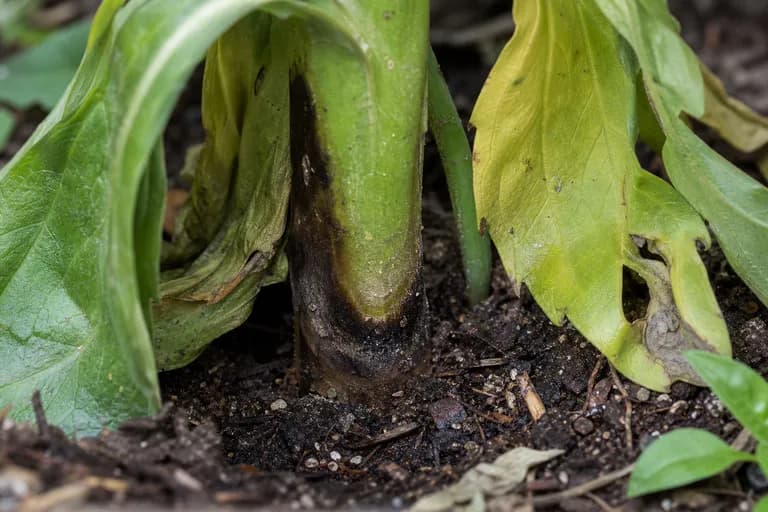
Pudricion de la corona
EnfermedadLa corona se ablanda y ennegrece, el follaje no emerge o colapsa poco despues de aparecer. Puede percibirse un olor desagradable alrededor de la corona.
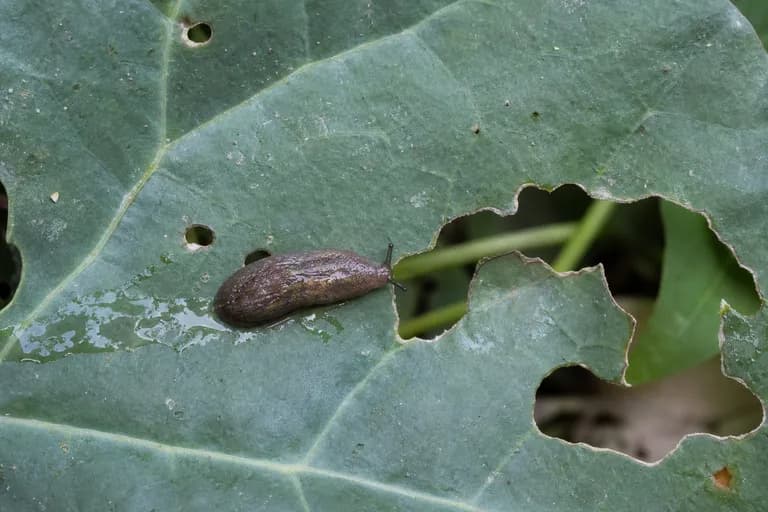
Babosas
PlagaBrotes jovenes royidos y danados en primavera, a menudo antes de emerger completamente del suelo. El crecimiento puede quedar atrofiado o deformado.
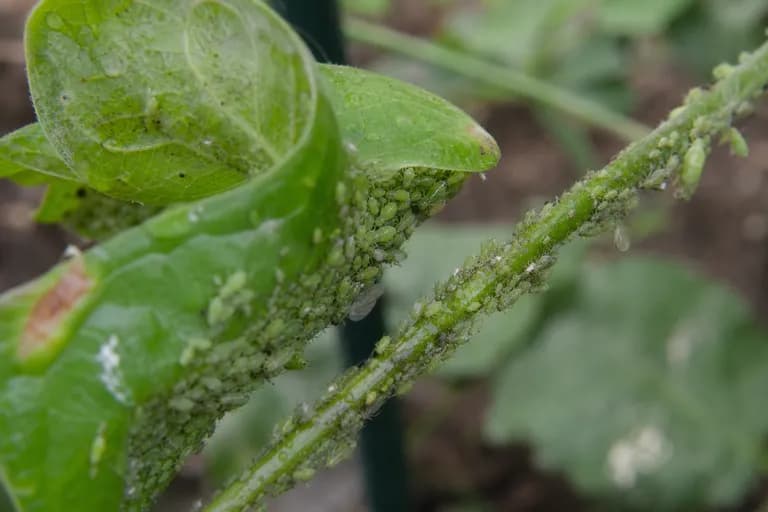
Pulgones
PlagaGrupos de insectos verdes o negros en las espigas florales en desarrollo, melaza pegajosa y capullos deformados que pueden no abrirse correctamente.
Solución de problemas comunes
La pudricion de la corona por un drenaje deficiente es la principal causa de fracaso, especialmente en suelos arcillosos y en climas humedos durante el invierno. Las heladas tardias de primavera pueden danar los brotes emergentes, arruinando potencialmente la exhibicion de ese ano. Las raices fragiles se rompen con facilidad durante la plantacion o el transplante, reduciendo el vigor de la planta. Las variedades altas necesitan tutores en lugares ventosos, y las babosas pueden devastar el tierno crecimiento primaveral si no se controlan desde el principio.
Consejos de cultivo
- Plante siempre las coronas radiculares de eremurus en otoño sobre un generoso monticulo de arena horticola gruesa o gravilla para asegurarse de que el brote central quede por encima del agua estancada durante las lluvias invernales.
- Maneje con mucho cuidado las fragiles raices carnosas durante la plantacion y la division, ya que las raices rotas se regeneran lentamente y las coronas danadas pueden no enraizar.
- Elija un punto de plantacion a pleno sol con un drenaje excelente; el eremurus no tolerara suelos arcillosos pesados ni condiciones encharcadas durante la dormancia.
- Proteja los brotes primaverales emergentes de las heladas tardias con tela de jarceria horticola, ya que incluso una helada breve puede destruir el punto de crecimiento y eliminar la espiga floral de esa temporada.
- Entutore los cultivares altos al principio de la temporada de crecimiento usando una cana robusta colocada a 10 cm de la espiga emergente para evitar danos por el viento una vez que se desarrolle la pesada cabeza floral.
- Deje que todo el follaje se marchite de forma natural tras la floracion; cortar las hojas verdes prematuramente priva a la corona radicular de las reservas de energia que necesita para el crecimiento del ano siguiente.
- Mantenga seca la zona de plantacion durante la dormancia estival evitando el riego y, en climas con veranos humedos, considere cubrir la zona de la corona durmiente con un protector de lluvia temporal.
- Divida las matas congestionadas cada 4 o 5 anos a principios del otoño, replantando las divisiones de inmediato con las raices extendidas uniformemente sobre un monticulo de arena a la misma profundidad que la corona original.
- Intercale vivaces de floracion estival como geranios resistentes, nepeta o gramineas ornamentales para disimular el hueco que deja el follaje del eremurus cuando muere a mediados del verano.
- Si cultiva a partir de semillas, siembre semilla fresca en otoño en macetas profundas de compost arenoso y espere la germinacion en la primavera siguiente, con plantas de tamano florifero que se desarrollan tras 4 a 6 anos de cultivo paciente.
Cultiva tu mejor Lirio Cola de Zorro — y todo lo que la rodea.
Empieza un plan gratis hoy. Diseña tus bancales, coloca tu Lirio Cola de Zorro y deja que PlotMyGarden gestione el momento, el espaciado, las asociaciones y los recordatorios de la semilla a la cesta.
Elige tu Lirio Cola de Zorro
Cleopatra
Un hibrido espectacular de uno a un metro y medio de altura con flores de color naranja tostado que se desvanecen hacia el albaricoque; uno de los eremurus de jardin mas populares.
Pinokkio
Un hibrido compacto de un metro de altura con flores naranja intenso, muy adecuado para jardines mas pequenos y menos propenso a los danos por el viento.
Ruiter Hybrids
Una serie mixta que ofrece espigas en tonos de amarillo, naranja, rosa y blanco, todas con impresionantes alturas de uno a dos metros.
Stenophyllus
La especie tipo con flores amarillo dorado brillante en tallos de un metro de altura, mas compacta y tolerante a la sequia que muchos hibridos.
Una sola corona radicular de eremurus cuesta entre 5 y 15 euros segun el cultivar, pero una vez establecida se multiplicara y producira exhibiciones florales cada vez mas impresionantes durante 15 a 20 anos o mas. Las matas maduras pueden dividirse cada cuatro o cinco anos, obteniendo varias plantas nuevas de cada corona original sin coste adicional. En comparacion con la compra de flores cortadas altas para arreglos de interior, cultivar su propio eremurus proporciona tallos dramaticos que en floristerias cuestan entre 10 y 20 euros cada uno, lo que supone un ahorro sustancial para los entusiastas de la decoracion floral a lo largo del tiempo.
Recetas rápidas
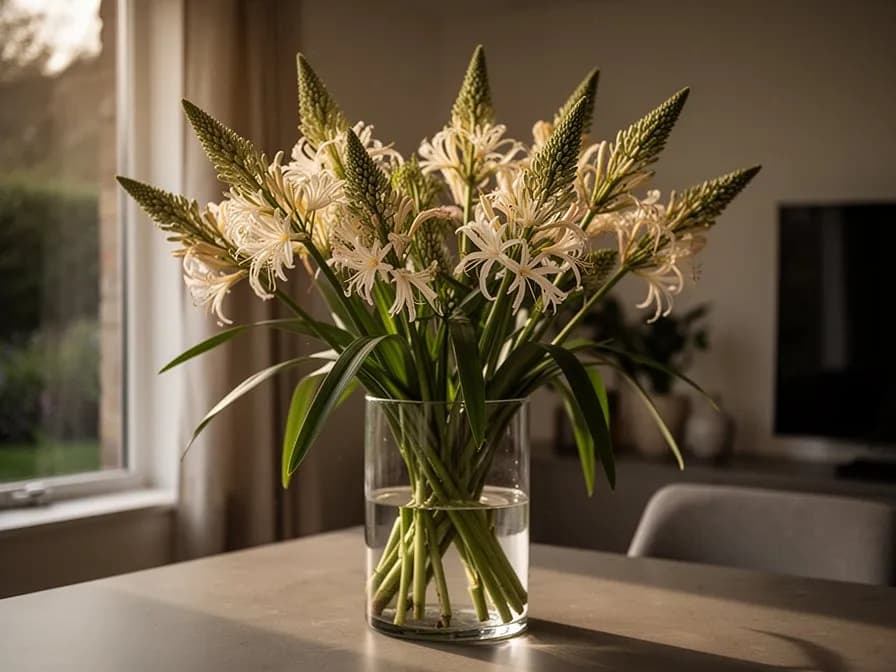
Arreglo de flores secas de eremurus
20 minutos mas 2 semanas de secadoCoseche los tallos florales del eremurus justo cuando las ultimas florecillas de la punta se esten marchitando y las capsulas de semillas inferiores ya se hayan formado. Cuelguelos boca abajo en un espacio calido, seco y bien ventilado durante dos semanas hasta que esten completamente secos. Los tallos conservan su forma arquitectonica y su color sutil, convirtiendose en llamativos elementos en arreglos altos de flores secas.
4 ingredientesCorona de capsulas de semillas de eremurus
45 minutos mas tiempo de secado de las capsulasRecoja los tallos maduros de semillas de eremurus a finales del verano, una vez que las capsulas se hayan tornado doradas. Corte los tallos en secciones y atelas con alambre a una base de corona, alternando con gramineas secas y cabezas de semillas de otras vivaces. Las capsulas redondas aportan una textura maravillosa y una calidad escultorica natural a las coronas de puertas de otono e invierno.
5 ingredientes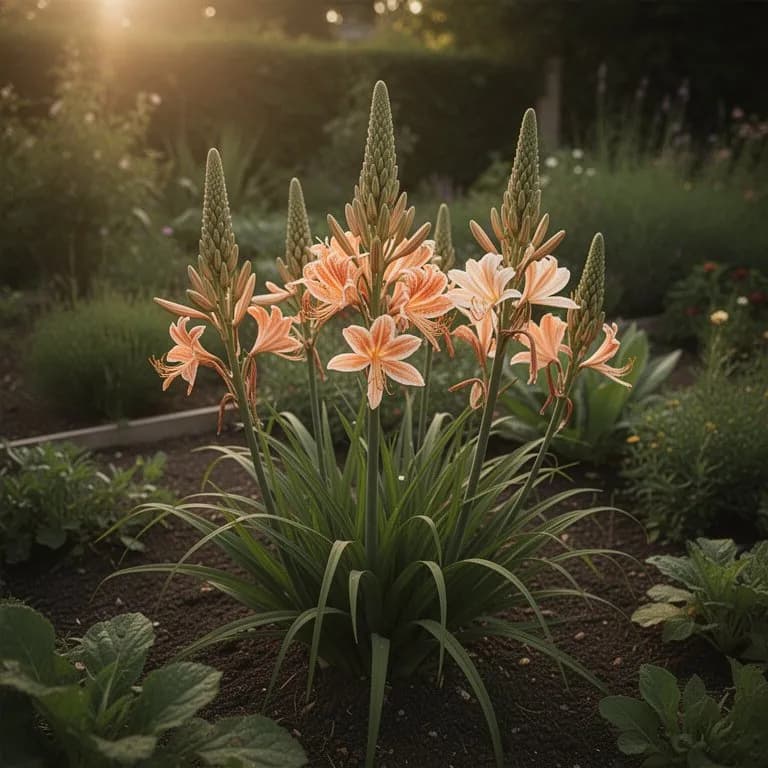
Exhibicion de eremurus como flor cortada
15 minutosCorte las espigas de eremurus por la manana cuando el tercio inferior de las florecillas este abierto para obtener la mayor duracion posible en jarron. Sumerjalas de inmediato en agua profunda y fresca con conservante floral. Su imponente altura los convierte en la pieza central ideal de grandes arreglos combinados con flores mas bajas como peonias, delfinos o rosas.
5 ingredientesQué contiene
Beneficios para la salud
- En la medicina popular de Asia Central, las cataplasmas de raiz de ciertas especies de eremurus se han aplicado tradicionalmente para tratar irritaciones cutaneas y heridas leves.
- Los brotes jovenes de Eremurus spectabilis se consumen como verdura de primavera en partes de Turquia e Iran, aportando fibra dietetica y vitaminas tras los largos inviernos.
- El extracto feculento de la raiz se ha empleado en remedios tradicionales como emoliente suave para la piel seca y agrietada en climas aridos.
- Cultivar eremurus en el jardin favorece la salud de los polinizadores, ya que las espigas florales ricas en nectar atraen a gran cantidad de abejas, sirfidos y otros insectos beneficiosos.
- El dramatico impacto visual de las espigas florales del eremurus contribuye a los ampliamente documentados beneficios para la salud mental de la jardineria ornamental, como la reduccion del estres y la mejora del estado de animo.
- Cuidar el eremurus a lo largo de su ciclo estacional fomenta la actividad fisica regular al aire libre, desde la plantacion en otoño y la proteccion contra las heladas en primavera hasta el mantenimiento de verano.
De dónde viene Lirio Cola de Zorro
El Eremurus, conocido comunmente como lirio cola de zorro o vela del desierto, es un genero de unas 50 especies de la familia Asphodelaceae, originario de las estepas abiertas y secas y las laderas rocosas de Asia Central. El genero se extiende desde Turquia e Iran hasta Afganistan, Pakistan y los Himalayas occidentales, con la mayor diversidad de especies en las montanas y las altas mesetas de Turkmenistan, Uzbekistan y Tayikistan. Estas plantas evolucionaron para prosperar en climas continentales con inviernos frios y secos y veranos calurosos y aridos, desarrollando gruesas coronas radiculares carnosas que almacenan agua y nutrientes durante largos periodos de dormancia. La evidencia arqueologica y etnobotanica muestra que los pueblos locales han utilizado el eremurus durante siglos. Las raices feculentas de varias especies, en particular Eremurus aucherianus y Eremurus spectabilis, se hervian y procesaban tradicionalmente para extraer un potente adhesivo natural empleado en encuadernacion, zapateria y textiles en las regiones comerciales de la Ruta de la Seda. Las hojas y brotes jovenes de ciertas especies tambien se recolectaban como verdura de primavera temprana, valorados como uno de los primeros alimentos verdes disponibles tras los duros inviernos de Asia Central. El Eremurus se introdujo en la horticultura europea a mediados del siglo XIX, cuando los coleccionistas de plantas enviaron especimenes desde expediciones a Persia y el Imperio ruso. El genero ganó rapidamente popularidad en los jardines ingleses y holandeses por sus extraordinarias espigas florales verticales, que podian elevar por encima de las vivaces convencionales de arriate. Destacados hibridadores, en particular Sir Michael Foster en Inglaterra y el vivero Shelford, desarrollaron los Hibridos Shelford y mas tarde los Hibridos Ruiter en los Paises Bajos a principios del siglo XX, produciendo la amplia paleta de colores disponible hoy para los jardineros, que incluye cultivares en blanco, crema, amarillo, albaricoque, rosa y naranja intenso.
Lirio Cola de Zorro: ¿sabías que?
Datos fascinantes sobre Lirio Cola de Zorro
El eremurus debe su nombre comun 'lirio cola de zorro' a la forma tupida y alargada de su espiga floral, que recuerda a la cola de un zorro agitandose con la brisa.
Lirio Cola de Zorro: preguntas frecuentes
¿Cuándo debo plantar Lirio Cola de Zorro?
¿Cuáles son buenas plantas acompañantes para Lirio Cola de Zorro?
¿En qué zonas de rusticidad puede crecer Lirio Cola de Zorro?
¿Cuánto sol necesita Lirio Cola de Zorro?
¿A qué distancia debo espaciar Lirio Cola de Zorro?
¿Qué plagas y enfermedades afectan a Lirio Cola de Zorro?
¿Cómo almaceno Lirio Cola de Zorro después de la cosecha?
¿Cuáles son las mejores variedades de Lirio Cola de Zorro para cultivar?
¿Qué suelo necesita Lirio Cola de Zorro?
¿Por que mi eremurus no ha florecido este ano aunque el follaje ha crecido bien?
¿Como evito que la corona radicular del eremurus se pudra durante el invierno?
¿Cual es el mejor momento para plantar las coronas radiculares del eremurus?
¿Puedo cultivar eremurus en contenedores?
¿Como divido una mata establecida de eremurus?
¿Es el eremurus toxico para las mascotas o los ninos?
Acabas de leer la teoría. Ahora cultívala en piloto automático.
Todo lo que hace que Lirio Cola de Zorro sea delicado — el momento, el espaciado, las asociaciones, la ventana de cosecha — es justo lo que PlotMyGarden resuelve por ti, para cada planta de tu huerto.
Un plan que conoce tu clima
Indica tu ubicación una vez. Recibe fechas de siembra, abonado y cosecha basadas en tu última helada real y el pronóstico en vivo — sin adivinar con un sobre genérico.
De la sección “Cuándo plantar”Planificador de bancales de arrastrar y soltar
Diseña bancales sobre una cuadrícula. Cada planta encaja con su espaciado correcto y ves toda la temporada antes de gastar un céntimo en semillas.
De la sección “Cultivo”Conflictos de asociación, detectados a tiempo
Más de 200 buenas y malas combinaciones comprobadas en vivo mientras plantas — para que un error que arruine la temporada nunca llegue a la tierra.
De la sección “Asociaciones”Recordatorios que sí vas a seguir
“Riega las judías.” “Recoge hoy antes de que se pase.” Oportunos, concretos y ligados a las plantas que de verdad cultivas.
De la sección “Cosecha”Escalonado, programado
¿Quieres cosechar seis semanas en vez de seis días? Reparte tus siembras automáticamente y te avisa cuando toca el siguiente lote.
De la sección “Cuándo plantar”Un registro que se vuelve más listo
Cada cosecha que registras le enseña tu huerto. El plan del año que viene parte de lo que de verdad funcionó en tu suelo, no en un manual.
De la sección “Resumen”Planta estos junto a Lirio Cola de Zorro
Más Bulbosas
Cultiva tu mejor Lirio Cola de Zorro — y todo lo que la rodea.
Empieza un plan gratis hoy. Diseña tus bancales, coloca tu Lirio Cola de Zorro y deja que PlotMyGarden gestione el momento, el espaciado, las asociaciones y los recordatorios de la semilla a la cesta.