Winterling
Eine der frühesten Zwiebelpflanzen, die blüht und leuchtend gelbe, hahnenfußähnliche Blüten hervorbringt, umgeben von einem Kranz grüner Blätter, oft schon im Februar.





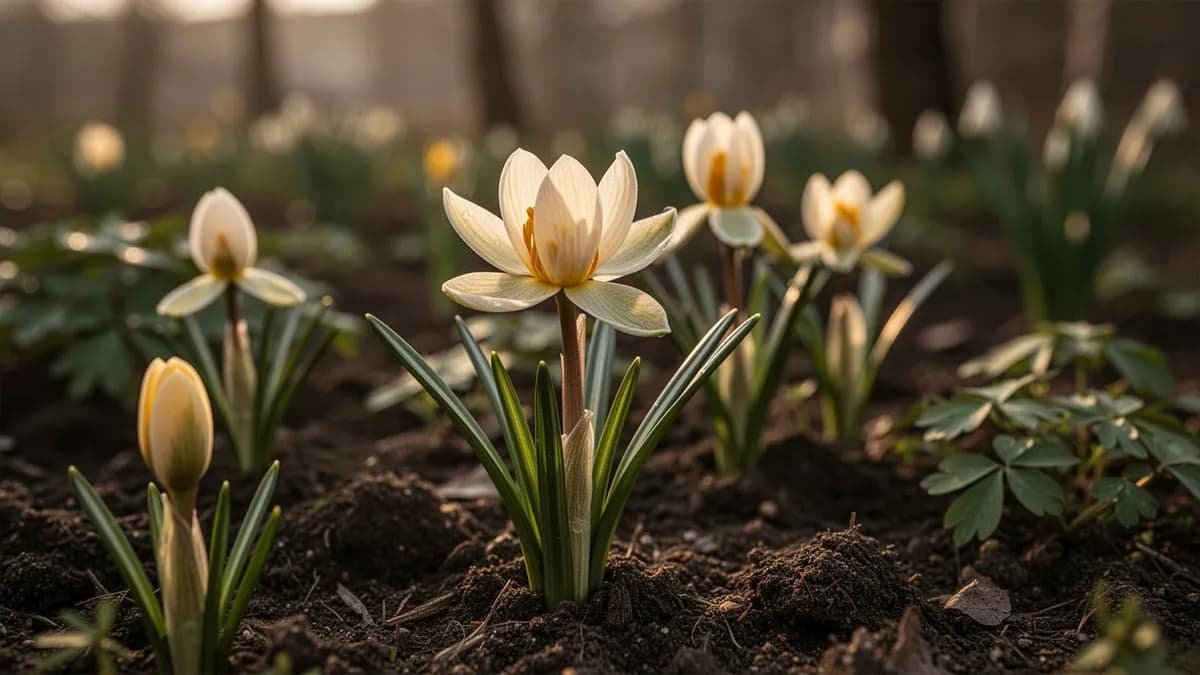
Auf dieser SeiteÜberblick
Winterling im Überblick
Eine der frühesten Zwiebelpflanzen, die blüht und leuchtend gelbe, hahnenfußähnliche Blüten hervorbringt, umgeben von einem Kranz grüner Blätter, oft schon im Februar. Winterlinge gedeihen in humusreichem Boden unter Laubbäumen und verwildern zu goldenen Teppichen. Die getrockneten Knollen sollten vor dem Pflanzen über Nacht eingeweicht werden, um die Anwachsrate zu verbessern.
Wann Winterling pflanzen
Winterlinge säen sich einmal etabliert reichlich selbst aus, und diese natürliche Aussaat ist der beste Weg, eine Kolonie zu erweitern. Zur gezielten Vermehrung sammeln Sie Samen aus reifen Kapseln im Spätfrühling und säen Sie sie sofort auf die Oberfläche feuchter, humusreicher Erde mit einer dünnen Schicht feinem Kies. Die Samen benötigen Winterkälte zum Keimen und werden im folgenden Frühling auflaufen. Sämlinge sind winzig und sollten mindestens zwei Jahre in ihren Aussaatschalen ungestört bleiben, bevor sie ausgepflanzt werden. Die erste Blüte erfolgt im dritten Jahr.
Dein Winterling-Jahr
Abgestimmt auf Zone 7 · typische Saison · Frost geht um den 2. Apr. und kehrt um den 1. Nov. zurück
Winterling Sep – Okt pflanzen, Feb – Mär ernten. Beachte die Pflanzmethoden unten und wähle dein Klima für passende Zeiträume.
So baust du Winterling an
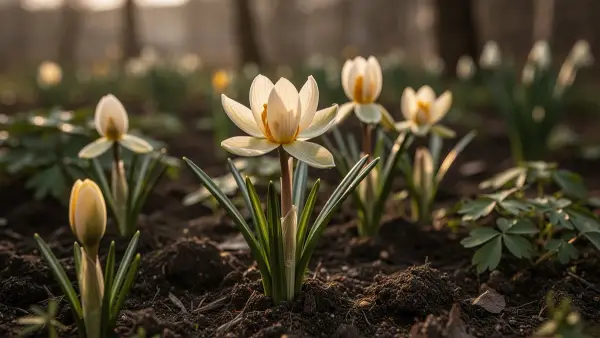
Pflanzen Sie Winterlingsknollen im Frühherbst und weichen Sie sie über Nacht in lauwarmem Wasser ein, um die getrockneten Knollen zu rehydrieren und die Anwachsrate deutlich zu verbessern. Setzen Sie sie fünf bis acht Zentimeter tief und acht Zentimeter auseinander in humusreichen Boden unter Laubbäumen oder an Waldrändern. Winterlinge blühen bemerkenswert früh, oft schon im Februar durch den Schnee hindurch.
Diese kleinen Knollen werden am besten im grünen Zustand gepflanzt, das heißt unmittelbar nach der Blüte umgesetzt, solange sie noch aktiv wachsen. Getrocknete Knollen aus dem Gartenhandel haben eine wesentlich geringere Erfolgsrate; weichen Sie sie daher gründlich ein und rechnen Sie damit, dass die Etablierung ein bis zwei Saisons dauern kann. Sobald sich Winterlinge wohlfühlen, säen sie sich reichlich selbst aus und bilden goldene Teppiche, die sich Jahr für Jahr ausbreiten.
Lassen Sie das gesamte Laub bis zum Spätfrühling natürlich absterben. Die Pflanzen gehen bis zum Frühsommer in vollständige Ruhe und benötigen den Rest des Jahres keine Aufmerksamkeit. Vermeiden Sie es, den Pflanzbereich während der Ruhezeit zu stören, da die kleinen Knollen beim Graben leicht beschädigt werden. Mulchen Sie im Herbst mit Laubkompost, um die bevorzugten Waldbedingungen der Winterlinge nachzuahmen.
450 Pflanzen passen in ein Beet von 120 × 240 cm
Winterling braucht 8 cm Platz pro Pflanze. Der Planer hält diesen Abstand für dich ein — jede Pflanze, jedes Beet.
Die besten Nachbarn für Winterling
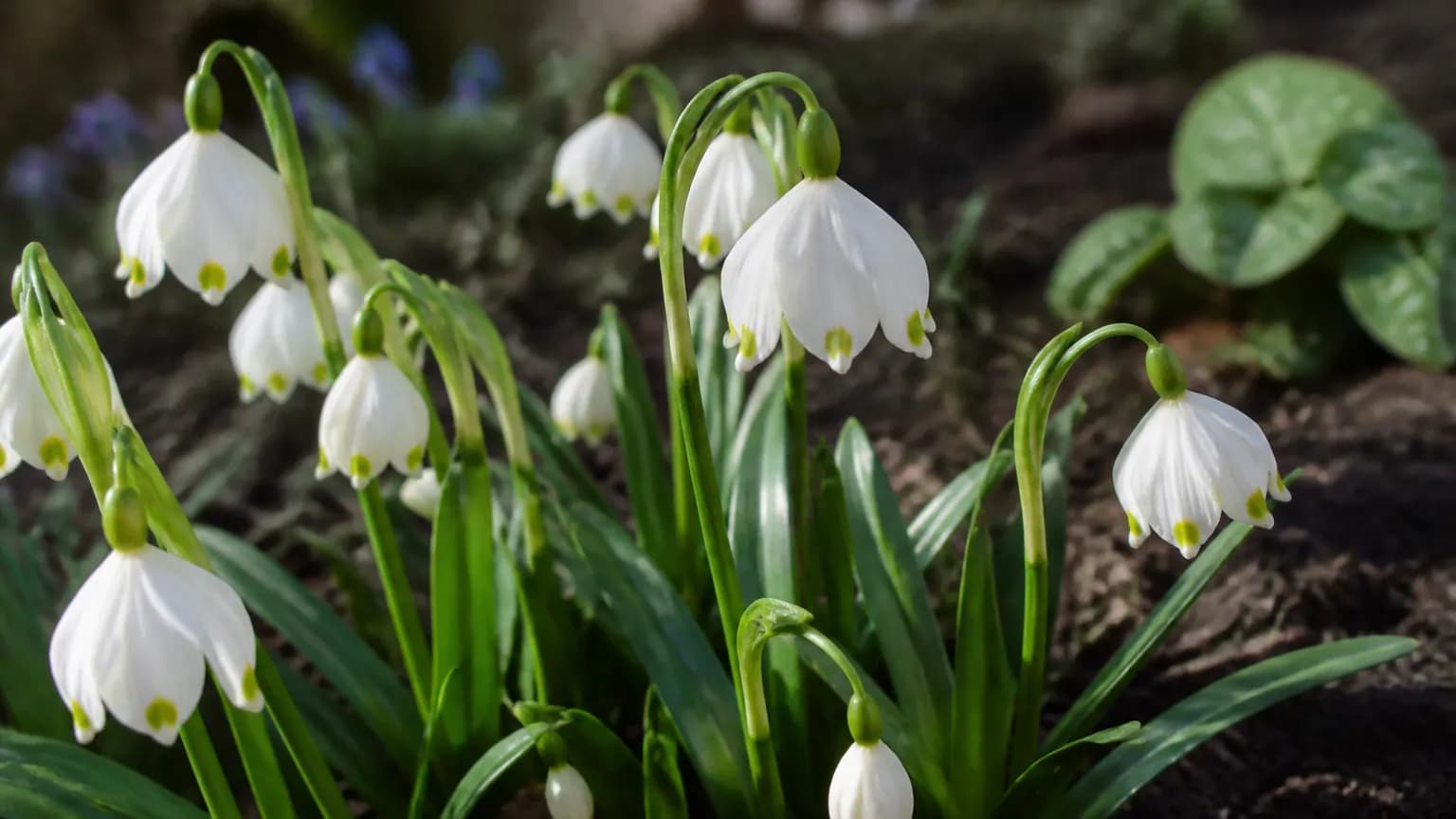
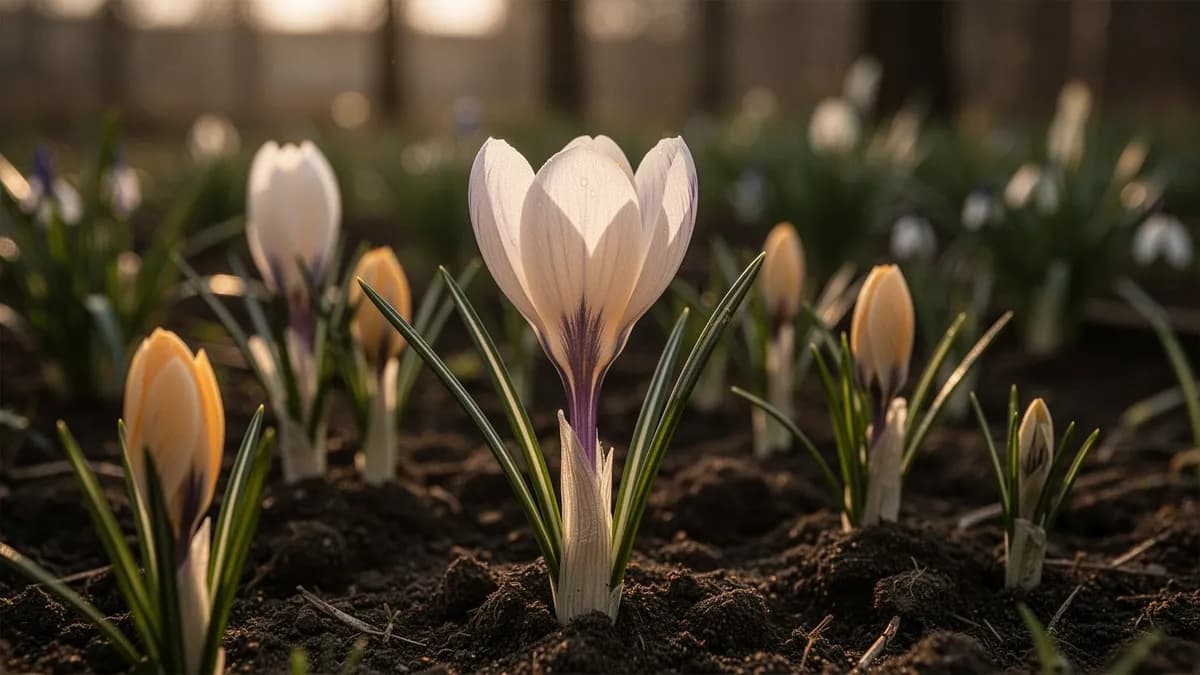
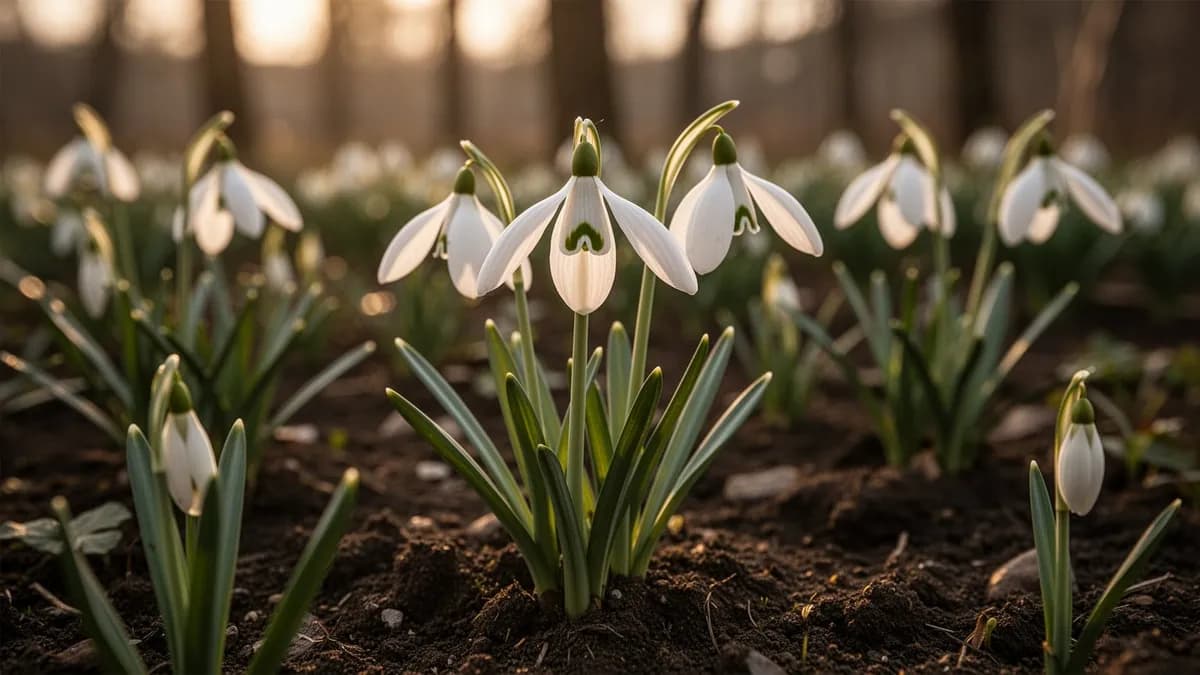
Winterlinge schaffen zauberhafte Frühlingskombinationen mit Schneeglöckchen, frühen Krokussen und Cyclamen coum. Pflanzen Sie sie unter Laubbäumen, wo ihre kurze Blütezeit genossen werden kann, bevor das Kronendach austreibt. Sie harmonieren wunderbar mit Christrosen und Leberblümchen im Waldgarten. Die goldenen Blüten sind an warmen Spätwinterntagen eine lebenswichtige frühe Nektarquelle für aufkommende Bienen.
Großes Schneeglöckchen gehört daneben.
Altes Gärtnerwissen, geprüft an der echten Nachbartabelle von Winterling — teste jede Pflanze, die du anbaust.
Probiere Winterling direkt hier im Beet
Ein echtes Planer-Beet, Winterling steht schon drin. Tippe einen Begleiter an, platziere ihn und sieh, wie die Nachbarschaftsprüfung antwortet — grün für gute Nachbarn, rot bei Streit.


Passende Anbau-Ratgeber
Richtig düngen
Winterlinge gedeihen in alkalischem bis neutralem, humusreichem Boden mit einem pH-Wert von 6,5 bis 8,0, was ihren natürlichen Kalkstein-Waldhabitaten entspricht. Verbessern Sie den Pflanzbereich mit großzügigen Mengen Laubkompost oder gut verrottetem Kompost. In gutem Waldboden ist in der Regel keine zusätzliche Düngung erforderlich. Eine jährliche Auflage von Laubkompost im Herbst ist die beste laufende Pflege. Der Boden sollte im Winter und Frühling Feuchtigkeit halten, aber ausreichend entwässern, damit die Knollen nicht in staunassem Boden stehen.
Ideale Temperatur
Winterhärtezone-Kompatibilität
Von der Saat zur Ernte, Schritt für Schritt
Ruhende Knolle
Die kleinen, unregelmäßigen Knollen von Eranthis hyemalis ruhen den Sommer und Frühherbst über unterirdisch. Die Knollen sind dunkelbraun, grob kugelförmig bis abgeflacht und typischerweise 1–2 cm im Durchmesser. Während der Ruhezeit speichert die Knolle Stärke und Nährstoffe, die während der kurzen Frühlingswachstumsperiode angesammelt wurden. Wurzelanlagen beginnen sich an der Basis der Knolle im Spätherbst zu entwickeln, wenn die Bodentemperaturen unter 10 °C fallen, und bereiten den schnellen Wachstumsschub vor, der nach der Winterkühlung folgt.
Wurzelaktivierung und Kühlung
Im Verlauf des Herbstes zum Winter hin entwickeln die Knollen ein aktives Wurzelsystem, bleiben aber unter der Bodenoberfläche. Die Pflanze benötigt eine längere Kälteperiode von mindestens 8–12 Wochen unter 5 °C, um die innere Ruhe zu brechen und die hormonellen Veränderungen auszulösen, die die Trieb- und Blütenknospenentwicklung einleiten. Ohne ausreichende Kühlung wird die Blüte spärlich oder ausbleibend sein. In dieser Phase nimmt die Knolle Feuchtigkeit auf und dehnt sich leicht aus, während sie sich auf das schnelle oberirdische Wachstum vorbereitet.
Austrieb und Blüte
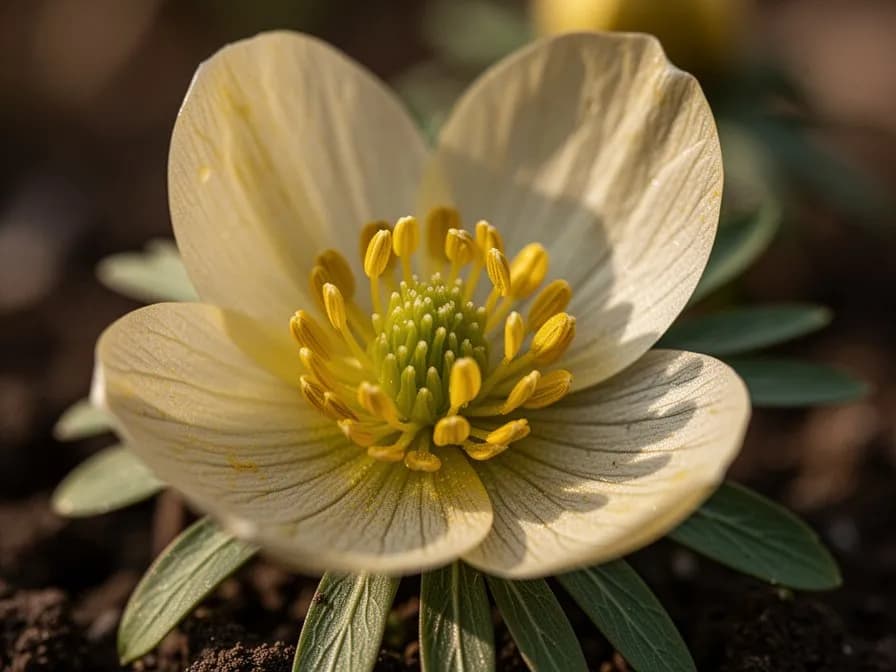
Von Ende Januar bis März, je nach Klima, durchstößt die spitze Triebspitze die Bodenoberfläche, oft durch Schnee und gefrorenes Laub hindurch. Die Blütenknospe ist in die grünen Hochblätter eingehüllt, die den charakteristischen Kranz bilden werden. Innerhalb weniger Tage nach dem Austrieb öffnet sich die leuchtend gelbe, schalenförmige Blüte, bestehend aus sechs glänzenden blütenblattartigen Kelchblättern, die modifizierte röhrenförmige Nektarien und eine zentrale Ansammlung von Staubblättern und Stempeln umgeben. Die Blüten sind 2–3 cm breit und schließen sich nachts und bei bedecktem Himmel, öffnen sich bei Sonnenlicht wieder. Jede Knolle bringt typischerweise ein bis drei Blüten hervor.
Bestäubung und Samenbildung
Nach der Bestäubung durch frühsaisonale Bienen und andere Insekten verblassen die Blütenblätter und der Blütenstiel verlängert sich leicht, während sich Samenkapseln (Balgfrüchte) in der Mitte der verblühten Blüte entwickeln. Jede Blüte kann eine Ansammlung kleiner Balgfrüchte mit runden, blassen Samen hervorbringen. Der grüne Hochblattkranz bleibt photosynthetisch aktiv und hilft, die sich entwickelnden Samen zu ernähren. Die Grundblätter, die tief eingeschnitten und handförmig sind, entfalten sich in dieser Phase vollständig und tragen zur Auffüllung der Energiereserven der Knolle durch Photosynthese bei.
Laubabsterben und Energiespeicherung
Bis Mitte bis Ende Frühling, wenn die Laubbaumkronen darüber austreiben und die Lichtverhältnisse am Boden abnehmen, beginnt das Laub von Eranthis hyemalis zu vergilben und abzusterben. Die Pflanze hat ihren gesamten oberirdischen Lebenszyklus in nur acht bis zehn Wochen abgeschlossen — eine klassische Frühlingskurzlebigen-Strategie. In diesem kurzen Zeitfenster hat das Laub genug Kohlenhydrate photosynthetisiert, um die Stärkereserven der Knolle für das Wachstum des Folgejahres aufzufüllen. Samen werden abgeworfen und fallen auf die Bodenoberfläche, wo sie im folgenden Herbst oder Winter nach natürlicher Stratifikation keimen.
Sommerruhe
Vom Spätfrühling bis zum Herbst ruhen die Knollen vollständig unter der Bodenoberfläche ohne sichtbare oberirdische Präsenz. Die Knolle hat ausreichend Stärkereserven angesammelt und die embryonale Blütenknospe für das nächste Jahr ist bereits in der ruhenden Knolle gebildet. Der Pflanzort kann von flachwurzelnden Sommerstauden, Einjährigen oder Bodendeckern besetzt werden, vorausgesetzt sie stören die Knollen in ihrer Pflanztiefe von 5 cm nicht. Natürlicher Niederschlag ist während der Ruhezeit in der Regel ausreichend, obwohl extrem anhaltende Trockenheit die Vitalität der Knollen verringern kann.
Stören oder bewässern Sie die ruhenden Knollen im Sommer nicht. Wenn Sie im Herbst neue Knollen pflanzen, weichen Sie diese über Nacht in lauwarmem Wasser ein, um das ausgetrocknete Gewebe zu rehydrieren, was die Etablierung deutlich verbessert. Pflanzen Sie Knollen 5 cm tief und 8–10 cm auseinander in humusreichen Boden unter Laubbäumen oder Sträuchern.
Winterling Monat für Monat pflegen
Was du jeden Monat für deine Winterling tun solltest
Oktober
Aktueller MonatSchließen Sie alle Neupflanzungen bis Mitte Oktober ab, damit sich die Wurzeln vor starkem Frost entwickeln können. Streuen Sie eine dünne Schicht Laubkompost oder kompostierte Rinde über neu bepflanzte Flächen, um die natürlichen Waldbedingungen nachzuahmen, unter denen Winterlinge gedeihen. Früh gepflanzte Knollen entwickeln möglicherweise bereits feine Wurzelsysteme unter der Bodenoberfläche.
Immer wissen, was jetzt im Garten zu tun ist
Eine E-Mail zum Monatsanfang: was du jetzt säen, pflanzen und anpacken solltest — für deine Winterling und alles, was drumherum wächst. Dazu ein kurzer Startkurs, der dich vor den klassischen Fehlern bewahrt.
- Was jetzt zu tun ist
- Passend zu deiner Saison
- Startkurs inklusive
Winterling ernten
Winterlinge sind zu klein, um als Schnittblumen praktisch zu sein; ihre Stiele werden selten länger als zehn Zentimeter. Am besten genießt man sie im Garten, wo ihre frühe Blüte der Winterlandschaft Leben verleiht. Bei Bedarf können kleine Büschel in flachen Schalen als Tischdekoration schwimmen gelassen werden. Lassen Sie alle Blüten natürlich Samen bilden, um die Kolonie zu erweitern. Entfernen Sie das Laub erst, wenn es vollständig vergilbt und abgestorben ist.
angenommen, du pflanzt zu Beginn des Zeitraums — trage dein tatsächliches Datum ein
Aus Zwiebeln, Knollen oder Zehen
Ernte Winterling zügig, dann trägt die Pflanze weiter.
Lagerung & Konservierung
Winterlingsknollen lagern schlecht im getrockneten Zustand und sollten nach dem Kauf so schnell wie möglich gepflanzt werden. Wenn das Pflanzen verzögert werden muss, bewahren Sie die Knollen in leicht feuchtem Torf an einem kühlen Ort nicht länger als einige Tage auf. Die zuverlässigste Methode ist das Umpflanzen im grünen Zustand unmittelbar nach der Blüte. Samen können gesammelt werden, wenn die Kapseln reifen, und sollten sofort ausgesät werden, da sie bei trockener Lagerung schnell ihre Keimfähigkeit verlieren.
Was schiefgeht — und die Lösung
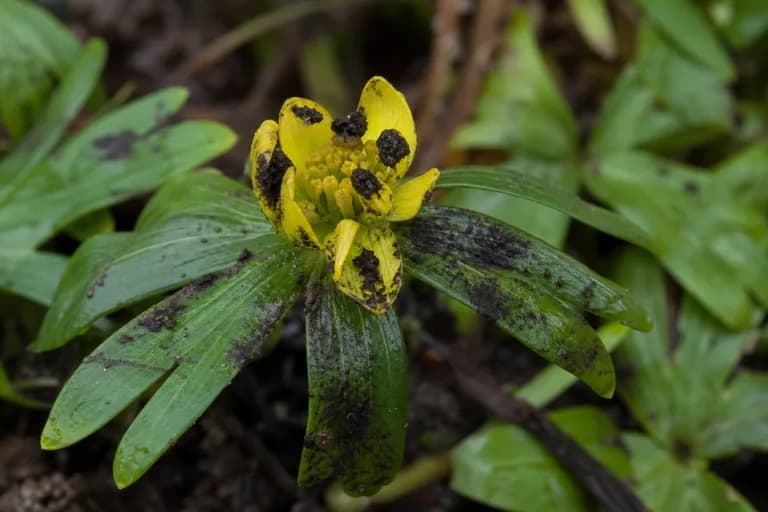
Brandpilz (Urocystis eranthidis)
KrankheitDunkle, geschwollene, verformte Staubbeutel und Blätter, gefüllt mit schwarzen, pulvrigen Sporen. Betroffene Pflanzen können deformierte Blüten aufweisen.
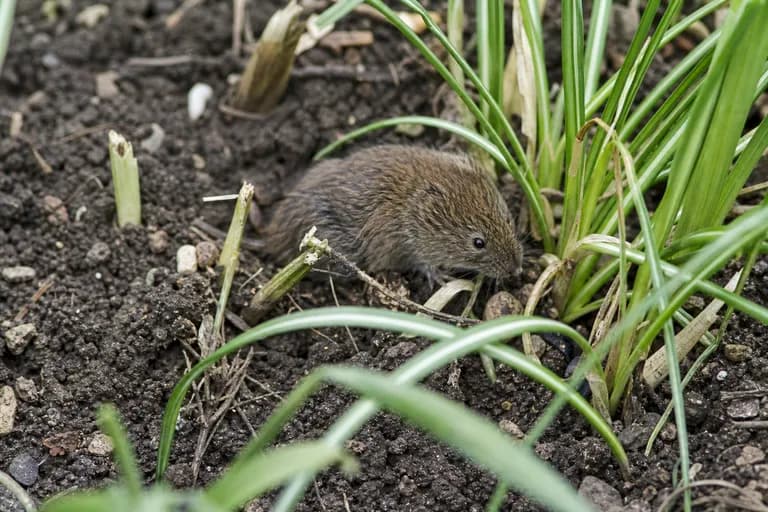
Mäuse und Wühlmäuse
SchädlingKnollen verschwinden aus dem Boden und hinterlassen leere Pflanzlöcher. Tunnelaktivität ist in der Nähe der Pflanzstellen sichtbar.
Fehlerbehebung bei häufigen Problemen
Das häufigste Problem ist das Scheitern der Etablierung aus getrockneten Knollen, die oft eine sehr geringe Lebensfähigkeit aufweisen. Weichen Sie sie immer über Nacht ein und erwarten Sie im ersten Jahr lückenhafte Ergebnisse. Der Kauf im grünen Zustand oder Teilungen aus etablierten Kolonien sind weitaus zuverlässiger. Heiße, trockene Standorte sind ungeeignet, da Winterlinge kühle Waldbedingungen mit gleichmäßiger Feuchtigkeit während ihrer kurzen Wachstumsperiode benötigen.
Anbautipps
- Pflanzen Sie Eranthis-hyemalis-Knollen im Herbst, idealerweise im September oder Oktober, an einem Standort, der im Winter und Frühling volle Sonne oder Halbschatten erhält, aber im Sommer durch das Laubkronendach beschattet wird. Dies ahmt den natürlichen Waldlebensraum der Pflanze nach, in dem sie ihren Lebenszyklus abschließt, bevor das Kronendach austreibt.
- Weichen Sie getrocknete Knollen immer 12–24 Stunden in lauwarmem Wasser ein, bevor Sie sie pflanzen. Gekaufte Knollen sind oft stark ausgetrocknet und können bei trockener Pflanzung komplett ausfallen. Das Einweichen rehydriert das Gewebe und kann die Anwachsrate im Vergleich zur direkten Pflanzung uneingeweichter Knollen verdoppeln oder verdreifachen.
- Pflanzen Sie Knollen 5 cm tief und 8–10 cm auseinander in humusreichen, feuchtigkeitsspeichernden Boden mit guter Drainage. Arbeiten Sie großzügige Mengen Laubkompost oder kompostierte Rinde in den Pflanzbereich ein, um den reichen Waldboden nachzubilden, den Eranthis benötigt. Vermeiden Sie schwere Lehmböden, es sei denn, sie werden mit organischem Material und Kies verbessert.
- Für die zuverlässigste Etablierung erwägen Sie die Pflanzung im grünen Zustand — kaufen oder verpflanzen Sie wachsende Pflanzen mit intaktem Laub im Frühling, unmittelbar nach der Blüte. Diese Methode hat eine deutlich höhere Erfolgsrate als die Pflanzung getrockneter Knollen, obwohl Pflanzen im grünen Zustand pro Stück teurer sind.
- Alle Teile von Eranthis hyemalis sind giftig. Tragen Sie beim Hantieren mit größeren Mengen Knollen Handschuhe, da der Saft bei empfindlichen Personen Hautreizungen verursachen kann. Halten Sie Knollen während des Pflanzens von Kindern und Haustieren fern. Waschen Sie sich nach dem Hantieren mit jedem Teil der Pflanze gründlich die Hände.
- Lassen Sie den Winterling sich selbst aussäen, indem Sie Samenkapseln natürlich reifen und ausfallen lassen. Die Samen benötigen eine natürliche Kältestratifikation zur Keimung und laufen typischerweise im folgenden Herbst oder Winter auf. Sämlinge sind winzig und grasartig im ersten Jahr — jäten Sie sie nicht versehentlich aus.
- Einmal etabliert, ist Eranthis hyemalis bemerkenswert pflegeleicht und sollte ungestört bleiben. Vermeiden Sie es, Bereiche, in denen Knollen gepflanzt sind, zu bearbeiten, umzugraben oder tief zu mulchen. Die Kolonien breiten sich am erfolgreichsten aus, wenn sie ungestört verwildern dürfen, ähnlich den stabilen Waldbodenbedingungen ihres natürlichen Lebensraums.
- Kombinieren Sie Winterlinge mit anderen frühblühenden Zwiebeln und Knollen für eine verlängerte Spätwinterpracht: Galanthus nivalis (Schneeglöckchen), Crocus tommasinianus, Cyclamen coum und Iris reticulata gedeihen alle unter ähnlichen Bedingungen und bieten zusammen Farbe von Januar bis März in den meisten gemäßigten Klimazonen.
- Wenn Ihre Kolonie sich aus getrockneten Knollen nicht etabliert, gehen Sie nicht davon aus, dass die Pflanze in Ihrem Garten nicht wachsen kann. Versuchen Sie es erneut mit im Frühling im grünen Zustand gekauften Pflanzen, oder beschaffen Sie frischen Samen von einem Gartenfreund und säen Sie ihn sofort — Winterlingssamen ist rekalzitrant und stirbt schnell ab, wenn er getrocknet und gelagert wird.
- Der Winterling gedeiht schlecht in Klimazonen mit milden Wintern ohne längere Kühlung unter 5 °C und in Regionen mit heißen, trockenen Sommern, die flache Knollen austrocknen. Er eignet sich am besten für USDA-Zonen 4–7 und vergleichbare Klimazonen mit kalten Wintern und kühlen, feuchten Sommern. In wärmeren Zonen pflanzen Sie Knollen auf der Nordseite von Gebäuden oder Mauern, um Sommerschatten und kühlere Wurzelbedingungen zu bieten.
Bau deine beste Winterling an — und alles drumherum.
Starte heute kostenlos. Lege deine Beete an, setze deine Winterling ein und lass PlotMyGarden Timing, Abstände, Begleiter und Erinnerungen von der Saat bis zum Erntekorb übernehmen.
Finde deine Winterling
Guinea Gold
Eine Hybride mit größeren, tiefgoldenen Blüten und bronzefarbenem Laub, kräftiger und blühfreudiger als die Art, aber mit ähnlichen Standortansprüchen.
Orange Glow
Eine Auslese mit warm orangegetönten gelben Blüten, die der Winterpracht Abwechslung verleiht.
Schwefelglanz
Eine blasse, schwefelgelbe Sorte mit ätherischer Ausstrahlung, wunderschön in Kombination mit dem tieferen Gold der Art.
Eranthis-hyemalis-Knollen sind anfangs günstig zu erwerben (typischerweise 0,30–0,80 € pro Knolle in Großpackungen), aber der eigentliche Wert liegt in der Fähigkeit der Pflanze, sich nach der Etablierung frei zu vermehren. Eine Pflanzung von 100 Knollen, die 30–50 € kostet, kann sich durch Selbstaussaat und vegetative Teilung innerhalb eines Jahrzehnts zu einer Kolonie von Tausenden entwickeln, was eine Pracht schafft, deren Nachbildung aus gekauften Knollen Hunderte Euro kosten würde. Das Teilen und Umpflanzen überschüssiger Knollen ermöglicht es Gärtnern, Kolonien im gesamten Garten ohne zusätzliche Kosten zu erweitern. Im Vergleich zum jährlichen Kauf von einjährigen Beetpflanzen für Winterschmuck Jahr für Jahr bietet eine einmalige Investition in Winterlingsknollen dauerhaften, sich selbst erhaltenden, stetig wachsenden Spätwinterfarbschmuck für Jahrzehnte. Eine reife Kolonie produziert auch reichlich Samen, der mit anderen Gärtnern geteilt oder auf Pflanzentauschbörsen getauscht werden kann, was den Wert der ursprünglichen Investition weiter steigert.
Schnelle Rezepte
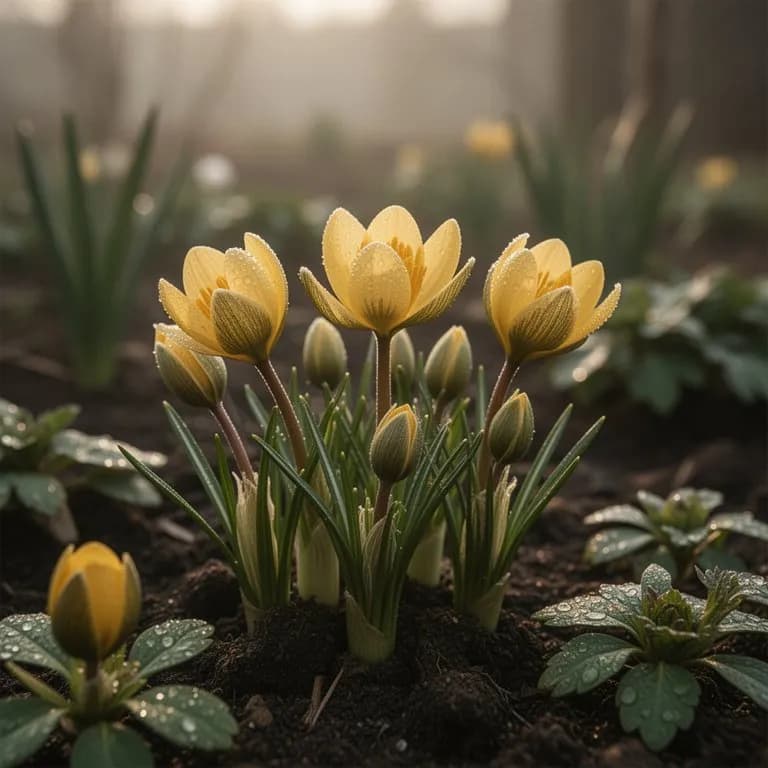
Winterlings-Treibdisplay zur Innenraum-Dekoration
15 Min. Vorbereitung, 2–3 Wochen TreibenObwohl Eranthis hyemalis giftig ist und keine kulinarische Verwendung hat, können eingetopfte Knollen im Spätwinter sanft im Haus für eine fröhliche Tischdekoration vorgetrieben werden. Heben Sie im Januar einen kleinen Knollenklumpen mit umgebender Erde aus, topfen Sie ihn in eine flache Terrakottaschale mit Abzugslöchern und stellen Sie ihn auf eine kühle, helle Fensterbank bei 8–12 °C. Die Blüten öffnen sich innerhalb von zwei bis drei Wochen und halten sieben bis zehn Tage im Haus. Setzen Sie den Klumpen nach der Blüte zur Erholung wieder in den Garten. Dies ist eine nicht-konsumtive Möglichkeit, die Schönheit des Winterlings aus der Nähe zu genießen.
4 ZutatenGepresste Winterlings-Botanikkunst
10 Min. Vorbereitung, 3–4 Wochen PressenDie markante Form von Eranthis hyemalis — mit seinen glänzenden gelben Kelchblättern und dem grünen Hochblattkranz — macht ihn zu einem idealen Motiv für gepresste Blumenkunst und botanische Tagebücher. Sammeln Sie einige Blüten mit ihren Hochblättern und einem kurzen Stielstück (tragen Sie Handschuhe, da die Pflanze giftig ist), pressen Sie sie zwischen Blättern von saugfähigem Papier unter schweren Büchern drei bis vier Wochen lang und montieren Sie sie auf säurefreiem Karton zum Rahmen oder für ein Tagebuch. Die gelbe Farbe bleibt beim Trocknen bemerkenswert gut erhalten. Waschen Sie nach dem Hantieren immer die Hände.
4 Zutaten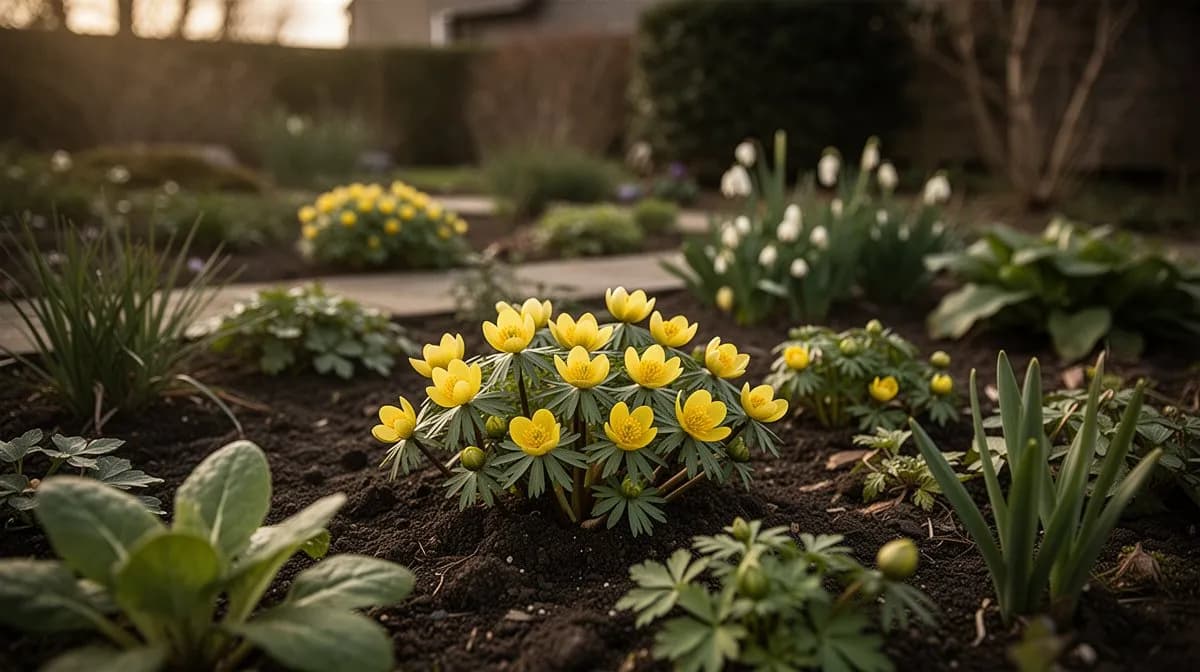
Winterling-und-Schneeglöckchen-Pflanzplan
30 Min. Planung, 1–2 Stunden Pflanzung im HerbstGestalten Sie eine atemberaubende Spätwinter-Gartenanzeige, indem Sie ein gemischtes Pflanzschema aus Eranthis hyemalis (goldgelb) und Galanthus nivalis (weiße Schneeglöckchen) unter einem Laubbaum entwerfen. Planen Sie die Pflanzung im Herbst, indem Sie naturnahe Pflanzstreifen mit Sand oder Schnur markieren und dann Knollen und Zwiebeln in abwechselnden, informellen Gruppen pflanzen. Innerhalb von zwei bis drei Jahren verwächst die Kolonie zu einem Teppich aus Gold und Weiß, der sich jede Saison natürlich ausbreitet. Hinweis: Dies ist eine Gartengestaltungsaktivität, kein kulinarisches Rezept — alle Pflanzenteile sind ausschließlich zur Zierde.
5 ZutatenWas drinsteckt
Gesundheitsvorteile
- WARNUNG: Eranthis hyemalis ist eine Giftpflanze und darf niemals verzehrt werden. Es gibt keine gesundheitlichen Vorteile durch die Einnahme irgendeines Teils des Winterlings — alle Teile enthalten gefährliche Herzglykoside und das Alkaloid Eranthin, die schwere Vergiftungen einschließlich Herzrhythmusstörungen verursachen können
- Obwohl nicht essbar, bietet die Anwesenheit von Winterlingen im Garten dokumentierte Vorteile für die psychische Gesundheit im Zusammenhang mit der Frühsaisonblüte — Studien der Umweltpsychologie zeigen, dass der Kontakt mit blühenden Pflanzen im Spätwinter Symptome der saisonalen affektiven Störung deutlich reduziert und das subjektive Wohlbefinden verbessert
- Der Anbau von Winterlingen fördert Aktivitäten im Freien während der kältesten Monate des Jahres, da Gärtner nach draußen gehen, um nach austreibenden Trieben zu schauen und die ersten Blüten zu genießen, was sanfte Bewegung und Tageslichtexposition bietet, die die Regulierung des zirkadianen Rhythmus und die Vitamin-D-Synthese unterstützen
- Der ökologische Gesundheitsnutzen von Eranthis hyemalis ist erheblich — die Pflanze liefert wichtigen Nektar und Pollen für Honigbienen, Hummeln und Wildbienen zu einer Jahreszeit, in der praktisch keine anderen Nahrungsquellen verfügbar sind, und unterstützt damit direkt Bestäuberpopulationen, die die Nahrungsmittelproduktion in der weiteren Landschaft tragen
- Winterlingsbestände werden in gartenbaulichen Therapieeinrichtungen in Europa als frühsaisonale Motivation für Patienten eingesetzt, die sich von Krankheit oder Operation erholen, wobei Therapeuten feststellen, dass die Vorfreude auf und Beobachtung der ersten Blüten messbare Verbesserungen der Stimmung und des Engagements in Rehabilitationsprogrammen bewirkt
- Die Anwesenheit von eingebürgertem Eranthis hyemalis in Waldgärten trägt zur Biodiversität und Gesundheit des Ökosystems bei, indem sie eine Bodenbedeckung bietet, die die Bodenerosion im Winter reduziert, Ameisenpopulationen durch ihre myrmekochore Samenverbreitungsstrategie unterstützt und dem Boden organische Substanz zuführt, wenn ihr Laub jeden Frühling zersetzt wird
Woher Winterling stammt
Eranthis hyemalis, allgemein als Winterling bekannt, ist in den kalkhaltigen Wäldern und felsigen Hängen Südeuropas beheimatet, wobei sein natürliches Verbreitungsgebiet von Südostfrankreich über Italien, Ungarn bis auf den Balkan einschließlich Bulgarien, Griechenland und der Türkei reicht. Die Pflanze wächst wild in feuchten Laubwäldern, besonders unter Buchen und Hainbuchen, wo das dünne Winterkronendach ausreichend Licht für ihre kurze Spätwinter-Wachstumsperiode zulässt. Archäologische und historische Aufzeichnungen legen nahe, dass der Winterling erstmals im späten sechzehnten Jahrhundert außerhalb seines natürlichen Verbreitungsgebiets kultiviert wurde, als europäische Botaniker und Pflanzensammler begannen, Zwiebeln und Knollen über den Kontinent auszutauschen. Die früheste dokumentierte Einführung nach England datiert auf 1578, als er in den Gartenaufzeichnungen des Kräuterkundigen und Botanikers Matthias de L'Obel erschien. Im siebzehnten Jahrhundert war der Winterling zu einer geschätzten Gartenpflanze in England, den Niederlanden und Deutschland geworden, geschätzt für seine außergewöhnlich frühe Blüte und seine Fähigkeit, sich unter Laubbäumen einzubürgern. John Gerard beschrieb ihn in seinem Herball von 1597, und John Parkinson nahm ihn in sein Paradisi in Sole Paradisus Terrestris von 1629 auf und bemerkte seine fröhlichen goldenen Blüten, die erscheinen, während der Garten noch im Griff des Winters liegt. Die Pflanze bürgerte sich in Nordeuropa bereitwillig ein, entkam den Gärten und etablierte wilde Populationen auf Kirchhöfen, in Parkanlagen und Wäldern, die bis heute fortbestehen. Viele der berühmtesten Winterlingsprachten in Großbritannien — an Orten wie Anglesey Abbey in Cambridgeshire und Myddelton House in Enfield — gehen auf Pflanzungen aus dem achtzehnten und neunzehnten Jahrhundert zurück, die sich über zweihundert Jahre oder mehr durch Selbstaussaat und vegetative Vermehrung stetig ausgebreitet haben. Im frühen zwanzigsten Jahrhundert erzeugte der niederländische Gärtner J.T.P. Bijl die Hybride Eranthis × tubergenii durch Kreuzung von E. hyemalis mit der türkischen Art E. cilicica, was die kräftige und großblütigere Sorte 'Guinea Gold' hervorbrachte, die bis heute weit verbreitet angebaut wird. Der Winterling nimmt in der europäischen Gartenkultur als Frühlingsbote einen besonderen Platz ein, und sein jährliches Erscheinen wird von Gärtnern und Naturkundlern als eines der ersten eindeutigen Zeichen gefeiert, dass der Winter zu Ende geht.
Winterling: Schon gewusst?
Faszinierende Fakten über Winterling
Eranthis hyemalis ist eine der allerersten Pflanzen, die jedes Jahr in gemäßigten Gärten blüht, oft noch während Schnee den Boden bedeckt — die austreibenden Triebe können genug Stoffwechselwärme erzeugen, um einen kleinen Kanal durch dünne Schneedecken zu schmelzen, ein Phänomen, das auch bei Schneeglöckchen und bestimmten Krokusarten beobachtet wird.
Winterling: Fragen & Antworten
Wann sollte ich Winterling pflanzen?
Was sind gute Begleitpflanzen für Winterling?
In welchen Winterhärtezonen kann Winterling wachsen?
Wie viel Sonne braucht Winterling?
Welchen Abstand sollte ich zwischen Winterling lassen?
Welche Schädlinge und Krankheiten befallen Winterling?
Wie lagere ich Winterling nach der Ernte?
Was sind die besten Winterling-Sorten zum Anbauen?
Welchen Boden braucht Winterling?
Ist der Winterling (Eranthis hyemalis) giftig für Menschen und Haustiere?
Warum sind meine Winterlingsknollen nach dem Pflanzen nicht angewachsen?
Wie bringe ich Winterlinge dazu, sich in meinem Garten einzubürgern und auszubreiten?
Wann ist die beste Zeit, Winterlinge zu pflanzen oder umzupflanzen?
Kann ich Eranthis hyemalis in einem Topf oder Kübel anbauen?
Welche Begleitpflanzen passen am besten zum Winterling?
Du hast die Theorie gelesen. Jetzt baue sie auf Autopilot an.
Alles, was Winterling knifflig macht — das Timing, die Abstände, die Begleiter, das Erntefenster — genau das übernimmt PlotMyGarden für dich, für jede Pflanze im Garten.
Ein Plan, der dein Wetter kennt
Standort einmal festlegen. Aussaat-, Dünge- und Erntedaten rund um deinen echten letzten Frosttermin und die Live-Vorhersage — kein Raten mehr nach Saattüte.
Aus dem Abschnitt „Pflanzzeit“Beetplaner per Drag & Drop
Beete auf einem Raster gestalten. Jede Pflanze rastet im richtigen Abstand ein, und du siehst die ganze Saison, bevor du einen Cent für Saatgut ausgibst.
Aus dem Abschnitt „Anbau“Begleiter-Konflikte früh erkannt
Über 200 gute und schlechte Kombinationen werden beim Pflanzen live geprüft — so landet ein saisonruinierender Fehler nie in der Erde.
Aus dem Abschnitt „Begleiter“Erinnerungen, nach denen du wirklich handelst
„Gieß die Bohnen.“ „Heute ernten, bevor's umschlägt.“ Pünktlich, konkret und auf deine echten Pflanzen bezogen.
Aus dem Abschnitt „Ernte“Staffel-Aussaat, geplant
Sechs Wochen ernten statt sechs Tage? Die App verteilt deine Aussaaten automatisch und erinnert dich, wenn der nächste Satz fällig ist.
Aus dem Abschnitt „Pflanzzeit“Ein Verlauf, der schlauer wird
Jede protokollierte Ernte bringt der App deinen Garten bei. Der Plan fürs nächste Jahr startet bei dem, was in deinem Boden wirklich funktioniert hat.
Aus dem Abschnitt „Überblick“Pflanze diese neben Winterling
Weitere Zwiebelpflanzen
Bau deine beste Winterling an — und alles drumherum.
Starte heute kostenlos. Lege deine Beete an, setze deine Winterling ein und lass PlotMyGarden Timing, Abstände, Begleiter und Erinnerungen von der Saat bis zum Erntekorb übernehmen.