Alant
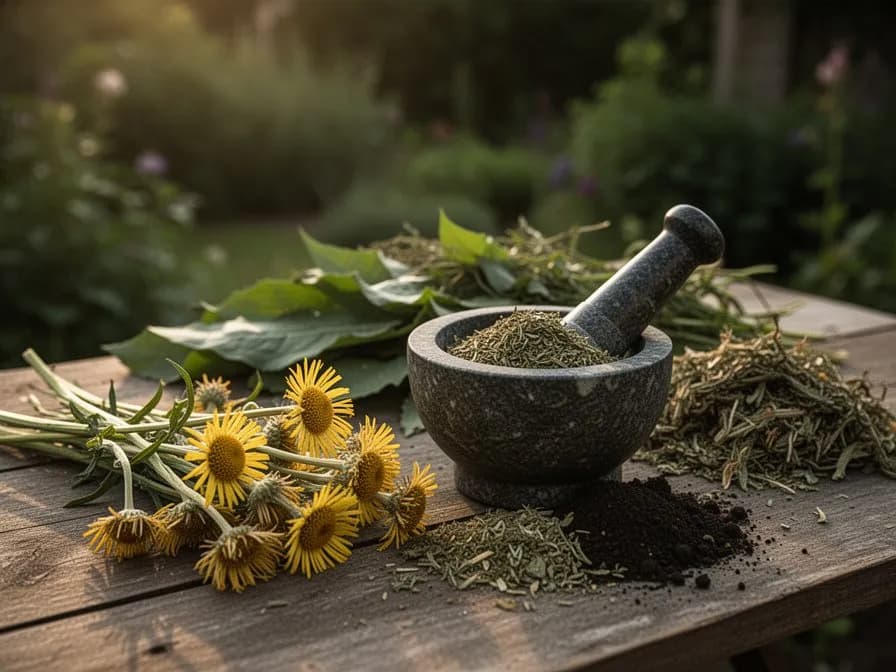
Una perenne imponente que alcanza 1.5-2 metros de altura, con enormes hojas aterciopeladas de hasta 45 cm y alegres flores amarillas parecidas a las del girasol en verano.





En esta páginaResumen
Conoce Alant
Una perenne imponente que alcanza 1.5-2 metros de altura, con enormes hojas aterciopeladas de hasta 45 cm y alegres flores amarillas parecidas a las del girasol en verano. Esta antigua hierba medicinal se cultivaba en los jardines monásticos de toda la Europa medieval por su raíz aromática. Plántala en semisombra o pleno sol, en un suelo rico y húmedo, dejando 60 cm entre plantas.
Cuándo plantar Alant
Siembra las semillas de alant sobre la superficie de una mezcla húmeda para semilleros en primavera: necesitan luz para germinar. La germinación es lenta e irregular y suele tardar dos o tres semanas en condiciones frescas. También pueden sembrarse al aire libre en otoño para una estratificación natural. Las plántulas crecen despacio el primer año, pero se aceleran en temporadas posteriores. La división de matas establecidas en primavera es el método de propagación más sencillo y ofrece plantas grandes con más rapidez. Los esquejes de raíz (secciones de 5 cm plantadas en horizontal) también funcionan bien.
Tu año de Alant
Ajustado a Zona 7 · temporada típica · la helada se va hacia el 2 abr y vuelve hacia el 1 nov
Planta Alant Mar – Abr y cosecha Oct – Nov. Consulta los métodos de plantación y elige tu clima para adaptar los periodos.
Cómo cultivar Alant
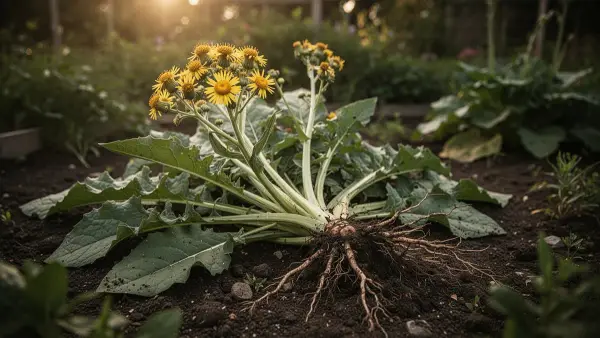
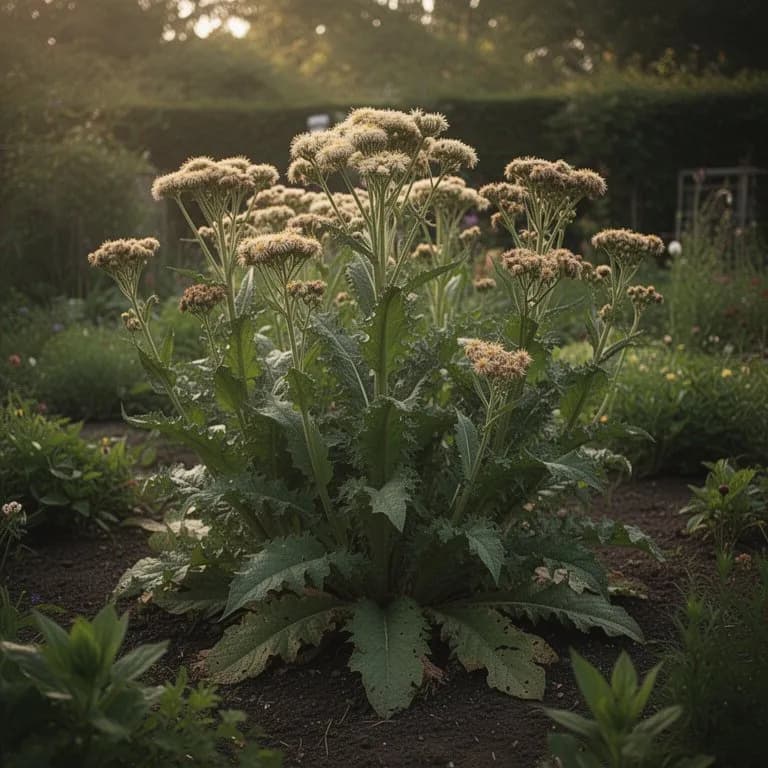
El alant es una planta perenne imponente, que llama la atención en el jardín por su porte arquitectónico: puede alcanzar los 2 metros de altura con grandes hojas basales rugosas y cabezuelas redondas de flores blanco verdosas. Plántalo en semisombra, con suelo rico y uniformemente húmedo, dejando 60 cm entre plantas para conseguir ejemplares solitarios llamativos.
Prepara un suelo profundo, fértil y con buena retención de humedad, incorporando mucho compost. El alant prospera en condiciones frescas y húmedas y tiene dificultades en climas calurosos y secos. La humedad constante es esencial: las hojas grandes transpiran mucho y las plantas se marchitan con rapidez en sequía. Acolcha abundantemente para mantener frescas y húmedas las raíces. La semisombra es ideal, especialmente en zonas más cálidas.
Como planta bienal, el alant forma una roseta de hojas en el primer año y florece en el segundo antes de morir. Sin embargo, si se cortan los tallos florales antes de que maduren las semillas, a veces las plantas viven algunos años más. Deja algunas plantas para que se auto-siembren y así asegurar un suministro continuo. Las semillas recién cosechadas germinan mejor: las almacenadas pierden viabilidad con rapidez.
8 plantas caben en un bancal de 120 × 240 cm
Cada Alant pide 60 cm de margen. El planificador guarda ese marco por ti — cada planta, cada bancal.
Los mejores vecinos de Alant
El alant funciona muy bien en jardines de lluvia nativos y plantaciones de pradera húmeda junto con joe pye weed, ironweed, flor cardinal y lirio azul de bandera. Sus flores amarillas de final de temporada atraen decenas de especies de mariposas y aportan néctar vital cuando pocas plantas están en flor. Es excelente para jardines de hábitat para fauna. Plántalo en bordes de estanques y riberas de arroyos, donde ayuda a estabilizar el suelo mientras aporta valor medicinal y ecológico.
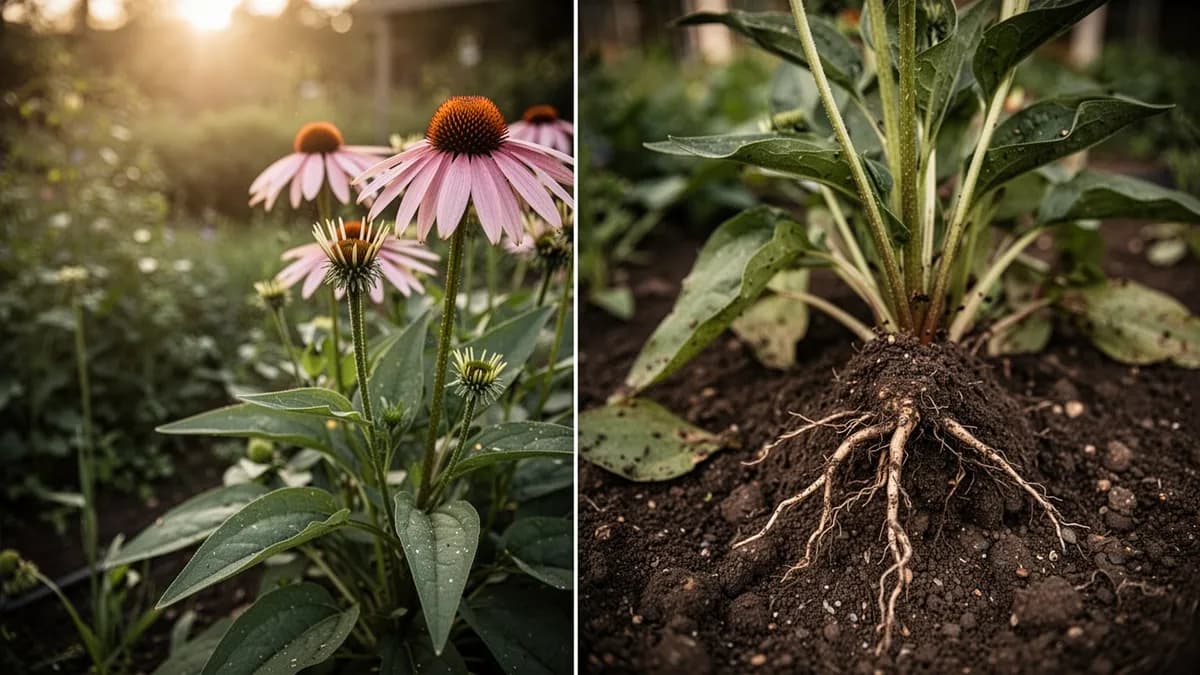
Equinácea va a su lado.
Saber de huerto de siempre, cotejado con la tabla real de Alant — prueba cualquier planta que cultives.
Prueba Alant en un bancal, aquí mismo
Un bancal real del planificador con Alant ya plantado. Toca una planta compañera para colocarla y mira cómo responde la comprobación de vecinos: verde para buenos vecinos, rojo si hay conflicto.


Guías de cultivo relacionadas
Abónalo bien
Cultívalo en un suelo profundo, rico y uniformemente húmedo, con pH entre 5.5 y 7.0. El alant prospera en las condiciones húmedas de su hábitat natural: bordes de arroyos, márgenes de ríos y praderas húmedas. No necesita fertilización en un suelo naturalmente rico en materia orgánica. En lugares más secos, enmienda con compost y mantén una humedad constante. Es excelente para jardines de lluvia, donde ayuda a absorber y filtrar la escorrentía de aguas pluviales mientras ofrece hábitat para la fauna.
Temperatura ideal
Compatibilidad de zonas de rusticidad
De la semilla a la cosecha, etapa por etapa
Germinación de semillas
Las semillas de alant necesitan luz para germinar y deben sembrarse superficialmente sobre suelo húmedo. La germinación es lenta e irregular y suele tardar dos o tres semanas en condiciones frescas.
Establecimiento de plántulas
Las plántulas jóvenes desarrollan sus primeras hojas verdaderas, que son notablemente vellosas. El crecimiento es moderado en esta fase, mientras la planta se centra en desarrollar un sistema radicular fuerte bajo la superficie.
Crecimiento vegetativo
La planta produce grandes hojas basales que pueden superar los 30 cm de longitud. Durante su primer año, el alant concentra su energía en la producción de hojas y el desarrollo de raíces en lugar de florecer.
Floración
En el segundo año, el alant emite tallos florales altos que pueden alcanzar entre 1.2 y 1.8 metros. Flores amarillas brillantes, similares a margaritas, aparecen desde mediados del verano hasta comienzos del otoño y atraen a abejas y mariposas.
Formación de semilla y dormancia
Tras la floración, las semillas se desarrollan en pequeños aquenios con penachos papiráceos para la dispersión por el viento. A medida que avanza el otoño, el crecimiento aéreo muere y la planta entra en dormancia invernal, almacenando energía en las raíces.
Cosecha de raíces
Las raíces de alant suelen cosecharse en otoño del segundo o tercer año, cuando la concentración de compuestos beneficiosos como la inulina y la alantolactona es mayor. Las raíces gruesas y carnosas tienen un aroma característico parecido al alcanfor.
Mantén el suelo constantemente húmedo, pero no encharcado. No cubras las semillas en profundidad, ya que necesitan luz para germinar.
Cuidar Alant mes a mes
Qué hacer cada mes para tu Alant
Octubre
Mes actualOctubre: Cosecha las raíces de las plantas del segundo o tercer año después de la primera helada. Desentierra con cuidado con una horquilla, lava a fondo, corta en trozos finos y seca en un área bien ventilada.
Ten claro qué hacer en tu huerto, cada mes
Un correo al empezar cada mes: qué sembrar, plantar y hacer ahora mismo — para tu Alant y todo lo que crece alrededor. Más un breve curso inicial para esquivar los errores clásicos.
- Qué hacer ahora mismo
- Ajustado a tu temporada
- Curso inicial incluido
Cosechar Alant
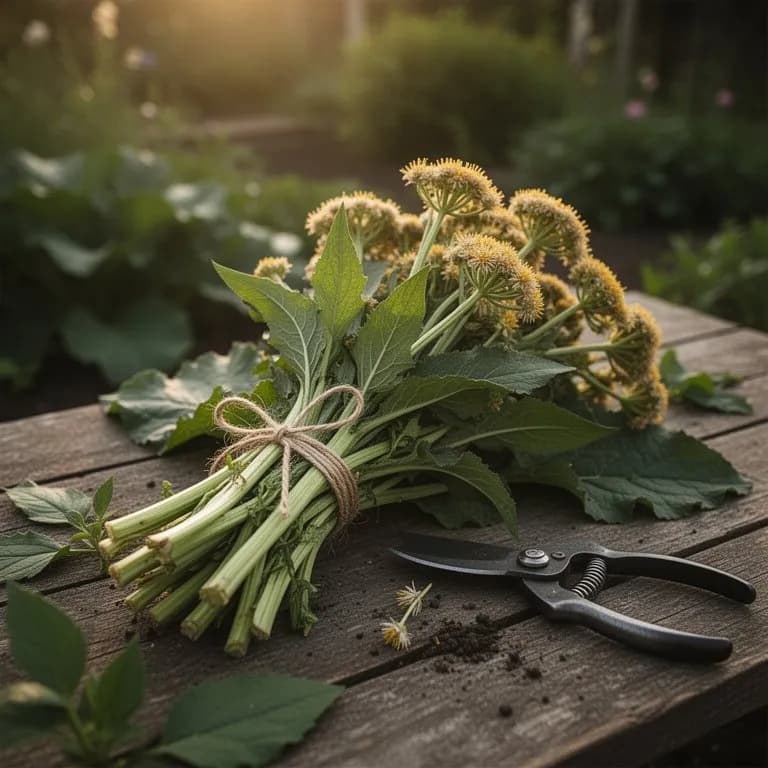
Cosecha las raíces de alant en otoño del segundo o tercer año, cuando están en su punto máximo de potencia. Las raíces gruesas y ramificadas pueden ser sorprendentemente grandes: usa una horquilla de jardín para levantar con cuidado toda la masa radicular. Lava bien y corta en rodajas o tiras. La raíz fresca tiene un aroma cálido, algo parecido al alcanfor y la violeta, y un sabor amargo-dulce. Seca las raíces cortadas lentamente a baja temperatura (35-40°C) para conservar los aceites volátiles. La raíz contiene altos niveles de inulina, que cristaliza al secarse.
se supone que plantas al comenzar el periodo — indica tu fecha real
Cosecha Alant a tiempo y la planta sigue produciendo.
Almacenamiento y conservación
Seca las raíces cortadas a baja temperatura en un deshidratador o en una habitación cálida. La raíz de alant bien seca es dura, de color blanquecino grisáceo y con cristales de inulina visibles, y conserva un fuerte aroma a alcanfor y violeta. Guárdala en frascos herméticos lejos de la luz hasta 2 años. La raíz seca produce un té de sabor distintivo, usado tradicionalmente para el apoyo respiratorio. También puede macerarse en alcohol para preparados concentrados. Históricamente, la raíz se confitaba como dulce y ayuda digestiva.
Qué falla — y cómo solucionarlo
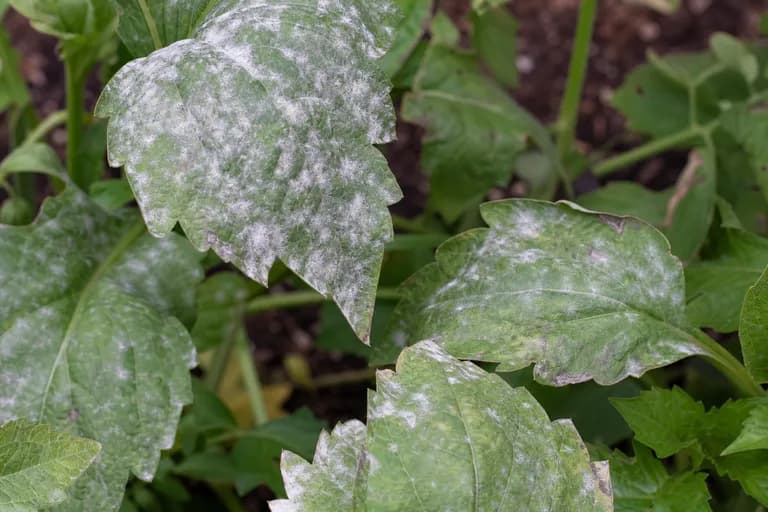
Minador de la cebolla
PlagaManchas marrones y galerías en las hojas hechas por las larvas de la mosca entre las superficies foliares.
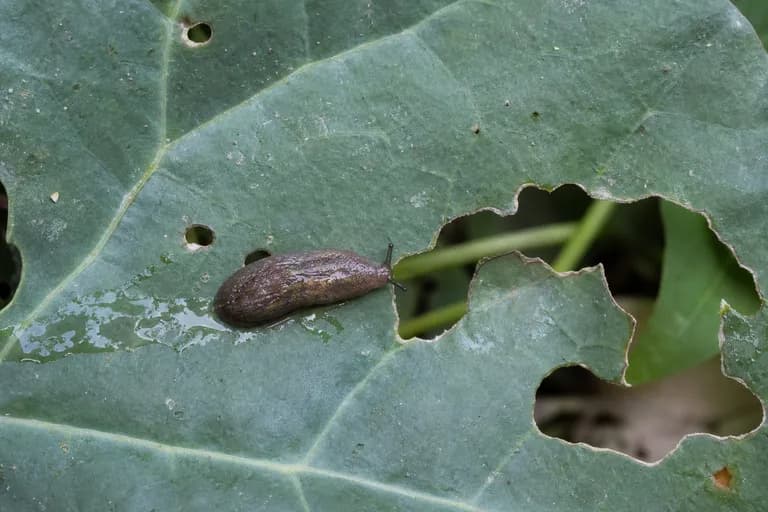
Podredumbre de la raíz
EnfermedadMarchitez a pesar de tener el suelo húmedo, raíces oscurecidas y blandas, y crecimiento que se ralentiza o colapsa.
Solución de problemas comunes
Requiere un suelo constantemente húmedo: no prospera en condiciones secas de jardín. Puede volverse flácido y caer si crece con demasiada sombra; dale al menos unas horas de sol directo. En condiciones ideales de humedad puede extenderse más de lo deseado; divídelo con regularidad para controlarlo. Su sabor extremadamente amargo sorprende a quienes no conocen los tónicos amargos tradicionales. Sale tarde en primavera: marca su ubicación para evitar dañarlo accidentalmente durante los trabajos tempranos del jardín.
Consejos de cultivo
- Elige un lugar de plantación con suelo profundo, rico y constantemente húmedo. El alant crece de forma natural junto a arroyos y en praderas húmedas, por lo que rinde mejor cuando sus raíces pueden acceder a abundante humedad.
- Planta el alant en la parte trasera de los bordes o a lo largo de cercas, ya que las plantas maduras pueden alcanzar entre 1.2 y 1.8 metros de altura y 90 cm de ancho, ocultando fácilmente hierbas y flores más bajas.
- Siembra las semillas superficialmente en primavera y presiona suavemente sobre el suelo sin cubrirlas, ya que las semillas de alant necesitan luz para activar la germinación.
- Divide las matas de raíz establecidas a comienzos de la primavera o a finales del otoño para propagar nuevas plantas. Cada división debe tener al menos una yema sana o un punto de crecimiento.
- Aplica cada primavera una capa gruesa de mantillo orgánico, como paja o mantillo de hojas, alrededor de las plantas para conservar la humedad, suprimir las malas hierbas y enriquecer lentamente el suelo.
- En climas cálidos del sur, ofrece semisombra, ya que el alant prefiere condiciones más frescas y puede marchitarse o quemarse con el sol intenso de la tarde sin suficiente agua.
- Espera hasta el segundo o tercer otoño para cosechar las raíces y obtener la mayor concentración de inulina y otros compuestos beneficiosos. Las raíces del primer año suelen ser demasiado pequeñas e inmaduras.
- Entutora los tallos florales altos en lugares ventosos o expuestos para evitar que se doblen o se rompan bajo el peso de las cabezas florales.
- Vigila los daños de babosas y caracoles en plantas jóvenes en primavera y usa disuasores orgánicos como cinta de cobre, cáscaras de huevo trituradas o trampas de cerveza para proteger el crecimiento tierno.
- Deja una parte del sistema radicular en el suelo al cosechar para que la planta pueda regenerarse. El alant es generoso y rebrotará con facilidad a partir de fragmentos de raíz restantes.
Cultiva tu mejor Alant — y todo lo que la rodea.
Empieza un plan gratis hoy. Diseña tus bancales, coloca tu Alant y deja que PlotMyGarden gestione el momento, el espaciado, las asociaciones y los recordatorios de la semilla a la cesta.
Elige tu Alant
Inula helenium (alant común)
La especie medicinal estándar con hojas basales grandes y flores amarillas. Es la variedad clásica de los jardines monásticos.
Inula helenium 'Aurea'
Una forma ornamental con follaje algo más luminoso y flores especialmente vistosas. Muy valorada en borduras grandes.
Una sola planta de alant puede producir varias libras de raíz seca a lo largo de su vida, con raíces cosechadas cada dos o tres años. La raíz seca ecológica de alant suele venderse por entre 25 y 40 dólares la libra, lo que significa que una planta bien establecida puede generar entre 50 y 120 dólares en raíz seca por ciclo de cosecha. Como el alant es una perenne vigorosa que se extiende de forma natural, una plantación inicial puede proporcionar un suministro autosostenible de esta valiosa hierba medicinal durante muchos años con un coste continuo mínimo.
Recetas rápidas
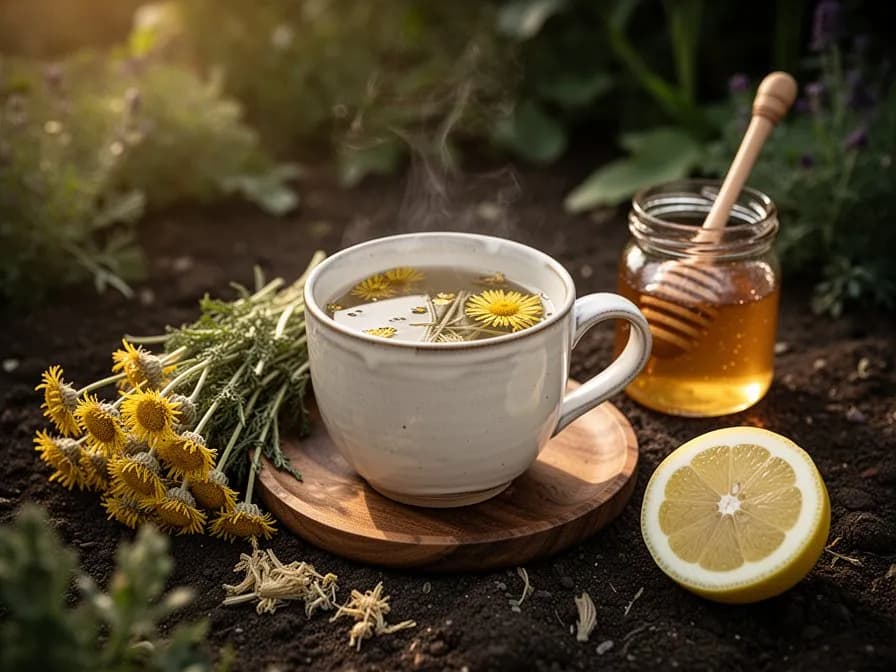
Té de decocción de raíz de alant
20 minutosUn té cálido y aromático hecho al hervir raíz de alant seca. Esta preparación tradicional se ha usado durante siglos para favorecer el confort respiratorio durante la temporada de resfriados y gripe. La infusión resultante tiene un sabor ligeramente amargo, parecido al alcanfor, que combina bien con miel y limón.
5 ingredientesTintura de raíz de alant
10 minutos activos (4-6 semanas de maceración)Un extracto herbal potente hecho al macerar raíz de alant en alcohol durante varias semanas. Las tinturas ofrecen una forma concentrada y estable de conservar los compuestos beneficiosos de la raíz de alant para uso durante todo el año. Toma pequeñas dosis diluidas en agua o zumo.
5 ingredientesRaíz de alant confitada a la antigua
45 minutosUna recuperación del clásico dulce medieval en el que la raíz de alant cortada se cuece lentamente en jarabe de azúcar hasta que queda tierna y cristalizada. Estos trozos de raíz dulces y aromáticos fueron en su día un remedio de farmacia popular para la tos y pueden disfrutarse como un curioso dulce herbal o añadirse a bebidas calientes.
5 ingredientesQué contiene
Beneficios para la salud
- Tradicionalmente usado durante siglos para apoyar la salud respiratoria, ayudando a calmar la tos, aliviar la congestión y suavizar las molestias bronquiales durante enfermedades estacionales.
- Contiene inulina, una poderosa fibra prebiótica que promueve el crecimiento de bacterias intestinales beneficiosas y favorece el bienestar digestivo general.
- Es rico en lactonas sesquiterpénicas como la alantolactona, estudiadas por sus propiedades antimicrobianas contra diversas bacterias y hongos.
- Usado en la medicina tradicional europea y popular como un tónico amargo suave para estimular el apetito y favorecer una digestión saludable después de las comidas.
- Los aceites volátiles y compuestos activos de la raíz de alant han mostrado propiedades antiinflamatorias en estudios de investigación preliminares.
- Históricamente valorado como hierba expectorante, ayudando a aflojar y expulsar la mucosidad de las vías respiratorias y facilitando la respiración.
De dónde viene Alant
El alant (Inula helenium) es una hierba perenne majestuosa originaria de Europa central y meridional, así como de partes de Asia occidental y central. Su área natural se extiende desde las Islas Británicas por la cuenca mediterránea hasta la región del Cáucaso, donde prospera en praderas húmedas, riberas de ríos y claros de bosque. La planta se ha cultivado y venerado por sus propiedades medicinales durante más de dos mil años, lo que la convierte en uno de los remedios herbales más antiguos documentados en la tradición occidental. Médicos griegos y romanos, incluidos Hipócrates, Dioscórides y Plinio el Viejo, escribieron extensamente sobre el alant y lo recomendaron principalmente para dolencias respiratorias, problemas digestivos y como tónico general. Los romanos también valoraban la raíz como ingrediente culinario, confitándola como un dulce y usándola para aromatizar vinos. Durante el periodo medieval, el alant ocupó un lugar destacado en los jardines de hierbas monásticos de toda Europa, donde se cultivaba junto a otras plantas medicinales esenciales. Se convirtió en un pilar de la herboristería tradicional europea y apareció en casi todos los grandes tratados de herbolaria desde la Edad Oscura hasta el Renacimiento. La planta fue llevada a Norteamérica por los primeros colonos europeos y pronto se naturalizó en gran parte del este de Estados Unidos y el sur de Canadá, donde aún puede encontrarse creciendo de forma silvestre a lo largo de caminos y en campos abandonados. En los sistemas de medicina tradicional china y ayurvédica, especies relacionadas de Inula se han usado para fines respiratorios y digestivos similares, lo que sugiere un amplio reconocimiento intercultural del género. Hoy en día, el alant sigue siendo muy valorado entre herbolarios de todo el mundo, especialmente por su papel en el apoyo a la salud respiratoria, y continúa cultivándose en jardines de hierbas tanto por sus raíces medicinales como por sus llamativas flores amarillas ornamentales.
Alant: ¿sabías que?
Datos fascinantes sobre Alant
Se dice que el nombre de la especie helenium deriva de Helena de Troya, pues, según la leyenda, la planta brotó del suelo donde cayeron sus lágrimas.
Alant: preguntas frecuentes
¿Cuándo debo plantar Alant?
¿Cuáles son buenas plantas acompañantes para Alant?
¿En qué zonas de rusticidad puede crecer Alant?
¿Cuánto sol necesita Alant?
¿A qué distancia debo espaciar Alant?
¿Qué plagas y enfermedades afectan a Alant?
¿Cómo almaceno Alant después de la cosecha?
¿Cuáles son las mejores variedades de Alant para cultivar?
¿Qué suelo necesita Alant?
¿Cuándo es el mejor momento para cosechar la raíz de alant?
¿Es seguro usar el alant como remedio herbal?
¿Cómo seco y guardo correctamente la raíz de alant?
¿Se puede cultivar alant en contenedores?
¿El alant se extiende de forma agresiva en el jardín?
¿Qué plantas compañeras crecen bien junto al alant?
Acabas de leer la teoría. Ahora cultívala en piloto automático.
Todo lo que hace que Alant sea delicado — el momento, el espaciado, las asociaciones, la ventana de cosecha — es justo lo que PlotMyGarden resuelve por ti, para cada planta de tu huerto.
Un plan que conoce tu clima
Indica tu ubicación una vez. Recibe fechas de siembra, abonado y cosecha basadas en tu última helada real y el pronóstico en vivo — sin adivinar con un sobre genérico.
De la sección “Cuándo plantar”Planificador de bancales de arrastrar y soltar
Diseña bancales sobre una cuadrícula. Cada planta encaja con su espaciado correcto y ves toda la temporada antes de gastar un céntimo en semillas.
De la sección “Cultivo”Conflictos de asociación, detectados a tiempo
Más de 200 buenas y malas combinaciones comprobadas en vivo mientras plantas — para que un error que arruine la temporada nunca llegue a la tierra.
De la sección “Asociaciones”Recordatorios que sí vas a seguir
“Riega las judías.” “Recoge hoy antes de que se pase.” Oportunos, concretos y ligados a las plantas que de verdad cultivas.
De la sección “Cosecha”Escalonado, programado
¿Quieres cosechar seis semanas en vez de seis días? Reparte tus siembras automáticamente y te avisa cuando toca el siguiente lote.
De la sección “Cuándo plantar”Un registro que se vuelve más listo
Cada cosecha que registras le enseña tu huerto. El plan del año que viene parte de lo que de verdad funcionó en tu suelo, no en un manual.
De la sección “Resumen”Planta estos junto a Alant
Más Hierbas medicinales
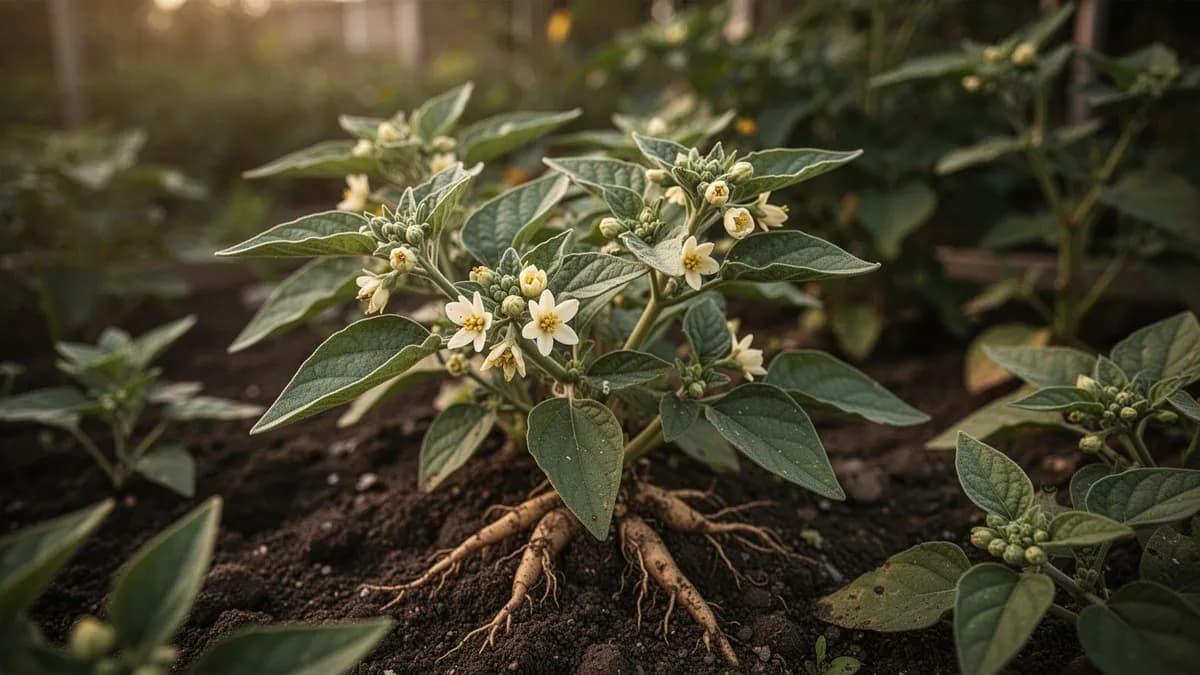
Diseños de jardín con Alant
Cultiva tu mejor Alant — y todo lo que la rodea.
Empieza un plan gratis hoy. Diseña tus bancales, coloca tu Alant y deja que PlotMyGarden gestione el momento, el espaciado, las asociaciones y los recordatorios de la semilla a la cesta.