Thai-Aubergine
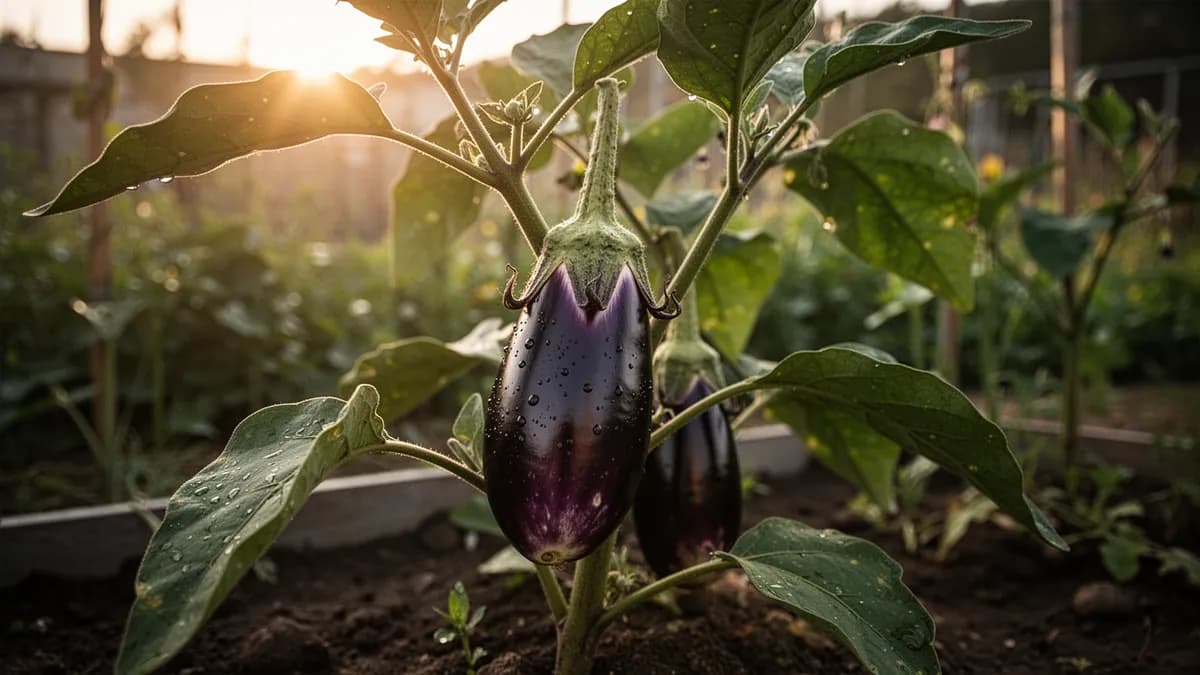
Kleine, runde Auberginen mit grün-weißen Streifen, die in Currys und Pfannengerichten ihre Form hervorragend behalten.





Auf dieser SeiteÜberblick
Thai-Aubergine im Überblick
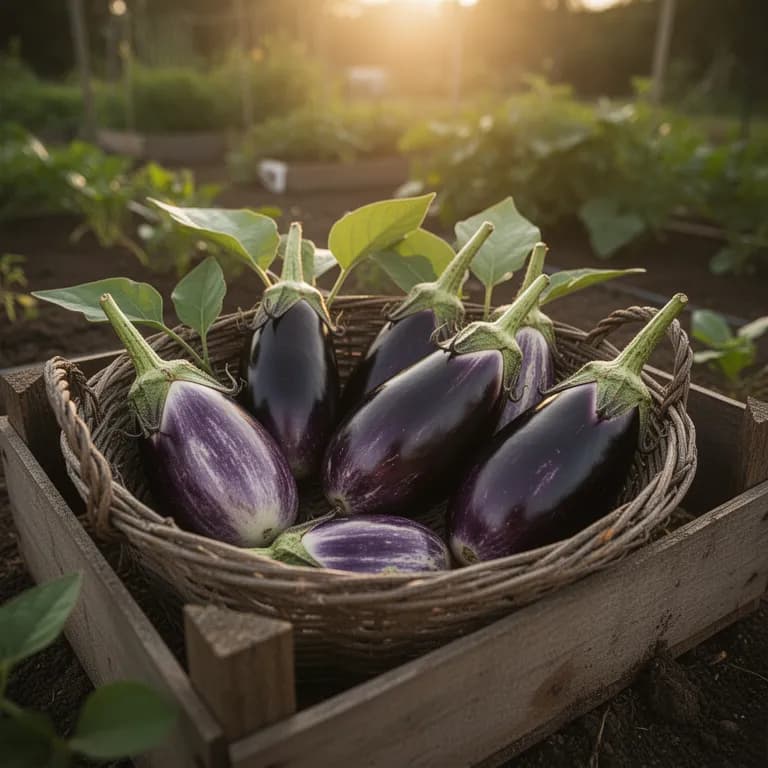
Kleine, runde Auberginen mit grün-weißen Streifen, die in Currys und Pfannengerichten ihre Form hervorragend behalten. Thai-Auberginen haben einen leicht bitteren Geschmack und eine feste Textur, die in der südostasiatischen Küche besonders geschätzt wird. Die Pflanzen sind kompakt und können in großen Kübeln kultiviert werden, was sie für kleine Gärten und Balkone geeignet macht. Ernten Sie die Früchte, wenn sie golfballgroß und noch fest sind, bevor die Samen sich entwickeln und das Fruchtfleisch schwammig wird.
Wann Thai-Aubergine pflanzen
Beginnen Sie mit der Aussaat von Thai-Auberginen-Samen zehn bis zwölf Wochen vor dem letzten Frost drinnen. Weichen Sie die Samen 24 Stunden lang in warmem Wasser ein, um die Keimrate zu verbessern. Säen Sie einen Viertezoll tief in feuchte Aussaaterde und halten Sie die Temperatur mit einer Heizmatte bei 27 °C bis 30 °C. Die Keimung kann 14 bis 21 Tage dauern, länger als bei den meisten Auberginensorten. Sobald die Sämlinge erscheinen, sorgen Sie für 14 bis 16 Stunden starkes Licht. Pikieren Sie in 8-cm-Töpfe beim ersten echten Blattpaar und beginnen Sie mit der Düngung mit verdünntem Flüssigdünger. Härten Sie die Pflanzen 10 bis 14 Tage vor dem Auspflanzen ins Freie ab.
Dein Thai-Aubergine-Jahr
Abgestimmt auf Zone 7 · typische Saison · Frost geht um den 2. Apr. und kehrt um den 1. Nov. zurück
Thai-Aubergine Feb – Jun pflanzen, Jul – Sep ernten. Beachte die Pflanzmethoden unten und wähle dein Klima für passende Zeiträume.
So baust du Thai-Aubergine an
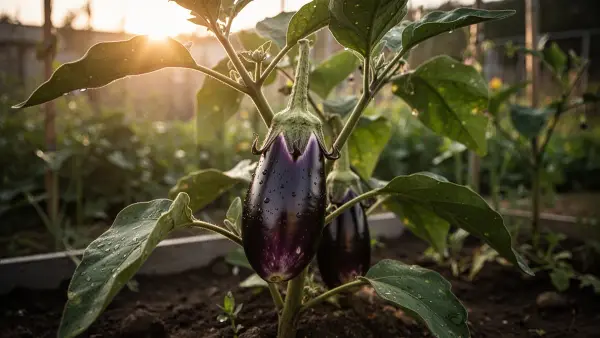
Säen Sie Thai-Auberginen-Samen zehn bis zwölf Wochen vor dem letzten Frost drinnen aus, da sie eine längere Wachstumsperiode als viele andere Auberginensorten benötigen. Säen Sie die Samen einen Viertezoll tief und halten Sie die Bodentemperatur bei 27 °C bis 30 °C für die Keimung innerhalb von 10 bis 21 Tagen. Thai-Auberginen-Samen können langsam keimen, daher ist Geduld unerlässlich. Sorgen Sie für 14 bis 16 Stunden helles Licht täglich, sobald die Sämlinge erscheinen.
Pflanzen Sie die Setzlinge ins Freie, nachdem alle Frostgefahr vorüber ist und der Boden gründlich erwärmt ist, mindestens 18 °C. Setzen Sie die Pflanzen in einem Abstand von 60 bis 75 cm an einen geschützten, sonnigen Standort. Thai-Auberginen sind kompakter als Kugelauberginen und eignen sich gut für große Kübel mit mindestens 20 Litern Fassungsvermögen. Stützen oder umgittern Sie die Pflanzen, wenn sie Früchte tragen, da die schweren Fruchtbüschel die Zweige herunterziehen können.
Sorgen Sie während der gesamten Wachstumsperiode für gleichmäßige Feuchtigkeit und düngen Sie alle zwei bis drei Wochen mit einem ausgewogenen Flüssigdünger. Thai-Auberginen setzen Früchte in Büscheln an und benötigen möglicherweise Stützen, wenn die Ernte heranreift. Knipsen Sie die ersten Blüten ab, um die Pflanze zu stärken, bevor Sie die Fruchtbildung zulassen. Mulchen Sie, um Wärme und Feuchtigkeit zu halten, und bieten Sie bei extrem heißen Temperaturen über 38 °C Nachmittagsschatten.
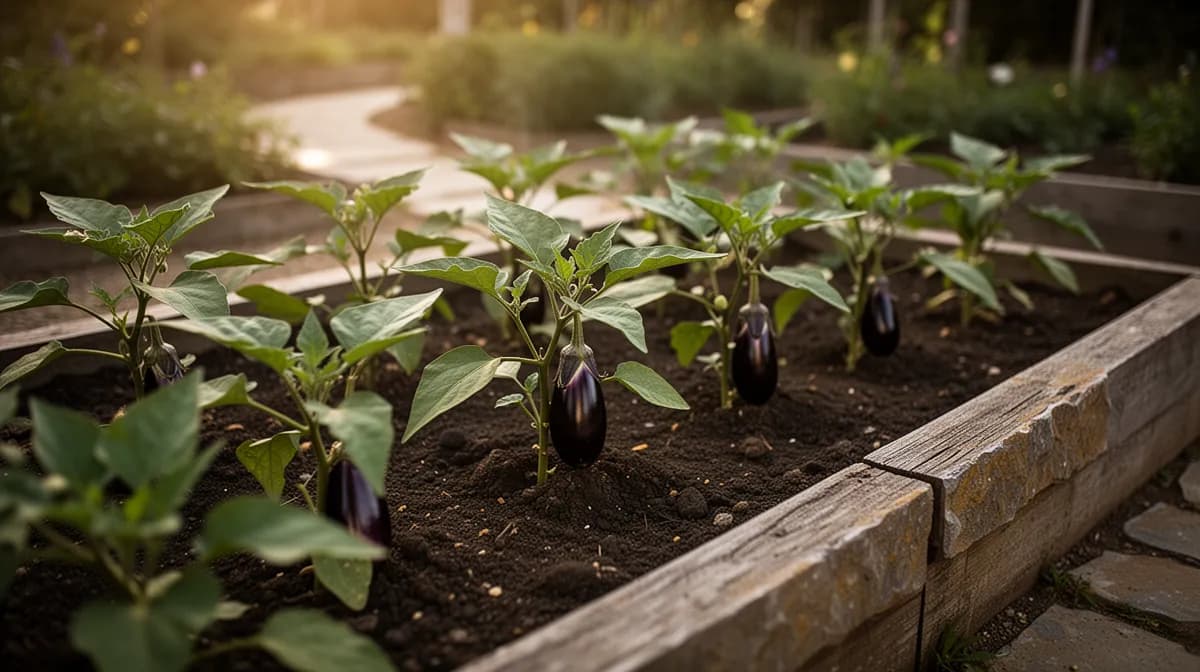
8 Pflanzen passen in ein Beet von 120 × 240 cm
Thai-Aubergine braucht 50 cm Platz pro Pflanze. Der Planer hält diesen Abstand für dich ein — jede Pflanze, jedes Beet.
Die besten Nachbarn für Thai-Aubergine
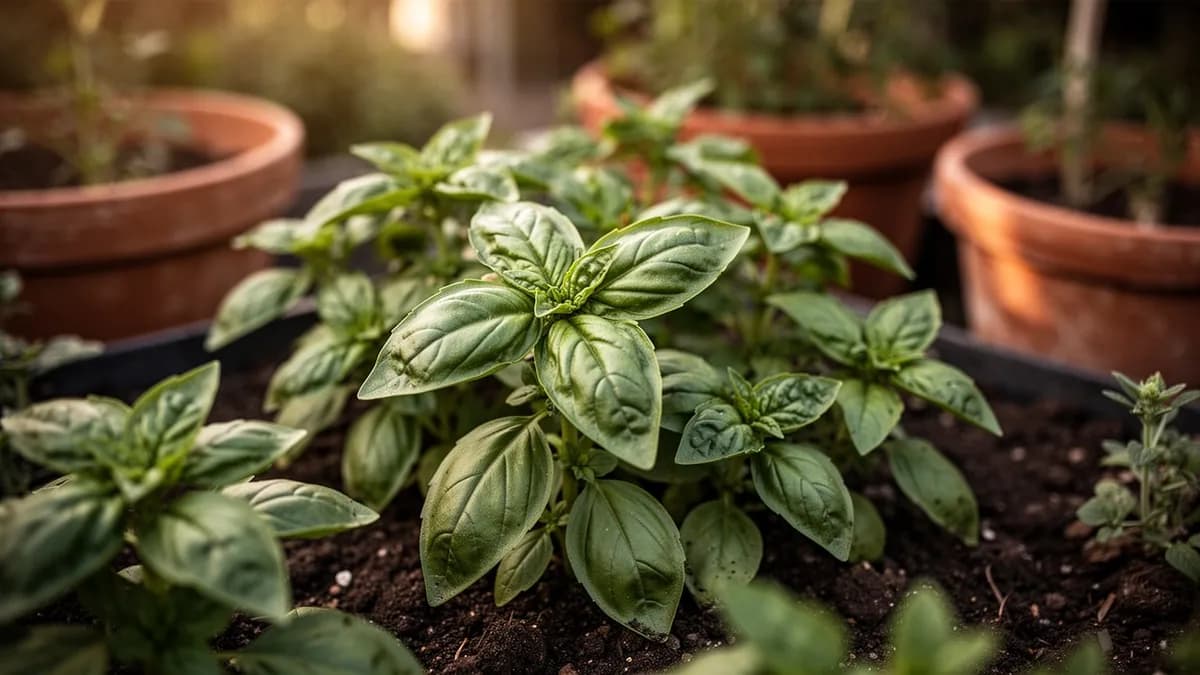
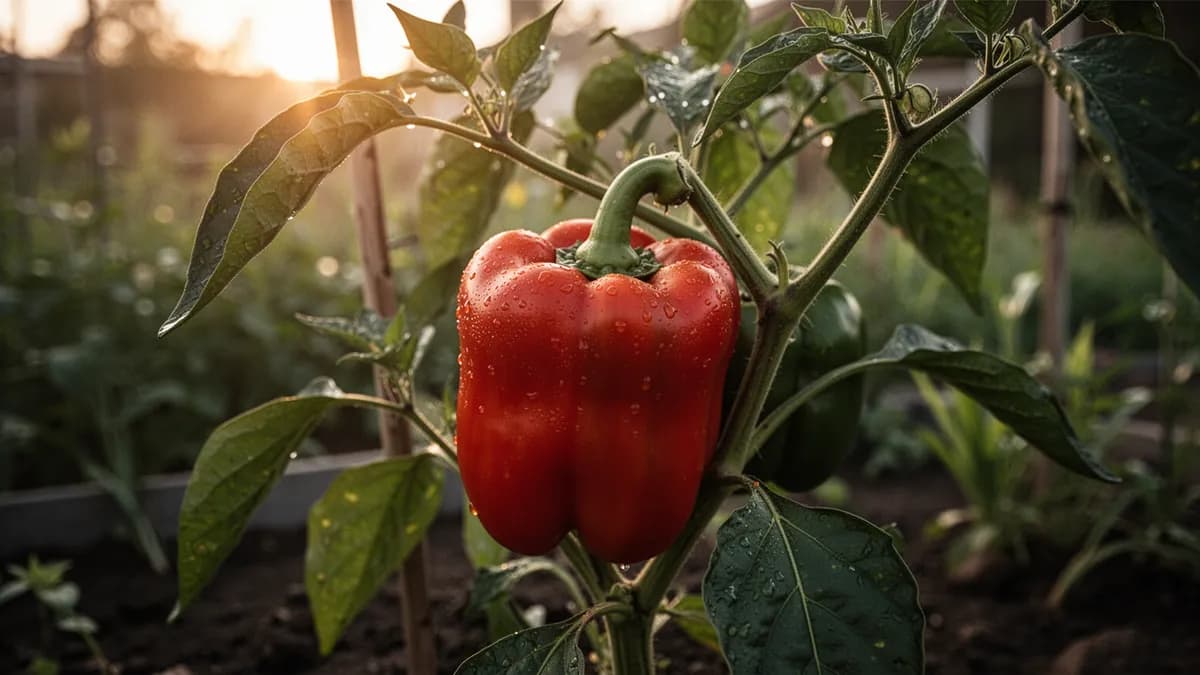
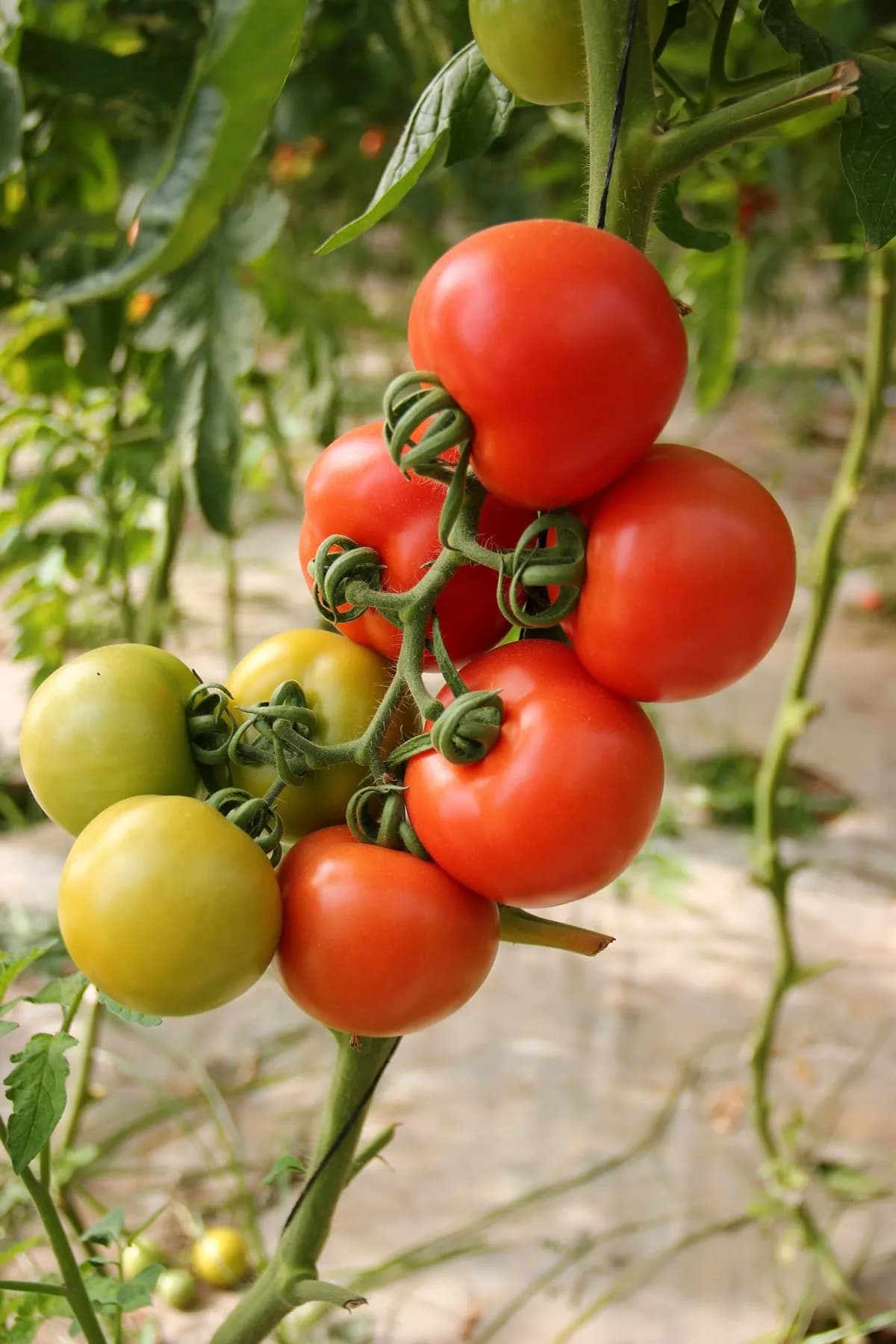
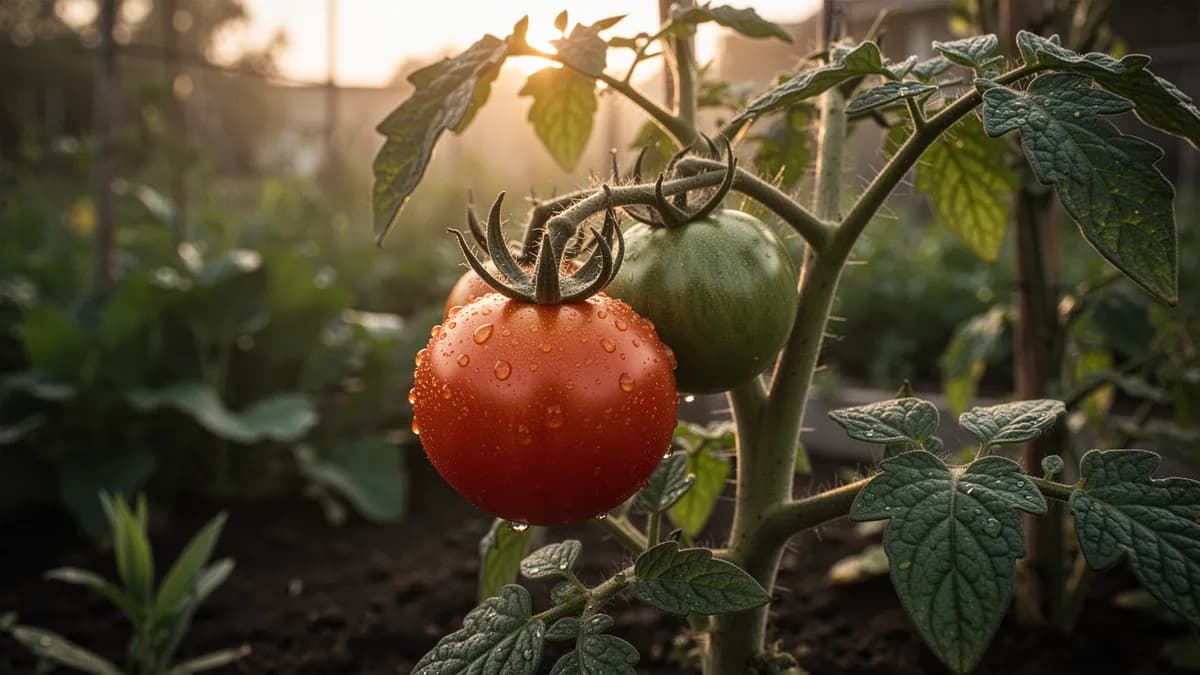
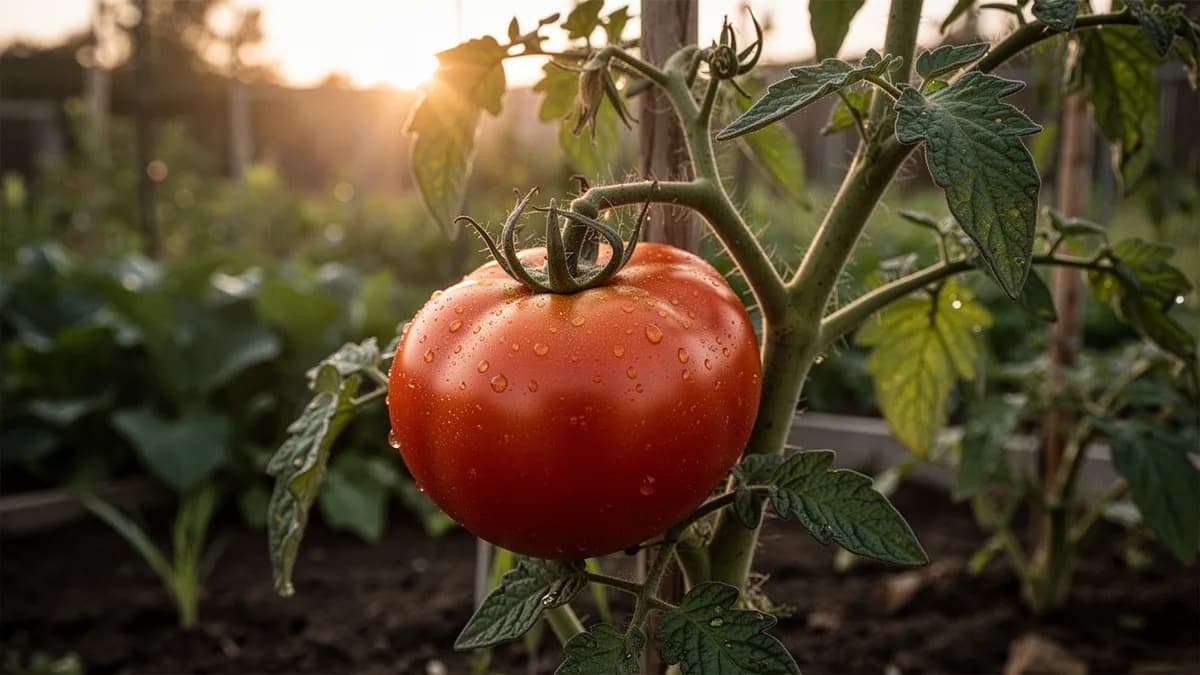
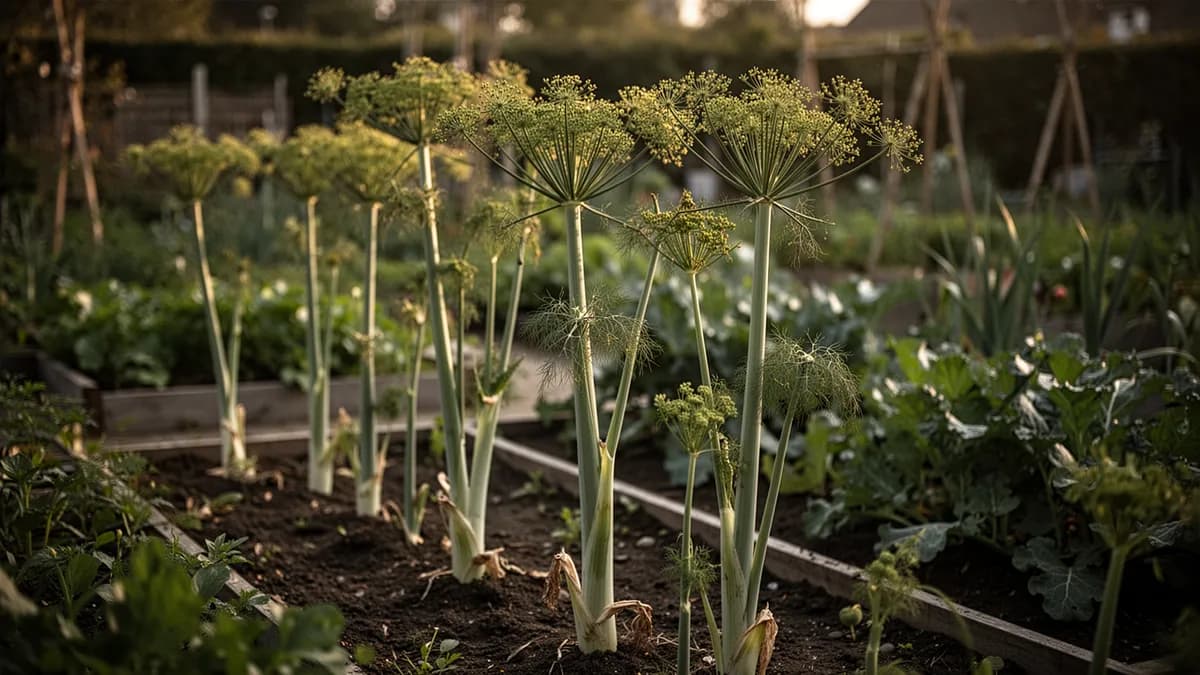
Thai-Auberginen gedeihen gut zusammen mit Basilikum, das sowohl ein kulinarischer als auch ein gärtnerischer Begleiter ist und bestimmte Schädlinge abwehren kann. Paprika und Tomaten haben ähnliche Wachstumsanforderungen und sind gute Nachbarn. Tagetes helfen, Nematoden und Erdflöhe abzuwehren. Bohnen und Erbsen in der Nähe fixieren Stickstoff und verbessern die Bodenfruchtbarkeit. Vermeiden Sie das Pflanzen in der Nähe von Fenchel, der das Wachstum der meisten Nachtschattengewächse hemmt. In der Nähe gepflanztes Zitronengras ergänzt das südostasiatische Gartenthema und kann helfen, einige Insektenschädlinge abzuwehren.
Basilikum gehört daneben. Fenchel nicht.
Altes Gärtnerwissen, geprüft an der echten Nachbartabelle von Thai-Aubergine — teste jede Pflanze, die du anbaust.
Probiere Thai-Aubergine direkt hier im Beet
Ein echtes Planer-Beet, Thai-Aubergine steht schon drin. Tippe einen Begleiter an, platziere ihn und sieh, wie die Nachbarschaftsprüfung antwortet — grün für gute Nachbarn, rot bei Streit.


Passende Anbau-Ratgeber
Richtig düngen
Thai-Auberginen bevorzugen fruchtbaren, gut durchlässigen Boden mit einem pH-Wert von 5,5 bis 6,5 und hohem Humusgehalt. Arbeiten Sie vor dem Pflanzen großzügig Kompost ein und bringen Sie beim Auspflanzen einen ausgewogenen Langzeitdünger aus. Düngen Sie während der Wachstumsperiode alle drei Wochen mit Kompost oder Fischemulsion nach. Diese Pflanzen sind mittelstarke Zehrer, reagieren aber gut auf gleichmäßige Nährstoffversorgung. In Kübeln verwenden Sie eine nährstoffreiche Blumenerde und düngen alle zwei Wochen mit verdünntem Flüssigdünger. Vermeiden Sie Überdüngung mit Stickstoff, der das Blattwachstum auf Kosten der Fruchtbildung fördert.
Ideale Temperatur
Winterhärtezone-Kompatibilität
Von der Saat zur Ernte, Schritt für Schritt
Aussaat
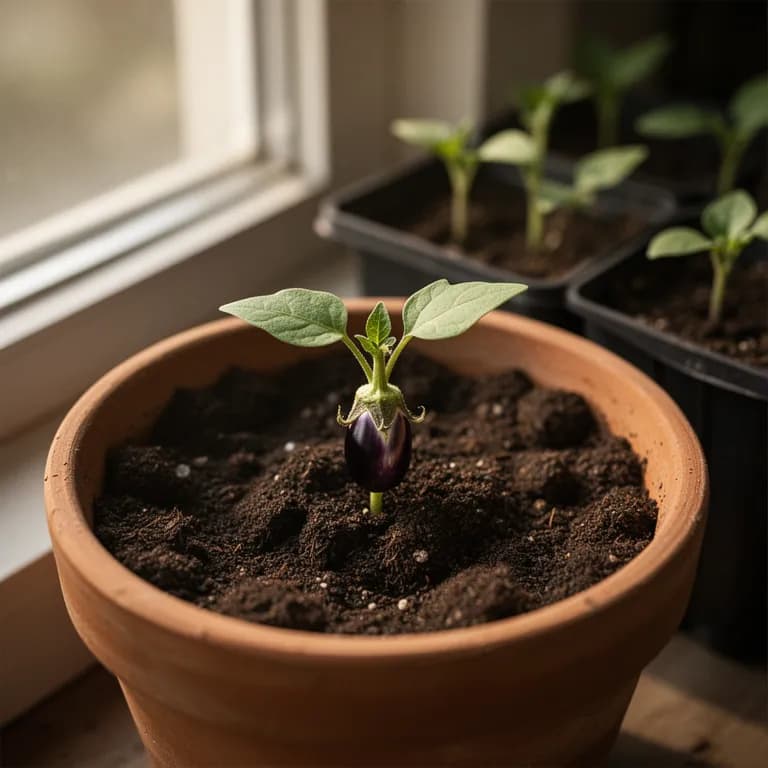
Thai-Auberginen-Samen gehören zu den am langsamsten keimenden in der Nachtschattenfamilie. Nach 24-stündigem Einweichen in warmem Wasser werden die Samen flach gesät und benötigen konstante Bodenwärme von 27–30 °C für die Keimung. Zuerst erscheint die Keimwurzel, gefolgt von dunkelgrünen Keimblättern nach 14–21 Tagen.
Sämlingsentwicklung
Die echten Blätter entwickeln sich mit einer leicht flaumigen Textur, die für die Nachtschattenfamilie charakteristisch ist. Die Sämlinge wachsen anfangs langsam und entwickeln ein starkes Wurzelsystem, bevor das sichtbare Wachstum oberirdisch beschleunigt wird. Der Stängel verdickt sich und zeigt an der Basis einen leichten violetten Schimmer.
Vegetatives Wachstum
Nach dem Auspflanzen ins Freie etablieren sich die Pflanzen schnell in warmem Boden und entwickeln ein buschiges, kompaktes Gerüst aus dunkelgrünen Blättern. Thai-Auberginen sind von Natur aus kompakter als Kugelauberginen und erreichen typischerweise 60–90 cm Höhe. Die Verzweigung beschleunigt sich mit steigenden Temperaturen.
Blütezeit
Kleine, violette, sternförmige Blüten erscheinen in Büscheln an den Blattachseln. Jede Blüte hat auffällige gelbe Staubgefäße und ist selbstbestäubend, obwohl Bienenbesuche den Fruchtansatz verbessern. Mehrere Blüten öffnen sich gleichzeitig, und jedes Büschel kann drei bis acht Früchte hervorbringen.
Fruchtentwicklung
Kleine runde Früchte entwickeln sich in Büscheln und schwellen innerhalb von zwei bis drei Wochen nach der Bestäubung schnell auf Golfballgröße an. Die charakteristische grün-weiß gestreifte Haut wird glänzend, wenn die Früchte die Reife erreichen. Fruchtbüschel können die Zweige erheblich belasten.
Fortlaufende Ernte
Die Pflanzen treten in die Dauerproduktion ein und blühen und fruchten gleichzeitig über sechs bis acht Wochen bei warmen Bedingungen. Regelmäßiges Ernten alle zwei bis drei Tage stimuliert die kontinuierliche neue Blüten- und Fruchtproduktion. Die Produktivität nimmt ab, wenn die Nachttemperaturen dauerhaft unter 15 °C fallen.
Verwenden Sie eine Heizmatte, um die Bodentemperatur bei 27–30 °C zu halten – das ist bei Thai-Auberginen unverzichtbar. Lassen Sie die Aussaaterde nicht austrocknen, vermeiden Sie aber Staunässe. Haben Sie Geduld; die Keimung kann bis zu drei Wochen dauern.
Thai-Aubergine Monat für Monat pflegen
Was du jeden Monat für deine Thai-Aubergine tun solltest
Oktober
Aktueller MonatLetzte Ernten in den meisten Zonen, wenn die Nachttemperaturen unter 15 °C fallen. Lassen Sie einige Früchte an der Pflanze vollständig ausreifen und gelb werden, um Saatgut zu gewinnen. Entfernen Sie verbrauchte Pflanzen vor dem ersten Frost und kompostieren Sie gesundes Material.
Immer wissen, was jetzt im Garten zu tun ist
Eine E-Mail zum Monatsanfang: was du jetzt säen, pflanzen und anpacken solltest — für deine Thai-Aubergine und alles, was drumherum wächst. Dazu ein kurzer Startkurs, der dich vor den klassischen Fehlern bewahrt.
- Was jetzt zu tun ist
- Passend zu deiner Saison
- Startkurs inklusive
Thai-Aubergine ernten
Ernten Sie Thai-Auberginen, wenn die Früchte etwa die Größe eines Golfballs haben, typischerweise 3 bis 5 cm im Durchmesser. Die Haut sollte fest und glänzend mit leuchtend grün-weißer Färbung sein. Warten Sie nicht, bis die Früchte groß werden oder sich gelb verfärben, da die Samen dann hart werden und das Fruchtfleisch bitter und schwammig wird. Schneiden Sie die Früchte mit einer Gartenschere von der Pflanze, anstatt sie abzuziehen, da die Stiele zäh sind und den Zweig beschädigen können. Häufiges Ernten alle zwei bis drei Tage fördert die fortlaufende Produktion.
angenommen, du pflanzt zu Beginn des Zeitraums — trage dein tatsächliches Datum ein
Ernte Thai-Aubergine zügig, dann trägt die Pflanze weiter.
Lagerung & Konservierung
Thai-Auberginen werden am besten innerhalb von zwei bis drei Tagen nach der Ernte verwendet, da sie schneller verderben als größere Auberginensorten. Lagern Sie sie bei Zimmertemperatur, wenn Sie sie innerhalb eines Tages verwenden, oder kühlen Sie sie in einer Papiertüte für bis zu fünf Tage im Kühlschrank. Sie lassen sich roh nicht gut einfrieren, können aber in Currypaste gekocht und zur späteren Verwendung eingefroren werden. Das Einlegen in Salzlake oder Essig ist eine gängige Konservierungsmethode in der südostasiatischen Küche. Schneiden Sie sie erst unmittelbar vor dem Kochen auf, da sie schnell oxidieren und braun werden.
Was schiefgeht — und die Lösung
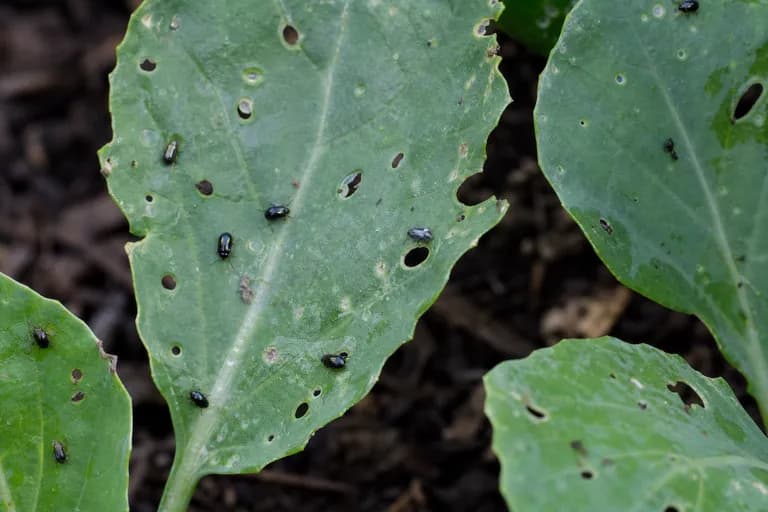
Erdflöhe
SchädlingZahlreiche winzige Löcher in den Blättern, die ein spitzenartiges Erscheinungsbild ergeben. Junge Setzlinge sind am anfälligsten und können bei starkem Befall im Wachstum gehemmt oder abgetötet werden.

Spinnmilben
SchädlingFeine Gespinste an den Blattunterseiten mit gesprenkeltem, vergilbendem Laub. Bei starkem Befall während heißem, trockenem Wetter können sich die Blätter kräuseln und abfallen.
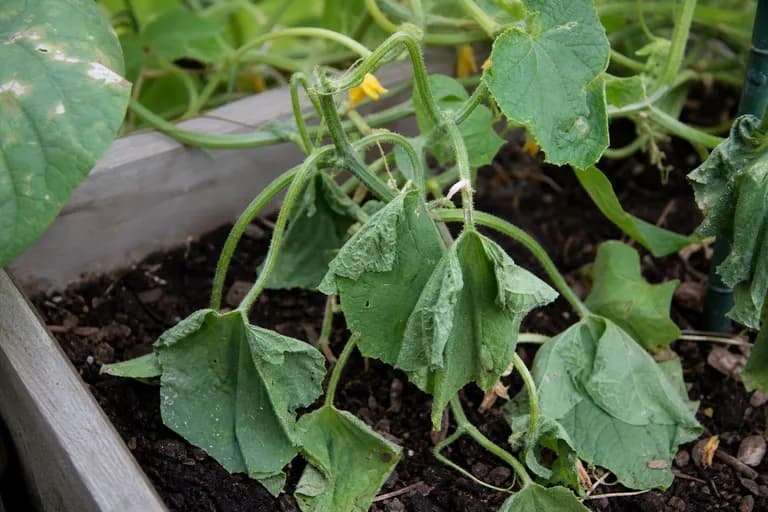
Bakterielle Welke
KrankheitPlötzliches Welken der gesamten Pflanze ohne Vergilbung. Aufgeschnittene Stängel zeigen braune Verfärbungen im Leitgewebe und können in Wasser einen milchigen bakteriellen Schleim absondern.
Fehlerbehebung bei häufigen Problemen
Thai-Auberginen benötigen eine lange, warme Wachstumsperiode und bringen in Regionen mit weniger als 120 frostfreien Tagen möglicherweise keinen guten Ertrag. Schlechter Fruchtansatz ist bei Temperaturextremen häufig, sowohl über 35 °C als auch bei Nachttemperaturen unter 15 °C. Die Pflanzen sind anfälliger für Spinnmilben als andere Auberginensorten, insbesondere bei heißen, trockenen Bedingungen. Überreife Früchte, die an der Pflanze bleiben, werden kernig und bitter und verringern die Gesamtproduktivität. In feuchten Klimazonen helfen ausreichende Pflanzabstände und gute Luftzirkulation, Pilzkrankheiten vorzubeugen.
Anbautipps
- Das 24-stündige Einweichen der Samen in warmem Wasser vor der Aussaat ist unerlässlich – Thai-Auberginen-Samen haben eine härtere Schale als Standard-Auberginensorten, und ohne Einweichen sinken die Keimraten erheblich und der Zeitpunkt wird unvorhersehbar.
- Beginnen Sie mit der Aussaat viel früher als Sie denken. Zehn bis zwölf Wochen vor dem letzten Frost ist nicht zu früh – Thai-Auberginen keimen langsam und wachsen im Sämlingsstadium langsam, und zu spät gestartete Pflanzen bringen möglicherweise keine nennenswerte Ernte vor dem Herbstfrost.
- Bodenwärme ist absolut entscheidend für die Keimung. Eine Heizmatte, die eine Bodentemperatur von 27–30 °C aufrechterhält, ist das wichtigste Gerät für die Anzucht von Thai-Auberginen aus Samen. Die Aussaat bei Raumtemperatur auf der Fensterbank scheitert fast immer.
- Knipsen Sie die ersten Blüten ab, um ein stärkeres, produktiveres Pflanzengerüst aufzubauen. Das mag kontraintuitiv erscheinen, aber wenn Sie die ersten Blüten an einer kleinen Pflanze Früchte ansetzen lassen, führt das zu verkümmertem Wachstum und niedrigeren Gesamterträgen über die Saison.
- Thai-Auberginen sind anfälliger für Spinnmilben als andere Auberginensorten. Besprühen Sie bei heißem, trockenem Wetter das Laub jeden Morgen mit Wasser, um ungünstige Bedingungen für Milben zu schaffen. Kontrollieren Sie wöchentlich die Blattunterseiten auf feine Gespinste.
- Ernten Sie häufig – alle zwei bis drei Tage während der Haupterntezeit. Thai-Auberginen, die über Golfballgröße hinauswachsen, entwickeln schnell harte Samen, schwammiges Fruchtfleisch und zunehmende Bitterkeit. Überreife Früchte an der Pflanze verlangsamen zudem die Gesamtproduktion.
- Der Kübelanbau funktioniert bei Thai-Auberginen dank ihres kompakten Wuchses außerordentlich gut. Verwenden Sie mindestens einen 20-Liter-Kübel pro Pflanze mit nährstoffreicher Blumenerde und düngen Sie während der Wachstumsperiode alle zwei Wochen mit Flüssigdünger.
- In Regionen mit weniger als 120 frostfreien Tagen kultivieren Sie Thai-Auberginen in schwarzen Kübeln oder an einer Südwand, um die Wärmeaufnahme zu maximieren. Vliesabdeckungen im Frühling verlängern die Wachstumsperiode an jedem Ende um zwei bis drei Wochen.
Bau deine beste Thai-Aubergine an — und alles drumherum.
Starte heute kostenlos. Lege deine Beete an, setze deine Thai-Aubergine ein und lass PlotMyGarden Timing, Abstände, Begleiter und Erinnerungen von der Saat bis zum Erntekorb übernehmen.
Finde deine Thai-Aubergine
Thai Green
Die klassische runde, grün gestreifte Sorte, die am häufigsten in der thailändischen Küche verwendet wird. Kleine golfballgroße Früchte mit festem Fruchtfleisch und einer charakteristischen leichten Bitterkeit.
Kermit
Eine beliebte Sorte für Hausgärten mit grün-weiß gestreiften Früchten an kompakten, ertragreichen Pflanzen. Etwas milder als wildtypische Thai-Auberginen.
Thai Yellow
Eine leuchtend gelbe Sorte mit milderem, süßerem Geschmack als die grünen Sorten. Die attraktiven Früchte verleihen Currys und Pfannengerichten Farbe.
Thai Long Green
Eine längliche Thai-Sorte anstelle der runden Form, mit ähnlichem Geschmack, aber anderer Textur und Optik. Gut zum Schneiden in Currys geeignet.
Eine einzelne Thai-Auberginen-Pflanze, die aus einem Saatgutpaket für 3–4 € (mit 20–30 Samen) gezogen wird, kann über eine Saison 50–80 Früchte produzieren. Frische Thai-Auberginen sind ein Spezialprodukt und kosten im Asialaden 10–16 € pro Kilogramm und auf Bauernmärkten 16–24 € pro Kilogramm, sofern sie überhaupt erhältlich sind. Der Anbau von nur 3–4 Pflanzen kann Haushalten, die regelmäßig thailändisch und südostasiatisch kochen, 50–100 € pro Saison einsparen. Die Einsparungen sind besonders bedeutend, weil Thai-Auberginen sehr leicht verderblich sind und in herkömmlichen Supermärkten oft nicht erhältlich oder von schlechter Qualität sind, was den eigenen Anbau zum zuverlässigsten Weg macht, wirklich frische Früchte zu erhalten.
Schnelle Rezepte
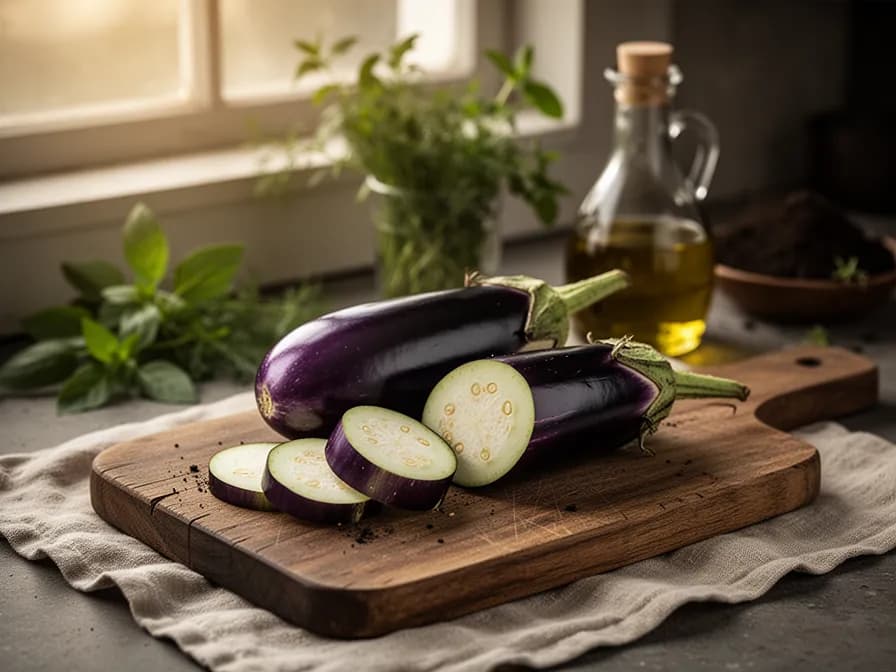
Thailändisches Grünes Curry mit Thai-Aubergine
35 minDas ultimative Thai-Auberginen-Gericht – kleine runde Auberginen, die in duftendem Kokos-Curry langsam gegart werden, bis sie gerade zart sind und dabei ihren befriedigenden Biss behalten. Die leicht bittere Aubergine balanciert die reiche, süße Kokosmilchsauce perfekt aus.
9 Zutaten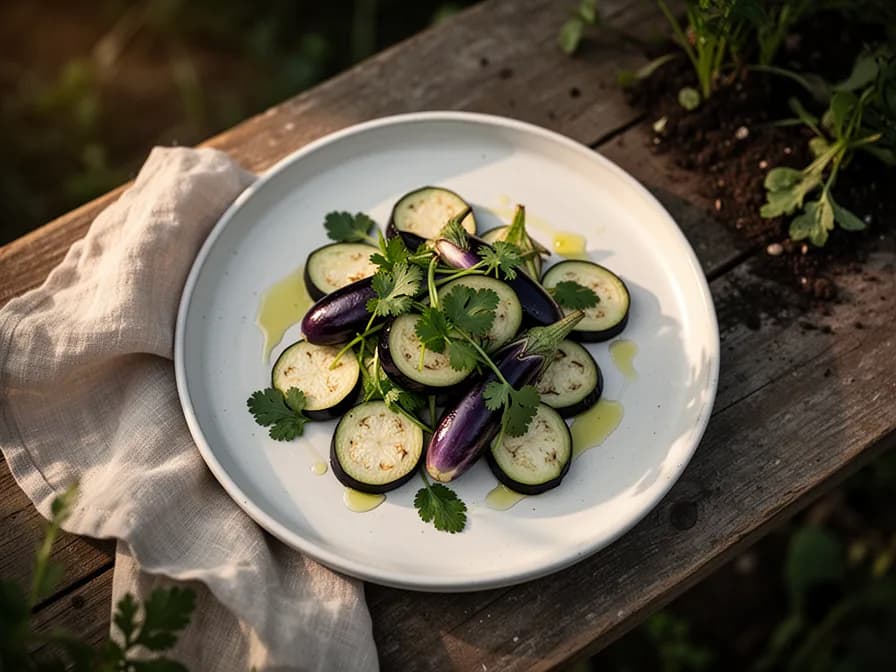
Pad Makua Yao (Pfannengerührte Thai-Aubergine mit Basilikum)
15 minEin schnelles, intensiv aromatisches Pfannengericht, bei dem Thai-Auberginen blitzschnell im heißen Wok mit Knoblauch, Chili und Thai-Basilikum gebraten werden. Die hohe Hitze versiegelt die Aubergine, während das Innere fest und leicht cremig bleibt.
8 ZutatenNam Prik Num mit roher Thai-Aubergine
20 minEine traditionelle nordthailändische Chili-Dipsauce, serviert mit geviertelten rohen Thai-Auberginen. Die feste Knackigkeit und milde Bitterkeit der rohen Aubergine sind das perfekte Vehikel für das rauchige, scharfe Relish – eine authentische Art, Thai-Aubergine ungekocht zu genießen.
8 ZutatenKulinarische Verwendung
Thai-Auberginen sind unverzichtbar in thailändischen grünen und roten Currys, wo ihre feste Textur beim langen Köcheln standhält und die Kokosmilch-Saucen wunderbar aufnimmt. Sie werden in Pad Ka Prao verwendet, pfannengerührt mit Thai-Basilikum und Chili. Vierteln oder halbieren Sie die Früchte vor dem Kochen. Die leichte Bitterkeit harmoniert hervorragend mit reichen, würzigen Aromen. Sie werden auch roh mit Nam-Prik-Dipsaucen in der thailändischen Küche genossen und schmecken köstlich in japanischer Misosuppe und malaysischem Laksa.
Was drinsteckt
Gesundheitsvorteile
- Thai-Auberginen enthalten Nasunin, ein starkes Anthocyan-Antioxidans in der Schale, das nachweislich Lipide in den Zellmembranen des Gehirns vor Schäden durch freie Radikale schützt und so möglicherweise die kognitive Gesundheit unterstützt.
- Reich an Chlorogensäure, einer der wirksamsten antioxidativen Verbindungen in Pflanzen, die in klinischen Studien entzündungshemmende, antimikrobielle und blutzuckerregulierende Eigenschaften zeigt.
- Der hohe Ballaststoffgehalt (3,0 g pro 100 g) unterstützt die Verdauungsregelmäßigkeit, nährt nützliche Darmbakterien und fördert das Sättigungsgefühl – was Thai-Auberginen zu einem ausgezeichneten Lebensmittel für das Gewichtsmanagement macht.
- Sehr kalorienarm (25 kcal pro 100 g) und liefert dabei nennenswerte Mengen an Mangan, Kalium und B-Vitaminen – ein ideales nährstoffreiches, kalorienarmes Lebensmittel für eine ausgewogene Ernährung.
- Enthält sekundäre Pflanzenstoffe wie Scopoletin und Scopolin, die in der Forschung entzündungshemmende Wirkungen gezeigt haben und potenziell zur Reduzierung chronischer Entzündungen beitragen können.
- Liefert nennenswerte Mengen Kalium (229 mg pro 100 g), das einen gesunden Blutdruck, eine ordnungsgemäße Muskelkontraktion und den Flüssigkeitshaushalt unterstützt – wichtig für die Herz-Kreislauf-Gesundheit.
Woher Thai-Aubergine stammt
Die Thai-Aubergine gehört zur Art Solanum melongena, derselben Art wie Kugel- und italienische Auberginen, repräsentiert aber eine eigenständige Sortengruppe, die sich in Südostasien über Jahrhunderte der Selektion für kleine, runde, festfleischige Früchte entwickelt hat. Während die Auberginenart im weiteren Sinne aus Indien stammt, wo wilde Vorfahren noch immer wachsen, wurden die kleinen runden Auberginen, die für die thailändische Küche charakteristisch sind, durch die kulinarischen Vorlieben und Anbaubedingungen des tropischen Südostasiens geprägt. Wilde Solanum-Arten mit kleinen, bitteren, erbsengroßen Früchten wachsen in ganz Thailand, Laos und Myanmar, und diese wilden Verwandten haben wahrscheinlich durch natürliche Kreuzbestäubung genetisches Material zu den kultivierten Formen beigetragen.
Der Auberginenanbau in Südostasien reicht über tausend Jahre zurück, mit Hinweisen in alten Khmer- und Thai-Texten, die kleine runde Auberginen beschreiben, die in Suppen und Relishes verwendet wurden. Thailändische Bauern selektierten auf Eigenschaften, die ihrer Küche entsprachen: kompakte Größe für einfaches Portionieren in Currys, festes Fruchtfleisch, das beim längeren Köcheln in Kokosmilch seine Form behält, und eine charakteristische milde Bitterkeit, die in reichen Gerichten einen geschmacklichen Kontrast bietet. Die grün-weiß gestreifte Schale wurde zum Erkennungsmerkmal thailändischer Sorten und unterschied sie von den violetten Auberginen, die in indischen, nahöstlichen und mediterranen Kochtraditionen bevorzugt werden.
Im modernen Thailand bleibt die Thai-Aubergine (Makua Pro) eines der wichtigsten Gemüse in der nationalen Küche. Sie wird kommerziell in den zentralen Ebenen und im nördlichen Hochland angebaut, und fast jeder Hausgarten im ländlichen Thailand umfasst einige Pflanzen. Die Sorte Kermit wurde speziell für westliche Hobbygärtner entwickelt und bietet das authentische Thai-Auberginen-Erlebnis an einer Pflanze, die an kürzere Wachstumsperioden angepasst ist. Heute gewinnen Thai-Auberginen weltweit an Beliebtheit, da das Interesse an authentischer südostasiatischer Küche wächst, und Samen sind zunehmend über Spezial- und Online-Saatguthändler erhältlich. Die kulturelle Bedeutung dieses bescheidenen Gemüses reicht über die Küche hinaus – in thailändischen Volkstraditionen werden Auberginenpflanzen manchmal in der Nähe von Türen angebaut, da man glaubt, dass sie Wohlstand bringen und negative Energie abwehren.
Thai-Aubergine: Schon gewusst?
Faszinierende Fakten über Thai-Aubergine
Thai-Auberginen gehören zu den wenigen Auberginensorten, die in ihrer Herkunftsküche häufig roh gegessen werden – in Thailand werden geviertelte rohe Thai-Auberginen als Standardbeilage zu Reisgerichten mit Chili-Dipsaucen (Nam Prik) serviert.
Thai-Aubergine: Fragen & Antworten
Wann sollte ich Thai-Aubergine pflanzen?
Was sind gute Begleitpflanzen für Thai-Aubergine?
In welchen Winterhärtezonen kann Thai-Aubergine wachsen?
Wie viel Sonne braucht Thai-Aubergine?
Welchen Abstand sollte ich zwischen Thai-Aubergine lassen?
Welche Schädlinge und Krankheiten befallen Thai-Aubergine?
Wie lagere ich Thai-Aubergine nach der Ernte?
Was sind die besten Thai-Aubergine-Sorten zum Anbauen?
Welchen Boden braucht Thai-Aubergine?
Warum sind meine Thai-Auberginen bitter und voller harter Samen?
Kann ich Thai-Auberginen in einem kühleren Klima mit kurzer Vegetationsperiode anbauen?
Warum blühen meine Thai-Auberginen-Pflanzen, setzen aber keine Früchte an?
Wie gewinne ich Saatgut von Thai-Auberginen?
Was ist der Unterschied zwischen Thai-Auberginen und normalen Auberginen beim Anbau?
Kann ich Thai-Auberginen roh essen, und ist das unbedenklich?
Du hast die Theorie gelesen. Jetzt baue sie auf Autopilot an.
Alles, was Thai-Aubergine knifflig macht — das Timing, die Abstände, die Begleiter, das Erntefenster — genau das übernimmt PlotMyGarden für dich, für jede Pflanze im Garten.
Ein Plan, der dein Wetter kennt
Standort einmal festlegen. Aussaat-, Dünge- und Erntedaten rund um deinen echten letzten Frosttermin und die Live-Vorhersage — kein Raten mehr nach Saattüte.
Aus dem Abschnitt „Pflanzzeit“Beetplaner per Drag & Drop
Beete auf einem Raster gestalten. Jede Pflanze rastet im richtigen Abstand ein, und du siehst die ganze Saison, bevor du einen Cent für Saatgut ausgibst.
Aus dem Abschnitt „Anbau“Begleiter-Konflikte früh erkannt
Über 200 gute und schlechte Kombinationen werden beim Pflanzen live geprüft — so landet ein saisonruinierender Fehler nie in der Erde.
Aus dem Abschnitt „Begleiter“Erinnerungen, nach denen du wirklich handelst
„Gieß die Bohnen.“ „Heute ernten, bevor's umschlägt.“ Pünktlich, konkret und auf deine echten Pflanzen bezogen.
Aus dem Abschnitt „Ernte“Staffel-Aussaat, geplant
Sechs Wochen ernten statt sechs Tage? Die App verteilt deine Aussaaten automatisch und erinnert dich, wenn der nächste Satz fällig ist.
Aus dem Abschnitt „Pflanzzeit“Ein Verlauf, der schlauer wird
Jede protokollierte Ernte bringt der App deinen Garten bei. Der Plan fürs nächste Jahr startet bei dem, was in deinem Boden wirklich funktioniert hat.
Aus dem Abschnitt „Überblick“Pflanze diese neben Thai-Aubergine
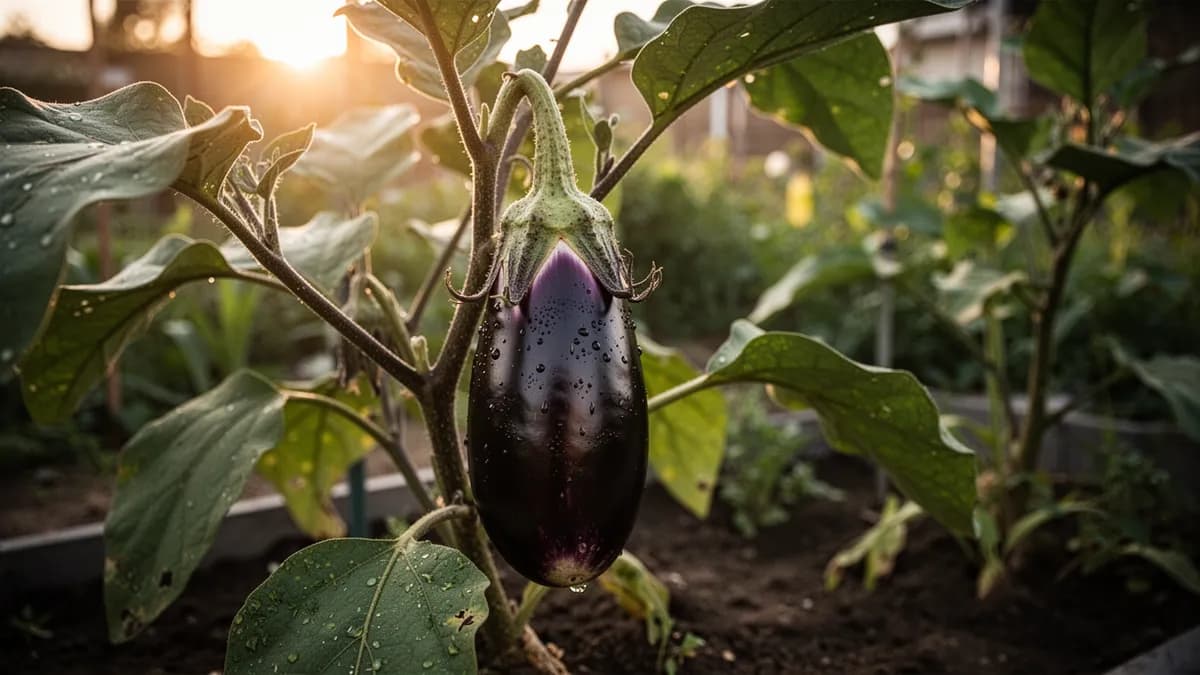
Weitere Nachtschattengewächse
Halte Thai-Aubergine von diesen fern
Gartenpläne mit Thai-Aubergine
Bau deine beste Thai-Aubergine an — und alles drumherum.
Starte heute kostenlos. Lege deine Beete an, setze deine Thai-Aubergine ein und lass PlotMyGarden Timing, Abstände, Begleiter und Erinnerungen von der Saat bis zum Erntekorb übernehmen.