Japanische Aubergine
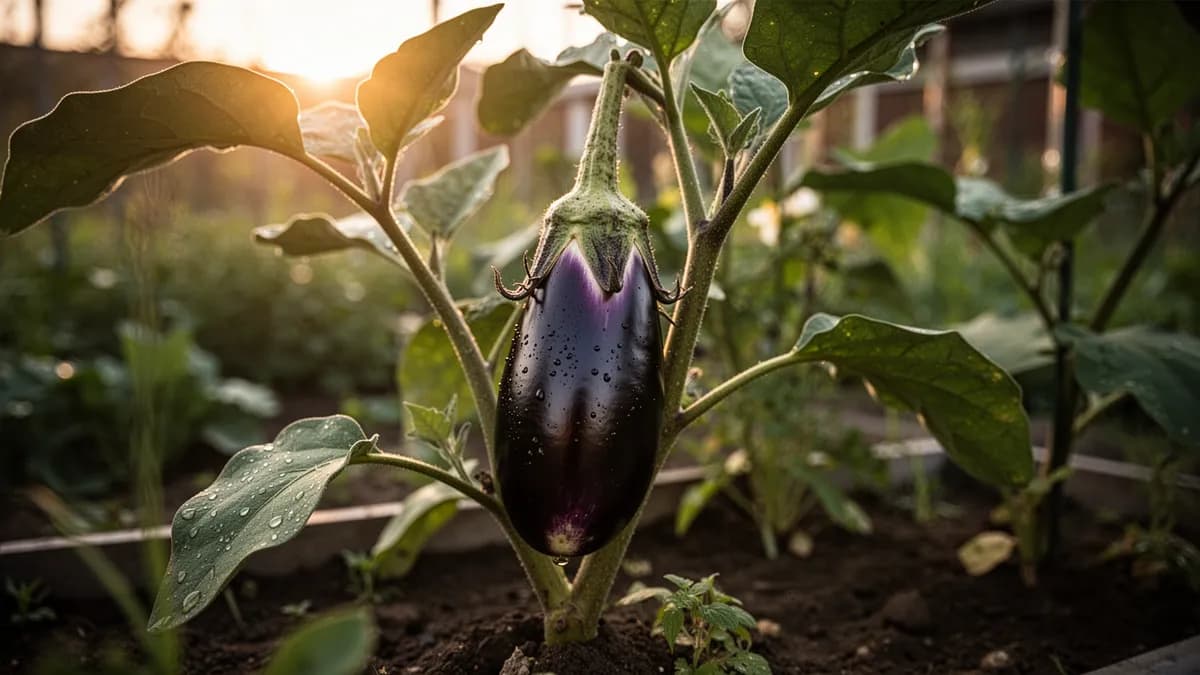
Eine schlanke, dünnhäutige Aubergine mit zartem Fruchtfleisch, die schnell gart und Aromen in Pfannengerichten und beim Grillen wunderbar aufnimmt.





Auf dieser SeiteÜberblick
Japanische Aubergine im Überblick
Eine schlanke, dünnhäutige Aubergine mit zartem Fruchtfleisch, die schnell gart und Aromen in Pfannengerichten und beim Grillen wunderbar aufnimmt. Japanische Auberginen haben weniger Kerne und weniger Bitterstoffe als Kugelauberginen und müssen vor dem Kochen selten gesalzen werden. Die schmale Form macht sie ideal zum Schneiden in gleichmäßige Scheiben oder zum Halbieren für das Grillen und Überbacken. Die Pflanzen sind ertragreich und profitieren von regelmäßiger Ernte, um die fortlaufende Fruchtproduktion während der gesamten Saison zu fördern.
Wann Japanische Aubergine pflanzen
Beginnen Sie mit der Aussaat acht bis zehn Wochen vor dem letzten Frosttermin drinnen. Weichen Sie die Samen über Nacht in warmem Wasser ein, um die Keimung zu beschleunigen. Säen Sie einen halben Zentimeter tief in sterile Anzuchterde und halten Sie die Bodentemperatur bei 27 °C bis 29 °C mithilfe einer Heizmatte. Die Keimung dauert 7 bis 14 Tage. Sorgen Sie für starkes Licht über 14 bis 16 Stunden täglich und halten Sie den Anzuchtbereich warm. Pikieren Sie die Sämlinge in einzelne 8-cm-Töpfe beim ersten echten Blattpaar. Härten Sie die Sämlinge schrittweise über 10 bis 14 Tage ab, setzen Sie sie dabei aber niemals Temperaturen unter 15 °C während des Abhärtungsprozesses aus.
Dein Japanische Aubergine-Jahr
Abgestimmt auf Zone 7 · typische Saison · Frost geht um den 2. Apr. und kehrt um den 1. Nov. zurück
Japanische Aubergine Feb – Jun pflanzen, Jul – Sep ernten. Beachte die Pflanzmethoden unten und wähle dein Klima für passende Zeiträume.
So baust du Japanische Aubergine an
Säen Sie japanische Auberginensamen acht bis zehn Wochen vor dem letzten Frosttermin drinnen aus. Säen Sie die Samen einen halben Zentimeter tief in warme Anzuchterde und halten Sie die Bodentemperatur bei 27 °C bis 32 °C für die Keimung innerhalb von 7 bis 14 Tagen. Auberginensamen brauchen konstante Wärme, daher ist eine Heizmatte für eine zuverlässige Keimung unerlässlich. Sorgen Sie für starkes Licht über 14 bis 16 Stunden täglich, sobald die Keimlinge erscheinen.
Pflanzen Sie erst ins Freiland um, wenn die Bodentemperaturen mindestens 18 °C erreichen und die Nachttemperaturen konstant über 15 °C liegen. Setzen Sie die Pflanzen im Abstand von 60 cm in voller Sonne. Japanische Auberginen sind kompakter als Kugelauberginen und gedeihen gut in großen Kübeln von mindestens 25 Litern. Verwenden Sie in kühleren Klimazonen schwarze Mulchfolie, um den Boden zu erwärmen, und bieten Sie Windschutz mit Stäben oder kleinen Käfigen.
Gießen Sie tief und gleichmäßig, da ungleichmäßige Feuchtigkeit zu bitteren Früchten und Blütenabwurf führt. Düngen Sie alle zwei bis drei Wochen mit einem ausgewogenen Dünger, sobald die Früchte ansetzen. Kappen Sie die Triebspitze, wenn die Pflanze 45 cm erreicht, um die Verzweigung und mehr Fruchtproduktion zu fördern. Ernten Sie die Früchte regelmäßig bei 15 bis 20 cm Länge, um die Pflanze während der gesamten Saison produktiv zu halten.
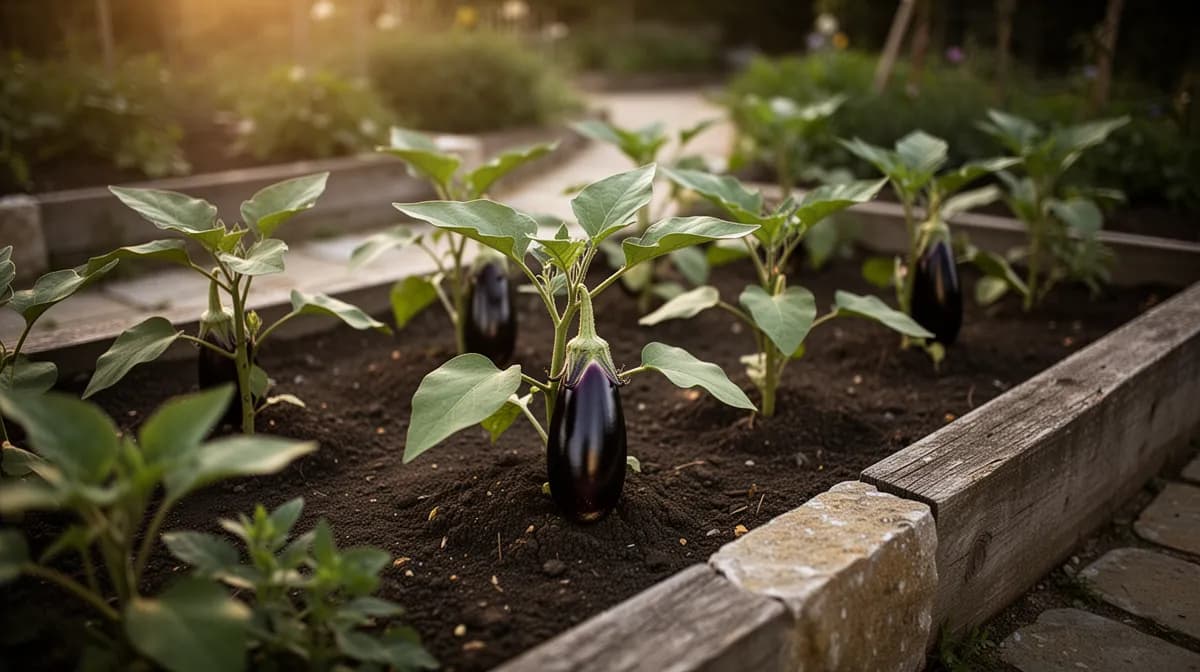
8 Pflanzen passen in ein Beet von 120 × 240 cm
Japanische Aubergine braucht 50 cm Platz pro Pflanze. Der Planer hält diesen Abstand für dich ein — jede Pflanze, jedes Beet.
Die besten Nachbarn für Japanische Aubergine
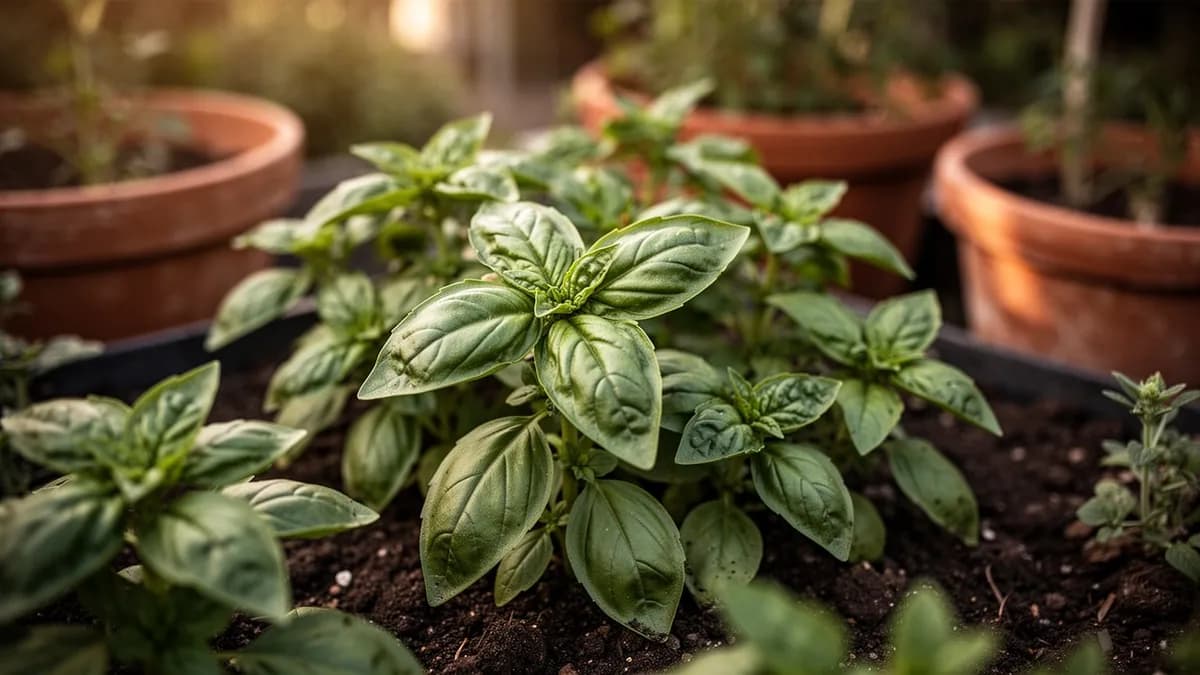
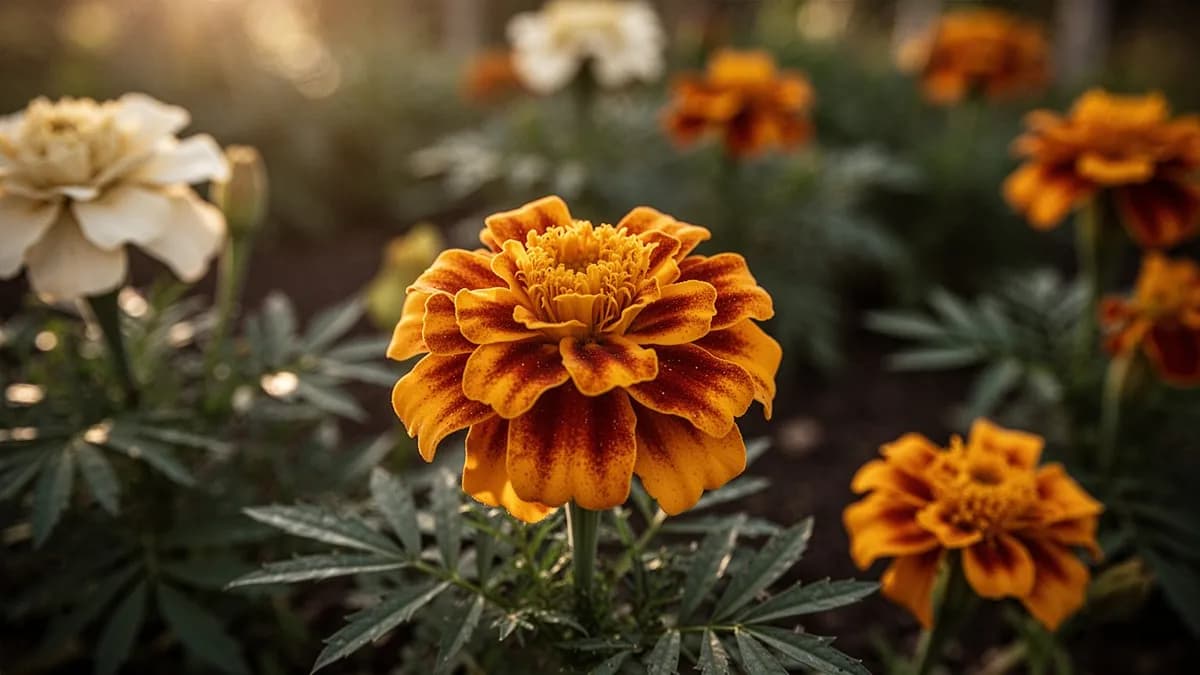
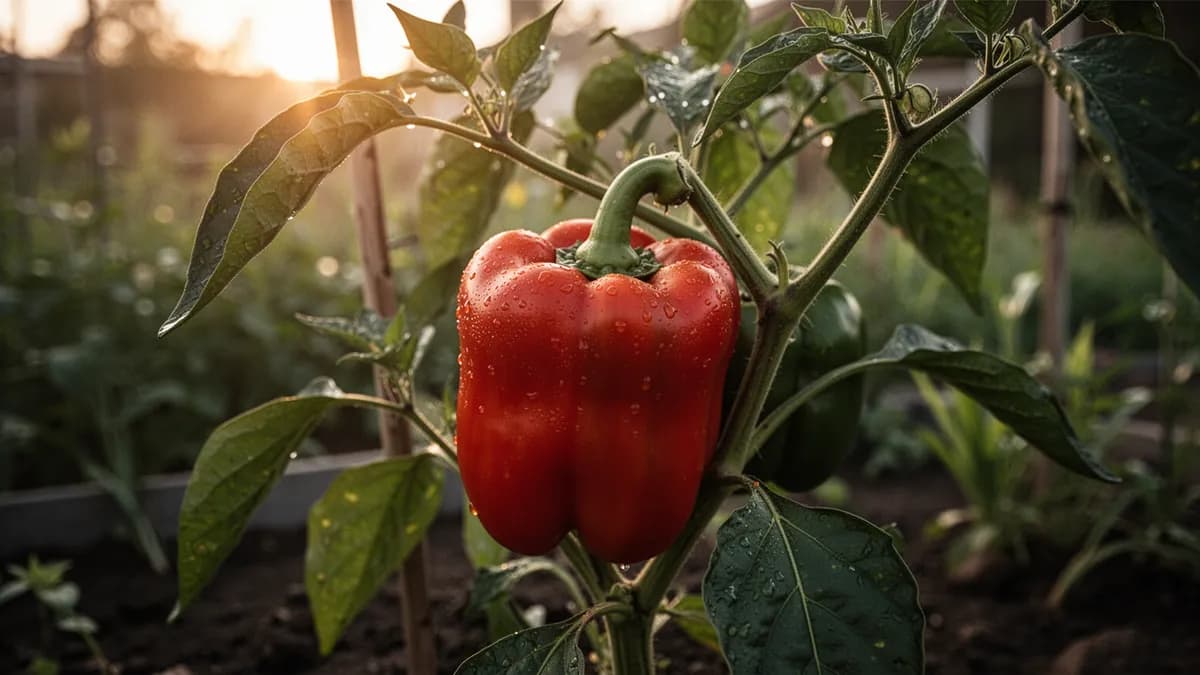
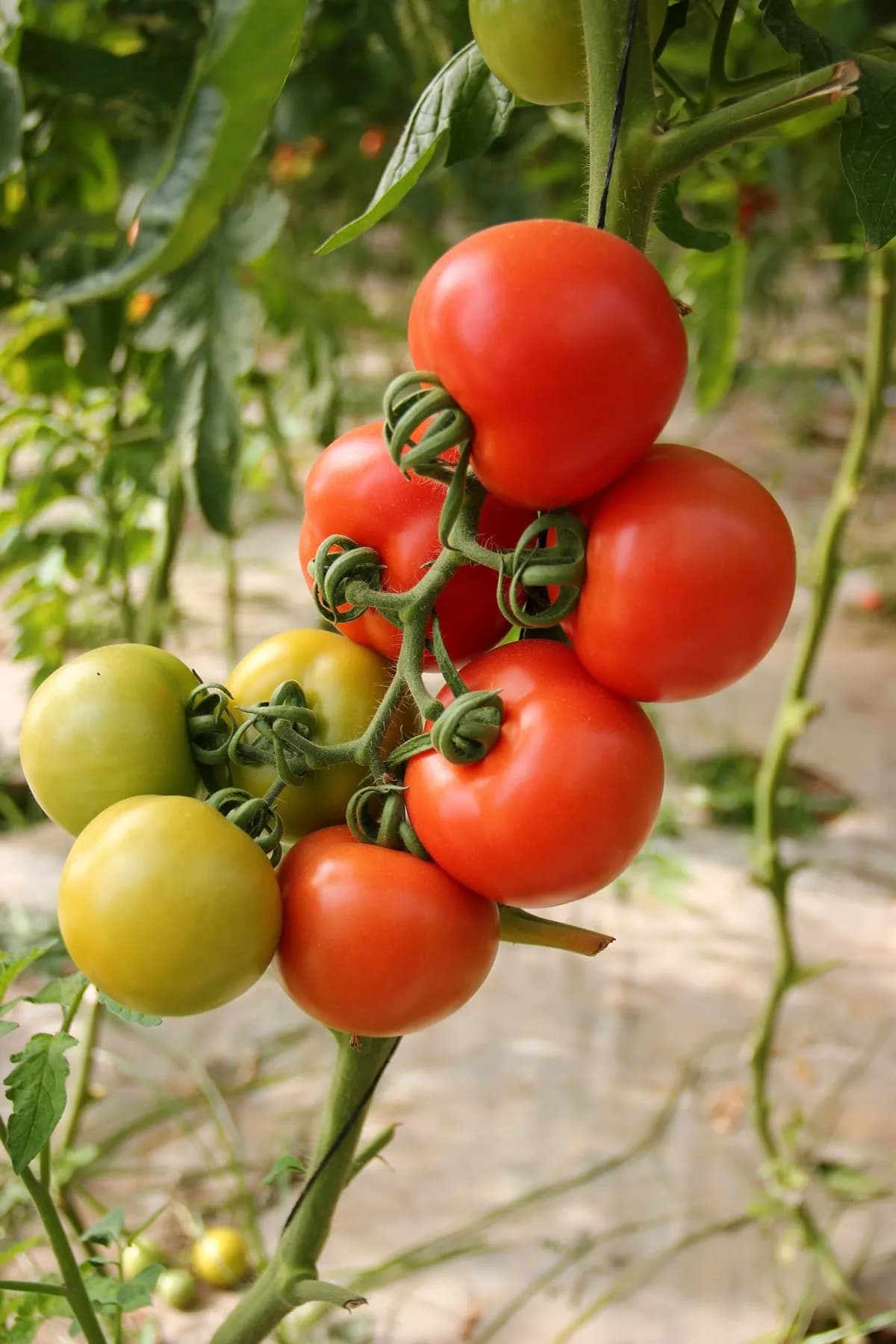
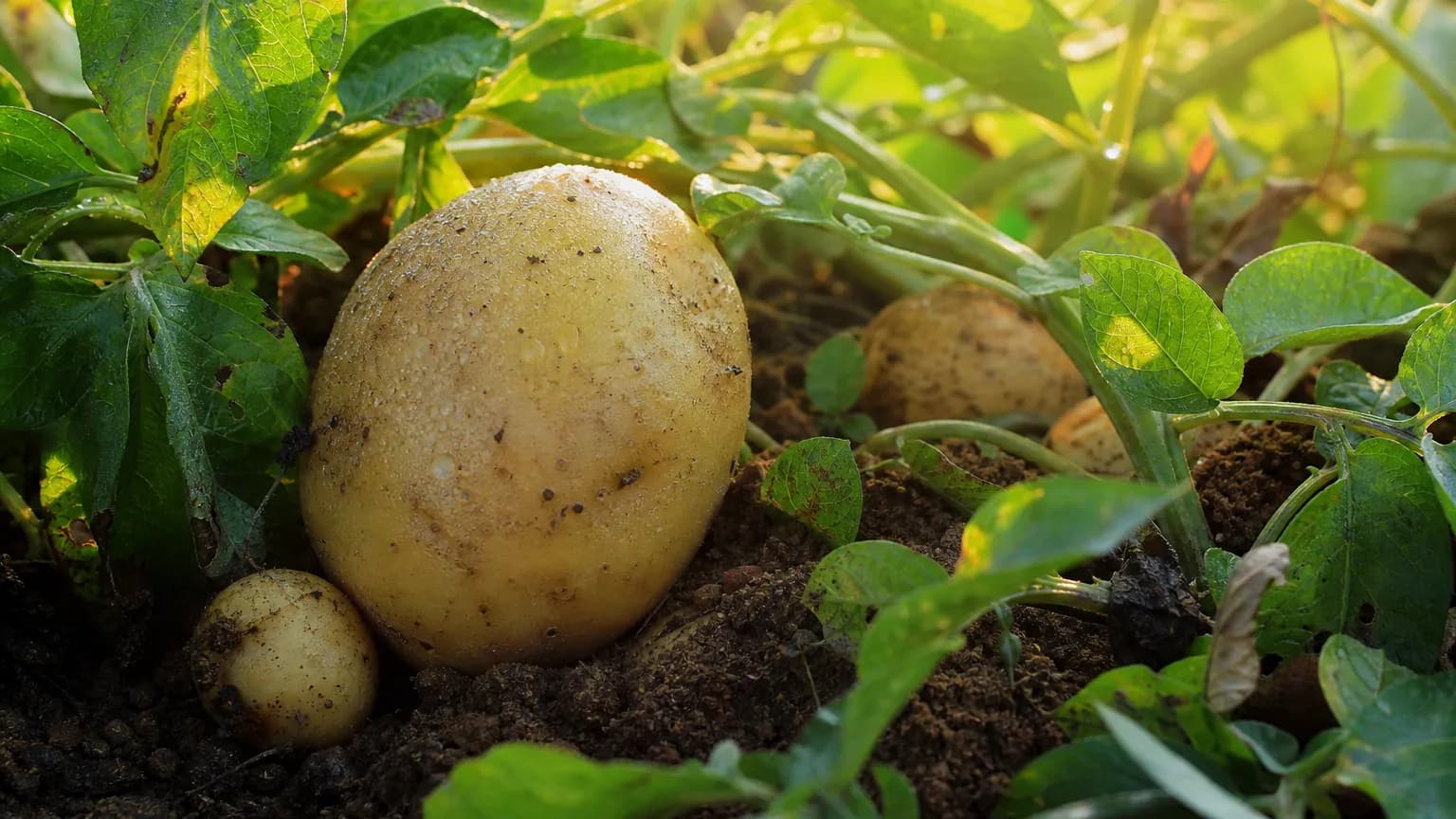
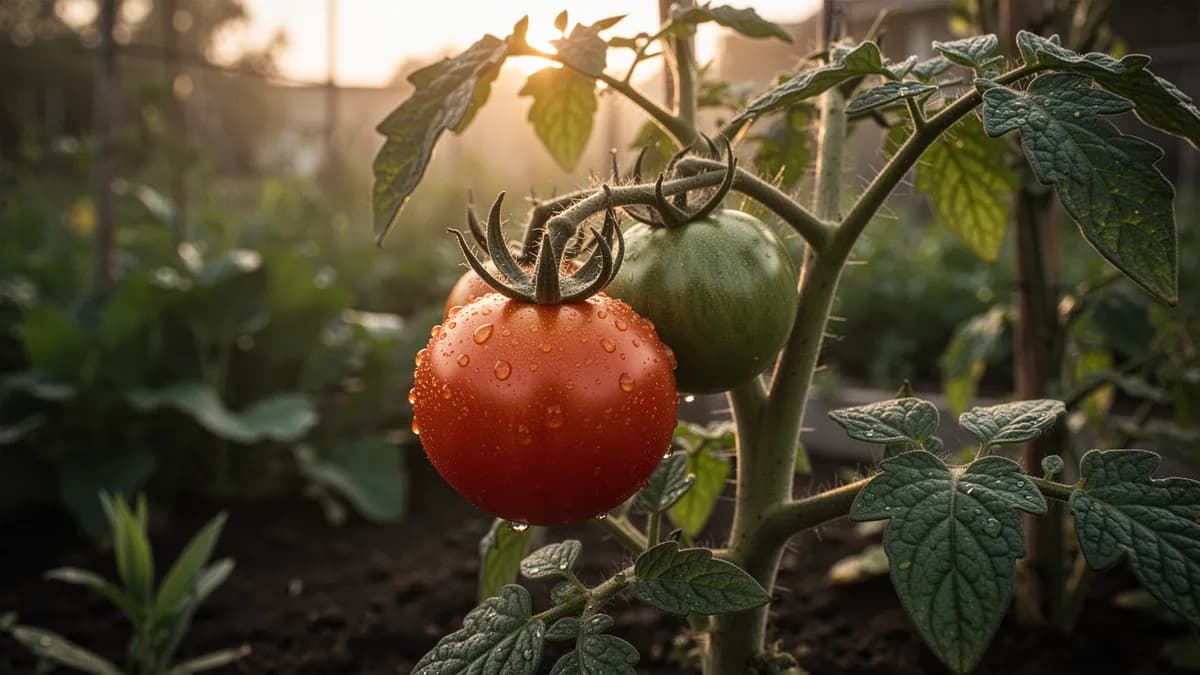
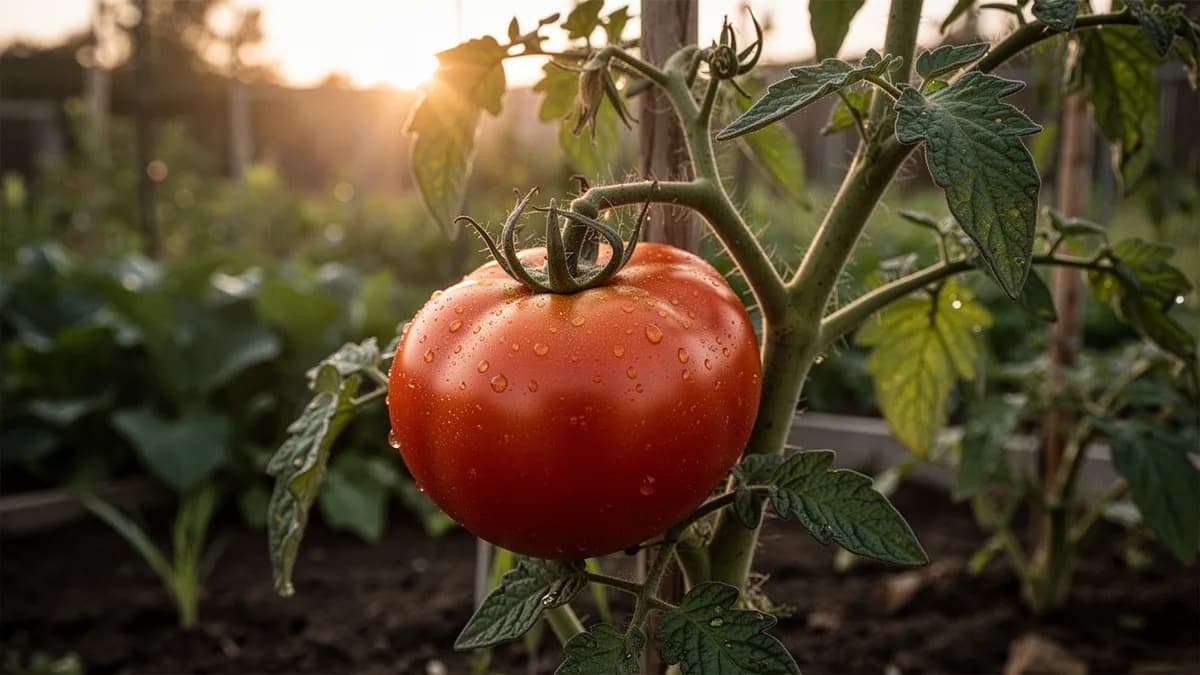
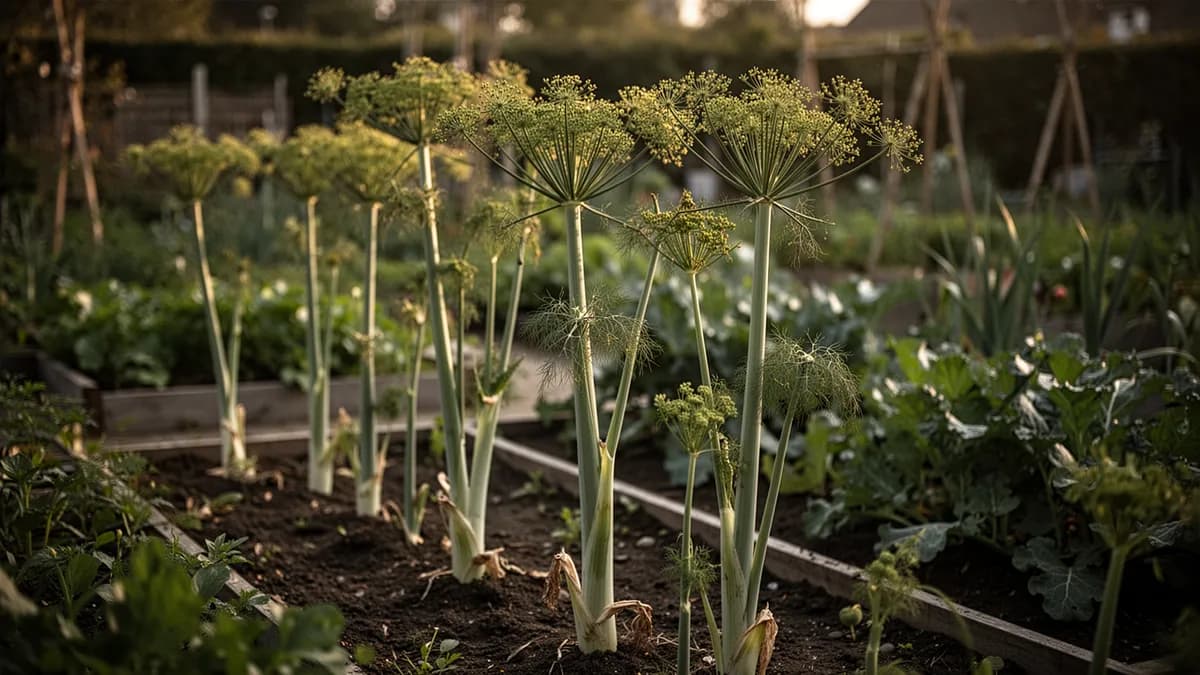
Japanische Auberginen profitieren von Basilikum in der Nähe, das die Vitalität verbessern und Blattläuse sowie Spinnmilben abwehren kann. Tagetes sind ausgezeichnete Begleitpflanzen zur Abwehr von Erdflöhen und Nematoden. Paprika und Tomaten haben ähnliche Anforderungen, aber wechseln Sie Nachtschattengewächse jedes Jahr. Bohnen fixieren Stickstoff und sind gute Nachbarn, während Spinat in der Frühsaison als lebende Mulchschicht dient. Vermeiden Sie Fenchel und Kohlrabi, die das Auberginenwachstum hemmen können.
Basilikum gehört daneben. Fenchel nicht.
Altes Gärtnerwissen, geprüft an der echten Nachbartabelle von Japanische Aubergine — teste jede Pflanze, die du anbaust.
Probiere Japanische Aubergine direkt hier im Beet
Ein echtes Planer-Beet, Japanische Aubergine steht schon drin. Tippe einen Begleiter an, platziere ihn und sieh, wie die Nachbarschaftsprüfung antwortet — grün für gute Nachbarn, rot bei Streit.


Passende Anbau-Ratgeber
Richtig düngen
Japanische Auberginen bevorzugen nährstoffreichen, gut durchlässigen Boden mit einem pH-Wert von 5,8 bis 6,5 und reichlich organischer Substanz. Arbeiten Sie vor dem Pflanzen mehrere Zentimeter Kompost ein und geben Sie bei der Pflanzung einen ausgewogenen Granulatdünger hinzu. Düngen Sie nach, wenn die ersten Früchte ansetzen, und versorgen Sie Kübelpflanzen alle zwei Wochen mit Flüssigdünger. Auberginen sind mittelstarke bis starke Zehrer, die von konstantem Kalium für die Fruchtentwicklung profitieren. Vermeiden Sie übermäßigen Stickstoff, der das Blattwachstum auf Kosten der Fruchtbildung fördert.
Ideale Temperatur
Winterhärtezone-Kompatibilität
Von der Saat zur Ernte, Schritt für Schritt
Aussaat
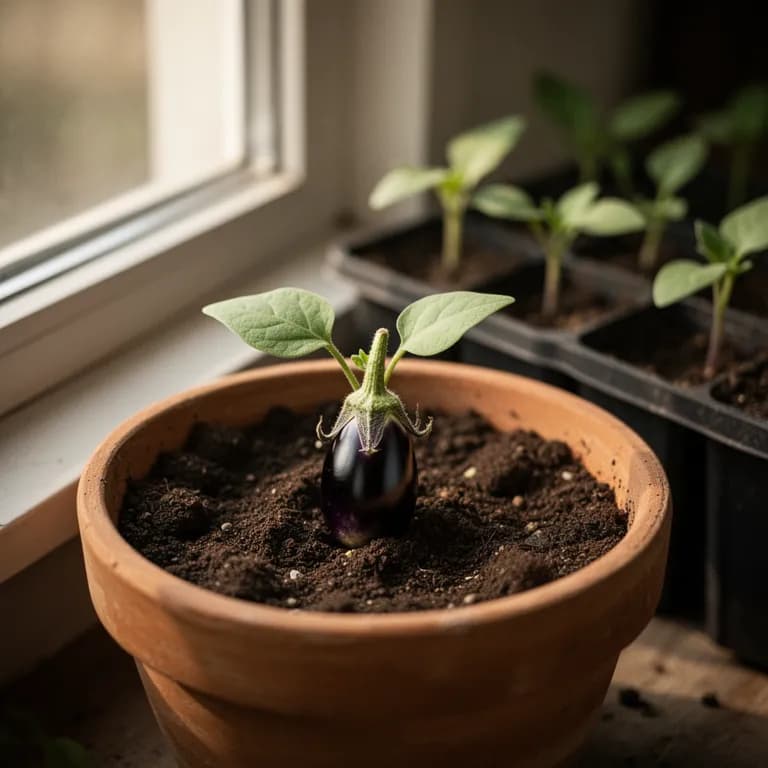
Die Samen keimen langsam unter warmen Bedingungen und benötigen konstante Bodentemperaturen von 27 °C bis 29 °C. Die winzige Keimwurzel erscheint zuerst, gefolgt von den runden Keimblättern, die durch die Oberfläche drängen. Die Keimung dauert 7 bis 14 Tage und ist ohne Bodenwärme unzuverlässig.
Sämlingsentwicklung
Echte Blätter entwickeln sich mit einer leicht flaumigen Textur und dunkelgrüner Farbe. Sämlinge wachsen im Vergleich zu Tomaten und Paprika langsam und benötigen warme Temperaturen und starkes Licht, um nicht zu vergeilen. Der Stängel verdickt sich allmählich und das Wurzelsystem beginnt sich zu entwickeln.
Vegetatives Wachstum
Nach der Auspflanzung ins Freiland etablieren sich die Pflanzen schnell in warmem Boden und beginnen sich zu verzweigen. Der kräftige Hauptstängel entwickelt sich mit großen, leicht gelappten Blättern. Japanische Auberginenpflanzen sind kompakter als Kugeltypen und erreichen typischerweise 60 bis 90 cm Höhe.
Blüte
Attraktive violette, sternförmige Blüten erscheinen an den Blattachseln. Jede Blüte ist selbstfruchtbar, profitiert aber von sanftem Schütteln oder Bestäuberbesuchen für zuverlässigen Fruchtansatz. Blüten können abfallen, ohne Früchte anzusetzen, wenn die Nachttemperaturen unter 15 °C fallen oder tagsüber 35 °C überschreiten.
Fruchtentwicklung
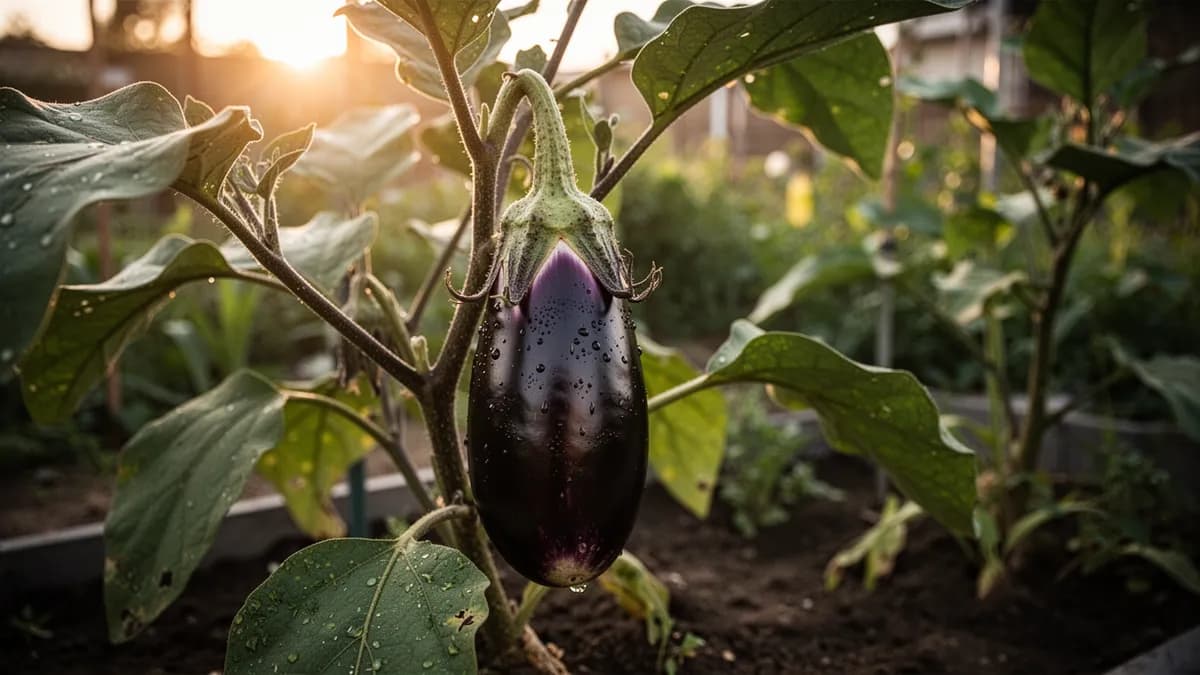
Schlanke Früchte strecken sich schnell aus den bestäubten Blüten und entwickeln die charakteristische dunkelviolette Haut und den glänzenden Schimmer. Die Früchte erreichen die Erntegröße von 15 bis 20 cm innerhalb von zwei bis drei Wochen nach der Bestäubung. Die Pflanze blüht und setzt gleichzeitig weiterhin neue Früchte an.
Haupternte
Die Pflanze tritt in eine anhaltende Produktionsphase ein und blüht und fruchtet über sechs bis acht Wochen kontinuierlich. Eine gesunde japanische Auberginenpflanze kann 15 bis 25 Früchte über die Saison produzieren. Die Produktion lässt nach, wenn die Nachttemperaturen im Herbst unter 13 °C fallen.
Verwenden Sie eine Heizmatte bei 27–29 °C – das ist für die Auberginenkeimung unerlässlich, nicht optional. Weichen Sie die Samen vor der Aussaat über Nacht in warmem Wasser ein, um die Samenschale aufzuweichen und die Keimrate zu verbessern.
Japanische Aubergine Monat für Monat pflegen
Was du jeden Monat für deine Japanische Aubergine tun solltest
Oktober
Aktueller MonatLetzte Ernten in den meisten Zonen vor dem Frost. Pflücken Sie alle verbliebenen Früchte, einschließlich kleiner zum Einlegen oder schnellen Kochen. Räumen Sie abgetragene Pflanzen ab und kompostieren Sie gesundes Material. Notieren Sie die Sortenleistung für nächstes Jahr.
Immer wissen, was jetzt im Garten zu tun ist
Eine E-Mail zum Monatsanfang: was du jetzt säen, pflanzen und anpacken solltest — für deine Japanische Aubergine und alles, was drumherum wächst. Dazu ein kurzer Startkurs, der dich vor den klassischen Fehlern bewahrt.
- Was jetzt zu tun ist
- Passend zu deiner Saison
- Startkurs inklusive
Japanische Aubergine ernten
Ernten Sie japanische Auberginen, wenn die Früchte 15 bis 20 cm lang sind und die Haut glänzend und glatt ist. Drücken Sie die Haut sanft mit dem Daumen – wenn sie zurückfedert, ist die Frucht reif. Matte oder bronzefarbene Haut zeigt Überreife an, und das Fruchtfleisch wird kernig und bitter. Schneiden Sie den Stiel mit einer scharfen Schere ab und lassen Sie einen kurzen Stummel an der Frucht. Ernten Sie während der Haupterntezeit alle zwei bis drei Tage, um die fortlaufende Fruchtbildung zu fördern.
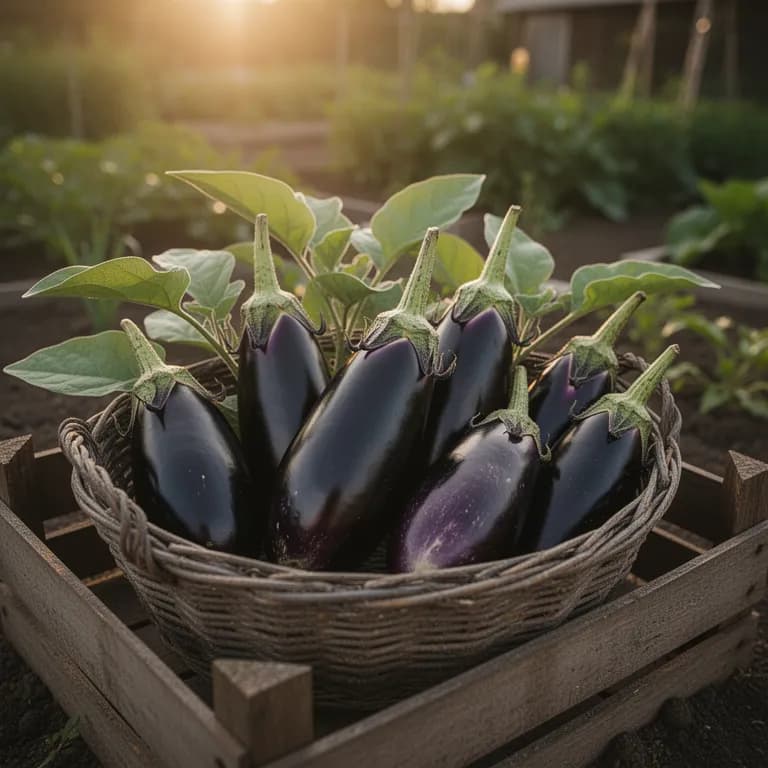
angenommen, du pflanzt zu Beginn des Zeitraums — trage dein tatsächliches Datum ein
Ernte Japanische Aubergine zügig, dann trägt die Pflanze weiter.
Lagerung & Konservierung
Lagern Sie frische japanische Auberginen bei Raumtemperatur für ein bis zwei Tage oder im Kühlschrank für bis zu eine Woche, locker in ein Papiertuch eingewickelt. Lagern Sie sie nicht über längere Zeit unter 10 °C, da sie Kälteschäden erleiden. Zum Konservieren schneiden und grillen oder rösten Sie die Auberginen vor dem Einfrieren, da rohe Auberginen schlecht einfrieren. Japanische Auberginen können in Miso für die traditionelle japanische Nukazuke-Zubereitung eingelegt werden. Getrocknete Auberginenscheiben lassen sich in Suppen und Eintöpfen gut rehydrieren.
Was schiefgeht — und die Lösung
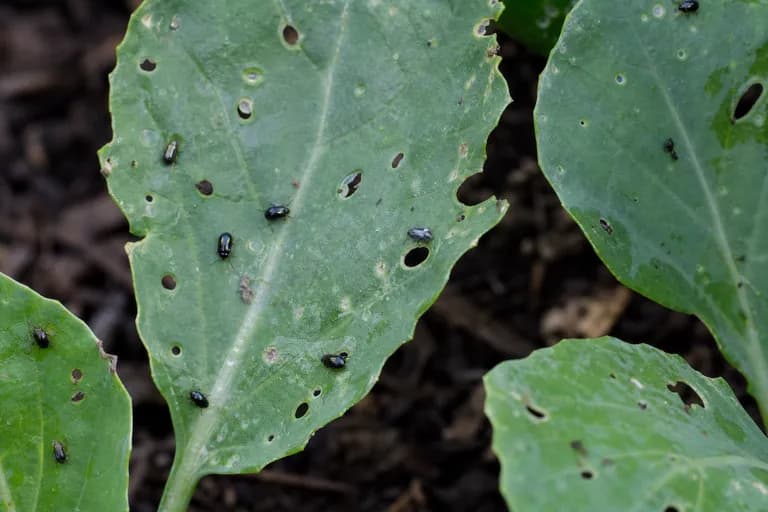
Erdflöhe
SchädlingWinzige runde Löcher, die über die Blätter verstreut sind und ein schrotschussartiges Erscheinungsbild erzeugen. Starker Befall schwächt Jungpflanzen und kann Keimlinge abtöten.
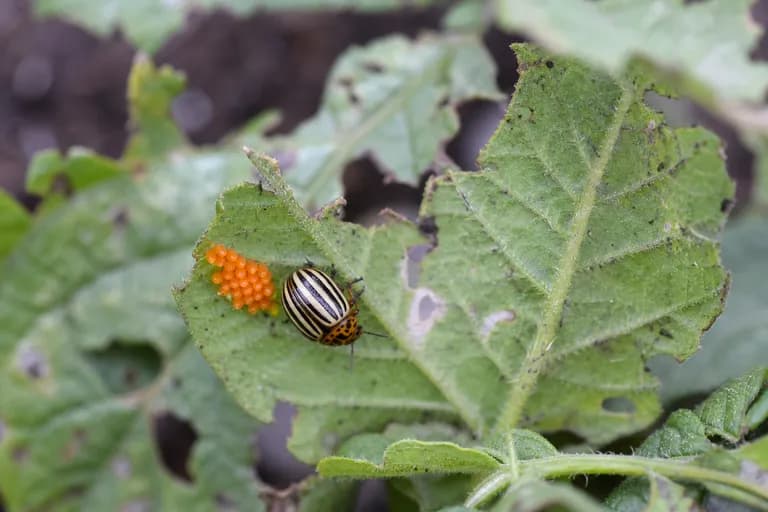
Kartoffelkäfer
SchädlingGelb-orange gestreifte Käfer und rote Larven fressen an den Blättern und verursachen schweren Kahlfraß, der die Fruchtproduktion erheblich reduziert.
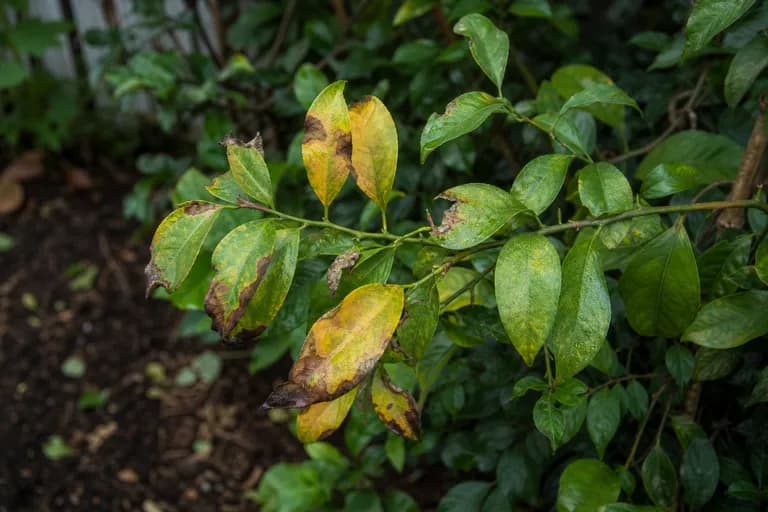
Verticillium-Welke
KrankheitUntere Blätter vergilben und welken zunächst auf einer Seite der Pflanze, dann breitet sich die Welke nach oben aus. Braune Verfärbung im Stängelquerschnitt sichtbar.
Phytophthora-Fäule
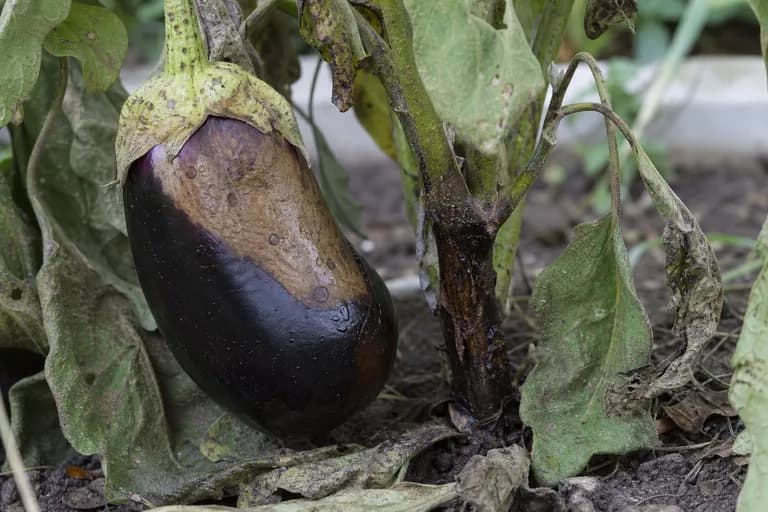
KrankheitDunkle, wässrig-durchweichte Läsionen an den Stängeln nahe der Bodenoberfläche, die plötzliches Welken und Zusammenbrechen der Pflanze verursachen. Früchte entwickeln braune, ledrige Fäulnis.
Fehlerbehebung bei häufigen Problemen
Japanische Auberginen sind kälteempfindlich und werden gestaucht oder werfen Blüten ab, wenn sie Temperaturen unter 13 °C ausgesetzt werden. Schlechter Fruchtansatz resultiert häufig aus ungleichmäßiger Bewässerung oder extremer Hitze über 35 °C. Erdflohschäden sind das häufigste Schädlingsproblem, besonders an jungen Setzlingen. Überreife Früchte, die an der Pflanze verbleiben, reduzieren die Gesamtproduktion. In feuchten Klimazonen können Pilzkrankheiten ohne ausreichenden Pflanzabstand und gute Luftzirkulation problematisch werden. Kübelpflanzen benötigen möglicherweise häufigeres Gießen als im Beet gepflanzte.
Anbautipps
- Bodenwärme ist bei der Aussaat nicht verhandelbar. Auberginensamen keimen unter 24 °C schlecht und unter 18 °C gar nicht. Investieren Sie in eine Heizmatte und stellen Sie sie auf 27–29 °C ein – dieser einzige Schritt verbessert die Keimrate dramatisch von 30 % auf über 85 %.
- Überstürzen Sie die Auspflanzung nicht. Japanische Auberginen gehören zu den kälteempfindlichsten Gartengemüsen. Warten Sie, bis die Nachttemperaturen konstant über 15 °C liegen und der Boden 18 °C erreicht. Eine Woche Geduld verhindert wochenlanges verkümmertes Wachstum.
- Kappen Sie die Triebspitze, wenn die Pflanze 45 cm hoch ist. Dieser einzige Schnitt zwingt die Pflanze zur Verzweigung und kann die Anzahl der Fruchtansätze verdoppeln, was Ihre Gesamternte über die Saison deutlich erhöht.
- Ernten Sie konsequent und häufig. Pflücken Sie die Früchte bei 15 bis 20 cm, solange die Haut noch glänzt. Überreife Früchte mit matter oder bronzefarbener Haut signalisieren der Pflanze, die Produktion zu verlangsamen. Regelmäßiges Pflücken alle zwei bis drei Tage hält die Pflanze in voller Produktionsphase.
- Gießen Sie tief und gleichmäßig statt häufig und oberflächlich. Auberginen entwickeln tiefe Wurzelsysteme, wenn sie durch tiefes Gießen ermutigt werden. Ungleichmäßige Feuchtigkeit ist die Hauptursache für Blütenabwurf und bittere Früchte.
- Japanische Auberginen sind ausgezeichnete Kübelpflanzen – verwenden Sie mindestens einen 25-Liter-Topf mit hochwertiger Pflanzerde. Kübelpflanzen müssen bei heißem Wetter täglich gegossen und alle zwei Wochen gedüngt werden, produzieren aber gut auf sonnigen Terrassen und Balkonen.
- Schwarze Mulchfolie ist Ihr bester Freund in kühleren Klimazonen. Legen Sie sie zwei bis drei Wochen vor der Pflanzung aus, um den Boden zu erwärmen. Die zusätzliche Wärme beschleunigt das Wachstum, verbessert den Fruchtansatz und kann Ihre effektive Anbausaison um zwei bis drei Wochen verlängern.
- Pflanzen Sie Basilikum als Begleitpflanze – es ist sowohl ein kulinarischer als auch ein Gartenpartner, der helfen kann, Blattläuse und Spinnmilben abzuwehren. Tagetes rund um das Beet wehren Erdflöhe ab, die der häufigste und schädlichste Schädling an jungen Auberginensetzlingen sind.
Bau deine beste Japanische Aubergine an — und alles drumherum.
Starte heute kostenlos. Lege deine Beete an, setze deine Japanische Aubergine ein und lass PlotMyGarden Timing, Abstände, Begleiter und Erinnerungen von der Saat bis zum Erntekorb übernehmen.
Finde deine Japanische Aubergine
Ichiban
Die am weitesten verbreitete japanische Aubergine, die schlanke, dunkelviolette Früchte bis zu 25 cm Länge an kräftigen, früh reifenden Pflanzen hervorbringt.
Millionaire
Eine ertragreiche Hybride mit gleichmäßigen, glänzend dunkelvioletten Früchten und ausgezeichneter Krankheitsresistenz. Ideal für den kommerziellen und privaten Anbau.
Orient Express
Eine außergewöhnlich frühe Sorte, die auch bei kühlen Bedingungen Früchte ansetzt, mit schlanken 20 bis 25 cm langen Früchten an kompakten Pflanzen.
Hansel
Eine Miniatur-Japansorte, die Trauben von 8 bis 10 cm langen Früchten hervorbringt, perfekt für den Kübelanbau und einzelne Portionen.
Little Fingers
Eine ertragreiche Sorte mit kleinen, fingergroßen Früchten, ideal zum ganzen Grillen und Einlegen. Sehr produktiv in Kübeln.
Eine einzelne japanische Auberginenpflanze, die 3–5 € kostet (oder nur Centbeträge aus Samen), kann 15–25 Früchte über eine Saison produzieren, wobei japanische Auberginen im Supermarkt 4–7 € pro Kilo und auf Spezialmärkten 6–10 € pro Kilo kosten. Der Anbau von nur 3–4 Pflanzen kann 40–80 € pro Saison an frischen Auberginen einsparen. Die Ersparnis ist noch größer, wenn man bedenkt, dass frisch geerntete japanische Auberginen einen unvergleichlich besseren Geschmack und eine bessere Textur haben als gekaufte Früchte, die möglicherweise Tage vorher geerntet und über lange Strecken transportiert wurden.
Schnelle Rezepte
Nasu Dengaku (Miso-glasierte Aubergine)
25 minDas klassische japanische Auberginengericht – halbierte Früchte mit Kreuzschraffur eingeritzt, überbacken bis sie zart sind, und mit einer süßen, herzhaften Miso-Glasur belegt, die unter der Hitze karamellisiert. Einfach, elegant und zutiefst befriedigend.
7 ZutatenSichuan-Pfannenaubergine
20 minZarte Auberginenstücke bei starker Hitze angebraten, bis sie seidig und golden sind, dann in einer scharfen, knoblauchigen Sauce mit Sichuan-Pfeffer geschwenkt. Das schwammige Fruchtfleisch nimmt jeden Tropfen der kräftigen Sauce auf für intensiv aromatische Bissen.
9 ZutatenGegrillte japanische Aubergine mit Knoblauch und Kräutern
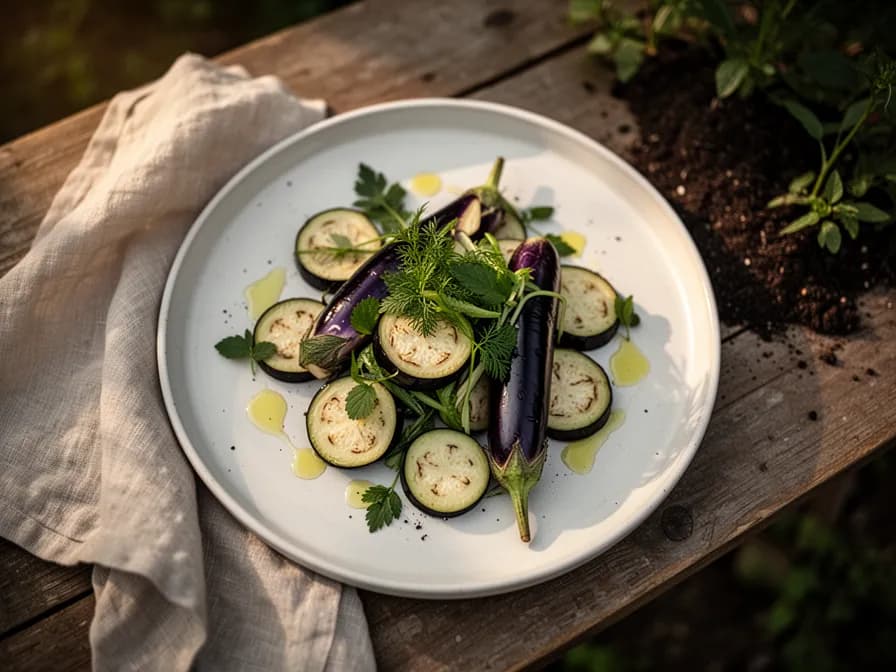
15 minHalbierte Auberginen gegrillt bis sie rauchig und zart sind, dann mit einer frischen Knoblauch-Kräuter-Vinaigrette beträufelt. Die einfachste Art, den delikaten Geschmack und die cremige Textur frisch geernteter japanischer Auberginen zur Geltung zu bringen.
8 ZutatenKulinarische Verwendung
Japanische Auberginen eignen sich hervorragend für Pfannengerichte und nehmen Saucen und Gewürze dank ihrer schwammigen Textur wunderbar auf. Sie sind superb gegrillt – ganz oder halbiert und mit Miso-Glasur bestrichen – für das klassische Nasu Dengaku. In Scheiben geschnitten für schnelles Anbraten oder der Länge nach halbiert zum Überbacken mit Knoblauch und Olivenöl. Ihr milder Geschmack und die zarte Haut machen sie ideal für Tempura, Ratatouille und Thai-Currys. Salzen vor dem Kochen ist nicht nötig.
Was drinsteckt
Gesundheitsvorteile
- Nasunin, das Anthocyanin-Pigment in der violetten Haut, ist ein starkes Antioxidans, das in Studien gezeigt hat, Zellmembranen vor Lipidperoxidation zu schützen – essen Sie immer die Haut mit, um diesen Vorteil zu maximieren.
- Reich an Chlorogensäure, einer der stärksten radikalfangenden Verbindungen in Pflanzengeweben, mit nachgewiesenen entzündungshemmenden, antibakteriellen und antiviralen Eigenschaften.
- Hoher Ballaststoffgehalt (3 g pro 100 g) unterstützt die Verdauungsgesundheit, fördert einen regelmäßigen Stuhlgang und hilft, gesunde Cholesterinwerte aufrechtzuerhalten, indem Gallensäuren im Darm gebunden werden.
- Sehr niedrige Kaloriendichte mit nur 25 Kalorien pro 100 g macht die japanische Aubergine zu einem hervorragenden Lebensmittel für das Gewichtsmanagement – ihre schwammige Textur nimmt Aromen auf und verleiht Mahlzeiten Volumen, ohne nennenswerte Kalorien hinzuzufügen.
- Enthält bedeutende Mengen an Mangan, Kupfer und B-Vitaminen, die den Energiestoffwechsel, die Knochengesundheit und die ordnungsgemäße Funktion des Nervensystems unterstützen.
- Studien deuten darauf hin, dass Verbindungen in Auberginen bei der Regulierung des Blutzuckerspiegels helfen können, indem sie Enzyme hemmen, die bei Typ-2-Diabetes eine Rolle spielen – der Ballaststoffgehalt verlangsamt auch die Glukoseaufnahme nach den Mahlzeiten.
Woher Japanische Aubergine stammt
Die Aubergine (Solanum melongena) stammt ursprünglich vom indischen Subkontinent, wo wilde Verwandte noch immer in den tropischen Wäldern von Nordostindien, Bangladesch und Myanmar wachsen. Archäologische Funde und alte Sanskrit-Texte legen nahe, dass die Aubergine in Indien bereits um 300 v. Chr. kultiviert wurde, was sie zu einem der ältesten domestizierten Gemüse in Asien macht. Von Indien aus gelangte die Aubergine über alte Handelsrouten ostwärts nach China, wo sie bis zum 5. Jahrhundert n. Chr. in chinesischen landwirtschaftlichen Texten dokumentiert wurde.
Der schlanke japanische Auberginen-Typ entwickelte sich aus chinesischen Kultivaren, die während der Nara-Zeit (710–794 n. Chr.) nach Japan gebracht wurden, wahrscheinlich von buddhistischen Mönchen und Händlern. Japanische Bauern züchteten diese Auberginen über Jahrhunderte selektiv für ihre charakteristische lange, schlanke Form, dünne Haut und zartes Fruchtfleisch mit minimalen Kernen und Bitterstoffen. Zur Edo-Zeit (1603–1868) war die Aubergine zu einem der wichtigsten Gemüse der japanischen Küche geworden, und regionale Sorten verbreiteten sich über die Inseln. Das japanische Wort 'Nasu' für Aubergine erscheint ausgiebig in Literatur, Sprichwörtern und kulturellen Traditionen dieser Epoche.
Im 20. Jahrhundert entwickelten japanische Pflanzenzüchter viele der heute weltweit angebauten Hybridsorten, darunter Ichiban und Millionaire. Diese modernen Kultivare verbinden die traditionelle schlanke Form und den delikaten Geschmack mit verbesserter Krankheitsresistenz, höheren Erträgen und früherer Reife. Heute wird die japanische Aubergine kommerziell in Japan, China, Südostasien und zunehmend in den Vereinigten Staaten und Europa angebaut, wo ihre überlegenen kulinarischen Qualitäten und die einfache Zubereitung sie zu einem Favoriten bei Hobbyköchen und Profiköchen gemacht haben. Die weltweite Auberginenproduktion übersteigt 55 Millionen Tonnen jährlich, wobei China und Indien zusammen über 80 % der Weltproduktion ausmachen.
Japanische Aubergine: Schon gewusst?
Faszinierende Fakten über Japanische Aubergine
Japanische Auberginen gehören zur Familie der Nachtschattengewächse (Solanaceae) zusammen mit Tomaten, Paprika und Kartoffeln – die violetten Blüten der Pflanze ähneln stark denen ihrer wilden Vorfahren aus dem tropischen Süd- und Südostasien.
Japanische Aubergine: Fragen & Antworten
Wann sollte ich Japanische Aubergine pflanzen?
Was sind gute Begleitpflanzen für Japanische Aubergine?
In welchen Winterhärtezonen kann Japanische Aubergine wachsen?
Wie viel Sonne braucht Japanische Aubergine?
Welchen Abstand sollte ich zwischen Japanische Aubergine lassen?
Welche Schädlinge und Krankheiten befallen Japanische Aubergine?
Wie lagere ich Japanische Aubergine nach der Ernte?
Was sind die besten Japanische Aubergine-Sorten zum Anbauen?
Welchen Boden braucht Japanische Aubergine?
Warum fallen die Blüten meiner japanischen Aubergine ab, ohne Früchte anzusetzen?
Woran erkenne ich, wann japanische Auberginen erntereif sind?
Kann ich japanische Auberginen im Kübel anbauen?
Muss ich japanische Auberginen vor dem Kochen salzen wie Kugelauberginen?
Warum wächst meine japanische Auberginenpflanze hoch, produziert aber wenige Früchte?
Wie unterscheiden sich japanische Auberginen von normalen Kugelauberginen im Garten?
Du hast die Theorie gelesen. Jetzt baue sie auf Autopilot an.
Alles, was Japanische Aubergine knifflig macht — das Timing, die Abstände, die Begleiter, das Erntefenster — genau das übernimmt PlotMyGarden für dich, für jede Pflanze im Garten.
Ein Plan, der dein Wetter kennt
Standort einmal festlegen. Aussaat-, Dünge- und Erntedaten rund um deinen echten letzten Frosttermin und die Live-Vorhersage — kein Raten mehr nach Saattüte.
Aus dem Abschnitt „Pflanzzeit“Beetplaner per Drag & Drop
Beete auf einem Raster gestalten. Jede Pflanze rastet im richtigen Abstand ein, und du siehst die ganze Saison, bevor du einen Cent für Saatgut ausgibst.
Aus dem Abschnitt „Anbau“Begleiter-Konflikte früh erkannt
Über 200 gute und schlechte Kombinationen werden beim Pflanzen live geprüft — so landet ein saisonruinierender Fehler nie in der Erde.
Aus dem Abschnitt „Begleiter“Erinnerungen, nach denen du wirklich handelst
„Gieß die Bohnen.“ „Heute ernten, bevor's umschlägt.“ Pünktlich, konkret und auf deine echten Pflanzen bezogen.
Aus dem Abschnitt „Ernte“Staffel-Aussaat, geplant
Sechs Wochen ernten statt sechs Tage? Die App verteilt deine Aussaaten automatisch und erinnert dich, wenn der nächste Satz fällig ist.
Aus dem Abschnitt „Pflanzzeit“Ein Verlauf, der schlauer wird
Jede protokollierte Ernte bringt der App deinen Garten bei. Der Plan fürs nächste Jahr startet bei dem, was in deinem Boden wirklich funktioniert hat.
Aus dem Abschnitt „Überblick“Pflanze diese neben Japanische Aubergine
Weitere Nachtschattengewächse
Halte Japanische Aubergine von diesen fern
Gartenpläne mit Japanische Aubergine
Bau deine beste Japanische Aubergine an — und alles drumherum.
Starte heute kostenlos. Lege deine Beete an, setze deine Japanische Aubergine ein und lass PlotMyGarden Timing, Abstände, Begleiter und Erinnerungen von der Saat bis zum Erntekorb übernehmen.