Drachenzunge-Bohne
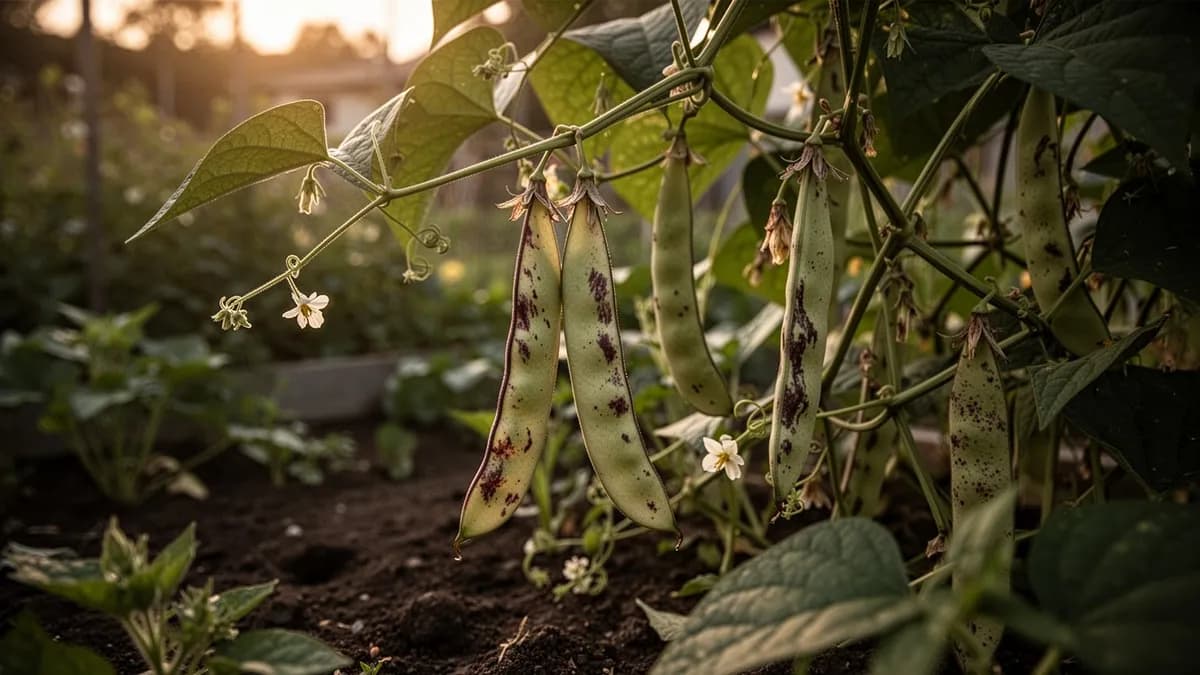
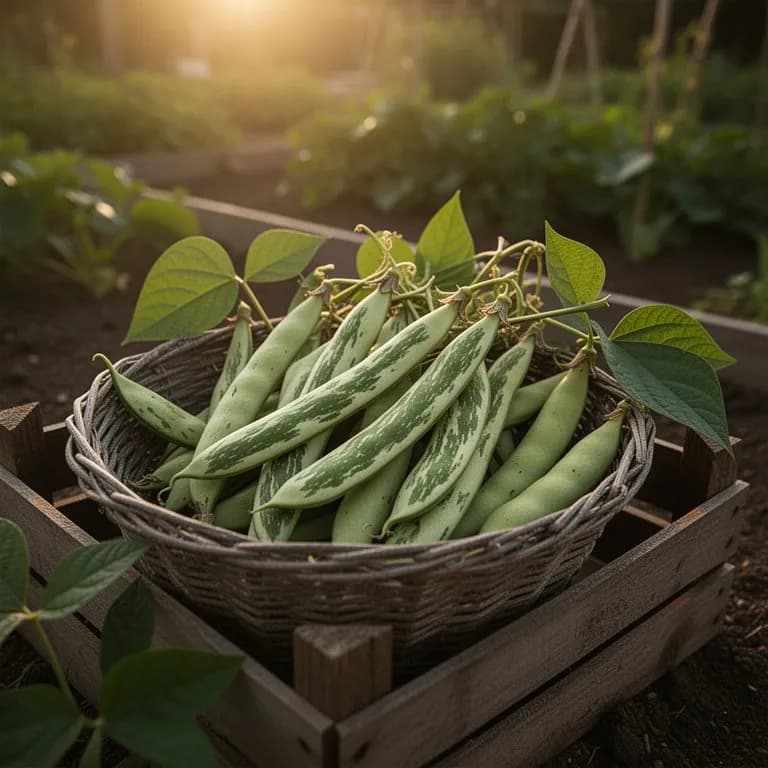
Eine atemberaubende niederländische Erbstück-Bohne mit cremig-gelben Hülsen, die mit lila Streifen durchzogen sind, die leider beim Kochen verschwinden.





Auf dieser SeiteÜberblick
Drachenzunge-Bohne im Überblick
Eine atemberaubende niederländische Erbstück-Bohne mit cremig-gelben Hülsen, die mit lila Streifen durchzogen sind, die leider beim Kochen verschwinden. Die Hülsen sind zart und aromatisch, wenn sie jung als Schnappbohnen geerntet werden, oder können für die Verwendung als Schalenbohnen ausreifen. Buschförmige Pflanzen sind kompakt und tragen reichlich, ohne Stütze zu benötigen. Die auffälligen Farben machen sie zu einem Liebling auf Bauernmärkten, aber bringen Sie sie roh auf den Tisch, um die Farbenpracht zu genießen.
Wann Drachenzunge-Bohne pflanzen
Direktaussaat wird dringend empfohlen, da Bohnen aufgrund ihres empfindlichen Wurzelsystems nicht gut umgepflanzt werden können. Säen Sie die Samen 3 bis 5 cm tief nach dem letzten Frost, wenn der Boden auf mindestens 15 Grad Celsius erwärmt ist. Samen verfaulen in kaltem, nassem Boden, also überstürzen Sie die Pflanzung nicht. Die Keimung dauert bei warmen Bedingungen sieben bis zehn Tage. Für eine verlängerte Ernte machen Sie aufeinanderfolgende Aussaaten alle zwei Wochen bis acht Wochen vor dem ersten erwarteten Herbstfrost. In Gebieten mit kurzer Saison erwärmen Sie den Boden vor der Pflanzung mit schwarzer Kunststoffmulchfolie. Weichen Sie Bohnensamen nicht ein, da sie dadurch aufplatzen können.
Dein Drachenzunge-Bohne-Jahr
Abgestimmt auf Zone 7 · typische Saison · Frost geht um den 2. Apr. und kehrt um den 1. Nov. zurück
Drachenzunge-Bohne Mai – Jun pflanzen, Jul – Sep ernten. Beachte die Pflanzmethoden unten und wähle dein Klima für passende Zeiträume.
So baust du Drachenzunge-Bohne an
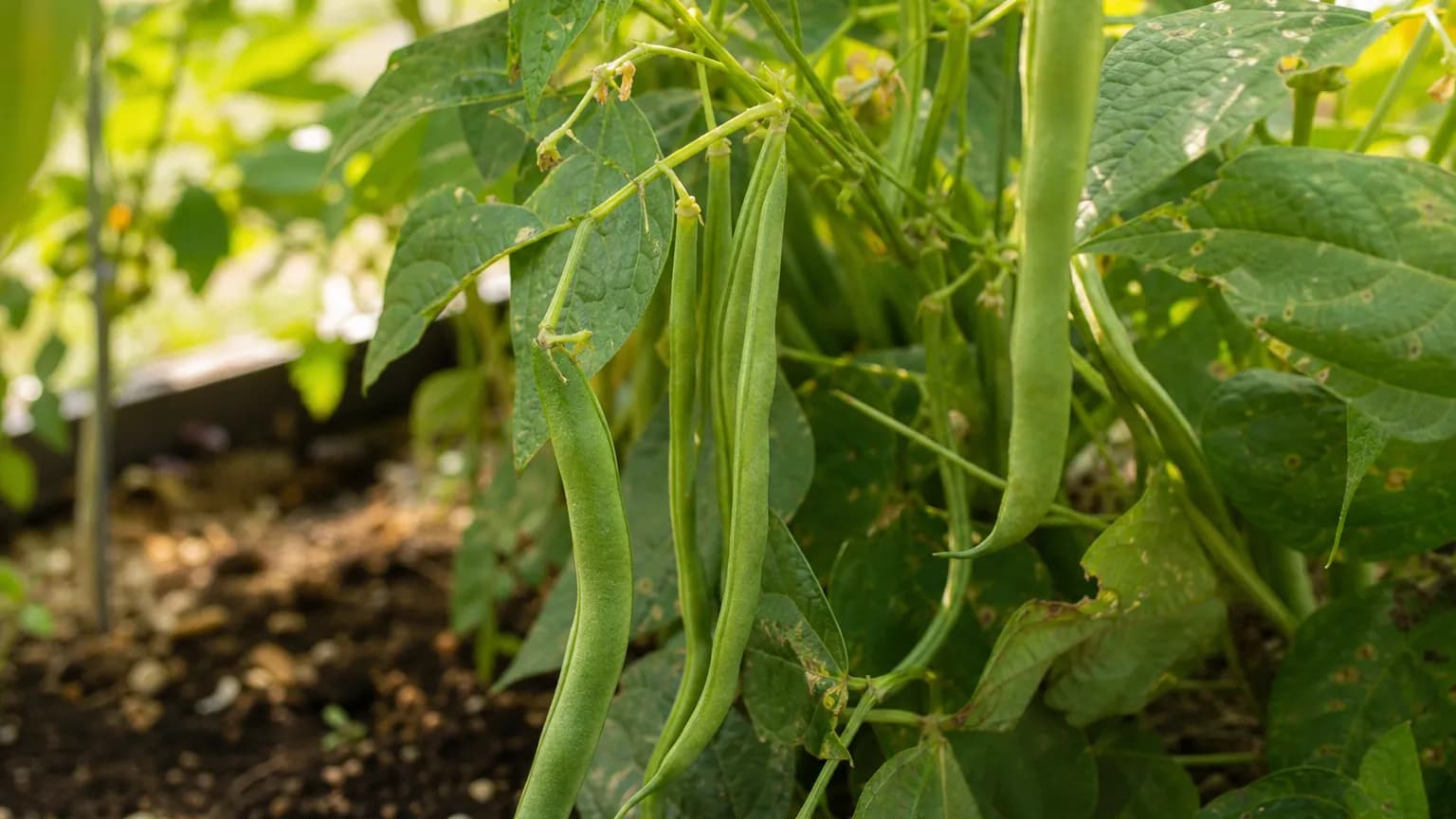
Drachenzunge-Bohnen sind eine vielseitige niederländische Erbstück-Sorte, die je nach Erntezeitpunkt als Schnappbohnen, Schalenbohnen oder Trockenbohnen genossen werden kann. Säen Sie die Samen nach dem letzten Frost direkt aus, wenn der Boden auf mindestens 15 Grad Celsius erwärmt ist, und pflanzen Sie sie 3 bis 5 cm tief und 10 cm auseinander in Reihen mit 45 cm Abstand. Diese kompakten Buschpflanzen erreichen etwa 40 bis 50 cm Höhe und benötigen in der Regel keine Stützpfähle oder Rankhilfen, was sie ideal für Beete und Kübel macht.
Sorgen Sie für volle Sonne und gleichmäßige Feuchtigkeit, besonders während der Blüte und Hülsenentwicklung. Unregelmäßiges Gießen während dieser kritischen Phasen führt zu schlechtem Hülsenansatz und zähen, faserigen Bohnen. Mulchen Sie um die Pflanzen herum, um die Wurzeln kühl und die Bodenfeuchtigkeit gleichmäßig zu halten. Vermeiden Sie nach Möglichkeit Überkopfbewässerung, da nasses Laub bakterielle und pilzliche Krankheiten fördert, die bei Bohnen häufig auftreten. Düngen Sie beim Pflanzen leicht, vermeiden Sie aber stickstoffreiche Dünger, da Bohnen ihren eigenen Stickstoff über Wurzelknöllchenbakterien binden.
Drachenzunge-Bohnen produzieren über einen konzentrierten Erntezeitraum von etwa drei Wochen reichlich. Regelmäßiges Pflücken alle zwei bis drei Tage fördert die weitere Hülsenproduktion und verhindert, dass die Bohnen zäh und überreif werden. Die Pflanzen neigen dazu, ihren Hauptertrag auf einmal zu produzieren, daher sollten Sie die Pflanztermine um zwei Wochen staffeln, um eine verlängerte Ernte zu erzielen. In warmen Klimazonen liefert eine zweite Aussaat im Hochsommer eine Herbsternte. Die wunderschönen creme- und lilafarbenen gestreiften Hülsen sind am lebhaftesten, wenn sie im Schnappbohnenstadium gepflückt werden, bevor sich die Samen im Inneren vollständig entwickeln.
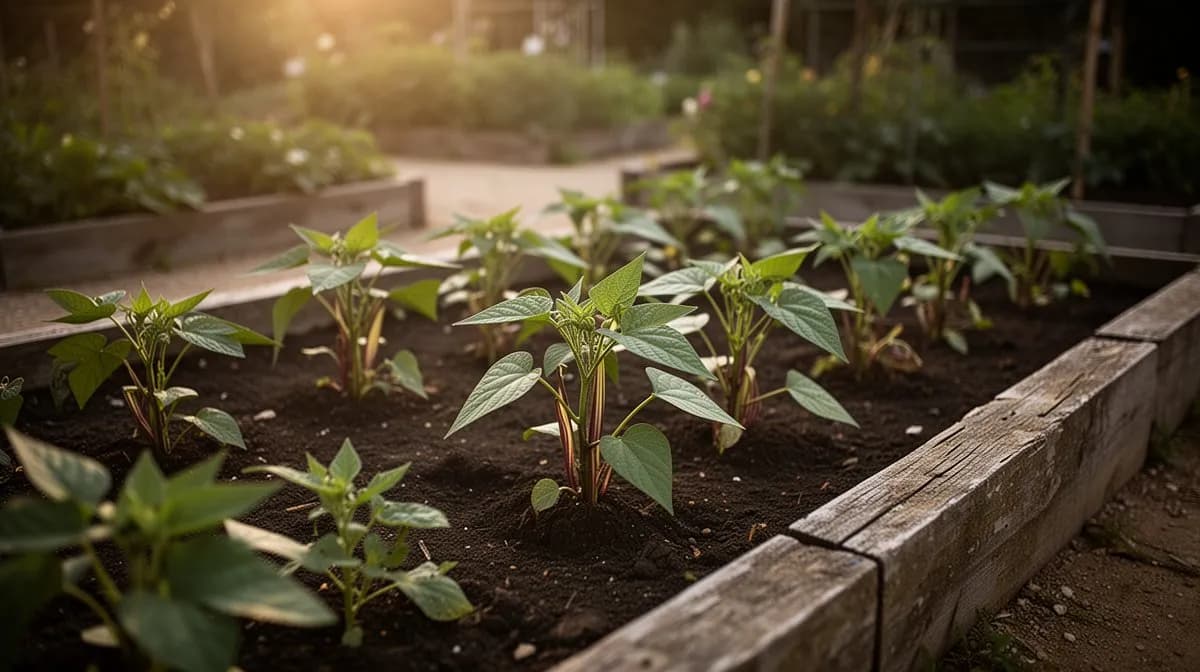
128 Pflanzen passen in ein Beet von 120 × 240 cm
Drachenzunge-Bohne braucht 15 cm Platz pro Pflanze. Der Planer hält diesen Abstand für dich ein — jede Pflanze, jedes Beet.
Die besten Nachbarn für Drachenzunge-Bohne
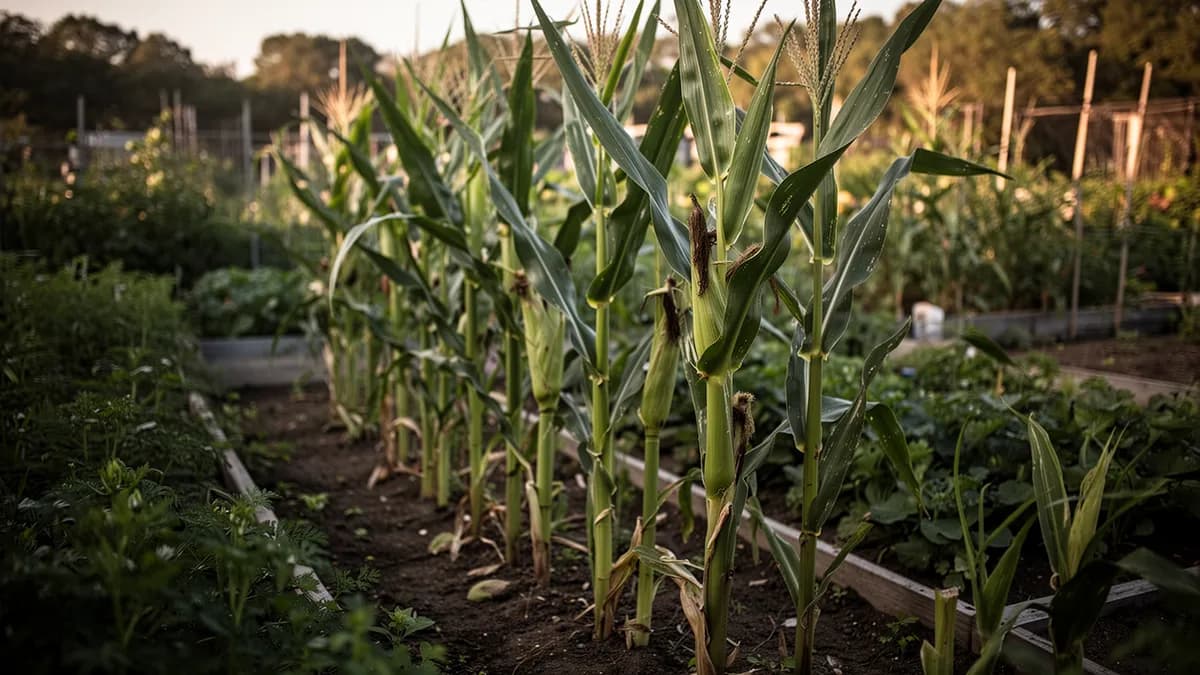
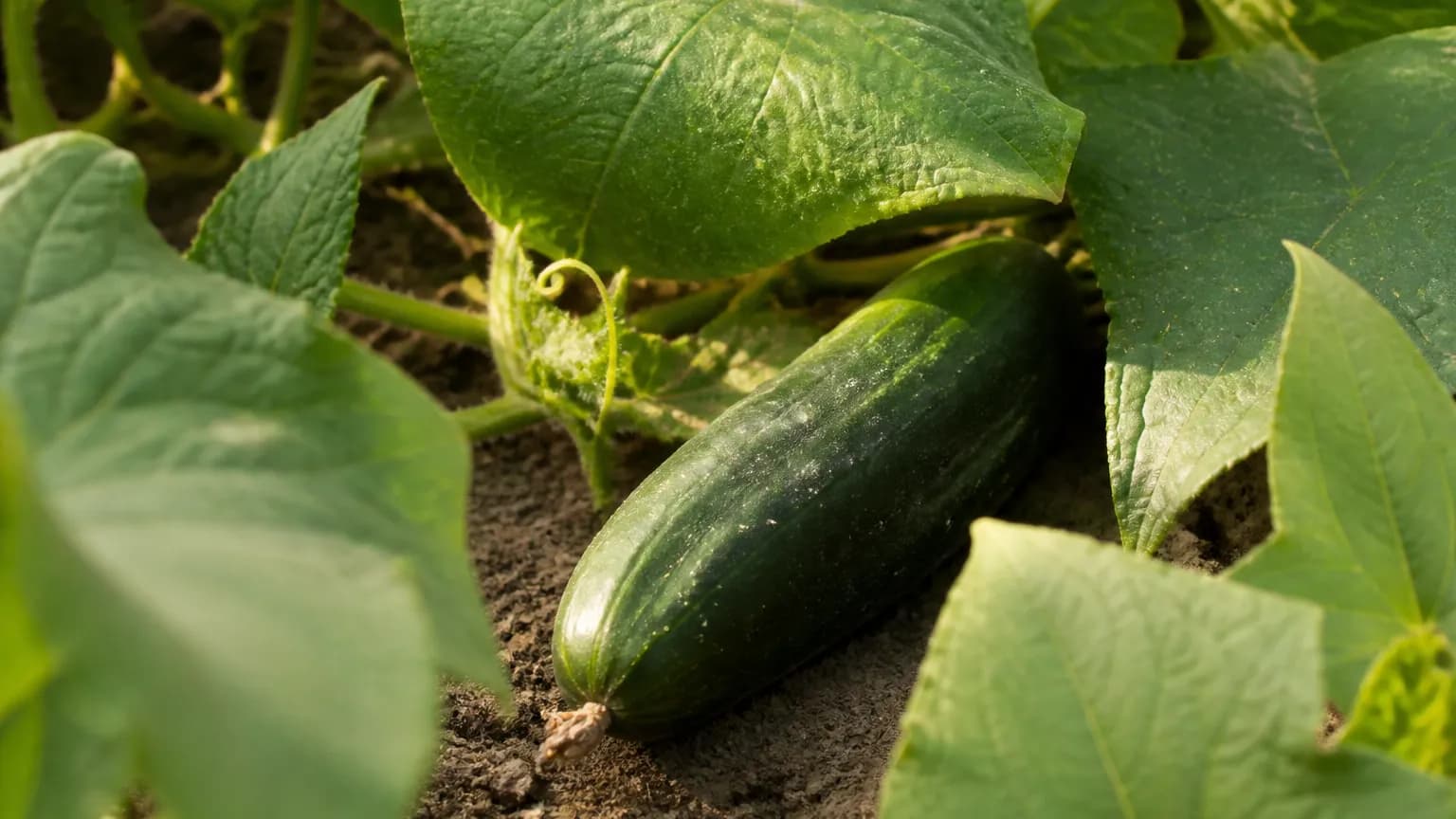
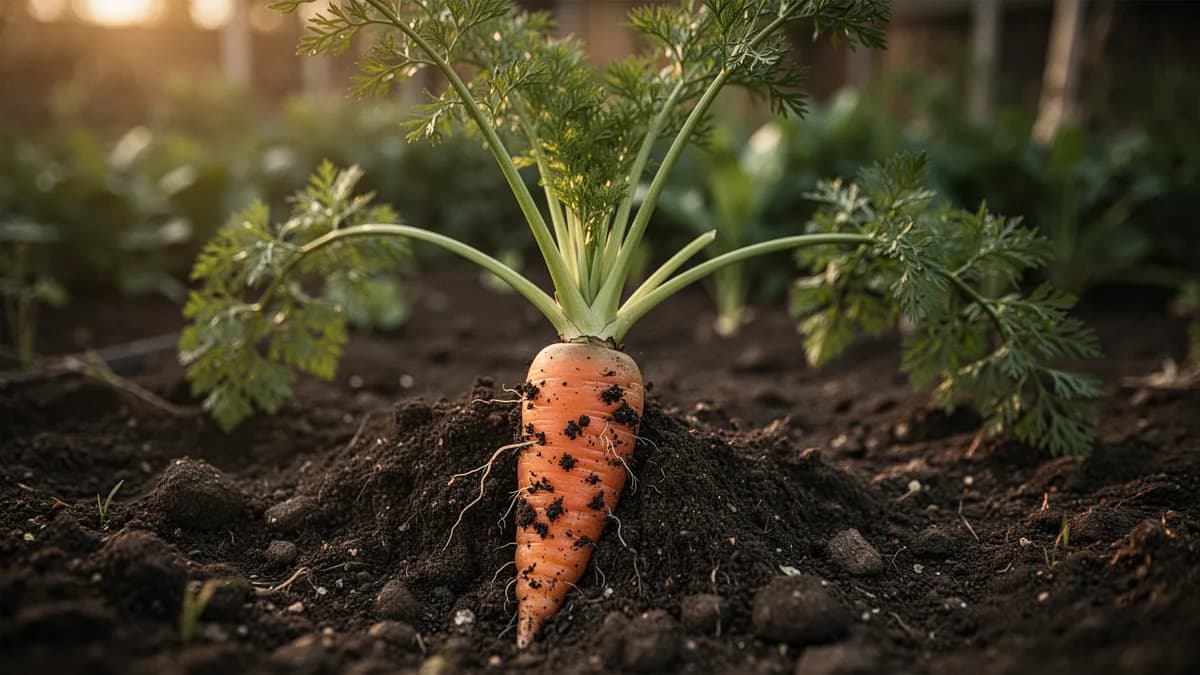
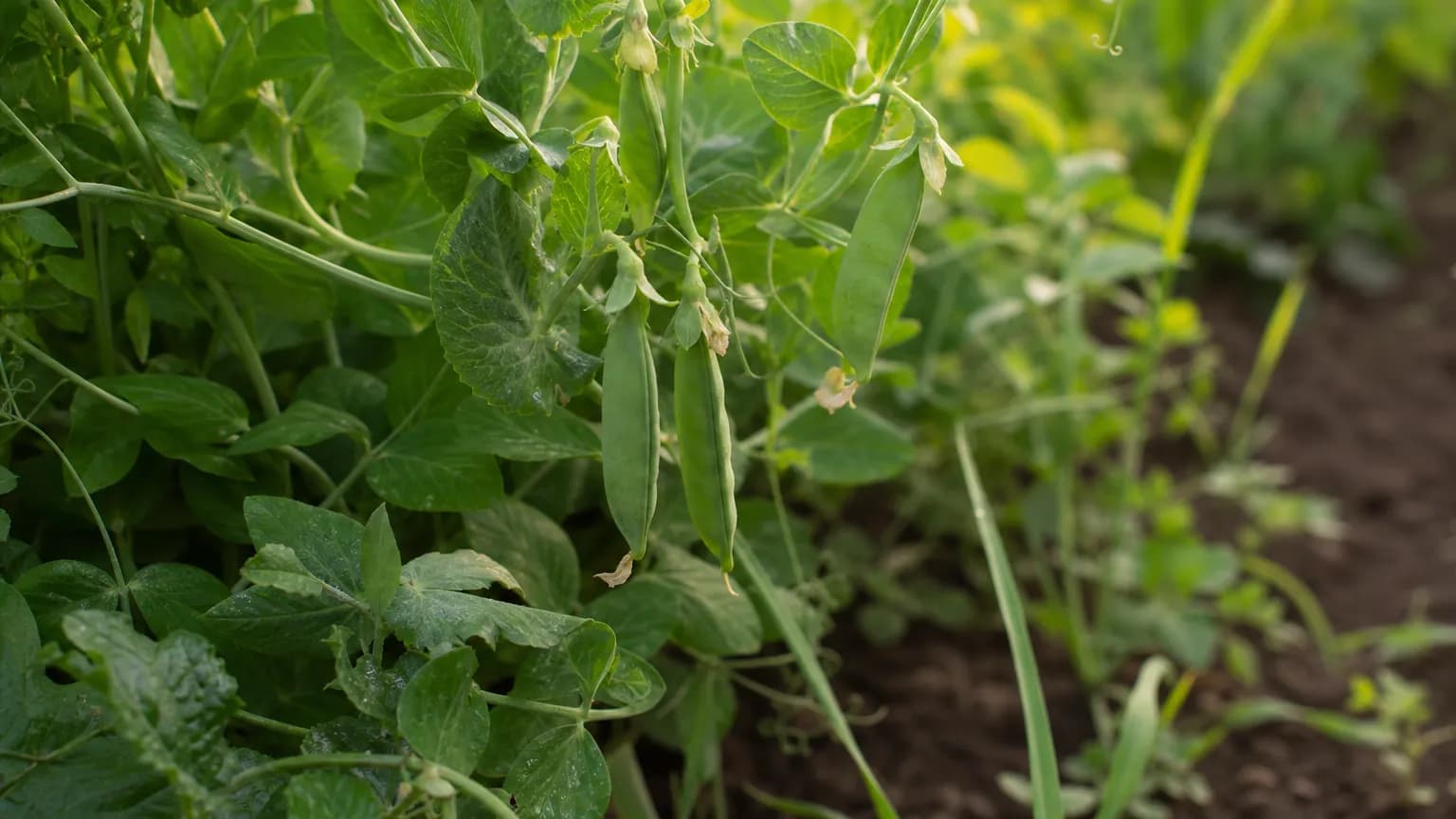
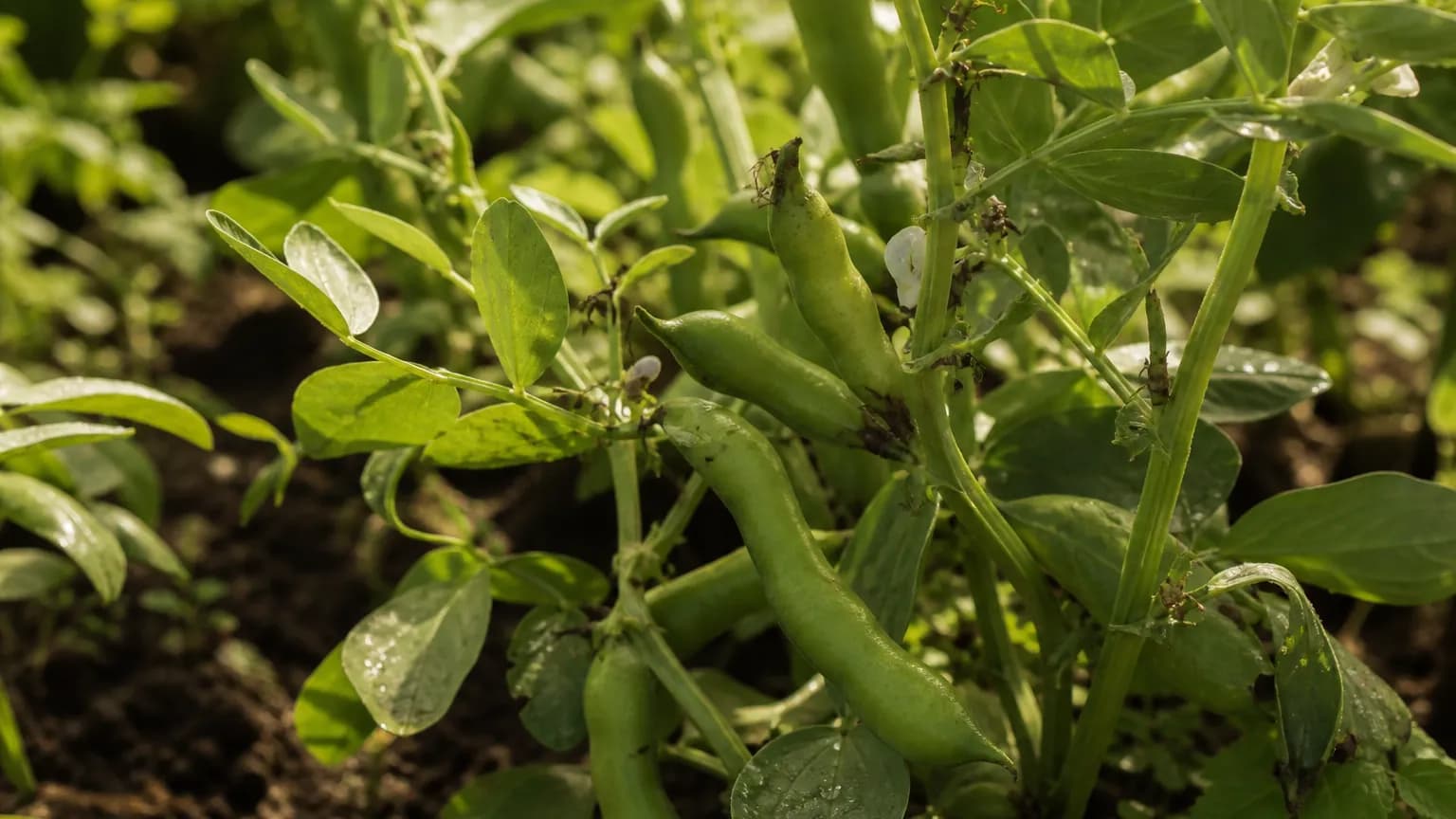
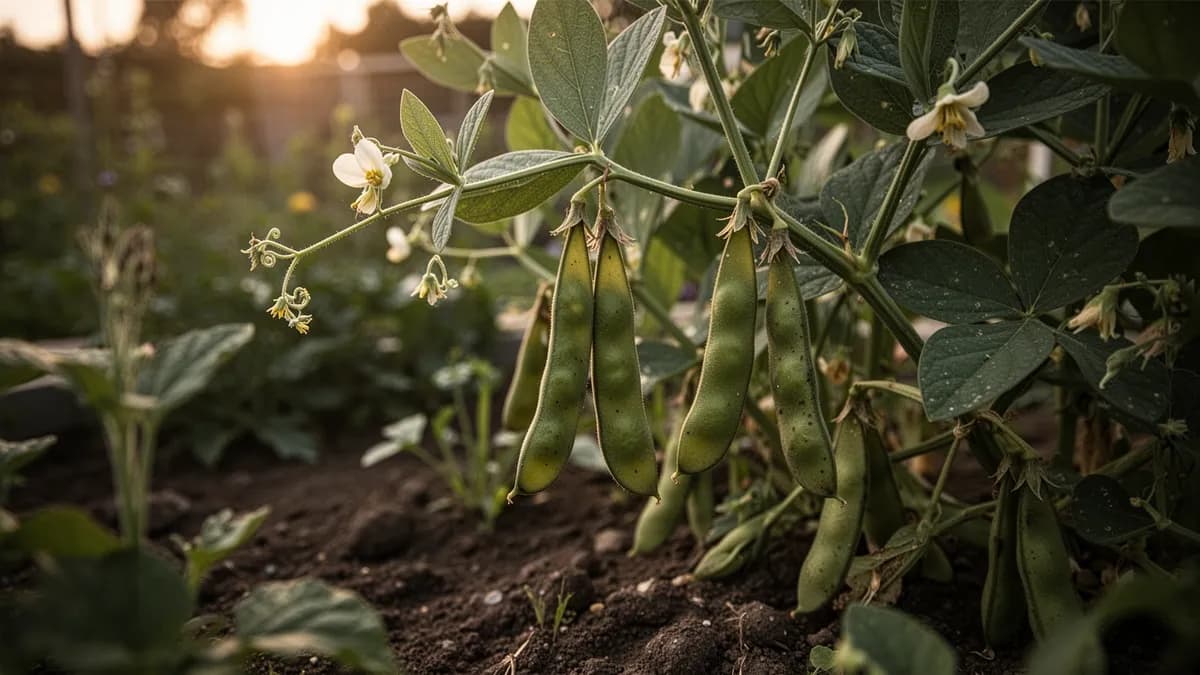
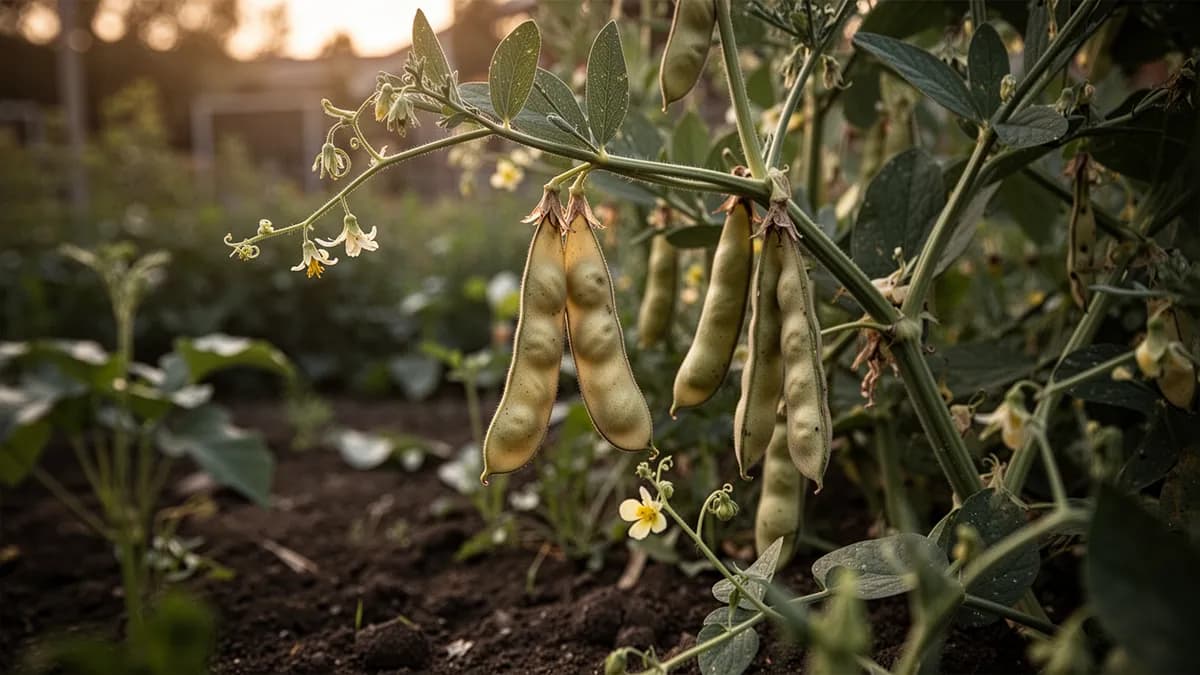
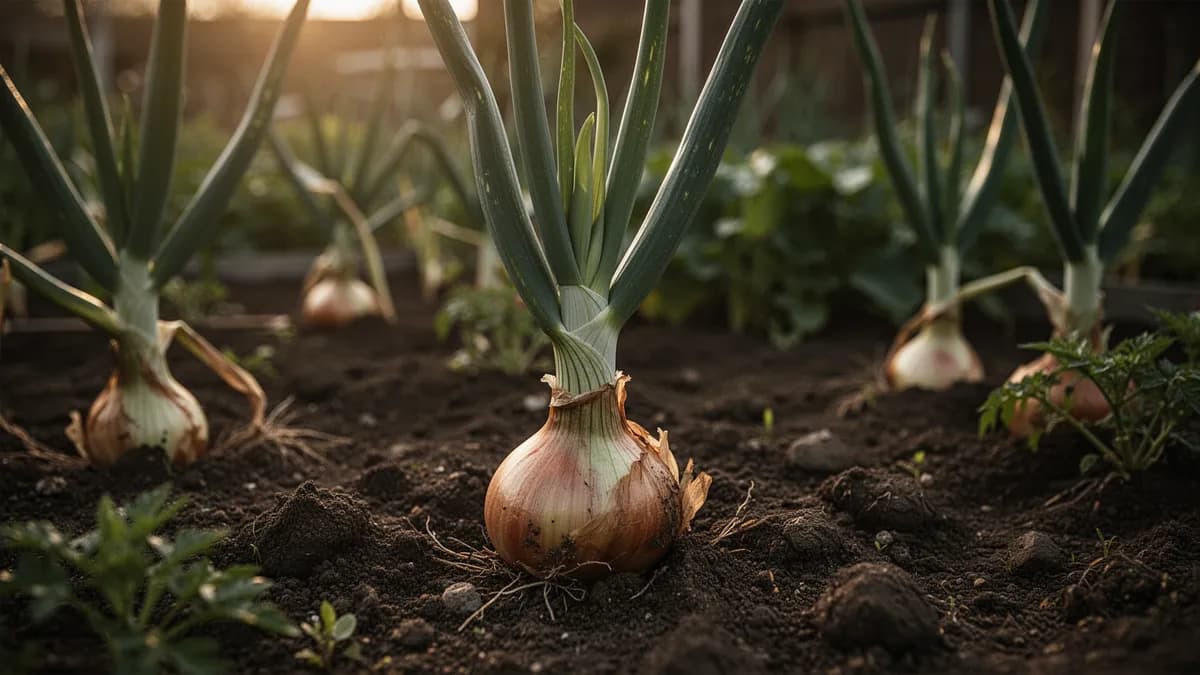
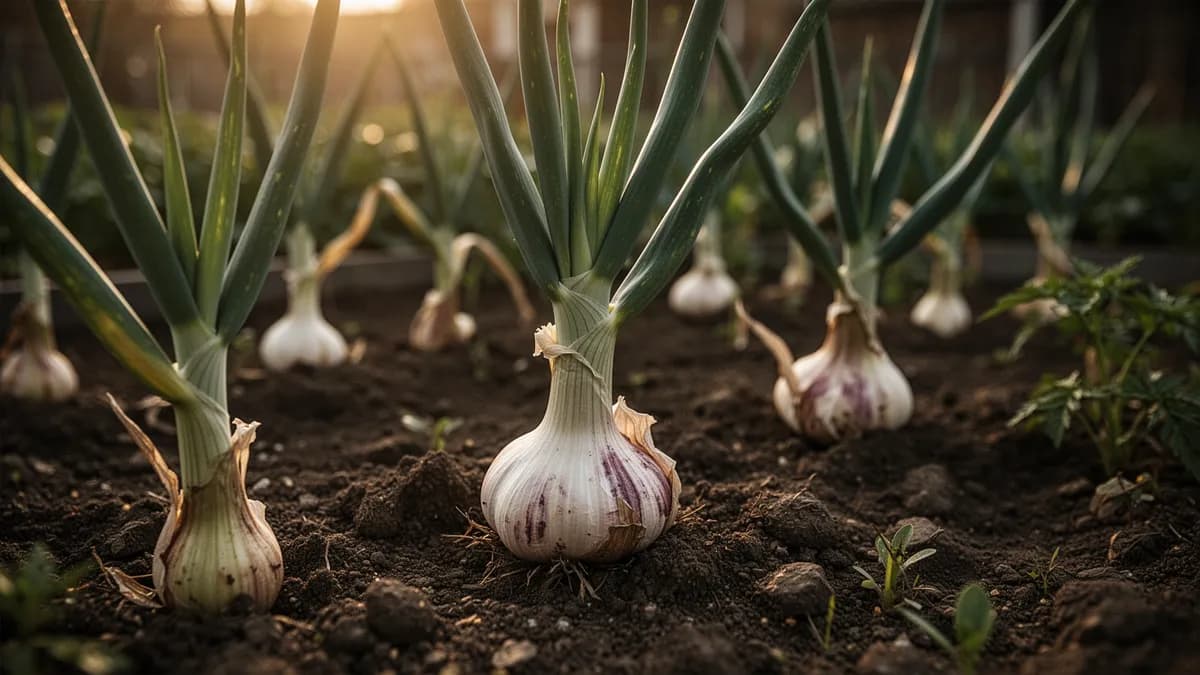
Drachenzunge-Bohnen gedeihen gut neben Mais, Gurken, Karotten und den meisten Kohlgewächsen, die vom durch die Bohnenwurzeln fixierten Stickstoff profitieren. Pflanzen Sie Bohnenkraut dazwischen, das traditionell als geschmacksverbessernd gilt und helfen soll, Bohnenkäfer abzuwehren. Vermeiden Sie die Pflanzung in der Nähe von Zwiebeln, Knoblauch und anderen Lauchgewächsen, die das Hülsenfruchtwachstum hemmen können. In der Nähe gepflanzte Tagetes schrecken Bohnenkäfer ab und locken Bestäuber an. Pflanzen Sie Bohnen nach starkzehrenden Kulturen, um die restliche Bodenfruchtbarkeit zu nutzen und gleichzeitig Stickstoff für die nächste Fruchtfolge hinzuzufügen.
Mais gehört daneben. Zwiebel nicht.
Altes Gärtnerwissen, geprüft an der echten Nachbartabelle von Drachenzunge-Bohne — teste jede Pflanze, die du anbaust.
Probiere Drachenzunge-Bohne direkt hier im Beet
Ein echtes Planer-Beet, Drachenzunge-Bohne steht schon drin. Tippe einen Begleiter an, platziere ihn und sieh, wie die Nachbarschaftsprüfung antwortet — grün für gute Nachbarn, rot bei Streit.


Passende Anbau-Ratgeber
Richtig düngen
Drachenzunge-Bohnen wachsen am besten in gut durchlässigem, mäßig fruchtbarem Boden mit einem pH-Wert von 6,0 bis 7,0. Vermeiden Sie übermäßig reichen Boden und starke Stickstoffdüngung, die übermäßiges Laubwachstum auf Kosten der Hülsenproduktion fördert. Als Hülsenfrüchte binden sie ihren eigenen Stickstoff durch symbiotische Bakterien in Wurzelknöllchen. Bereiten Sie die Beete vor der Pflanzung mit einer leichten Gabe von ausgewogenem Dünger oder Kompost vor. Phosphor unterstützt eine starke Wurzelentwicklung und guten Hülsenansatz. Kalium fördert die Krankheitsresistenz und allgemeine Pflanzenvitalität. Impfen Sie die Samen vor der Pflanzung mit bohnenspezifischem Rhizobium, wenn das Beet kürzlich keine Bohnen angebaut hat.
Ideale Temperatur
Winterhärtezone-Kompatibilität
Von der Saat zur Ernte, Schritt für Schritt
Aussaat
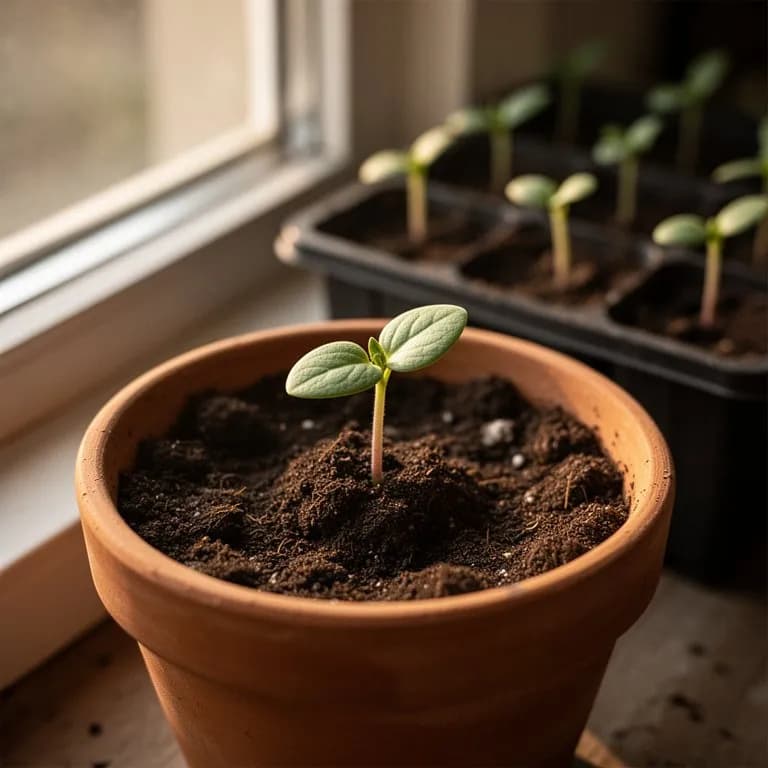
Drachenzunge-Bohnensamen sind groß, glatt und leicht zu handhaben und keimen in warmem Boden schnell. Die dicken Keimblätter durchbrechen die Bodenoberfläche innerhalb von 5-7 Tagen, wenn die Bodentemperatur mindestens 16 °C beträgt. Samen sollten direkt ausgesät und nicht drinnen vorgezogen werden, da Bohnen Wurzelstörungen beim Umpflanzen nicht vertragen.
Sämlingsentwicklung
Echte Blätter erscheinen paarweise in der typischen dreiteiligen Bohnenform — drei abgerundete Blättchen pro Blatt. Der Stängel verdickt sich und die Pflanze beginnt, einen kompakten, buschigen Wuchs zu entwickeln. Wurzelknöllchen bilden sich, wenn stickstofffixierende Rhizobium-Bakterien das Wurzelsystem besiedeln und die symbiotische Beziehung beginnen, die es Bohnen ermöglicht, ihren eigenen Stickstoffdünger zu produzieren.
Vegetatives Wachstum
Die Pflanzen entwickeln sich zu kräftigen, aufrechten Büschen von 40-60 cm Höhe mit dichtem Laub. Die Verzweigungsstruktur füllt sich schnell, und die Pflanze bildet reichlich dreiteilige Blätter, die den Boden darunter beschatten. Als Buschsorte bildet die Drachenzunge keine Kletterranken und benötigt keine Stütze.
Blüte
Kleine, zarte Blüten erscheinen in Büscheln an den Blattachseln, von blassviolett bis weiß. Jede Blüte ist selbstbestäubend und benötigt keine Insektenbesucher für den Hülsenansatz, obwohl Bienenaktivität die Erträge steigern kann. Die Blüte dauert 2-3 Wochen an und produziert aufeinanderfolgende Schübe von Hülsen.
Hülsenentwicklung
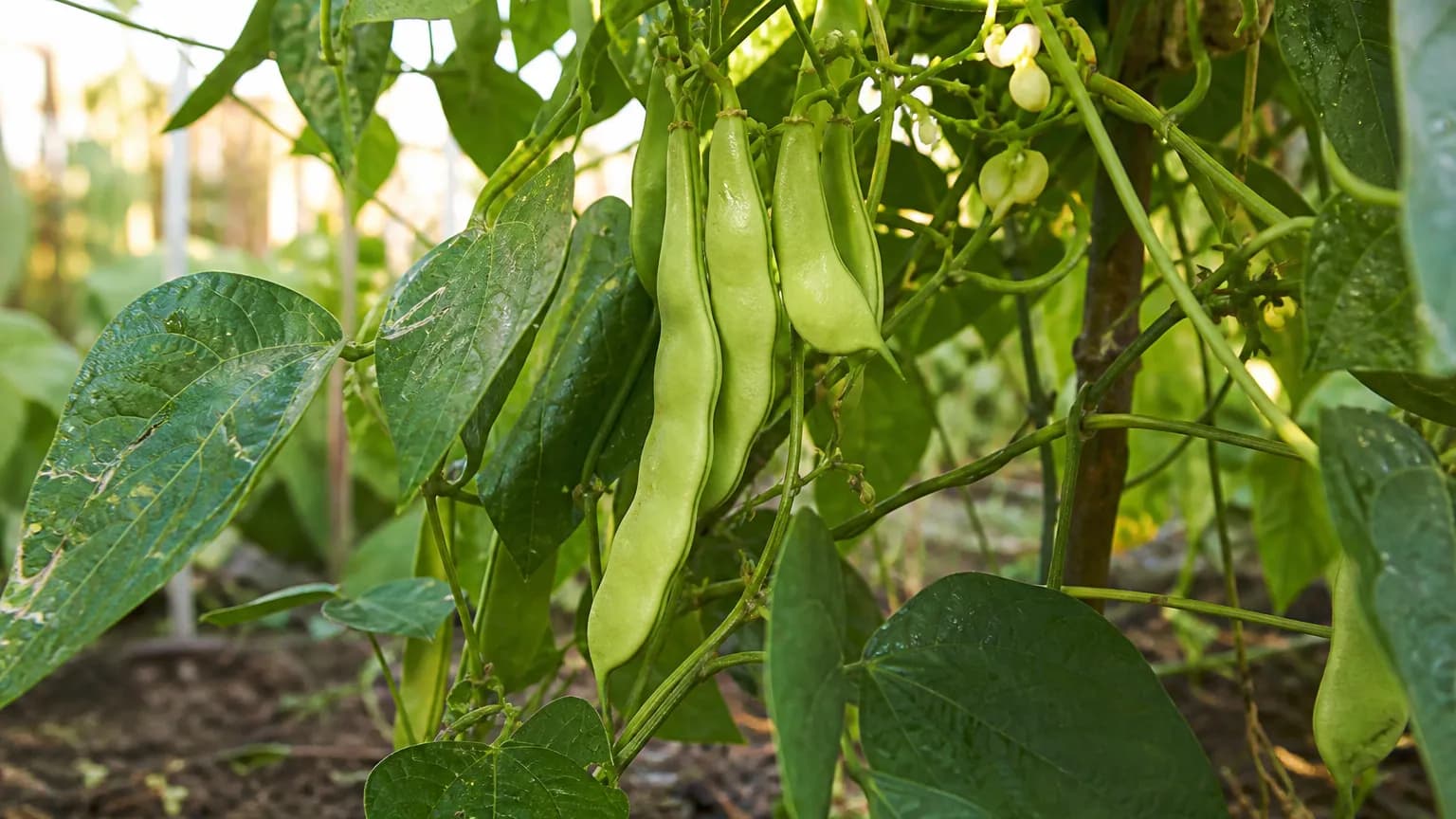
Hülsen entwickeln sich schnell aus verblühten Blüten und verlängern sich innerhalb weniger Tage auf 15-20 cm. Die charakteristische Färbung tritt hervor, wenn die Hülsen wachsen — eine cremig-gelbe bis blassgrüne Grundfarbe, überlagert mit dramatischen violett-roten Streifen und Sprenkeln. Die Hülsen sind im Schnappbohnenstadium flach, breit und fadenlos mit einer buttrigen, zarten Textur.
Ernte und Reifung
Die Haupternte der Schnappbohnen erfolgt 55-65 Tage nach der Aussaat. Regelmäßiges Pflücken regt die Pflanze an, weiter zu blühen und über 3-4 Wochen neue Hülsen zu produzieren. Lässt man die Hülsen vollständig ausreifen, schwellen die Samen an und entwickeln ein wunderschönes cranberry-creme-marmoriertes Muster, das ausgezeichnete Schalen- oder Trockenbohnen für die Lagerung ergibt.
Säen Sie die Samen 2,5-5 cm tief und 10-15 cm auseinander direkt im Garten, nachdem alle Frostgefahr vorüber ist. Weichen Sie die Samen nicht ein — anders als bei einigen Hülsenfrüchten können Bohnensamen bei zu langem Einweichen aufplatzen. Stellen Sie sicher, dass der Boden mindestens 16 °C hat, um eine zuverlässige Keimung zu gewährleisten.
Drachenzunge-Bohne Monat für Monat pflegen
Was du jeden Monat für deine Drachenzunge-Bohne tun solltest
Oktober
Aktueller MonatZiehen Sie alle verbleibenden Bohnenpflanzen heraus und kompostieren Sie sie. Lassen Sie die Wurzeln im Boden, um den fixierten Stickstoff freizusetzen. Bewahren Sie Samen von den besten Hülsen auf, indem Sie sie vollständig trocknen lassen, dann schälen und in Papierumschlägen an einem kühlen, trockenen Ort lagern.
Immer wissen, was jetzt im Garten zu tun ist
Eine E-Mail zum Monatsanfang: was du jetzt säen, pflanzen und anpacken solltest — für deine Drachenzunge-Bohne und alles, was drumherum wächst. Dazu ein kurzer Startkurs, der dich vor den klassischen Fehlern bewahrt.
- Was jetzt zu tun ist
- Passend zu deiner Saison
- Startkurs inklusive
Drachenzunge-Bohne ernten
Drachenzunge-Bohnen bieten drei Ernteoptionen. Für Schnappbohnen pflücken Sie die Hülsen, wenn sie 12 bis 15 cm lang und noch flach sind, bevor die Samen im Inneren merklich anschwellen, typischerweise 55 bis 60 Tage nach der Pflanzung. Zu diesem Zeitpunkt sind die lila Streifen am lebendigsten. Für Schalenbohnen lassen Sie die Hülsen sich mit prallen grünen Bohnen füllen, ernten aber vor dem Trocknen der Hülsen, etwa 70 bis 75 Tage. Für Trockenbohnen lassen Sie die Hülsen an den Pflanzen, bis sie papierartig und braun sind, ziehen dann die ganzen Pflanzen heraus und hängen sie zum Trocknen auf. Pflücken Sie Schnappbohnen alle zwei bis drei Tage, um die weitere Produktion zu fördern.
angenommen, du pflanzt zu Beginn des Zeitraums — trage dein tatsächliches Datum ein
Ernte Drachenzunge-Bohne zügig, dann trägt die Pflanze weiter.
Lagerung & Konservierung
Frische Drachenzunge-Bohnen im Schnappstadium halten sich im Kühlschrank bis zu einer Woche in einem perforierten Plastikbeutel. Zum Einfrieren schneiden Sie die Enden ab, schneiden sie in Stücke, blanchieren Sie drei Minuten, kühlen Sie in Eiswasser ab und verpacken Sie sie in Gefrierbeutel. Die charakteristischen lila Streifen verblassen beim Blanchieren, aber der Geschmack bleibt ausgezeichnet. Schalenbohnen können nach zweiminütigem Blanchieren eingefroren werden. Getrocknete Bohnen lagern über ein Jahr in luftdichten Behältern an einem kühlen, trockenen Ort. Drachenzunge-Bohnen ergeben auch wunderschöne eingelegte Bohnen, die einen Teil ihrer gestreiften Färbung in Essigeinlage behalten.
Was schiefgeht — und die Lösung
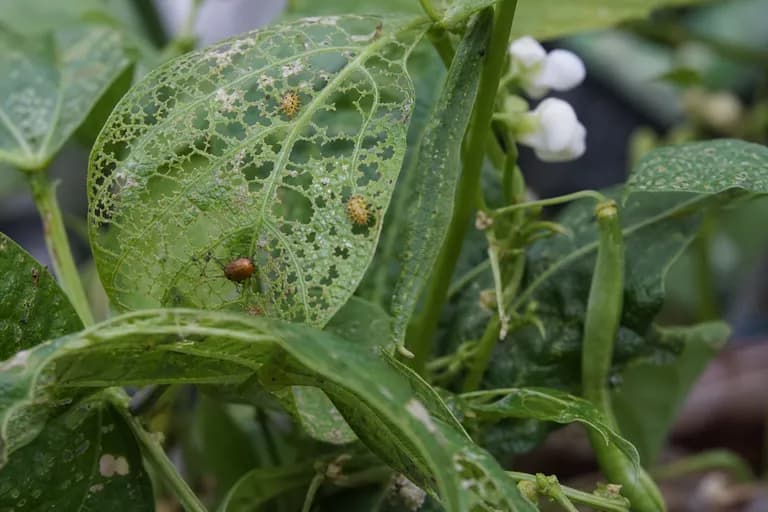
Mexikanischer Bohnenkäfer
SchädlingSkelettierte Blätter, bei denen nur die Adern übrig bleiben, kupferfarbene Käfer und stachelige gelbe Larven auf den Blattunterseiten.
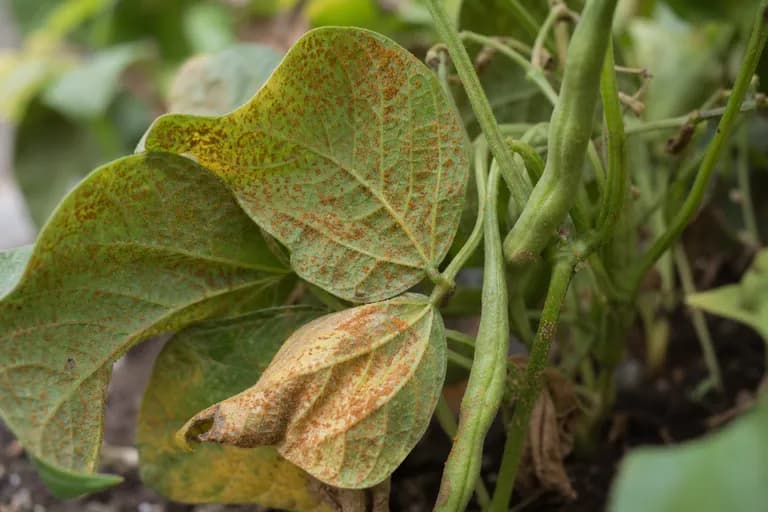
Bohnenrost
KrankheitRostbraune Pusteln auf den Blattunterseiten, die bei Berührung pudrige Sporen freisetzen. Blätter vergilben und fallen vorzeitig ab.
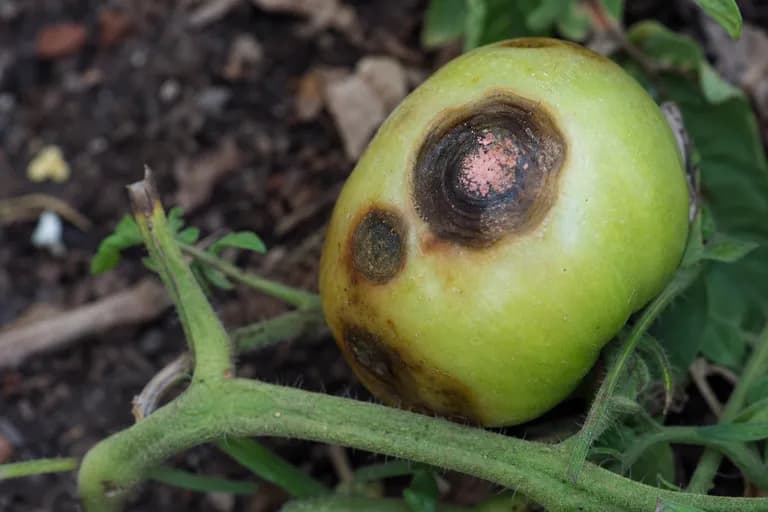
Anthraknose
KrankheitDunkle, eingesunkene Läsionen an Hülsen und Stängeln mit rosa Sporenmassen, die bei nassem Wetter sichtbar sind. Samen können verfärbt sein.
Fehlerbehebung bei häufigen Problemen
Schlechte Keimung tritt auf, wenn der Boden zum Pflanzzeitpunkt zu kalt oder nass ist; warten Sie auf warme, trockene Bedingungen. Zähe, faserige Hülsen entstehen, wenn Bohnen zu lange an der Pflanze bleiben; ernten Sie regelmäßig im Schnappstadium für beste Qualität. Die charakteristischen lila Streifen verblassen beim Kochen, was einige Gärtner enttäuscht; servieren Sie sie roh in Salaten, um die Farbe zu präsentieren. Blütenabwurf während Hitzewellen über 32 Grad Celsius ist vorübergehend und die Produktion setzt fort, wenn die Temperaturen sinken. Rost und Anthraknose können Pflanzen in feuchten Bedingungen verwüsten; sorgen Sie für gute Luftzirkulation und vermeiden Sie es, das Laub zu benetzen.
Anbautipps
- Nur Direktaussaat — ziehen Sie Bohnen niemals drinnen vor. Bohnensämlinge entwickeln eine empfindliche Pfahlwurzel, die das Umpflanzen nicht verträgt. Warten Sie, bis der Boden mindestens 16 °C hat und alle Frostgefahr vorüber ist, dann säen Sie direkt dort, wo die Pflanzen wachsen sollen.
- Impfen Sie die Samen mit Rhizobium-Hülsenfrucht-Impfmittel, wenn Sie zum ersten Mal Bohnen in einem Beet pflanzen. Dies führt die stickstofffixierenden Bakterien ein, die symbiotische Knöllchen an den Bohnenwurzeln bilden und die Pflanzenvitalität und Bodenfruchtbarkeit dramatisch verbessern.
- Nicht überdüngen. Bohnen fixieren ihren eigenen Stickstoff aus der Atmosphäre, daher ist die Zugabe von Stickstoffdünger verschwenderisch und kontraproduktiv — sie fördert übermäßiges Blattwachstum auf Kosten der Hülsen und unterdrückt den natürlichen Stickstofffixierungsprozess.
- Gießen Sie am Boden, niemals über Kopf. Nasses Bohnenlaub ist sehr anfällig für bakterielle Welke, Anthraknose und Rostkrankheiten. Verwenden Sie Tropfbewässerung oder gießen Sie morgens auf Bodenhöhe, damit eventuell benetztes Laub schnell trocknet.
- Ernten Sie Schnappbohnen alle 2-3 Tage im optimalen Stadium, wenn die Hülsen 15-18 cm lang und prall sind und beim Biegen knackig brechen. Wenn Hülsen an der Pflanze überreifen, signalisiert dies einen Wechsel von vegetativer Vermehrung zu Samenproduktion, was die Neubildung von Hülsen dramatisch reduziert.
- Für Doppelverwendungsanbau bestimmen Sie einige Pflanzen für die Schnappbohnenernte (häufig pflücken) und andere für die Schalen- oder Trockenbohnenernte (Hülsen vollständig ausreifen lassen). Der Versuch, beides von denselben Pflanzen zu ernten, führt dazu, dass keines ideal ist.
- Arbeiten Sie niemals zwischen Bohnenpflanzen, wenn das Laub von Regen oder Tau nass ist. Das Streifen an nassen Blättern verbreitet bakterielle und pilzliche Krankheitserreger von Pflanze zu Pflanze. Warten Sie, bis das Laub vollständig trocken ist, bevor Sie ernten, jäten oder kontrollieren.
- Säen Sie alle 2-3 Wochen gestaffelt vom letzten Frost bis Mitte des Sommers, um die Ernte über 8-12 Wochen zu verlängern statt des 3-4-Wochen-Fensters, das eine einzelne Pflanzung bietet. Buschbohnen produzieren einen Hauptschub statt kontinuierlich wie Stangenbohnen.
Bau deine beste Drachenzunge-Bohne an — und alles drumherum.
Starte heute kostenlos. Lege deine Beete an, setze deine Drachenzunge-Bohne ein und lass PlotMyGarden Timing, Abstände, Begleiter und Erinnerungen von der Saat bis zum Erntekorb übernehmen.
Finde deine Drachenzunge-Bohne
Drachenzunge
Die originale niederländische Erbstück-Sorte mit cremefarbenen Hülsen, lebhaft durchzogen mit lila Streifen. Buschhabitus, sehr ertragreich und hervorragend in allen drei Erntestadien.
Dragon Langerie
Ein alternativer Name für dieselbe Sorte, manchmal separat verkauft. Identische Eigenschaften wie die Standard-Drachenzunge.
Feuerzunge
Eine verwandte italienische Erbstück-Sorte mit rot gestreiften cremefarbenen Hülsen. Ähnliche Doppelverwendung, aber mit leicht unterschiedlichen Streifenmustern und Geschmack.
Drachenzunge-Bohnen sind eine Spezial-Erbstück-Sorte, die auf Bauernmärkten und in Feinkostläden Premiumpreise erzielt — typischerweise 12-22 € pro Kilogramm für frische Schnappbohnen und 18-30 € pro Kilogramm für getrocknete Schalenbohnen. Ein einzelnes Samentütchen für 3-4 € liefert genug Saatgut für 30-50 Pflanzen, die 15-40 kg Schnappbohnen im Wert von 80-200 € im Einzelhandel liefern können. Die Doppelverwendbarkeit bietet weiteren Mehrwert — getrocknete Drachenzunge-Schalenbohnen rivalisieren mit der Qualität teurer Boutique-Trockenbohnen, die in Spezialgeschäften für 18-30 € pro Kilogramm verkauft werden. Der eigene Anbau garantiert auch eine Frische und Zartheit, die kommerziell einfach nicht verfügbar ist, da Schnappbohnen innerhalb von Stunden nach dem Pflücken an Qualität verlieren.
Schnelle Rezepte
Gebratene Drachenzunge-Bohnen mit Knoblauch und Zitrone
15 Min.Die einfachste Art, diese schönen Bohnen zu genießen — schnell in Butter angebraten, bis sie gerade zart-knackig sind, dann mit Knoblauch, einem Spritzer Zitrone und Flockensalz verfeinert. Die lila Streifen werden beim Kochen grün, aber der reiche, buttrige Geschmack ist außergewöhnlich.
6 ZutatenRoher Drachenzunge-Bohnen-Salat mit Schalotten-Vinaigrette
10 Min.Eine atemberaubende Rohzubereitung, die die lebhaften lila Streifen optimal zur Geltung bringt. Junge, zarte Hülsen werden dünn diagonal geschnitten und mit einer frischen Schalotten-Vinaigrette, Kirschtomaten und gehobeltem Parmesan zu einer beeindruckenden sommerlichen Beilage vermengt.
8 Zutaten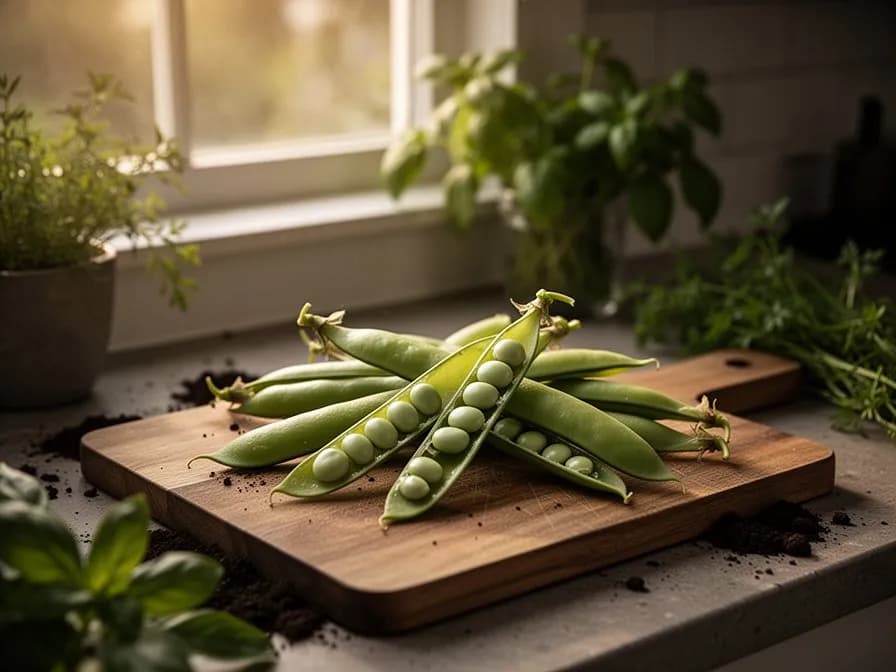
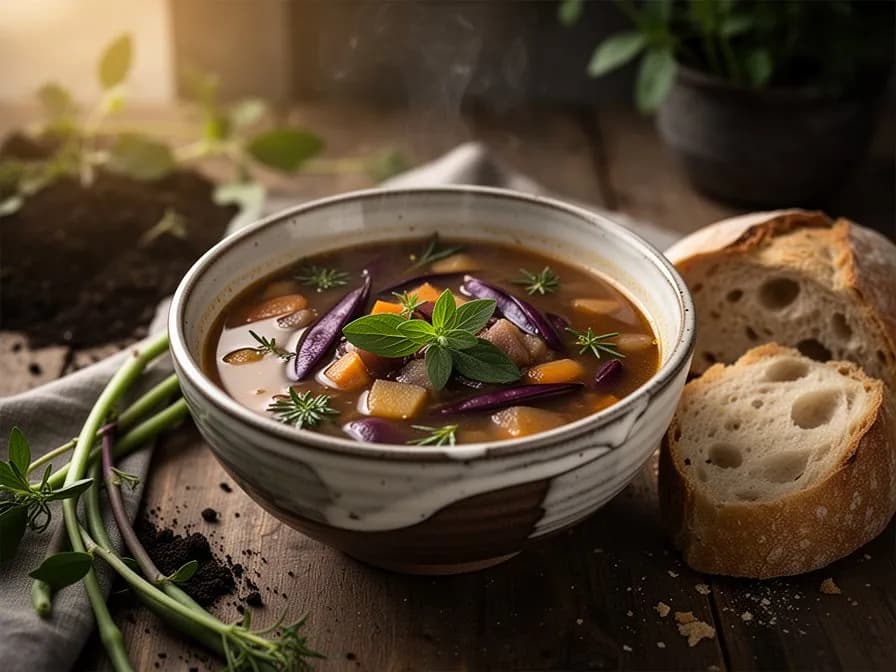
Drachenzunge-Schalenbohnen-Suppe
50 Min.Ausgereift produzieren Drachenzunge-Bohnen wunderschöne Cranberry-artige Schalenbohnen, die beim Köcheln cremig und reichhaltig werden. Diese rustikale Suppe kombiniert die geschälten Bohnen in einer Tomaten-Kräuter-Brühe mit Wurzelgemüse — herzhaft, nahrhaft und zutiefst befriedigend.
11 ZutatenKulinarische Verwendung
Drachenzunge-Bohnen werden für ihre Vielseitigkeit und schöne Erscheinung geschätzt. Servieren Sie rohe Schnappbohnen auf Rohkostplatten und in Salaten, um die atemberaubenden lila-auf-creme-Streifen zu zeigen. Blanchieren oder dämpfen Sie sie leicht für zwei Minuten, um etwas Farbe und die knackige Textur zu bewahren. Braten Sie sie mit Knoblauch und Olivenöl für eine schnelle Beilage, oder fügen Sie sie in der letzten Minute des Kochens zu Wok-Gerichten hinzu. Schalenbohnen eignen sich hervorragend für Minestrone und Cassoulet-ähnliche Gerichte. Getrocknete Bohnen kochen zu einer cremigen Konsistenz und passen gut zu Suppen und Eintöpfen.
Was drinsteckt
Gesundheitsvorteile
- Eine ausgezeichnete Quelle für pflanzliches Eiweiß und komplexe Kohlenhydrate mit praktisch keinem Fett — Schnappbohnen liefern etwa 2 g Eiweiß pro 100 g, während getrocknete Schalenbohnen über 21 g pro 100 g liefern, was sie zu einem der eiweißdichtesten pflanzlichen Lebensmittel macht.
- Reich an Ballaststoffen (3,4 g pro 100 g für Schnappbohnen, über 15 g für getrocknete), die eine gesunde Verdauung, stabile Blutzuckerwerte und die Herzgesundheit unterstützen, indem sie helfen, das LDL-Cholesterin zu senken.
- Die lila gestreiften Hülsen enthalten Anthocyan-Antioxidantien — Flavonoid-Pigmente, die mit verringerter Entzündung, verbesserter Blutgefäßfunktion und Schutz vor oxidativem Stress auf Zellen in Verbindung gebracht werden.
- Gute Quelle für Folsäure (Vitamin B9), essenziell für die DNA-Synthese und Zellteilung und besonders wichtig während der Schwangerschaft zur Vorbeugung von Neuralrohrdefekten bei sich entwickelnden Babys.
- Enthält Eisen und Molybdän — Eisen ist essenziell für den Sauerstofftransport im Blut, während Molybdän ein Spurenelement ist, das von Enzymen benötigt wird, die am Abbau schwefelhaltiger Aminosäuren und Purine beteiligt sind.
- Als Hülsenfrucht haben Bohnen einen der niedrigsten glykämischen Indizes aller stärkehaltigen Lebensmittel, was einen langsamen, stetigen Anstieg des Blutzuckers statt eines Spitzenwerts verursacht — vorteilhaft für nachhaltige Energie und Diabetes-Management.
Woher Drachenzunge-Bohne stammt
Drachenzunge-Bohnen (Phaseolus vulgaris) gehören zur Gartenbohnenart, die ihren Ursprung in Mittel- und Südamerika hat, wo wilde Vorfahren sowohl in Mesoamerika als auch in den Anden vor etwa 7.000-8.000 Jahren unabhängig voneinander domestiziert wurden. Gartenbohnen wurden im 16. Jahrhundert von spanischen und portugiesischen Entdeckern nach Europa gebracht, und in den folgenden Jahrhunderten selektierten und stabilisierten europäische Züchter Hunderte von eigenständigen regionalen Sorten, die an lokale Klimabedingungen und kulinarische Traditionen angepasst waren.
Die Drachenzunge-Sorte lässt sich speziell auf die Niederlande zurückverfolgen, wo sie als 'Dragon Langerie' oder in einigen Katalogen einfach als 'Feuerzungen' bekannt ist. Niederländische Marktgärtner entwickelten diese Sorte für den europäischen Frischmarkt und schätzten ihre Doppelverwendbarkeit (ausgezeichnet sowohl als Schnapp- als auch als Schalenbohne), ihren kompakten Buschwuchs, der kein Rankgerüst erforderte, und ihr auffälliges Aussehen, das auf Marktständen Premiumpreise erzielte. Das genaue Datum der Sortenstabilisierung ist ungewiss, aber sie ist seit mindestens dem frühen bis mittleren 20. Jahrhundert als anerkannte Erbstück-Sorte in niederländischen und belgischen Saatgutsammlungen vertreten.
Die Drachenzunge gewann ab den 1990er Jahren in nordamerikanischen Gärten an Popularität, als die Erbstück-Saatgutbewegung erneute Aufmerksamkeit auf optisch auffällige und aromatische Traditionssorten lenkte. Saatgutfirmen und Gartenautoren setzten sich für die Sorte wegen ihrer Schönheit, Produktivität und Vielseitigkeit ein. Heute ist sie eine der beliebtesten Erbstück-Bohnensorten in Spezial-Saatgutkatalogen weltweit, geschätzt von Hobbygärtnern wegen ihrer dekorativen Hülsen, von Köchen wegen ihres buttrigen Geschmacks und dramatischen Präsentation und von Marktbauern wegen der Premiumpreise, die ihr auffälliges Aussehen auf Bauernmärkten erzielt.
Drachenzunge-Bohne: Schon gewusst?
Faszinierende Fakten über Drachenzunge-Bohne
Drachenzunge-Bohnen sind eine niederländische Erbstück-Sorte (in den Niederlanden auch als 'Dragon Langerie' bekannt), die seit weit über einem Jahrhundert in europäischen Küchengärten angebaut wird und für ihre Doppelverwendbarkeit als Schnapp- und Schalenbohnen geschätzt wird.
Drachenzunge-Bohne: Fragen & Antworten
Wann sollte ich Drachenzunge-Bohne pflanzen?
Was sind gute Begleitpflanzen für Drachenzunge-Bohne?
In welchen Winterhärtezonen kann Drachenzunge-Bohne wachsen?
Wie viel Sonne braucht Drachenzunge-Bohne?
Welchen Abstand sollte ich zwischen Drachenzunge-Bohne lassen?
Welche Schädlinge und Krankheiten befallen Drachenzunge-Bohne?
Wie lagere ich Drachenzunge-Bohne nach der Ernte?
Was sind die besten Drachenzunge-Bohne-Sorten zum Anbauen?
Welchen Boden braucht Drachenzunge-Bohne?
Warum verlieren Drachenzunge-Bohnen ihre lila Streifen beim Kochen?
Kann ich Drachenzunge-Bohnen sowohl als Schnappbohnen als auch als Trockenbohnen verwenden?
Brauchen Drachenzunge-Bohnen ein Rankgitter oder eine Stütze?
Warum blühen meine Bohnenpflanzen, setzen aber keine Hülsen an?
Wie sollte ich Drachenzunge-Trockenbohnen für maximale Haltbarkeit lagern?
Was sind die braunen Flecken, die auf meinen Bohnenblättern erscheinen?
Du hast die Theorie gelesen. Jetzt baue sie auf Autopilot an.
Alles, was Drachenzunge-Bohne knifflig macht — das Timing, die Abstände, die Begleiter, das Erntefenster — genau das übernimmt PlotMyGarden für dich, für jede Pflanze im Garten.
Ein Plan, der dein Wetter kennt
Standort einmal festlegen. Aussaat-, Dünge- und Erntedaten rund um deinen echten letzten Frosttermin und die Live-Vorhersage — kein Raten mehr nach Saattüte.
Aus dem Abschnitt „Pflanzzeit“Beetplaner per Drag & Drop
Beete auf einem Raster gestalten. Jede Pflanze rastet im richtigen Abstand ein, und du siehst die ganze Saison, bevor du einen Cent für Saatgut ausgibst.
Aus dem Abschnitt „Anbau“Begleiter-Konflikte früh erkannt
Über 200 gute und schlechte Kombinationen werden beim Pflanzen live geprüft — so landet ein saisonruinierender Fehler nie in der Erde.
Aus dem Abschnitt „Begleiter“Erinnerungen, nach denen du wirklich handelst
„Gieß die Bohnen.“ „Heute ernten, bevor's umschlägt.“ Pünktlich, konkret und auf deine echten Pflanzen bezogen.
Aus dem Abschnitt „Ernte“Staffel-Aussaat, geplant
Sechs Wochen ernten statt sechs Tage? Die App verteilt deine Aussaaten automatisch und erinnert dich, wenn der nächste Satz fällig ist.
Aus dem Abschnitt „Pflanzzeit“Ein Verlauf, der schlauer wird
Jede protokollierte Ernte bringt der App deinen Garten bei. Der Plan fürs nächste Jahr startet bei dem, was in deinem Boden wirklich funktioniert hat.
Aus dem Abschnitt „Überblick“Pflanze diese neben Drachenzunge-Bohne
Weitere Hülsenfrüchte
Halte Drachenzunge-Bohne von diesen fern
Bau deine beste Drachenzunge-Bohne an — und alles drumherum.
Starte heute kostenlos. Lege deine Beete an, setze deine Drachenzunge-Bohne ein und lass PlotMyGarden Timing, Abstände, Begleiter und Erinnerungen von der Saat bis zum Erntekorb übernehmen.