Mammut-Dill
Die höchste Dillsorte, die 1,2 bis 1,5 Meter erreicht, mit riesigen Samenständen, die perfekt zum Einlegen von Gurken in großem Maßstab geeignet sind.





Auf dieser SeiteÜberblick
Mammut-Dill im Überblick
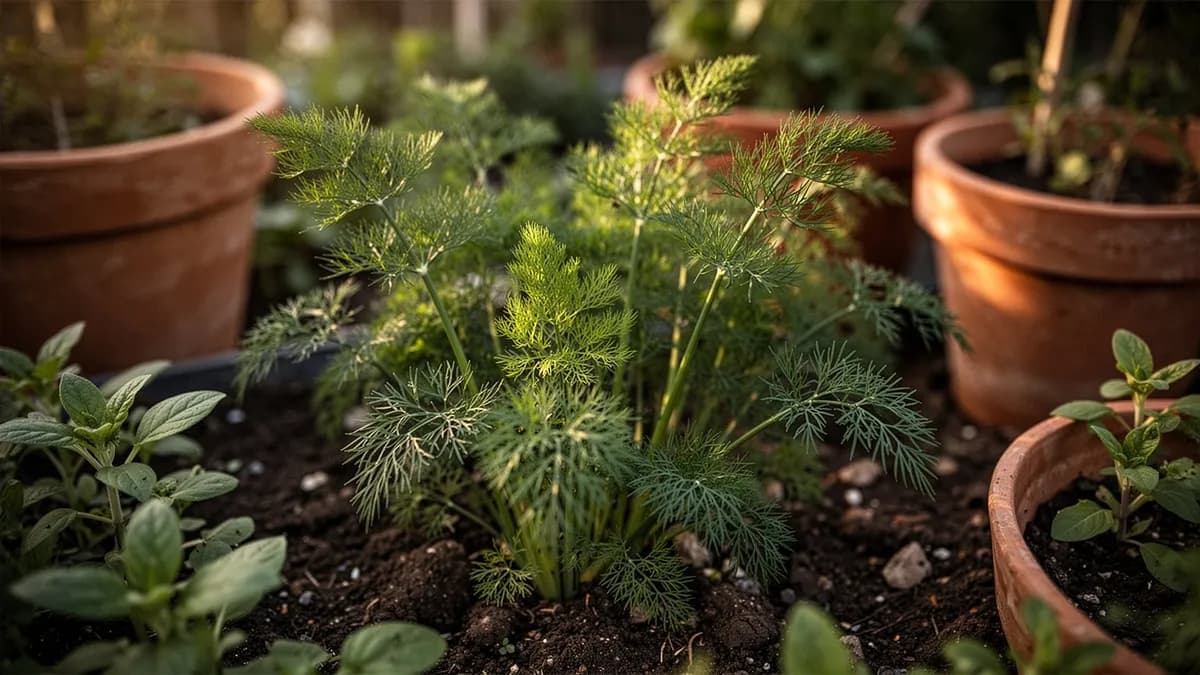
Die höchste Dillsorte, die 1,2 bis 1,5 Meter erreicht, mit riesigen Samenständen, die perfekt zum Einlegen von Gurken in großem Maßstab geeignet sind. Mammut-Dill ist die klassische Einlegesorte und bildet schirmgroße Blütenstände, die perfekt in Einmachgläser mit weiter Öffnung passen. Stützen Sie die Pflanzen ab oder pflanzen Sie sie neben hohen Kulturen als Windschutz.
Wann Mammut-Dill pflanzen
Säen Sie Mammut-Dill-Samen direkt ins Freiland, sobald der Boden im Frühjahr bearbeitet werden kann. Streuen Sie die Samen auf die Oberfläche und drücken Sie sie leicht an oder bedecken Sie sie mit einer dünnen Schicht feiner Erde (ca. 6 mm). Dill bevorzugt kühlen Boden zur Keimung. Die Samen keimen in 10 bis 14 Tagen. Vereinzeln Sie auf 15 bis 30 cm Abstand. Für die Gurkeneinlege-Saison säen Sie einen großen Block, der zeitlich so abgestimmt ist, dass die Samenstände reifen, wenn die Gurken erntereif sind. Für kontinuierliches Dillkraut säen Sie alle 3 Wochen vom frühen Frühling bis Mitte Sommer nach.
Dein Mammut-Dill-Jahr
Abgestimmt auf Zone 7 · typische Saison · Frost geht um den 2. Apr. und kehrt um den 1. Nov. zurück
Mammut-Dill Apr – Mai pflanzen, Jun – Aug ernten. Beachte die Pflanzmethoden unten und wähle dein Klima für passende Zeiträume.
So baust du Mammut-Dill an
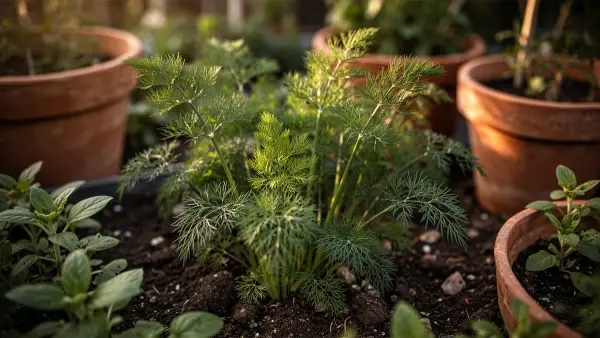
Mammut-Dill ist die klassische hohe Dillsorte, die speziell wegen ihrer riesigen Samenstände angebaut wird – dem Herzstück der traditionellen Dillgurkenherstellung. Die Pflanzen werden 1,2 bis 1,5 Meter hoch mit großen, schirmförmigen Blütenständen, die perfekt in Einmachgläser mit weiter Öffnung passen. Pflanzen Sie in voller Sonne in gut durchlässigem Boden mit einem pH-Wert von 5,5 bis 7,5. Säen Sie die Samen direkt ins Freiland, sobald der Boden im Frühjahr bearbeitet werden kann.
Dill hat eine Pfahlwurzel und lässt sich schlecht umpflanzen, daher sollten Sie immer direkt säen. Säen Sie die Samen im Abstand von 15 bis 30 cm in Reihen mit 45 cm Abstand. Für einen kontinuierlichen Vorrat an frischem Dillkraut (Blättern) säen Sie alle 3 Wochen nach. Für einlegereife Samenstände säen Sie eine einzelne große Partie im Frühjahr, die so terminiert ist, dass die Stände während der Gurkenernte reifen – typischerweise 65 bis 70 Tage später.
Die stattliche Höhe des Mammut-Dills bedeutet, dass er an windigen Standorten gestützt werden muss. Pflanzen Sie in Blöcken statt in einzelnen Reihen, damit sich die Pflanzen gegenseitig stützen, oder stäben Sie einzelne Pflanzen an. Die hohlen Stängel sind kräftig, können aber bei starkem Regen oder Wind abknicken. Gießen Sie mäßig; Dill ist recht trockenheitsresistent, produziert aber bei gleichmäßiger Feuchtigkeit üppigeres Laub. Lassen Sie einige Pflanzen sich selbst aussäen, um einen dauerhaften Dillbestand zu erhalten.
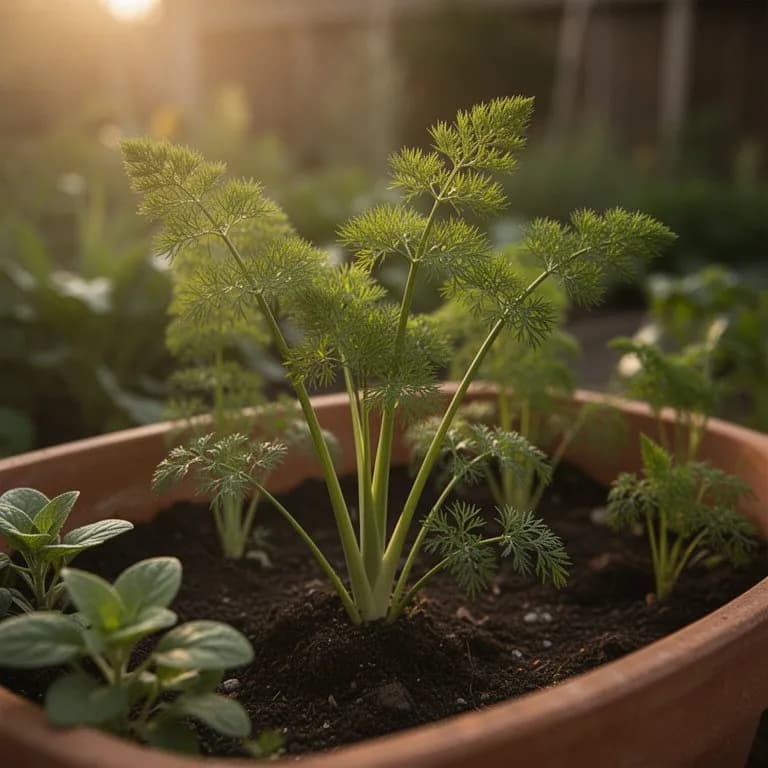
32 Pflanzen passen in ein Beet von 120 × 240 cm
Mammut-Dill braucht 30 cm Platz pro Pflanze. Der Planer hält diesen Abstand für dich ein — jede Pflanze, jedes Beet.
Die besten Nachbarn für Mammut-Dill
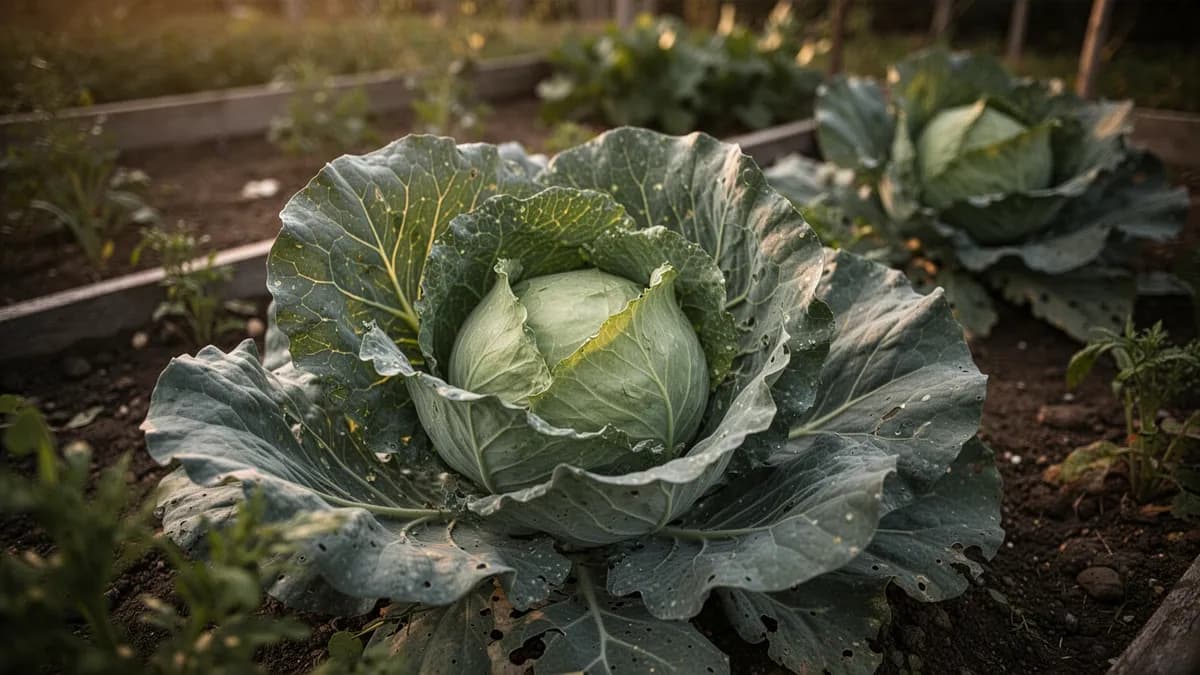
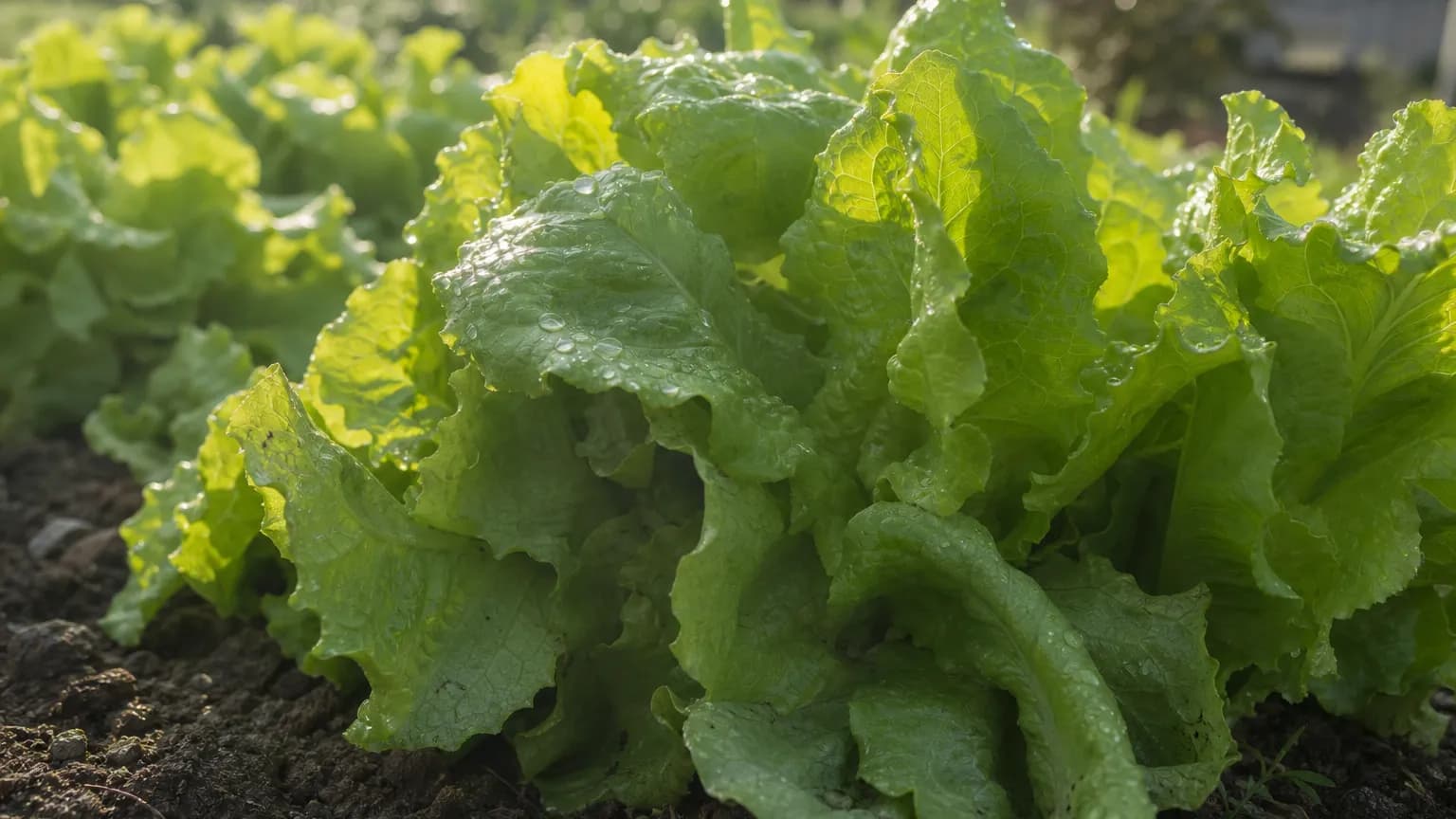
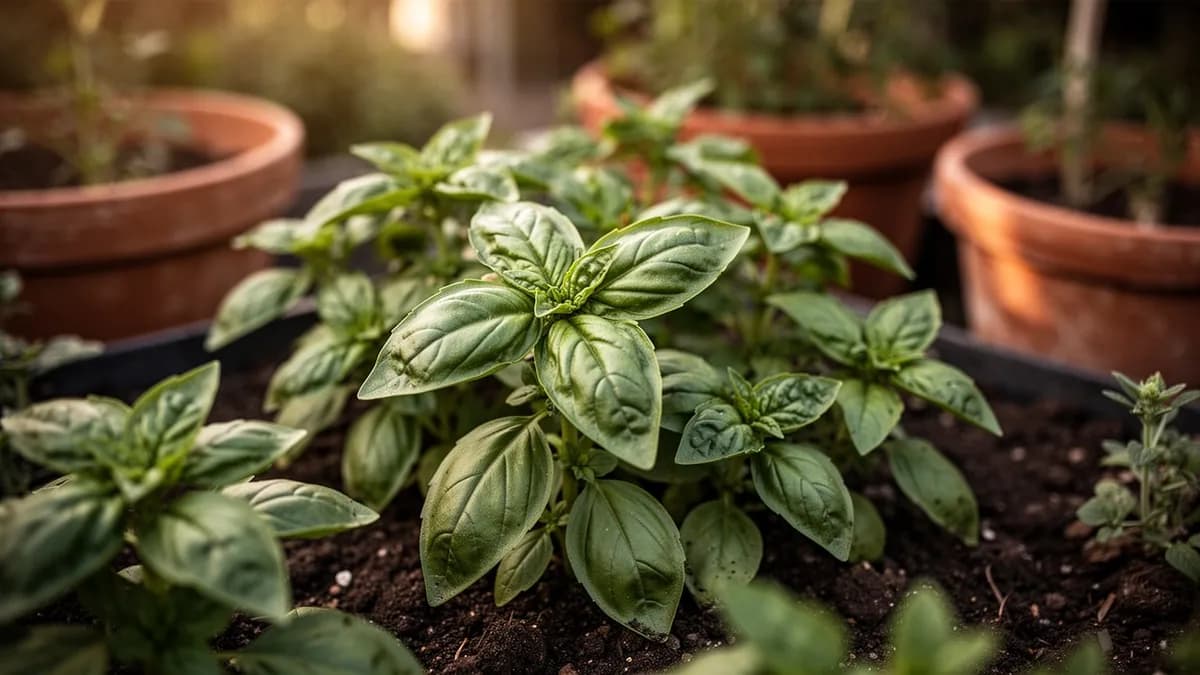
Dill zieht viele Nützlinge an, darunter Schlupfwespen, Marienkäfer und Schwebfliegen. Pflanzen Sie ihn in der Nähe von Kohlgewächsen wie Kohl und Brokkoli, wo die angelockten Fressfeinde bei der Bekämpfung von Kohlraupen helfen. Dill ist ein klassischer Begleiter für Gurken, die von einer verbesserten Bestäubung profitieren. Halten Sie ihn fern von Karotten und Tomaten, da Dill deren Wachstum hemmen kann. Pflanzen Sie ihn niemals in der Nähe von Fenchel, um Kreuzbestäubung zu vermeiden.
Gurke gehört daneben. Karotte nicht.
Altes Gärtnerwissen, geprüft an der echten Nachbartabelle von Mammut-Dill — teste jede Pflanze, die du anbaust.
Probiere Mammut-Dill direkt hier im Beet
Ein echtes Planer-Beet, Mammut-Dill steht schon drin. Tippe einen Begleiter an, platziere ihn und sieh, wie die Nachbarschaftsprüfung antwortet — grün für gute Nachbarn, rot bei Streit.


Passende Anbau-Ratgeber
Richtig düngen
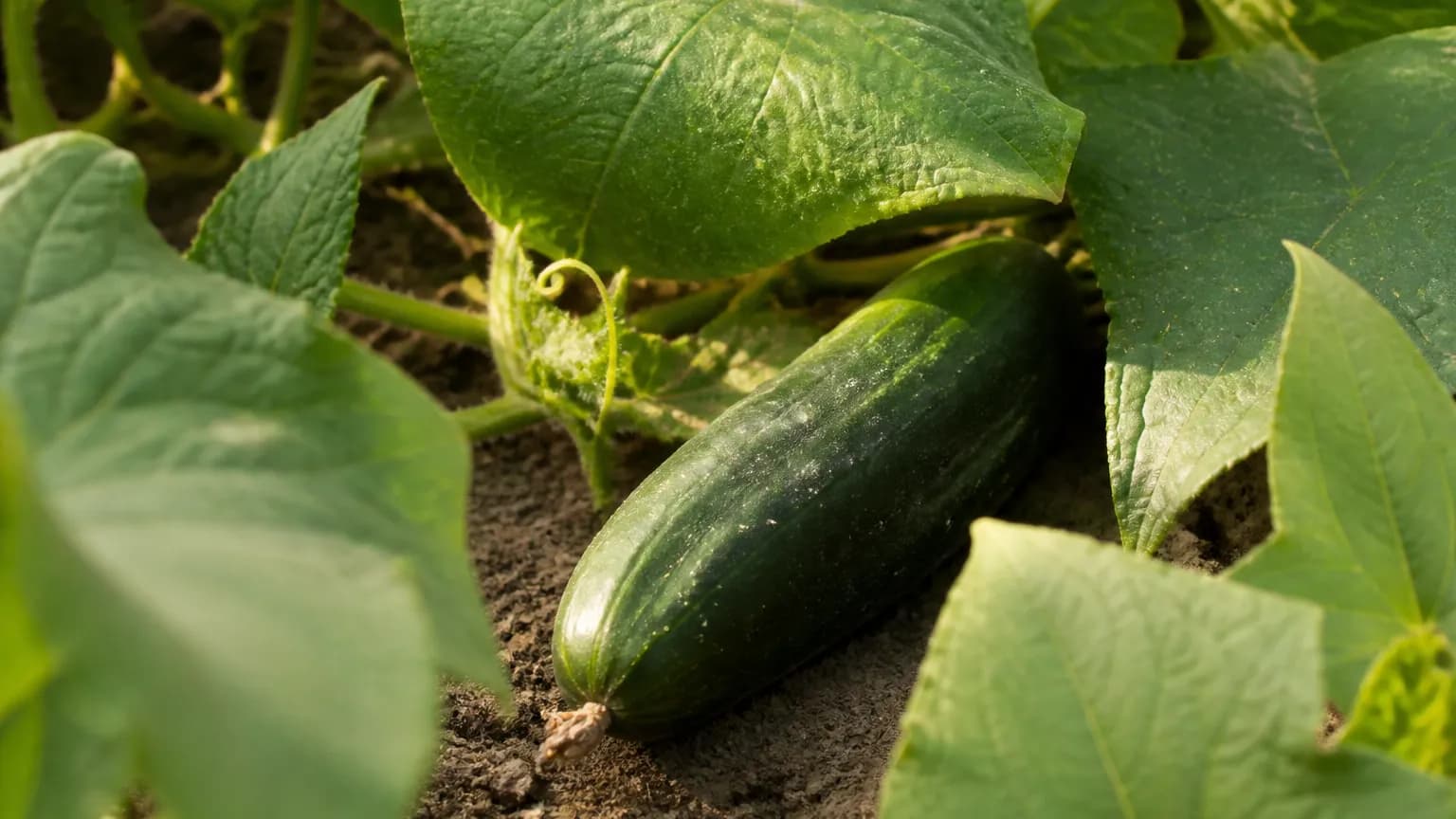
Mammut-Dill gedeiht gut in durchschnittlichem bis nährstoffreichem, gut durchlässigem Boden mit einem pH-Wert von 5,5 bis 7,5. Er verträgt verschiedene Bodenarten von sandig bis tonig. Arbeiten Sie vor der Aussaat Kompost ein, um beste Ergebnisse zu erzielen. Eine leichte Gabe von ausgewogenem Dünger bei der Pflanzung liefert ausreichend Nährstoffe für die Saison. Vermeiden Sie übermäßigen Stickstoff, der hohe, schwache Stängel fördert, die zum Umknicken neigen. Halten Sie den Boden mäßig feucht für eine üppige Laubproduktion.
Ideale Temperatur
Winterhärtezone-Kompatibilität
Von der Saat zur Ernte, Schritt für Schritt
Samenkeimung
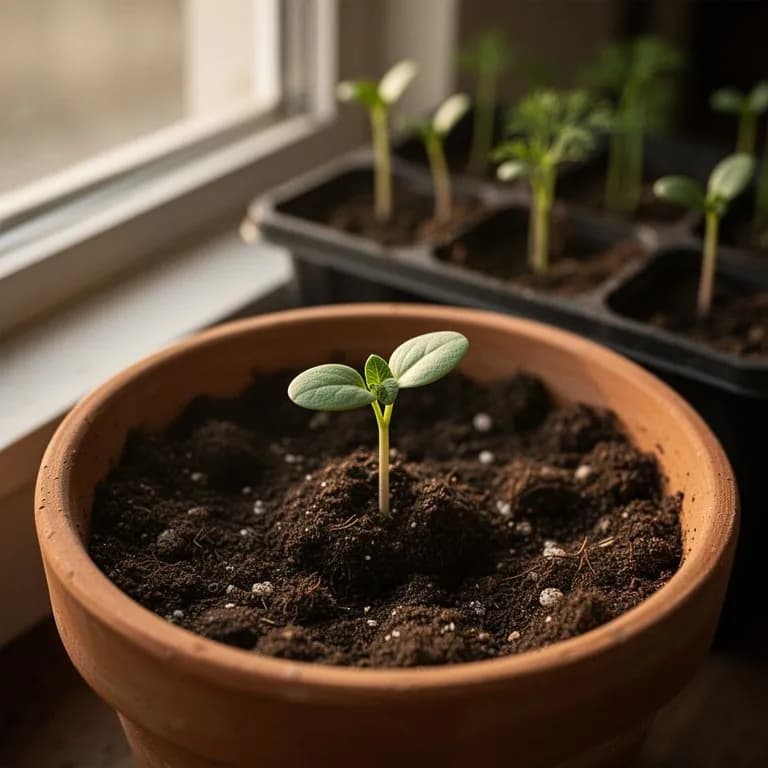
Dillsamen keimen im Vergleich zu vielen Kräutern langsam und benötigen typischerweise 10–14 Tage bei Bodentemperaturen von 15–21 °C. Die winzigen Samen benötigen Licht zur Keimung und sollten sanft in die Oberfläche gedrückt statt tief eingegraben werden. Ein einzelnes fadenförmiges Keimblatt erscheint zuerst und verleiht dem Sämling ein grasähnliches Aussehen, das leicht mit Unkraut verwechselt werden kann.
Sämlingsentwicklung
Die ersten echten Blätter erscheinen als winzige fiedrige Wedel, die sich deutlich vom anfänglichen grasähnlichen Keimblatt unterscheiden. Der Sämling entwickelt eine schlanke Pfahlwurzel, die ihn fest verankert, und beginnt den charakteristischen hohlen Stängel auszubilden. In diesem Stadium sind die Pflanzen empfindlich und können durch grobe Handhabung oder starken Regen leicht beschädigt werden.
Vegetatives Wachstum
Die Pflanze wächst schnell und bildet reichlich fiedriges, blaugrünes Laub an einem zunehmend kräftigen hohlen Stängel. Mammut-Dill kann in dieser Phase 90–150 cm Höhe erreichen, deutlich höher als Standard-Dillsorten. Das Laub ist in dieser Phase am aromatischsten und geschmackvollsten, was sie zum besten Erntezeitfenster für Dillkraut macht.
Blüte (Schossen)
Der Hauptstängel streckt sich schnell und bildet eine große, flachköpfige zusammengesetzte Dolde aus Dutzenden winziger gelber Blüten. Mammut-Dill-Blütenstände können 20–25 cm Durchmesser erreichen – größer als bei den meisten anderen Dillsorten. Die Blüten sind äußerst attraktiv für Nützlinge wie Schlupfwespen, Florfliegen, Marienkäfer und Schwebfliegen. Sobald die Blüte beginnt, verlangsamt sich die Laubproduktion und der Geschmack der verbliebenen Blätter wird etwas bitterer.
Samenentwicklung
Nach der Bestäubung entwickeln sich flache ovale Samenpaare über den gesamten Blütenstand, die beim Reifen von grün zu braun-beige übergehen. Jede große Mammut-Dill-Dolde kann 300–500 Samen hervorbringen. Die Samen haben einen warmen, leicht bitteren Geschmack, der sich vom frischen Kraut unterscheidet, und sind als Gewürz geschätzt. Die Pflanze beginnt sich gelb zu verfärben und einzutrocknen, da die gesamte Energie in die Samenreife fließt.
Säen Sie die Samen nicht tiefer als 6 mm und drücken Sie sie leicht in feuchte Erde. Halten Sie die Oberfläche durch sanftes Besprühen gleichmäßig feucht – Dillsamen trocknen schnell aus und keimen nicht, wenn die Bodenkruste verhärtet. Ein Einweichen der Samen über Nacht in warmem Wasser kann die Keimung um 3–4 Tage beschleunigen.
Mammut-Dill Monat für Monat pflegen
Was du jeden Monat für deine Mammut-Dill tun solltest
Oktober
Aktueller MonatErnten Sie den letzten frischen Dill der Saison in den meisten Zonen. Trocknen oder frieren Sie überschüssige Wedel für den Winter ein – gefrorener Dill behält weitaus mehr Geschmack als getrockneter. Reinigen und lagern Sie gesammelte Samen in luftdichten Gläsern. Entfernen Sie abgeerntete Pflanzen und geben Sie sie auf den Kompost. Notieren Sie, welche Gartenstandorte die besten Ernten ergaben.
Immer wissen, was jetzt im Garten zu tun ist
Eine E-Mail zum Monatsanfang: was du jetzt säen, pflanzen und anpacken solltest — für deine Mammut-Dill und alles, was drumherum wächst. Dazu ein kurzer Startkurs, der dich vor den klassischen Fehlern bewahrt.
- Was jetzt zu tun ist
- Passend zu deiner Saison
- Startkurs inklusive
Mammut-Dill ernten
Ernten Sie Dillblätter (Dillkraut) jederzeit, nachdem die Pflanzen mehrere Sätze fiedrigen Laubes entwickelt haben. Schneiden Sie Blätter von der Spitze der Pflanze ab. Für Samenstände zum Einlegen ernten Sie, wenn die Samen von grün nach braun-beige umgefärbt sind, aber bevor sie ausfallen. Schneiden Sie den gesamten Blütenstand mit 15 bis 20 cm Stiel ab und legen Sie ihn mit Gurken in Einmachgläser, oder hängen Sie ihn kopfüber zum Trocknen auf. Frische grüne Samenstände sind zum Einlegen bevorzugt, da sie sowohl Samen als auch aromatischen Dillgeschmack beitragen.
angenommen, du pflanzt zu Beginn des Zeitraums — trage dein tatsächliches Datum ein
Ernte Mammut-Dill zügig, dann trägt die Pflanze weiter.
Lagerung & Konservierung
Frisches Dillkraut hält im Kühlschrank etwa eine Woche, eingewickelt in ein feuchtes Papiertuch. Für längere Haltbarkeit frieren Sie gehackten Dill in Eiswürfelformen mit Wasser oder Öl ein. Dillsamenstände zum Einlegen sollten möglichst frisch verwendet werden; überschüssige Stände können in verschlossenen Beuteln eingefroren werden. Getrocknetes Dillkraut behält seinen milden Geschmack 6 Monate lang in luftdichten Gläsern. Dillsamen, einmal vollständig getrocknet, sind 3 bis 4 Jahre in luftdichten Behältern haltbar. Rösten Sie Samen kurz vor der Verwendung, um den Geschmack zu intensivieren.
Was schiefgeht — und die Lösung
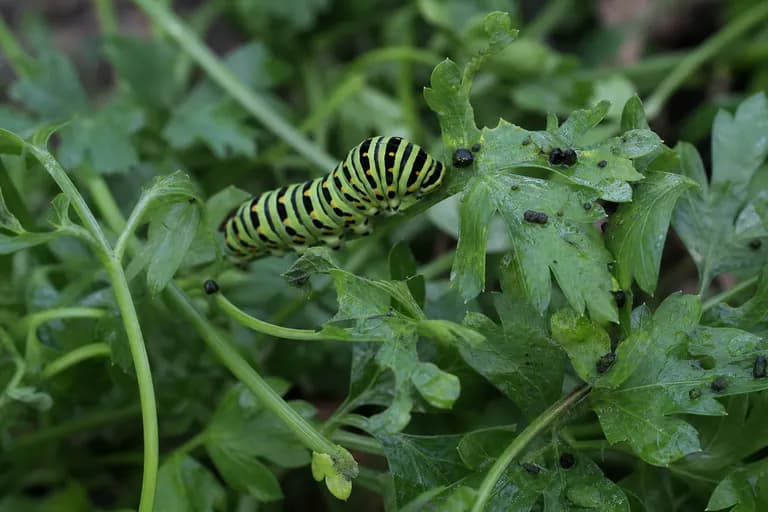
Petersilienwurm (Schwarzer Schwalbenschwanz-Raupe)
SchädlingGroße grüne, schwarz und gelb gestreifte Raupen, die an Blättern und Blüten fressen. Können kleine Pflanzungen schnell entlauben. Sind tatsächlich die Larven des wunderschönen Schwarzen Schwalbenschwanz-Schmetterlings.
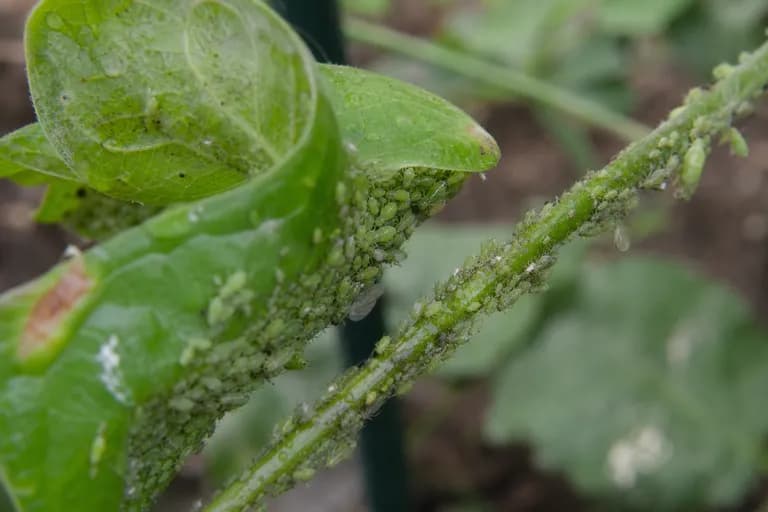
Blattläuse
SchädlingAnsammlungen kleiner grüner oder gelber Blattläuse an zarten Trieben und sich entwickelnden Samenständen. Klebriger Honigtau und möglicher Rußtau.
Fehlerbehebung bei häufigen Problemen
Umknicken (Lagern) ist das Hauptproblem bei Mammut-Dill aufgrund seiner außergewöhnlichen Höhe. Stützen Sie die Pflanzen an windigen Standorten ab oder pflanzen Sie sie in geschützten Bereichen. Frühes Schossen bei heißem Wetter reduziert die Blatternte; säen Sie in kühlen Jahreszeiten für die beste Laubproduktion. Selbstaussaat kann aggressiv werden, wenn man die Samenstände ausfallen lässt. Dill und Fenchel sollten nicht nebeneinander gepflanzt werden, da sie sich gegenseitig bestäuben und geschmacklich minderwertige Hybrid-Nachkommen hervorbringen können.
Anbautipps
- Säen Sie Dill wann immer möglich direkt ins Freiland statt ihn umzupflanzen. Dill entwickelt eine lange, empfindliche Pfahlwurzel, die sich von Störungen nicht gut erholt. Wenn Sie im Haus vorziehen müssen, verwenden Sie tiefe biologisch abbaubare Töpfe (mindestens 10 cm), die direkt in die Erde gepflanzt werden können, ohne den Sämling zu entnehmen.
- Säen Sie alle 3–4 Wochen vom frühen Frühling bis Mitte Sommer nach, um eine kontinuierliche Versorgung mit zartem Dillkraut sicherzustellen. Jede Aussaat liefert etwa 4–6 Wochen lang erstklassiges Laub vor dem Schossen, daher stellen gestaffelte Aussaaten sicher, dass Sie immer frische, blättrige Pflanzen zur Verfügung haben.
- Pflanzen Sie Mammut-Dill nicht in der Nähe von Fenchel. Die beiden Arten sind eng verwandt und bestäuben sich leicht gegenseitig, was Hybridsamen mit unklarem, unangenehmem Geschmack bei beiden Kulturen ergibt. Halten Sie einen Abstand von mindestens 100 Metern ein, wenn Sie Saatgut zur Wiederaussaat aufbewahren.
- Ernten Sie Dillkraut morgens, nachdem der Tau getrocknet ist, aber vor der Mittagshitze. Die Konzentration ätherischer Öle – und damit der Geschmack – erreicht unter kühlen Morgenbedingungen ihren Höhepunkt. Schneiden Sie ganze Stängel statt einzelne Blätter zu pflücken, für die effizienteste Ernte.
- Stäben oder umzäunen Sie Mammut-Dill-Pflanzen an exponierten oder windigen Standorten. Mit 120–150 cm Höhe und schweren Blütenständen sind die hohlen Stängel anfällig für das Abknicken bei starkem Wind oder nach starkem Regen. Ein einfacher Schnurring um einige Bambusstäbe bietet ausreichend Halt.
- Lassen Sie jede Saison mindestens zwei bis drei Blütenstände reifen und ihre Samen fallen, um eine selbstaussäende Kolonie zu erhalten. Mammut-Dill sät sich in lockerem, gut durchlässigem Boden bereitwillig selbst aus, und die Selbstaussaat-Sämlinge wachsen oft besser als sorgfältig gepflegte Umpflanzlinge, weil sich ihre Pfahlwurzeln ungestört entwickeln.
- Pflanzen Sie Dill neben Gurken, Salat, Zwiebeln und Kohlgewächsen als Begleitpflanze. Die großen Blütendolden locken Schlupfwespen, Florfliegen und Schwebfliegen an, die Blattläuse, Kohlraupen und andere häufige Gartenschädlinge jagen – und so natürliche biologische Schädlingsbekämpfung bieten.
- Frieren Sie frischen Dill ein, um den besten Geschmack zu bewahren. Verteilen Sie gehackte Wedel auf einem Backblech, frieren Sie sie eine Stunde lang ein und füllen Sie sie dann in Gefrierbeutel um. Gefrorener Dill behält seine leuchtende Farbe und seinen Geschmack 6–8 Monate lang, weit überlegen gegenüber getrocknetem Dill, der die meisten seiner zarten ätherischen Öle verliert.
- Gießen Sie gleichmäßig, aber mäßig – Dill bevorzugt gleichmäßig feuchten Boden, ist aber überraschend trockenheitsresistent, sobald er etabliert ist, und schosst bei Staunässe vorzeitig. Eine tiefe Bewässerung ein- bis zweimal pro Woche ist besser als häufiges oberflächliches Gießen.
- Wenn Schwalbenschwanz-Raupen auf Ihrem Dill erscheinen, erwägen Sie, einige zusätzliche Opferpflanzen zu setzen, statt sie zu entfernen. Diese auffälligen grün-schwarz gestreiften Larven verwandeln sich in wunderschöne Schwarze Schwalbenschwanz-Schmetterlinge und verursachen selten genug Schaden, um Ihre Ernte wesentlich zu beeinträchtigen.
Bau deine beste Mammut-Dill an — und alles drumherum.
Starte heute kostenlos. Lege deine Beete an, setze deine Mammut-Dill ein und lass PlotMyGarden Timing, Abstände, Begleiter und Erinnerungen von der Saat bis zum Erntekorb übernehmen.
Finde deine Mammut-Dill
Mammoth
Der klassische hohe Einlegedill mit 1,2 bis 1,5 Metern Höhe und riesigen Samenständen. Schnellwüchsig und kräftig. Die Standardsorte für die Dillgurkenproduktion.
Bouquet
Eine kleinere Sorte mit 60 bis 90 cm Höhe und proportional großen Samenständen. Besser geeignet für kleine Gärten und Kübel. Gute Mehrzwecksorte für sowohl Blätter als auch Samen.
Fernleaf
Eine kompakte Zwergsorte mit 45 cm Höhe, gezüchtet für die Blattproduktion statt für Samen. Geht sehr langsam in die Blüte. Am besten für die kontinuierliche Dillkrauternte geeignet, weniger zum Einlegen.
Frisches Dillkraut ist eines der teuersten Kräuter im Supermarkt und kostet typischerweise 2–4 € für ein kleines Bündel (ca. 30 g), das innerhalb weniger Tage welkt. Eine einzelne Samentüte Mammut-Dill für 2–3 € ergibt 15–25 Pflanzen, von denen jede über mehrere Wochen mehrfach geerntet werden kann – leicht 500 g oder mehr frischer Dill pro Pflanze über die Saison, im Wert von 30–60 € zu Einzelhandelspreisen. Die großen Samenstände liefern außerdem Dillsamen zum Einlegen und als Gewürz und ersetzen Gläser mit getrocknetem Dillsamen im Wert von 4–6 €. Einmal etabliert, sät sich Mammut-Dill zuverlässig selbst aus und liefert Ihnen Jahr für Jahr eine dauerhafte kostenlose Versorgung mit diesem Premium-Kraut ohne zusätzliche Saatgutkosten.
Schnelle Rezepte
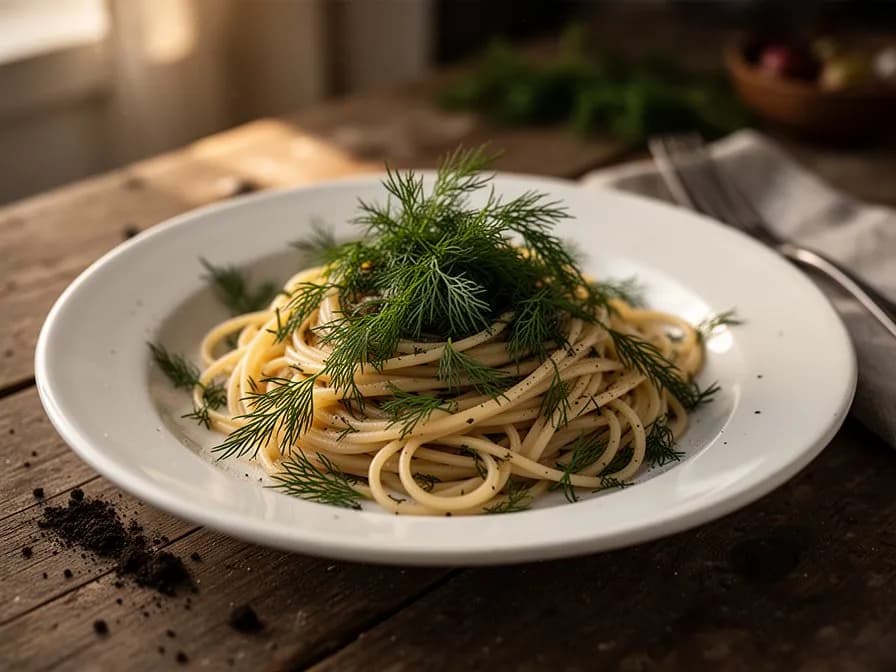
Klassische Kühlschrank-Dillgurken
20 Min. + 48 Std. KühlungKnackige, würzige Dillgurken ohne Einmachausrüstung – einfach frische Gurken mit Mammut-Dill, Knoblauch und einer einfachen Salzlake einlegen und kühl stellen. Nach 48 Stunden essbereit und perfekt, um Ihre selbst angebauten Dillwedel und Samenstände gemeinsam zu präsentieren.
9 ZutatenSkandinavischer Dill-Zitronen-Lachs
25 Min.Gebratene Lachsfilets mit einer frischen, cremigen Dill-Zitronen-Soße – eine Hommage an die zeitlose nordische Kombination von frischem Dill und Lachs. Die Soße ist in wenigen Minuten zubereitet und verwandelt ein einfaches Abendessen unter der Woche in etwas Elegantes.
8 ZutatenKräuter-Joghurt-Dill-Dip (Tzatziki-Art)
10 Min.Ein kühler, erfrischender Dip voller frischem Dill, Gurke und Knoblauch – perfekt für sommerliche Zusammenkünfte mit Fladenbrot, rohem Gemüse oder gegrilltem Fleisch. Verwendet eine großzügige Menge frisches Dillkraut für maximalen Kräutergeschmack.
7 ZutatenKulinarische Verwendung
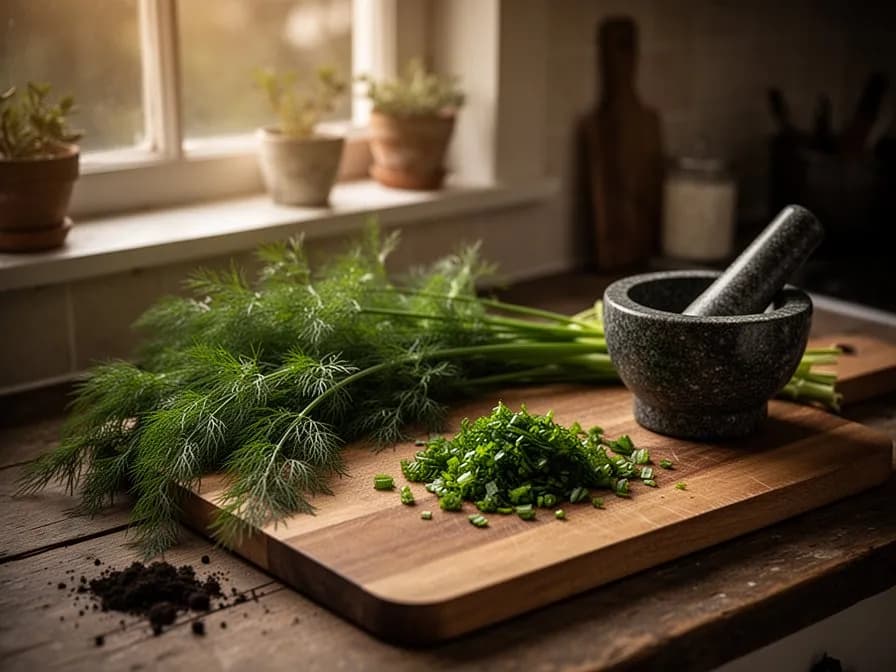
Mammut-Dill dient zwei kulinarischen Zwecken: Die fiedrigen Blätter (Dillkraut) und die Samenstände sind beide wertvoll. Frisches Dillkraut ist unverzichtbar in skandinavisch gebeiztem Lachs (Gravlax), Kartoffelsalaten, Gurkensalaten und cremigen Dillsoßen. Die Samenstände sind unerlässlich für traditionelle Koscher-Dillgurken und werden frisch oder getrocknet in der Salzlake verwendet. Dillsamen würzen Brote, Suppen und Fischgerichte. Kombinieren Sie Dill mit Lachs, Kartoffeln, Gurken, Eiern und Sahnesoßen.
Was drinsteckt
Gesundheitsvorteile
- Reich an Monoterpen-Verbindungen wie D-Carvon, D-Limonen und Alpha-Phellandren, die laut Forschung antimikrobielle und antimykotische Eigenschaften haben – seit Jahrtausenden traditionell zur Lebensmittelkonservierung und Unterstützung der Verdauungsgesundheit verwendet.
- Enthält starke antioxidative Flavonoide wie Vicenin und Kaempferol, die freie Radikale neutralisieren und möglicherweise oxidativen Stress reduzieren sowie das Risiko chronisch-entzündlicher Erkrankungen senken.
- Weltweit traditionell als Verdauungshilfe verwendet – Dillsamenextrakt entspannt die glatte Muskulatur des Magen-Darm-Trakts und hilft bei Blähungen, Gasbildung und Magenkrämpfen. Grippenwasser gegen Säuglingskoliken enthält seit dem 19. Jahrhundert Dillsamenextrakt.
- Außergewöhnlich reich an Vitamin A (154 % TW pro 100 g) als Beta-Carotin, unterstützt gesundes Sehvermögen, Immunsystemfunktion und Hautzellregeneration – besonders vorteilhaft, wenn Dill regelmäßig als Küchenkraut konsumiert wird.
- Liefert eine beachtliche Menge Kalzium (208 mg pro 100 g) für ein Kraut und trägt zur Erhaltung der Knochendichte und ordnungsgemäßen Nervensignalübertragung bei, wenn er großzügig beim Kochen und nicht nur als spärliche Garnitur verwendet wird.
- Enthält ätherische Öle, die in Laborstudien entzündungshemmende Eigenschaften gezeigt haben. Traditionelle Kräutermedizinsysteme in Osteuropa und dem Nahen Osten verwenden Dillzubereitungen zur Linderung von Atemwegsreizungen und Gelenkbeschwerden.
Woher Mammut-Dill stammt
Dill (Anethum graveolens) stammt aus dem östlichen Mittelmeerraum und Westasien, wobei sein Ursprungszentrum wahrscheinlich in dem Gebiet liegt, das die heutige Türkei, den Iran und den Kaukasus umfasst. Er ist eines der ältesten kultivierten Kräuter, mit archäologischen Funden von Dillsamen in spätneolithischen Schweizer Pfahlbauten, die auf etwa 4000 v. Chr. datiert werden. Die alten Ägypter gehörten zu den Ersten, die seine medizinischen Eigenschaften dokumentierten – der Papyrus Ebers von 1550 v. Chr. verschreibt Dill als Mittel gegen Kopfschmerzen und Verdauungsbeschwerden.
Dill war in der antiken griechischen und römischen Welt hoch geschätzt. Griechische Athleten rieben sich vor Wettkämpfen mit Dillöl ein, und römische Gladiatoren erhielten mit Dill gewürzte Mahlzeiten für Stärke. Das Kraut verbreitete sich entlang römischer Handelsrouten über Europa und wurde zum festen Bestandteil mittelalterlicher Gärten, wo es sowohl für kulinarische als auch für vermeintlich magische Zwecke angebaut wurde – einschließlich des Schutzes vor Hexerei und dem bösen Blick. Karl der Große soll angeordnet haben, dass Dill in allen königlichen Gärten des Heiligen Römischen Reiches angebaut wird.
Die Mammut-Sorte (auch bekannt als Long Island Mammoth oder Mammoth Long Island) wurde von amerikanischen Saatgutzüchtern im 19. Jahrhundert entwickelt, speziell selektiert auf ihre außergewöhnliche Höhe, große Samenstände und kräftige Laubproduktion. Sie wurde zur bevorzugten Sorte für die aufstrebende amerikanische Einlegeindustrie im Osten der Vereinigten Staaten, wo ihre großen Dolden die ideale Kombination aus aromatischen Samen und geschmackvollen Wedeln zum Befüllen von Einmachgläsern boten.
Heute wird Dill weltweit angebaut, von Skandinavien bis Indien, und Mammut bleibt eine der beliebtesten samenfesten Sorten für Hobbygärtner. Sie ist besonders geschätzt in der osteuropäischen, skandinavischen und nahöstlichen Küche, wo sie in allem vorkommt – von eingelegtem Hering und Borschtsch bis hin zu Tzatziki und Reisgerichten. Indien ist der weltweit größte Dillproduzent, wo er als ‚Sowa' bekannt ist und sowohl als Küchenkraut als auch in der traditionellen ayurvedischen Medizin bei Verdauungs- und Atemwegsbeschwerden verwendet wird.
Mammut-Dill: Schon gewusst?
Faszinierende Fakten über Mammut-Dill
Mammut-Dill ist die höchste üblicherweise angebaute Dillsorte und erreicht regelmäßig 120–150 cm Höhe – sein Name rührt von seiner imposanten Statur im Garten her. Seine großen Blütendolden können bis zu 25 cm Durchmesser erreichen und übertreffen die von Standard-Dill um fast das Doppelte.
Mammut-Dill: Fragen & Antworten
Wann sollte ich Mammut-Dill pflanzen?
Was sind gute Begleitpflanzen für Mammut-Dill?
In welchen Winterhärtezonen kann Mammut-Dill wachsen?
Wie viel Sonne braucht Mammut-Dill?
Welchen Abstand sollte ich zwischen Mammut-Dill lassen?
Welche Schädlinge und Krankheiten befallen Mammut-Dill?
Wie lagere ich Mammut-Dill nach der Ernte?
Was sind die besten Mammut-Dill-Sorten zum Anbauen?
Welchen Boden braucht Mammut-Dill?
Was ist der Unterschied zwischen Mammut-Dill und normalem Dill?
Wie verhindere ich, dass Dill zu schnell schosst?
Kann ich Mammut-Dill im Kübel anbauen?
Ist Dillkraut dasselbe wie Dillsamen in Rezepten?
Warum wird mein Dill gelb?
Kann ich Samen von Mammut-Dill für die Aussaat im nächsten Jahr aufbewahren?
Du hast die Theorie gelesen. Jetzt baue sie auf Autopilot an.
Alles, was Mammut-Dill knifflig macht — das Timing, die Abstände, die Begleiter, das Erntefenster — genau das übernimmt PlotMyGarden für dich, für jede Pflanze im Garten.
Ein Plan, der dein Wetter kennt
Standort einmal festlegen. Aussaat-, Dünge- und Erntedaten rund um deinen echten letzten Frosttermin und die Live-Vorhersage — kein Raten mehr nach Saattüte.
Aus dem Abschnitt „Pflanzzeit“Beetplaner per Drag & Drop
Beete auf einem Raster gestalten. Jede Pflanze rastet im richtigen Abstand ein, und du siehst die ganze Saison, bevor du einen Cent für Saatgut ausgibst.
Aus dem Abschnitt „Anbau“Begleiter-Konflikte früh erkannt
Über 200 gute und schlechte Kombinationen werden beim Pflanzen live geprüft — so landet ein saisonruinierender Fehler nie in der Erde.
Aus dem Abschnitt „Begleiter“Erinnerungen, nach denen du wirklich handelst
„Gieß die Bohnen.“ „Heute ernten, bevor's umschlägt.“ Pünktlich, konkret und auf deine echten Pflanzen bezogen.
Aus dem Abschnitt „Ernte“Staffel-Aussaat, geplant
Sechs Wochen ernten statt sechs Tage? Die App verteilt deine Aussaaten automatisch und erinnert dich, wenn der nächste Satz fällig ist.
Aus dem Abschnitt „Pflanzzeit“Ein Verlauf, der schlauer wird
Jede protokollierte Ernte bringt der App deinen Garten bei. Der Plan fürs nächste Jahr startet bei dem, was in deinem Boden wirklich funktioniert hat.
Aus dem Abschnitt „Überblick“Pflanze diese neben Mammut-Dill
Weitere Küchenkräuter
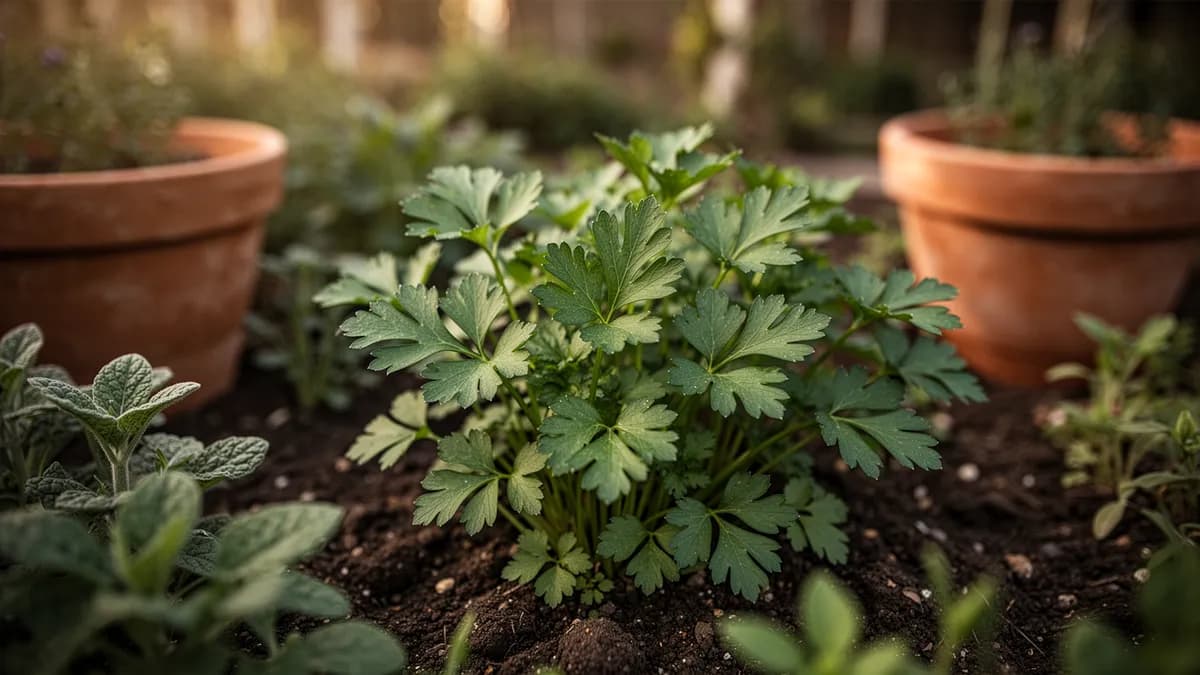
Halte Mammut-Dill von diesen fern
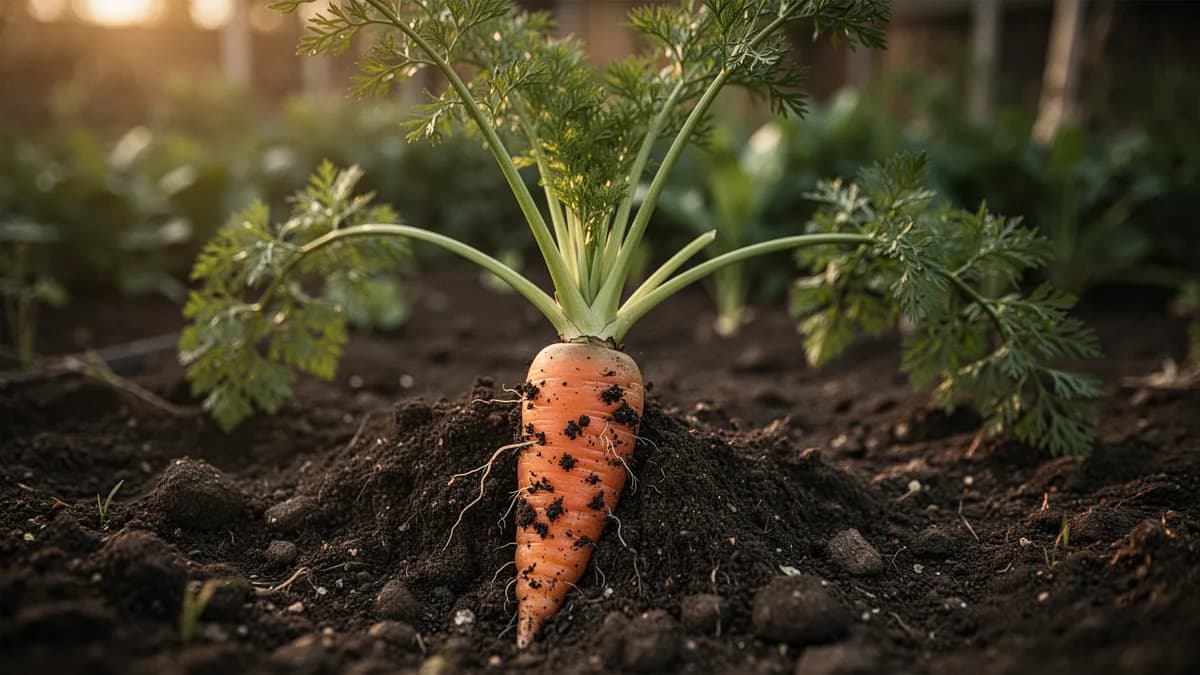
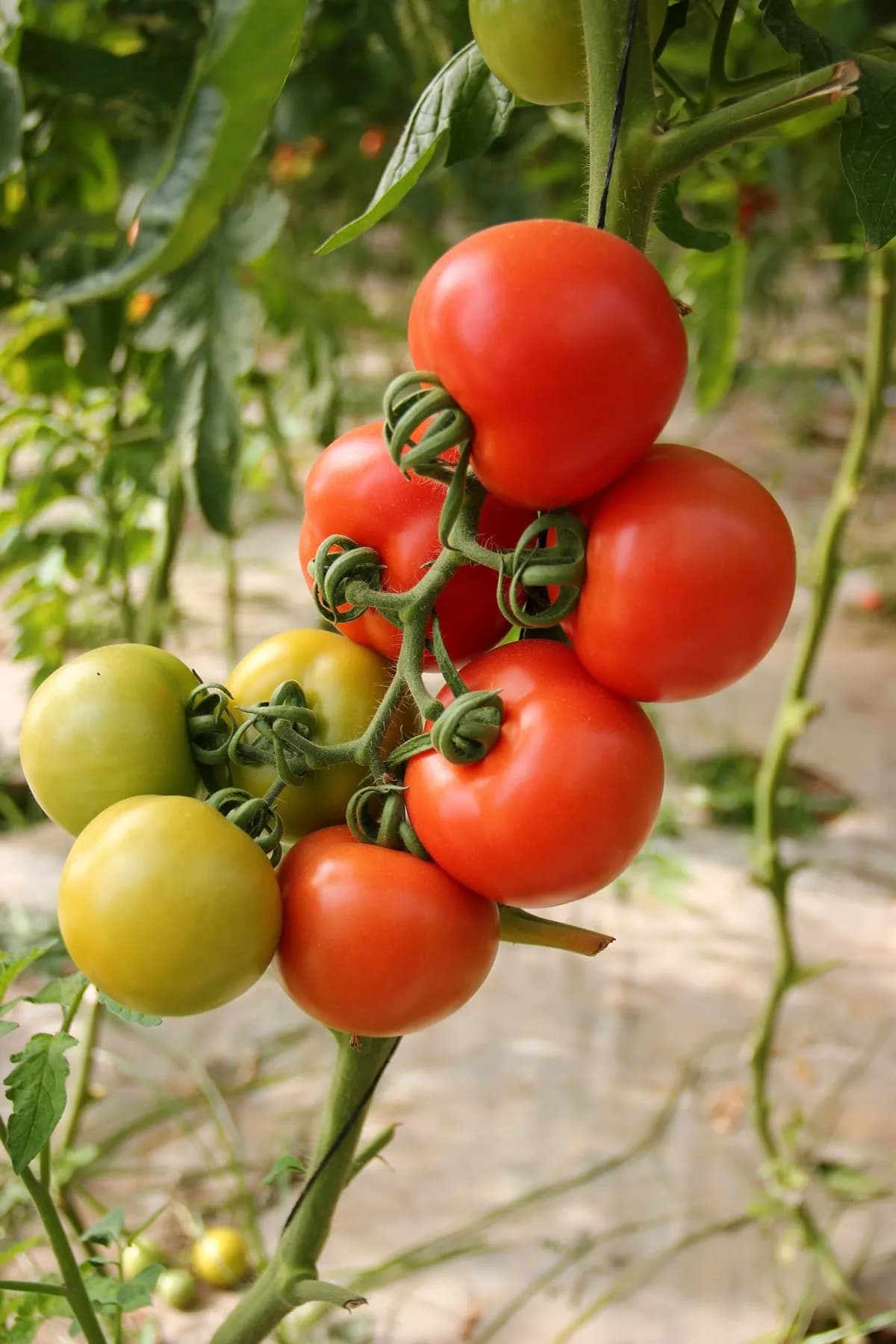
Bau deine beste Mammut-Dill an — und alles drumherum.
Starte heute kostenlos. Lege deine Beete an, setze deine Mammut-Dill ein und lass PlotMyGarden Timing, Abstände, Begleiter und Erinnerungen von der Saat bis zum Erntekorb übernehmen.