Bouquet-Dill
Eine kompakte Dillsorte, die für eine reichliche Blütendoldenproduktion gezüchtet wurde und damit die beste Wahl zum Einlegen und zur Samenernte ist.





Auf dieser SeiteÜberblick
Bouquet-Dill im Überblick
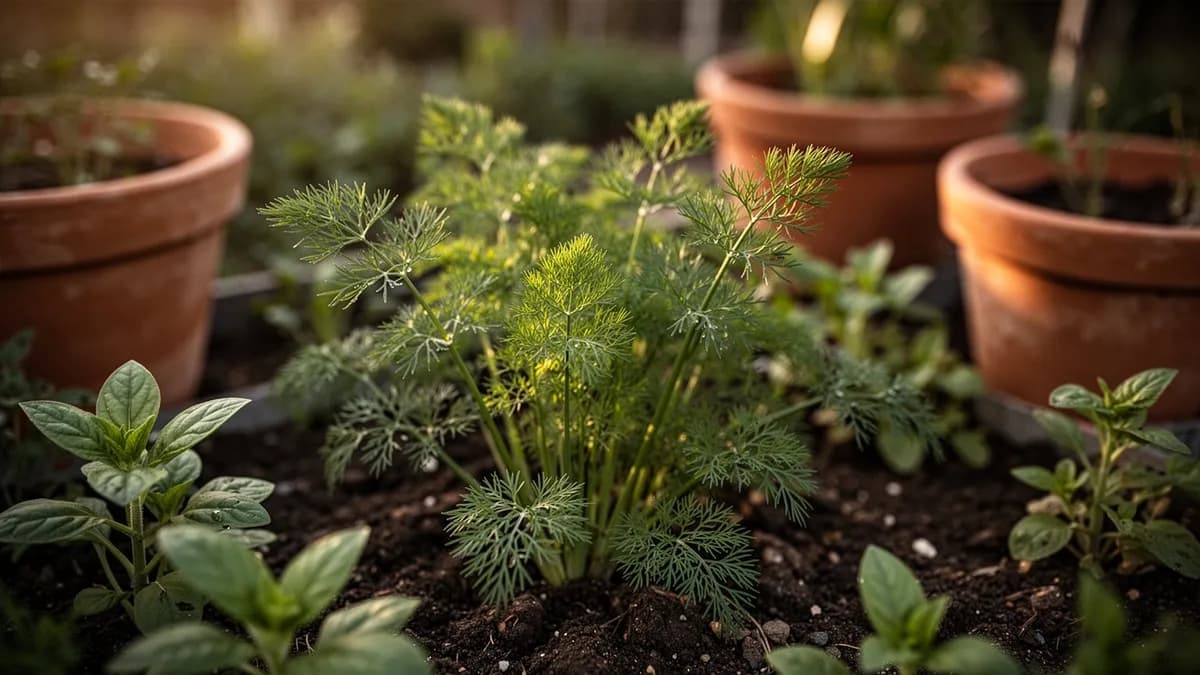
Eine kompakte Dillsorte, die für eine reichliche Blütendoldenproduktion gezüchtet wurde und damit die beste Wahl zum Einlegen und zur Samenernte ist. Bouquet-Dill wird 60–90 cm hoch und bildet große, flache Blütendolden, die perfekt für Dillgurken geeignet sind. Nach dem letzten Frost direkt aussäen und gestaffelt nachsäen, um eine kontinuierliche Versorgung mit Blättern und Samen zu gewährleisten.
Wann Bouquet-Dill pflanzen
Säen Sie Bouquet-Dillsamen nach dem letzten Frosttermin direkt ins Freiland, da Dill eine Pfahlwurzel entwickelt, die das Umpflanzen erschwert. Drücken Sie die Samen leicht auf die feuchte Bodenoberfläche oder bedecken Sie sie mit 6 mm feiner Erde. Die Samen benötigen Licht für eine optimale Keimung. Halten Sie den Boden feucht, bis die Keimung nach 7–14 Tagen erfolgt. Vereinzeln Sie die Sämlinge auf 15–30 cm Abstand. Für eine kontinuierliche Versorgung mit Samenständen während der Einlegesaison säen Sie alle 2–3 Wochen von Mitte Frühling bis Hochsommer gestaffelt nach.
Dein Bouquet-Dill-Jahr
Abgestimmt auf Zone 7 · typische Saison · Frost geht um den 2. Apr. und kehrt um den 1. Nov. zurück
Bouquet-Dill Apr – Mai pflanzen, Jun – Aug ernten. Beachte die Pflanzmethoden unten und wähle dein Klima für passende Zeiträume.
So baust du Bouquet-Dill an
Bouquet-Dill ist eine schnellwüchsige einjährige Pflanze, die speziell für die Produktion großer Samenstände ausgewählt wurde und damit die erste Wahl für Einmach-Enthusiasten ist. Säen Sie die Samen nach dem letzten Frosttermin direkt ins Freiland, da Dill eine Pfahlwurzel bildet und das Umpflanzen nicht verträgt. Streuen Sie die Samen auf die Bodenoberfläche oder bedecken Sie sie mit 6 mm feiner Erde. Die Keimung erfolgt innerhalb von 7–14 Tagen bei Bodentemperaturen von 15–21 °C.
Setzen Sie die Pflanzen in einem Abstand von 15–30 cm in Reihen mit 45–60 cm Breite, oder säen Sie breitwürfig für ein natürlicheres Erscheinungsbild. Bouquet-Dill wächst schnell auf 60–90 cm und entwickelt seine charakteristischen großen, schirmförmigen Blütenköpfe früher als die meisten anderen Dillsorten. Pflanzen Sie an einem vollsonnigen Standort mit durchschnittlichem, gut durchlässigem Boden. Vermeiden Sie nährstoffreichen Boden und starke Düngung, da dies üppiges Laub auf Kosten der Samenproduktion fördert.
Säen Sie alle 2–3 Wochen von Frühling bis Hochsommer gestaffelt nach, um eine ununterbrochene Versorgung mit frischen Blättern und reifen Samenständen während der gesamten Einlegesaison sicherzustellen. Stützen Sie die Pflanzen an windigen Standorten, da die hohen Stängel mit schweren Samenständen umkippen können. Lassen Sie einige Pflanzen sich selbst aussäen, damit im folgenden Jahr Freiwilligenpflanzen erscheinen.
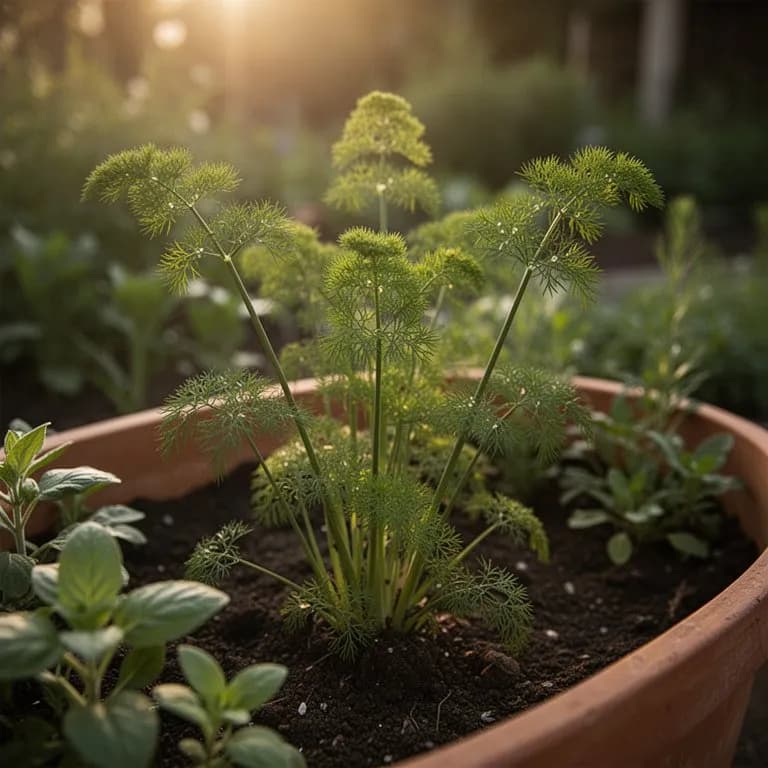
36 Pflanzen passen in ein Beet von 120 × 240 cm
Bouquet-Dill braucht 25 cm Platz pro Pflanze. Der Planer hält diesen Abstand für dich ein — jede Pflanze, jedes Beet.
Die besten Nachbarn für Bouquet-Dill
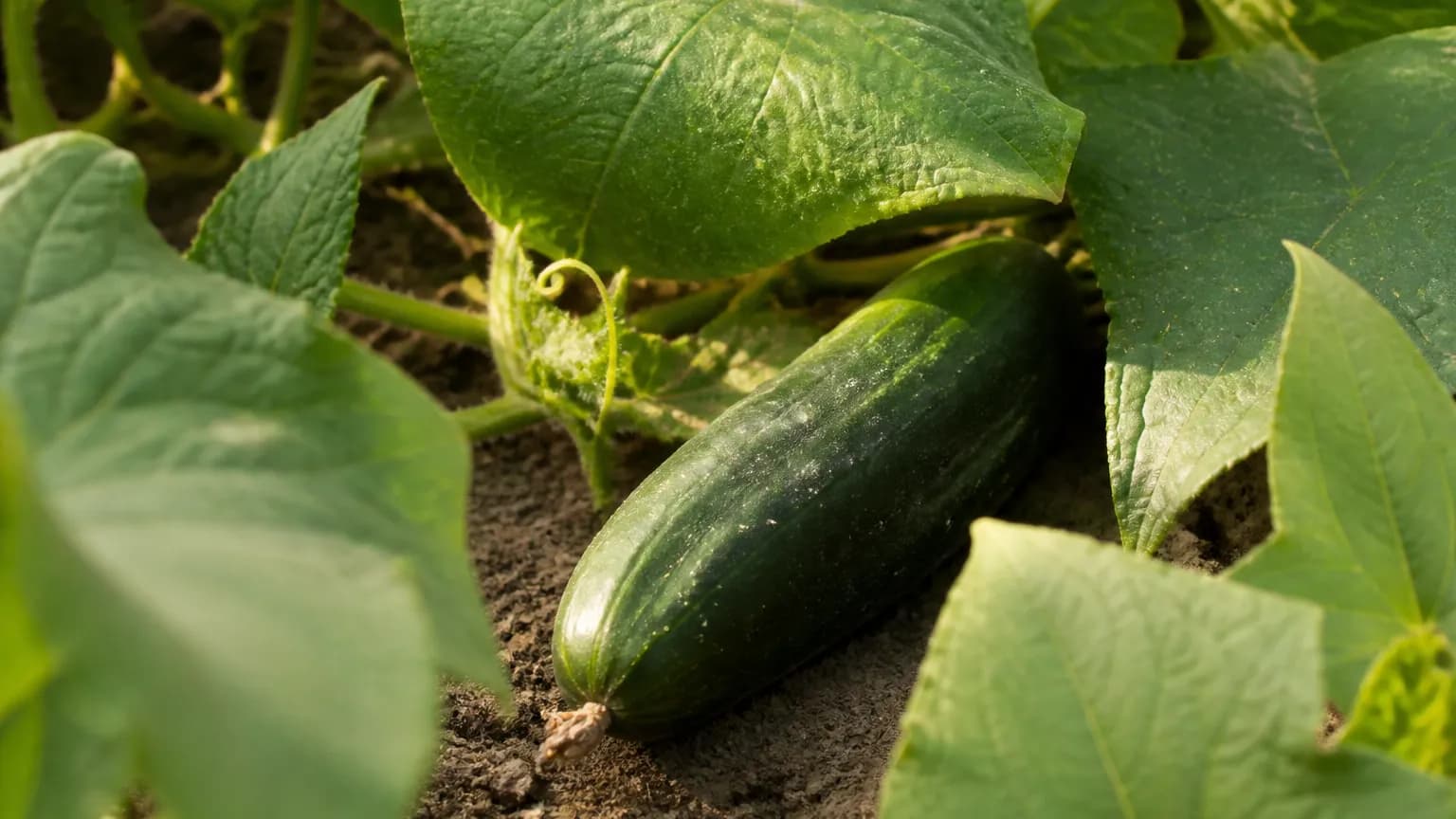
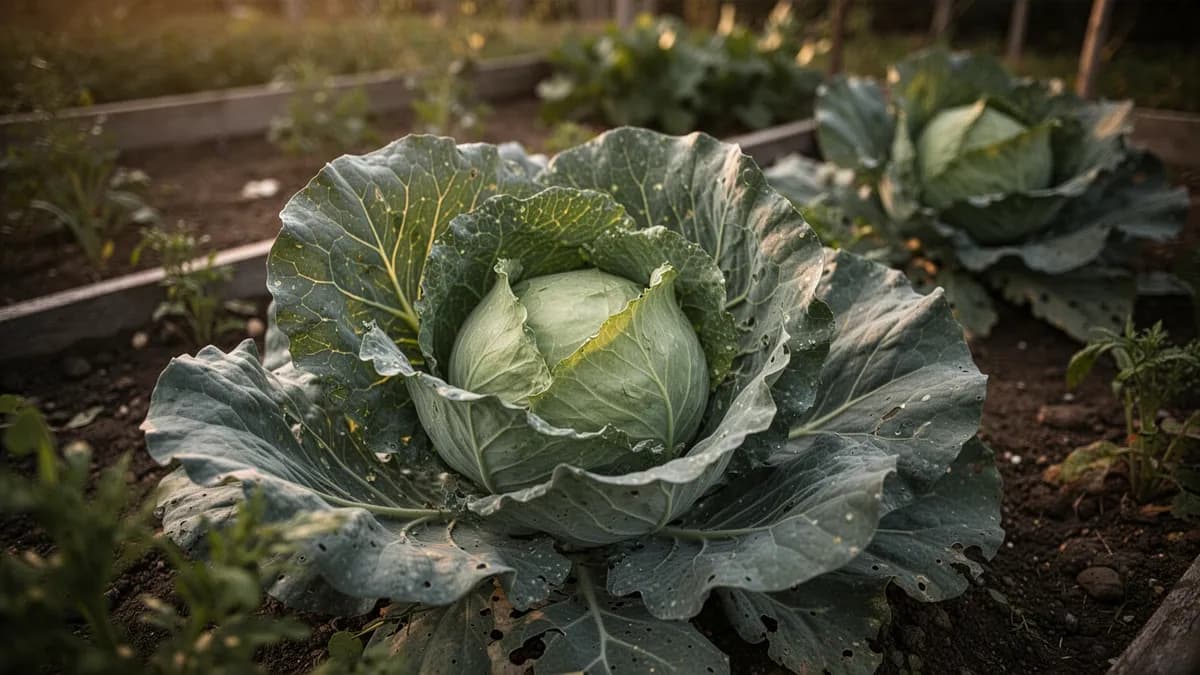
Bouquet-Dill ist ein erstklassiger Mischkulturpartner, der mit seinen flachen Blütendolden Nützlinge wie Marienkäfer, Florfliegen, Schlupfwespen und Schwebfliegen anlockt. Pflanzen Sie ihn neben Gurken, um Bestäuber anzulocken und den Gurkenertrag zu steigern. Dill hilft Kohlgewächsen, indem er Kohlmotten abwehrt. Halten Sie Dill jedoch von Möhren fern, da sie sich gegenseitig bestäuben können, und von Tomaten, da reifer Dill das Tomatenwachstum hemmen kann.
Gurke gehört daneben. Karotte nicht.
Altes Gärtnerwissen, geprüft an der echten Nachbartabelle von Bouquet-Dill — teste jede Pflanze, die du anbaust.
Probiere Bouquet-Dill direkt hier im Beet
Ein echtes Planer-Beet, Bouquet-Dill steht schon drin. Tippe einen Begleiter an, platziere ihn und sieh, wie die Nachbarschaftsprüfung antwortet — grün für gute Nachbarn, rot bei Streit.


Passende Anbau-Ratgeber
Richtig düngen
Bouquet-Dill gedeiht am besten in durchschnittlichem, gut durchlässigem Boden mit einem pH-Wert von 5,5–6,5. Nährstoffreicher, stark verbesserter Boden reduziert tatsächlich die Samenproduktion und fördert übermäßiges Blattwachstum. Arbeiten Sie vor der Pflanzung eine leichte Kompostgabe ein, vermeiden Sie aber starke Düngung. Eine einmalige Gabe von ausgewogenem Granulatdünger zur Pflanzzeit reicht in der Regel aus. In Gefäßen verwenden Sie eine Standard-Blumenerde ohne zusätzlichen Dünger. Dill, der für Samenstände angebaut wird, benötigt weniger Düngung als Dill für die Blatternte.
Ideale Temperatur
Winterhärtezone-Kompatibilität
Von der Saat zur Ernte, Schritt für Schritt
Samenkeimung
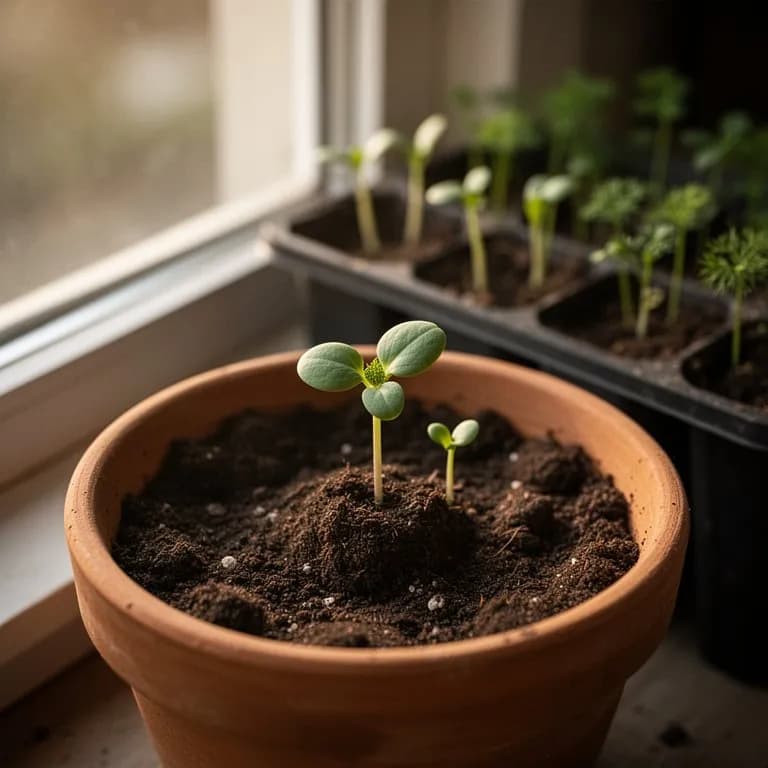
Dillsamen sind klein, flach und oval mit einer charakteristischen gerippten Oberfläche. Sie keimen im Vergleich zu vielen Kräutern langsam und benötigen 10–14 Tage in kühlem bis warmem Boden. Die Sämlinge erscheinen als Paar schmaler, grasartiger Keimblätter, die dem späteren federartigen Laub überhaupt nicht ähneln. Bodentemperaturen von 15–25 °C erzielen die besten Keimraten.
Sämlingsentwicklung
Die ersten echten Blätter erscheinen als winzige, fein geteilte, federartige Wedel, die für die Doldenblütlerfamilie (Apiaceae) charakteristisch sind. Der Sämling entwickelt seine schlanke Pfahlwurzel und beginnt, die aromatischen ätherischen Öle zu produzieren, die Dill seinen unverwechselbaren Duft verleihen. Das Wachstum ist in dieser Phase langsam, da sich das Wurzelsystem etabliert.
Vegetatives Wachstum – Blatterntephase
Bouquet-Dill unterscheidet sich in dieser Phase von anderen Dillsorten durch eine kompakte, buschige Pflanze von 60–90 cm Höhe mit einer Fülle fein geschnittener blaugrüner Blätter. Mehrere Seitentriebe bilden sich und ergeben eine vollere Pflanzenform als bei höheren Dillsorten. Die aromatischen Öle erreichen in dieser Phase ihre höchste Konzentration in den Blättern, was sie zum idealen Zeitpunkt für die Frischernte macht.
Schossen und Blüte
Der Hauptstängel streckt sich schnell und bildet eine große, flachköpfige zusammengesetzte Dolde aus winzigen leuchtend gelben Blüten. Bouquet-Dill ist dafür bekannt, größere und zahlreichere Blütenköpfe als Standard-Dillsorten zu produzieren. Die Blüten sind für Nützlinge wie Marienkäfer, Florfliegen, Schwebfliegen und Schlupfwespen äußerst attraktiv. Die Blattproduktion verlangsamt sich, da die Pflanze ihre Energie auf die Fortpflanzung ausrichtet.
Samenentwicklung und Reifung
Nach der Bestäubung entwickeln die Blütendolden flache, ovale Samen, die beim Reifen von Grün über Hellbraun zu Braun wechseln. Jede Dolde kann Hunderte von Samen hervorbringen. Die Pflanze beginnt zu vergilben und zu trocknen, da alle verbleibende Energie in die Samenreifung fließt. Reife Samen entwickeln den warmen, leicht bitteren Geschmack, der sich vom frischeren Geschmack der Dillblätter unterscheidet.
Säen Sie die Samen direkt in den Garten, 6 mm tief. Dill hat eine lange Pfahlwurzel und lässt sich schlecht umpflanzen, daher ist Direktsaat dringend empfohlen. Halten Sie den Boden während der Keimung gleichmäßig feucht – bedecken Sie ihn mit einer dünnen Schicht Vermiculit, um die Feuchtigkeit zu halten, ohne dass eine Kruste entsteht. Licht fördert die Keimung, daher die Samen nicht zu tief eingraben.
Bouquet-Dill Monat für Monat pflegen
Was du jeden Monat für deine Bouquet-Dill tun solltest
Oktober
Aktueller MonatVerbleibende Blätter und Samen vor starkem Frost ernten. Dill konservieren, indem Sie gehackte Blätter in Eiswürfelformen mit Wasser oder Olivenöl einfrieren – gefrorener Dill behält sein Aroma weit besser als getrockneter. Abgeerntete Pflanzen aufräumen und kompostieren. Selbstgesäte Keimlinge notieren, die im nächsten Frühling erscheinen könnten.
Immer wissen, was jetzt im Garten zu tun ist
Eine E-Mail zum Monatsanfang: was du jetzt säen, pflanzen und anpacken solltest — für deine Bouquet-Dill und alles, was drumherum wächst. Dazu ein kurzer Startkurs, der dich vor den klassischen Fehlern bewahrt.
- Was jetzt zu tun ist
- Passend zu deiner Saison
- Startkurs inklusive
Bouquet-Dill ernten
Für frische Blätter beginnen Sie mit dem Schneiden der federartigen Blätter, sobald die Pflanzen 20–25 cm hoch sind. Zum Einlegen ernten Sie ganze Samenstände, wenn die Blütendolden vollständig geöffnet sind und die Samen beginnen, braun zu werden, aber bevor sie ausfallen. Schneiden Sie die Samenstände morgens mit 30 cm Stiel. Für Dillsamen lassen Sie die Köpfe an der Pflanze trocknen, bis die Samen hellbraun sind, schneiden sie dann ab und hängen sie kopfüber in Papiertüten auf, um herabfallende Samen aufzufangen. Bouquet-Dill bildet Samenstände früher als andere Sorten, typischerweise 40–50 Tage nach der Aussaat.
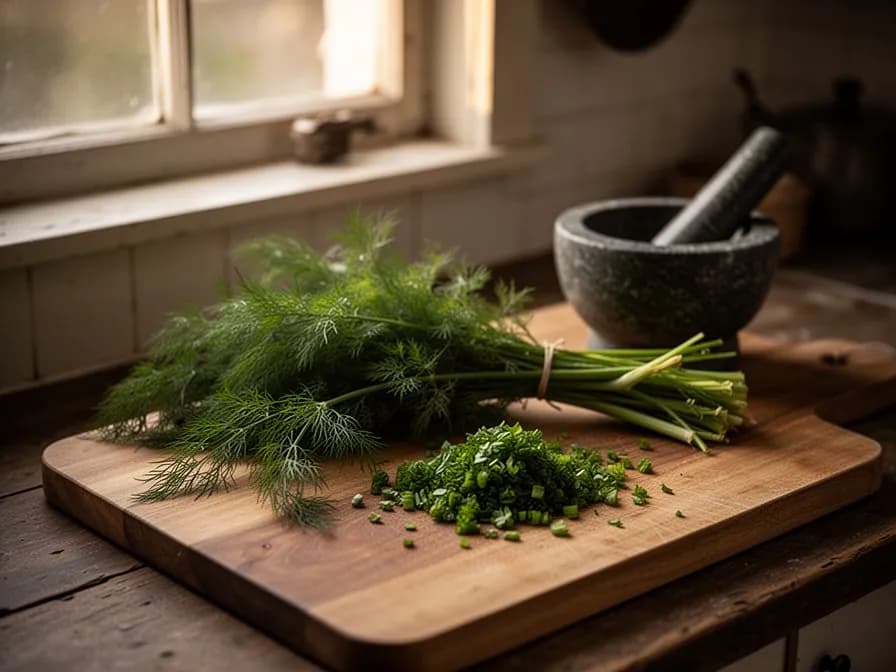
angenommen, du pflanzt zu Beginn des Zeitraums — trage dein tatsächliches Datum ein
Ernte Bouquet-Dill zügig, dann trägt die Pflanze weiter.
Lagerung & Konservierung
Frische Dillblätter werden am besten sofort verwendet, können aber in einem Glas Wasser auf der Arbeitsfläche 2–3 Tage aufbewahrt oder in feuchte Küchentücher gewickelt im Kühlschrank bis zu einer Woche gelagert werden. Blätter einfrieren, indem man sie auf einem Backblech ausbreitet und dann in luftdichten Beuteln aufbewahrt. Zum Einlegen frische Samenstände sofort verwenden. Samenstände trocknen, indem man sie in Papiertüten an einem warmen, gut belüfteten Ort 1–2 Wochen aufhängt. Getrocknete Dillsamen in luftdichten Gläsern an einem kühlen, dunklen Ort bis zu einem Jahr lagern.
Was schiefgeht — und die Lösung
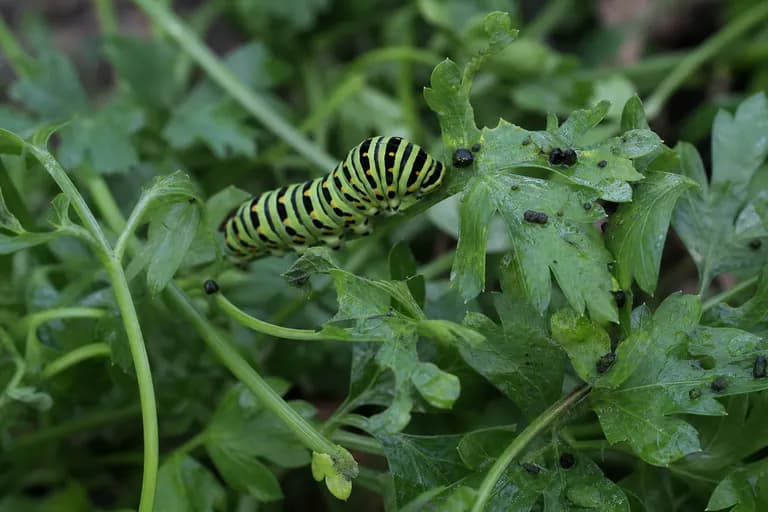
Petersilienwurm (Schwalbenschwanz-Raupe)
SchädlingBunte grüne, gelbe und schwarze gestreifte Raupen, die an Laub und Blütenköpfen fressen.
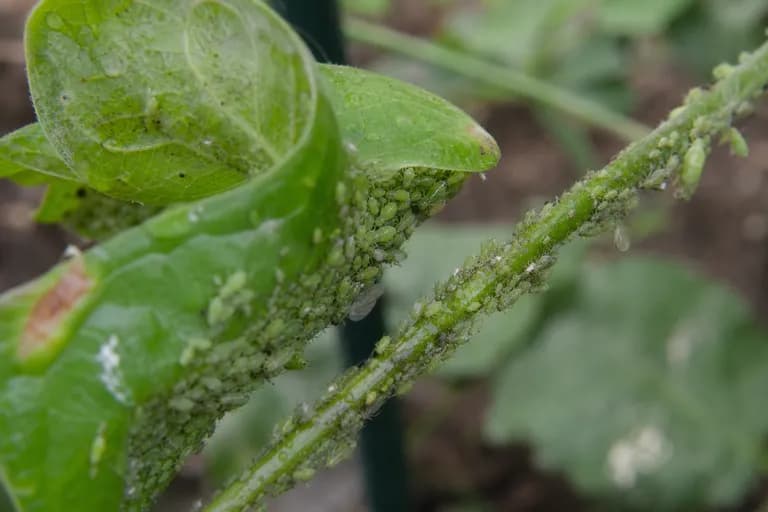
Blattläuse
SchädlingAnsammlungen kleiner grüner oder schwarzer Insekten an Blütendolden und jungen Trieben, klebriger Honigtaurückstand.
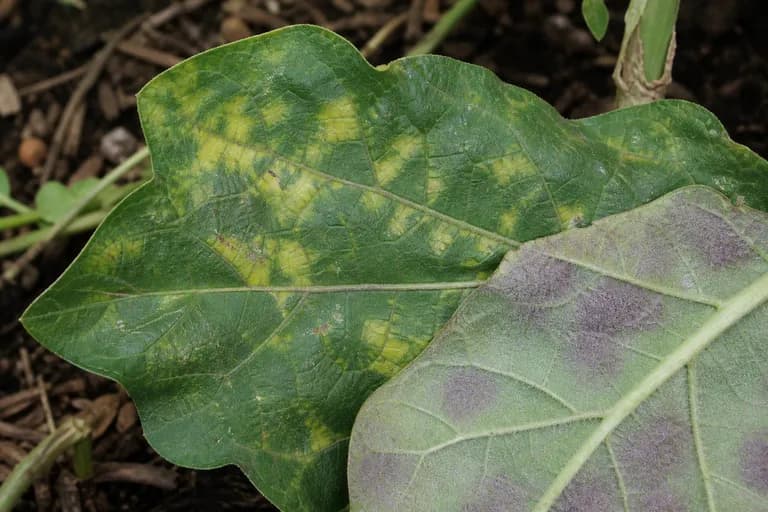
Falscher Mehltau
KrankheitGelbe Flecken auf den Blattoberseiten mit flaumigem grau-violettem Belag auf der Unterseite, Blattverformung.
Fehlerbehebung bei häufigen Problemen
Bouquet-Dill schosst konstruktionsbedingt schnell, was für das Einlegen erwünscht ist, aber ein kurzes Erntefenster für Blätter bedeutet. Wenn Sie mehr Blattproduktion wünschen, wählen Sie stattdessen Fernleaf-Dill. Hohe Pflanzen können bei Wind oder Regen umknicken, daher Stützen anbringen oder an geschützten Standorten pflanzen. Dill sät sich aggressiv selbst aus und kann unkrautartig werden, wenn die Samenstände nicht geerntet werden. Schlechte Keimung resultiert meist aus altem Saatgut oder zu tiefer Aussaat. Dill lässt sich wegen seiner Pfahlwurzel schlecht umpflanzen.
Anbautipps
- Säen Sie Bouquet-Dill immer direkt aus, anstatt ihn umzupflanzen. Dill entwickelt eine lange, zerbrechliche Pfahlwurzel, die beim Umpflanzen leicht beschädigt wird und die Pflanze oft zum vorzeitigen Schossen bringt. Säen Sie die Samen direkt an den endgültigen Standort, 6 mm tief, und vereinzeln Sie auf 20–25 cm Abstand.
- Säen Sie alle 3 Wochen vom frühen Frühling bis Hochsommer gestaffelt nach, um eine ununterbrochene Versorgung mit zarten Pflanzen im Blattstadium zu gewährleisten. Jede Charge bietet 3–4 Wochen erstklassige Blatternte, bevor das Schossen beginnt, daher ist die gestaffelte Aussaat für ununterbrochenen frischen Dill unerlässlich.
- Ernten Sie Dillblätter, indem Sie die Stängel nahe der Pflanzenbasis schneiden, anstatt einzelne Blätter abzuzupfen. Dies fördert kräftiges Nachwachsen von der Basis und verzögert das Schossen. Beginnen Sie mit der Ernte, sobald die Pflanzen 20 cm hoch sind, und lassen Sie stets mindestens ein Drittel des Laubs stehen.
- Halten Sie Dill im Garten weit entfernt von Fenchel. Diese beiden eng verwandten Kräuter bestäuben sich leicht gegenseitig und produzieren Hybridsamen mit schlechtem Geschmack, die weder echter Dill noch echter Fenchel sind. Halten Sie mindestens 100 Meter Abstand, wenn Sie von einer der beiden Pflanzen Samen gewinnen möchten.
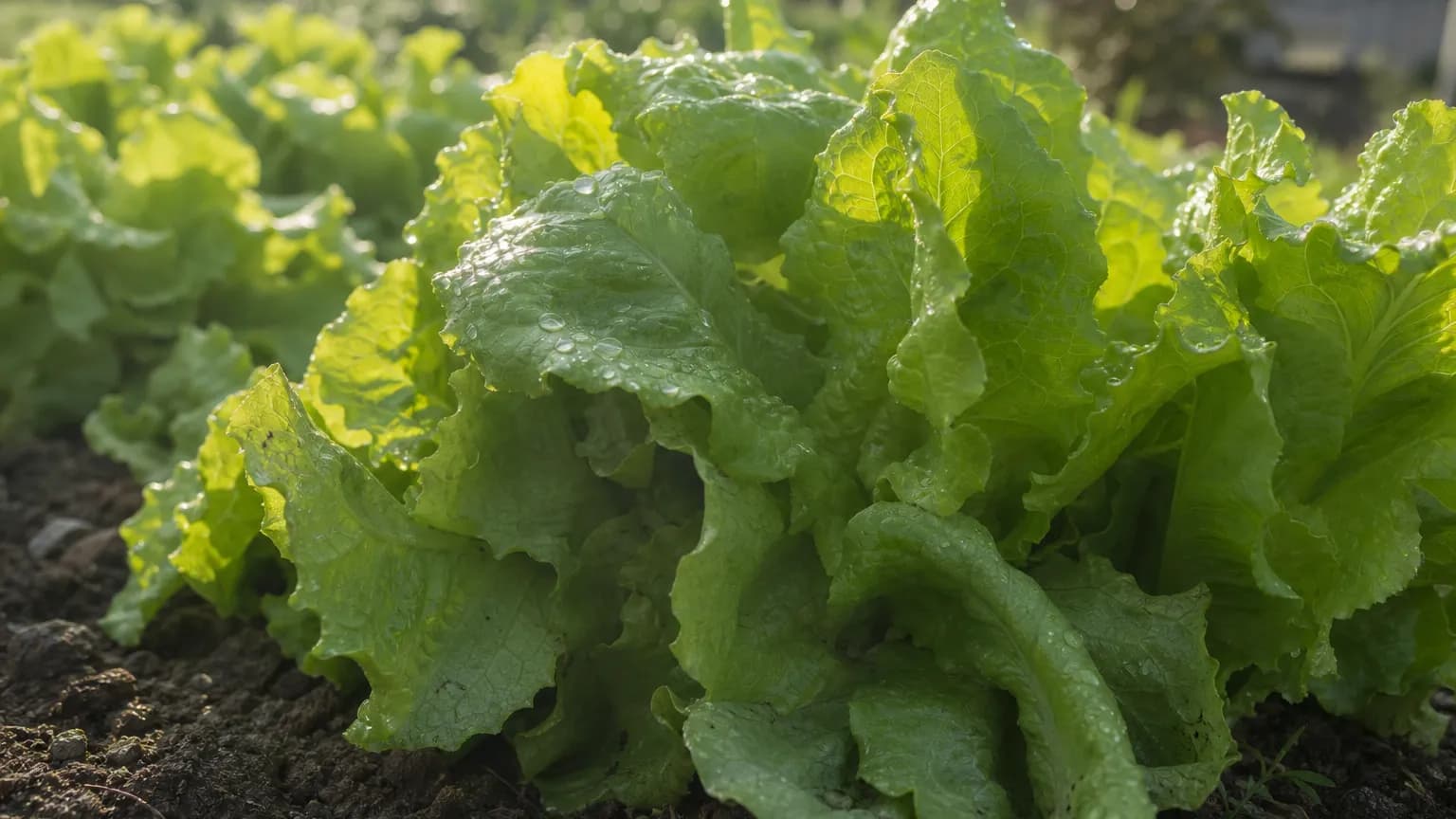
- Pflanzen Sie Bouquet-Dill neben Gurken, Kohlgewächse (Kohl, Brokkoli, Grünkohl) und Salat. Dill lockt nützliche Raubinsekten wie Schwebfliegen, Florfliegen und Schlupfwespen an, die Blattläuse, Kohlraupen und andere häufige Gartenschädlinge bekämpfen – er ist eine der wertvollsten Insektenpflanzen für den biologischen Garten.
- Gießen Sie gleichmäßig, um den Boden feucht, aber nicht staunass zu halten. Dill verträgt kurze Trockenperioden, sobald er sich etabliert hat, aber anhaltende Trockenheit in Kombination mit Hitze löst vorzeitiges Schossen aus. Mulchen Sie um die Pflanzenbasis, um die Wurzeln kühl zu halten und die Bodenfeuchtigkeit bei warmem Wetter zu bewahren.
- In heißen Klimazonen (Zonen 9–12) Dill hauptsächlich im Herbst, Winter und frühen Frühling anbauen, wenn kühlere Temperaturen eine verlängerte Blattproduktion ohne schnelles Schossen ermöglichen. Sommeraussaaten in heißen Regionen profitieren von Nachmittagsschatten oder Platzierung auf der Ostseite höherer Kulturen.
- Lassen Sie jedes Jahr einige Pflanzen ihren vollständigen Lebenszyklus abschließen und Samen fallen. Bouquet-Dill sät sich begeistert selbst aus, und freiwillige Sämlinge erscheinen oft im folgenden Frühling unter genau den richtigen Bedingungen – kostenlose Dillpflanzen Jahr für Jahr ohne jeglichen Aufwand.
- Frieren Sie frische Dillblätter ein, um sie bestmöglich für die Nebensaison zu konservieren. Hacken Sie die Blätter fein und füllen Sie sie in Eiswürfelformen, aufgefüllt mit Wasser oder Olivenöl. Gefrorener Dill behält sein frisches Aroma und seine leuchtende Farbe weit besser als getrockneter Dill, der während des Trocknungsprozesses die meisten seiner aromatischen ätherischen Öle verliert.
- Wählen Sie einen geschützten Standort oder leichte Stützen für höhere Pflanzen. Obwohl Bouquet-Dill kompakter als viele Sorten ist, können die schweren Blütendolden dazu führen, dass Stängel bei starkem Wind umknicken oder abbrechen. Ein Ring aus Schnur um einige Stäbe hält reife Pflanzen bei Stürmen aufrecht.
Bau deine beste Bouquet-Dill an — und alles drumherum.
Starte heute kostenlos. Lege deine Beete an, setze deine Bouquet-Dill ein und lass PlotMyGarden Timing, Abstände, Begleiter und Erinnerungen von der Saat bis zum Erntekorb übernehmen.
Finde deine Bouquet-Dill
Bouquet
Der Standard-Einmachdill mit großen, flachen Samenständen, die früh gebildet werden. Wird 60–90 cm hoch und geht schnell in die Samenbildung über, passend zur Einmachzeit.
Long Island Mammoth
Eine größere Variante, die 90–120 cm erreicht, mit riesigen Samenständen. Hervorragend sowohl für Blätter als auch für Samen, mit etwas späterer Reife.
Hera
Eine neuere Sorte, die große Samenstände mit verlängerter Blattproduktion kombiniert. Bietet ein längeres Erntefenster vor dem Schossen.
Frischer Dill ist eines der verderblichsten Kräuter im Supermarkt und kostet typischerweise 1,50–3 € pro kleinem Bund, der innerhalb weniger Tage nach dem Kauf welkt. Ein einzelnes Samentütchen Bouquet-Dill für 2–3 € ergibt Dutzende Pflanzen, die durch gestaffelte Aussaat monatelang frische Blätter liefern. Der eigene Anbau ermöglicht zudem Zugang zu Dillblüten und frischen grünen Samen – Spezialzutaten, die im Handel selten erhältlich, aber für authentisches Einlegen und skandinavische Rezepte unverzichtbar sind. Getrocknetes Dillkraut kostet im Handel 4–8 € pro 30 g, doch selbst getrockneter oder eingefrorener Dill aus dem Garten ist im Geschmack weit überlegen und kostet praktisch nichts.
Schnelle Rezepte
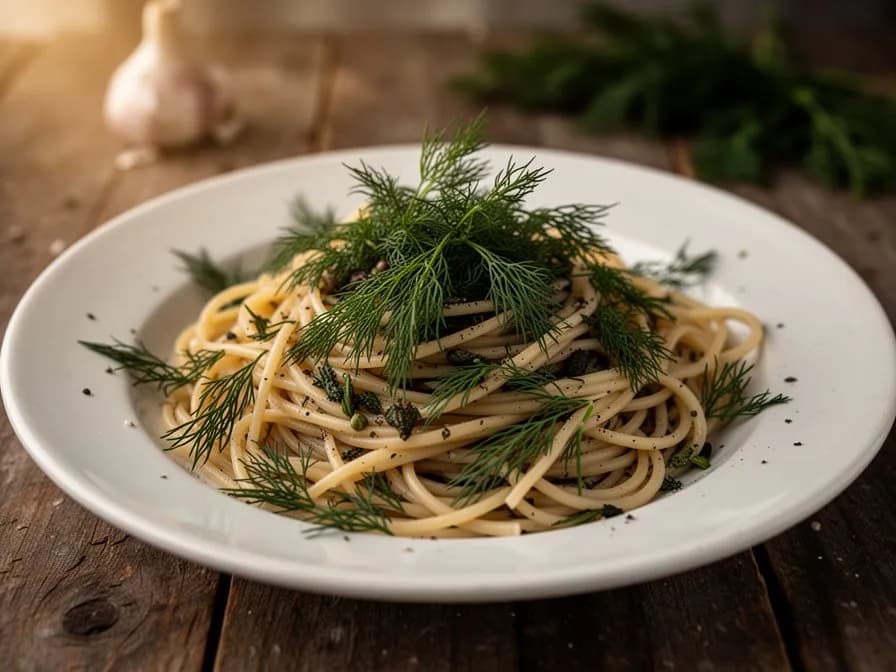
Klassische hausgemachte Dillgurken
30 Min. + 24 Std.Knackige, säuerliche Kühlschrank-Dillgurken mit frischen Bouquet-Dillblättern und Blütendolden. Diese Schnellgurken überspringen den Einkochprozess und sind in nur 24 Stunden essfertig. Die großen Bouquet-Dilldolden verleihen außergewöhnliches Aroma und sorgen für eine schöne Präsentation im Glas.
10 ZutatenSkandinavischer Lachs mit Dill und Senf
25 Min.In der Pfanne gebratene Lachsfilets mit einer cremigen Dill-Senf-Soße, inspiriert von klassischen skandinavischen Aromen. Frische Bouquet-Dillblätter bilden das aromatische Rückgrat dieses eleganten, aber einfachen Feierabendessens, das Dill als Hauptzutat anstatt als bloße Garnitur in Szene setzt.
9 ZutatenCremiger Dill-Gurken-Joghurt-Dip (Tzatziki-Art)
15 Min.Ein kühler und erfrischender Joghurt-Dip mit viel frischem Dill und geraspelter Gurke, perfekt als Sommersnack mit warmem Fladenbrot oder Rohkost. Diese vielseitige Soße passt auch wunderbar zu gegrilltem Fleisch, geröstetem Gemüse oder Falafel.
9 ZutatenKulinarische Verwendung
Bouquet-Dill ist das klassische Einmachkraut schlechthin. Verwenden Sie frische Samenstände in Gewürzgurken, eingelegten grünen Bohnen und fermentiertem Gemüse. Frische Blätter ergänzen Lachs, Frischkäse, Kartoffelsalat und skandinavische Gerichte hervorragend. Dillsamen verleihen Brot, Suppen und Vinaigrettes eine warme Note. Die großen Blütendolden können frisch in Arrangements oder getrocknet für dekorative Kränze verwendet werden.
Was drinsteckt
Gesundheitsvorteile
- Reich an Monoterpen-Verbindungen wie Carvon, Limonen und Anethofuran, die nachweislich Entgiftungsenzyme (Glutathion-S-Transferasen) aktivieren, die dabei helfen, Karzinogene zu neutralisieren und Zellen vor oxidativem Schaden zu schützen.
- Traditionelles Verdauungsmittel, das von moderner Wissenschaft bestätigt wird – ätherische Dillöle haben krampflösende Wirkungen auf glatte Muskulatur gezeigt und helfen, Blähungen, Gase und Darmkrämpfe zu lindern. Dillwasser wird weiterhin häufig als sanftes Mittel gegen Koliken bei Säuglingen verwendet.
- Hervorragende Vitamin-A-Quelle (154% TW pro 100 g) als Beta-Carotin, ein fettlösliches Antioxidans, das für die Erhaltung gesunder Sehkraft, die Unterstützung der Immunzellfunktion und die Förderung der Hautreparatur und -regeneration unverzichtbar ist.
- Enthält antibakterielle Verbindungen, die in Laborstudien Wirksamkeit gegen häufige lebensmittelbedingte Krankheitserreger gezeigt haben, darunter Staphylococcus aureus und E. coli – was die traditionelle Rolle von Dill als Konservierungskraut beim Einlegen und Pökeln unterstützt.
- Liefert Flavonoid-Antioxidantien wie Vicenin und Kämpferol, die laut Forschung mit entzündungshemmender Wirkung und potenziellen kardiovaskulären Schutzeffekten durch Reduzierung von oxidativem Stress in den Gefäßwänden assoziiert werden.
- Gute Quelle für Kalzium (208 mg pro 100 g, 21% TW) und Mangan (63% TW), essentielle Mineralstoffe für die Erhaltung der Knochendichte und die Unterstützung der enzymatischen Prozesse im Knochenstoffwechsel und der Bindegewebsbildung.
Woher Bouquet-Dill stammt
Dill (Anethum graveolens) stammt aus dem Mittelmeerraum und Westasien, wobei sein Ursprung wahrscheinlich im östlichen Mittelmeerraum und dem Gebiet des heutigen Türkei, Iran und Kaukasus liegt. Archäologische und textliche Belege bestätigen, dass Dill seit mindestens 5.000 Jahren kultiviert und verwendet wird, was ihn zu einem der ältesten bekannten Küchen- und Heilkräuter macht. Sumerische Tontafeln aus der Zeit um 3000 v. Chr. erwähnen Dill als Heilpflanze, und das Kraut erscheint im Papyrus Ebers, einem ägyptischen Medizintext aus etwa 1550 v. Chr., wo es als Mittel gegen Verdauungsbeschwerden und Kopfschmerzen verschrieben wurde.
Die alten Griechen und Römer schätzten Dill sehr. Griechische Ärzte, darunter Hippokrates, verwendeten Dillzubereitungen für die Mundhygiene und Verdauungsgesundheit. Römische Gladiatoren rieben Dillöl vor dem Kampf auf ihre Haut, da sie glaubten, es fördere Heilung und Kraft. Den Römern wird zugeschrieben, den Dillanbau in ihrem gesamten Reich verbreitet zu haben, wobei sie ihn nach Nordeuropa und Britannien einführten, wo er sich einbürgerte und zu einem festen Bestandteil mittelalterlicher Kräutergärten wurde. In nordischen und angelsächsischen Traditionen wurde Dill sowohl als Küchenkraut als auch als Schutzzauber gegen dunkle Magie verehrt.
Dill wurde tief in die kulinarischen Traditionen Skandinaviens, Osteuropas und des Nahen Ostens eingebettet. In der skandinavischen Küche erreichte Dill einen beinahe heiligen Status bei Fischzubereitungen – Gravlax (gebeizter Lachs mit Dill) geht auf mittelalterliche skandinavische Fischer zurück, die Lachs in gewürztem Salz vergruben. In Osteuropa wurde Dill zum prägenden Kraut der Küchen von Polen bis Russland und würzte Suppen, Eingelegtes, Brot und Soßen. Die Tradition der Dillgurken gelangte mit osteuropäischen Einwanderern nach Nordamerika, wo Dillgurken zu einem ikonischen amerikanischen Lebensmittel wurden.
Die Sorte Bouquet wurde Mitte des 20. Jahrhunderts durch gezielte Züchtung entwickelt, um eine kompaktere, buschigere Pflanze mit einem höheren Blatt-zu-Stängel-Verhältnis und größeren, dekorativeren Blütenköpfen als die Standard-Sorten Mammoth oder Long Island zu schaffen. Ihr Name spiegelt die attraktive, straußartige Qualität ihrer dichten Blütendolden wider. Heute ist Bouquet-Dill eine der beliebtesten Dillsorten für Hobbygärtner weltweit, gleichermaßen geschätzt für seine üppige Blattproduktion, seine großen dekorativen Samenstände zum Einlegen und seine Fähigkeit, eine außergewöhnliche Vielfalt an Nützlingen in den Garten zu locken.
Bouquet-Dill: Schon gewusst?
Faszinierende Fakten über Bouquet-Dill
Der Name ‚Dill' leitet sich vom altnordischen Wort ‚dilla' ab, was ‚einlullen oder beruhigen' bedeutet – ein Hinweis auf die uralte Verwendung des Krauts als beruhigendes Mittel bei Koliken bei Säuglingen. Dillwasser (Gripe Water) wird seit über tausend Jahren Säuglingen zur Linderung von Verdauungsbeschwerden verabreicht.
Bouquet-Dill: Fragen & Antworten
Wann sollte ich Bouquet-Dill pflanzen?
Was sind gute Begleitpflanzen für Bouquet-Dill?
In welchen Winterhärtezonen kann Bouquet-Dill wachsen?
Wie viel Sonne braucht Bouquet-Dill?
Welchen Abstand sollte ich zwischen Bouquet-Dill lassen?
Welche Schädlinge und Krankheiten befallen Bouquet-Dill?
Wie lagere ich Bouquet-Dill nach der Ernte?
Was sind die besten Bouquet-Dill-Sorten zum Anbauen?
Welchen Boden braucht Bouquet-Dill?
Warum schosst mein Dill so schnell, bevor ich genug Blätter ernten kann?
Kann ich Bouquet-Dill in einem Topf oder Kübel auf meinem Balkon anbauen?
Was ist der Unterschied zwischen Dillkraut und Dillsamen, und kann ich beides von derselben Pflanze ernten?
Ist Dill sicher im Anbau in der Nähe von Kindern und Haustieren?
Wie sollte ich frischen Dill konservieren, um ihn im Winter zu verwenden?
Kommt Dill jedes Jahr wieder oder muss ich ihn neu pflanzen?
Du hast die Theorie gelesen. Jetzt baue sie auf Autopilot an.
Alles, was Bouquet-Dill knifflig macht — das Timing, die Abstände, die Begleiter, das Erntefenster — genau das übernimmt PlotMyGarden für dich, für jede Pflanze im Garten.
Ein Plan, der dein Wetter kennt
Standort einmal festlegen. Aussaat-, Dünge- und Erntedaten rund um deinen echten letzten Frosttermin und die Live-Vorhersage — kein Raten mehr nach Saattüte.
Aus dem Abschnitt „Pflanzzeit“Beetplaner per Drag & Drop
Beete auf einem Raster gestalten. Jede Pflanze rastet im richtigen Abstand ein, und du siehst die ganze Saison, bevor du einen Cent für Saatgut ausgibst.
Aus dem Abschnitt „Anbau“Begleiter-Konflikte früh erkannt
Über 200 gute und schlechte Kombinationen werden beim Pflanzen live geprüft — so landet ein saisonruinierender Fehler nie in der Erde.
Aus dem Abschnitt „Begleiter“Erinnerungen, nach denen du wirklich handelst
„Gieß die Bohnen.“ „Heute ernten, bevor's umschlägt.“ Pünktlich, konkret und auf deine echten Pflanzen bezogen.
Aus dem Abschnitt „Ernte“Staffel-Aussaat, geplant
Sechs Wochen ernten statt sechs Tage? Die App verteilt deine Aussaaten automatisch und erinnert dich, wenn der nächste Satz fällig ist.
Aus dem Abschnitt „Pflanzzeit“Ein Verlauf, der schlauer wird
Jede protokollierte Ernte bringt der App deinen Garten bei. Der Plan fürs nächste Jahr startet bei dem, was in deinem Boden wirklich funktioniert hat.
Aus dem Abschnitt „Überblick“Pflanze diese neben Bouquet-Dill
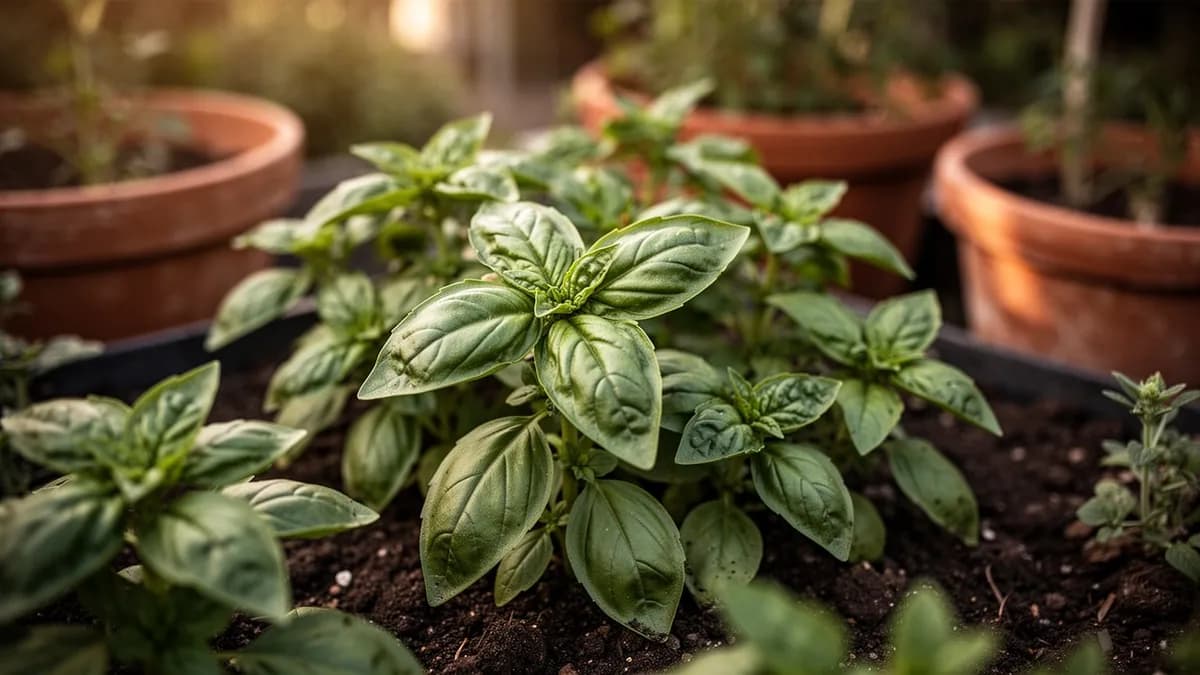
Weitere Küchenkräuter
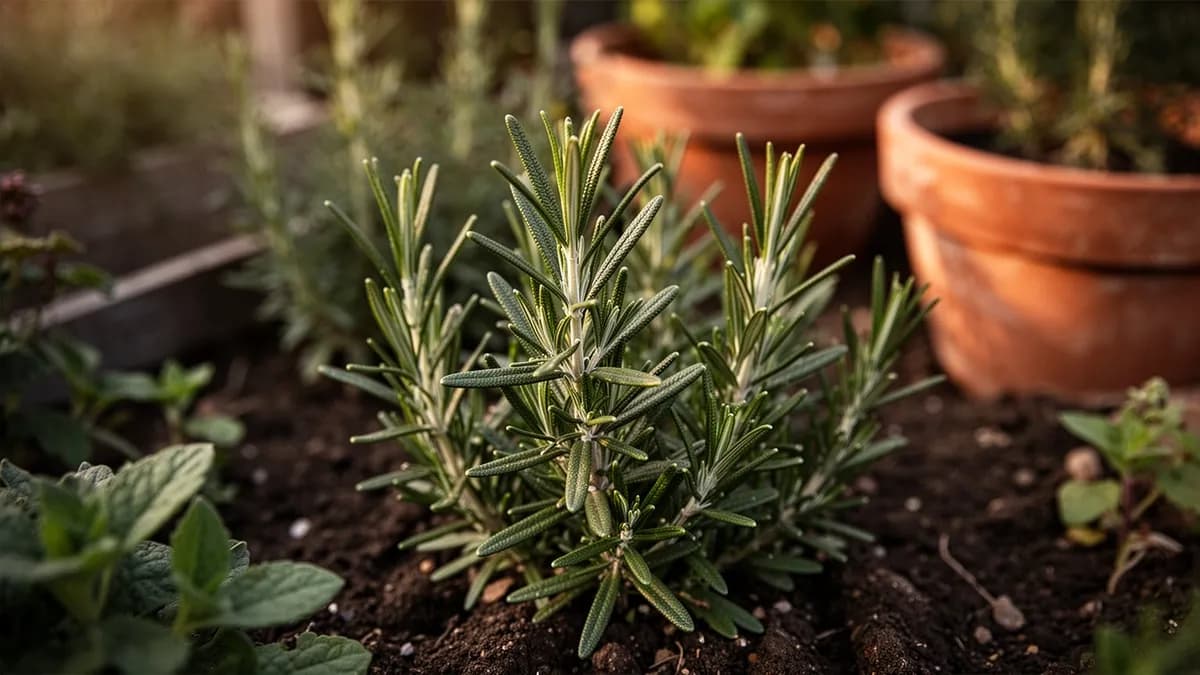
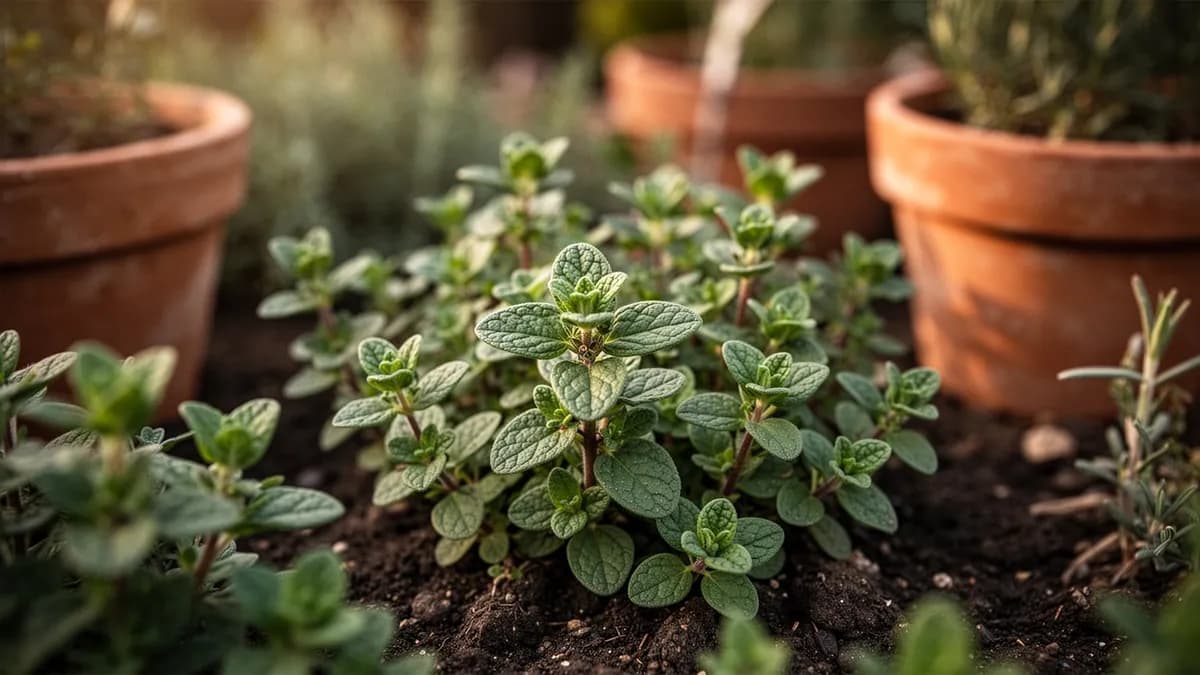
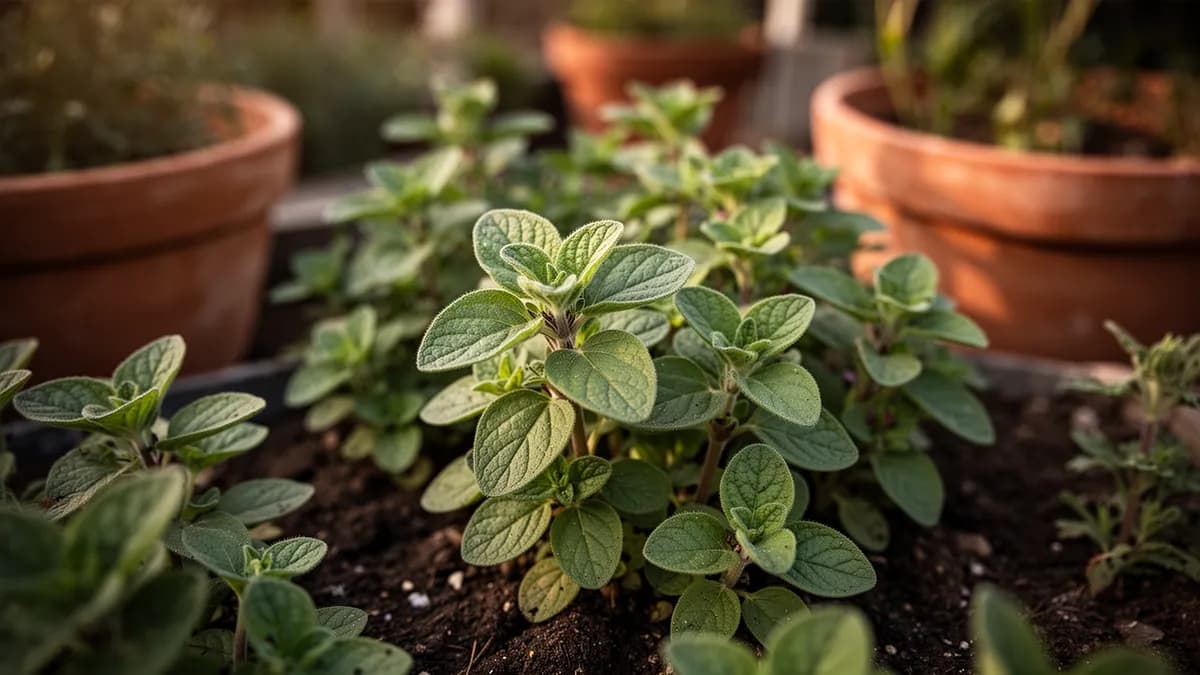
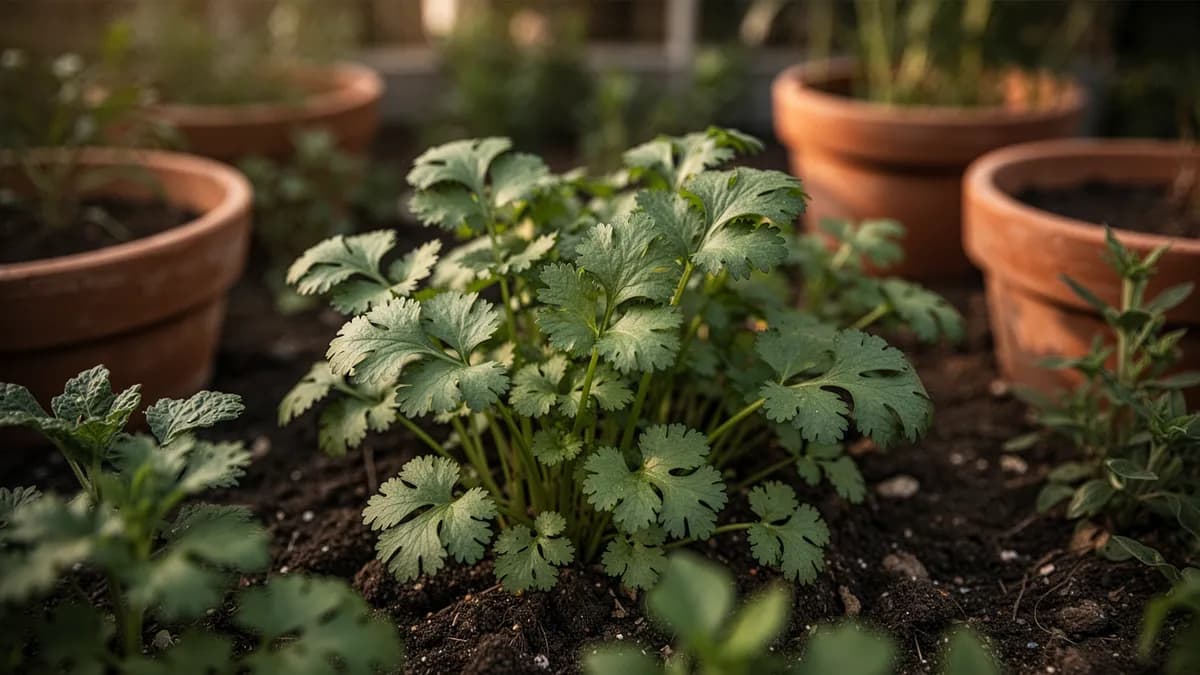
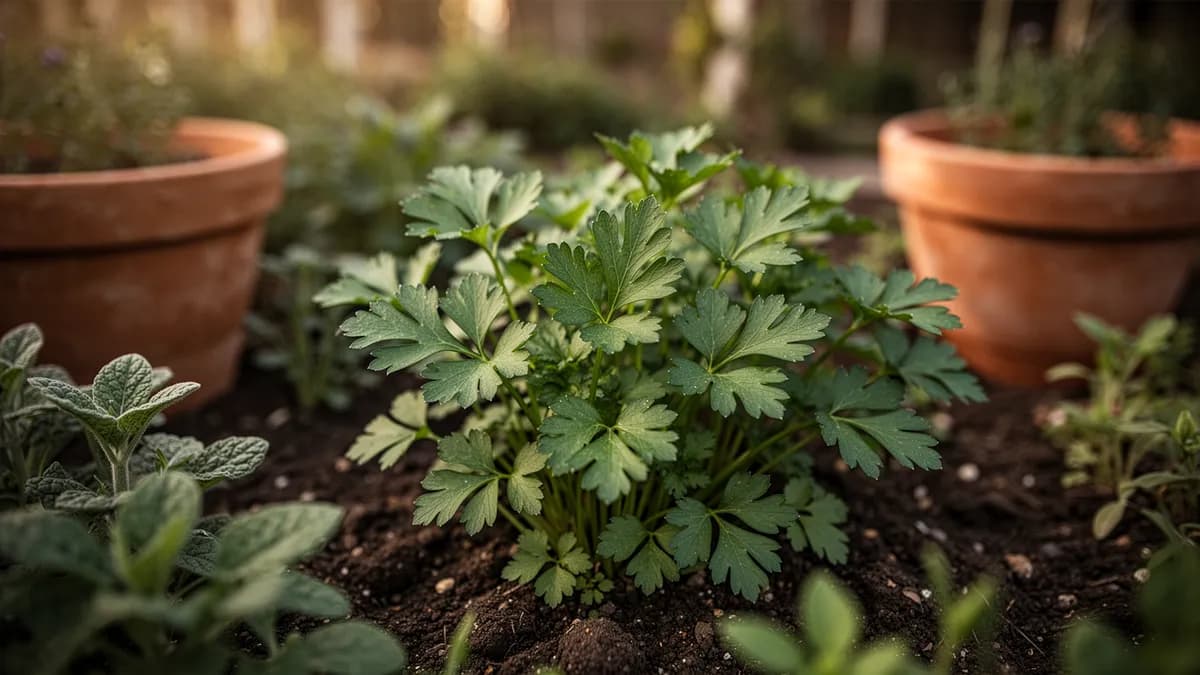
Halte Bouquet-Dill von diesen fern
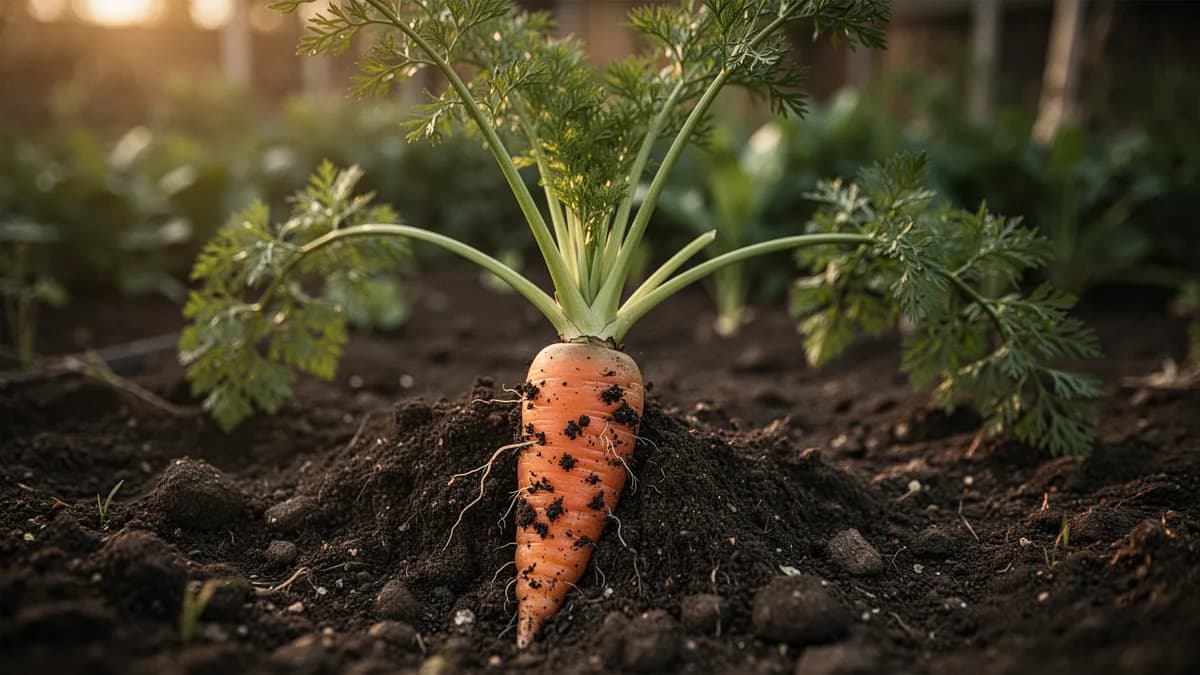
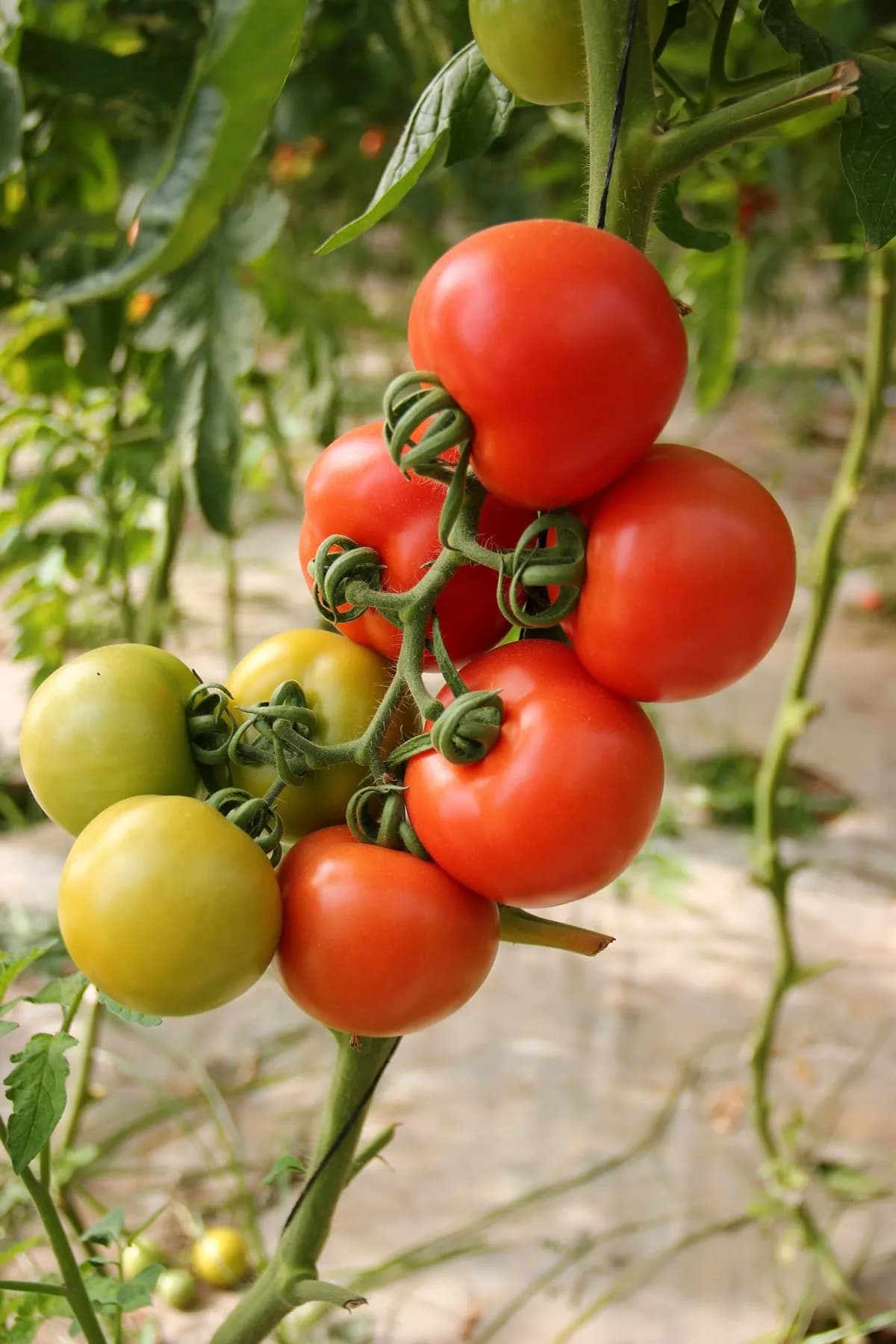
Bau deine beste Bouquet-Dill an — und alles drumherum.
Starte heute kostenlos. Lege deine Beete an, setze deine Bouquet-Dill ein und lass PlotMyGarden Timing, Abstände, Begleiter und Erinnerungen von der Saat bis zum Erntekorb übernehmen.