Narciso en miniatura
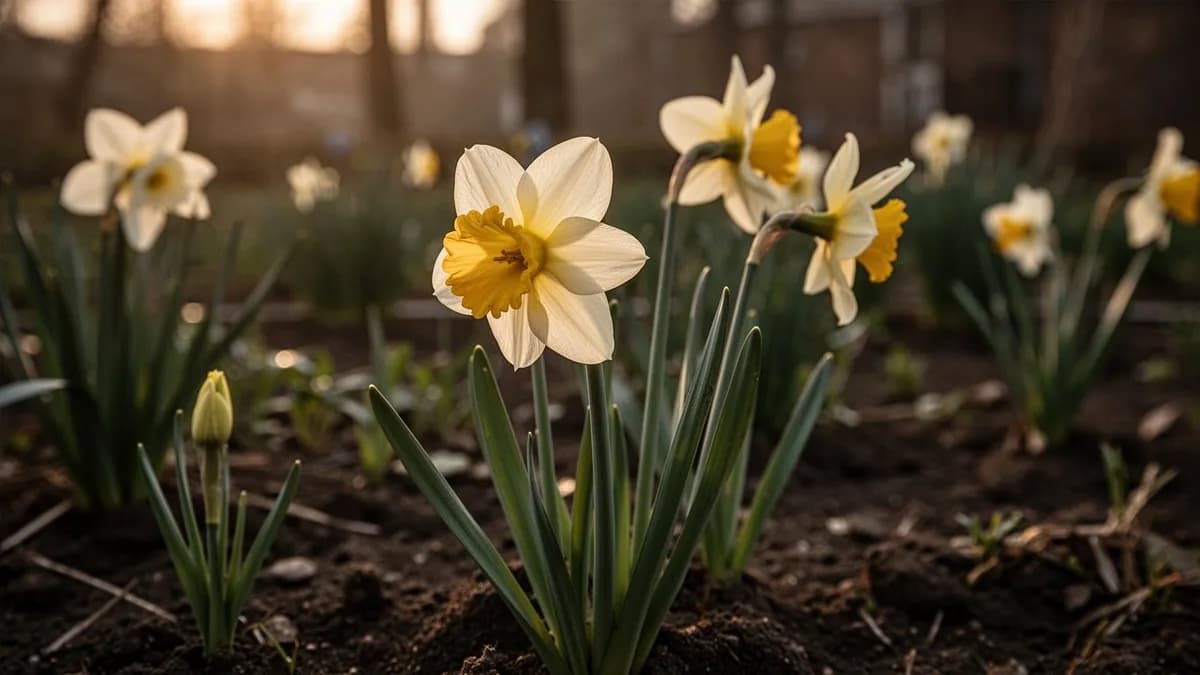
Un encantador narciso enano que apenas alcanza los 15 cm de altura, con pequeñas flores doradas que florecen muy temprano en primavera.





En esta páginaResumen
Conoce Narciso en miniatura
Un encantador narciso enano que apenas alcanza los 15 cm de altura, con pequeñas flores doradas que florecen muy temprano en primavera. Los narcisos en miniatura son perfectos para jardines de rocas, contenedores y para naturalizar en céspedes, donde se multiplican libremente. Son de los primeros bulbos en florecer y combinan de maravilla con crocus y campanillas de invierno.
Cuándo plantar Narciso en miniatura
Los narcisos en miniatura se multiplican rápidamente por bulbillos y rara vez necesitan ayuda para propagarse. Basta con levantar las matas demasiado densas después de que el follaje se haya secado, separar los bulbos y replantarlos de inmediato a la misma profundidad. Incluso los bulbillos más pequeños florecerán en 1-2 años. La propagación por semilla es posible, pero tarda de 3 a 5 años en llegar a la floración.
Tu año de Narciso en miniatura
Ajustado a Zona 7 · temporada típica · la helada se va hacia el 2 abr y vuelve hacia el 1 nov
Planta Narciso en miniatura Sep – Nov y cosecha Feb – Abr. Consulta los métodos de plantación y elige tu clima para adaptar los periodos.
Cómo cultivar Narciso en miniatura
Los narcisos en miniatura están entre los bulbos de primavera más tempranos y encantadores, y producen flores diminutas pero perfectamente proporcionadas en tallos de solo 10-20 cm. Florecen varias semanas antes que los narcisos estándar, y a menudo aparecen en febrero junto a campanillas de invierno y crocus. Los bulbos se multiplican con gran facilidad, creando extensiones cada vez mayores de flores doradas que se naturalizan de forma preciosa.
Plante los bulbos en otoño, a 10 cm de profundidad y separados 10 cm, en un suelo bien drenado a pleno sol o semisombra. Los narcisos en miniatura son extraordinariamente versátiles: prosperan en jardines de rocas, canaletas alpinas, jardineras, macetas y céspedes naturalizados. Al plantarlos en césped, use un plantador de bulbos para hacer agujeros limpios y asegúrese de no segar la zona hasta que el follaje se haya secado a finales de la primavera.
Una vez plantados, los narcisos en miniatura requieren prácticamente ningún mantenimiento. Se multiplican por bulbillos y se naturalizan libremente sin intervención. A diferencia de los narcisos grandes, su follaje pequeño se seca de forma ordenada y no deja ese aspecto feo de hojas muriendo. Abone con un fertilizante líquido diluido después de la floración para favorecer al máximo la multiplicación de los bulbos.
288 plantas caben en un bancal de 120 × 240 cm
Cada Narciso en miniatura pide 10 cm de margen. El planificador guarda ese marco por ti — cada planta, cada bancal.
Los mejores vecinos de Narciso en miniatura
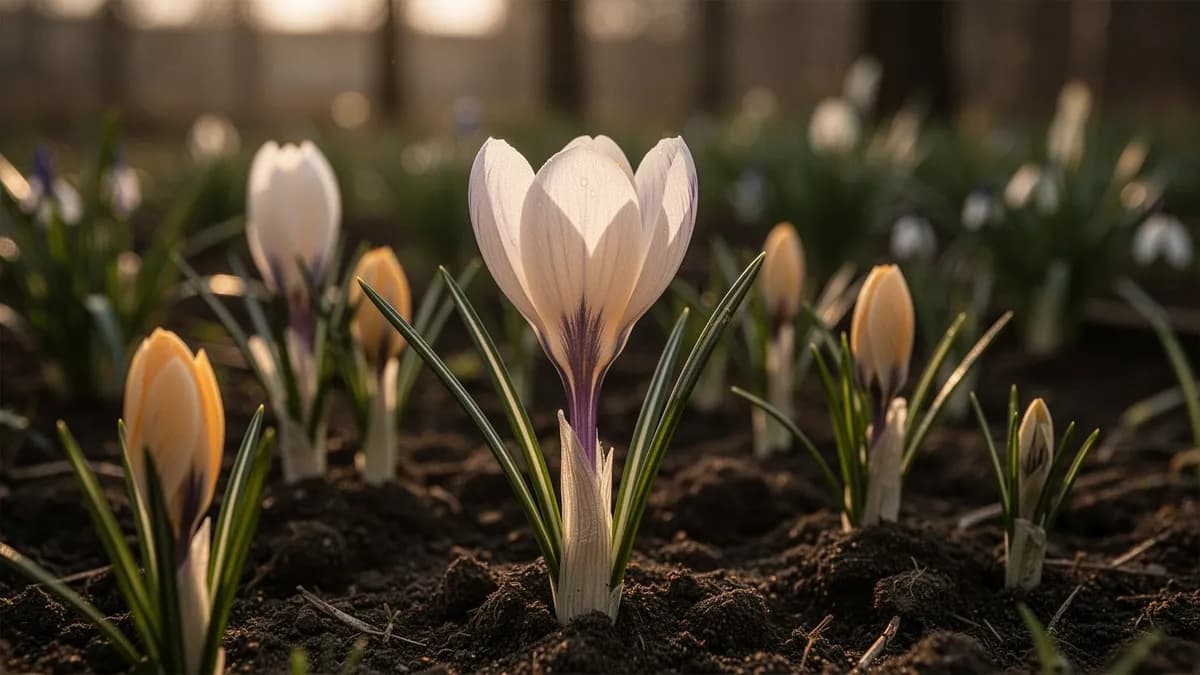
Los narcisos en miniatura combinan a la perfección con crocus, campanillas de invierno y acónitos de invierno para la primera exhibición primaveral. Quedan encantadores plantados bajo arbustos caducifolios y entre alpinas de jardín de rocas. En contenedores, combínelos con violas, prímulas y jacintos de uva para crear un pequeño jardín de primavera. Naturalizados en céspedes, forman alfombras doradas que anuncian la llegada de la estación.
Narciso va a su lado.
Saber de huerto de siempre, cotejado con la tabla real de Narciso en miniatura — prueba cualquier planta que cultives.
Prueba Narciso en miniatura en un bancal, aquí mismo
Un bancal real del planificador con Narciso en miniatura ya plantado. Toca una planta compañera para colocarla y mira cómo responde la comprobación de vecinos: verde para buenos vecinos, rojo si hay conflicto.


Guías de cultivo relacionadas
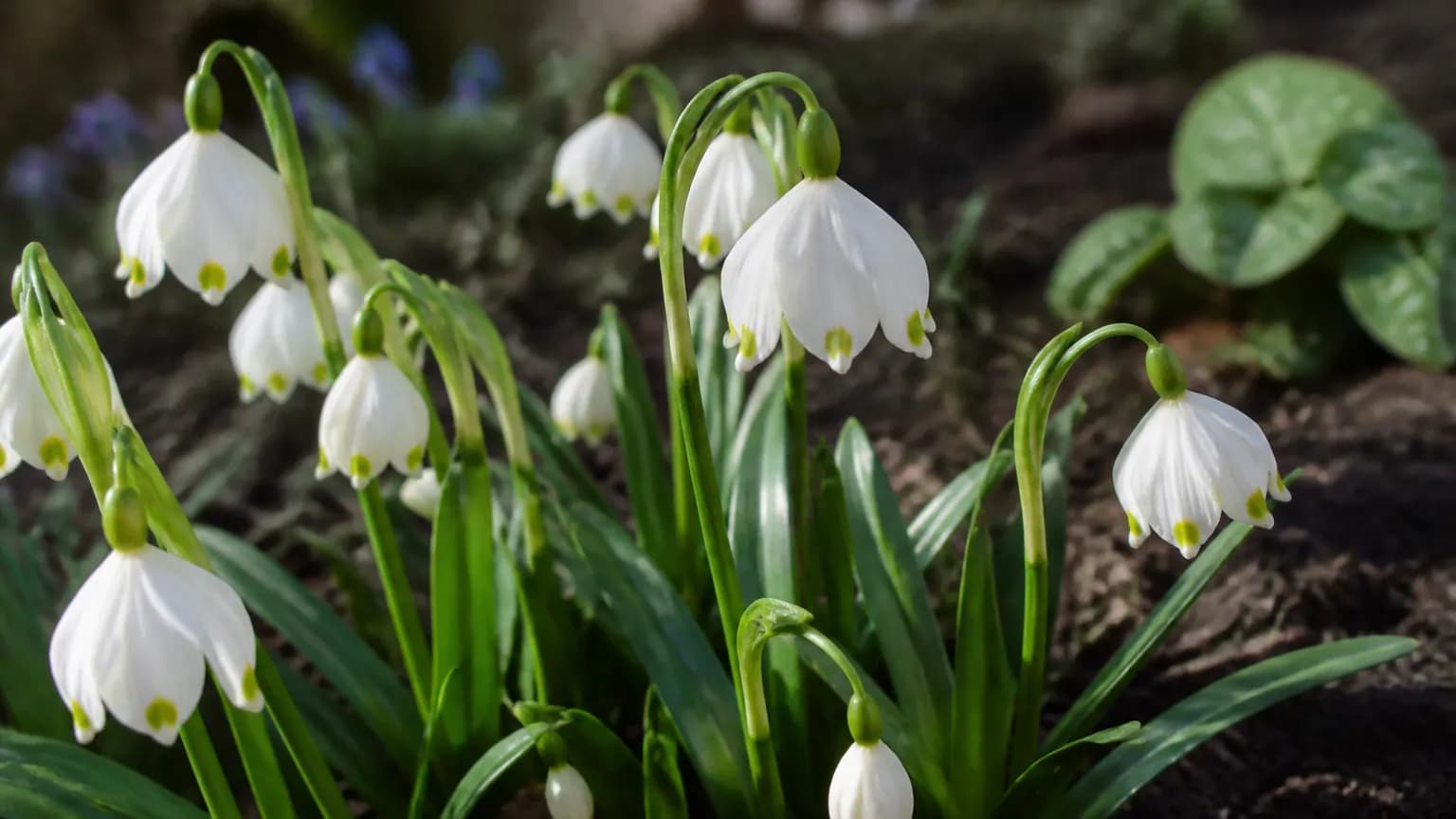
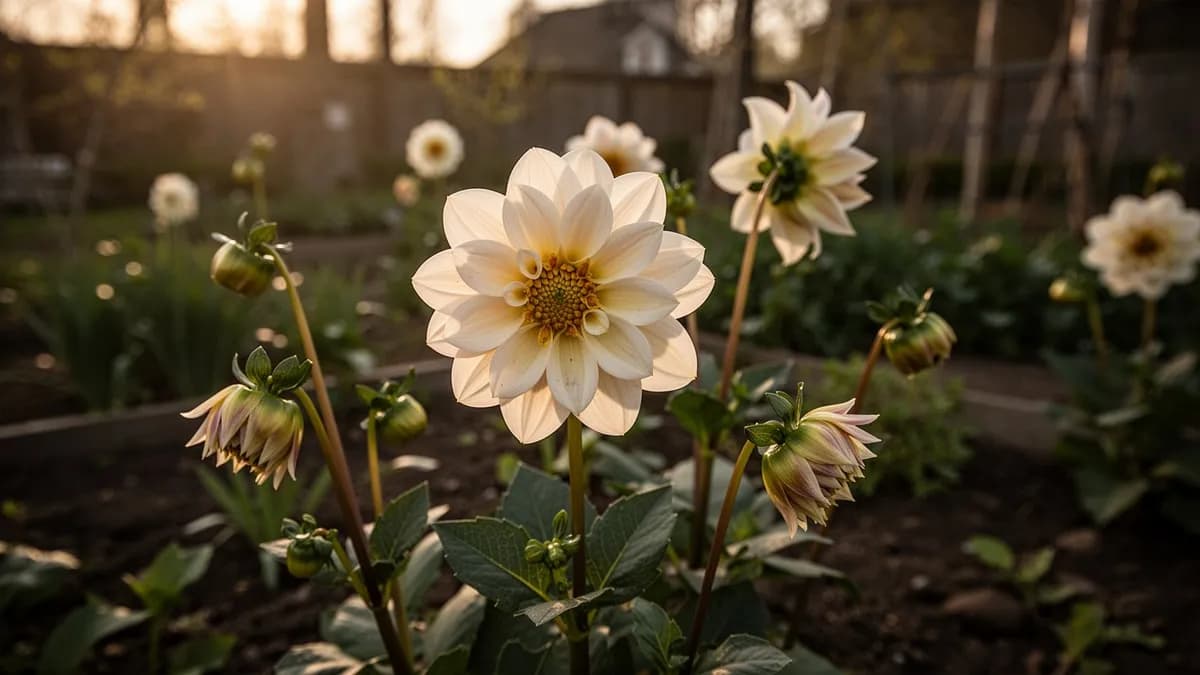
Abónalo bien
Los narcisos en miniatura crecen en cualquier suelo razonable de jardín con drenaje adecuado y un pH de 6.0-7.5. Son menos exigentes que los narcisos grandes y prosperan en suelos pedregosos, arenosos e incluso algo pobres. Un aporte ligero de fertilizante para bulbos después de la floración favorece la multiplicación. En macetas, use compost estándar para bulbos y abone cada dos semanas desde la emergencia de los brotes hasta la floración.
Temperatura ideal
Compatibilidad de zonas de rusticidad
De la semilla a la cosecha, etapa por etapa
Reposo del bulbo
Tras la plantación en otoño, el bulbo permanece en reposo en el suelo fresco mientras desarrolla un sistema radicular sano bajo la superficie. Las temperaturas del suelo por debajo de 10 °C son esenciales para la vernalización, el periodo de frío que desencadena la futura floración.
Emergencia de brotes
A medida que las temperaturas del suelo suben a finales del invierno, unos brotes verde pálido rompen la superficie. Las hojas emergentes están fuertemente enrolladas y son puntiagudas, lo que les ayuda a abrirse paso en suelos compactos o sobre una ligera costra de helada.
Formación del botón
Las hojas alcanzan su altura plena, de 10 a 15 cm, y se desarrolla un único botón floral envuelto por una espata papirácea. El botón se hincha visiblemente durante una o dos semanas antes de que la espata se abra.
Plena floración
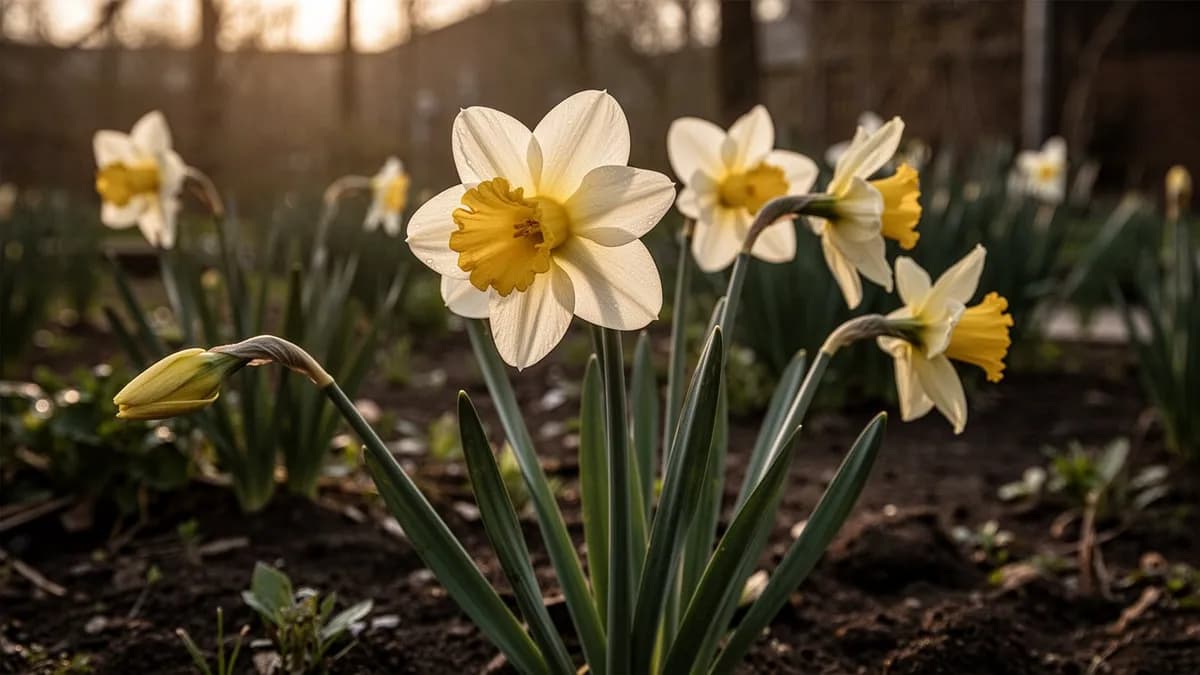
Las flores se abren y muestran la trompeta o copa característica rodeada de seis tépalos parecidos a pétalos. Las variedades en miniatura como Tete-a-Tete suelen producir una a tres flores por tallo. Las flores duran dos o tres semanas según la temperatura.
Maduración del follaje
Después de la floración, las hojas siguen realizando la fotosíntesis durante seis a ocho semanas, enviando nutrientes de vuelta al bulbo para su almacenamiento. El follaje va amarilleando y marchitándose gradualmente a medida que se completa este proceso.
Reposo estival
El bulbo entra en una fase de descanso bajo tierra durante el verano. Internamente, la flor embrionaria de la primavera siguiente ya se está formando dentro del bulbo durante este periodo aparentemente inactivo.
Reestablecimiento de raíces
Cuando llega el otoño y el suelo se enfría de nuevo, el bulbo produce un nuevo conjunto de raíces para prepararse para el siguiente ciclo de crecimiento. Los bulbillos de reemplazo formados la temporada anterior también empiezan a enraizar por su cuenta.
Mantenga el suelo ligeramente húmedo, pero nunca encharcado. Una capa de mantillo ayuda a regular la temperatura y la humedad del suelo durante el invierno.
Cuidar Narciso en miniatura mes a mes
Qué hacer cada mes para tu Narciso en miniatura
Octubre
Mes actualComplete toda la plantación de bulbos antes de finales de octubre. Levante y divida las matas congestionadas que florecieron menos la primavera pasada y replántelas de inmediato.
Ten claro qué hacer en tu huerto, cada mes
Un correo al empezar cada mes: qué sembrar, plantar y hacer ahora mismo — para tu Narciso en miniatura y todo lo que crece alrededor. Más un breve curso inicial para esquivar los errores clásicos.
- Qué hacer ahora mismo
- Ajustado a tu temporada
- Curso inicial incluido
Cosechar Narciso en miniatura
Los narcisos en miniatura dan lugar a ramos diminutos y encantadores. Córtelos cuando los botones apenas empiezan a abrirse: duran 5-7 días en un pequeño jarrón. Su escala reducida los hace perfectos para arreglos de mesilla y pequeños ramilletes. Corte con frecuencia de las matas ya establecidas; producen muchas más flores de las que la mayoría de los jardineros imagina.
se supone que plantas al comenzar el periodo — indica tu fecha real
A partir de bulbos, tubérculos o dientes
Cosecha Narciso en miniatura a tiempo y la planta sigue produciendo.
Almacenamiento y conservación
Las flores de narciso en miniatura se prensan de maravilla para manualidades y tarjetas de felicitación. Su pequeño tamaño las hace ideales para arte botánico. Lo mejor es dejar los bulbos en tierra todo el año, donde se naturalizan libremente. Si hace falta levantarlos, séquelos a la sombra y guárdelos en bolsas de malla en un lugar fresco y seco.
Qué falla — y cómo solucionarlo
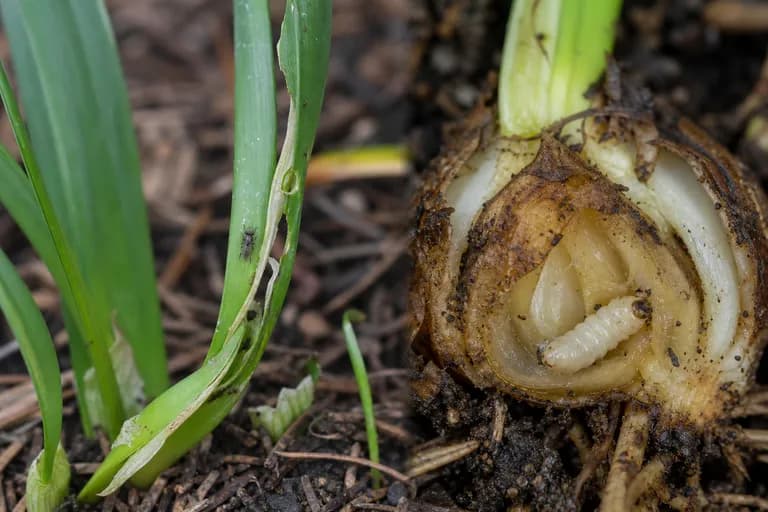
Mosca del narciso
PlagaLos bulbos no florecen y producen solo una sola hoja flácida. Al excavar, se encuentra una larva cremosa y gruesa dentro del bulbo blando y hueco.
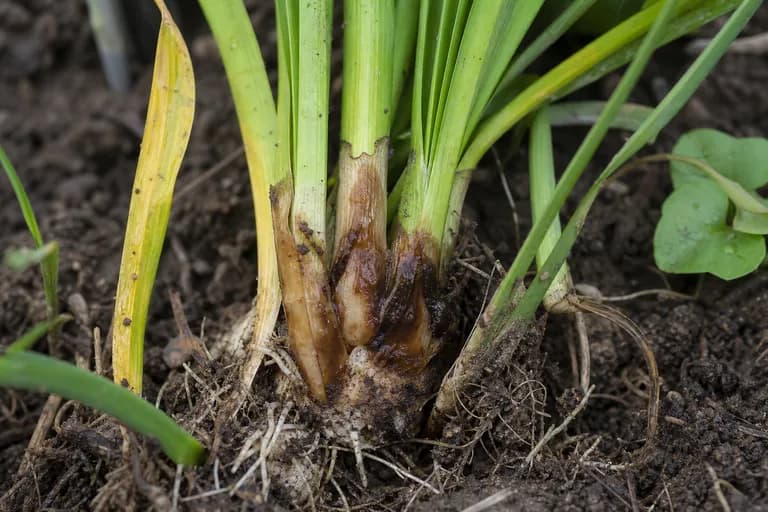
Podredumbre basal del narciso
EnfermedadLos bulbos se pudren desde la base, con tejido marrón y blando que avanza hacia arriba. El follaje amarillea antes de tiempo.
Solución de problemas comunes
Los narcisos en miniatura tienen muy pocos problemas. Los bulbos 'ciegos' (con follaje pero sin flores) suelen indicar hacinamiento: levante, divida y replante. La mosca del narciso puede vaciar los bulbos; cubra el follaje que se seca con manta hortícola para evitar la puesta de huevos. En césped, resista la tentación de segar antes de que el follaje se vuelva amarillo, normalmente a finales de abril o en mayo.
Consejos de cultivo
- Plante los bulbos en otoño, idealmente entre septiembre y noviembre, a una profundidad de aproximadamente 8 a 10 cm y separados entre 5 y 8 cm para obtener una exhibición natural.
- Elija un lugar con pleno sol o semisombra y un suelo bien drenado; los narcisos en miniatura son especialmente propensos a pudrirse si pasan el invierno en suelos encharcados.
- Para cultivo en maceta, use un compost de drenaje libre mezclado con una parte de perlita o gravilla por cada tres partes de compost, y asegúrese de que la maceta tenga orificios de drenaje suficientes.
- Los narcisos en miniatura son ideales para forzar en interior: preenfríe los bulbos en un frigorífico a 4-8 °C durante 12 a 16 semanas y luego llévelos al calor para obtener flores en tan solo tres semanas.
- Nunca guarde bulbos de narciso cerca de bulbos comestibles como cebollas o ajos, ya que la confusión accidental ha provocado intoxicaciones; etiquete con claridad todos los bulbos almacenados.
- Después de la floración, aplique un fertilizante rico en potasio, como alimento para tomateras, a media dosis para ayudar al bulbo a acumular reservas para el año siguiente.
- Evite plantar narcisos en miniatura en zonas accesibles para niños pequeños o mascotas, ya que todas las partes de la planta son tóxicas si se mastican o ingieren.
- Cuando corte flores para interior, use guantes para evitar el picor del narciso y acondicione los tallos en un jarrón aparte con agua durante 12 horas antes de combinarlos con otras flores.
- Naturalice los bulbos en césped esparciéndolos al azar y plantándolos donde caigan; retrase la siega de la zona al menos seis semanas después de que se hayan marchitado las últimas flores.
- Si las matas se congestionan y la floración disminuye después de cuatro o cinco años, levante los bulbos a finales del verano, separe los bulbillos y replántelos inmediatamente a la profundidad original.
Cultiva tu mejor Narciso en miniatura — y todo lo que la rodea.
Empieza un plan gratis hoy. Diseña tus bancales, coloca tu Narciso en miniatura y deja que PlotMyGarden gestione el momento, el espaciado, las asociaciones y los recordatorios de la semilla a la cesta.
Elige tu Narciso en miniatura
Narcissus 'Tete-a-Tete'
El narciso en miniatura más popular del mundo: amarillo dorado, de varias flores y extraordinariamente prolífico.
Narcissus 'February Gold'
Uno de los narcisos más tempranos, con pétalos dorados arqueados hacia atrás, resistente y fiable incluso en los jardines más fríos.
Narcissus 'Minnow'
Racimos de diminutas flores crema y amarillas con un perfume dulce. Encantador en jardines de rocas y canaletas alpinas.
Una bolsa de 25 bulbos de narciso en miniatura suele costar entre 5 y 10 dólares y se naturalizará con los años, multiplicándose libremente para producir 100 o más flores en cuatro o cinco temporadas sin coste adicional. Comparado con comprar narcisos cortados cada primavera en una floristería por unos 8 a 12 dólares el ramo, una inversión única en bulbos se amortiza en los dos primeros años y sigue dando rendimientos crecientes durante una década o más, con prácticamente ningún gasto continuo aparte de la división ocasional.
Recetas rápidas
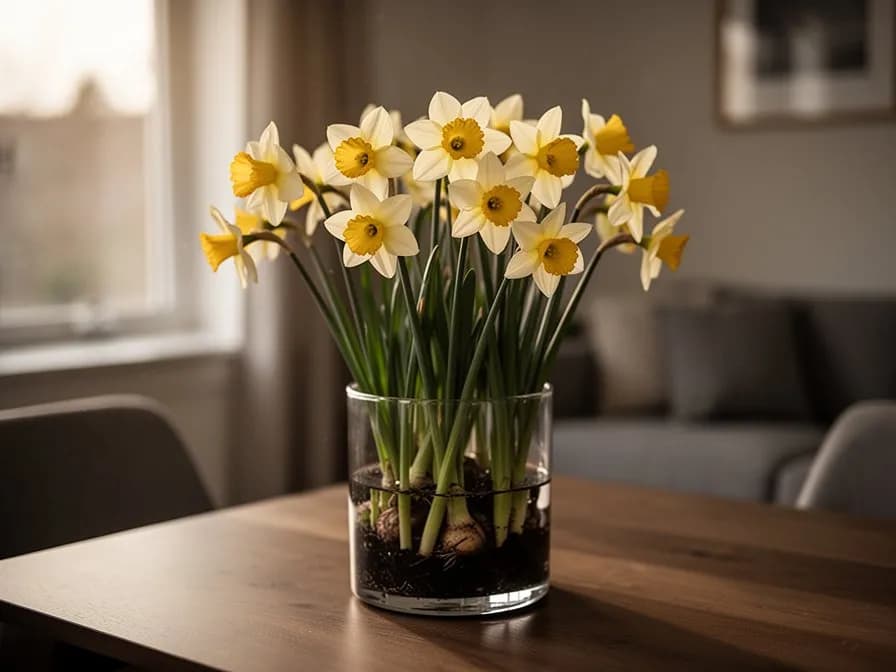
Centro de mesa primaveral con narcisos en miniatura
15 minutosCree un encantador centro de mesa vivo plantando bulbos de narciso en miniatura preenfriados en un plato antiguo poco profundo con musgo. Se trata de un proyecto decorativo, no de una receta para comer, ya que los narcisos son tóxicos y no deben consumirse nunca.
5 ingredientesArte botánico prensado con narcisos
10 minutos activos, 2-3 semanas de prensadoPrense flores de narciso en miniatura para crear un bonito arte botánico enmarcado. Maneje las flores con guantes, ya que la savia puede irritar la piel. Se trata solo de una actividad artesanal; los narcisos son venenosos y no son comestibles.
6 ingredientesFrasco regalo para forzar bulbos de narciso
10 minutosColoque bulbos de narciso en miniatura en capas dentro de un tarro de vidrio transparente con piedras decorativas para obtener un regalo vivo que florecerá en interior a finales del invierno. Añada una etiqueta que advierta de que todas las partes de la planta son tóxicas para personas y mascotas.
5 ingredientesQué contiene
Beneficios para la salud
- IMPORTANTE: Los narcisos son tóxicos y no deben comerse, infusionarse ni usarse en ningún remedio casero. No hay beneficios de salud seguros para el consumidor al ingerir ninguna parte de la planta.
- La galantamina, un compuesto farmacéutico originalmente aislado de especies de Narcissus, se utiliza en medicamentos aprobados clínicamente para la enfermedad de Alzheimer, pero solo debe administrarse bajo supervisión médica.
- Cultivar narcisos aporta beneficios significativos para la salud mental: los estudios muestran que la jardinería reduce los niveles de cortisol y mejora el estado de ánimo, y la aparición de flores primaverales se asocia con menos síntomas del trastorno afectivo estacional.
- Cuidar jardines de bulbos fomenta una actividad física suave, como agacharse, cavar y arrodillarse, lo que favorece la flexibilidad articular y la salud cardiovascular en personas mayores.
- Los narcisos son resistentes a ciervos y roedores gracias a su toxicidad, lo que reduce el estrés y la frustración del jardinero en comparación con otros ornamentales más vulnerables.
- El color amarillo brillante de la mayoría de los narcisos en miniatura ha demostrado en estudios de psicología del color que evoca sensaciones de optimismo y alegría, contribuyendo a un mayor bienestar emocional durante la transición del invierno a la primavera.
De dónde viene Narciso en miniatura
Los narcisos en miniatura pertenecen al género Narcissus dentro de la familia Amaryllidaceae y son originarios de las praderas, bosques y laderas rocosas del suroeste de Europa y el norte de África. La mayor concentración de especies silvestres se encuentra en la península ibérica, donde crecen más de treinta especies distintas en hábitats que van desde matorrales costeros al nivel del mar hasta pastizales alpinos por encima de los 2.000 metros. La evidencia arqueológica sugiere que las especies de Narcissus ya se cultivaban en el antiguo Egipto y más tarde por griegos y romanos, que las valoraban tanto como plantas ornamentales de jardín como fuente de compuestos medicinales. El médico griego Hipócrates recomendó el aceite de narciso como tratamiento para tumores uterinos, aunque la ciencia moderna confirma que los alcaloides de la planta son realmente bioactivos y no solo parte del folclore. Durante la Edad Media, los narcisos se extendieron por los jardines monásticos de toda Europa y, para el siglo XVI, los obtentores holandeses e ingleses empezaron a seleccionar flores más grandes, colores más brillantes y formas novedosas. Las variedades en miniatura ganaron una popularidad especial en el siglo XX, cuando el cultivo de rocas y las plantas alpinas se convirtieron en aficiones de moda. Obtentores como Alec Gray en Cornualles dedicaron décadas a hibridar especies diminutas hasta convertirlas en cultivares robustos y dignos del jardín, produciendo miniaturas icónicas como Tete-a-Tete en 1949. Hoy, la Royal Horticultural Society clasifica los narcisos en miniatura como cualquier cultivar con flores y tallos proporcionalmente pequeños en relación con las divisiones estándar, y se juzgan en sus propias categorías en concursos florales de todo el mundo. La producción comercial se concentra en los Países Bajos, el Reino Unido y el noroeste del Pacífico de Estados Unidos, donde los climas marítimos ofrecen los inviernos frescos y las primaveras suaves que Narcissus necesita para florecer de forma fiable.
Narciso en miniatura: ¿sabías que?
Datos fascinantes sobre Narciso en miniatura
Todas las partes del narciso son tóxicas para humanos y animales debido al alcaloide licorina, que provoca náuseas, vómitos y diarrea si se ingiere.
Narciso en miniatura: preguntas frecuentes
¿Cuándo debo plantar Narciso en miniatura?
¿Cuáles son buenas plantas acompañantes para Narciso en miniatura?
¿En qué zonas de rusticidad puede crecer Narciso en miniatura?
¿Cuánto sol necesita Narciso en miniatura?
¿A qué distancia debo espaciar Narciso en miniatura?
¿Qué plagas y enfermedades afectan a Narciso en miniatura?
¿Cómo almaceno Narciso en miniatura después de la cosecha?
¿Cuáles son las mejores variedades de Narciso en miniatura para cultivar?
¿Qué suelo necesita Narciso en miniatura?
¿Los narcisos en miniatura son venenosos para las mascotas?
¿Cuánto tiempo florecen los narcisos en miniatura cada primavera?
¿Puedo cultivar narcisos en miniatura en interior?
¿Por qué mis narcisos en miniatura sacaron hojas pero no flores?
¿Tengo que sacar los bulbos de narciso en miniatura cada año?
¿Se pueden compostar los bulbos de narciso con seguridad?
Acabas de leer la teoría. Ahora cultívala en piloto automático.
Todo lo que hace que Narciso en miniatura sea delicado — el momento, el espaciado, las asociaciones, la ventana de cosecha — es justo lo que PlotMyGarden resuelve por ti, para cada planta de tu huerto.
Un plan que conoce tu clima
Indica tu ubicación una vez. Recibe fechas de siembra, abonado y cosecha basadas en tu última helada real y el pronóstico en vivo — sin adivinar con un sobre genérico.
De la sección “Cuándo plantar”Planificador de bancales de arrastrar y soltar
Diseña bancales sobre una cuadrícula. Cada planta encaja con su espaciado correcto y ves toda la temporada antes de gastar un céntimo en semillas.
De la sección “Cultivo”Conflictos de asociación, detectados a tiempo
Más de 200 buenas y malas combinaciones comprobadas en vivo mientras plantas — para que un error que arruine la temporada nunca llegue a la tierra.
De la sección “Asociaciones”Recordatorios que sí vas a seguir
“Riega las judías.” “Recoge hoy antes de que se pase.” Oportunos, concretos y ligados a las plantas que de verdad cultivas.
De la sección “Cosecha”Escalonado, programado
¿Quieres cosechar seis semanas en vez de seis días? Reparte tus siembras automáticamente y te avisa cuando toca el siguiente lote.
De la sección “Cuándo plantar”Un registro que se vuelve más listo
Cada cosecha que registras le enseña tu huerto. El plan del año que viene parte de lo que de verdad funcionó en tu suelo, no en un manual.
De la sección “Resumen”Planta estos junto a Narciso en miniatura
Más Bulbosas
Cultiva tu mejor Narciso en miniatura — y todo lo que la rodea.
Empieza un plan gratis hoy. Diseña tus bancales, coloca tu Narciso en miniatura y deja que PlotMyGarden gestione el momento, el espaciado, las asociaciones y los recordatorios de la semilla a la cesta.