Kreuzkümmel
Eine schlanke einjährige Pflanze mit fadenförmigen Blättern, die wegen ihrer aromatischen Samen angebaut wird – einem der weltweit am häufigsten verwendeten Gewürze.





Auf dieser SeiteÜberblick
Kreuzkümmel im Überblick
Eine schlanke einjährige Pflanze mit fadenförmigen Blättern, die wegen ihrer aromatischen Samen angebaut wird – einem der weltweit am häufigsten verwendeten Gewürze. Kreuzkümmel benötigt vier Monate gleichmäßig heißes Wetter mit warmen Nächten, damit die Samenbildung gelingt. Dicht aussäen und die Samenköpfe an der Pflanze trocknen lassen, bevor man sie abschneidet und die duftenden Samen ausdrischt.
Wann Kreuzkümmel pflanzen
Kreuzkümmelsamen 4 bis 6 Wochen vor dem letzten Frost drinnen aussäen, um einen Vorsprung bei der langen Wachstumsperiode zu gewinnen. Samen 6 mm tief in feuchtem Anzuchtsubstrat bei 21 bis 24 °C säen. Die Keimung dauert 7 bis 14 Tage. Nach dem vollständigen Frostende und wenn die Erde sich auf 18 °C erwärmt hat, ins Freiland umsetzen. Jungpflanzen vorsichtig handhaben, da Kreuzkümmel Wurzelstörungen nicht mag. In Klimazonen mit langer Saison ist Direktsaat bevorzugt. In Blöcken dicht aussäen, damit sich die Pflanzen gegenseitig stützen.
Wir behalten den Kalender im Blick, damit du es nicht musst
Sag uns einmal, wo du gärtnerst. Wir richten deine Aussaat- und Erntefenster an deiner lokalen Saison aus — und erinnern dich, sobald eins beginnt.
Sieh deine genauen Kreuzkümmel-Termine
Teile einmal deinen Standort und wir richten jeden Aussaat- und Erntetermin an deiner echten lokalen Saison aus — kein Raten nach Saattüte.
Einmalig zur Saison-Festlegung · nie geteiltSo baust du Kreuzkümmel an
Kreuzkümmel gehört zu den weltweit meistgenutzten Gewürzen, ist aber in gemäßigten Klimazonen eine anspruchsvolle Kulturpflanze, da er eine lange, heiße Wachstumsperiode von 4 Monaten mit gleichmäßig warmen Nächten über 15 °C benötigt. In geeigneten Klimazonen bildet diese schlanke Einjährige fadenförmige Blätter an 30 bis 45 cm hohen Stängeln, gefolgt von kleinen weißen oder rosa Blüten und den bekannten aromatischen Samen.
Samen 4 bis 6 Wochen vor dem letzten Frost drinnen aussäen, um die Wachstumsperiode zu verlängern, oder direkt ins Freiland säen, sobald sich die Erde auf 18 °C erwärmt hat. An einem vollsonnigen Standort in gut drainiertem, sandigem Boden mit einem pH-Wert von 6,5 bis 8,0 pflanzen. Samen dicht aussäen, da die schlanken Pflanzen sich gegenseitig stützen, wenn sie in dichten Beständen wachsen. Reihenabstand 30 cm.
Nach dem Anwachsen sparsam gießen; übermäßige Feuchtigkeit fördert Krankheiten und mindert die Samenqualität. Kreuzkümmel ist trockenheitsverträglich und entwickelt bei trockenen Bedingungen ein konzentrierteres Aroma. Die Pflanzen blühen und setzen Samen über einen Zeitraum von 2 bis 3 Wochen. Dichte Bestände bei Bedarf mit Schnur oder niedrigen Bögen abstützen, wenn der Standort windexponiert ist. Kreuzkümmel gedeiht am besten in heißen, trockenen Klimazonen.
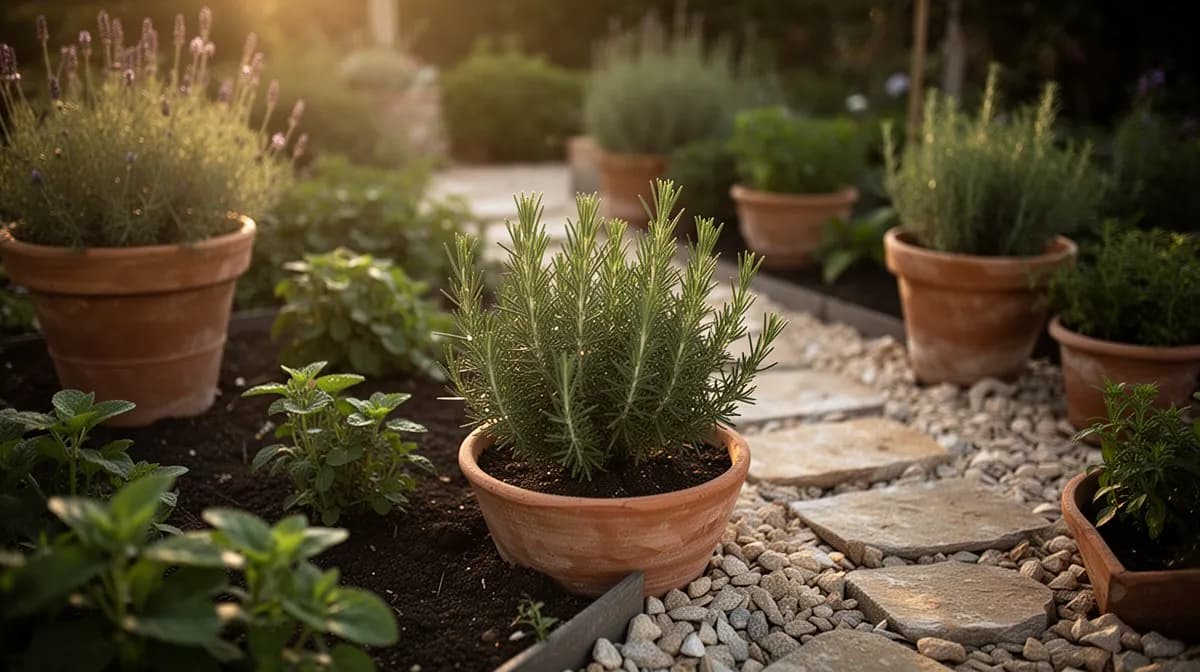
Der Beetplaner setzt jede Pflanze für dich
Wähle eine Beetgröße und PlotMyGarden setzt deine Kreuzkümmel im Abstand von 15 cm, zählt, wie viele passen, und legt das Beet an, bevor du ein einziges Saatkorn kaufst.
Die besten Nachbarn für Kreuzkümmel
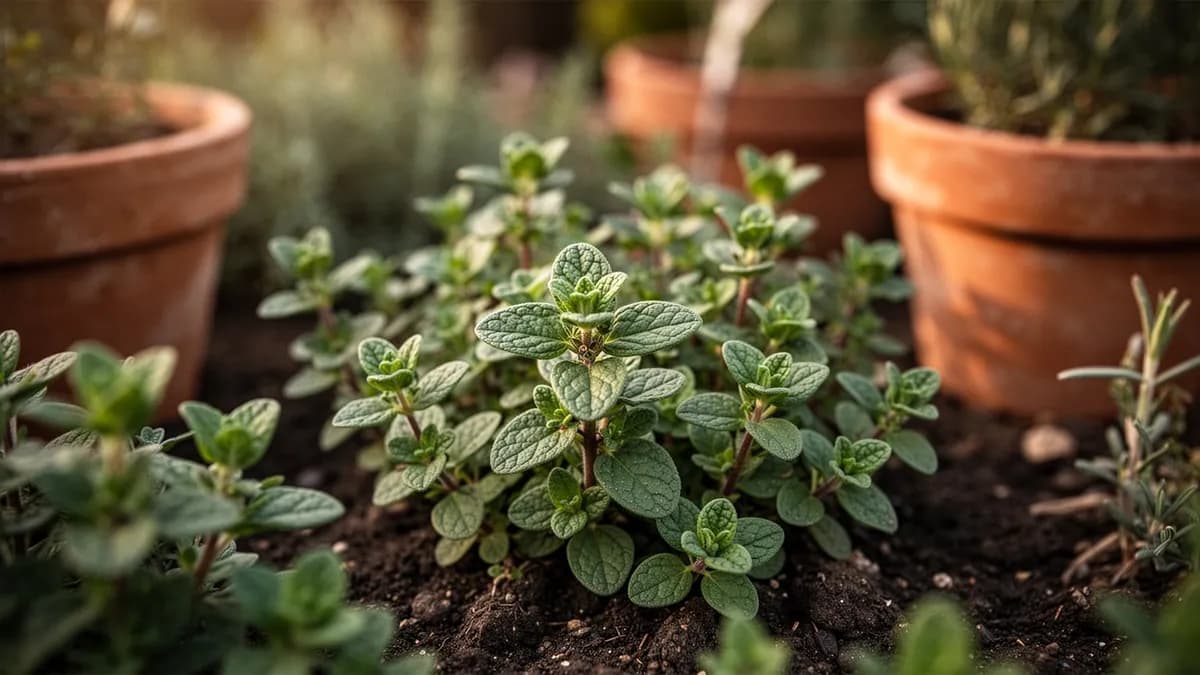
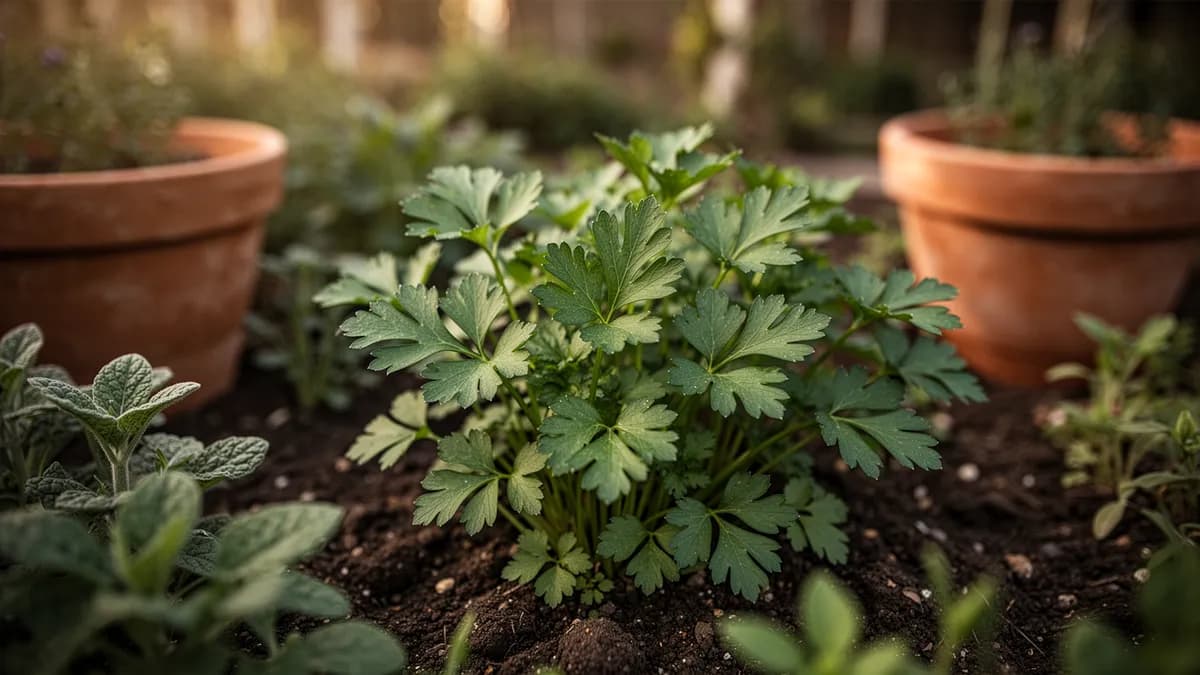
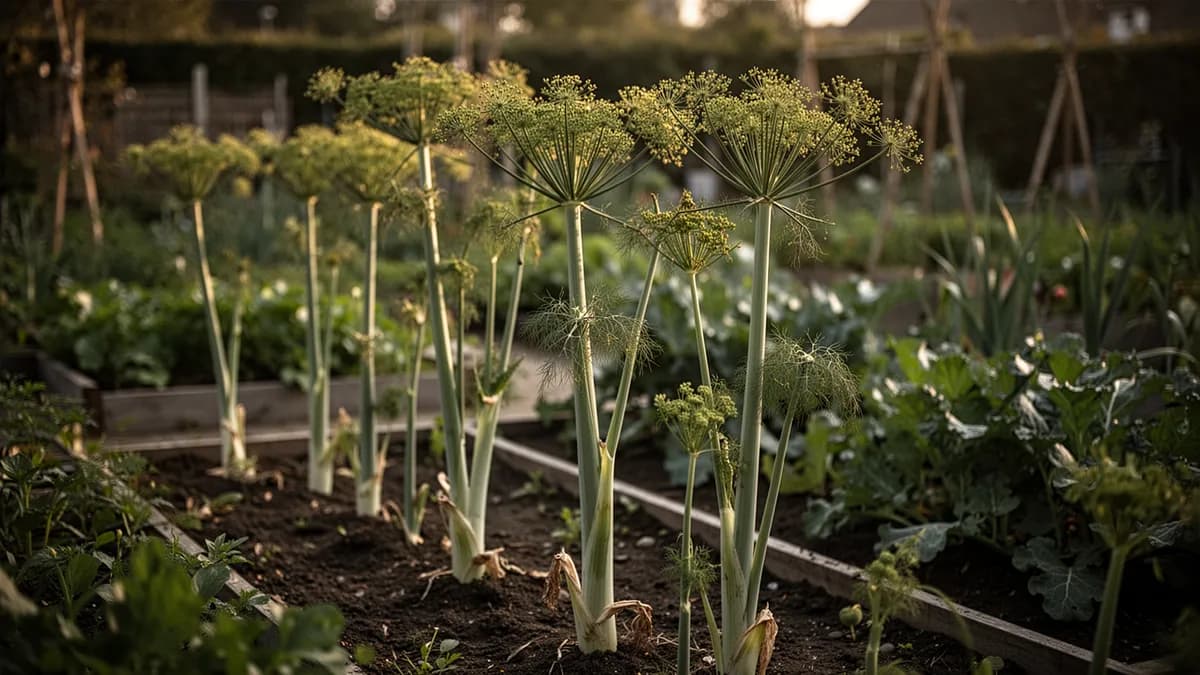
Kreuzkümmels kleine Blüten locken beim Blühen Nützlinge an. Er wächst gut neben anderen wärmeliebenden Kräutern wie Basilikum, Oregano und Koriander. Als Mitglied der Karottenfamilie sollten Fruchtfolgerichtlinien beachtet und das Anpflanzen in der Nähe von Fenchel vermieden werden, der sich mit verwandten Arten kreuzen kann. Kreuzkümmels Vorliebe für heiße, trockene Bedingungen macht ihn zu einem guten Begleitpflanzen für Paprika und Tomaten an sonnigen Gartenplätzen.
Er meldet Konflikte vor dem Pflanzen, nicht danach
Jede Pflanze, die du setzt, wird in Echtzeit gegen ihre Nachbarn geprüft. Gute Kombinationen leuchten grün; Konflikte werden sofort markiert — so landet ein saisonruinierender Fehler nie in der Erde.
Richtig düngen
Kreuzkümmel gedeiht in gut drainiertem, sandigem bis lehmigem Boden mit einem pH-Wert von 6,5 bis 8,0. Er verträgt alkalische Bedingungen gut. Reichen, schweren, feuchten Boden vermeiden, der vegetatives Wachstum auf Kosten der Samenproduktion fördert. Eine minimale Düngung ist ausreichend; eine leichte Gabe von Volldünger bei der Pflanzung genügt. Übermäßiger Stickstoff erzeugt üppiges Laub, aber schlechten Samenansatz. Gute Drainage ist unerlässlich, da feuchte Bedingungen Welkekrankheiten fördern.
Ideale Temperatur
Winterhärtezone-Kompatibilität
Von der Saat zur Ernte, Schritt für Schritt
Keimung
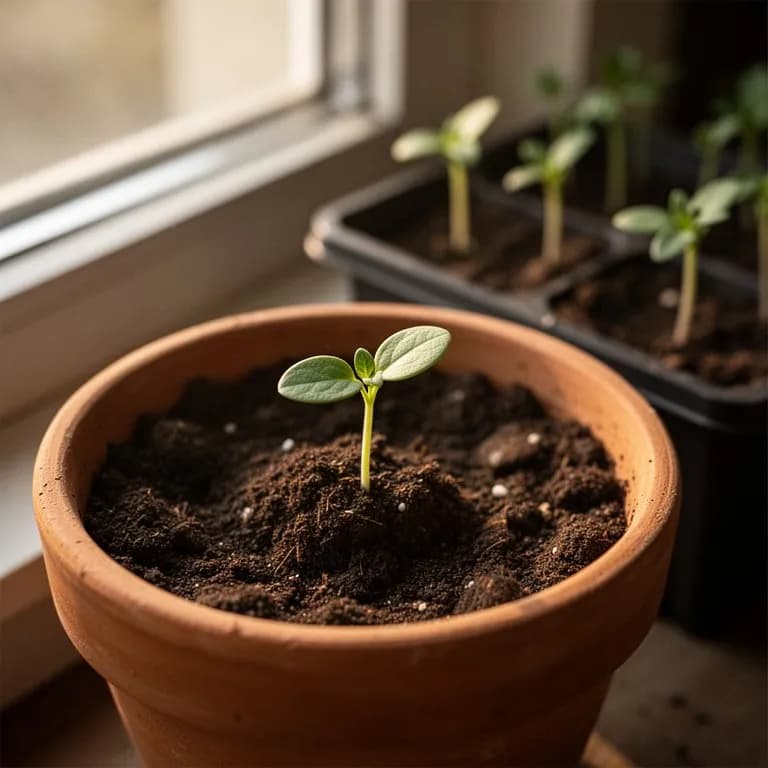
Kreuzkümmelsamen keimen im Vergleich zu vielen Kräutern langsam und benötigen 7–14 Tage in warmem Boden über 20 °C. Die ersten Sämlinge sind dünn und grasartig und ähneln feinen grünen Fäden, die aus der Bodenoberfläche aufsteigen. Samen sollten 5–10 mm tief in lockerem, gut drainiertem Boden gesät und während dieser kritischen Etablierungsphase gleichmäßig feucht, aber nie staunass gehalten werden.
Sämlingsentwicklung
Echte Blätter erscheinen als fein geteiltes, federartiges Laub, das Karotten- oder Petersilienblättern sehr ähnlich sieht. Die Sämlinge wachsen zunächst langsam, während sie eine tiefe Pfahlwurzel entwickeln, die die Pflanze verankert und den Zugang zu Feuchtigkeit in tieferen Bodenschichten ermöglicht. Diese Phase ist entscheidend für den Aufbau des Wurzelsystems, das die Pflanze durch die heißen, trockenen Bedingungen trägt, die sie bei der Reife bevorzugt.
Vegetatives Wachstum
Pflanzen entwickeln ihre vollständige Rosette tief geteilter aromatischer Blätter an schlanken, verzweigten Stängeln. Das Laub wird mit zunehmender Ätherischölproduktion immer duftender. Stängel strecken sich und die Pflanze entwickelt ihre charakteristische aufrechte, luftige Wuchsform von 30–50 cm Höhe. Dies ist die Phase des maximalen Blattwachstums, bevor die Energie auf die Reproduktion übergeht.
Blüte
Kleine schirmförmige Blütenstände (Dolden) erscheinen an den Spitzen der verzweigten Stängel und tragen winzige weiße bis rosa Blüten. Jede Dolde enthält 5–7 einzelne Blütengruppen, und die Blüten sind sehr attraktiv für Nützlinge wie Schlupfwespen, Schwebfliegen und kleine Bienen. Die Blüten sind hauptsächlich selbstbestäubend, aber Fremdbestäubung durch Insekten verbessert den Samenansatz und die Qualität.
Samenentwicklung und Reifung
Samenkapseln entwickeln sich paarweise entlang der Doldenäste, beginnen grün und wechseln beim Reifen schrittweise von gelbgrün zu hellbraun. Das charakteristische warme, erdige Kreuzkümmelsaroma verstärkt sich mit der Samenreife und dem Höchststand des Ätherischölgehalts erheblich. Die Samen sind länglich mit sichtbaren Längsrippen und messen etwa 5–6 mm Länge.
Ernte und Trocknung
Die Pflanze trocknet auf natürliche Weise ab, wenn die Samen die volle Reife erreichen. Stängel werden holzig und braun, Blätter welken. Vollreife Samen lösen sich beim Reiben leicht vom Samenkopf. Dies ist das letzte Zeitfenster für die Ernte, bevor Samen zersplittern und auf dem Boden verstreuen. Die gesamte oberirdische Pflanze kann abgezogen und getrocknet werden, wenn die Zeit knapp ist.
Samen vor der Aussaat 8–12 Stunden in lauwarmem Wasser einweichen, um die Samenschale aufzuweichen und die Keimung um mehrere Tage zu beschleunigen. Bodentemperatur bei 20–25 °C für optimale Ergebnisse halten. Saatschalen mit einer Feuchtigkeitshaube oder klarer Frischhaltefolie abdecken, bis die Keimlinge erscheinen.
Kreuzkümmel Monat für Monat pflegen
Was du jeden Monat für deine Kreuzkümmel tun solltest
Juli
Aktueller MonatVegetatives Wachstum erreicht seinen Höhepunkt und die Blüte kann bei früh ausgesäten Pflanzen beginnen. Das Gießen weiter reduzieren, wenn die Pflanzen in die Blüte kommen – überschüssige Feuchtigkeit während der Blüte fördert Pilzkrankheiten und mindert die Samenqualität. Für gute Luftzirkulation zwischen den Pflanzen sorgen.
Kreuzkümmel ernten
Kreuzkümmelsamen ernten, wenn die Samenköpfe von grün nach braun wechseln und sich die Samen beim Reiben leicht lösen. Dies geschieht etwa 120 Tage nach der Aussaat. Ganze Stängel abschneiden und kopfüber in Papiertüten an einem warmen, trockenen Ort aufhängen. Die Samen fallen während der Trocknung von 1 bis 2 Wochen in die Tüten. Alternativ können die Samenköpfe an trockenen Morgen direkt in Behälter geschnitten werden. Der Zeitpunkt ist entscheidend: Zu früh geerntet fehlt den Samen das Aroma, zu spät erntet man zerstreute Samen vom Boden.
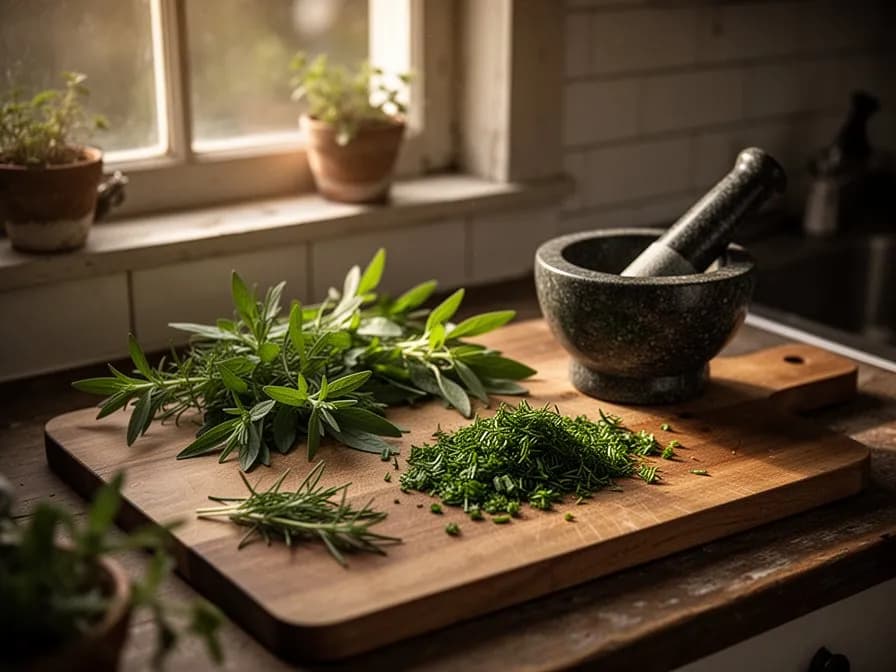
Wir zählen die Tage und sagen dir, wann du ernten musst
Sag uns, wann du gepflanzt hast, und PlotMyGarden verfolgt den 120-tägigen Countdown bis zur Ernte — und meldet sich am Tag, an dem deine Kreuzkümmel reif ist.
Lagerung & Konservierung
Geerntete Kreuzkümmelsamen vor der Lagerung gründlich trocknen, indem man sie 1 bis 2 Wochen auf Gittern an einem warmen, gut belüfteten Ort ausbreitet. Ganze Samen in luftdichten Glasgefäßen an einem kühlen, dunklen Ort lagern, wo sie ihr hervorragendes Aroma 3 bis 4 Jahre behalten. Samen vor dem Mahlen kurz in einer trockenen Pfanne rösten, um ihr warmes, erdiges Aroma zu intensivieren. Gemahlener Kreuzkümmel verliert sein Aroma schneller und sollte innerhalb von 6 Monaten verbraucht werden. Getrennt von anderen starken Gewürzen lagern, da Kreuzkümmel Gerüche aufnehmen kann.
Was schiefgeht — und die Lösung
Fusarium-Welke
KrankheitVergilbung und Welken der Pflanzen, oft zunächst einseitig. Stängel zeigen beim Aufschneiden braune Verfärbungen. Kann bei warmen, feuchten Bedingungen gesamte Bestände vernichten.
Blattläuse
SchädlingKolonien an Stängeln und sich entwickelnden Samenköpfen. Klebriger Honigtau. Können bei starkem Befall Samenqualität und Ertrag mindern.
Fehlerbehebung bei häufigen Problemen
Unzureichende Wärme ist die größte Herausforderung für Kreuzkümmel in gemäßigten Klimazonen. Ohne 4 Monate gleichmäßig heißes Wetter mit warmen Nächten reifen die Samen nicht richtig aus. Kühle, feuchte Sommer liefern schlechte Ergebnisse. Die schlanken Pflanzen können bei Wind oder Regen ohne Stütze umlegen. Fusarium-Welke kann Bestände verwüsten, besonders in warmem, feuchtem Boden, auf dem bereits Kreuzkümmel angebaut wurde. Ein frühzeitiger Anbau drinnen hilft, die Wachstumsperiode in Grenzklimaten zu verlängern.
Anbautipps
- Den heißesten, trockensten und am meisten der Sonne ausgesetzten Platz im Garten für Kreuzkümmel wählen. Diese Pflanze hat sich in ariden nahöstlichen und zentralasiatischen Bedingungen entwickelt und benötigt unbedingt volle Sonne mit mindestens 8 Stunden direktem Sonnenlicht täglich – weniger führt zu geilem Wuchs und schlechter Samenproduktion.
- Hervorragende Drainage durch Einarbeiten von grobem Sand, Perlit oder feinem Kies in schwere Lehmböden vor dem Pflanzen sicherstellen. Kreuzkümmerwurzeln faulen schnell in staunassem Boden. Hochbeete mit einer Sand-Lehm-Mischung sind ideal für Regionen mit schwereren Böden oder höheren Niederschlagsmengen.
- Samen wenn möglich direkt an ihren Wachstumsort säen. Kreuzkümmel entwickelt eine empfindliche Pfahlwurzel, die das Umpflanzen nicht verträgt – wenn drinnen begonnen werden muss, tiefe Anzuchtmodule oder biologisch abbaubare Töpfe verwenden, die ohne Wurzelstörung eingepflanzt werden können.
- Samen vor der Aussaat 8–12 Stunden in lauwarmem Wasser einweichen, um die Samenschale aufzuweichen und die Keimrate um 20–30 % zu verbessern. 5–10 mm tief säen und den Boden gleichmäßig feucht halten (aber nicht gesättigt), bis die Keimung nach 7–14 Tagen erfolgt.
- Nach dem Anwachsen sparsam gießen. Kreuzkümmel ist trockenheitsangepasst und übermäßiges Gießen ist die einzige häufigste Ursache für Ernteverluste in Heimgärten. Die oberen 3–5 cm Boden zwischen den Bewässerungen abtrocknen lassen und das Gießen vollständig einstellen, sobald sich Samenköpfe zu bilden beginnen.
- Stickstoffreiche Düngemittel vermeiden, die üppiges Blattwachstum auf Kosten der Ätherischölproduktion und Samenentwicklung fördern. Eine einzige Gabe von Voll- oder phosphorreichem Dünger bei der Pflanzung ist für die gesamte Wachstumsperiode ausreichend.
- Gute Luftzirkulation durch einen Pflanzabstand von 10–15 cm sicherstellen und das Pflanzen an Wänden oder Zäunen vermeiden, die den Luftstrom blockieren. Feuchte, stagnante Luft um Kreuzkümmelpflanzen fördert Mehltau, Fusarium-Welke und Alternaria-Brand – alles Krankheiten, die eine Ernte schnell zerstören können.
- Der Erntezeitpunkt ist für maximalen Geschmack entscheidend. Samenköpfe abschneiden, wenn ungefähr zwei Drittel der Samen von grün nach hellbraun gewechselt haben. Zu frühe Ernte liefert blasse, unreife Samen; zu langes Warten lässt Samen zersplittern und auf dem Boden verstreuen.
- Geerntete Samenköpfe durch kopfübers Aufhängen in Papiertüten an einem warmen, gut belüfteten Ort 7–14 Tage trocknen. Die Papiertüte fängt alle Samen auf, die beim Trocknen fallen. Direktes Sonnenlicht vermeiden, das die flüchtigen ätherischen Öle, die Kreuzkümmel sein Aroma verleihen, zersetzen kann.
- Ganze Kreuzkümmelsamen lagern statt sie zu mahlen. Ganze Samen behalten ihre ätherischen Öle und Aromapotenz 3–4 Jahre, wenn sie in luftdichten Glasgefäßen in einem kühlen, dunklen Schrank aufbewahrt werden. Gemahlener Kreuzkümmel verliert sein Aroma innerhalb von 2–3 Monaten, daher kleine Mengen frisch nach Bedarf mit Mörser und Stößel oder einer Gewürzmühle mahlen.
Finde deine Kreuzkümmel
Cuminum cyminum (Gewöhnlicher Kreuzkümmel)
Die Standardart, die die bekannten warmen, erdigen Samen liefert. Schlanke Pflanzen, die 30 bis 45 cm hoch werden. Benötigt eine lange, heiße Wachstumsperiode von 4 Monaten.
Schwarzkümmel (Bunium bulbocastanum)
Eine andere Art mit kleineren, dunkleren Samen und einem komplexeren, nussigen Aroma. In der indischen und zentralasiatischen Küche verwendet. Benötigt ebenfalls lange, warme Perioden.
Eine Packung Kreuzkümmelsamen zum Anbauen kostet 2–4 € und enthält genug Saatgut für 50–100 Pflanzen. Biologischer ganzer Kreuzkümmel kostet in Spezialläden 6–12 € pro 100 g, und frisch geernteter selbst angebauter Kreuzkümmel liefert ein deutlich überlegenes Aroma und Geschmack im Vergleich zu kommerziellem Gewürz, das jahrelang in Lagerhäusern gelegen haben mag. Das Anbauen von 40–50 Pflanzen ergibt rund 400–750 g Premium-Kreuzkümmel im Wert von 25–90 € zu Einzelhandelspreisen. Über die finanziellen Einsparungen hinaus ist der Qualitätsunterschied zwischen frisch getrocknetem selbst angebautem Kreuzkümmel und massenproduziertem Gewürz transformativ – wenn man einmal das Original probiert hat, möchte man nie wieder auf abgestandene Supermarktgläser zurückgreifen.
Schnelle Rezepte
Trocken geröstetes Kreuzkümmel-Salz (Jeera-Salz)
5 Min.Ein vielseitiges Finish-Gewürz aus der indischen, nahöstlichen und mexikanischen Küche. Ganze Kreuzkümmelsamen werden trocken geröstet, bis sie duften und knacken, dann mit Flockensalz gemahlen, um ein intensiv aromatisches Würzmittel zu erhalten. Über frischem Obst, gegrilltem Gemüse, Joghurt oder Salaten verstreuen für ein sofortiges Aromahighlight.
4 ZutatenKlassischer Kreuzkümmel-Hummus
15 Min.Ein seidig-glatter Kichererbsendip, bei dem frisch gerösteter selbst angebauter Kreuzkümmel das Hauptgewürz ist. Die warme, erdige Tiefe von echtem Kreuzkümmel verwandelt normalen Hummus in etwas weit Komplexeres und Befriedigenderes als alles, was mit vorgemahlenen Supermarktgewürzen zubereitet wird.
9 ZutatenKreuzkümmel-Limetten-Reis (Arroz con Comino)
25 Min.Ein duftiges lateinamerikanisch inspiriertes Beilagengericht, bei dem ganze Kreuzkümmelsamen in heißem Öl aufgeblüht werden, bevor der Reis zugegeben wird, wobei jedes Korn mit warmem, nussigem Aroma durchdrungen wird. Mit frischem Limettensaft und Koriander verfeinert für eine frische, ausgewogene Beilage zu gegrillten Fleischgerichten, Bohnen oder Tacos.
8 ZutatenKulinarische Verwendung
Kreuzkümmel ist eines der wichtigsten Gewürze der Welt und unverzichtbar in der mexikanischen, indischen, nahöstlichen und nordafrikanischen Küche. Die warmen, erdigen, leicht bitteren Samen werden ganz oder gemahlen in Chili con Carne, Tacos, Currys, Falafel, Hummus und Gewürzmischungen wie Garam Masala und Ras el Hanout verwendet. Ganze Samen vor dem Mahlen in einer trockenen Pfanne rösten, um ihr Aroma freizusetzen. Kreuzkümmel harmoniert hervorragend mit Koriander, Chili, Knoblauch und Limette. Er ist eine Schlüsselzutat in Taco-Gewürz und vielen Currypulvern.
Was drinsteckt
Gesundheitsvorteile
- Außergewöhnlich reich an Eisen mit 66,4 mg pro 100 g Samen (369 % IE), was selbst kleine tägliche kulinarische Mengen zu einem bedeutenden Beitrag zur Eisenaufnahme macht – besonders wertvoll für Vegetarier, Veganer und Personen mit erhöhtem Risiko einer Eisenmangelanämie.
- Enthält Cuminaldehyd und Thymochinon, bioaktive Verbindungen, die in klinischen Studien gezeigt haben, dass sie die Sekretion von Verdauungsenzymen stimulieren und eine gesunde Verdauung fördern – dies unterstützt den jahrhundertealten traditionellen Einsatz von Kreuzkümmel als Verdauungsmittel in der ayurvedischen, Unani- und nahöstlichen Volksmedizin.
- Forschungen haben gezeigt, dass der Verzehr von Kreuzkümmel dazu beitragen kann, den Blutzuckerspiegel zu regulieren, indem er die Insulinsensitivität verbessert, wobei mehrere kontrollierte Studien bei Teilnehmern, die täglich 2–3 g Kreuzkümmel konsumierten, bescheidene, aber signifikante Senkungen des Nüchternblutzuckers und des HbA1c-Wertes zeigten.
- Reich an antioxidativen Verbindungen einschließlich Flavonoide, Terpene und Phenolsäuren, die freie Radikale neutralisieren und oxidativen Stress reduzieren helfen – Laborstudien legen nahe, dass diese Verbindungen die Zellengesundheit unterstützen und Marker chronischer Entzündungen reduzieren können.
- Liefert erhebliche Mengen Magnesium (366 mg pro 100 g, 87 % IE), das über 300 enzymatische Prozesse im Körper unterstützt, darunter Energiestoffwechsel, Nervenfunktion, Muskelkontraktion und Aufrechterhaltung eines gesunden Blutdrucks.
- Die ätherischen Öle in Kreuzkümmelsamen haben in Laborstudien antimikrobielle Aktivität gegen mehrere lebensmittelbedingte Krankheitserreger gezeigt, was zum Teil den historischen Einsatz von Kreuzkümmel bei der Lebensmittelkonservierung in heißen Klimaküchen erklären kann, wo Lebensmittelverderbnis ein ständiges Problem war.
Woher Kreuzkümmel stammt
Kreuzkümmel (Cuminum cyminum) ist in der östlichen Mittelmeerregion und der Levante beheimatet, mit seinem Ursprungszentrum, das sich vom heutigen Ägypten über den Nahen Osten bis zu den Flusstälern des Iran und Zentralasiens erstreckt. Archäologische Nachweise belegen den Kreuzkümmelbau schon im dritten Jahrtausend v. Chr., mit Samen, die aus Stätten des antiken Mesopotamiens und des Niltals geborgen wurden. Das Gewürz war den alten Ägyptern gut bekannt, die es sowohl beim Kochen als auch bei der aufwändigen Einbalsamierung für die Mumifizierung verwendeten und seine starken aromatischen Öle wegen ihrer konservierenden Eigenschaften schätzten.
Die alten Griechen und Römer übernahmen Kreuzkümmel begeistert. Griechische Haushalte hielten Kreuzkümmel als gewöhnliches Würzmittel auf dem Esstisch, und die Römer übernahmen diese Praxis und mahlten die Samen über Brot, Gemüse und Fleisch mit der gleichen selbstverständlichen Regelmäßigkeit, mit der moderne Köche schwarzen Pfeffer verwenden. Plinius der Ältere schrieb ausführlich über Kreuzkümmel in seiner Naturalis Historia und beschrieb seinen Anbau und seinen Ruf als Gewürz der Gelehrten und Geizigen gleichermaßen. Die Römer brachten Kreuzkümmel durch ihr gesamtes Reich und führten ihn in Regionen Europas ein, wo er zuvor nicht angebaut worden war.
Als arabische Händler zwischen dem 7. und 13. Jahrhundert den Handel über den Indischen Ozean und entlang der Seidenstraße ausdehnten, wurde Kreuzkümmel tief in den Küchen Südasiens verankert, wo er bis heute eines der wichtigsten und am häufigsten verwendeten Gewürze ist. Die indische Küche unterscheidet zwischen ganzen Kreuzkümmelsamen (für das Temperieren oder Tadka) und gemahlenem Kreuzkümmel (für Gewürzmischungen wie Garam Masala), und das Gewürz erscheint in nahezu jeder regionalen Küche des Subkontinents. Spanische und portugiesische Kolonisatoren brachten Kreuzkümmel später nach Amerika, wo er zur Grundlage der mexikanischen, Tex-Mex- und südamerikanischen Küche wurde – Chili con Carne, Tacos und Adobo-Zubereitungen sind ohne ihn undenkbar. Heute dominiert Indien die weltweite Kreuzkümmelerzeugung und baut das Gewürz hauptsächlich in den Trockengebieten von Gujarat und Rajasthan an, wo das heiße, trockene Klima der angestammten Heimat der Pflanze sehr nahekommt.
Kreuzkümmel: Schon gewusst?
Faszinierende Fakten über Kreuzkümmel
Kreuzkümmel wird seit über 5.000 Jahren als Gewürz verwendet und ist damit eines der ältesten kultivierten Gewürze der Menschheitsgeschichte. Samen wurden in 4.000 Jahre alten archäologischen Stätten in Syrien und in altägyptischen Gräbern gefunden, wo Kreuzkümmel sowohl als Küchengewürz als auch als Konservierungsmittel im Mumifizierungsprozess verwendet wurde.
Kreuzkümmel: Fragen & Antworten
Wann sollte ich Kreuzkümmel pflanzen?
Was sind gute Begleitpflanzen für Kreuzkümmel?
In welchen Winterhärtezonen kann Kreuzkümmel wachsen?
Wie viel Sonne braucht Kreuzkümmel?
Welchen Abstand sollte ich zwischen Kreuzkümmel lassen?
Welche Schädlinge und Krankheiten befallen Kreuzkümmel?
Wie lagere ich Kreuzkümmel nach der Ernte?
Was sind die besten Kreuzkümmel-Sorten zum Anbauen?
Welchen Boden braucht Kreuzkümmel?
Kann ich Kreuzkümmel in einem gemäßigten oder kühlen Klima anbauen?
Wie viel Kreuzkümmel kann ich realistischerweise in einem Heimgarten ernten?
Warum sterben oder verfaulen meine Kreuzkümmelpflanzen immer wieder?
Ist die Kreuzkümmelpflanze mit anderen Kräutern und Gewürzen verwandt, die ich bereits anbaue?
Kann ich frische Kreuzkümmelbblätter zum Kochen verwenden oder nur die getrockneten Samen?
Woran erkenne ich, dass meine Kreuzkümmelsamen erntereif sind?
Du hast die Theorie gelesen. Jetzt baue sie auf Autopilot an.
Alles, was Kreuzkümmel knifflig macht — das Timing, die Abstände, die Begleiter, das Erntefenster — genau das übernimmt PlotMyGarden für dich, für jede Pflanze im Garten.
Ein Plan, der dein Wetter kennt
Standort einmal festlegen. Aussaat-, Dünge- und Erntedaten rund um deinen echten letzten Frosttermin und die Live-Vorhersage — kein Raten mehr nach Saattüte.
Aus dem Abschnitt „Pflanzzeit“Beetplaner per Drag & Drop
Beete auf einem Raster gestalten. Jede Pflanze rastet im richtigen Abstand ein, und du siehst die ganze Saison, bevor du einen Cent für Saatgut ausgibst.
Aus dem Abschnitt „Anbau“Begleiter-Konflikte früh erkannt
Über 200 gute und schlechte Kombinationen werden beim Pflanzen live geprüft — so landet ein saisonruinierender Fehler nie in der Erde.
Aus dem Abschnitt „Begleiter“Erinnerungen, nach denen du wirklich handelst
„Gieß die Bohnen.“ „Heute ernten, bevor's umschlägt.“ Pünktlich, konkret und auf deine echten Pflanzen bezogen.
Aus dem Abschnitt „Ernte“Staffel-Aussaat, geplant
Sechs Wochen ernten statt sechs Tage? Die App verteilt deine Aussaaten automatisch und erinnert dich, wenn der nächste Satz fällig ist.
Aus dem Abschnitt „Pflanzzeit“Ein Verlauf, der schlauer wird
Jede protokollierte Ernte bringt der App deinen Garten bei. Der Plan fürs nächste Jahr startet bei dem, was in deinem Boden wirklich funktioniert hat.
Aus dem Abschnitt „Überblick“Pflanze diese neben Kreuzkümmel
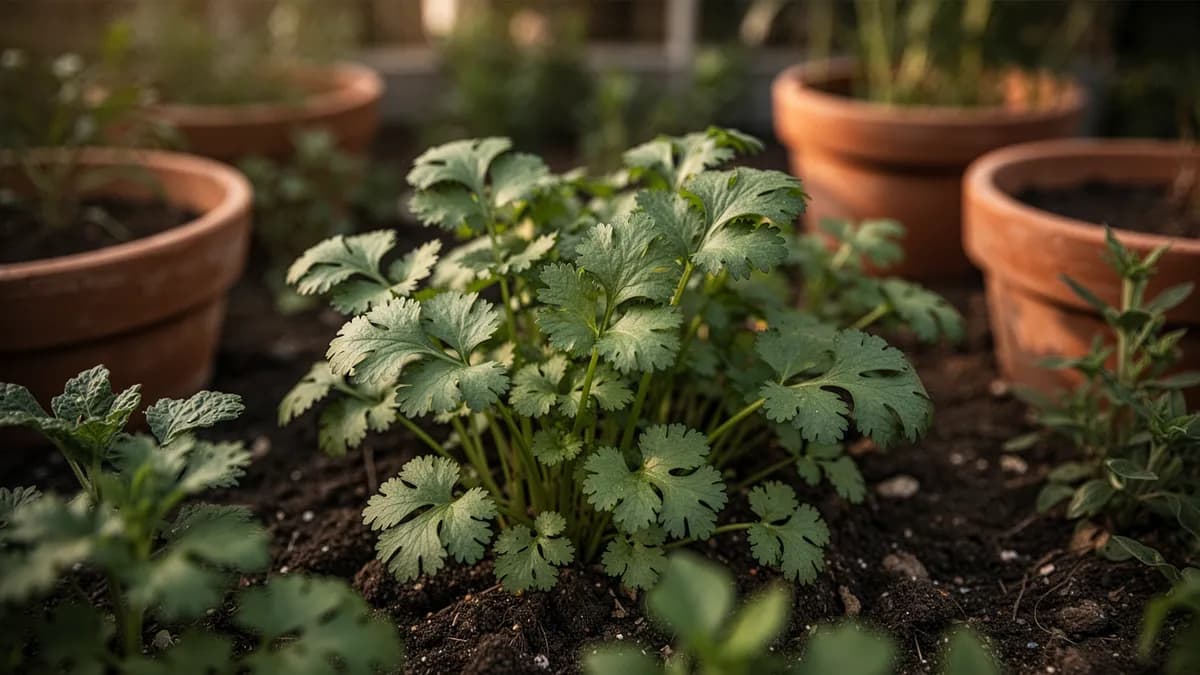
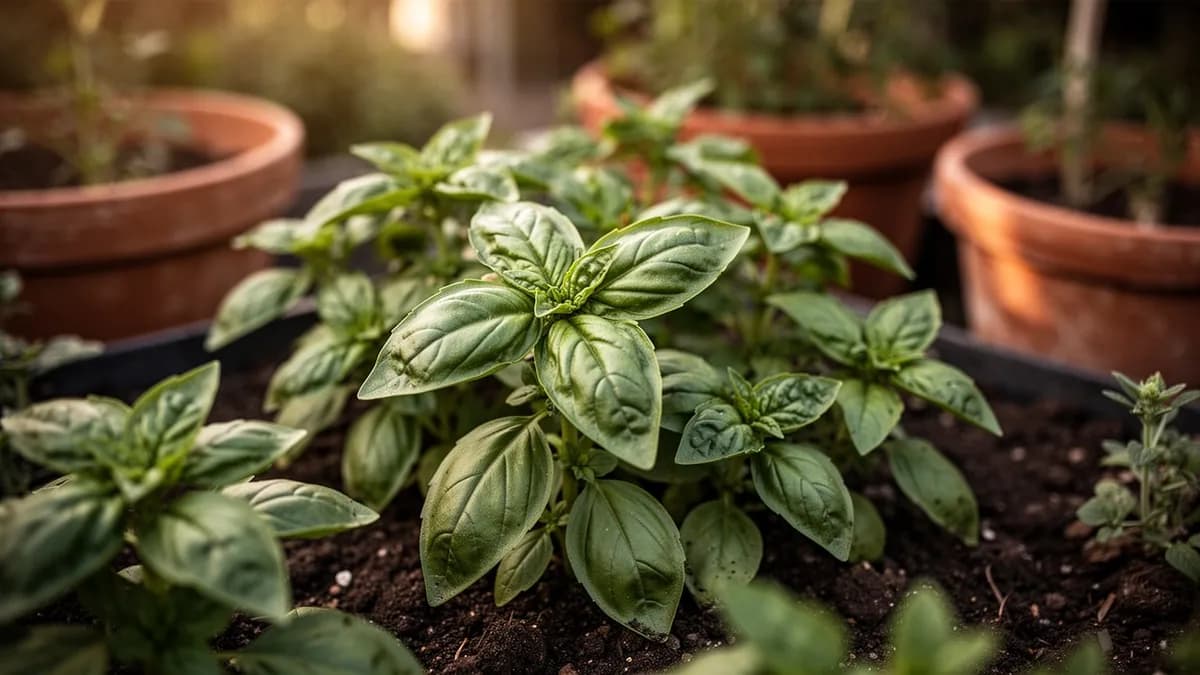
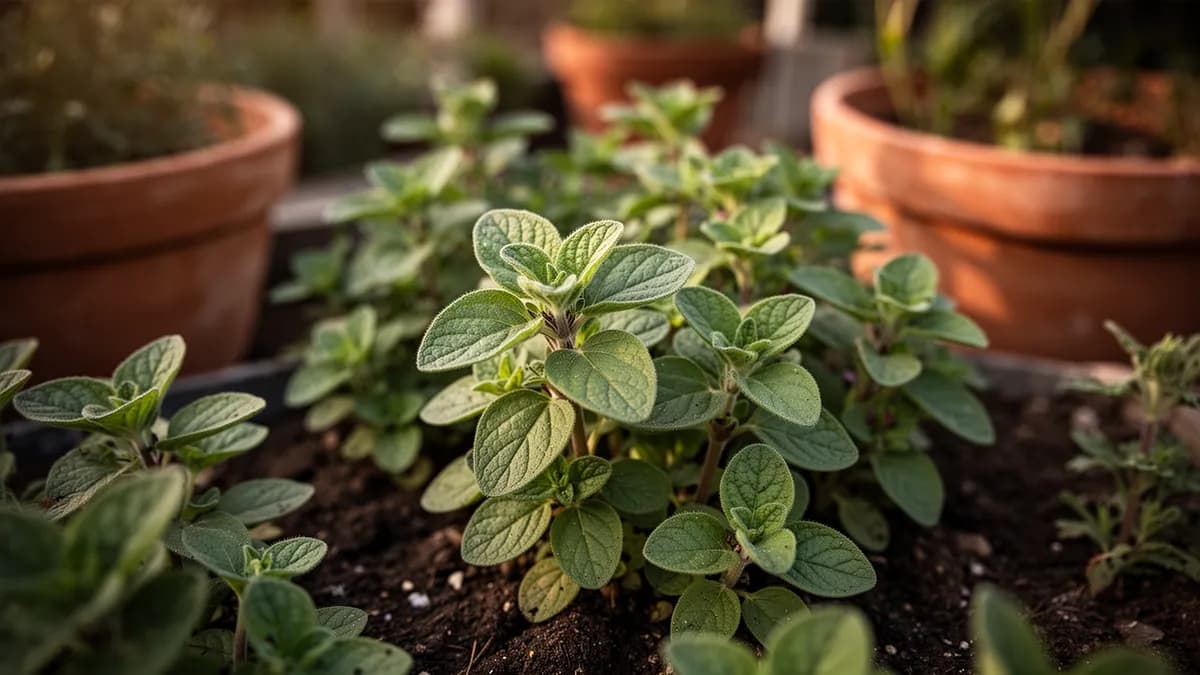
Weitere Küchenkräuter
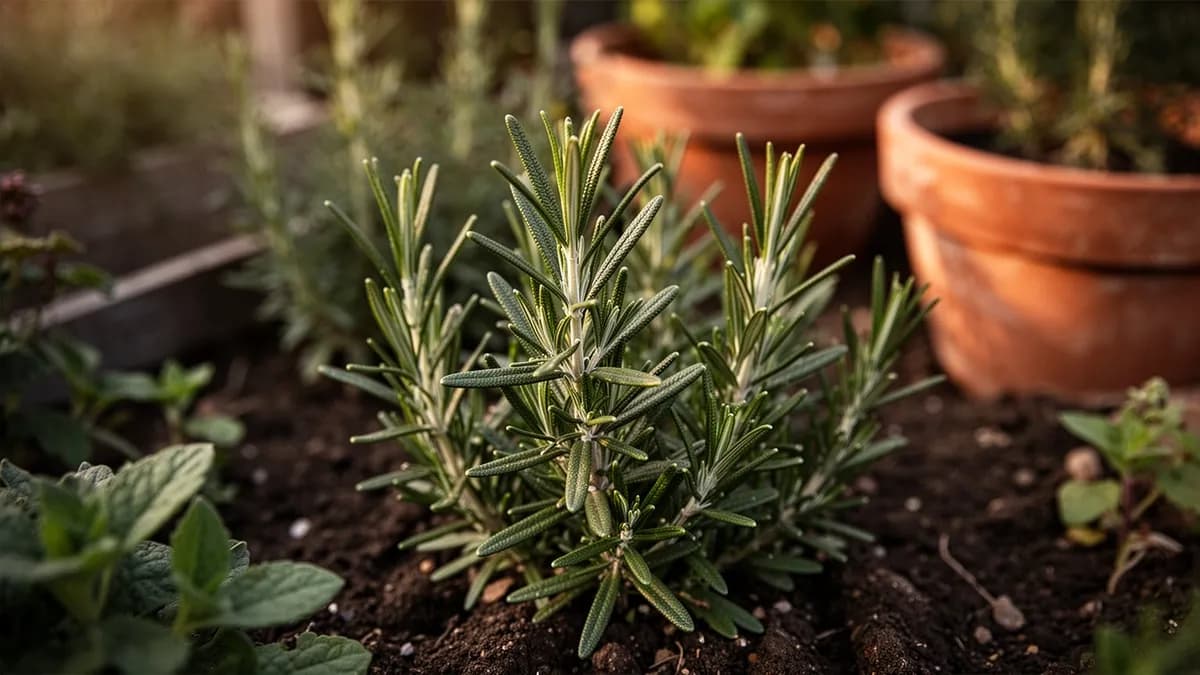
Halte Kreuzkümmel von diesen fern
Bau deine beste Kreuzkümmel an — und alles drumherum.
Starte heute kostenlos. Lege deine Beete an, setze deine Kreuzkümmel ein und lass PlotMyGarden Timing, Abstände, Begleiter und Erinnerungen von der Saat bis zum Erntekorb übernehmen.