Viburno Opulo
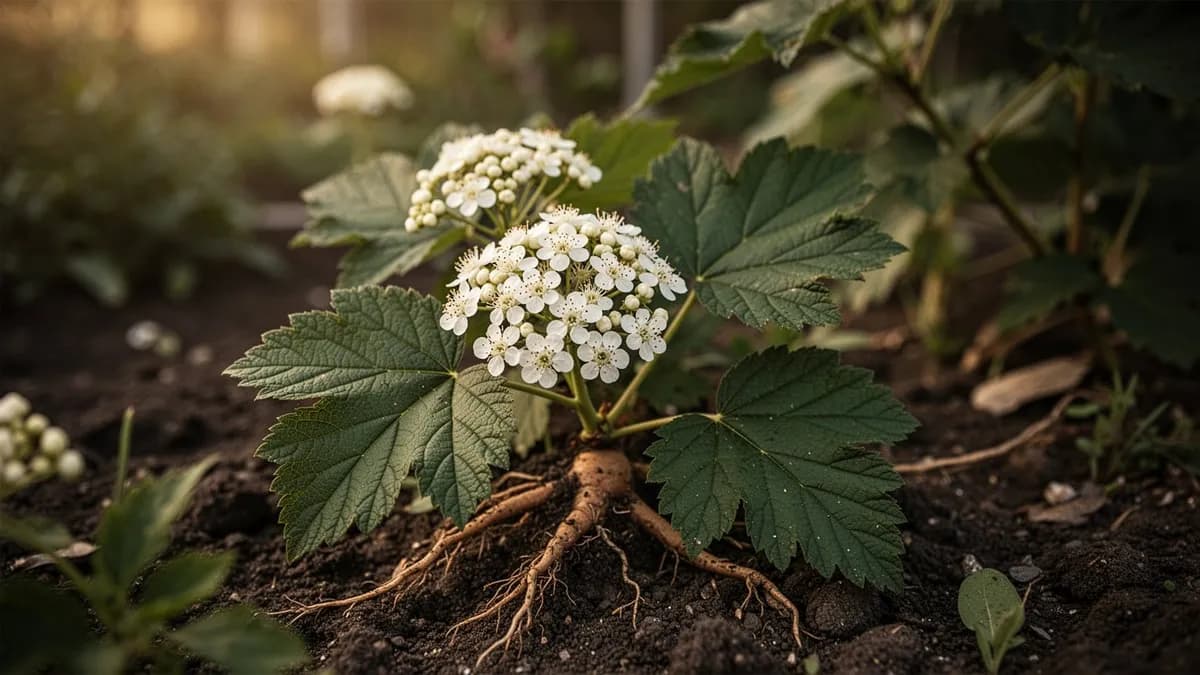
Arbusto caducifolio con hojas lobuladas similares a las del arce y racimos de flores blancas, cuya corteza se cosecha por sus propiedades como relajante muscular en la medicina herbal.





En esta páginaResumen
Conoce Viburno Opulo
Arbusto caducifolio con hojas lobuladas similares a las del arce y racimos de flores blancas, cuya corteza se cosecha por sus propiedades como relajante muscular en la medicina herbal. Las brillantes bayas rojas son ornamentales aunque muy amargas, mientras que la corteza se extrae de ramas jóvenes en primavera. Cultívalo en suelo húmedo con sombra parcial para disfrutar de este arbusto nativo de fácil mantenimiento.
Cuándo plantar Viburno Opulo
Las semillas del viburno opulo requieren una compleja ruptura de dormancia: estratificación en caliente durante 3 meses seguida de estratificación en frío durante 3 meses. El método más sencillo es sembrar las bayas frescas al exterior en otoño y esperar 1-2 años para la germinación. Los esquejes de madera semimadura tomados a principios de verano enraízan razonablemente bien con calor de fondo y tratamiento hormonal. Los esquejes de madera dura en otoño tardío también funcionan. El acodo de ramas bajas fijadas a tierra húmeda produce plantas enraizadas en menos de un año. Comprar plantas de vivero es el método más práctico para la mayoría de los jardineros.
Tu año de Viburno Opulo
Ajustado a Zona 7 · temporada típica · la helada se va hacia el 2 abr y vuelve hacia el 1 nov
Planta Viburno Opulo Mar – Abr, Oct – Nov y cosecha May – Jun. Consulta los métodos de plantación y elige tu clima para adaptar los periodos.
Cómo cultivar Viburno Opulo
El viburno opulo es un gran arbusto caducifolio que alcanza 3-5 metros de altura, íntimamente emparentado con el ornamental viburno de bola de nieve. Presenta hojas lobuladas similares a las del arce, planas corimbosas de flores blancas en primavera (con grandes floretes estériles externos rodeando pequeñas flores fértiles internas) y brillantes racimos de bayas rojas en otoño. La corteza es la parte medicinal, cosechada por su uso tradicional como relajante muscular. Plántalo en sombra parcial con suelo húmedo y bien drenado, espaciando los ejemplares 150 cm entre sí.
El viburno opulo es originario de bordes de bosques y setos en Europa, Asia y América del Norte, prosperando en la sombra filtrada y el suelo húmedo de estos hábitats. Se adapta notablemente bien a distintos tipos de suelo, desde ácidos hasta alcalinos y de arcillosos a arenosos. En el jardín, proporciona una posición resguardada con humedad constante y un drenaje razonable.
Como arbusto grande, el viburno opulo es una planta excelente para setos, pantallas naturales o como ejemplar destacado en un arriate mixto de arbustos. El interés durante tres estaciones —flores en primavera, follaje en verano y bayas en otoño— lo convierte en una planta paisajística atractiva más allá de su valor medicinal. Las bayas son extremadamente amargas, pero pueden transformarse en mermeladas. La planta responde bien a la poda, que también proporciona corteza para la cosecha medicinal.
Para Viburno Opulo un bancal de 120 × 240 cm se queda corto
Cada Viburno Opulo pide 150 cm de margen. El planificador guarda ese marco por ti — cada planta, cada bancal.
Los mejores vecinos de Viburno Opulo
El viburno opulo es una excelente planta de seto y pantalla para la fauna silvestre, ya que ofrece alimento y refugio a las aves gracias a sus bayas y su crecimiento denso. Plántalo junto a otros arbustos medicinales como el saúco, el espino y el escaramujo en un seto medicinal. Las flores primaverales atraen polinizadores y las bayas otoñales alimentan a los pájaros en invierno. En arriates mixtos, aporta estructura e interés estacional por detrás de las hierbas medicinales de menor porte. La sombra que proyecta puede beneficiar a las hierbas forestales amantes de la penumbra plantadas a sus pies.
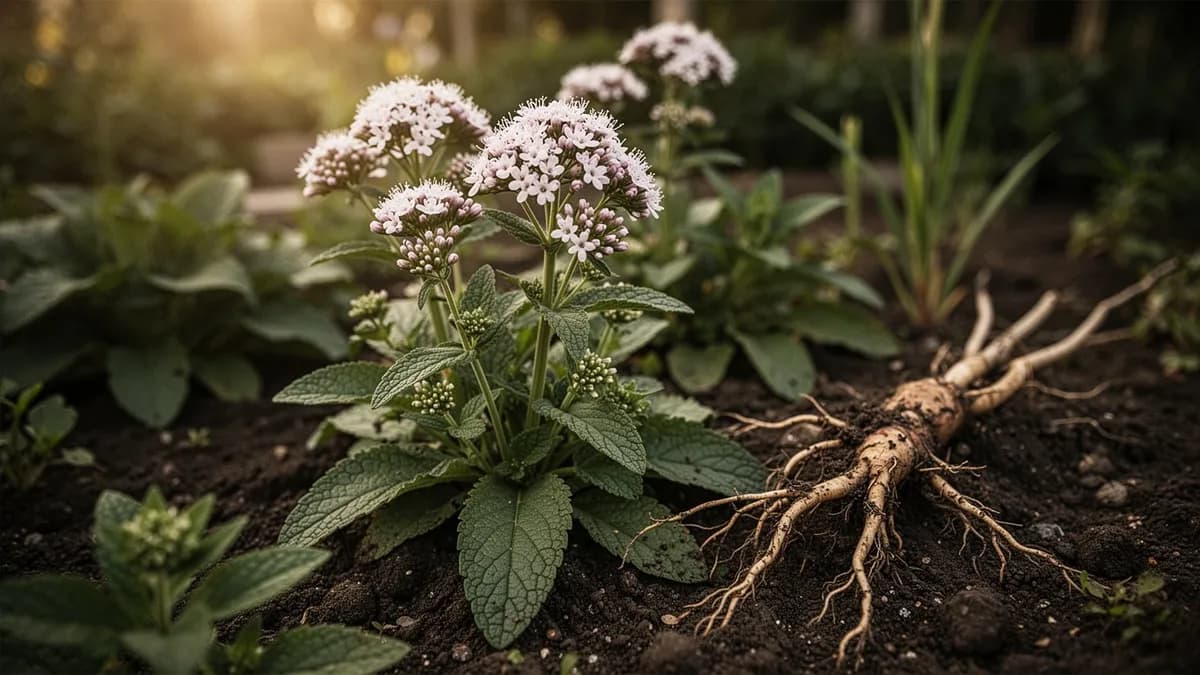
Valeriana va a su lado.
Saber de huerto de siempre, cotejado con la tabla real de Viburno Opulo — prueba cualquier planta que cultives.
Prueba Viburno Opulo en un bancal, aquí mismo
Un bancal real del planificador con Viburno Opulo ya plantado. Toca una planta compañera para colocarla y mira cómo responde la comprobación de vecinos: verde para buenos vecinos, rojo si hay conflicto.


Guías de cultivo relacionadas
Abónalo bien
Cultívalo en suelo húmedo y bien drenado con pH 5.5-7.5. Tolera una amplia gama de tipos de suelo, incluidos arcillosos, francos y arenosos. Enmienda con compost al plantar. Una vez establecido, requiere mínimo mantenimiento. Abona anualmente con un fertilizante equilibrado en primavera si el crecimiento parece lento. Aplica acolchado de materia orgánica para mantener las raíces frescas y húmedas. El sistema radicular profundo extrae nutrientes del suelo de forma eficaz, y las hojas caídas reciclan nutrientes de manera natural.
Temperatura ideal
Compatibilidad de zonas de rusticidad
De la semilla a la cosecha, etapa por etapa
Germinación y plántula
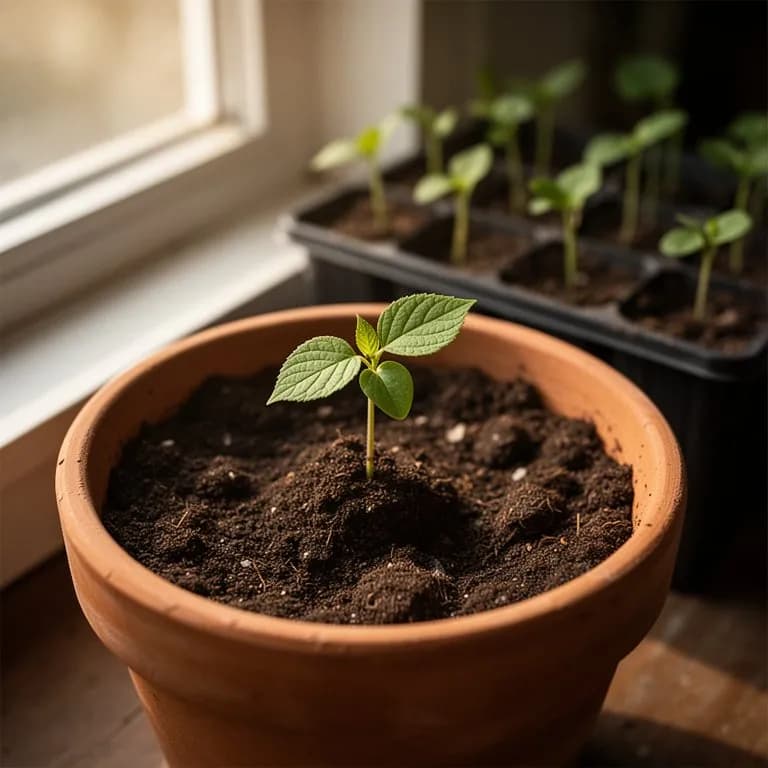
Las semillas del viburno opulo tienen una doble dormancia que requiere períodos de estratificación tanto en caliente como en frío para romperse, lo que convierte la germinación en un proceso lento que exige paciencia. Las semillas sembradas en otoño suelen germinar la primavera siguiente o incluso la posterior. Las primeras plántulas producen un par de cotiledones pequeños y redondeados seguidos de las primeras hojas verdaderas con la característica forma trilobulada. El crecimiento es lento en esta fase inicial, ya que la planta joven se centra en el establecimiento radicular.
Crecimiento juvenil
El arbusto joven desarrolla su estructura ramificada durante la primera temporada de crecimiento completa, produciendo múltiples tallos desde la base y construyendo una densa red de raíces fibrosas. Las hojas opuestas y trilobuladas recuerdan a pequeñas hojas de arce y se disponen a lo largo de tallos arqueados. El crecimiento en el primer año suele ser de 30-60 cm, con la planta estableciendo el hábito de múltiples tallos que caracteriza al arbusto maduro. La corteza de los tallos jóvenes es lisa y de color gris verdoso.
Establecimiento y madurez temprana
Durante los dos o tres años siguientes, el arbusto se desarrolla rápidamente y adquiere la característica forma redondeada y arqueada que puede alcanzar 2-4 metros tanto en altura como en extensión. La corteza de la madera más vieja se vuelve gris-marrón y desarrolla surcos poco profundos. La planta comienza a producir sus primeros capullos florales a partir del segundo o tercer año, aunque la floración puede ser escasa al principio. El sistema radicular se expande considerablemente y el arbusto se vuelve cada vez más tolerante a la sequía una vez bien establecido.
Floración
El viburno opulo maduro produce vistosos racimos de flores planas conocidos como cimas tipo encaje desde finales de primavera hasta principios de verano. Cada racimo mide 5-10 cm de diámetro y presenta un anillo de grandes floretes estériles blancos rodeando una masa central de diminutas flores fértiles de color crema. Los floretes estériles actúan como señalizadores para los polinizadores, atrayendo abejas, sírfidos y otros insectos hacia las flores fértiles ricas en néctar. La floración dura normalmente 3-4 semanas y llena el jardín de una fragancia sutil y almizclada.
Fructificación
Tras la polinización, las flores fértiles se desarrollan en racimos de pequeñas drupas redondeadas que van del verde al amarillo-anaranjado y luego al brillante rojo translúcido a medida que maduran a lo largo del verano tardío y el otoño. Cada baya contiene una sola semilla plana con forma de corazón. Los racimos cuelgan decorativamente de las ramas arqueadas, y a menudo permanecen bien entrado el invierno, constituyendo una importante fuente de alimento para aves como los ampelis, los zorzales y los petirrojos. Las bayas son ligeramente tóxicas crudas, pero se han usado en mermeladas tras su cocción.
Color otoñal y dormancia
El viburno opulo ofrece uno de los mejores espectáculos otoñales entre todos los arbustos nativos, con las hojas lobuladas tornándose en vívidos tonos rojos, burdeos y púrpuras antes de caer. La combinación del encendido follaje y los relucientes racimos de bayas rojas crea un llamativo elemento paisajístico. Tras la caída de las hojas, el arbusto revela una atractiva silueta invernal de tallos arqueados con corteza gris. La planta entra en dormancia plena, almacenando energía en sus raíces y corteza para el vigoroso crecimiento de la primavera siguiente.
Para obtener resultados más rápidos, proporciona 3 meses de estratificación en caliente seguidos de 3 meses de estratificación en frío antes de sembrar, o simplemente siembra semillas frescas al exterior en otoño y deja que la naturaleza gestione el proceso de ruptura de dormancia. Mantén los semilleros constantemente húmedos y con sombra parcial. Considera la propagación mediante esquejes semimaduras en verano para un establecimiento más rápido.
Cuidar Viburno Opulo mes a mes
Qué hacer cada mes para tu Viburno Opulo
Octubre
Mes actualEl color otoñal en su apogeo transforma el arbusto en una llamarada de carmesí y burdeos. Continúa la cosecha de corteza si es necesario. Recoge las bayas caídas para la propagación por semilla: limpia las semillas de la pulpa y siémbralas inmediatamente al exterior para la estratificación natural. Planta nuevos arbustos en contenedor mientras el suelo esté lo suficientemente cálido para el establecimiento radicular antes del invierno.
Ten claro qué hacer en tu huerto, cada mes
Un correo al empezar cada mes: qué sembrar, plantar y hacer ahora mismo — para tu Viburno Opulo y todo lo que crece alrededor. Más un breve curso inicial para esquivar los errores clásicos.
- Qué hacer ahora mismo
- Ajustado a tu temporada
- Curso inicial incluido
Cosechar Viburno Opulo
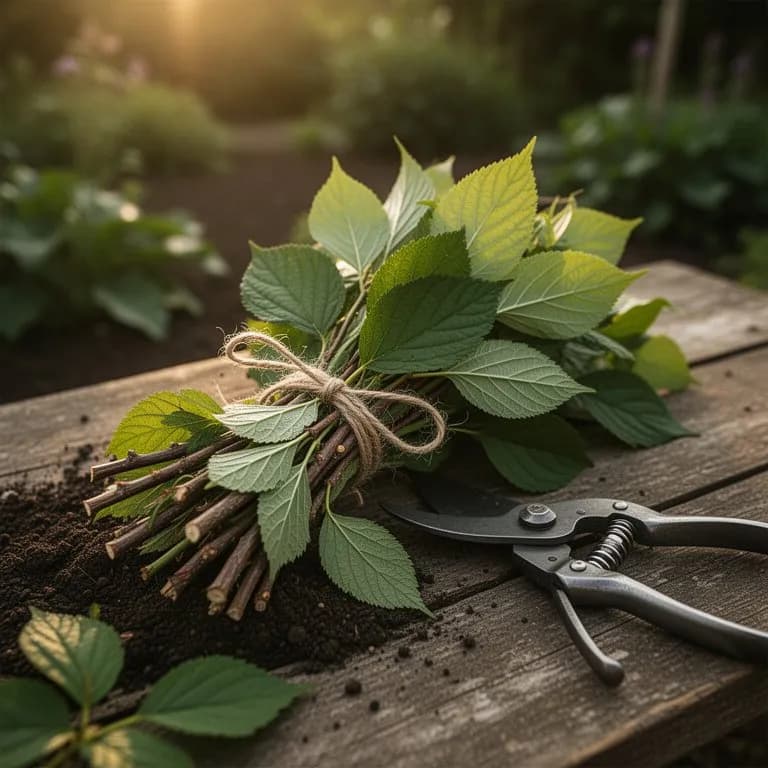
Cosecha la corteza del viburno opulo en primavera, cuando la savia asciende y la corteza se pela con mayor facilidad en ramas jóvenes. Selecciona ramas de 2-3 cm de diámetro para obtener la mejor calidad de corteza. Usa un cuchillo afilado para hacer incisiones alrededor de la rama y a lo largo de su longitud, luego pela la corteza en tiras. Como alternativa, poda las ramas y extrae la corteza de los cortes. Seca las tiras de corteza sin demora en un lugar cálido y bien ventilado. Una cosecha sostenible toma solo un pequeño porcentaje de ramas cada año, lo que permite al arbusto recuperarse.
se supone que plantas al comenzar el periodo — indica tu fecha real
Cosecha Viburno Opulo a tiempo y la planta sigue produciendo.
Almacenamiento y conservación
Seca las tiras de corteza de viburno a fondo a 35-45 °C o en una habitación cálida y aireada durante 1-2 semanas. La corteza correctamente seca debe ser quebradiza y romperse limpiamente. Guárdala en tarros herméticos alejados de la luz hasta 2 años. La corteza seca se prepara de forma tradicional en decocción (a fuego lento) durante 15-20 minutos para hacer té, o en tintura con alcohol para una preparación concentrada. La corteza en polvo puede encapsularse. Las bayas, aunque extremadamente amargas, pueden cocinarse con azúcar para elaborar una nutritiva mermelada.
Qué falla — y cómo solucionarlo
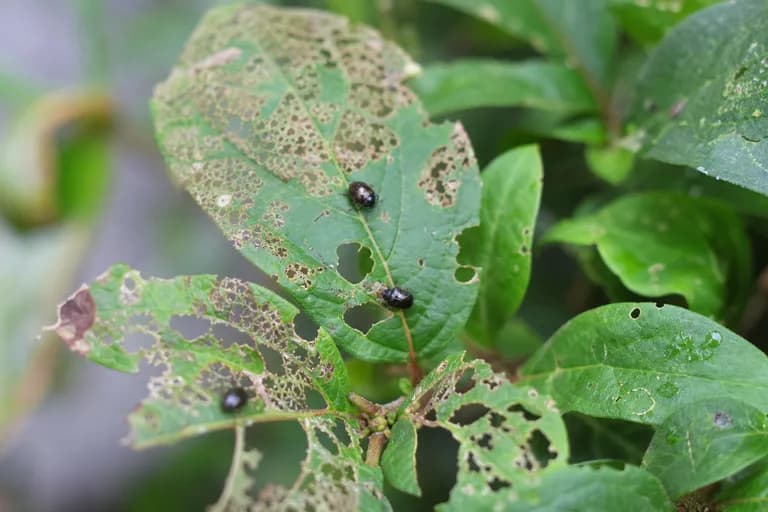
Escarabajo del viburno
PlagaLas larvas esqueletizan las hojas en primavera, dejando solo las nervaduras. Los escarabajos adultos hacen agujeros irregulares en las hojas de verano. Pueden defoliar completamente la planta.
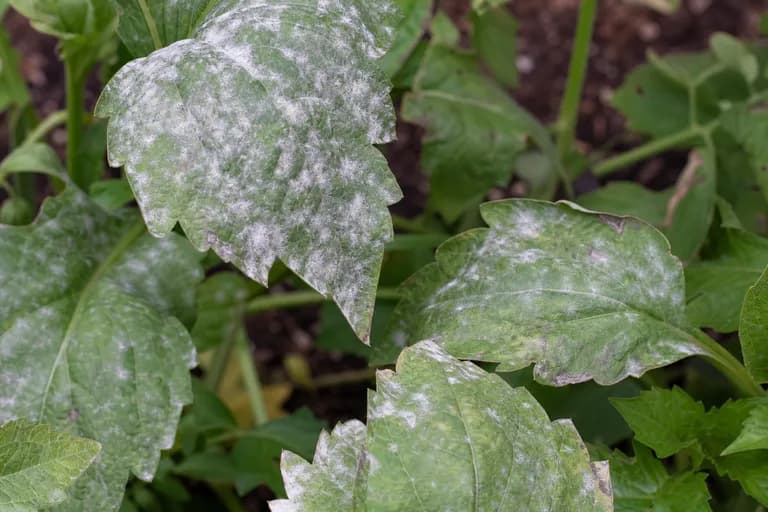
Oídio
EnfermedadRecubrimiento blanco polvoriento en las hojas a finales de verano, que a veces provoca la caída prematura del follaje.
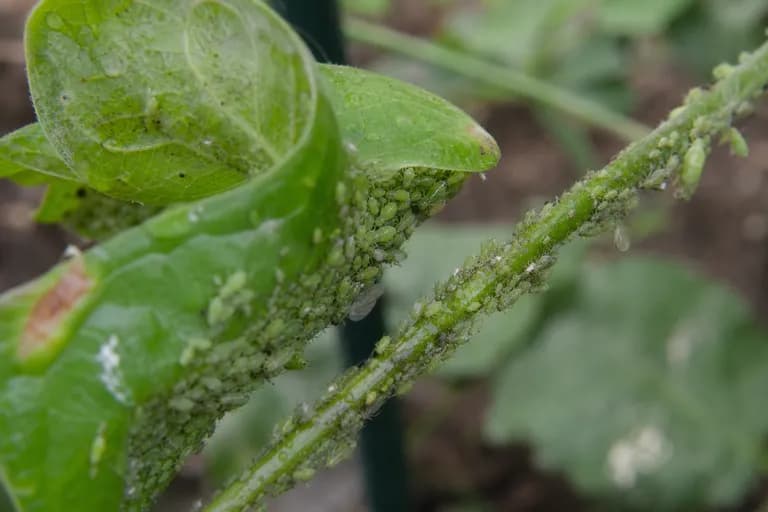
Pulgones
PlagaColonias densas en los brotes tiernos y los racimos florales en primavera. Hojas rizadas y deformadas.
Solución de problemas comunes
El escarabajo del viburno es la plaga más grave, capaz de defoliar completamente la planta. La poda de huevos en invierno es el control más eficaz. Las plantas son lo bastante vigorosas para recuperarse de una temporada de defoliación, pero declinan con ataques repetidos. Los brotes basales pueden hacer que el arbusto crezca más de lo deseado: retíralos si prefieres una forma más ordenada. Las bayas son tóxicas en grandes cantidades cuando se consumen crudas: cocínalas siempre antes de ingerir.
Consejos de cultivo
- Elige un lugar de plantación con suelo húmedo y fértil a pleno sol o con sombra parcial. El viburno opulo crece de forma natural a lo largo de orillas de arroyos y bordes de bosques, por lo que prospera en condiciones que imitan estos hábitats: un suelo rico en humus que retenga la humedad sin encharcarse es ideal.
- El viburno opulo tolera una amplia gama de tipos de suelo, incluida la arcilla pesada, que a muchos arbustos les disgusta. Sin embargo, funciona mejor en suelos ligeramente ácidos a neutros con un pH de 5.5-7.0. Mejora los suelos muy arenosos incorporando generosas cantidades de compost o estiércol bien maduro antes de plantar.
- Planta arbustos en contenedor en cualquier época del año, aunque la plantación en otoño y principios de primavera da los mejores resultados, ya que permite el establecimiento radicular antes de las exigencias del crecimiento estival. Espacía las plantas 2-3 metros para el seto, o dale a un ejemplar solitario al menos 3 metros de espacio para que alcance su forma arqueada plena.
- Riega los arbustos recién plantados regularmente durante las dos primeras temporadas de crecimiento. Una vez establecido, el viburno opulo es moderadamente tolerante a la sequía, pero siempre rinde mejor con humedad constante. Acolcha abundantemente con material orgánico para conservar el agua y reproducir la capa de hojarasca de su hábitat forestal natural.
- Poda tras la floración a mediados de verano si se necesita dar forma. Para rejuvenecer un arbusto excesivamente crecido, elimina hasta un tercio de los tallos más viejos a nivel del suelo cada invierno durante tres años: esto estimula un nuevo crecimiento vigoroso desde la base sin sacrificar todas las flores y bayas en una sola temporada.
- Cosecha la corteza de forma sostenible extrayéndola de las ramas eliminadas durante la poda rutinaria, en lugar de pelar la corteza del esqueleto principal del arbusto vivo. Las cosechas de primavera y otoño producen la mayor concentración de compuestos medicinales. Seca la corteza pelada en un lugar cálido y aireado y guárdala en tarros de cristal herméticos alejados de la luz.
- Vigila el escarabajo del viburno, la plaga más significativa de esta especie. Las larvas se alimentan de las hojas en primavera esqueletizándolas, mientras que los adultos crean característicos agujeros redondos en el follaje de verano. Inspecciona el envés de las hojas en abril y mayo y retira las larvas a mano, o poda las ramas muy infestadas al principio de la temporada.
- El viburno opulo es una planta de seto extraordinariamente favorable para la fauna silvestre, que proporciona flores primaverales para los polinizadores, cobertura densa para las aves que anidan en verano y bayas para los zorzales, ampelis y otras especies frugívoras en otoño e invierno. Combínalo con otros arbustos nativos como el avellano, el endrino y el escaramujo para crear un límite rico en especies.
- La propagación a partir de esquejes semimaduras tomados en julio o agosto es el método más rápido y fiable. Toma esquejes de 10-15 cm del crecimiento de la temporada actual, retira las hojas inferiores, sumérgelos en hormona de enraizamiento e introdúcelos en una mezcla de compost de buen drenaje. Proporciona calor de fondo y nebulización, y los esquejes deberían enraizar en 6-8 semanas.
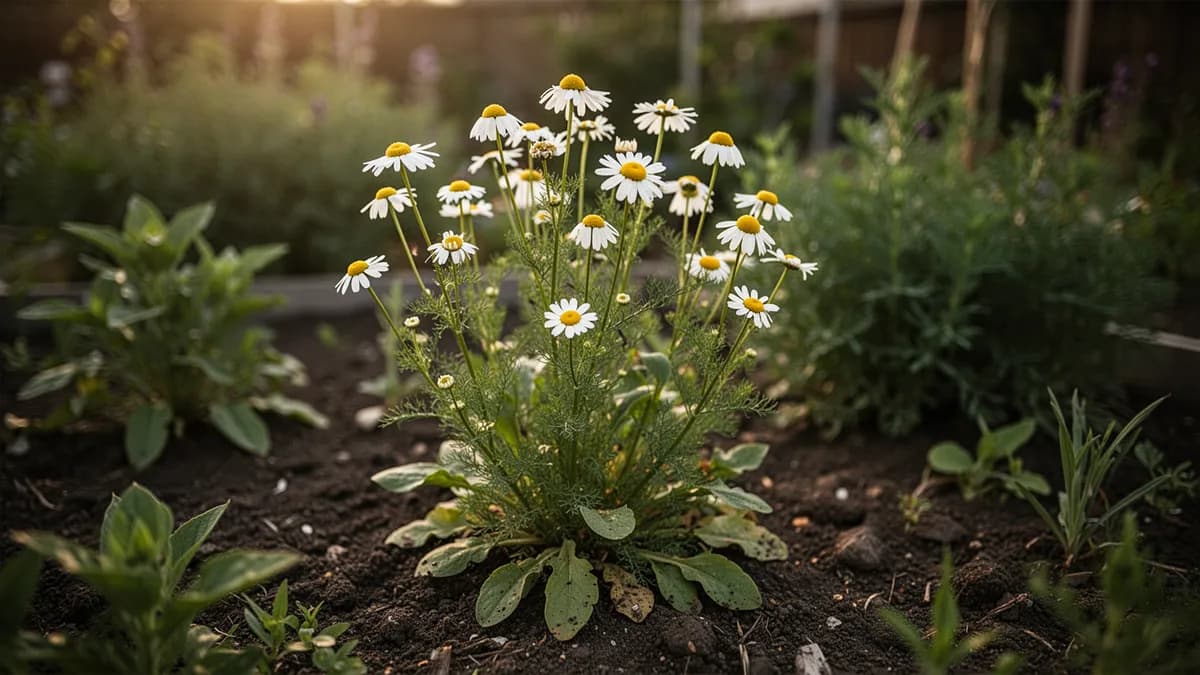
- El viburno opulo combina bien con compañeras perennes amantes de la humedad como la reina de los prados, la valeriana y la caléndula de pantano. En un jardín medicinal, plántalo junto a otras hierbas antiespasmódicas como la manzanilla y la melisa para crear un jardín dedicado al alivio de los calambres con valor tanto práctico como ornamental.
Cultiva tu mejor Viburno Opulo — y todo lo que la rodea.
Empieza un plan gratis hoy. Diseña tus bancales, coloca tu Viburno Opulo y deja que PlotMyGarden gestione el momento, el espaciado, las asociaciones y los recordatorios de la semilla a la cesta.
Elige tu Viburno Opulo
Viburnum opulus (Viburno opulo europeo)
La especie medicinal estándar. Arbusto grande con hojas similares al arce y racimos de flores tipo encaje. Brillantes bayas rojas en otoño.
Viburnum opulus 'Roseum' (Bola de nieve)
La forma ornamental de bola de nieve, con todos los racimos de flores estériles y esféricos. Espectacular en flor, pero no produce bayas.
Viburnum prunifolium (Viburno de ciruelo)
Especie norteamericana relacionada con propiedades medicinales similares. Porte arborescente con bayas azul-negras.
La corteza seca de viburno se vende a 12-25 € por 100 g en farmacias herbolarias y proveedores en línea, mientras que las tinturas ya preparadas cuestan 15-30 € por un frasco de 50 ml. Un solo arbusto maduro que produzca 300-500 g de corteza seca al año sustituye a entre 45 y 125 € en corteza comprada cada temporada. Dado que el viburno opulo es un arbusto de longevidad excepcional y mantenimiento mínimo que también sirve como elemento ornamental en el jardín, una inversión inicial de 10-20 € en una planta de vivero proporciona décadas de corteza medicinal gratuita, con un ahorro potencial de 200-500 € en diez años en comparación con la compra de preparados comerciales, al tiempo que ofrece bellas flores, color otoñal y alimento invernal para las aves sin coste adicional.
Recetas rápidas
Decocción tradicional de corteza de viburno
25 minUna decocción medicinal clásica que extrae los compuestos antiespasmódicos de la corteza seca mediante una cocción suave a fuego lento. Esta preparación fundamental ha sido la piedra angular del uso del viburno opulo en la medicina herbal occidental durante siglos, valorada por su capacidad para aliviar los calambres musculares, el malestar menstrual y la tensión muscular general. El líquido resultante tiene un sabor característicamente amargo y astringente que se toma mejor en dosis pequeñas.
4 ingredientesTintura de corteza de viburno
15 min (más 4-6 semanas de maceración)Un potente extracto alcohólico que conserva las propiedades medicinales de la corteza de viburno en una forma concentrada y duradera. Las tinturas son la forma más cómoda de tomar esta corteza regularmente, ya que pueden dosificarse con precisión con un gotero y almacenarse hasta tres años. Este método de preparación extrae tanto los compuestos solubles en agua como los solubles en alcohol, produciendo un espectro más completo de los principios activos de la corteza que una decocción acuosa por sí sola.
4 ingredientesCompresa muscular relajante de corteza de viburno
20 minUna compresa caliente externa que aplica directamente sobre las zonas de tensión muscular, calambres o malestar las propiedades antiespasmódicas y antiinflamatorias de la corteza de viburno. Esta preparación tópica tradicional es especialmente útil para el dolor de espalda, los calambres en las piernas y los espasmos musculares localizados. La compresa caliente ayuda a relajar los músculos tensos mientras los compuestos de la corteza se absorben a través de la piel para un alivio localizado.
4 ingredientesQué contiene
Beneficios para la salud
- Contiene viopudial y glucósidos iridoides relacionados que actúan como potentes antiespasmódicos, relajando el tejido muscular liso de todo el cuerpo: el viburno opulo es uno de los remedios herbolarios más eficaces para los calambres menstruales, los espasmos intestinales y la tensión muscular general.
- Rico en cumarinas, incluida la escopoletina, que ayudan a relajar los vasos sanguíneos y favorecen una circulación saludable, lo que hace que la corteza sea útil en el herbalismo tradicional para aliviar los calambres en las piernas, el síndrome de las piernas inquietas y el malestar muscular relacionado con una mala circulación.
- Contiene hidroquinonas como la arbutina con probadas propiedades antiinflamatorias, que ayudan a reducir la hinchazón y el dolor asociados con lesiones musculares, rigidez articular y afecciones inflamatorias cuando se usa tanto internamente como en compresas externas.
- Los taninos condensados de la corteza tienen efectos astringentes y tonificantes tisulares, utilizados tradicionalmente para ayudar a controlar el sangrado menstrual abundante y apoyar la salud uterina, un uso documentado tanto en las tradiciones herbolarias europeas como en las nativas americanas.
- Proporciona suaves propiedades nervinas que ayudan a calmar el sistema nervioso y aliviar los trastornos relacionados con la tensión, haciendo del viburno opulo una hierba valiosa para la tensión muscular provocada por el estrés, las cefaleas tensionales y los problemas nerviosos del estómago.
- La combinación de compuestos antiespasmódicos y antiinflamatorios hace que el viburno opulo sea especialmente eficaz para el dolor de espalda y los espasmos del músculo esquelético, siendo frecuentemente prescrito por los herbolarios clínicos como parte de un enfoque holístico de la salud musculoesquelética.
De dónde viene Viburno Opulo
El viburno opulo (Viburnum opulus) es originario de Europa, el norte de Asia y partes del norte de África, donde crece de forma natural en bosques húmedos, setos, orillas de arroyos y márgenes de marismas y turberas. La especie prospera en suelos húmedos y fértiles y es una planta característica de los bosques de llanura aluvial y los márgenes de humedales en toda su extensa área de distribución nativa, desde las Islas Británicas hacia el este a través de Escandinavia, Rusia y Asia central.
El uso medicinal del viburno opulo se remonta siglos atrás en la tradición herbal europea. La corteza era ampliamente conocida como remedio para los calambres y espasmos musculares ya en el siglo XVI, cuando herbolarios como John Gerard describieron su uso para aliviar los 'retortijones de vientre' y calmar las dolencias uterinas. En la medicina popular de Europa del Este, el arbusto ocupaba una posición aún más destacada: en Rusia y Ucrania, donde se conoce como kalina, la planta era considerada sagrada y simbólica de la belleza femenina, el amor y la tierra natal. Las bayas se usaban en la cocina tradicional, mientras que la corteza era un remedio habitual en el botiquín doméstico.
Al otro lado del Atlántico, los pueblos nativos americanos reconocieron de forma independiente las propiedades antiespasmódicas de la corteza. Los meskwaki, los penobscot y otras naciones usaban decocciones de corteza para tratar calambres, relajar la tensión muscular y aliviar las molestias del embarazo y el parto. Los colonos europeos en América del Norte adoptaron pronto estas prácticas, y el viburno opulo se convirtió en uno de los botánicos medicinales más utilizados en la práctica estadounidense del siglo XIX. Fue incluido formalmente en la Farmacopea de los Estados Unidos de 1894 a 1936 y en el Formulario Nacional a partir de entonces.
La investigación moderna ha validado muchos de los usos tradicionales del viburno opulo, identificando el viopudial y los glucósidos iridoides relacionados como los principales compuestos antiespasmódicos, junto con cumarinas, taninos e hidroquinonas que contribuyen a sus efectos relajantes musculares y antiinflamatorios. Hoy en día, el viburno opulo sigue siendo una hierba fundamental en el herbalismo clínico occidental, prescrita por los practicantes para los calambres menstruales, los espasmos musculares y los trastornos relacionados con la tensión, mientras que el cultivar ornamental de bola de nieve embellece parques y jardines de todo el mundo.
Viburno Opulo: ¿sabías que?
Datos fascinantes sobre Viburno Opulo
El nombre común 'cramp bark' (corteza para los calambres) es maravillosamente literal: la corteza se ha utilizado específicamente para aliviar calambres y espasmos musculares durante más de 400 años, tanto en las tradiciones herbolarias europeas como en las nativas americanas, y sigue siendo una de las hierbas antiespasmódicas más valoradas en el herbalismo occidental moderno.
Viburno Opulo: preguntas frecuentes
¿Cuándo debo plantar Viburno Opulo?
¿Cuáles son buenas plantas acompañantes para Viburno Opulo?
¿En qué zonas de rusticidad puede crecer Viburno Opulo?
¿Cuánto sol necesita Viburno Opulo?
¿A qué distancia debo espaciar Viburno Opulo?
¿Qué plagas y enfermedades afectan a Viburno Opulo?
¿Cómo almaceno Viburno Opulo después de la cosecha?
¿Cuáles son las mejores variedades de Viburno Opulo para cultivar?
¿Qué suelo necesita Viburno Opulo?
¿Para qué se utiliza el viburno opulo medicinalmente?
¿Cómo se cosecha y se prepara la corteza de viburno?
¿Es seguro el uso del viburno opulo?
¿Cuánto tarda en establecerse el viburno opulo?
¿Cuál es la diferencia entre el viburno opulo y el viburno de ciruelo?
¿Puede cultivarse el viburno opulo en un jardín pequeño?
Acabas de leer la teoría. Ahora cultívala en piloto automático.
Todo lo que hace que Viburno Opulo sea delicado — el momento, el espaciado, las asociaciones, la ventana de cosecha — es justo lo que PlotMyGarden resuelve por ti, para cada planta de tu huerto.
Un plan que conoce tu clima
Indica tu ubicación una vez. Recibe fechas de siembra, abonado y cosecha basadas en tu última helada real y el pronóstico en vivo — sin adivinar con un sobre genérico.
De la sección “Cuándo plantar”Planificador de bancales de arrastrar y soltar
Diseña bancales sobre una cuadrícula. Cada planta encaja con su espaciado correcto y ves toda la temporada antes de gastar un céntimo en semillas.
De la sección “Cultivo”Conflictos de asociación, detectados a tiempo
Más de 200 buenas y malas combinaciones comprobadas en vivo mientras plantas — para que un error que arruine la temporada nunca llegue a la tierra.
De la sección “Asociaciones”Recordatorios que sí vas a seguir
“Riega las judías.” “Recoge hoy antes de que se pase.” Oportunos, concretos y ligados a las plantas que de verdad cultivas.
De la sección “Cosecha”Escalonado, programado
¿Quieres cosechar seis semanas en vez de seis días? Reparte tus siembras automáticamente y te avisa cuando toca el siguiente lote.
De la sección “Cuándo plantar”Un registro que se vuelve más listo
Cada cosecha que registras le enseña tu huerto. El plan del año que viene parte de lo que de verdad funcionó en tu suelo, no en un manual.
De la sección “Resumen”Planta estos junto a Viburno Opulo
Más Hierbas medicinales
Cultiva tu mejor Viburno Opulo — y todo lo que la rodea.
Empieza un plan gratis hoy. Diseña tus bancales, coloca tu Viburno Opulo y deja que PlotMyGarden gestione el momento, el espaciado, las asociaciones y los recordatorios de la semilla a la cesta.