Manzano Silvestre
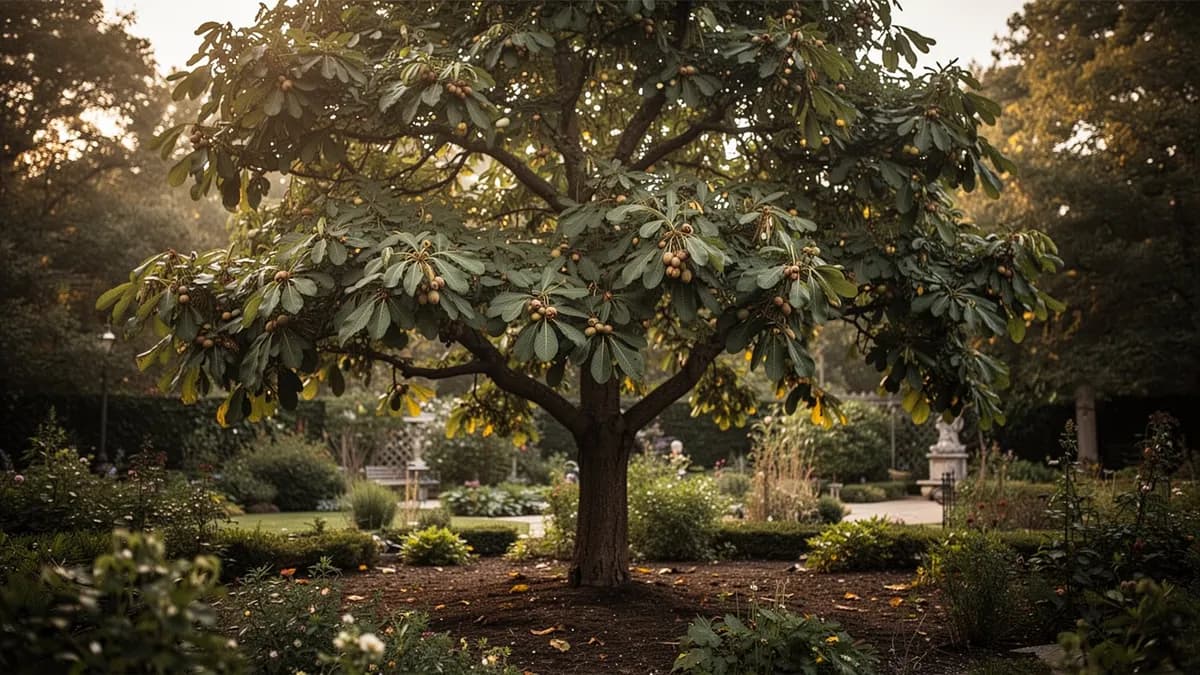
Un árbol ornamental compacto apreciado por su profusa floración primaveral y sus pequeños frutos de vivos colores, excelentes para hacer jalea, sidra y alimentar a la fauna silvestre.





En esta páginaResumen
Conoce Manzano Silvestre
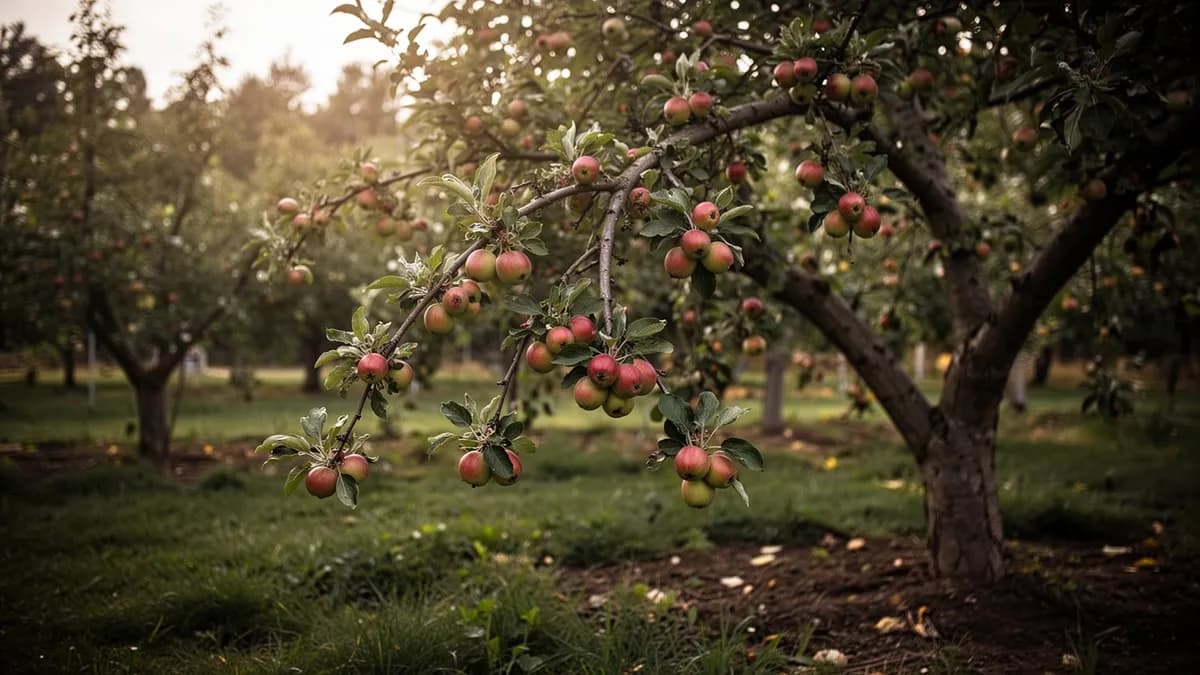
Un árbol ornamental compacto apreciado por su profusa floración primaveral y sus pequeños frutos de vivos colores, excelentes para hacer jalea, sidra y alimentar a la fauna silvestre. Los manzanos silvestres son polinizadores excepcionales para los manzanos de mesa y conviene plantarlos cerca si cultiva manzanas. Elija variedades resistentes a enfermedades para evitar problemas con la sarna del manzano y la roya del cedro-manzano que afectan a los cultivares más antiguos. Los frutos persistentes de muchas variedades proporcionan alimento invernal para las aves e interés visual en el jardín durante el período de reposo.
Cuándo plantar Manzano Silvestre
Las variedades nombradas de manzano silvestre se propagan por injerto de yema o injerto sobre portainjertos de semilla de manzano o manzano silvestre. El injerto de chip a finales de verano es el método comercial más común. Las estacas de madera dura de algunas variedades pueden enraizar con hormona de enraizamiento, aunque las tasas de éxito varían. Las semillas requieren de 60 a 90 días de estratificación fría y producen plántulas muy variables. Adquiera árboles injertados de vivero para garantizar la variedad y la forma. Existen manzanos silvestres enanos sobre portainjertos enanizantes para jardines pequeños y cultivo en maceta.
Tu año de Manzano Silvestre
Ajustado a Zona 7 · temporada típica · la helada se va hacia el 2 abr y vuelve hacia el 1 nov
Planta Manzano Silvestre Mar – Abr, Oct – Nov y cosecha Sep – Oct. Consulta los métodos de plantación y elige tu clima para adaptar los periodos.
Cómo cultivar Manzano Silvestre
Los manzanos silvestres se encuentran entre los árboles ornamentales más versátiles para jardines de clima templado, ofreciendo una espectacular floración primaveral, frutos otoñales de vivos colores e interés estructural durante todo el año. Plántelos a pleno sol en un suelo bien drenado con un pH de 5.5 a 7.5. Una buena circulación de aire es importante para reducir la presión de enfermedades fúngicas. Espacie los árboles entre 4.5 y 6 metros según el tamaño maduro de la variedad. Seleccione una ubicación donde la caída de frutos no resulte molesta en aceras o entradas de vehículos.
Riegue los manzanos silvestres recién plantados de forma regular durante el primer año, y solo durante sequías prolongadas una vez establecidos. La mayoría de los manzanos silvestres son moderadamente tolerantes a la sequía en su madurez. Aplique un fertilizante equilibrado a principios de primavera y cubra la base con una capa de 5 a 8 centímetros de material orgánico, manteniendo el acolchado alejado del tronco. Son árboles de necesidades nutritivas moderadas y no requieren fertilización intensa.
Pode a finales de invierno para mantener la forma, eliminar chupones y sierpes, y aclarar la copa para mejorar la circulación de aire. Las variedades resistentes a enfermedades necesitan una poda mínima más allá de retirar madera muerta y ramas cruzadas. Los manzanos silvestres son inestimables como polinizadores de manzanos de mesa y deben plantarse a menos de 15 metros de cualquier huerto de manzanas. Los frutos persistentes de muchas variedades proporcionan alimento para las aves durante el invierno, mientras que las variedades de fruto más grande son excelentes para elaborar jalea, sidra y conservas especiadas.
Para Manzano Silvestre un bancal de 120 × 240 cm se queda corto
Cada Manzano Silvestre pide 500 cm de margen. El planificador guarda ese marco por ti — cada planta, cada bancal.
Los mejores vecinos de Manzano Silvestre
Los manzanos silvestres son compañeros esenciales para los huertos de manzanos de mesa, proporcionando una excelente polinización cruzada gracias a su largo período de floración y abundantes flores. Plante al menos un manzano silvestre a menos de 15 metros de cualquier manzano. En entornos ornamentales, plante bulbos primaverales, hostas y perennes tolerantes a la sombra bajo su copa. Los manzanos silvestres combinan magníficamente con cornejos floridos, cercis y amelanchiers en plantaciones naturalistas. Evite plantarlos cerca de cedros rojos orientales, que albergan la roya del cedro-manzano.
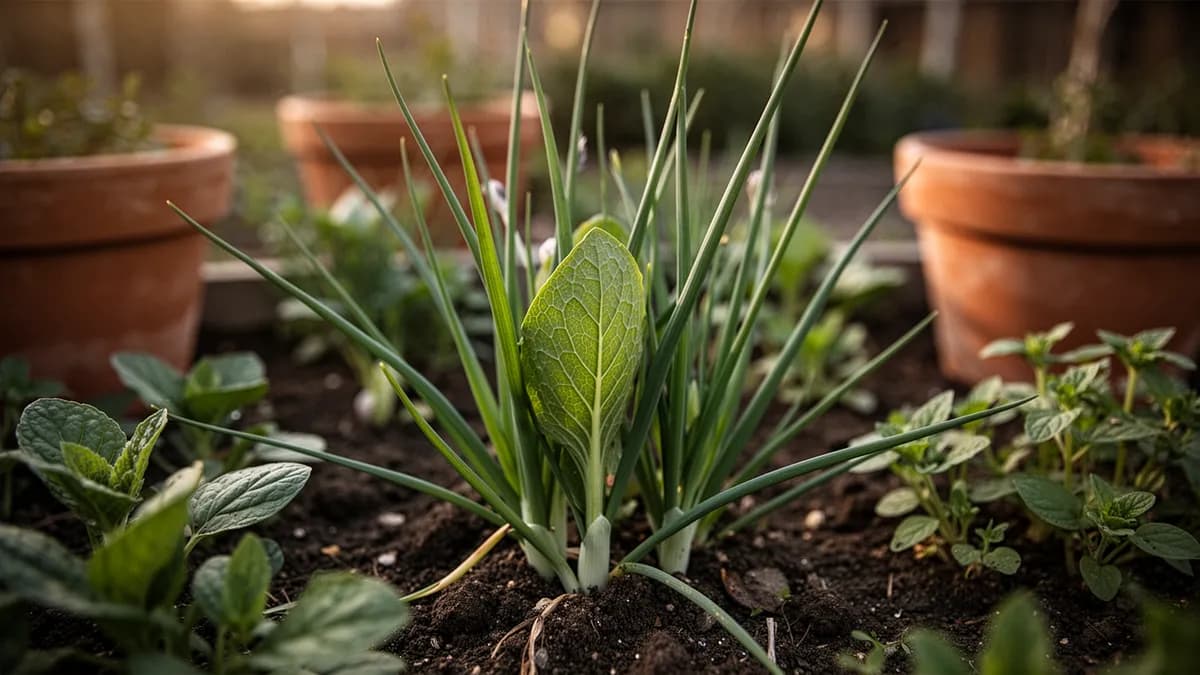
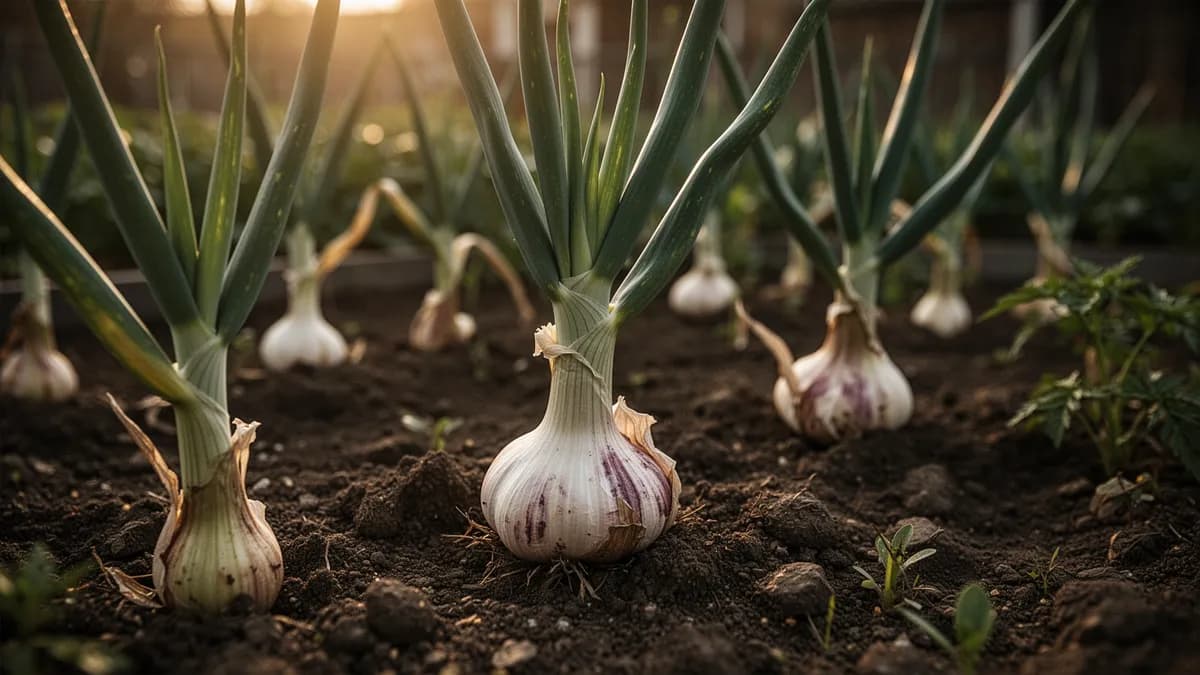
Cebollino va a su lado. Nogal no.
Saber de huerto de siempre, cotejado con la tabla real de Manzano Silvestre — prueba cualquier planta que cultives.
Prueba Manzano Silvestre en un bancal, aquí mismo
Un bancal real del planificador con Manzano Silvestre ya plantado. Toca una planta compañera para colocarla y mira cómo responde la comprobación de vecinos: verde para buenos vecinos, rojo si hay conflicto.


Guías de cultivo relacionadas
Abónalo bien
Los manzanos silvestres se adaptan a una amplia gama de condiciones de suelo, desde arenosos hasta arcillosos, con un pH preferido de 5.5 a 7.5. Toleran la contaminación urbana y los suelos compactados mejor que la mayoría de los árboles ornamentales. Aplique un fertilizante equilibrado 10-10-10 a principios de primavera a razón de aproximadamente 225 gramos por cada 2.5 centímetros de diámetro de tronco. Evite el exceso de nitrógeno, que estimula un crecimiento suculento susceptible al fuego bacteriano. Un aporte orgánico de compost en otoño mejora la salud del suelo y proporciona nutrición de liberación lenta.
Temperatura ideal
Compatibilidad de zonas de rusticidad
De la semilla a la cosecha, etapa por etapa
Letargo Invernal y Plantación
Los manzanos silvestres entran en letargo completo tras la caída de las hojas y permanecen en este estado de reposo durante todo el invierno. Toda la actividad metabólica se reduce al mínimo, con las reservas energéticas almacenadas en el sistema radicular y los tejidos leñosos. Este período de dormancia es la ventana ideal para plantar ejemplares a raíz desnuda, ya que la ausencia de follaje significa un estrés de trasplante mínimo y permite al árbol dirigir toda su energía inicial al establecimiento de las raíces. La mayoría de los cultivares de manzano silvestre requieren entre cuatrocientas y novecientas horas de frío por debajo de siete grados Celsius para satisfacer su requerimiento de vernalización y asegurar una brotación vigorosa y uniforme la primavera siguiente.
Brotación y Floración Primaveral
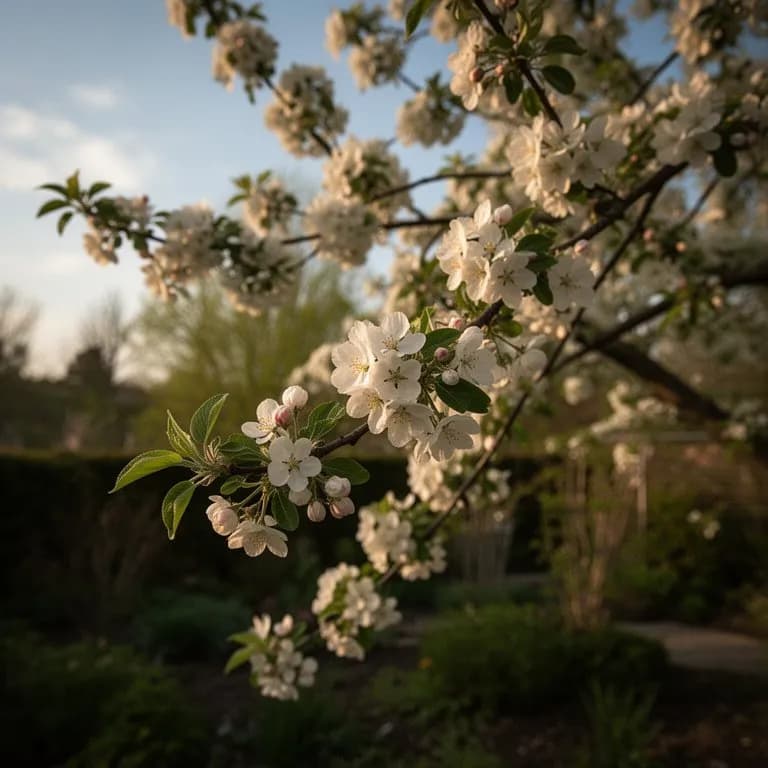
A medida que las temperaturas del suelo aumentan y los días se alargan a principios de primavera, las yemas latentes se hinchan y brotan, revelando hojas plegadas y racimos florales. En cuestión de días el árbol estalla en una floración espectacular, con cientos de racimos de flores abriéndose en sucesión durante un período de diez a catorce días. Según el cultivar, las flores varían del blanco puro al rosa suave, rosa intenso y carmín profundo. Cada flor de cinco pétalos ofrece tanto néctar como polen, convirtiendo a los manzanos silvestres en uno de los recursos más valiosos de principios de temporada para los insectos polinizadores. El período de floración superpuesto con las variedades de manzano doméstico hace que los manzanos silvestres sean invaluables como polinizadores de huertos.
Cuajado del Fruto y Caída de Junio
Tras la polinización, las flores fecundadas desarrollan pequeños frutos verdes en la base de cada flor. Los manzanos silvestres típicamente cuajan frutos de forma prolífica, a menudo más de los que el árbol puede llevar a la madurez. A principios de verano el árbol experimenta un aclareo fisiológico natural conocido como la caída de junio, desprendiéndose del exceso de frutos y de los mal polinizados para equilibrar la cosecha restante con la energía y los nutrientes disponibles. Este mecanismo autorregulador es más pronunciado en los manzanos silvestres que en los manzanos de mesa, y el aclareo manual rara vez es necesario porque el pequeño tamaño final del fruto ejerce una tensión estructural mínima sobre las ramas.
Maduración del Fruto y Desarrollo del Color
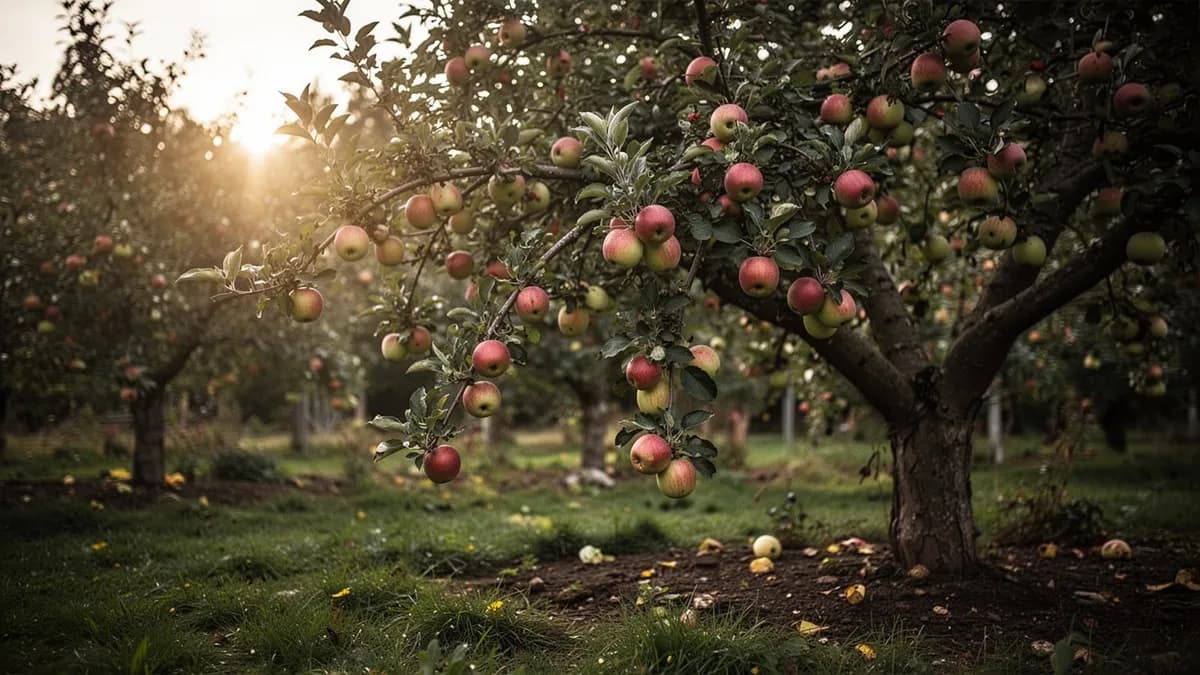
Durante el final del verano y principios de otoño, los frutos del manzano silvestre experimentan cambios drásticos en color, sabor y textura a medida que alcanzan la madurez. Los característicos rojos, dorados, anaranjados y púrpuras se desarrollan a medida que la clorofila se degrada y los pigmentos de antocianina y carotenoides se acumulan en la piel. El contenido de azúcar aumenta mientras que la acidez se modera ligeramente, aunque los frutos silvestres permanecen significativamente más ácidos que las manzanas de mesa en plena madurez. El contenido de pectina alcanza su máximo justo cuando el fruto logra su coloración completa pero permanece firme, siendo esta la ventana óptima de cosecha para la elaboración de jalea y conservas. Muchos cultivares ornamentales se seleccionan por su fruto que persiste en el árbol en lugar de caer, extendiendo el interés del jardín mucho más allá de la temporada de crecimiento.
Colorido Otoñal del Follaje
A medida que las temperaturas descienden y los días se acortan en otoño, el follaje del manzano silvestre experimenta una llamativa transformación cromática. Según el cultivar y las condiciones de cultivo, las hojas adquieren tonos de amarillo dorado, ámbar cálido, naranja intenso o rojo bronceado antes de caer finalmente. Esta exhibición de follaje otoñal, combinada con los coloridos frutos persistentes que aún adornan las ramas, proporciona un excepcional valor ornamental de doble temporada. La combinación del color del fruto y del follaje convierte a los manzanos silvestres en uno de los mejores árboles pequeños para el interés del jardín a finales de temporada en climas templados.
Letargo Invernal y Poda Estructural
Una vez completada la caída de las hojas, el árbol entra en pleno letargo invernal, revelando claramente su estructura arquitectónica de ramas. Este es el período ideal para la poda anual de mantenimiento, ya que la ausencia de follaje facilita la identificación de ramas cruzadas, madera muerta y problemas estructurales. Los manzanos silvestres son árboles de mantenimiento comparativamente bajo que requieren solo una ligera poda anual de formación para mantener su salud y productividad. Los frutos persistentes en los cultivares ornamentales continúan proporcionando alimento invernal vital para zorzales, ampelis, mirlos y otras aves frugívoras durante los meses en que otras fuentes de alimento escasean.
Seleccione un lugar de plantación que reciba al menos seis horas de luz solar directa con suelo bien drenado de fertilidad moderada. Cave un hoyo de al menos el doble del ancho de la extensión radicular pero no más profundo que el cuello de la raíz. Sitúe el punto de injerto de cinco a ocho centímetros por encima del nivel del suelo, rellene con tierra nativa, compacte suavemente y riegue a fondo. Aplique una capa de diez centímetros de corteza compostada formando un anillo que se extienda sesenta centímetros desde el tronco, manteniendo el acolchado alejado de la corteza para prevenir la podredumbre del cuello.
Cuidar Manzano Silvestre mes a mes
Qué hacer cada mes para tu Manzano Silvestre
Octubre
Mes actualDisfrute de la combinación de colorido otoñal del follaje y frutos persistentes que convierte a los manzanos silvestres en excepcionales árboles de jardín para las cuatro estaciones. Comience a retirar las hojas caídas bajo el árbol si la sarna fue un problema durante la temporada de crecimiento, compostándolas en caliente o retirándolas del lugar por completo. Evalúe la salud y el vigor general del árbol mientras las hojas aún están parcialmente presentes para identificar cualquier problema antes del letargo.
Ten claro qué hacer en tu huerto, cada mes
Un correo al empezar cada mes: qué sembrar, plantar y hacer ahora mismo — para tu Manzano Silvestre y todo lo que crece alrededor. Más un breve curso inicial para esquivar los errores clásicos.
- Qué hacer ahora mismo
- Ajustado a tu temporada
- Curso inicial incluido
Cosechar Manzano Silvestre
Coseche los frutos silvestres para uso culinario en septiembre y octubre, cuando la fruta esté completamente coloreada y firme. Las variedades de fruto más grande, con frutos de más de 2.5 centímetros de diámetro, son las mejores para jalea y conservas. Pruebe un fruto para comprobar su acidez, esencial para obtener buenos niveles de pectina para la elaboración de jalea. En el caso de las variedades ornamentales con frutos persistentes, deje la fruta en el árbol para alimentar a las aves en invierno y mantener el interés del jardín. Agite suavemente las ramas sobre una lona para recoger grandes cantidades rápidamente.
se supone que plantas al comenzar el periodo — indica tu fecha real
Cosecha Manzano Silvestre a tiempo y la planta sigue produciendo.
Almacenamiento y conservación
Los frutos silvestres frescos se conservan en el frigorífico de 2 a 4 semanas. Son excepcionalmente ricos en pectina, lo que los hace ideales para una jalea que cuaja de maravilla sin necesidad de pectina añadida. La jalea de manzana silvestre tiene un aspecto claro y cristalino y un delicado sabor agridulce. La fruta también es excelente para preparar mantequilla especiada, encurtidos y vinagre de sidra de manzana silvestre. Las rodajas pueden secarse para infusiones, y el zumo combina bien con la sidra de manzana estándar para añadir complejidad y acidez.
Qué falla — y cómo solucionarlo
Sarna del Manzano (Apple Scab)
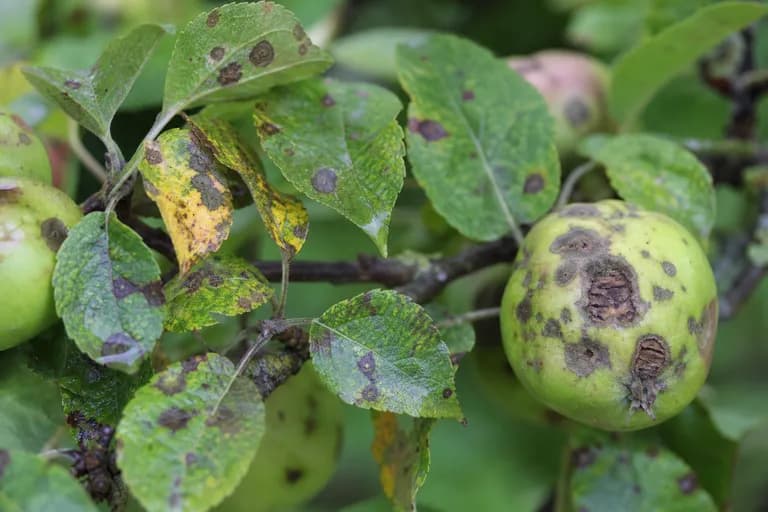
EnfermedadManchas de color verde oliva a oscuro en hojas y frutos que provocan el amarilleamiento y la caída prematura de las hojas. Los frutos desarrollan lesiones agrietadas y corchosas.
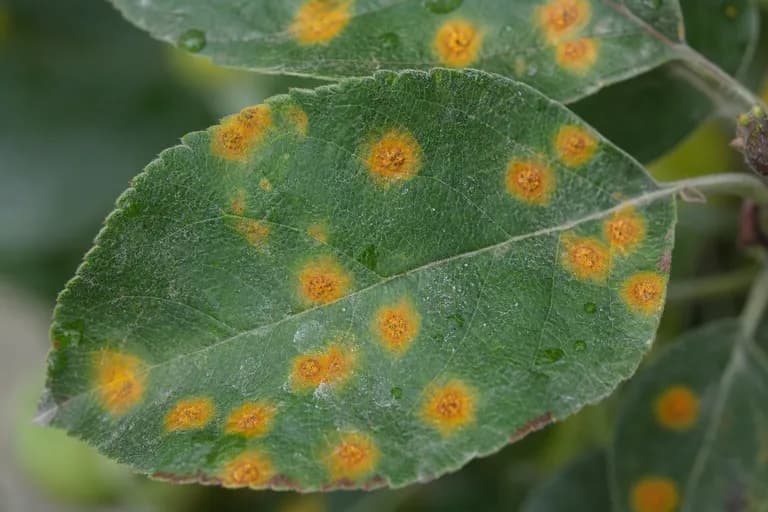
Roya del Cedro-Manzano (Cedar-Apple Rust)
EnfermedadManchas de color naranja-amarillo brillante en hojas y frutos durante la primavera y principios de verano. Las manchas desarrollan diminutas estructuras tubulares en el envés de las hojas que liberan esporas.
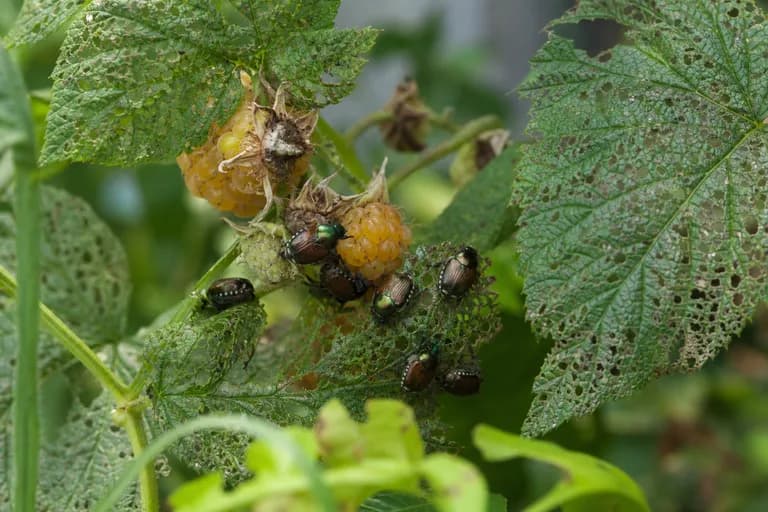
Escarabajo Japonés (Japanese Beetle)
PlagaEscarabajos de color verde metálico-bronce esqueletizan las hojas, devorando el tejido entre las nervaduras. Una alimentación intensa confiere al follaje un aspecto de encaje.
Solución de problemas comunes
Las variedades antiguas de manzano silvestre son notoriamente susceptibles a la sarna del manzano, la roya del cedro-manzano y el fuego bacteriano, que pueden defoliar los árboles a mediados de verano. La decisión más importante es seleccionar variedades resistentes a enfermedades, lo que elimina la mayoría de los problemas de mantenimiento. La caída desordenada de frutos bajo las variedades no persistentes crea superficies resbaladizas y atrae avispas. Los brotes de sierpe procedentes del portainjerto por debajo del punto de injerto deben eliminarse con prontitud. Los chupones en el interior de la copa reducen el flujo de aire y favorecen las enfermedades.
Consejos de cultivo
- Seleccione un cultivar resistente a enfermedades desde el principio para minimizar el mantenimiento continuado: variedades modernas como 'Evereste', 'Prairifire', 'Adirondack', 'Red Sentinel' y 'Coralburst' poseen una fuerte resistencia genética a la sarna del manzano, el fuego bacteriano, la roya del cedro-manzano y el oídio, eliminando la necesidad de aplicaciones rutinarias de fungicidas durante toda la vida del árbol.
- Plante a pleno sol con un mínimo de seis horas de luz solar directa al día, ya que los manzanos silvestres cultivados en sombra parcial producen significativamente menos flores y frutos, desarrollan estructuras de ramas más débiles y son sustancialmente más susceptibles a infecciones fúngicas debido a la menor circulación de aire y al follaje persistentemente húmedo.
- Considere cuidadosamente el tamaño y la extensión maduros del cultivar elegido antes de plantar: los manzanos silvestres estándar pueden alcanzar de seis a diez metros de altura y extensión, mientras que los árboles sobre portainjertos enanizantes permanecen mucho más compactos con dos a cuatro metros, siendo la elección del portainjerto fundamental para adecuar el árbol al espacio disponible.
- Aplique y mantenga un generoso anillo de acolchado de corteza compostada o astilla de madera que se extienda desde treinta centímetros del tronco hasta la línea de goteo, con una profundidad de ocho a diez centímetros, para suprimir las malas hierbas competidoras, conservar la humedad del suelo, moderar la temperatura de la zona radicular y alimentar la biología del suelo durante el período de establecimiento.
- Riegue los árboles recién plantados en profundidad y de forma constante durante sus dos a tres primeras temporadas de crecimiento, proporcionando un empapamiento a fondo de veinte a treinta litros dos veces por semana durante los períodos secos en lugar de riegos frecuentes y superficiales, que fomentan el desarrollo superficial de las raíces y la vulnerabilidad a la sequía.
- Evite plantar en suelos mal drenados, encharcados o compactados, ya que las raíces del manzano silvestre son muy susceptibles a Phytophthora y otros patógenos de pudrición radicular en condiciones anaeróbicas. Si el drenaje es deficiente, plante sobre un montículo elevado o instale drenaje subsuperficial antes de plantar para asegurar que el agua no se acumule alrededor de la zona radicular.
- Sitúe su manzano silvestre a menos de treinta metros de cualquier manzano de mesa que desee polinizar, ya que los manzanos silvestres se encuentran entre los polinizadores más efectivos para variedades de manzano comerciales y domésticas gracias a su floración profusa, período de floración amplio y amplia compatibilidad con la mayoría de los grupos de polinización del manzano.
- Si la sarna del manzano ha sido problemática en su jardín, rastrille y retire todas las hojas caídas a fondo cada otoño y elimínelas mediante compostaje en caliente o recogida de residuos verdes municipales, ya que el hongo de la sarna Venturia inaequalis inverna en la hojarasca infectada y reinfecta la copa mediante esporas aerotransportadas la primavera siguiente.
- Forme los manzanos silvestres como espalderas, cordones o abanicos contra paredes soleadas si el espacio del jardín es limitado, ya que responden excepcionalmente bien a la formación sobre portainjertos enanizantes y pueden producir excelentes cosechas y exhibiciones ornamentales en una fracción del espacio requerido por un árbol libre.
- Nunca permita que el césped o una cubierta vegetal vigorosa crezca a menos de un metro del tronco durante los primeros cinco años de establecimiento, ya que la competencia de las raíces del césped por el agua y los nutrientes es una causa bien documentada de crecimiento deficiente y fructificación retardada en los frutales jóvenes de todo tipo.
Cultiva tu mejor Manzano Silvestre — y todo lo que la rodea.
Empieza un plan gratis hoy. Diseña tus bancales, coloca tu Manzano Silvestre y deja que PlotMyGarden gestione el momento, el espaciado, las asociaciones y los recordatorios de la semilla a la cesta.
Elige tu Manzano Silvestre
Prairifire
Variedad resistente a enfermedades con flores de un rosa-rojo intenso y pequeños frutos rojos persistentes. Excelente interés durante las cuatro estaciones con follaje de tonos púrpura y buena resistencia a la sarna.
Donald Wyman
Flores blancas seguidas de brillantes frutos rojos persistentes que encantan a las aves. Uno de los mejores manzanos silvestres resistentes a enfermedades, con un porte redondeado y extendido.
Sugar Tyme
Profusas flores blancas y abundantes frutos rojos pequeños que persisten hasta bien entrado el invierno. Muy resistente a enfermedades con un porte ovalado erguido.
Dolgo
Uno de los mejores manzanos silvestres para elaborar jalea, con grandes frutos rojo-púrpura y fragantes flores blancas. Extremadamente resistente al frío y vigoroso.
Un manzano silvestre bien establecido puede producir de diez a treinta kilogramos de fruta anualmente según el cultivar, la madurez y las condiciones de cultivo. A precios de mercado típicos para fruta artesanal o de especialidad de calidad comparable, esto representa un valor potencial de cincuenta a doscientos euros por temporada solo en fruta fresca, antes de contabilizar el valor añadido de las conservas, jaleas y chutneys caseros. Más allá del ahorro directo en fruta, un manzano silvestre plantado como polinizador complementario para manzanos de mesa cercanos puede mejorar drásticamente el cuajado de frutos en todo un huerto doméstico en un radio de treinta metros, multiplicando efectivamente la productividad de cada manzano del jardín sin coste adicional. Una vez establecidos, los manzanos silvestres son árboles de muy bajo mantenimiento que no requieren fertilización regular en suelos razonablemente fértiles, un manejo mínimo de plagas cuando se elige un cultivar resistente a enfermedades y solo una ligera poda anual, lo que hace que su coste de mantenimiento continuado sea insignificante en comparación con la mayoría de los frutales productivos.
Recetas rápidas
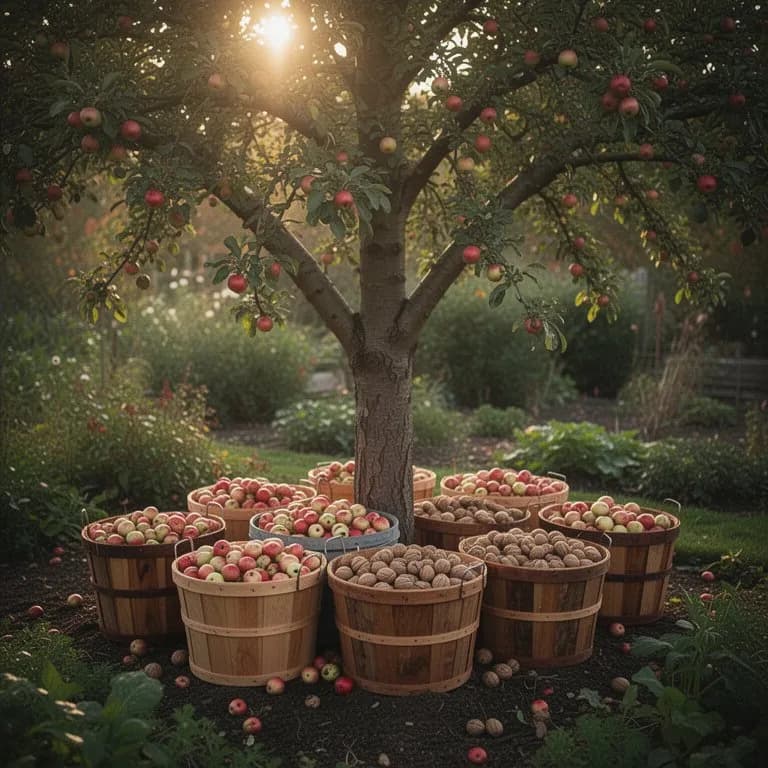
Jalea de Manzana Silvestre y Romero
90 minutos más escurrido nocturno y cuajadoUna jalea magníficamente clara, de tonos joya, con un complejo sabor agridulce y una sutil nota herbal del romero fresco. El contenido naturalmente alto en pectina de las manzanas silvestres garantiza un cuajado firme y fiable sin pectina comercial añadida, produciendo una conserva de calidad translúcida y un color brillante que varía del dorado pálido al granate intenso según la variedad utilizada.
5 ingredientesChutney Especiado de Manzana Silvestre
60 minutos más envasado y maduraciónUn chutney rico y cálidamente especiado que transforma las ácidas manzanas silvestres en un condimento de sabor profundo, perfecto para acompañar cerdo asado, queso curado, fiambres y tablas de embutidos. El equilibrio entre la acidez de la fruta, las especias cálidas y la dulzura suave se desarrolla aún más durante varias semanas de maduración, convirtiendo esta conserva en una que mejora significativamente con un almacenamiento paciente.
7 ingredientesShrub de Manzana Silvestre (Vinagre para Beber)
20 minutos de preparación activa más 2 semanas de infusiónUn vinagre para beber ácido y refrescante que captura la vibrante acidez de las manzanas silvestres en un sirope versátil. Mezclado con agua con gas crea un elegante refresco sin alcohol; añadido a cócteles aporta una compleja acidez frutal. El método de infusión preserva el carácter fresco y luminoso de la fruta mientras que la base de vinagre actúa como conservante natural para un almacenamiento prolongado en la despensa.
6 ingredientesUsos culinarios
Los frutos silvestres son muy apreciados por su contenido excepcionalmente alto en pectina, lo que los convierte en el referente para la elaboración casera de jalea con un cuajado firme y cristalino. La jalea especiada de manzana silvestre y los frutos enteros encurtidos son conservas tradicionales del otoño. La fruta aporta acidez y cuerpo a la sidra de manzana estándar. La mantequilla de manzana silvestre, el cuero de fruta y el vino de manzana silvestre son excelentes formas de aprovechar las cosechas abundantes. Las variedades de fruto grande como Dolgo y Centennial son las más adecuadas para uso culinario.
Qué contiene
Beneficios para la salud
- El contenido excepcionalmente alto en pectina de las manzanas silvestres actúa como fibra prebiótica, nutriendo las bacterias intestinales beneficiosas y favoreciendo un microbioma intestinal diverso y saludable asociado con una mejor función inmunitaria, reducción de la inflamación sistémica y una mejor absorción de nutrientes.
- Las ricas concentraciones de antioxidantes polifenólicos como la quercetina, las catequinas y el ácido clorogénico en la piel y la pulpa de la manzana silvestre ayudan a neutralizar los radicales libres y se han asociado en estudios poblacionales con un menor riesgo de enfermedad cardiovascular y una mejor función vascular.
- El alto contenido en ácido málico favorece las vías naturales de producción de energía del organismo a través del ciclo del ácido cítrico y ha sido investigado en estudios preliminares por su potencial para reducir la fatiga y mejorar la tolerancia al ejercicio en adultos sanos.
- Las manzanas silvestres aportan cantidades significativas de vitamina C dietética, que favorece la síntesis de colágeno para la salud de la piel y el tejido conectivo, mejora la absorción de hierro de los alimentos vegetales consumidos en la misma comida y contribuye al funcionamiento normal del sistema inmunitario.
- La combinación de fibra soluble y polifenoles en las manzanas silvestres puede ayudar a moderar las respuestas de glucosa en sangre después de las comidas, y el ácido clorogénico en particular ha sido estudiado por su potencial papel en ralentizar la absorción intestinal de glucosa y favorecer una regulación saludable del azúcar en sangre.
- El ácido ursólico, un compuesto triterpenoide concentrado en el recubrimiento ceroso de la piel de la manzana silvestre, ha demostrado propiedades antiinflamatorias en estudios de laboratorio y está siendo investigado por sus posibles beneficios en la preservación muscular, la salud metabólica y las afecciones inflamatorias de la piel.
De dónde viene Manzano Silvestre
El manzano silvestre pertenece al género Malus, un grupo que engloba aproximadamente entre cuarenta y cincuenta especies de manzanos silvestres distribuidos por las regiones templadas de Europa, Asia y Norteamérica. El manzano silvestre europeo, Malus sylvestris, ha estado presente en las Islas Británicas y en la Europa continental desde el retroceso de la última glaciación, con evidencias arqueológicas del consumo humano de sus frutos que se remontan a asentamientos neolíticos de hace más de cinco mil años. Restos carbonizados de frutos y semillas conservadas recuperados de las viviendas lacustres suizas y yacimientos de la Edad del Bronce del norte de Europa confirman que los pueblos primitivos recolectaban, almacenaban y probablemente fermentaban estos frutos como fuente de alimento y bebida mucho antes de que se practicara cualquier cultivo deliberado.
Los orígenes genéticos más profundos de todas las manzanas cultivadas fueron esclarecidos por la investigación de ADN a principios del siglo XXI, que confirmó que Malus sieversii, una especie nativa de las montañas del Tian Shan en Kazajistán y Kirguistán, es la principal ancestro silvestre de la manzana doméstica moderna. A medida que las rutas comerciales a lo largo de la Ruta de la Seda transportaban semillas y frutos hacia el oeste durante miles de años, las especies silvestres de manzano de Europa, el Cáucaso y Oriente Medio se hibridaron de forma natural con estas formas centroasiáticas introducidas, produciendo gradualmente los árboles de fruto más dulce y más grande que se convirtieron en la base de la fruticultura en los períodos clásico y medieval.
Durante toda la era medieval en Gran Bretaña y la Europa continental, los manzanos silvestres fueron componentes esenciales de los jardines monásticos y señoriales. La fruta ácida se prensaba para elaborar verjus, un líquido ácido de cocina usado en lugar del zumo de limón o el vinagre en gran parte de la cocina del norte de Europa. La jalea y las conservas de manzana silvestre eran provisiones básicas de despensa, valoradas por su sabor intenso, color vivo y alto contenido natural en pectina que garantizaba un cuajado fiable. La madera se apreciaba por su dureza y grano fino, utilizada por torneros y tallistas para pequeños objetos funcionales.
La era moderna de la mejora genética del manzano silvestre ornamental comenzó a finales del siglo XIX y principios del XX, impulsada por horticultores de instituciones como el Arnold Arboretum de la Universidad de Harvard y la Real Sociedad de Horticultura de Inglaterra. Mediante el cruce de especies asiáticas como Malus floribunda, Malus halliana y Malus hupehensis con nativas europeas y norteamericanas, los mejoradores produjeron cultivares con superior resistencia a enfermedades, temporadas de floración ampliadas, colores de flor vivos y frutos ornamentales persistentes. Hoy en día, cultivares como 'Evereste', 'Red Sentinel', 'John Downie', 'Prairifire' y 'Adirondack' representan la culminación de más de un siglo de cuidadosa selección y siguen siendo algunos de los árboles ornamentales más plantados en jardines de clima templado de todo el mundo.
Manzano Silvestre: ¿sabías que?
Datos fascinantes sobre Manzano Silvestre
Existen más de setecientos cultivares nombrados de manzano silvestre ornamental y frutal actualmente en producción comercial en todo el mundo, ofreciendo una extraordinaria gama de colores de flor, tamaños de fruto, hábitos de crecimiento y perfiles de resistencia a enfermedades entre los que elegir.
Manzano Silvestre: preguntas frecuentes
¿Cuándo debo plantar Manzano Silvestre?
¿Cuáles son buenas plantas acompañantes para Manzano Silvestre?
¿En qué zonas de rusticidad puede crecer Manzano Silvestre?
¿Cuánto sol necesita Manzano Silvestre?
¿A qué distancia debo espaciar Manzano Silvestre?
¿Qué plagas y enfermedades afectan a Manzano Silvestre?
¿Cómo almaceno Manzano Silvestre después de la cosecha?
¿Cuáles son las mejores variedades de Manzano Silvestre para cultivar?
¿Qué suelo necesita Manzano Silvestre?
¿Cuál es la diferencia entre un manzano silvestre y un manzano común?
¿Los manzanos silvestres necesitan un polinizador para producir fruta?
¿Cuánto tiempo tarda un manzano silvestre en producir sus primeras flores y frutos?
¿Qué variedades de manzano silvestre son las mejores para elaborar jalea y conservas?
¿Son los manzanos silvestres propensos a enfermedades y cómo pueden prevenirse?
¿Se pueden cultivar manzanos silvestres en macetas o jardines muy pequeños?
Acabas de leer la teoría. Ahora cultívala en piloto automático.
Todo lo que hace que Manzano Silvestre sea delicado — el momento, el espaciado, las asociaciones, la ventana de cosecha — es justo lo que PlotMyGarden resuelve por ti, para cada planta de tu huerto.
Un plan que conoce tu clima
Indica tu ubicación una vez. Recibe fechas de siembra, abonado y cosecha basadas en tu última helada real y el pronóstico en vivo — sin adivinar con un sobre genérico.
De la sección “Cuándo plantar”Planificador de bancales de arrastrar y soltar
Diseña bancales sobre una cuadrícula. Cada planta encaja con su espaciado correcto y ves toda la temporada antes de gastar un céntimo en semillas.
De la sección “Cultivo”Conflictos de asociación, detectados a tiempo
Más de 200 buenas y malas combinaciones comprobadas en vivo mientras plantas — para que un error que arruine la temporada nunca llegue a la tierra.
De la sección “Asociaciones”Recordatorios que sí vas a seguir
“Riega las judías.” “Recoge hoy antes de que se pase.” Oportunos, concretos y ligados a las plantas que de verdad cultivas.
De la sección “Cosecha”Escalonado, programado
¿Quieres cosechar seis semanas en vez de seis días? Reparte tus siembras automáticamente y te avisa cuando toca el siguiente lote.
De la sección “Cuándo plantar”Un registro que se vuelve más listo
Cada cosecha que registras le enseña tu huerto. El plan del año que viene parte de lo que de verdad funcionó en tu suelo, no en un manual.
De la sección “Resumen”Planta estos junto a Manzano Silvestre
Más Árboles frutales
Mantén Manzano Silvestre lejos de estos
Cultiva tu mejor Manzano Silvestre — y todo lo que la rodea.
Empieza un plan gratis hoy. Diseña tus bancales, coloca tu Manzano Silvestre y deja que PlotMyGarden gestione el momento, el espaciado, las asociaciones y los recordatorios de la semilla a la cesta.