Chrysantheme (Tee)
Eine Chrysanthemensorte, die speziell für die Zubereitung des beliebten chinesischen Kräutertees ausgewählt wurde, der für seine kühlenden, blumigen Eigenschaften bekannt ist.





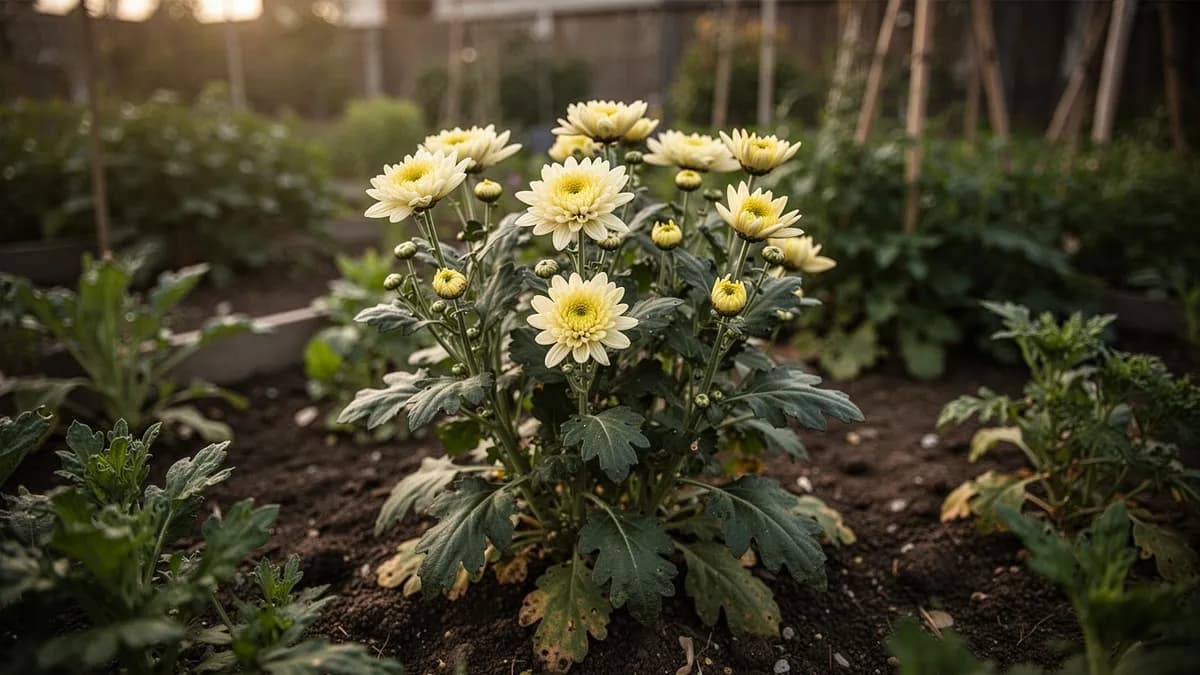
Auf dieser SeiteÜberblick
Chrysantheme (Tee) im Überblick
Eine Chrysanthemensorte, die speziell für die Zubereitung des beliebten chinesischen Kräutertees ausgewählt wurde, der für seine kühlenden, blumigen Eigenschaften bekannt ist. Die kleinen, duftenden Blüten werden im Herbst geerntet und für einen süßen, honigartigen Tee getrocknet, der traditionell in Dim-Sum-Restaurants serviert wird. Im vollen Sonnenlicht mit nährstoffreichem Boden anpflanzen und die Triebe im Sommer kneifen, um mehr Blütenknospen zu fördern.
Wann Chrysantheme (Tee) pflanzen
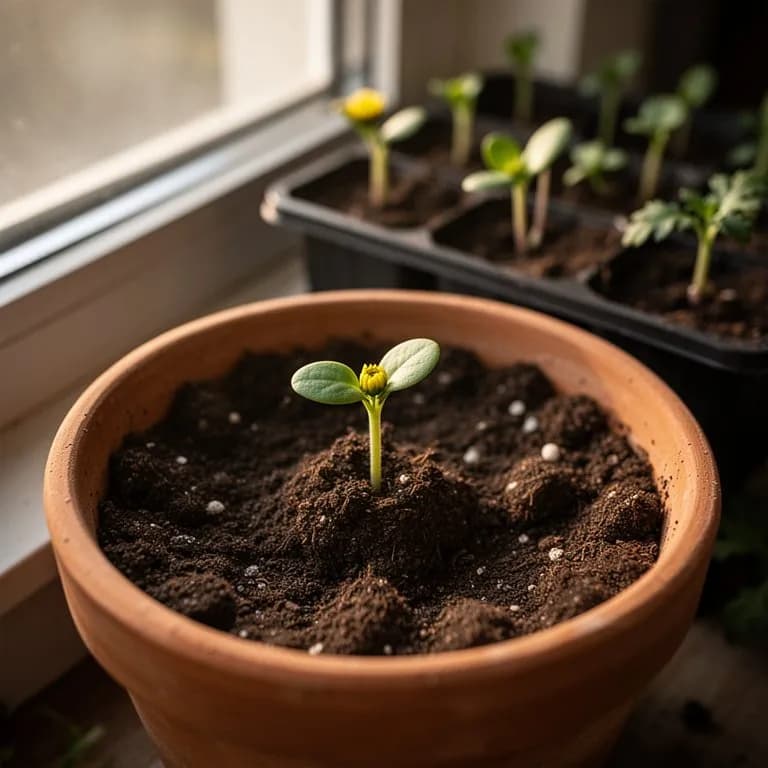
Chrysanthemensamen acht bis zehn Wochen vor dem letzten Frostdatum drinnen anziehen. Samen auf die Oberfläche von feuchter Anzuchterde säen und leicht andrücken, ohne sie zu bedecken, da sie Licht zum Keimen benötigen. Bodentemperatur bei 18–21 Grad Celsius halten. Samen keimen in zehn bis zwanzig Tagen. Jungpflanzen nach dem Abhärten ins Freie umpflanzen, wenn die Nachttemperaturen dauerhaft über 10 Grad Celsius bleiben. Hinweis: Teilungen und Stecklinge sind für benannte Teesorten zuverlässiger.
Dein Chrysantheme (Tee)-Jahr
Abgestimmt auf Zone 7 · typische Saison · Frost geht um den 2. Apr. und kehrt um den 1. Nov. zurück
Chrysantheme (Tee) Apr – Mai pflanzen, Okt – Nov ernten. Beachte die Pflanzmethoden unten und wähle dein Klima für passende Zeiträume.
So baust du Chrysantheme (Tee) an
Chrysanthemen-Teesorten gedeihen in voller Sonne mit mindestens sechs Stunden direktem Licht täglich. Im Frühjahr nach dem letzten Frost Pflanzen aus Teilungen oder Stecklingen ansetzen und sie im Abstand von 30 cm in nährstoffreichen, gut durchlässigen, mit Kompost angereicherten Boden pflanzen. Gleichmäßig gießen, damit der Boden stets feucht, aber nie zu nass ist, da Chrysanthemen anfällig für Wurzelfäule sind.
Die wachsenden Triebspitzen kneifen, wenn die Pflanzen 15 cm hoch sind, und alle paar Wochen bis Mitte des Sommers weiter kneifen, um buschiges Wachstum und maximale Blütenbildung zu fördern. Bis Mitte Juli mit dem Kneifen aufhören, damit sich Blütenknospen für die Herbsternte bilden können. Höhere Sorten stützen, um Windschäden zu vermeiden.
Während der Wachstumsperiode alle zwei Wochen mit einem ausgewogenen Flüssigdünger düngen und auf eine kaliumreiche Formel umstellen, sobald sich Knospen zu bilden beginnen. Rund um die Pflanzen mulchen, um Feuchtigkeit zu speichern und Unkraut zu unterdrücken. In den Zonen 5–6 nach dem ersten starken Frost eine dicke Schicht Wintermulch auftragen, um die Wurzeln zu schützen. Horste alle zwei bis drei Jahre im Frühjahr teilen, um die Vitalität zu erhalten und Überfüllung zu vermeiden.
32 Pflanzen passen in ein Beet von 120 × 240 cm
Chrysantheme (Tee) braucht 30 cm Platz pro Pflanze. Der Planer hält diesen Abstand für dich ein — jede Pflanze, jedes Beet.
Die besten Nachbarn für Chrysantheme (Tee)
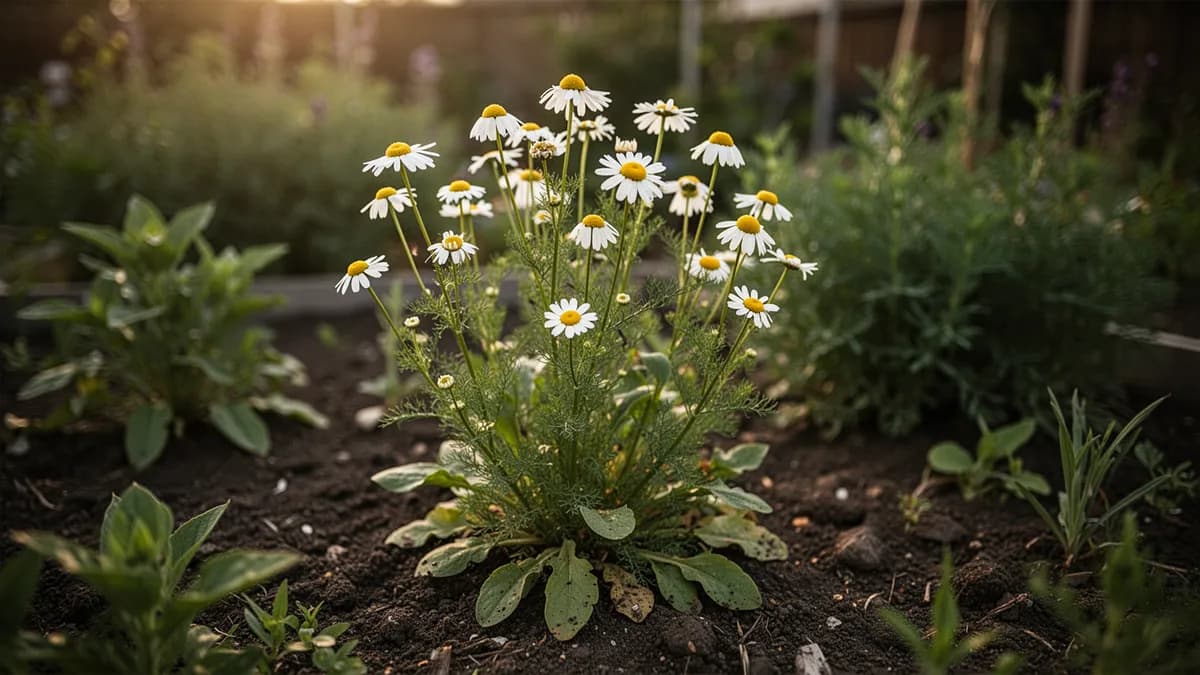
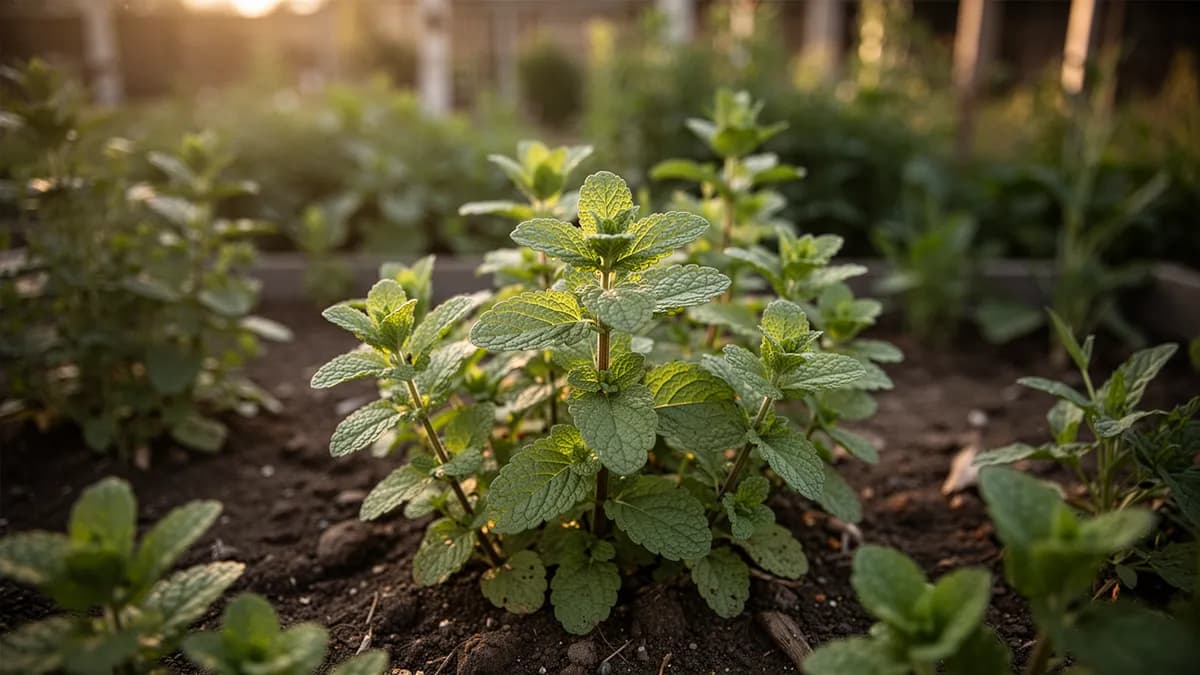
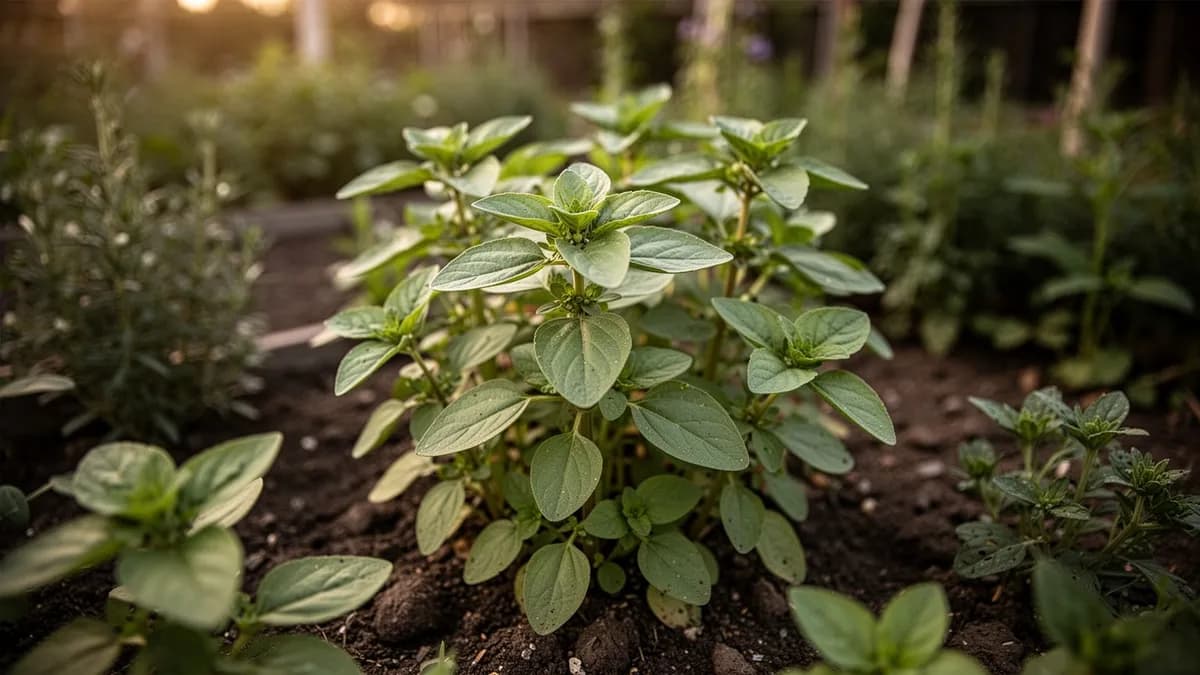
Chrysanthemen enthalten natürliche Pyrethrin-Verbindungen, die viele Gartenschädlinge abwehren, was sie zu hervorragenden Begleitpflanzen für Gemüse und andere Kräuter macht. In der Nähe von Kamille für einen harmonischen Teegarten pflanzen. Das Pflanzen in der Nähe von Kopfsalat oder anderen Blattsalaten vermeiden, da Chrysanthemen deren Wachstum hemmen können. Sie wachsen gut neben Astern, Sedums und Ziergräsern, die ähnliche Wachstumsbedingungen teilen.
Kamille gehört daneben.
Altes Gärtnerwissen, geprüft an der echten Nachbartabelle von Chrysantheme (Tee) — teste jede Pflanze, die du anbaust.
Probiere Chrysantheme (Tee) direkt hier im Beet
Ein echtes Planer-Beet, Chrysantheme (Tee) steht schon drin. Tippe einen Begleiter an, platziere ihn und sieh, wie die Nachbarschaftsprüfung antwortet — grün für gute Nachbarn, rot bei Streit.


Passende Anbau-Ratgeber
Richtig düngen
Chrysanthemen-Teepflanzen bevorzugen nährstoffreichen, lehmigen Boden mit einem pH-Wert zwischen 6,0 und 7,0. Schwere Lehmböden mit Kompost und Perlit für bessere Drainage verbessern. Vor dem Pflanzen abgelagerten Kompost oder gut verrotteten Mist einarbeiten. Während der aktiven Wachstumsphase alle zwei Wochen mit einem ausgewogenen 10-10-10-Dünger düngen. Sobald sich Knospen zu bilden beginnen, auf einen kaliumreichen Dünger wie 5-10-10 umstellen, um reichlich duftende Blüten zu fördern.
Ideale Temperatur
Winterhärtezone-Kompatibilität
Von der Saat zur Ernte, Schritt für Schritt
Vermehrung
Chrysanthemen-Teepflanzen werden am häufigsten aus Stecklingen oder Wurzelteilungen statt aus Samen angezogen. Im Frühjahr 10–15 cm lange Stecklinge von gesunden Mutterpflanzen nehmen und in feuchter, gut durchlässiger Anzuchterde bewurzeln. Samen können auch oberflächlich drinnen 6–8 Wochen vor dem letzten Frost ausgesät werden.
Sämlingsbildung
Bewurzelte Stecklinge oder aufkeimende Sämlinge entwickeln ihre ersten Sätze tief gelappter, aromatischer Blätter. Die Pflanzen bilden in dieser Phase ein kräftiges Wurzelsystem und beginnen, von der Basis aus zu verzweigen. Das Wachstum ist in den kühlen Frühlingswochen stetig, aber nicht schnell.
Vegetatives Wachstum
Die Pflanzen treten während des gesamten Sommers in eine kräftige Wachstumsphase ein und entwickeln buschige Polster aus dunkelgrünem, aromatischem Laub. Stiele werden an der Basis holzig und die Pflanze erreicht eine Höhe von 60–90 cm. Diese lange vegetative Phase wird durch die langen Sonnenstunden des Sommers angetrieben.
Knospenbildung
Mit kürzer werdenden Tagen im Spätsommer und frühen Herbst werden Chrysanthemen zur Bildung von Blütenknospen angeregt. Kleine runde grüne Knospen erscheinen an den Spitzen jedes Astes. Die Knospen schwellen im Laufe mehrerer Wochen allmählich an und zeigen beim Reifen Andeutungen der Blütenfarbe.
Blüte und Ernte
Blüten öffnen sich nacheinander über einen Zeitraum von 4–6 Wochen vom frühen bis späten Herbst. Die goldenen oder weißen Blüten sind für die Teeernte am besten geeignet, wenn sie gerade vollständig geöffnet sind, mit nach außen strahlenden Blütenblättern und noch strafem Zentrum. Der Duft ist intensiv süß und krautig.
Trocknung und Nachernte
Geerntete Blüten werden durch traditionelles Sonnentrocknen, Ofentrocknen bei niedriger Hitze oder einen Dörrautomaten getrocknet. Die Blüten schrumpfen erheblich, behalten aber ihre Form und ihren Duft. Wenn sie vollständig getrocknet sind, werden sie in luftdichten Behältern für das ganzjährige Teeaufbrühen aufbewahrt.
Ruhephase und Überwinterung
Nachdem die Blüte abgeschlossen ist, stirbt das oberirdische Wachstum mit dem ersten starken Frost ab. Die Wurzelkrone bleibt in den Zonen 5–9 im Winter unterirdisch lebendig. Mulchen schützt die Wurzeln vor Frost-Tau-Zyklen. Im Frühjahr entstehen neue Triebe, um den Zyklus neu zu beginnen.
Stecklingsenden in Wurzelhormon tauchen, um die Etablierung zu beschleunigen. Stecklinge unter einer Feuchtigkeitsglocke oder einer klaren Plastiktüte halten und täglich einsprühen, bis neues Wachstum erscheint, typischerweise innerhalb von 10–14 Tagen.
Chrysantheme (Tee) Monat für Monat pflegen
Was du jeden Monat für deine Chrysantheme (Tee) tun solltest
Oktober
Aktueller MonatHaupterntezeit für Chrysanthemen-Teeblüten. Blüten alle 2–3 Tage beim Öffnen sammeln. Weiter trocknen und in luftdichten Glasgläsern aufbewahren. Die ersten Tassen frischen Chrysanthementees aus der diesjährigen Ernte genießen.
Immer wissen, was jetzt im Garten zu tun ist
Eine E-Mail zum Monatsanfang: was du jetzt säen, pflanzen und anpacken solltest — für deine Chrysantheme (Tee) und alles, was drumherum wächst. Dazu ein kurzer Startkurs, der dich vor den klassischen Fehlern bewahrt.
- Was jetzt zu tun ist
- Passend zu deiner Saison
- Startkurs inklusive
Chrysantheme (Tee) ernten
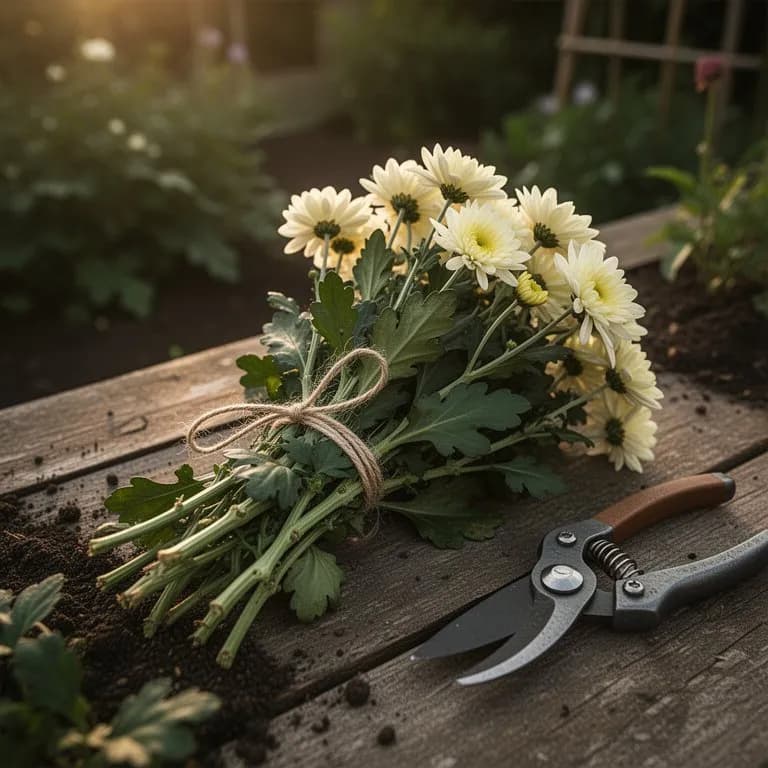
Chrysanthemenblüten für den Tee ernten, wenn die Blüten zu etwa drei Vierteln geöffnet sind und noch ein straffes Zentrum haben. Morgens nach dem Abtrocknen des Taus ernten, um das beste Aroma zu erhalten. Den gesamten Blütenkopf mit einem kurzen Stiel abschneiden. Zum Trocknen die Blüten in einer einzigen Schicht auf Gittern an einem warmen, gut belüfteten Ort aus direktem Sonnenlicht ausbreiten. Die Blüten sind fertig, wenn sie sich papierartig und knusprig anfühlen, typischerweise nach fünf bis sieben Tagen.
angenommen, du pflanzt zu Beginn des Zeitraums — trage dein tatsächliches Datum ein
Ernte Chrysantheme (Tee) zügig, dann trägt die Pflanze weiter.
Lagerung & Konservierung
Vollständig getrocknete Chrysanthemenblüten in luftdichten Glasgläsern oder verschlossenen Dosen lichtgeschützt und trocken aufbewahren. Richtig getrocknete Blüten behalten ihren Geschmack bis zu einem Jahr. Für längere Haltbarkeit getrocknete Blüten vakuumversiegeln und an einem kühlen, dunklen Ort lagern. Getrocknete Blüten lassen sich auch bis zu zwei Jahre einfrieren. Plastiktüten vermeiden, da sie Restfeuchte einschließen und Schimmel verursachen können.
Was schiefgeht — und die Lösung
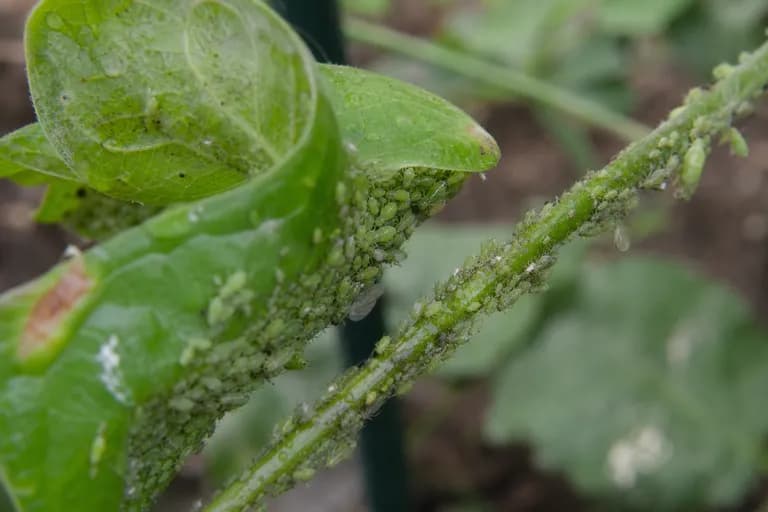
Blattläuse
SchädlingAnsammlungen kleiner grüner oder schwarzer Insekten auf Neutrieben und Blattunterseiten, klebriger Honigtau-Rückstand, gerollte oder verformte Blätter
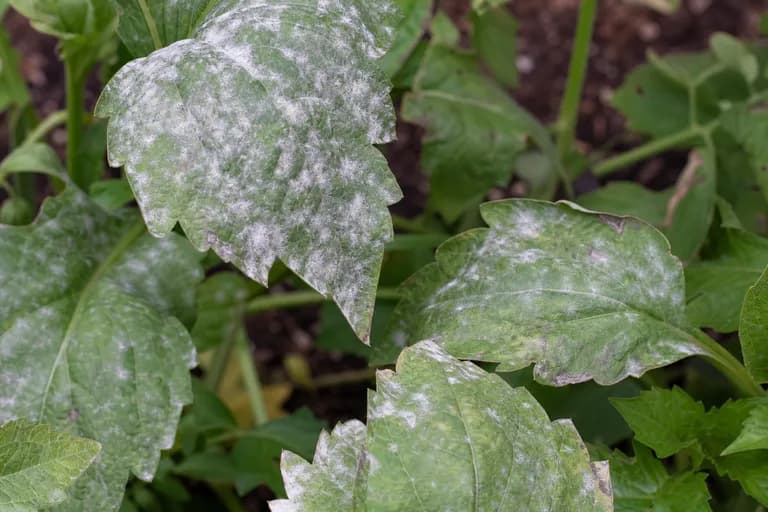
Echter Mehltau
KrankheitWeißer pudriger Belag auf Blättern und Stielen, Vergilbung und vorzeitiger Blattfall, gehemmtes Wachstum
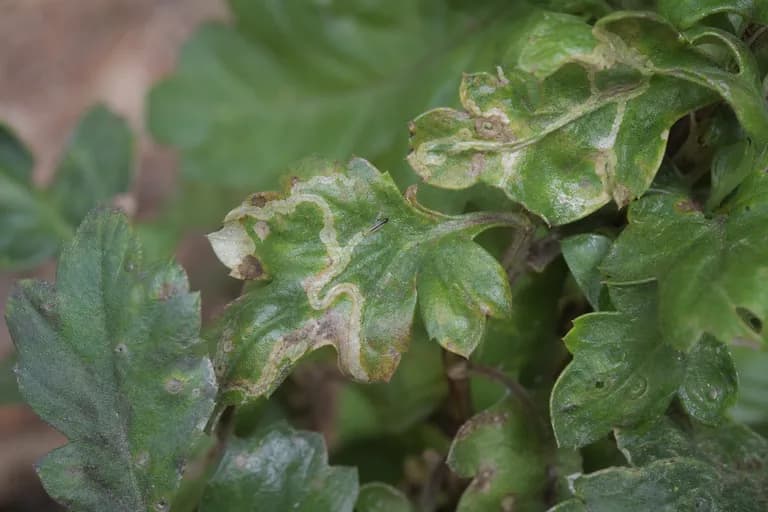
Chrysanthemen-Minierfliege
SchädlingGewundene weiße oder blasse Gänge im Blattgewebe, braune Flecken auf Blättern, vorzeitiger Blattfall
Fehlerbehebung bei häufigen Problemen
Schlaffes, ledriges Wachstum entsteht durch unzureichendes Licht oder das Versäumnis, die Triebe früh in der Saison zu kneifen. Schlechte Blütenbildung deutet oft auf zu viel Stickstoff oder zu spätes Kneifen im Sommer hin. Vergilbende untere Blätter können auf Überwässerung oder Wurzelfäule hinweisen. Kronenfäule tritt in schlecht durchlässigen Böden auf, besonders im Winter. Spinnmilben können bei heißen, trockenen Bedingungen auftreten und gesprenkeltes, bronzefarbenes Laub verursachen.
Anbautipps
- Chrysanthemen-Teepflanzen für zuverlässigste Ergebnisse aus Stecklingen oder Wurzelteilungen im Frühjahr anziehen. Stecklinge bewurzeln sich leicht in feuchtem Perlit oder Vermiculit innerhalb von 10–14 Tagen, wenn sie mit Wurzelhormon behandelt werden.
- Einen Pflanzstandort mit voller Sonne wählen, der täglich mindestens 6–8 Stunden direktes Sonnenlicht erhält. Chrysanthemen sind Kurztagpflanzen, die nachts im Herbst ununterbrochene Dunkelheit benötigen, um richtig zu blühen.
- In gut durchlässigem, nährstoffreichem, mit Kompost verbessertem Boden pflanzen. Chrysanthemen mögen keine staunassen Bedingungen und sind anfällig für Wurzelfäule in schweren Lehmböden. Hochbeete funktionieren gut in Bereichen mit schlechter Drainage.
- Wachsende Triebspitzen zwei- bis dreimal zwischen spätem Frühjahr und Mitte Juli kneifen, um Verzweigung zu fördern und die Anzahl der Blüten zu maximieren. Jede Kneifinelle produziert zwei neue Triebe und erhöht die Blütenanzahl erheblich.
- Während der Wachstumssaison gründlich und gleichmäßig gießen, mit dem Ziel von etwa 2,5 cm Wasser pro Woche. Oberirdisches Gießen spätnachmittags vermeiden, um das Risiko von Pilzkrankheiten auf dem dichten Laub zu verringern.
- Während der vegetativen Wachstumsphase von Frühjahr bis Mitte Sommer monatlich einen ausgewogenen organischen Dünger auftragen. Im Spätsommer auf einen stickstoffarmen, phosphorreichen Dünger umstellen, um die Knospenbildung und Blüte zu unterstützen.
- Pflanzen von August bis Oktober nachts vor Kunstlicht schützen. Selbst kurze Einwirkung von Veranda- oder Straßenbeleuchtung kann die Blütenknospenentwicklung bei diesen photoperiod-sensitiven Pflanzen verzögern oder verhindern.
- Etablierte Horste alle zwei bis drei Jahre im frühen Frühjahr teilen, um die Pflanzenvitalität zu erhalten und Überfüllung zu vermeiden. Die äußeren Teilungen neu pflanzen und die holzigen Mittelteile der Krone entsorgen.
- Blüten für den Tee ernten, wenn sie gerade vollständig geöffnet sind und die Blütenblätter nach außen strahlen. Morgens nach dem Abtrocknen des Taus für die höchste Konzentration an ätherischen Ölen und aromatischen Verbindungen pflücken.
- Geerntete Blüten umgehend mit einem Dörrautomaten bei 40–45 °C oder durch Ausbreiten auf Gittern in einem warmen, belüfteten Raum trocknen. Vollständig getrocknete Blüten in luftdichten Glasgläsern lichtgeschützt aufbewahren, um den Geschmack bis zu einem Jahr zu erhalten.
Bau deine beste Chrysantheme (Tee) an — und alles drumherum.
Starte heute kostenlos. Lege deine Beete an, setze deine Chrysantheme (Tee) ein und lass PlotMyGarden Timing, Abstände, Begleiter und Erinnerungen von der Saat bis zum Erntekorb übernehmen.
Finde deine Chrysantheme (Tee)
Hangzhou-Weiß-Chrysantheme
Die begehrteste Teevariante aus Hangzhou, China, mit großen weißen Blüten und einem zarten, süßen Geschmack sowie honigähnlichem Aroma, die traditionell in erstklassigen chinesischen Restaurants serviert wird.
Huangshan Gongju
Eine erstklassige Tribute-Chrysantheme aus der Huangshan-Gebirgsregion mit kleineren Blüten und einem intensiv duftenden, leicht medizinischen Charakter, der in der traditionellen chinesischen Medizin geschätzt wird.
Chu Hua (Gelbe Chrysantheme)
Leuchtend goldgelbe Blüten mit einem kräftigeren, leicht bitteren Geschmacksprofil, die häufig in alltäglichen chinesischen Chrysanthementee-Mischungen verwendet werden und der Augengesundheit zugutekommen sollen.
Eine Chrysanthemen-Teepflanze kostet als Jungpflanze etwa 3–6 € und kann nach der Etablierung 200–400 Blüten pro Saison produzieren. Da getrocknete Chrysanthementeeblüten in spezialisierten Teefachgeschäften für 15–30 € pro 100 g verkauft werden, kann eine ausgewachsene Pflanze jährlich den Gegenwert von 30–60 € an getrockneten Blüten liefern. Da die Pflanzen mehrjährig sind und leicht durch Teilungen und Stecklinge vermehrt werden können, kann eine geringe Anfangsinvestition von 3–5 Pflanzen innerhalb von zwei Saisons zu einem selbsttragenden Teegarten heranwachsen. Über fünf Jahre kann ein Heimanbauer 200–400 € im Vergleich zum Kauf gleichwertiger Mengen hochwertigen getrockneten Chrysanthementees einsparen.
Schnelle Rezepte
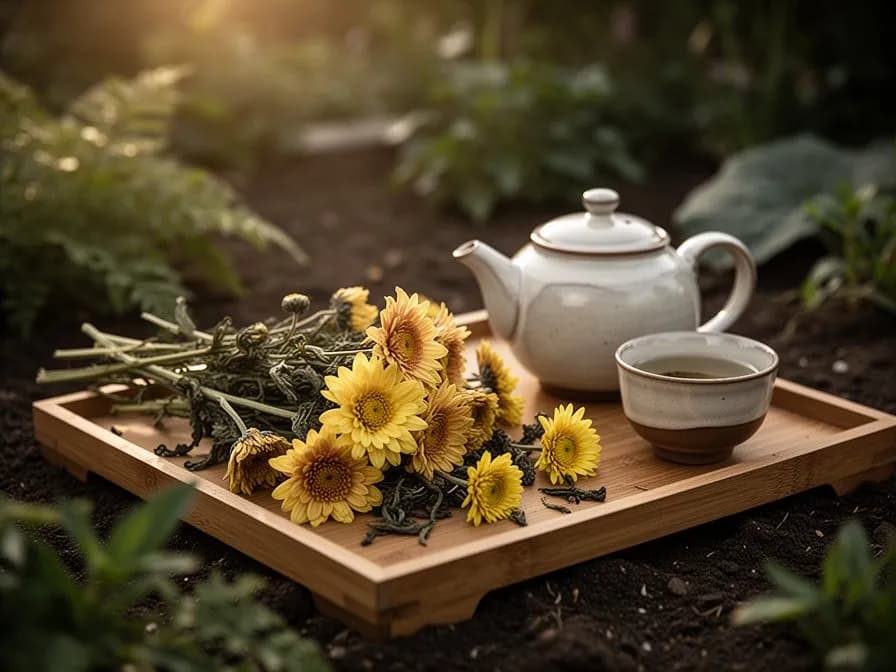
Klassischer Chrysanthementee
10 Min.Ein zarter und duftender goldener Tee, der aus ganzen getrockneten Chrysanthemenblüten gebrüht wird. Die Blüten entfalten sich wunderschön in heißem Wasser und geben ein süßes Blumenaroma mit subtilen Honigtönen frei. Diese traditionelle Zubereitung wird pur oder mit einigen Kandiszuckerstücken zur Süße genossen.
5 ZutatenChrysanthemen- und Goji-Beeren-Eistee
15 Min. plus KühlzeitEine erfrischende gekühlte Version des Chrysanthementees, gemischt mit Goji-Beeren und einem Hauch Honig, perfekt für heiße Sommertage. Die Kombination ist eine klassische Paarung in der chinesischen Kräutertradition, die der Augengesundheit zugutekommen und den Körper bei warmem Wetter abkühlen soll.
5 ZutatenChrysanthemenblüten-Gelee
30 Min. plus AushärtezeitEin zartes, leicht gesüßtes Blumengelee aus einem konzentrierten Chrysanthementee-Aufguss. Das durchscheinende goldene Gelee hat einen subtilen blumigen Geschmack und macht ein elegantes leichtes Dessert oder eine Beilage zu Obst. Eine wunderschöne Möglichkeit, die selbst angebaute Chrysanthemenernte zu präsentieren.
6 ZutatenKulinarische Verwendung
Getrocknete Blüten in heißem Wasser bei 90–95 Grad Celsius drei bis fünf Min. ziehen lassen, um einen goldenen, blumigen Tee zu erhalten. Mit Kandiszucker oder Honig für eine traditionelle chinesische Zubereitung kombinieren. Chrysantheme passt gut zu Goji-Beeren und getrockneten Jujube-Datteln. Abgekühlten Tee als erfrischendes Eisgetränk verwenden. Getrocknete Blütenblätter zu Salaten hinzufügen oder als essbares Dekorationselement für Desserts verwenden.
Was drinsteckt
Gesundheitsvorteile
- Reich an antioxidativen Flavonoiden wie Luteolin und Chlorogensäure, die helfen, freie Radikale zu neutralisieren, und oxidativen Stress verringern können, der mit chronischen Erkrankungen und vorzeitiger Alterung verbunden ist.
- Traditionell zur Unterstützung der Augengesundheit und zur Linderung von Augenbelastung eingesetzt; Studien deuten darauf hin, dass Chrysanthemenextrakte Netzhautzellen schützen und den Sehkomfort nach längerem Bildschirmeinsatz verbessern können.
- In der traditionellen chinesischen Medizin als kühlendes Kraut eingestuft, wird Chrysanthementee verwendet, um innere Hitze zu reduzieren, leichte Kopfschmerzen zu lindern und bei saisonalen Erkrankungen niedriggradiges Fieber zu senken.
- Enthält entzündungshemmende Verbindungen, die Halsschmerzen lindern, die Nasennebenhöhlenüberlastung reduzieren und leichte Beschwerden der oberen Atemwege lindern können, wenn er als warmer Aufguss eingenommen wird.
- Kann die kardiovaskuläre Gesundheit unterstützen, indem er zur Entspannung der Blutgefäße und zur Förderung einer gesunden Durchblutung beiträgt; vorläufige Forschungen deuten auf eine milde blutdrucksenkende Wirkung bei regelmäßigen Trinkern hin.
- Natürlich koffeinfrei und sanft beruhigend, kann Chrysanthementee Entspannung und Schlafqualität unterstützen, ohne die anregenden Wirkungen koffeinhaltiger Getränke, was ihn für den abendlichen Konsum geeignet macht.
Woher Chrysantheme (Tee) stammt
Die Chrysantheme (Chrysanthemum morifolium), seit Jahrhunderten in Ostasien verehrt, ist eine der ältesten kultivierten Zier- und Heilpflanzen der Welt. Ihre Ursprünge liegen in China, wo sie erstmals vor über 2.000 Jahren in klassischen Texten als Heilkraut erwähnt wurde. Frühe chinesische Kräuterkundler dokumentierten die Chrysantheme als Mittel gegen Kopfschmerzen, Fieber und Augenleiden, und sie wurde schnell zu einem zentralen Bestandteil der traditionellen chinesischen Medizin unter der Klassifizierung der kühlenden Kräuter, die innere Hitze beseitigen. Die Blume gewann während der Tang-Dynastie (618–907 n. Chr.) enorme kulturelle Bedeutung, als das Chrysanthementeetrinken zu einer verfeinerten Kunst wurde, die von Gelehrten und Dichtern gleichermaßen gepflegt wurde. Während der Song-Dynastie (960–1279 n. Chr.) expandierte der Anbau enorm, und spezialisierte Züchter entwickelten Hunderte von Zier- und Teesorten. Die Chrysantheme wurde um das 8. Jahrhundert n. Chr. nach Japan eingeführt, wo sie als kaiserliches Symbol übernommen und im Kaisersiegel abgebildet wurde. Die Japaner ehrten die Blume mit dem jährlichen Chrysanthemenfest und integrierten sie in ihre Gartentraditionen. Im 17. Jahrhundert gelangten Chrysanthemen durch niederländische Händler nach Europa, wo sie jedoch hauptsächlich als Zierpflanzen und nicht für den Tee angebaut wurden. In China wurden bestimmte Regionen für ihre Teechrysanthemen berühmt. Hangbaiju aus Tongxiang in Zhejiang, Gongju aus Huangshan in Anhui und Chuju aus Chuzhou wurden zu den meistgefeierten Sorten, jede geschätzt für ihr unverwechselbares Geschmacksprofil und ihre medizinischen Eigenschaften. Diese regionalen Kultivare wurden oft als Tribut an den Kaiserhof präsentiert. Heute wird Chrysanthementee weltweit genossen und ist eine der meistkonsumieren Kräuterinfusionen in China, wo er in Restaurants, Privathaushalten und Teehäusern als Alltagsgetränk serviert wird. Moderne wissenschaftliche Forschung hat viele der traditionellen Anwendungen bestätigt und potente Flavonoide, ätherische Öle und antioxidative Verbindungen in den Blütenköpfen identifiziert.
Chrysantheme (Tee): Schon gewusst?
Faszinierende Fakten über Chrysantheme (Tee)
Chrysanthementee wird in China seit über 1.500 Jahren genossen und ist weiterhin einer der beliebtesten Kräutertees in Ostasien, der ganzjährig sowohl heiß als auch kalt getrunken wird.
Chrysantheme (Tee): Fragen & Antworten
Wann sollte ich Chrysantheme (Tee) pflanzen?
Was sind gute Begleitpflanzen für Chrysantheme (Tee)?
In welchen Winterhärtezonen kann Chrysantheme (Tee) wachsen?
Wie viel Sonne braucht Chrysantheme (Tee)?
Welchen Abstand sollte ich zwischen Chrysantheme (Tee) lassen?
Welche Schädlinge und Krankheiten befallen Chrysantheme (Tee)?
Wie lagere ich Chrysantheme (Tee) nach der Ernte?
Was sind die besten Chrysantheme (Tee)-Sorten zum Anbauen?
Welchen Boden braucht Chrysantheme (Tee)?
Welche Chrysanthemensorten eignen sich am besten für die Teezubereitung?
Wie trockne ich Chrysanthemenblüten zu Hause für Tee?
Warum blühen meine Chrysanthemenpflanzen nicht?
Ist es sicher, täglich Chrysanthementee zu trinken?
Kann ich Chrysanthemen-Teepflanzen in Behältern anbauen?
Wie helfen Chrysanthemen bei der Schädlingsbekämpfung im Garten?
Du hast die Theorie gelesen. Jetzt baue sie auf Autopilot an.
Alles, was Chrysantheme (Tee) knifflig macht — das Timing, die Abstände, die Begleiter, das Erntefenster — genau das übernimmt PlotMyGarden für dich, für jede Pflanze im Garten.
Ein Plan, der dein Wetter kennt
Standort einmal festlegen. Aussaat-, Dünge- und Erntedaten rund um deinen echten letzten Frosttermin und die Live-Vorhersage — kein Raten mehr nach Saattüte.
Aus dem Abschnitt „Pflanzzeit“Beetplaner per Drag & Drop
Beete auf einem Raster gestalten. Jede Pflanze rastet im richtigen Abstand ein, und du siehst die ganze Saison, bevor du einen Cent für Saatgut ausgibst.
Aus dem Abschnitt „Anbau“Begleiter-Konflikte früh erkannt
Über 200 gute und schlechte Kombinationen werden beim Pflanzen live geprüft — so landet ein saisonruinierender Fehler nie in der Erde.
Aus dem Abschnitt „Begleiter“Erinnerungen, nach denen du wirklich handelst
„Gieß die Bohnen.“ „Heute ernten, bevor's umschlägt.“ Pünktlich, konkret und auf deine echten Pflanzen bezogen.
Aus dem Abschnitt „Ernte“Staffel-Aussaat, geplant
Sechs Wochen ernten statt sechs Tage? Die App verteilt deine Aussaaten automatisch und erinnert dich, wenn der nächste Satz fällig ist.
Aus dem Abschnitt „Pflanzzeit“Ein Verlauf, der schlauer wird
Jede protokollierte Ernte bringt der App deinen Garten bei. Der Plan fürs nächste Jahr startet bei dem, was in deinem Boden wirklich funktioniert hat.
Aus dem Abschnitt „Überblick“Pflanze diese neben Chrysantheme (Tee)
Weitere Teekräuter
Bau deine beste Chrysantheme (Tee) an — und alles drumherum.
Starte heute kostenlos. Lege deine Beete an, setze deine Chrysantheme (Tee) ein und lass PlotMyGarden Timing, Abstände, Begleiter und Erinnerungen von der Saat bis zum Erntekorb übernehmen.