Cebollino Siberiano
Una variedad de cebollino robusta con hojas huecas más gruesas y ásperas y un sabor a cebolla más intenso que el cebollino común.





En esta páginaResumen
Conoce Cebollino Siberiano
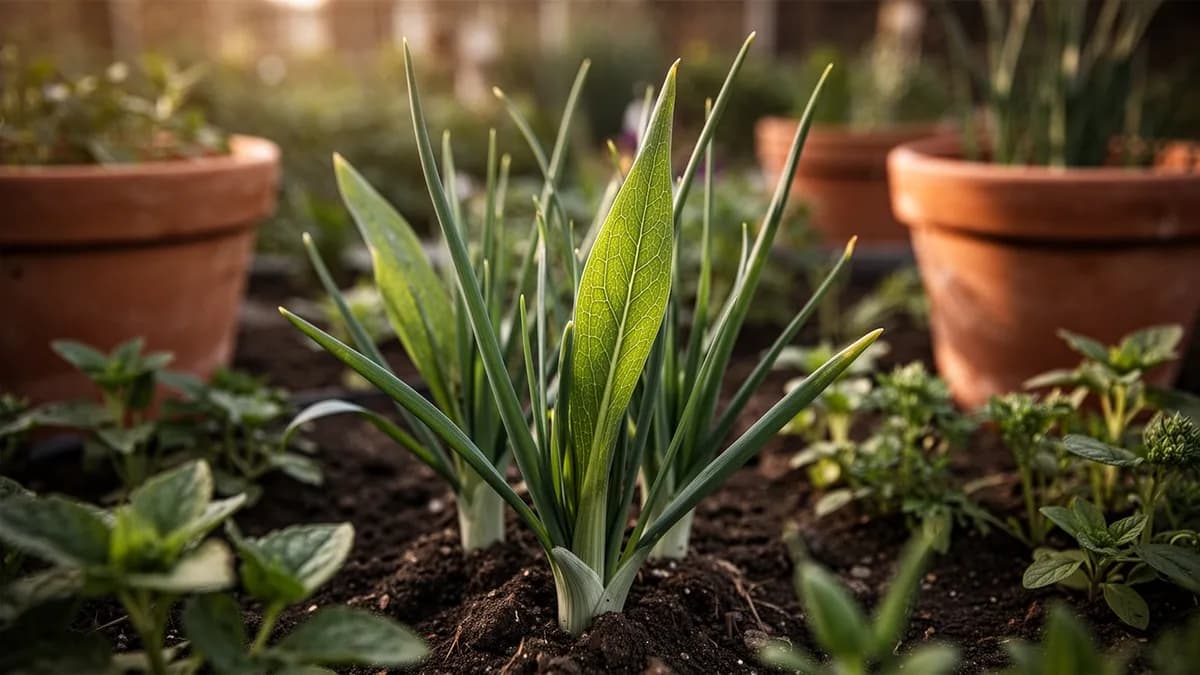
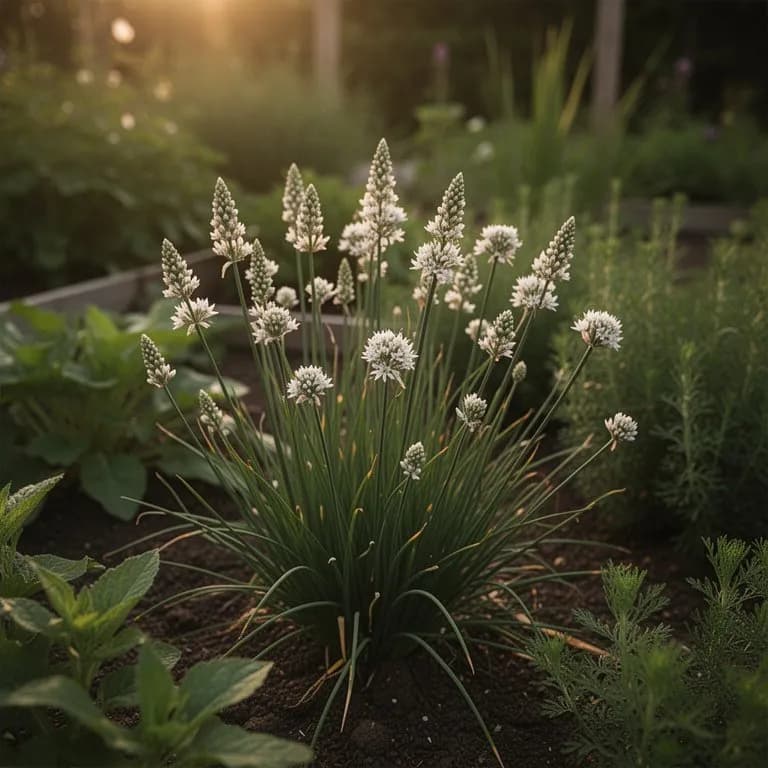
Una variedad de cebollino robusta con hojas huecas más gruesas y ásperas y un sabor a cebolla más intenso que el cebollino común. El cebollino siberiano es extraordinariamente resistente al frío, sobreviviendo temperaturas muy por debajo de los menos cuarenta grados. Produce grandes cabezuelas florales de color rosa-púrpura que resultan especialmente atractivas para los polinizadores a principios del verano.
Cuándo plantar Cebollino Siberiano
Siembre las semillas de cebollino siberiano en interior 8 a 10 semanas antes de la última helada. Presione las semillas sobre sustrato húmedo para semillero y cúbralas ligeramente. La germinación tarda 7 a 14 días a temperaturas de 18 a 21 grados. Cultive bajo luz intensa. Aclare o trasplante las plántulas en grupos de 10 a 15 para un establecimiento más rápido. Endurezca al exterior y plante tras la última helada. La siembra directa en primavera también es exitosa. Para resultados más rápidos, adquiera o divida grupos ya establecidos.
Tu año de Cebollino Siberiano
Ajustado a Zona 7 · temporada típica · la helada se va hacia el 2 abr y vuelve hacia el 1 nov
Planta Cebollino Siberiano Mar – May y cosecha Abr – Oct. Consulta los métodos de plantación y elige tu clima para adaptar los periodos.
Cómo cultivar Cebollino Siberiano
El cebollino siberiano es una variedad especialmente robusta del cebollino común, con hojas huecas más gruesas y ásperas y un sabor a cebolla más pronunciado. Se encuentra entre las hierbas culinarias más resistentes disponibles, sobreviviendo temperaturas muy por debajo de los cuarenta grados bajo cero en Fahrenheit. Plante a pleno sol en suelo bien drenado con un pH de 6.0 a 7.0. Separe los grupos entre 20 y 30 centímetros.
Comience las semillas en interior 8 a 10 semanas antes de la última helada, o siémbralas directamente en primavera. Las semillas germinan en 7 a 14 días a temperaturas de 18 a 21 grados. Trasplante o aclare dejando una separación de 20 centímetros. El cebollino siberiano también puede propagarse dividiendo grupos establecidos en primavera u otoño, que es la forma más rápida de establecer plantaciones productivas.
Coseche regularmente cortando las hojas a 5 centímetros sobre el suelo, lo cual estimula el rebrote continuo. Divida los grupos cada 3 a 4 años cuando el centro se vuelva leñoso y menos productivo. Las grandes cabezuelas florales rosa-púrpura son ornamentales, comestibles y excelentes para los polinizadores. Retire las flores marchitas para evitar la autosiembre o deje algunas para que se naturalicen y garanticen un suministro continuo.
72 plantas caben en un bancal de 120 × 240 cm
Cada Cebollino Siberiano pide 20 cm de margen. El planificador guarda ese marco por ti — cada planta, cada bancal.
Los mejores vecinos de Cebollino Siberiano
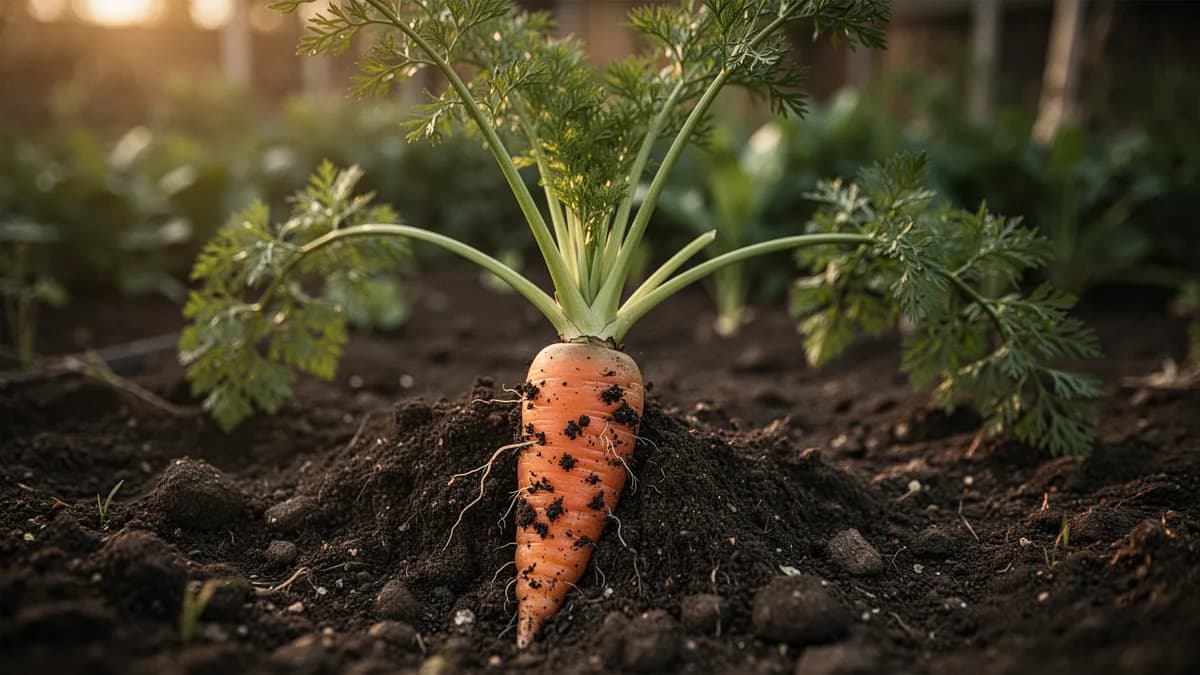
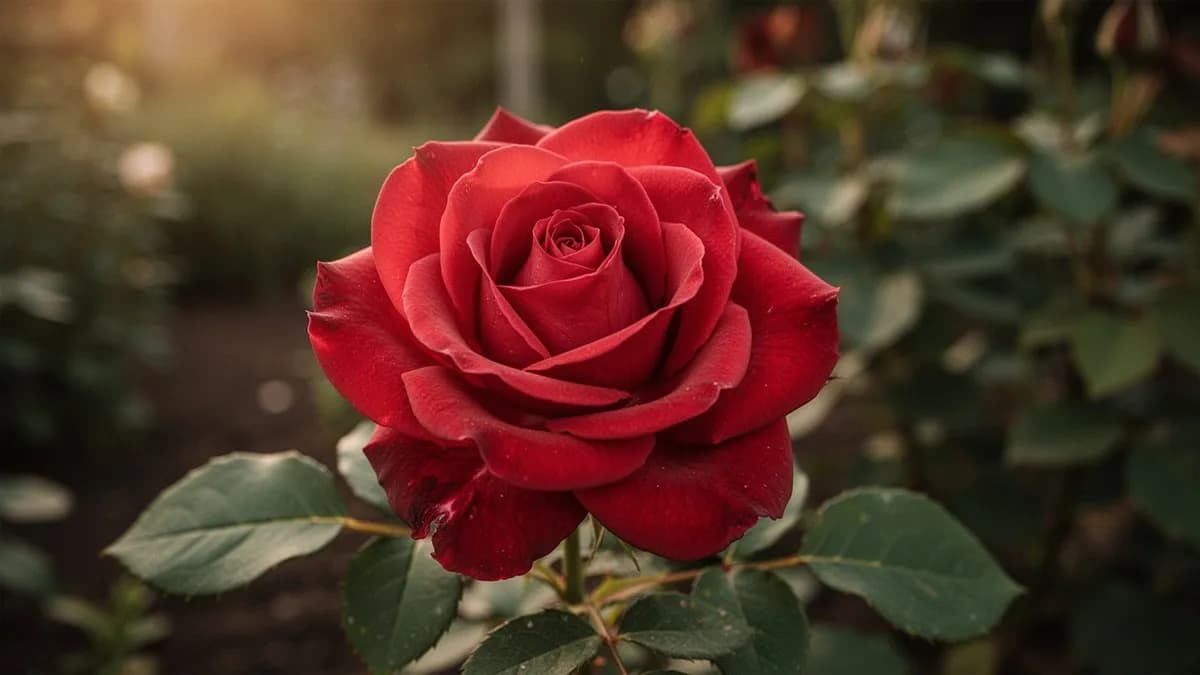
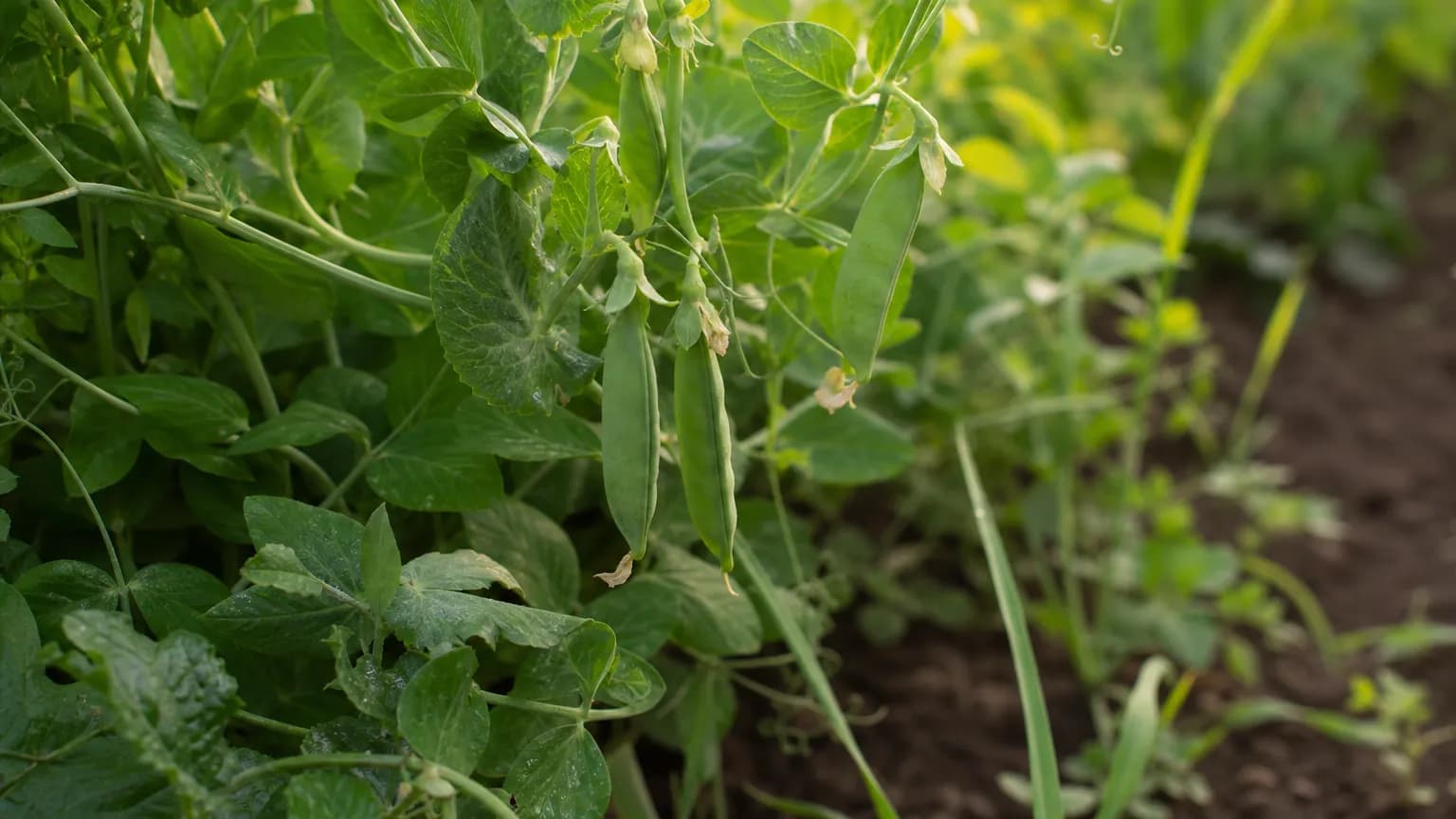
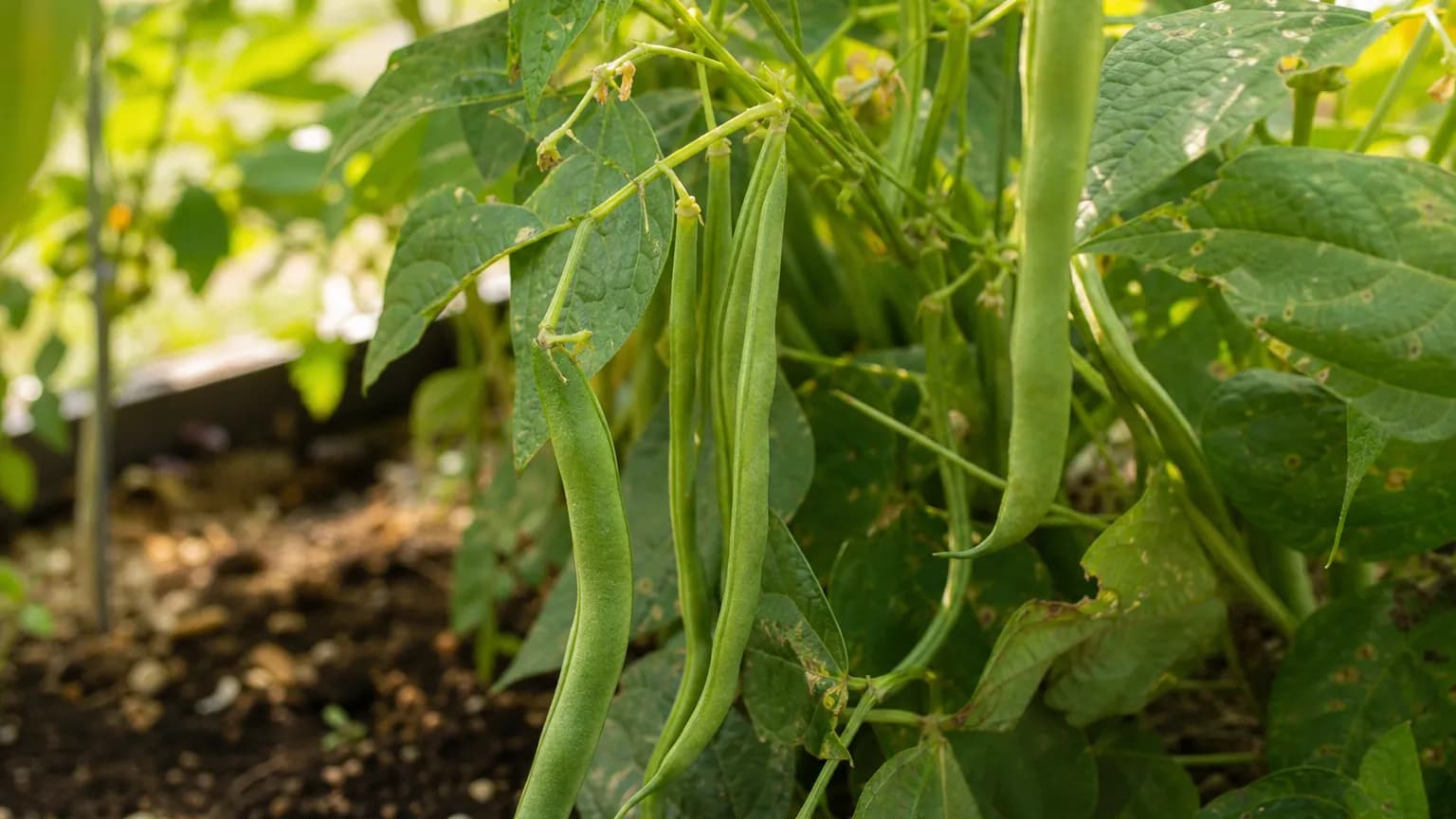
El cebollino es un compañero beneficioso para muchas plantas del jardín, ya que su intenso aroma aliáceo repele los pulgones y otras plagas. Plante cerca de las rosas para disuadir la mancha negra y los pulgones. Es un compañero tradicional de las zanahorias, ayudando a repeler la mosca de la zanahoria. Evite plantarlo cerca de guisantes y judías, ya que las aliáceas pueden inhibir su crecimiento. El cebollino es una excelente planta de borde para huertos de hierbas y vegetales.
Zanahoria va a su lado. Guisantes no.
Saber de huerto de siempre, cotejado con la tabla real de Cebollino Siberiano — prueba cualquier planta que cultives.
Prueba Cebollino Siberiano en un bancal, aquí mismo
Un bancal real del planificador con Cebollino Siberiano ya plantado. Toca una planta compañera para colocarla y mira cómo responde la comprobación de vecinos: verde para buenos vecinos, rojo si hay conflicto.


Guías de cultivo relacionadas
Abónalo bien
El cebollino siberiano crece bien en suelo de mediano a rico, bien drenado, con un pH de 6.0 a 7.0. Tolera una amplia variedad de tipos de suelo, desde franco-arenoso hasta arcilloso. Aplique fertilizante orgánico equilibrado a principios de primavera cuando emerja el nuevo crecimiento y de nuevo tras la primera cosecha abundante. Aplique compost anualmente como cobertura superficial para mantener la fertilidad del suelo. Acolche ligeramente para conservar la humedad. Los cebollines en contenedor se benefician de una alimentación mensual con fertilizante líquido durante la temporada de crecimiento.
Temperatura ideal
Compatibilidad de zonas de rusticidad
De la semilla a la cosecha, etapa por etapa
Germinación
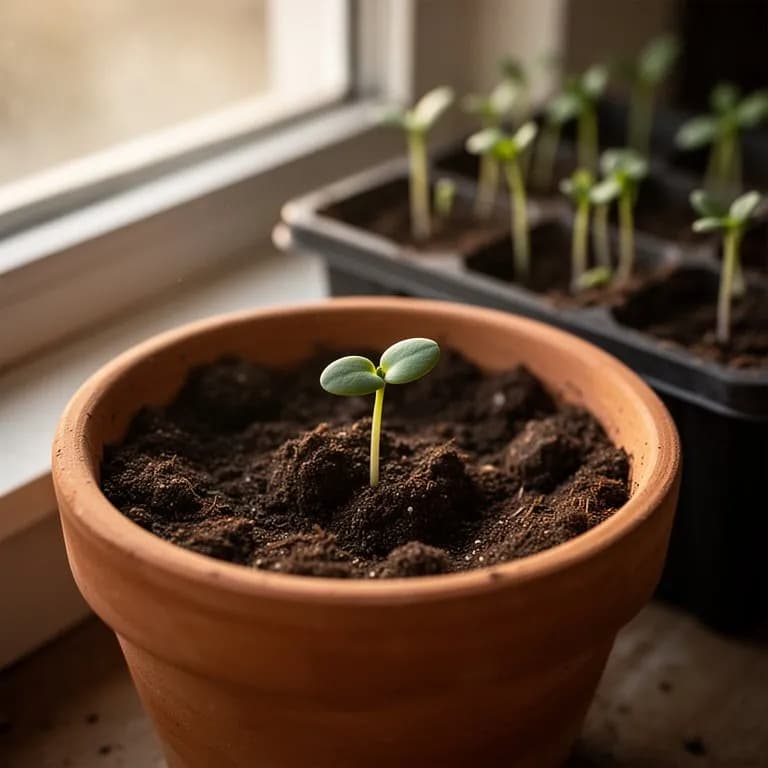
Las semillas de cebollino siberiano son pequeñas, oscuras y angulosas. Germinan en temperaturas de suelo frescas a moderadas, emergiendo generalmente entre 10 y 18 días. El primer crecimiento visible es un único tubo fino y hueco que se curva al atravesar la superficie del suelo. Las semillas pueden germinar a temperaturas de suelo tan bajas como 7 °C (45 °F), aunque el rango óptimo es de 15 a 20 °C (60-68 °F), lo que refleja la adaptación del cultivar a las cortas temporadas de crecimiento nórdicas.
Desarrollo de Plántulas
Emergen hojas adicionales cilíndricas y huecas desde el punto de crecimiento central, cada una ligeramente más gruesa que la anterior. El crecimiento aéreo parece lento mientras la planta prioriza el desarrollo de un sistema radicular denso y fibroso capaz de sobrevivir los inviernos más duros. Al final de esta etapa, las plántulas suelen tener entre 4 y 8 hojas finas y miden de 8 a 12 cm de altura.
Crecimiento Vegetativo
Las plantas entran en un período de producción foliar acelerada. Las características hojas gruesas, huecas y cilíndricas del cultivar siberiano se hacen evidentes — notablemente más robustas y erguidas que las del cebollino común. Los grupos se densifican mientras la planta ahija desde su base, produciendo múltiples brotes foliares a partir de bulbillos en expansión. Una planta sana en esta etapa tendrá entre 15 y 30 hojas que alcanzan de 25 a 35 cm de altura, con un distintivo aroma suave a cebolla.
Floración
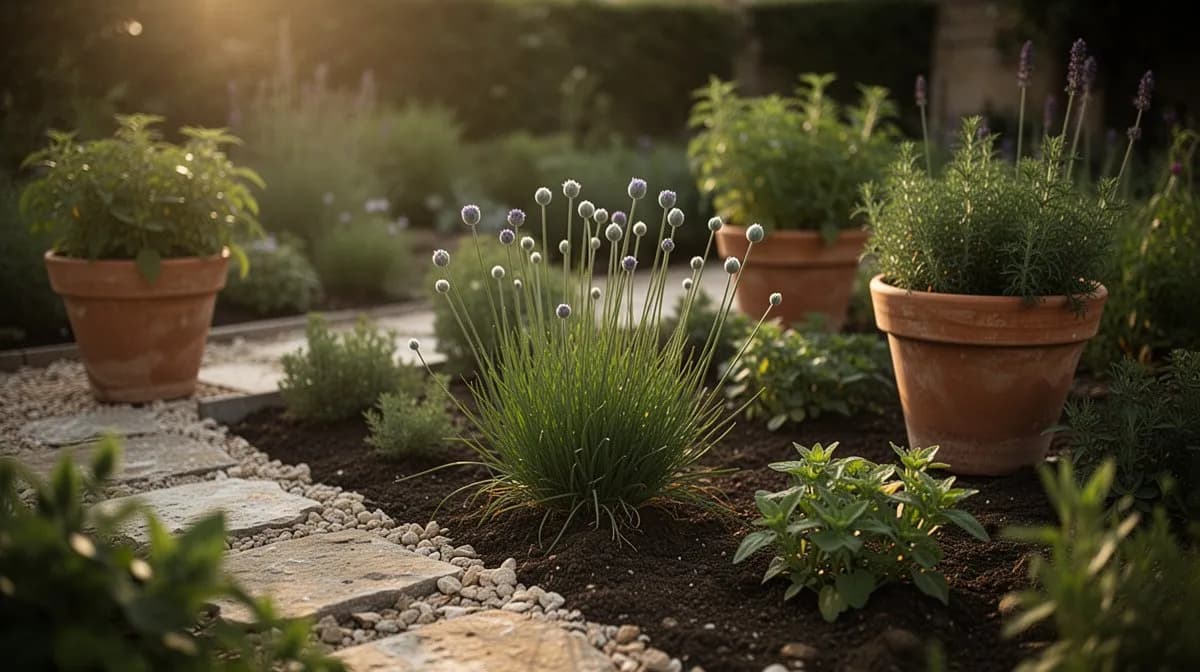
Escapos florales robustos se elevan por encima del follaje, cada uno coronado por un racimo esférico de floretes de color lavanda-púrpura. El cebollino siberiano produce cabezuelas florales más grandes y de color más intenso que el cebollino común estándar, frecuentemente de 3 a 4 cm de diámetro. Las flores son muy atractivas para los polinizadores y duran de 2 a 3 semanas. La producción de hojas se ralentiza durante la floración mientras la planta redirige la energía hacia la reproducción.
Madurez de Cosecha y Rebrote
Tras la floración, las plantas producen un vigoroso segundo brote de hojas tiernas y nuevas. Este rebrote post-floración suele rendir las hojas de sabor más intenso de la temporada. Los grupos establecidos pueden cosecharse cada 3 a 4 semanas a lo largo del verano y hasta principios del otoño. Las plantas del segundo año en adelante son sustancialmente más productivas que las plántulas del primer año.
Dormancia e Invernada
Tras la helada intensa, el follaje amarillea y cae al suelo. La densa red de pequeños bulbillos y raíces fibrosas entra en dormancia bajo la superficie del suelo. El cebollino siberiano se encuentra entre los alliums más resistentes, con sistemas radiculares que sobreviven temperaturas de suelo sostenidas de hasta -40 °C (-40 °F). Cada año el grupo se expande hacia el exterior al formarse nuevas divisiones de bulbillos, y las plantas establecidas emergen progresivamente más temprano en primavera.
Siembre las semillas a 6 mm de profundidad en sustrato húmedo para semillero. A diferencia de muchas hierbas, las semillas de cebollino siberiano no requieren esterilla de calor — las temperaturas frescas de habitación de 15 a 18 °C (60-65 °F) son ideales. Mantenga la superficie uniformemente húmeda con un pulverizador y cubra las bandejas con una cúpula de humedad.
Cuidar Cebollino Siberiano mes a mes
Qué hacer cada mes para tu Cebollino Siberiano
Octubre
Mes actualPermita que el follaje restante amarillee de forma natural — las hojas están canalizando energía hacia el sistema radicular. En las zonas 2 a 4, aplique de 5 a 10 cm de paja o acolchado de hojas tras la primera helada intensa. Anote qué grupos necesitan dividirse la próxima primavera.
Ten claro qué hacer en tu huerto, cada mes
Un correo al empezar cada mes: qué sembrar, plantar y hacer ahora mismo — para tu Cebollino Siberiano y todo lo que crece alrededor. Más un breve curso inicial para esquivar los errores clásicos.
- Qué hacer ahora mismo
- Ajustado a tu temporada
- Curso inicial incluido
Cosechar Cebollino Siberiano
Corte las hojas del cebollino siberiano cuando tengan al menos 15 centímetros de altura, recortando hasta 5 centímetros sobre la base para estimular el rebrote. Use tijeras afiladas o tijeras de cocina para cortes limpios. Coseche regularmente desde el exterior del grupo, permitiendo que continúe el crecimiento central. Las flores también son comestibles y pueden separarse en flores individuales para adornar ensaladas y sopas. El sabor es más intenso en primavera y otoño; el calor estival puede endurecer las hojas.
se supone que plantas al comenzar el periodo — indica tu fecha real
Cosecha Cebollino Siberiano a tiempo y la planta sigue produciendo.
Almacenamiento y conservación
El cebollino fresco se conserva en el refrigerador hasta una semana envuelto en papel de cocina húmedo dentro de un recipiente hermético. Para almacenamiento prolongado, pique finamente y congele en cubiteras con una pequeña cantidad de agua o aceite. El cebollino congelado mantiene buen sabor durante 6 meses en la cocina. El secado resulta menos satisfactorio, ya que se pierde gran parte del delicado aroma a cebolla. El vinagre de flor de cebollino, elaborado macerando cabezuelas florales púrpuras en vinagre de vino blanco durante 2 semanas, produce un hermoso vinagre rosado con suave sabor a cebolla.
Qué falla — y cómo solucionarlo
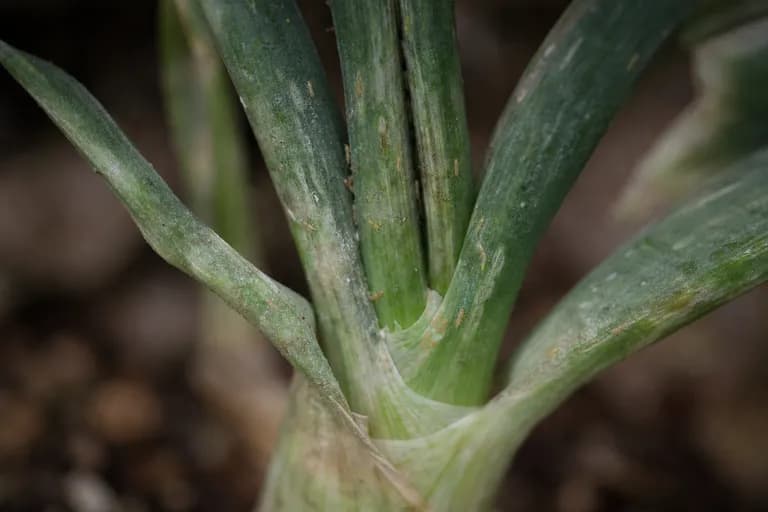
Trips de la Cebolla
PlagaRayas plateadas y punteado en las hojas. Insectos diminutos y alargados visibles al examen cercano. Las infestaciones graves causan deformación de las hojas y reducción del crecimiento.
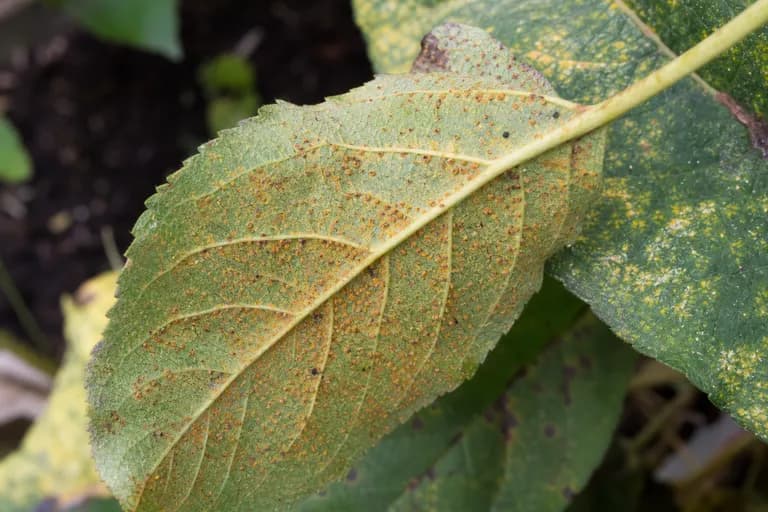
Roya
EnfermedadPústulas de color naranja-marrón en las hojas. Las hojas afectadas amarillean y mueren. Más frecuente en condiciones húmedas con escasa circulación de aire.
Solución de problemas comunes
El principal problema del cebollino siberiano es su vigorosa expansión mediante autosiembre y el crecimiento del grupo. Retire las flores marchitas antes de que maduren las semillas para controlar la propagación, o plante en zonas delimitadas. Los grupos se congestionan y pierden productividad tras 3 a 4 años; divídalos con regularidad. La roya puede desfigurar el follaje en años lluviosos. El sabor a cebolla más intenso puede resultar abrumador para quienes están acostumbrados al cebollino común; utilícelo con moderación hasta familiarizarse con su intensidad.
Consejos de cultivo
- Elija un lugar de pleno sol para obtener las plantas más productivas, aunque el cebollino siberiano tolera la sombra parcial (4 a 5 horas de sol directo) mejor que la mayoría de los alliums. En climas cálidos (zonas 7 a 9), la sombra por la tarde mejora notablemente la calidad de las hojas y previene el dorado prematuro de las puntas.
- Plante en grupos de 4 a 6 plántulas separadas de 25 a 30 cm en lugar de individuos aislados. El agrupamiento establece un grupo sustancial y cosechable en la primera temporada y crea una exhibición de jardín más atractiva.
- El cebollino siberiano prospera en casi cualquier suelo bien drenado, pero produce las hojas más gruesas y sabrosas en tierra moderadamente rica enmendada con compost. Evite la arcilla pesada que permanece encharcada — si el drenaje es deficiente, plante en bancales elevados o caballones.
- Coseche cortando todo el grupo de 3 a 5 cm sobre la superficie del suelo con tijeras afiladas o tijeras de jardín. Nunca arranque hojas individuales, ya que esto puede desarraigar los bulbillos superficiales y dañar la corona de crecimiento.
- Riegue en profundidad y aplique fertilizante líquido rico en nitrógeno inmediatamente después de cada cosecha. Este cuidado post-cosecha es el factor más importante para acelerar el rebrote y mantener el grosor de las hojas durante toda la temporada.
- Retire las flores marchitas antes de que maduren las vainas de semillas para evitar la autosiembre vigorosa. El cebollino siberiano es un autosembrador prolífico y puede colonizar caminos y camas del jardín si se deja caer la semilla sin control.
- Divida los grupos superpoblados cada 3 a 4 años a principios de primavera justo cuando emerge el nuevo crecimiento. Levante todo el grupo, sepárelo en secciones de 8 a 10 bulbillos y replante a la profundidad original. Esto revigoriza los grupos en declive y previene los centros huecos muertos.
- Congele el cebollino excedente para uso invernal cortando las hojas en aros de 5 mm y extendiéndolos en una sola capa sobre una bandeja de horno forrada con papel de horno. Una vez congelados, transfiera a bolsas herméticas. El cebollino congelado conserva su color y sabor mucho mejor que el desecado.
- Use el cebollino siberiano como planta compañera en todo el jardín — sus compuestos sulfurosos ayudan a ahuyentar pulgones, la mosca de la zanahoria, los escarabajos japoneses y algunas enfermedades fúngicas. Plántelo como borde alrededor de las rosas, cerca de los árboles frutales o entre filas de zanahorias y brásicas.
- Para la cosecha más temprana posible en primavera, cubra los grupos establecidos con un pequeño invernadero frío o un túnel de plástico transparente a finales del invierno. El calor atrapado puede adelantar el nuevo crecimiento de 2 a 3 semanas respecto a las plantas sin cubrir, proporcionando cebollino fresco mientras el resto del jardín aún está en dormancia.
Cultiva tu mejor Cebollino Siberiano — y todo lo que la rodea.
Empieza un plan gratis hoy. Diseña tus bancales, coloca tu Cebollino Siberiano y deja que PlotMyGarden gestione el momento, el espaciado, las asociaciones y los recordatorios de la semilla a la cesta.
Elige tu Cebollino Siberiano
Cebollino Siberiano (var. sibiricum)
Hojas más grandes y ásperas con sabor a cebolla más intenso que el cebollino común. Extremadamente resistente al frío hasta la zona 2. Cabezuelas florales rosa-púrpura de mayor tamaño. Crecimiento vigoroso.
Giant Siberian
Una forma seleccionada con hojas especialmente gruesas y robustas que alcanzan 45 centímetros o más. La variedad de cebollino de sabor más intenso disponible. Excelente para jardines en climas fríos.
El cebollino fresco es una de las hierbas más caras por gramo en el comercio minorista, generalmente a un precio de 2 a 4 dólares por un pequeño paquete de 15 a 30 g en supermercados. Un solo grupo de cebollino siberiano produce el equivalente a entre 30 y 60 paquetes de tienda por temporada, aportando entre 80 y 200 dólares en cebollino fresco a partir de un paquete de semillas de 2 a 3 dólares o una división gratuita de otro jardinero. Dado que el cebollino siberiano es perenne y prácticamente indestructible en climas fríos, una sola plantación proporciona rendimientos durante 15 a 20 años con coste nulo más allá de riego y fertilización ocasional — convirtiéndolo en una de las hierbas con mayor retorno de inversión que cualquier jardinero puede cultivar.
Recetas rápidas
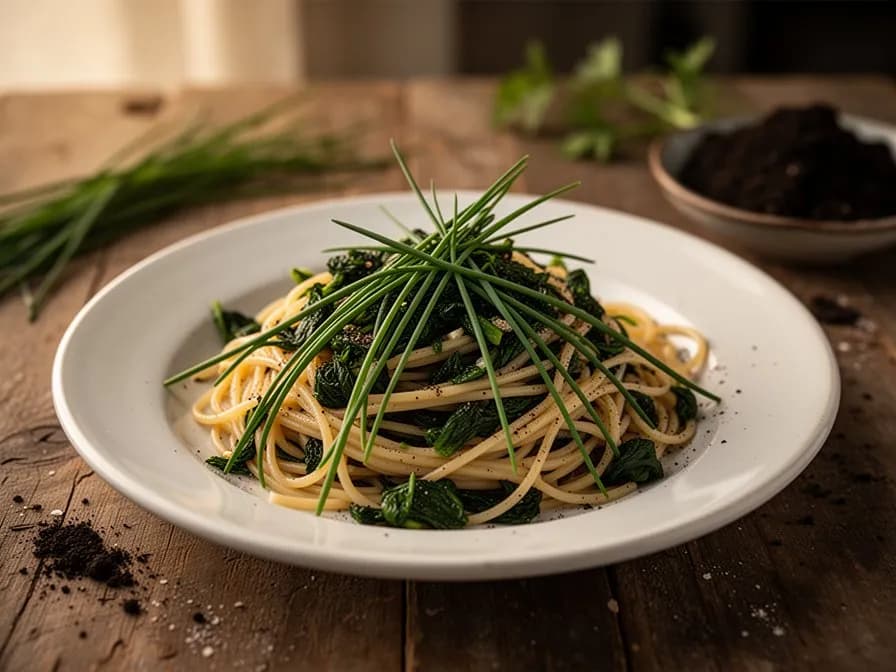
Mantequilla Compuesta de Cebollino Siberiano
10 minUna mantequilla aromatizada versátil que transforma cualquier plato. El cebollino siberiano finamente picado se incorpora a mantequilla ablandada con un chorrito de zumo de limón, luego se enrolla en un cilindro y se enfría en el refrigerador. Sirva rodajas de esta vibrante mantequilla verde sobre filetes a la parrilla, patatas al horno, pan fresco o verduras al vapor para una mejora instantánea de sabor.
6 ingredientesVinagre de Flor de Cebollino
5 min (más 2 semanas de maceración)Un vinagre de un hermoso color rosa elaborado macerando flores frescas de cebollino siberiano en vinagre de vino blanco. Las flores liberan su delicado sabor a cebolla y su vívido pigmento púrpura, creando tanto un ingrediente gourmet como un atractivo regalo de cocina. Úselo en vinagretas, rociado sobre remolacha asada o como toque final en sopas.
4 ingredientesSopa Cremosa de Cebollino y Patata
35 minUna sopa sedosa y reconfortante que realza el fresco sabor a cebolla del cebollino siberiano. Las patatas se cuecen hasta estar tiernas, se trituran con nata hasta obtener una textura suave y se terminan con un generoso puñado de cebollino siberiano finamente picado incorporado en el último momento para preservar su color brillante y su sabor. Sirva adornado con flores de cebollino.
9 ingredientesUsos culinarios
El cebollino siberiano tiene un sabor a cebolla más pronunciado que el cebollino común, lo que lo hace ideal para platos más contundentes. Úselo en sopas de patata, guisos y cuencos de cereales donde se desee una presencia aliácea más intensa. Pique finamente e incorpore a crema agria, mantequilla o queso crema para preparar untables salados. Las cabezuelas florales aportan un llamativo color morado y suave sabor a cebolla en ensaladas, vinagres y guarniciones. Combina muy bien con el eneldo en la cocina tradicional de Europa del Este y Rusia.
Qué contiene
Beneficios para la salud
- Excepcionalmente rico en vitamina A y betacaroteno, con 100 g que aportan aproximadamente el 87% del valor diario — vital para mantener una visión sana, apoyar la producción de células inmunitarias y proteger la piel del daño oxidativo causado por la exposición a los rayos UV.
- Fuente sobresaliente de vitamina C, aportando más del 60% del valor diario por 100 g, que apoya la síntesis de colágeno para una piel y articulaciones sanas, fortalece la defensa inmunitaria y mejora la absorción del hierro no hemo procedente de alimentos vegetales.
- Contiene compuestos organosulfurados, incluidos sulfuros de alilo y precursores de alicina, que la investigación ha vinculado a beneficios cardiovasculares como reducción de la presión arterial, mejora de los índices de colesterol y actividad antiagregante plaquetaria.
- Rico en vitamina K, esencial para activar los factores de coagulación y la proteína constructora de hueso osteocalcina — el consumo regular contribuye tanto a la correcta cicatrización de heridas como al mantenimiento a largo plazo de la densidad ósea.
- Aporta los antioxidantes flavonoides quercetina y kaempferol, que estudios de laboratorio han demostrado que poseen propiedades antiinflamatorias, antihistamínicas y neuroprotectoras que pueden ayudar a reducir el riesgo de enfermedades crónicas.
- Contiene fructanos prebióticos que nutren selectivamente las especies beneficiosas de Lactobacillus y Bifidobacterium en el intestino, favoreciendo un microbioma sano, una mejor absorción de minerales y una señalización inmunitaria mejorada desde el tracto gastrointestinal.
De dónde viene Cebollino Siberiano
El cebollino siberiano (Allium schoenoprasum 'Siberian') es un cultivar robusto seleccionado a partir de poblaciones silvestres de cebollino común nativo de las vastas praderas, valles fluviales y praderas montañosas de Siberia y el norte de Asia Central. La especie Allium schoenoprasum tiene una de las distribuciones naturales más amplias de cualquier allium, que abarca desde la costa atlántica de Europa a través de toda la masa terrestre euroasiática hasta Japón, y a través de la región de Bering hasta América del Norte. El ecotipo siberiano evolucionó en algunos de los paisajes habitados más duros de la Tierra, desarrollando una resistencia al frío excepcional, hojas más gruesas y un crecimiento vigoroso durante la breve temporada de crecimiento nórdica.
El cebollino ha sido recolectado en estado silvestre y cultivado en Europa y Asia durante miles de años. Las primeras referencias escritas aparecen en textos chinos que datan de aproximadamente el 3000 a. C., mientras que los registros europeos de cultivo deliberado comienzan en la Edad Media, cuando el cebollino era un elemento básico de los jardines de hierbas monásticos. Los monjes lo valoraban por sus propiedades culinarias, medicinales y repelentes de plagas. El nombre 'cebollino' deriva del latín cepa (cebolla) a través del francés antiguo cive. Se dice que Marco Polo destacó el amplio uso del cebollino silvestre por parte de los pueblos nómadas durante sus viajes por Asia Central a finales del siglo XIII.
La selección deliberada del cultivar siberiano refleja un interés moderno por identificar y propagar las variedades más resistentes al frío, vigorosas y sabrosas para los jardineros del norte. Las semillas recolectadas de poblaciones silvestres siberianas fueron probadas por fitomejoradores escandinavos y canadienses en el siglo XX, dando lugar a selecciones reconocidas por su capacidad de prosperar donde los inviernos alcanzan regularmente los -40 °C y las temporadas de crecimiento duran apenas cuatro meses. Hoy en día, el cebollino siberiano es especialmente popular entre los jardineros de Canadá, Alaska, Escandinavia y el norte de Rusia, donde a menudo es la primera hierba en emerger en primavera y la última en sucumbir a la helada otoñal.
Cebollino Siberiano: ¿sabías que?
Datos fascinantes sobre Cebollino Siberiano
El cebollino siberiano se encuentra entre las hierbas culinarias más resistentes del planeta, con documentación de supervivencia a temperaturas sostenidas de -40 °C (-40 °F) en su área de distribución nativa a través de Siberia, Mongolia y el norte de Escandinavia — convirtiéndolos en una de las pocas hierbas frescas al alcance de los jardineros de las zonas USDA 2 y 3.
Cebollino Siberiano: preguntas frecuentes
¿Cuándo debo plantar Cebollino Siberiano?
¿Cuáles son buenas plantas acompañantes para Cebollino Siberiano?
¿En qué zonas de rusticidad puede crecer Cebollino Siberiano?
¿Cuánto sol necesita Cebollino Siberiano?
¿A qué distancia debo espaciar Cebollino Siberiano?
¿Qué plagas y enfermedades afectan a Cebollino Siberiano?
¿Cómo almaceno Cebollino Siberiano después de la cosecha?
¿Cuáles son las mejores variedades de Cebollino Siberiano para cultivar?
¿Qué suelo necesita Cebollino Siberiano?
¿En qué se diferencia el cebollino siberiano del cebollino común?
¿Puedo cultivar cebollino siberiano en contenedores?
¿Por qué las hojas de mi cebollino siberiano están amarilleando?
¿Las flores del cebollino siberiano son comestibles?
¿Cómo evito que el cebollino siberiano se expanda demasiado agresivamente?
¿Cuál es el mejor momento para dividir los grupos de cebollino siberiano?
Acabas de leer la teoría. Ahora cultívala en piloto automático.
Todo lo que hace que Cebollino Siberiano sea delicado — el momento, el espaciado, las asociaciones, la ventana de cosecha — es justo lo que PlotMyGarden resuelve por ti, para cada planta de tu huerto.
Un plan que conoce tu clima
Indica tu ubicación una vez. Recibe fechas de siembra, abonado y cosecha basadas en tu última helada real y el pronóstico en vivo — sin adivinar con un sobre genérico.
De la sección “Cuándo plantar”Planificador de bancales de arrastrar y soltar
Diseña bancales sobre una cuadrícula. Cada planta encaja con su espaciado correcto y ves toda la temporada antes de gastar un céntimo en semillas.
De la sección “Cultivo”Conflictos de asociación, detectados a tiempo
Más de 200 buenas y malas combinaciones comprobadas en vivo mientras plantas — para que un error que arruine la temporada nunca llegue a la tierra.
De la sección “Asociaciones”Recordatorios que sí vas a seguir
“Riega las judías.” “Recoge hoy antes de que se pase.” Oportunos, concretos y ligados a las plantas que de verdad cultivas.
De la sección “Cosecha”Escalonado, programado
¿Quieres cosechar seis semanas en vez de seis días? Reparte tus siembras automáticamente y te avisa cuando toca el siguiente lote.
De la sección “Cuándo plantar”Un registro que se vuelve más listo
Cada cosecha que registras le enseña tu huerto. El plan del año que viene parte de lo que de verdad funcionó en tu suelo, no en un manual.
De la sección “Resumen”Planta estos junto a Cebollino Siberiano
Más Hierbas culinarias
Mantén Cebollino Siberiano lejos de estos
Cultiva tu mejor Cebollino Siberiano — y todo lo que la rodea.
Empieza un plan gratis hoy. Diseña tus bancales, coloca tu Cebollino Siberiano y deja que PlotMyGarden gestione el momento, el espaciado, las asociaciones y los recordatorios de la semilla a la cesta.