Rainier Cherry
A premium yellow-red sweet cherry with creamy flesh, considered the most delicious cherry variety but also the most finicky to grow.





On this pageOverview
Meet Rainier Cherry
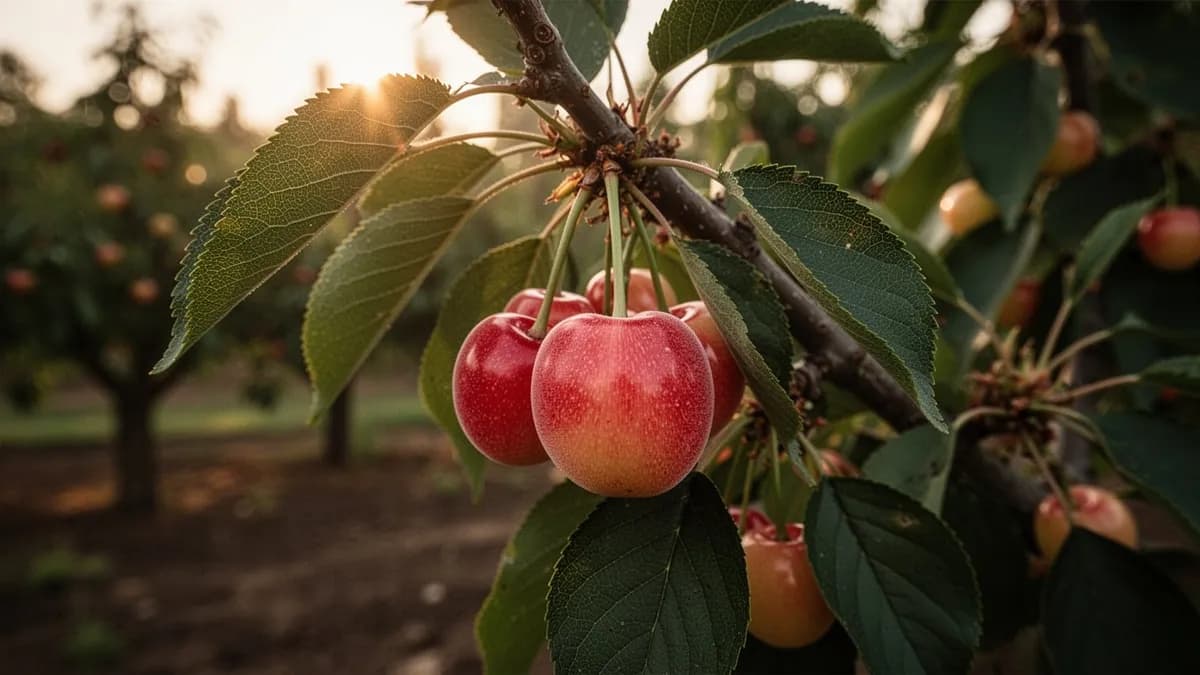
A premium yellow-red sweet cherry with creamy flesh, considered the most delicious cherry variety but also the most finicky to grow. Rainier cherries are extremely susceptible to rain cracking and bird damage, requiring both covers and netting during the fruiting period. The reward is an extraordinarily sweet, complex flavor that commands premium prices at farmers markets.
When to plant Rainier Cherry
Rainier cherry seeds will not produce true-to-type trees and are not recommended for propagation. Purchase grafted trees on Mazzard, Gisela, or Krymsk rootstock for reliable fruit quality. Gisela 5 provides excellent dwarfing for home orchards. Trees begin bearing in their third to fourth year on dwarfing rootstock. Allow five to six years on standard rootstock.
Your Rainier Cherry Year
Composed for Zone 7 · typical seasons · frost passes Apr 2, returns Nov 1
Plant Rainier Cherry Mar – Apr, pick Jun – Jul. Check the planting methods below and set your climate to personalize these windows.
How to grow Rainier Cherry
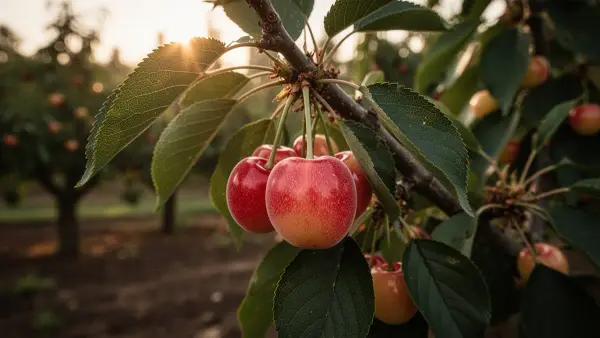
Rainier cherries require more attention than any other cherry variety but reward careful growers with fruit of unmatched quality. Plant bare-root trees in late winter in a sheltered, south-facing location with excellent air drainage. Space trees 18 to 22 feet apart on standard rootstock or 12 to 15 feet on dwarfing rootstock. Rainier is not self-fertile and requires a compatible pollinator such as Bing, Van, or Stella planted within 100 feet.
Protection from rain is the single biggest challenge. Rain during the final ripening weeks causes severe cracking that ruins the crop. Commercial growers use rain covers or high tunnels over the trees. Home growers should consider building a simple frame with clear plastic sheeting that can be deployed during rain events. Bird netting is also essential since the light-colored fruit is irresistible to birds.
Train to an open center or modified central leader form. Prune after harvest in summer to reduce disease risk. Thin fruit clusters if the set is heavy to improve size and reduce cracking. Fertilize moderately in spring and maintain consistent moisture during fruit development, but reduce watering as fruit begins to color to minimize splitting.
Rainier Cherry needs more room than a 4 × 8 ft bed gives
Each Rainier Cherry wants 360 cm of elbow room. The planner keeps that spacing for you — every plant, every bed.
Rainier Cherry's best neighbours
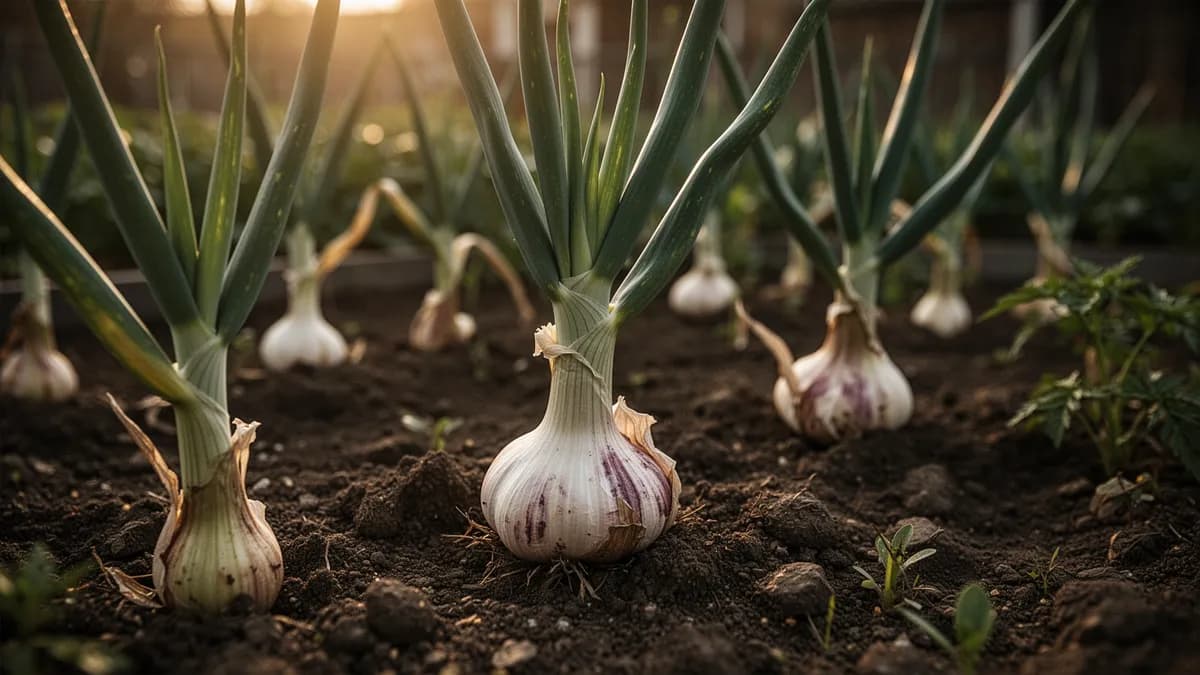
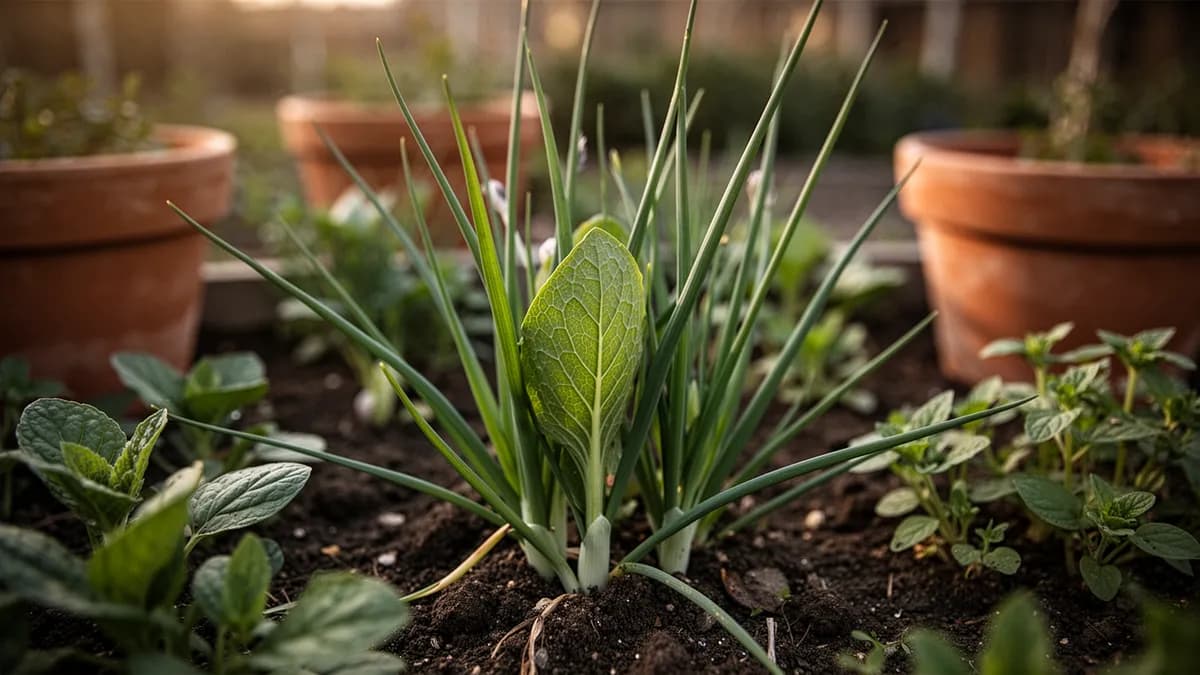
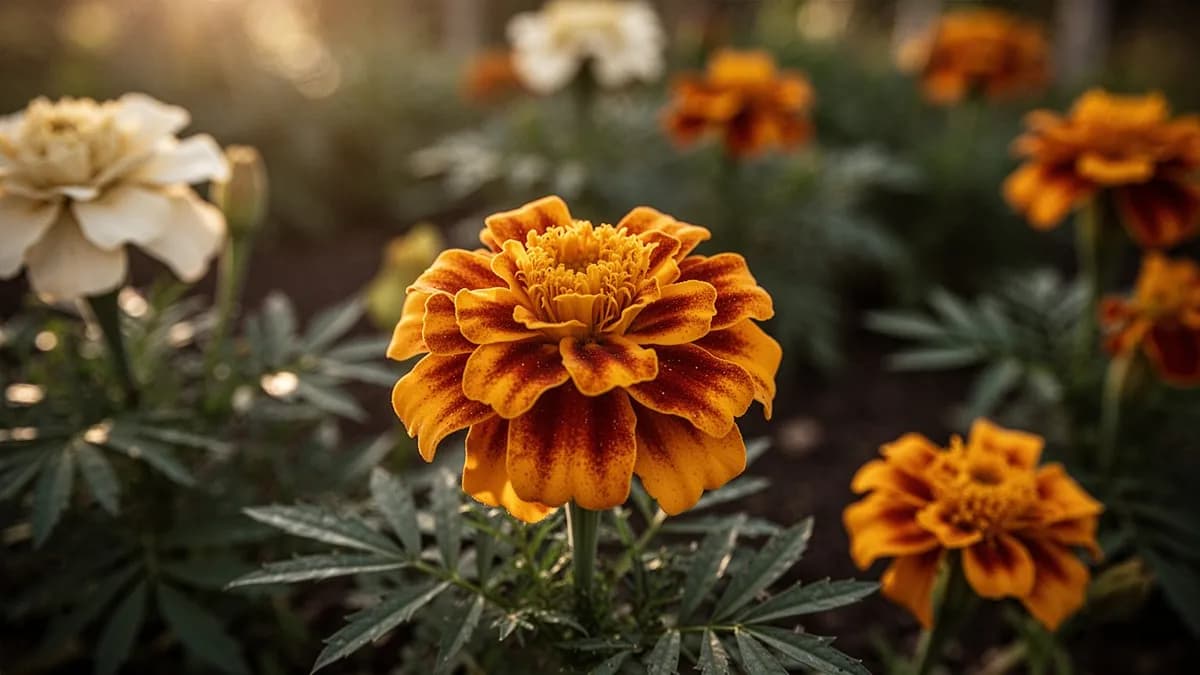
Plant a compatible pollinator such as Bing, Van, Stella, or Lapins within 100 feet. Underplant with garlic, chives, and alliums to deter borers. White clover or crimson clover as ground cover fixes nitrogen and attracts pollinators. Nasturtiums and marigolds help repel aphids. Avoid planting near walnut trees due to juglone sensitivity.
Garlic belongs beside it. Walnut Tree doesn't.
Old growers' knowledge, checked against Rainier Cherry's real companion table below — test any plant you're growing.
Try Rainier Cherry in a bed — right here
A real planner bed with Rainier Cherry already in it. Tap a companion to place it and watch the pairing checks answer — green for good neighbours, red for a clash.


Related growing guides
Feed it well
Rainier cherries require well-drained, deep loam with a pH of 6.0 to 7.0. Avoid heavy clay or waterlogged sites. Apply a balanced fertilizer in early spring before bloom and side-dress with compost. Avoid excessive nitrogen which promotes vegetative growth over fruit production. Maintain a three to four inch organic mulch layer but keep it away from the trunk.
Ideal Temperature
Hardiness Zone Compatibility
From seed to harvest, stage by stage
Winter Dormancy and Chill Accumulation
During winter the Rainier cherry tree is fully leafless and dormant, with all visible growth suspended. Below ground the roots remain mildly active, absorbing moisture and conducting minor metabolic processes, but the real work of dormancy is the accumulation of chill hours — the period of sustained cold temperatures below 7 °C (45 °F) required to prime the tree for successful flowering in spring. Rainier cherry requires approximately 700–800 chill hours. Insufficient chilling results in erratic, staggered blossom opening and severely reduced fruit set. The tree is at its most cold-tolerant now, capable of withstanding temperatures as low as -18 °C when fully hardened.
Bud Swell and Blossom
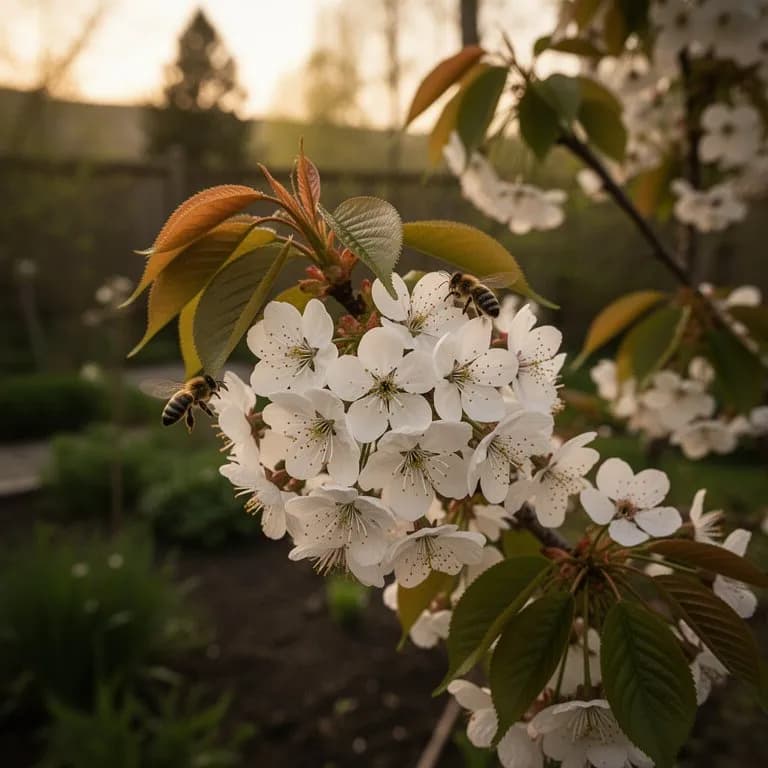
As temperatures rise in late winter to early spring, the Rainier cherry breaks dormancy and its flower buds swell visibly over a period of days before bursting into clusters of pure white blossoms. The flowering window is brief — typically 7 to 12 days — and timing varies by region and season. Rainier is considered an early to mid-season bloomer, opening alongside or slightly after Bing, which is one of its preferred pollinators. Bees and other insects are the essential agents of cross-pollination; warm, dry, calm weather during this window is critical. A single hard frost below -2 °C during open bloom can destroy the majority of the potential crop in hours.
Fruit Set and Early Fruitlet Development
Following successful pollination, the fertilised flowers develop into small green fruitlets at the base of each spent bloom. The tree simultaneously pushes out a full canopy of leaves which begin powering growth through photosynthesis. Unfertilised or poorly pollinated fruitlets drop naturally within a few weeks — the so-called "June drop" — leaving the successfully set fruit to develop further. During this phase the fruitlets are hard, bright green, and small, with their characteristic Rainier shape — a round to heart-shaped profile with a slight point at the apex — already beginning to form.
Rapid Cell Division and Size Development
Rainier cherries enter a phase of rapid cell division followed by cell expansion. The fruit grows visibly from week to week, transitioning from small green marbles to approaching their mature size. Sugar accumulation begins in earnest during this phase, with the Rainier's notoriously high sugar content — Brix readings of 17–23° at full ripeness, compared to 14–16° for most other sweet cherries — building steadily. The tree is under its greatest demand for water and nutrients during this period, and any shortfall will show directly in reduced fruit size and lower sugar content at harvest.
Colour Development and Ripening
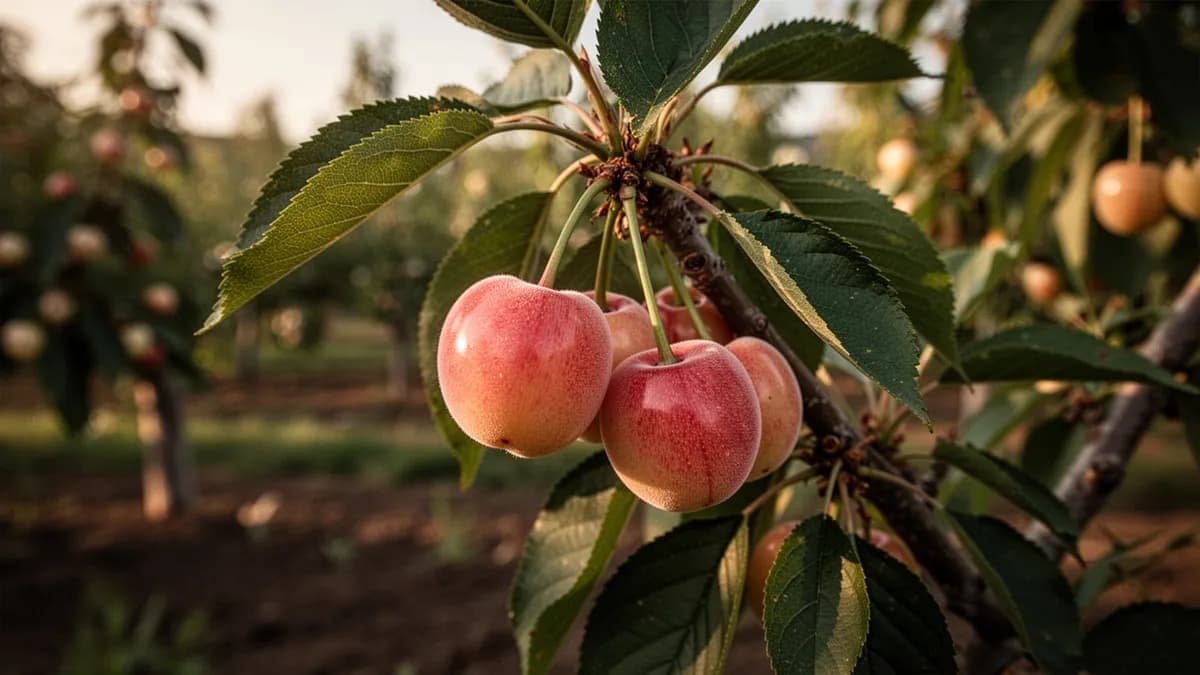
In the final weeks before harvest, Rainier cherries undergo the dramatic colour transformation that makes them instantly recognisable: the background colour shifts from green to a translucent golden-yellow, while the sun-exposed side flushes progressively deeper through pink to vivid red. Unlike dark-fleshed varieties, the flesh of a Rainier remains cream to pale yellow, firm, and almost crackling in texture when ripe. The flavour at peak ripeness is exceptionally sweet, low in acid, and carries distinctive floral, honey-like notes. Rainier ripens approximately mid-season in most growing regions — about one to two weeks before Lapins, and around the same time as Bing in Washington State, typically from mid-June to late June depending on elevation and latitude.
Post-Harvest Recovery and Summer Growth
After harvest, the Rainier cherry tree redirects its considerable energy away from fruit production and back into vegetative growth and, most critically, into the formation of the flower buds that carry next year's entire crop potential. Leaves remain photosynthetically active through summer and into autumn, building the carbohydrate reserves stored in the woody tissue and roots that fuel next spring's flowering flush. This is the ideal window for summer pruning — wounds heal rapidly in warm, dry conditions, and the risk of silver leaf and bacterial canker infection is at its seasonal low.
Leaf Senescence and Return to Dormancy
As day length shortens and night temperatures fall in autumn, the Rainier cherry withdraws nutrients from its leaves, which turn yellow and orange before dropping. Growth hormones decline to maintenance levels and the tree gradually re-enters the dormant state it needs for next season's flowering. All the energy and nutrient stores accumulated over summer are now locked into the woody tissue and root system, ready to power the explosive burst of spring blossom. The tree's winter hardiness increases progressively through this hardening-off period.
Apply a dormant oil spray on a dry, frost-free day above 4 °C to smother overwintering mite eggs, scale insects, and aphid eggs. Inspect the full length of all branches for signs of bacterial canker — sunken, dead areas with amber gum exudate — and cut well back into clean white wood. Mulch the root zone with 7–10 cm of well-rotted compost, keeping it clear of the trunk, to protect roots and add slow-release fertility.
Caring for Rainier Cherry month by month
What to do each month for your Rainier Cherry
October
You are hereRake and remove all fallen leaves and dispose of them away from the garden to prevent overwintering disease carry-over. Apply a 7–10 cm mulch of well-rotted compost or bark chips around the root zone, keeping it clear of the trunk. Inspect the full tree for canker lesions and treat or remove all affected wood before winter arrives. Check the trunk for any rabbit-proof guards needed over winter.
Know exactly what to do in your garden — every month
One email at the start of each month: what to sow, plant, and tackle right now — for your Rainier Cherry and everything growing around it. Plus a short starter course that helps you dodge the classic mistakes.
- What to do, right now
- Matched to your season
- Starter course included
Harvesting Rainier Cherry
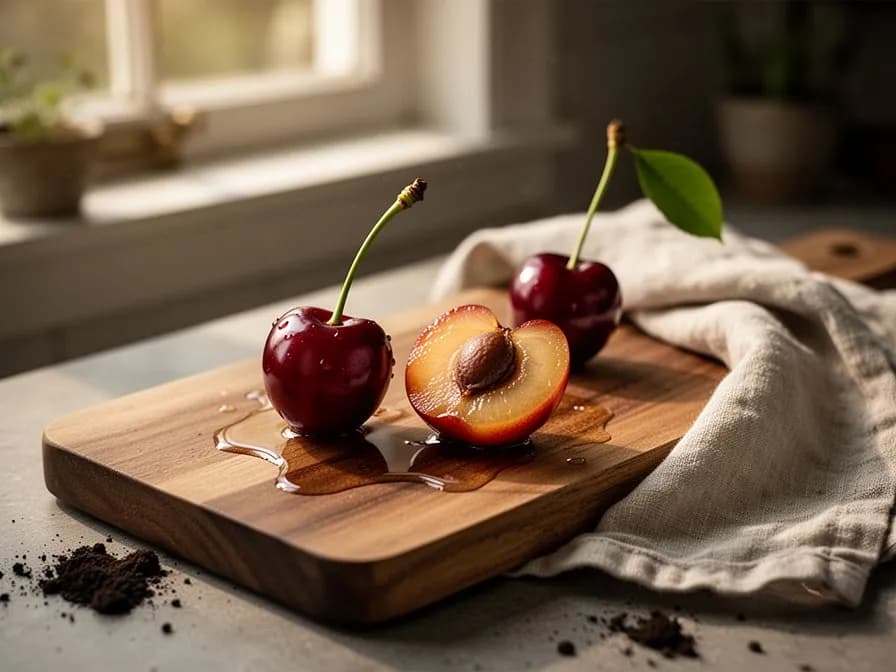
Rainier cherries ripen in late June to early July, about five to seven days after Bing in the same location. Harvest when the yellow skin develops a distinctive pink-red blush and the flesh yields slightly to gentle pressure. Pick with stems attached to extend shelf life. Handle with extreme care as the light flesh shows bruising readily. Harvest in the cool morning hours.
assuming you plant when the window opens — set your real date
Pick Rainier Cherry promptly and the plant keeps producing.
Storage & Preservation
Rainier cherries are best eaten fresh within three to five days of harvest. Refrigerate immediately at 32 to 34 degrees Fahrenheit with high humidity. Freeze pitted cherries in a single layer before bagging for longer storage. Their delicate flavor does not preserve as well as dark cherries, so fresh consumption and freezing are preferred over canning or drying.
What goes wrong — and the fix
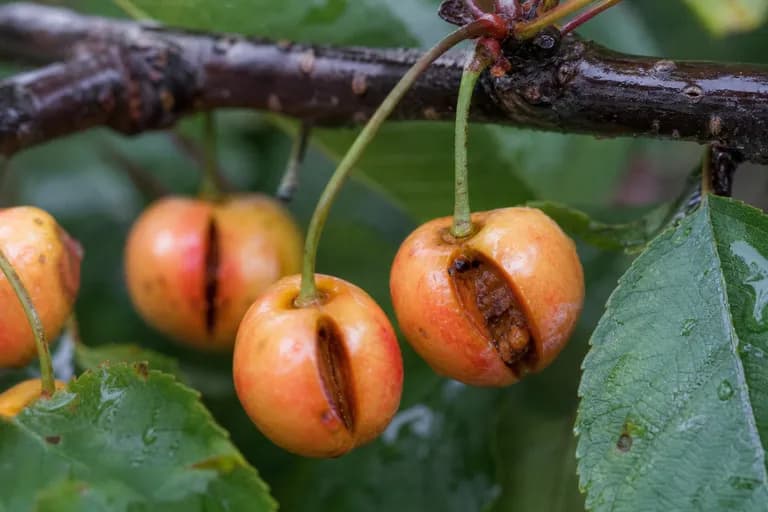
Rain Cracking
DiseaseFruit splits open along the suture or at the stem end after rainfall, leading to rapid decay and brown rot infection.
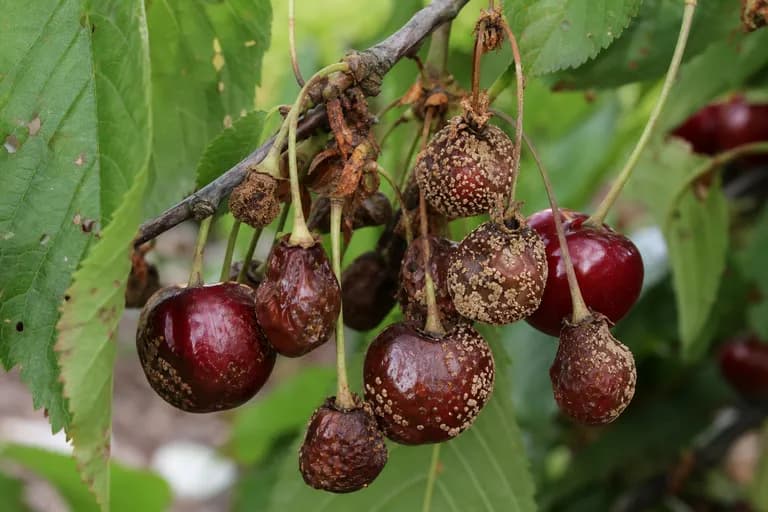
Brown Rot
DiseaseTan to brown soft spots on ripening fruit with powdery spore masses. Blossom blight kills flower clusters in wet springs.
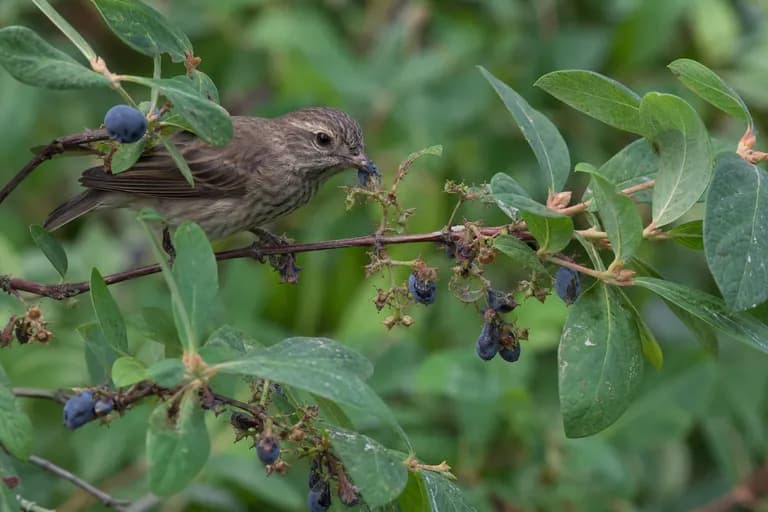
Bird Damage
PestPecked and partially eaten fruit. Rainier cherries suffer more bird damage than dark varieties due to their visible light color.
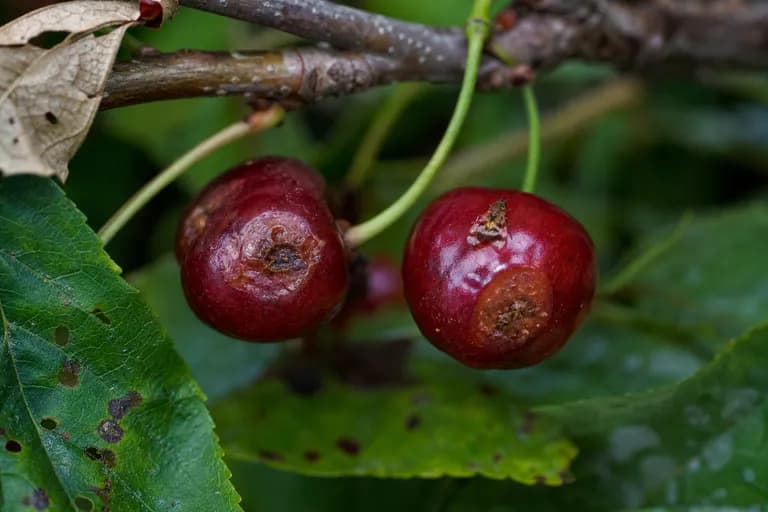
Cherry Fruit Fly
PestSmall maggots inside fruit near the pit. Entry holes may show slight dimpling on the fruit surface.
Troubleshooting Common Problems
Rain cracking is the dominant issue and can destroy an entire crop in a single storm. Double and spur fruit often results from inadequate winter chilling. Poor pollination causes small, misshapen fruit. Light-colored fruit makes bird damage far worse than with dark cherry varieties. Sunburn can scald exposed fruit in hot climates.
Growing Tips
- Rainier cherry is not self-fertile and absolutely requires a compatible cross-pollinating variety within 15–30 metres to set fruit. The best-documented pollinators are Bing, Stella, Van, and Lapins — all of which flower at overlapping times. Bing and Rainier are particularly well-matched and many growers plant one of each. Check a current compatibility chart before purchasing, as not all combinations work and some varieties are poor pollinators despite flowering simultaneously.
- Choose your rootstock carefully for your space and soil. Gisela 5 produces a compact tree of 3–3.5 metres, ideal for netting and small gardens but requiring richer soil and more attentive watering. Gisela 6 gives a more vigorous tree of 4–5 metres with better drought tolerance and somewhat higher yields — a good all-round choice for most home orchards. Colt produces a larger tree of 5–6 metres well-suited to deep fertile soils but harder to net effectively.
- Consistent, even soil moisture is more important for Rainier than for almost any other cherry variety because its relatively thin skin makes it exceptionally prone to rain-induced fruit splitting. Install drip irrigation or soaker hoses at the root zone before the season begins, and water steadily throughout fruit development. Never allow the soil to dry out significantly and then water heavily — this is the exact pattern that causes the skin to split.
- Netting Rainier cherry trees is non-negotiable. Because the pale golden-yellow fruit is so highly attractive to birds — and because commercially its value is so high — even a modest garden tree losing 50% of its crop to birds represents a very tangible loss. Use fine-mesh netting (15–20 mm) over the entire canopy, secured at the base. Install the netting at least two to three weeks before anticipated ripening, before any colour change occurs, as birds identify and begin visiting the tree well before the fruit is technically ripe.
- Summer pruning immediately after harvest — in late June or July depending on your region — is mandatory for Rainier cherry. Pruning in autumn or winter dramatically increases the risk of silver leaf disease (Chondrostereum purpureum) and bacterial canker (Pseudomonas syringae), both of which infect through pruning wounds and are most active in cool, wet conditions. Always use clean, sharp tools, make cuts to a clean lateral or bud, and seal wounds larger than 2 cm with a horticultural wound sealant.
- Fan-training a Rainier cherry against a warm, south-facing wall or fence is one of the best approaches for smaller gardens. The reflected heat advances ripening by one to two weeks, reduces the incidence of rain-induced splitting by improving air movement around the fruit, makes netting straightforward, and produces one of the most beautiful features a kitchen garden can offer during blossom season. A well-trained fan against a wall is also easier to spray, prune, and harvest than a free-standing tree.
- Rainier cherries are particularly sensitive to brown rot (Monilinia fructicola), which can devastate a crop during wet conditions at harvest time. Maintain good air movement through the canopy with annual summer pruning. Remove any cracked, split, or overripe fruit immediately, as these become inoculation points for rapid spread. Avoid overhead irrigation at any point once fruitlets are developing. In regions with frequent summer rain, a protective copper-based fungicide spray applied two weeks before anticipated harvest can significantly reduce brown rot losses.
- Harvest Rainier cherries at the correct moment — not too early and not too late. Underripe Rainier cherries (background still greenish, red blush less than 50% developed) lack the full sweetness and complexity that makes the variety exceptional. Overripe fruit (skin beginning to pucker or soften, stem easily detached without twist) splits readily and deteriorates within hours. At peak ripeness the background is fully golden-yellow, the blush is vivid red covering 60–80% of the surface, the flesh yields very slightly under firm thumb pressure, and the stem releases with a gentle sideways twist rather than a hard pull.
- Give particular attention to the soil around a Rainier cherry tree in the first three years after planting. The variety is more demanding of good drainage than many stone fruits — standing water around the root collar even briefly can initiate crown rot and kill a young tree within a single season. If your soil has any tendency toward waterlogging, plant on a slight mound, incorporate generous quantities of grit or coarse sand into the planting area, and monitor drainage in wet winters.
- Apply a top-dressing of well-rotted garden compost around the drip line each autumn and a potassium-rich granular fertiliser in late summer to support fruit bud formation. Avoid high-nitrogen feeds after midsummer — they promote soft leafy growth that is more susceptible to disease and delays the hardening-off process the tree needs before winter. A soil pH of 6.0–6.5 is ideal; where soils are more acidic, an annual light dressing of garden lime helps maintain optimal conditions.
Grow your best Rainier Cherry yet — and everything around it.
Start a free plan today. Lay out your beds, drop in your Rainier Cherry, and let PlotMyGarden handle the timing, spacing, companions and reminders from seed to harvest basket.
Pick your Rainier Cherry
Rainier
The original yellow-red cherry developed at Washington State University in 1952. A cross of Bing and Van with exceptionally sweet, creamy flesh.
Royal Rainier
An improved selection with slightly firmer flesh and better resistance to rain cracking while retaining the classic Rainier flavor.
Benton
A dark sweet cherry often planted as a pollinator for Rainier. Good overlap in bloom time and excellent fruit in its own right.
White Gold
A self-fertile yellow cherry similar to Rainier that can serve as both pollinator and a complementary variety in the orchard.
Rainier cherries are consistently one of the most expensive fresh fruits available at retail, commanding $8–$15 per kilogram (£7–£12) at peak season in the UK and Europe, and $5–$10 per pound ($11–$22 per kg) in North America — with premium export-grade fruit achieving even higher prices in specialist markets. A semi-dwarf Rainier tree on Gisela 6 rootstock, costing £30–£70 to purchase, can yield 12–20 kg of fruit per season at maturity, representing a retail value of £84–£240 per harvest. Over the 20–25 productive years of a well-maintained tree, the cumulative value of the crop easily exceeds £1,700–£6,000. The gap in quality between homegrown and commercial fruit is particularly significant for Rainier — commercially harvested fruit is picked 3–5 days before peak ripeness to survive transport and handling, meaning that home-grown Rainier cherries eaten at true backyard ripeness offer a flavour experience that money genuinely cannot buy from any supermarket or greengrocer.
Quick recipes
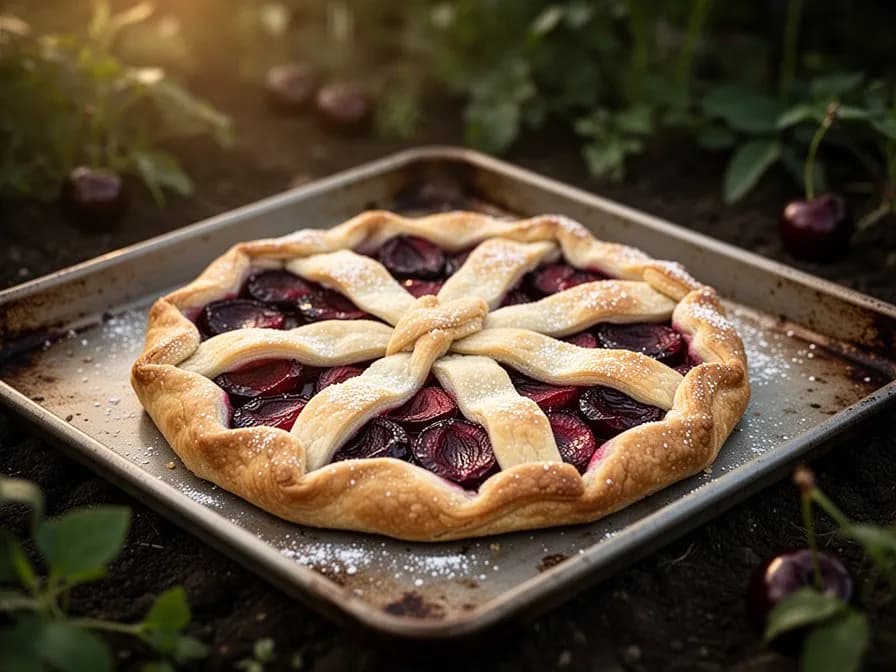
Rainier Cherry and Burrata Salad
15 minutesA stunning no-cook summer salad that pairs the honey-sweet low-acid flavour of Rainier cherries with the rich creaminess of burrata, the peppery bite of fresh rocket, and a dressing of good olive oil and aged balsamic. The pale golden cherries against white burrata and dark green leaves make this as visually striking as it is delicious. Serve as a first course or light lunch with crusty bread — it is best assembled and served immediately.
8 ingredientsChilled Rainier Cherry Soup
20 minutes prep + 2 hours chillingA Scandinavian-inspired cold cherry soup that showcases the Rainier's exceptional natural sweetness in its purest form. Blended raw with a small amount of vanilla yoghurt and a squeeze of lemon to lift the flavour, then chilled until silky-smooth, this vivid golden soup works as an elegant starter, a summer dessert, or a refreshing mid-afternoon treat. The only cooking involved is a brief simmer to soften the pits free — everything else is raw.
8 ingredientsRainier Cherry Jam with Vanilla and Lemon
30 minutes + overnight macerationA small-batch jam that preserves the delicate floral sweetness of Rainier cherries in spreadable form. Because Rainier's pale flesh produces a golden-apricot coloured jam rather than the deep red expected from darker varieties, it looks and tastes unlike any commercial cherry preserve — closer in character to a gourmet stone-fruit conserve. The vanilla and lemon lift the flavour and help the pectin set. Makes 3–4 small jars ideal for gifting or storing as a taste of summer through winter.
6 ingredientsCulinary Uses
Rainier cherries are best enjoyed fresh to appreciate their complex, sweet flavor with hints of honey and cream. They make elegant tarts, clafoutis, and white cherry preserves. Their light color creates beautiful garnishes for cocktails and desserts. Pair with soft cheeses and sparkling wine for appetizers.
What's inside
Health Benefits
- Rainier cherries are a significant source of anthocyanin antioxidants — particularly cyanidin glycosides — which are extensively studied for their role in reducing systemic inflammation, lowering markers of oxidative stress, and supporting long-term cardiovascular health by improving vascular function and reducing LDL oxidation.
- The natural melatonin and tryptophan content of sweet cherries has been shown in randomised controlled trials to improve both sleep duration and quality — particularly relevant for adults experiencing age-related decline in melatonin production, with some studies finding sleep time increases of up to 84 minutes per night from regular cherry intake.
- Cherries contain notable concentrations of quercetin and isoquercetin, flavonoids with well-documented anti-inflammatory activity that have been shown in sports nutrition research to reduce exercise-induced muscle damage, soreness, and strength loss — making regular cherry consumption a practical dietary strategy for active individuals.
- Regular sweet cherry consumption has been associated in epidemiological and intervention studies with reduced serum uric acid levels, providing a dietary tool for people managing gout or hyperuricaemia. Cherries appear to reduce both the frequency of gout attacks and the severity of symptoms during flares.
- With a glycaemic index of approximately 22 and meaningful dietary fibre content, Rainier cherries produce a slow, sustained rise in blood glucose rather than a rapid spike, making them a fruit that fits well into dietary patterns designed to support insulin sensitivity and blood sugar management, despite their notably high natural sugar content.
- The polyphenol content of sweet cherries — including chlorogenic acid, anthocyanins, and procyanidins — has been associated in emerging research with neuroprotective effects, with animal and cell-culture studies suggesting potential for supporting cognitive function and reducing neuroinflammation, though large-scale human clinical data remains an active area of investigation.
Where Rainier Cherry comes from
The Rainier cherry (Prunus avium 'Rainier') is a relatively modern variety with a precisely documented origin, unusual in the world of fruit trees where many cultivars have histories stretching back centuries with tangled and uncertain genealogies. It was bred in 1952 at Washington State University's Research Station in Prosser, Washington, by horticulturist Harold Fogle, through a deliberate cross between two established and commercially proven sweet cherry varieties: the deeply pigmented, meaty Bing and the lighter, firmer Van. The resulting seedling exhibited an entirely unexpected combination of traits: a large, heart-shaped fruit with golden-yellow background skin that flushed vivid pink to red on the sun-exposed side, cream-coloured flesh of exceptional firmness, an unusually low acid profile, and a sugar content that outpaced virtually every other sweet cherry variety then known. The new variety was formally named in 1960 after Mount Rainier — the glacier-clad stratovolcano that dominates the horizon of western Washington State and is perhaps the region's most iconic natural landmark.
Commercial planting of Rainier cherry expanded steadily through the 1970s and 1980s in the Yakima Valley, Wenatchee Valley, and Hood River regions of Washington, Oregon, and British Columbia — growing conditions where warm, dry summers reduce fruit splitting and fungal disease, cold winters provide the necessary chill hours, and deep volcanic soils support vigorous tree growth. The Pacific Northwest climate proved uniquely suited to coaxing the finest expression of Rainier's quality, and the variety quickly developed a devoted following among discerning buyers.
By the 1990s, Rainier cherry had become a premium commodity in US and international fresh fruit markets, commanding prices two to three times higher than conventional dark cherries due to the combination of its exceptional flavour, its short and unreliable harvest window, and the significant agricultural skill and careful handling required to bring the delicate pale-skinned fruit to market without bruising or splitting. The variety gained particular recognition in Japanese export markets, where premium fruit is deeply culturally valued and consumers were prepared to pay extraordinary prices for individually graded, tissue-wrapped Rainier cherries — a trade that continues to command prices exceeding $30–$50 per kilogram for top-grade export fruit.
Today, Washington State produces approximately 60–70% of all US sweet cherry output, and Rainier consistently represents one of the most economically significant single variety crops in the state's agriculture. Smaller but growing commercial plantings exist in Oregon, British Columbia, Idaho, and in parts of Chile, Turkey, and New Zealand, which supply Southern Hemisphere production during the northern off-season. For home growers, the Rainier remains one of the most rewarding — if demanding — choices available: a fruit with a genuinely exceptional flavour profile that is far superior when harvested at true backyard ripeness than anything available from even the best commercial sources.
Rainier Cherry: did you know?
Fascinating facts about Rainier Cherry
Rainier cherry was bred at Washington State University in 1952 by horticulturist Harold Fogle, who crossed the dark-fleshed Bing cherry with the lighter Van variety to produce an entirely new colour type — the result was so distinctive it was named after Mount Rainier, the iconic snow-capped volcano dominating the Washington State skyline.
Rainier Cherry questions, answered
When should I plant Rainier Cherry?
What are good companion plants for Rainier Cherry?
What hardiness zones can Rainier Cherry grow in?
How much sun does Rainier Cherry need?
How far apart should I space Rainier Cherry?
What pests and diseases affect Rainier Cherry?
How do I store Rainier Cherry after harvest?
What are the best Rainier Cherry varieties to grow?
What soil does Rainier Cherry need?
Why is my Rainier cherry tree flowering abundantly every spring but producing very little fruit?
My Rainier cherries always split and crack just before harvest — is there anything I can do?
What is the best cross-pollinator to plant alongside a Rainier cherry?
When exactly should I harvest Rainier cherries and how can I tell when they are ripe?
Can Rainier cherry be grown in a container or a small garden?
Is Rainier cherry worth the extra effort compared to easier self-fertile varieties?
You just read the theory. Now grow it on autopilot.
Everything that makes Rainier Cherry fiddly — the timing, the spacing, the companions, the harvest window — is exactly what PlotMyGarden handles for you, for every plant in your garden.
A plan that knows your weather
Set your location once. Get sow, feed and harvest dates built around your real last-frost date and live forecast — no more guessing from a generic seed packet.
From the “When to plant” sectionDrag-and-drop bed planner
Design beds on a grid. Every plant snaps to its proper spacing, and you can see your whole season laid out before you spend a cent on seed.
From the “Growing guide” sectionCompanion conflicts, caught early
200+ good-and-bad pairings checked live as you plant — so a season-wrecking mistake never makes it into the ground.
From the “Companions” sectionReminders you'll actually act on
“Water the beans.” “Pick today before it turns.” Timely, specific, and tied to the plants you're really growing.
From the “Harvest” sectionSuccession, scheduled
Want a harvest for six weeks, not six days? It spaces your sowings automatically and reminds you when each new block is due.
From the “When to plant” sectionA record that gets smarter
Every harvest you log teaches it your garden. Next year's plan starts from what actually worked in your soil, not a textbook's.
From the “Overview” sectionPlant these alongside Rainier Cherry
More Stone Fruits
Keep Rainier Cherry away from these
Grow your best Rainier Cherry yet — and everything around it.
Start a free plan today. Lay out your beds, drop in your Rainier Cherry, and let PlotMyGarden handle the timing, spacing, companions and reminders from seed to harvest basket.