Cálamo aromático
Una planta semiaquática parecida a un lirio, con rizomas de aroma dulce que históricamente se han usado en la medicina tradicional y como aromatizante.





En esta páginaResumen
Conoce Cálamo aromático
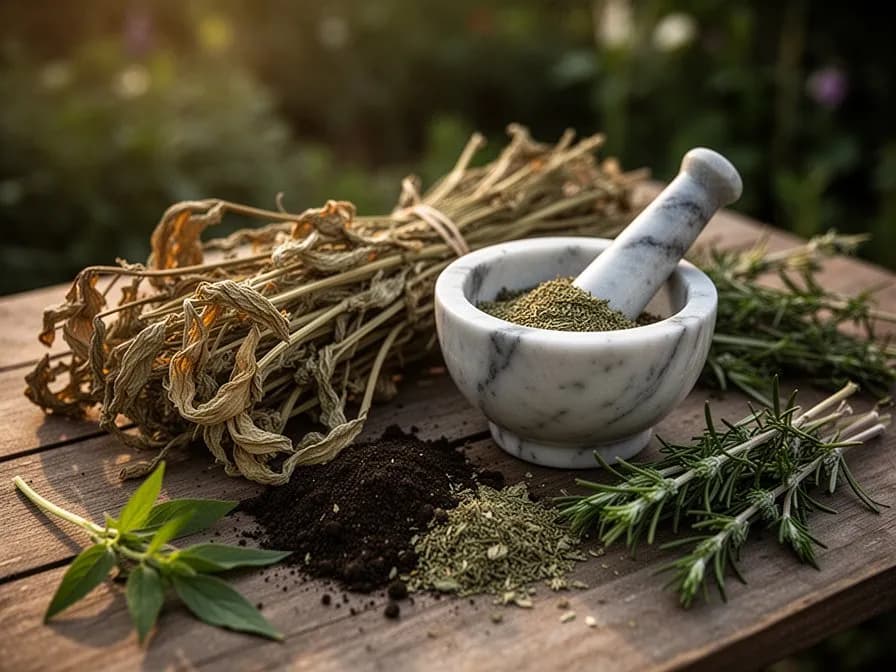
Una planta semiaquática parecida a un lirio, con rizomas de aroma dulce que históricamente se han usado en la medicina tradicional y como aromatizante. El cálamo aromático crece en los bordes de estanques y en suelos encharcados, extendiéndose por rizomas rastreros para formar colonias fragantes. La raíz seca se masticaba tradicionalmente como estimulante y ayuda digestiva en viajes largos.
Cuándo plantar Cálamo aromático
El cálamo rara vez produce semillas viables en cultivo y casi siempre se propaga por división del rizoma. En primavera, levante y divida la red de rizomas rastreros, asegurándose de que cada sección tenga al menos un punto de crecimiento y algunas raíces. Replante de inmediato en suelo húmedo o en agua poco profunda. Las nuevas divisiones se establecen rápido con clima cálido. La forma variegada 'Variegatus' debe propagarse vegetativamente para conservar su follaje rayado.
Tu año de Cálamo aromático
Ajustado a Zona 7 · temporada típica · la helada se va hacia el 2 abr y vuelve hacia el 1 nov
Planta Cálamo aromático Mar – May y cosecha Sep – Oct. Consulta los métodos de plantación y elige tu clima para adaptar los periodos.
Cómo cultivar Cálamo aromático
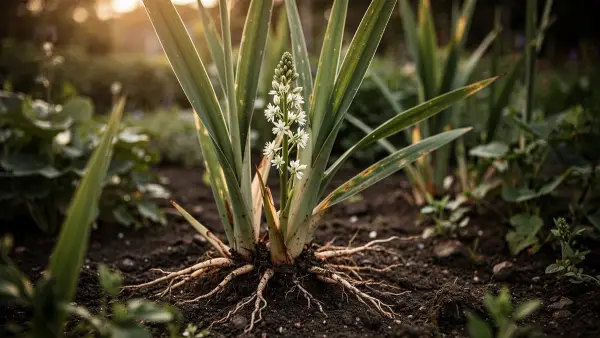
El cálamo aromático, también conocido como cálamo dulce, es una planta semiaquática parecida a un lirio que crece en los bordes de estanques, a lo largo de arroyos y en suelos pantanosos, formando colonias aromáticas mediante rizomas extendidos. Las hojas en forma de espada desprenden un perfume dulce y especiado cuando se estrujan, y los gruesos rizomas se han utilizado durante siglos en medicina tradicional y perfumería. Plántelo en semisombra o a pleno sol, en suelo constantemente húmedo o en agua poco profunda, con una separación de 30 cm.
El cálamo prospera en condiciones encharcadas donde la mayoría de las plantas de jardín no puede sobrevivir: los bordes poco profundos de estanques, los jardines de ciénaga y los jardines de lluvia son hábitats ideales. Plante los rizomas en horizontal, a ras del suelo o justo por debajo de la superficie, en lodo orgánico rico. En el jardín, mantenga la tierra perpetuamente húmeda o cultívelo en recipientes colocados sobre bandejas con agua.
Las plantas se extienden de forma moderada por rizomas rastreros, formando finalmente masas densas. El follaje parecido a la hierba alcanza entre 60 y 120 cm de altura y sigue siendo atractivo durante toda la temporada de crecimiento. A veces aparece una estructura floral similar a una espádice en mitad del tallo, pero resulta discreta. El cálamo se cultiva principalmente por su rizoma fragante y su follaje ornamental, no por las flores. La variedad variegada 'Variegatus' ofrece hojas rayadas en crema para añadir valor ornamental.
32 plantas caben en un bancal de 120 × 240 cm
Cada Cálamo aromático pide 30 cm de margen. El planificador guarda ese marco por ti — cada planta, cada bancal.
Los mejores vecinos de Cálamo aromático
El cálamo crece junto a otras plantas de humedal como espadañas, lirios azules, caléndula de pantano y menta acuática. Plántelo en bordes de estanques y en jardines de ciénaga, donde aporta un follaje fragante y ayuda a estabilizar las orillas húmedas. La forma variegada añade interés visual a las plantaciones de jardín acuático. En elementos de permacultura con agua, el cálamo se valora por sus propiedades de filtrado y por su contribución al hábitat de la fauna. Combina de forma natural con el berro y otras hierbas acuáticas.
Berro va a su lado.
Saber de huerto de siempre, cotejado con la tabla real de Cálamo aromático — prueba cualquier planta que cultives.
Prueba Cálamo aromático en un bancal, aquí mismo
Un bancal real del planificador con Cálamo aromático ya plantado. Toca una planta compañera para colocarla y mira cómo responde la comprobación de vecinos: verde para buenos vecinos, rojo si hay conflicto.


Guías de cultivo relacionadas
Abónalo bien
Cultívelo en suelo pantanoso, rico en materia orgánica y encharcado, o en agua poco profunda y estancada de hasta 10 cm de profundidad. El pH ideal es 5.5-7.5. En bordes de estanque y suelos de ciénaga naturalmente ricos no necesita fertilización especial. En contenedores, use una mezcla de cultivo pesada a base de arcilla mantenida en agua. La planta se beneficia de las condiciones ricas en nutrientes que se encuentran de forma natural en los márgenes de los humedales. El cálamo tolera una amplia gama de calidades de agua, pero prefiere condiciones limpias, ligeramente ácidas o neutras.
Temperatura ideal
Compatibilidad de zonas de rusticidad
De la semilla a la cosecha, etapa por etapa
Plantación del rizoma
Plante secciones de rizoma en horizontal, a 2-5 cm de profundidad, en suelo constantemente húmedo o encharcado. Mantenga el suelo saturado y sitúelo en semisombra o a pleno sol.
Emergencia de brotes
Las hojas verdes en forma de espada empiezan a emerger desde los nudos del rizoma. El crecimiento es inicialmente lento mientras el sistema radicular se establece en el suelo húmedo.
Crecimiento vegetativo
Las hojas crecen rápidamente hasta su altura completa de 60-150 cm, formando grupos densos en abanico. La red de rizomas se expande lateralmente por el suelo.
Floración
La característica espádice amarillo verdosa aparece en ángulo desde la nervadura central de la hoja a comienzos y mediados del verano. En muchas regiones fuera de Asia, las flores son estériles.
Maduración del rizoma
Los rizomas se engrosan y desarrollan toda su potencia aromática a lo largo de la temporada de crecimiento. Las mejores cosechas proceden de plantas de al menos dos años.
Dormancia y cosecha
Tras la primera helada, el follaje muere y la planta entra en dormancia. Este es el momento ideal para desenterrar los rizomas, cuando los compuestos aromáticos están más concentrados.
Use secciones de rizoma de al menos 10 cm de largo con yemas de crecimiento visibles para una mejor implantación.
Cuidar Cálamo aromático mes a mes
Qué hacer cada mes para tu Cálamo aromático
Octubre
Mes actualOctubre: Empiece la cosecha de rizomas después de la primera helada ligera, cuando el follaje amarillea. Cave con cuidado para no dañar la red de raíces restante.
Ten claro qué hacer en tu huerto, cada mes
Un correo al empezar cada mes: qué sembrar, plantar y hacer ahora mismo — para tu Cálamo aromático y todo lo que crece alrededor. Más un breve curso inicial para esquivar los errores clásicos.
- Qué hacer ahora mismo
- Ajustado a tu temporada
- Curso inicial incluido
Cosechar Cálamo aromático
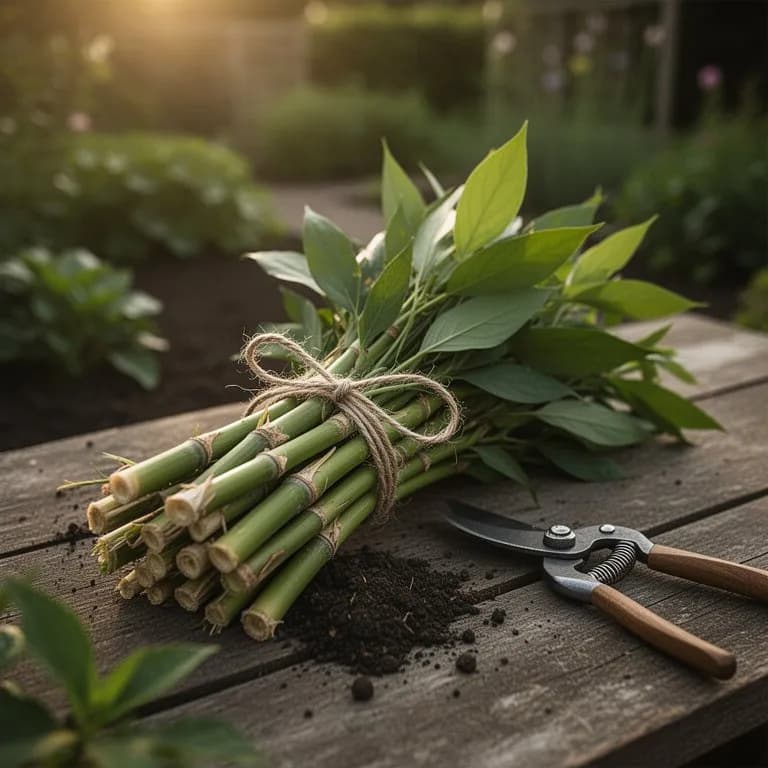
Coseche los rizomas de cálamo en otoño, cuando los compuestos aromáticos alcanzan su máxima concentración. Levante secciones de la red de rizomas extendidos, tomando solo algunas partes y dejando el resto para que se regenere. Lave bien los rizomas y córtelos a lo largo o en secciones transversales finas. El rizoma fresco tiene un aroma complejo, dulce, especiado y algo parecido a la canela. Seque los trozos de inmediato en un deshidratador o en un lugar cálido y bien ventilado. El rizoma seco conserva su fragancia durante años.
se supone que plantas al comenzar el periodo — indica tu fecha real
Cosecha Cálamo aromático a tiempo y la planta sigue produciendo.
Almacenamiento y conservación
Limpie y corte los rizomas antes de secarlos a 35-45 °C en un deshidratador o en una habitación cálida y aireada. La raíz de cálamo bien seca queda dura, pálida e intensamente aromática. Guárdela entera o en rodajas en tarros herméticos, lejos de la luz, hasta 2 años: los compuestos aromáticos son extraordinariamente persistentes. Históricamente se usó como hierba de esparcir y en saquitos para perfumar la ropa y la lencería. El rizoma en polvo se emplea en mezclas de incienso y en perfumería tradicional.
Qué falla — y cómo solucionarlo
Taladro del lirio
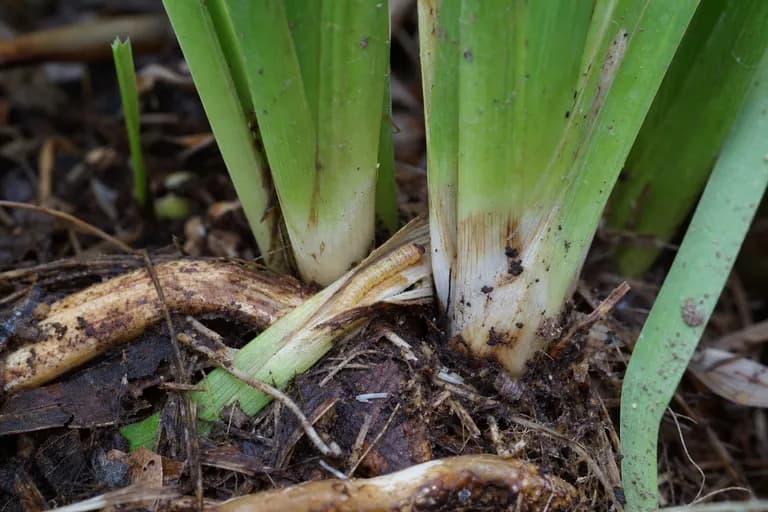
PlagaLas larvas perforan los rizomas y provocan podredumbre blanda y colapso. Se ven orificios de entrada en la base de las hojas. Es una plaga similar al taladro del lirio.
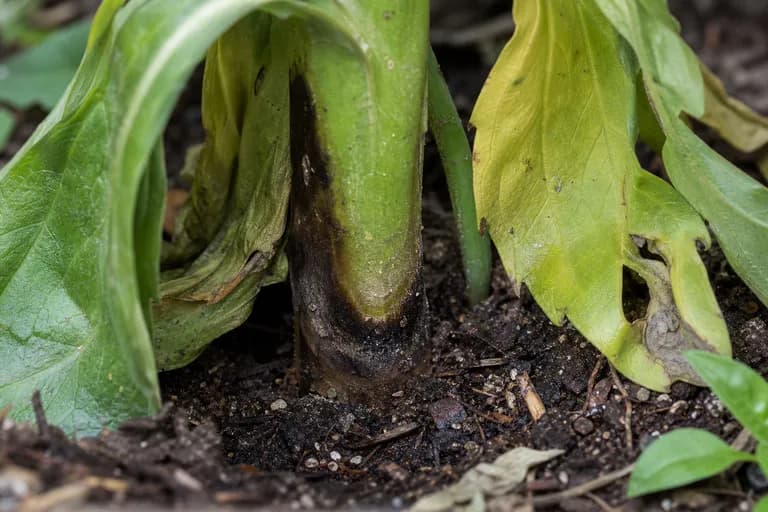
Podredumbre de corona
EnfermedadTejido blando y pastoso en la base de los abanicos foliares, mal olor y colapso de la planta a pesar de las condiciones húmedas.
Solución de problemas comunes
No tolera el suelo seco: el cálamo necesita sin falta condiciones permanentemente húmedas o encharcadas. Sin suficiente humedad, las plantas declinan con rapidez. En condiciones ideales de ciénaga puede expandirse con agresividad; si hace falta, conténgalo en zonas de plantación delimitadas. La raíz seca se consumía históricamente, pero algunas formas contienen beta-asarona, lo que ha suscitado preocupaciones de seguridad: úselo solo de forma externa o consulte con un herbolario cualificado. Puede confundirse con especies tóxicas de lirio si no se identifica correctamente.
Consejos de cultivo
- Elija siempre la variedad norteamericana (Acorus calamus var. americanus) si piensa usar el rizoma por vía interna, ya que es la única variedad libre de beta-asarona.
- Plante el cálamo en suelo constantemente húmedo o encharcado; crece de forma natural en marismas y a lo largo de riberas y no prosperará en condiciones secas.
- Cultívelo en contenedores sumergidos en unos centímetros de agua si no dispone de una ciénaga o borde de estanque, usando una maceta grande sin orificios de drenaje.
- Proporcione al menos cuatro a seis horas de sol al día para obtener el mejor crecimiento, aunque el cálamo tolera semisombra, especialmente en climas cálidos.
- Divida los rizomas cada tres o cuatro años a comienzos de la primavera para mantener el vigor y evitar el hacinamiento en zonas de cultivo reducidas.
- Coseche los rizomas a finales de otoño, después de que el follaje se seque, cuando la concentración de aceites aromáticos en las raíces alcanza su pico estacional.
- Seque lentamente los rizomas cosechados en un lugar cálido y bien ventilado, lejos de la luz solar directa, para conservar el contenido de aceite esencial y el aroma.
- Combine el cálamo con otras plantas acuáticas de borde como el berro, la caléndula de pantano y el iris azul para obtener un jardín acuático atractivo y productivo.
- Acolche alrededor del cálamo cultivado en tierra con paja o mantillo de hojas para mantener la humedad constante del suelo durante la temporada de crecimiento activo.
- Tenga paciencia con las plantaciones nuevas; el cálamo crece despacio durante su primer año mientras establece su red de raíces, y la producción significativa de rizomas comienza en la segunda o tercera temporada.
Cultiva tu mejor Cálamo aromático — y todo lo que la rodea.
Empieza un plan gratis hoy. Diseña tus bancales, coloca tu Cálamo aromático y deja que PlotMyGarden gestione el momento, el espaciado, las asociaciones y los recordatorios de la semilla a la cesta.
Elige tu Cálamo aromático
Acorus calamus (Cálamo dulce)
La especie estándar con hojas verdes en forma de espada y rizomas aromáticos. La más disponible.
Acorus calamus 'Variegatus'
Una forma variegada muy vistosa, con hojas rayadas en crema y verde. Más ornamental pero menos vigorosa. Conserva el mismo rizoma fragante.
Acorus gramineus (Cálamo japonés)
Un pariente en miniatura que crece solo 15-30 cm de alto. Excelente para pequeños elementos acuáticos y contenedores. Menos aromático que A. calamus.
La raíz seca de cálamo se vende por 15-30 dólares la libra en tiendas especializadas de hierbas. Una sola plantación en una zona húmeda del jardín o en un jardín acuático en contenedor puede producir una colonia autosuficiente que proporciona un suministro de rizomas de por vida para usos aromáticos y tradicionales, con costes prácticamente nulos una vez establecida.
Recetas rápidas
Raíz de cálamo confitada tradicional
60 min + secadoUna confitura centenaria en la que finas láminas de rizoma de cálamo se cuecen a fuego lento en almíbar hasta volverse translúcidas y luego se secan para crear dulces aromáticos y masticables con un sabor cálido y especiado. Use solo la variedad norteamericana (var. americanus) por seguridad.
5 ingredientesTé aromático de raíz de cálamo
15 minUna infusión herbal cálida elaborada con raíz de cálamo seca y especias complementarias. Tradicionalmente se disfruta como ayuda digestiva después de las comidas. Use con moderación y solo la variedad norteamericana libre de beta-asarona.
5 ingredientesSaquito herbal de cálamo dulce
20 minUn saquito fragante que mezcla raíz seca de cálamo con otras hierbas aromáticas para cajones y armarios. El perfume dulce y especiado del cálamo actúa como ambientador natural y tradicionalmente se ha creído que repele insectos.
5 ingredientesQué contiene
Beneficios para la salud
- Usado tradicionalmente en la medicina ayurvédica y en la medicina tradicional china para favorecer la salud digestiva, aliviar la hinchazón y estimular el apetito.
- El rizoma aromático se ha valorado durante siglos como tónico cognitivo, ya que se cree que mejora la memoria, la claridad y el habla.
- Las preparaciones de raíz de cálamo tienen una larga historia etnobotánica de uso para calmar el dolor de garganta y apoyar el confort respiratorio.
- El aceite esencial ha demostrado propiedades antimicrobianas en estudios de laboratorio frente a una amplia gama de bacterias y hongos.
- Masticar raíz de cálamo se utilizaba tradicionalmente para combatir la fatiga y promover el estado de alerta durante los viajes largos y el trabajo exigente.
- Nota de seguridad importante: las variedades asiáticas triploides y tetraploides contienen beta-asarona, sometida a restricciones regulatorias. La variedad diploide norteamericana (var. americanus) no contiene este compuesto y se considera más segura para el uso tradicional.
De dónde viene Cálamo aromático
El cálamo aromático (Acorus calamus), comúnmente conocido como cálamo dulce, tiene una de las historias de uso humano más largas documentadas entre todas las plantas aromáticas. Sus orígenes se remontan al centro y sur de Asia, donde ha crecido de forma silvestre a lo largo de riberas y en humedales pantanosos durante milenios. La evidencia arqueológica sugiere que el cálamo se comerciaba a lo largo de antiguas rutas de la Ruta de la Seda, llegando a Oriente Medio y Egipto mucho antes de la era clásica. Se menciona en el Cantar de los Cantares bíblico y aparece en antiguos textos ayurvédicos como "vacha", prescrito para mejorar la memoria, el habla y la salud digestiva.
La planta se extendió por Europa durante la Edad Media, probablemente introducida por cruzados y comerciantes de especias que valoraban su rizoma aromático. En la Inglaterra Tudor, el cálamo era una de las hierbas de esparcir más apreciadas, repartida por los suelos para enmascarar olores desagradables y repeler insectos. Se criticó famosamente al cardenal Wolsey por las extravagantes cantidades de juncos de cálamo dulce usadas en sus residencias. Para el siglo XVI, el reconocido botánico vienés Carolus Clusius distribuyó rizomas de cálamo por los jardines botánicos europeos, estableciéndolo en todo el continente.
En Norteamérica, los pueblos indígenas habían utilizado desde hacía mucho la variedad nativa (Acorus calamus var. americanus) con fines ceremoniales y medicinales. Tribus de la región de los Grandes Lagos y más allá empleaban la raíz de cálamo como remedio para el dolor de muelas, molestias estomacales y como estimulante durante los viajes. Los colonos europeos adoptaron muchos de estos usos e incorporaron el cálamo a las tradiciones de medicina popular. El rizoma se convirtió en un aromatizante popular en dulces y bebidas estadounidenses tempranas, incluidas recetas tradicionales de cerveza de raíz. En el siglo XX surgieron preocupaciones sobre la beta-asarona, un compuesto presente en las variedades asiáticas triploides y tetraploides, lo que llevó a restricciones regulatorias en varios países. La variedad norteamericana diploide, que carece de beta-asarona, sigue despertando interés entre herbolarios y etnobotánicos en la actualidad.
Cálamo aromático: ¿sabías que?
Datos fascinantes sobre Cálamo aromático
El cálamo se ha usado medicinalmente durante más de 4.000 años y aparece en farmacopeas del antiguo Egipto, la India y China como remedio para trastornos digestivos.
Cálamo aromático: preguntas frecuentes
¿Cuándo debo plantar Cálamo aromático?
¿Cuáles son buenas plantas acompañantes para Cálamo aromático?
¿En qué zonas de rusticidad puede crecer Cálamo aromático?
¿Cuánto sol necesita Cálamo aromático?
¿A qué distancia debo espaciar Cálamo aromático?
¿Qué plagas y enfermedades afectan a Cálamo aromático?
¿Cómo almaceno Cálamo aromático después de la cosecha?
¿Cuáles son las mejores variedades de Cálamo aromático para cultivar?
¿Qué suelo necesita Cálamo aromático?
¿Es seguro consumir cálamo?
¿Puedo cultivar cálamo en un bancal de jardín normal?
¿Cuánto tiempo tarda en poder cosecharse el rizoma de cálamo?
Acabas de leer la teoría. Ahora cultívala en piloto automático.
Todo lo que hace que Cálamo aromático sea delicado — el momento, el espaciado, las asociaciones, la ventana de cosecha — es justo lo que PlotMyGarden resuelve por ti, para cada planta de tu huerto.
Un plan que conoce tu clima
Indica tu ubicación una vez. Recibe fechas de siembra, abonado y cosecha basadas en tu última helada real y el pronóstico en vivo — sin adivinar con un sobre genérico.
De la sección “Cuándo plantar”Planificador de bancales de arrastrar y soltar
Diseña bancales sobre una cuadrícula. Cada planta encaja con su espaciado correcto y ves toda la temporada antes de gastar un céntimo en semillas.
De la sección “Cultivo”Conflictos de asociación, detectados a tiempo
Más de 200 buenas y malas combinaciones comprobadas en vivo mientras plantas — para que un error que arruine la temporada nunca llegue a la tierra.
De la sección “Asociaciones”Recordatorios que sí vas a seguir
“Riega las judías.” “Recoge hoy antes de que se pase.” Oportunos, concretos y ligados a las plantas que de verdad cultivas.
De la sección “Cosecha”Escalonado, programado
¿Quieres cosechar seis semanas en vez de seis días? Reparte tus siembras automáticamente y te avisa cuando toca el siguiente lote.
De la sección “Cuándo plantar”Un registro que se vuelve más listo
Cada cosecha que registras le enseña tu huerto. El plan del año que viene parte de lo que de verdad funcionó en tu suelo, no en un manual.
De la sección “Resumen”Planta estos junto a Cálamo aromático
Más Hierbas medicinales
Cultiva tu mejor Cálamo aromático — y todo lo que la rodea.
Empieza un plan gratis hoy. Diseña tus bancales, coloca tu Cálamo aromático y deja que PlotMyGarden gestione el momento, el espaciado, las asociaciones y los recordatorios de la semilla a la cesta.