Caladium
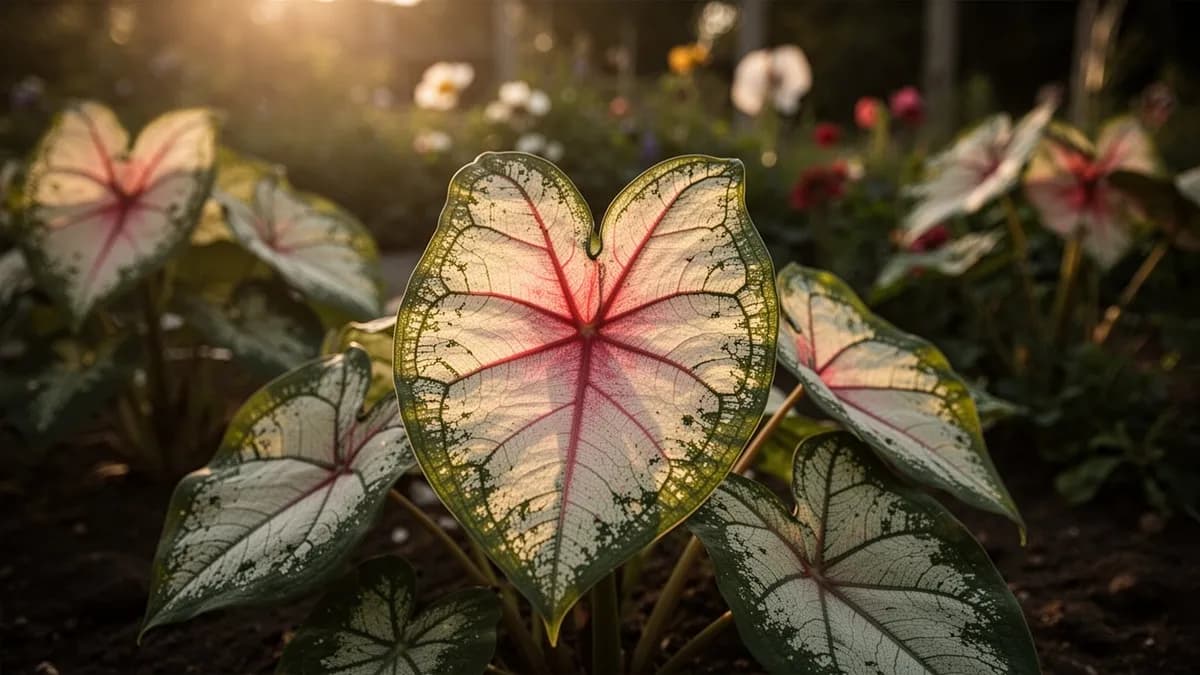
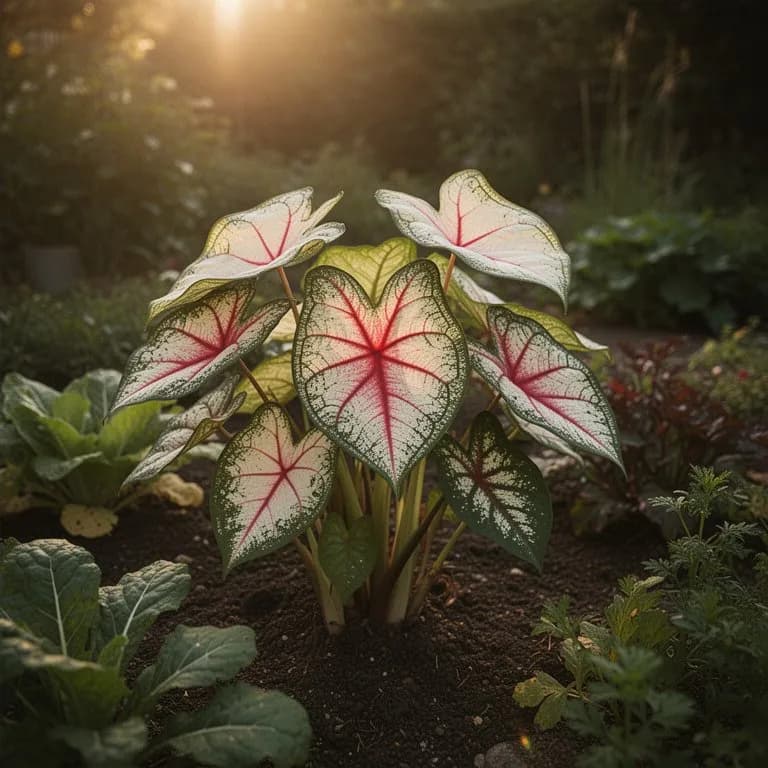
A tropical foliage plant with large, heart-shaped leaves in spectacular combinations of red, pink, white, and green.





On this pageOverview
Meet Caladium
A tropical foliage plant with large, heart-shaped leaves in spectacular combinations of red, pink, white, and green. Caladiums thrive in warm shade with consistent moisture and add dramatic color to areas where flowers struggle. Dig tubers before frost in cold climates and store them in a warm, dry place over winter.
When to plant Caladium
Caladiums are propagated exclusively from tubers rather than seeds. Start tubers indoors four to six weeks before the last frost in warm, moist potting mix at 70 to 80 degrees Fahrenheit. Plant with the knobby eyes facing upward, two inches deep. To increase the number of plants, large tubers can be divided by cutting between the eyes, dusting cut surfaces with fungicide, and allowing them to dry before planting. Each division should have at least one eye to sprout successfully.
Your Caladium Year
Composed for Zone 7 · typical seasons · frost passes Apr 2, returns Nov 1
Plant Caladium May – Jun, pick Jun – Sep. Check the planting methods below and set your climate to personalize these windows.
How to grow Caladium
Plant caladium tubers indoors four to six weeks before the last frost date or directly outdoors once soil temperatures reach 70 degrees Fahrenheit. Set tubers two inches deep with the knobby side facing up in warm, moist potting mix. Maintain soil temperature above 70 degrees for best sprouting, which takes two to four weeks. Pre-starting indoors gives plants a significant head start in short-season areas.
Transplant or direct-plant outdoors in a shaded location with rich, consistently moist soil. Space tubers eight to twelve inches apart depending on variety size. Caladiums are tropical plants that demand warmth and humidity, performing poorly when temperatures drop below 65 degrees Fahrenheit. Apply two to three inches of mulch to maintain soil moisture and moderate temperature fluctuations.
Water regularly to keep soil evenly moist but never waterlogged. Feed every two to three weeks with a balanced liquid fertilizer during active growth. As fall approaches and leaves begin to yellow naturally, reduce watering gradually. In zones 8 and below, dig tubers after the first light frost blackens the foliage, cure them for a few days, and store in dry peat moss at 55 to 60 degrees Fahrenheit over winter.
32 plants fit a 4 × 8 ft bed
Each Caladium wants 30 cm of elbow room. The planner keeps that spacing for you — every plant, every bed.
Caladium's best neighbours
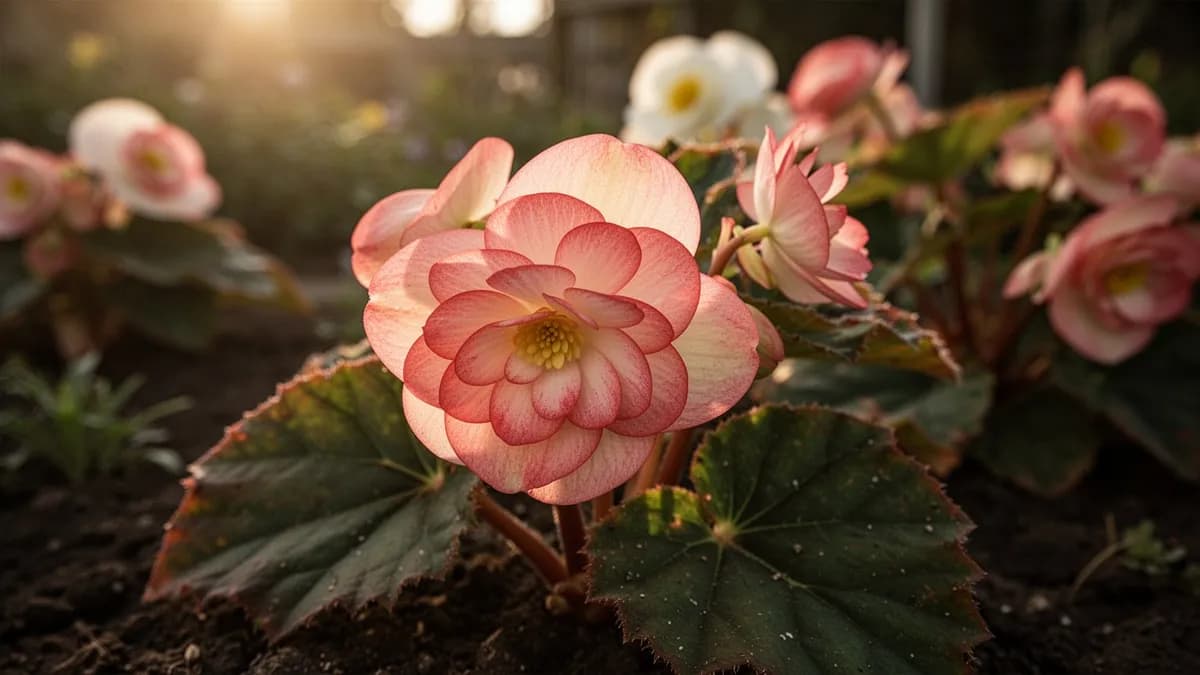
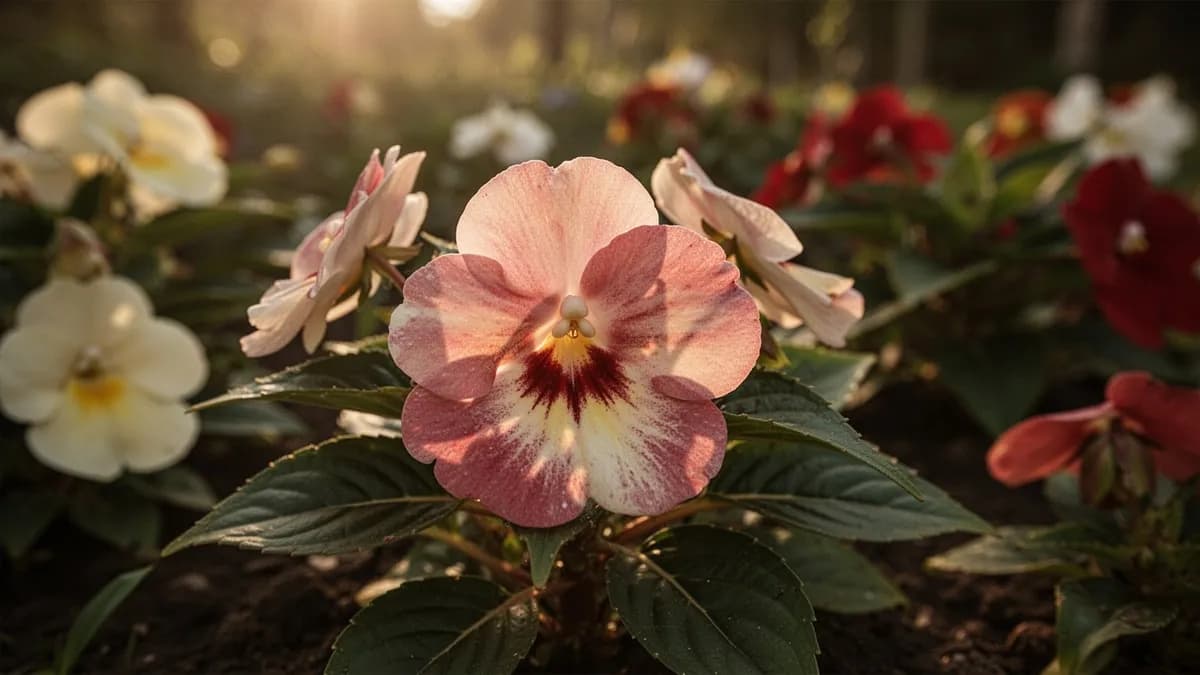
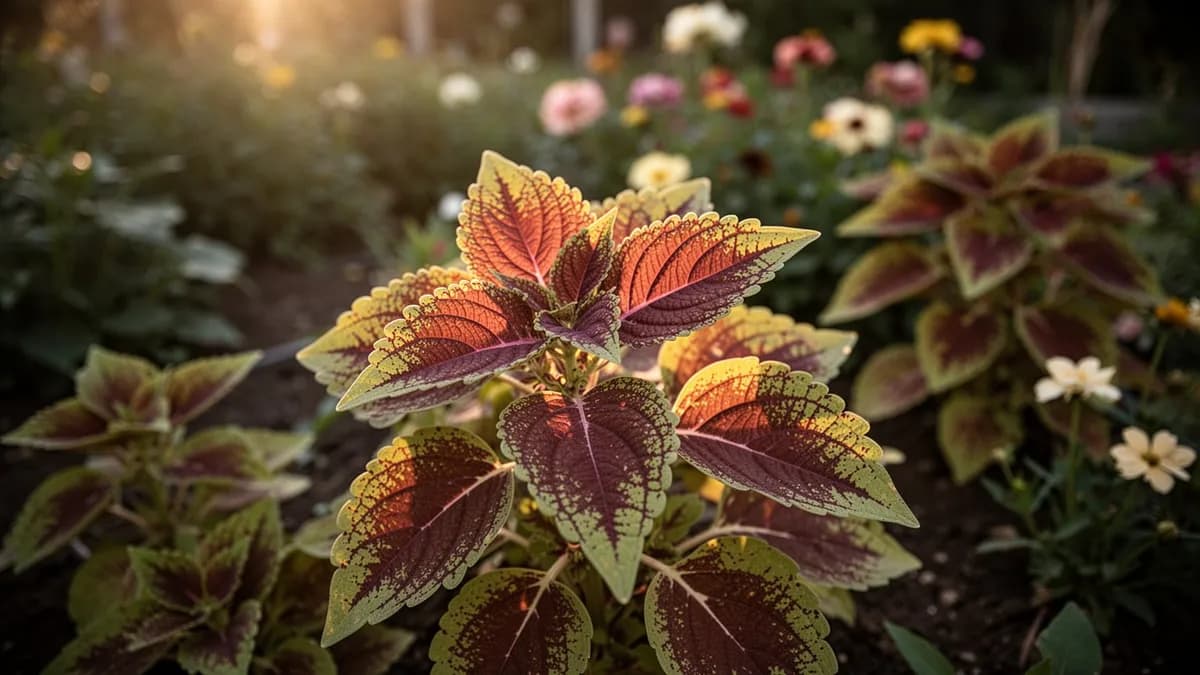
Caladiums pair naturally with other shade-loving tropicals including coleus, begonias, impatiens, and ferns. Their bold leaf patterns create dramatic contrast with the fine textures of maidenhair ferns and astilbe foliage. Plant with hostas for a lush tropical effect in shaded borders. In containers, combine with trailing sweet potato vine and upright elephant ears for a stunning tropical display.
Begonia belongs beside it.
Old growers' knowledge, checked against Caladium's real companion table below — test any plant you're growing.
Try Caladium in a bed — right here
A real planner bed with Caladium already in it. Tap a companion to place it and watch the pairing checks answer — green for good neighbours, red for a clash.


Related growing guides
Feed it well
Caladiums require rich, humus-heavy soil with excellent moisture retention and good drainage. Amend planting areas with generous amounts of compost, leaf mold, or peat moss. A slightly acidic pH of 5.5 to 6.5 is ideal. Feed every two to three weeks during active growth with a balanced liquid fertilizer. Avoid fertilizers high in nitrogen, which can reduce the intensity of leaf coloration. Stop feeding in early fall as plants begin their natural dormancy.
Ideal Temperature
Hardiness Zone Compatibility
From seed to harvest, stage by stage
Tuber Preparation
Select firm, healthy tubers that are at least 2.5 cm in diameter with visible growth eyes on the top (knobby) side. Larger tubers produce more leaves and more vibrant displays. Some growers remove the dominant central bud to encourage multiple smaller shoots for a bushier plant.
Planting and Sprouting
Plant tubers knobby side up about 5 cm deep in warm, moist soil. Caladium tubers require soil temperatures of at least 21°C (70°F) to break dormancy. In cooler climates, start tubers indoors 4-6 weeks before the last frost date. Shoots emerge as tightly rolled spears within 2-4 weeks.
Leaf Unfurling
Rolled leaf spears begin to unfurl, revealing the distinctive color patterns unique to each cultivar. The first leaves may be smaller and less colorful than later foliage. The plant establishes its root system during this stage and begins producing leaves at a steady rate.
Peak Foliage Display
The plant reaches its full glory with a lush canopy of large, colorful leaves measuring 15-45 cm long depending on variety. Fancy-leaf types produce fewer but larger arrow-shaped leaves on tall stems, while strap-leaf types produce more numerous narrow leaves on shorter stems. This is the longest stage, lasting through the warm summer months.
Decline and Dormancy
As temperatures cool below 16°C (60°F) and day length shortens, leaves yellow and gradually collapse. This is a natural process as the plant redirects energy back into the tuber for winter storage. Do not remove leaves until they are completely withered, as they continue feeding the tuber.
Winter Storage
Tubers remain dormant through winter, stored in a cool dry location. In USDA zones 9-11, tubers may be left in the ground with a thick layer of mulch for insulation. In colder zones, indoor storage is essential to prevent freezing damage. Check stored tubers monthly and discard any that show signs of rot or mold.
To promote multiple shoots, carefully scoop out the large central eye with a clean knife before planting. Dust the wound with fungicide powder and let it dry for 24 hours before planting.
Caring for Caladium month by month
What to do each month for your Caladium
October
You are hereAllow foliage to die back naturally as temperatures drop. Once leaves are fully withered, dig tubers before first frost. Clean, cure, and prepare tubers for winter storage. In zones 9-11, apply heavy mulch over in-ground tubers.
Know exactly what to do in your garden — every month
One email at the start of each month: what to sow, plant, and tackle right now — for your Caladium and everything growing around it. Plus a short starter course that helps you dodge the classic mistakes.
- What to do, right now
- Matched to your season
- Starter course included
Harvesting Caladium
Caladium leaves can be cut for indoor arrangements throughout the growing season. Cut stems at the base of the plant with a sharp, clean knife. Immediately place stems in warm water as the sap can irritate skin, so wear gloves when handling. Individual leaves last five to seven days in a vase. In fall, allow foliage to die back naturally before digging tubers for winter storage.
assuming you plant when the window opens — set your real date
Pick Caladium promptly and the plant keeps producing.
Storage & Preservation
After the first light frost kills the foliage, dig caladium tubers carefully with a garden fork. Brush off excess soil and cure tubers in a warm, dry location for several days. Store in dry peat moss, vermiculite, or paper bags at 55 to 60 degrees Fahrenheit in a dark location. Check stored tubers monthly and discard any showing signs of rot. Caladium leaves can be pressed between parchment paper for botanical crafts, though colors will fade over time.
What goes wrong — and the fix
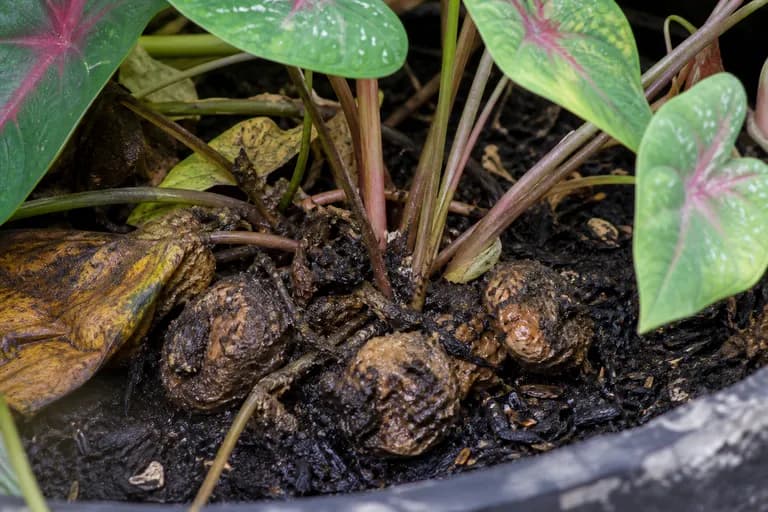
Tuber Rot
DiseaseTubers become soft, mushy, and discolored. Planted tubers fail to sprout or emerging shoots collapse. Foul odor may develop from rotting tissue.
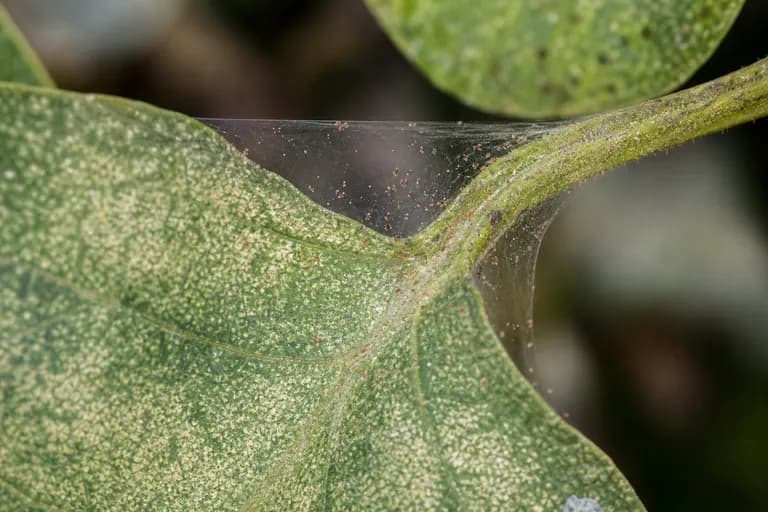
Spider Mites
PestFine stippling on leaves, tiny webs on undersides of foliage, leaves becoming pale and papery, overall decline in hot dry weather.
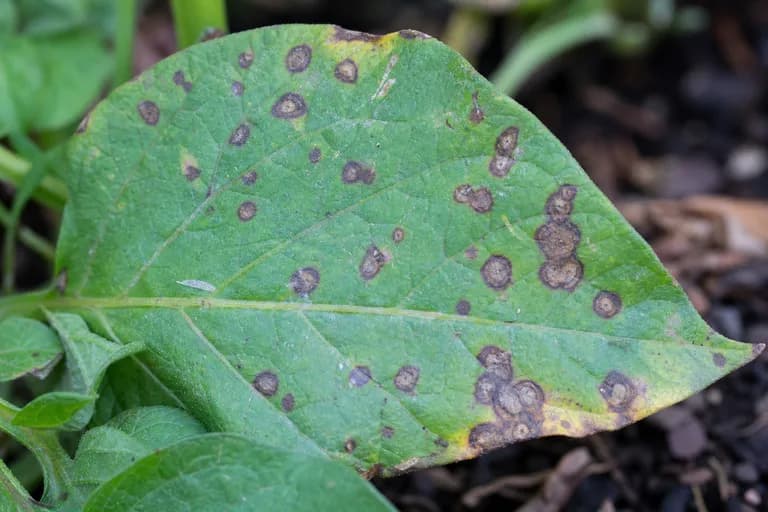
Leaf Spot
DiseaseBrown or tan circular spots with darker borders on leaves. Spots may merge in wet weather, causing large areas of leaf tissue to die.
Troubleshooting Common Problems
The most frequent issue is failure to sprout, usually caused by planting in cold soil below 65 degrees Fahrenheit or planting tubers upside down. Scorched leaf edges indicate too much sun or inconsistent watering. Tubers stored too cold over winter may fail to grow the following season. Small leaves often result from planting tubers too deep or in soil lacking organic matter. All parts are toxic if ingested, so keep away from children and pets.
Growing Tips
- Always wait until soil temperatures reach at least 21°C (70°F) before planting tubers outdoors. Planting in cold soil causes tuber rot and poor emergence. Use a soil thermometer to verify temperature at planting depth.
- Plant tubers with the knobby side (growth eyes) facing up, about 5 cm deep and 20-30 cm apart. The smooth rounded bottom faces down. If you cannot tell which side is up, plant the tuber on its side and the shoots will find their way to the surface.
- For bushier plants with more but smaller leaves, remove the large central bud from each tuber before planting by scooping it out with a clean knife. This forces the smaller secondary buds to grow, producing a fuller display.
- Caladiums perform best in filtered light or dappled shade. Most fancy-leaf varieties scorch in direct sun, though newer sun-tolerant cultivars like the 'Florida Sun' series and strap-leaf types handle 4-6 hours of morning sun.
- Maintain consistently moist but never waterlogged soil throughout the growing season. Caladiums wilt dramatically when dry but recover quickly after watering. Mulch heavily to conserve moisture and keep roots cool.
- Feed every two weeks during active growth with a balanced liquid fertilizer (such as 20-20-20) diluted to half strength. Avoid high-nitrogen formulas that promote green pigment at the expense of the colorful reds, pinks, and whites.
- Remove flower spathes as soon as they appear by snipping them at the base. Caladium flowers are insignificant compared to the foliage, and allowing them to develop diverts energy away from leaf production and tuber growth.
- In zones colder than 9, dig tubers after the first light frost blackens the foliage. Cure them in a warm dry area for 5-7 days, then store in dry peat moss, vermiculite, or wood shavings at 15-18°C (60-65°F) until spring.
- When growing caladiums indoors as houseplants, provide bright indirect light, temperatures above 18°C, and humidity above 50%. Group pots together or place on a pebble tray with water to boost ambient humidity around the foliage.
- Always wear gloves when handling caladium tubers and foliage, as the calcium oxalate crystals in the sap can cause skin irritation, redness, and itching. Wash hands thoroughly after any contact and keep plants away from children and pets.
Grow your best Caladium yet — and everything around it.
Start a free plan today. Lay out your beds, drop in your Caladium, and let PlotMyGarden handle the timing, spacing, companions and reminders from seed to harvest basket.
Pick your Caladium
Carolyn Whorton
A classic fancy-leaved variety with large pink leaves splashed with green and red veining, excellent vigor and reliable performance in shade gardens.
White Queen
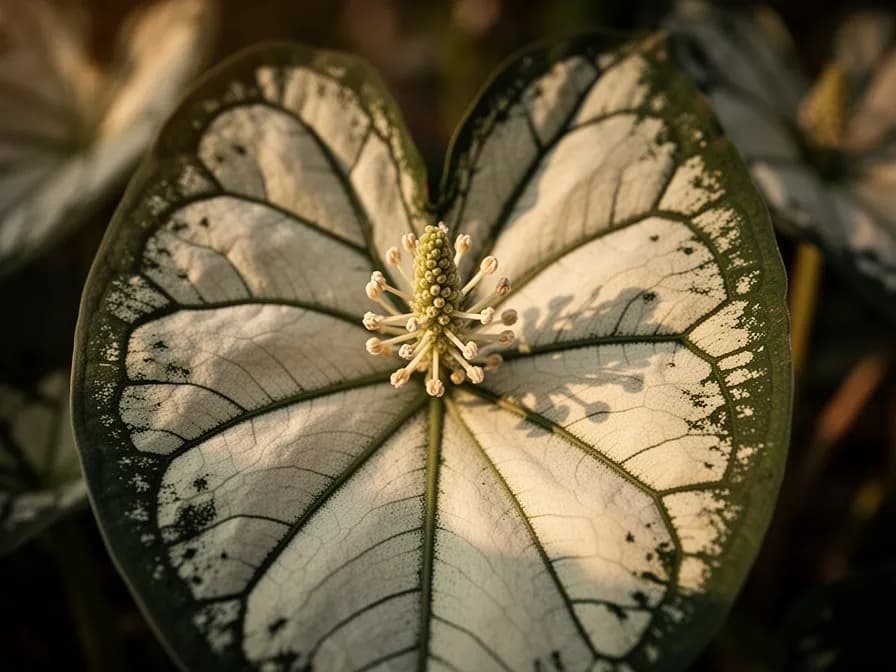
Stunning white leaves with green veins and red spotting, creating a luminous effect in shaded areas. One of the most popular white caladiums.
Red Flash
Bold red leaves with green margins and pink spots, providing intense tropical color in shade. A vigorous grower with large, showy foliage.
Florida Sweetheart
A strap-leaved variety with rose-pink centers and green edges, more compact and better suited to containers and sun than fancy-leaved types.
A single caladium tuber costs $2-5 and multiplies over the years by producing offset tubers. After 2-3 growing seasons, one original tuber can yield 3-6 daughter tubers, essentially giving you free plants each year. By digging, dividing, and properly storing tubers each fall, a modest initial investment of $20-30 can expand into a substantial collection worth $100 or more within a few years. Container-grown caladiums also eliminate the cost of annual bedding plants for shaded areas where few flowering options thrive.
Quick recipes
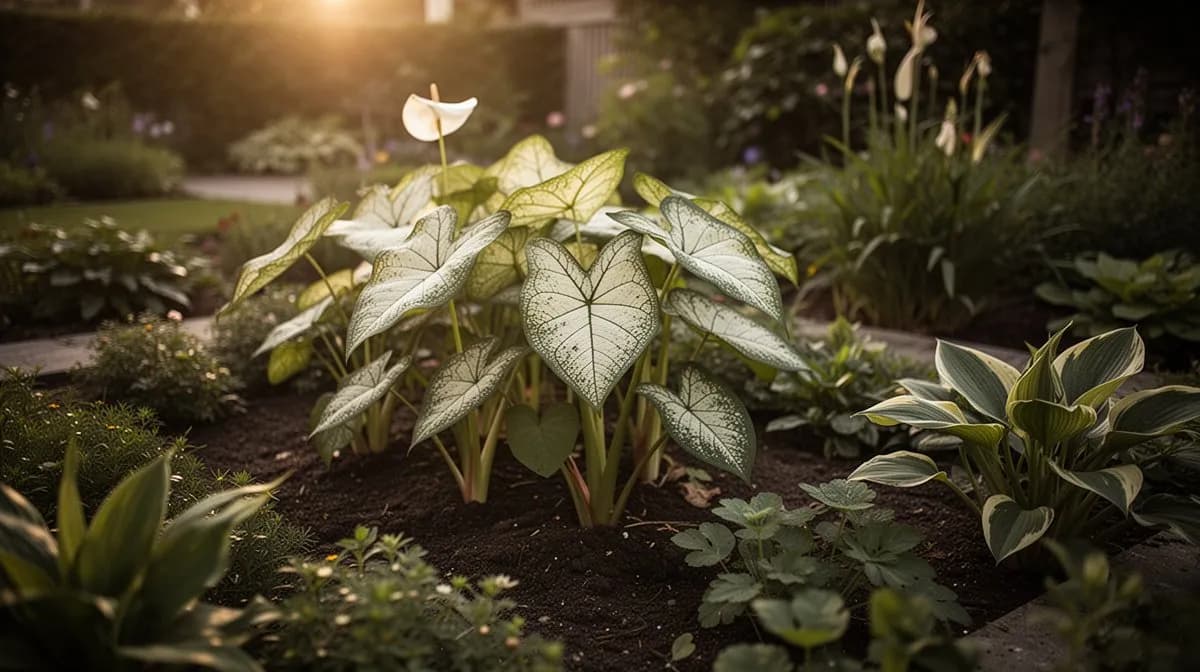
Tropical Shade Container Arrangement
30 minutesCreate a lush tropical container display combining caladiums with complementary shade-loving plants. This arrangement provides months of vivid color on porches, patios, and shaded entryways without any direct sunlight needed.
6 ingredientsCaladium Mass Planting Bed Design
2 hoursDesign a stunning mass planting of caladiums to transform a shady garden bed into a vibrant tropical tapestry. Layer varieties by height and color for maximum visual impact from spring through fall.
6 ingredients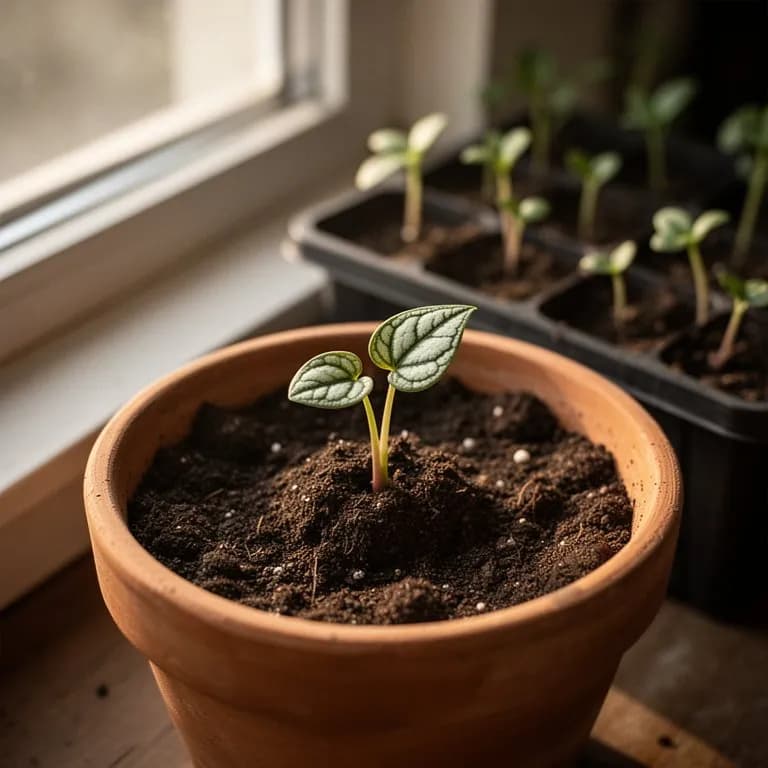
Indoor Caladium Forcing Display
20 minutes plus 3-4 weeks growing timeForce caladium tubers indoors for an early-season tropical foliage display. Starting tubers in pots 6-8 weeks before outdoor planting time gives you a head start and extends the total season of colorful foliage by several weeks.
6 ingredientsWhat's inside
Health Benefits
- IMPORTANT: Caladium is a toxic ornamental plant and must NEVER be consumed. It provides no dietary health benefits. All parts contain calcium oxalate crystals that cause severe irritation.
- As an ornamental foliage plant, caladium contributes to improved indoor air quality by absorbing carbon dioxide and releasing oxygen through photosynthesis, similar to other tropical houseplants.
- Tending caladiums and other ornamental plants has been shown in horticultural therapy research to reduce stress, lower blood pressure, and improve overall psychological well-being.
- The vibrant colors and lush tropical foliage of caladiums can positively influence mood and create a calming, biophilic environment in homes and workspaces according to environmental psychology studies.
- Gardening activities involved in growing caladiums, such as planting, watering, and soil preparation, provide gentle low-impact physical exercise that benefits joint mobility and cardiovascular health.
- Caring for seasonal plants like caladiums provides a sense of routine, purpose, and accomplishment that can benefit mental health, particularly for older adults and those recovering from illness.
Where Caladium comes from
Caladium bicolor, commonly known as angel wings, heart of Jesus, or elephant ear (not to be confused with true Colocasia elephant ears), is a tropical perennial in the family Araceae, native to the humid forests and riverbanks of South and Central America, particularly Brazil, Colombia, Ecuador, and surrounding regions. Indigenous peoples of the Amazon basin were familiar with these plants for centuries, though they were valued more as markers of moist fertile ground than as ornamental specimens. European botanists first encountered caladiums during the 18th-century explorations of South America, and the genus was formally described by Étienne Pierre Ventenat in 1800. The plants quickly captured the imagination of European horticulturists, and by the mid-1800s, French and Belgian hybridizers were actively crossing wild species to produce the first named cultivars with intensified color patterns. The legendary plant breeder Adolf Liebert in Brazil and later Henry Nehrling in Florida made significant contributions to expanding the color range and hardiness of garden caladiums. Nehrling introduced many cultivars adapted to the subtropical climate of the American South, and his work in the early 1900s laid the foundation for the modern caladium industry centered in Highlands County, Florida. Lake Placid, Florida, calls itself the Caladium Capital of the World, producing over 95 percent of the caladium tubers sold in the United States. Today, global production is shared between Florida and Thailand, with breeders continuously developing new cultivars featuring sun tolerance, compact growth habits, and novel color combinations that push the boundaries of this remarkable ornamental foliage plant.
Caladium: did you know?
Fascinating facts about Caladium
Caladiums are native to the tropical forests of South and Central America, where they grow on the shaded forest floor along riverbanks and in naturally moist clearings.
Caladium questions, answered
When should I plant Caladium?
What are good companion plants for Caladium?
What hardiness zones can Caladium grow in?
How much sun does Caladium need?
How far apart should I space Caladium?
What pests and diseases affect Caladium?
How do I store Caladium after harvest?
What are the best Caladium varieties to grow?
What soil does Caladium need?
Are caladiums toxic to pets and children?
Can caladiums grow in full sun?
How do I store caladium tubers over winter?
Why are my caladium leaves small or mostly green?
Can I grow caladiums indoors year-round?
How do I propagate caladiums and increase my collection?
You just read the theory. Now grow it on autopilot.
Everything that makes Caladium fiddly — the timing, the spacing, the companions, the harvest window — is exactly what PlotMyGarden handles for you, for every plant in your garden.
A plan that knows your weather
Set your location once. Get sow, feed and harvest dates built around your real last-frost date and live forecast — no more guessing from a generic seed packet.
From the “When to plant” sectionDrag-and-drop bed planner
Design beds on a grid. Every plant snaps to its proper spacing, and you can see your whole season laid out before you spend a cent on seed.
From the “Growing guide” sectionCompanion conflicts, caught early
200+ good-and-bad pairings checked live as you plant — so a season-wrecking mistake never makes it into the ground.
From the “Companions” sectionReminders you'll actually act on
“Water the beans.” “Pick today before it turns.” Timely, specific, and tied to the plants you're really growing.
From the “Harvest” sectionSuccession, scheduled
Want a harvest for six weeks, not six days? It spaces your sowings automatically and reminds you when each new block is due.
From the “When to plant” sectionA record that gets smarter
Every harvest you log teaches it your garden. Next year's plan starts from what actually worked in your soil, not a textbook's.
From the “Overview” sectionPlant these alongside Caladium
More Annuals
Grow your best Caladium yet — and everything around it.
Start a free plan today. Lay out your beds, drop in your Caladium, and let PlotMyGarden handle the timing, spacing, companions and reminders from seed to harvest basket.