Bergenia
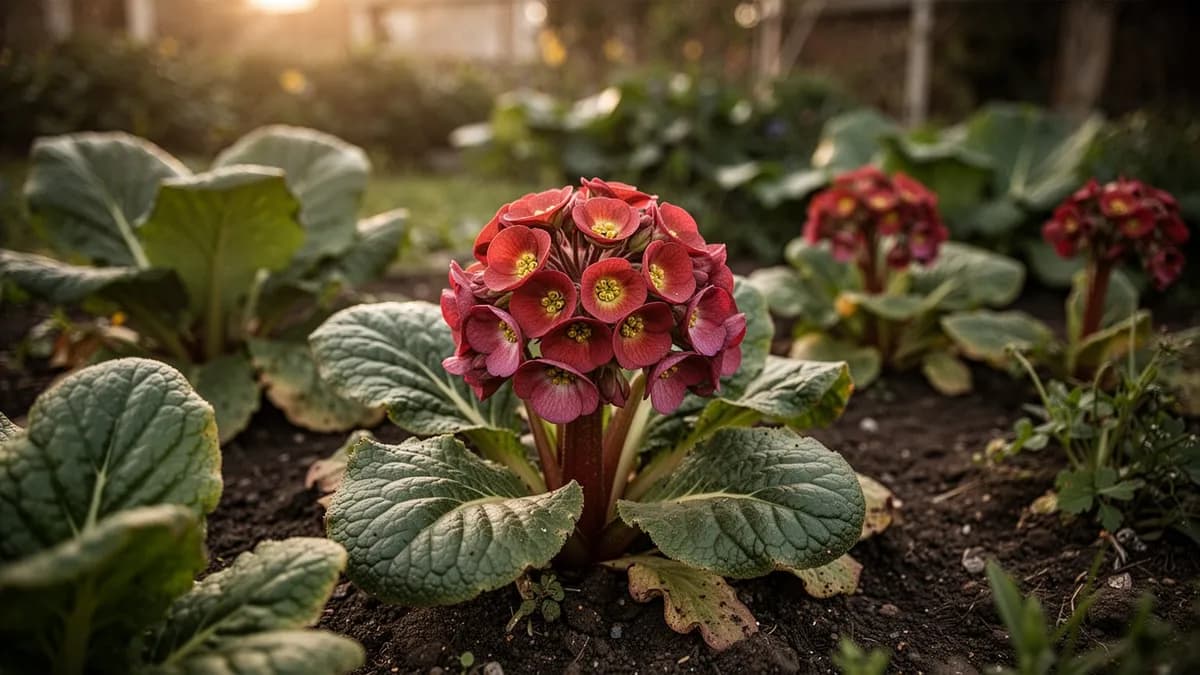
Una vivaz resistente y perenne, con grandes hojas correosas que en invierno se tornan bronce rojizo y ramilletes de flores primaverales rosas o blancas.





En esta páginaResumen
Conoce Bergenia
Una vivaz resistente y perenne, con grandes hojas correosas que en invierno se tornan bronce rojizo y ramilletes de flores primaverales rosas o blancas. La bergenia es una excelente cubresuelo tanto a la sombra como al sol y tolera una amplia gama de condiciones de suelo. Retire las hojas deslucidas en primavera y divida las matas demasiado densas para mantener un crecimiento ordenado.
Cuándo plantar Bergenia
La bergenia se propaga con mucha más facilidad por división o esquejes de rizoma que por semilla. Para dividirla, levante las matas en primavera u otoño y corte los rizomas gruesos en secciones, cada una con al menos una roseta foliar y raíces. Replante de inmediato a la profundidad correcta. También pueden tomarse esquejes de rizoma: corte secciones de 8-10 cm, colóquelas sobre la superficie de compost húmedo y cúbralas apenas. Los nuevos brotes aparecen en 4-6 semanas. La siembra es posible, pero lenta, y la descendencia puede variar respecto a la planta madre.
Tu año de Bergenia
Ajustado a Zona 7 · temporada típica · la helada se va hacia el 2 abr y vuelve hacia el 1 nov
Planta Bergenia Mar – Abr, Sep y cosecha Mar – May. Consulta los métodos de plantación y elige tu clima para adaptar los periodos.
Cómo cultivar Bergenia
La bergenia es una de las vivaces perennes de hoja perenne más resistentes y adaptables, apreciada sobre todo por sus hojas grandes, correosas y parecidas a las de la col, que aportan estructura durante todo el año y adquieren ricos tonos de bronce, rojo y púrpura cuando llega el frío. Los ramilletes de flores rosas, magenta o blancas aparecen sobre tallos carnosos a comienzos de la primavera. Con una altura de 30-45 cm, la bergenia forma matas expansivas que resultan magníficas como cubresuelo.
Plántela en semisombra o a pleno sol en cualquier suelo de jardín razonable: la bergenia tolera de forma notable condiciones difíciles, como sombra seca, suelos pobres y emplazamientos expuestos. Aunque crece a pleno sol, el follaje desarrolla su mejor color invernal cuando recibe temperaturas frías y algo de sol. Separe las plantas 35 cm para lograr una cobertura eficaz.
La bergenia requiere muy poco mantenimiento. Retire en primavera las hojas deshilachadas o dañadas para dejar ver los tallos florales emergentes. Después de la floración, corte los tallos marchitos hasta la base. Con el tiempo, las matas desarrollan rizomas largos y expuestos que se ven desordenados: divídalas cada 4-5 años y replante las secciones de rizoma a la profundidad correcta, con el punto de crecimiento justo por encima del nivel del suelo.
18 plantas caben en un bancal de 120 × 240 cm
Cada Bergenia pide 35 cm de margen. El planificador guarda ese marco por ti — cada planta, cada bancal.
Los mejores vecinos de Bergenia
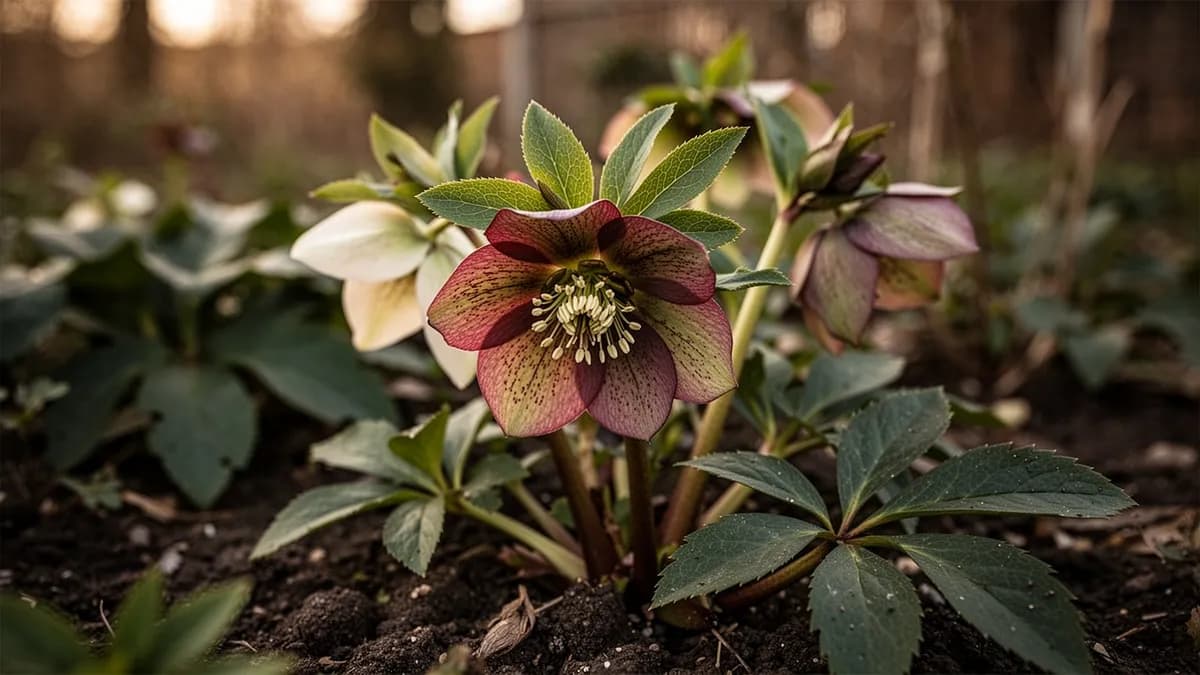
Las hojas grandes y redondeadas de la bergenia ofrecen un contraste textural magnífico con plantas de textura fina como helechos, gramíneas y astilbes. Úsela como cubresuelo bajo árboles y arbustos caducifolios, a lo largo de los bordes de los caminos o como un fondo perenne y rotundo para los bulbos de primavera. Las flores tempranas de la estación combinan de maravilla con narcisos, eléboros y pulmonarias. En diseños minimalistas modernos, las formas limpias y arquitectónicas de la bergenia funcionan muy bien plantadas en bloques geométricos.
Eléboro va a su lado.
Saber de huerto de siempre, cotejado con la tabla real de Bergenia — prueba cualquier planta que cultives.
Prueba Bergenia en un bancal, aquí mismo
Un bancal real del planificador con Bergenia ya plantado. Toca una planta compañera para colocarla y mira cómo responde la comprobación de vecinos: verde para buenos vecinos, rojo si hay conflicto.


Guías de cultivo relacionadas
Abónalo bien
La bergenia es muy adaptable al tipo de suelo y crece en condiciones pobres a fértiles, secas a húmedas, con un pH de 5.5-7.5. Para obtener los mejores resultados, proporcione un suelo moderadamente fértil, bien drenado y enriquecido con compost. Sin embargo, la planta también se comporta con dignidad en sombra seca bajo árboles y en terrenos pobres y pedregosos. Un aporte ligero de fertilizante equilibrado en primavera es beneficioso pero no esencial. Acolche en otoño con mantillo de hojas o virutas de corteza.
Temperatura ideal
Compatibilidad de zonas de rusticidad
De la semilla a la cosecha, etapa por etapa
Plantación o división de rizomas
La bergenia suele establecerse a partir de divisiones de rizoma o de plantas de vivero más que por semilla. Plante secciones de rizoma con al menos dos nudos foliares justo por debajo de la superficie del suelo, en tierra rica en humus y bien drenada. Separe las divisiones 30-45 cm para dejar espacio a las rosetas en expansión.
Establecimiento de raíces
Las nuevas raíces se desarrollan a partir de los nudos del rizoma y la planta se ancla en el suelo circundante. Al principio las hojas existentes pueden parecer mustias, pero se recuperarán a medida que el sistema radicular se afiance. Las hojas nuevas empiezan a emerger desde el centro de la roseta.
Desarrollo de la roseta
La planta produce sus características hojas grandes, redondeadas y correosas en una roseta basal. Cada hoja puede alcanzar 15-30 cm de ancho y presenta una superficie verde oscura y brillante. El rizoma se va extendiendo lentamente hacia afuera y genera nuevas rosetas en las puntas de crecimiento.
Formación de botones florales
Los botones florales se forman en las plantas ya establecidas durante finales del invierno, a medida que aumenta la duración del día. De los centros de las rosetas empiezan a surgir tallos florales cortos y robustos. Los botones suelen teñirse de rosa intenso o rojo antes de abrirse. Un periodo de frío invernal es necesario para desencadenar una floración fiable.
Floración
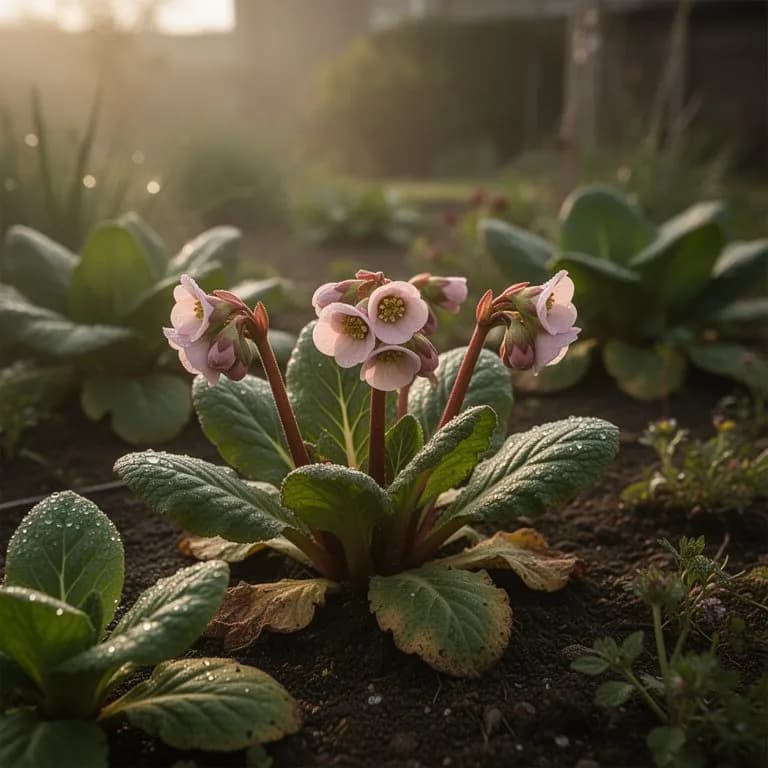
Densas panículas de flores acampanadas se abren sobre tallos firmes de 30-45 cm, normalmente de marzo a mayo según el clima. Los colores van del blanco y el rosa pálido al magenta profundo y el rojo rosado, según el cultivar. Las flores atraen a polinizadores de comienzos de temporada, incluidas abejas y mariposas.
Crecimiento estival y expansión
Después de florecer, la planta concentra su energía en ampliar el sistema de rizomas y producir nuevas rosetas. La bergenia se expande de forma constante para formar colonias densas. Las matas maduras pueden quedar demasiado apretadas al cabo de 3-4 años y se benefician de la división para mantener el vigor y el rendimiento floral.
Dormancia invernal y color del follaje
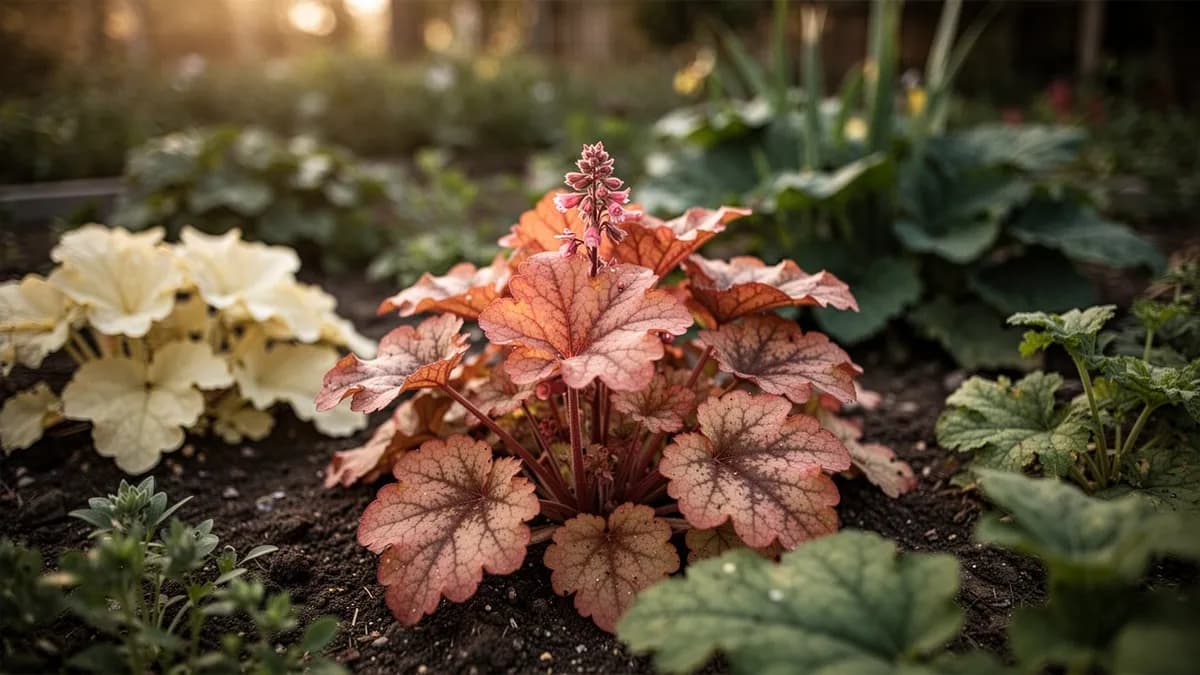
La bergenia es semiperenne o perenne según la severidad del clima. En inviernos fríos, el follaje sufre una transformación espectacular y adquiere ricos tonos burdeos, bronce, ciruela y caoba a medida que se desarrollan pigmentos antocianínicos en respuesta a las bajas temperaturas y la luz intensa. Este color invernal del follaje es uno de los rasgos ornamentales más valorados de la planta.
Riegue a fondo las divisiones recién plantadas y acolche con mantillo de hojas o compost para conservar la humedad. Evite plantar demasiado profundo, ya que eso puede pudrir la corona.
Cuidar Bergenia mes a mes
Qué hacer cada mes para tu Bergenia
Octubre
Mes actualTermine cualquier división y trasplante. Reduzca el riego a medida que bajan las temperaturas y aumentan las lluvias. El follaje puede empezar a mostrar los primeros tonos rojizos y bronceados del otoño en las regiones más frescas.
Ten claro qué hacer en tu huerto, cada mes
Un correo al empezar cada mes: qué sembrar, plantar y hacer ahora mismo — para tu Bergenia y todo lo que crece alrededor. Más un breve curso inicial para esquivar los errores clásicos.
- Qué hacer ahora mismo
- Ajustado a tu temporada
- Curso inicial incluido
Cosechar Bergenia
Los tallos florales de bergenia pueden cortarse para arreglos primaverales cuando se abre la primera flor del ramillete. Los tonos rosas y magenta combinan muy bien con narcisos, tulipanes y otras flores de primavera. Las hojas grandes son excelentes como follaje en arreglos durante todo el año, ya que aportan un contraste textural llamativo frente a flores delicadas.
se supone que plantas al comenzar el periodo — indica tu fecha real
Cosecha Bergenia a tiempo y la planta sigue produciendo.
Almacenamiento y conservación
Las hojas de bergenia pueden prensarse para crear arte botánico a gran escala: su forma contundente y su rico color invernal producen ejemplares impresionantes. Las hojas gruesas también se usan a veces en espuma floral como base para arreglos. Para propagarla en el jardín, divida los rizomas en primavera u otoño, corte secciones con al menos dos rosetas de hojas y plántelas a la profundidad correcta.
Qué falla — y cómo solucionarlo
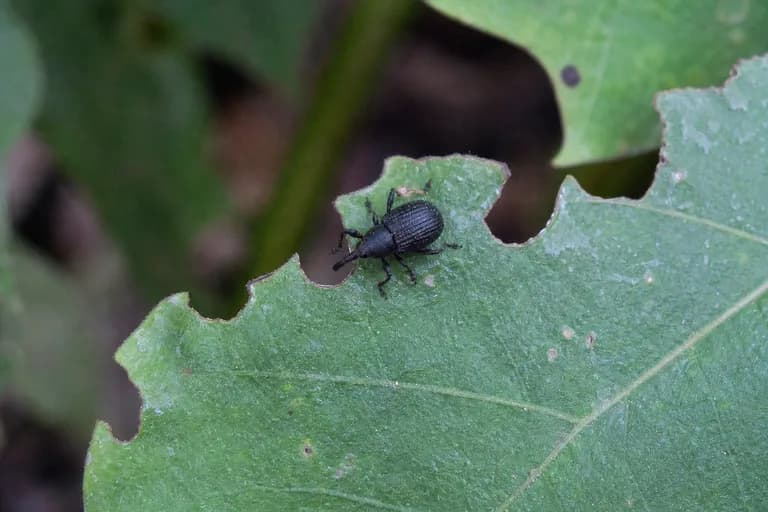
Gorgojo de la vid
PlagaBordes de las hojas con muescas causadas por los adultos y larvas que se alimentan de las raíces y pueden dañar gravemente o matar las plantas.
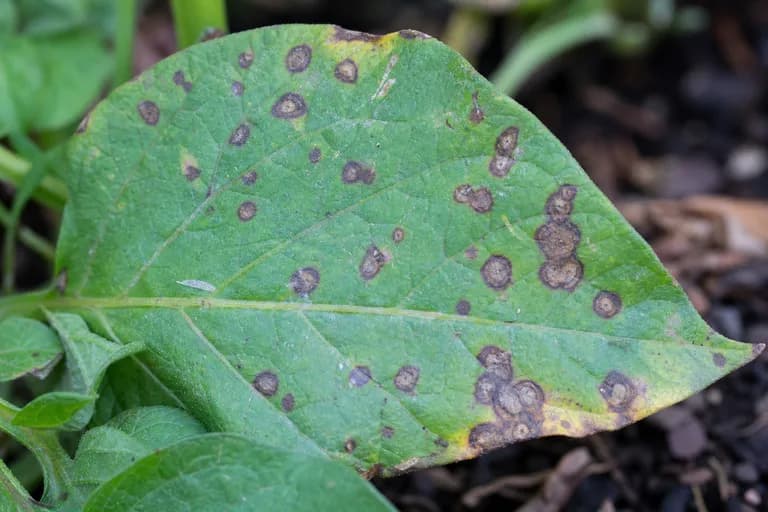
Mancha foliar
EnfermedadManchas marrones o negras en las hojas, que a veces causan daños poco estéticos pero rara vez ponen en peligro la salud de la planta.
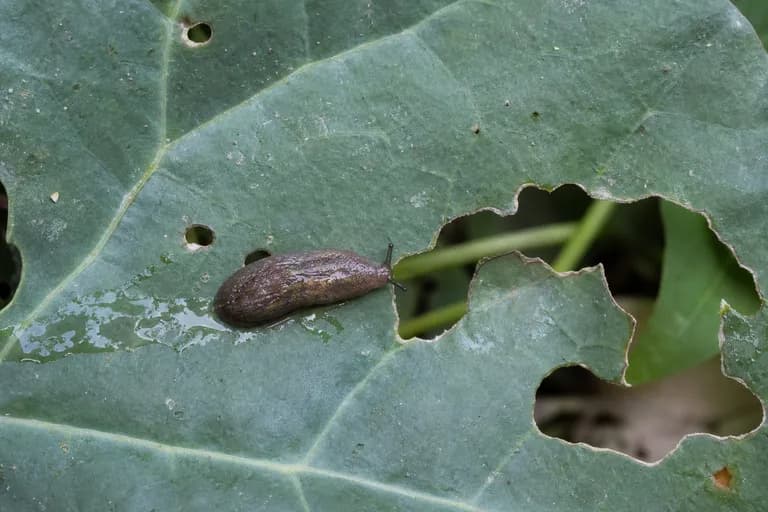
Babosas
PlagaAgujeros en las hojas jóvenes y más finas. La bergenia ya establecida, con su follaje grueso y correoso, suele resistir bastante bien a las babosas.
Solución de problemas comunes
El principal problema estético es la acumulación de hojas deshilachadas o dañadas: retírelas a comienzos de la primavera para lograr un aspecto más limpio. Con el tiempo se forman rizomas rastreros expuestos que dan sensación de desorden; divida y replante para renovar la plantación. La escasa floración suele indicar demasiado sombra o exceso de abonado: la bergenia florece mejor en condiciones más ligeras y con algo de sol directo. En inviernos muy suaves, el follaje puede permanecer verde en lugar de desarrollar el apreciado tono bronce rojizo.
Consejos de cultivo
- Plante la bergenia en semisombra para lograr el mejor equilibrio entre calidad del follaje y producción de flores. A pleno sol se tolera en climas frescos, pero puede quemar las hojas en veranos calurosos, mientras que la sombra profunda reduce notablemente la floración.
- La bergenia tolera una amplia gama de suelos, pero rinde mejor en un terreno húmedo, bien drenado y rico en humus. Evite el encharcamiento, especialmente en invierno, ya que el suelo húmedo y prolongado alrededor de los rizomas puede provocar podredumbre de la corona.
- Separe las plantas nuevas 30-45 cm para cubrir el suelo. La bergenia se expande de forma constante mediante rizomas rastreros y formará una alfombra densa que suprime las malas hierbas en 2-3 temporadas de crecimiento.
- Divida las matas congestionadas cada 3-4 años a comienzos de la primavera o del otoño para mantener un crecimiento vigoroso y una floración abundante. Replante solo las secciones externas sanas de los rizomas y descarte los centros leñosos e improductivos.
- Retire las hojas viejas y deshilachadas a comienzos de la primavera, justo antes de que empiece el nuevo crecimiento. Así la planta queda más limpia y se reducen los refugios para babosas y caracoles, que son las principales plagas de la bergenia.
- Acolche alrededor de las plantas con mantillo de hojas o compost en otoño para aislar los rizomas, enriquecer el suelo y ayudar a conservar la humedad durante la siguiente temporada de crecimiento.
- Para obtener el mejor color invernal del follaje, elija cultivares conocidos por su pigmentación intensa, como Bressingham Ruby, Eroica o Eric Smith, y plántelos en lugares que reciban frío y luz invernal brillante.
- La bergenia prospera en contenedores con un compost a base de tierra franca y algo de gravilla para drenaje. Las plantas en maceta pueden necesitar protección invernal en regiones extremadamente frías, ya que los rizomas están más expuestos a la congelación que los del suelo.
- Riegue con regularidad durante la primera temporada de crecimiento después de plantar o dividir para asegurar un buen establecimiento de raíces. Una vez establecida, la bergenia tolera muy bien la sequía y solo necesita riego suplementario durante periodos secos prolongados.
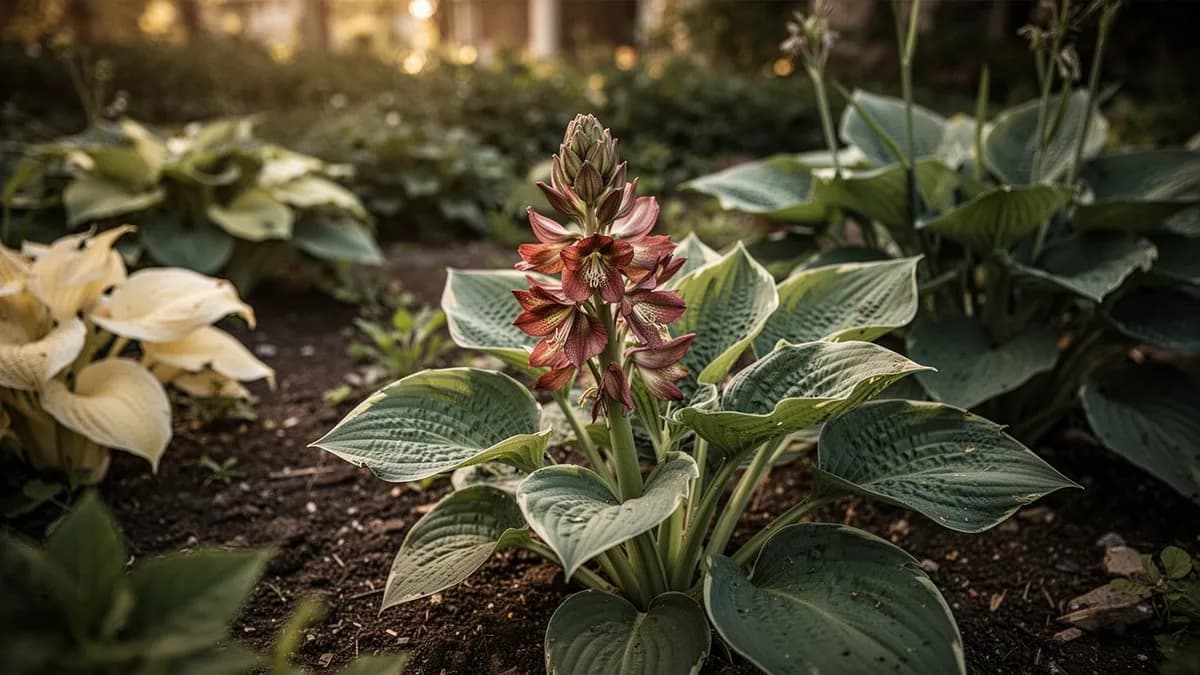
- Combine la bergenia con vivaces amantes de la sombra como hostas, helechos, eléboros, brunneras y epimedios para crear una composición de bosque en capas, con interés foliar durante todo el año y texturas de hoja contrastadas.
Cultiva tu mejor Bergenia — y todo lo que la rodea.
Empieza un plan gratis hoy. Diseña tus bancales, coloca tu Bergenia y deja que PlotMyGarden gestione el momento, el espaciado, las asociaciones y los recordatorios de la semilla a la cesta.
Elige tu Bergenia
Bergenia 'Bressingham Ruby'
Flores de un magenta rosado intenso sobre un follaje que en invierno se vuelve un rojo rubí profundo. Una de las mejores variedades para el color invernal de las hojas.
Bergenia 'Silberlicht' (Silver Light)
Flores blancas que envejecen hacia el rosa y crean un suave efecto bicolor. Excelente para iluminar rincones sombríos.
Bergenia 'Winterglut' (Winter Glow)
Flores de magenta intenso y un follaje invernal rojo púrpura excepcional; la mejor variedad para dar interés durante el invierno.
La bergenia es una de las vivaces más rentables para el valor a largo plazo del jardín. Una sola planta comprada puede dividirse cada 3-4 años para producir 4-6 nuevas divisiones, cubriendo rápidamente grandes superficies con un coste mínimo. Una vez establecida, la bergenia apenas necesita insumos como fertilizante, riego o control de plagas, por lo que es un cubresuelo excepcionalmente fácil de mantener. Su follaje denso elimina la necesidad de acolchado o deshierbe en las plantaciones ya asentadas. Además, quienes disfrutan de los tés herbales pueden cosechar y fermentar cada primavera las hojas ennegrecidas del invierno para obtener un suministro gratuito de chigir tea tradicional siberiano, añadiendo un beneficio funcional único además de su valor ornamental.
Recetas rápidas
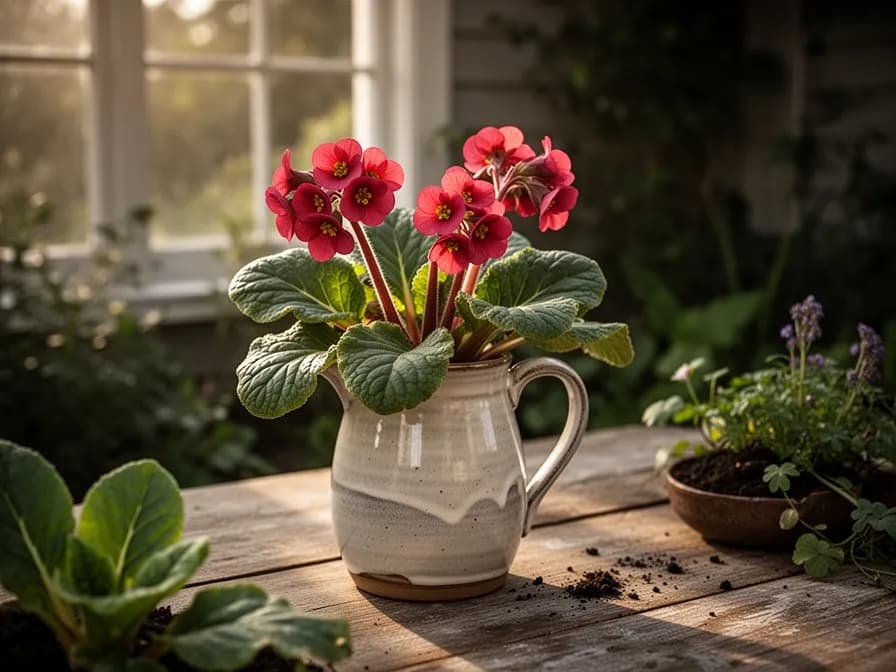
Chigir tea siberiano tradicional
10 minutos más fermentación durante la nocheUna infusión herbal sin cafeína hecha a partir de hojas de bergenia ennegrecidas de forma natural, recogidas tradicionalmente en primavera después de pasar el invierno sobre el suelo. El proceso de fermentación suaviza los taninos y crea una bebida suave, ligeramente terrosa y dulce, de color ámbar intenso. Este té se ha disfrutado durante siglos en Siberia y Mongolia como una bebida reconfortante y tonificante.
4 ingredientes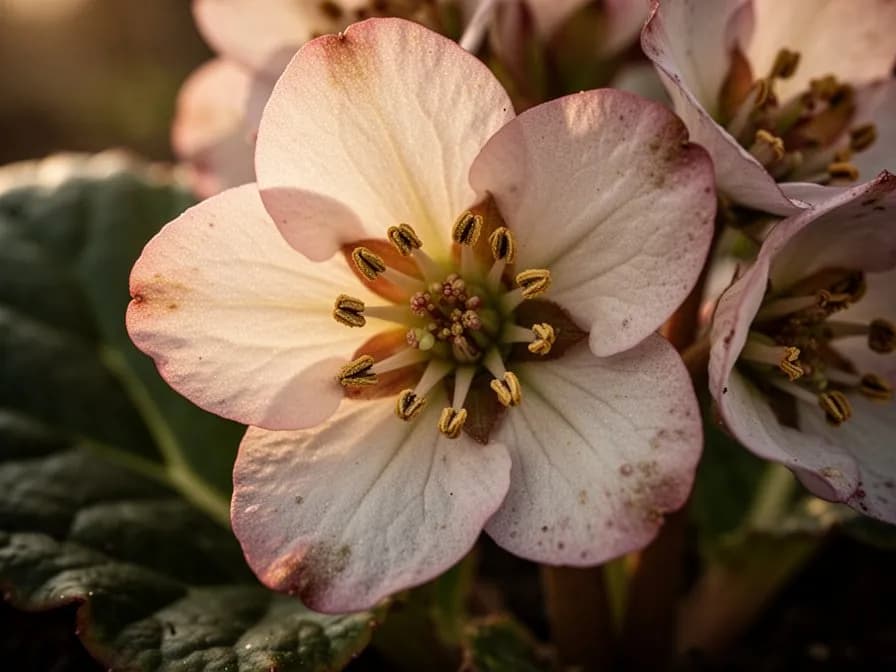
Cataplasma de hoja de bergenia para calmar la piel
15 minutosUna preparación tópica tradicional hecha con hojas frescas de bergenia, valorada en la medicina popular siberiana por su alto contenido en taninos y arbutina. Las hojas machacadas se aplican como compresa refrescante sobre irritaciones leves de la piel. Se trata de un remedio popular con uso histórico, no de una receta culinaria, y refleja el papel principal de la bergenia como planta medicinal más que alimentaria.
4 ingredientesMezcla de té de hojas fermentadas de bergenia con hierbas
10 minutos activos, 3-5 días de fermentaciónUna versión mejorada del chigir tea tradicional que combina hojas de bergenia con hierbas complementarias para obtener un perfil de sabor más rico. Las hojas verdes frescas de bergenia se machacan ligeramente, se disponen en capas con hierbas y se dejan fermentar lentamente antes de secarse, creando una mezcla de té compleja y aromática, sin cafeína, apta para disfrutar a diario.
5 ingredientesQué contiene
Beneficios para la salud
- El té de hojas de bergenia es rico en antioxidantes polifenólicos, como ácido gálico y catequinas, que pueden ayudar a neutralizar radicales libres y a apoyar la salud celular general cuando se consume con regularidad como bebida herbal.
- El alto contenido de arbutina en los rizomas y hojas de bergenia se ha utilizado tradicionalmente en la medicina popular siberiana y mongola para apoyar la salud urinaria, y hoy se estudia en fitoterapia moderna para aplicaciones similares.
- La importante concentración de taninos de la bergenia confiere al té propiedades astringentes naturales que se han usado durante siglos en la medicina tradicional para aliviar molestias digestivas y apoyar una función intestinal saludable.
- La bergenina, presente en abundancia en los rizomas de bergenia, ha mostrado propiedades antiinflamatorias en estudios de laboratorio, lo que respalda el uso tradicional de la planta para aliviar afecciones inflamatorias leves.
- El chigir tea tradicional elaborado con hojas de bergenia fermentadas no contiene cafeína de forma natural y ofrece una alternativa herbal reconfortante para quienes desean reducir su ingesta de cafeína sin renunciar a una bebida caliente sabrosa y rica en antioxidantes.
- Los extractos de bergenia han demostrado actividad antimicrobiana frente a varias cepas bacterianas comunes en entornos de investigación, lo que aporta respaldo científico al uso prolongado de la planta en la medicina herbal tradicional siberiana y centroasiática.
De dónde viene Bergenia
Bergenia cordifolia es originaria de las regiones montañosas de Asia central, en concreto de las montañas Altái de Siberia, Mongolia y partes del noroeste de China, donde crece de forma natural en grietas rocosas, praderas alpinas y bordes de bosque a altitudes de entre 1.000 y 3.000 metros. El género fue descrito científicamente por primera vez por el botánico alemán Conrad Moench en 1794, quien lo nombró en honor de Karl August von Bergen, profesor de botánica y anatomía en Frankfurt an der Oder. El nombre de especie cordifolia alude a la base en forma de corazón de las hojas. La bergenia tiene una larga historia de uso en la medicina tradicional de Siberia y Mongolia, donde los rizomas y las hojas fermentadas de forma natural se han empleado durante siglos para tratar trastornos gastrointestinales, afecciones respiratorias y fiebres. El té de hojas fermentadas, conocido como chigir tea, sigue siendo hoy una bebida popular en algunas zonas de Rusia y Asia central. La bergenia se introdujo en los jardines europeos a mediados del siglo XVIII y pronto fue valorada por su follaje rotundo y arquitectónico y por sus flores tempranas de primavera. Los jardineros victorianos y eduardianos la adoptaron para borduras sombrías y plantaciones de bosque. La célebre diseñadora Gertrude Jekyll popularizó la bergenia como planta de borde distintiva en sus influyentes jardines Arts and Crafts. A lo largo del siglo XX, amplios programas de mejora en Alemania, los Países Bajos y el Reino Unido produjeron numerosos cultivares con mejor color de flor, follaje y resistencia al invierno. Entre los cultivares más destacados figuran Bressingham White, Bressingham Ruby, Silberlicht y Eroica. Hoy la bergenia se cultiva en todo el mundo en jardines templados como un cubresuelo fiable y la Royal Horticultural Society la reconoce como una de las vivaces más versátiles y de menor mantenimiento disponibles.
Bergenia: ¿sabías que?
Datos fascinantes sobre Bergenia
La bergenia recibe el nombre común de 'pigsqueak' porque al frotar sus hojas gruesas y correosas entre los dedos producen un sonido chirriante muy característico, para alegría de niños y adultos.
Bergenia: preguntas frecuentes
¿Cuándo debo plantar Bergenia?
¿Cuáles son buenas plantas acompañantes para Bergenia?
¿En qué zonas de rusticidad puede crecer Bergenia?
¿Cuánto sol necesita Bergenia?
¿A qué distancia debo espaciar Bergenia?
¿Qué plagas y enfermedades afectan a Bergenia?
¿Cómo almaceno Bergenia después de la cosecha?
¿Cuáles son las mejores variedades de Bergenia para cultivar?
¿Qué suelo necesita Bergenia?
¿Por qué mi bergenia no florece?
¿Por qué se me ponen marrones los bordes de las hojas de la bergenia?
¿Puedo cultivar bergenia a partir de semilla?
¿La bergenia es segura para mascotas y niños?
¿Cómo hago té siberiano tradicional con hojas de bergenia?
¿Cómo controlo las babosas y los caracoles en la bergenia?
Acabas de leer la teoría. Ahora cultívala en piloto automático.
Todo lo que hace que Bergenia sea delicado — el momento, el espaciado, las asociaciones, la ventana de cosecha — es justo lo que PlotMyGarden resuelve por ti, para cada planta de tu huerto.
Un plan que conoce tu clima
Indica tu ubicación una vez. Recibe fechas de siembra, abonado y cosecha basadas en tu última helada real y el pronóstico en vivo — sin adivinar con un sobre genérico.
De la sección “Cuándo plantar”Planificador de bancales de arrastrar y soltar
Diseña bancales sobre una cuadrícula. Cada planta encaja con su espaciado correcto y ves toda la temporada antes de gastar un céntimo en semillas.
De la sección “Cultivo”Conflictos de asociación, detectados a tiempo
Más de 200 buenas y malas combinaciones comprobadas en vivo mientras plantas — para que un error que arruine la temporada nunca llegue a la tierra.
De la sección “Asociaciones”Recordatorios que sí vas a seguir
“Riega las judías.” “Recoge hoy antes de que se pase.” Oportunos, concretos y ligados a las plantas que de verdad cultivas.
De la sección “Cosecha”Escalonado, programado
¿Quieres cosechar seis semanas en vez de seis días? Reparte tus siembras automáticamente y te avisa cuando toca el siguiente lote.
De la sección “Cuándo plantar”Un registro que se vuelve más listo
Cada cosecha que registras le enseña tu huerto. El plan del año que viene parte de lo que de verdad funcionó en tu suelo, no en un manual.
De la sección “Resumen”Planta estos junto a Bergenia
Más Perennes
Cultiva tu mejor Bergenia — y todo lo que la rodea.
Empieza un plan gratis hoy. Diseña tus bancales, coloca tu Bergenia y deja que PlotMyGarden gestione el momento, el espaciado, las asociaciones y los recordatorios de la semilla a la cesta.