Baby-Spinat
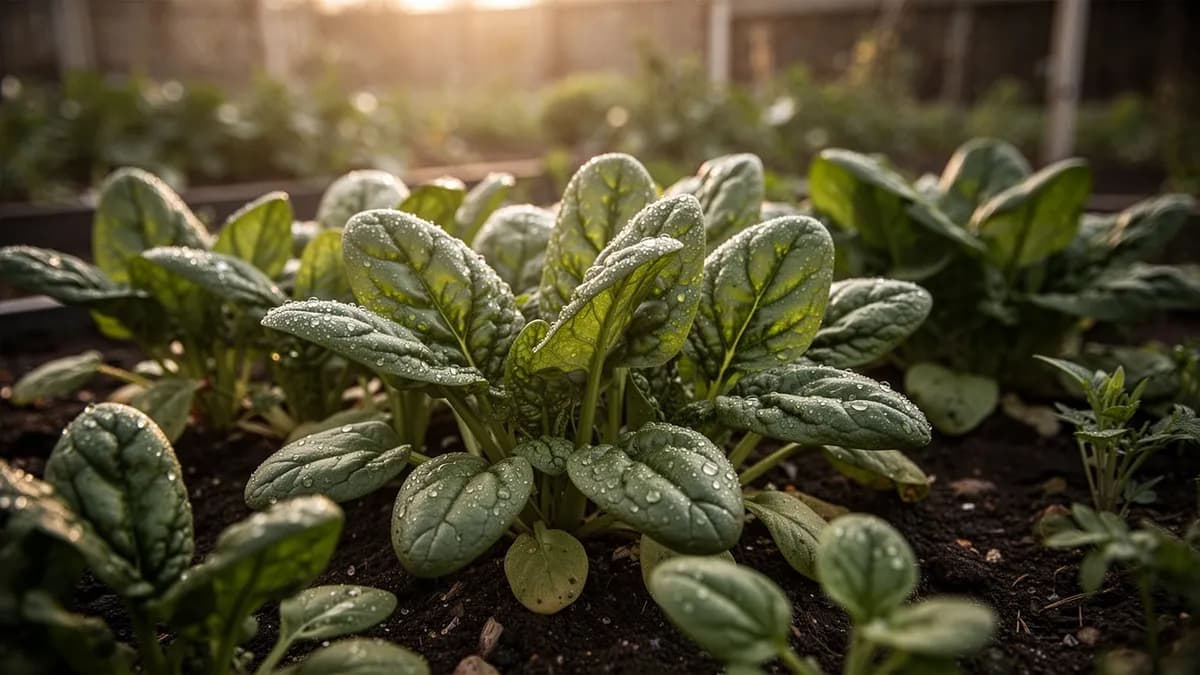
Ein schnell reifender Spinat, der im Stadium kleiner, zarter Blätter für frische Salate und Smoothies geerntet wird.





Auf dieser SeiteÜberblick
Baby-Spinat im Überblick
Ein schnell reifender Spinat, der im Stadium kleiner, zarter Blätter für frische Salate und Smoothies geerntet wird. Dichte Pflanzung mit engem Abstand maximiert den Ertrag an babygroßen Blättern mit süßem, delikatem Geschmack. Säen Sie alle zwei Wochen für eine kontinuierliche Ernte und bieten Sie bei warmem Wetter Nachmittagsschatten, um das Schossen zu verzögern. Eine der schnellsten Kulturen vom Saatgut bis zur Salatschüssel, erntereif in nur drei bis vier Wochen.
Wann Baby-Spinat pflanzen
Direktsaat wird dringend empfohlen, da Spinat eine empfindliche Pfahlwurzel hat, die das Umpflanzen schlecht verträgt. Säen Sie die Samen 1 cm tief in Reihen, sobald der Boden im Frühjahr bearbeitet werden kann, wenn die Bodentemperatur mindestens 2 °C beträgt. Für die Baby-Blatt-Produktion säen Sie dicht im Abstand von 2-3 cm. Die Keimung dauert 5 bis 10 Tage. Weichen Sie die Samen 12 Stunden in kaltem Wasser ein, um die Keimrate zu verbessern.
Dein Baby-Spinat-Jahr
Abgestimmt auf Zone 7 · typische Saison · Frost geht um den 2. Apr. und kehrt um den 1. Nov. zurück
Baby-Spinat Mär – Apr, Sep – Okt pflanzen, Apr – Mai, Okt – Nov ernten. Beachte die Pflanzmethoden unten und wähle dein Klima für passende Zeiträume.
So baust du Baby-Spinat an
Baby-Spinat wird jung bei 5 bis 8 cm Höhe geerntet, um zarte, süße Blätter zu erhalten, die perfekt für Salate sind. Säen Sie die Samen direkt 1 cm tief im zeitigen Frühjahr, sobald der Boden bearbeitet werden kann, oder im Spätsommer für die Herbsternte. Setzen Sie die Samen im Abstand von 3 bis 5 cm in Reihen mit 15 bis 30 cm Abstand. Die Keimung erfolgt in 5 bis 10 Tagen bei 4 bis 21 °C.
Spinat gedeiht bei kühlem Wetter und schosst schnell, wenn die Temperaturen 24 °C überschreiten oder die Tageslänge 14 Stunden übersteigt. Für die Baby-Blatt-Produktion säen Sie dicht und ernten das gesamte Beet nach 3 bis 4 Wochen, indem Sie die Blätter knapp über der Bodenoberfläche abschneiden. Das Beet treibt für 1 bis 2 weitere Ernten nach.
Halten Sie den Boden gleichmäßig feucht für schnelles, zartes Wachstum. Säen Sie alle 10 bis 14 Tage im Frühjahr und erneut vom Spätsommer bis zum Herbst für eine kontinuierliche Produktion nach. Verwenden Sie bei warmem Wetter Schattiergewebe, um die Erntesaison zu verlängern. Im Herbst gesäter Spinat schmeckt oft süßer, da kühle Temperaturen Stärke in Zucker umwandeln.
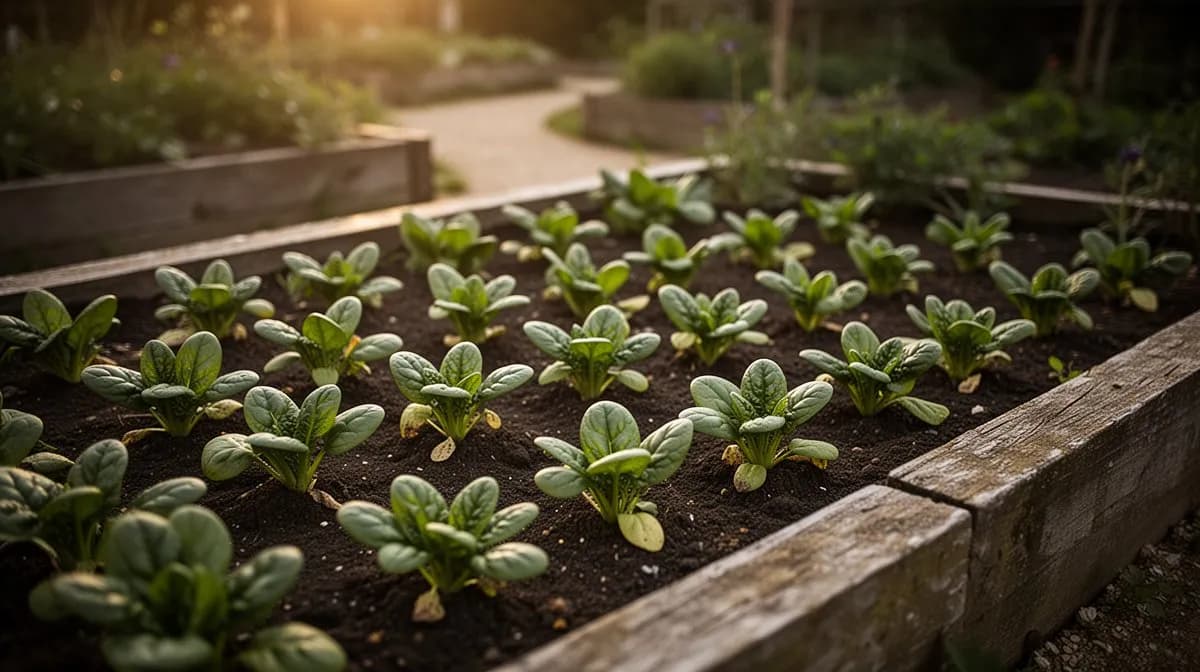
288 Pflanzen passen in ein Beet von 120 × 240 cm
Baby-Spinat braucht 10 cm Platz pro Pflanze. Der Planer hält diesen Abstand für dich ein — jede Pflanze, jedes Beet.
Die besten Nachbarn für Baby-Spinat
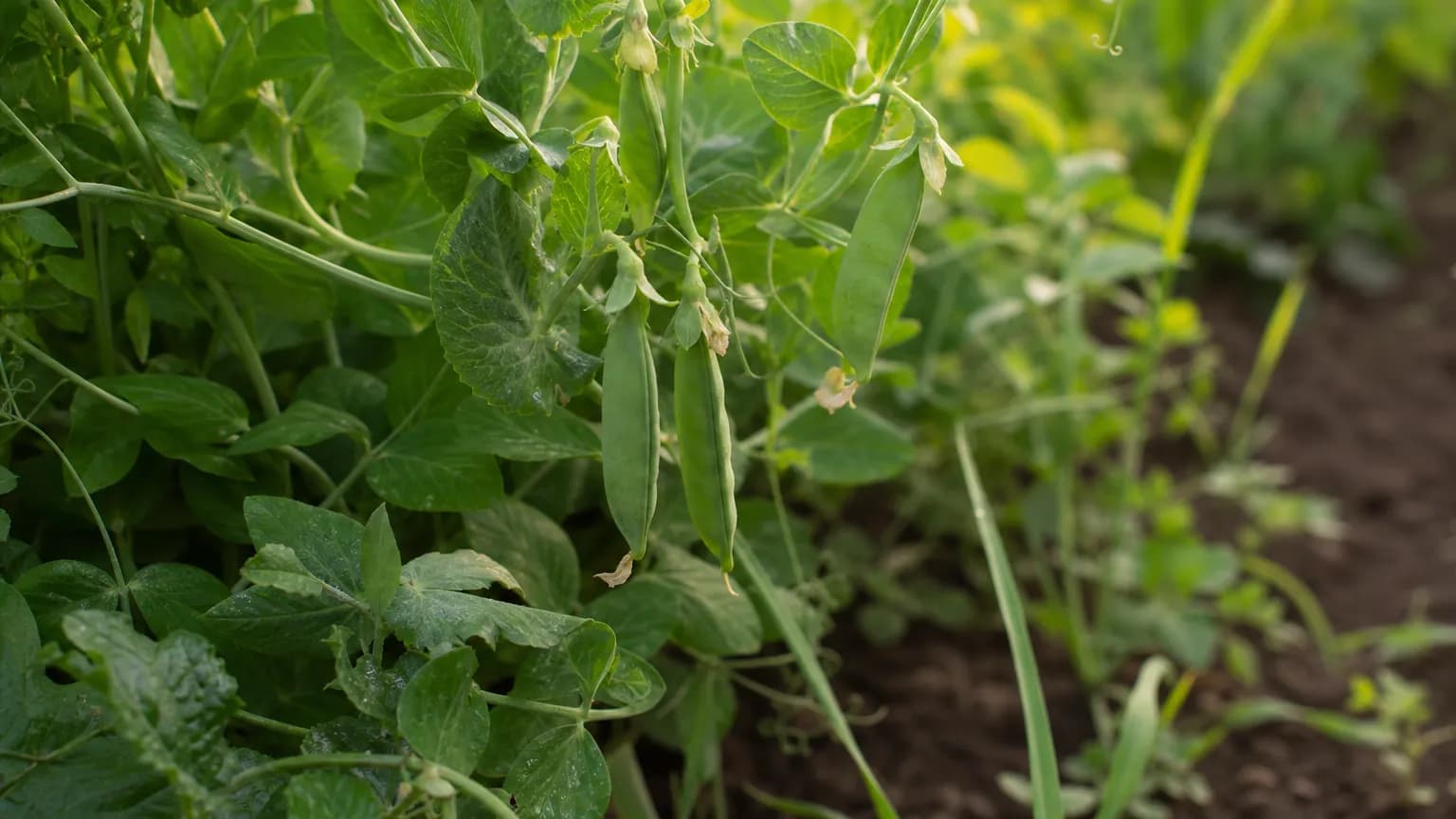
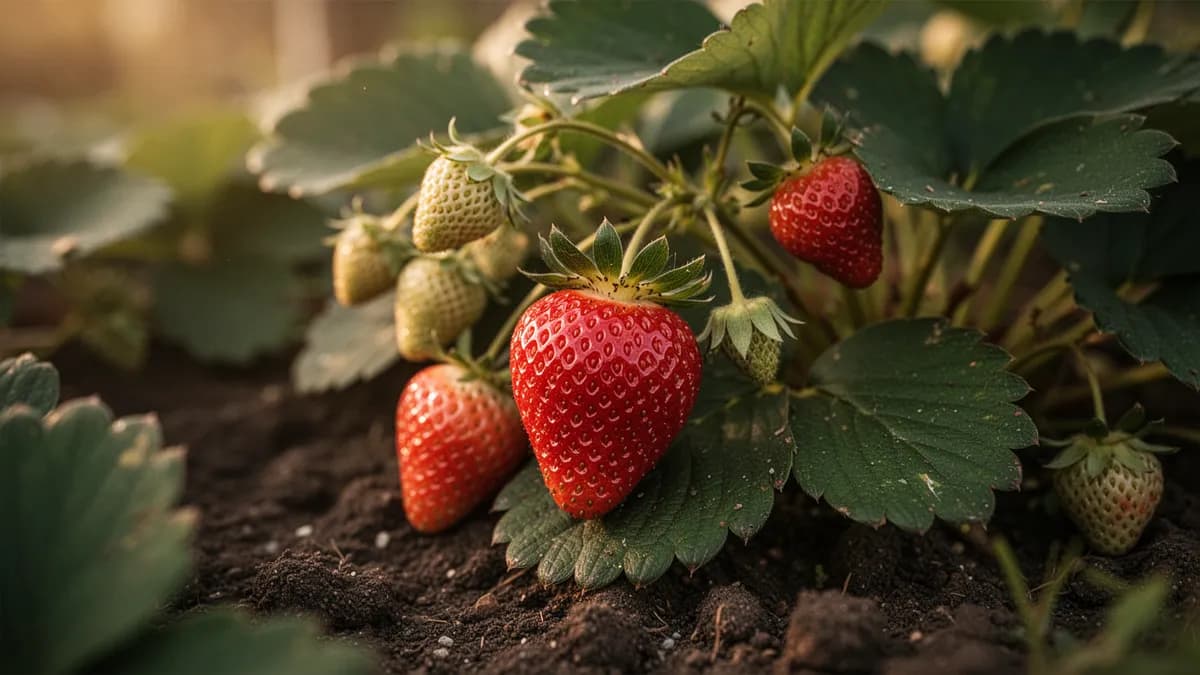
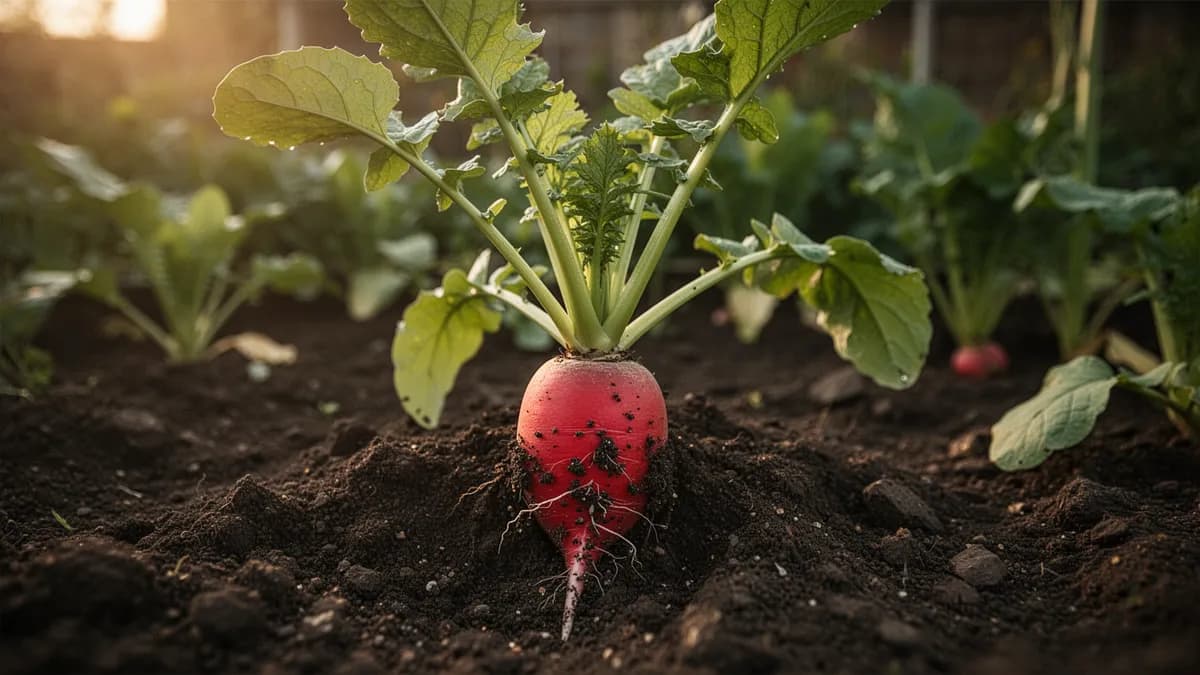
Pflanzen Sie Baby-Spinat neben Erdbeeren, Erbsen und Bohnen, die mit zunehmendem Wuchs leichten Schatten spenden. Radieschen und Zwiebeln sind verträgliche Begleitpflanzen. Vermeiden Sie die Pflanzung neben anderen Mitgliedern der Spinatfamilie wie Rote Bete und Mangold, um den gemeinsamen Schädlingsdruck zu verringern. Höhere Kulturen bieten Nachmittagsschatten, der die Frühjahrsernte verlängert.
Erbsen gehört daneben.
Altes Gärtnerwissen, geprüft an der echten Nachbartabelle von Baby-Spinat — teste jede Pflanze, die du anbaust.
Probiere Baby-Spinat direkt hier im Beet
Ein echtes Planer-Beet, Baby-Spinat steht schon drin. Tippe einen Begleiter an, platziere ihn und sieh, wie die Nachbarschaftsprüfung antwortet — grün für gute Nachbarn, rot bei Streit.


Passende Anbau-Ratgeber
Richtig düngen
Baby-Spinat benötigt fruchtbaren, gut durchlässigen Boden mit einem pH-Wert zwischen 6,5 und 7,5. Arbeiten Sie vor der Aussaat 5 cm Kompost ein. Tragen Sie bei der Aussaat und erneut nach jeder Schnitt-und-Nachwuchs-Ernte einen leichten, stickstoffreichen Dünger auf. Spinat ist empfindlich gegenüber saurem Boden, kalken Sie daher, wenn der pH-Wert unter 6,5 liegt. Ausreichend Kalium hilft den Pflanzen, dem Schossen bei wärmer werdendem Wetter zu widerstehen.
Ideale Temperatur
Winterhärtezone-Kompatibilität
Von der Saat zur Ernte, Schritt für Schritt
Aussaat
Die Samen werden direkt in kühle, feuchte Erde in einer Tiefe von 1-2 cm gesät. Baby-Spinat-Samen sind klein und rund mit einer leicht rauen Oberfläche. Die Keimung erfolgt in 5-7 Tagen bei Bodentemperaturen zwischen 7-18 °C. Samen keimen schlecht in warmem Boden über 24 °C.
Keimblatt-Stadium
Schmale, riemenförmige Keimblätter erscheinen und entfalten sich – sie sehen ganz anders aus als reife Spinatblätter. Diese Keimblätter sind länglich und grasartig. Der winzige Keimling beginnt, sein flaches Wurzelsystem aufzubauen und zu photosynthetisieren, um die Entwicklung der echten Blätter voranzutreiben.
Entwicklung der echten Blätter
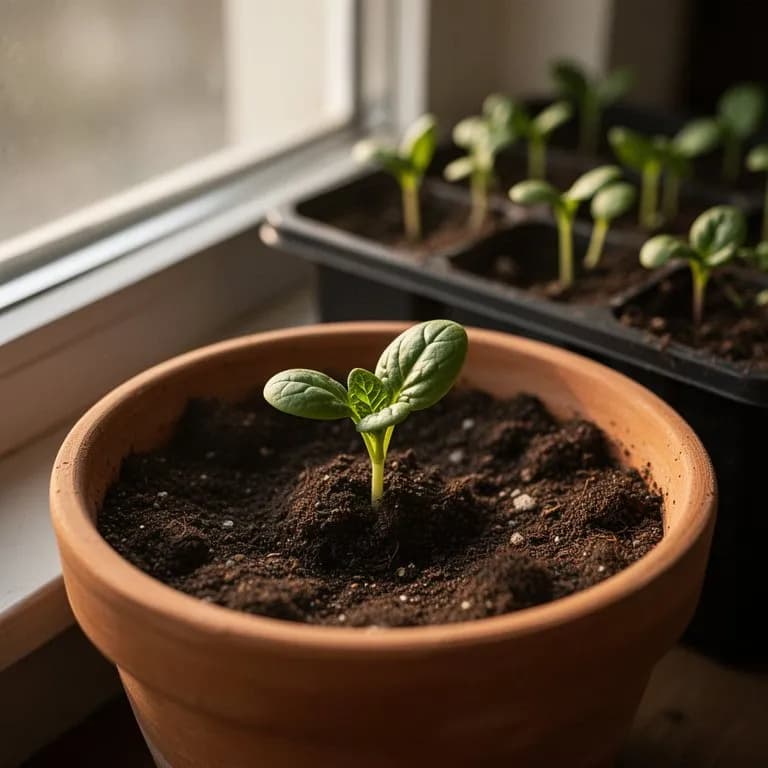
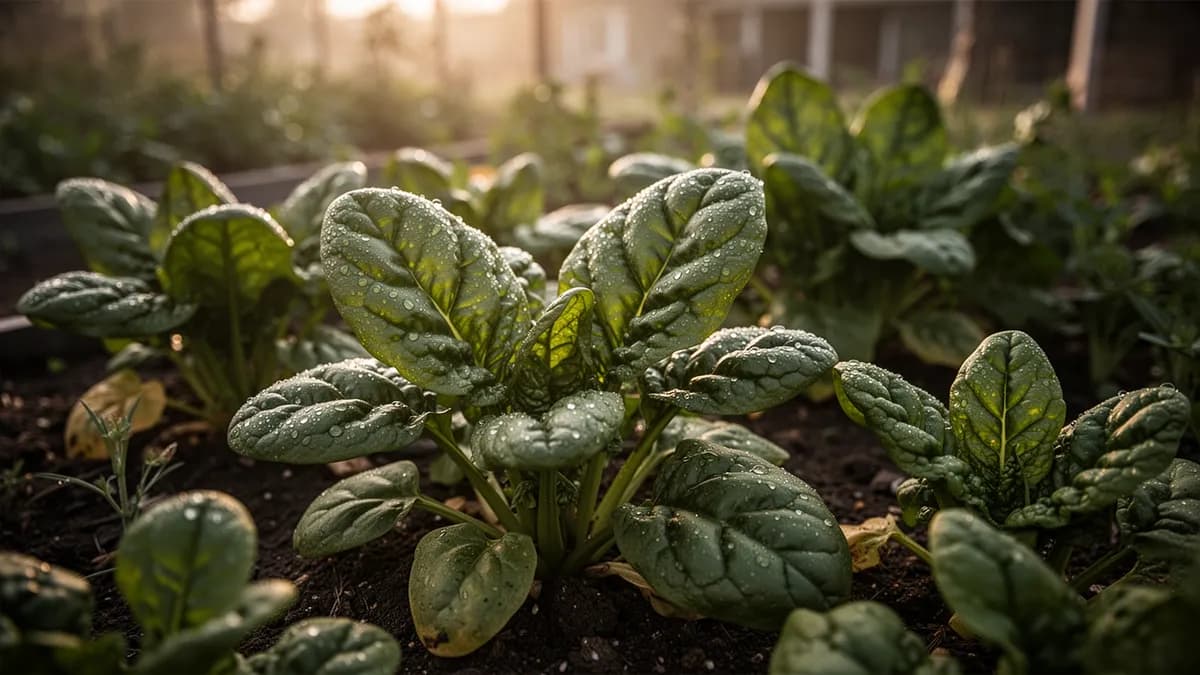
Die ersten echten Blätter erscheinen und zeigen die charakteristische glatte, ovale Form von Baby-Spinat. Die Blätter sind leuchtend grün, zart und beginnen eine lockere Rosette zu bilden. Die Pflanze entwickelt in diesem Stadium 4-6 echte Blätter, und das Wurzelsystem vertieft sich, um Bodenfeuchtigkeit zu erschließen.
Baby-Blatt-Ernte
Die Blätter erreichen die ideale Baby-Spinat-Größe von 5-8 cm Länge – zart, süß und perfekt für Salate und den frischen Verzehr. Die Rosette hat 8-12 Blätter und die Pflanze produziert weiterhin neue Blätter aus der Mitte. Dies ist das optimale Erntefenster, bevor die Blätter zäh werden oder die Pflanze zu schossen beginnt.
Fortgesetzte Produktion
Bei der Schnitt-und-Nachwuchs-Ernte treibt die Pflanze aus der Mitte nach und produziert eine zweite und manchmal dritte Ernte zarter Blätter. Die Blattgröße kann mit jeder aufeinanderfolgenden Ernte leicht zunehmen. Die Pflanzen bleiben 2-4 Wochen nach dem ersten Schnitt produktiv, wenn die Bedingungen kühl bleiben.
Schossen
Mit zunehmender Tageslänge und steigenden Temperaturen über 24 °C treibt die Pflanze einen zentralen Blütenstängel aus. Die Blätter werden kleiner, spitzer und entwickeln einen bitteren Geschmack. Kleine Büschel grüner Blüten bilden sich entlang des Stängels und produzieren schließlich runde Samen. Die nutzbare Erntezeit der Pflanze ist beendet.
Säen Sie die Samen dicht im Abstand von 2-3 cm in Reihen mit 15-20 cm Abstand für die Baby-Blatt-Produktion. Halten Sie den Boden gleichmäßig feucht, aber nicht staunass. In warmen Klimazonen kühlen Sie die Samen 5-7 Tage im Kühlschrank vor der Aussaat, um die Keimung zu verbessern.
Baby-Spinat Monat für Monat pflegen
Was du jeden Monat für deine Baby-Spinat tun solltest
Oktober
Aktueller MonatErnten Sie Baby-Blätter von den August- und September-Aussaaten. Installieren Sie Vliesabdeckungen oder Frühbeete über späten Pflanzungen, um die Saison zu verlängern. In den Zonen 7-9 säen Sie weiterhin direkt für die Winterernte. Düngen Sie die Pflanzen leicht mit ausgewogenem Flüssigdünger.
Immer wissen, was jetzt im Garten zu tun ist
Eine E-Mail zum Monatsanfang: was du jetzt säen, pflanzen und anpacken solltest — für deine Baby-Spinat und alles, was drumherum wächst. Dazu ein kurzer Startkurs, der dich vor den klassischen Fehlern bewahrt.
- Was jetzt zu tun ist
- Passend zu deiner Saison
- Startkurs inklusive
Baby-Spinat ernten
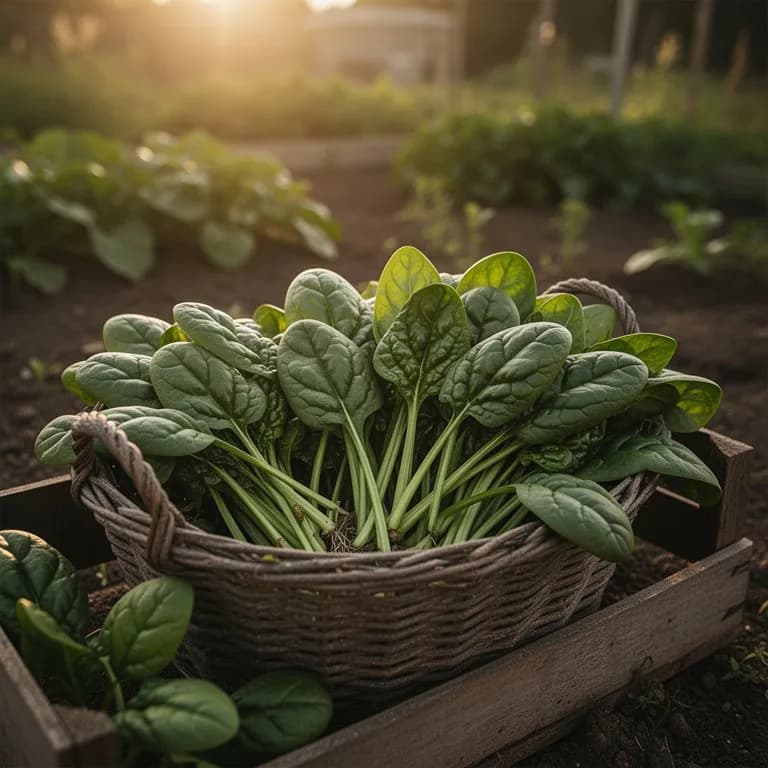
Ernten Sie Baby-Spinat, wenn die Blätter 5 bis 8 cm lang sind, typischerweise 20 bis 30 Tage nach der Aussaat. Schneiden Sie ganze Pflanzen mit einer Schere knapp über dem Boden für saubere Schnitte ab, oder ernten Sie einzelne äußere Blätter für ein längeres Erntefenster. Bei Baby-Blatt-Beeten schneiden Sie das gesamte Beet auf einmal und lassen es nachwachsen. Ernten Sie morgens, wenn die Blätter am knackigsten und saftigsten sind.
angenommen, du pflanzt zu Beginn des Zeitraums — trage dein tatsächliches Datum ein
Ernte Baby-Spinat zügig, dann trägt die Pflanze weiter.
Lagerung & Konservierung
Baby-Spinat ist sehr empfindlich und sollte innerhalb von 5 bis 7 Tagen nach der Ernte verbraucht werden. Lagern Sie ihn ungewaschen in einem verschlossenen Behälter, der mit Küchenpapier ausgekleidet ist, im Kühlschrank. Zum Einfrieren blanchieren Sie ihn kurz 30 Sekunden, schrecken ihn in Eiswasser ab, drücken überschüssiges Wasser aus und frieren ihn portionsweise ein. Gefrorener Spinat eignet sich hervorragend für Smoothies, Suppen und gekochte Gerichte.
Was schiefgeht — und die Lösung
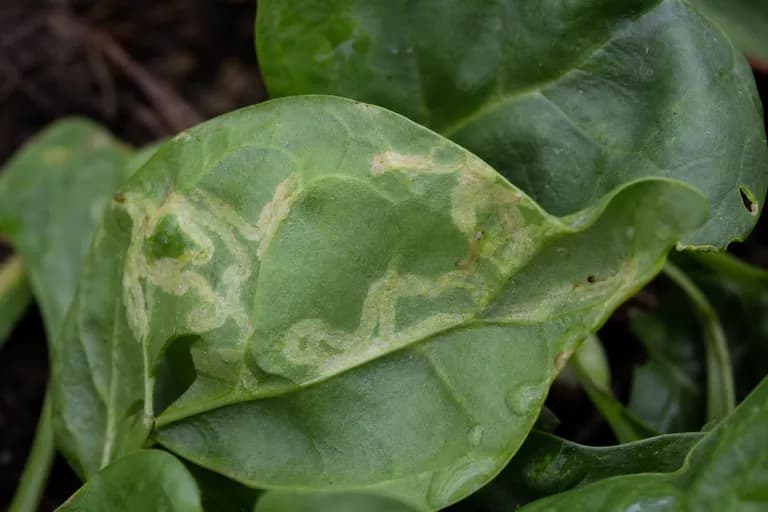
Minierfliegen
SchädlingHellbraune oder weiße, gewundene Gänge in den Blättern, wo die Larven zwischen den Blattoberflächen fressen.
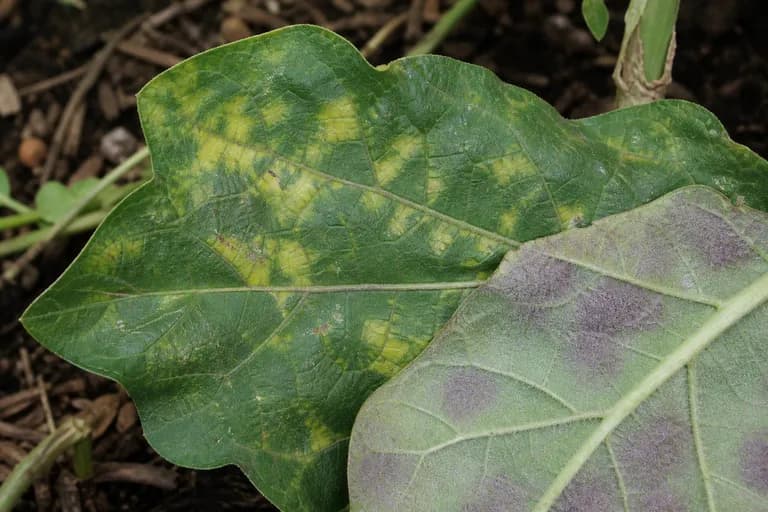
Falscher Mehltau
KrankheitGelbe Flecken auf der Blattoberseite mit grau-violettem, pelzigem Belag auf der Blattunterseite.
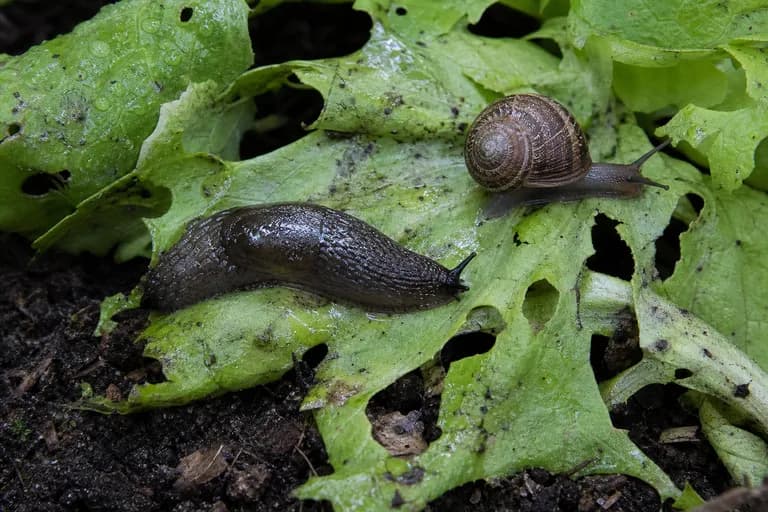
Schnecken und Nacktschnecken
SchädlingGroße, unregelmäßige Löcher in den Blättern, schleimige Spuren auf dem Laub, Schäden am schlimmsten bei kühlen, feuchten Bedingungen.
Fehlerbehebung bei häufigen Problemen
Schossen ist die größte Herausforderung, ausgelöst durch lange Tage, warme Temperaturen oder Verpflanzungsstress. Minierfliegen erzeugen unansehnliche Gänge, die die Blätter unverkäuflich machen. Falscher Mehltau ist die schwerwiegendste Krankheit, besonders bei kühlen, feuchten Bedingungen. Vergilbende Blätter deuten oft auf Stickstoffmangel oder Staunässe hin. Schlechte Keimung tritt in heißem Boden über 29 °C auf.
Anbautipps
- Behandeln Sie Baby-Spinat als Kühle-Wetter-Sprintkultur, nicht als Sommermarathon. Planen Sie schnelle, dichte Aussaaten im Frühjahr und Herbst, wenn die Temperaturen unter 24 °C bleiben. Der Versuch, Spinat in der Sommerhitze anzubauen, ist eine Übung in Frustration – er schosst, bevor Sie ernten können.
- Säen Sie dicht und verzichten Sie auf das Vereinzeln bei der Baby-Blatt-Produktion. Anders als bei reifem Spinat profitiert Baby-Spinat von dichter Pflanzung im Abstand von 2-3 cm. Die eng stehenden Pflanzen stützen sich gegenseitig, beschatten den Boden zur Feuchtigkeitserhaltung und produzieren ein erntefähiges Beet in nur 25-30 Tagen.
- Säen Sie ohne Ausnahme alle 10-14 Tage nach, um eine kontinuierliche Versorgung sicherzustellen. Baby-Spinat hat ein kurzes Erntefenster von nur 2-3 Wochen, bevor er schosst oder zu groß wird. Wenn die nächste Aussaat bereit ist, die letzte zu ersetzen, gehen Sie nie leer aus.
- Kühlen Sie die Samen 5-7 Tage im Kühlschrank vor der Aussaat in warmem Boden über 21 °C vor. Spinatsamen haben einen eingebauten Ruhemechanismus, der die Keimung bei heißen Bedingungen verhindert. Die Kühlung gaukelt den Samen vor, der Winter sei vorbei, und verbessert die Keimrate dramatisch.
- Ernten Sie mit der Schere statt Blätter herauszuziehen. Schneiden Sie äußere Blätter 2-3 cm über der Bodenoberfläche ab und lassen Sie den zentralen Vegetationspunkt und die kleinsten inneren Blätter intakt. Diese Schnitt-und-Nachwuchs-Methode ermöglicht 2-3 Ernten aus einer einzigen Aussaat.
- Bieten Sie im Frühjahr und Herbst Nachmittagsschatten mit Schattiergewebe, höheren Nachbarkulturen oder nach Norden ausgerichteter Beetausrichtung. Schon wenige Grad Abkühlung durch Nachmittagsschatten können 1-2 zusätzliche Erntewochen einbringen, bevor das Schossen beginnt.
- Gießen Sie gleichmäßig und oberflächlich. Baby-Spinat hat ein relativ flaches Wurzelsystem, das sich in den oberen 10-15 cm des Bodens konzentriert. Leichtes, häufiges Gießen hält diese Wurzelzone feucht, ohne Staunässe zu verursachen. Tropfbewässerung oder Perlschläuche sind ideal.
- Steigern Sie die Blattsüße, indem Sie Ihre Ernte auf den frühen Morgen nach einer kühlen Nacht legen. Kalte Temperaturen veranlassen Spinat, Stärke als natürlichen Frostschutz in Zucker umzuwandeln. Blätter, die am frühen Morgen nach Nächten unter 10 °C geerntet werden, sind merklich süßer als solche, die in der Nachmittagswärme gepflückt werden.
Bau deine beste Baby-Spinat an — und alles drumherum.
Starte heute kostenlos. Lege deine Beete an, setze deine Baby-Spinat ein und lass PlotMyGarden Timing, Abstände, Begleiter und Erinnerungen von der Saat bis zum Erntekorb übernehmen.
Finde deine Baby-Spinat
Space
Eine glattblättrige Sorte, speziell für die Baby-Blatt-Produktion gezüchtet, mit ausgezeichneter Schossresistenz.
Corvair
Dunkelgrüne, halbsavoye Blätter mit hervorragender Resistenz gegen Falschen Mehltau und langsamem Schossen.
Renegade
Eine wüchsige Sorte mit dicken, runden Blättern und ausgezeichneter Leistung sowohl im Frühjahr als auch im Herbst.
Red Kitten
Einzigartiger Baby-Spinat mit roten Blattadern und attraktiver Farbe für Salatmischungen sowie guter Kältetoleranz.
Eine einzelne Packung Baby-Spinat-Samen kostet 2-4 € und enthält genug Samen, um 3-5 Quadratmeter Anbaufläche zu bepflanzen, was über eine Saison 5-15 kg Baby-Blätter ergibt. Vorgewaschener Baby-Spinat im Supermarkt kostet 4-7 € pro 140-g-Packung – der eigene Anbau kann je nach Verbrauch 150-400 € pro Saison einsparen. Die Ersparnis ist bei Bio-Baby-Spinat noch dramatischer, der oft 6-9 € pro Packung kostet. Eine einzelne Samenpackung für 3 € kann Baby-Spinat im Wert von über 200 € aus dem Bioladen ersetzen.
Schnelle Rezepte
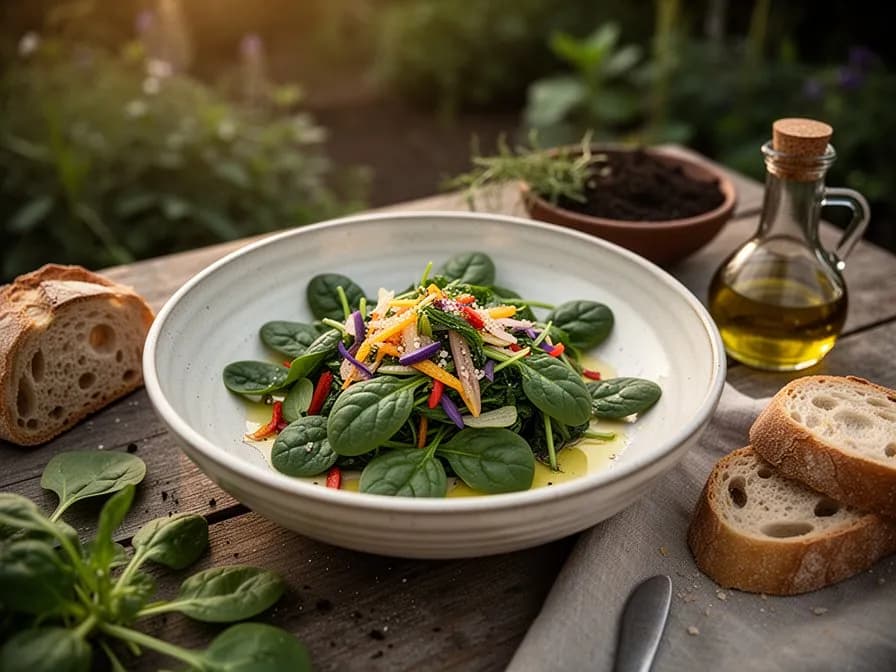
Klassischer Baby-Spinat-Salat mit warmem Speck-Dressing
15 Min.Ein zeitloser Salat, bei dem knackige Baby-Spinat-Blätter durch eine warme, würzige Speck-Vinaigrette leicht zusammenfallen. Der Kontrast aus kühlem Grün, warmem Dressing und knusprigen Toppings macht dies in Minuten zu einem Gericht in Restaurantqualität.
9 ZutatenBaby-Spinat-Beeren-Power-Smoothie
5 Min.Ein lebhaft grüner Smoothie, in dem Baby-Spinat vollständig in einer süßen, fruchtigen Mischung verschwindet. Der milde Geschmack des Baby-Spinats wird perfekt von Beeren und Banane überdeckt, während er eine konzentrierte Dosis Vitamine und Mineralstoffe liefert.
7 ZutatenKnoblauch-Baby-Spinat aus der Pfanne
8 Min.Die einfachste und eleganteste Art, Baby-Spinat zuzubereiten – ein schnelles Anbraten bei hoher Hitze mit Knoblauch und Olivenöl, das die Blätter in weniger als zwei Minuten zusammenfallen lässt. Ein Spritzer Zitrone am Ende hebt den erdigen Geschmack wunderbar hervor.
7 ZutatenKulinarische Verwendung
Baby-Spinat ist das erstklassige frische Salatgrün, zart genug, um roh und ohne Kochen gegessen zu werden. Verwenden Sie ihn in Smoothies für einen Nährstoffschub ohne starken Eigengeschmack. Lassen Sie ihn leicht in Pasta, Eierspeisen und Getreideschüsseln zusammenfallen. Baby-Spinat eignet sich hervorragend für Sandwiches, Wraps und als Pizzabelag, der nach dem Backen hinzugefügt wird. Er harmoniert wunderbar mit Erdbeeren, Feta und Balsamico-Dressing.
Was drinsteckt
Gesundheitsvorteile
- Baby-Spinat ist eine der reichsten Nahrungsquellen für Vitamin K1 (Phyllochinon) und liefert über 400 % des Tageswertes pro 100 g – essenziell für die Blutgerinnung, Knochenmineralisierung, und neuere Forschung deutet darauf hin, dass es eine Rolle für die Herz-Kreislauf- und kognitive Gesundheit spielen könnte.
- Extrem reich an Beta-Carotin (Vitamin-A-Vorstufe) unterstützt Baby-Spinat die Augengesundheit, Immunfunktion und Hauterneuerung. Eine einzelne Portion von 100 g liefert fast das Doppelte der empfohlenen täglichen Vitamin-A-Zufuhr.
- Enthält erhebliche Mengen an Lutein und Zeaxanthin – zwei Carotinoid-Pigmente, die sich in der Makula des Auges anreichern und mit einem verringerten Risiko für altersbedingte Makuladegeneration und Grauem Star in Verbindung gebracht werden.
- Reich an Nitraten, die der Körper in Stickstoffmonoxid umwandelt, das die Blutgefäße entspannt und den Blutfluss verbessert. Der regelmäßige Verzehr von Blattgemüse wie Baby-Spinat wird mit niedrigerem Blutdruck und verbesserter Herz-Kreislauf-Gesundheit in Verbindung gebracht.
- Liefert pflanzliches Eisen zusammen mit Vitamin C, das die Aufnahme von Nicht-Häm-Eisen um das bis zu 6-Fache verbessert. Diese Kombination macht Baby-Spinat besonders wertvoll für Vegetarier, Veganer und alle, die ein Risiko für Eisenmangel haben.
- Reich an Magnesium (79 mg pro 100 g, etwa 20 % TW), einem Mineralstoff, der an über 300 enzymatischen Reaktionen im Körper beteiligt ist, darunter Energieproduktion, Muskelfunktion, Nervensignalübertragung und Blutzuckerregulation.
Woher Baby-Spinat stammt
Spinat (Spinacia oleracea) stammt aus dem antiken Persien (dem heutigen Iran), wo er bereits im 4. Jahrhundert n. Chr. angebaut wurde und als "ispanakh" oder "aspanakh" bekannt war. Wilde Vorfahren des Spinats wuchsen vermutlich in den Bergregionen Zentral- und Südwestasiens, wo kühle Temperaturen und kurze Tage das Pflanzenwachstum begünstigten. Von Persien aus verbreitete sich Spinat entlang der Handelsrouten ostwärts nach Indien und China – chinesische Aufzeichnungen aus dem 7. Jahrhundert bezeichnen ihn als das "persische Gemüse", und er wurde schnell zu einem wichtigen Blattgemüse in der asiatischen Küche.
Arabische Händler und die maurische Eroberung der Iberischen Halbinsel brachten Spinat bis zum 11. Jahrhundert nach Europa, wo er zunächst in Spanien und Südfrankreich angebaut wurde. Die Fähigkeit der Pflanze, bei kühlem Wetter zu gedeihen, machte sie als frühes Frühlingsgemüse wertvoll, wenn kaum anderes Grün verfügbar war. Im 13. Jahrhundert hatte sich Spinat in ganz Mitteleuropa verbreitet und wurde von Mönchen und Kräuterkundigen wegen seiner medizinischen Eigenschaften und seines Nährwerts geschätzt. Katharina von Medicis gut dokumentierte Leidenschaft für Spinat im 16. Jahrhundert half, seinen kulinarischen Status in der französischen Haute Cuisine zu heben.
Das Konzept von "Baby-Spinat" als kommerzielles Produkt ist bemerkenswert jung. Während Gärtner schon immer junge, zarte Spinat-Ausdünnungen gegessen haben, begann die verpackte Baby-Spinat-Industrie erst in den frühen 1990er Jahren, als kalifornische Erzeuger begannen, Spinat im Stadium von 25-35 Tagen speziell für den Frischsalatmarkt zu ernten. Vorgewaschener, verzehrfertiger Baby-Spinat in Tüten revolutionierte die Blattgemüseindustrie über Nacht und machte Spinat auf eine Weise zugänglich und bequem, die gebündelter reifer Spinat nie erreicht hatte. Heute ist Baby-Spinat das beliebteste Salatgrün in den Vereinigten Staaten und eines der am meisten konsumierten Blattgemüse weltweit, kommerziell auf jedem bewohnten Kontinent angebaut.
Baby-Spinat: Schon gewusst?
Faszinierende Fakten über Baby-Spinat
Baby-Spinat ist keine eigene Sorte – es ist einfach gewöhnlicher Spinat (Spinacia oleracea), der jung nach 25-35 Tagen geerntet wird, wenn die Blätter 5-8 cm lang, zart und mild im Geschmack sind. Dieselbe Pflanze produziert, wenn sie weiterwächst, die größeren, festeren reifen Spinatblätter, die als Bund verkauft werden.
Baby-Spinat: Fragen & Antworten
Wann sollte ich Baby-Spinat pflanzen?
Was sind gute Begleitpflanzen für Baby-Spinat?
In welchen Winterhärtezonen kann Baby-Spinat wachsen?
Wie viel Sonne braucht Baby-Spinat?
Welchen Abstand sollte ich zwischen Baby-Spinat lassen?
Welche Schädlinge und Krankheiten befallen Baby-Spinat?
Wie lagere ich Baby-Spinat nach der Ernte?
Was sind die besten Baby-Spinat-Sorten zum Anbauen?
Welchen Boden braucht Baby-Spinat?
Warum schosst mein Baby-Spinat so schnell?
Kann ich Baby-Spinat drinnen oder auf der Fensterbank anbauen?
Ist es unbedenklich, jeden Tag rohen Baby-Spinat zu essen?
Was ist der Unterschied zwischen Baby-Spinat und normalem Spinat?
Wie verhindere ich Falschen Mehltau bei Baby-Spinat?
Kann ich selbst angebauten Baby-Spinat einfrieren?
Du hast die Theorie gelesen. Jetzt baue sie auf Autopilot an.
Alles, was Baby-Spinat knifflig macht — das Timing, die Abstände, die Begleiter, das Erntefenster — genau das übernimmt PlotMyGarden für dich, für jede Pflanze im Garten.
Ein Plan, der dein Wetter kennt
Standort einmal festlegen. Aussaat-, Dünge- und Erntedaten rund um deinen echten letzten Frosttermin und die Live-Vorhersage — kein Raten mehr nach Saattüte.
Aus dem Abschnitt „Pflanzzeit“Beetplaner per Drag & Drop
Beete auf einem Raster gestalten. Jede Pflanze rastet im richtigen Abstand ein, und du siehst die ganze Saison, bevor du einen Cent für Saatgut ausgibst.
Aus dem Abschnitt „Anbau“Begleiter-Konflikte früh erkannt
Über 200 gute und schlechte Kombinationen werden beim Pflanzen live geprüft — so landet ein saisonruinierender Fehler nie in der Erde.
Aus dem Abschnitt „Begleiter“Erinnerungen, nach denen du wirklich handelst
„Gieß die Bohnen.“ „Heute ernten, bevor's umschlägt.“ Pünktlich, konkret und auf deine echten Pflanzen bezogen.
Aus dem Abschnitt „Ernte“Staffel-Aussaat, geplant
Sechs Wochen ernten statt sechs Tage? Die App verteilt deine Aussaaten automatisch und erinnert dich, wenn der nächste Satz fällig ist.
Aus dem Abschnitt „Pflanzzeit“Ein Verlauf, der schlauer wird
Jede protokollierte Ernte bringt der App deinen Garten bei. Der Plan fürs nächste Jahr startet bei dem, was in deinem Boden wirklich funktioniert hat.
Aus dem Abschnitt „Überblick“Pflanze diese neben Baby-Spinat
Weitere Blattgemüse
Gartenpläne mit Baby-Spinat
Bau deine beste Baby-Spinat an — und alles drumherum.
Starte heute kostenlos. Lege deine Beete an, setze deine Baby-Spinat ein und lass PlotMyGarden Timing, Abstände, Begleiter und Erinnerungen von der Saat bis zum Erntekorb übernehmen.