Arnika
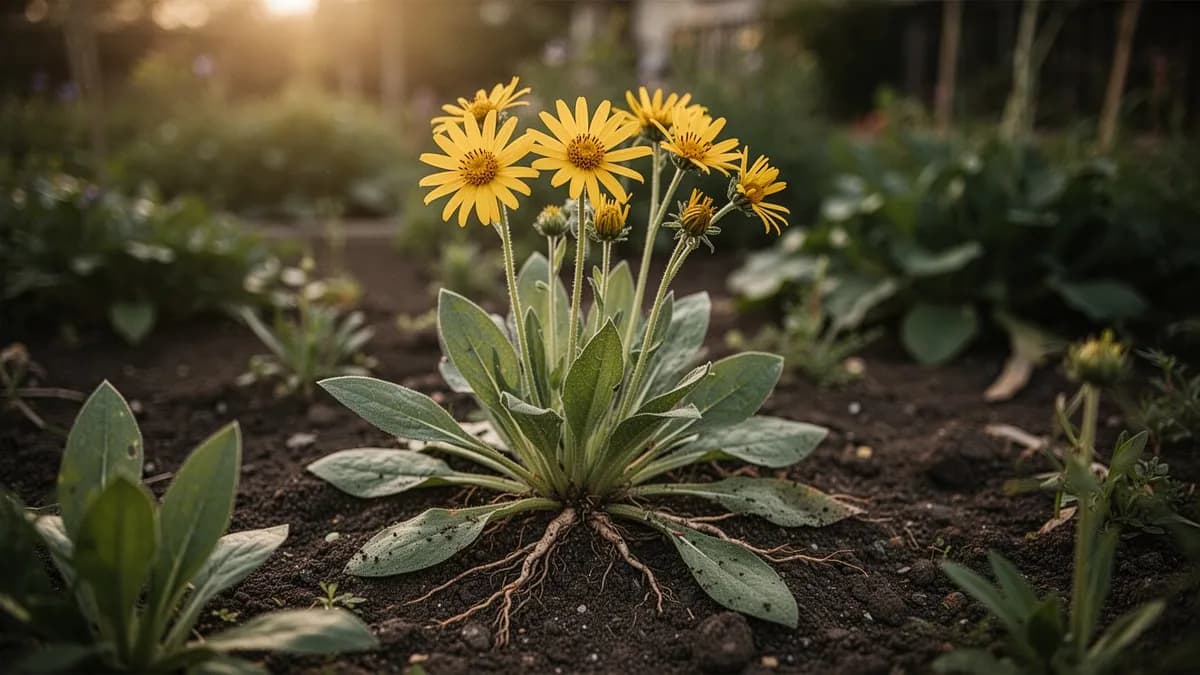
Eine alpine Wildblume mit leuchtend gelben gänseblümchenartigen Blüten, die äußerlich in Salben und Cremes gegen Blutergüsse und Muskelschmerzen eingesetzt wird.





Auf dieser SeiteÜberblick
Arnika im Überblick
Eine alpine Wildblume mit leuchtend gelben gänseblümchenartigen Blüten, die äußerlich in Salben und Cremes gegen Blutergüsse und Muskelschmerzen eingesetzt wird. Arnika benötigt saure, gut durchlässige Alpenbedingungen und ist notorisch schwierig in Talgärten zu kultivieren. Blüten bei voller Blüte ernten und schnell trocknen für die Verwendung in topischen Zubereitungen – die innerliche Einnahme wird nicht empfohlen.
Wann Arnika pflanzen
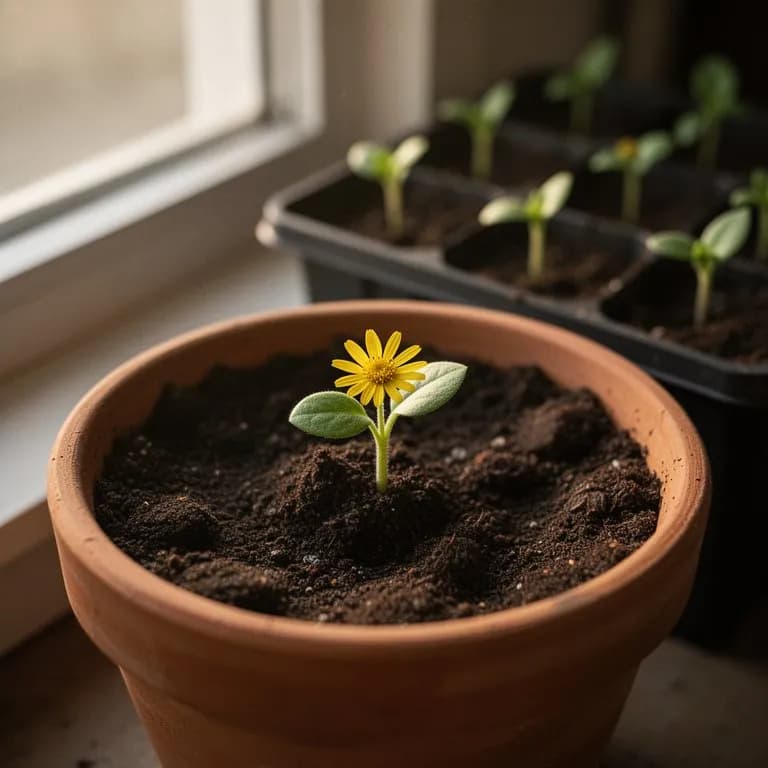
Arnikasamen Ende Winter auf der Oberfläche eines feuchten, sauren Anzuchtsubstrats aussäen. Kältestratifikation durch 4–6-wöchiges Kühlen der Saatschalen im Kühlschrank durchführen, bevor sie an einen kühlen, hellen Standort (15–18 °C) gestellt werden. Die Keimung ist langsam und unregelmäßig über 2–8 Wochen. Samen nicht bedecken – sie benötigen Licht. Keimlinge wachsen sehr langsam und benötigen möglicherweise 2–3 Jahre bis zur Blühreife. Das Teilen etablierter Horste im Frühjahr ist zuverlässiger, aber Pflanzen reagieren empfindlich auf Wurzelstörungen. Keimlinge beim Umpflanzen vorsichtig behandeln.
Dein Arnika-Jahr
Abgestimmt auf Zone 7 · typische Saison · Frost geht um den 2. Apr. und kehrt um den 1. Nov. zurück
Arnika Mär – Apr pflanzen, Jun – Aug ernten. Beachte die Pflanzmethoden unten und wähle dein Klima für passende Zeiträume.
So baust du Arnika an
Arnika ist eine geschätzte alpine Wildblume, die notorisch schwierig in Talgärten zu kultivieren ist, da sie die kühlen Sommer, sauren Böden und die ausgezeichnete Drainage ihres natürlichen Bergwiesenlebensraums benötigt. An einem vollsonnigen Standort mit saurem, gut durchlässigem, nährstoffarmem Boden im Abstand von 30 cm pflanzen. Arnika wächst 30–60 cm hoch mit lanzettförmigen, behaarten Blättern und leuchtend gelb-orangen Gänseblümchenblüten im Hochsommer.
Der Schlüssel zum Arnika-Erfolg liegt darin, alpine Bedingungen nachzuahmen: magerer, saurer Boden (pH 4,5–6,0), kühle Wurzeltemperaturen, ausgezeichnete Drainage und keine Konkurrenz durch kraftvolle Nachbarpflanzen. Eine Mischung aus Torf, Sand und Kies verwenden – Kompost oder nährstoffreichen Boden vermeiden. Hochbeete oder Steingartentröge bieten die ideale Pflanzumgebung. Mäßig gießen, aber darauf achten, dass die Wurzeln nie in Feuchtigkeit stehen.
Arnica montana ist schwierig und langsam im Einwachsen, aber einmal zufrieden, hält sie sich jahrelang. Als leichter anzubauende Alternative bietet sich die nordamerikanische Art Arnica chamissonis an – sie besitzt ähnliche Heilwirkungen, verträgt aber ein breiteres Spektrum an Gartenbedingungen. In jedem Fall ist Geduld unerlässlich, da Pflanzen aus Samen 2–3 Jahre bis zur Blühreife benötigen können.
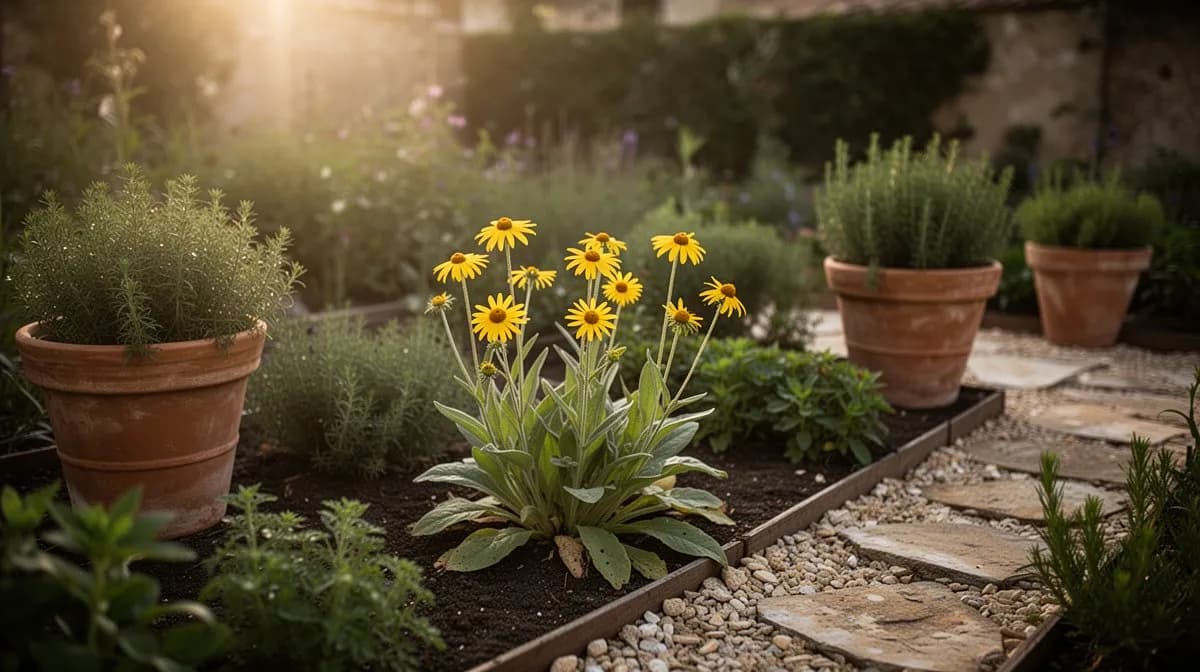
32 Pflanzen passen in ein Beet von 120 × 240 cm
Arnika braucht 30 cm Platz pro Pflanze. Der Planer hält diesen Abstand für dich ein — jede Pflanze, jedes Beet.
Die besten Nachbarn für Arnika
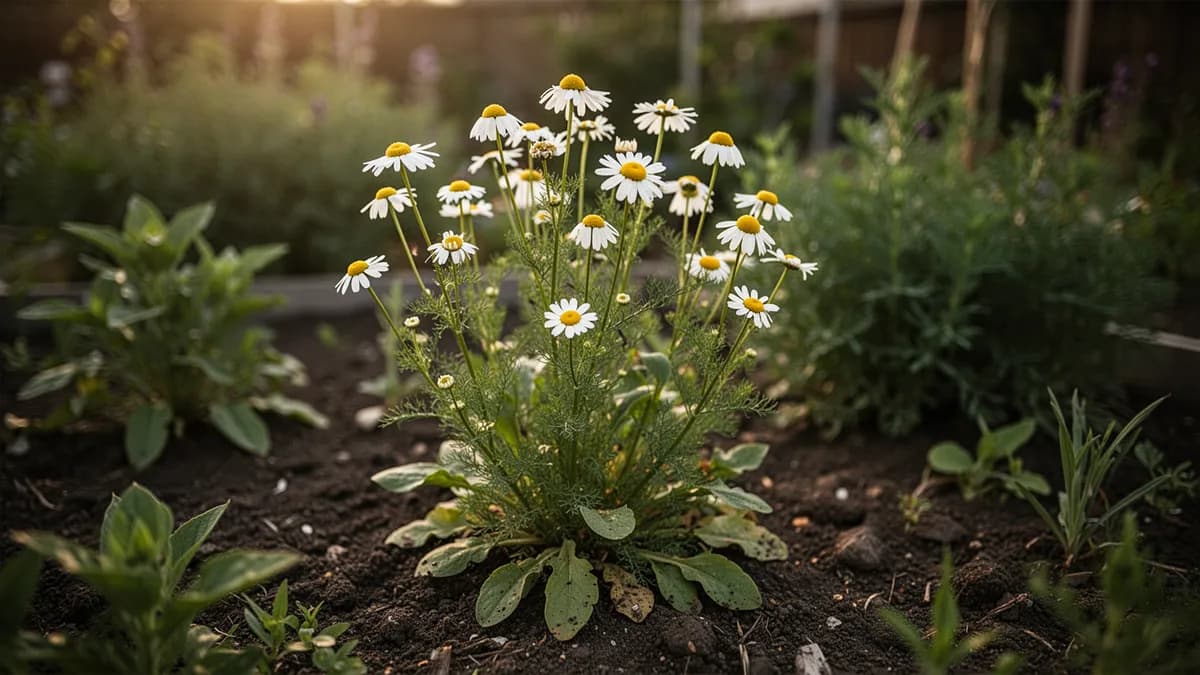
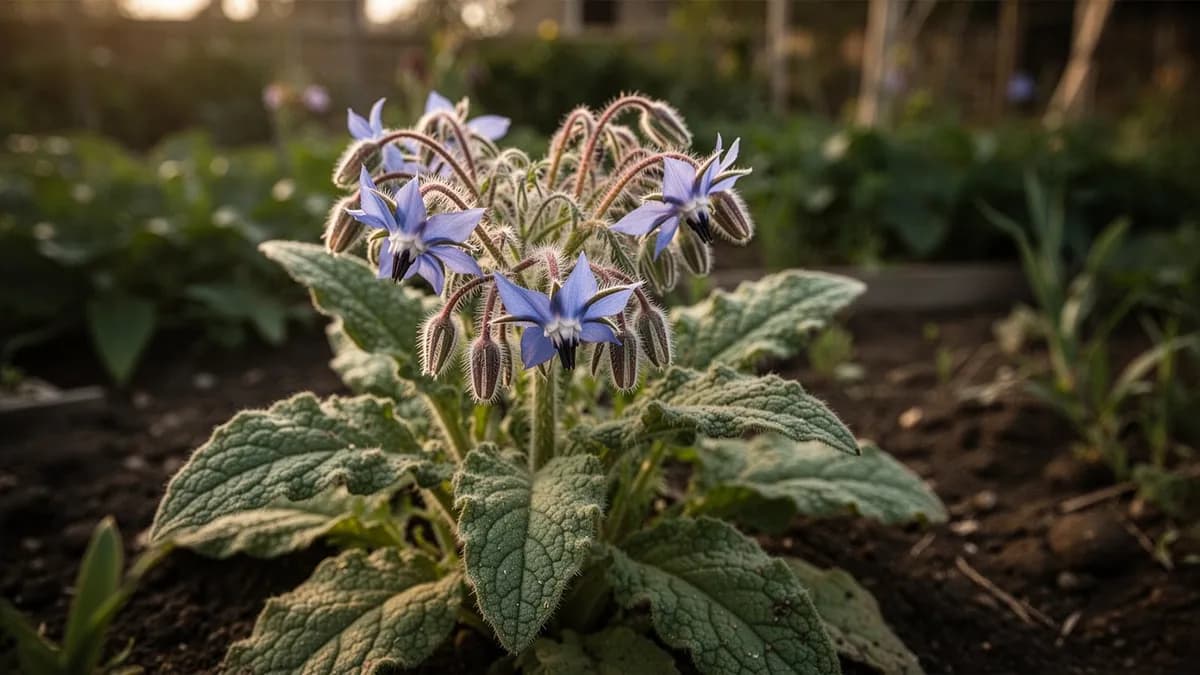
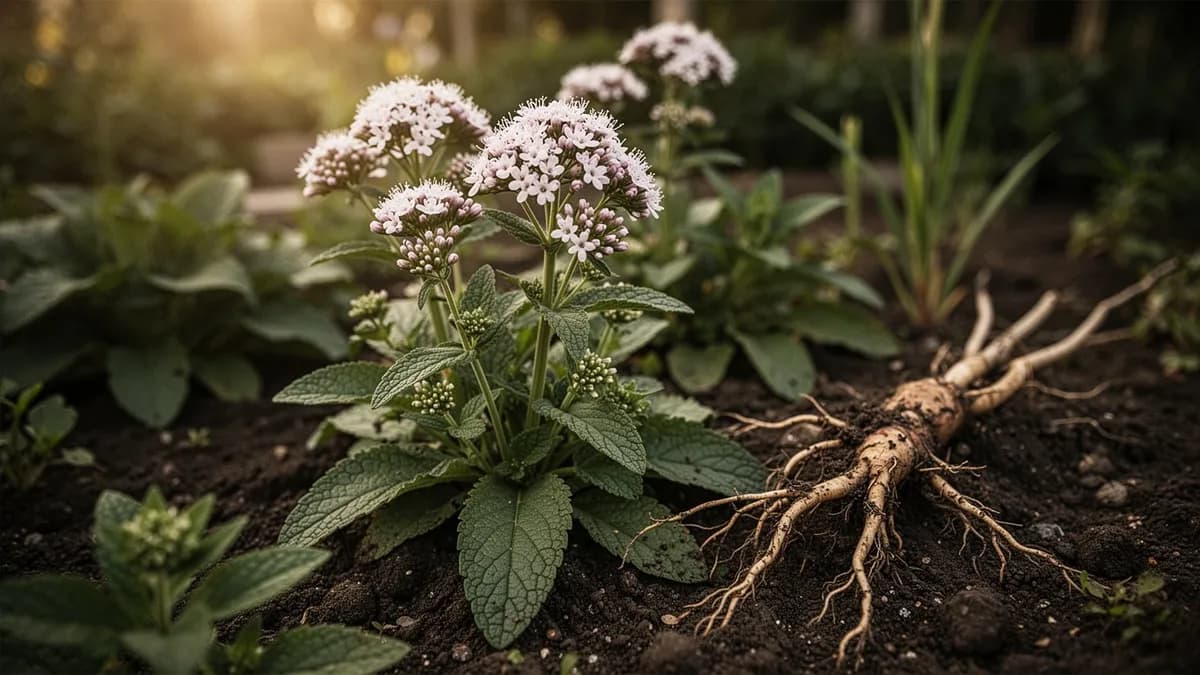
Arnika gedeiht am besten neben anderen alpinen und säureliebenden Pflanzen, die ihren Bedarf an magerem, gut drainiertem, saurem Boden teilen. Mit Heidekraut, Heidelbeeren und alpinen Wildblumen in Steingarten-Umgebungen pflanzen. Das Pflanzen neben kraftwüchsigen Gartenpflanzen vermeiden, die die langsam wachsende Arnika verdrängen würden. In ihrem natürlichen Lebensraum wächst Arnika auf Bergwiesen mit schwach konkurrierenden Grasarten und anderen Wildblumen.
Sonnenhut gehört daneben.
Altes Gärtnerwissen, geprüft an der echten Nachbartabelle von Arnika — teste jede Pflanze, die du anbaust.
Probiere Arnika direkt hier im Beet
Ein echtes Planer-Beet, Arnika steht schon drin. Tippe einen Begleiter an, platziere ihn und sieh, wie die Nachbarschaftsprüfung antwortet — grün für gute Nachbarn, rot bei Streit.


Passende Anbau-Ratgeber
Richtig düngen
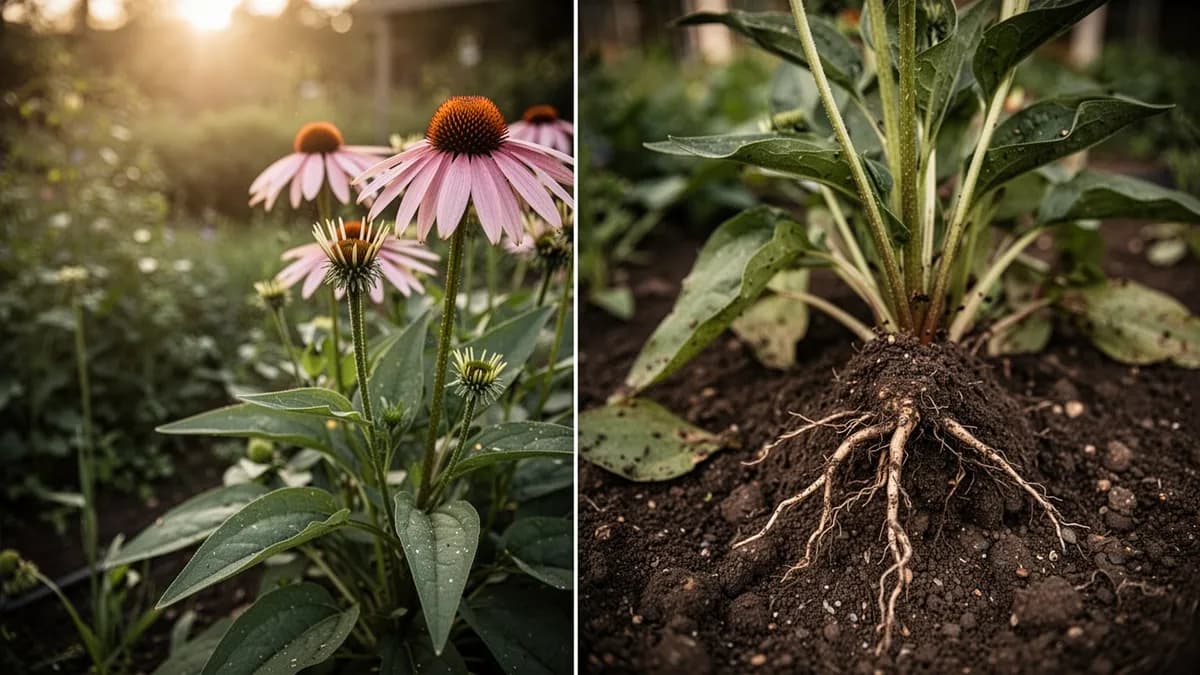
In magerem, saurem, perfekt drainiertem Boden mit pH 4,5–6,0 anbauen. Torf, groben Sand und feinen Kies für ein ideales Pflanzsubstrat mischen. Keine Düngung – Arnika ist an nährstoffarmen Alpenböden angepasst und reagiert empfindlich auf nährstoffreiche Bedingungen. Kalk, Kompost und stickstoffreiche Zusätze vermeiden. In Behältern und Trögen ein ericaceengeeignetes (saures) Substrat verwenden, das stark mit Perlit und grobem Sand angereichert ist. Arnika benötigt armen Boden, um zu gedeihen.
Ideale Temperatur
Winterhärtezone-Kompatibilität
Von der Saat zur Ernte, Schritt für Schritt
Keimung
Arnikasamen sind notorisch langsame und unregelmäßige Keimer und benötigen oft 2–4 Wochen zum Auflaufen, selbst unter idealen Bedingungen. Samen benötigen Licht zur Keimung und müssen oberflächlich auf feuchtem, gut drainiertem Boden ausgesät werden. Eine Kältestratifikation (2–4 Wochen bei 4 °C) verbessert die Keimungsraten erheblich, die selbst mit frischem Saatgut typischerweise nur 30–60 % betragen.
Rosettenbildung
Junge Arnika-Pflanzen entwickeln in ihrer ersten Vegetationsperiode eine niedrige Grundrosette aus ovalen, leicht behaarten Blättern. Das Wachstum ist langsam und die Pflanze konzentriert sich auf den Aufbau eines starken Wurzelsystems. Die Blätter sind mit feinen Haaren bedeckt, die ihnen eine weiche, filzartige Textur verleihen. Pflanzen blühen im ersten Jahr typischerweise nicht.
Vegetatives Wachstum
Im zweiten Jahr und darüber hinaus nehmen etablierte Rosetten an Größe zu und das Wurzelsystem breitet sich durch kurze Rhizome aus. Bis zum Spätfrühling werden die Rosettenblätter größer und dunkler grün, und die Pflanze beginnt Energie für die Blütenbildung zu speichern. Neue Tochterrosetten können am Fuß der Mutterpflanze erscheinen.
Blüte
Die Blüte beginnt typischerweise im zweiten oder dritten Jahr. Kräftige, behaarte Stiele wachsen 30–60 cm aus der Mitte der Rosette, jeder gekrönt von einer bis drei strahlend goldgelben, gänseblümchenartigen Blüten mit 5–8 cm Durchmesser. Die Blüten verströmen einen dezenten aromatischen Duft und werden von Bienen und anderen Insekten bestäubt. Dies ist das entscheidende Erntefenster für die medizinische Verwendung.
Samenreife
Nach der Bestäubung trocknen die Blütenköpfe allmählich und bilden kleine Achänen-Samen mit federartigem Pappus zur Windverbreitung, ähnlich wie Löwenzahnsamen. Die Samen reifen über mehrere Wochen, während sich der Blütenkopf in eine flauschige Samenuhr verwandelt. Einige Blüten aussamen lassen, um den Bestand zu erhalten und zu erweitern.
Ruheperiode
Mit dem Herbst stirbt das oberirdische Laub ab und die Pflanze zieht sich in ihr ausdauerndes Rhizom und Wurzelsystem zurück. Arnika ist bis zur USDA-Zone 4 (−30 °C/−22 °F) vollständig winterhart und benötigt eine Kälteruheperiode, um im folgenden Jahr zuverlässig zu blühen. Die Rhizome breiten sich langsam unterirdisch aus und bilden nach und nach größere Kolonien.
Samen 2–4 Wochen vor der Aussaat in feuchtem Sand im Kühlschrank kältestratifizieren. Oberflächlich auf feines Anzuchtsubstrat säen, leicht andrücken und mit einer Sprühflasche feucht halten. Samen nicht bedecken – sie benötigen Licht zur Keimung. Temperaturen von 15–18 °C (59–65 °F) einhalten.
Arnika Monat für Monat pflegen
Was du jeden Monat für deine Arnika tun solltest
Oktober
Aktueller MonatLaub natürlich absterben lassen, während die Pflanze sich auf die Ruheperiode vorbereitet. Abgestorbene Blätter nicht zurückschneiden – sie bieten natürliche Winterisolierung. In kälteren Zonen eine leichte Mulchschicht aus Kiefernnadeln über den Wurzelbereich auftragen. Verbleibende getrocknete Blüten zu Salben oder Tinkturen für den Winterbedarf verarbeiten.
Immer wissen, was jetzt im Garten zu tun ist
Eine E-Mail zum Monatsanfang: was du jetzt säen, pflanzen und anpacken solltest — für deine Arnika und alles, was drumherum wächst. Dazu ein kurzer Startkurs, der dich vor den klassischen Fehlern bewahrt.
- Was jetzt zu tun ist
- Passend zu deiner Saison
- Startkurs inklusive
Arnika ernten
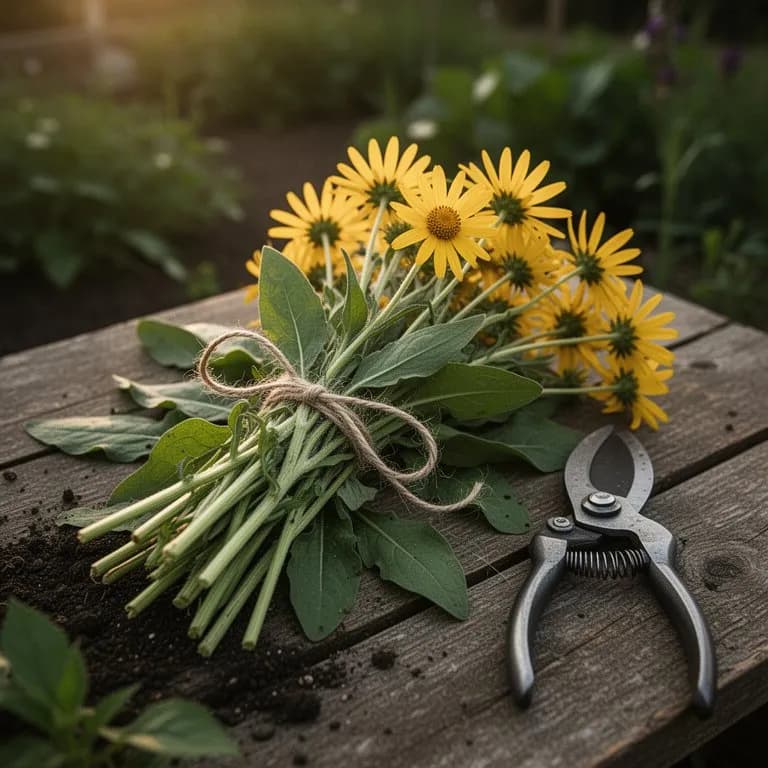
Arnikablüten bei voller Blüte ernten, wenn die Blütenblätter vollständig geöffnet und leuchtend gelb-orange sind. An einem trockenen, sonnigen Morgen pflücken, wenn die höchste Konzentration an Wirkstoffen einschließlich Sesquiterpenlactonen vorhanden ist. Blüten behutsam behandeln, um die zarten Blütenblätter zu erhalten. Unmittelbar nach der Ernte trocknen, indem sie in einer einzigen Schicht auf Gittern an einem warmen, dunklen, gut belüfteten Ort ausgebreitet werden. Die Blüten sollten innerhalb von 5–7 Tagen vollständig getrocknet sein. Arnika wird ausschließlich in äußerlichen Zubereitungen verwendet – sie sollte nicht innerlich eingenommen werden.
angenommen, du pflanzt zu Beginn des Zeitraums — trage dein tatsächliches Datum ein
Ernte Arnika zügig, dann trägt die Pflanze weiter.
Lagerung & Konservierung
Arnikablüten gründlich trocknen, indem sie auf Gittern an einem warmen, dunklen Ort mit guter Luftzirkulation ausgebreitet werden. Getrocknete Blüten in luftdichten Gläsern, vor Licht geschützt, bis zu einem Jahr aufbewahren. Arnika-Ölauszug herstellen, indem getrocknete Blüten 4–6 Wochen in Oliven- oder Mandelöl eingelegt werden – dies bildet die Grundlage für topische Salben und Balsame. Zur Herstellung länger haltbarer äußerlicher Zubereitungen in Alkohol ansetzen. Die getrockneten Blüten können auch in Umschlägen und Kompressen zur Linderung von Blutergüssen und Muskelschmerzen verwendet werden.
Was schiefgeht — und die Lösung
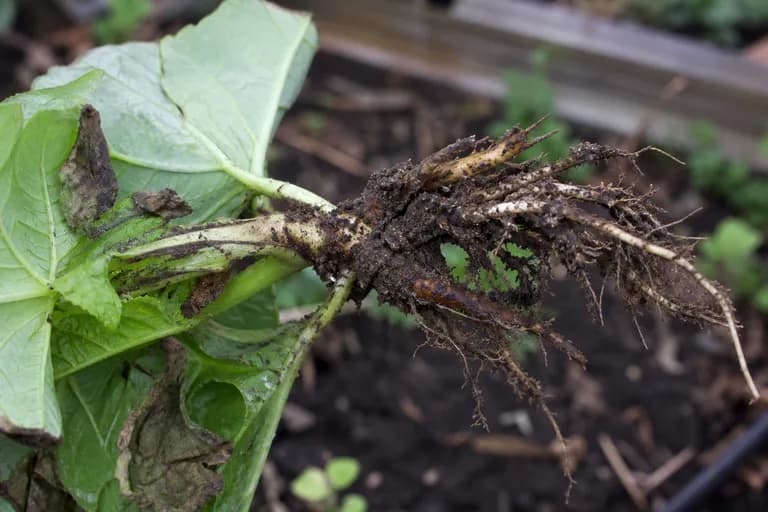
Wurzelfäule
KrankheitWelken und Vergilben trotz ausreichender Feuchtigkeit, weiche, matschige Wurzeln, Zusammenbruch der Pflanze. Die häufigste Misserfolgsursache.
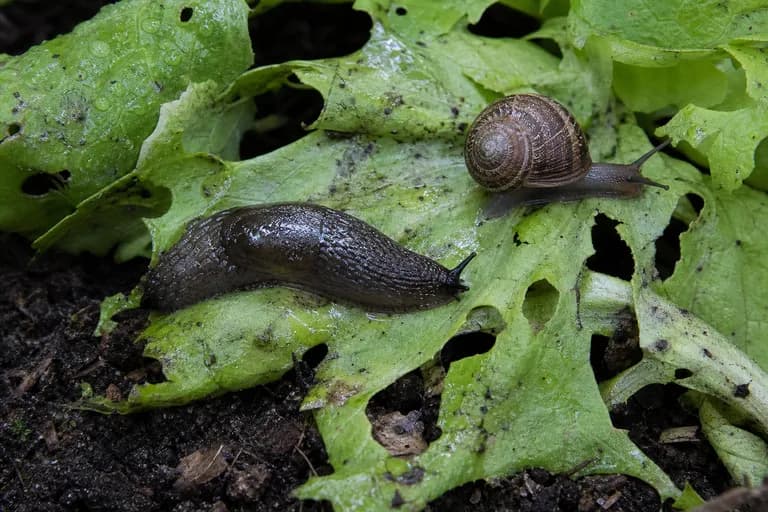
Schnecken
SchädlingLöcher in den Blättern, besonders an jungen Trieben im Frühling. Schleimspuren rund um die Pflanzen sichtbar.
Fehlerbehebung bei häufigen Problemen
Fehlschlagendes Einwachsen ist das häufigste Problem – Arnika ist in Talgärten mit alkalischem Boden, heißen Sommern oder schlechter Drainage tatsächlich schwierig. Arnica chamissonis als leichter anzubauende Alternative mit ähnlichen Eigenschaften verwenden. Samen keimen unregelmäßig und benötigen möglicherweise eine Kältestratifikation. Pflanzen brauchen lange bis zur Blühreife (2–3 Jahre aus Samen). In nährstoffreichem, neutral bis alkalischem Boden gehen Pflanzen schnell ein. Konkurrenz durch kraftwüchsige Unkräuter ist fatal – Pflanzflächen sorgfältig unkrautfrei halten.
Anbautipps
- Mit Kältestratifikation beginnen – Arnikasamen verfügen über eingebaute Ruhemechanismen aus ihren alpinen Ursprüngen, und die Keimungsraten sinken ohne eine 2–4-wöchige Kältebehandlung im Kühlschrank drastisch. Samen vor der Aussaat in feuchtem Sand bei 4 °C aufbewahren, um die besten Ergebnisse zu erzielen.
- Sauren Boden mit einem pH-Wert von 5,0–6,5 bereitstellen. Arnica montana wächst natürlicherweise in sauren Bergwiesen und wird in alkalischen oder neutralen Gartenböden Schwierigkeiten haben oder eingehen. Pflanzflächen ggf. mit torffreiem Ericaceensubstrat, Kiefernnadelmulch oder Schwefel amenden, um den pH-Wert zu senken.
- Vor allem für hervorragende Drainage sorgen. Arnikawurzeln faulen schnell in schweren, staunassen Lehmböden. In Hochbeeten anbauen, die mit einer Mischung aus sandigem Lehm, Perlit und Ericaceensubstrat gefüllt sind, oder an einem Hang, wo Wasser frei von der Wurzelzone abläuft.
- Nährstoffreichen Boden und starke Düngung vermeiden. Arnika ist in nährstoffarmen alpinen Wiesen entstanden und kommt in fruchtbarem Gartenboden tatsächlich schlechter zurecht – übermäßiger Stickstoff produziert üppiges Laub, aber wenig Blüten und erhöhte Anfälligkeit für Pilzkrankheiten.
- In kühlen Klimazonen in voller Sonne pflanzen oder in wärmeren Regionen in Morgensonne mit Nachmittagsschatten. Arnika braucht gutes Licht zur Blüte, leidet aber unter intensiver Nachmittagshitze, besonders in den Zonen 7 und höher, wo die Sommertemperaturen regelmäßig 28 °C überschreiten.
- Bei Erstjahrspflanzen Geduld haben – Arnika ist ein langsamer Einwurzler, der typischerweise erst im zweiten oder dritten Jahr blüht. Im ersten Jahr auf den Aufbau eines gesunden Wurzelsystems konzentrieren und der Versuchung widerstehen, übermäßig zu gießen oder zu düngen, um das Wachstum zu beschleunigen.
- Mit Kiefernnadeln, saurem Rindenmulch oder Kies mulchen, um die Bodenazidität zu erhalten, Unkraut zu unterdrücken und den Wurzelbereich kühl zu halten. Alkalische Mulchmaterialien wie Holzasche oder Kalksteinschotter vermeiden, die den Boden-pH-Wert erhöhen und die Pflanzen schädigen.
- Etablierte Horste alle 3–4 Jahre im frühen Herbst teilen, indem die Rhizommasse vorsichtig angehoben und einzelne Rosetten mit Wurzeln getrennt werden. Teilungen sofort in der gleichen Tiefe in vorbereiteten sauren Boden umpflanzen und gut angießen.
- Die leichter anzubauende Arnica chamissonis (Wiesen-Arnika) in Betracht ziehen, falls Arnica montana für die eigenen Bedingungen zu anspruchsvoll ist. Die nordamerikanische Art passt sich besser an Gartenböden an, keimt zuverlässiger und enthält ähnliche Heilwirkstoffe.
- Junge Pflanzen vor Schnecken schützen, die Arnika-Keimlinge unwiderstehlich finden. Kupferband um Hochbeete verwenden, organische Schneckenpellets oder Bierfallen einsetzen, um Schäden während der kritischen Einwurzelungsphase im ersten Jahr zu verhindern.
Bau deine beste Arnika an — und alles drumherum.
Starte heute kostenlos. Lege deine Beete an, setze deine Arnika ein und lass PlotMyGarden Timing, Abstände, Begleiter und Erinnerungen von der Saat bis zum Erntekorb übernehmen.
Finde deine Arnika
Arnica montana (Berg-Arnika)
Die europäische Alpenart, die in der traditionellen Kräutermedizin eingesetzt wird. Schwierig anzubauen, aber die am meisten geschätzte Heilsorte.
Arnica chamissonis (Wiesen-Arnika)
Nordamerikanische Art, die deutlich einfacher zu kultivieren ist. Ähnliche Heilwirkstoffe. Bessere Anpassungsfähigkeit im Garten.
Arnica montana 'Arbo'
Eine gezüchtete Auslese mit höherem Helenalingehalt und verbesserter Garteneignung. Wird in der kommerziellen Produktion eingesetzt.
Handelsübliche Arnikasalben und -cremes kosten 9–22 € pro kleinem Gläschen, und hochwertige getrocknete Arnikablüten kosten bei Kräuteranbietern 27–54 € pro 100 g. Der Anbau von 10–15 Arnika-Pflanzen liefert genug getrocknete Blüten, um selbst hergestellte Salben, Tinkturen und Infusöle im Wert von 130–270 € jährlich herzustellen. Da Arnika eine langlebige Staude ist, die sich langsam durch Rhizome ausbreitet, produziert ein gut gepflegtes Beet 8–12 Jahre lang mit minimalen Kosten nach der Etablierung. Die anfängliche Investition ist Geduld – Samen sind günstig (2–4 € pro Tüte), aber die Pflanze braucht 2–3 Jahre bis zur vollen Produktion.
Schnelle Rezepte
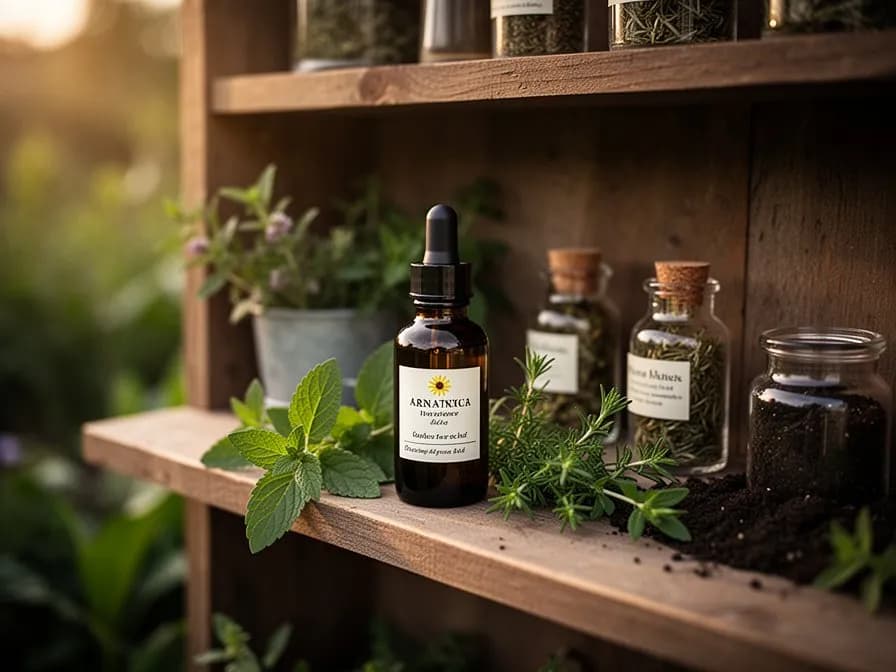
Arnika-Heilsalbe
45 Min. (plus 4–6 Wochen Infusionszeit)Eine beruhigende topische Salbe, hergestellt durch Einlegen von getrockneten Arnikablüten in Olivenöl und Festigung mit Bienenwachs. Diese traditionelle Zubereitung wird äußerlich auf Blutergüsse, Verstauchungen, schmerzende Muskeln und leichte Gelenkschmerzen aufgetragen. Die langsame Infusion entzieht dem Ölansatz das entzündungshemmende Helenalin und andere therapeutische Verbindungen.
5 ZutatenArnika-Tinktur zur äußerlichen Anwendung
15 Min. (plus 6 Wochen Extraktionszeit)Ein konzentrierter Flüssigauszug aus Arnikablüten in Alkohol, der äußerlich als Liniment bei schmerzenden Muskeln und Blutergüssen verwendet wird. Die Tinktur wird vor dem Auftragen auf unverletzte Haut mit einem Umschlag oder Wattebausch mit Wasser verdünnt. Diese Zubereitung ist ausschließlich zur äußerlichen Anwendung bestimmt und darf niemals innerlich eingenommen werden.
5 ZutatenArnika-Massageöl
20 Min. (plus 3–4 Wochen Infusionszeit)Ein sanftes Arnika-Massageöl, ideal zum Einreiben bei müden, schmerzenden Muskeln nach Sport oder körperlicher Arbeit. Die warme Sonneninfusions-Methode nutzt die sanfte Wärme des Sonnenlichts, um die Wirkstoffe zu extrahieren ohne sie zu beschädigen. Nur auf unverletzte Haut auftragen und bei Reizungen sofort absetzen.
5 ZutatenWas drinsteckt
Gesundheitsvorteile
- Topische Arnikazubereitungen enthalten Helenalin und andere Sesquiterpenlactone, die den NF-κB-Entzündungsweg hemmen und klinisch nachgewiesene Linderung von Blutergüssen, Schwellungen und Schmerzen bewirken – Studien zeigen, dass Arnikagel bei Handarthrose ebenso wirksam wie Ibuprofengel sein kann.
- Bei äußerlicher Anwendung auf unverletzte Haut fördert Arnika die Durchblutung und beschleunigt die Resorption von Unterhautblutungen, weshalb sie seit Jahrhunderten als Erstbehandlung bei Blutergüssen, Prellungen und Hämatomen aus leichten Verletzungen eingesetzt wird.
- Arnikaextrakte haben in Laborstudien antimikrobielle Aktivität gegen eine Reihe von Bakterien und Pilzen gezeigt, was die traditionelle Verwendung von verdünnter Arnikatinktur zur Reinigung kleiner Wunden und Infektionsvorbeugung stützt.
- Postoperative Patienten, die topische Arnika anwenden, berichten in mehreren klinischen Studien über weniger Blutergüsse und Schwellungen, was viele plastische Chirurgen und Dermatologen dazu veranlasst hat, Arnikacreme oder -gel als Teil der postoperativen Erholungsprotokolle zu empfehlen.
- Die Flavonoide und ätherischen Öle in Arnikablüten tragen milde analgetische (schmerzlindernde) Wirkungen bei, wenn sie topisch angewendet werden, was Arnikazubereitungen bei Sportlern und aktiven Menschen zur Behandlung von Muskelkater, Gelenksteifheit und Überlastungsschäden beliebt macht.
- Topische Arnika-Behandlungen bieten eine pflanzliche Alternative zu synthetischen entzündungshemmenden Medikamenten zur Behandlung lokaler Muskel-Skelett-Schmerzen mit einem günstigen Sicherheitsprofil für die äußerliche Anwendung – besonders wertvoll für Personen, die ihre Abhängigkeit von pharmazeutischen Schmerzmitteln bei leichten Beschwerden reduzieren möchten.
Woher Arnika stammt
Arnica montana ist heimisch in den Bergwiesen und Hochlagen Mittel- und Westeuropas, wo sie wild in den Alpen, Pyrenäen, Karpaten und skandinavischen Hochebenen in Höhen zwischen 500 und 2.800 Metern wächst. Die Pflanze gedeiht in nährstoffarmen, sauren Graslandschaften, die traditionell durch extensive Beweidung gepflegt wurden – ein Lebensraumtyp, der mit der Intensivierung der Landwirtschaft in Europa zunehmend seltener wird.
Die medizinische Nutzung von Arnika reicht Jahrhunderte in europäischen Kräutertraditionen zurück. Die frühesten schriftlichen Belege finden sich in deutschen Kräuterbüchern des 16. Jahrhunderts, obwohl ihre Verwendung in der Volksmedizin mit Sicherheit vor schriftliche Aufzeichnungen zurückreicht. Berggemeinschaften in den Alpen, von Bayern über die Schweiz bis zum Tirol, entwickelten eine reiche Tradition von Arnika-Heilmitteln zur Behandlung von Blutergüssen, Verstauchungen, Muskelschmerzen und Wundheilung. Die Blüten wurden in Alkohol zu Tinkturen angesetzt, in Öl für Salben eingelegt oder getrocknet als Umschläge verwendet. Im 18. Jahrhundert war Arnika in das formale europäische Arzneibuch aufgenommen und wurde von prominenten Ärzten empfohlen, darunter der deutsche Arzt und Botaniker Christoph Wilhelm Hufeland, der sie als eine der wertvollsten Heilpflanzen der europäischen Flora betrachtete.
Im 19. Jahrhundert wurde Arnika von der aufkommenden homöopathischen Bewegung übernommen und ist das bis heute meistverwendete homöopathische Mittel weltweit. Samuel Hahnemann, der Begründer der Homöopathie, nahm Arnika prominent in seine Pharmakopöe auf. Unterdessen verfeinerte die konventionelle Kräutermedizin weiterhin topische Arnikazubereitungen für die äußerliche Anwendung, und die moderne pharmakologische Forschung hat viele traditionelle Anwendungen durch die Identifizierung der Wirkstoffe – insbesondere des Sesquiterpenlactons Helenalin – validiert, das nachweislich bedeutende entzündungshemmende Aktivität zeigt.
Heute sind die Wildvorkommen von Arnica montana aufgrund von Übernutzung, Habitatverlust durch landwirtschaftliche Intensivierung und dem Rückgang der traditionellen Bergbeweidung, die ihren bevorzugten Graslandlebensraum erhalten hat, stark unter Druck. Die Art ist in der europäischen Habitatrichtlinie aufgeführt und in zahlreichen Ländern gesetzlich geschützt. Diese Schutzkrise hat die Entwicklung kultivierter Alternativen vorangetrieben, insbesondere Arnica chamissonis, eine nordamerikanische Art, die sich weitaus besser an landwirtschaftliche Bedingungen anpasst und gleichzeitig ähnliche Wirkstoffe enthält.
Arnika: Schon gewusst?
Faszinierende Fakten über Arnika
Arnica montana wird seit über 500 Jahren in der europäischen Volksmedizin verwendet und trägt den Volksnamen 'Bergwohlverleih', weil Schweizer Bergführer traditionell die Blätter kauten oder rauchten, um Erschöpfung und Höhenkrankheit bei langen Alpentouren vorzubeugen – eine Praxis, die aufgrund der inneren Toxizität der Pflanze heute stark abgeraten wird.
Arnika: Fragen & Antworten
Wann sollte ich Arnika pflanzen?
Was sind gute Begleitpflanzen für Arnika?
In welchen Winterhärtezonen kann Arnika wachsen?
Wie viel Sonne braucht Arnika?
Welchen Abstand sollte ich zwischen Arnika lassen?
Welche Schädlinge und Krankheiten befallen Arnika?
Wie lagere ich Arnika nach der Ernte?
Was sind die besten Arnika-Sorten zum Anbauen?
Welchen Boden braucht Arnika?
Ist Arnika sicher als Tee oder Nahrungsergänzungsmittel einzunehmen?
Warum blüht meine Arnika nicht?
Kann ich Arnika auf verletzte Haut oder offene Wunden auftragen?
Was ist der Unterschied zwischen Arnica montana und Arnica chamissonis?
Wie stelle ich eine einfache Arnikasalbe zu Hause her?
Ist Arnika eine gefährdete Art?
Du hast die Theorie gelesen. Jetzt baue sie auf Autopilot an.
Alles, was Arnika knifflig macht — das Timing, die Abstände, die Begleiter, das Erntefenster — genau das übernimmt PlotMyGarden für dich, für jede Pflanze im Garten.
Ein Plan, der dein Wetter kennt
Standort einmal festlegen. Aussaat-, Dünge- und Erntedaten rund um deinen echten letzten Frosttermin und die Live-Vorhersage — kein Raten mehr nach Saattüte.
Aus dem Abschnitt „Pflanzzeit“Beetplaner per Drag & Drop
Beete auf einem Raster gestalten. Jede Pflanze rastet im richtigen Abstand ein, und du siehst die ganze Saison, bevor du einen Cent für Saatgut ausgibst.
Aus dem Abschnitt „Anbau“Begleiter-Konflikte früh erkannt
Über 200 gute und schlechte Kombinationen werden beim Pflanzen live geprüft — so landet ein saisonruinierender Fehler nie in der Erde.
Aus dem Abschnitt „Begleiter“Erinnerungen, nach denen du wirklich handelst
„Gieß die Bohnen.“ „Heute ernten, bevor's umschlägt.“ Pünktlich, konkret und auf deine echten Pflanzen bezogen.
Aus dem Abschnitt „Ernte“Staffel-Aussaat, geplant
Sechs Wochen ernten statt sechs Tage? Die App verteilt deine Aussaaten automatisch und erinnert dich, wenn der nächste Satz fällig ist.
Aus dem Abschnitt „Pflanzzeit“Ein Verlauf, der schlauer wird
Jede protokollierte Ernte bringt der App deinen Garten bei. Der Plan fürs nächste Jahr startet bei dem, was in deinem Boden wirklich funktioniert hat.
Aus dem Abschnitt „Überblick“Pflanze diese neben Arnika
Weitere Heilkräuter
Bau deine beste Arnika an — und alles drumherum.
Starte heute kostenlos. Lege deine Beete an, setze deine Arnika ein und lass PlotMyGarden Timing, Abstände, Begleiter und Erinnerungen von der Saat bis zum Erntekorb übernehmen.