Blenheim Apricot
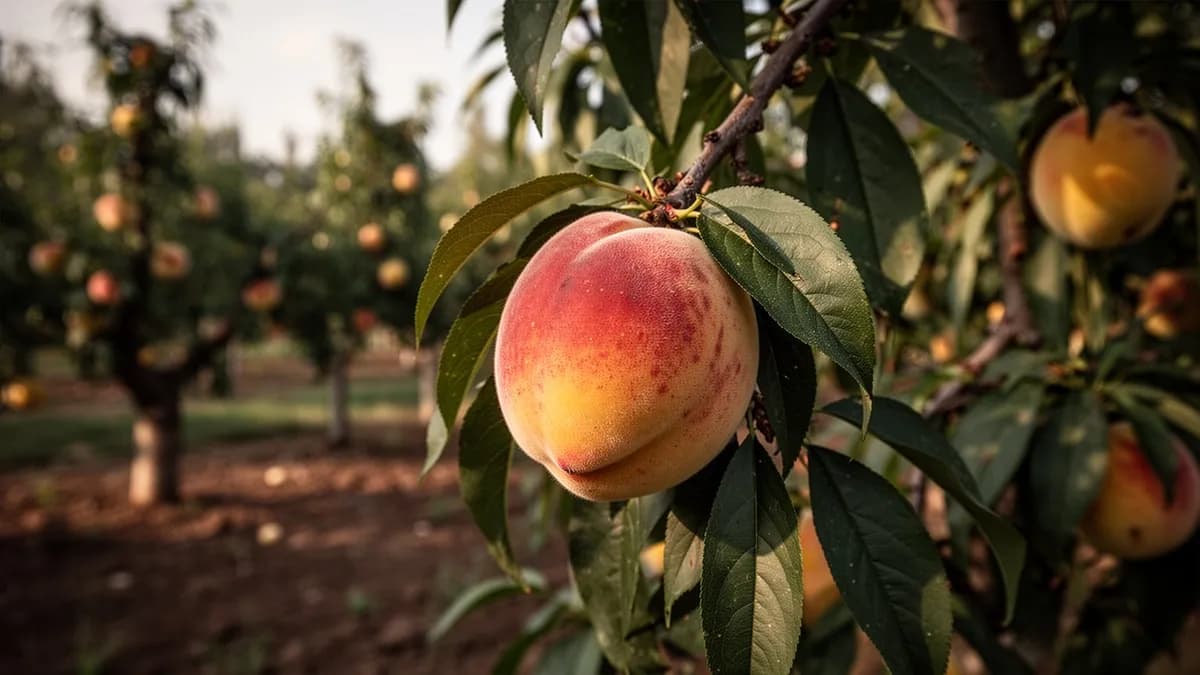
Widely considered the finest-flavored apricot, producing medium-sized, pale orange fruits with aromatic, sweet flesh that is superb fresh, dried, or in preserves.





On this pageOverview
Meet Blenheim Apricot
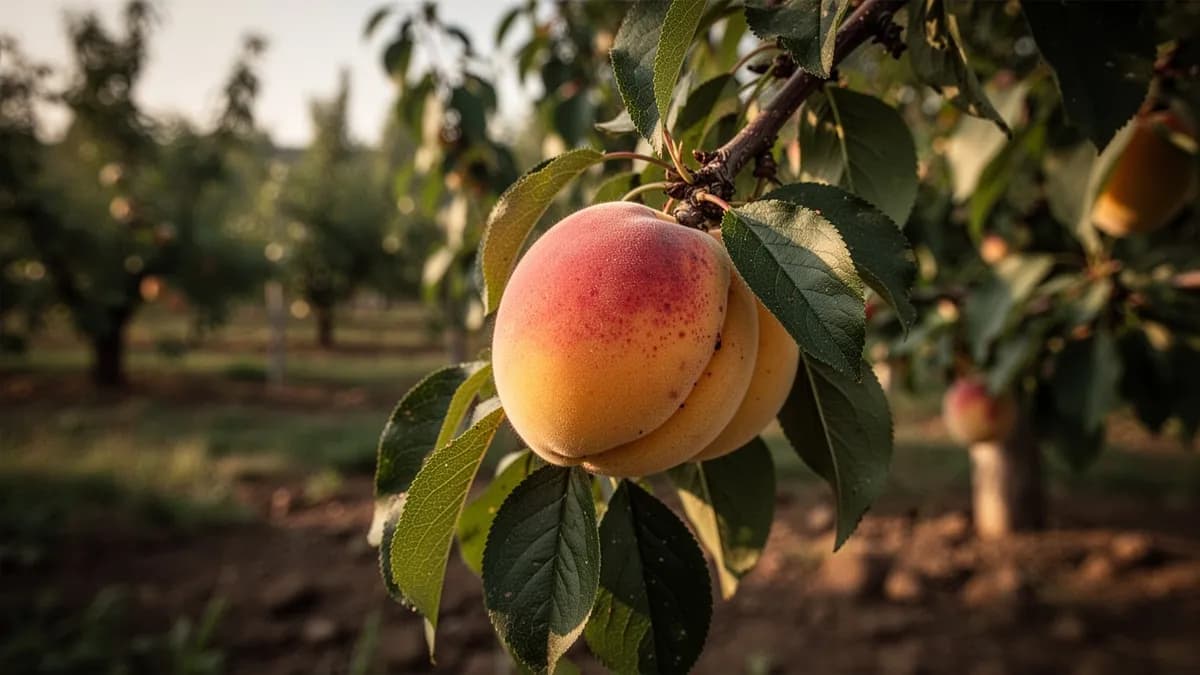
Widely considered the finest-flavored apricot, producing medium-sized, pale orange fruits with aromatic, sweet flesh that is superb fresh, dried, or in preserves. Blenheim is self-fertile and requires about 500 chill hours, blooming early and needing frost protection in marginal areas. This heirloom variety was the foundation of California's dried apricot industry.
When to plant Blenheim Apricot
Blenheim apricot pits germinate readily after stratification. Clean seeds from ripe fruit and cold-stratify in moist sand at 33-40°F for 60-90 days. Apricots require shorter stratification than most stone fruits. Plant one inch deep in spring. Seedlings may approximate the parent more closely than other stone fruits. For true Blenheim, graft scion wood onto apricot seedling, Myrobalan, or Citation rootstock using whip-and-tongue grafting in late winter.
Your Blenheim Apricot Year
Composed for Zone 7 · typical seasons · frost passes Apr 2, returns Nov 1
Plant Blenheim Apricot Feb – Mar, pick Jun – Jul. Check the planting methods below and set your climate to personalize these windows.
How to grow Blenheim Apricot
Blenheim apricot trees need full sun and well-drained soil with pH 6.0-7.0. Plant bare-root trees in late winter, spacing 18-22 feet apart for standard trees or 10-12 feet on semi-dwarf rootstock. Blenheim is self-fertile and needs about 500 chill hours, but blooms very early in spring, making it vulnerable to late frosts in cooler zones.
Water deeply every 7-10 days during the growing season, reducing irrigation as fruit ripens to concentrate sugars. Thin fruit to 3-4 inches apart when marble-sized for the best flavor and size. Train to an open vase shape with 3-4 main scaffold branches. Apricots are prone to gummosis, so avoid unnecessary wounds and prune only in dry weather.
Prune lightly in late winter or after harvest in summer, as apricots are susceptible to Eutypa dieback when pruned during wet weather. Remove dead wood, crossing branches, and water sprouts. Fertilize moderately in early spring. Protect blooms with frost cloth or overhead sprinklers when temperatures drop below 28°F, as the early bloom is Blenheim's primary vulnerability.
Blenheim Apricot needs more room than a 4 × 8 ft bed gives
Each Blenheim Apricot wants 400 cm of elbow room. The planner keeps that spacing for you — every plant, every bed.
Blenheim Apricot's best neighbours
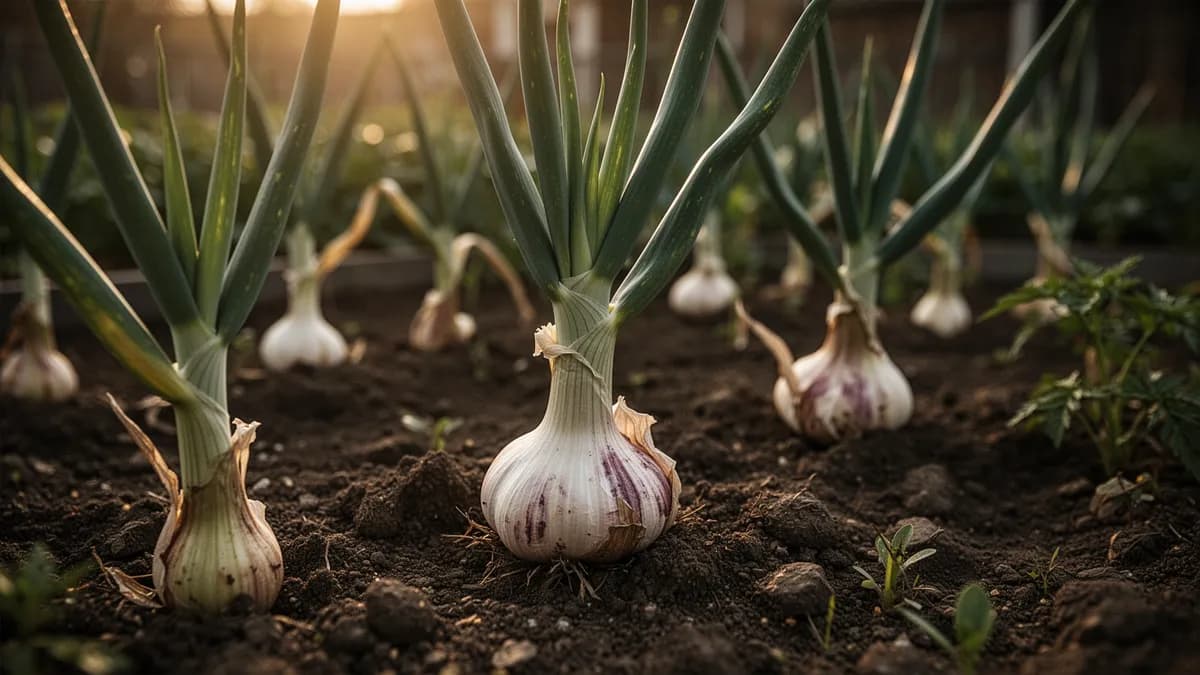
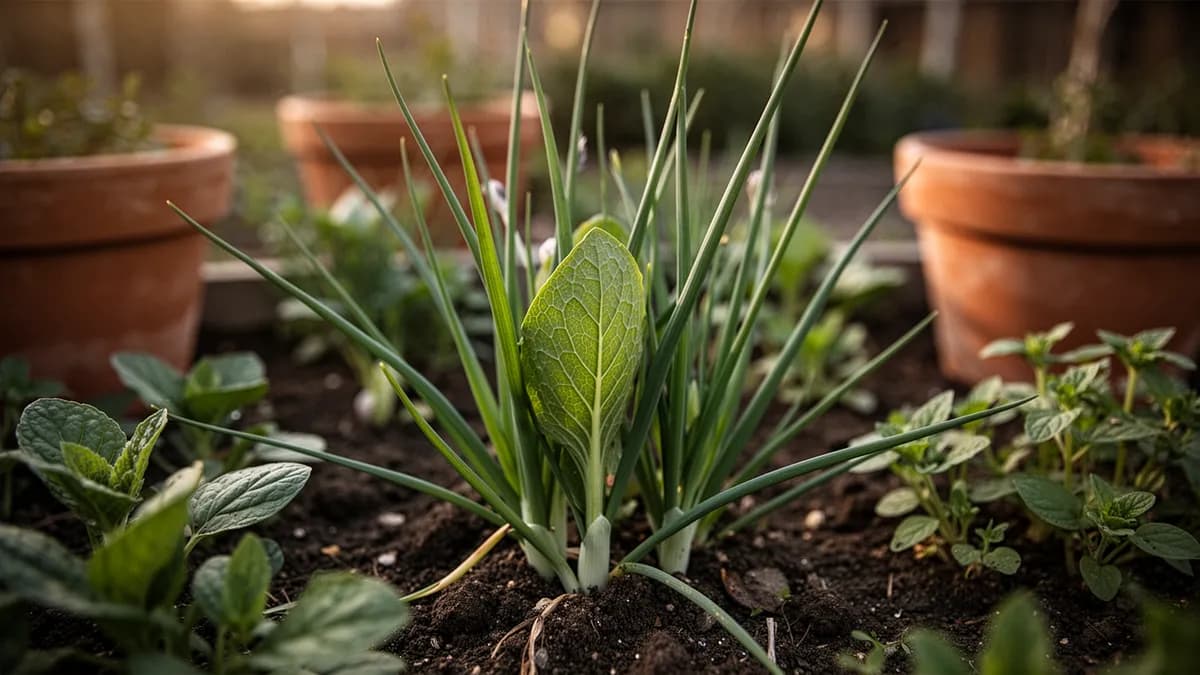
Plant garlic and chives around the base to deter aphids and borers. Low-growing herbs like thyme and oregano provide ground cover without competing for water. Comfrey at the drip line provides nutrient-rich mulch. Avoid planting near walnuts due to juglone toxicity. Lavender nearby attracts pollinators during the early bloom period when few other flowers are available.
Garlic belongs beside it. Walnut Tree doesn't.
Old growers' knowledge, checked against Blenheim Apricot's real companion table below — test any plant you're growing.
Try Blenheim Apricot in a bed — right here
A real planner bed with Blenheim Apricot already in it. Tap a companion to place it and watch the pairing checks answer — green for good neighbours, red for a clash.


Related growing guides
Feed it well
Blenheim requires well-drained soil and will not tolerate wet feet. Sandy loam with pH 6.0-7.0 is ideal. Apply a balanced fertilizer in early spring at moderate rates, as apricots have lower nitrogen needs than peaches. Excess nitrogen promotes vegetative growth and delays fruit maturity. Supplement with potassium for fruit quality and calcium for pit strength. Mulch lightly, keeping material away from the trunk.
Ideal Temperature
Hardiness Zone Compatibility
From seed to harvest, stage by stage
Dormancy
Through late autumn and winter the tree enters full dormancy, dropping its leaves and halting visible growth. Internally the tree is accumulating the chilling hours it requires to break dormancy and bloom successfully in spring.
Bud Swell and Bloom
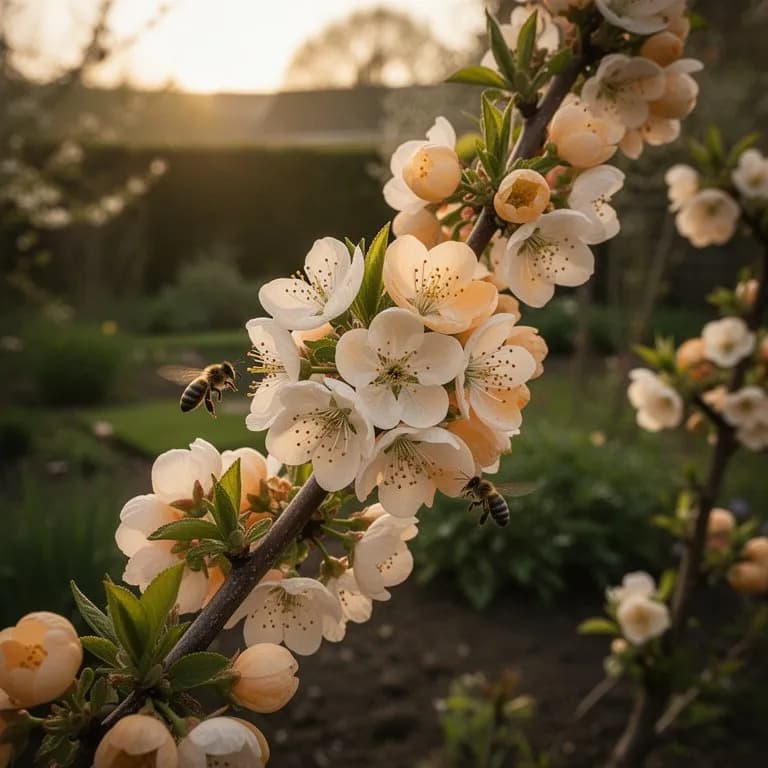
As temperatures climb above 7 °C (45 °F) the buds swell and burst into masses of pale pink to white blossoms. Blenheim is one of the earliest-blooming apricot varieties, making frost protection critical during this stage.
Fruit Set and Cell Division
After successful pollination small green fruitlets develop rapidly. The tree may naturally drop a proportion of immature fruit in a process called June drop. Heavy fruit loads should be thinned at this stage.
Fruit Development and Color Change
The fruitlets swell quickly, filling with sugar and developing their characteristic golden-orange color with a red blush. The flesh transitions from firm and starchy to tender and aromatic as harvest approaches.
Harvest
Blenheim apricots ripen in mid- to late summer, typically over a two- to three-week window. Fruit should be picked when fully colored and slightly soft to the touch at the stem end. Tree-ripened fruit has dramatically superior flavor to commercially picked fruit.
Post-Harvest Recovery
After fruit is removed the tree focuses energy on rebuilding carbohydrate reserves in the wood and roots. New growth hardens off in preparation for the coming dormancy.
Apply dormant oil spray during this period to smother overwintering scale insects and mite eggs. This is also the ideal window for structural pruning while the branch architecture is fully visible.
Caring for Blenheim Apricot month by month
What to do each month for your Blenheim Apricot
October
You are hereRake and dispose of all fallen leaves to remove overwintering disease spores. Apply compost around the drip line to improve soil structure over winter. Continue reducing irrigation.
Know exactly what to do in your garden — every month
One email at the start of each month: what to sow, plant, and tackle right now — for your Blenheim Apricot and everything growing around it. Plus a short starter course that helps you dodge the classic mistakes.
- What to do, right now
- Matched to your season
- Starter course included
Harvesting Blenheim Apricot
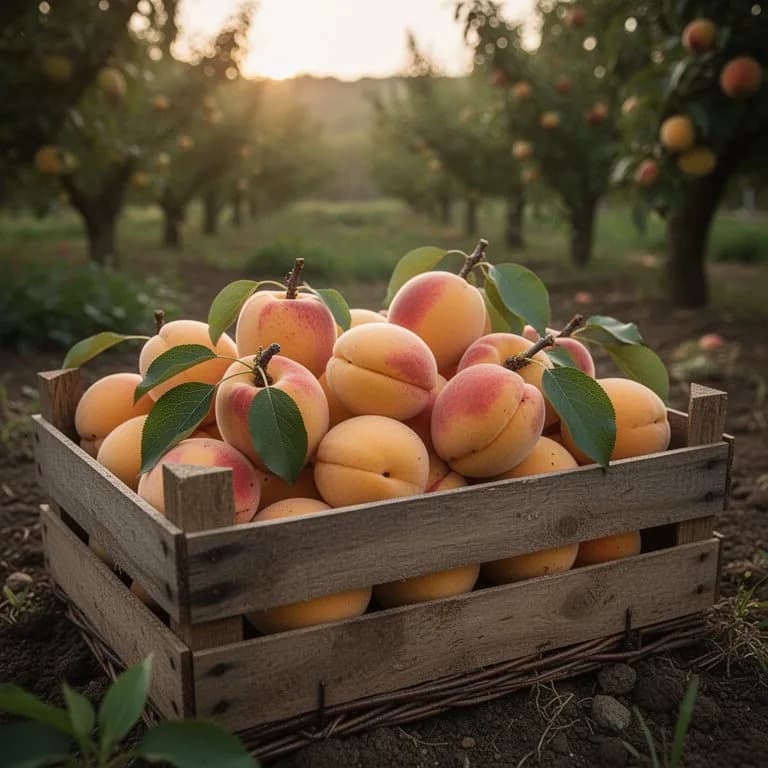
Blenheim apricots ripen in late June to early July, turning pale orange with a slight blush. Harvest when fruit gives to gentle pressure and has a strong apricot fragrance. Blenheim fruits are relatively soft when ripe and must be handled very carefully. Pick in the morning when cool for best keeping quality. A mature tree produces 50-100 pounds annually. The short harvest window of 7-10 days requires daily picking.
assuming you plant when the window opens — set your real date
Pick Blenheim Apricot promptly and the plant keeps producing.
Storage & Preservation
Fresh Blenheim apricots are highly perishable, keeping only 2-3 days at room temperature or one week refrigerated. Their rich flavor and high sugar content make them the premier drying apricot, producing intensely flavored dried fruit. Halve and dry at 130°F for 24-36 hours. Excellent for making apricot jam, preserves, and fruit leather. Can in light syrup to preserve the delicate flavor year-round.
What goes wrong — and the fix
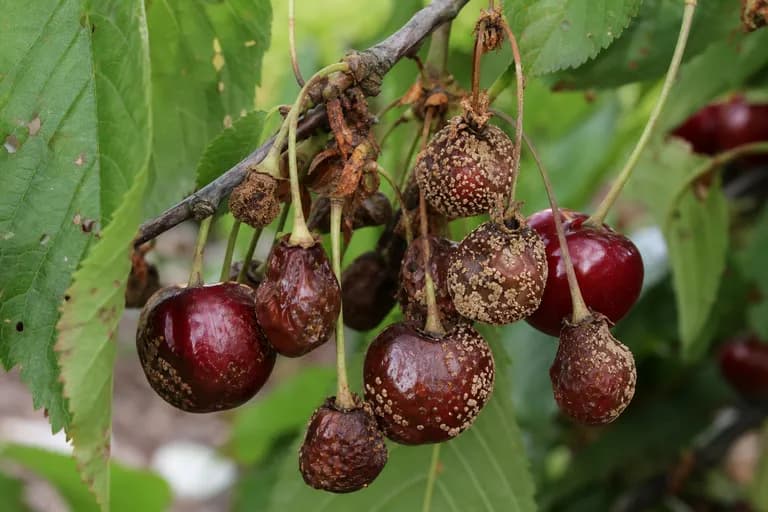
Brown Rot
DiseaseTan fuzzy mold on ripening fruit, blossom blight causing twig dieback and gummy cankers.
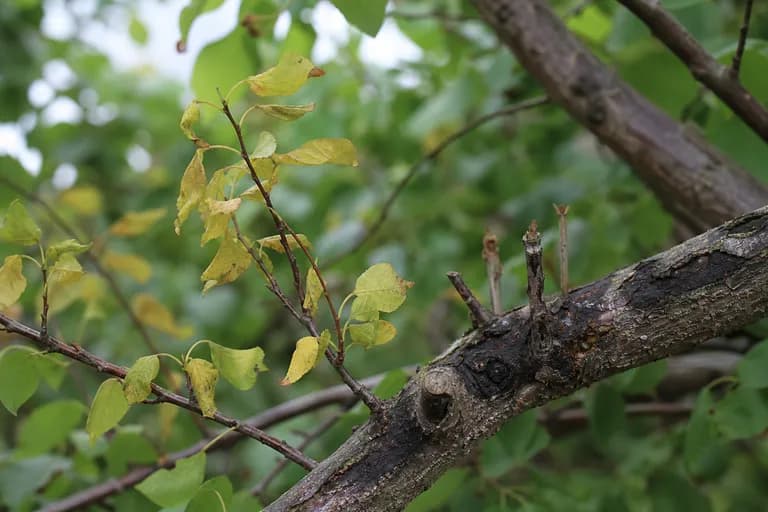
Eutypa Dieback
DiseaseStunted, yellowed shoots emerging from older wood, eventual death of large scaffold branches.
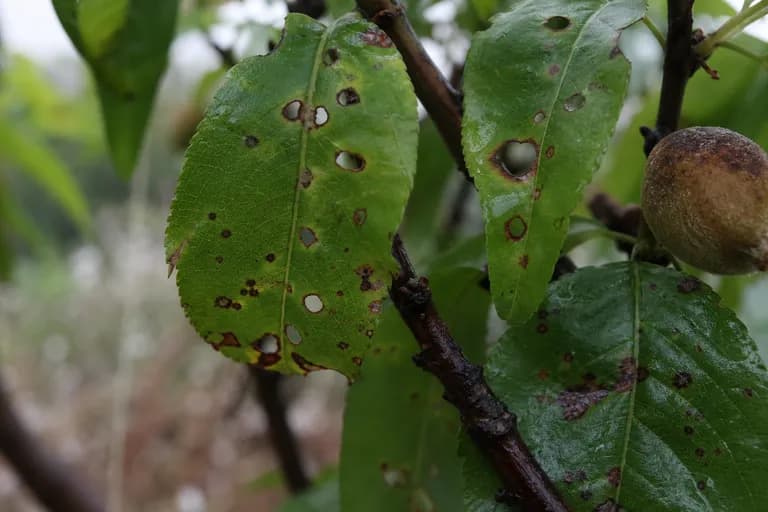
Shot Hole Disease
DiseaseSmall round holes in leaves where dead tissue drops out, creating a shotgun blast appearance.
Troubleshooting Common Problems
Early bloom is Blenheim's greatest vulnerability, with late frosts destroying the crop in many years outside of mild climates. Eutypa dieback is a serious fungal disease that enters through pruning wounds during wet weather. Brown rot thrives in humid conditions during bloom and ripening. The soft, delicate fruit bruises easily and has a very short shelf life. Gophers frequently damage apricot roots.
Growing Tips
- Plant Blenheim apricots in the warmest, most sheltered microclimate available in your garden — a south-facing wall or slope provides extra warmth that accelerates ripening and protects early blossoms from frost.
- Blenheim is largely self-fertile but will produce heavier and more consistent crops when planted near another early-blooming apricot variety such as Moorpark or Katy, which flowers at a compatible time.
- Train young trees to an open-center vase shape with three to five main scaffold branches. This maximizes light penetration and air circulation throughout the canopy, reduces fungal disease pressure, and makes harvesting far easier.
- Never prune Blenheim apricots in autumn or winter if brown rot (Monilinia fructicola) is present in your area; fresh pruning wounds are highly susceptible to infection. Prune instead in late spring after the risk of rain has passed.
- Apply a high-potassium, low-nitrogen fertilizer in late winter as buds begin to swell, and again immediately after harvest. Excess nitrogen produces lush soft growth that attracts aphids and is prone to bacterial canker infection.
- Blenheim apricots are highly susceptible to bacterial canker (Pseudomonas syringae), which enters through wounds and damaged tissue. Protect all pruning cuts with a wound sealant and remove and burn affected wood promptly.
- Thin fruit aggressively to one fruitlet every 8–10 cm (3–4 inches). This single practice has the greatest impact on fruit size, sweetness, and the long-term health of the tree by preventing branch breakage and biennial bearing.
- In cool coastal climates where brown rot is a persistent problem, switch to a weekly copper-based fungicide program from first bud swell through shuck split (when the fruit emerges from the drying flower petals).
- Harvest fruit slightly before peak ripeness if you plan to dry it — slightly firm fruit holds its shape better on the drying racks and produces a better textured dried product with longer shelf life.
- Mulch the root zone with 8–10 cm (3–4 inches) of wood chip or straw mulch, keeping the mulch 15 cm (6 inches) away from the trunk to prevent crown rot and discourage rodent nesting.
Grow your best Blenheim Apricot yet — and everything around it.
Start a free plan today. Lay out your beds, drop in your Blenheim Apricot, and let PlotMyGarden handle the timing, spacing, companions and reminders from seed to harvest basket.
Pick your Blenheim Apricot
Blenheim (Royal)
The original heirloom variety, often sold as Royal Blenheim, with the finest apricot flavor available.
Tilton
A hardier, later-blooming apricot with good flavor but firmer flesh than Blenheim for canning.
Patterson
The commercial drying apricot that replaced Blenheim in orchards due to better firmness and handling.
Katy
An early-season apricot with good flavor, lower chill needs, and better frost tolerance than Blenheim.
A mature Blenheim apricot tree in a favorable climate can yield 45–90 kg (100–200 lb) of fruit per season. At farmers market prices of $6–$10 per kilogram for heirloom apricots, a single productive tree represents $270–$900 in fresh fruit value annually. The savings are even more dramatic when you account for the premium paid for Blenheim dried apricots, which retail for $25–$40 per kilogram — meaning that drying even a portion of the crop can return extraordinary value from a single backyard tree.
Quick recipes
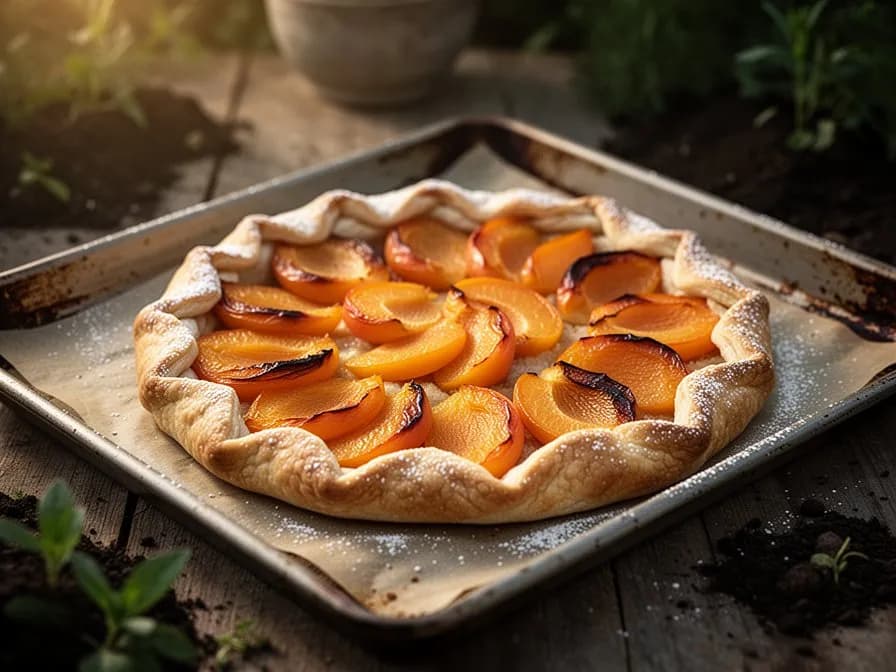
Blenheim Apricot Jam
45 minutesA classic preserve that captures the honeyed complexity of Blenheim apricots at peak ripeness. The high natural sugar content of Blenheims means less added sugar is needed compared to other varieties. This jam is exceptional spread on sourdough toast or spooned over plain yogurt.
5 ingredients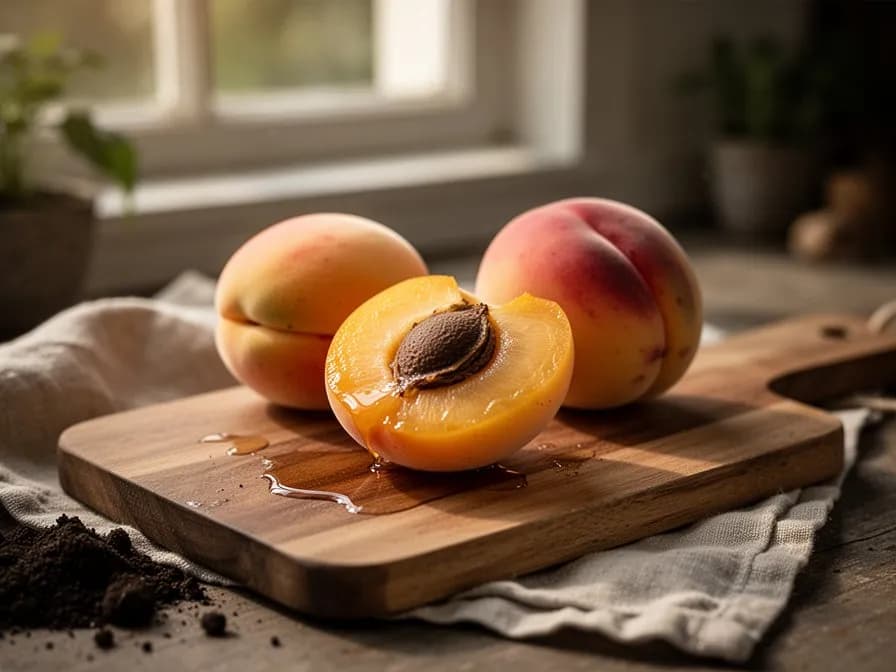
Roasted Blenheim Apricot and Honey Tart
1 hour 15 minutesRoasting concentrates the sugars and caramelizes the natural acids in Blenheim apricots, producing an intensely flavored filling for a simple frangipane tart. Serve warm with crème fraîche for a dessert worthy of any dinner party.
6 ingredientsSpiced Blenheim Apricot Compote
20 minutesA versatile quick compote that can be made with fresh or slightly overripe fruit. Warm spices complement the apricot's natural sweetness and make this compote equally at home alongside grilled pork tenderloin or stirred through morning porridge.
7 ingredientsCulinary Uses
Blenheim is the gold standard for dried apricots, with unmatched aromatic intensity. Fresh, they are sublime in fruit salads and eaten out of hand. They make outstanding apricot jam, preserves, and chutney. The rich flavor pairs beautifully with lamb, pork, and Middle Eastern cuisine. Use in apricot tarts, galettes, and strudel. Makes exceptional apricot brandy and liqueur.
What's inside
Health Benefits
- The deep orange pigmentation of Blenheim apricots signals an exceptionally high concentration of beta-carotene, which the body converts to vitamin A — essential for immune function, skin health, and night vision.
- Regular consumption of apricots has been associated with reduced LDL cholesterol oxidation, partly due to their polyphenol content including chlorogenic acid and caffeic acid.
- The fiber in apricots feeds beneficial gut bacteria and helps regulate bowel motility, supporting a healthy and diverse gut microbiome.
- Potassium and magnesium in apricots work together to support healthy blood pressure by countering the vasoconstrictive effects of dietary sodium.
- Lutein and zeaxanthin found in apricot flesh accumulate in the macula of the eye and are associated with a lower risk of age-related macular degeneration and cataracts.
- Apricots provide a useful amount of iron alongside vitamin C, which enhances non-heme iron absorption — making them a valuable fruit for those at risk of iron deficiency anemia.
Where Blenheim Apricot comes from
The Blenheim apricot, known botanically as Prunus armeniaca 'Blenheim', traces its lineage back thousands of years to the wild apricot forests of Central Asia, where the species is believed to have been first cultivated along the ancient Silk Road trade routes linking China with the Mediterranean world. Apricots arrived in Europe via Persia and the Arab world, and by the sixteenth and seventeenth centuries they were prized ornamental and fruiting trees in the walled kitchen gardens of English country estates.
The variety that would become known as Blenheim was first recorded growing in the gardens of Blenheim Palace in Woodstock, Oxfordshire — the ancestral home of the Dukes of Marlborough — during the early nineteenth century. How it arrived there is not entirely certain; some historians suggest it was introduced from the Netherlands, while others point to possible French or Italian origins. What is clear is that it quickly gained a reputation for extraordinary flavor among English horticulturalists and was widely distributed to nurseries across Britain.
The variety's most consequential chapter began in 1792, when Antoine Delmas, a French immigrant, is traditionally credited with planting the first apricot trees in California's Santa Clara Valley. By the mid-nineteenth century the Blenheim had established itself as the dominant commercial variety in the valley, which became known as the Valley of Heart's Delight. For nearly a century the region's economy was built on drying and canning Blenheim apricots, which were celebrated worldwide for their honeyed sweetness and rich orange flesh.
At the industry's peak in the 1930s and 1940s, thousands of tons of Blenheim apricots were dried each season, much of it exported to Europe and sold to bakeries and confectioners who valued them above all other dried fruit. The variety's commercial decline began in the 1950s and accelerated through the 1970s as urban development consumed the Santa Clara Valley orchards and supermarket buyers shifted toward firmer, more shippable varieties. Today Blenheim remains a beloved heirloom, cultivated by home gardeners and small orchardists who prize flavor above all else.
Blenheim Apricot: did you know?
Fascinating facts about Blenheim Apricot
Blenheim apricots were the backbone of California's once-vast Santa Clara Valley apricot industry. At its peak in the 1930s, the valley contained over 100,000 acres of apricot orchards, and Blenheim was by far the most widely planted variety.
Blenheim Apricot questions, answered
When should I plant Blenheim Apricot?
What are good companion plants for Blenheim Apricot?
What hardiness zones can Blenheim Apricot grow in?
How much sun does Blenheim Apricot need?
How far apart should I space Blenheim Apricot?
What pests and diseases affect Blenheim Apricot?
How do I store Blenheim Apricot after harvest?
What are the best Blenheim Apricot varieties to grow?
What soil does Blenheim Apricot need?
Why did my Blenheim apricot tree bloom beautifully but produce almost no fruit?
Can I grow a Blenheim apricot in a container or small garden?
What is the brown rot that keeps destroying my apricots just before harvest?
When is the right time to harvest Blenheim apricots?
How do I dry Blenheim apricots at home without sulfur?
Why does my Blenheim apricot produce a heavy crop one year and almost nothing the next?
You just read the theory. Now grow it on autopilot.
Everything that makes Blenheim Apricot fiddly — the timing, the spacing, the companions, the harvest window — is exactly what PlotMyGarden handles for you, for every plant in your garden.
A plan that knows your weather
Set your location once. Get sow, feed and harvest dates built around your real last-frost date and live forecast — no more guessing from a generic seed packet.
From the “When to plant” sectionDrag-and-drop bed planner
Design beds on a grid. Every plant snaps to its proper spacing, and you can see your whole season laid out before you spend a cent on seed.
From the “Growing guide” sectionCompanion conflicts, caught early
200+ good-and-bad pairings checked live as you plant — so a season-wrecking mistake never makes it into the ground.
From the “Companions” sectionReminders you'll actually act on
“Water the beans.” “Pick today before it turns.” Timely, specific, and tied to the plants you're really growing.
From the “Harvest” sectionSuccession, scheduled
Want a harvest for six weeks, not six days? It spaces your sowings automatically and reminds you when each new block is due.
From the “When to plant” sectionA record that gets smarter
Every harvest you log teaches it your garden. Next year's plan starts from what actually worked in your soil, not a textbook's.
From the “Overview” sectionPlant these alongside Blenheim Apricot
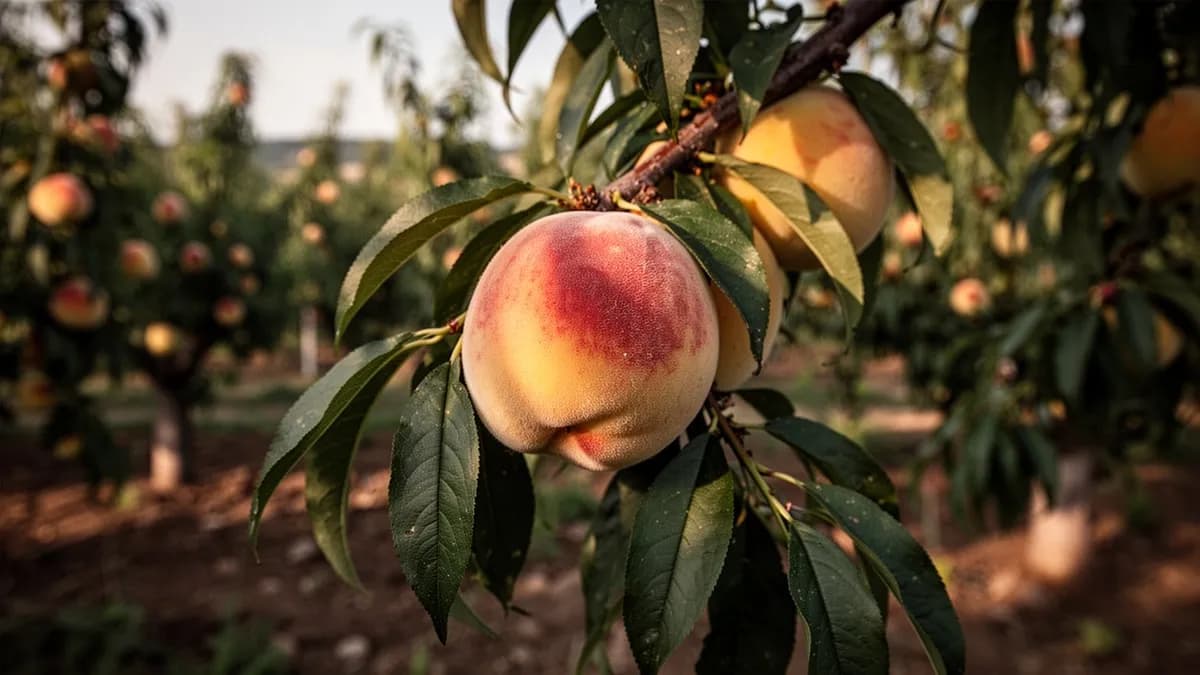
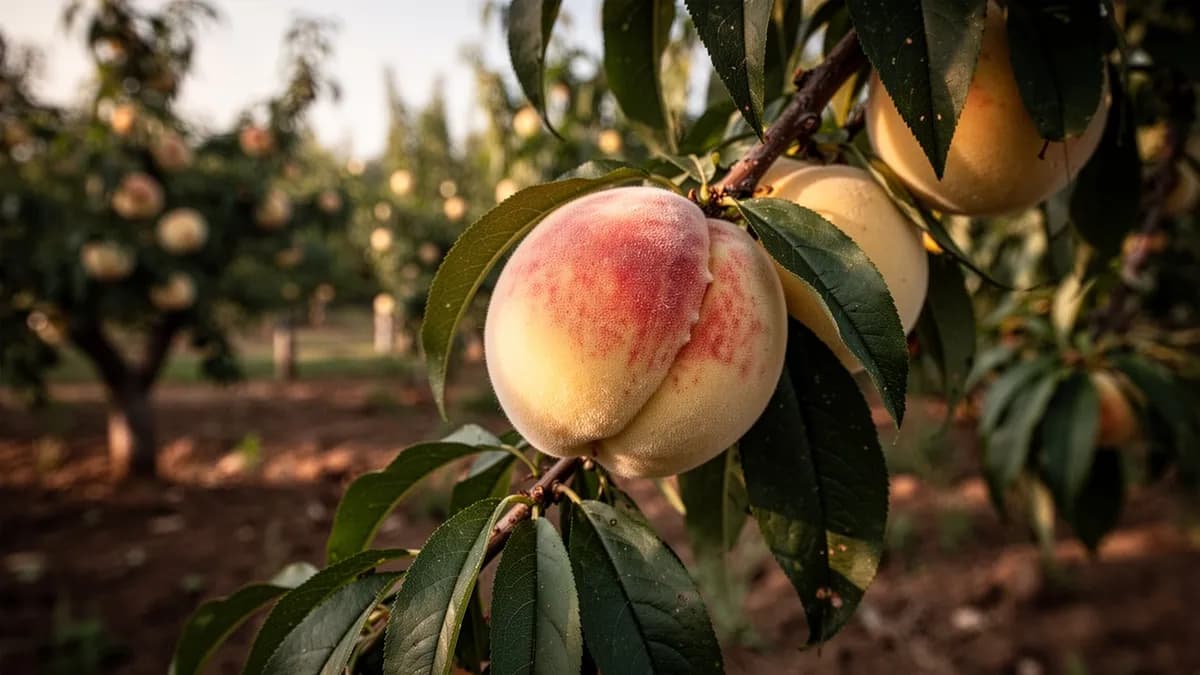
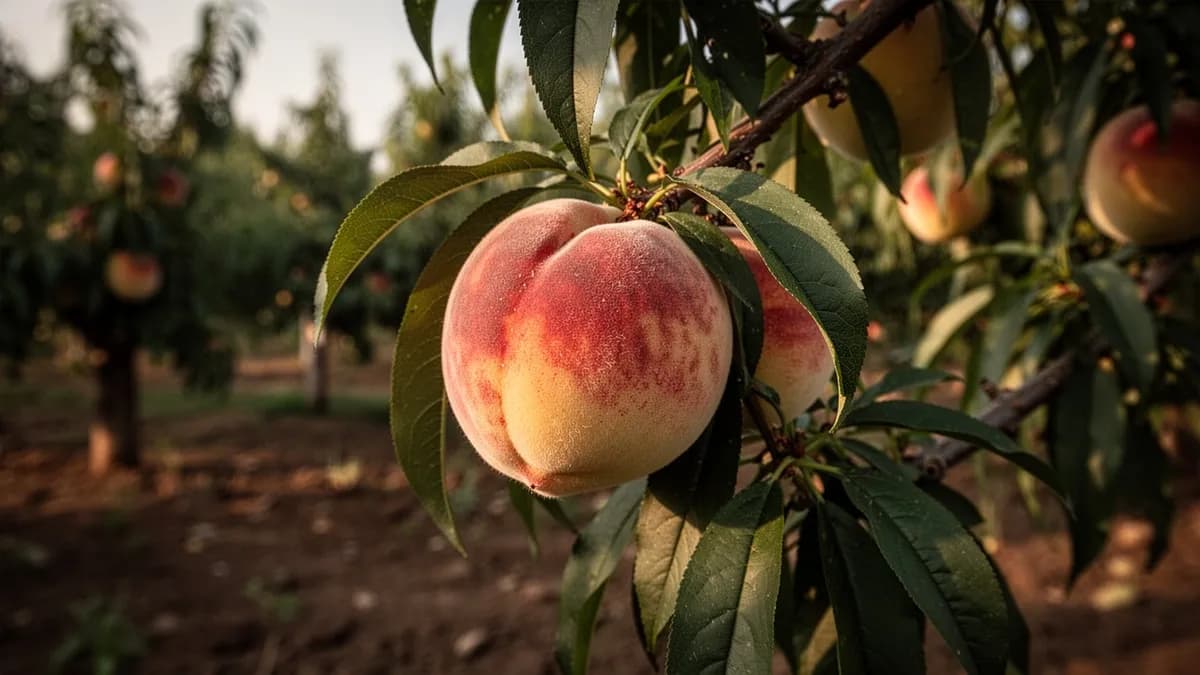
More Stone Fruits
Keep Blenheim Apricot away from these
Grow your best Blenheim Apricot yet — and everything around it.
Start a free plan today. Lay out your beds, drop in your Blenheim Apricot, and let PlotMyGarden handle the timing, spacing, companions and reminders from seed to harvest basket.