Achiote
Un arbusto tropical cuyas semillas de color rojo intenso son la fuente de un colorante natural y de un condimento suave y picante muy usado en la cocina latinoamericana y filipina.





En esta páginaResumen
Conoce Achiote
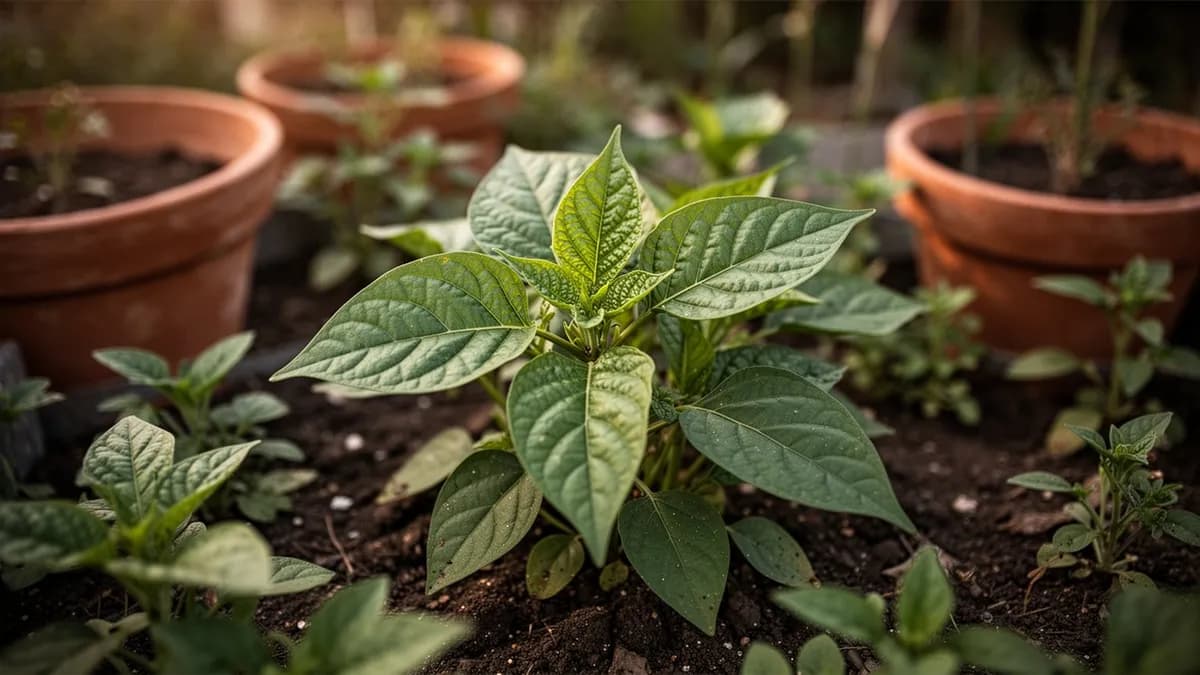
Un arbusto tropical cuyas semillas de color rojo intenso son la fuente de un colorante natural y de un condimento suave y picante muy usado en la cocina latinoamericana y filipina. La pasta y el polvo de achiote tiñen de un tono dorado-anaranjado arroces, quesos y guisos. Cultívelo en climas libres de heladas o como un ejemplar grande en maceta que pueda llevarse al interior en invierno.
Cuándo plantar Achiote
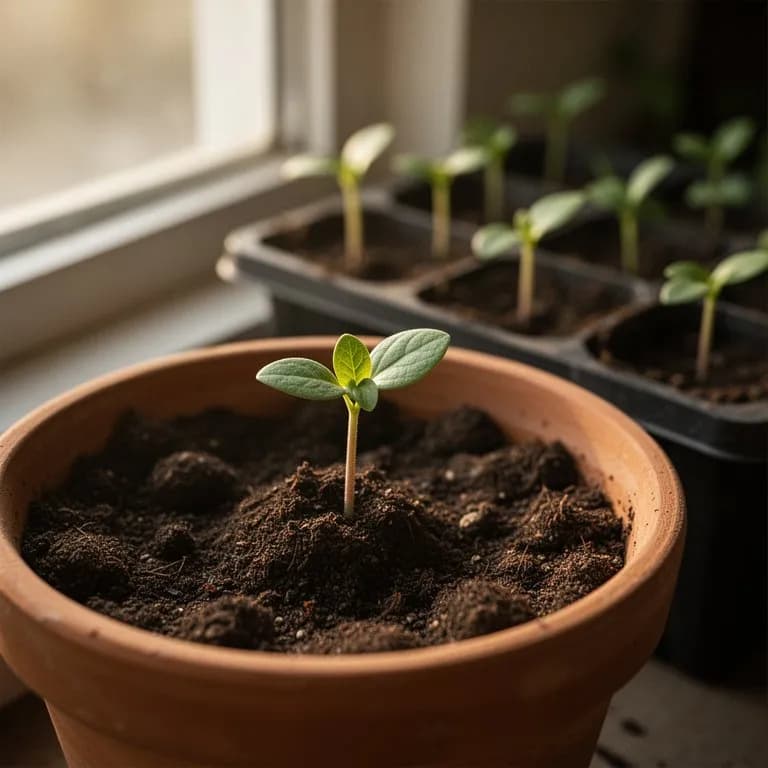
Las semillas de achiote tienen una cubierta dura que necesita pretratamiento para germinar bien. Remójelas en agua tibia durante 24 a 48 horas antes de sembrarlas. Como alternativa, puede lijar muy suavemente la cubierta con papel de lija. Plante a 1.25 cm de profundidad en un sustrato húmedo y bien drenado para semilleros, y mantenga temperaturas de 24-29 °C. La germinación es irregular y puede tardar de 2 a 6 semanas. Proporcione luz indirecta intensa y mantenga el suelo uniformemente húmedo pero no encharcado. Trasplante cuando las plántulas tengan 4 a 6 hojas verdaderas y midan entre 20 y 30 cm. Endurezca gradualmente antes de plantar al exterior en lugares libres de heladas.
Tu año de Achiote
Ajustado a Zona 7 · temporada típica · la helada se va hacia el 2 abr y vuelve hacia el 1 nov
Planta Achiote Abr – Jun y cosecha Sep – Nov. Consulta los métodos de plantación y elige tu clima para adaptar los periodos.
Cómo cultivar Achiote
El achiote (Bixa orellana) es un arbusto tropical perenne o arbolito pequeño que necesita temperaturas cálidas todo el año y ausencia total de heladas para prosperar. Siembre las semillas en interior después de remojarlas en agua tibia durante 24 a 48 horas para ablandar la cubierta dura, y plántelas a 1.25 cm de profundidad en un sustrato húmedo y cálido para semilleros. La germinación es lenta e irregular y puede tardar de 2 a 6 semanas a 24-29 °C. Trasplante las plántulas a su ubicación definitiva cuando midan entre 20 y 30 cm y haya pasado por completo todo riesgo de heladas.
En climas tropicales (zonas 10-12), plante el achiote a pleno sol y protegido de vientos fuertes. El arbusto puede alcanzar entre 3 y 6 metros de altura y desarrolla una copa redondeada con hojas en forma de corazón. Separe las plantas entre 2.5 y 3 metros para que puedan desarrollarse plenamente. En climas templados, cultívelo en macetas grandes, de al menos 56 litros, que puedan moverse al interior antes de que las temperaturas bajen de 10 °C.
Una vez establecido, el achiote requiere pocos cuidados. Riegue con profundidad, pero deje que los primeros centímetros del suelo se sequen entre riegos. La planta produce flores rosadas o blancas muy atractivas, seguidas de vainas espinosas de color rojo que contienen entre 30 y 50 semillas cada una, cubiertas por el pigmento naranja rojizo que da al achiote su valor como tinte natural y colorante alimentario.
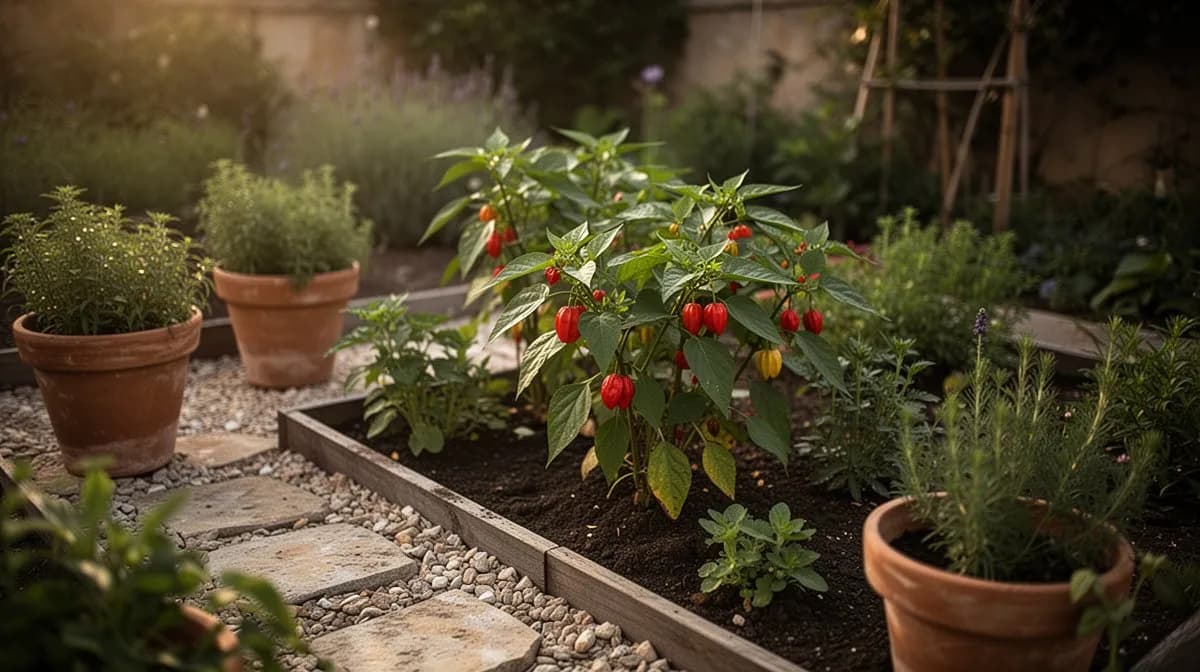
2 plantas caben en un bancal de 120 × 240 cm
Cada Achiote pide 120 cm de margen. El planificador guarda ese marco por ti — cada planta, cada bancal.
Los mejores vecinos de Achiote
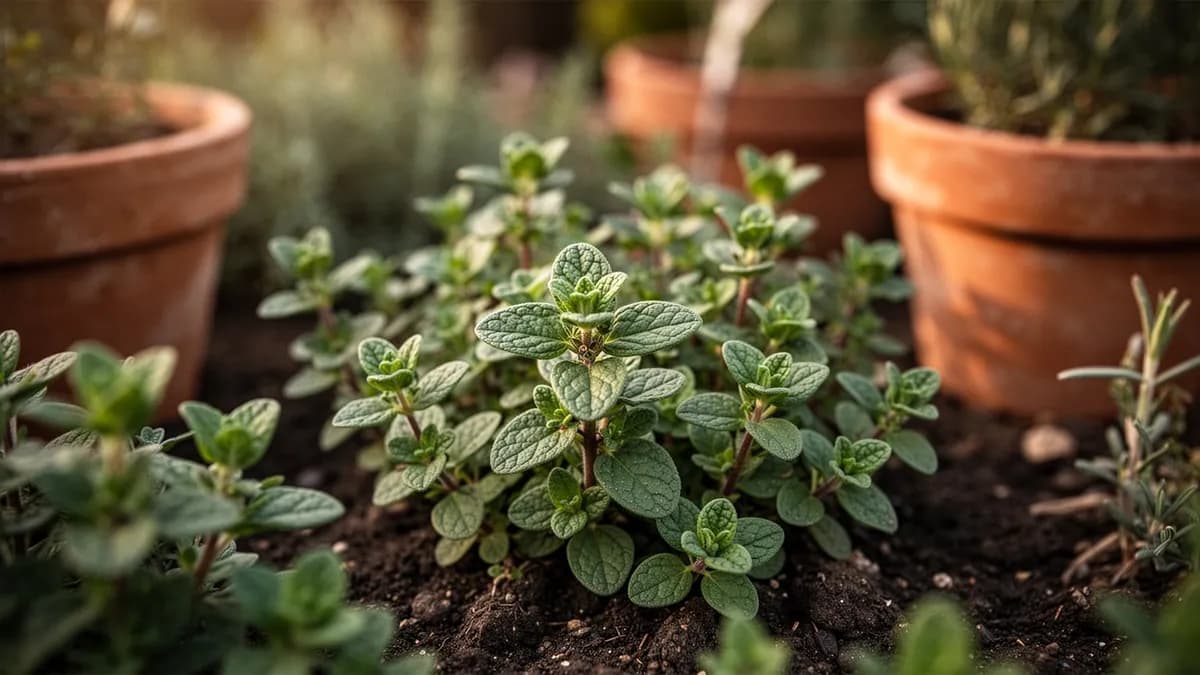
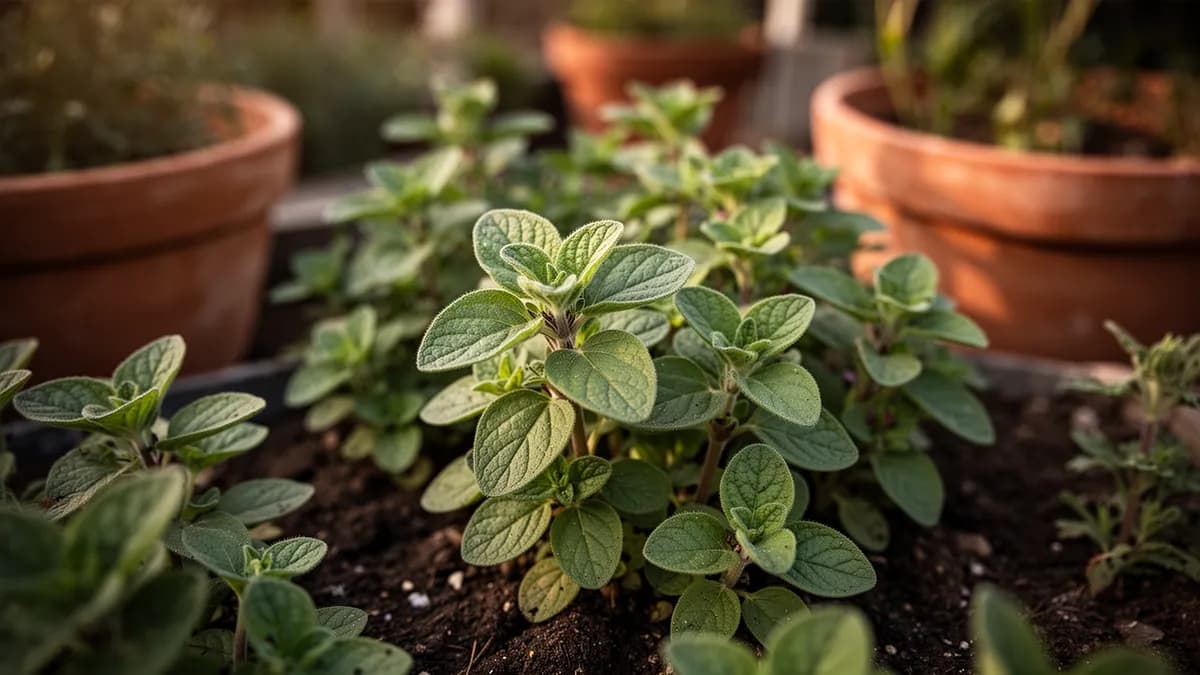
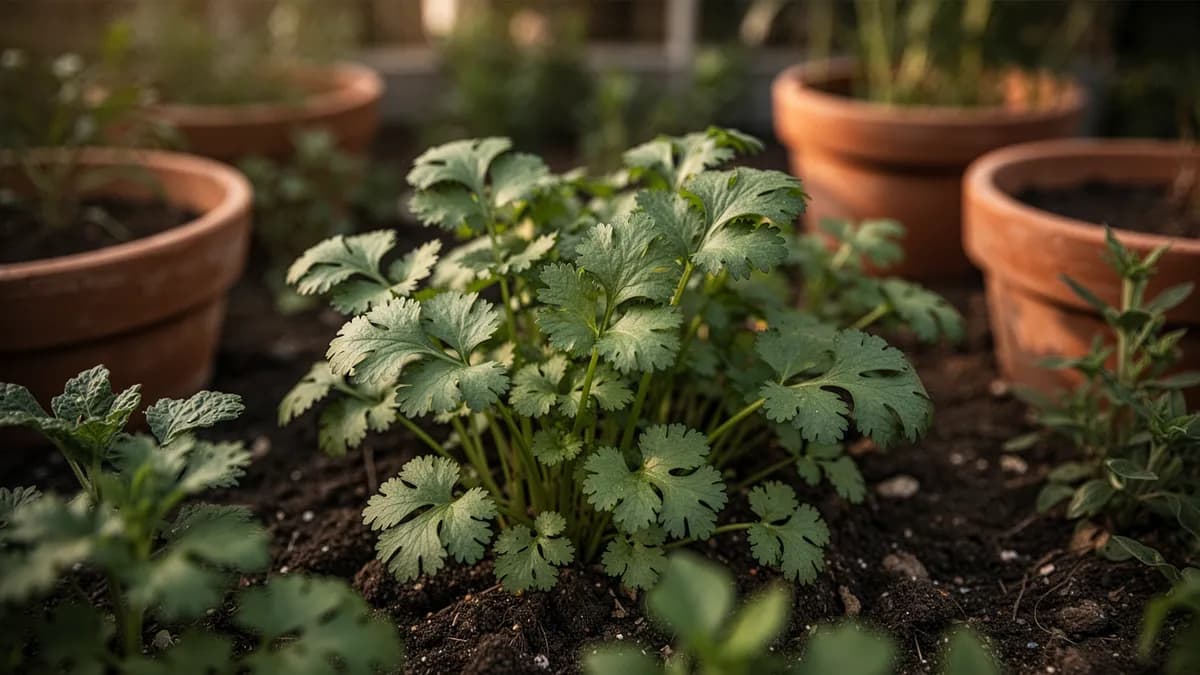
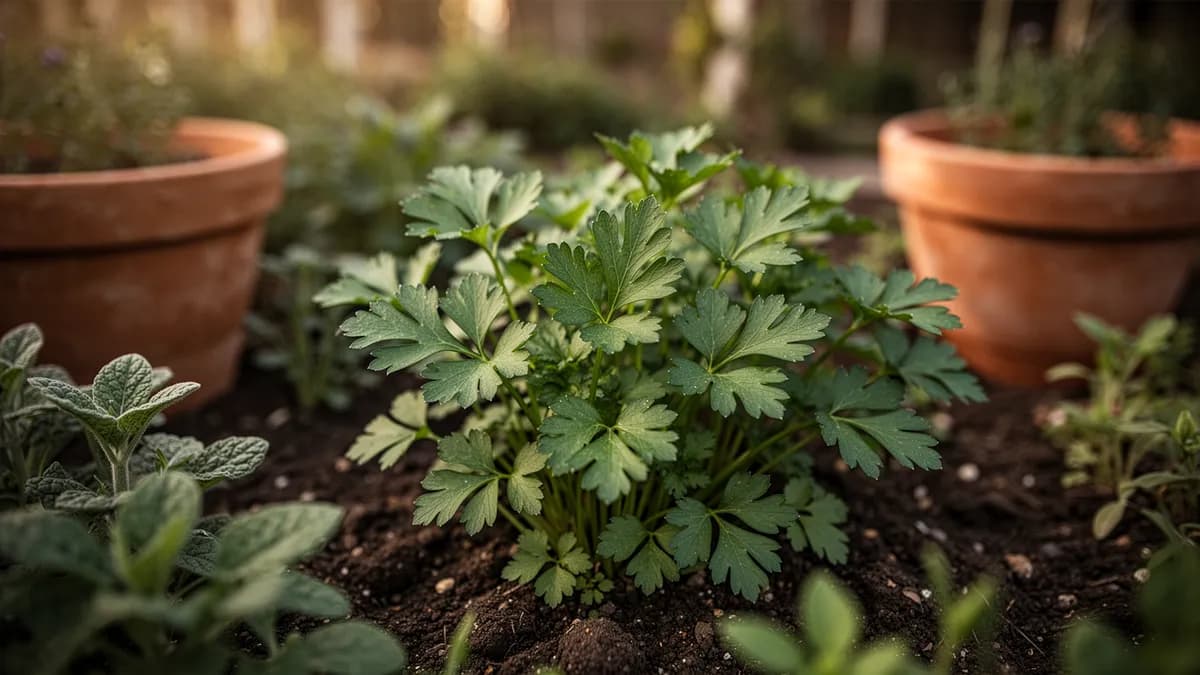
El achiote combina bien con chiles, cilantro y orégano, que comparten gustos por el calor y el sol. Sus flores atraen abejas y otros polinizadores, lo que beneficia a todo el huerto. En macetas grandes puede colocarse junto a hierbas tropicales que disfruten de un riego parecido. Evite mezclarlo con menta, que prefiere más humedad y se expande con mucha agresividad. En zonas tropicales, su copa proporciona una ligera sombra para cultivos sensibles al sol intenso.
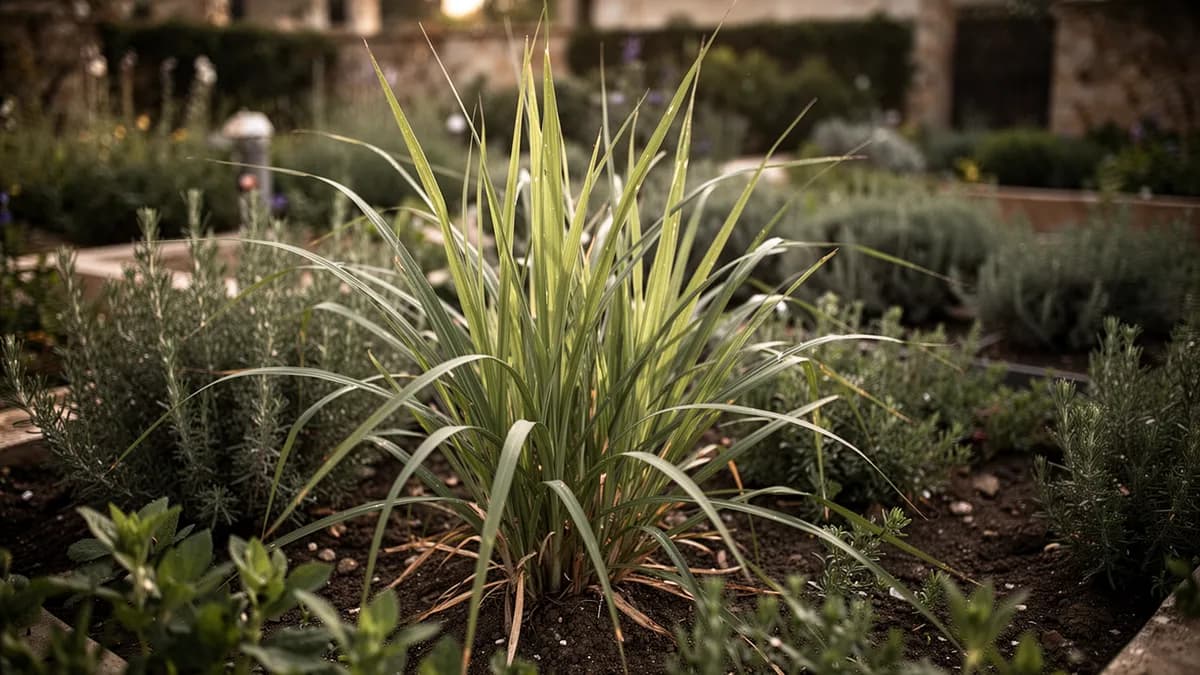
Hierba limón va a su lado.
Saber de huerto de siempre, cotejado con la tabla real de Achiote — prueba cualquier planta que cultives.
Prueba Achiote en un bancal, aquí mismo
Un bancal real del planificador con Achiote ya plantado. Toca una planta compañera para colocarla y mira cómo responde la comprobación de vecinos: verde para buenos vecinos, rojo si hay conflicto.


Guías de cultivo relacionadas
Abónalo bien
El achiote prospera en suelos tropicales bien drenados y moderadamente fértiles, con un pH de 5.5 a 7.5. Tolera una amplia gama de tipos de suelo, incluidos los arenosos, francos y lateríticos comunes en regiones tropicales. Aplique un fertilizante equilibrado de liberación lenta (10-10-10) tres veces al año durante la temporada de crecimiento. Refuerce con fertilizante rico en potasio durante la floración y la fructificación para mejorar la producción de vainas. Aplique un acolchado grueso con materia orgánica alrededor de la base para conservar la humedad y suprimir las malas hierbas. Evite suelos encharcados, que provocan pudrición de raíces en esta especie.
Temperatura ideal
Compatibilidad de zonas de rusticidad
De la semilla a la cosecha, etapa por etapa
Germinación
Las semillas de annatto germinan lentamente y suelen tardar de 10 a 21 días si se mantienen cálidas y húmedas. Remojarlas en agua tibia antes de sembrar puede mejorar mucho la tasa de germinación.
Desarrollo de plántula
Las plántulas desarrollan sus primeras hojas verdaderas y comienzan a establecer un sistema radicular. El crecimiento es constante pero moderado durante esta fase, mientras la planta acumula reservas de energía.
Crecimiento vegetativo
La planta entra en un período de crecimiento vigoroso hacia arriba y hacia los lados, desarrollando un tallo leñoso y una copa completa de grandes hojas en forma de corazón. En condiciones tropicales ideales, el crecimiento puede superar un metro por año.
Floración
El annatto suele comenzar a florecer en su segundo o tercer año. En las puntas de las ramas aparecen racimos de flores rosas o blancas de cinco pétalos, que atraen a las abejas y otros polinizadores esenciales para el cuajado de los frutos.
Desarrollo del fruto
Después de una polinización exitosa, se desarrollan vainas espinosas en forma de corazón que cambian gradualmente de verde a rojo o marrón en un periodo de tres a cuatro meses. Cada vaina contiene de 30 a 60 semillas recubiertas con el valioso pigmento rojo anaranjado bixina.
Cosecha
Las vainas están listas para cosechar cuando se vuelven marrones y comienzan a abrirse de forma natural. Las semillas se extraen, se secan al sol durante varios días y luego se almacenan para uso culinario o industrial.
Producción madura
Una vez establecidas, las plantas de annatto producen cosechas cada vez mayores cada año y pueden permanecer productivas durante 15 a 20 años o más. Los árboles suelen dar dos cosechas al año en climas tropicales con estaciones marcadas de lluvia y sequía.
Mantenga la temperatura del sustrato entre 25 y 30 grados Celsius y conserve el medio de cultivo constantemente húmedo, pero no encharcado. Cubra las macetas con plástico transparente para retener la humedad.
Cuidar Achiote mes a mes
Qué hacer cada mes para tu Achiote
Octubre
Mes actualMain harvest season in many regions. Collect pods as they turn brown and begin to crack open. Dry seeds thoroughly in the sun for three to five days.
Ten claro qué hacer en tu huerto, cada mes
Un correo al empezar cada mes: qué sembrar, plantar y hacer ahora mismo — para tu Achiote y todo lo que crece alrededor. Más un breve curso inicial para esquivar los errores clásicos.
- Qué hacer ahora mismo
- Ajustado a tu temporada
- Curso inicial incluido
Cosechar Achiote
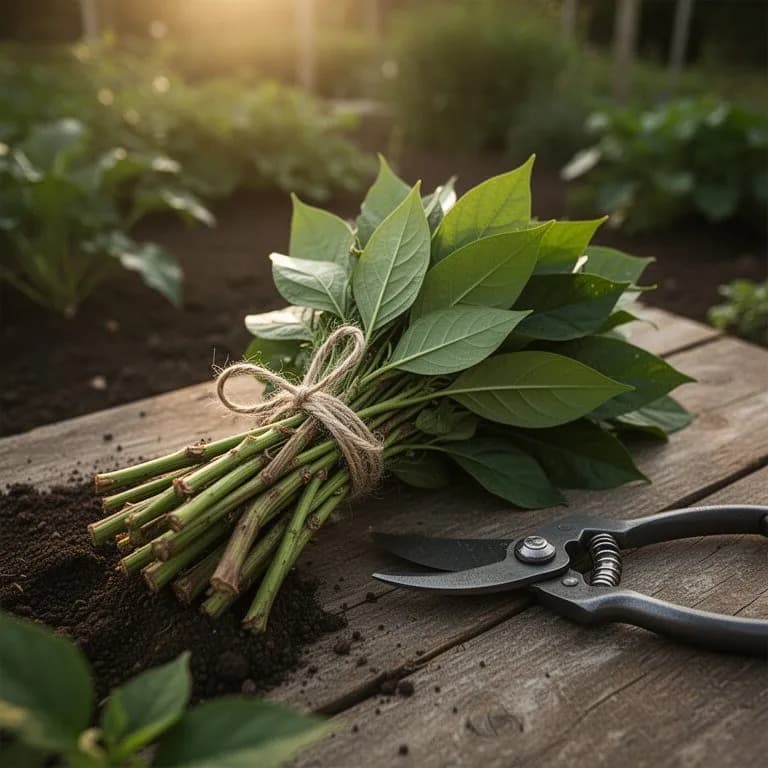
Las vainas del achiote están listas para cosechar cuando pasan de verde a un rojo parduzco intenso y empiezan a abrirse, normalmente entre 4 y 5 meses después de la floración. Corte los racimos con tijeras de podar y deje un pequeño pedúnculo. Coseche en tiempo seco para evitar moho. Abra las vainas y extraiga las semillas, cubiertas por el pigmento naranja rojizo bixin. Extiéndalas en bandejas para secarlas durante 5 a 7 días en un lugar cálido y bien ventilado. Un arbusto maduro puede producir varios kilos de semillas al año. Manipúlelas con cuidado, ya que el pigmento rojo mancha con facilidad manos, ropa y superficies.
se supone que plantas al comenzar el periodo — indica tu fecha real
Coseche cuando las vainas se vuelvan marrones y comiencen a abrirse de forma natural.
Almacenamiento y conservación
Guarde las semillas secas de achiote en tarros de vidrio herméticos, en un lugar fresco y oscuro, donde mantendrán color y sabor hasta tres años. Para extraer el pigmento para cocinar, caliente las semillas suavemente en aceite o manteca hasta que el líquido se vuelva de un naranja intenso y luego cuele las semillas. Este aceite infusionado se conserva bien en el frigorífico durante varios meses. Las semillas también pueden molerse en polvo con un molinillo de especias, aunque son duras y requieren un aparato potente. La pasta de achiote, hecha remojando y moliendo las semillas con vinagre y especias, dura meses refrigerada.
Qué falla — y cómo solucionarlo
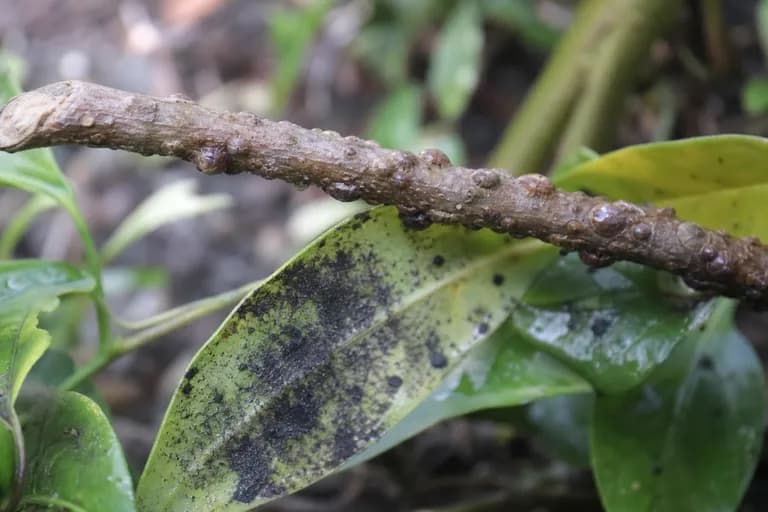
Cochinillas
PlagaPequeñas protuberancias algodonosas o cerosas en tallos y nervaduras, amarilleo de las hojas, melaza pegajosa y presencia de fumagina.
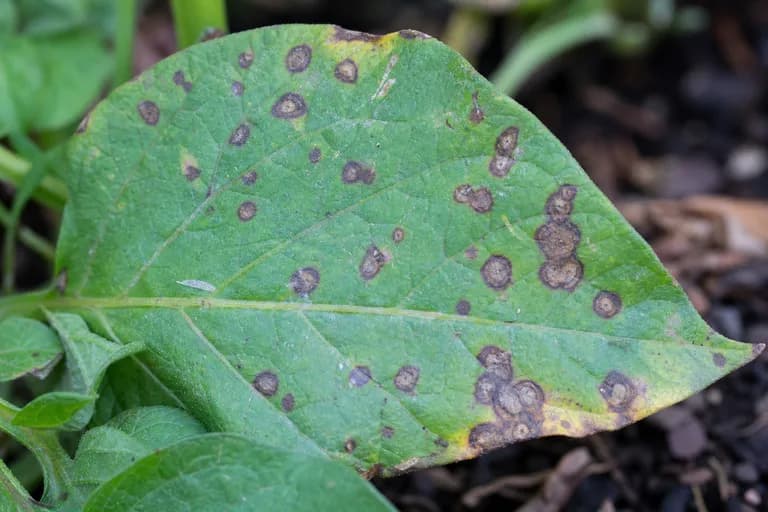
Podredumbre de raíces
EnfermedadMarchitez a pesar de que el suelo está húmedo, hojas amarillas, raíces marrones y blandas, y colapso de la planta.
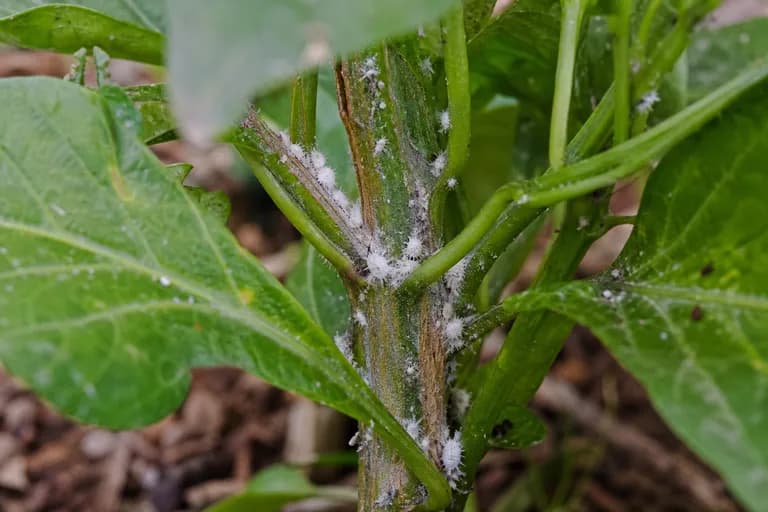
Orugas defoliadoras
PlagaMordidas irregulares en las hojas, defoliación parcial o intensa y presencia visible de larvas verdes o marrones en el envés.
Solución de problemas comunes
La ausencia de calor suficiente y las heladas son los problemas más graves para el achiote. También puede sufrir cochinillas en condiciones secas o con poca ventilación. El exceso de nitrógeno produce mucho follaje pero menos vainas. El encharcamiento del suelo favorece la pudrición de raíces. En contenedor, la planta necesita espacio suficiente y un riego atento para evitar estrés hídrico sin llegar a saturar el sustrato.
Consejos de cultivo
- Remoje las semillas de achiote 24 horas antes de plantarlas para ablandar la cubierta dura y mejorar mucho la germinación.
- Colóquelo en un lugar con al menos 6 a 8 horas de sol directo al día, porque necesita mucha luz para florecer y fructificar con regularidad.
- Asegure un suelo con buen drenaje y pH entre 5.5 y 7.0; el achiote tolera varios tipos de suelo, pero prefiere francos fértiles o francos arenosos con materia orgánica.
- Proteja los ejemplares jóvenes de temperaturas inferiores a 10 °C; en climas marginales, cultívelos en macetas grandes que puedan llevarse al interior.
- Riegue con profundidad y deje secar ligeramente la capa superior del suelo entre riegos para evitar la pudrición de raíces.
- Aplique un fertilizante equilibrado tres veces al año y refuerce con potasio durante la floración para mejorar la producción de vainas.
- Pódelos ligeramente para mantener una forma manejable, especialmente si se cultivan en contenedor o en un invernadero cálido.
- En climas no tropicales, cultive el achiote como planta ornamental de maceta y llévelo al interior cuando las noches empiecen a enfriarse.
Cultiva tu mejor Achiote — y todo lo que la rodea.
Empieza un plan gratis hoy. Diseña tus bancales, coloca tu Achiote y deja que PlotMyGarden gestione el momento, el espaciado, las asociaciones y los recordatorios de la semilla a la cesta.
Elige tu Achiote
Achiote común
La variedad estándar de crecimiento robusto, con abundantes cápsulas espinosas y semillas muy pigmentadas, ideal para producción culinaria y tintórea.
Achiote enano
Una selección más compacta, apropiada para macetas grandes o jardines pequeños, con buena floración y fruto abundante en plantas de menor tamaño.
Achiote de cápsula lisa
Una variedad con vainas menos espinosas y manejo más cómodo durante la cosecha, sin perder valor como colorante y condimento.
Cultivar su propio achiote puede proporcionar una fuente casi inagotable de colorante y condimento natural una vez que la planta madura. Las semillas secas y la pasta de achiote tienen un precio elevado en tiendas especializadas, así que una sola planta productiva puede ahorrar bastante dinero a largo plazo. Además, las semillas se conservan bien durante años, por lo que una cosecha abundante puede durar mucho tiempo en la despensa.
Recetas rápidas
Aceite de achiote infusionado
15 minUna infusión sencilla que extrae el color dorado-anaranjado y el suave sabor terroso de las semillas de achiote en el aceite, lista para saltear verduras, cocinar arroz o dar un toque de color al final del plato.
4 ingredientesArroz filipino con achiote
25 minUn arroz dorado y aromático teñido con agua de achiote, acompañamiento muy popular en la cocina filipina que combina de maravilla con carnes a la parrilla, adobo y kare-kare. El achiote da al arroz un color precioso, parecido al azafrán, por una fracción del precio.
5 ingredientesPasta de achiote para adobar
20 minUna pasta base para adobos que mezcla semillas de achiote remojadas con especias y cítricos. Aporta color intenso, aroma suave y un toque terroso a carnes, aves y verduras antes de asarlas o cocinarlas a la parrilla.
7 ingredientesUsos culinarios
Las semillas de achiote aportan el característico color dorado-anaranjado a platos latinoamericanos como la cochinita pibil, los tamales y el arroz amarillo. Las semillas se infusionan en aceite o manteca para crear aceite de achiote, una grasa de cocina fundamental en el Caribe y Filipinas. El achiote molido se mezcla con especias y cítricos para hacer pasta de recado rojo destinada a marinar carnes. Su sabor es suave y ligeramente picante, con matices terrosos. También es el colorante natural usado en quesos cheddar, mantequilla y pescado ahumado.
Qué contiene
Beneficios para la salud
- Las semillas de achiote aportan pigmentos carotenoides naturales que ayudan a reducir la necesidad de colorantes sintéticos en los alimentos.
- Contienen compuestos antioxidantes que contribuyen a proteger las preparaciones culinarias frente a la oxidación durante el almacenamiento.
- Se han usado tradicionalmente en sistemas de medicina popular de América Latina y el sudeste asiático para apoyar la digestión y el bienestar general.
- Su uso en pequeñas cantidades añade sabor y color sin elevar de forma apreciable la carga calórica del plato.
- El aceite infusionado con achiote puede ayudar a distribuir los pigmentos liposolubles de manera homogénea en recetas caseras.
- El achiote forma parte de muchas elaboraciones de cocina tradicional que celebran ingredientes vegetales de origen local.
De dónde viene Achiote
Annatto (Bixa orellana) is native to the tropical regions of Central and South America, where it has been cultivated and revered for thousands of years. Archaeological evidence suggests that indigenous peoples of the Amazon basin were among the first to domesticate this remarkable plant, using the brilliant red-orange pigment extracted from its seeds for body decoration, ritual face painting, and as a food colorant long before European contact. The Aztecs called it 'achiotl' and used it to color chocolate beverages and as a medicinal remedy, while the Maya valued it for ceremonial body paint and as an offering to their deities. When Spanish and Portuguese explorers arrived in the Americas in the 15th and 16th centuries, they quickly recognized the commercial potential of annatto as a dye and spice, and it was among the earliest New World crops to be transported across the Atlantic to Africa and Asia. The plant thrived in tropical climates throughout Southeast Asia, India, and East Africa, where it became naturalized and deeply integrated into local cuisines and traditional medicine systems. In the Philippines, annatto became essential to dishes like kare-kare and pancit, while in India it found use in both cooking and Ayurvedic medicine. European cheesemakers adopted annatto in the 17th century to give cheeses a rich golden-orange hue that consumers associated with high-quality, grass-fed dairy. Today, annatto is cultivated commercially in Brazil, Peru, Mexico, Kenya, India, and the Philippines, among other tropical nations. It remains one of the most widely used natural food colorants globally, valued for its safety profile compared to synthetic alternatives. The plant also holds cultural significance in many indigenous communities, where it continues to be used in traditional ceremonies, folk medicine, and artisanal crafts, maintaining a living link to its ancient heritage.
Achiote: ¿sabías que?
Datos fascinantes sobre Achiote
Annatto has been used as a natural dye for over 4,000 years, with evidence of its use found in ancient Mayan and Aztec civilizations for body painting, textile dyeing, and food coloring.
Achiote: preguntas frecuentes
¿Cuándo debo plantar Achiote?
¿Cuáles son buenas plantas acompañantes para Achiote?
¿En qué zonas de rusticidad puede crecer Achiote?
¿Cuánto sol necesita Achiote?
¿A qué distancia debo espaciar Achiote?
¿Qué plagas y enfermedades afectan a Achiote?
¿Cómo almaceno Achiote después de la cosecha?
¿Cuáles son las mejores variedades de Achiote para cultivar?
¿Qué suelo necesita Achiote?
¿Puedo cultivar achiote en un clima no tropical?
¿Cuánto tarda un achiote en producir semillas?
¿Es seguro el achiote para personas con alergias alimentarias?
¿Cómo extraigo el color de las semillas de achiote para cocinar?
¿Qué plagas y enfermedades afectan con frecuencia al achiote?
¿Puedo usar achiote como colorante textil natural?
Acabas de leer la teoría. Ahora cultívala en piloto automático.
Todo lo que hace que Achiote sea delicado — el momento, el espaciado, las asociaciones, la ventana de cosecha — es justo lo que PlotMyGarden resuelve por ti, para cada planta de tu huerto.
Un plan que conoce tu clima
Indica tu ubicación una vez. Recibe fechas de siembra, abonado y cosecha basadas en tu última helada real y el pronóstico en vivo — sin adivinar con un sobre genérico.
De la sección “Cuándo plantar”Planificador de bancales de arrastrar y soltar
Diseña bancales sobre una cuadrícula. Cada planta encaja con su espaciado correcto y ves toda la temporada antes de gastar un céntimo en semillas.
De la sección “Cultivo”Conflictos de asociación, detectados a tiempo
Más de 200 buenas y malas combinaciones comprobadas en vivo mientras plantas — para que un error que arruine la temporada nunca llegue a la tierra.
De la sección “Asociaciones”Recordatorios que sí vas a seguir
“Riega las judías.” “Recoge hoy antes de que se pase.” Oportunos, concretos y ligados a las plantas que de verdad cultivas.
De la sección “Cosecha”Escalonado, programado
¿Quieres cosechar seis semanas en vez de seis días? Reparte tus siembras automáticamente y te avisa cuando toca el siguiente lote.
De la sección “Cuándo plantar”Un registro que se vuelve más listo
Cada cosecha que registras le enseña tu huerto. El plan del año que viene parte de lo que de verdad funcionó en tu suelo, no en un manual.
De la sección “Resumen”Planta estos junto a Achiote
Más Hierbas culinarias
Cultiva tu mejor Achiote — y todo lo que la rodea.
Empieza un plan gratis hoy. Diseña tus bancales, coloca tu Achiote y deja que PlotMyGarden gestione el momento, el espaciado, las asociaciones y los recordatorios de la semilla a la cesta.