Engelwurz
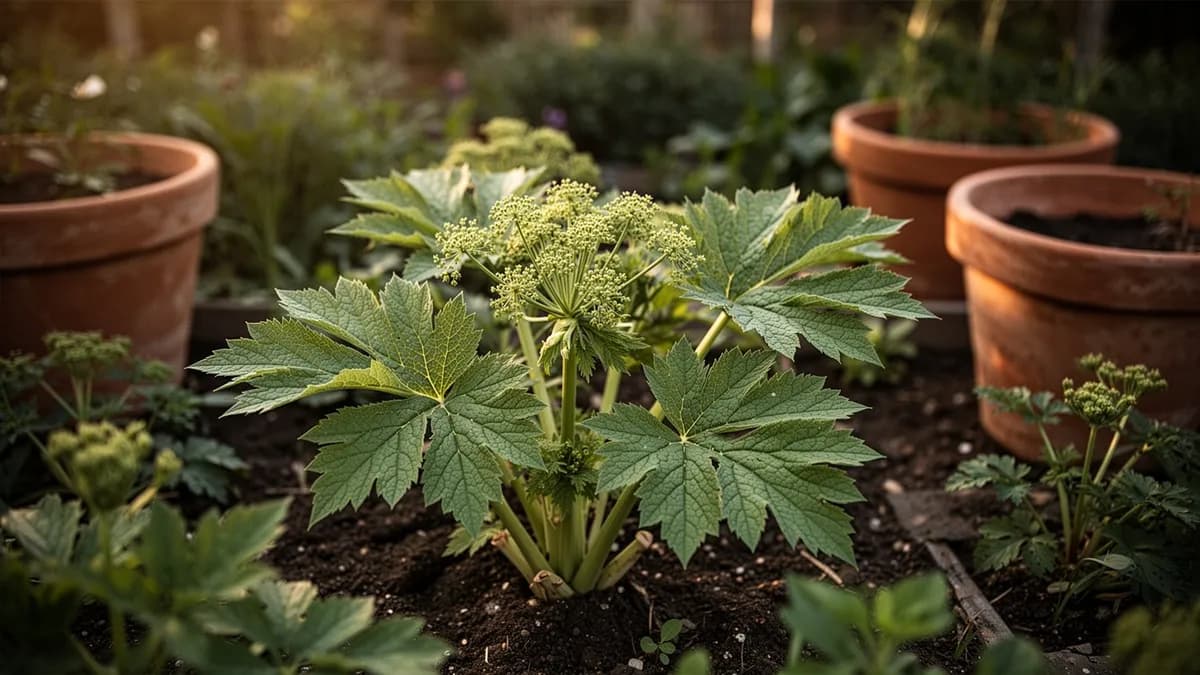
Ein imposantes zweijähriges Kraut, das bis zu 2,5 Meter hoch wächst, mit großen zusammengesetzten Blättern und runden Blütendolden – ein geschätztes Gewürzkraut in der skandinavischen Küche.





Auf dieser SeiteÜberblick
Engelwurz im Überblick
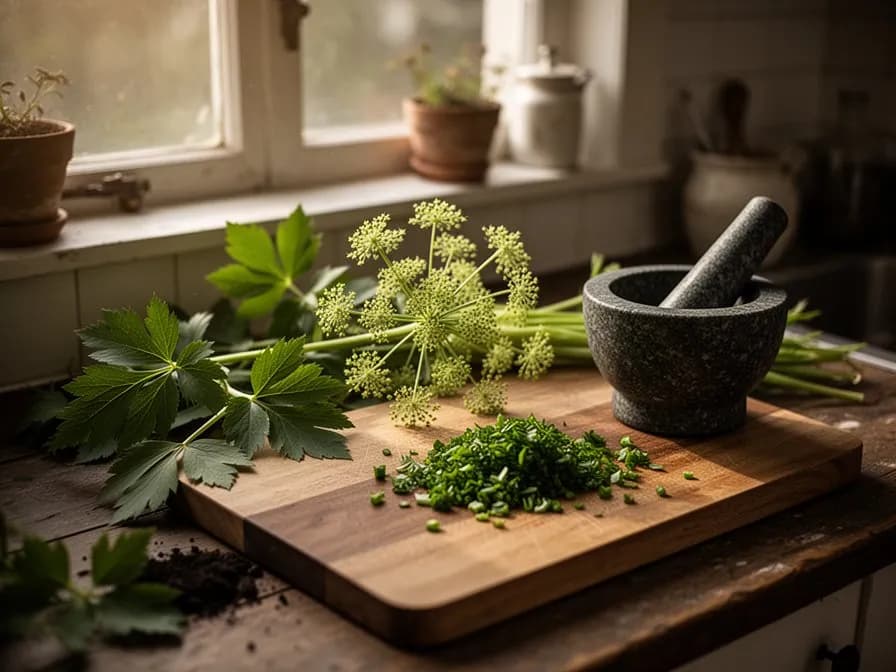
Ein imposantes zweijähriges Kraut, das bis zu 2,5 Meter hoch wächst, mit großen zusammengesetzten Blättern und runden Blütendolden – ein geschätztes Gewürzkraut in der skandinavischen Küche. Die hohlen Stängel werden traditionell kandiert als Kuchendekor verwendet, und die Blätter verleihen Fisch, Rhabarber und Likören ein feines Aroma. Am besten in feuchtem, nährstoffreichem Boden mit Halbschatten anbauen und die Selbstaussaat für eine kontinuierliche Ernte zulassen.
Wann Engelwurz pflanzen
Engelwurz-Samen müssen frisch ausgesät werden, da sie innerhalb weniger Wochen nach der Ernte ihre Keimfähigkeit verlieren. Sofort nach der Ernte im Spätsommer aussäen, indem die Samen auf der Oberfläche feuchter Anzuchterde verteilt werden. Samen nicht abdecken, da sie zum Keimen Licht benötigen. Durch Kühlung der Saatschalen für 2–3 Wochen im Kühlschrank kälte-stratifizieren, dann an einen kühlen Standort bei 15 °C stellen. Die Keimung dauert 14–21 Tage und ist oft ungleichmäßig. Den Boden gleichmäßig feucht, aber nicht durchnässt halten. Jungpflanzen umpflanzen, wenn sie 2–3 echte Blätter haben, dabei vorsichtig vorgehen, um die sich entwickelnde Pfahlwurzel nicht zu beschädigen.
Dein Engelwurz-Jahr
Abgestimmt auf Zone 7 · typische Saison · Frost geht um den 2. Apr. und kehrt um den 1. Nov. zurück
Engelwurz Mär – Apr pflanzen, Mai – Aug ernten. Beachte die Pflanzmethoden unten und wähle dein Klima für passende Zeiträume.
So baust du Engelwurz an
Engelwurz-Samen haben eine sehr kurze Keimfähigkeit, daher immer frisches Saatgut aus der aktuellen Saison verwenden. Samen sofort nach der Ernte auf die Oberfläche feuchter Anzuchterde streuen, da sie Licht und frische Bedingungen zur Keimung benötigen. Eine Kältestratifikation von 2–3 Wochen im Kühlschrank verbessert die Keimrate erheblich; die Keimung erfolgt typischerweise in 14–21 Tagen bei 15 °C.
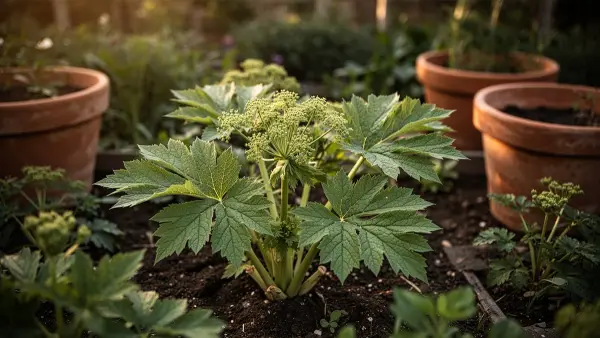
Jungpflanzen an einen dauerhaften Standort mit Halbschatten und tiefem, reichem, gleichmäßig feuchtem Boden umpflanzen. Engelwurz ist eine große zweijährige Pflanze, die im zweiten Jahr 1,8–2,5 Meter erreichen kann; daher mindestens 90 cm Abstand zwischen den Pflanzen einhalten. Der Standort sollte vor starkem Wind geschützt sein, der die hohen, hohlen Stängel umwerfen kann. Den Pflanzbereich mit großzügigen Mengen Kompost anreichern, um die nährstoffreichen, humusreichen Bedingungen zu schaffen, die Engelwurz benötigt.
Den Boden während der gesamten Wachstumsperiode gleichmäßig feucht halten, da Engelwurz keine Trockenheit verträgt. Großzügig mit organischem Material mulchen, um Feuchtigkeit zu bewahren und die Wurzeln kühl zu halten. Im zweiten Jahr treibt die Pflanze einen beeindruckenden Blütenstängel aus. Wird der Blütenkopf vor der Samenreife entfernt, kann die Pflanze als kurzlebige Staude ein drittes Jahr überleben. Andernfalls einige Pflanzen zur Selbstaussaat belassen, um eine kontinuierliche Versorgung sicherzustellen.
8 Pflanzen passen in ein Beet von 120 × 240 cm
Engelwurz braucht 60 cm Platz pro Pflanze. Der Planer hält diesen Abstand für dich ein — jede Pflanze, jedes Beet.
Die besten Nachbarn für Engelwurz
Engelwurzs stattliche Größe macht sie zu einer ausgezeichneten Hintergrundpflanze, die nachmittäglichen Schatten für Salat, Spinat und andere kühlsaisonale Kulturen spendet. Ihre großen Doldenblüten ziehen nützliche Insekten an, darunter Schlupfwespen, Schwebfliegen und Florfliegen, die im ganzen Garten bei der Bekämpfung von Blattläusen und Raupen helfen. Zusammen mit anderen feuchtigkeitsliebenden Kräutern wie Liebstöckel und Kerbel pflanzen. Das Anpflanzen in der Nähe von Möhren und Dill vermeiden, da sie Schädlinge wie die Selleriefliege und die Möhrenrostfliege teilen, die sich zwischen verwandten Pflanzen ausbreiten können.
Liebstöckel gehört daneben.
Altes Gärtnerwissen, geprüft an der echten Nachbartabelle von Engelwurz — teste jede Pflanze, die du anbaust.
Probiere Engelwurz direkt hier im Beet
Ein echtes Planer-Beet, Engelwurz steht schon drin. Tippe einen Begleiter an, platziere ihn und sieh, wie die Nachbarschaftsprüfung antwortet — grün für gute Nachbarn, rot bei Streit.


Passende Anbau-Ratgeber
Richtig düngen
Engelwurz benötigt tiefen, reichen, feuchtigkeitsspeichernden Boden mit einem pH-Wert von 5,5–7,0. Den Pflanzbereich durch Einarbeiten von 10–15 cm gut verrottetem Kompost oder Lauberde vorbereiten, um die humusreichen Bedingungen zu schaffen, die diese Pflanze benötigt. Im Frühling mit Kompost seitlich düngen und während der Wachstumssaison monatlich einen ausgewogenen organischen Dünger ausbringen. Großzügig mit 7–10 cm organischem Material mulchen, um Feuchtigkeit zu bewahren und den Boden kühl zu halten. Engelwurz ist ein Starkzehrer, der gelegentlich von flüssigem Meeresalgendünger oder Fischdünger während des aktiven Wachstums profitiert.
Ideale Temperatur
Winterhärtezone-Kompatibilität
Von der Saat zur Ernte, Schritt für Schritt
Samenkeimung
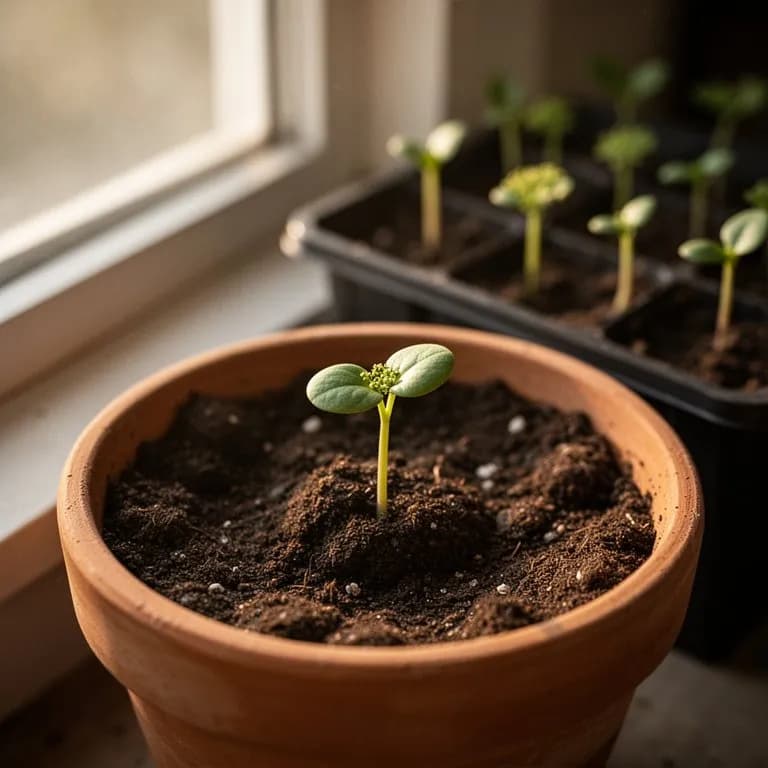
Engelwurz-Samen benötigen Licht und kühle Temperaturen, um die Dormanz zu überwinden und zu keimen. Frisches Saatgut ist unerlässlich – die Keimfähigkeit nimmt nach nur wenigen Monaten trockener Lagerung dramatisch ab. Samen werden sanft auf die Oberfläche feuchter Komposterde gedrückt, ohne sie abzudecken, da Licht die Keimung stimuliert. Der Vorgang ist langsam und dauert typischerweise 14–28 Tage bei Temperaturen von 10–15 °C. Eine Phase der Kältestratifikation (4–6 Wochen im Kühlschrank) verbessert die Keimraten bei gelagertem Saatgut erheblich.
Sämlingsentwicklung
Kleine Sämlinge entwickeln sich langsam und bilden zunächst einfache, rundliche erste Laubblätter, bevor sie zu den charakteristischen zusammengesetzten, tief geteilten Blättern übergehen. Sämlinge sind empfindlich und reagieren in diesem Stadium sensibel sowohl auf Trockenheit als auch auf starke direkte Sonneneinstrahlung. Die Pfahlwurzel beginnt sich früh zu entwickeln, was das Umpflanzen mit zunehmendem Pflanzenwachstum immer schwieriger macht.
Erste-Jahres-Rosette
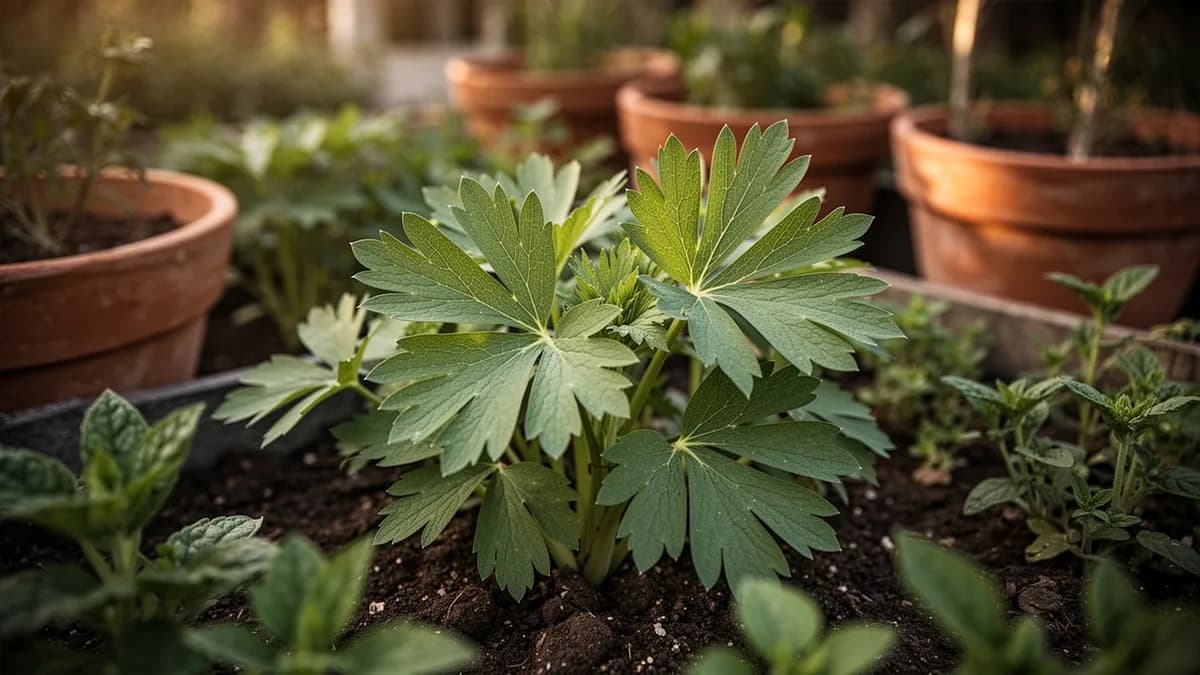
Engelwurz ist zweijährig und widmet ihr gesamtes erstes Jahr dem Aufbau einer großen Grundrosette aus spektakulären zusammengesetzten Blättern. Jedes Blatt kann 60–90 cm lang werden mit tief eingeschnittenen, gezähnten Blättchen, die in Dreiergruppen angeordnet sind. Die Rosette breitet sich bis zu 60–90 cm aus und bildet einen beeindruckenden Haufen üppig grünen Laubes. Unter der Erde entwickelt sich eine dicke, fleischige Pfahlwurzel, die die Energiereserven für das dramatische Blüteschauspiel im zweiten Jahr speichert.
Stängelwachstum und Blüte im zweiten Jahr
Im zweiten Frühling treibt Engelwurz einen dicken, hohlen, gerippten Blütenstängel aus, der schnell auf 1,5–2,5 Meter Höhe wächst. Der Stängel ist oft an der Basis violett getönt und kann 5 cm Durchmesser erreichen. Große zusammengesetzte Dolden aus winzigen grünlich-weißen oder gelblichen Blüten erscheinen an der Spitze des Stängels und an Seitenästen vom späten Frühling bis zur Hochsommermitte. Die Blüten sind sehr attraktiv für Bienen, Schwebfliegen und viele andere nützliche Insekten.
Samenreife und Absterben
Nach der Blüte entwickeln sich große Samenköpfe mit Hunderten von flachen, geflügelten Samen, die von Grün zu Hellbraun reifen. Die Samen sind aromatisch und ölig, mit demselben charakteristischen Duft wie der Rest der Pflanze. Sobald die Samen reifen, stirbt die Pflanze ab und hat ihren zweijährigen Lebenszyklus abgeschlossen. Wenn jedoch die Blütenköpfe vor der Samenreife entfernt werden, können viele Pflanzen dazu gebracht werden, ein drittes oder sogar viertes Jahr zu überleben.
Immer frisches Saatgut aus der aktuellen Saison für beste Ergebnisse verwenden. Auf der Oberfläche aussäen und leicht andrücken – nicht mit Erde abdecken. Gleichmäßig feucht, aber nicht durchnässt halten. Bei Anzucht im Haus die Saatschalen zur Kältestratifikation in einen kühlen Bereich oder Kühlschrank stellen, bevor sie an ein helles Fensterbrett gestellt werden.
Engelwurz Monat für Monat pflegen
Was du jeden Monat für deine Engelwurz tun solltest
Oktober
Aktueller MonatErstjahres-Rosetten beginnen für den Winter einzuziehen. Eine großzügige Mulchschicht aus Lauberde oder Stroh aufbringen, um Wurzeln vor starkem Frost zu schützen, besonders in Zone 3–4. Erstjahreswurzeln für die Trocknung graben, wenn eine medizinische Ernte gewünscht wird – reinigen, in Scheiben schneiden und bei niedrigen Temperaturen trocknen, um flüchtige Öle zu erhalten.
Immer wissen, was jetzt im Garten zu tun ist
Eine E-Mail zum Monatsanfang: was du jetzt säen, pflanzen und anpacken solltest — für deine Engelwurz und alles, was drumherum wächst. Dazu ein kurzer Startkurs, der dich vor den klassischen Fehlern bewahrt.
- Was jetzt zu tun ist
- Passend zu deiner Saison
- Startkurs inklusive
Engelwurz ernten
Engelwurz-Blätter im ersten Jahr für frischen Einsatz in Salaten, Tees und zum Kochen ernten. Junge Stängel im zweiten Frühling vor der Blüte für das Kandieren oder als Gemüse schneiden. Die Stängel sind hohl und können geerntet werden, solange sie noch grün und zart sind. Samen einsammeln, wenn sie sich bräunen und an den Dolden im Spätsommer des zweiten Jahres zu trocknen beginnen. Wurzeln im Herbst des ersten Jahres ernten, wenn sie am wirksamsten sind, indem vorsichtig um die Pflanzenbasis gegraben wird. Alle Pflanzenteile sind verwendbar: Blätter, Stängel, Samen und Wurzeln.
angenommen, du pflanzt zu Beginn des Zeitraums — trage dein tatsächliches Datum ein
Ernte Engelwurz zügig, dann trägt die Pflanze weiter.
Lagerung & Konservierung
Frische Engelwurz-Stängel und -Blätter sollten zügig verbraucht werden, da sie schnell welken. Im Kühlschrank in feuchte Papiertücher gewickelt bis zu 3–4 Tage lagern. Zum Kandieren die Stängel in Stücke schneiden und in Zuckersirup einlegen, dann langsam in einem niedrig vorgeheizten Ofen trocknen. Blätter können getrocknet werden, indem Bündel an einem warmen, gut belüfteten Ort aufgehängt und in luftdichten Gläsern bis zu 6 Monate gelagert werden. Samen gründlich trocknen und in verschlossenen Behältern an einem kühlen, dunklen Ort aufbewahren. Wurzeln reinigen, in Scheiben schneiden, im Dörrgerät trocknen und bis zu einem Jahr lagern.
Was schiefgeht — und die Lösung
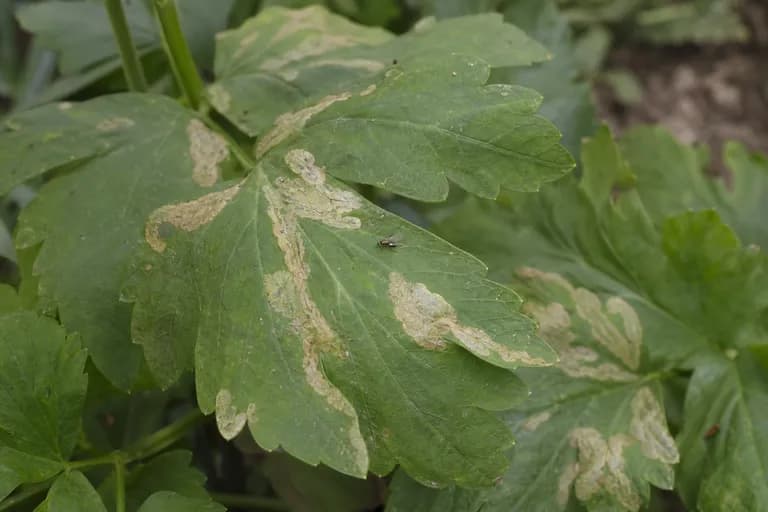
Sellerie-Blattminierfliege
SchädlingBlasse, gewundene Tunnel in den Blättern, braune papierartige Flecken auf dem Laub, verminderte Pflanzenvitalität und Wachstum.
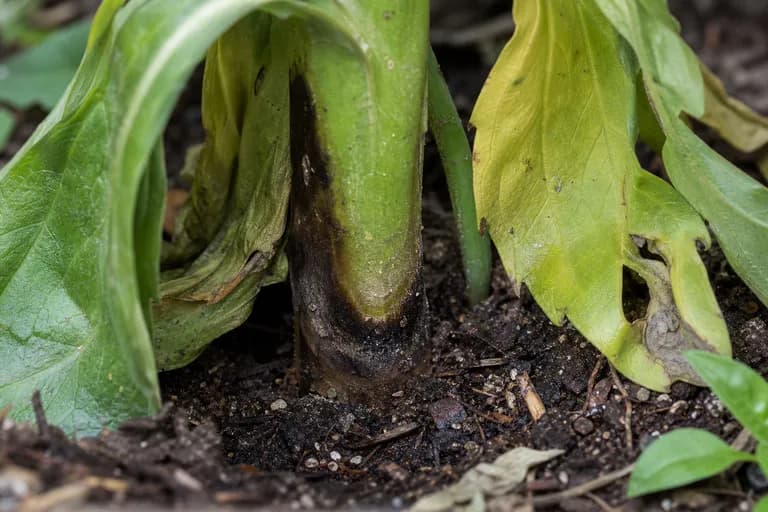
Kronenfäule
KrankheitWelken und Zusammenbrechen der Pflanze von der Basis aus, weiches, matschiges Kronengewebe, unangenehmer Geruch aus faulenden Wurzeln.
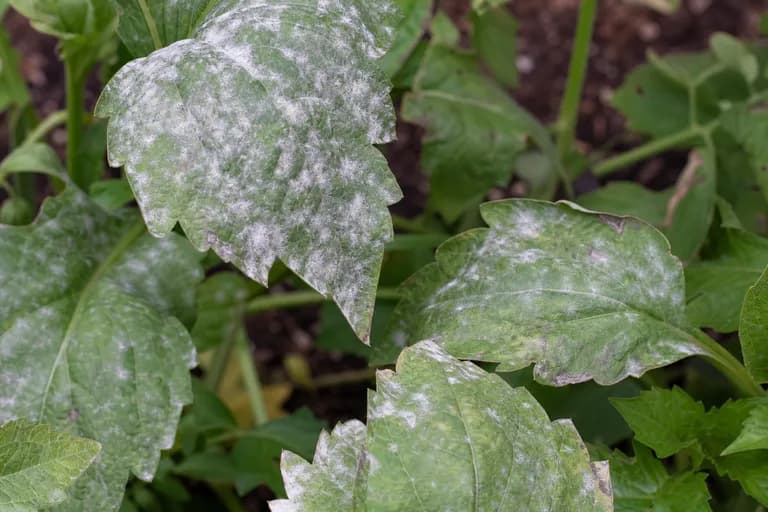
Echter Mehltau
KrankheitWeißer puddriger Belag auf Blattoberflächen, verformtes Wachstum, vorzeitiger Blattfall bei starkem Befall.
Fehlerbehebung bei häufigen Problemen
Die häufigste Herausforderung bei Engelwurz ist die Saatgutkeimfähigkeit: Samen verlieren ihre Keimfähigkeit innerhalb von Wochen nach der Ernte, daher immer frisches Saatgut sofort aussäen. Die zweijährige Natur der Engelwurz bedeutet, dass sie im zweiten Jahr blüht, Samen ansetzt und abstirbt – für eine kontinuierliche Versorgung ist Staffelaussaat erforderlich. Hohe Stängel sind anfällig für Windschäden und müssen an exponierten Standorten gestützt werden. Kronenfäule kann bei schlecht durchlässigem Boden auftreten, obwohl die Pflanze Feuchtigkeit bevorzugt. Schnecken werden vom üppigen Laub angezogen, besonders bei Jungpflanzen.
Anbautipps
- Immer das frischest mögliche Saatgut verwenden – die Keimfähigkeit von Engelwurz-Samen nimmt nach einigen Monaten der Lagerung dramatisch ab. Am besten Samen sofort nach der Reife im Spätsommer aussäen und so natürliche Kältestratifikation über den Winter für kräftige Frühjahrskeimung ermöglichen.
- Einen Pflanzstandort im Halbschatten mit reichem, gleichmäßig feuchtem Boden wählen. Engelwurz wächst natürlich entlang von Bächen und an feuchten Waldrändern – das Nachahmen dieser Bedingungen im Garten ist der wichtigste Einzelfaktor für den Erfolg.
- Samen beim Aussäen nicht abdecken. Engelwurz benötigt Licht zum Keimen. Samen sanft auf die Oberfläche feuchter Komposterde drücken und gleichmäßig feucht halten. Die Keimung ist langsam (14–28 Tage) und Geduld ist unerlässlich.
- Pflanzen 60–90 cm voneinander entfernt pflanzen, um ihre beachtliche ausgewachsene Größe zu berücksichtigen. Eine Erstjahres-Rosette kann sich auf 90 cm ausbreiten, und zweijährige Blütenpflanzen erreichen 1,5–2,5 Meter Höhe mit einem breiten Blatt- und Blütendach.
- Großzügig mit Kompost, Lauberde oder Stroh mulchen, um die gleichmäßige Bodenfeuchtigkeit aufrechtzuerhalten, die Engelwurz benötigt. Trockenstress verursacht Blattverbrennungen, vorzeitiges Schossen und bitter schmeckende Stängel. In trockenen Klimazonen ist zusätzliche Bewässerung während der gesamten Wachstumssaison unerlässlich.
- Stängel für das Kandieren im späten Frühling des zweiten Jahres ernten, wenn sie jung, zart und hellgrün sind – bevor die äußere Haut zu zäh und faserig wird. Stängel an der Basis schneiden und bei Bedarf schälen, bevor sie weiterverarbeitet werden.
- Um das zweijährige Leben der Pflanze in ein drittes oder viertes Jahr zu verlängern, alle Blütenstängel entfernen, sobald sie erscheinen. Dies hindert die Pflanze daran, ihren Fortpflanzungszyklus abzuschließen, und zwingt sie, weiterhin Laub aus der Grundrosette zu produzieren.
- Mindestens eine Pflanze pro Saison blühen und Samen ansetzen lassen für die Folgeaussaat. Engelwurz sät sich in feuchtem Boden leicht selbst aus, und die freiwilligen Sämlinge, die rund um die Mutterpflanze erscheinen, sind der einfachste Weg, eine dauerhafte Versorgung aufrechtzuerhalten.
- Wurzeln für Trocknung und Tee im Herbst des ersten Jahres oder sehr früh im Frühling des zweiten Jahres ernten, bevor sich der Blütenstängel verlängert. Sobald die Pflanze schießt, wird die Wurzel holzig und verliert ihr aromatisches Potenzial und ihren medizinischen Wert.
- Darauf achten, dass Engelwurz-Saft bei manchen Personen in Kombination mit Sonneneinstrahlung phototoxische Hautreaktionen (Phytophotodermatitis) verursachen kann. Bei der Ernte von Stängeln an sonnigen Tagen Handschuhe und lange Ärmel tragen und die Haut nach dem Umgang mit der frischen Pflanze gründlich waschen.
Bau deine beste Engelwurz an — und alles drumherum.
Starte heute kostenlos. Lege deine Beete an, setze deine Engelwurz ein und lass PlotMyGarden Timing, Abstände, Begleiter und Erinnerungen von der Saat bis zum Erntekorb übernehmen.
Finde deine Engelwurz
Angelica archangelica
Die klassische Gartenangelika mit großen zusammengesetzten Blättern und grünlich-weißen Blütendolden. Wird bis zu 2,5 Meter hoch und ist die Art, die zum Kandieren und zur Likörherstellung verwendet wird.
Angelica gigas
Koreanische Engelwurz mit dramatisch tiefvioletten Stängeln und dunkelkarmesinroten Blütenköpfen. Eher als Zierpflanze bekannt, aber auch in der asiatischen Heilkunde verwendet.
Angelica sylvestris 'Vicar's Mead'
Eine Wildangelika-Selektion mit violett getöntem Laub und rosa Blütentrauben. Kleiner als die Gartenangelika mit 1,2–1,5 Metern, geeignet für Zierbeete.
Kandierte Engelwurz kostet in Fachgeschäften für Backzubehör 15–30 € pro 100 g, und Engelwurz-Wurzel wird bei Kräuteranbietern für 8–15 € pro 100 g verkauft. Eine einzelne Gartenpflanze kann genug Stängel für mehrere Chargen kandierter Engelwurz im Wert von 50–100 € zu Einzelhandelspreisen produzieren, plus Wurzelmaterial im Wert von 20–40 €. Engelwurz-ätherisches Öl und Tinkturen gehören zu den teuersten Kräuterprodukten, was den Heimanbau äußerst wirtschaftlich macht. Ein Samentütchen für 3–5 € kann durch Selbstaussaat jahrelange kontinuierliche Produktion liefern, womit die laufenden Kosten effektiv null sind.
Schnelle Rezepte
Kandierte Engelwurz-Stängel
45 Min. + 2 TageEin klassisches europäisches Konfekt aus dem Mittelalter – zarte junge Engelwurz-Stängel werden über mehrere Tage langsam mit Zuckersirup getränkt und dann getrocknet, um schmucke hellgrüne Dekorationen für Kuchen, Gebäck und Desserts zu schaffen. Das einzigartige kräuterartig-süße Aroma lässt sich mit keiner anderen Zutat nachahmen.
5 Zutaten
Engelwurz-Wurzel-Verdauungstee
15 Min.Ein wärmender, aromatischer Kräutertee, der aus getrockneter Engelwurz-Wurzel gebrüht und traditionell nach den Mahlzeiten eingenommen wird, um die Verdauung zu erleichtern und den Magen zu beruhigen. Der Tee hat ein komplexes Geschmacksprofil – erdig, leicht bitter, mit süßlich-moschusartigen Untertönen, die an Wacholder und Sellerie erinnern.
5 ZutatenEngelwurz-Rhabarber-Kompott
25 Min.Junge Engelwurz-Stängel und -Blätter verleihen säuerlichem Rhabarber in diesem eleganten skandinavisch inspirierten Kompott eine komplexe kräuterische Süße. Die Engelwurz reduziert die benötigte Zuckermenge und trägt eine blumig-moschusartige Note bei, die einfach geschmorten Rhabarber in etwas Außergewöhnliches verwandelt.
6 ZutatenKulinarische Verwendung
Engelwurz-Stängel werden traditionell kandiert und zur Dekoration von Kuchen, Gebäck und Süßwaren verwendet. Frische junge Stängel können mit Rhabarber geschmort werden, um dessen Säure zu mildern. Blätter verleihen Fischgerichten, Salaten und Kräutertees eine subtil moschusartige Süße. Die Samen aromatisieren Gin, Wermut und den traditionellen skandinavischen Likör Aquavit. Wurzeln werden zur Aromatisierung von Chartreuse und Benediktiner-Likören verwendet. Das Aroma ist komplex, mit Noten von Sellerie, Wacholder und Anis.
Was drinsteckt
Gesundheitsvorteile
- Traditionell als starkes Carminativum und Verdauungstonikum verwendet – Engelwurz-Wurzeltee regt den Appetit an, lindert Blähungen und Völlegefühl und unterstützt eine gesunde Verdauung, indem er die Produktion von Magensäften und die Gallensekretion fördert.
- Enthält entzündungshemmende Cumarine und Furanocumarine wie Angelicin und Imperatorin, von denen die Forschung nahelegt, dass sie zur Verringerung von Entzündungen in den Atemwegen und im Verdauungstrakt beitragen können – was die lange traditionelle Verwendung der Pflanze bei Bronchitis und Verdauungsbeschwerden stützt.
- Reich an antioxidativen Verbindungen wie Ferulasäure, Kaffeesäure und Chlorogensäure, die freie Radikale neutralisieren und die Zellgesundheit unterstützen sowie oxidativen Stress im ganzen Körper reduzieren können.
- Die ätherischen Ölverbindungen Alpha-Pinen und Limonen in Engelwurz haben in Laborstudien antimikrobielle Eigenschaften gezeigt und bieten potenzielle natürliche Unterstützung gegen bakterielle und pilzliche Krankheitserreger.
- In der traditionellen skandinavischen und europäischen Kräuterheilkunde als wärmendes Kreislaufstimulans verwendet – Engelwurz-Wurzelzubereitungen sollen die periphere Durchblutung verbessern, kalte Gliedmaßen erwärmen und den kardiovaskulären Tonus unterstützen.
- Enthält Polysaccharide, von denen erste Forschungsergebnisse nahelegen, dass sie die Immunfunktion durch Stimulierung der Aktivität von Makrophagen und anderen Immunzellen unterstützen können – was dem mittelalterlichen Glauben an Engelwurz als Schutzkraut gegen Infektion und Ansteckung entspricht.
Woher Engelwurz stammt
Angelica archangelica ist in den subarktischen und kühl-gemäßigten Regionen Nordeuropas und Asiens beheimatet, mit einem ursprünglichen Verbreitungsgebiet von Island und Skandinavien über Nordrussland bis nach Sibirien. Sie gedeiht natürlich entlang von Flussufern, auf feuchten Wiesen und in Küstengebieten, wo der Boden gleichmäßig feucht bleibt. Die Vorliebe der Pflanze für kühle, feuchte Klimazonen spiegelt ihre Herkunft aus den borealen Zonen wider, wo die Sommertage lang, die Temperaturen aber moderat sind.
Engelwurz nimmt einen herausragenden Platz in den Kräutertraditionen mehrerer Kulturen ein. Die nordischen und samischen Völker Skandinaviens gehörten zu den ersten, die ihren Wert erkannten, und verwendeten die Stängel als Gemüse, die Wurzeln als Heilmittel und die gesamte Pflanze als Nahrungsquelle in mageren Zeiten. Archäologische Belege deuten darauf hin, dass Engelwurz in Skandinavien seit mindestens tausend Jahren gesammelt und angebaut wird. In Island und Norwegen wurde sie so geschätzt, dass wilde Engelwurz-Bestände als Privateigentum galten und der Diebstahl der Pflanze nach mittelalterlichem Recht strafbar war.
Die Pflanze gelangte durch Klostergärten im Mittelalter in die europäische Kräutermedizin. Ihr dramatischer Name leitet sich von der Legende des Erzengels Michael ab, der sie als Pestmittel offenbart haben soll, und diese Verbindung mit göttlichem Schutz machte sie zu einem der verehrtesten Kräuter im mittelalterlichen Arzneischatz. Paracelsus, der große Arzt der Renaissance, nannte sie das höchste Heilkraut. Sie war eine Schlüsselzutat in Theriaka und anderen zusammengesetzten Arzneimitteln, die als Schutz vor der Pest galten. Klöster in ganz Europa bauten Engelwurz ausgiebig an und verbreiteten sie weit über ihr natürliches Verbreitungsgebiet hinaus.
Ab dem 16. Jahrhundert gewann Engelwurz zunehmend an Bedeutung in den Küchen- und Likörtraditionen Frankreichs, Italiens und Spaniens. Französische Konditoren in der Stadt Niort entwickelten die Kunst, Engelwurz-Stängel zu dem ikonischen hellgrünen Konfekt zu kandieren, das noch heute zur Kuchendekoration verwendet wird. Die Kartäusermönche, die 1737 den Chartreuse-Likör kreierten, nahmen Engelwurz als eine ihrer 130 botanischen Zutaten auf, und sie bleibt ein zentrales Element vieler handwerklicher Spirituosen. Heute wird Engelwurz kommerziell in Frankreich, Deutschland, Belgien und den Niederlanden angebaut, während wilde Bestände in ihrem ursprünglichen nördlichen Verbreitungsgebiet weiterhin gedeihen.
Engelwurz: Schon gewusst?
Faszinierende Fakten über Engelwurz
Angelica archangelica verdankt ihren himmlischen Namen einer mittelalterlichen Legende, der zufolge der Erzengel Michael im Traum erschien, um die Pflanze als Heilmittel gegen die Pest zu offenbaren – ihr Ruf als mächtiges Schutzkraut hielt sich jahrhundertelang in ganz Europa.
Engelwurz: Fragen & Antworten
Wann sollte ich Engelwurz pflanzen?
Was sind gute Begleitpflanzen für Engelwurz?
In welchen Winterhärtezonen kann Engelwurz wachsen?
Wie viel Sonne braucht Engelwurz?
Welchen Abstand sollte ich zwischen Engelwurz lassen?
Welche Schädlinge und Krankheiten befallen Engelwurz?
Wie lagere ich Engelwurz nach der Ernte?
Was sind die besten Engelwurz-Sorten zum Anbauen?
Welchen Boden braucht Engelwurz?
Ist Engelwurz schwer aus Samen anzuziehen?
Ist Gartenangelika dieselbe Pflanze wie in der traditionellen chinesischen Medizin verwendet?
Kann ich alle Teile der Engelwurz-Pflanze essen?
Warum ist meine Engelwurz-Pflanze nach der Blüte gestorben?
Kann Engelwurz in warmen Klimazonen wachsen?
Ist Engelwurz für jeden sicher zu verwenden?
Du hast die Theorie gelesen. Jetzt baue sie auf Autopilot an.
Alles, was Engelwurz knifflig macht — das Timing, die Abstände, die Begleiter, das Erntefenster — genau das übernimmt PlotMyGarden für dich, für jede Pflanze im Garten.
Ein Plan, der dein Wetter kennt
Standort einmal festlegen. Aussaat-, Dünge- und Erntedaten rund um deinen echten letzten Frosttermin und die Live-Vorhersage — kein Raten mehr nach Saattüte.
Aus dem Abschnitt „Pflanzzeit“Beetplaner per Drag & Drop
Beete auf einem Raster gestalten. Jede Pflanze rastet im richtigen Abstand ein, und du siehst die ganze Saison, bevor du einen Cent für Saatgut ausgibst.
Aus dem Abschnitt „Anbau“Begleiter-Konflikte früh erkannt
Über 200 gute und schlechte Kombinationen werden beim Pflanzen live geprüft — so landet ein saisonruinierender Fehler nie in der Erde.
Aus dem Abschnitt „Begleiter“Erinnerungen, nach denen du wirklich handelst
„Gieß die Bohnen.“ „Heute ernten, bevor's umschlägt.“ Pünktlich, konkret und auf deine echten Pflanzen bezogen.
Aus dem Abschnitt „Ernte“Staffel-Aussaat, geplant
Sechs Wochen ernten statt sechs Tage? Die App verteilt deine Aussaaten automatisch und erinnert dich, wenn der nächste Satz fällig ist.
Aus dem Abschnitt „Pflanzzeit“Ein Verlauf, der schlauer wird
Jede protokollierte Ernte bringt der App deinen Garten bei. Der Plan fürs nächste Jahr startet bei dem, was in deinem Boden wirklich funktioniert hat.
Aus dem Abschnitt „Überblick“Pflanze diese neben Engelwurz
Weitere Küchenkräuter
Bau deine beste Engelwurz an — und alles drumherum.
Starte heute kostenlos. Lege deine Beete an, setze deine Engelwurz ein und lass PlotMyGarden Timing, Abstände, Begleiter und Erinnerungen von der Saat bis zum Erntekorb übernehmen.