Anemone (De Caen)
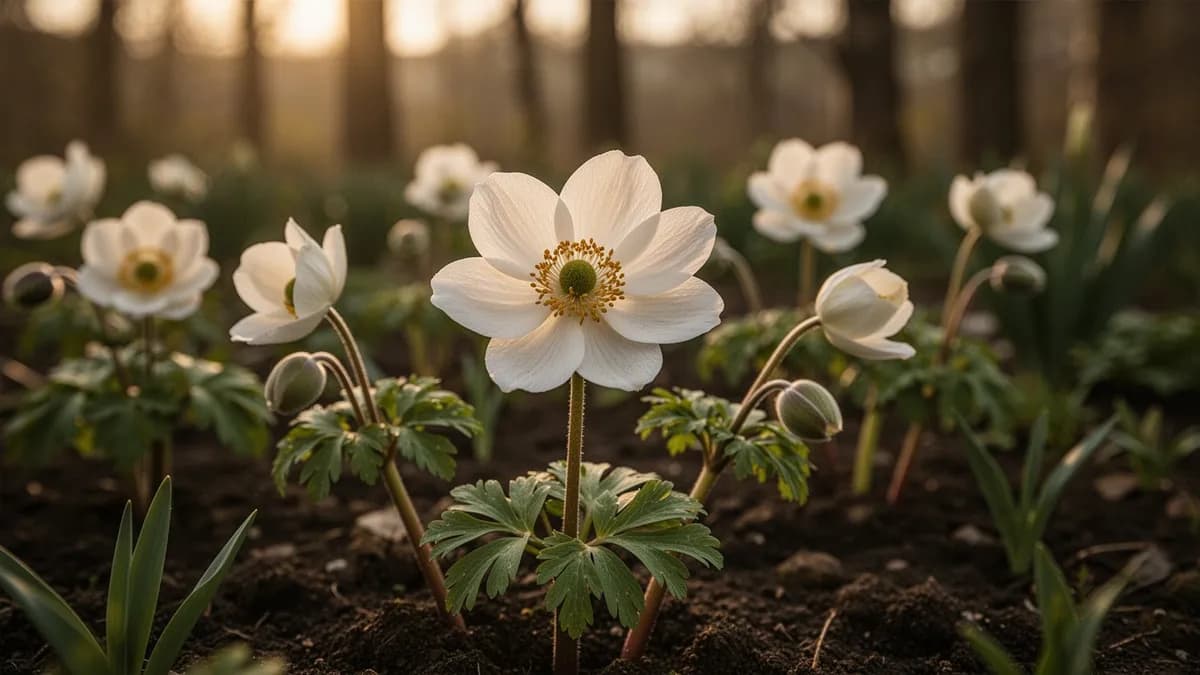
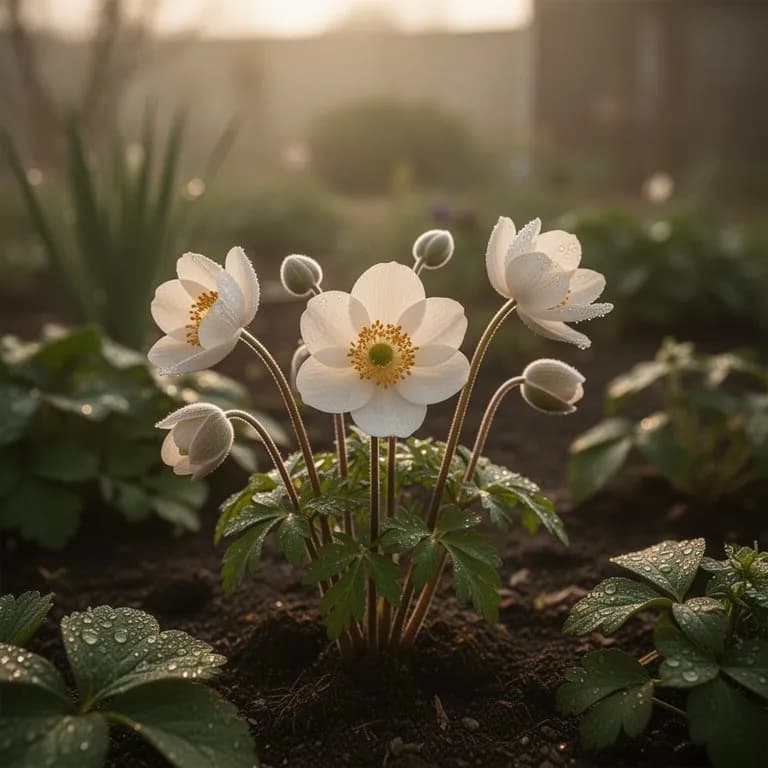
Eine bezaubernde Knollenpflanze mit mohnähnlichen Blüten in leuchtenden Edelsteinfarben wie Rot, Blau, Lila und Weiß mit dunkel kontrastierenden Mitten.





Auf dieser SeiteÜberblick
Anemone (De Caen) im Überblick
Eine bezaubernde Knollenpflanze mit mohnähnlichen Blüten in leuchtenden Edelsteinfarben wie Rot, Blau, Lila und Weiß mit dunkel kontrastierenden Mitten. Anemonen sind ausgezeichnete Schnittblumen und blühen im kühlen Frühlingswetter üppig. Die harten Knollen vor dem Pflanzen über Nacht einweichen und in Gebieten mit strengen Wintern mit Mulch schützen.
Wann Anemone (De Caen) pflanzen
Anemone coronaria kann aus Samen gezogen werden, obwohl dies wesentlich langsamer ist als das Pflanzen von Knollen. Samen im Herbst in Töpfe mit sandigem, gut drainierendem Substrat säen. Kaum bedecken und kühl halten (10–13 °C). Die Keimung ist langsam und ungleichmäßig und dauert 3–6 Wochen. Sämlinge im ersten Jahr in Töpfen aufziehen, dabei feucht, aber nie zu nass halten. Im zweiten Herbst in den Garten umpflanzen. Erste Blüten sind im zweiten Frühling zu erwarten.
Dein Anemone (De Caen)-Jahr
Abgestimmt auf Zone 7 · typische Saison · Frost geht um den 2. Apr. und kehrt um den 1. Nov. zurück
Anemone (De Caen) Feb – Mär, Okt – Nov pflanzen, Mär – Mai ernten. Beachte die Pflanzmethoden unten und wähle dein Klima für passende Zeiträume.
So baust du Anemone (De Caen) an
Anemone coronaria-Knollen sind klein, hart und unregelmäßig geformt, sodass es schwierig ist, oben von unten zu unterscheiden. Vor dem Pflanzen 4–6 Stunden in Wasser bei Zimmertemperatur einweichen, um sie wieder zu befeuchten und das Auskeimen zu fördern. 5 cm tief und 10–15 cm voneinander entfernt einpflanzen. Bei Unsicherheit über die Ausrichtung die Knolle seitlich legen – die Triebe finden ihren Weg nach oben.
In milden Klimazonen (Zonen 7–10) Knollen im Herbst für Frühjahrsblüte einpflanzen. In kälteren Regionen im Spätwinter oder frühen Frühling pflanzen, sobald der Boden bearbeitet werden kann, oder drinnen in Töpfen vorziehen. Anemonen bevorzugen kühle Wachstumsbedingungen und blühen besonders üppig bei Temperaturen zwischen 10 und 18 °C.
Während Wachstum und Blüte gleichmäßig feucht halten, jedoch auf gute Drainage achten, um Knollenfäule zu vermeiden. Verblühte Blüten regelmäßig entfernen, um die weitere Blüte anzuregen. Nach der Blüte das Laub auf natürliche Weise absterben lassen. In Zone 6 und kälter eine dicke Mulchschicht zum Winterschutz auftragen oder die Knollen ausgraben und drinnen einlagern.
288 Pflanzen passen in ein Beet von 120 × 240 cm
Anemone (De Caen) braucht 10 cm Platz pro Pflanze. Der Planer hält diesen Abstand für dich ein — jede Pflanze, jedes Beet.
Die besten Nachbarn für Anemone (De Caen)
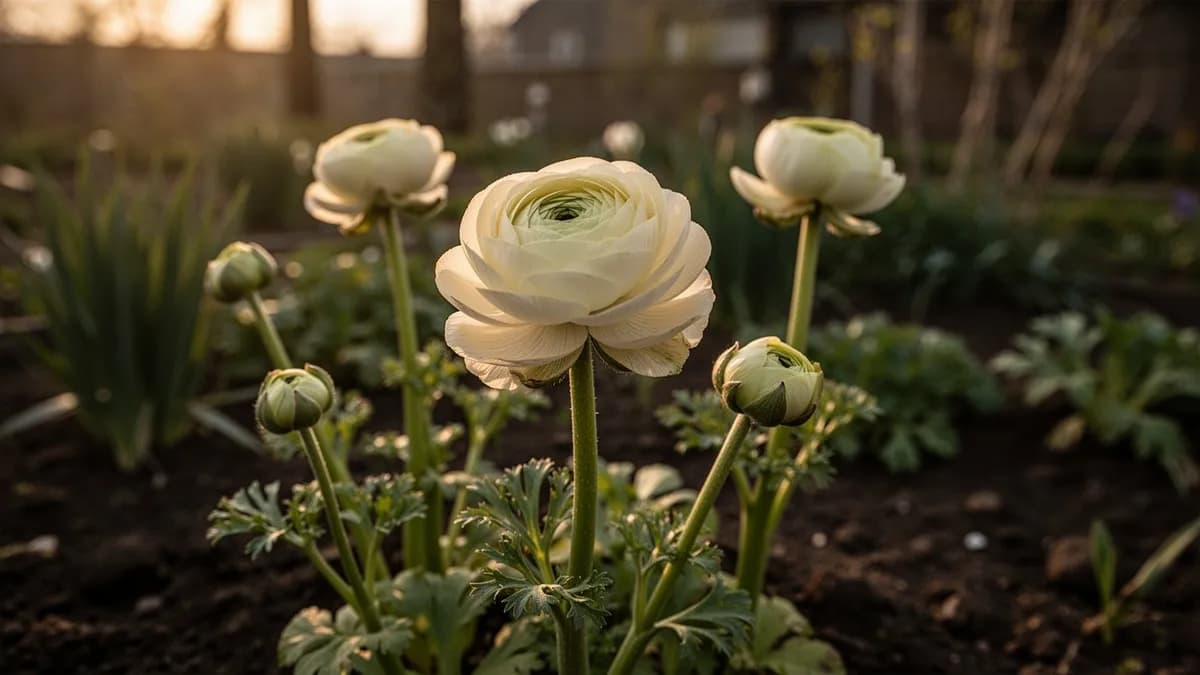
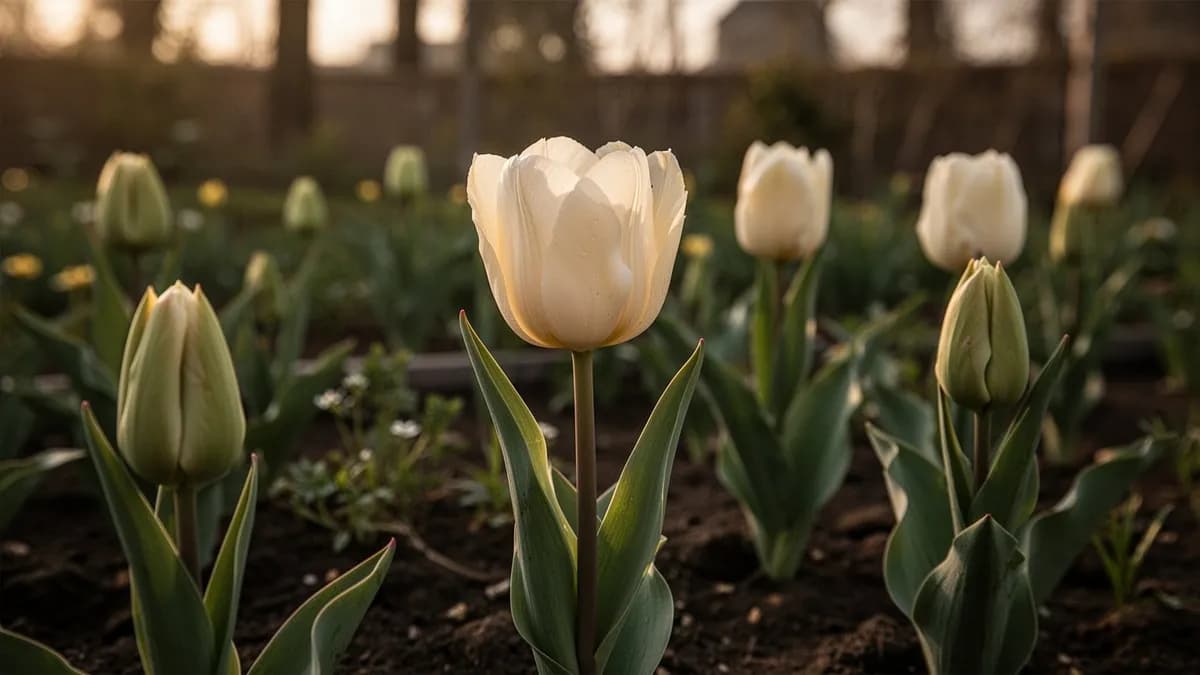
Anemone coronaria harmoniert perfekt mit Ranunkeln, da beide identische Wachstumsanforderungen haben und gleichzeitig in edelsteinfarbenen Tönen blühen. Zusammen mit Duftwicken, Rittersporn und Löwenmäulchen für einen vollständigen Kühlsaison-Schnittgarten pflanzen. In ornamentalen Rabatten kombinieren sie sich wunderschön mit Tulpen, Narzissen und Vergissmeinnicht. Durch ihren niedrigen Wuchs eignen sie sich hervorragend als Vordergrundpflanzen unter höheren Frühlingsblumen.
Ranunkel gehört daneben.
Altes Gärtnerwissen, geprüft an der echten Nachbartabelle von Anemone (De Caen) — teste jede Pflanze, die du anbaust.
Probiere Anemone (De Caen) direkt hier im Beet
Ein echtes Planer-Beet, Anemone (De Caen) steht schon drin. Tippe einen Begleiter an, platziere ihn und sieh, wie die Nachbarschaftsprüfung antwortet — grün für gute Nachbarn, rot bei Streit.


Passende Anbau-Ratgeber
Richtig düngen
Anemone coronaria benötigt gut drainierten, humosreichen Boden mit einem pH-Wert von 6,0–7,0. Schwerer Lehmboden muss mit Kompost und Perlite oder grobem Sand verbessert werden. Beim Pflanzen einen ausgewogenen Langzeitdünger in den Boden einarbeiten. Während des aktiven Wachstums alle zwei Wochen mit halbkonzentriertem Flüssigdünger düngen. Überschüssigen Stickstoff vermeiden, da er das Laubwachstum auf Kosten der Blüten fördert.
Ideale Temperatur
Winterhärtezone-Kompatibilität
Von der Saat zur Ernte, Schritt für Schritt
Knollen einweichen & Pflanzen
Getrocknete Knollen werden 4 bis 8 Stunden in lauwarmem Wasser eingeweicht, bis sie sichtbar angeschwollen sind, dann 5 bis 8 cm tief und 8 bis 10 cm voneinander entfernt in gut drainierten Boden gepflanzt. Da die Knollen unregelmäßig geformt sind, ist die Ausrichtung nicht besonders wichtig; die Wurzeln finden ihren Weg nach unten.
Wurzelbildung
Unterirdisch sendet die rehydrierte Knolle feine weiße Wurzeln aus, die sie im umgebenden Boden verankern. Während dieser Phase, die mit den kühlen Wintermonaten zusammenfällt, ist kein oberirdisches Wachstum sichtbar, während sich die Wurzelsysteme stetig entwickeln.
Laubaustrieb
Mit steigenden Bodentemperaturen im Spätwinter bis frühen Frühling durchstoßen fein gefiederte, farnähnliche Blätter die Bodenoberfläche. Das tief eingeschnittene Laub bildet einen niedrigen, basalen Hügel von typischerweise 10 bis 15 cm Höhe und betreibt Photosynthese, um die bevorstehende Blüte zu fördern.
Blüte
Gänseblümchenartige Blüten öffnen sich auf schlanken Stielen 10 bis 20 cm über dem Laub. Jede Blüte ist 4 bis 5 cm groß mit 10 bis 15 schmalen, blütenblattartigen Kelchblättern in Blau, Rosa oder Weiß, die einen zentralen Ring leuchtend gelber Staubblätter umgeben. Blüten öffnen sich bei Sonnenschein und schließen sich an bewölkten Tagen und nachts.
Samenbildung & Laubvergilbung
Nach der Bestäubung entwickeln sich flauschige Samenköpfe. Das Laub beginnt sich zu vergilben und zu welken, während die Pflanze die Energie zurück in die unterirdische Knolle leitet. Samen können für die Vermehrung gesammelt werden, obwohl die Keimung langsam und ungleichmäßig ist.
Sommerruhe
Die Knolle ruht während der warmen Sommermonate unterirdisch. Das gesamte oberirdische Wachstum ist verschwunden, und die Pflanzfläche kann kahl erscheinen. Die Knolle produziert langsam kleine Tochterknollen, die sich in den folgenden Saisons zu neuen Pflanzen entwickeln.
Herbstreaktivierung
Wenn die Herbstregen zurückkehren und die Bodentemperaturen sinken, bricht die Knolle aus der Ruhe und beginnt, neue Wurzeln für den nächsten Wachstumszyklus auszusenden. Diese Phase findet vollständig unterirdisch statt und wird durch die Kombination aus Feuchtigkeit und sinkenden Temperaturen ausgelöst.
Im Herbst (September bis November) für Frühjahrsblüte pflanzen. Einen Standort mit Halbschatten bis voller Sonne unter Laubbäumen wählen.
Anemone (De Caen) Monat für Monat pflegen
Was du jeden Monat für deine Anemone (De Caen) tun solltest
Oktober
Aktueller MonatAlle Neupflanzungen abschließen, bevor der Boden gefriert. Eine 5 cm dicke Schicht Laubmulch oder zerkleinerter Rinde über Pflanzflächen als Winterisolierung auftragen.
Immer wissen, was jetzt im Garten zu tun ist
Eine E-Mail zum Monatsanfang: was du jetzt säen, pflanzen und anpacken solltest — für deine Anemone (De Caen) und alles, was drumherum wächst. Dazu ein kurzer Startkurs, der dich vor den klassischen Fehlern bewahrt.
- Was jetzt zu tun ist
- Passend zu deiner Saison
- Startkurs inklusive
Anemone (De Caen) ernten
Anemonenblüten schneiden, wenn die Knospen volle Farbe zeigen, aber bevor sie vollständig geöffnet sind – sie öffnen sich in der Vase weiter. Am frühen Morgen schneiden, mit möglichst langen Stielen. Anemonen sind ausgezeichnete Schnittblumen und halten 5–7 Tage in frischem Wasser. Stiele alle zwei Tage neu anschneiden und Wasser wechseln für maximale Haltbarkeit. Die Blüten schließen sich nachts und bei schlechten Lichtverhältnissen, öffnen sich dann wieder im hellen Licht und sorgen für ein charmantes lebendiges Arrangement.
angenommen, du pflanzt zu Beginn des Zeitraums — trage dein tatsächliches Datum ein
Aus Zwiebeln, Knollen oder Zehen
Ernte Anemone (De Caen) zügig, dann trägt die Pflanze weiter.
Lagerung & Konservierung
In Zonen 7–10 können die Knollen bei gut drainiertem Boden ganzjährig im Boden bleiben. In kälteren Zonen Knollen nach dem Absterben des Laubes ausgraben, Erde abklopfen und eine Woche an einem warmen, belüfteten Ort trocknen. In Papiertüten mit trockenem Vermiculit bei 13–18 °C lagern. Vor dem Wiedereinpflanzen erneut einweichen. Knollen, die im nassen Winterboden verbleiben, faulen. In Grenzlagen kann eine 10 cm dicke Strohschicht ausreichend Schutz bieten.
Was schiefgeht — und die Lösung
Blattläuse
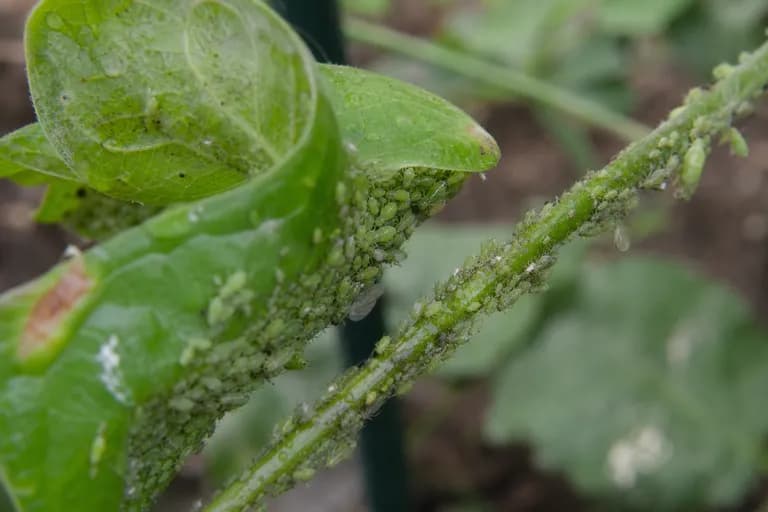
SchädlingGrüne oder schwarze Insekten, die sich an Stielen und Knospen ansammeln. Verformte Blütenknospen, die sich nicht richtig öffnen.

Falscher Mehltau
KrankheitBlasse Flecken auf der Blattoberseite mit grauem Schimmel darunter. Blätter rollen sich in schweren Fällen ein und verformen sich.
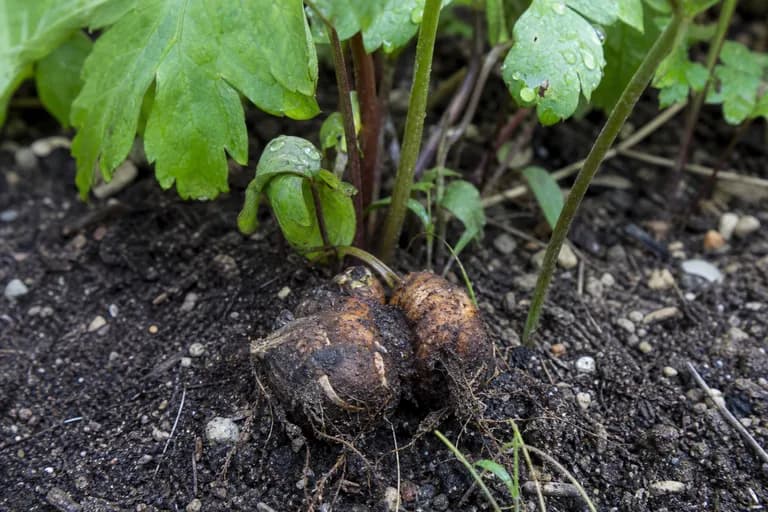
Knollenfäule (Rhizoctonia)
KrankheitKnollen entwickeln braune, eingesunkene Läsionen. Pflanzen treiben schwach oder gar nicht aus. Wurzeln können braune Verfärbungen zeigen.
Fehlerbehebung bei häufigen Problemen
Knollen, die vor dem Auskeimen faulen, sind häufig, meist durch Überwässerung oder schlechte Drainage. Anemonen, die viel Laub, aber wenige Blüten produzieren, erhalten möglicherweise zu viel Stickstoff oder zu wenig Sonne. In heißen Klimazonen endet die Blüte abrupt, wenn die Temperaturen 21 °C übersteigen – eine Pflanzzeit für die kühle Jahreszeit ist daher entscheidend. Vögel können an aufkeimenden Trieben zerren; mit leichtem Vogelschutznetz schützen.
Anbautipps
- Getrocknete Knollen immer 4 bis 8 Stunden in lauwarmem Wasser einweichen, bevor sie gepflanzt werden, um sie wieder zu befeuchten und die Keimraten deutlich zu verbessern.
- Knollen im Herbst 5 bis 8 cm tief und 8 bis 10 cm voneinander entfernt einpflanzen; die Ausrichtung spielt keine Rolle, da die unregelmäßig geformten Knollen die Wurzeln unabhängig von der Lage nach unten senden.
- Einen Standort mit gut drainiertem Boden in Halbschatten bis voller Sonne wählen; der ideale Standort erhält Morgensonne und gesprenkelten Nachmittagsschatten, beispielsweise unter Laubbäumen.
- Schwere Lehmböden vor dem Pflanzen mit grobem Sand und Kompost verbessern, um die Drainage zu verbessern, da Knollen bei Staunässe während der Winterruhe zur Fäule neigen.
- Nach dem Pflanzen eine dünne Schicht Laubmulch oder zerkleinerter Rindenmulch auftragen, um Knollen zu isolieren, Feuchtigkeit zu halten und die natürliche Waldstreu nachzuahmen, in der diese Pflanzen sich entwickelt haben.
- Das Laub nach der Blüte vollständig absterben lassen, bevor es entfernt wird; vorzeitiges Blattentfernen schwächt die Knolle und reduziert die Blütenzahl des nächsten Jahres.
- Pflanzorte im Sommer mit kleinen Stäben oder Schildern markieren, damit ruhende Knollen nicht versehentlich bei anderen Gartenarbeiten ausgegraben oder beschädigt werden.
- Mit später austreibenden Stauden wie Funkien oder Farnen unterpflanzen, die die Lücke füllen, wenn das Anemonenlaub im Spätfrühling verschwindet.
- Dicht bepflanzte Horste alle 3 bis 4 Jahre im Spätsommer teilen, indem die Knollen ausgehoben, Ausläufer getrennt und sofort in der ursprünglichen Tiefe wieder eingepflanzt werden.
- In den USDA-Zonen 4 und 5 im Spätherbst eine zusätzliche 5 bis 8 cm dicke Strohschicht auftragen, um Knollen vor tiefem Frost und Frosthebungsschäden zu schützen.
Bau deine beste Anemone (De Caen) an — und alles drumherum.
Starte heute kostenlos. Lege deine Beete an, setze deine Anemone (De Caen) ein und lass PlotMyGarden Timing, Abstände, Begleiter und Erinnerungen von der Saat bis zum Erntekorb übernehmen.
Finde deine Anemone (De Caen)
Anemone 'De Caen' Mischung
Klassische einfach blühende Anemonen in leuchtendem Rot, Blau, Lila und Weiß mit dunkel kontrastierenden Mitten. Die am weitesten verbreitete Sorte.
Anemone 'St. Brigid' Mischung
Gefüllte und halbgefüllte Blüten mit zusätzlichen Petalenlagen, die einen volleren, stärker gekräuselten Eindruck als De-Caen-Typen erzeugen.
Anemone 'Bordeaux'
Tiefweinrote, einfache Blüten mit samtschwarzer Mitte. Dramatisch und kultiviert in Arrangements.
Anemone 'Galilee' Serie
Israelisch gezüchtet für die Schnittblumenproduktion mit langen, kräftigen Stielen und großen Blüten. In einer breiten Farbpalette erhältlich.
Anemone-blanda-Knollen gehören zu den erschwinglichsten frühlingsblühenden Zwiebeln, typischerweise zu 8 bis 15 Cent pro Knolle beim Kauf in Massensäcken mit 50 bis 100 Stück erhältlich. Da sie sich durch Selbstaussaat und Knollenausläufer bereitwillig naturalisieren, kann eine einzige Erstbepflanzung mit 50 Knollen (Kosten ca. 5 bis 8 Euro) innerhalb von 4 bis 5 Jahren ohne weitere Käufe zu einer Kolonie von mehreren hundert Pflanzen heranwachsen. Im Vergleich zur jährlichen Neubepflanzung mit einjährigen Bettblumen zu 3 bis 5 Euro pro Sechserpack kann eine dauerhafte Kolonie Griechischer Windblumen 30 bis 50 Euro oder mehr pro Jahr in einer typischen Gartenrabatte einsparen und dabei jahrzehntelang zuverlässige Farbe liefern.
Schnelle Rezepte
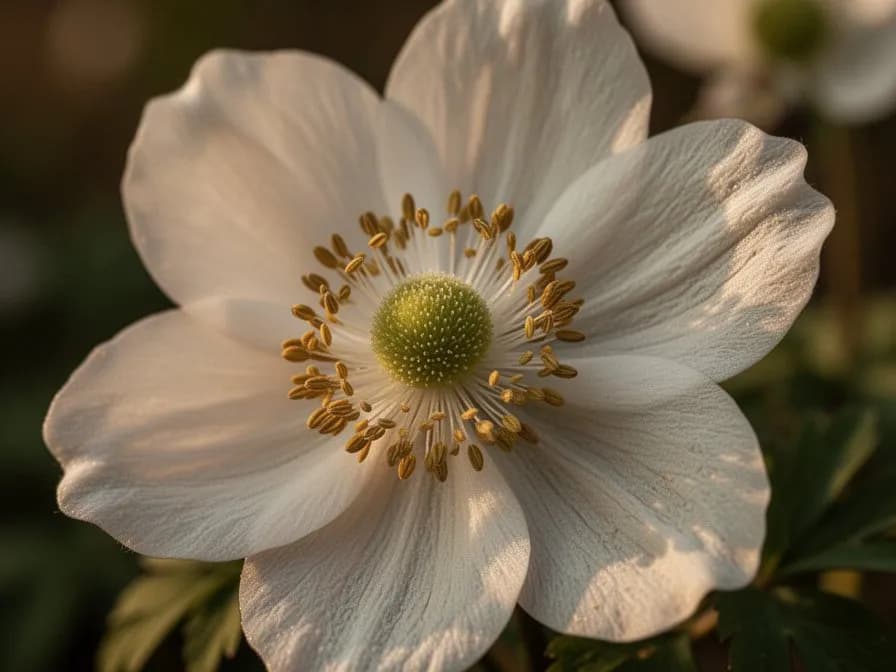
Gepresste Anemonen-Botanik-Kunst
10 Min. aktiv, 2–3 Wochen PressenBewahren Sie die zarte Schönheit der Griechischen Windblumenblüten, indem Sie sie zwischen Pergamentpapierschichten in einem schweren Buch pressen. Nach dem Trocknen die flachgedrückten Blüten auf säurefreiem Karton arrangieren und für langlebige botanische Wandkunst rahmen.
6 Zutaten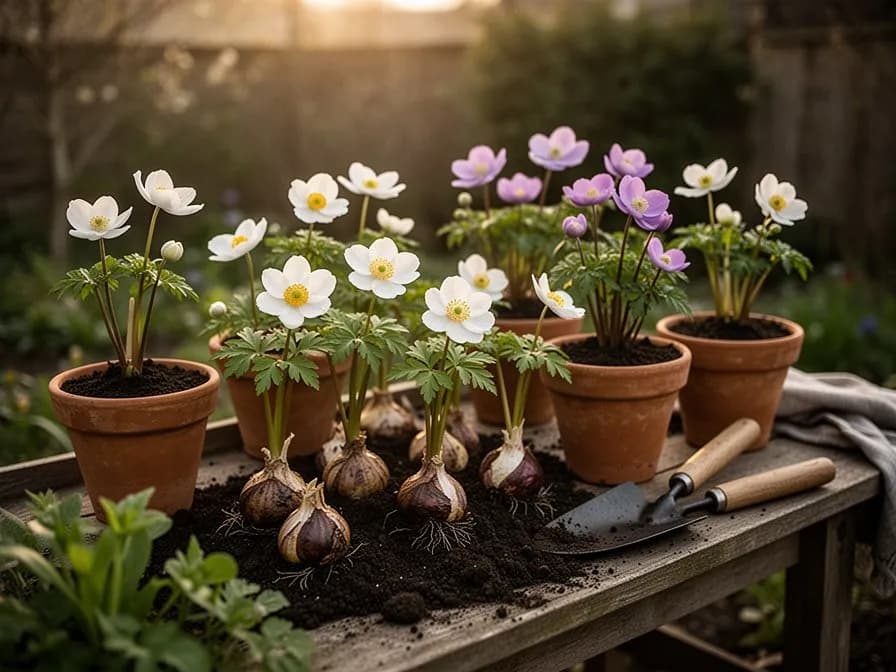
Frühlings-Windblumen-Tischgesteck
15 Min.Erstellen Sie ein charmantes Miniatur-Blumengesteck, indem Sie frisch geschnittene Anemone-blanda-Blüten in einer flachen Keramikschüssel mit Wasser schwimmen lassen. Einige Moosranken und kleine Flusskiesel hinzufügen für ein naturalistisches Waldtischstück, das 3 bis 5 Tage hält.
6 ZutatenAnemonenknollen-Vermehrungs-Starter-Set
20 Min.Vervielfältigen Sie Ihre Griechische-Windblumen-Sammlung, indem Sie etablierte Knollenhorste im Spätsommer sorgfältig teilen. Die kleinen Tochterknollen von der Mutterknolle trennen, mit Fungizid bestäuben und sofort neu einpflanzen oder in trockenem Torfmoos für die Herbstpflanzung lagern.
6 ZutatenWas drinsteckt
Gesundheitsvorteile
- Anemone blanda wird weder als Nahrung noch als Medizin verwendet und bietet keinen direkten ernährungsbezogenen gesundheitlichen Nutzen; sie wird ausschließlich als ornamentale Gartenpflanze angebaut.
- Frühe Frühlingsblüten bieten eine wertvolle Nektar- und Pollenquelle für aufkommende Solitärbienen, Hummeln und Schwebfliegen und unterstützen lokale Bestäuberpopulationen.
- Das Gärtnern mit pflegeleichten Frühlingsblumenzwiebeln wie Anemone blanda fördert körperliche Aktivitäten im Freien während des Übergangs von Winter zu Frühling.
- Die fröhlichen Blüten der frühen Saison wurden in hortikulturellen Therapieprogrammen mit verbesserter Stimmung und reduzierten saisonalen affektiven Symptomen in Verbindung gebracht.
- Naturalisierte Bepflanzungen reduzieren den Bedarf an jährlicher Neubepflanzung, verringern den langfristigen Gartenaufwand und machen Frühlingsfarbe für Gärtner mit eingeschränkter Mobilität zugänglich.
- Dichte Bodendeckerkolonien helfen, frühe Frühlingsunkräuter zu unterdrücken und die Bodenerosion an abschüssigen Gartenbereichen zu reduzieren, bevor andere Stauden austreiben.
Woher Anemone (De Caen) stammt
Anemone blanda, allgemein als Griechische Windblume bekannt, ist ein knollenbildendes Ausdauergewächs, das in Südosteuropa und der Westtürkei heimisch ist. Sein natürliches Verbreitungsgebiet erstreckt sich über Griechenland, den Balkan und die Bergregionen Anatoliens, wo es in felsigen, gut drainierten Böden unter Laub-Eichen- und Buchenwäldern in Höhenlagen zwischen 450 und 1.500 Metern gedeiht. Die Art wurde erstmals 1818 vom deutsch-schweizerischen Botaniker Augustin Pyramus de Candolle formal beschrieben und Mitte des neunzehnten Jahrhunderts in westeuropäische Gärten eingeführt. Frühe viktorianische Pflanzensammler waren von seinen zarten, gänseblümchenähnlichen Blüten und seiner Fähigkeit, sich in gemäßigten Klimazonen weit entfernt von seiner mediterranen Heimat zu naturalisieren, fasziniert. Im frühen zwanzigsten Jahrhundert begannen niederländische Zwiebelzüchter mit der kommerziellen Produktion ausgewählter Farbformen, insbesondere des tiefen Blaus 'Atrocaerulea' und des reinen Weiß 'White Splendour', die beide noch heute weit verbreitet sind. Der gebräuchliche Name Windblume spiegelt die griechische Wurzel anemos, also Wind, wider – ein Verweis entweder auf die windigen Hanghabitate, in denen die Pflanze wild wächst, oder auf den antiken Glauben, dass die Blüten sich nur öffneten, wenn der Frühlingswind wehte. In der griechischen Mythologie hieß es, Anemonen seien aus dem Blut oder den Tränen entstanden, die über den sterbenden Adonis vergossen wurden, was die Blume mit Themen der Liebe, des Verlustes und der Erneuerung verband. Anemone blanda gehört zur Hahnenfußfamilie Ranunculaceae und ist eng mit der Busch-Windröschen (Anemone nemorosa) Nordeuropas verwandt. Im Gegensatz zu ihrer Waldverwandten bevorzugt A. blanda sonnigere, trockenere Bedingungen und eignet sich besser für Steingärten, Hochbeete und die Ränder von Kieswegen. Heute wird sie weltweit in den USDA-Winterhärtezonen 4 bis 8 kultiviert und ist für ihre frühe Frühlingsfarbe, ihren geringen Pflegeaufwand und ihre Fähigkeit geschätzt, dauerhafte, selbsttragende Kolonien mit minimaler Pflege zu etablieren.
Anemone (De Caen): Schon gewusst?
Faszinierende Fakten über Anemone (De Caen)
Der Name 'Anemone' kommt vom griechischen Wort 'anemos', was Wind bedeutet, und laut griechischer Mythologie spross die Blume aus den Tränen der Aphrodite, als sie den Tod des Adonis betrauerte.
Anemone (De Caen): Fragen & Antworten
Wann sollte ich Anemone (De Caen) pflanzen?
Was sind gute Begleitpflanzen für Anemone (De Caen)?
In welchen Winterhärtezonen kann Anemone (De Caen) wachsen?
Wie viel Sonne braucht Anemone (De Caen)?
Welchen Abstand sollte ich zwischen Anemone (De Caen) lassen?
Welche Schädlinge und Krankheiten befallen Anemone (De Caen)?
Wie lagere ich Anemone (De Caen) nach der Ernte?
Was sind die besten Anemone (De Caen)-Sorten zum Anbauen?
Welchen Boden braucht Anemone (De Caen)?
Welches Ende der Knolle sollte beim Pflanzen nach oben zeigen?
Warum sind meine Anemonenknollen nicht ausgetrieben?
Sind Anemone-blanda-Pflanzen für Haustiere giftig?
Kann ich Anemone blanda in Containern anbauen?
Wie fördere ich die Naturalisierung und Ausbreitung von Anemone blanda?
Was sind die besten Begleitpflanzen für Anemone blanda?
Du hast die Theorie gelesen. Jetzt baue sie auf Autopilot an.
Alles, was Anemone (De Caen) knifflig macht — das Timing, die Abstände, die Begleiter, das Erntefenster — genau das übernimmt PlotMyGarden für dich, für jede Pflanze im Garten.
Ein Plan, der dein Wetter kennt
Standort einmal festlegen. Aussaat-, Dünge- und Erntedaten rund um deinen echten letzten Frosttermin und die Live-Vorhersage — kein Raten mehr nach Saattüte.
Aus dem Abschnitt „Pflanzzeit“Beetplaner per Drag & Drop
Beete auf einem Raster gestalten. Jede Pflanze rastet im richtigen Abstand ein, und du siehst die ganze Saison, bevor du einen Cent für Saatgut ausgibst.
Aus dem Abschnitt „Anbau“Begleiter-Konflikte früh erkannt
Über 200 gute und schlechte Kombinationen werden beim Pflanzen live geprüft — so landet ein saisonruinierender Fehler nie in der Erde.
Aus dem Abschnitt „Begleiter“Erinnerungen, nach denen du wirklich handelst
„Gieß die Bohnen.“ „Heute ernten, bevor's umschlägt.“ Pünktlich, konkret und auf deine echten Pflanzen bezogen.
Aus dem Abschnitt „Ernte“Staffel-Aussaat, geplant
Sechs Wochen ernten statt sechs Tage? Die App verteilt deine Aussaaten automatisch und erinnert dich, wenn der nächste Satz fällig ist.
Aus dem Abschnitt „Pflanzzeit“Ein Verlauf, der schlauer wird
Jede protokollierte Ernte bringt der App deinen Garten bei. Der Plan fürs nächste Jahr startet bei dem, was in deinem Boden wirklich funktioniert hat.
Aus dem Abschnitt „Überblick“Pflanze diese neben Anemone (De Caen)
Weitere Zwiebelpflanzen
Bau deine beste Anemone (De Caen) an — und alles drumherum.
Starte heute kostenlos. Lege deine Beete an, setze deine Anemone (De Caen) ein und lass PlotMyGarden Timing, Abstände, Begleiter und Erinnerungen von der Saat bis zum Erntekorb übernehmen.