Japanese Anemone
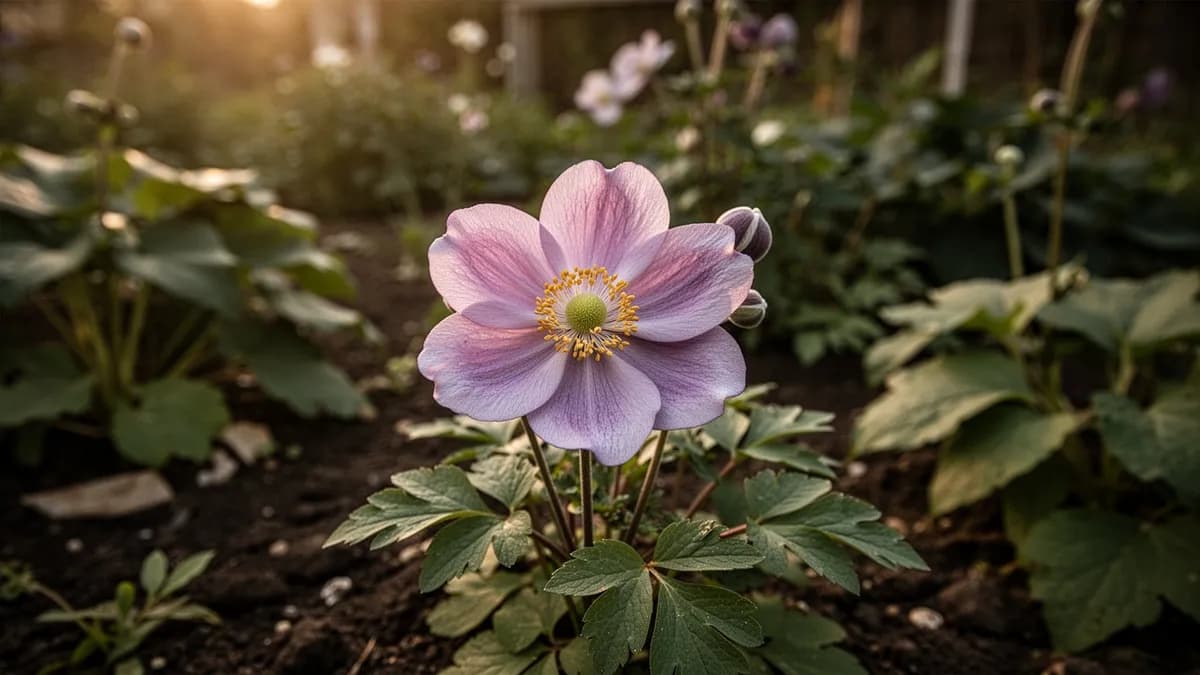
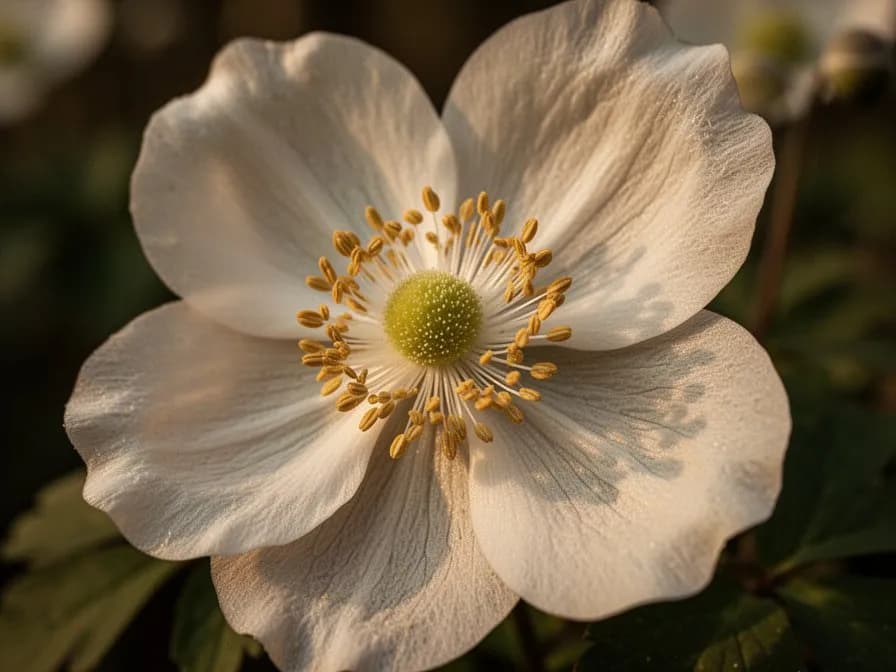
A graceful fall-blooming perennial with elegant cup-shaped flowers in pink or white on wiry stems above a mound of dark green foliage.





On this pageOverview
Meet Japanese Anemone
A graceful fall-blooming perennial with elegant cup-shaped flowers in pink or white on wiry stems above a mound of dark green foliage. Japanese anemones take a year or two to establish but then spread steadily by underground runners. They are invaluable for late-season color in partially shaded borders and woodland edges.
When to plant Japanese Anemone
Japanese anemones can be propagated from seed, root cuttings, or division. Seed should be sown fresh in autumn and left outdoors for natural stratification, as germination requires cold treatment. Seedlings are slow and variable, taking 2-3 years to flower. Root cuttings are more reliable—in late autumn, take 5-8cm sections of thick root, cut the top straight and the bottom at an angle, and insert upright in pots of gritty compost. Keep frost-free over winter; shoots emerge in spring. Division is possible but the plants resent disturbance—dig carefully in spring, keeping large root sections intact.
Your Japanese Anemone Year
Composed for Zone 7 · typical seasons · frost passes Apr 2, returns Nov 1
Plant Japanese Anemone Mar – Apr, Sep, pick Aug – Oct. Check the planting methods below and set your climate to personalize these windows.
How to grow Japanese Anemone
Japanese anemones are among the most elegant and essential autumn-blooming perennials, producing a profusion of simple, cup-shaped flowers in shades of pink and white on tall, branching stems above mounds of vine-shaped dark green foliage. Flowering from late August through October, they fill a critical gap in the garden when many summer perennials have faded and before chrysanthemums reach their peak.
Plant in spring in partial shade to full sun with moist, humus-rich soil. A spot receiving morning sun and afternoon shade is ideal in warmer climates. Dig in generous amounts of compost or leaf mold before planting, as Japanese anemones prefer fertile, moisture-retentive conditions. Water regularly during the first two growing seasons—these plants are notoriously slow to establish and may look unimpressive in their first year, but patience is well rewarded.
Once established (usually by the third year), Japanese anemones become vigorous and long-lived, spreading by fleshy underground stolons to form impressive colonies. In favorable conditions, they can become assertively spreading, though this is easily managed by removing unwanted runners. The plants require virtually no ongoing care beyond removing spent flower stems in late autumn. They resent disturbance and transplanting, so choose their position carefully.
10 plants fit a 4 × 8 ft bed
Each Japanese Anemone wants 45 cm of elbow room. The planner keeps that spacing for you — every plant, every bed.
Japanese Anemone's best neighbours
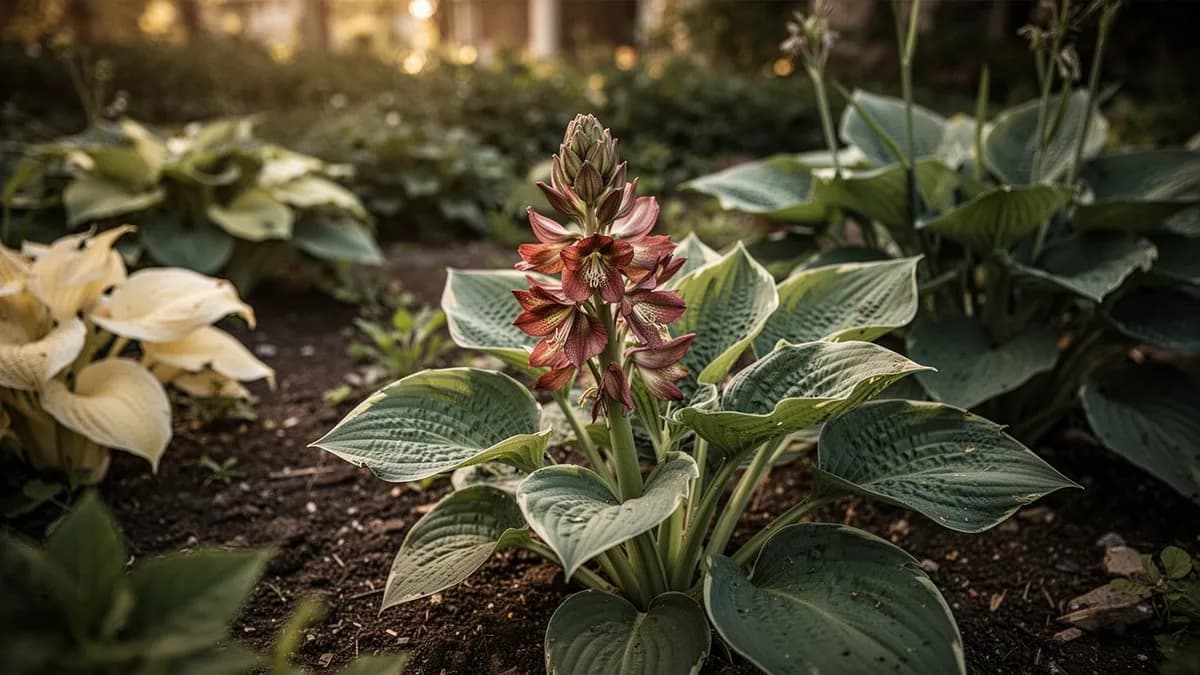
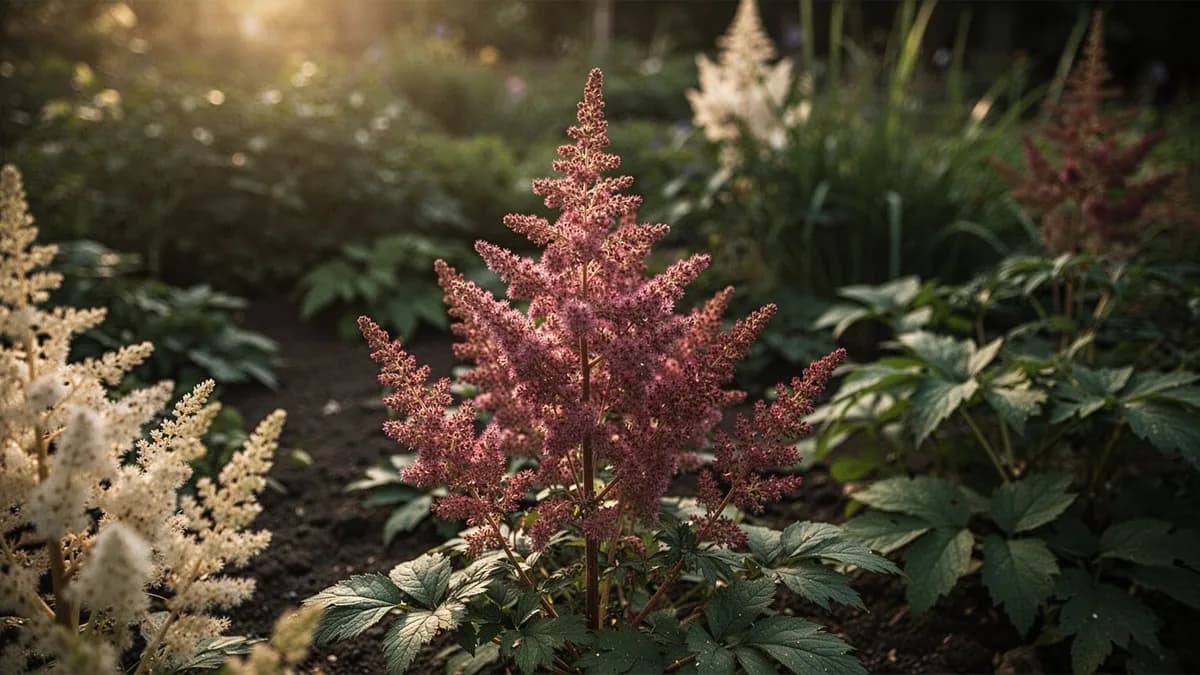
Japanese anemones are invaluable autumn companions for asters, chrysanthemums, and ornamental grasses. White varieties glow beneath deciduous trees alongside toad lilies and autumn ferns. Pink varieties pair beautifully with blue asters and purple sedums. In the shade garden, combine with hostas, ferns, and cyclamen for a succession of interest from spring through autumn. The tall, airy flower stems make an excellent backdrop for lower-growing autumn bloomers like colchicums and autumn crocuses.
Aster belongs beside it.
Old growers' knowledge, checked against Japanese Anemone's real companion table below — test any plant you're growing.
Try Japanese Anemone in a bed — right here
A real planner bed with Japanese Anemone already in it. Tap a companion to place it and watch the pairing checks answer — green for good neighbours, red for a clash.


Related growing guides
Feed it well
Japanese anemones prefer fertile, moisture-retentive but well-drained soil with a pH of 6.0-7.5. Incorporate generous amounts of organic matter—compost, leaf mold, or well-rotted manure—before planting. Mulch annually in spring with compost to maintain soil moisture and fertility. Feed in spring with a balanced slow-release fertilizer. Once established, Japanese anemones are relatively undemanding about feeding, but consistent soil moisture is essential for good performance, especially during the flowering period.
Ideal Temperature
Hardiness Zone Compatibility
From seed to harvest, stage by stage
Corm Soaking and Planting
Anemone corms are small, irregularly shaped, and hard when dry. Before planting they should be pre-soaked in room-temperature water for four to six hours to rehydrate. Once plump, plant corms 3-5 cm deep with the pointed end facing downward, spacing them roughly 10-15 cm apart in well-draining soil.
Root Development
After planting, the corm absorbs moisture from the surrounding soil and begins sending out fine root hairs. During this underground phase there is no visible growth above the surface. The root system establishes itself to anchor the plant and absorb nutrients for the upcoming growth flush.
Foliage Emergence
Deeply lobed, parsley-like leaves push through the soil surface forming a low rosette. The foliage is dark green and finely divided, creating an attractive mound. During this stage the plant is actively photosynthesizing and building energy reserves for flower production.
Bud Formation
Slender, wiry stems elongate from the center of the foliage rosette, each topped with a single round bud wrapped in a collar of leaf-like bracts. Buds are initially tight and green before gradually showing color at the tips. The stems continue to lengthen as the buds mature.
Full Bloom
Flowers open into broad, poppy-like blooms measuring 5-8 cm across with silky overlapping petals surrounding a prominent dark center of tightly packed stamens. Each plant produces multiple successive blooms over several weeks. Colors range from vivid red, blue, and purple to soft pink and pure white depending on variety.
Seed Set and Dormancy
After the final flowers fade, the plant channels remaining energy back into the corm for storage. Foliage gradually yellows and dies back as the plant enters dormancy. In mild climates the corms can remain in the ground; in colder regions they should be lifted, dried, and stored.
Do not soak corms for longer than eight hours as they may begin to rot. If you cannot determine which end is up, plant them sideways and the shoots will orient themselves. Water lightly after planting and avoid saturating the soil.
Caring for Japanese Anemone month by month
What to do each month for your Japanese Anemone
October
You are hereComplete fall planting of corms in mild regions. Apply 5-8 cm of mulch over newly planted beds to moderate soil temperature fluctuations through winter.
Know exactly what to do in your garden — every month
One email at the start of each month: what to sow, plant, and tackle right now — for your Japanese Anemone and everything growing around it. Plus a short starter course that helps you dodge the classic mistakes.
- What to do, right now
- Matched to your season
- Starter course included
Harvesting Japanese Anemone
Japanese anemone flowers make exquisite cut flowers with an ethereal, floating quality in arrangements. Cut stems when the first flowers are fully open and side buds are showing color. The branching stems each carry multiple flowers that open in succession, giving excellent vase life of 7-10 days. Cut in the morning, sear stem ends with hot water for 30 seconds, then condition in deep cool water before arranging. The fluffy seed heads can also be cut for dried arrangements.
assuming you plant when the window opens — set your real date
Pick Japanese Anemone promptly and the plant keeps producing.
Storage & Preservation
Japanese anemone flowers are primarily enjoyed fresh in the garden or as cut flowers. The cotton-like seed heads can be harvested for dried arrangements—cut when seeds are fluffy and fully formed, and hang upside down for 1-2 weeks. Seeds can be collected and sown fresh in autumn for new plants. For garden preservation, take root cuttings in late autumn—cut 5-8cm sections of thick root, lay horizontally in compost, and keep cool but frost-free over winter. New shoots emerge in spring.
What goes wrong — and the fix
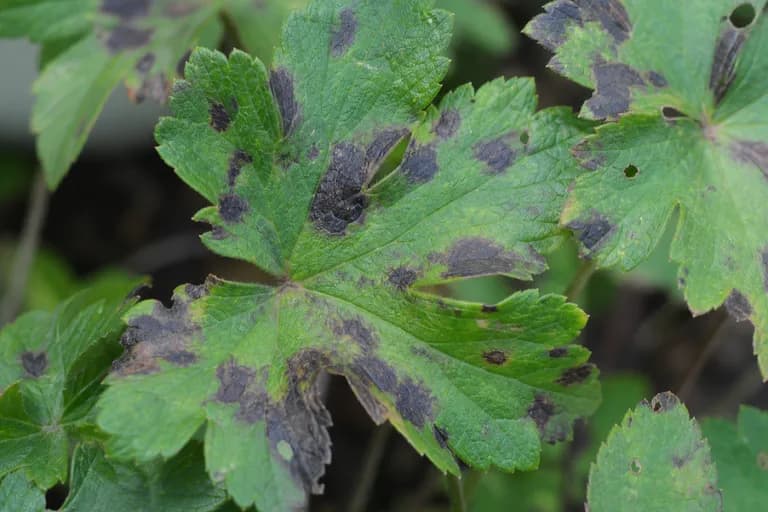
Leaf Blotch (Ramularia)
DiseaseDark brown to black irregular blotches on leaves, sometimes causing significant defoliation by late summer before flowering commences.
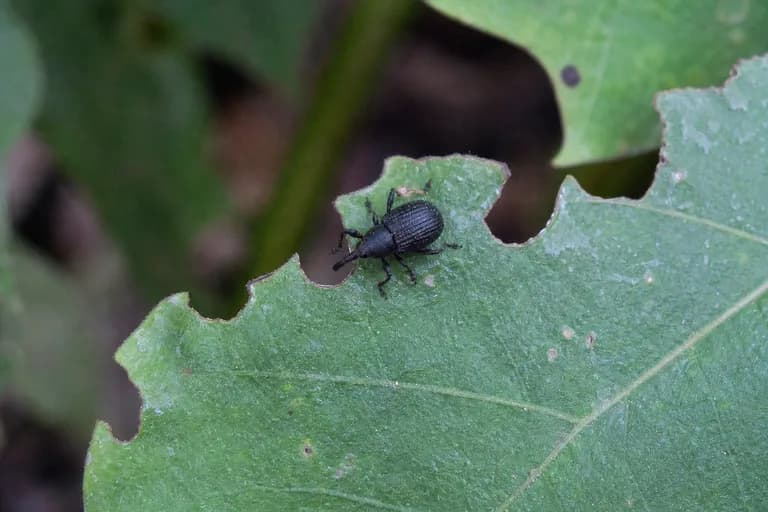
Vine Weevil
PestNotched leaf edges from adult feeding, and more seriously, white C-shaped grubs eating fleshy roots, causing sudden collapse of established clumps.
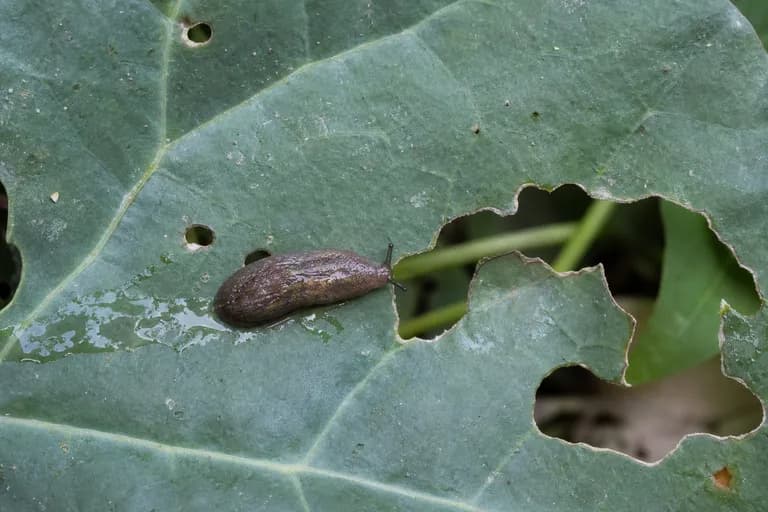
Slugs
PestHoles in emerging spring foliage and damage to flower buds. Silvery slime trails visible on plants and surrounding soil.
Troubleshooting Common Problems
Slow establishment is the most common frustration—Japanese anemones often look disappointing in their first year or two but then increase dramatically in their third season. Do not give up on them too early. Spreading can become aggressive in ideal conditions; remove unwanted stolons in spring. Flopping flower stems are common in deep shade or very rich soil; provide some morning sun and stake if necessary. Plants resent disturbance and may sulk for a season after division or transplanting. In cold winter areas, apply a winter mulch over the root zone in the first few years.
Growing Tips
- Pre-soak corms in room-temperature water for four to six hours before planting to rehydrate them and significantly speed up the initial root development phase.
- Plant corms with the pointed end facing down at a depth of 3 to 5 cm in well-draining soil amended with compost; if you cannot tell which end is up, plant them on their side.
- Choose a planting site that receives full sun to partial shade with protection from strong afternoon wind, which can snap the slender flower stems.
- Maintain consistent soil moisture throughout the growing season, providing roughly 2 to 3 cm of water per week, but avoid waterlogged conditions that promote corm rot.
- Apply a 3 to 5 cm layer of organic mulch such as straw or shredded leaves to conserve moisture, suppress weeds, and keep root zone temperatures cool.
- Feed every two weeks with a balanced liquid fertilizer at half strength once foliage is established, switching to a high-potassium formula when buds begin to form.
- Harvest cut flowers when the bud is showing color but petals have not yet fully opened, cutting stems long and placing them immediately in cool water for maximum vase life.
- Deadhead spent blooms promptly by cutting the entire stem back to the base to encourage the corm to produce additional flower stems rather than setting seed.
- In USDA zones 7 and colder, lift corms after foliage has died back completely, cure them in a warm dry area for two weeks, and store in mesh bags at 15 to 18 degrees Celsius.
- Succession-plant corms every two to three weeks in early spring to extend the total harvest window and ensure a continuous supply of fresh blooms over several months.
Grow your best Japanese Anemone yet — and everything around it.
Start a free plan today. Lay out your beds, drop in your Japanese Anemone, and let PlotMyGarden handle the timing, spacing, companions and reminders from seed to harvest basket.
Pick your Japanese Anemone
Anemone x hybrida 'Honorine Jobert'
The classic single white Japanese anemone, first discovered in 1858 and still unsurpassed for elegant purity. Golden stamens glow against pure white petals.
Anemone x hybrida 'Königin Charlotte' (Queen Charlotte)
Large semi-double soft pink flowers with a ruffled appearance. One of the showiest and most floriferous cultivars.
Anemone x hybrida 'September Charm'
Single silvery-pink flowers that darken on the reverse. A reliable, long-flowering cultivar that lives up to its charming name.
Anemone hupehensis 'Praecox'
An earlier-flowering species with deep pink flowers starting in August, extending the Japanese anemone season by several weeks.
A single pack of 50 anemone corms costs roughly 10 to 15 USD and can yield 400 to 600 cut stems per season. Equivalent store-bought anemone bunches sell for 8 to 14 USD for just ten stems, meaning a home grower can produce several hundred dollars worth of premium cut flowers from a modest initial investment. Corms can also be lifted, divided, and replanted each year, further reducing long-term costs.
Quick recipes
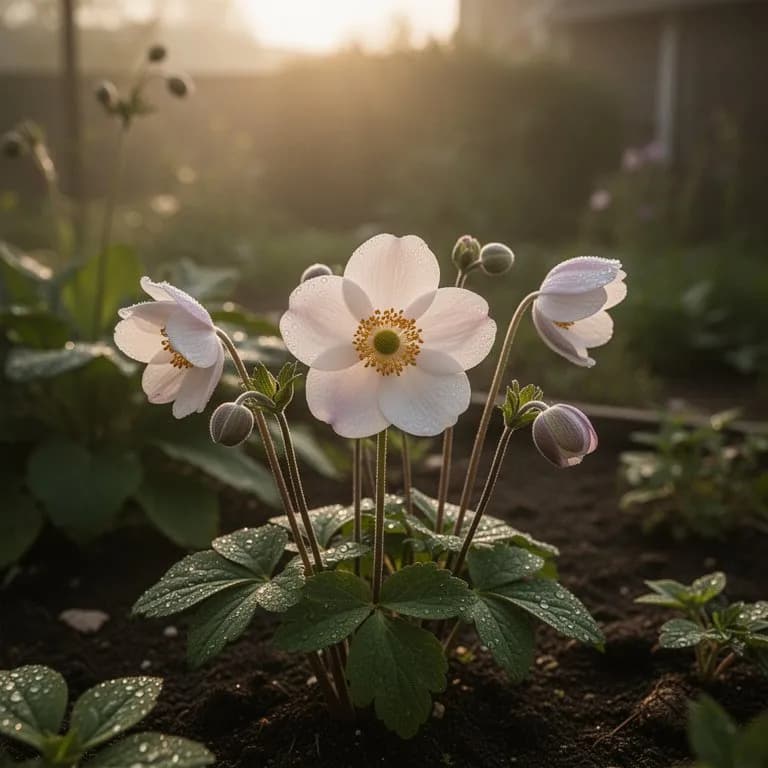
Classic Spring Anemone Bouquet
15 minutesA striking hand-tied bouquet showcasing anemone blooms in mixed jewel tones. Harvest stems early in the morning when buds are just beginning to open and the dark center is barely visible. Strip lower leaves, cut stems at a sharp angle under water, and arrange in a clean vase with fresh cool water and a drop of bleach to inhibit bacterial growth.
4 ingredientsAnemone and Ranunculus Wedding Centerpiece
25 minutesAn elegant low-profile centerpiece combining anemones with ranunculus, garden roses, and seasonal greenery. Start by creating a base grid of floral tape across the top of a compote vessel, then insert foliage to build structure. Add anemones and ranunculus at varying heights, letting some blooms rest at the rim for a lush romantic look.
5 ingredients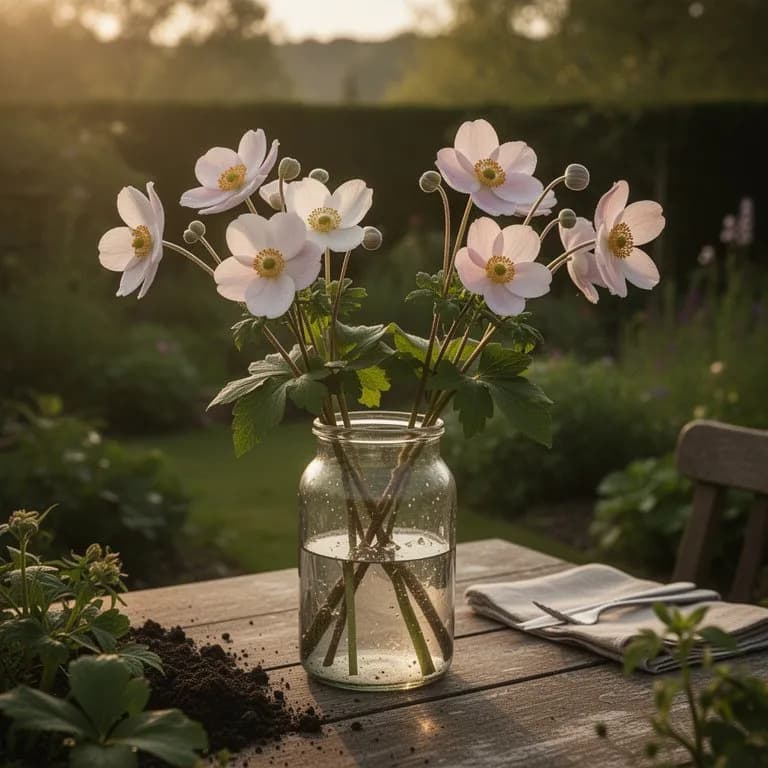
Pressed Anemone Botanical Art
10 minutes active plus 2-3 weeks pressing timePreserve the striking beauty of anemone blooms by pressing them for framed botanical art or handmade greeting cards. Select freshly opened flowers with vibrant color and place them face-down between sheets of absorbent paper inside a heavy book or flower press. After two to three weeks the pressed blooms can be arranged and mounted.
5 ingredientsWhat's inside
Health Benefits
- Anemone flowers provide significant mental health benefits through their vivid saturated colors, which studies suggest can elevate mood, reduce stress hormones, and promote feelings of well-being when displayed in living spaces.
- Growing anemones encourages regular outdoor physical activity during the cool spring months including bending, kneeling, and light lifting, which supports joint flexibility and cardiovascular health.
- Tending an anemone cutting garden promotes mindfulness and present-moment awareness, as the daily ritual of checking blooms and deadheading offers a meditative break from screen-based routines.
- Fresh-cut anemone arrangements indoors have been associated with improved focus and productivity in home office environments, consistent with broader research on the cognitive benefits of live flowers.
- The seasonal rhythm of planting, growing, harvesting, and storing anemone corms connects gardeners to natural cycles, which research links to improved sleep patterns and circadian regulation.
- Sharing homegrown anemone bouquets with neighbors and friends fosters social connection and community bonding, contributing to emotional resilience and reduced feelings of isolation.
Where Japanese Anemone comes from
Anemones belong to the buttercup family Ranunculaceae and encompass roughly 200 species distributed across temperate and subarctic regions of every continent. The garden anemone most commonly cultivated today, Anemone coronaria, is native to the rocky hillsides and meadows of the Mediterranean basin, stretching from southern France through Greece, Turkey, and into the Levant. Archaeological evidence suggests these flowers were gathered and admired in the ancient world; they appear in Roman mosaics and are referenced in the writings of Pliny the Elder and Theophrastus. During the Ottoman Empire, anemones were prized garden subjects and traded alongside tulips and ranunculus among collectors. The flowers reached western European gardens by the late sixteenth century, with Flemish and Dutch botanists documenting numerous color forms. The celebrated De Caen series originated in the Caen region of Normandy, France, where growers selected vigorous single-flowered strains during the eighteenth century. The semi-double St. Brigid series was later developed in Ireland around the late nineteenth century. By the twentieth century, Israel and the Netherlands had become the leading commercial producers of anemone corms, supplying the global cut-flower industry. Modern breeding programs have expanded the palette to include bicolors and pastel shades while improving stem length and vase life. Today anemones are grown commercially on every inhabited continent and remain a staple of spring flower markets, wedding floristry, and cottage-style gardens. Wild populations of Anemone coronaria continue to carpet Mediterranean hillsides each spring, celebrated in regional festivals and protected in several nature reserves.
Japanese Anemone: did you know?
Fascinating facts about Japanese Anemone
The name anemone derives from the Greek word 'anemos' meaning wind, earning the common name windflower because the delicate petals tremble and flutter in even the slightest breeze.
Japanese Anemone questions, answered
When should I plant Japanese Anemone?
What are good companion plants for Japanese Anemone?
What hardiness zones can Japanese Anemone grow in?
How much sun does Japanese Anemone need?
How far apart should I space Japanese Anemone?
What pests and diseases affect Japanese Anemone?
How do I store Japanese Anemone after harvest?
What are the best Japanese Anemone varieties to grow?
What soil does Japanese Anemone need?
When is the best time to plant anemone corms?
Do I need to soak anemone corms before planting?
How long do anemones bloom and how many flowers will I get?
Are anemones toxic to pets or children?
Can anemones grow in pots and containers?
Should I lift and store anemone corms over winter?
You just read the theory. Now grow it on autopilot.
Everything that makes Japanese Anemone fiddly — the timing, the spacing, the companions, the harvest window — is exactly what PlotMyGarden handles for you, for every plant in your garden.
A plan that knows your weather
Set your location once. Get sow, feed and harvest dates built around your real last-frost date and live forecast — no more guessing from a generic seed packet.
From the “When to plant” sectionDrag-and-drop bed planner
Design beds on a grid. Every plant snaps to its proper spacing, and you can see your whole season laid out before you spend a cent on seed.
From the “Growing guide” sectionCompanion conflicts, caught early
200+ good-and-bad pairings checked live as you plant — so a season-wrecking mistake never makes it into the ground.
From the “Companions” sectionReminders you'll actually act on
“Water the beans.” “Pick today before it turns.” Timely, specific, and tied to the plants you're really growing.
From the “Harvest” sectionSuccession, scheduled
Want a harvest for six weeks, not six days? It spaces your sowings automatically and reminds you when each new block is due.
From the “When to plant” sectionA record that gets smarter
Every harvest you log teaches it your garden. Next year's plan starts from what actually worked in your soil, not a textbook's.
From the “Overview” sectionPlant these alongside Japanese Anemone
More Perennials
Grow your best Japanese Anemone yet — and everything around it.
Start a free plan today. Lay out your beds, drop in your Japanese Anemone, and let PlotMyGarden handle the timing, spacing, companions and reminders from seed to harvest basket.