Zierlauch
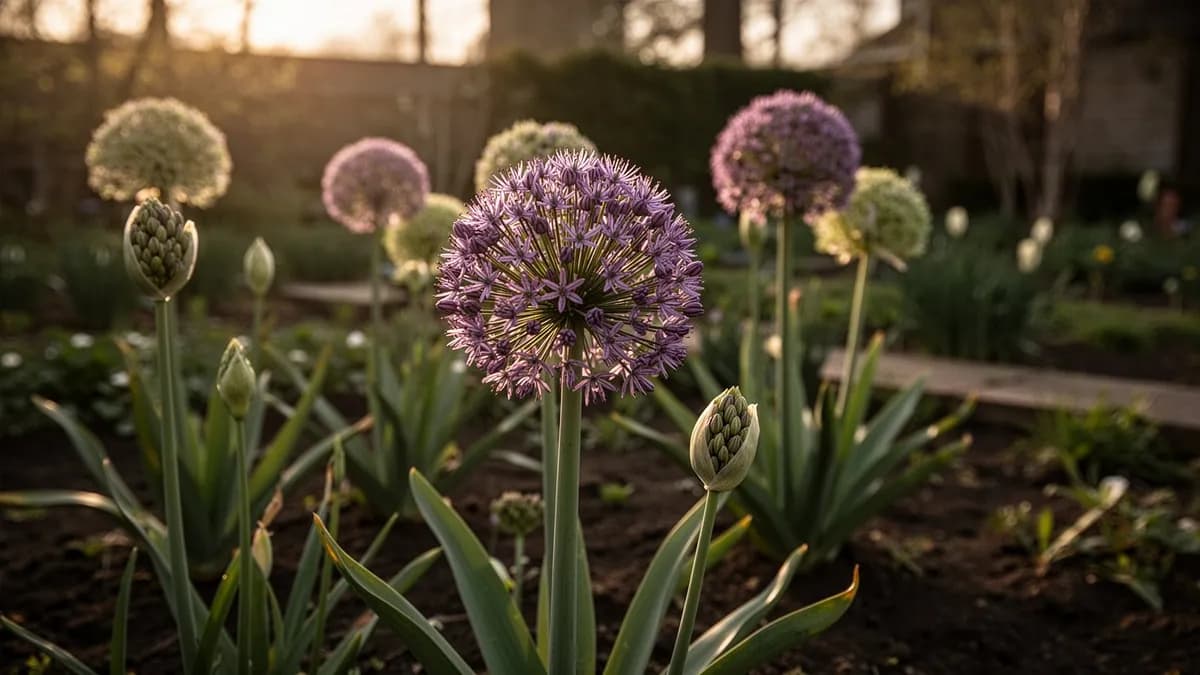
Eine spektakuläre Zierzwiebel mit großen, kugelförmigen, violetten Blütenköpfen auf hohen, blattlosen Stielen, die wunderschön trocknen.





Auf dieser SeiteÜberblick
Zierlauch im Überblick
Eine spektakuläre Zierzwiebel mit großen, kugelförmigen, violetten Blütenköpfen auf hohen, blattlosen Stielen, die wunderschön trocknen. Riesiger Zierlauch setzt dramatische Akzente in Beeten, und die getrockneten Samenstände bleiben monatelang attraktiv. Zwischen Stauden pflanzen, die das vergilbende Laub verdecken, wenn es nach der Blüte einzieht.
Wann Zierlauch pflanzen
Viele Zierlauch-Arten versamen sich frei, wenn die Samenstände stehen gelassen werden. Reifen Samen im Spätsommer sammeln, wenn die Kapseln aufplatzen. Sofort in Töpfe mit sandigem Kompost säen und die Samen kaum bedecken. Töpfe für natürliche Kältestratifikation über den Winter im Freien stehen lassen. Sämlinge erscheinen im Frühling als dünne, grasähnliche Triebe. Zwei Jahre in Töpfen aufziehen, bevor sie ausgepflanzt werden. Aus Samen gezogener Zierlauch braucht je nach Art typischerweise 3–4 Jahre bis zur Blühreife.
Dein Zierlauch-Jahr
Abgestimmt auf Zone 7 · typische Saison · Frost geht um den 2. Apr. und kehrt um den 1. Nov. zurück
Zierlauch Sep – Okt pflanzen, Mai – Jul ernten. Beachte die Pflanzmethoden unten und wähle dein Klima für passende Zeiträume.
So baust du Zierlauch an
Pflanzen Sie Zierlauch-Zwiebeln im Herbst und setzen Sie sie dreimal so tief, wie die Zwiebel hoch ist – typischerweise 15–20 cm für Riesenzierlauch-Arten. Wählen Sie einen sonnigen, gut drainierten Standort, da nasser Winterboden die Zwiebeln verfaulen lässt. Großwüchsige Sorten 20–30 cm auseinanderpflanzen, damit jede Kugel sich voll entfalten kann.
Das Laub des Zierlauch beginnt zu vergilben und einzuziehen, noch bevor die Blüten sich öffnen – das ist völlig normal. Die entscheidende Gestaltungsstrategie besteht darin, Zwiebeln zwischen buschige Stauden zu pflanzen – Katzenminze, Storchschnabel oder Ziergräser –, die das nachlassende Laub kaschieren, während die spektakulären Blütenköpfe darüber schweben.
Einmal etabliert, ist Zierlauch bemerkenswert pflegeleicht. Er ist von Natur aus hirsch- und kaninchenresistent dank seiner Zwiebelchemie, und Krankheiten treten selten auf. Verblühte Blütenköpfe am Stiel belassen – die architektonisch wirkenden getrockneten Samenstände sind den ganzen Sommer und bis in den Herbst hinein eine Zierde und verleihen dem Wintergarten Struktur.
72 Pflanzen passen in ein Beet von 120 × 240 cm
Zierlauch braucht 20 cm Platz pro Pflanze. Der Planer hält diesen Abstand für dich ein — jede Pflanze, jedes Beet.
Die besten Nachbarn für Zierlauch
Zierlauch ist der klassische Begleiter für Bauerngarten-Stauden. Zwischen Katzenminze, Salvia und Storchschnabel pflanzen, die das vergilbende Lauch-Laub kaschieren und dabei ein wunderschönes blau-violettes Farbschema erzeugen. Rosen und Zierlauch blühen herrlich zusammen, und Zierlauch hilft dabei, Blattläuse von Rosen fernzuhalten, da seine Schwefelverbindungen abschreckend wirken. Mit Ziergräsern wie Stipa kombinieren für eine naturnahe, wiesenartige Pflanzung.
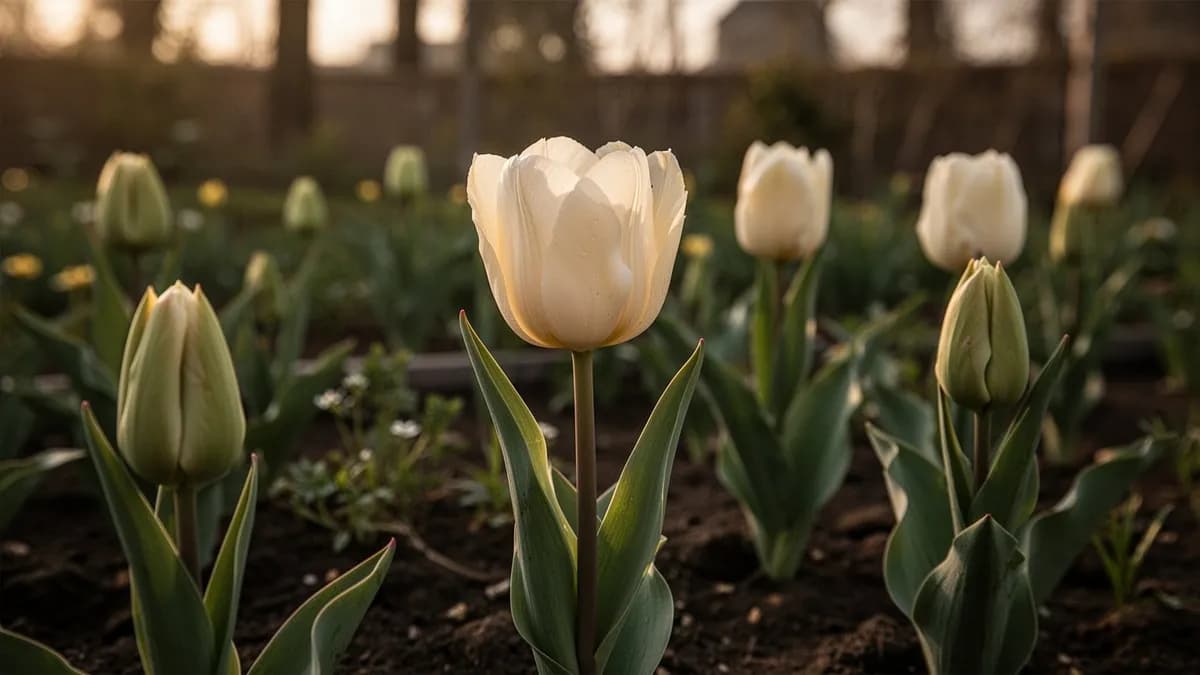
Tulpe gehört daneben.
Altes Gärtnerwissen, geprüft an der echten Nachbartabelle von Zierlauch — teste jede Pflanze, die du anbaust.
Probiere Zierlauch direkt hier im Beet
Ein echtes Planer-Beet, Zierlauch steht schon drin. Tippe einen Begleiter an, platziere ihn und sieh, wie die Nachbarschaftsprüfung antwortet — grün für gute Nachbarn, rot bei Streit.


Passende Anbau-Ratgeber

Richtig düngen
Zierlauch gedeiht in jedem gut drainierten Boden mit einem pH-Wert von 5,5–7,0. Er verträgt arme, steinige und sandige Böden besser als reichen, schweren Lehmboden. Bei schweren Böden großzügig Kies einarbeiten, um Staunässe im Winter zu verhindern. Eine einzige Gabe Knochenschrot zum Pflanzzeitpunkt liefert ausreichend Nährstoffe. Stickstoffreiche Düngemittel vermeiden, da sie üppiges Laub auf Kosten der Blüten fördern.
Ideale Temperatur
Winterhärtezone-Kompatibilität
Von der Saat zur Ernte, Schritt für Schritt
Zwiebelruhe & Wurzelentwicklung
Nach der Herbstpflanzung beginnt die Zwiebel unterirdisch ein starkes Wurzelsystem zu entwickeln, während sie oberirdisch in Ruhe bleibt. Das Wurzelwachstum setzt sich fort, solange die Bodentemperaturen über dem Gefrierpunkt bleiben.
Laubaustrieb
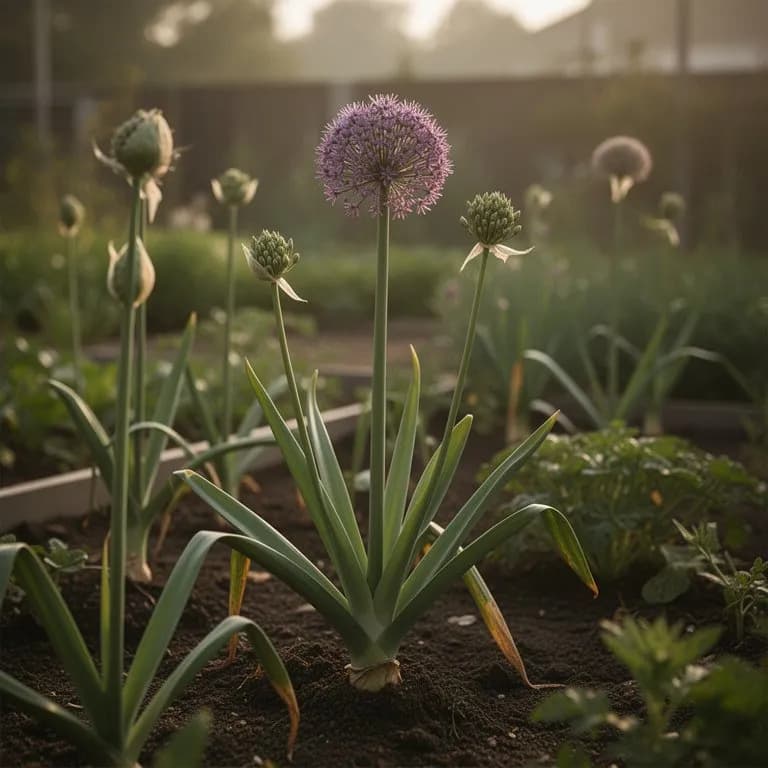
Im frühen bis mittleren Frühling treiben breite, riemenförmige Blätter aus dem Boden aus. Das Laub sammelt durch Photosynthese Energie für die Entwicklung des Blütenstiels. Die Blätter können je nach Sorte 30–60 cm lang werden.
Blütenstängelentwicklung
Ein kräftiger, hohler Blütenstängel erhebt sich aus der Mitte des Laubs und wächst je nach Sorte rasch auf 60–120 cm Höhe. Die Knospe an der Spitze ist von einer papierartigen Scheide umhüllt, die sich allmählich ausdehnt, wenn sich der Blütenkopf im Inneren entwickelt.
Vollblüte
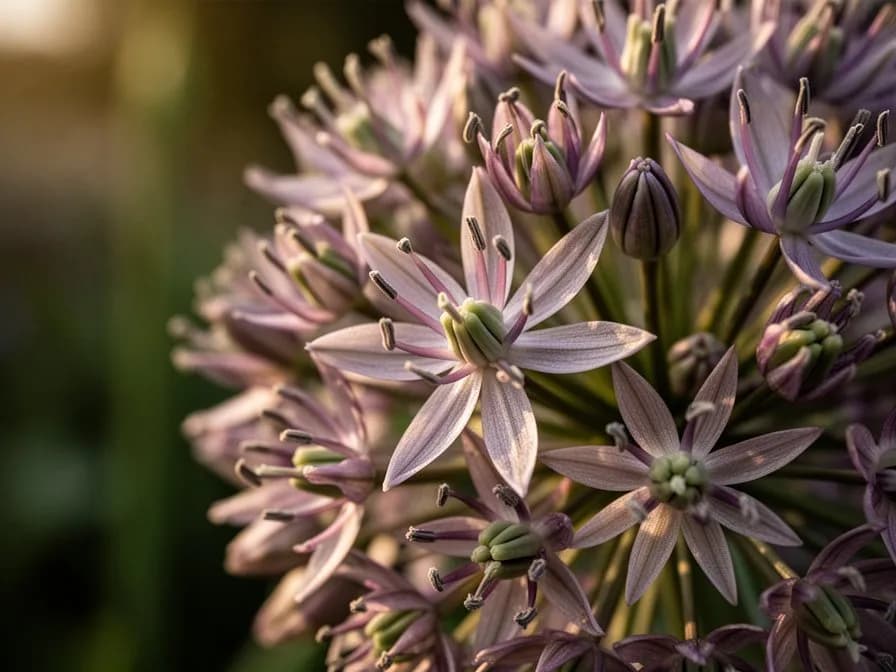
Die Scheide öffnet sich und gibt einen dichten, kugelförmigen Blütenkopf frei, der aus Hunderten von winzigen, sternförmigen Einzelblütchen besteht. Riesenzierlauch-Blüten können 10–15 cm groß sein und leuchtendes Violett, Lila oder Weiß zeigen. Die Blütezeit dauert zwei bis vier Wochen.
Samenstandbildung
Nach der Bestäubung entwickelt jedes winzige Blütchen eine kleine Samenkapsel. Der Blütenkopf trocknet und wird gelbbraun, behält dabei aber seine kugelförmige Form. Das Laub vergilbt und welkt in dieser Phase, während Nährstoffe in die Zwiebel zurückfließen.
Sommerruhe & Zwiebelreife
Die Zwiebel tritt in die Sommerruhe ein, sobald das Laub vollständig eingezogen ist. Unterirdisch reift die Zwiebel und kann kleine Tochterzwiebeln an ihrer Basis bilden. Die Pflanze benötigt in dieser Ruhephase kein Wasser.
Tochterzwiebel-Teilung & Neupflanzung
Im frühen bis mittleren Herbst können Zwiebeln ausgegraben und geteilt werden. Reife Zwiebeln bilden typischerweise zwei bis vier Tochterzwiebeln pro Saison. Dies ist auch das ideale Zeitfenster zum Einpflanzen neuer Zwiebeln, um den Zyklus neu zu beginnen.
Den Pflanzbereich nach dem Einsetzen der Zwiebeln gründlich wässern. Eine 5–8 cm starke Mulchschicht auftragen, um den Boden zu isolieren und gleichmäßige Feuchtigkeit während der Wurzelentwicklung zu erhalten.
Zierlauch Monat für Monat pflegen
Was du jeden Monat für deine Zierlauch tun solltest
Oktober
Aktueller MonatZwiebeln durch Oktober hindurch weiterhin pflanzen. Eine 5–8 cm Mulchschicht über neu bepflanzte Flächen auftragen. Überfüllte Horste, die in der letzten Saison schlecht geblüht haben, ausheben und teilen.
Immer wissen, was jetzt im Garten zu tun ist
Eine E-Mail zum Monatsanfang: was du jetzt säen, pflanzen und anpacken solltest — für deine Zierlauch und alles, was drumherum wächst. Dazu ein kurzer Startkurs, der dich vor den klassischen Fehlern bewahrt.
- Was jetzt zu tun ist
- Passend zu deiner Saison
- Startkurs inklusive
Zierlauch ernten
Schneiden Sie Zierlauch-Blüten für frische Arrangements, wenn etwa drei Viertel der kleinen Blütchen in der Kugel geöffnet sind. Stiele frühmorgens so lang wie möglich schneiden. Die Blumen halten 7–10 Tage in der Vase. Für Trockenarrangements Stiele schneiden, wenn alle Blütchen geöffnet sind, und kopfüber an einem dunklen, trockenen, gut belüfteten Ort zwei bis drei Wochen hängen lassen. Die getrockneten Samenstände behalten ihre kugelförmige Form wunderschön und können für dekorative Zwecke eingesprüht werden.
angenommen, du pflanzt zu Beginn des Zeitraums — trage dein tatsächliches Datum ein
Aus Zwiebeln, Knollen oder Zehen
Ernte Zierlauch zügig, dann trägt die Pflanze weiter.
Lagerung & Konservierung
Zierlauch-Zwiebeln sind in den Zonen 4–8 vollkommen winterhart und sollten ganzjährig im Boden verbleiben, wo sie sich auf natürliche Weise vermehren. Beim Teilen überfüllter Horste im Spätsommer ausgraben, wenn die Pflanzen in Ruhe sind, Tochterzwiebeln trennen und sofort in der richtigen Tiefe wieder einpflanzen. Überschüssige Zwiebeln kurzzeitig an einem kühlen, trockenen Ort in Netzsäcken lagern. Getrocknete Samenstände können für Innenarrangements gesammelt werden und halten sich unbegrenzt.
Was schiefgeht — und die Lösung
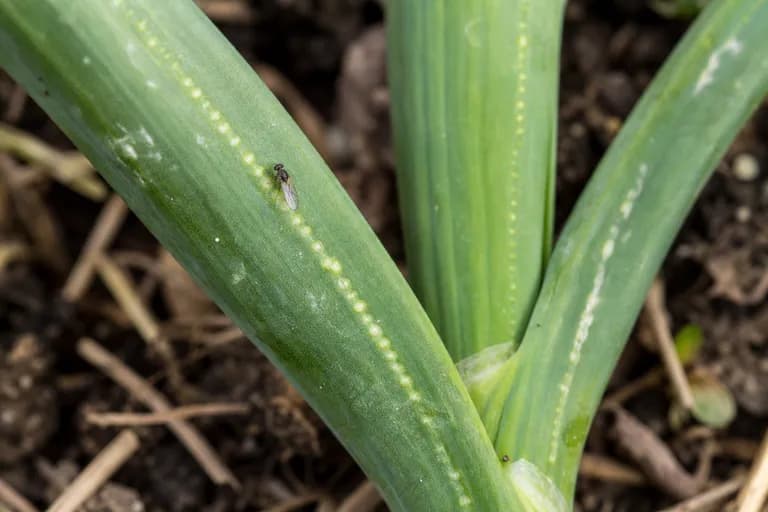
Lauchminierflliege
SchädlingWeiße Flecken auf den Blättern, wo die Fliegen das Gewebe angestochen haben, gefolgt von Larven, die im Blattgewebe fressen. Verzerrtes Wachstum.

Weißfäule
KrankheitVergilben und Welken des Laubs, weißes, flockiges Pilzwachstum an der Zwiebelbasis, winzige schwarze Sklerotien im Boden sichtbar.
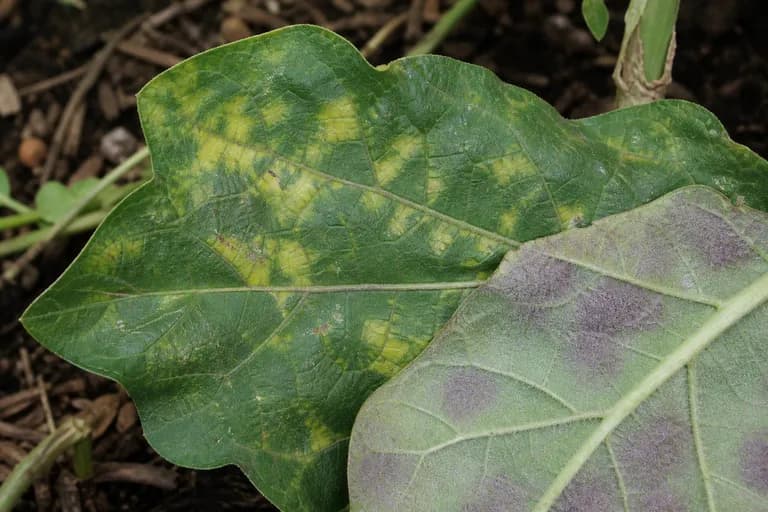
Falscher Mehltau
KrankheitBlasse, längliche Läsionen auf den Blättern, grau-violettes, flaumiges Wachstum auf Blattoberflächen bei feuchtem Wetter.
Fehlerbehebung bei häufigen Problemen
Die größte Frustration ist das unschöne Vergilben des Laubs, das auftritt, während die Blüten auf ihrem Höhepunkt sind. Das ist eine Eigenart der Pflanze, kein Kulturfehler – Begleitpflanzungen entsprechend planen. Zwiebeln, die nicht blühen, sind meist zu flach gepflanzt oder stehen im zu starken Schatten. Sehr großwüchsige Sorten wie Globemaster können im ersten Jahr nur Laub bilden, während sie sich etablieren. Überfüllte Horste blühen weniger – alle 3–4 Jahre teilen.
Anbautipps
- Zierlauch-Zwiebeln im Herbst in einer Tiefe des Dreifachen des Zwiebeldurchmessers einpflanzen, idealerweise sechs bis acht Wochen vor dem ersten erwarteten Frost, um eine gute Wurzelentwicklung zu ermöglichen.
- Einen Pflanzstandort mit voller Sonne und hervorragender Drainage wählen, da Zierlauch-Zwiebeln sehr anfällig für Fäulnis in staunassen Böden sind, besonders während der Sommerruhe.
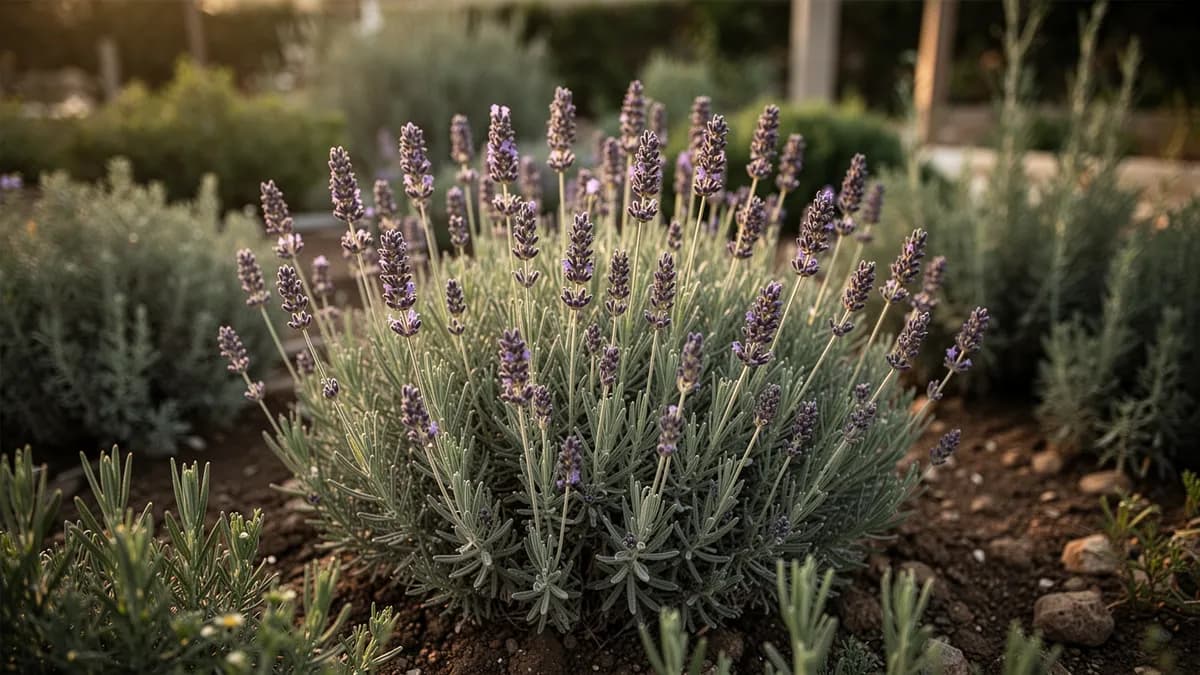
- Zwischen niedrig wachsende Stauden wie Storchschnabel, Katzenminze oder Lavendel pflanzen, um das Zierlauch-Laub zu kaschieren, das beginnt zu vergilben und unschön auszusehen, noch bevor die Blüten vollständig aufgehen.
- Beim Pflanzen etwas Knochenschrot oder Zwiebel-Spezialdünger in die Pflanzgrube geben, um eine starke Wurzelentwicklung und kräftiges Frühlingswachstum zu fördern.
- Oberirdisches Wässern vermeiden, sobald sich Blütenstängel zu entwickeln beginnen, da eingeschlossene Feuchtigkeit in den hohlen Stielen Botrytis und andere Pilzkrankheiten begünstigen kann.
- Das Laub stehen lassen, bis es vollständig vergilbt und getrocknet ist, auch wenn es unschön aussieht, denn die Blätter betreiben Photosynthese und leiten Energie zurück in die Zwiebel für die nächste Saison.
- Den Standort ruhender Zwiebeln im Sommer mit kleinen Stäbchen oder Pflanzenschildern markieren, da es leicht ist, ihre Position zu vergessen und sie beim Pflanzen anderer Dinge versehentlich zu beschädigen.
- Bei schwerem Lehmboden eine großzügige Pflanzgrube ausheben und unter jede Zwiebel eine Handvoll Gartenkies geben, um die lokale Drainage zu verbessern und das Risiko von Basalfäule zu reduzieren.
- Austretendes Frühlingslaub vor Schnecken schützen, indem organische Schneckenkörner gestreut oder Kupferbänder als Barrieren um den Pflanzbereich gelegt werden, da junge Zierlauch-Blätter ein bevorzugtes Ziel sind.
- Überfüllte Horste alle drei bis vier Jahre im frühen Herbst teilen, um die Blühkraft zu erhalten, und die Tochterzwiebeln sofort in der gleichen Tiefe wie die Mutterzwiebel wieder einpflanzen.
Bau deine beste Zierlauch an — und alles drumherum.
Starte heute kostenlos. Lege deine Beete an, setze deine Zierlauch ein und lass PlotMyGarden Timing, Abstände, Begleiter und Erinnerungen von der Saat bis zum Erntekorb übernehmen.
Finde deine Zierlauch
Allium 'Globemaster'
Enorme violett-lila Kugeln von 20–25 cm auf 90 cm hohen Stielen. Einer der größten und am längsten blühenden Zierzwiebeln.
Allium 'Purple Sensation'
Satte, tiefviolette 10 cm-Kugeln auf schlanken Stielen. Sehr guter Wert, naturalisiert gut und ideal für Massenpflanzungen.
Allium cristophii (Persischer Stern)
Metallisch silbrig-violette Blütenköpfe bis zu 25 cm Durchmesser mit weitläufig angeordneten, sternförmigen Blütchen. Spektakulär getrocknet.
Allium sphaerocephalon (Kugellauch)
Kompakte, eiförmige Köpfe, die von Grün zu tiefem Burgunderrot werden. Elegant und anmutig auf schlanken 60 cm-Stielen.
Allium 'Mount Everest'
Reinweiße 15 cm-Kugeln auf kräftigen 90 cm-Stielen. Ein beeindruckender Kontrast zu lila Zierlauch-Sorten in gemischten Pflanzungen.
Eine einzelne Zierlauch-Zwiebel kostet je nach Sorte zwischen 2 und 8 Euro, aber jede Zwiebel produziert jährlich Tochterzwiebeln, mit denen die Sammlung kostenlos vergrößert werden kann. Nach drei bis vier Jahren kann eine einzelne Zwiebel durch Teilung acht bis zwölf neue Pflanzen ergeben. Getrocknete Zierlauch-Samenstände, die Floristen für Arrangements verkaufen, kosten oft 5 bis 10 Euro pro Stiel, sodass das eigene Anbauen erhebliche Ersparnisse beim Basteln und Dekorieren bringt. Ein gut etablierter Horst Riesenzierlauch macht auch teure einjährige Beetpflanzen in diesem Gartenbereich überflüssig, da er mit minimaler Pflege ein Jahrzehnt oder länger zuverlässig wiederkehrt.
Schnelle Rezepte
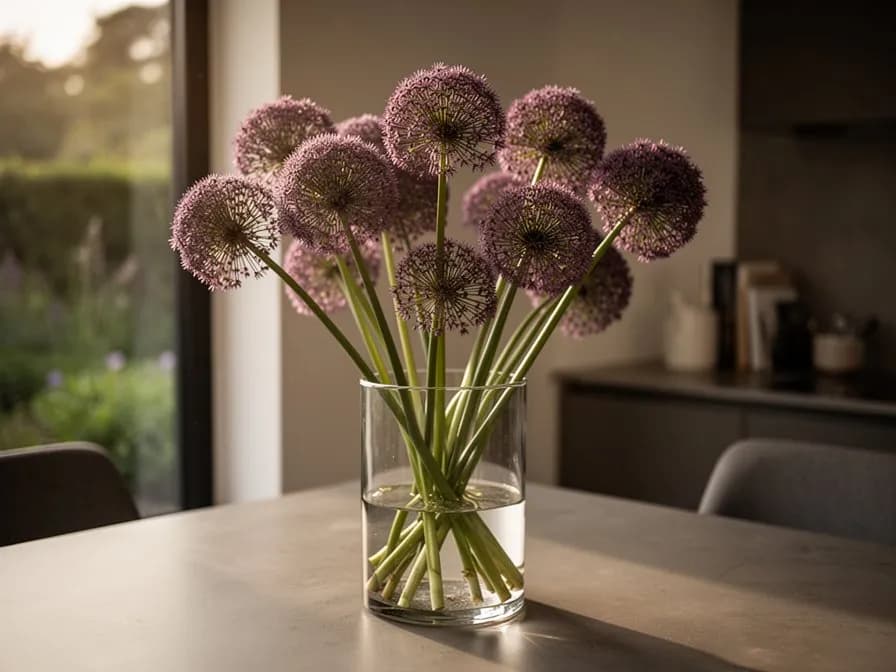
Salat mit Zierlauch-Blütchen-Garnitur
10 Min.Ein frischer Frühlingssalat mit abgetrennten Zierlauch-Blütchen als beeindruckende essbare Garnitur. Die winzigen lila Blüten verleihen gemischten Blattsalaten einen milden Zwiebelgeschmack und dramatische visuelle Wirkung.
8 ZutatenZierlauch-Blütenbutter
15 Min.Eine Kräuterbutter, die mit Zierlauch-Blütchen verfeinert ist – perfekt zum Streichen auf knuspriges Brot oder zum Schmelzen über gegrilltem Gemüse und Steaks. Die Blütchen verleihen einen zarten Zwiebelgeschmack und violette Farbflecken.
6 ZutatenEingelegte Zierlauch-Blütenknospen
20 Min. plus 48 Stunden RuhezeitJunge Zierlauch-Blütenknospen, kurz vor dem Öffnen geerntet, werden in einer leichten Essiglake eingelegt, um ein kapernartiges Würzmittel zu erzeugen. Sie entwickeln einen würzigen, mild nach Zwiebeln schmeckenden Biss, der zu Charcuterie-Brettern und Sandwiches passt.
8 ZutatenWas drinsteckt
Gesundheitsvorteile
- Allium-Arten enthalten Organoschwefelverbindungen wie Allicin und Diallyldisulfid, die in Laborstudien antimikrobielle Aktivität gegen eine Reihe von Bakterien und Pilzen nachgewiesen haben.
- Das in Zierlauch-Blüten und -Laub enthaltene Quercetin ist ein potentes Flavonoid-Antioxidans, das oxidativen Stress reduzieren und die Herz-Kreislauf-Gesundheit unterstützen kann.
- Regelmäßiger Aufenthalt in alliumreichen Gartenumgebungen kann durch die therapeutischen Vorteile des Ziergärtnerns zur Stressreduktion und verbesserten seelischen Gesundheit beitragen.
- Allium-Verbindungen haben in Forschungsstudien entzündungshemmende Eigenschaften gezeigt und können möglicherweise dazu beitragen, chronische Entzündungsreaktionen im Körper zu modulieren.
- Die schwefelhaltigen Verbindungen in Allium-Pflanzen werden mit der Unterstützung einer gesunden Immunfunktion in Verbindung gebracht und können dem Körper helfen, saisonalen Infektionen zu widerstehen.
- Gartenarbeiten im Zusammenhang mit dem Anbau von Zierlauch, einschließlich Graben, Pflanzen und Jäten, bieten moderates körperliches Training, das die Gelenkflexibilität und die kardiovaskuläre Fitness fördert.
Woher Zierlauch stammt
Zierlauch stammt aus den trockenen Gebirgsregionen Zentral- und Westasiens, mit der größten Vielfalt wilder Arten im heutigen Türkei, Iran, Afghanistan und in den Hochländern Turkmenistans und Usbekistans. Der Riesenzierlauch, Allium giganteum, ist in den Wiesen und felsigen Hängen Zentralasiens beheimatet, insbesondere in Regionen vom Iran bis zu den westlichen Ausläufern des Himalajas, wo er in Höhenlagen zwischen 1.500 und 2.500 Metern wächst. Diese Lebensräume erfahren kalte Winter mit Schneedecke gefolgt von warmen, trockenen Sommern, was die Vorliebe der Pflanze für gut drainierten Boden und ihre natürliche Sommerruhe erklärt. Der Anbau von Allium zu Zierzwecken hat eine lange Geschichte, die eng mit seinen kulinarischen Verwandten verknüpft ist. Antike Zivilisationen im Nahen Osten und im Mittelmeerraum kultivierten verschiedene Allium-Arten, doch erst während der osmanischen Zeit vom 14. bis zum 17. Jahrhundert wurden Ziersorten gezielt für ihre dekorativen Blütenköpfe selektiert und gezüchtet. Europäische Pflanzensammler und Botaniker begegneten dem Riesenzierlauch auf Expeditionen nach Zentralasien im 19. Jahrhundert. Der russische Botaniker Eduard Regel beschrieb Allium giganteum 1883 formell anhand von Exemplaren, die in den Bergen bei Taschkent gesammelt wurden. Ab dem späten 19. Jahrhundert begannen niederländische Zwiebelzüchter, Zierlauch kommerziell zu produzieren und Hybridsorten mit größeren, lebhafter gefärbten Blütenköpfen und kräftigeren Stielen zu entwickeln. Bis zur Mitte des 20. Jahrhunderts hatte sich Zierlauch als etablierte Gartenpflanze in ganz Europa und Nordamerika durchgesetzt. Moderne Züchtungsprogramme haben Dutzende benannter Sorten hervorgebracht, darunter beliebte Sorten wie Purple Sensation, Globemaster und Ambassador, die gegenüber Wildarten verbesserte Blütengröße, Farbintensität und Gartenleistung bieten.
Zierlauch: Schon gewusst?
Faszinierende Fakten über Zierlauch
Riesenzierlauch-Blütenköpfe setzen sich aus Hunderten einzelner, winziger, sternförmiger Blütchen zusammen – eine einzige Allium-giganteum-Kugel enthält bis zu 2.000 Miniaturblüten.
Zierlauch: Fragen & Antworten
Wann sollte ich Zierlauch pflanzen?
Was sind gute Begleitpflanzen für Zierlauch?
In welchen Winterhärtezonen kann Zierlauch wachsen?
Wie viel Sonne braucht Zierlauch?
Welchen Abstand sollte ich zwischen Zierlauch lassen?
Welche Schädlinge und Krankheiten befallen Zierlauch?
Wie lagere ich Zierlauch nach der Ernte?
Was sind die besten Zierlauch-Sorten zum Anbauen?
Welchen Boden braucht Zierlauch?
Wann ist der beste Zeitpunkt zum Pflanzen von Zierlauch-Zwiebeln?
Warum vergilbt das Lauch-Laub, bevor die Blüten vollständig aufgehen?
Kommt Zierlauch jedes Jahr wieder?
Ist Zierlauch für Haustiere giftig?
Wie trockne ich Zierlauch-Samenstände für Blumenarrangements?
Kann Zierlauch in Kübeln angebaut werden?
Du hast die Theorie gelesen. Jetzt baue sie auf Autopilot an.
Alles, was Zierlauch knifflig macht — das Timing, die Abstände, die Begleiter, das Erntefenster — genau das übernimmt PlotMyGarden für dich, für jede Pflanze im Garten.
Ein Plan, der dein Wetter kennt
Standort einmal festlegen. Aussaat-, Dünge- und Erntedaten rund um deinen echten letzten Frosttermin und die Live-Vorhersage — kein Raten mehr nach Saattüte.
Aus dem Abschnitt „Pflanzzeit“Beetplaner per Drag & Drop
Beete auf einem Raster gestalten. Jede Pflanze rastet im richtigen Abstand ein, und du siehst die ganze Saison, bevor du einen Cent für Saatgut ausgibst.
Aus dem Abschnitt „Anbau“Begleiter-Konflikte früh erkannt
Über 200 gute und schlechte Kombinationen werden beim Pflanzen live geprüft — so landet ein saisonruinierender Fehler nie in der Erde.
Aus dem Abschnitt „Begleiter“Erinnerungen, nach denen du wirklich handelst
„Gieß die Bohnen.“ „Heute ernten, bevor's umschlägt.“ Pünktlich, konkret und auf deine echten Pflanzen bezogen.
Aus dem Abschnitt „Ernte“Staffel-Aussaat, geplant
Sechs Wochen ernten statt sechs Tage? Die App verteilt deine Aussaaten automatisch und erinnert dich, wenn der nächste Satz fällig ist.
Aus dem Abschnitt „Pflanzzeit“Ein Verlauf, der schlauer wird
Jede protokollierte Ernte bringt der App deinen Garten bei. Der Plan fürs nächste Jahr startet bei dem, was in deinem Boden wirklich funktioniert hat.
Aus dem Abschnitt „Überblick“Pflanze diese neben Zierlauch
Weitere Zwiebelpflanzen
Bau deine beste Zierlauch an — und alles drumherum.
Starte heute kostenlos. Lege deine Beete an, setze deine Zierlauch ein und lass PlotMyGarden Timing, Abstände, Begleiter und Erinnerungen von der Saat bis zum Erntekorb übernehmen.