Verdolaga de Invierno
La verdolaga de invierno (Claytonia perfoliata), también conocida como lechuga del minero, es una planta anual originaria del oeste de Norteamérica.





En esta páginaResumen
Conoce Verdolaga de Invierno
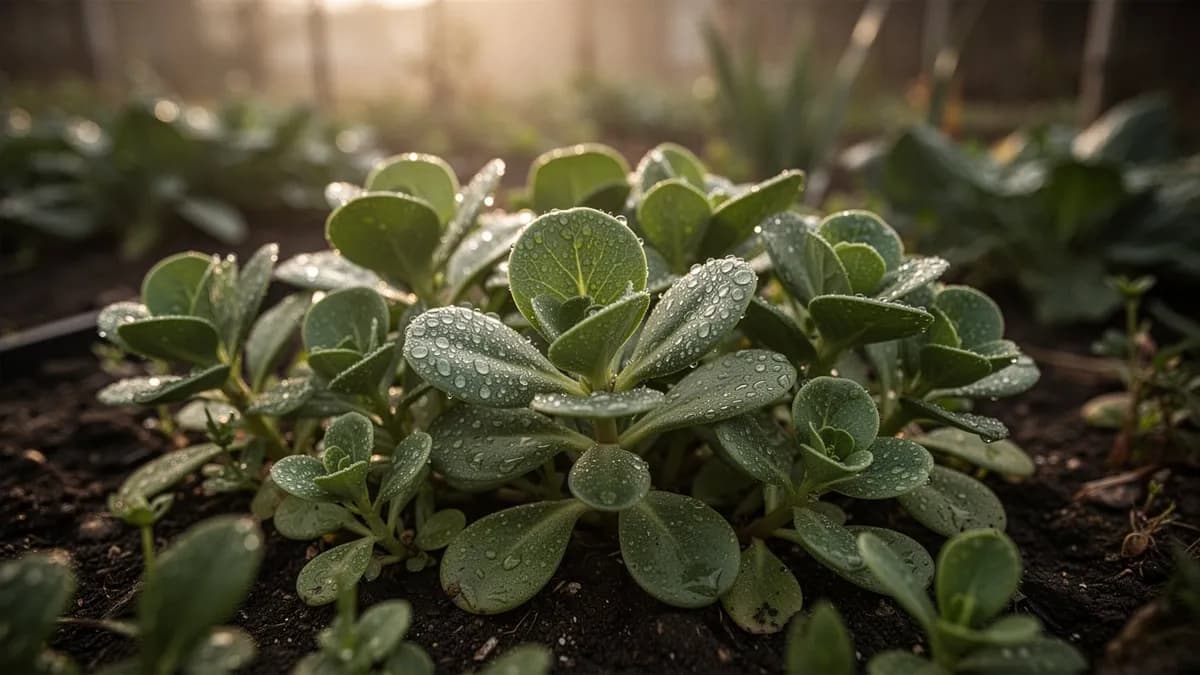
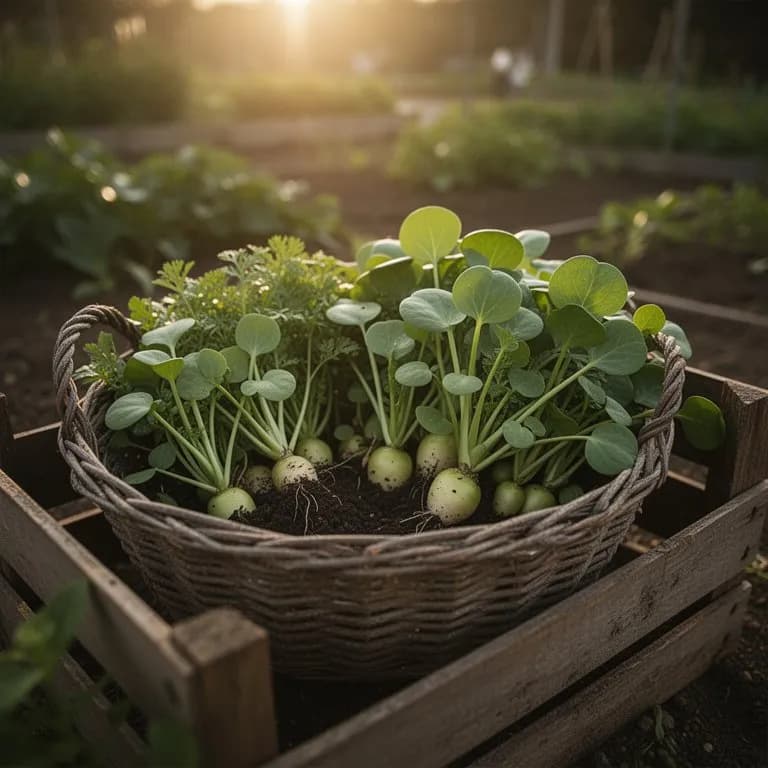
La verdolaga de invierno (Claytonia perfoliata), también conocida como lechuga del minero, es una planta anual originaria del oeste de Norteamérica. Se distingue por sus hojas redondeadas carnosas que rodean completamente el tallo, creando una forma de disco única. Su sabor suave, ligeramente dulce y jugoso recuerda a la espinaca joven, y prospera en las temperaturas frías del otoño, invierno y primavera temprana.
Cuándo plantar Verdolaga de Invierno
Siembre directamente en el exterior a finales de verano u otoño (agosto-octubre) para cosecha invernal, o a principios de primavera. Esparza las semillas en superficie o cúbralas apenas con 0,5 cm de tierra fina. La germinación necesita frescor (5-15 °C) y tarda 10-20 días. No siembre en verano caluroso, ya que las semillas entran en dormancia con el calor. Una vez establecida, se autosiembra cada año.
Tu año de Verdolaga de Invierno
Ajustado a Zona 7 · temporada típica · la helada se va hacia el 2 abr y vuelve hacia el 1 nov
Planta Verdolaga de Invierno Sep – Nov y cosecha Ene – Mar, Nov – Dic. Consulta los métodos de plantación y elige tu clima para adaptar los periodos.
Cómo cultivar Verdolaga de Invierno
La verdolaga de invierno es una planta de clima frío que germina y crece mejor a temperaturas entre 5 y 15 °C. Siembre directamente en el exterior desde finales de verano hasta principios de otoño para cosecha invernal, o a principios de primavera para cosecha temprana. Prefiere semisombra o sol parcial con suelo bien drenado y moderadamente fértil, pH entre 6,0 y 7,0.
Esparza las semillas en superficie o cúbralas apenas con 0,5 cm de tierra fina, ya que necesitan algo de luz para germinar. La germinación puede ser irregular, tardando entre 10 y 20 días. Aclare las plántulas a 10-15 cm de separación cuando tengan 3-4 hojas.
Riegue moderadamente para mantener el suelo ligeramente húmedo. La verdolaga de invierno necesita muy pocos cuidados una vez establecida. Tolera heladas moderadas y puede crecer durante todo el invierno en climas suaves. Se autosiembra generosamente si se dejan madurar las semillas, proporcionando cosechas año tras año sin resiembra.
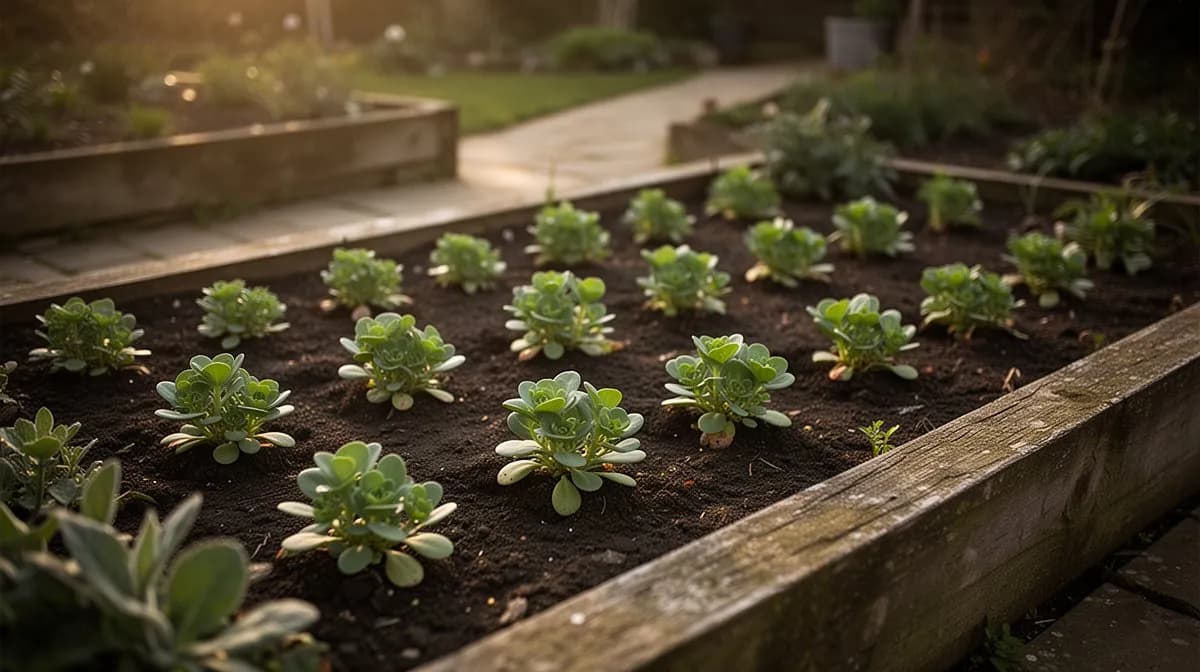
128 plantas caben en un bancal de 120 × 240 cm
Cada Verdolaga de Invierno pide 15 cm de margen. El planificador guarda ese marco por ti — cada planta, cada bancal.
Los mejores vecinos de Verdolaga de Invierno
La verdolaga de invierno es una excelente cobertura de suelo invernal que protege la tierra de la erosión y suprime las malas hierbas. Combina bien con otras verduras de invierno como espinacas, canónigos y lechugas de invierno. Plantada bajo frutales, aprovecha la sombra parcial y protege el suelo. No compite significativamente con otros cultivos.
Rábano va a su lado.
Saber de huerto de siempre, cotejado con la tabla real de Verdolaga de Invierno — prueba cualquier planta que cultives.
Prueba Verdolaga de Invierno en un bancal, aquí mismo
Un bancal real del planificador con Verdolaga de Invierno ya plantado. Toca una planta compañera para colocarla y mira cómo responde la comprobación de vecinos: verde para buenos vecinos, rojo si hay conflicto.


Guías de cultivo relacionadas
Abónalo bien
La verdolaga de invierno prospera en suelo bien drenado, moderadamente fértil, con pH entre 6,0 y 7,0. No necesita suelo muy rico; de hecho, los suelos pobres producen plantas más compactas y sabrosas. Una aplicación ligera de compost antes de la siembra es suficiente. Evite el exceso de nitrógeno que produce hojas blandas y acuosas.
Temperatura ideal
Compatibilidad de zonas de rusticidad
De la semilla a la cosecha, etapa por etapa
Germinación
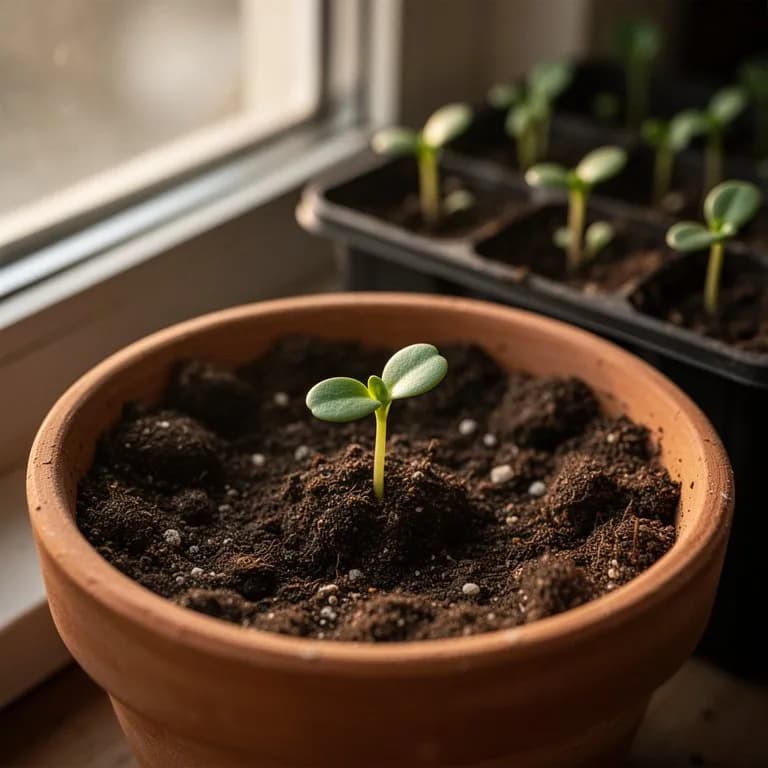
Las semillas germinan mejor en condiciones frescas entre 5 y 12 °C, algo inusual entre los cultivos de huerto. Las diminutas semillas negras producen cotiledones delicados, con forma de corazón y algo carnosos. La germinación puede ser irregular en suelos cálidos por encima de 20 °C, ya que la planta tiene un mecanismo de dormancia activado por el calor.
Formación de roseta
Las plántulas desarrollan una roseta baja de hojas redondeadas y en forma de cuchara, gruesas, suculentas y de color verde brillante. Las hojas crecen desde un punto central cerca del suelo, formando un grupo compacto de 10–15 cm de ancho. El crecimiento es constante incluso con temperaturas cercanas al punto de congelación.
Producción de hojas
La roseta se expande y la producción de hojas se acelera. Las hojas se vuelven más grandes y más carnosas, con una forma distintiva redondeada a triangular. La planta sigue siendo baja y compacta durante los días cortos del invierno, concentrando su energía en un follaje tierno y cosechable.
Elongación del tallo
A medida que los días se alargan a finales del invierno y principios de la primavera, las plantas empiezan a emitir tallos florales desde el centro de la roseta. Los tallos presentan hojas abrazadoras características: pares de hojas redondeadas que rodean completamente el tallo y forman estructuras en forma de copa que recogen el agua de lluvia. Las plantas pueden alcanzar 30–40 cm de altura.
Floración y formación de semillas
Pequeñas flores blancas en forma de estrella se abren sobre las hojas abrazadoras del tallo: cada flor tiene cinco pétalos y mide solo unos 5 mm de ancho. Las flores son autopolinizantes y rápidamente se convierten en pequeñas cápsulas redondas de semillas. Cada cápsula contiene 1–3 semillas negras brillantes que caen cuando maduran y se resiembran con facilidad para la próxima temporada.
Siembra las semillas muy superficialmente: apenas presiónalas sobre la superficie del suelo, porque necesitan luz para germinar. Mantén el sustrato constantemente húmedo con una neblina fina. Si la germinación es lenta, prueba a refrigerar las semillas durante una semana antes de sembrarlas para romper la dormancia.
Cuidar Verdolaga de Invierno mes a mes
Qué hacer cada mes para tu Verdolaga de Invierno
Octubre
Mes actualSeedlings from September sowings develop rosettes. Thin to 15-20 cm apart. Install cold frames or cloches over outdoor beds in colder zones. Begin light harvesting of outer leaves once rosettes have 8-10 leaves. Watch for slug damage.
Ten claro qué hacer en tu huerto, cada mes
Un correo al empezar cada mes: qué sembrar, plantar y hacer ahora mismo — para tu Verdolaga de Invierno y todo lo que crece alrededor. Más un breve curso inicial para esquivar los errores clásicos.
- Qué hacer ahora mismo
- Ajustado a tu temporada
- Curso inicial incluido
Cosechar Verdolaga de Invierno
Coseche las hojas y tallos de la verdolaga de invierno cuando tengan 10-15 cm de altura, entre 40 y 60 días después de la siembra. Corte las plantas enteras a 2-3 cm del suelo para estimular el rebrote, o recoja las hojas exteriores individualmente. Las hojas más jóvenes son las más tiernas y sabrosas. La cosecha puede continuar durante todo el invierno en climas suaves.
se supone que plantas al comenzar el periodo — indica tu fecha real
Empieza a cosechar cuando las plantas hayan desarrollado sus hojas distintivas en forma de disco, normalmente entre 40 y 50 días desde la siembra. Cosecha durante todo el invierno y la primavera temprana hasta que las plantas empiecen a florecer a finales de primavera.
Almacenamiento y conservación
Las hojas frescas se conservan en el refrigerador 3-5 días dentro de una bolsa perforada o envueltas en un paño húmedo. La verdolaga de invierno se consume mejor fresca, ya que pierde textura al congelarse o secarse. Su temporada larga de producción (otoño a primavera) hace innecesaria la conservación prolongada.
Qué falla — y cómo solucionarlo
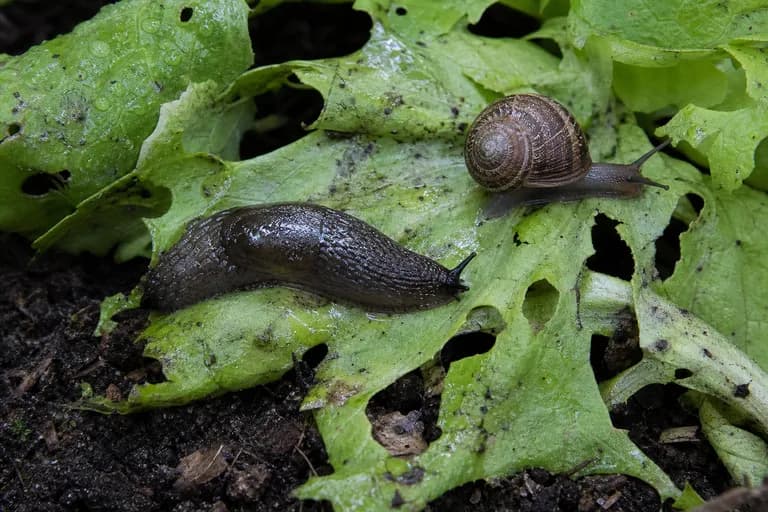
Babosas y caracoles (Gastropoda)
PlagaAgujeros irregulares en las hojas carnosas y rastros de baba plateada. Los daños son más frecuentes en condiciones húmedas, especialmente en otoño e invierno.
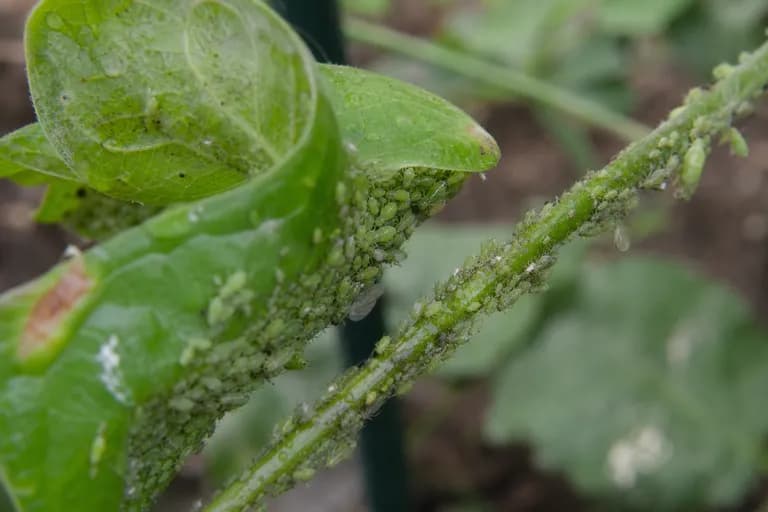
Roya (Puccinia spp.)
EnfermedadPústulas anaranjadas pequeñas en el envés de las hojas que liberan esporas. Las hojas afectadas se decoloran y debilitan.
Solución de problemas comunes
El principal 'problema' es su tendencia a autosembrarse agresivamente; si no se controla, puede colonizar todo el jardín. Retire las plantas antes de que maduren las semillas si no desea su expansión. Se espiga rápidamente con el calor primaveral, produciendo flores blancas diminutas. Las plantas espigadas son más amargas pero aún comestibles.
Consejos de cultivo
- Embrace the cold — winter purslane genuinely thrives in conditions that kill or stall most crops. Do not coddle it with heated greenhouses or warm indoor starts. Seeds germinate best at 5-12°C (41-54°F) and plants produce their finest leaves in near-freezing weather.
- Sow shallowly and let light in. Seeds need light to germinate, so press them gently onto the soil surface or cover with the thinnest possible dusting of fine vermiculite. Burying seeds even 1 cm deep dramatically reduces germination rates.
- Use cut-and-come-again harvesting to maximize yield. Snip outer leaves at the base of the rosette, leaving the central growing point intact. Each plant will regrow and provide 3-5 harvests over the season, multiplying your total yield significantly.
- A simple cold frame transforms winter purslane from a good crop to a great one. Even an unheated frame extends the harvest window by weeks, protects leaves from rain damage, and produces cleaner, more tender greens than open-ground plants.
- Let it self-sow and you will never need to buy seed again. Allow 3-4 plants to flower and set seed in spring — each plant drops over 1,000 seeds that germinate naturally the following autumn, creating a permanent, self-renewing salad patch.
- Avoid hot, sunny positions in mild climates. Winter purslane naturally grows in partial shade and struggles in full sun during warm spells. Under deciduous trees or on the north side of a wall provides ideal dappled light conditions in winter.
- Water sparingly but consistently. The succulent leaves store water efficiently, but the shallow root system dries out quickly. Aim for evenly moist soil without waterlogging — soggy conditions invite root rot and grey mould, the plant's worst enemies.
- Succession sow every 3-4 weeks from late August through October for a continuous supply of baby leaves. This staggers maturity so you always have young, tender rosettes ready to harvest rather than relying on a single aging planting.
Cultiva tu mejor Verdolaga de Invierno — y todo lo que la rodea.
Empieza un plan gratis hoy. Diseña tus bancales, coloca tu Verdolaga de Invierno y deja que PlotMyGarden gestione el momento, el espaciado, las asociaciones y los recordatorios de la semilla a la cesta.
Elige tu Verdolaga de Invierno
Claytonia perfoliata
La especie tipo con hojas redondeadas características que abrazan el tallo. Sabor suave y dulce. Muy resistente al frío. 40-60 días.
Claytonia sibirica (belleza de primavera)
Especie emparentada con hojas más alargadas y flores rosas decorativas. Sabor similar pero ligeramente más intenso. Perenne en zonas húmedas.
Montia fontana (pamplina de agua)
Pariente cercano que crece en condiciones más húmedas. Hojas pequeñas y suculentas con sabor delicado. Ideal para zonas sombrías y húmedas del jardín.
Winter purslane seeds cost just $2-4 per packet (containing 500-1,000 seeds) and the plant self-sows reliably, providing free seed for future seasons. A single sowing can establish a self-renewing patch that produces fresh winter greens for years. With specialty winter salad mixes retailing for $4-8 per small bag at farmers markets and grocery stores, growing your own winter purslane saves $30-60 per winter on fresh greens alone — and delivers them at peak freshness, right outside your door, when store-bought greens are at their most expensive and least fresh.
Recetas rápidas
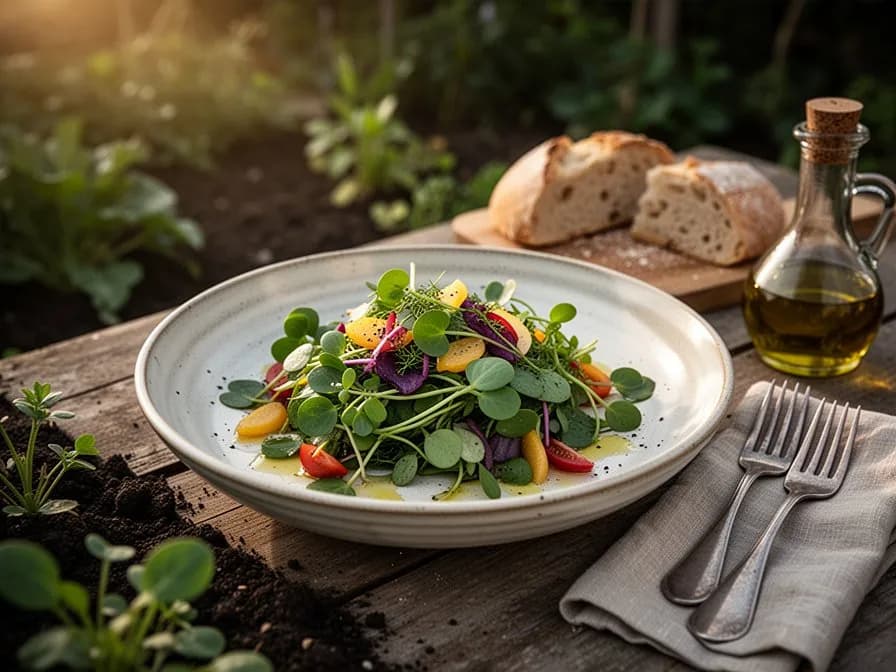
Winter Purslane and Beetroot Salad
15 minA vibrant winter salad combining the mild, slightly nutty crunch of fresh winter purslane with earthy roasted beetroot, tangy goat cheese, and toasted walnuts. A simple honey-mustard vinaigrette ties the flavors together into a satisfying cold-weather dish.
9 ingredientesWilted Winter Purslane with Garlic and Lemon
10 minA quick and simple side dish where winter purslane is lightly wilted in olive oil with garlic and finished with a bright squeeze of lemon. The succulent leaves hold their texture beautifully, creating a side that pairs perfectly with roasted meat or fish.
6 ingredientesWinter Purslane Pesto
10 minA seasonal twist on classic pesto using winter purslane instead of basil — the mild, slightly mineral flavor of the leaves creates a delicate, bright green sauce perfect for pasta, bruschetta, or drizzling over roasted winter vegetables.
7 ingredientesUsos culinarios
La verdolaga de invierno se consume principalmente cruda en ensaladas, donde sus hojas suaves y jugosas aportan una textura carnosa y un sabor dulce sutil. Se utiliza en sándwiches como sustituto de la lechuga, en wraps y como base de ensaladas invernales cuando pocas verduras de hoja están disponibles. También puede añadirse brevemente a sopas al final de la cocción o saltearse ligeramente con mantequilla.
Qué contiene
Beneficios para la salud
- Exceptionally high in vitamin C for a winter-available green, providing about 24% of the daily value per 100g — historically used to prevent and treat scurvy, this remains a powerful immune-boosting food during cold and flu season.
- One of the richest plant sources of alpha-linolenic acid (an omega-3 fatty acid), which supports cardiovascular health, reduces inflammation, and may improve brain function and mood during dark winter months.
- Rich in vitamin A and beta-carotene, supporting healthy vision, skin barrier function, and immune cell production — especially valuable during winter when sun exposure and dietary variety are limited.
- Contains significant iron and calcium for a leafy green, supporting oxygen transport in the blood and bone density — important minerals that are often deficient in winter diets lacking fresh produce diversity.
- High water content and gentle fiber support hydration and digestive regularity during winter, when people tend to drink less water and eat fewer fresh, water-rich foods.
- The combination of antioxidants including vitamin C, beta-carotene, and various polyphenols helps combat oxidative stress and supports the body's natural defense systems during the physiologically demanding winter season.
De dónde viene Verdolaga de Invierno
Winter purslane (Claytonia perfoliata) is native to the western regions of North America, ranging from southern Alaska through British Columbia and the Pacific Northwest down through California and into Central America. It grows naturally in moist, shaded habitats — woodland edges, stream banks, rocky slopes, and disturbed ground — from sea level to mountain elevations above 2,500 meters. The plant was an important food source for numerous Indigenous peoples across its native range, including the Coast Salish, Ohlone, Miwok, and many other nations, who gathered the tender rosettes and succulent stems as one of the earliest spring greens.
The plant gained its most famous common name, 'miner's lettuce,' during the California Gold Rush of 1848-1855. Thousands of prospectors living in remote mining camps suffered from scurvy and other nutritional deficiencies due to diets consisting almost entirely of preserved meat, beans, and hardtack. They quickly learned from Indigenous knowledge that this abundant wild green could prevent and cure scurvy — its high vitamin C content made it a genuinely life-saving food. The miners ate it raw in enormous quantities, and the name stuck permanently.
Claytonia perfoliata was introduced to Europe in the late 18th century, where it was initially grown as a botanical curiosity. It quickly escaped cultivation and naturalized across the British Isles, France, and other parts of western Europe with mild, maritime winters. By the 19th century, European market gardeners recognized its value as a winter salad crop — it could produce fresh, tender greens during the coldest months when virtually nothing else would grow outdoors. Today it is widely cultivated across Europe, particularly in Britain, France, and the Netherlands, as a cold-season salad green. In its native North America, it remains primarily a wild-foraged plant, though specialty growers and home gardeners increasingly cultivate it for winter salad production.
Verdolaga de Invierno: ¿sabías que?
Datos fascinantes sobre Verdolaga de Invierno
Winter purslane (Claytonia perfoliata) is native to western North America, from Alaska to Central America — it was a staple food of many Indigenous peoples and was eaten raw, steamed, or boiled as one of the first fresh greens available after long winters.
Verdolaga de Invierno: preguntas frecuentes
¿Cuándo debo plantar Verdolaga de Invierno?
¿Cuáles son buenas plantas acompañantes para Verdolaga de Invierno?
¿En qué zonas de rusticidad puede crecer Verdolaga de Invierno?
¿Cuánto sol necesita Verdolaga de Invierno?
¿A qué distancia debo espaciar Verdolaga de Invierno?
¿Qué plagas y enfermedades afectan a Verdolaga de Invierno?
¿Cómo almaceno Verdolaga de Invierno después de la cosecha?
¿Cuáles son las mejores variedades de Verdolaga de Invierno para cultivar?
¿Qué suelo necesita Verdolaga de Invierno?
Why won't my winter purslane seeds germinate?
Is winter purslane the same as regular purslane?
Can I grow winter purslane indoors?
My winter purslane is bolting — what can I do?
Will winter purslane survive a hard freeze?
How do I harvest winter purslane without killing the plant?
Acabas de leer la teoría. Ahora cultívala en piloto automático.
Todo lo que hace que Verdolaga de Invierno sea delicado — el momento, el espaciado, las asociaciones, la ventana de cosecha — es justo lo que PlotMyGarden resuelve por ti, para cada planta de tu huerto.
Un plan que conoce tu clima
Indica tu ubicación una vez. Recibe fechas de siembra, abonado y cosecha basadas en tu última helada real y el pronóstico en vivo — sin adivinar con un sobre genérico.
De la sección “Cuándo plantar”Planificador de bancales de arrastrar y soltar
Diseña bancales sobre una cuadrícula. Cada planta encaja con su espaciado correcto y ves toda la temporada antes de gastar un céntimo en semillas.
De la sección “Cultivo”Conflictos de asociación, detectados a tiempo
Más de 200 buenas y malas combinaciones comprobadas en vivo mientras plantas — para que un error que arruine la temporada nunca llegue a la tierra.
De la sección “Asociaciones”Recordatorios que sí vas a seguir
“Riega las judías.” “Recoge hoy antes de que se pase.” Oportunos, concretos y ligados a las plantas que de verdad cultivas.
De la sección “Cosecha”Escalonado, programado
¿Quieres cosechar seis semanas en vez de seis días? Reparte tus siembras automáticamente y te avisa cuando toca el siguiente lote.
De la sección “Cuándo plantar”Un registro que se vuelve más listo
Cada cosecha que registras le enseña tu huerto. El plan del año que viene parte de lo que de verdad funcionó en tu suelo, no en un manual.
De la sección “Resumen”Planta estos junto a Verdolaga de Invierno
Más Hortalizas de hoja
Diseños de jardín con Verdolaga de Invierno
Cultiva tu mejor Verdolaga de Invierno — y todo lo que la rodea.
Empieza un plan gratis hoy. Diseña tus bancales, coloca tu Verdolaga de Invierno y deja que PlotMyGarden gestione el momento, el espaciado, las asociaciones y los recordatorios de la semilla a la cesta.