Ajo Silvestre
El ajo silvestre (Allium ursinum), también conocido como ajo de oso o rámson, es una planta bulbosa perenne nativa de los bosques caducifolios de Europa y Asia.





En esta páginaResumen
Conoce Ajo Silvestre
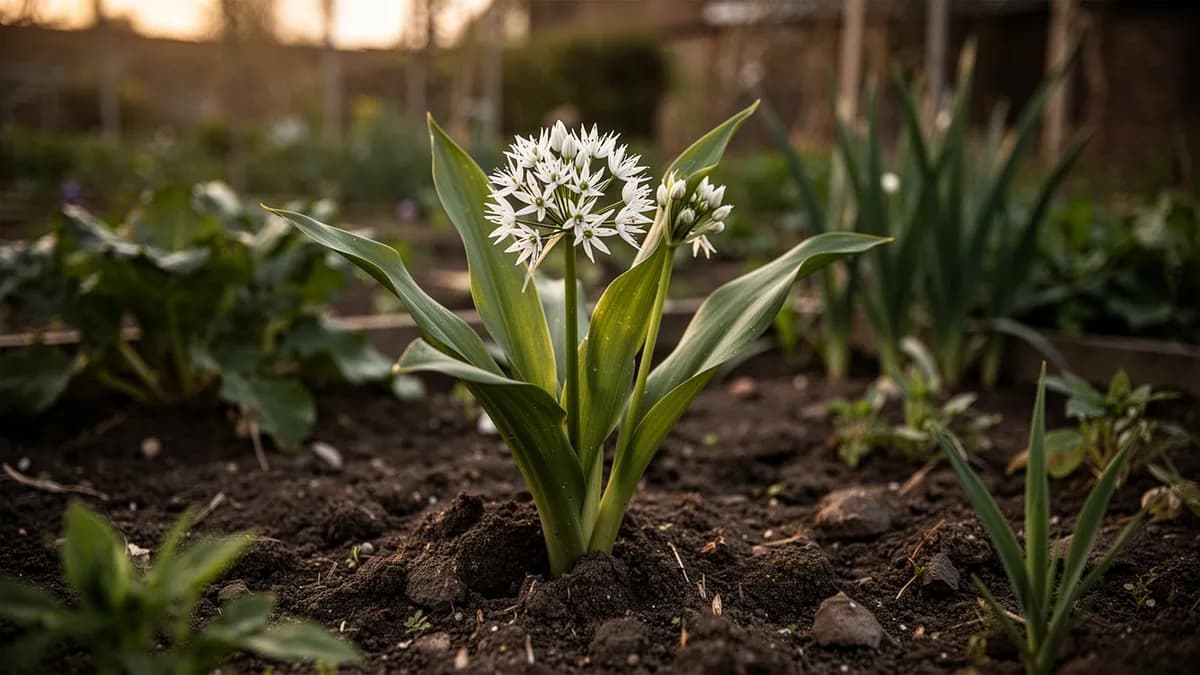
El ajo silvestre (Allium ursinum), también conocido como ajo de oso o rámson, es una planta bulbosa perenne nativa de los bosques caducifolios de Europa y Asia. En primavera, sus hojas anchas y brillantes de color verde esmeralda tapicen el suelo del bosque con un aroma intenso a ajo. Es una de las primeras verduras silvestres de la temporada y un ingrediente cada vez más apreciado en la cocina contemporánea.
Cuándo plantar Ajo Silvestre
La siembra de semillas requiere paciencia, ya que necesitan estratificación en frío natural. Siembre las semillas frescas (recién cosechadas) en otoño en bandejas al exterior; germinarán en primavera tras el frío invernal. Las semillas secas pierden viabilidad rápidamente. La plantación de bulbos en otoño es mucho más rápida y fiable, con cosecha posible desde el segundo año.
Tu año de Ajo Silvestre
Ajustado a Zona 7 · temporada típica · la helada se va hacia el 2 abr y vuelve hacia el 1 nov
Planta Ajo Silvestre Sep – Nov y cosecha Mar – May. Consulta los métodos de plantación y elige tu clima para adaptar los periodos.
Cómo cultivar Ajo Silvestre
El ajo silvestre necesita condiciones que imiten su hábitat natural: un lugar sombreado o con sombra parcial bajo árboles caducifolios, con suelo rico en humus, húmedo y fresco, con pH entre 5,5 y 7,0. Es una planta de bosque que no tolera el sol directo del verano ni los suelos secos.
Plante los bulbos en otoño a 5-7 cm de profundidad con 15-20 cm de separación, en una zona donde reciban luz durante el invierno y primavera pero sombra en verano (bajo árboles caducifolios es ideal). Cubra con una capa de hojas secas o mantillo para simular el suelo del bosque.
El ajo silvestre necesita poca atención una vez establecido. Mantenga el suelo húmedo durante la primavera, cuando las hojas crecen activamente. Las hojas emergen en febrero-marzo, florecen en abril-mayo con umbelas de flores blancas estrelladas, y la parte aérea desaparece completamente en junio. La planta se naturaliza fácilmente y forma colonias densas con los años.
128 plantas caben en un bancal de 120 × 240 cm
Cada Ajo Silvestre pide 15 cm de margen. El planificador guarda ese marco por ti — cada planta, cada bancal.
Guías de cultivo relacionadas
Abónalo bien
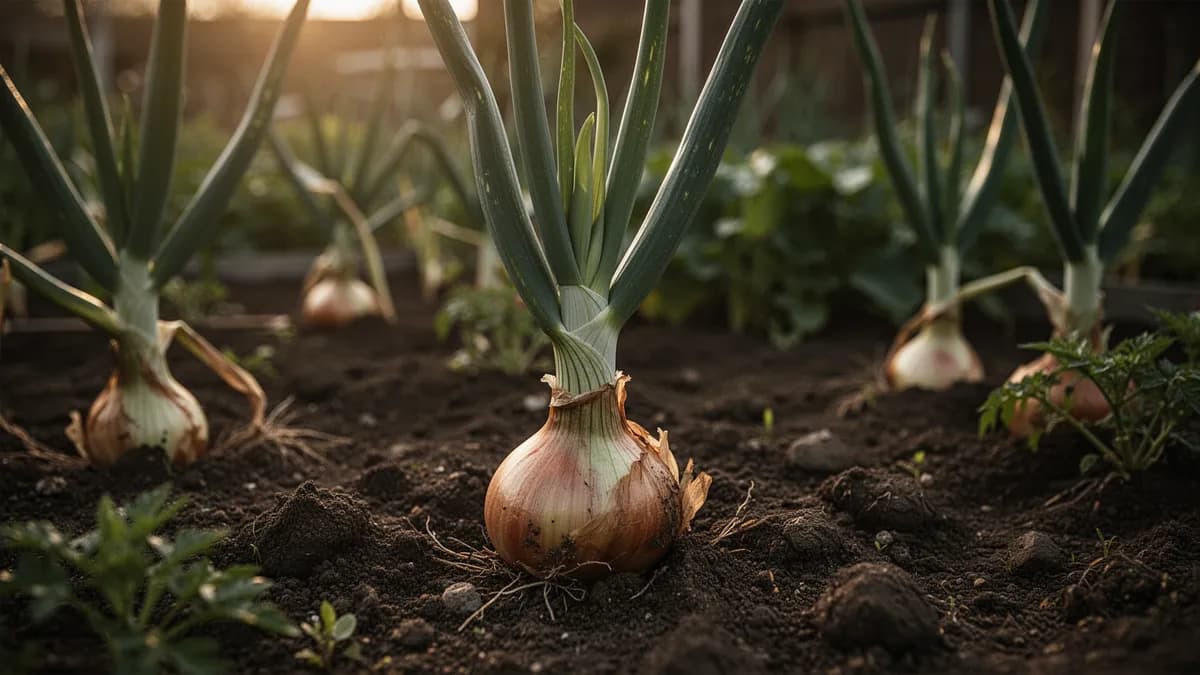
El ajo silvestre necesita suelo rico en humus, fresco y húmedo, con pH entre 5,5 y 7,0. El suelo ideal imita el suelo del bosque caducifolio: rico en hojas descompuestas, suelto y con buena retención de humedad. Cubra anualmente con hojas secas o compost de hojas en otoño para alimentar el suelo. No necesita fertilización adicional.
Temperatura ideal
Compatibilidad de zonas de rusticidad
De la semilla a la cosecha, etapa por etapa
Reposo y descanso del bulbo
Los pequeños bulbos blancos permanecen bajo tierra durante el invierno, protegidos por la capa aislante de hojarasca del suelo del bosque. La actividad de las raíces comienza a finales del invierno, cuando la temperatura del suelo supera los 5 °C, absorbiendo humedad y nutrientes para la rápida brotación primaveral.
Emergencia de hojas
Las hojas verdes brillantes, en forma de lanza, brotan del suelo a finales de febrero y en marzo, a menudo antes de que el dosel de los árboles se cierre. Cada bulbo produce 2-3 hojas lisas y anchas con una nervadura central prominente. Las hojas tienen un fuerte aroma a ajo al frotarlas y esta es la mejor época de cosecha para uso culinario.
Floración
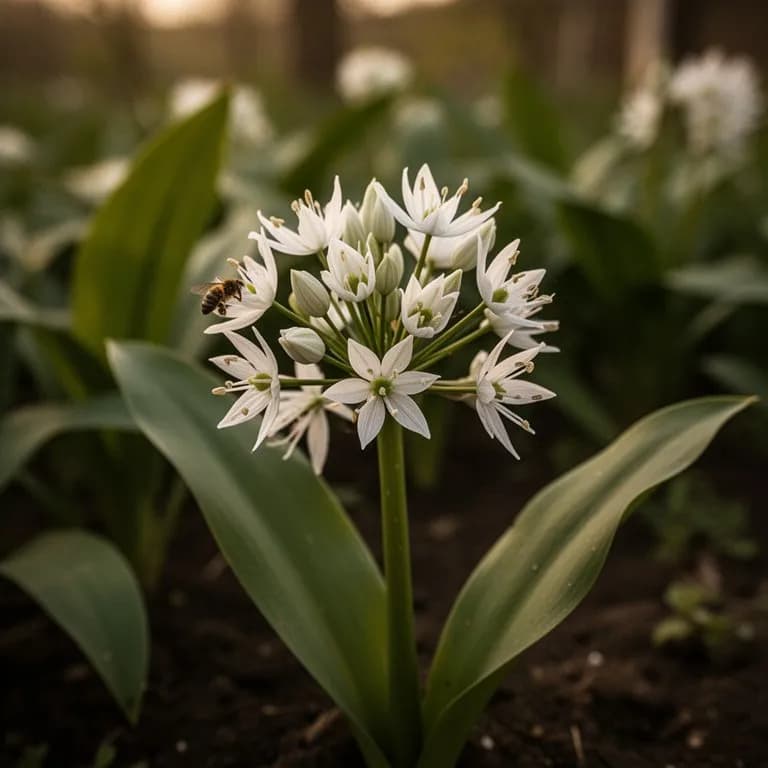
Los tallos florales triangulares sobresalen de 20 a 40 cm por encima del follaje en abril y mayo, cada uno rematado por una umbela de 6 a 20 flores blancas en forma de estrella. Las flores tienen un aroma dulce y atraen a abejas, sírfidos y otros polinizadores. Los botones florales y las flores abiertas son comestibles y tienen un sabor a ajo más suave que las hojas.
Formación de semillas
Las flores fecundadas desarrollan pequeñas cápsulas redondas con 3-6 semillas negras brillantes en cada una. Las semillas tienen un apéndice carnoso (elaiosoma) que atrae a las hormigas, que las transportan a nuevos lugares: una estrategia de dispersión llamada mirmecocoria. Así el ajo silvestre coloniza lentamente nuevas zonas del bosque.
Marchitez y dormancia
A finales de junio, las hojas amarillean y se desploman cuando el dosel de los árboles se cierra por encima, bloqueando la luz. Todo el crecimiento aéreo desaparece por completo en julio. El bulbo entra en dormancia, habiendo almacenado suficiente energía del breve periodo de crecimiento primaveral para sobrevivir hasta el año siguiente. La planta queda totalmente invisible sobre el suelo durante 6-7 meses.
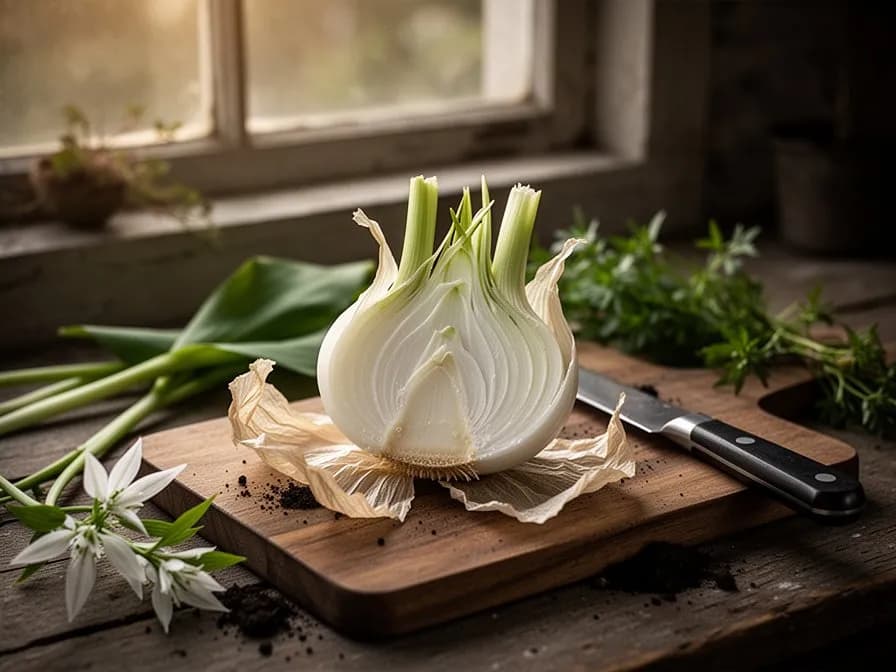
En el jardín, asegúrate de que la zona de plantación permanezca acolchada con mantillo de hojas durante el invierno. No remuevas la tierra: los bulbos están solo a 3-5 cm de la superficie y se dañan fácilmente al cavar.
Cuidar Ajo Silvestre mes a mes
Qué hacer cada mes para tu Ajo Silvestre
Octubre
Mes actualIdeal planting month for dormant bulbs. Plant 3-5 cm deep and 10-15 cm apart in dappled shade under deciduous trees. Water well after planting. Also sow fresh seed in trays — it needs winter cold to germinate in spring.
Ten claro qué hacer en tu huerto, cada mes
Un correo al empezar cada mes: qué sembrar, plantar y hacer ahora mismo — para tu Ajo Silvestre y todo lo que crece alrededor. Más un breve curso inicial para esquivar los errores clásicos.
- Qué hacer ahora mismo
- Ajustado a tu temporada
- Curso inicial incluido
Cosechar Ajo Silvestre
Coseche las hojas de ajo silvestre de marzo a mayo, antes de que la planta florezca, ya que las hojas se vuelven más duras y menos aromáticas durante la floración. Corte hojas individuales con tijeras, tomando solo 1-2 hojas por planta para no debilitarla. En colonias establecidas, puede cosechar más generosamente. Las flores también son comestibles y decorativas.
se supone que plantas al comenzar el periodo — indica tu fecha real
A partir de bulbos, tubérculos o dientes
Cosecha las hojas desde finales de febrero hasta mayo, según el clima. Cosecha las flores cuando apenas se abran. Los bulbos pequeños pueden desenterrarse en otoño, pero solo con moderación.
Almacenamiento y conservación
Las hojas frescas se conservan en el refrigerador 3-5 días envueltas en un paño húmedo. La mejor forma de conservar su sabor es preparar pesto de ajo silvestre (con piñones, parmesano y aceite de oliva) que se congela en porciones y dura meses. También se preparan mantequilla de ajo silvestre, aceite aromatizado y sal de ajo silvestre deshidratado.
Qué falla — y cómo solucionarlo
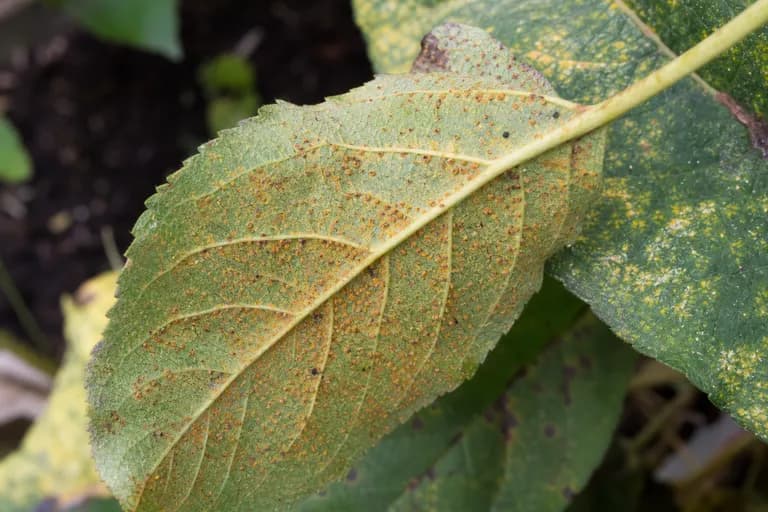
Roya (Puccinia allii)
EnfermedadPústulas anaranjadas en las hojas que liberan esporas pulverulentas. Las hojas afectadas amarillean prematuramente y pierden sabor.
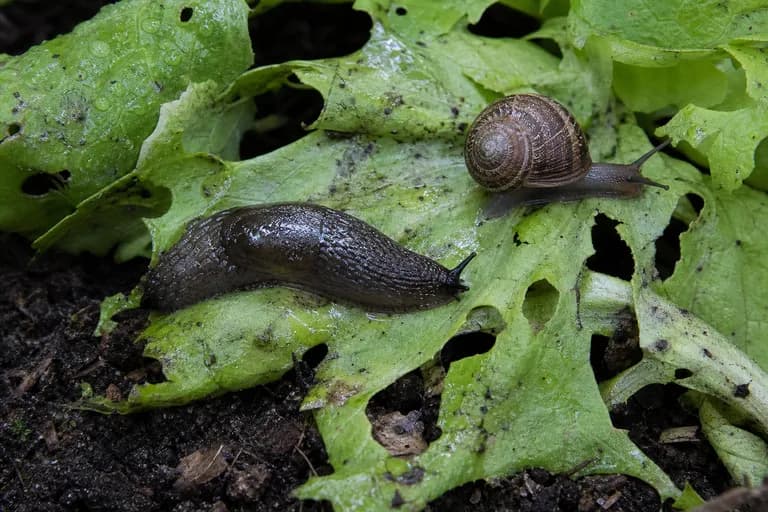
Mosca del puerro (Acrolepiopsis assectella)
PlagaLas larvas minan las hojas creando galerías plateadas visibles al trasluz. Las hojas afectadas se marchitan y secan prematuramente.
Solución de problemas comunes
La confusión con el lirio de los valles (Convallaria majalis), altamente tóxico, es el peligro más grave. Ambas plantas comparten hábitat y aspecto similar antes de la floración; sin embargo, las hojas de ajo silvestre huelen intensamente a ajo al frotarlas, mientras que las del lirio no. Nunca recolecte sin esta verificación olfativa. El ajo silvestre puede volverse invasivo en condiciones favorables.
Consejos de cultivo
- Mimic the woodland floor. Wild garlic evolved under deciduous trees — it needs moist, humus-rich soil in dappled shade. Plant under oaks, beeches, or hazels where it receives winter and spring sunlight before the canopy leafs out and shades it in summer.
- Never plant in full sun or dry soil. Wild garlic will fail completely in exposed, sunny, or drought-prone positions. The ideal spot receives morning or filtered light and stays cool and moist throughout the growing season.
- Patience is essential. Wild garlic colonies build slowly — expect 2-3 years before a new planting is established enough to harvest from, and 5+ years before the colony is truly impressive. Do not harvest from new plantings for the first two seasons.
- Enrich soil with leaf mould, not manure. Wild garlic thrives in the acidic to neutral, humus-rich soil of deciduous woodlands. Work in generous amounts of leaf mould or well-rotted compost rather than animal manure, which can be too rich in nitrogen.
- Plant bulbs in autumn at 3-5 cm depth and 10-15 cm spacing. The bulbs are small and desiccate quickly once lifted — plant them within a day or two of receiving them. If you cannot plant immediately, store in barely damp peat in the refrigerator.
- Allow self-seeding for natural colony expansion. Wild garlic spreads by both bulb division and seed dispersal. Leave flower heads to set seed and let the ants carry seeds to new spots — this slow, natural colonization creates the most beautiful, naturalistic drifts.
- Be absolutely certain of your identification before eating wild-foraged leaves. Wild garlic leaves can be confused with lily of the valley (toxic) and autumn crocus (deadly). The crush test is definitive — wild garlic always smells strongly of garlic; the poisonous lookalikes never do.
- Harvest sustainably. Never take more than one leaf per bulb from wild populations. In your own garden colony, you can harvest more freely once established, but always leave enough foliage for the bulbs to photosynthesize and recharge for next year.
Cultiva tu mejor Ajo Silvestre — y todo lo que la rodea.
Empieza un plan gratis hoy. Diseña tus bancales, coloca tu Ajo Silvestre y deja que PlotMyGarden gestione el momento, el espaciado, las asociaciones y los recordatorios de la semilla a la cesta.
Elige tu Ajo Silvestre
Allium ursinum (tipo silvestre)
La especie tipo con hojas anchas brillantes y aroma intenso a ajo. Forma colonias naturalizadas bajo árboles caducifolios. Floración blanca en abril-mayo.
Allium ursinum de hoja ancha
Selección con hojas especialmente anchas y carnosas, ideales para uso culinario. Mayor producción por planta que el tipo silvestre.
Allium triquetrum (ajo de tres esquinas)
Especie emparentada con tallos triangulares y flores blancas acampanadas. Sabor más suave que A. ursinum. Nativa del Mediterráneo occidental.
Fresh wild garlic leaves sell for $15-30 per kilogram at farmers markets and specialty grocers during the brief spring season, making it one of the most expensive seasonal greens available. A packet of 25 bulbs ($8-12) planted in a shady garden corner can produce harvestable leaves within two years and expand into a self-sustaining colony. Within 5 years, a single planting can yield 500g+ of leaves annually — a value of $10-15 per harvest with zero ongoing cost. Wild garlic pesto sells for $8-15 per small jar at artisan shops, and a single batch made from garden-grown leaves costs under $3 in additional ingredients.
Recetas rápidas
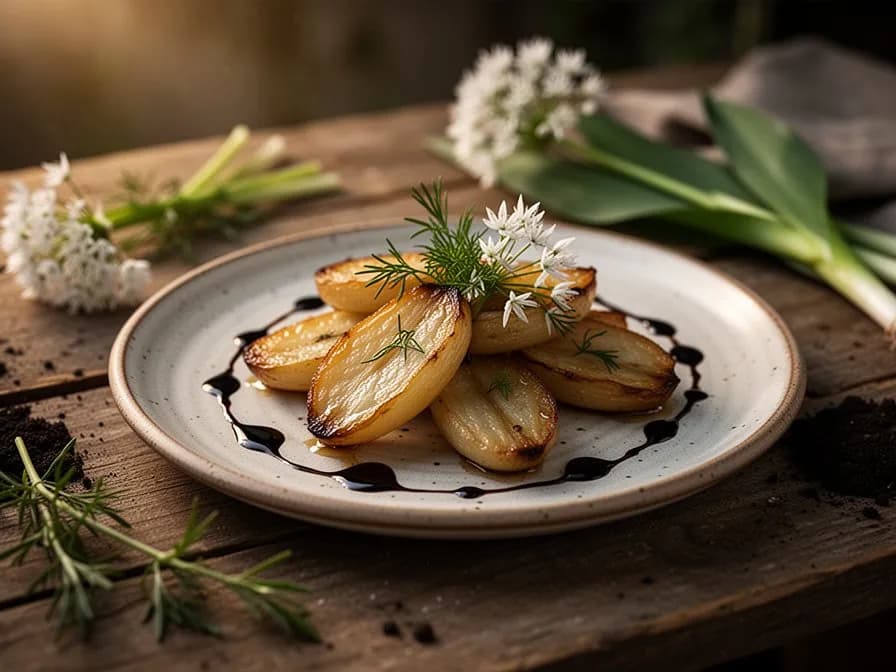
Wild Garlic Pesto
10 minA vibrant, intensely flavoured spring pesto that captures wild garlic's fleeting season in a jar. Toss with pasta, spread on bruschetta, or swirl into risotto for an instant burst of woodland spring flavour.
6 ingredientesWild Garlic Compound Butter
10 minA simple but transformative way to preserve wild garlic flavour — melt over grilled steak, toss with new potatoes, or spread on crusty bread. Rolls can be frozen for up to six months, giving you a taste of spring all year round.
5 ingredientesWild Garlic and Potato Soup
30 minA silky, deeply savoury soup that celebrates the pairing of earthy potatoes with pungent wild garlic. The leaves are stirred in at the end to preserve their bright green colour and fresh garlic bite.
7 ingredientesUsos culinarios
El ajo silvestre es un ingrediente estrella de la cocina primaveral europea. El pesto de rámson, preparado con hojas frescas, piñones, parmesano y aceite de oliva, es la preparación más popular. Las hojas se añaden a sopas, ensaladas, tortillas y quiches. La mantequilla de ajo silvestre acompaña carnes y pescados a la parrilla. Las flores y los capullos se usan como guarnición o se encurten como alcaparras.
Qué contiene
Beneficios para la salud
- Contains allicin and other organosulfur compounds that have well-documented antimicrobial and antifungal properties — historically used across Europe as a natural antibiotic long before modern medicine.
- Rich in vitamin C, providing nearly 89% of the daily value per 100g of fresh leaves, supporting immune function and collagen synthesis during the critical spring transition period.
- The sulfur compounds in wild garlic support cardiovascular health by helping to reduce blood pressure, lower LDL cholesterol, and inhibit platelet aggregation — similar benefits to cultivated garlic but in a milder, more palatable form.
- High beta-carotene content (converted to vitamin A in the body) supports eye health, skin integrity, and immune cell function.
- Traditionally used as a spring detoxification tonic in European folk medicine — modern research suggests the sulfur compounds support liver enzyme function and glutathione production for natural detoxification.
- Contains prebiotic fructans (inulin-type compounds) that feed beneficial gut bacteria, supporting digestive health and a balanced intestinal microbiome.
De dónde viene Ajo Silvestre
Wild garlic (Allium ursinum) is native to Europe and northern Asia, ranging from the Atlantic coasts of Ireland and Portugal east through the Caucasus to western Siberia. It has been a part of the human diet since at least the Mesolithic period — charred wild garlic bulbs have been found in settlement sites dating back over 8,000 years in Denmark and Switzerland, making it one of the oldest documented food plants in European history.
The plant held an important place in folk medicine throughout medieval Europe. Anglo-Saxon herbals prescribed wild garlic as a treatment for infections, digestive complaints, and respiratory ailments. In Germanic tradition, it was believed to purify the blood after winter and was gathered in great quantities during spring. The common German name 'Barlauch' derives from Old High German and has been in continuous use for over a thousand years. Celtic peoples associated wild garlic with protection and planted it near their dwellings to ward off evil spirits.
Wild garlic experienced a dramatic culinary renaissance beginning in the 1990s, driven by the New Nordic cuisine movement and a broader European interest in foraged wild foods. Chefs across Britain, Germany, Austria, and Scandinavia elevated the humble woodland plant to fine-dining status, and its fleeting spring season became a celebrated annual event. Today, wild garlic pesto, butter, and soup are springtime staples across much of Europe. Conservation-minded foragers follow sustainable harvesting practices — taking only one leaf per plant and never uprooting bulbs — to ensure that these ancient woodland carpets continue to thrive for future generations.
Ajo Silvestre: ¿sabías que?
Datos fascinantes sobre Ajo Silvestre
Wild garlic (Allium ursinum) gets its Latin species name 'ursinum' meaning 'of bears' — legend holds that brown bears seek out the leaves to eat after emerging from hibernation, using the plant as a restorative spring tonic.
Ajo Silvestre: preguntas frecuentes
¿Cuándo debo plantar Ajo Silvestre?
¿En qué zonas de rusticidad puede crecer Ajo Silvestre?
¿Cuánto sol necesita Ajo Silvestre?
¿A qué distancia debo espaciar Ajo Silvestre?
¿Qué plagas y enfermedades afectan a Ajo Silvestre?
¿Cómo almaceno Ajo Silvestre después de la cosecha?
¿Cuáles son las mejores variedades de Ajo Silvestre para cultivar?
¿Qué suelo necesita Ajo Silvestre?
Can I grow wild garlic in my garden even if I do not have woodland?
How do I tell wild garlic apart from poisonous lookalikes?
How long does it take for wild garlic to establish and spread?
What is the best way to preserve wild garlic for use after the season ends?
Is it legal to forage wild garlic from the countryside?
Will wild garlic take over my entire garden?
Acabas de leer la teoría. Ahora cultívala en piloto automático.
Todo lo que hace que Ajo Silvestre sea delicado — el momento, el espaciado, las asociaciones, la ventana de cosecha — es justo lo que PlotMyGarden resuelve por ti, para cada planta de tu huerto.
Un plan que conoce tu clima
Indica tu ubicación una vez. Recibe fechas de siembra, abonado y cosecha basadas en tu última helada real y el pronóstico en vivo — sin adivinar con un sobre genérico.
De la sección “Cuándo plantar”Planificador de bancales de arrastrar y soltar
Diseña bancales sobre una cuadrícula. Cada planta encaja con su espaciado correcto y ves toda la temporada antes de gastar un céntimo en semillas.
De la sección “Cultivo”Conflictos de asociación, detectados a tiempo
Más de 200 buenas y malas combinaciones comprobadas en vivo mientras plantas — para que un error que arruine la temporada nunca llegue a la tierra.
De la sección “Asociaciones”Recordatorios que sí vas a seguir
“Riega las judías.” “Recoge hoy antes de que se pase.” Oportunos, concretos y ligados a las plantas que de verdad cultivas.
De la sección “Cosecha”Escalonado, programado
¿Quieres cosechar seis semanas en vez de seis días? Reparte tus siembras automáticamente y te avisa cuando toca el siguiente lote.
De la sección “Cuándo plantar”Un registro que se vuelve más listo
Cada cosecha que registras le enseña tu huerto. El plan del año que viene parte de lo que de verdad funcionó en tu suelo, no en un manual.
De la sección “Resumen”Más Aliáceas
Cultiva tu mejor Ajo Silvestre — y todo lo que la rodea.
Empieza un plan gratis hoy. Diseña tus bancales, coloca tu Ajo Silvestre y deja que PlotMyGarden gestione el momento, el espaciado, las asociaciones y los recordatorios de la semilla a la cesta.