Apio de Agua
El apio de agua (Oenanthe javanica), también conocido como seri o perejil japonés de agua, es una planta perenne semiacuática originaria de Asia oriental.





En esta páginaResumen
Conoce Apio de Agua
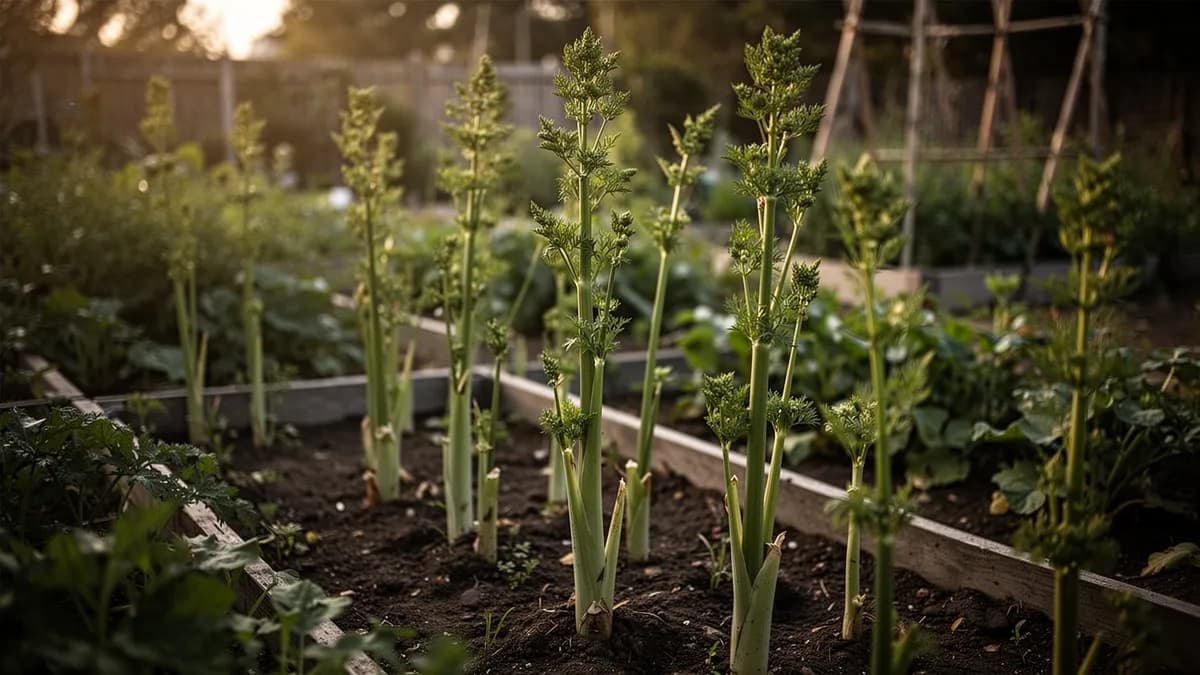
El apio de agua (Oenanthe javanica), también conocido como seri o perejil japonés de agua, es una planta perenne semiacuática originaria de Asia oriental. Crece naturalmente en bordes de ríos, arrozales y humedales, produciendo tallos huecos aromáticos y hojas tiernas con un sabor que combina notas de apio, perejil y zanahoria. Es un ingrediente apreciado en la cocina japonesa, coreana y del sudeste asiático.
Cuándo plantar Apio de Agua
La propagación más fiable es por división de matas o esquejes de tallo, que enraízan fácilmente en agua o sustrato muy húmedo. Para siembra por semilla, siembre en superficie sobre sustrato húmedo en interior y mantenga la humedad constante. La germinación es lenta (2-4 semanas) e irregular. Mantenga las plántulas en un platillo con agua hasta que estén bien establecidas antes de trasplantar.
Tu año de Apio de Agua
Ajustado a Zona 7 · temporada típica · la helada se va hacia el 2 abr y vuelve hacia el 1 nov
Planta Apio de Agua Mar – May y cosecha May – Sep. Consulta los métodos de plantación y elige tu clima para adaptar los periodos.
Cómo cultivar Apio de Agua
El apio de agua necesita un entorno constantemente húmedo o semiacuático para prosperar. Elija un lugar con semisombra o sol filtrado, ya que las hojas se queman con la exposición solar intensa. El suelo debe ser muy rico en materia orgánica y mantenerse permanentemente húmedo o incluso encharcado, con pH entre 6,0 y 7,0.
Propague mediante división de matas o esquejes de tallo colocados en agua o sustrato muy húmedo. También puede sembrarse, pero la germinación es lenta e irregular. Plante las divisiones o plántulas con 20-30 cm de separación en un bancal bajo o en una maceta colocada dentro de un platillo lleno de agua.
Mantenga el suelo saturado de agua en todo momento; es una de las pocas hortalizas que tolera el encharcamiento. Fertilice mensualmente con un fertilizante orgánico líquido. El apio de agua es invasivo en condiciones favorables; contérlolo en macetas o bancales delimitados para evitar que se extienda por todo el jardín.
72 plantas caben en un bancal de 120 × 240 cm
Cada Apio de Agua pide 20 cm de margen. El planificador guarda ese marco por ti — cada planta, cada bancal.
Los mejores vecinos de Apio de Agua
El apio de agua crece bien junto a otras plantas acuáticas o amantes de la humedad como el berro, la menta acuática y el taro. En bancales húmedos puede combinarse con arroz si se cultiva en condiciones de arrozal. No es compatible con la mayoría de las hortalizas de jardín estándar que prefieren suelos bien drenados.
Berro va a su lado.
Saber de huerto de siempre, cotejado con la tabla real de Apio de Agua — prueba cualquier planta que cultives.
Prueba Apio de Agua en un bancal, aquí mismo
Un bancal real del planificador con Apio de Agua ya plantado. Toca una planta compañera para colocarla y mira cómo responde la comprobación de vecinos: verde para buenos vecinos, rojo si hay conflicto.


Guías de cultivo relacionadas
Abónalo bien
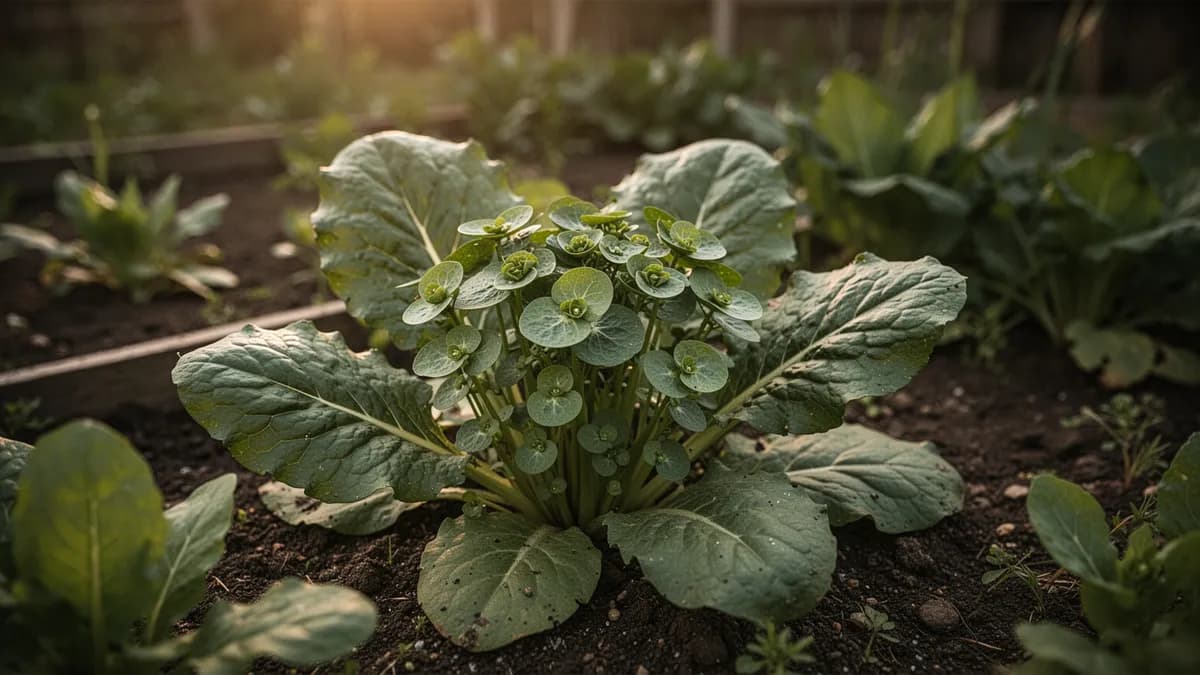
El apio de agua necesita suelo constantemente húmedo o saturado de agua, rico en materia orgánica, con pH entre 6,0 y 7,0. A diferencia de la mayoría de las hortalizas, tolera y necesita el encharcamiento. Fertilice mensualmente con fertilizante orgánico líquido. En cultivo en maceta, mantenga siempre un platillo con agua bajo el recipiente.
Temperatura ideal
Compatibilidad de zonas de rusticidad
De la semilla a la cosecha, etapa por etapa
Germinación de semillas
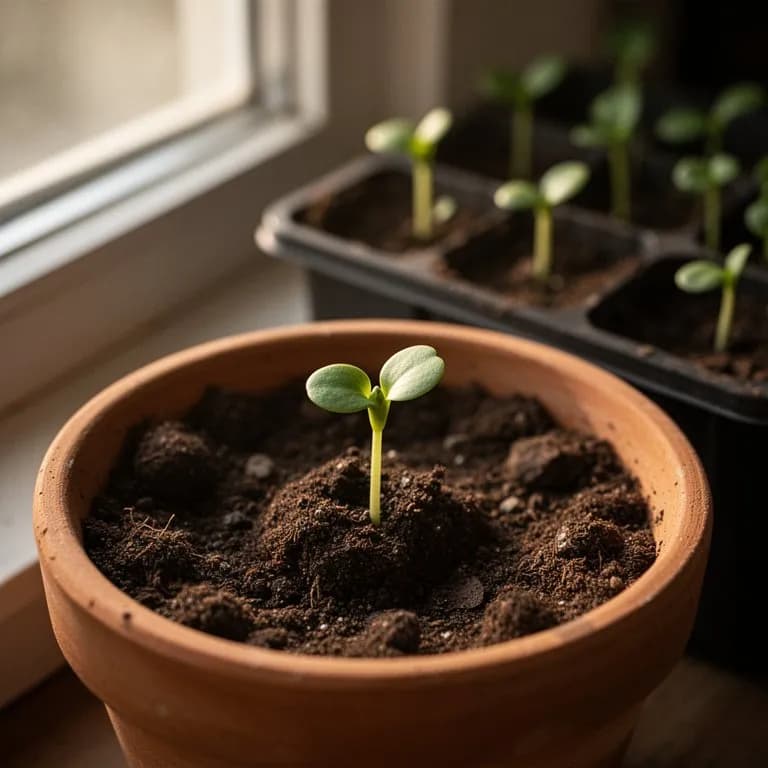
Las semillas de apio de agua son diminutas y necesitan luz y humedad constante para brotar. La germinación es lenta e irregular.
Desarrollo de plántulas
Aparecen las hojas verdaderas y las plántulas forman lentamente una pequeña roseta con raíces delicadas.
Expansión vegetativa
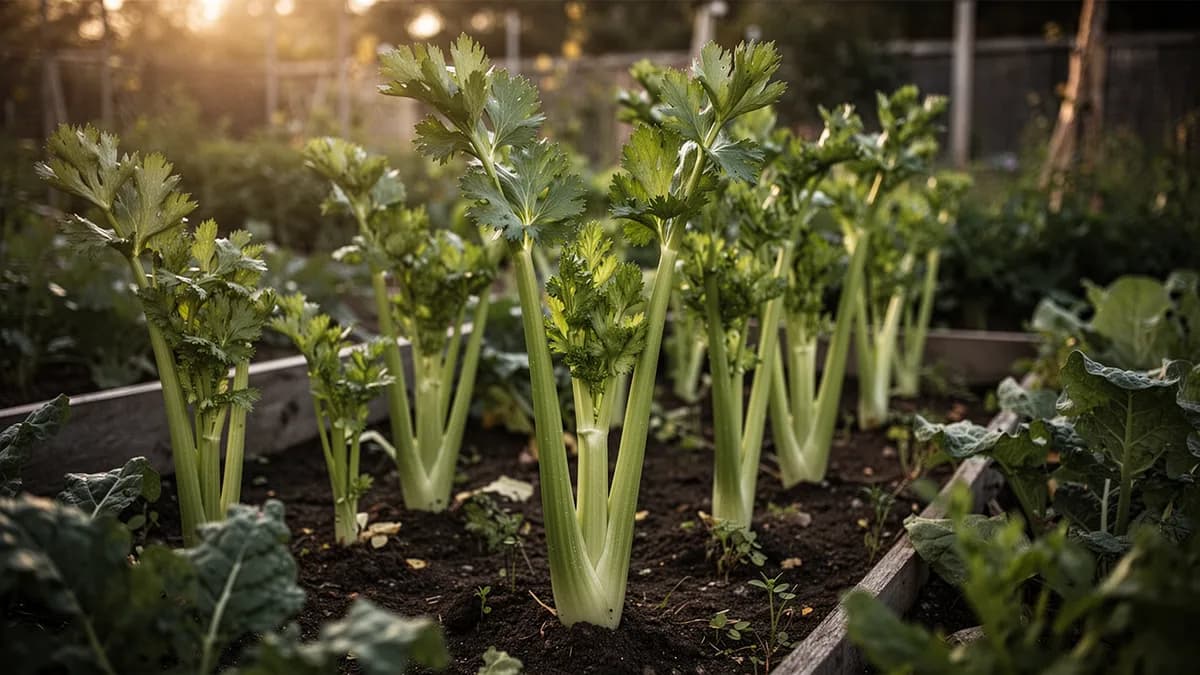
Las plantas crecen activamente, se extienden por estolones y forman un macizo denso de tallos huecos parecidos al apio.
Crecimiento maduro y cosecha
La mata alcanza su tamaño completo y puede cosecharse repetidamente para obtener el mejor sabor y ternura.
Floración
Aparecen umbelas blancas que atraen insectos beneficiosos y los tallos se vuelven más duros y amargos.
Reposo o protección invernal
La planta se seca con el frío y vuelve desde las raíces, mientras que en climas más cálidos puede seguir creciendo todo el año.
Presiona las semillas sobre la superficie sin cubrirlas y mantén la bandeja en un recipiente poco profundo con agua.
Cuidar Apio de Agua mes a mes
Qué hacer cada mes para tu Apio de Agua
Octubre
Mes actualFinal major harvests as growth slows with cooling temperatures. In zones 9-11, water celery continues growing through autumn. Clean up any yellowing or spent foliage. Reduce feeding frequency as growth declines.
Ten claro qué hacer en tu huerto, cada mes
Un correo al empezar cada mes: qué sembrar, plantar y hacer ahora mismo — para tu Apio de Agua y todo lo que crece alrededor. Más un breve curso inicial para esquivar los errores clásicos.
- Qué hacer ahora mismo
- Ajustado a tu temporada
- Curso inicial incluido
Cosechar Apio de Agua
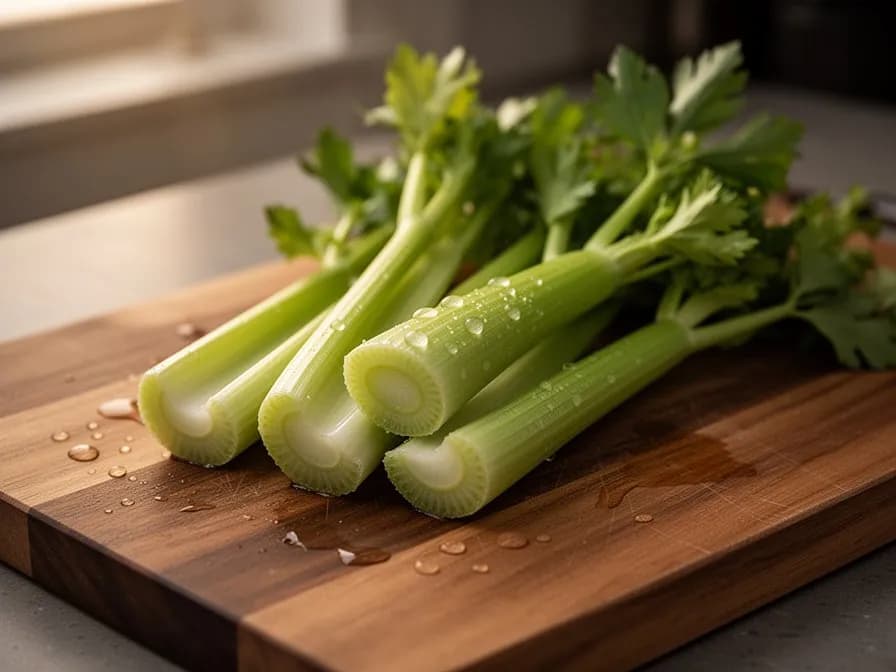
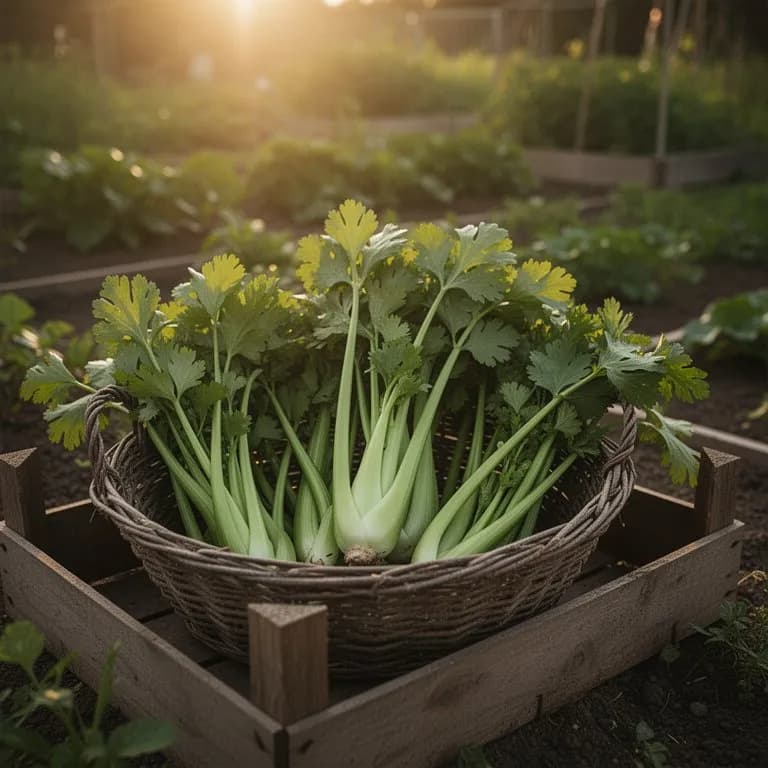
Coseche los tallos y hojas jóvenes del apio de agua cuando tengan 15-25 cm de altura, generalmente entre 60 y 90 días después de la plantación. Corte los tallos exteriores con tijeras, dejando el centro para el rebrote continuo. Las hojas más jóvenes tienen el mejor sabor; las maduras se vuelven fibrosas y amargas.
se supone que plantas al comenzar el periodo — indica tu fecha real
Cosecha durante toda la temporada de crecimiento, de primavera a otoño, cuando los tallos y las hojas sean jóvenes y tiernos.
Almacenamiento y conservación
Las hojas y tallos frescos se conservan en el refrigerador durante 3-5 días con las raíces en agua o envueltos en un paño húmedo. El apio de agua pierde mucho aroma al secarse, por lo que es preferible usarlo fresco. Puede picarse y congelarse en cubitos de hielo con agua para conservar parte de su sabor.
Qué falla — y cómo solucionarlo
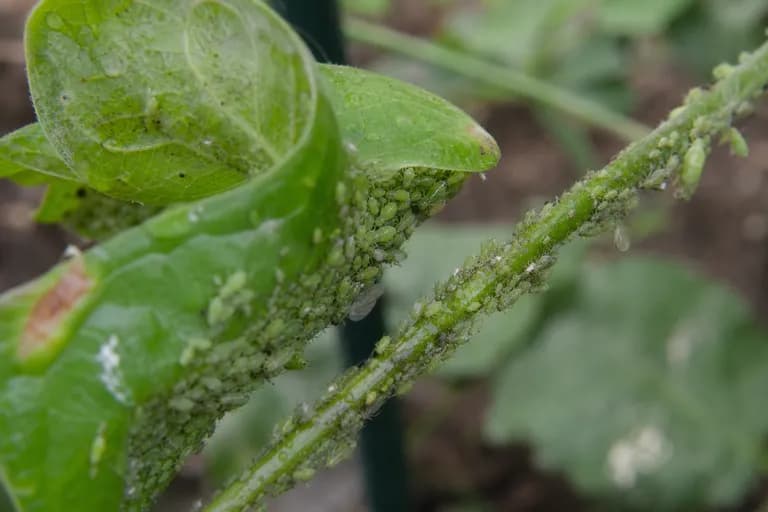
Babosas y caracoles (Gastropoda)
PlagaAgujeros irregulares en las hojas y tallos tiernos, con rastros de baba plateada visibles por la mañana. Los daños son más graves en condiciones húmedas, que son precisamente las que necesita esta planta.

Roya (Puccinia spp.)
EnfermedadPústulas anaranjadas o marrones en el envés de las hojas que liberan esporas. Las hojas afectadas amarillean y se debilitan progresivamente.
Solución de problemas comunes
El principal desafío es mantener la humedad constante; cualquier sequía, incluso breve, causa marchitamiento rápido y deterioro de la calidad foliar. En condiciones ideales, el apio de agua puede volverse invasivo, extendiéndose agresivamente por estolones. Cultive en macetas o bancales contenidos para controlarlo. Cuidado con la confusión con especies tóxicas del género Oenanthe europeo.
Consejos de cultivo
- Water is the single most critical factor for growing water celery. The soil must be saturated or submerged in 2-5 cm of standing water at all times — even a few hours of drying out during hot weather can cause irreversible wilting and leaf damage. If you do not have a pond or bog garden, grow in a container without drainage holes kept topped up with water.
- Start from divisions rather than seed whenever possible. Water celery seeds are slow, erratic germinators that can take 2-3 weeks to sprout. Divisions from a friend's garden or a purchased plant establish instantly and begin producing harvestable stems within weeks.
- Rich soil dramatically improves yields. Plant in a mix of good garden soil and compost, or use a heavy potting mix enriched with worm castings. Unlike many aquatic plants that tolerate poor substrates, water celery is a hungry feeder that rewards generous soil preparation.
- Provide morning sun and afternoon shade in hot climates. Water celery evolved along shaded stream banks and forest edges, and it performs best with 4-6 hours of direct sun plus bright indirect light for the rest of the day. Full, all-day sun in zones 8 and warmer causes leaf scorching and premature bolting.
- Harvest regularly and aggressively to keep water celery producing tender new growth. Cut outer stems at the base every 5-7 days, taking up to one-third of the plant at each harvest. Unharvested plants bolt quickly and become tough and bitter.
- Contain the spread if you are growing near a natural waterway. Water celery spreads vigorously by stolons and can naturalize in suitable wet habitats. Grow in a sunken container or lined bed to prevent unwanted spreading, especially in regions where it is not native.
- Water celery makes an excellent companion plant in aquaponic systems and container water gardens. Its dense root network naturally filters and oxygenates water, benefiting fish and other aquatic life while producing a continuous supply of edible greens.
- Overwinter successfully by mulching crowns in zones 7-8 or bringing containers indoors to a bright, cool spot. Water celery is surprisingly cold-hardy once established — the roots survive freezing temperatures as long as they are insulated by soil and mulch.
Cultiva tu mejor Apio de Agua — y todo lo que la rodea.
Empieza un plan gratis hoy. Diseña tus bancales, coloca tu Apio de Agua y deja que PlotMyGarden gestione el momento, el espaciado, las asociaciones y los recordatorios de la semilla a la cesta.
Elige tu Apio de Agua
Oenanthe javanica (tipo verde)
La forma estándar con tallos verdes y hojas trifoliadas aromáticas. Crecimiento vigoroso en condiciones húmedas. Cosecha desde los 60 días.
Flamingo (variegada)
Variedad ornamental con hojas moteadas en rosa, crema y verde. Comestible y decorativa. Más compacta que la forma silvestre. Ideal para macetas.
Seri (tipo japonés)
Selección japonesa con tallos más tiernos y sabor refinado. Ingrediente tradicional del nanakusa-gayu (papilla de siete hierbas de año nuevo). 60-75 días.
Fresh water celery (minari) sells for $4-8 per bunch at Asian grocery stores and specialty markets, and is often difficult to find outside major cities. A single division or seedling costing $3-5 can establish a self-perpetuating clump that produces the equivalent of $60-120 worth of fresh water celery per season. Because the plant is perennial and spreads on its own, there is no annual replanting cost — the initial investment continues producing for years with minimal care beyond maintaining water levels and occasional feeding.
Recetas rápidas
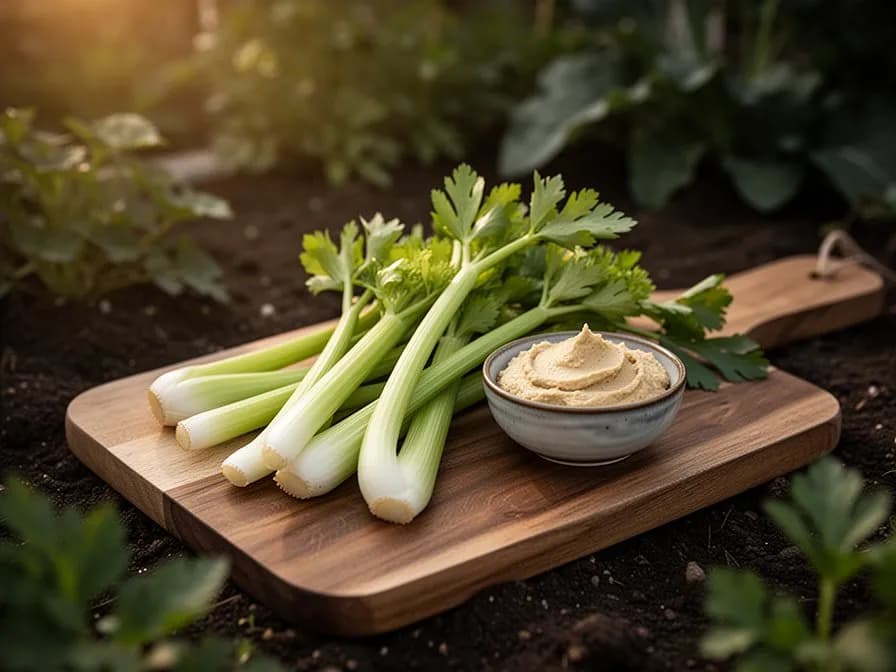
Garlic Water Celery Stir-Fry
10 minA lightning-fast Southeast Asian side dish where water celery stems and leaves are flash-fried in a screaming hot wok with garlic and a splash of fish sauce. The hollow stems stay crisp while the leaves wilt just enough to release their bright, herbaceous aroma.
7 ingredientesWater Celery and Tofu Soup
20 minA clean, soothing broth soup where water celery is added at the last moment to preserve its crunch and flavor. Silken tofu and a few drops of sesame oil round out this gentle, nourishing bowl that is a staple in Vietnamese and Chinese home kitchens.
8 ingredientesFresh Water Celery Salad with Lime Dressing
15 minA bright, crunchy salad that showcases raw water celery at its best. The peppery leaves and crisp hollow stems are tossed with a tangy lime and fish sauce dressing, fresh herbs, and toasted peanuts for a refreshing side dish.
8 ingredientesUsos culinarios
El apio de agua es un ingrediente versátil en la cocina asiática. En Japón, forma parte del nanakusa-gayu, la papilla ritual de año nuevo. Se saltea brevemente con ajo y salsa de soja, se añade a sopas y guisos en el último minuto de cocción para preservar su aroma, y se consume crudo en ensaladas. En Corea se prepara en namul (verdura condimentada) y en tortitas. Su sabor fresco combina bien con mariscos y pescados.
Qué contiene
Beneficios para la salud
- Very low in calories (18 per 100g) with high water content, making water celery an ideal vegetable for hydration and weight management without sacrificing nutrient density.
- Good source of vitamin C, providing 17% of the daily value per 100g to support immune function, collagen production, and the enhanced absorption of plant-based iron from the same meal.
- Contains beta-carotene that the body converts to vitamin A, supporting healthy vision, skin cell turnover, and the proper functioning of the immune system's mucosal barriers.
- Rich in flavonoid antioxidants including persicarin and isorhamnetin that have demonstrated anti-inflammatory properties in laboratory studies, potentially supporting cardiovascular and liver health.
- Traditional Asian medicine has used water celery for centuries to support liver health, reduce fever, and promote healthy blood pressure — modern research has begun to identify bioactive compounds that may underpin these traditional uses.
- The dietary fiber and high water content in water celery support digestive regularity, while the potassium content (310mg per 100g) contributes to healthy blood pressure management and electrolyte balance.
De dónde viene Apio de Agua
Water celery (Oenanthe javanica) is native to the wetlands, stream banks, and marshy lowlands of East and Southeast Asia, with its natural range extending from China, Japan, and Korea through Vietnam, Thailand, Malaysia, and Indonesia to the Indian subcontinent. The species name 'javanica' reflects its early botanical documentation from the island of Java, though the plant's cultivation history is far older and more widespread than this name suggests.
Water celery has been gathered from the wild and cultivated in paddy margins and irrigation ditches across Asia for well over two thousand years. In China, references to shui qin appear in ancient agricultural texts, and the plant was valued both as a vegetable and as a medicinal herb in traditional Chinese medicine. In Japan, seri holds particular cultural significance as one of the seven herbs of spring (nanakusa), ritually gathered and eaten in a rice porridge on January 7th — a tradition dating back over a thousand years to the Heian period. Korean cuisine features minari prominently in fresh preparations like salads, kimchi, and the beloved pajeon (scallion pancake), and wild water celery is still foraged from clean streams and springs throughout the Korean countryside.
Water celery arrived in other parts of the world through Asian immigrant communities and botanical exchanges. It has naturalized in parts of Europe, North America, Australia, and New Zealand, particularly along waterways and in wetland habitats where conditions mirror its native environment. In recent decades, interest in water celery has grown among Western gardeners and chefs as part of the broader exploration of Asian vegetables, edible aquatic plants, and permaculture-friendly species that thrive in rain gardens, bog beds, and pond-edge plantings where conventional vegetables cannot survive.
Apio de Agua: ¿sabías que?
Datos fascinantes sobre Apio de Agua
Water celery (Oenanthe javanica) is one of the few vegetables specifically adapted to grow in standing water or waterlogged soil — it thrives in conditions that would instantly rot most garden plants, making it a rare edible choice for boggy areas and pond margins.
Apio de Agua: preguntas frecuentes
¿Cuándo debo plantar Apio de Agua?
¿Cuáles son buenas plantas acompañantes para Apio de Agua?
¿En qué zonas de rusticidad puede crecer Apio de Agua?
¿Cuánto sol necesita Apio de Agua?
¿A qué distancia debo espaciar Apio de Agua?
¿Qué plagas y enfermedades afectan a Apio de Agua?
¿Cómo almaceno Apio de Agua después de la cosecha?
¿Cuáles son las mejores variedades de Apio de Agua para cultivar?
¿Qué suelo necesita Apio de Agua?
Can I grow water celery without a pond or water garden?
Is water celery the same as regular celery?
Is water celery safe to eat — I have heard some Oenanthe species are poisonous?
How fast does water celery spread, and can it become invasive?
What does water celery taste like and how is it used in cooking?
When is the best time to harvest water celery?
Acabas de leer la teoría. Ahora cultívala en piloto automático.
Todo lo que hace que Apio de Agua sea delicado — el momento, el espaciado, las asociaciones, la ventana de cosecha — es justo lo que PlotMyGarden resuelve por ti, para cada planta de tu huerto.
Un plan que conoce tu clima
Indica tu ubicación una vez. Recibe fechas de siembra, abonado y cosecha basadas en tu última helada real y el pronóstico en vivo — sin adivinar con un sobre genérico.
De la sección “Cuándo plantar”Planificador de bancales de arrastrar y soltar
Diseña bancales sobre una cuadrícula. Cada planta encaja con su espaciado correcto y ves toda la temporada antes de gastar un céntimo en semillas.
De la sección “Cultivo”Conflictos de asociación, detectados a tiempo
Más de 200 buenas y malas combinaciones comprobadas en vivo mientras plantas — para que un error que arruine la temporada nunca llegue a la tierra.
De la sección “Asociaciones”Recordatorios que sí vas a seguir
“Riega las judías.” “Recoge hoy antes de que se pase.” Oportunos, concretos y ligados a las plantas que de verdad cultivas.
De la sección “Cosecha”Escalonado, programado
¿Quieres cosechar seis semanas en vez de seis días? Reparte tus siembras automáticamente y te avisa cuando toca el siguiente lote.
De la sección “Cuándo plantar”Un registro que se vuelve más listo
Cada cosecha que registras le enseña tu huerto. El plan del año que viene parte de lo que de verdad funcionó en tu suelo, no en un manual.
De la sección “Resumen”Planta estos junto a Apio de Agua
Más Tallos y brotes
Cultiva tu mejor Apio de Agua — y todo lo que la rodea.
Empieza un plan gratis hoy. Diseña tus bancales, coloca tu Apio de Agua y deja que PlotMyGarden gestione el momento, el espaciado, las asociaciones y los recordatorios de la semilla a la cesta.