Urad Dal
El urad dal o lenteja negra (Vigna mungo) es una leguminosa tropical originaria del subcontinente indio, fundamental en la cocina del sur de Asia por su sabor terroso y su textura extraordinariamente cremosa al cocinarse.





En esta páginaResumen
Conoce Urad Dal
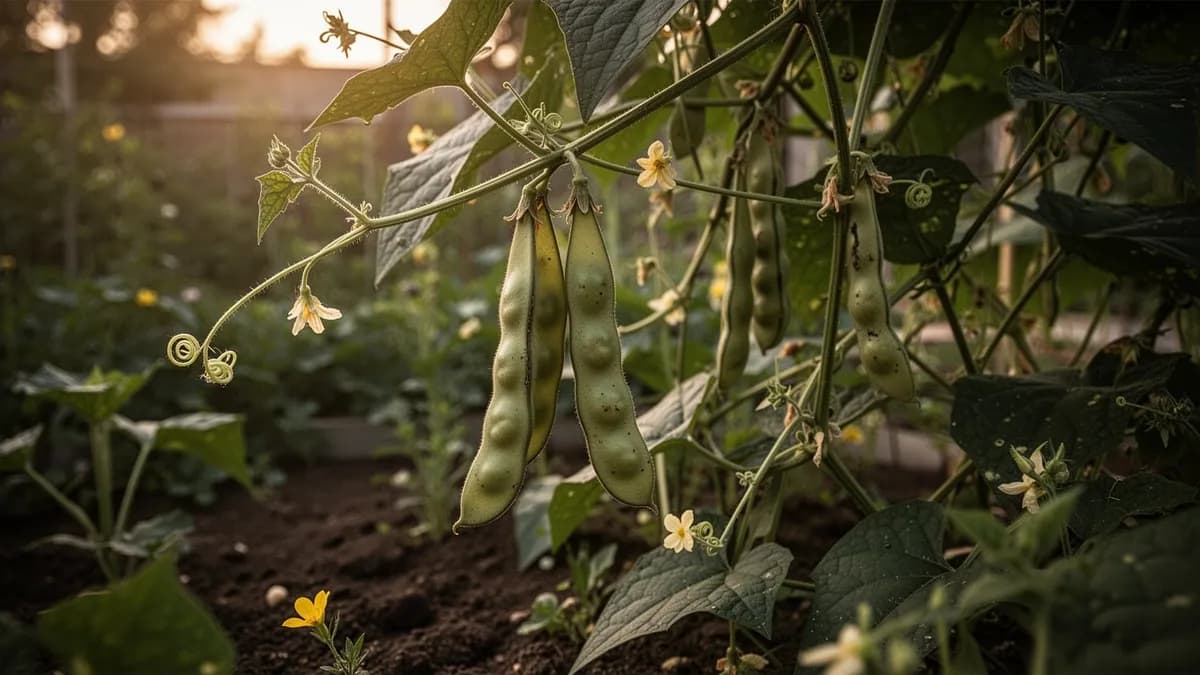
El urad dal o lenteja negra (Vigna mungo) es una leguminosa tropical originaria del subcontinente indio, fundamental en la cocina del sur de Asia por su sabor terroso y su textura extraordinariamente cremosa al cocinarse. Las semillas pueden ser negras enteras (urad sabut), partidas con piel o descascarilladas blancas (urad dal), siendo una de las legumbres más ricas en proteínas y hierro.
Cuándo plantar Urad Dal
Sembrar directamente en el exterior después de la última helada cuando el suelo alcance al menos 20 °C, a 3-4 cm de profundidad y 15-20 cm de separación. Inocular las semillas con Rhizobium específico antes de la siembra para optimizar la fijación de nitrógeno. La germinación ocurre en 5-7 días con temperaturas cálidas. No requiere trasplante.
Tu año de Urad Dal
Ajustado a Zona 7 · temporada típica · la helada se va hacia el 2 abr y vuelve hacia el 1 nov
Planta Urad Dal May – Jul y cosecha Sep – Oct. Consulta los métodos de plantación y elige tu clima para adaptar los periodos.
Cómo cultivar Urad Dal
El urad dal requiere un clima cálido con temperaturas entre 25 y 35 °C y un emplazamiento a pleno sol con al menos 6-8 horas de luz directa para una óptima producción de vainas. Siembre directamente en el exterior después de que haya pasado todo riesgo de helada y el suelo alcance al menos 20 °C, a 3-4 cm de profundidad y 15-20 cm entre plantas.
El riego debe ser moderado y regular durante la floración y el cuajado de vainas, evitando el encharcamiento que favorece las enfermedades fúngicas de raíz. Como leguminosa, fija nitrógeno atmosférico mediante su simbiosis con bacterias Rhizobium, por lo que no necesita fertilización nitrogenada; inocular las semillas con rizobio específico antes de la siembra mejora significativamente el rendimiento.
Mantenga el huerto libre de malas hierbas especialmente durante las primeras 4-6 semanas de crecimiento. El cultivo crece como arbusto compacto de 30-60 cm de altura y no requiere tutores. Aplique un acolchado ligero para conservar la humedad y regular la temperatura del suelo.
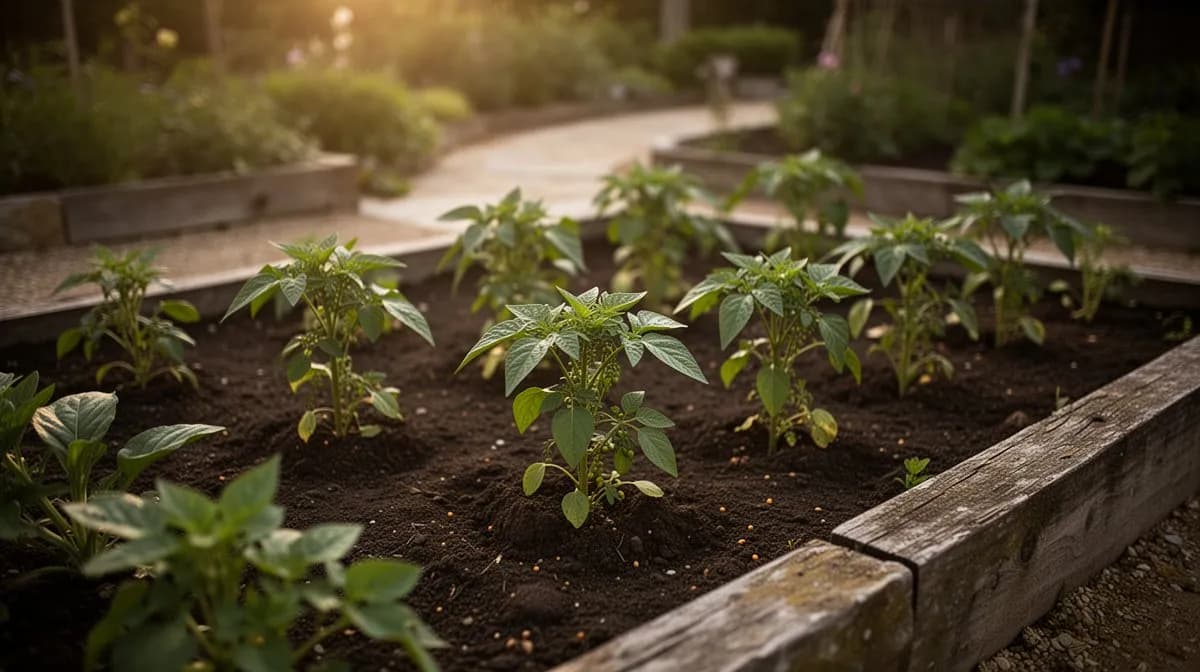
128 plantas caben en un bancal de 120 × 240 cm
Cada Urad Dal pide 15 cm de margen. El planificador guarda ese marco por ti — cada planta, cada bancal.
Los mejores vecinos de Urad Dal
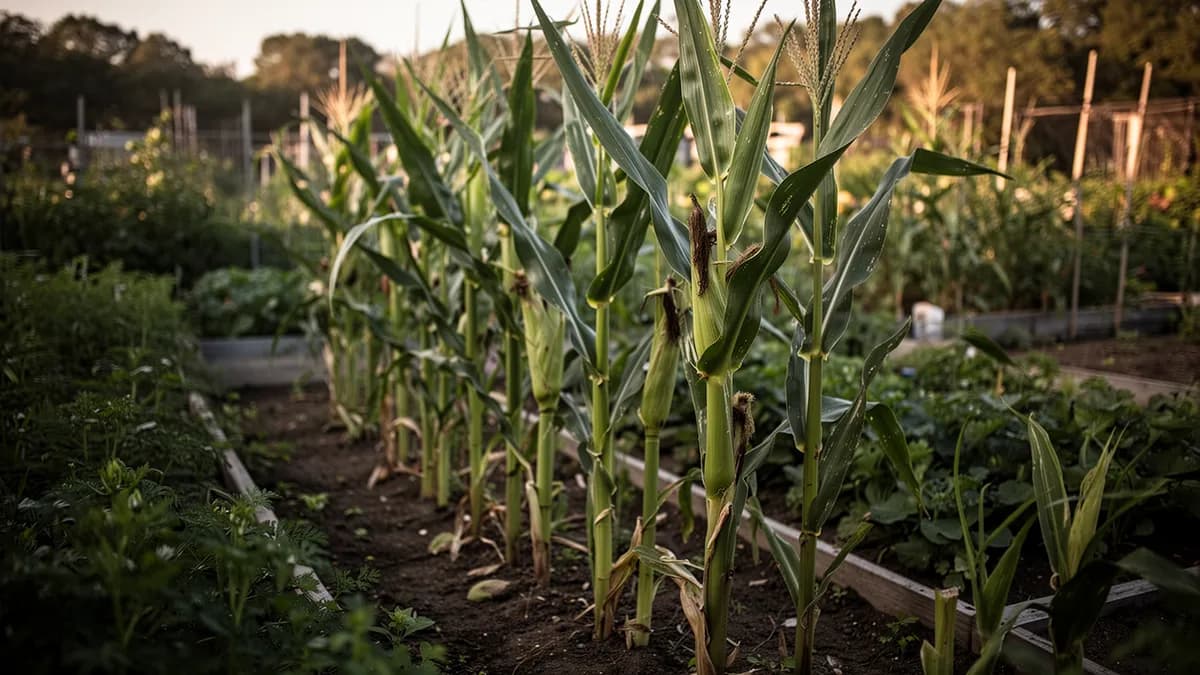
Se asocia excelentemente con cereales como el mijo, el sorgo y el maíz, formando asociaciones tradicionales que maximizan el uso del suelo y el intercambio de nutrientes. Como fijadora de nitrógeno, mejora la fertilidad del suelo para el cultivo siguiente. Debe evitarse plantar junto a otras leguminosas para no concentrar plagas específicas.
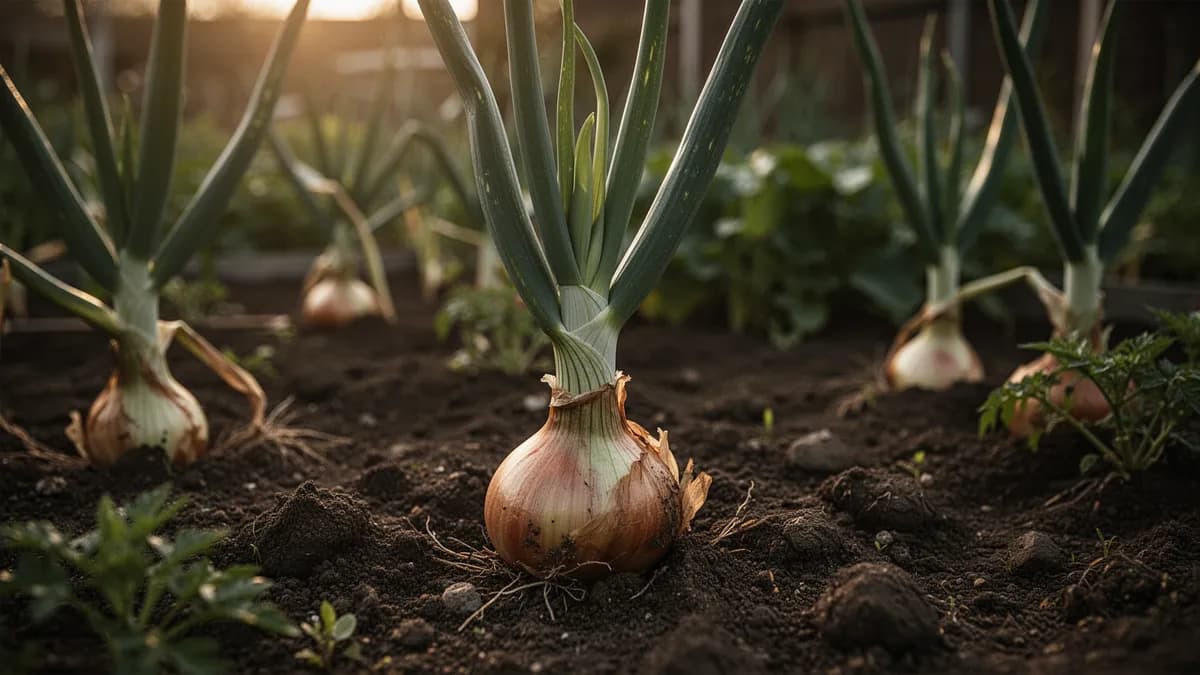
Maíz va a su lado. Cebolla no.
Saber de huerto de siempre, cotejado con la tabla real de Urad Dal — prueba cualquier planta que cultives.
Prueba Urad Dal en un bancal, aquí mismo
Un bancal real del planificador con Urad Dal ya plantado. Toca una planta compañera para colocarla y mira cómo responde la comprobación de vecinos: verde para buenos vecinos, rojo si hay conflicto.


Guías de cultivo relacionadas
Abónalo bien
Prospera en suelos sueltos, bien drenados y de textura franco-arenosa con pH entre 6,0 y 7,0. Como leguminosa fijadora de nitrógeno, no necesita abono nitrogenado; aplique fósforo y potasio antes de la siembra para estimular la nodulación y la producción de vainas. Inocular las semillas con Rhizobium específico mejora enormemente la fijación biológica de nitrógeno.
Temperatura ideal
Compatibilidad de zonas de rusticidad
De la semilla a la cosecha, etapa por etapa
Germinación de las semillas
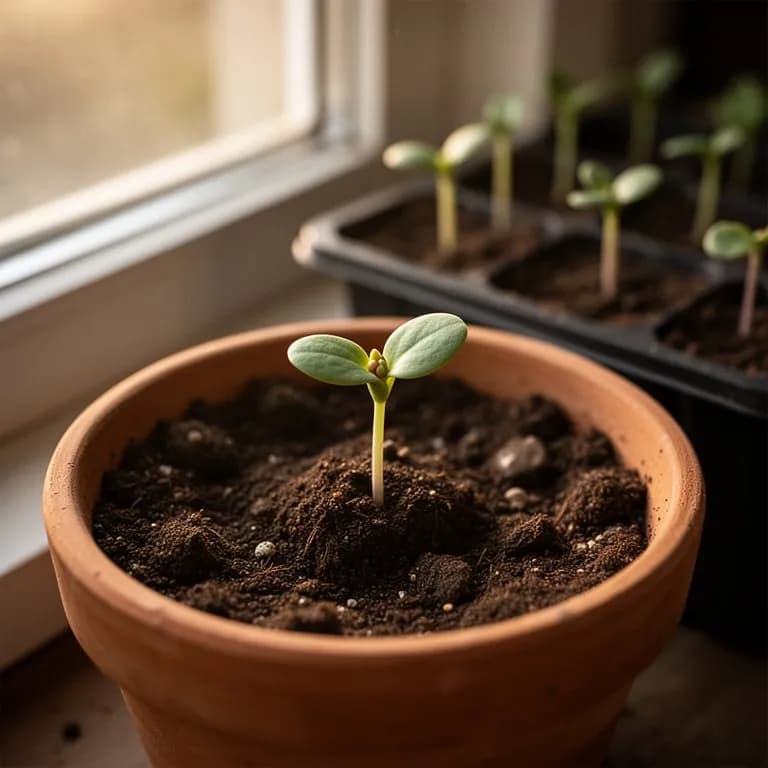
Las semillas germinan rápidamente en un suelo cálido y húmedo. El arco del hipocótilo atraviesa la superficie y arrastra los cotiledones hacia arriba. La germinación es epígea: las hojas embrionarias emergen por encima del suelo y comienzan a fotosintetizar de inmediato. La temperatura óptima del suelo es de 25-30 °C (77-86 °F) y la emergencia suele ocurrir en 5-10 días.
Establecimiento de plántulas
Las primeras hojas trifoliadas verdaderas se despliegan y el sistema radicular comienza a desarrollar nódulos fijadores de nitrógeno con bacterias Rhizobium. La planta establece un porte compacto y arbustivo, con un tallo principal corto y varias ramas. Los nódulos de la raíz aparecen como pequeños bultos rosados o rojizos; ese color indica una fijación activa de nitrógeno.
Crecimiento vegetativo
Se desarrolla rápidamente la copa con abundantes hojas trifoliadas sobre pecíolos cortos. La planta arbustiva alcanza 30-60 cm de altura y empieza a dar sombra al suelo debajo. La ramificación se intensifica y la planta adquiere una forma densa y redondeada. La fijación activa de nitrógeno enriquece el suelo circundante.
Floración
Pequeñas flores amarillo pálido aparecen en racimos a lo largo de racimos erectos que salen de las axilas de las hojas. Las flores son predominantemente autopolinizadas y se abren a primera hora de la mañana. Cada racimo produce 5-10 flores, y la planta puede tener varios racimos floreciendo al mismo tiempo en sus ramas.
Desarrollo de las vainas
Las vainas delgadas y cilíndricas se desarrollan a partir de flores polinizadas, crecen 4-7 cm de largo y contienen 6-10 semillas cada una. Al principio las vainas son verdes y vellosas, y maduran hasta adquirir un color marrón oscuro o negro. Las semillas del interior se desarrollan rápidamente, llenando la vaina y pasando del verde a su característico color negro intenso.
Maduración y cosecha
Las vainas se secan en la planta y se vuelven papiráceas y quebradizas. Las hojas amarillean y empiezan a caer mientras la planta redirige toda su energía restante a la maduración de las semillas. Las semillas del interior alcanzan su estado final, duro y negro brillante, con alrededor de 12 % de humedad. El cultivo madura de forma relativamente uniforme, lo que permite una sola cosecha.
Siembra las semillas a 3-5 cm de profundidad en un suelo bien drenado después de que haya pasado todo riesgo de heladas. Inocula antes de sembrar con rizobios Bradyrhizobium específicos para especies de Vigna para asegurar una fijación eficaz de nitrógeno desde el principio.
Cuidar Urad Dal mes a mes
Qué hacer cada mes para tu Urad Dal
Octubre
Mes actualComplete harvest of remaining crops. Clean and sort dried beans, discarding any that are shriveled, discolored, or insect-damaged. Store in airtight containers in a cool, dry place — properly dried urad dal stores for 1-2 years.
Ten claro qué hacer en tu huerto, cada mes
Un correo al empezar cada mes: qué sembrar, plantar y hacer ahora mismo — para tu Urad Dal y todo lo que crece alrededor. Más un breve curso inicial para esquivar los errores clásicos.
- Qué hacer ahora mismo
- Ajustado a tu temporada
- Curso inicial incluido
Cosechar Urad Dal
Las vainas se cosechan cuando están completamente secas y quebradizas, de color marrón oscuro a negro, generalmente entre 90 y 120 días después de la siembra. Arranque las plantas enteras o corte las vainas individualmente y extiéndalas al sol para completar el secado antes de trillar y aventar las semillas.
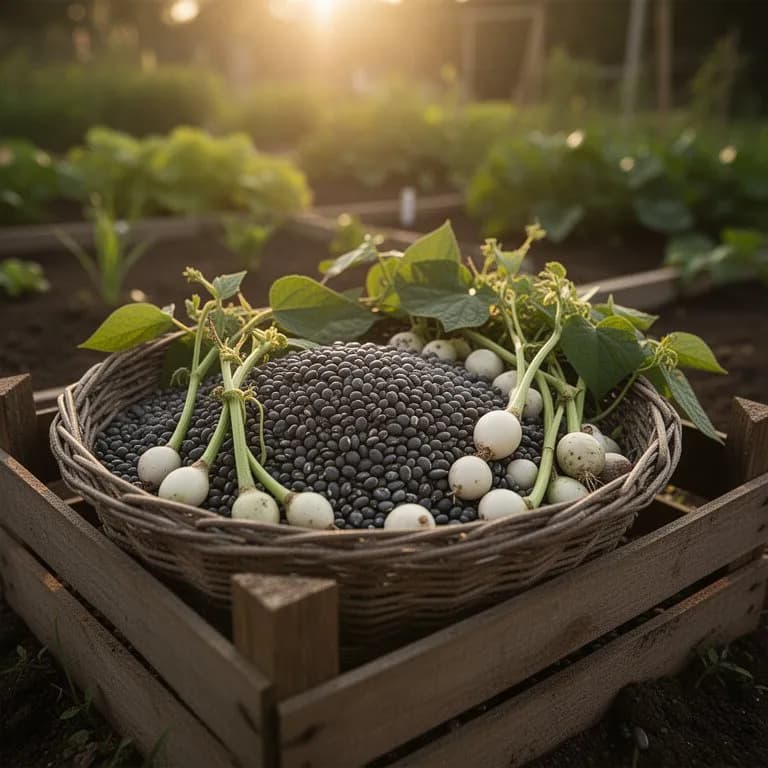
se supone que plantas al comenzar el periodo — indica tu fecha real
Cuando las vainas se vuelven marrón-negras y se sienten secas y papiráceas, normalmente 90-120 días después de sembrar.
Almacenamiento y conservación
Las semillas bien secas (contenido de humedad inferior al 12%) se conservan en recipientes herméticos en un lugar fresco, seco y oscuro durante 1-2 años sin pérdida de calidad. Añadir hojas de laurel o neem dentro del recipiente ayuda a repeler insectos de almacén. Para uso inmediato, remojar durante 8-12 horas antes de cocinar.
Qué falla — y cómo solucionarlo
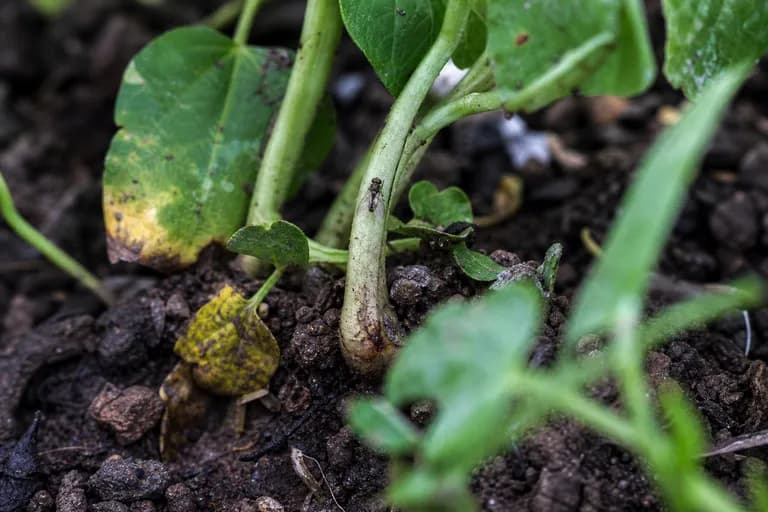
Escarabajo del frijol
PlagaEscarabajos adultos que perforan las hojas creando agujeros redondeados, mientras sus larvas se desarrollan dentro de las semillas almacenadas, destruyendo la cosecha.
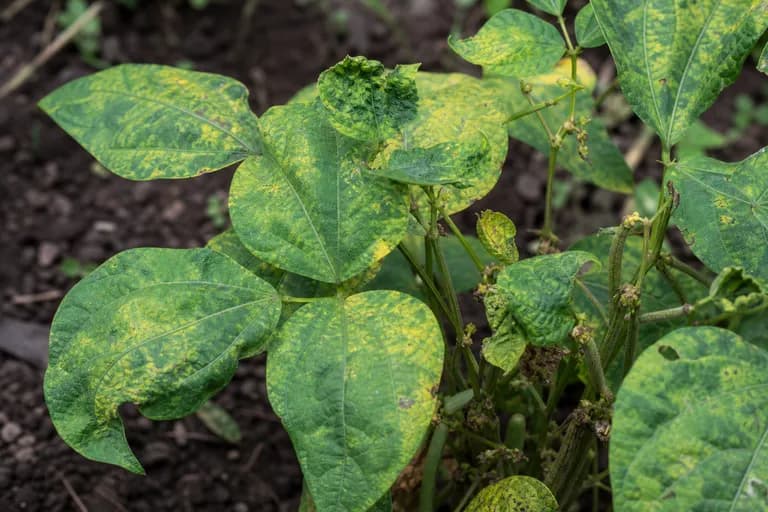
Mosaico amarillo
EnfermedadLas hojas desarrollan un moteado amarillo y verde irregular, se deforman y se reducen de tamaño, provocando enanismo de la planta y reducción severa de la producción de vainas.
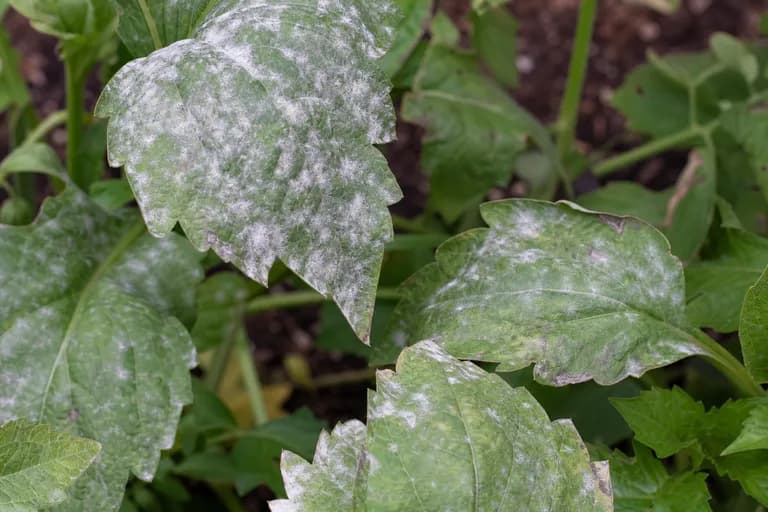
Marchitez por Fusarium
EnfermedadAmarillamiento y marchitez progresiva de las hojas comenzando desde la base, oscurecimiento de los vasos conductores del tallo visible al cortarlo y muerte prematura de la planta.
Solución de problemas comunes
Es muy sensible al frío y las heladas destruyen las plantas instantáneamente, por lo que solo se puede cultivar con éxito en temporadas cálidas con al menos 90 días sin heladas. El encharcamiento es su peor enemigo, provocando pudrición de raíces y enfermedades fúngicas; un drenaje perfecto es absolutamente indispensable.
Consejos de cultivo
- Inoculate seeds with Bradyrhizobium rhizobia specific to Vigna species before planting — this is the single most important step for healthy urad dal. Without the right bacteria, the plants cannot fix nitrogen and will struggle in less fertile soils.
- Choose a planting site with full sun and excellent drainage. Urad dal is highly sensitive to waterlogging — even a few days of standing water can kill plants or cause severe root rot. Raised beds are ideal in areas with heavy clay soil.
- Avoid applying nitrogen fertilizer to urad dal. The plants produce their own nitrogen through root nodule bacteria, and external nitrogen actually suppresses nodule formation. Instead, apply phosphorus and potassium to support root development and pod filling.
- Sow at the start of the warm rainy season in tropical areas or after last frost in temperate zones. The crop needs 70-90 days of warm weather and benefits from moderate rainfall during vegetative growth followed by drier conditions during pod maturation.
- Watch vigilantly for yellow mosaic virus, the most devastating disease of urad dal. Symptoms include bright yellow mottling and distortion of leaves. It is spread by whiteflies — control whitefly populations with yellow sticky traps and neem oil sprays, and remove infected plants immediately.
- Grow urad dal as a rotation crop with cereals, tomatoes, or brassicas. The nitrogen fixed in root nodules remains in the soil after harvest, providing 30-50 kg of free nitrogen per hectare for the following crop. This is the traditional Indian farming practice that has sustained soil fertility for millennia.
- Harvest timing is critical — too early and beans will be immature with poor cooking quality; too late and pods shatter, dropping seeds on the ground. Pull plants when 80-90% of pods are brown and dry, preferably in the morning when pods are less brittle.
- After harvest, leave roots in the soil rather than pulling them out. The nitrogen-rich root nodules decompose and release their stored nitrogen directly into the root zone, benefiting whatever crop follows in that bed.
Cultiva tu mejor Urad Dal — y todo lo que la rodea.
Empieza un plan gratis hoy. Diseña tus bancales, coloca tu Urad Dal y deja que PlotMyGarden gestione el momento, el espaciado, las asociaciones y los recordatorios de la semilla a la cesta.
Elige tu Urad Dal
T9 (Black Gram)
Variedad india de alto rendimiento con semillas negras brillantes y maduración uniforme. Planta compacta y erecta de 40-50 cm, madura en 90-100 días.
Pant U-19
Variedad mejorada del norte de India con resistencia al mosaico amarillo y excelente rendimiento. Semillas negras grandes, madura en 85-95 días.
IPU 94-1
Variedad de ciclo corto adaptada a diversas condiciones climáticas con buena tolerancia a sequía moderada. Semillas negras medianas, madura en 70-85 días.
Sarala
Variedad de semillas grandes ideal para la producción de urad dal descascarillado blanco de alta calidad culinaria. Buena resistencia a enfermedades, madura en 95-110 días.
Dried urad dal costs $3-6 per pound at South Asian grocery stores and $6-12 per pound at specialty shops. A single 3-meter garden row producing 1 kg of dried beans saves $7-25 on the beans themselves. The real savings come from making your own dosa and idli batter (store-bought is $5-8 per batch), papadum (specialty items at $4-8 per pack), and dal makhani from scratch. A modest planting of 40-60 plants can provide enough urad dal for 6-12 months of regular cooking while simultaneously enriching your soil with fixed nitrogen for free.
Recetas rápidas
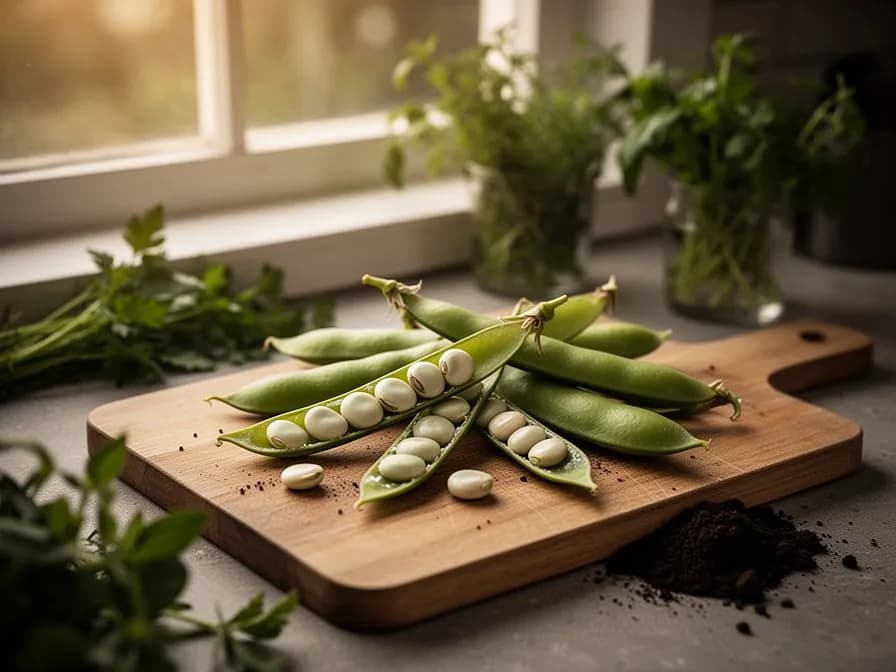
Dal Makhani
90 min (plus overnight soak)The crown jewel of North Indian cuisine — whole urad dal slow-simmered until the beans melt into a velvety, deeply flavored gravy enriched with butter, cream, and aromatic spices. Traditionally cooked overnight on low flame, this version delivers the same rich, smoky depth in a fraction of the time.
13 ingredientesCrispy Dosa
30 min (plus overnight fermentation)Paper-thin, golden, crispy crepes made from a naturally fermented batter of ground urad dal and rice. The fermentation gives dosa its distinctive sour tang and creates a batter that spreads into impossibly thin, lacy rounds on a hot griddle.
7 ingredientesUrad Dal Tadka
40 min (plus soaking)Split urad dal cooked until creamy and finished with a sizzling tadka (tempering) of ghee, cumin, mustard seeds, and dried chillies. A comforting everyday dal that pairs perfectly with steamed rice or warm roti.
12 ingredientesUsos culinarios
Es ingrediente esencial del famoso dal makhani (lenteja negra cremosa con mantequilla y especias) y del dal tadka, dos de los platos más emblemáticos de la cocina india. La harina de urad se utiliza para preparar papadum, dosa, idli y vada, mientras que las semillas germinadas son un ingrediente nutritivo en ensaladas y salteados del sur de Asia.
Qué contiene
Beneficios para la salud
- One of the richest plant-based protein sources at 25g per 100g, providing all essential amino acids when combined with grains — the traditional pairing of dal with rice or roti creates a complete protein equivalent to animal sources.
- Exceptionally high in folate (625 mcg per 100g, 156% DV), making it one of the best natural sources of this critical B vitamin needed for DNA synthesis, red blood cell production, and healthy fetal development during pregnancy.
- Outstanding iron content at 7.6mg per 100g (42% DV) — a vital mineral for oxygen transport and energy production. Pairing urad dal with vitamin C-rich foods like tomatoes or lemon juice significantly enhances iron absorption.
- Rich in dietary fiber (18.3g per 100g), including both soluble and insoluble types that promote digestive regularity, feed beneficial gut bacteria, and help regulate blood sugar levels after meals.
- The fermentation process used to make dosa and idli batter from urad dal increases bioavailability of nutrients, creates beneficial probiotics, and reduces antinutritional factors like phytic acid that can inhibit mineral absorption.
- Contains significant magnesium (267mg per 100g, 67% DV) which supports over 300 enzymatic reactions in the body including muscle and nerve function, blood sugar control, and blood pressure regulation.
De dónde viene Urad Dal
Urad dal (Vigna mungo), also known as black gram or black matpe bean, originated in the Indian subcontinent where it has been cultivated for at least 4,000 years. Archaeological evidence of charred urad dal seeds has been found at Neolithic sites in central and southern India dating to approximately 2000 BCE, and the bean is mentioned in ancient Sanskrit texts including the Arthashastra and various Ayurvedic medical treatises. It was one of the earliest domesticated pulse crops in the Indian agricultural tradition, prized for its high protein content, cooking versatility, and remarkable ability to restore soil fertility through nitrogen fixation.
For millennia, urad dal has occupied a central place in the cuisines and food cultures of South Asia. It is the essential ingredient in the fermented batters that produce dosa, idli, and medu vada — preparations that form the foundation of South Indian daily cooking. In North India, whole urad dal cooked into the rich, buttery dal makhani became the signature dish of Punjabi cuisine and is now served in Indian restaurants worldwide. The bean is also ground into flour to make papadum (poppadom) and various sweets, and the split, hulled version (white urad dal) is a key ingredient in countless everyday dals and temperings across the subcontinent.
Urad dal spread from India through Southeast Asia along ancient trade routes and is now cultivated in Myanmar, Thailand, Pakistan, Bangladesh, and parts of East Africa. India remains overwhelmingly the largest producer and consumer, growing over 3 million tonnes annually across the states of Madhya Pradesh, Uttar Pradesh, Rajasthan, and Maharashtra. Despite this enormous production, India consistently imports additional urad dal from Myanmar and other countries to meet its vast domestic appetite. The crop is typically grown as a short-duration kharif (monsoon) crop that fits neatly between major cereal plantings, and its nitrogen-fixing ability makes it an invaluable component of traditional crop rotation systems that have sustained Indian agriculture for millennia.
Urad Dal: ¿sabías que?
Datos fascinantes sobre Urad Dal
Urad dal (Vigna mungo) is the backbone of South Indian breakfast cuisine — without it, there would be no dosa, idli, medu vada, or papadum. The bean's unique combination of high protein, sticky starch, and fermentation-friendly chemistry makes it irreplaceable in these iconic preparations.
Urad Dal: preguntas frecuentes
¿Cuándo debo plantar Urad Dal?
¿Cuáles son buenas plantas acompañantes para Urad Dal?
¿En qué zonas de rusticidad puede crecer Urad Dal?
¿Cuánto sol necesita Urad Dal?
¿A qué distancia debo espaciar Urad Dal?
¿Qué plagas y enfermedades afectan a Urad Dal?
¿Cómo almaceno Urad Dal después de la cosecha?
¿Cuáles son las mejores variedades de Urad Dal para cultivar?
¿Qué suelo necesita Urad Dal?
What is the difference between whole urad dal and split urad dal?
Can I grow urad dal in a temperate climate?
How do I make dosa batter from homegrown urad dal?
Why are my urad dal plants turning yellow?
How should I store homegrown urad dal?
Is urad dal good for soil health?
Acabas de leer la teoría. Ahora cultívala en piloto automático.
Todo lo que hace que Urad Dal sea delicado — el momento, el espaciado, las asociaciones, la ventana de cosecha — es justo lo que PlotMyGarden resuelve por ti, para cada planta de tu huerto.
Un plan que conoce tu clima
Indica tu ubicación una vez. Recibe fechas de siembra, abonado y cosecha basadas en tu última helada real y el pronóstico en vivo — sin adivinar con un sobre genérico.
De la sección “Cuándo plantar”Planificador de bancales de arrastrar y soltar
Diseña bancales sobre una cuadrícula. Cada planta encaja con su espaciado correcto y ves toda la temporada antes de gastar un céntimo en semillas.
De la sección “Cultivo”Conflictos de asociación, detectados a tiempo
Más de 200 buenas y malas combinaciones comprobadas en vivo mientras plantas — para que un error que arruine la temporada nunca llegue a la tierra.
De la sección “Asociaciones”Recordatorios que sí vas a seguir
“Riega las judías.” “Recoge hoy antes de que se pase.” Oportunos, concretos y ligados a las plantas que de verdad cultivas.
De la sección “Cosecha”Escalonado, programado
¿Quieres cosechar seis semanas en vez de seis días? Reparte tus siembras automáticamente y te avisa cuando toca el siguiente lote.
De la sección “Cuándo plantar”Un registro que se vuelve más listo
Cada cosecha que registras le enseña tu huerto. El plan del año que viene parte de lo que de verdad funcionó en tu suelo, no en un manual.
De la sección “Resumen”Planta estos junto a Urad Dal
Más Legumbres
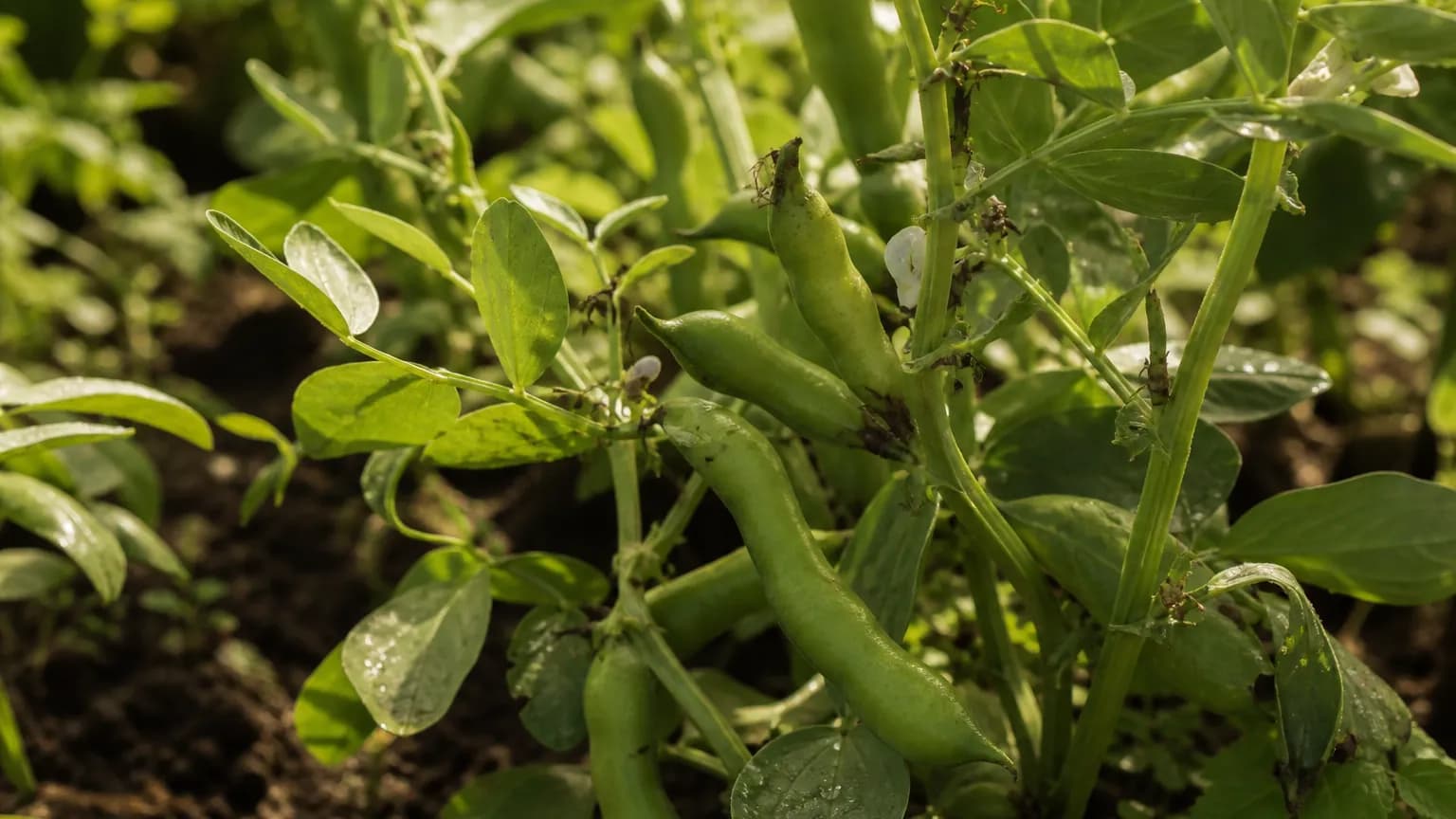
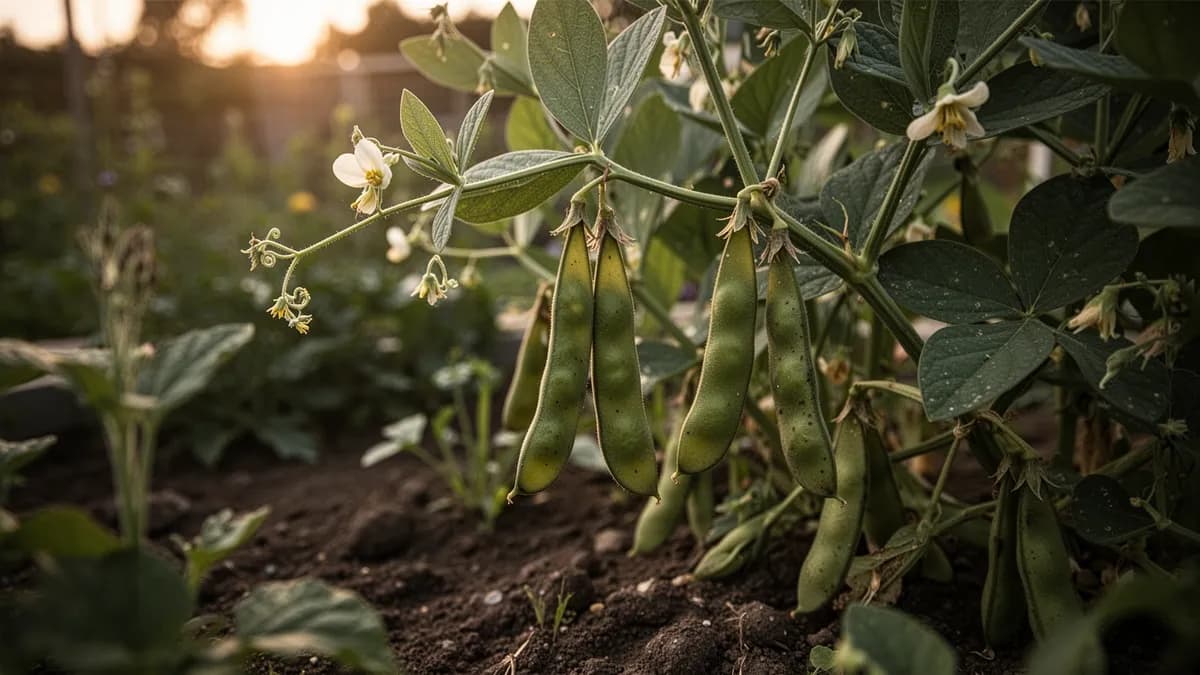
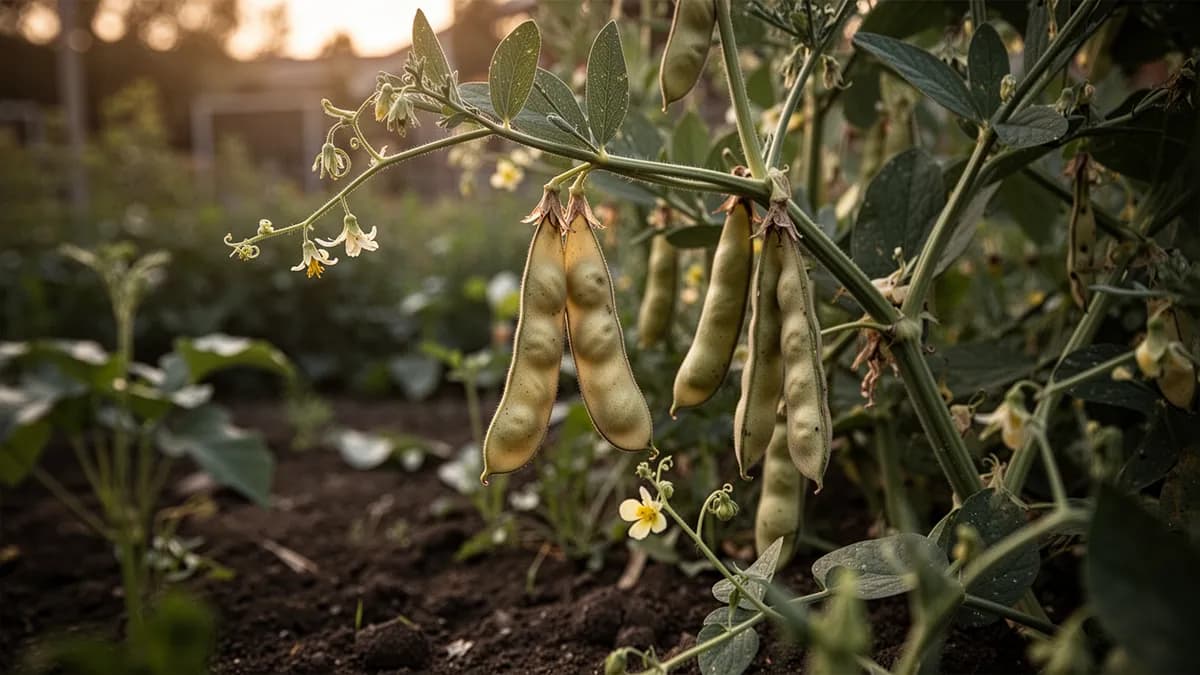
Mantén Urad Dal lejos de estos
Cultiva tu mejor Urad Dal — y todo lo que la rodea.
Empieza un plan gratis hoy. Diseña tus bancales, coloca tu Urad Dal y deja que PlotMyGarden gestione el momento, el espaciado, las asociaciones y los recordatorios de la semilla a la cesta.