Tomate Pera
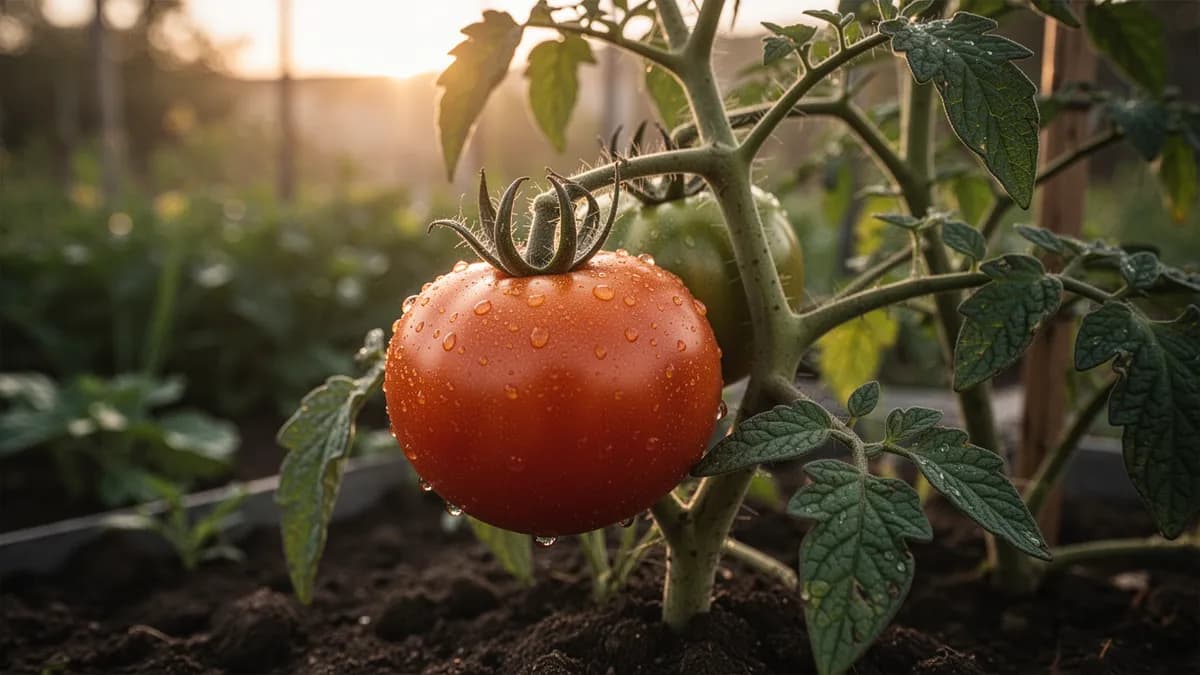
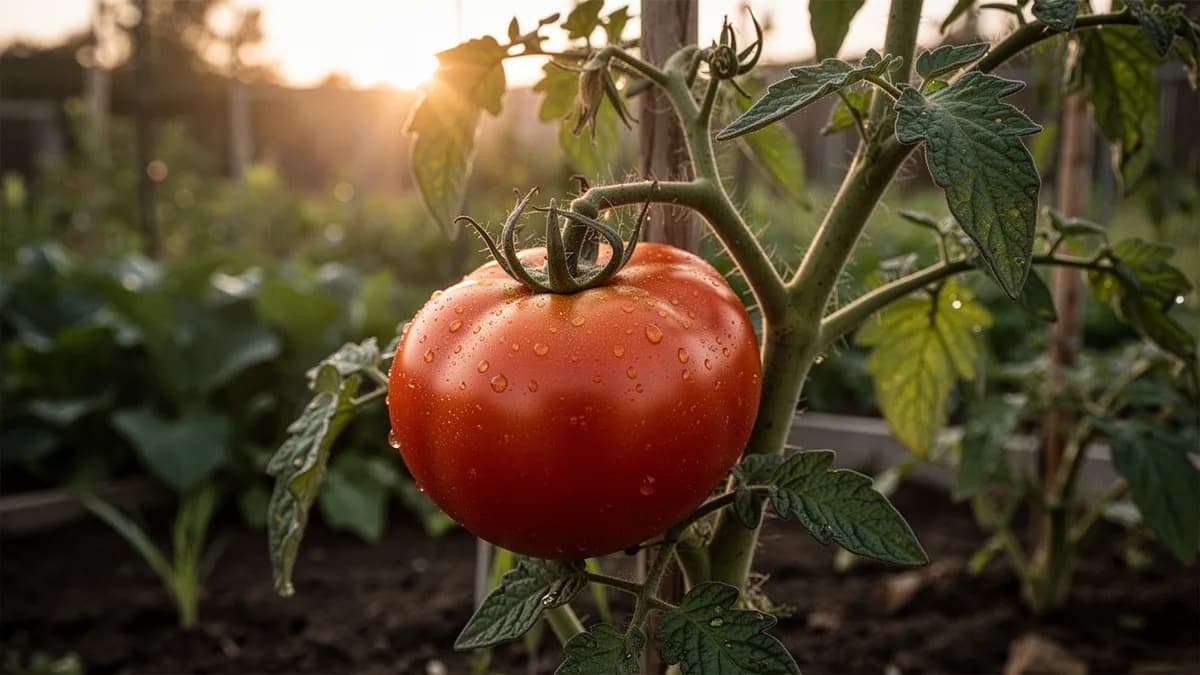
El tomate pera (Solanum lycopersicum) es una variedad de fruto ovalado y alargado, originaria de Italia, apreciada por su pulpa carnosa y firme con pocas semillas y escaso jugo.





En esta páginaResumen
Conoce Tomate Pera
El tomate pera (Solanum lycopersicum) es una variedad de fruto ovalado y alargado, originaria de Italia, apreciada por su pulpa carnosa y firme con pocas semillas y escaso jugo. Es considerado el tomate ideal para salsas, conservas y deshidratado gracias a su alto contenido en sólidos y su sabor concentrado y dulce.
Cuándo plantar Tomate Pera
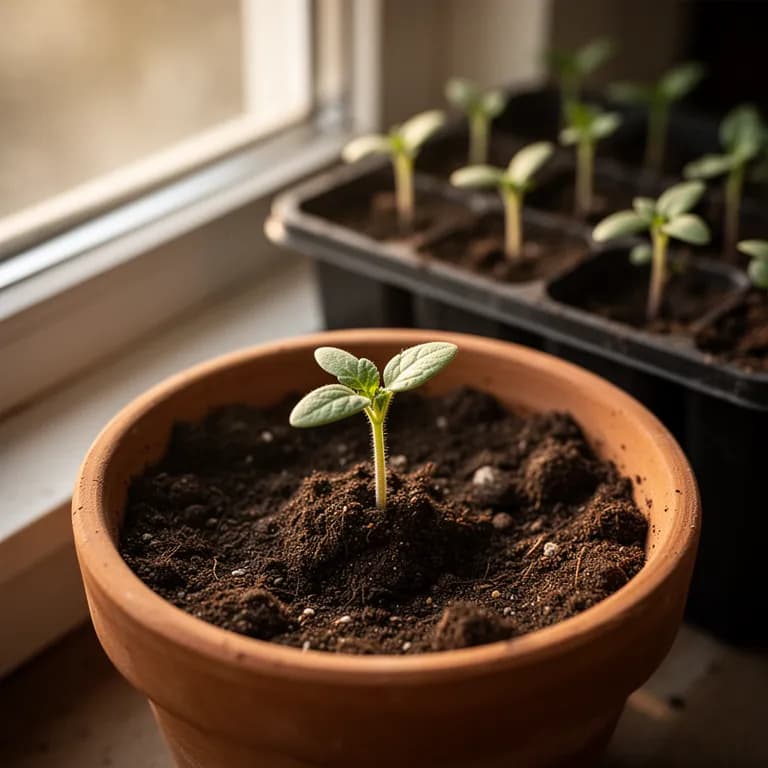
Sembrar las semillas en interior 6-8 semanas antes de la última helada, en bandejas con sustrato para semilleros a una profundidad de 6 mm. Mantener la temperatura entre 21 y 27 °C para una germinación óptima en 5-10 días. Trasplantar a macetas individuales cuando aparezcan las dos primeras hojas verdaderas y endurecer progresivamente las plántulas durante una semana antes de llevarlas al exterior.
Tu año de Tomate Pera
Ajustado a Zona 7 · temporada típica · la helada se va hacia el 2 abr y vuelve hacia el 1 nov
Planta Tomate Pera Feb – May y cosecha Jul – Sep. Consulta los métodos de plantación y elige tu clima para adaptar los periodos.
Cómo cultivar Tomate Pera
El tomate pera requiere un lugar a pleno sol con al menos 6-8 horas de luz directa diaria. El suelo debe prepararse con abundante compost y materia orgánica, asegurando un buen drenaje. Se recomienda trasplantar las plántulas al exterior cuando las temperaturas nocturnas superen los 10 °C de forma constante, espaciando las plantas entre 50 y 60 cm.
Al tratarse de variedades generalmente indeterminadas, es imprescindible instalar tutores robustos o jaulas de soporte desde el momento del trasplante. El riego debe ser profundo y regular, preferiblemente por goteo, manteniendo el suelo uniformemente húmedo sin encharcamientos. Elimine los brotes laterales (chupones) que aparezcan en las axilas de las hojas para concentrar la energía en la producción de frutos.
Aplique un fertilizante rico en fósforo y potasio cada dos semanas una vez que comience la floración. Coloque un acolchado de paja o corteza alrededor de la base para conservar la humedad y prevenir enfermedades fúngicas por salpicaduras del suelo. Vigile las temperaturas extremas superiores a 35 °C, ya que pueden provocar la caída de flores y afectar la cuaja de frutos.
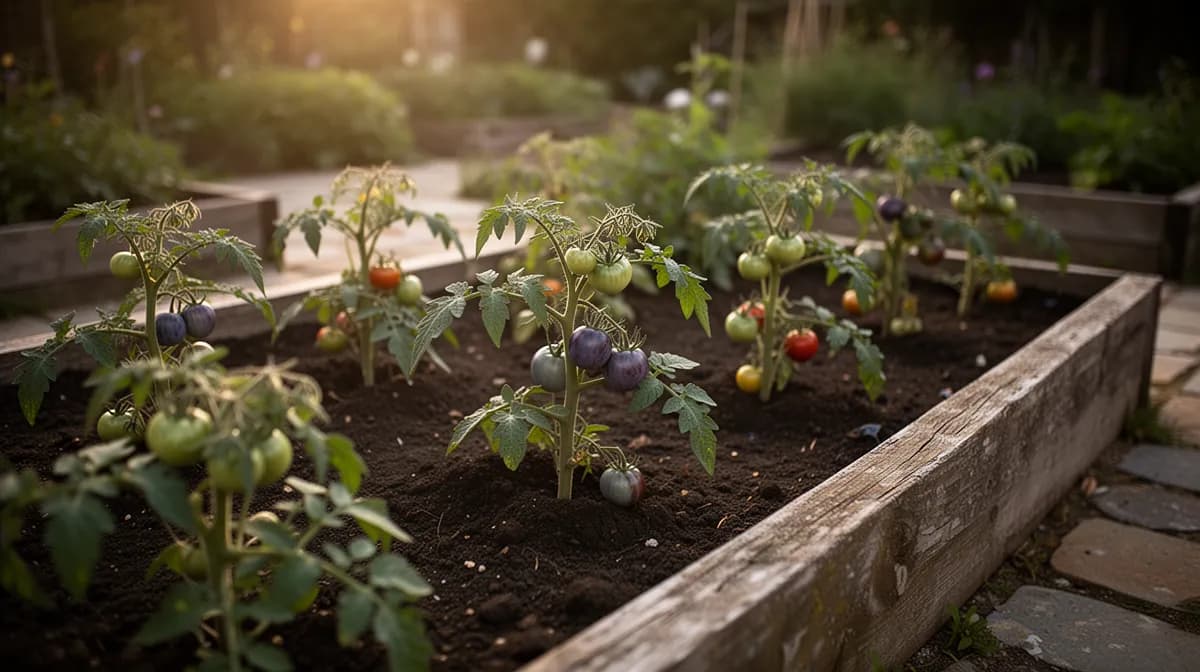
8 plantas caben en un bancal de 120 × 240 cm
Cada Tomate Pera pide 60 cm de margen. El planificador guarda ese marco por ti — cada planta, cada bancal.
Los mejores vecinos de Tomate Pera
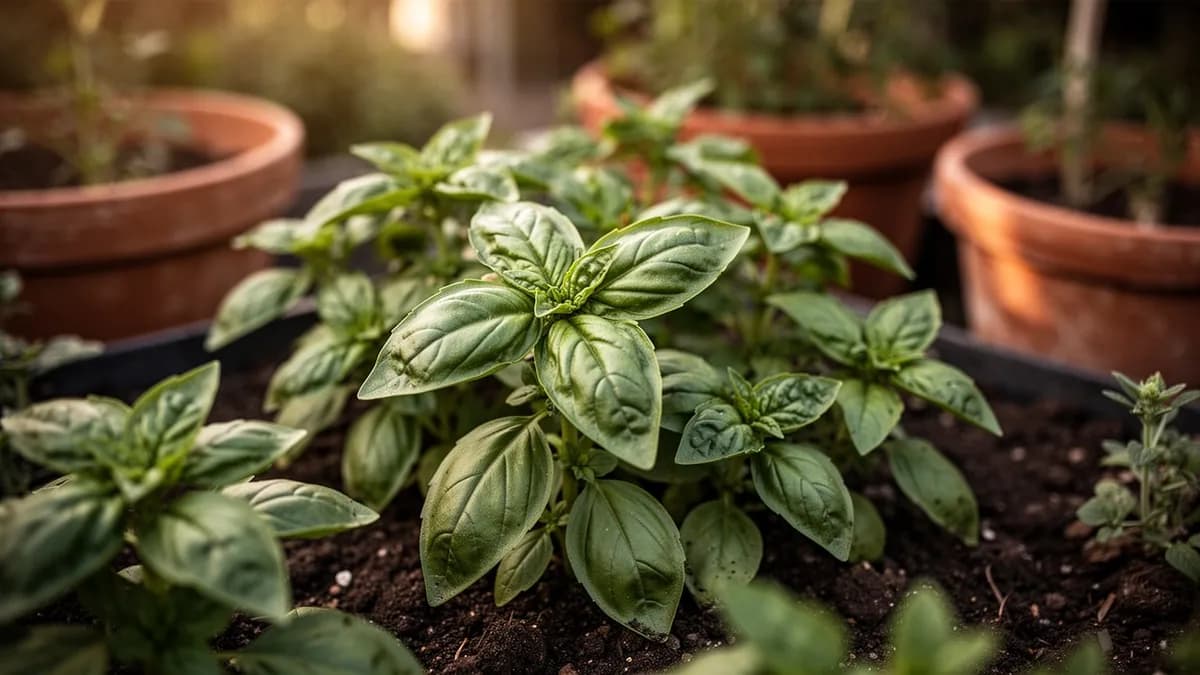
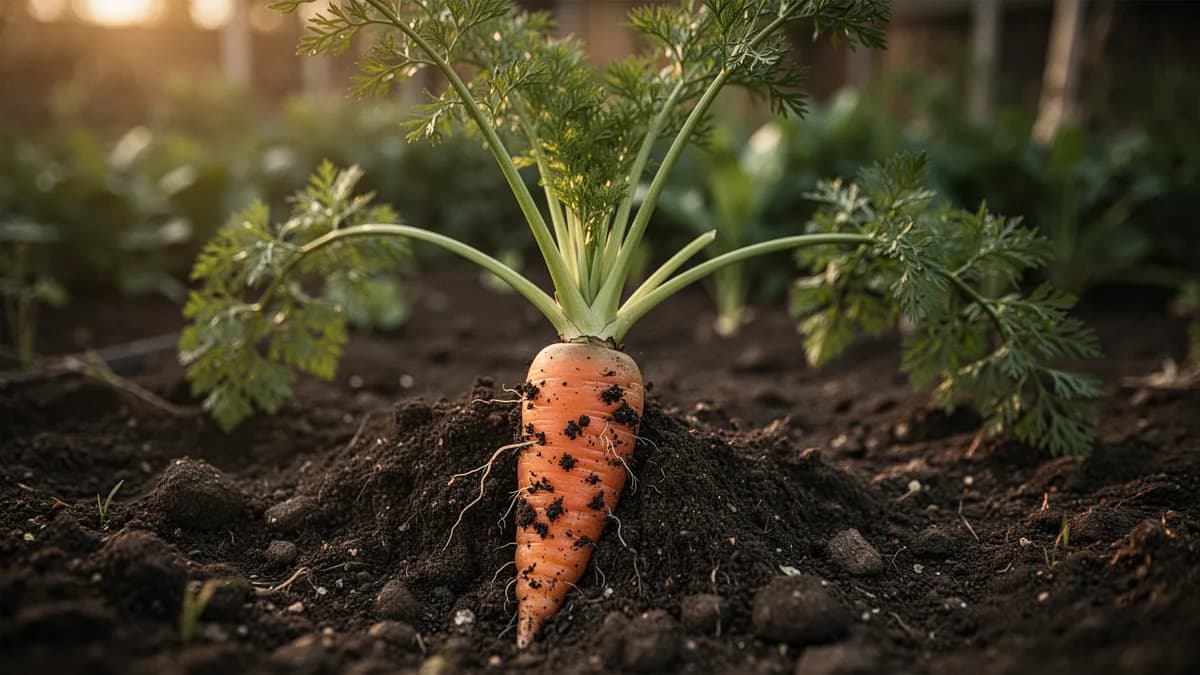
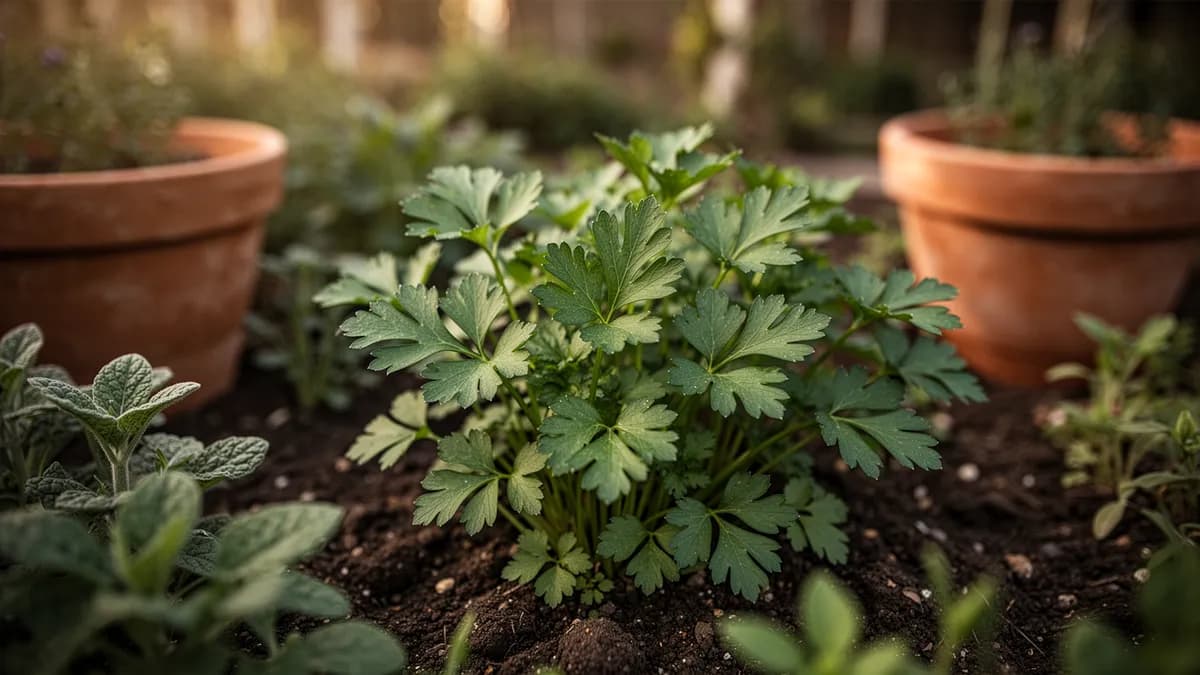
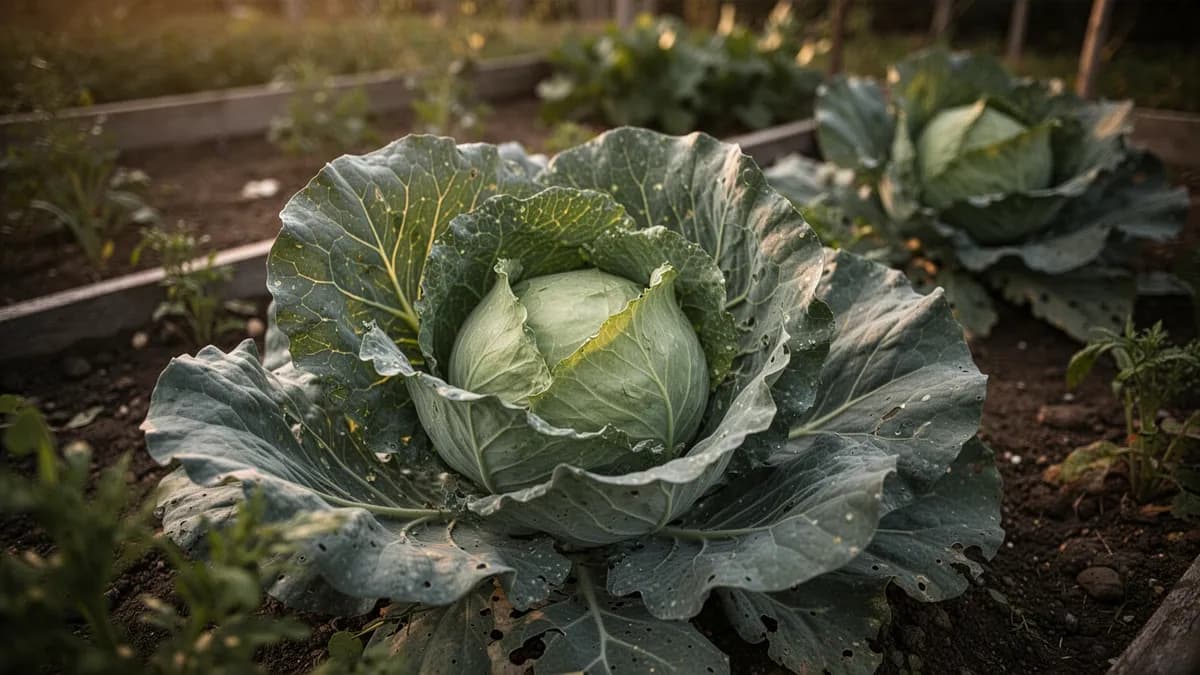
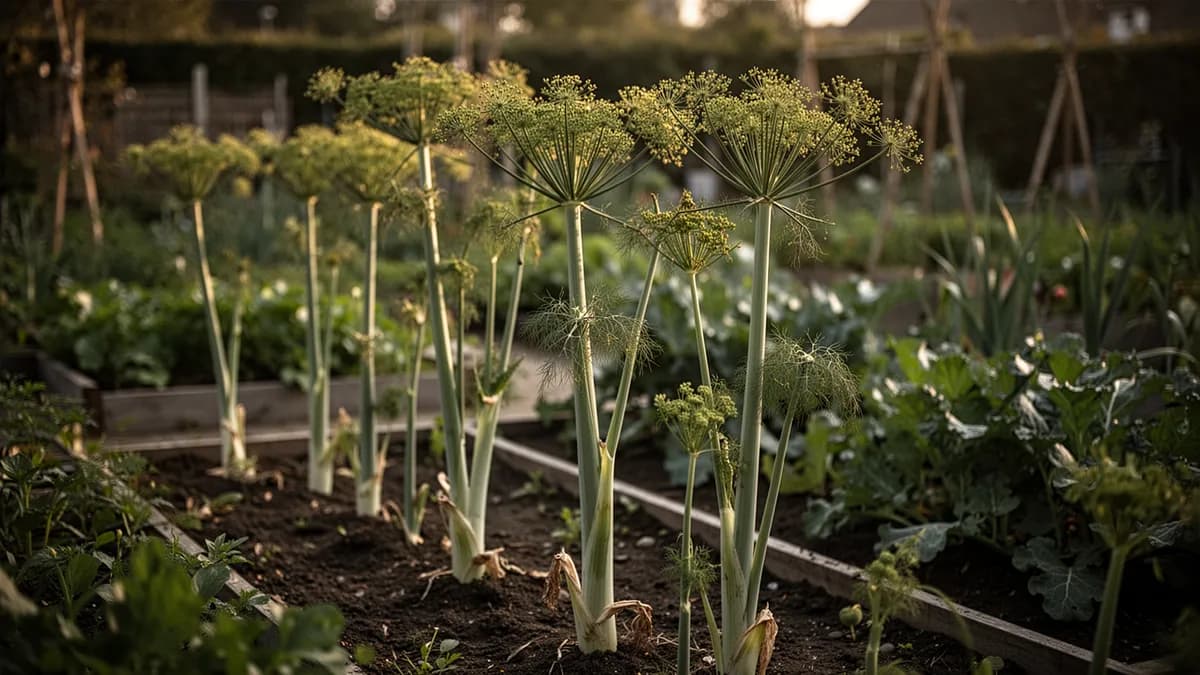
Se beneficia enormemente de la compañía de la albahaca, que repele pulgones y moscas blancas mientras mejora el sabor de los frutos según la tradición hortícola. Las zanahorias, el perejil y las caléndulas son excelentes compañeras, mientras que debe evitarse la proximidad con el hinojo, las coles y las patatas.
Albahaca va a su lado. Repollo no.
Saber de huerto de siempre, cotejado con la tabla real de Tomate Pera — prueba cualquier planta que cultives.
Prueba Tomate Pera en un bancal, aquí mismo
Un bancal real del planificador con Tomate Pera ya plantado. Toca una planta compañera para colocarla y mira cómo responde la comprobación de vecinos: verde para buenos vecinos, rojo si hay conflicto.


Guías de cultivo relacionadas
Abónalo bien
Requiere un suelo rico en materia orgánica, bien drenado y con pH entre 6,0 y 6,8. Incorpore compost maduro y harina de hueso al preparar el terreno para aportar fósforo. Durante la temporada de crecimiento, aplique fertilizante equilibrado cada dos semanas y cambie a una fórmula alta en potasio cuando comience la fructificación.
Temperatura ideal
Compatibilidad de zonas de rusticidad
De la semilla a la cosecha, etapa por etapa
Siembra
Las semillas germinan en condiciones cálidas y producen un tallo pálido con dos cotiledones lisos y redondeados. Las semillas de tomate pera necesitan humedad constante y una temperatura de 21-27°C (70-80°F) para germinar de forma fiable en 5-10 días. El sistema radicular inicial se desarrolla rápidamente en un sustrato de siembra suelto y esterilizado.
Desarrollo de plántulas
Aparecen las hojas verdaderas con el follaje de tomate característico, serrado y ligeramente velloso. Los tallos se engrosan y desarrollan finos pelitos que pueden echar raíces si se entierran. Las plántulas crecen de forma constante bajo luz intensa, construyendo la masa radicular necesaria para un buen trasplante.
Crecimiento vegetativo
Después del trasplante al exterior, las plantas crecen rápidamente en suelo cálido y a pleno sol. Las variedades determinadas de tomate pera, como Roma, desarrollan un porte arbustivo y compacto que alcanza 90-120 cm, mientras que los tipos indeterminados, como San Marzano, siguen creciendo más altos durante toda la temporada. El sistema radicular extenso puede extenderse 60-90 cm de profundidad.
Floración y cuajado
Aparecen racimos de flores pequeñas, amarillas y en forma de estrella en los nudos del tallo. Los tomates pera son autopolinizantes: el polen se transfiere dentro de cada flor mediante la vibración del viento o las visitas de las abejas. El cuajado es óptimo cuando las temperaturas diurnas se mantienen entre 21-29°C (70-85°F); las temperaturas superiores a 35°C (95°F) provocan la caída de las flores.
Desarrollo del fruto
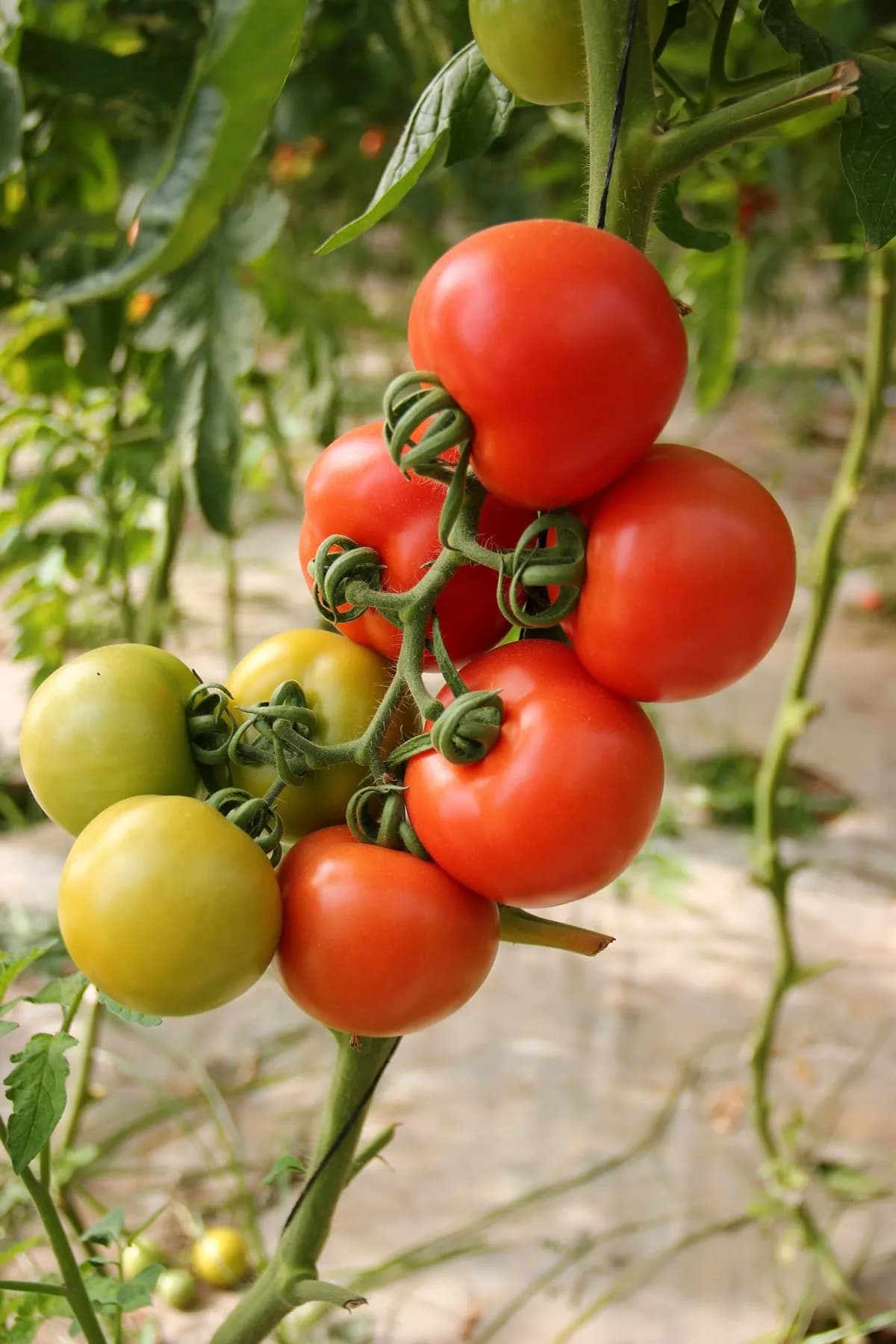
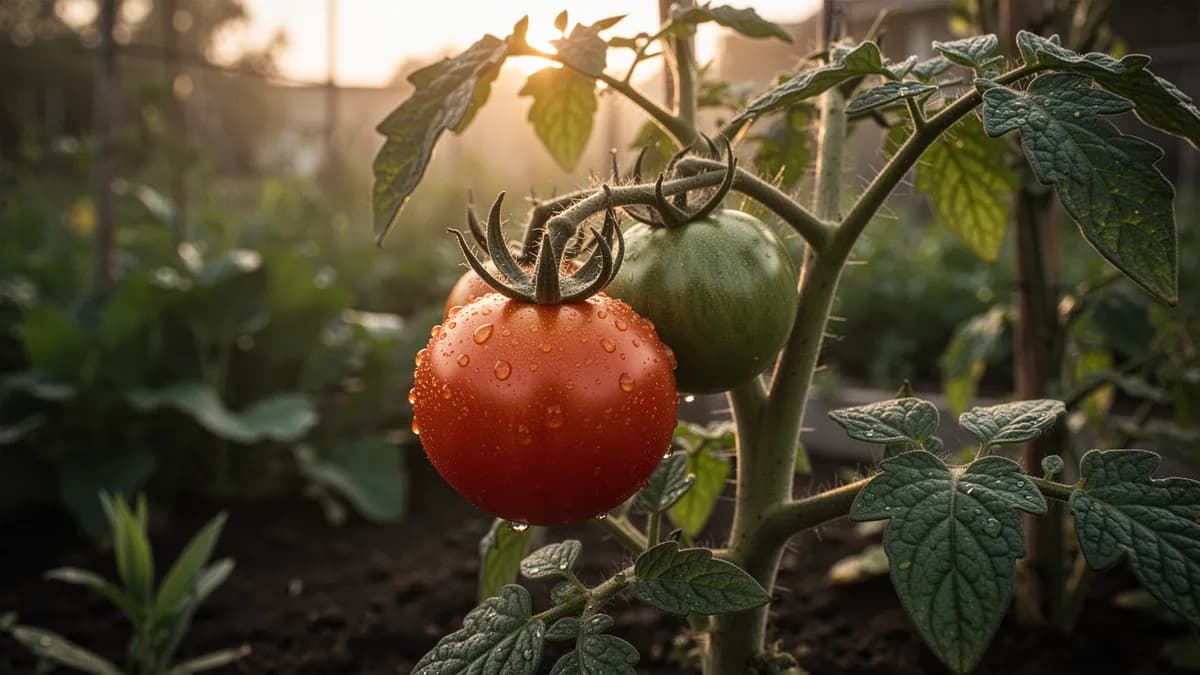
Los frutos verdes se hinchan hasta adoptar la característica forma alargada y ovalada propia de los tomates pera. Las paredes gruesas del pericarpio se desarrollan mientras las cavidades de semillas permanecen pequeñas, rasgo que hace a los tomates pera superiores para cocinar. Los frutos pasan de verde pálido a un rojo cada vez más intenso a medida que se acumula licopeno.
Temporada de cosecha
Los tomates pera maduros se vuelven de un rojo intenso y uniforme y ceden ligeramente a una presión suave. Las variedades determinadas como Roma maduran la mayor parte de su cosecha dentro de una ventana concentrada de 3-4 semanas, ideal para grandes jornadas de envasado y salsa. Las variedades indeterminadas producen de forma continua hasta la helada.
Empieza las semillas en interior 6-8 semanas antes de la última helada. Siembra a 6mm de profundidad en sustrato húmedo para semilleros y cubre las bandejas con domos de humedad. El calor inferior de una manta térmica para plántulas mejora mucho la velocidad y la uniformidad de la germinación.
Cuidar Tomate Pera mes a mes
Qué hacer cada mes para tu Tomate Pera
Octubre
Mes actualHarvest all remaining fruit before first frost, including green tomatoes. Ripen green plum tomatoes indoors on a sunny windowsill or in a paper bag with a banana. Pull spent plants and dispose of any diseased foliage — do not compost blighted material.
Ten claro qué hacer en tu huerto, cada mes
Un correo al empezar cada mes: qué sembrar, plantar y hacer ahora mismo — para tu Tomate Pera y todo lo que crece alrededor. Más un breve curso inicial para esquivar los errores clásicos.
- Qué hacer ahora mismo
- Ajustado a tu temporada
- Curso inicial incluido
Cosechar Tomate Pera
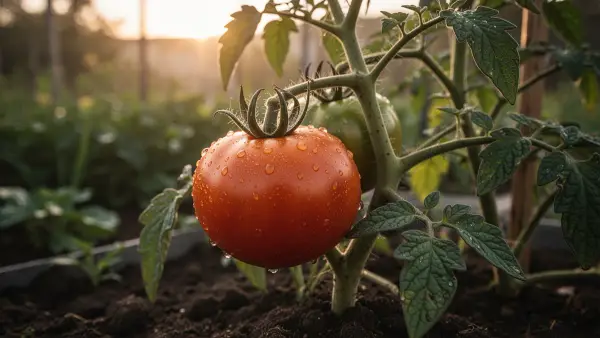
Los tomates pera se cosechan cuando alcanzan un color rojo intenso y uniforme, generalmente entre 70 y 80 días después del trasplante. Es preferible cosecharlos completamente maduros en la planta para obtener el máximo sabor y contenido de azúcares, cortando el pedúnculo con tijeras limpias para evitar dañar la planta.
se supone que plantas al comenzar el periodo — indica tu fecha real
Cuando los frutos estén uniformemente rojo intenso y firmes, cediendo un poco a la presión.
Almacenamiento y conservación
Conservar a temperatura ambiente alejados de la luz solar directa; no refrigerar ya que el frío deteriora su sabor y textura. Para conservación a largo plazo, son ideales para elaborar conservas de salsa, deshidratarlos al sol o en horno a baja temperatura, o congelarlos enteros o triturados en bolsas herméticas.
Qué falla — y cómo solucionarlo
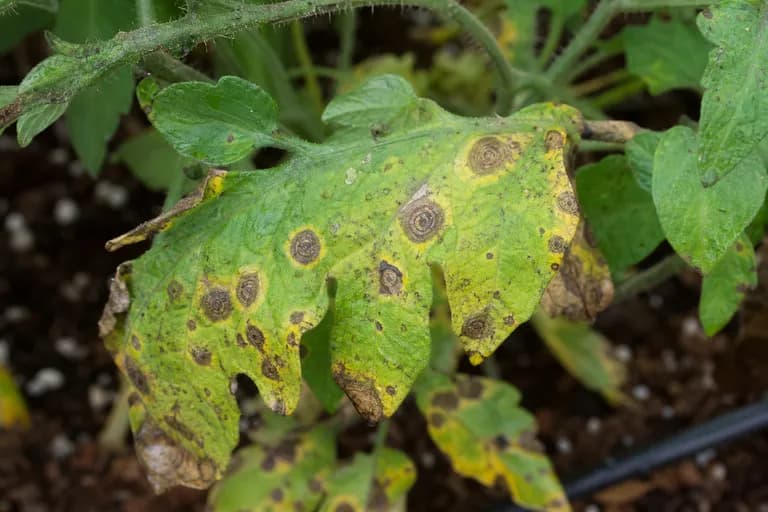
Tizón tardío
EnfermedadManchas marrones acuosas en hojas y frutos que se extienden rápidamente en condiciones húmedas, pudiendo destruir la planta en pocos días.
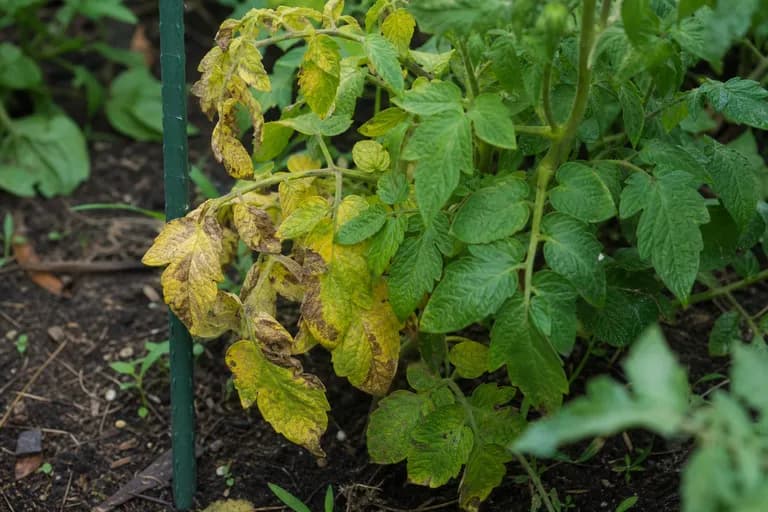
Mosca blanca
PlagaPequeños insectos blancos en el envés de las hojas que succionan la savia, provocando amarillamiento, debilitamiento y secreción de melaza que favorece la aparición de negrilla.
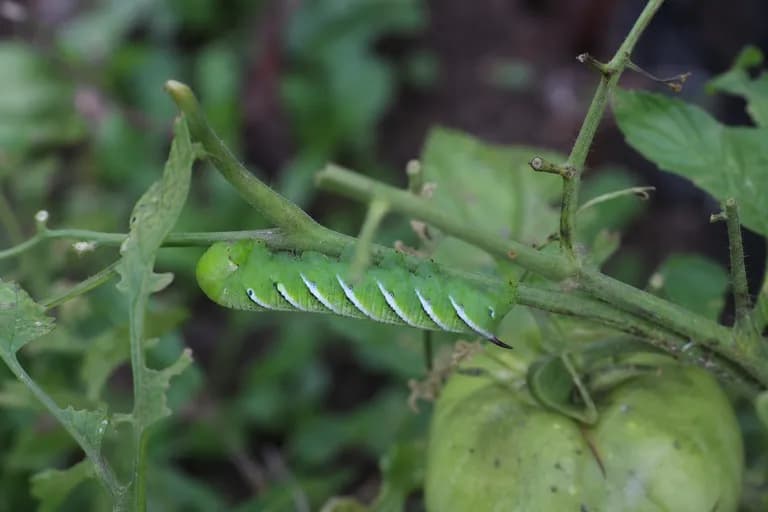
Podredumbre apical
EnfermedadMancha oscura y hundida en la base del fruto que se agranda y ennegrece, inutilizando el tomate para consumo.
Solución de problemas comunes
La podredumbre apical es el problema más frecuente y se debe a una deficiencia de calcio agravada por riego irregular. El agrietamiento de los frutos ocurre cuando hay fluctuaciones bruscas en el aporte de agua, especialmente tras períodos de sequía seguidos de lluvias abundantes. Las temperaturas superiores a 35 °C provocan caída de flores y mala cuaja.
Consejos de cultivo
- Bury transplants deep — very deep. Remove the lower two-thirds of leaves and bury the bare stem up to the remaining foliage. Every buried node sprouts new roots, creating a massive root system that produces a stronger, more drought-resistant, and higher-yielding plant.
- Choose between determinate and indeterminate carefully based on your goals. Determinate varieties like Roma ripen most fruit at once — perfect for sauce-making and canning days. Indeterminate types like San Marzano produce steadily over months — better for continuous fresh use.
- Water consistently and deeply at the base, never overhead. Inconsistent watering is the primary cause of blossom end rot, the most common plum tomato affliction. Drip irrigation or soaker hoses on a timer deliver the steady moisture plum tomatoes demand.
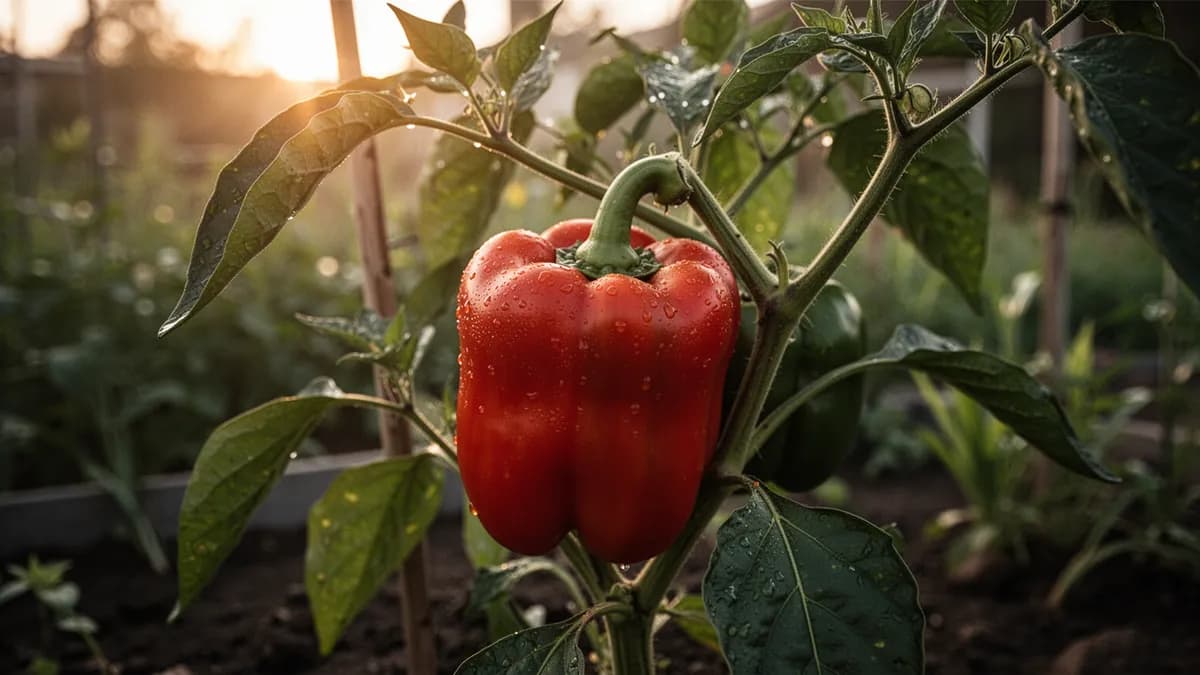
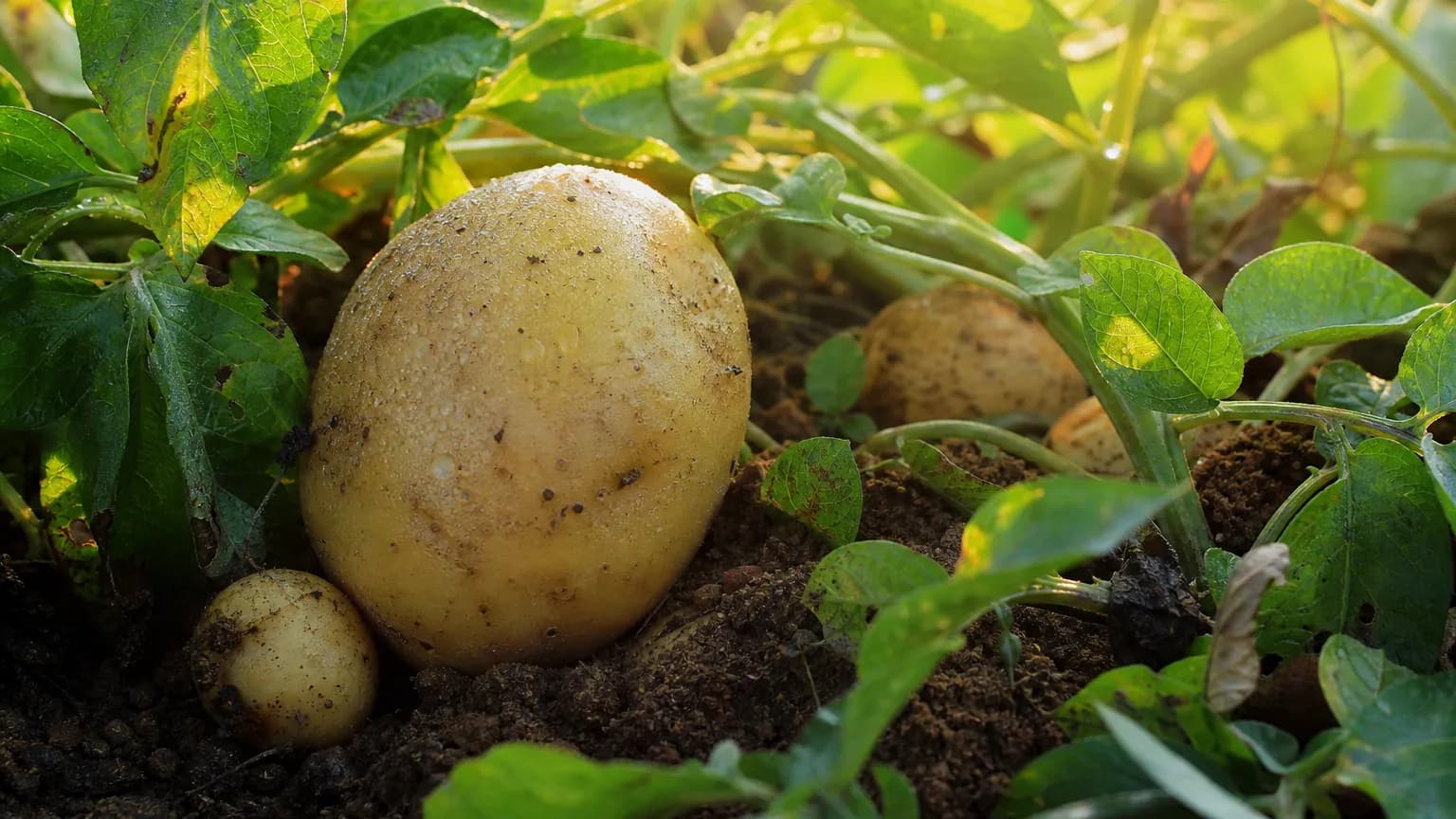
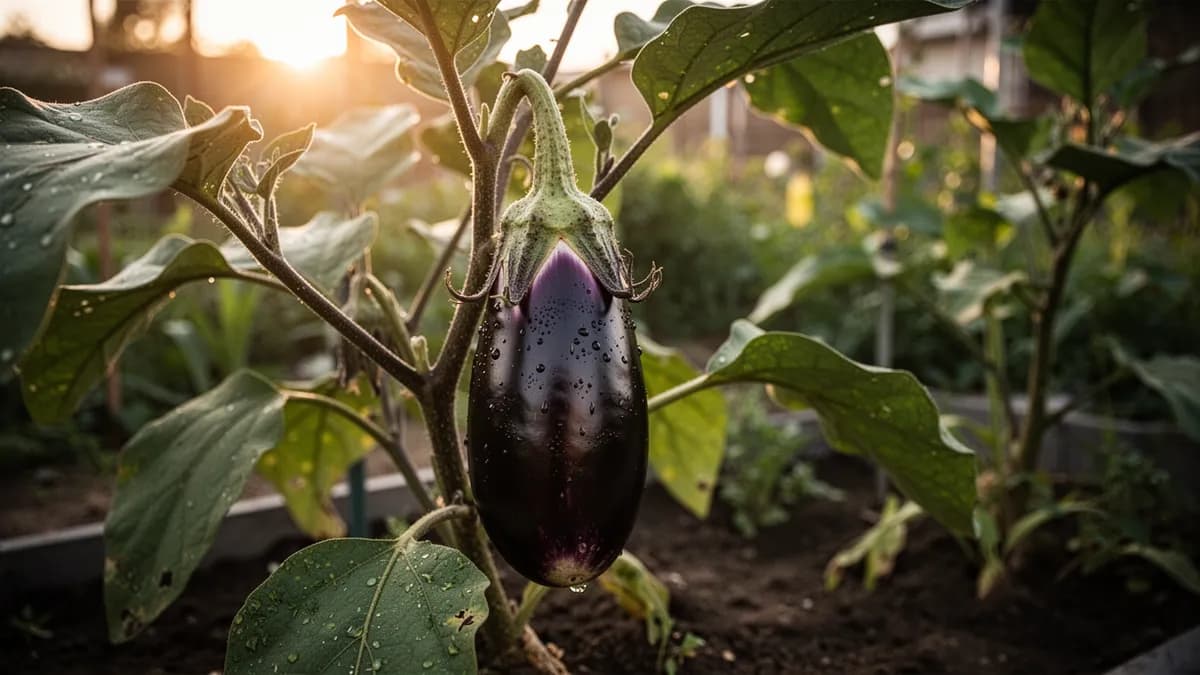
- Rotate tomato planting locations every 3-4 years without exception. Soilborne diseases like Fusarium wilt, Verticillium wilt, and bacterial canker build up in soil where tomatoes are planted repeatedly. Avoid planting where any nightshade family crops (peppers, eggplant, potatoes) grew recently.
- Prune suckers on indeterminate plum tomatoes to maintain one or two main stems. This concentrates the plant's energy into fewer but larger, better-flavored fruit clusters and improves air circulation that reduces fungal disease pressure.
- Apply calcium before planting to prevent blossom end rot. Work crushed eggshells, gypsum, or lime into the planting hole. Once blossom end rot appears on fruit, it cannot be reversed — prevention through consistent watering and adequate soil calcium is the only solution.
- Remove the lowest 30 cm of foliage once plants are well established. Leaves touching or near the soil are the primary entry point for early blight and other fungal diseases. This simple pruning step dramatically reduces disease pressure.
- For the best sauce flavor, let plum tomatoes ripen fully on the vine until they are deep red and just slightly soft. Early-picked tomatoes develop less sugar and lower lycopene content. If you must pick early for weather reasons, ripen at room temperature — never refrigerate unripe tomatoes.
Cultiva tu mejor Tomate Pera — y todo lo que la rodea.
Empieza un plan gratis hoy. Diseña tus bancales, coloca tu Tomate Pera y deja que PlotMyGarden gestione el momento, el espaciado, las asociaciones y los recordatorios de la semilla a la cesta.
Elige tu Tomate Pera
San Marzano
Variedad italiana DOP originaria de la región del Vesubio, considerada el estándar de oro para salsas. Frutos alargados de 7-9 cm con pulpa densa y pocas semillas. Madura en 78-85 días.
Roma VF
Variedad determinada muy productiva y resistente a Verticillium y Fusarium. Frutos ovalados de tamaño medio, perfectos para conservas y salsas. Madura en 73-80 días.
Amish Paste
Variedad reliquia indeterminada de origen amish con frutos grandes en forma de corazón alargado. Pulpa excepcionalmente densa y dulce, ideal para salsa fresca. Madura en 74-85 días.
Opalka
Variedad reliquia polaca con frutos alargados tipo pimiento de hasta 15 cm. Pulpa firme con muy pocas semillas y sabor dulce intenso. Madura en 82-90 días.
A plum tomato plant costs $3-5 as a transplant or mere pennies when grown from seed, yet produces 4-10 kg of fruit per season. With fresh plum tomatoes selling for $3-6 per kg at grocery stores and farmers markets, each plant returns $12-60 in produce value. The savings multiply dramatically when you consider that a 700ml jar of quality San Marzano canned tomatoes costs $4-7 at the store, while 6-8 homegrown plants yield enough to can 20-30 jars of superior sauce for the cost of jars and lids alone — a potential savings of $80-200 per season for families who regularly cook with tomato sauce.
Recetas rápidas
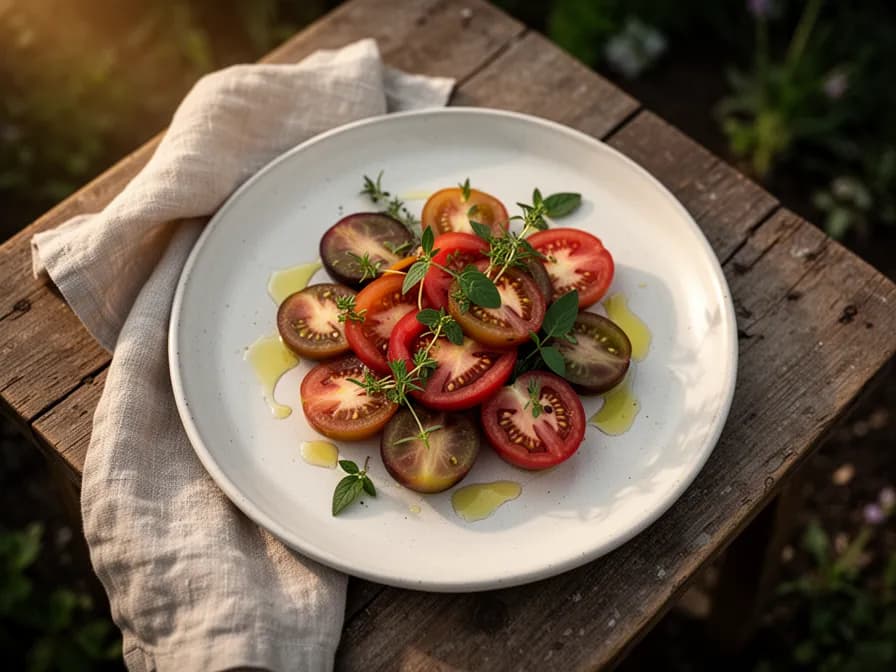
Classic Marinara Sauce
45 minA rich, slow-simmered Italian tomato sauce that showcases why plum tomatoes are the world's preferred sauce variety. Their low moisture and thick flesh cook down into a concentrated, velvety sauce with minimal effort and no need to drain excess liquid.
9 ingredientesOven-Roasted Plum Tomatoes
50 minSlow-roasting transforms plum tomatoes into intensely sweet, caramelized jewels that elevate pasta, bruschetta, salads, and grain bowls. The low moisture content of plum tomatoes means they roast perfectly without turning watery.
7 ingredientesFresh Bruschetta with Plum Tomatoes
15 minA vibrant Italian appetizer where diced plum tomatoes are the star — their meaty texture and low juice content keep the bread crisp instead of soggy, making them far superior to slicing tomatoes for this classic dish.
8 ingredientesUsos culinarios
Es el tomate por excelencia para elaborar salsas italianas, tanto frescas como cocinadas a fuego lento, gracias a su pulpa densa y bajo contenido en agua. También es excelente para conservas caseras, tomates secos, kétchup artesanal, pizzas, bruschetta y para asar al horno con hierbas aromáticas.
Qué contiene
Beneficios para la salud
- Plum tomatoes are one of the richest dietary sources of lycopene, a carotenoid antioxidant linked to reduced risk of prostate cancer, cardiovascular disease, and age-related macular degeneration — and cooking actually increases lycopene bioavailability by 2-3 times compared to raw fruit.
- High in vitamin C, supporting immune function, collagen synthesis for skin and joint health, and enhancing the absorption of non-heme iron from plant-based foods when eaten together.
- Excellent source of vitamin A as beta-carotene, essential for maintaining healthy vision, supporting immune cell production, and promoting skin cell turnover and repair.
- Contains potassium (237mg per 100g), a mineral critical for maintaining healthy blood pressure, proper heart rhythm, and balanced fluid levels — most adults do not consume enough potassium daily.
- Rich in the antioxidants lutein and zeaxanthin, which accumulate in the retina and protect against harmful blue light and oxidative damage that contributes to cataracts and macular degeneration.
- Provides vitamin K and small amounts of calcium, working together to support bone mineralization and reduce the risk of osteoporosis, particularly important for postmenopausal women.
De dónde viene Tomate Pera
The plum tomato traces its ancestry to the wild tomato species Solanum pimpinellifolium of western South America, particularly the coastal deserts and Andean foothills of Peru and Ecuador. Indigenous peoples of Mesoamerica domesticated the tomato long before European contact, selecting for larger fruit size and diverse shapes including the elongated forms that would become modern plum varieties. When Spanish conquistadors brought tomatoes to Europe in the early 16th century, the fruit was initially regarded with suspicion in most of the continent — but southern Italy embraced it enthusiastically.
The volcanic soils around Naples and the Campania region proved ideal for tomato cultivation, and Italian farmers began selecting for the oval, thick-walled fruits that cooked down into superior sauces. By the 18th century, the plum-shaped tomato had become the foundation of Neapolitan cuisine, and the San Marzano variety — named for the small town near Mount Vesuvius where it was perfected — emerged as the gold standard for canned tomatoes and sauce production. The mineral-rich volcanic soil, warm Mediterranean climate, and centuries of careful seed selection created a variety with unmatched sweetness, low acidity, and dense flesh.
In the 20th century, agricultural research programs developed modern plum tomato varieties optimized for different growing conditions and uses. The USDA released the Roma tomato in 1955, breeding it for disease resistance, uniform ripening, and mechanical harvesting — it quickly became the world's most commercially important plum variety. Today, plum tomatoes are grown on every inhabited continent, from backyard gardens to vast commercial operations. Italy, the United States, China, and Turkey are the largest producers. The plum tomato remains the undisputed king of the processing tomato world, accounting for the majority of canned tomatoes, tomato paste, and commercial sauces produced globally.
Tomate Pera: ¿sabías que?
Datos fascinantes sobre Tomate Pera
Plum tomatoes — particularly the San Marzano variety grown in the volcanic soil near Mount Vesuvius — are so prized in Italy that genuine San Marzano tomatoes carry a DOP (Protected Designation of Origin) certification, and counterfeits are a significant problem in the global canned tomato market.
Tomate Pera: preguntas frecuentes
¿Cuándo debo plantar Tomate Pera?
¿Cuáles son buenas plantas acompañantes para Tomate Pera?
¿En qué zonas de rusticidad puede crecer Tomate Pera?
¿Cuánto sol necesita Tomate Pera?
¿A qué distancia debo espaciar Tomate Pera?
¿Qué plagas y enfermedades afectan a Tomate Pera?
¿Cómo almaceno Tomate Pera después de la cosecha?
¿Cuáles son las mejores variedades de Tomate Pera para cultivar?
¿Qué suelo necesita Tomate Pera?
What is the difference between Roma and San Marzano tomatoes?
Why are my plum tomatoes getting black spots on the bottom?
Can I grow plum tomatoes in containers?
How do I preserve plum tomatoes for winter?
Why are my plum tomato plants flowering but not setting fruit?
When is the best time to harvest plum tomatoes for making sauce?
Acabas de leer la teoría. Ahora cultívala en piloto automático.
Todo lo que hace que Tomate Pera sea delicado — el momento, el espaciado, las asociaciones, la ventana de cosecha — es justo lo que PlotMyGarden resuelve por ti, para cada planta de tu huerto.
Un plan que conoce tu clima
Indica tu ubicación una vez. Recibe fechas de siembra, abonado y cosecha basadas en tu última helada real y el pronóstico en vivo — sin adivinar con un sobre genérico.
De la sección “Cuándo plantar”Planificador de bancales de arrastrar y soltar
Diseña bancales sobre una cuadrícula. Cada planta encaja con su espaciado correcto y ves toda la temporada antes de gastar un céntimo en semillas.
De la sección “Cultivo”Conflictos de asociación, detectados a tiempo
Más de 200 buenas y malas combinaciones comprobadas en vivo mientras plantas — para que un error que arruine la temporada nunca llegue a la tierra.
De la sección “Asociaciones”Recordatorios que sí vas a seguir
“Riega las judías.” “Recoge hoy antes de que se pase.” Oportunos, concretos y ligados a las plantas que de verdad cultivas.
De la sección “Cosecha”Escalonado, programado
¿Quieres cosechar seis semanas en vez de seis días? Reparte tus siembras automáticamente y te avisa cuando toca el siguiente lote.
De la sección “Cuándo plantar”Un registro que se vuelve más listo
Cada cosecha que registras le enseña tu huerto. El plan del año que viene parte de lo que de verdad funcionó en tu suelo, no en un manual.
De la sección “Resumen”Planta estos junto a Tomate Pera
Más Solanáceas
Mantén Tomate Pera lejos de estos
Diseños de jardín con Tomate Pera
Cultiva tu mejor Tomate Pera — y todo lo que la rodea.
Empieza un plan gratis hoy. Diseña tus bancales, coloca tu Tomate Pera y deja que PlotMyGarden gestione el momento, el espaciado, las asociaciones y los recordatorios de la semilla a la cesta.