Tomate Tradicional (Heirloom)
Los tomates heirloom o tradicionales son variedades de polinización abierta que han sido cultivadas y transmitidas de generación en generación durante al menos 50 años.





En esta páginaResumen
Conoce Tomate Tradicional (Heirloom)
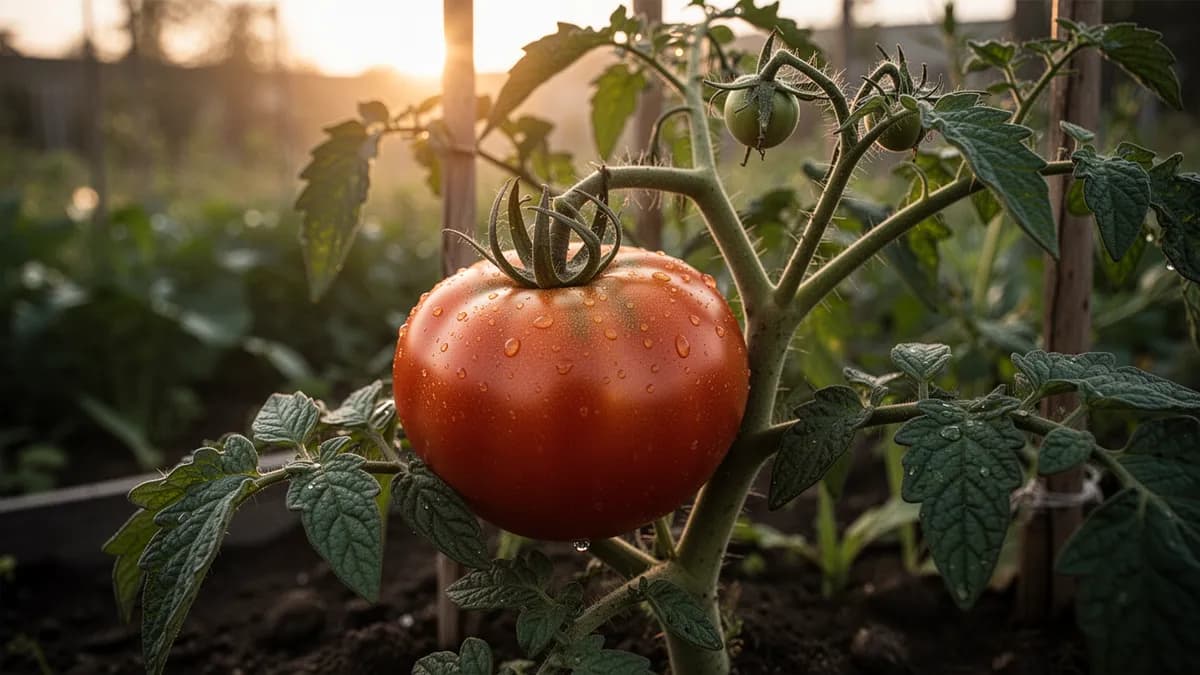
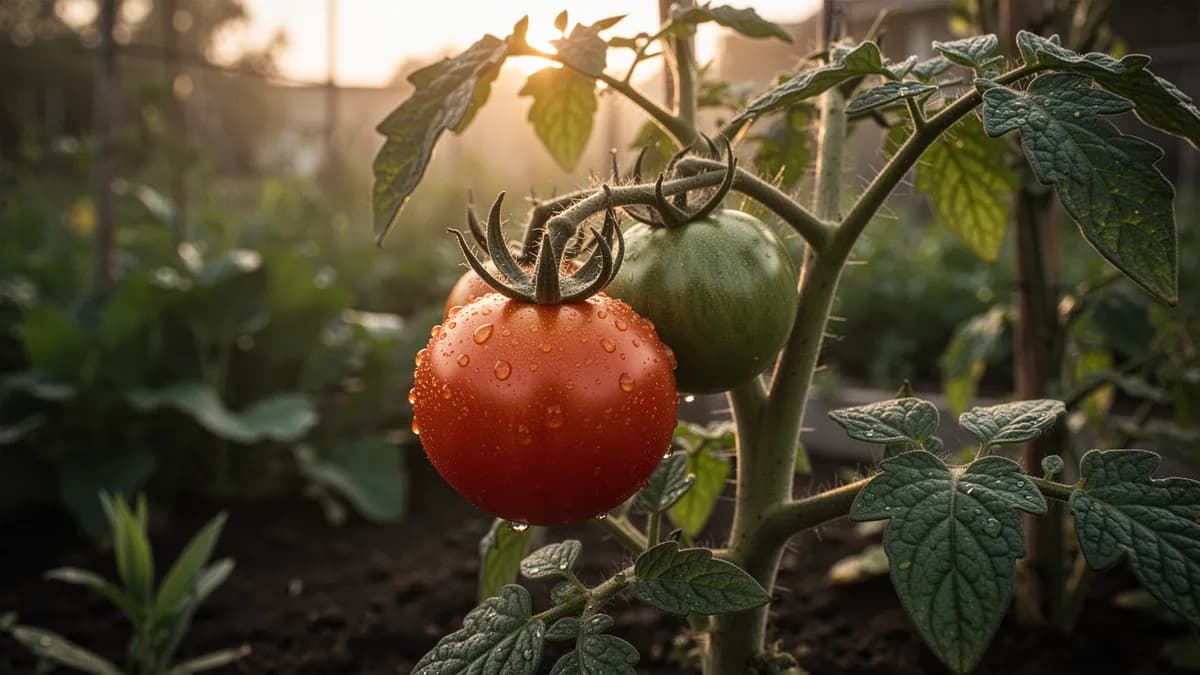
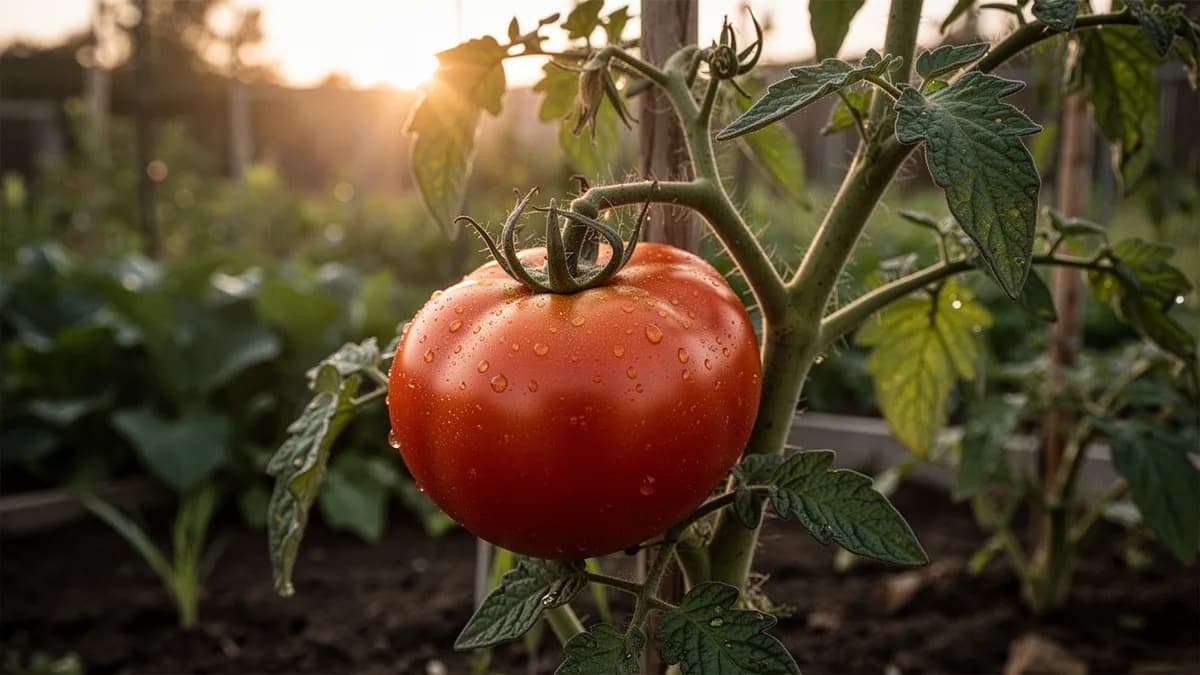
Los tomates heirloom o tradicionales son variedades de polinización abierta que han sido cultivadas y transmitidas de generación en generación durante al menos 50 años. Se distinguen por su increíble diversidad de colores (rojo, rosado, amarillo, verde, negro, bicolor), formas irregulares y sabores complejos que van desde lo dulce hasta lo ácido y ahumado. A diferencia de los híbridos modernos, estas variedades priorizan el sabor sobre la uniformidad y la resistencia al transporte.
Cuándo plantar Tomate Tradicional (Heirloom)
Siembre las semillas de tomate heirloom en interiores de 6 a 8 semanas antes de la última helada esperada, a una profundidad de 6 mm en celdas individuales con sustrato estéril y húmedo. Mantenga una temperatura constante de 24 a 30 °C hasta la germinación (7 a 14 días, algunas variedades pueden ser más lentas). Proporcione luz intensa de 14 a 16 horas diarias, adelgace a una plántula por celda y endurezca gradualmente durante 10 a 14 días antes del trasplante definitivo al exterior.
Tu año de Tomate Tradicional (Heirloom)
Ajustado a Zona 7 · temporada típica · la helada se va hacia el 2 abr y vuelve hacia el 1 nov
Planta Tomate Tradicional (Heirloom) Feb – May y cosecha Jul – Sep. Consulta los métodos de plantación y elige tu clima para adaptar los periodos.
Cómo cultivar Tomate Tradicional (Heirloom)
Los tomates heirloom son mayoritariamente de crecimiento indeterminado, lo que significa que continúan creciendo y produciendo frutos durante toda la temporada hasta las primeras heladas. Inicie las semillas en interiores de 6 a 8 semanas antes de la última helada, utilizando sustrato estéril a una temperatura de 24-30 °C. Las plántulas necesitan abundante luz (14-16 horas diarias) para evitar que se estiren y debiliten.
Trasplante al exterior cuando las temperaturas nocturnas se mantengan por encima de 10 °C, enterrando dos tercios del tallo para promover raíces adventicias fuertes. Instale tutores, jaulas o un sistema de espaldera antes o inmediatamente después del trasplante, ya que estas plantas pueden superar los 2 metros de altura. Espacie las plantas de 60 a 90 cm en hileras separadas 90 a 120 cm.
Los tomates heirloom son generalmente más susceptibles a enfermedades que los híbridos modernos, por lo que la prevención es fundamental. Pode los chupones inferiores para mejorar la circulación de aire, aplique acolchado para evitar salpicaduras de agua del suelo a las hojas y riegue por goteo de manera constante (2,5 a 5 cm semanales). Fertilice con compost maduro y un abono bajo en nitrógeno pero rico en fósforo y potasio durante la fructificación.
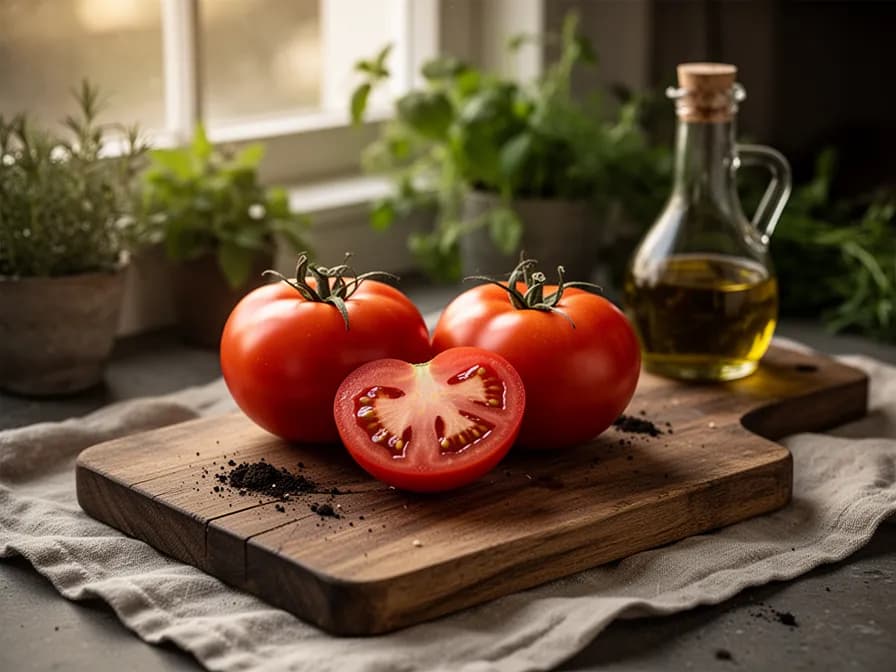
3 plantas caben en un bancal de 120 × 240 cm
Cada Tomate Tradicional (Heirloom) pide 75 cm de margen. El planificador guarda ese marco por ti — cada planta, cada bancal.
Los mejores vecinos de Tomate Tradicional (Heirloom)
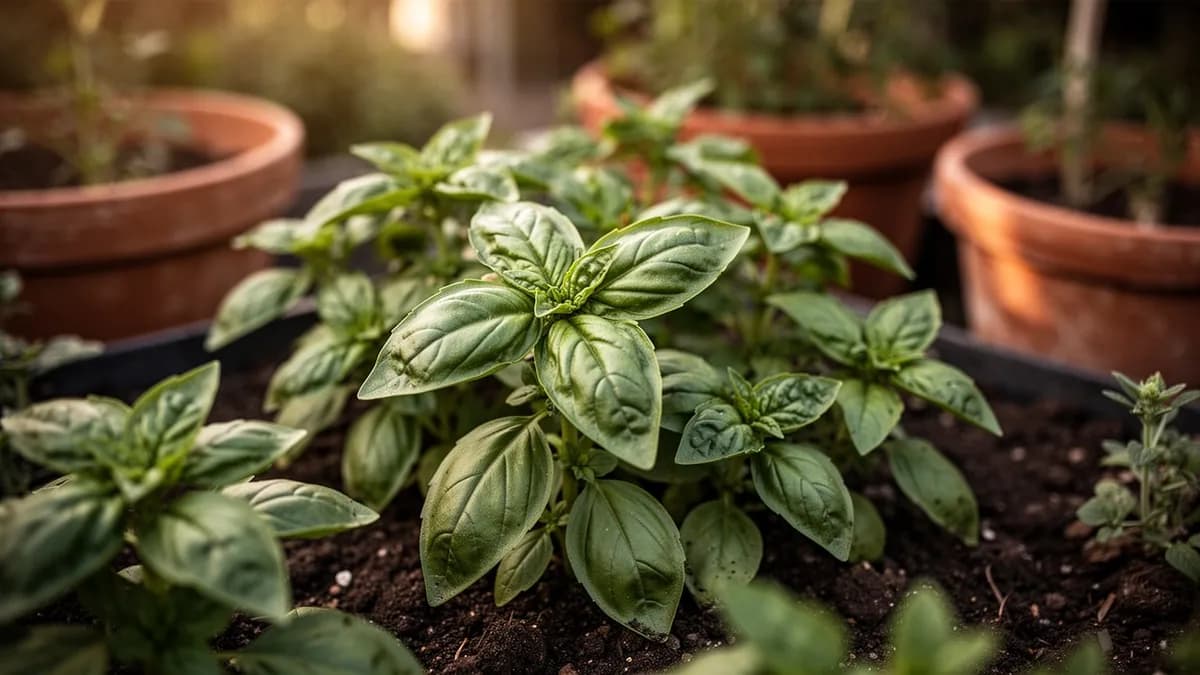
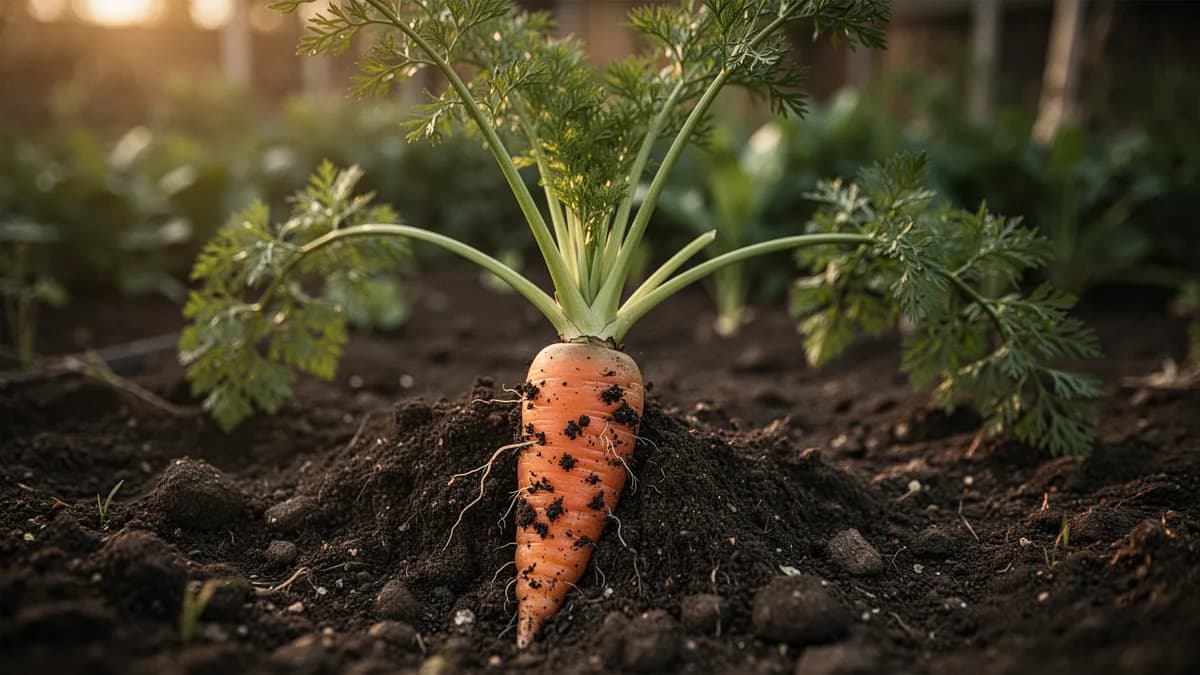
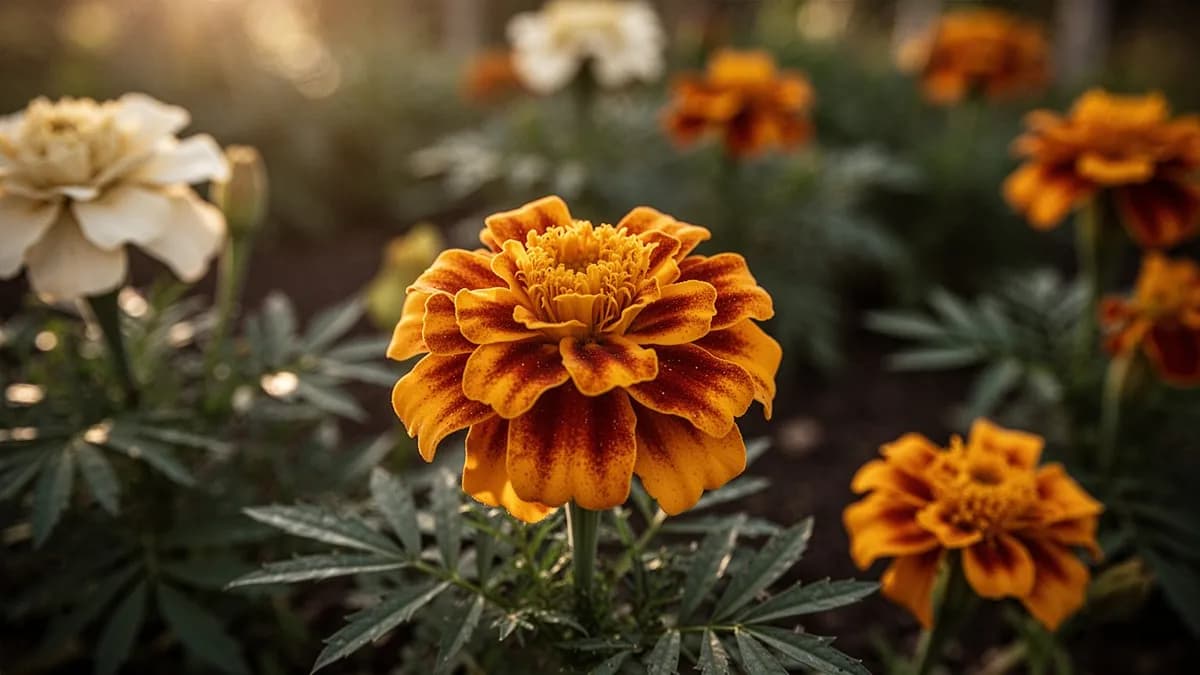
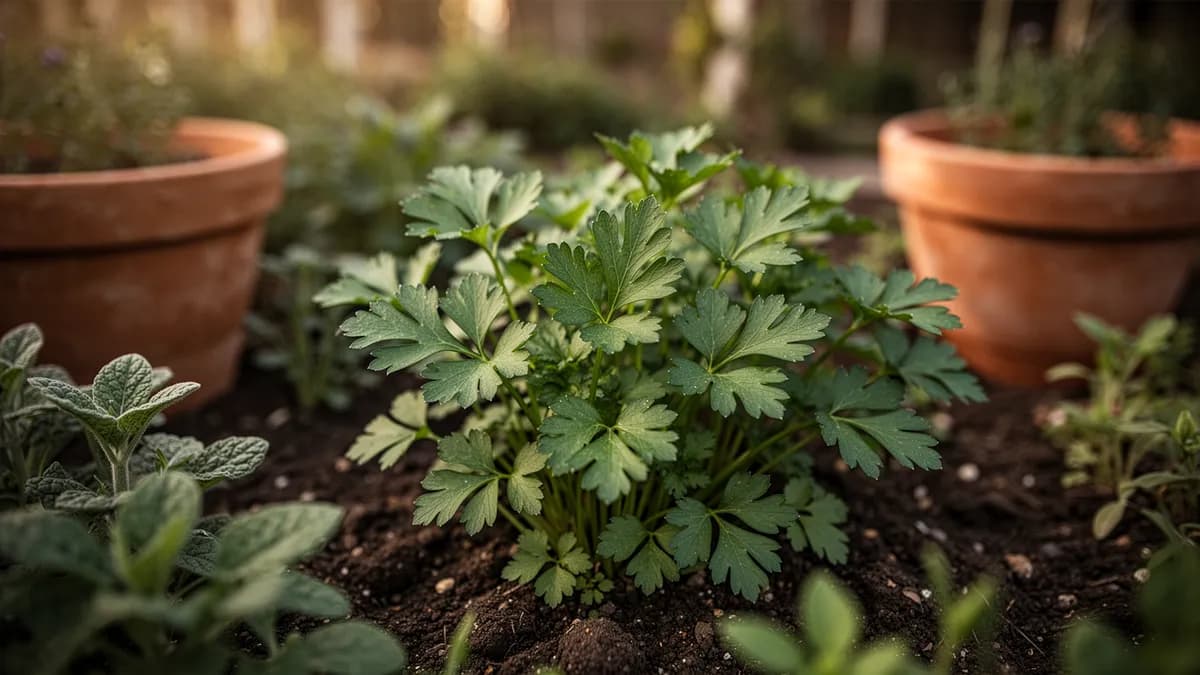
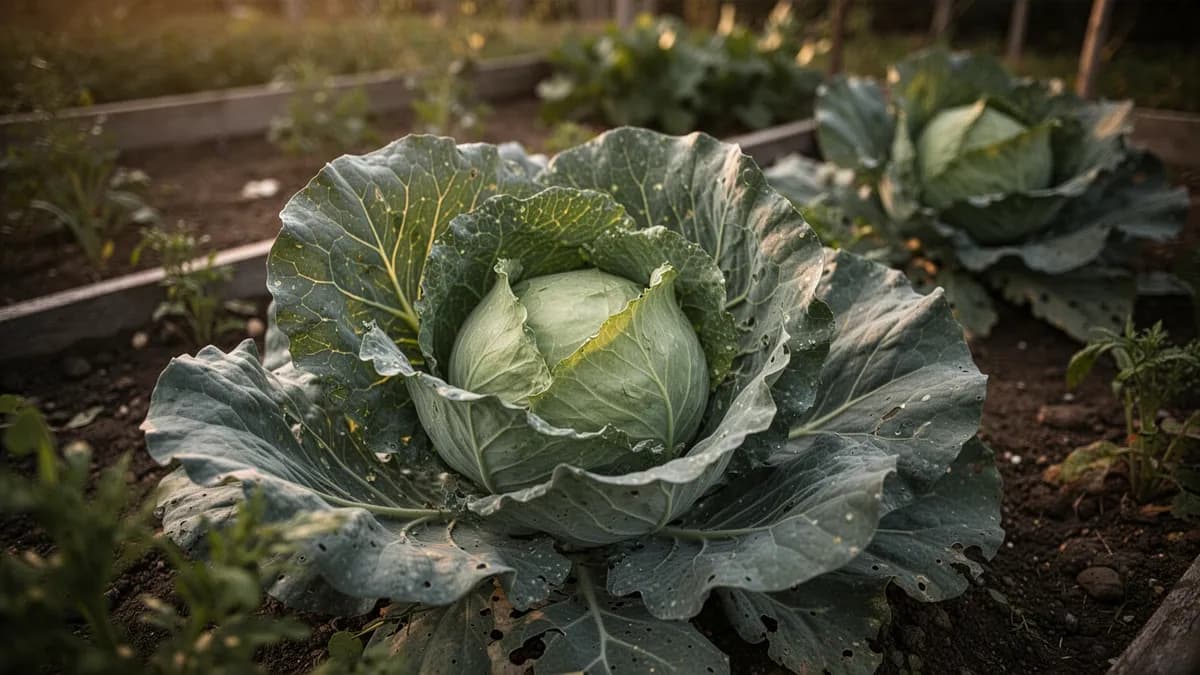
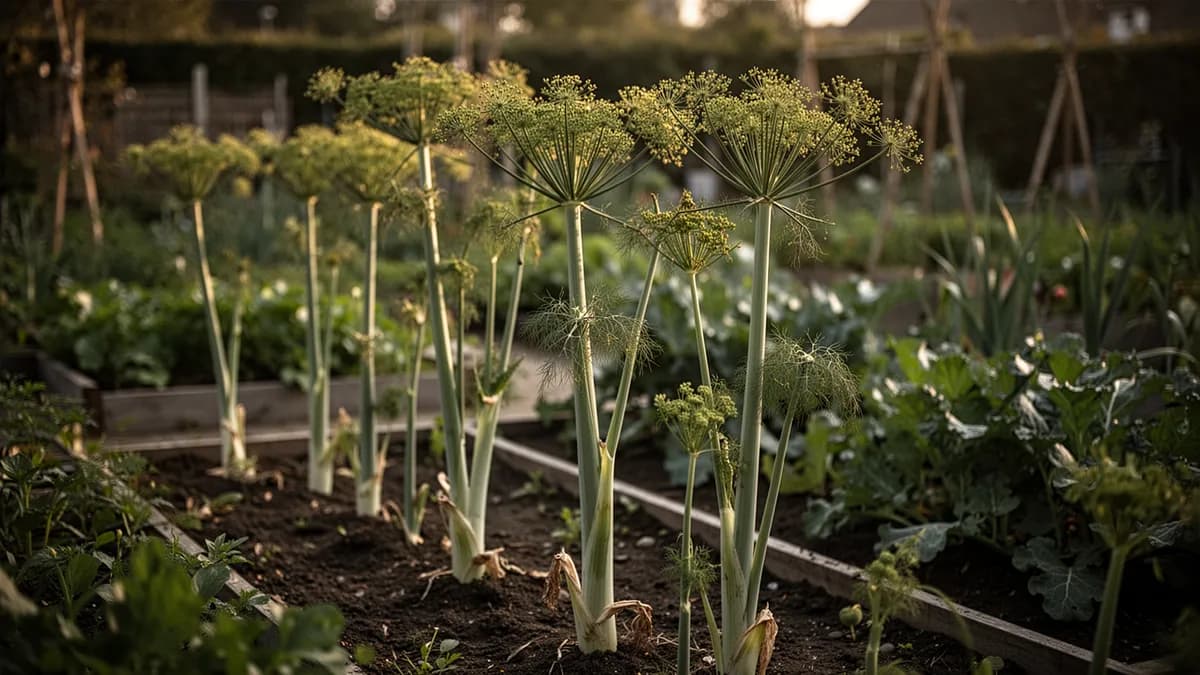
La albahaca es el compañero tradicional por excelencia, mejorando el sabor del tomate y repeliendo moscas blancas, pulgones y mosquitos. Las caléndulas (Tagetes) protegen contra nemátodos del suelo cuando se plantan como bordura alrededor de los tomates. El perejil y las zanahorias atraen insectos beneficiosos depredadores, mientras que se debe evitar plantar cerca de hinojo, eneldo maduro o miembros de la familia Brassica.
Albahaca va a su lado. Repollo no.
Saber de huerto de siempre, cotejado con la tabla real de Tomate Tradicional (Heirloom) — prueba cualquier planta que cultives.
Prueba Tomate Tradicional (Heirloom) en un bancal, aquí mismo
Un bancal real del planificador con Tomate Tradicional (Heirloom) ya plantado. Toca una planta compañera para colocarla y mira cómo responde la comprobación de vecinos: verde para buenos vecinos, rojo si hay conflicto.


Guías de cultivo relacionadas
Abónalo bien
Los tomates heirloom requieren un suelo profundo, fértil y bien drenado con un pH de 6,0 a 6,8, enriquecido generosamente con compost maduro y materia orgánica. Incorpore harina de huesos o fosfato de roca al momento de plantar para favorecer el desarrollo radicular y la fructificación. Aplique un fertilizante orgánico equilibrado cada 3 a 4 semanas y complemente con sulfato de calcio para prevenir la podredumbre apical.
Temperatura ideal
Compatibilidad de zonas de rusticidad
De la semilla a la cosecha, etapa por etapa
Siembra
Las semillas germinan en condiciones cálidas: primero emerge una pequeña raíz y después la plántula empuja sus cotiledones por encima de la superficie del suelo.
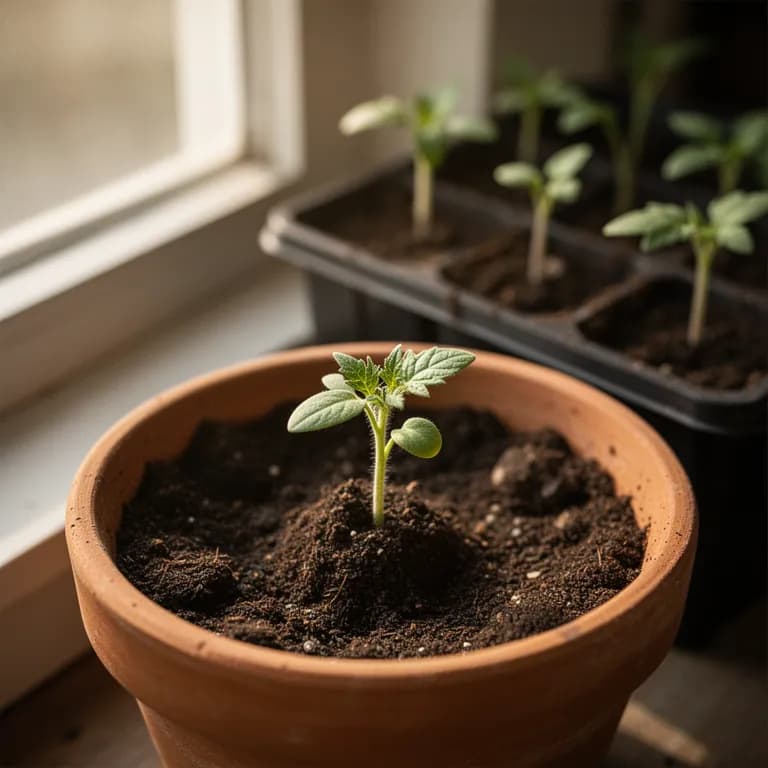
Crecimiento de plántula
Se desarrollan las primeras hojas verdaderas y el tallo se engrosa a medida que la planta crece en su contenedor.
Trasplante y establecimiento
Las plántulas se trasplantan al jardín después del endurecimiento, enterrando profundamente el tallo para fomentar la formación de raíces a lo largo de la parte cubierta.
Crecimiento vegetativo y floración
Las enredaderas indeterminadas de tomate heirloom crecen rápidamente y producen hojas, chupones, racimos de flores y frutos verdes pequeños al mismo tiempo.
Desarrollo del fruto
Los frutos verdes se hinchan y maduran durante varias semanas, desarrollando gradualmente su color específico de la variedad.
Temporada de cosecha
Los frutos alcanzan su madurez completa en el color característico de la variedad y su sabor es máximo cuando maduran por completo en la planta y están ligeramente blandos.
Mantén una temperatura constante de 24-29°C con una manta térmica. No dejes que el sustrato se seque durante la germinación. En cuanto emerjan las plántulas, proporciona de inmediato 14-16 horas de luz intensa para evitar un crecimiento largo y débil.
Cuidar Tomate Tradicional (Heirloom) mes a mes
Qué hacer cada mes para tu Tomate Tradicional (Heirloom)
Octubre
Mes actualFinal harvests in most zones before frost. Pick all remaining green tomatoes before the first hard frost — ripen indoors in a paper bag with a banana. Pull spent vines and discard any diseased material (do not compost). Clean and store stakes and cages.
Ten claro qué hacer en tu huerto, cada mes
Un correo al empezar cada mes: qué sembrar, plantar y hacer ahora mismo — para tu Tomate Tradicional (Heirloom) y todo lo que crece alrededor. Más un breve curso inicial para esquivar los errores clásicos.
- Qué hacer ahora mismo
- Ajustado a tu temporada
- Curso inicial incluido
Cosechar Tomate Tradicional (Heirloom)
Coseche los tomates heirloom cuando estén completamente coloreados y cedan suavemente a la presión del dedo, dejándolos madurar en la planta el mayor tiempo posible para desarrollar su sabor complejo característico. Dado que estos tomates son más delicados que los híbridos comerciales, manipúlelos con cuidado para evitar magulladuras y consúmalos en pocos días tras la cosecha.
se supone que plantas al comenzar el periodo — indica tu fecha real
Sigue aplicando fungicida de cobre cada 7-10 días en condiciones húmedas para proteger los frutos en maduración, que son vulnerables.
Almacenamiento y conservación
Almacene los tomates heirloom a temperatura ambiente sobre una superficie suave, con el tallo hacia arriba, y consúmalos dentro de 3 a 5 días para disfrutar de su sabor óptimo. Nunca los refrigere, ya que temperaturas por debajo de 12 °C destruyen los compuestos volátiles responsables de su sabor complejo. Para conservarlos, prepare salsas caseras, confit de tomate, deshidrátelos en rodajas o congélelos enteros para uso posterior en cocina.
Qué falla — y cómo solucionarlo
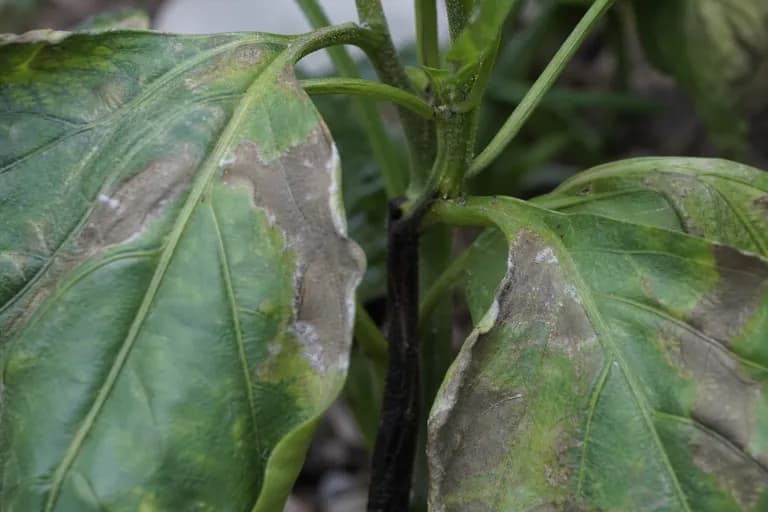
Tizón tardío (Phytophthora infestans)
EnfermedadManchas acuosas de color marrón grisáceo en hojas y tallos que se expanden rápidamente, con esporulación blanca en el envés foliar en condiciones húmedas. Los frutos desarrollan manchas marrones firmes e irregulares.
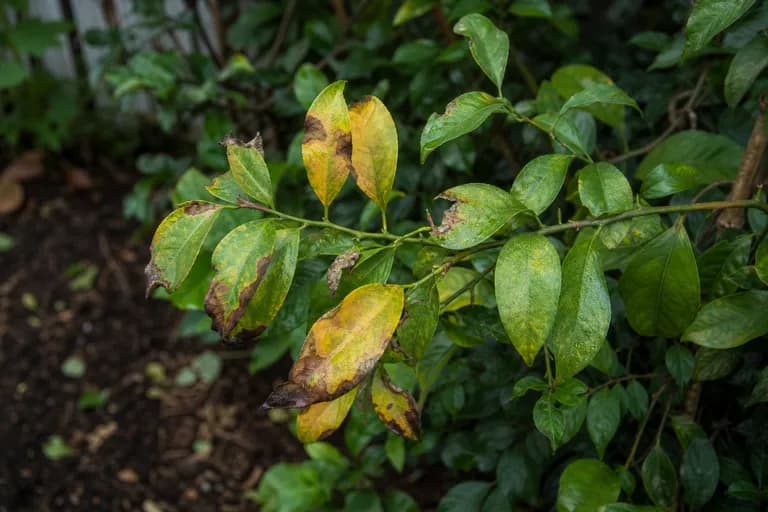
Fusariosis (Fusarium oxysporum)
EnfermedadAmarillamiento progresivo de las hojas, generalmente comenzando por un lado de la planta. Las hojas se marchitan durante el día y se recuperan parcialmente por la noche. Al cortar el tallo, se observa una decoloración marrón en los tejidos vasculares.
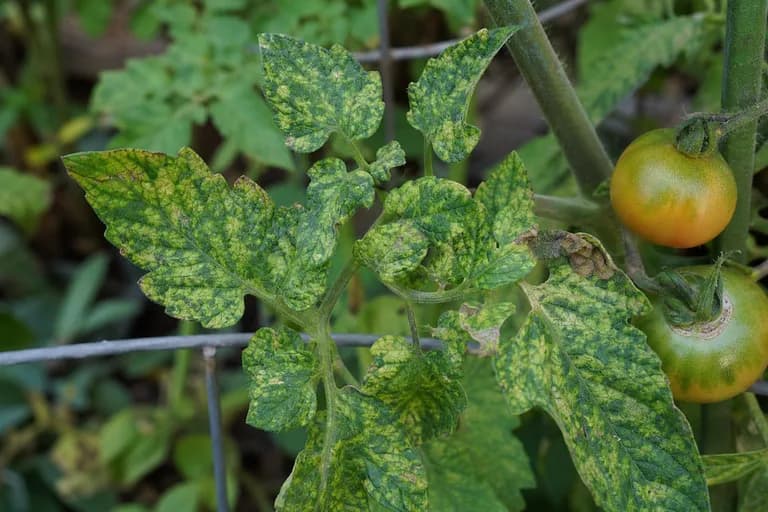
Mosca blanca (Bemisia tabaci)
PlagaPequeños insectos blancos alados en el envés de las hojas que succionan la savia, causando amarillamiento, debilitamiento y producción de melaza pegajosa que favorece la aparición de fumagina negra.
Solución de problemas comunes
Los tomates heirloom suelen ser más susceptibles a enfermedades fúngicas como el tizón y la fusariosis en comparación con los híbridos modernos criados para resistencia. El agrietamiento concéntrico y radial de los frutos es frecuente con riegos irregulares o lluvias repentinas tras períodos secos. La catfacing (deformación del fruto) puede ocurrir cuando las temperaturas son bajas durante la floración, y el rendimiento general suele ser menor que el de variedades híbridas.
Consejos de cultivo
- Bury the stem deeply at transplanting — remove lower leaves and bury up to two-thirds of the plant. Every buried node produces adventitious roots, creating a massive root system that improves drought tolerance, nutrient uptake, and overall plant vigor.
- Prune indeterminate heirlooms to 2-3 main stems by removing suckers (the shoots that emerge in the crotch between the main stem and leaf branches). This improves air circulation, reduces disease pressure, and directs energy toward fewer but larger, better-flavored fruits.
- Mulch with 10-15 cm of straw, shredded leaves, or wood chips around the base of plants. Mulch prevents soil-borne disease spores from splashing onto lower leaves during rain — the single most effective cultural practice for preventing early blight and septoria leaf spot.
- Water exclusively at the base using drip irrigation or soaker hoses — never overhead. Wet foliage is the primary vector for fungal disease spread, and heirlooms lack the disease resistance genes that help hybrids tolerate occasional foliage wetting.
- Apply copper fungicide preventively every 7-10 days beginning at transplanting in humid climates. Waiting until disease symptoms appear is too late — once fungal infections establish on heirloom leaves, they spread rapidly due to the lack of genetic resistance.
- Remove all leaves below the lowest fruit cluster once fruits begin to set. These lower leaves contribute little to photosynthesis but serve as entry points for soil-borne diseases. Removing them also improves air circulation at the base of the plant.
- Grow multiple heirloom varieties to spread disease risk and extend the harvest window. Different varieties have different levels of tolerance to various diseases, so a diverse planting ensures some harvest even in a bad disease year.
- Save seeds from your healthiest, most productive plants to gradually develop a strain adapted to your specific garden conditions. Over several generations, seed saving naturally selects for plants that thrive in your local soil, climate, and disease pressure.
Cultiva tu mejor Tomate Tradicional (Heirloom) — y todo lo que la rodea.
Empieza un plan gratis hoy. Diseña tus bancales, coloca tu Tomate Tradicional (Heirloom) y deja que PlotMyGarden gestione el momento, el espaciado, las asociaciones y los recordatorios de la semilla a la cesta.
Elige tu Tomate Tradicional (Heirloom)
Brandywine
Considerado el estándar de oro de los tomates heirloom, con frutos rosados grandes de 300 a 600 g y un sabor dulce, afrutado e incomparable. Planta vigorosa de hoja de patata. Madura en 80 a 100 días.
Cherokee Purple
Variedad originaria de los nativos Cherokee, con frutos de color púrpura oscuro con hombros verdes y un sabor rico, dulce y ligeramente ahumado. Madura en 80 a 90 días.
Green Zebra
Tomate pequeño a mediano de color verde con rayas amarillas, incluso cuando está maduro. Sabor brillante, ácido y complejo, excelente para ensaladas. Madura en 75 a 80 días.
Black Krim
Originario de Crimea, produce frutos de color rojo oscuro a marrón negruzco con sabor intenso, salado y ligeramente ahumado. Muy popular entre coleccionistas. Madura en 80 a 85 días.
Costoluto Genovese
Variedad italiana con frutos acostillados de forma irregular, color rojo intenso y sabor ácido y complejo, ideal para salsas. Muy productiva y relativamente resistente. Madura en 78 a 85 días.
A single heirloom tomato plant costing $3-6 (or nearly free from saved seed) can produce 4-7 kg of fruit per season. At farmers market prices of $6-12 per kg for heirloom tomatoes, one plant yields $24-84 worth of fruit. Growing just 4-6 plants can save $100-400 per season. The savings compound further because heirloom seeds can be saved year after year at no cost, and a single fruit contains enough seeds to grow dozens of plants — making heirlooms the most economically self-sustaining crop in the garden.
Recetas rápidas
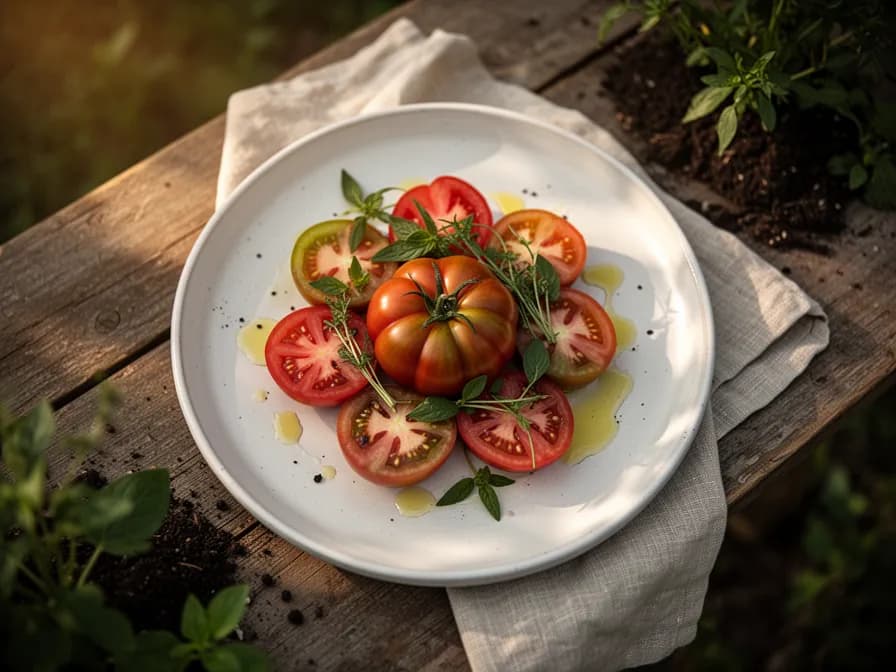
Classic Heirloom Caprese Salad
10 minThe ultimate showcase for heirloom tomatoes — thick slices of multicolored varieties layered with fresh mozzarella, basil leaves, and a drizzle of the best extra-virgin olive oil. Use at least three different heirloom varieties for a stunning visual and flavor contrast.
6 ingredientesRustic Heirloom Tomato Bruschetta
15 minRipe heirloom tomatoes chopped and tossed with garlic, basil, and olive oil, then piled onto grilled crusty bread. The varied textures and flavor profiles of different heirloom varieties create a bruschetta far more complex than any single-variety version.
7 ingredientesHeirloom Tomato Gazpacho
20 min (plus 2 hours chilling)A chilled Spanish soup that lets the complex flavors of heirloom tomatoes shine. Cherokee Purple or Brandywine varieties create an exceptionally rich, deeply flavored gazpacho with a velvety texture that surpasses any hybrid version.
8 ingredientesUsos culinarios
Los tomates heirloom son excepcionales consumidos frescos, cortados en rodajas gruesas para apreciar su gama de colores y sabores en ensaladas, bruschettas y platos caprese. Su diversidad de sabores los hace ideales para catas de tomate y presentaciones gastronómicas multicolor. También son excelentes para preparar salsas artesanales, conservas caseras, jugos frescos y deshidratados al sol.
Qué contiene
Beneficios para la salud
- Lycopene, the red pigment in tomatoes, is one of the most potent dietary antioxidants — studies link regular tomato consumption to reduced risk of prostate cancer, cardiovascular disease, and UV-induced skin damage. Cooking tomatoes increases lycopene bioavailability by up to 5-fold.
- Dark-fleshed heirloom varieties like Cherokee Purple and Black Krim contain anthocyanins in addition to lycopene, providing a broader spectrum of antioxidant protection than standard red tomatoes.
- Excellent source of vitamin C (14% DV per 100g), supporting immune function, collagen synthesis, and enhanced absorption of non-heme iron from plant-based foods eaten at the same meal.
- Rich in potassium (7% DV per 100g), which supports healthy blood pressure by counteracting the effects of dietary sodium — important for cardiovascular health.
- Contains beta-carotene (vitamin A precursor), lutein, and zeaxanthin — carotenoid antioxidants that support eye health and may reduce the risk of age-related macular degeneration.
- Very low calorie density (18 calories per 100g) combined with high water content and fiber makes tomatoes an excellent food for weight management and hydration during hot summer months.
De dónde viene Tomate Tradicional (Heirloom)
The wild ancestor of all tomatoes, Solanum pimpinellifolium, originated in the coastal deserts and Andean foothills of western South America, primarily in present-day Peru and Ecuador. These tiny, currant-sized wild fruits were first domesticated by indigenous peoples in Mesoamerica — likely in present-day Mexico — where Aztec and other cultures cultivated larger-fruited forms and called them 'tomatl.' Spanish conquistadors encountered the cultivated tomato in the early 16th century and carried seeds back to Europe, where the plant initially served as a botanical curiosity and ornamental rather than a food crop.
European acceptance of the tomato as food was slow and uneven. In southern Europe, particularly Italy and Spain, tomatoes entered the cuisine by the late 1600s, but in northern Europe and colonial America, they were widely regarded with suspicion due to their membership in the nightshade family (Solanaceae), which includes deadly nightshade and other toxic plants. The infamous 'poison apple' reputation persisted well into the 1800s in parts of North America and Britain. It was not until the mid-19th century that tomatoes became a mainstream food crop across the Western world.
The golden age of heirloom tomato diversity occurred from the mid-1800s to the early 1900s, when seed companies listed hundreds of distinct open-pollinated varieties in their catalogs — Brandywine (1885), Mortgage Lifter (1930s), and Rutgers (1934) date from this era. Immigrant communities brought treasured tomato seeds from their homelands, creating a rich mosaic of regional varieties adapted to local climates and cuisines. The arrival of hybrid tomatoes in the 1940s-1960s, bred for disease resistance, uniform ripening, and shipping durability, gradually displaced heirlooms from commercial agriculture.
The modern heirloom tomato revival began in the 1980s and 1990s, driven by seed savers, farmers market growers, and food writers who championed the superior flavor of old varieties. Organizations like Seed Savers Exchange, founded in 1975, played a crucial role in preserving hundreds of varieties that might otherwise have been lost. Today, heirloom tomatoes command premium prices at farmers markets and have become symbols of the local food movement, biodiversity preservation, and the belief that flavor should take precedence over commercial convenience.
Tomate Tradicional (Heirloom): ¿sabías que?
Datos fascinantes sobre Tomate Tradicional (Heirloom)
The term 'heirloom' in tomato growing refers to open-pollinated varieties that have been passed down for at least 50 years, with some dating back over 200 years — Brandywine has been documented since 1885, making it older than many countries.
Tomate Tradicional (Heirloom): preguntas frecuentes
¿Cuándo debo plantar Tomate Tradicional (Heirloom)?
¿Cuáles son buenas plantas acompañantes para Tomate Tradicional (Heirloom)?
¿En qué zonas de rusticidad puede crecer Tomate Tradicional (Heirloom)?
¿Cuánto sol necesita Tomate Tradicional (Heirloom)?
¿A qué distancia debo espaciar Tomate Tradicional (Heirloom)?
¿Qué plagas y enfermedades afectan a Tomate Tradicional (Heirloom)?
¿Cómo almaceno Tomate Tradicional (Heirloom) después de la cosecha?
¿Cuáles son las mejores variedades de Tomate Tradicional (Heirloom) para cultivar?
¿Qué suelo necesita Tomate Tradicional (Heirloom)?
Why do my heirloom tomatoes crack and split more than hybrids?
Why are my Brandywine tomatoes dropping blossoms without setting fruit?
How do I save seeds from heirloom tomatoes?
Are heirloom tomatoes more nutritious than hybrid tomatoes?
Can I grow heirloom tomatoes in containers?
Why do my heirloom tomatoes have ugly shapes and catfacing?
Acabas de leer la teoría. Ahora cultívala en piloto automático.
Todo lo que hace que Tomate Tradicional (Heirloom) sea delicado — el momento, el espaciado, las asociaciones, la ventana de cosecha — es justo lo que PlotMyGarden resuelve por ti, para cada planta de tu huerto.
Un plan que conoce tu clima
Indica tu ubicación una vez. Recibe fechas de siembra, abonado y cosecha basadas en tu última helada real y el pronóstico en vivo — sin adivinar con un sobre genérico.
De la sección “Cuándo plantar”Planificador de bancales de arrastrar y soltar
Diseña bancales sobre una cuadrícula. Cada planta encaja con su espaciado correcto y ves toda la temporada antes de gastar un céntimo en semillas.
De la sección “Cultivo”Conflictos de asociación, detectados a tiempo
Más de 200 buenas y malas combinaciones comprobadas en vivo mientras plantas — para que un error que arruine la temporada nunca llegue a la tierra.
De la sección “Asociaciones”Recordatorios que sí vas a seguir
“Riega las judías.” “Recoge hoy antes de que se pase.” Oportunos, concretos y ligados a las plantas que de verdad cultivas.
De la sección “Cosecha”Escalonado, programado
¿Quieres cosechar seis semanas en vez de seis días? Reparte tus siembras automáticamente y te avisa cuando toca el siguiente lote.
De la sección “Cuándo plantar”Un registro que se vuelve más listo
Cada cosecha que registras le enseña tu huerto. El plan del año que viene parte de lo que de verdad funcionó en tu suelo, no en un manual.
De la sección “Resumen”Planta estos junto a Tomate Tradicional (Heirloom)
Más Solanáceas
Mantén Tomate Tradicional (Heirloom) lejos de estos
Cultiva tu mejor Tomate Tradicional (Heirloom) — y todo lo que la rodea.
Empieza un plan gratis hoy. Diseña tus bancales, coloca tu Tomate Tradicional (Heirloom) y deja que PlotMyGarden gestione el momento, el espaciado, las asociaciones y los recordatorios de la semilla a la cesta.