Tomate Campari
El tomate Campari es una variedad de tomate cocktail de tamaño intermedio (entre cherry y convencional), desarrollada en Europa y popularizada mundialmente por su sabor excepcionalmente dulce y jugoso.





En esta páginaResumen
Conoce Tomate Campari
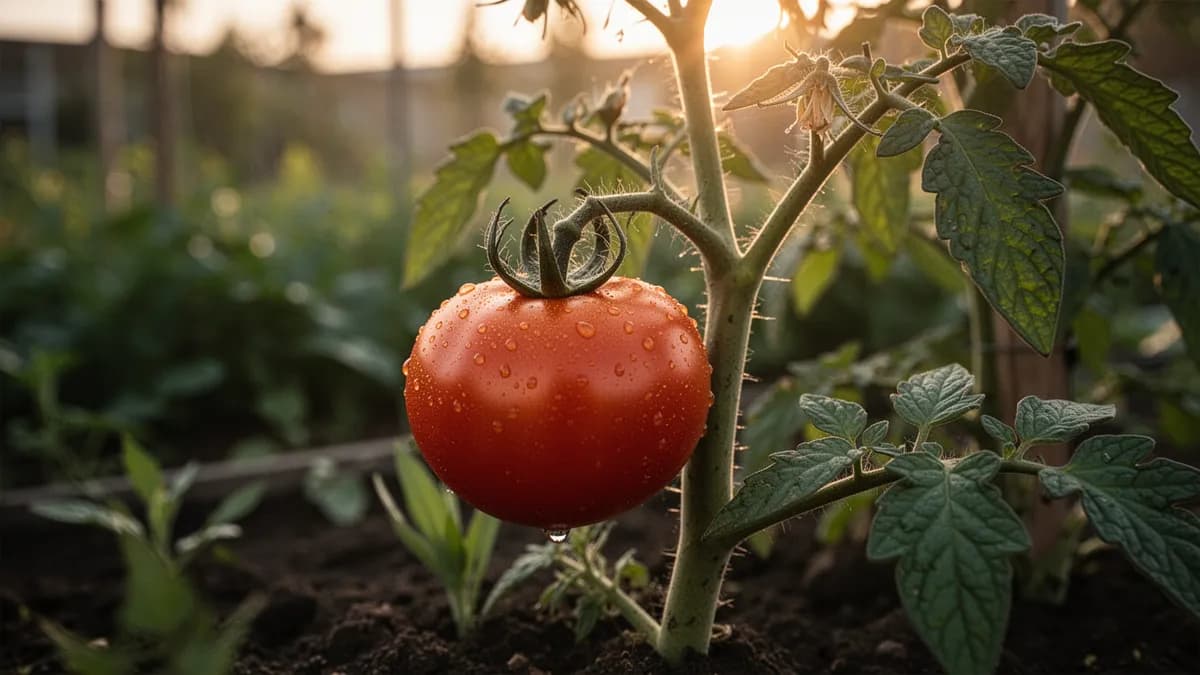
El tomate Campari es una variedad de tomate cocktail de tamaño intermedio (entre cherry y convencional), desarrollada en Europa y popularizada mundialmente por su sabor excepcionalmente dulce y jugoso. Los frutos de 30-50 g tienen un alto contenido en azúcares (grados Brix 7-9), pulpa firme y un color rojo brillante que los convierte en uno de los tomates más vendidos en supermercados premium.
Cuándo plantar Tomate Campari
Inicie las semillas en interior 6-8 semanas antes de la última helada, a 0,5 cm de profundidad en sustrato húmedo a 20-25 °C. La germinación ocurre en 5-10 días. Trasplante a macetas individuales cuando las plántulas tengan las primeras hojas verdaderas. Endurezca durante 7-10 días antes de plantar al exterior. Entierre el tallo hasta las primeras hojas para fomentar un sistema radicular fuerte.
Tu año de Tomate Campari
Ajustado a Zona 7 · temporada típica · la helada se va hacia el 2 abr y vuelve hacia el 1 nov
Planta Tomate Campari Feb – May y cosecha Jul – Sep. Consulta los métodos de plantación y elige tu clima para adaptar los periodos.
Cómo cultivar Tomate Campari
El tomate Campari es una variedad indeterminada que necesita un lugar a pleno sol con al menos 8 horas de luz directa, suelo rico y bien drenado con pH entre 6,0 y 6,8. Inicie las semillas en interior 6-8 semanas antes de la última helada y trasplante al exterior cuando las temperaturas nocturnas superen los 10 °C.
Instale tutores o jaulas de soporte al momento del trasplante. Separe las plantas 45-60 cm entre sí y 75-90 cm entre hileras. El Campari produce racimos de 5-8 frutos; pode los chupones laterales para dirigir la energía hacia los racimos de frutos y mejorar la circulación de aire.
Riegue profunda y regularmente por goteo o en la base, evitando mojar el follaje. La constancia en el riego es crucial para evitar el agrietamiento de los frutos. Aplique fertilizante rico en potasio cada 2 semanas durante la fructificación para concentrar los azúcares y mejorar el sabor.
8 plantas caben en un bancal de 120 × 240 cm
Cada Tomate Campari pide 60 cm de margen. El planificador guarda ese marco por ti — cada planta, cada bancal.
Los mejores vecinos de Tomate Campari
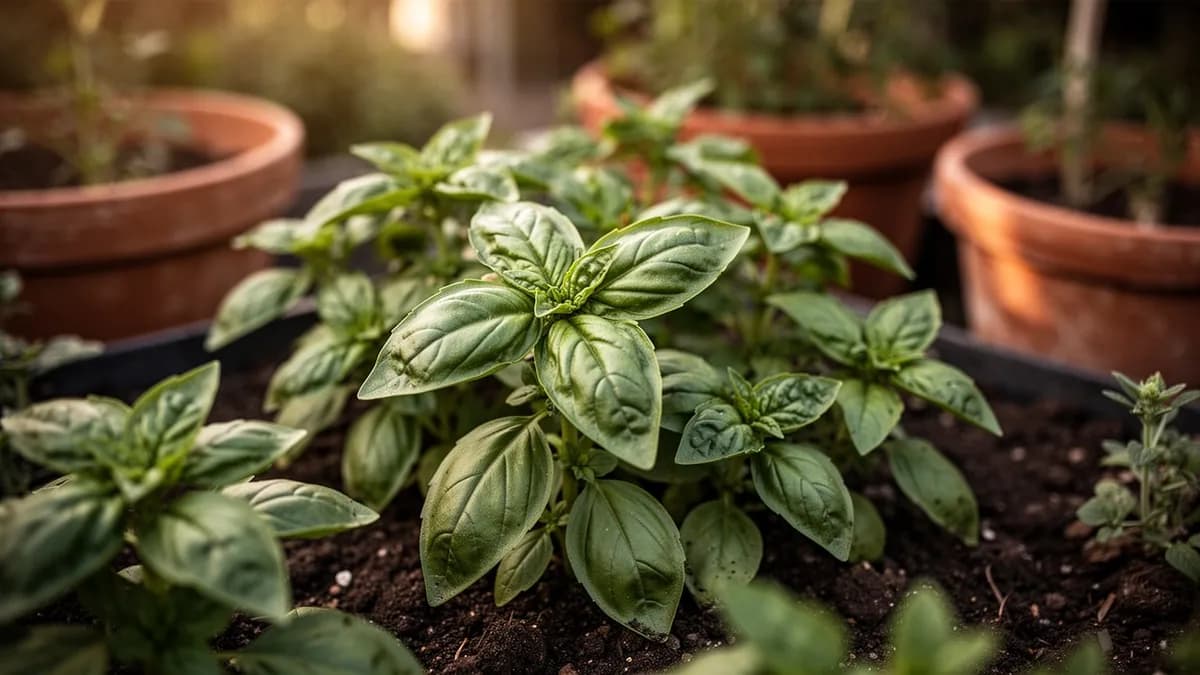
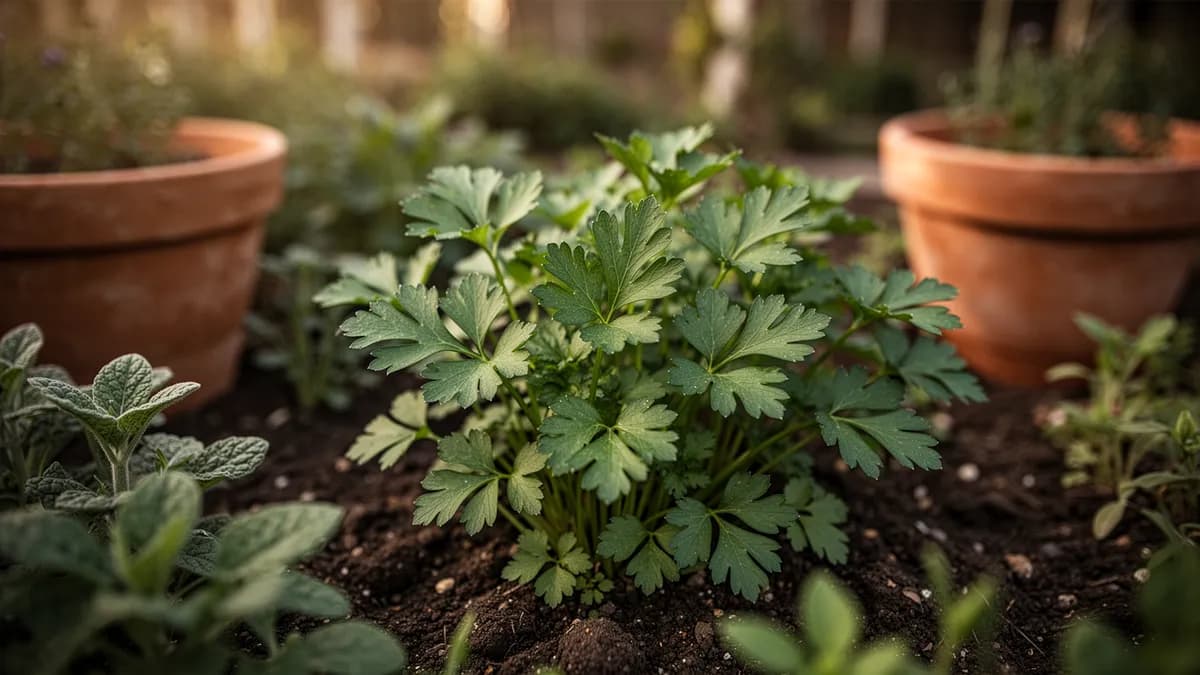
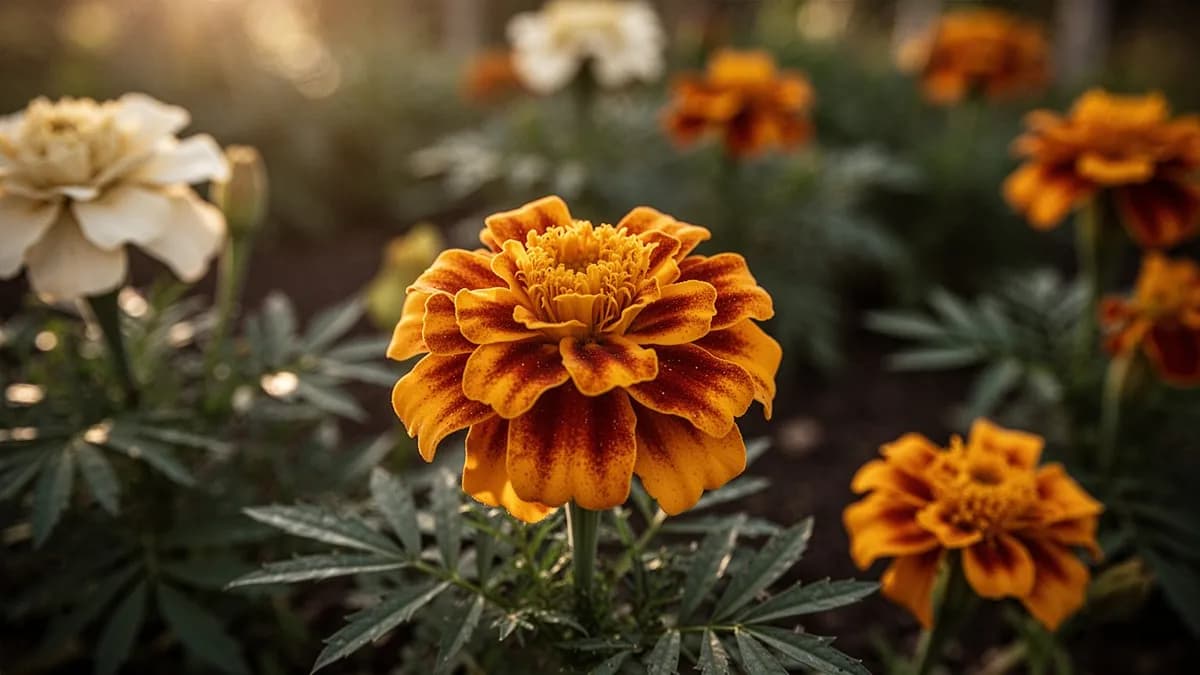
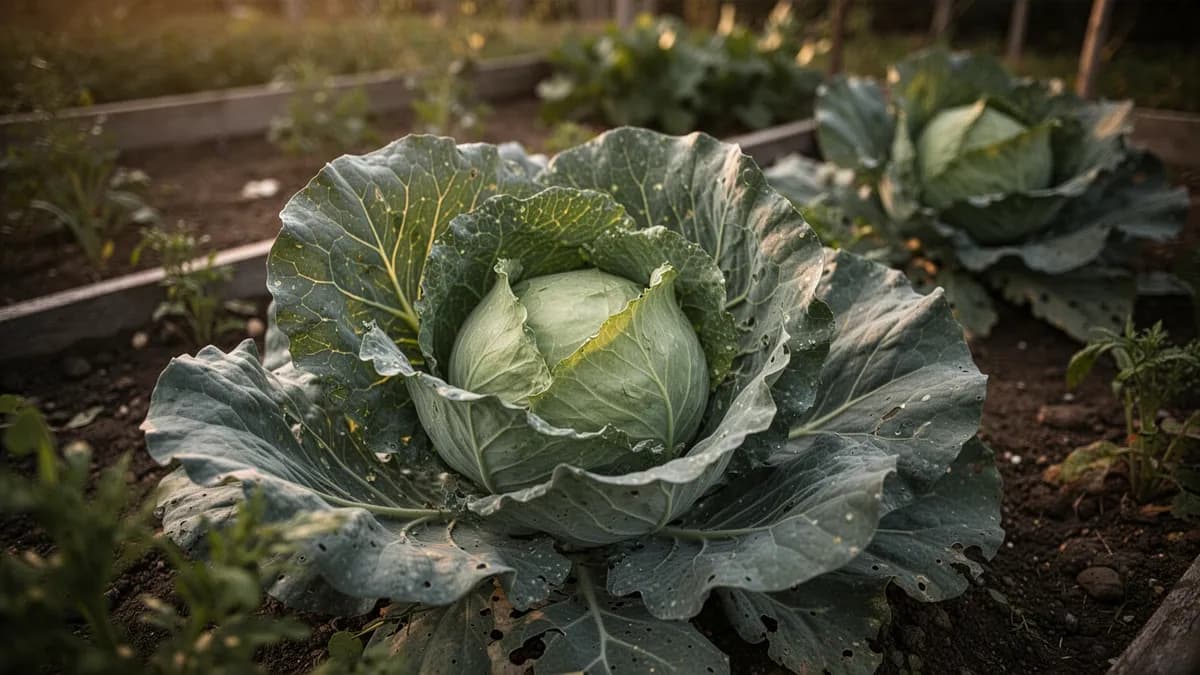
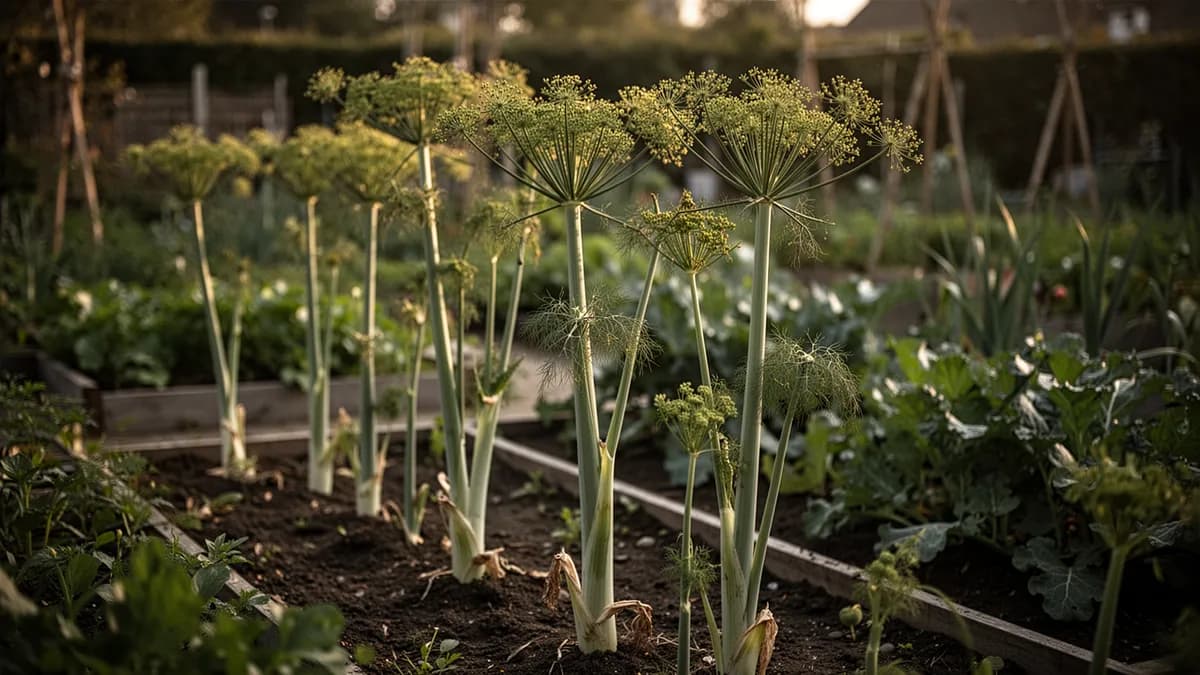
El Campari se beneficia de la compañía de albahaca, perejil y cebollino, cuyas flores atraen polinizadores. Los tagetes plantados en los bordes repelen nematodos del suelo. Las zanahorias y lechugas son buenos compañeros que aprovechan el espacio bajo las plantas. Evite plantar cerca de hinojo, eneldo y brassicas.
Albahaca va a su lado. Repollo no.
Saber de huerto de siempre, cotejado con la tabla real de Tomate Campari — prueba cualquier planta que cultives.
Prueba Tomate Campari en un bancal, aquí mismo
Un bancal real del planificador con Tomate Campari ya plantado. Toca una planta compañera para colocarla y mira cómo responde la comprobación de vecinos: verde para buenos vecinos, rojo si hay conflicto.


Guías de cultivo relacionadas
Abónalo bien
El Campari necesita suelo rico, bien drenado y con pH entre 6,0 y 6,8. Incorpore compost antes del trasplante. Aplique fertilizante equilibrado durante el crecimiento y cambie a uno rico en potasio cuando aparezcan los primeros racimos de flores. El potasio es clave para concentrar los azúcares que dan al Campari su dulzor característico.
Temperatura ideal
Compatibilidad de zonas de rusticidad
De la semilla a la cosecha, etapa por etapa
Siembra
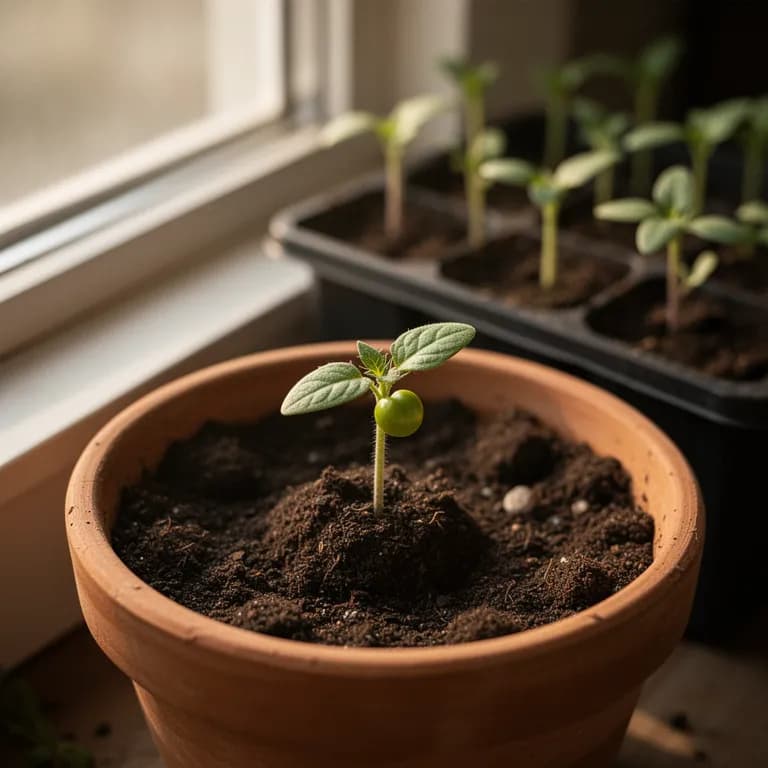
Las semillas germinan en condiciones cálidas y producen primero los cotiledones redondeados, seguidos de las primeras hojas verdaderas con bordes dentados. Las semillas de Campari son híbridos F1 y requieren calor constante de 21-27 °C (70-80 °F) para una germinación fiable en 5-10 días. La luz no es necesaria para germinar, pero es esencial en cuanto emergen los cotiledones.
Desarrollo de plántulas
Las hojas verdaderas se multiplican y el tallo se engrosa a medida que el sistema radicular se expande rápidamente. Las plántulas desarrollan en el follaje el característico aroma a tomate. A la semana 4-5, las plántulas deberían medir 15-20 cm de altura, con tallos firmes y 4-6 pares de hojas verdaderas, listas para el endurecimiento.
Crecimiento vegetativo
Después del trasplante, las plantas de Campari se establecen rápidamente y comienzan un crecimiento indeterminado vigoroso. Los tallos se alargan con rapidez, produciendo nuevos grupos de hojas y los primeros brotes laterales (chupones) en cada axila foliar. La planta construye la estructura fuerte necesaria para sostener racimos pesados de frutos.
Floración y cuajado
Aparecen pequeñas flores amarillas en forma de estrella en largos racimos de 6-12 flores. Campari es autopolinizante, pero se beneficia del viento suave o la vibración para asegurar una transferencia completa del polen. El cuajado es rápido en condiciones ideales, con pequeños tomates verdes visibles en pocos días después de la polinización.
Desarrollo del fruto
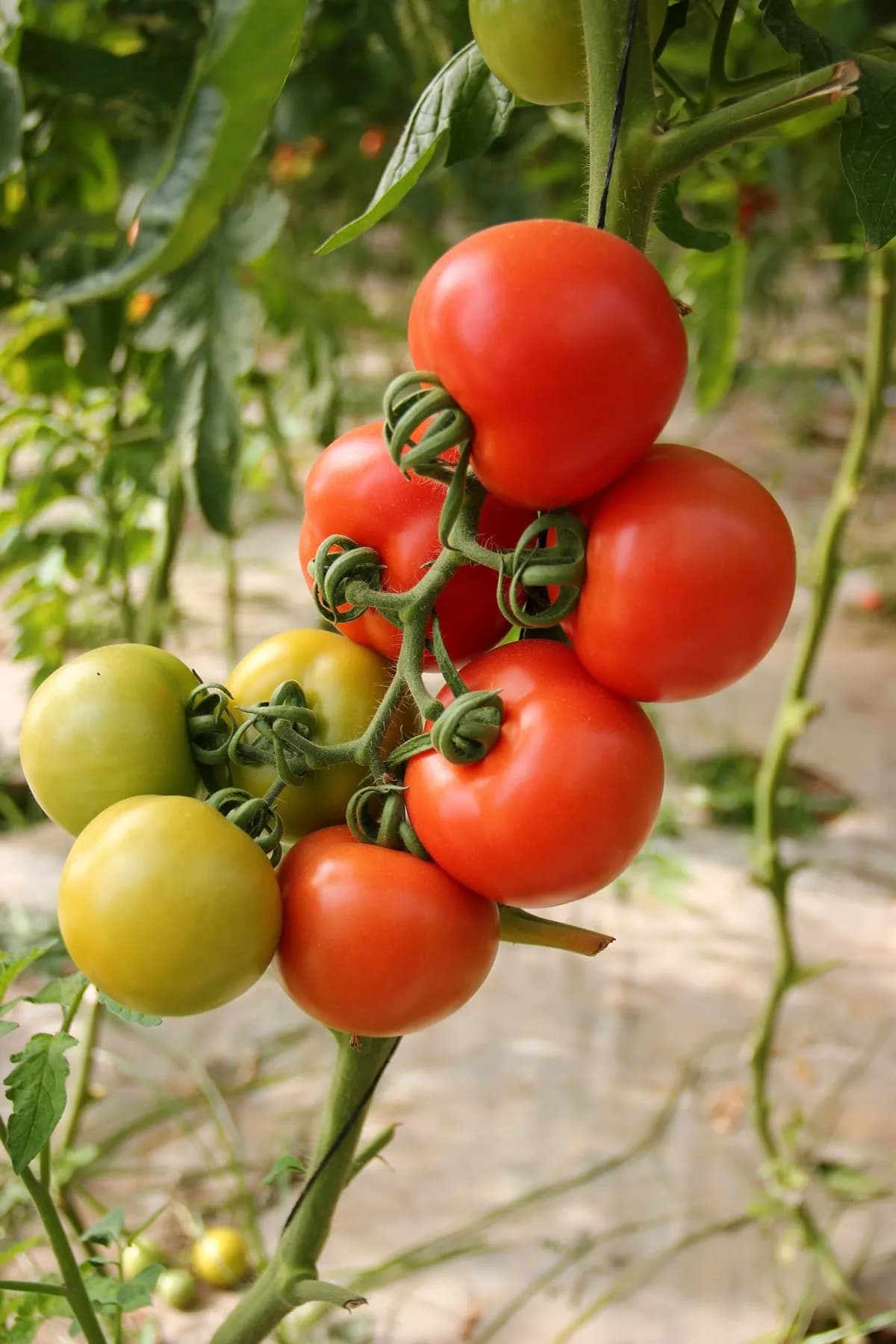
Los frutos verdes se hinchan en racimos uniformes, alcanzando su tamaño maduro de 4-6 cm (aproximadamente del tamaño de una pelota de golf) antes de comenzar a colorear. El característico tono rojo intenso de Campari se desarrolla desde el extremo de la flor hacia arriba. Los niveles de azúcar y ácido aumentan simultáneamente, creando el sabor dulce y equilibrado por el que se conoce esta variedad.
Cosecha y producción continua
Los tomates Campari maduros son brillantes, de rojo intenso y ligeramente firmes, con un contenido de azúcar Brix de 7-9 (notablemente más dulces que la mayoría de los tomates, que tienen 4-5 Brix). Como variedad indeterminada, la planta sigue floreciendo y formando nuevos frutos mientras maduran los racimos anteriores, proporcionando cosechas continuas hasta las heladas.
Empieza las semillas en el interior 6-8 semanas antes de la última helada. Usa un sustrato estéril para siembra y mantén la temperatura del suelo en 24 °C (75 °F) con una manta térmica. Proporciona 14-16 horas de luz intensa inmediatamente después de la emergencia para evitar que las plántulas se etiolén.
Cuidar Tomate Campari mes a mes
Qué hacer cada mes para tu Tomate Campari
Octubre
Mes actualFinal harvests in most zones. Pick all remaining fruit, including green tomatoes, before the first frost. Green Campari tomatoes ripen well indoors on a countertop. Pull spent plants and compost healthy material. Note disease issues for crop rotation planning.
Ten claro qué hacer en tu huerto, cada mes
Un correo al empezar cada mes: qué sembrar, plantar y hacer ahora mismo — para tu Tomate Campari y todo lo que crece alrededor. Más un breve curso inicial para esquivar los errores clásicos.
- Qué hacer ahora mismo
- Ajustado a tu temporada
- Curso inicial incluido
Cosechar Tomate Campari
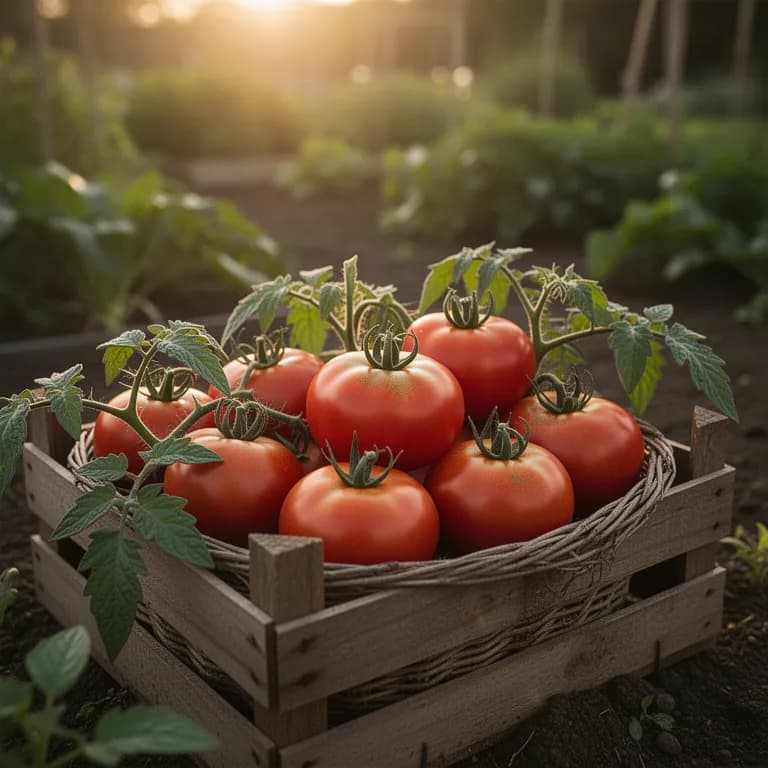
Coseche los tomates Campari cuando estén de un rojo brillante uniforme y cedan ligeramente a la presión, entre 70 y 80 días después del trasplante. Pueden cosecharse en racimos enteros para una presentación atractiva. Los frutos madurados en la planta tienen el mejor sabor. Coseche regularmente para estimular la producción continua.
se supone que plantas al comenzar el periodo — indica tu fecha real
Cosecha cuando los frutos estén uniformemente rojos brillantes y ligeramente blandos al presionarlos con suavidad.
Almacenamiento y conservación
Almacene a temperatura ambiente (18-22 °C) durante 5-7 días para mantener el sabor óptimo. No refrigere si planea consumirlos en pocos días. Para conservación prolongada, los Campari se prestan bien a la deshidratación, confit en aceite de oliva y conservas de tomate concentrado por su alto contenido en azúcares.
Qué falla — y cómo solucionarlo
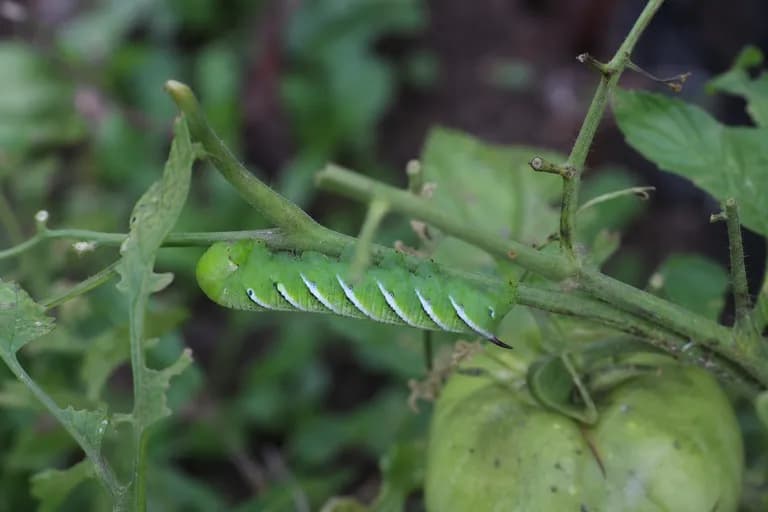
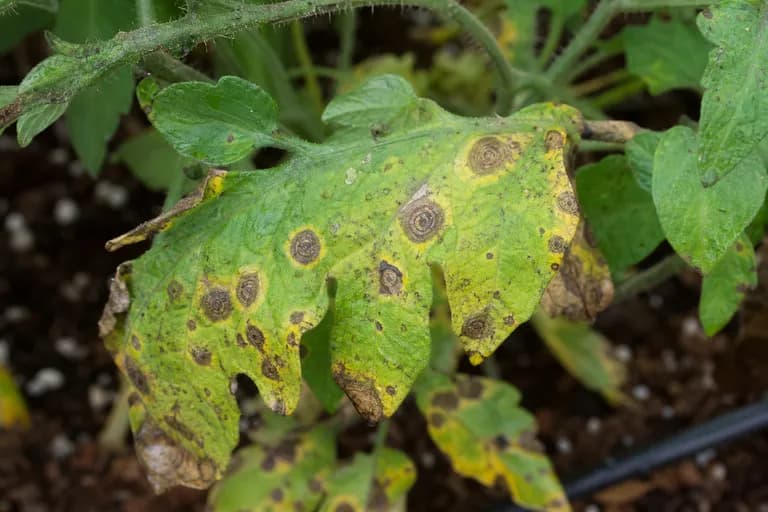
Tizón temprano (Alternaria solani)
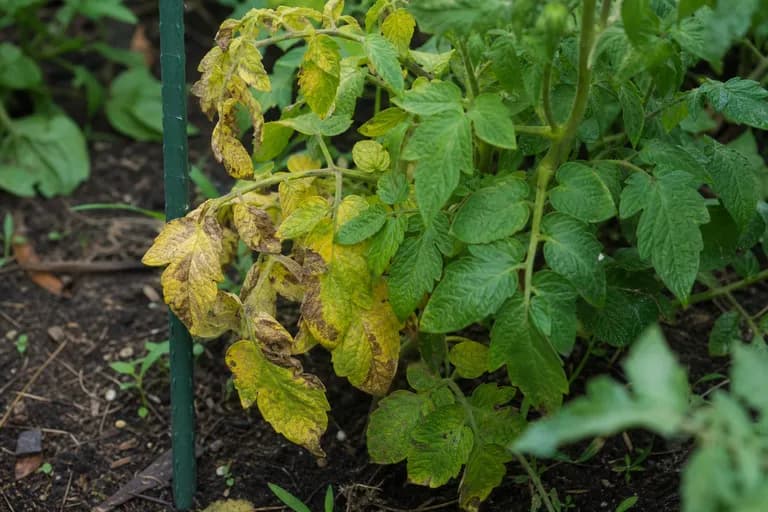
EnfermedadManchas circulares con anillos concéntricos (diana) en las hojas inferiores que ascienden progresivamente. Las hojas amarillean y caen, exponiendo los frutos al sol.
Mosca blanca (Trialeurodes vaporariorum)
PlagaPequeños insectos blancos que vuelan al agitar las hojas. Se alimentan del envés, causando amarillamiento y segregando melaza que favorece la negrilla. Pueden transmitir virus.
Agrietamiento del fruto
EnfermedadGrietas radiales o concéntricas en la piel del fruto causadas por absorción rápida de agua tras un periodo seco. Los frutos agrietados son susceptibles a pudrición secundaria.
Solución de problemas comunes
El agrietamiento es el problema más frecuente, causado por fluctuaciones en el riego; mantenga una humedad constante. Como variedad indeterminada vigorosa, requiere poda regular de chupones y soporte robusto. La producción de frutos dulces demanda mucho sol; en veranos nublados el sabor puede ser decepcionante.
Consejos de cultivo
- Start seeds indoors without exception. Campari is an F1 hybrid that performs best when given a long, warm indoor growing period of 6-8 weeks before transplanting. Direct-sowing outdoors wastes weeks of your growing season and reduces total yield significantly.
- Bury transplants deeply — up to two-thirds of the stem. Tomatoes produce adventitious roots along any buried stem, creating a much larger and more resilient root system. This is especially important for Campari, which benefits from strong root support for its heavy fruit clusters.
- Prune strategically for the best results. Remove all suckers below the first flower truss and allow 2-3 main stems above it. Campari's compact fruit clusters benefit from good air circulation, and directing energy into fewer stems produces larger, sweeter fruit.
- Water deeply and consistently — never let the soil go through wet-dry cycles. Campari is particularly susceptible to blossom end rot (caused by calcium transport issues during water stress) and fruit cracking (caused by sudden water uptake after dry spells). Drip irrigation on a timer is ideal.
- Support the heavy trusses. Each cluster of 6-12 Campari tomatoes can weigh 500g-1 kg when fully ripe. Use tomato clips or soft ties to secure trusses to your stake or trellis to prevent the weight from bending or snapping stems.
- Feed with potassium-rich fertilizer once fruit begins to set. Campari's famous sweetness depends on adequate potassium — use a tomato-specific fertilizer with an NPK ratio favoring potassium (like 5-10-10 or 4-8-12) rather than general-purpose fertilizer.
- Leave fruit on the vine as long as possible for maximum flavor. Unlike commercial operations that harvest Campari at the 'breaker' stage for shipping, home gardeners should let fruit ripen fully to a deep, glossy red on the vine for the highest sugar and best taste.
- Grow in a greenhouse or high tunnel if possible. Campari was bred for protected cultivation and produces its best fruit in consistent, sheltered conditions. Even a simple plastic hoop tunnel extends the season and protects against rain-splash diseases like early blight and septoria leaf spot.
Cultiva tu mejor Tomate Campari — y todo lo que la rodea.
Empieza un plan gratis hoy. Diseña tus bancales, coloca tu Tomate Campari y deja que PlotMyGarden gestione el momento, el espaciado, las asociaciones y los recordatorios de la semilla a la cesta.
Elige tu Tomate Campari
Campari
La variedad original con frutos de 30-50 g, rojo brillante, excepcionalmenete dulces (Brix 7-9). Planta vigorosa e indeterminada. 70-75 días.
Mountain Magic
Variedad similar al Campari con resistencia genética al tizón tardío y temprano. Frutos de 50-60 g, dulces y firmes. Ideal para climas húmedos. 72-78 días.
Rebelski
Tomate cocktail tipo Campari con excelente resistencia a enfermedades. Frutos uniformes de 40-50 g en racimos perfectos. Muy productiva. 70-75 días.
Sakura
Tomate cocktail japonés premium con sabor dulce intenso comparable al Campari. Frutos ligeramente más pequeños (25-35 g) en racimos abundantes. 65-70 días.
Campari tomatoes consistently command premium prices at retail — typically $4-6 per pound ($9-13 per kg) year-round, significantly more than standard tomatoes. A single well-grown plant producing 3-5 kg of fruit represents $27-65 worth of tomatoes at retail prices, from a plant that costs $3-5 to grow from seed. Growing just 4-6 plants can save $100-350 per season on what is one of the most expensive tomato varieties in the supermarket. The flavor of homegrown Campari vine-ripened in the sun also far surpasses the greenhouse-grown commercial product.
Recetas rápidas
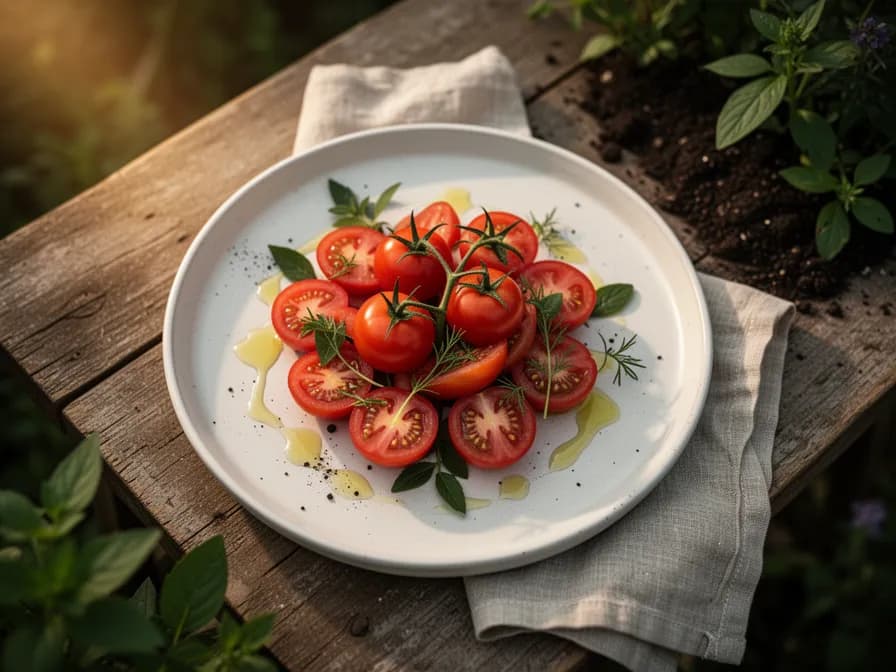
Classic Campari Caprese Salad
10 minThe ultimate showcase for Campari tomatoes — their exceptional sweetness and firm texture pair perfectly with creamy mozzarella and fragrant basil. No cooking required, just peak-quality ingredients assembled simply.
6 ingredientesRoasted Campari Tomato Pasta
30 minHalved Campari tomatoes roasted at high heat until blistered and caramelized, then tossed with pasta, garlic, and fresh basil. The high sugar content of Campari tomatoes creates an intensely sweet and savory sauce without any added sugar.
8 ingredientesStuffed Campari Tomatoes
25 minCampari's thick walls and compact size make them perfect vessels for stuffing. Hollowed out and filled with a herbed breadcrumb and cheese mixture, then baked until golden — an elegant appetizer or side dish.
8 ingredientesUsos culinarios
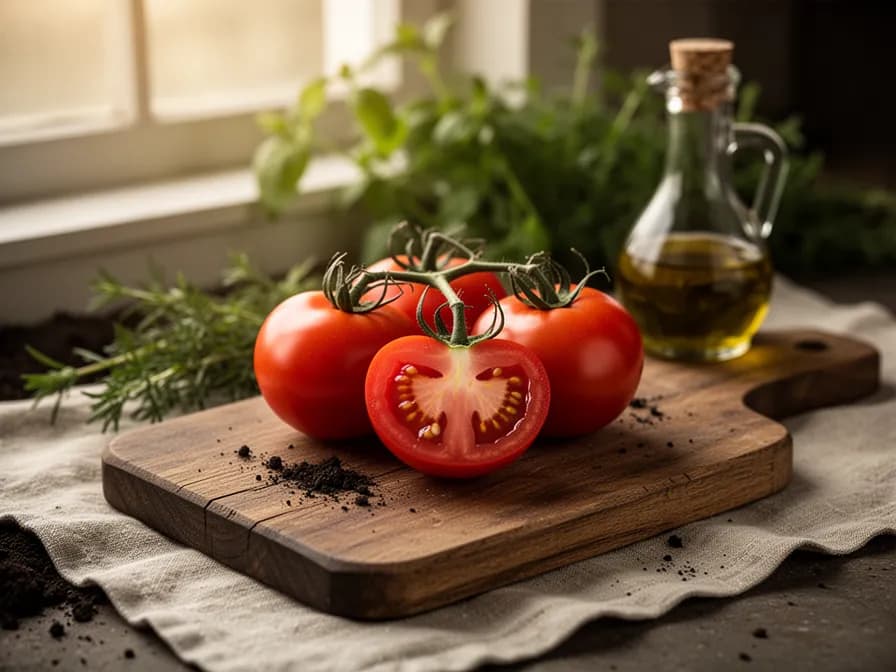
Los tomates Campari son perfectos para consumo fresco directo, como snack saludable o en ensaladas donde su dulzor intenso destaca. Se sirven cortados por la mitad con mozzarella de búfala y albahaca en caprese. Son ideales para bruschettas, tostadas y como acompañamiento de platos de pasta. Su alto contenido en azúcares los hace excelentes para salsas concentradas y tomates confitados.
Qué contiene
Beneficios para la salud
- Exceptionally rich in lycopene — the deep red pigment responsible for Campari's vivid color is a powerful antioxidant linked to reduced risk of heart disease, certain cancers, and sun-related skin damage. Cooking Campari tomatoes increases lycopene bioavailability by up to 50%.
- Provides 23% of the daily value of vitamin C per 100g, supporting immune defense, collagen formation for healthy skin and joints, and significantly enhancing the absorption of non-heme iron from plant foods when eaten together.
- Good source of potassium (237mg per 100g), an essential electrolyte that helps regulate blood pressure, reduce the risk of stroke, and maintain proper heart rhythm and muscle function.
- Contains beta-carotene (converted to vitamin A), lutein, and zeaxanthin — carotenoid antioxidants that support eye health by protecting the retina from oxidative damage and reducing the risk of age-related macular degeneration.
- The combination of vitamin C, lycopene, and other polyphenols in Campari tomatoes has been shown in studies to support cardiovascular health by reducing LDL cholesterol oxidation and improving blood vessel function.
- Low calorie density (just 18 calories per 100g) with high water content (about 95%) and natural sweetness makes Campari tomatoes an excellent snack for weight management that satisfies sweet cravings without added sugars.
De dónde viene Tomate Campari
Campari tomatoes were developed by the Dutch seed company Enza Zaden in the early 1990s as a deliberate effort to fill a gap in the tomato market. At the time, consumers had access to large beefsteak and slicing tomatoes or tiny cherry and grape varieties, but the middle ground — a tomato sized for snacking, salads, and cooking that also delivered exceptional flavor — was essentially unoccupied. Enza Zaden's breeders crossed selected parent lines to create an F1 hybrid that combined the intense sweetness and rich flavor of heirloom varieties with the uniformity, disease resistance, and shelf life demanded by modern commercial production.
The variety was first commercialized in Europe in the mid-1990s, initially sold as a premium 'vine-ripened cocktail tomato' in the Netherlands and surrounding countries. The fruits were marketed still attached to their green trusses, which signaled freshness to consumers and allowed the tomatoes to continue ripening after harvest. The strategy was a commercial success, and Campari quickly became one of the best-selling premium tomato varieties in European supermarkets.
Campari was introduced to the North American market in the early 2000s by Mastronardi Produce (now AppHarvest/Mucci Farms), a Canadian greenhouse grower that recognized the variety's potential. Marketed under the 'Campari' brand with distinctive packaging and always sold on the vine, the tomatoes commanded premium prices — often double or triple the cost of standard tomatoes — and developed an almost cult following among consumers who discovered that a supermarket tomato could actually taste good. The variety's success helped drive the expansion of controlled-environment agriculture in North America, with massive greenhouse complexes built specifically to produce Campari and similar premium varieties year-round.
Today, Campari remains one of the most commercially significant tomato varieties in the world and is credited with creating the entire 'cocktail tomato' category that now includes numerous competing varieties. While commercially grown almost exclusively in high-tech greenhouses, home gardeners have discovered that Campari grows readily in outdoor gardens, producing the same sweet, flavorful fruit that made it a supermarket sensation.
Tomate Campari: ¿sabías que?
Datos fascinantes sobre Tomate Campari
Campari is an F1 hybrid variety developed in the Netherlands by Enza Zaden in the early 1990s, specifically bred for the cocktail tomato market — the size category between cherry and standard slicing tomatoes that was virtually empty at the time.
Tomate Campari: preguntas frecuentes
¿Cuándo debo plantar Tomate Campari?
¿Cuáles son buenas plantas acompañantes para Tomate Campari?
¿En qué zonas de rusticidad puede crecer Tomate Campari?
¿Cuánto sol necesita Tomate Campari?
¿A qué distancia debo espaciar Tomate Campari?
¿Qué plagas y enfermedades afectan a Tomate Campari?
¿Cómo almaceno Tomate Campari después de la cosecha?
¿Cuáles son las mejores variedades de Tomate Campari para cultivar?
¿Qué suelo necesita Tomate Campari?
Can I save seeds from Campari tomatoes?
Why are my Campari tomatoes cracking?
Are Campari tomatoes determinate or indeterminate?
Why are my Campari tomatoes not as sweet as store-bought ones?
Can I grow Campari tomatoes in containers?
What diseases should I watch for when growing Campari?
Acabas de leer la teoría. Ahora cultívala en piloto automático.
Todo lo que hace que Tomate Campari sea delicado — el momento, el espaciado, las asociaciones, la ventana de cosecha — es justo lo que PlotMyGarden resuelve por ti, para cada planta de tu huerto.
Un plan que conoce tu clima
Indica tu ubicación una vez. Recibe fechas de siembra, abonado y cosecha basadas en tu última helada real y el pronóstico en vivo — sin adivinar con un sobre genérico.
De la sección “Cuándo plantar”Planificador de bancales de arrastrar y soltar
Diseña bancales sobre una cuadrícula. Cada planta encaja con su espaciado correcto y ves toda la temporada antes de gastar un céntimo en semillas.
De la sección “Cultivo”Conflictos de asociación, detectados a tiempo
Más de 200 buenas y malas combinaciones comprobadas en vivo mientras plantas — para que un error que arruine la temporada nunca llegue a la tierra.
De la sección “Asociaciones”Recordatorios que sí vas a seguir
“Riega las judías.” “Recoge hoy antes de que se pase.” Oportunos, concretos y ligados a las plantas que de verdad cultivas.
De la sección “Cosecha”Escalonado, programado
¿Quieres cosechar seis semanas en vez de seis días? Reparte tus siembras automáticamente y te avisa cuando toca el siguiente lote.
De la sección “Cuándo plantar”Un registro que se vuelve más listo
Cada cosecha que registras le enseña tu huerto. El plan del año que viene parte de lo que de verdad funcionó en tu suelo, no en un manual.
De la sección “Resumen”Planta estos junto a Tomate Campari
Más Solanáceas
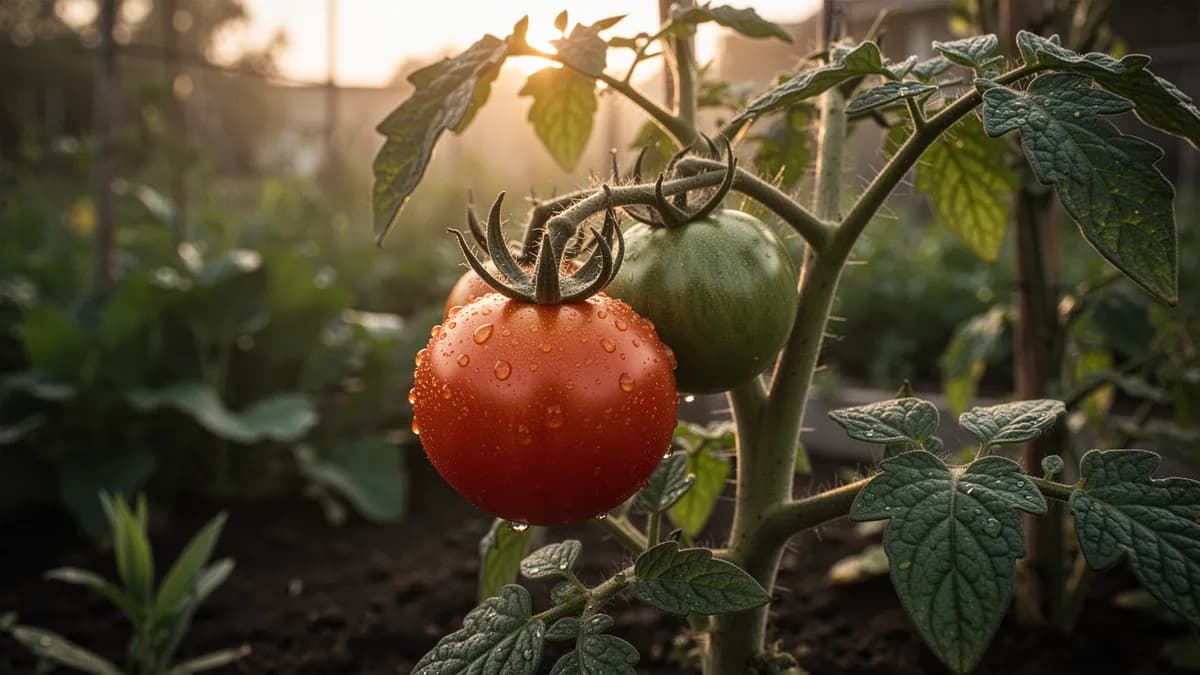
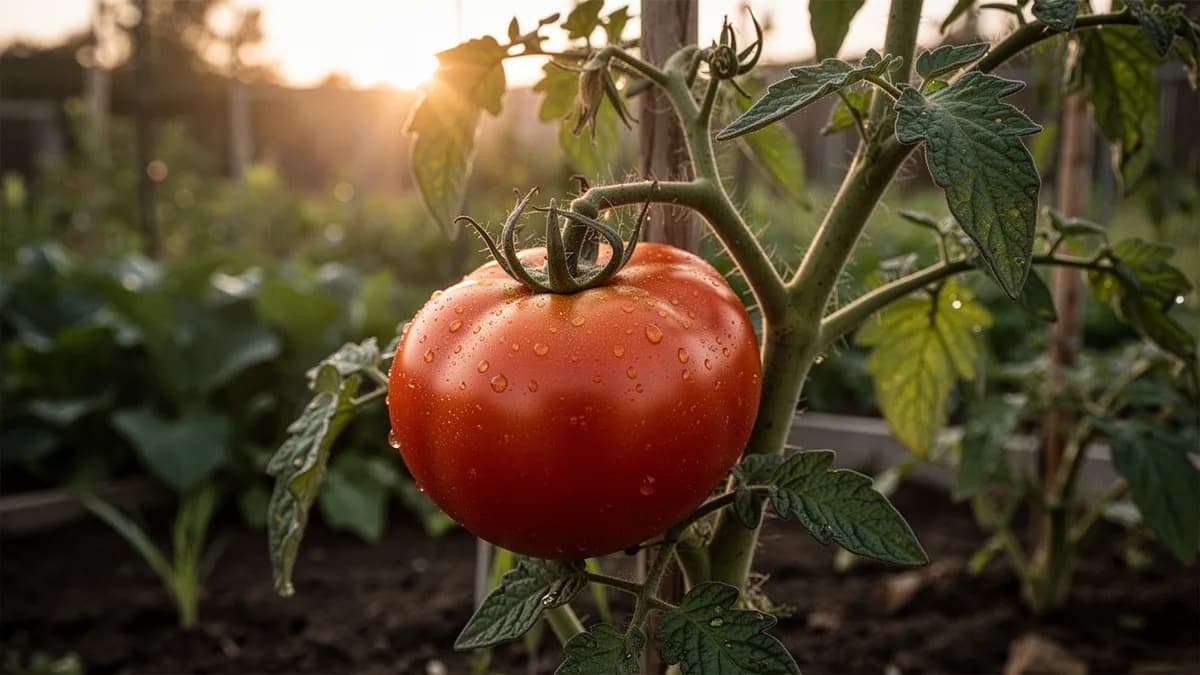
Mantén Tomate Campari lejos de estos
Cultiva tu mejor Tomate Campari — y todo lo que la rodea.
Empieza un plan gratis hoy. Diseña tus bancales, coloca tu Tomate Campari y deja que PlotMyGarden gestione el momento, el espaciado, las asociaciones y los recordatorios de la semilla a la cesta.