Tomate Brandywine
El tomate Brandywine es una variedad reliquia (heirloom) de tipo bistec, considerada por muchos como el tomate con mejor sabor del mundo.





En esta páginaResumen
Conoce Tomate Brandywine
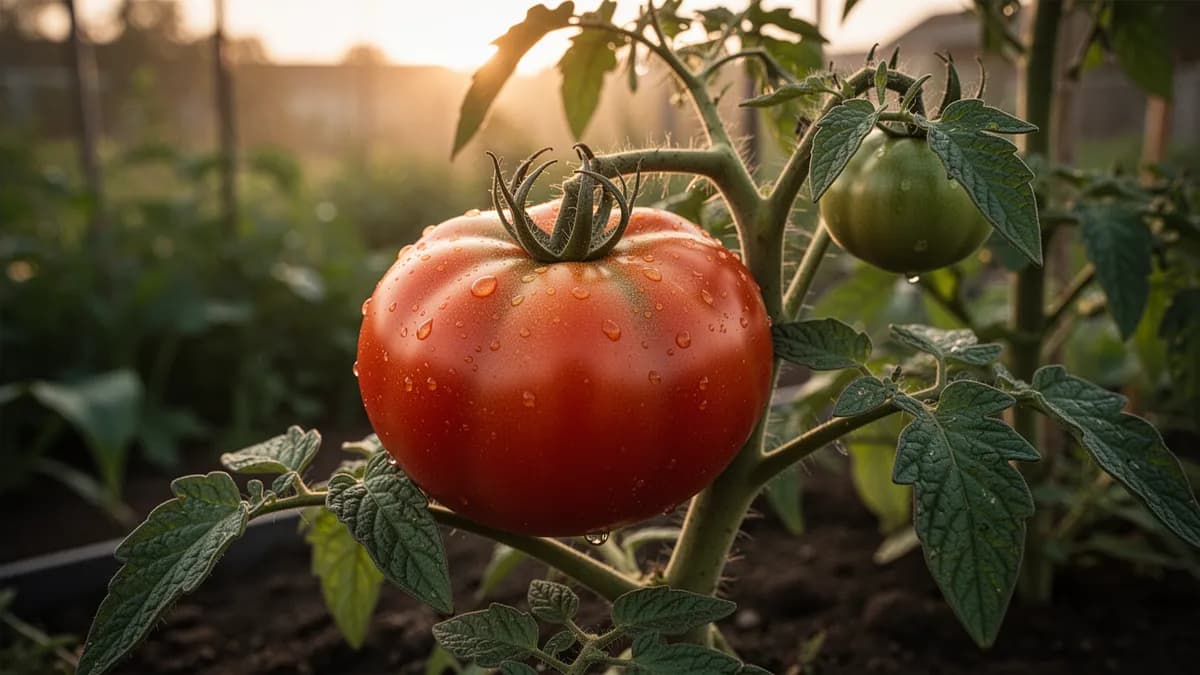
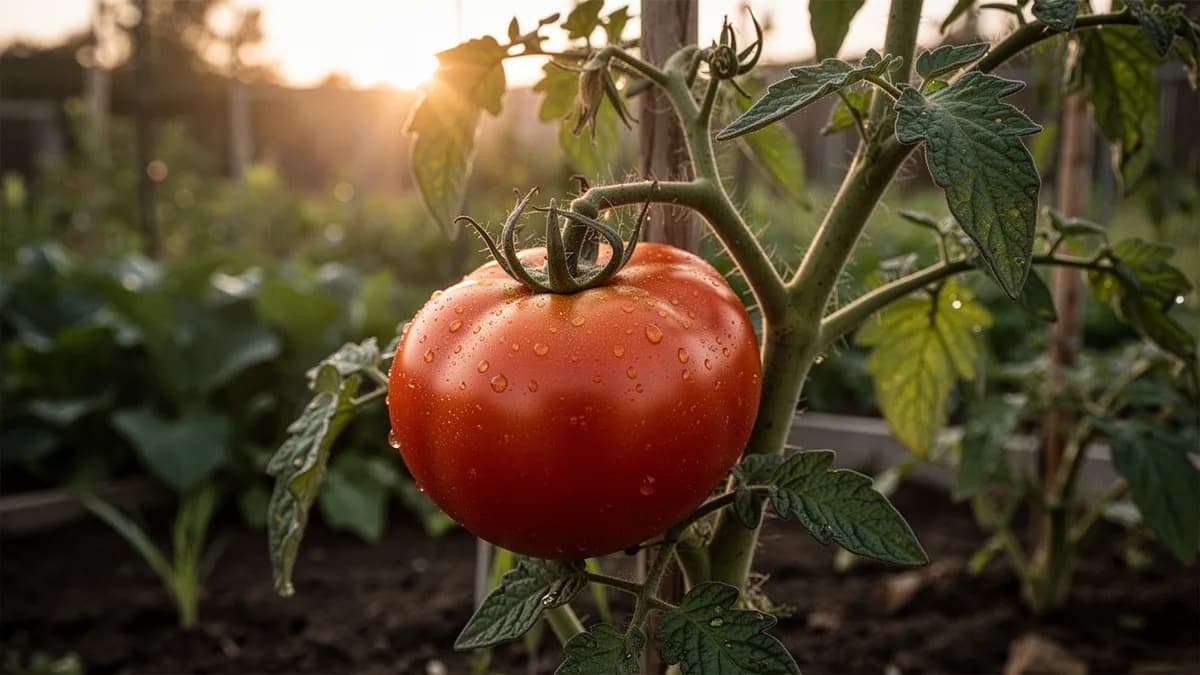
El tomate Brandywine es una variedad reliquia (heirloom) de tipo bistec, considerada por muchos como el tomate con mejor sabor del mundo. Originaria de la comunidad Amish de Pensilvania, se cultiva desde al menos 1885. Produce frutos grandes (300-700 g) de color rosa-rojizo con una pulpa densa, jugosa y excepcionalmente aromática, con un equilibrio perfecto entre dulzor y acidez.
Cuándo plantar Tomate Brandywine
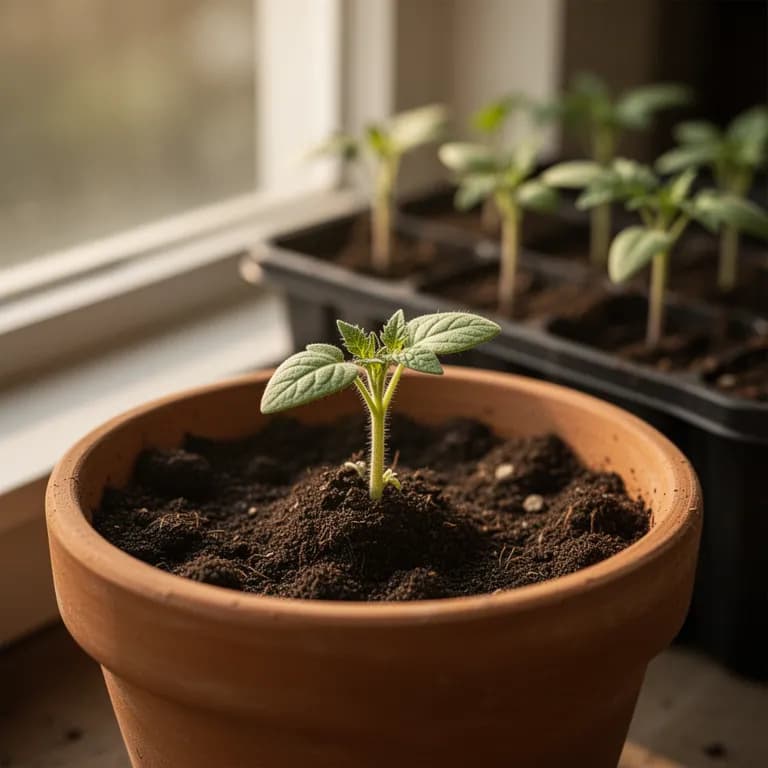
Inicie las semillas en interior 6-8 semanas antes de la última helada, a 0,5 cm de profundidad en sustrato húmedo a 20-25 °C. La germinación tarda 5-10 días. Trasplante a macetas individuales cuando aparezcan las primeras hojas verdaderas. Endurezca las plántulas gradualmente durante 7-10 días antes del trasplante exterior. Entierre el tallo hasta las primeras hojas para estimular raíces adventicias.
Tu año de Tomate Brandywine
Ajustado a Zona 7 · temporada típica · la helada se va hacia el 2 abr y vuelve hacia el 1 nov
Planta Tomate Brandywine Feb – May y cosecha Jul – Sep. Consulta los métodos de plantación y elige tu clima para adaptar los periodos.
Cómo cultivar Tomate Brandywine
El tomate Brandywine es una variedad indeterminada vigorosa que necesita una temporada larga y cálida de al menos 80-100 días desde el trasplante. Elija el lugar más soleado del jardín con un mínimo de 8 horas de luz directa y suelo rico, fértil y bien drenado, pH entre 6,0 y 6,8. Prepare el terreno con abundante compost.
Inicie las semillas en interior 6-8 semanas antes de la última helada, a 0,5 cm de profundidad y 20-25 °C. Trasplante al exterior cuando las temperaturas nocturnas superen los 10 °C, enterrando el tallo hasta las primeras hojas verdaderas para estimular el enraizamiento. Separe las plantas 60-75 cm.
Instale tutores robustos o jaulas de al menos 1,5 metros. El Brandywine tiene follaje de hoja de patata (hojas grandes y lisas). Pode los chupones laterales para dirigir la energía hacia los frutos. Riegue profunda y regularmente por goteo, evitando mojar las hojas. Aplique fertilizante rico en potasio cuando aparezcan las flores.
3 plantas caben en un bancal de 120 × 240 cm
Cada Tomate Brandywine pide 75 cm de margen. El planificador guarda ese marco por ti — cada planta, cada bancal.
Los mejores vecinos de Tomate Brandywine
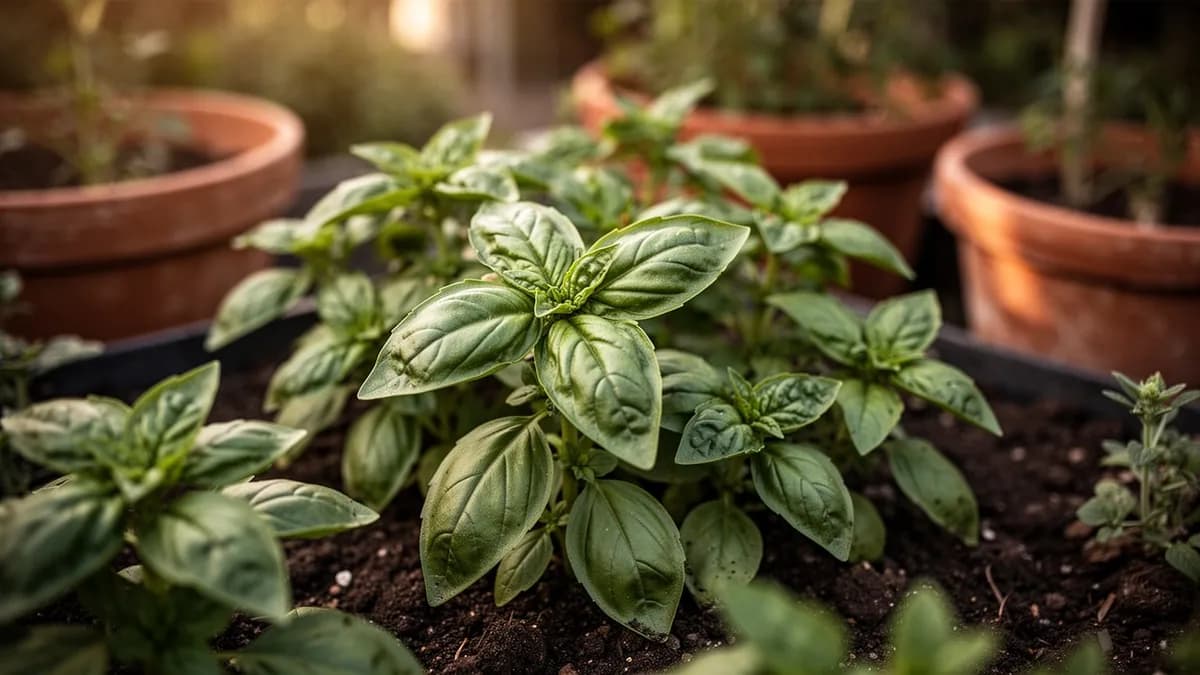
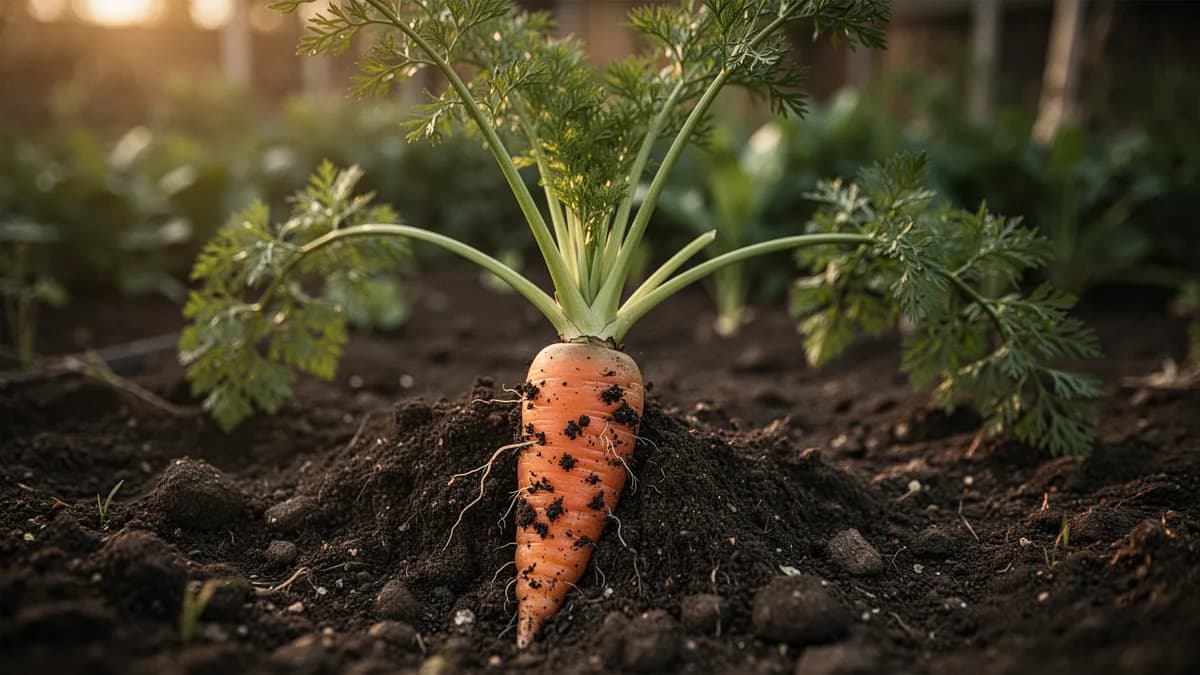
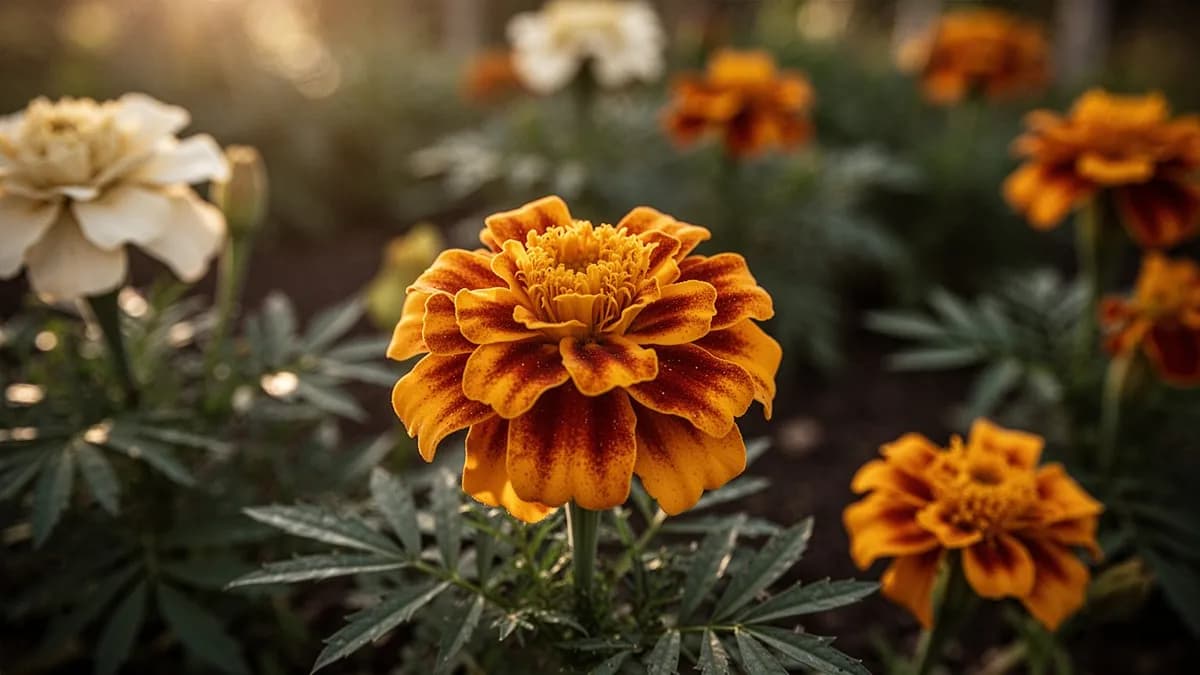
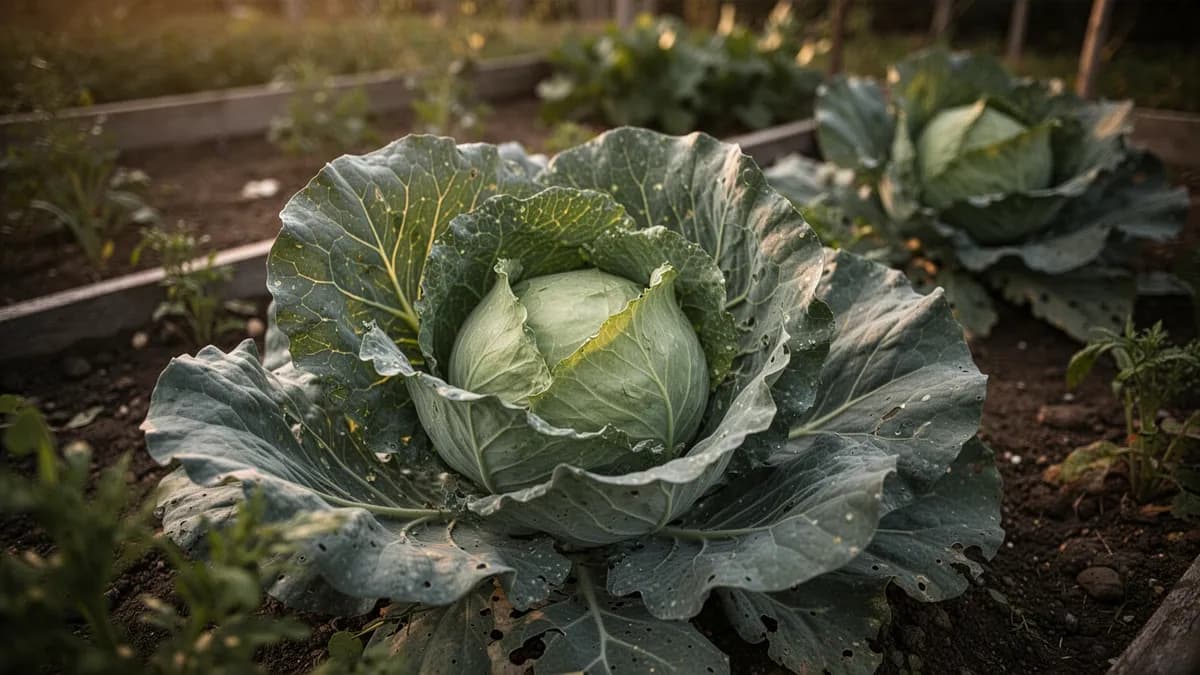
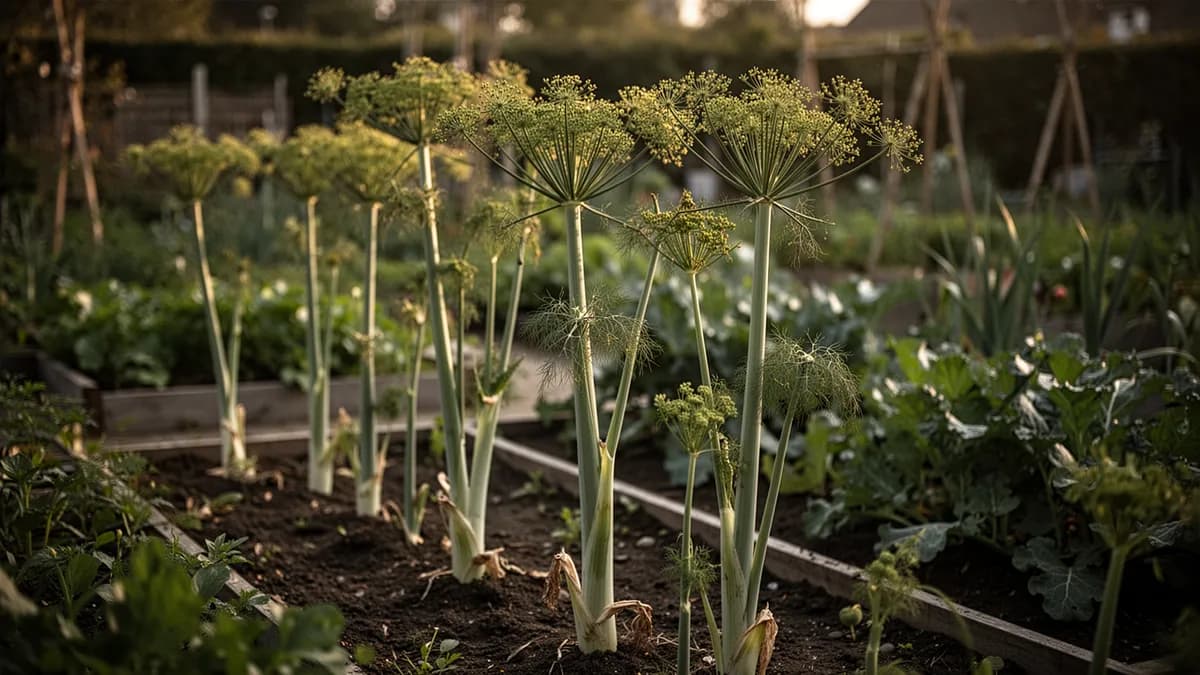
El tomate Brandywine se beneficia enormemente de la compañía de la albahaca, que mejora su sabor y ayuda a repeler moscas blancas y pulgones. Las zanahorias y los tagetes también son buenos compañeros. Evite plantarlo cerca de hinojo, eneldo maduro y brassicas (coles, brócoli). No plante donde hayan crecido tomates, patatas o berenjenas en los últimos 3 años.
Albahaca va a su lado. Repollo no.
Saber de huerto de siempre, cotejado con la tabla real de Tomate Brandywine — prueba cualquier planta que cultives.
Prueba Tomate Brandywine en un bancal, aquí mismo
Un bancal real del planificador con Tomate Brandywine ya plantado. Toca una planta compañera para colocarla y mira cómo responde la comprobación de vecinos: verde para buenos vecinos, rojo si hay conflicto.


Guías de cultivo relacionadas
Abónalo bien
El Brandywine necesita suelo rico, profundo y bien drenado con pH entre 6,0 y 6,8. Incorpore abundante compost antes del trasplante. Aplique fertilizante equilibrado durante el crecimiento vegetativo y cambie a uno rico en potasio (5-10-10) cuando aparezcan las flores. Evite el exceso de nitrógeno que produce mucho follaje pero frutos insípidos.
Temperatura ideal
Compatibilidad de zonas de rusticidad
De la semilla a la cosecha, etapa por etapa
Siembra
Las semillas de Brandywine germinan en condiciones cálidas y producen los primeros cotiledones redondeados en 7-14 días. Como variedad heredada, la germinación puede ser un poco menos uniforme que en los híbridos modernos. Las semillas requieren calor constante de 21-27 °C y humedad uniforme para una emergencia fiable.
Desarrollo de plántulas
Las hojas verdaderas aparecen con la forma característica de hoja de patata de Brandywine: hojas grandes, de borde liso, sin los márgenes dentados de la mayoría de las variedades de tomate. Los tallos se engrosan y desarrollan los característicos pelitos. El sistema radicular se expande rápidamente y se beneficia de pasar a contenedores más grandes.
Trasplante y crecimiento vegetativo
Después del aclimatado y el trasplante al exterior, Brandywine entra en un crecimiento vegetativo agresivo como variedad indeterminada. Las vides crecen con vigor, emiten numerosos chupones y alcanzan rápidamente 90-150 cm. El gran follaje de hoja de patata forma una copa frondosa que requiere manejo para mantener la circulación de aire.
Floración y cuajado
A lo largo de los tallos aparecen racimos de flores amarillas. Brandywine puede ser propenso a la caída de flores con temperaturas superiores a 32 °C o noches por debajo de 13 °C. Una polinización exitosa produce pequeños frutos verdes que empiezan a engordar rápidamente. El cuajado puede ser menos abundante que en las variedades híbridas, pero los frutos individuales crecen mucho más.
Desarrollo del fruto
Los frutos verdes se hinchan de forma notable y a menudo alcanzan 300-600 g o más. Se hace más visible el característico ribeteado profundo y la forma oblate ligeramente achatada. Los frutos se desarrollan desde la parte inferior de la planta hacia arriba. Brandywine madura lentamente en comparación con las variedades modernas, por lo que requiere paciencia mientras los frutos engordan durante varias semanas.
Maduración y cosecha
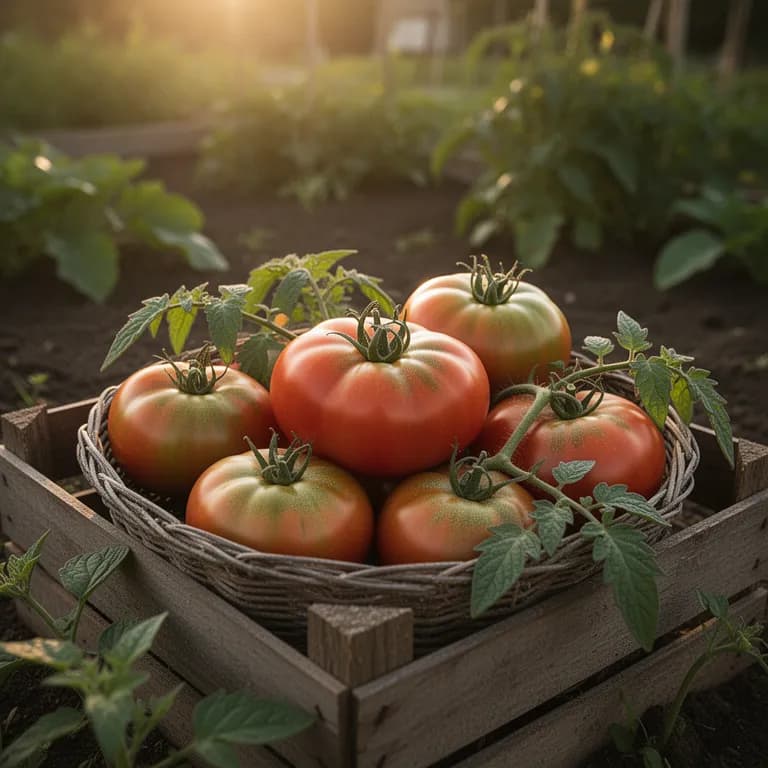
Los frutos pasan de verde a un rosa rojizo intenso y a menudo conservan hombros verdes cerca del tallo; esto es una característica natural, no una señal de inmadurez. Un Brandywine maduro cede ligeramente al presionarlo con suavidad y desprende un aroma dulce e intenso en el extremo del tallo. La planta sigue cuajando y madurando frutos hasta las heladas, con una cosecha principal de 4-6 semanas.
Siembra las semillas en interior 8-10 semanas antes de la última helada; Brandywine necesita más tiempo de ventaja que la mayoría de los tomates debido a su largo tiempo hasta la madurez. Usa una manta térmica para mantener la temperatura del suelo en 24 °C y lograr una germinación óptima.
Cuidar Tomate Brandywine mes a mes
Qué hacer cada mes para tu Tomate Brandywine
Octubre
Mes actualFinal harvests in most zones. Pick all remaining fruits before first frost — mature green Brandywine will ripen indoors on a countertop over 1-2 weeks. Pull spent vines and compost disease-free material. Record notes on plant performance for future reference.
Ten claro qué hacer en tu huerto, cada mes
Un correo al empezar cada mes: qué sembrar, plantar y hacer ahora mismo — para tu Tomate Brandywine y todo lo que crece alrededor. Más un breve curso inicial para esquivar los errores clásicos.
- Qué hacer ahora mismo
- Ajustado a tu temporada
- Curso inicial incluido
Cosechar Tomate Brandywine
Coseche el Brandywine cuando los frutos estén completamente maduros con un color rosa-rojizo uniforme y cedan ligeramente a la presión suave, entre 80 y 100 días después del trasplante. Los Brandywine alcanzan su mejor sabor madurados en la planta. Corte con tijeras dejando algo de pedúnculo. Los frutos son grandes y pesados; maneje con cuidado.
se supone que plantas al comenzar el periodo — indica tu fecha real
Cosecha entre 80 y 100 días desde la primera ventana de cosecha, cuando los frutos estén completamente rosados, cedan ligeramente y puedan recogerse un poco antes de madurar del todo para terminar de madurar en interior.
Almacenamiento y conservación
Nunca refrigere los tomates Brandywine, ya que el frío destruye su sabor y textura. Almacene a temperatura ambiente (18-22 °C) con el pedúnculo hacia abajo durante 3-5 días. Para conservación prolongada, prepare salsa de tomate, confit o tomates deshidratados. Los frutos también se pueden congelar enteros y usar en salsas cocinadas.
Qué falla — y cómo solucionarlo
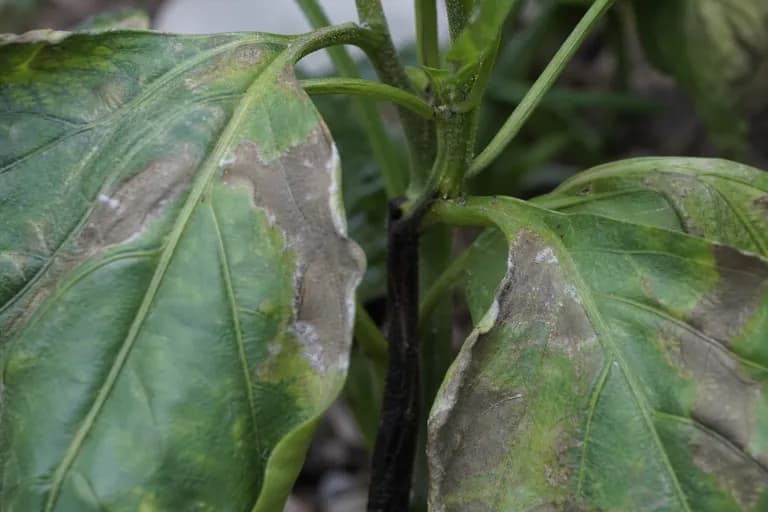
Tizón tardío (Phytophthora infestans)
EnfermedadManchas acuosas marrón oscuro en hojas y tallos que se expanden rápidamente en condiciones húmedas. Los frutos desarrollan lesiones firmes y oscuras. Puede destruir la planta en pocos días.
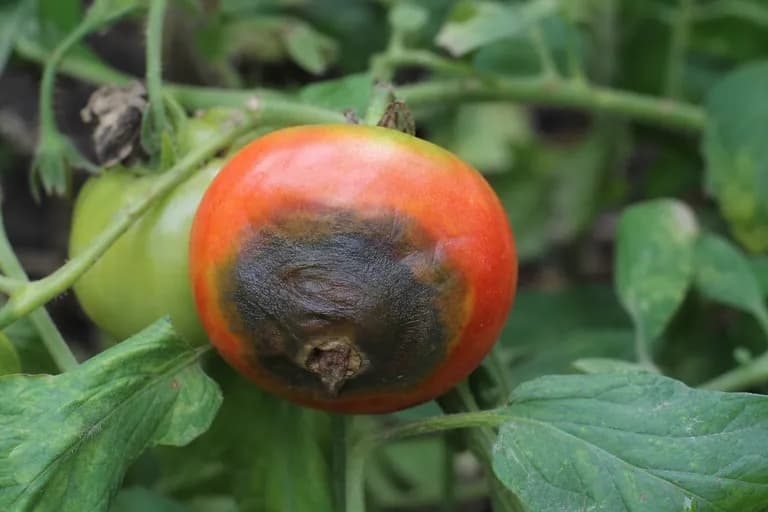
Podredumbre apical (deficiencia de calcio)
EnfermedadManchas oscuras hundidas en la base del fruto que se extienden y ennegrecen. No es causada por un patógeno sino por absorción irregular de calcio debido a riego inconsistente.
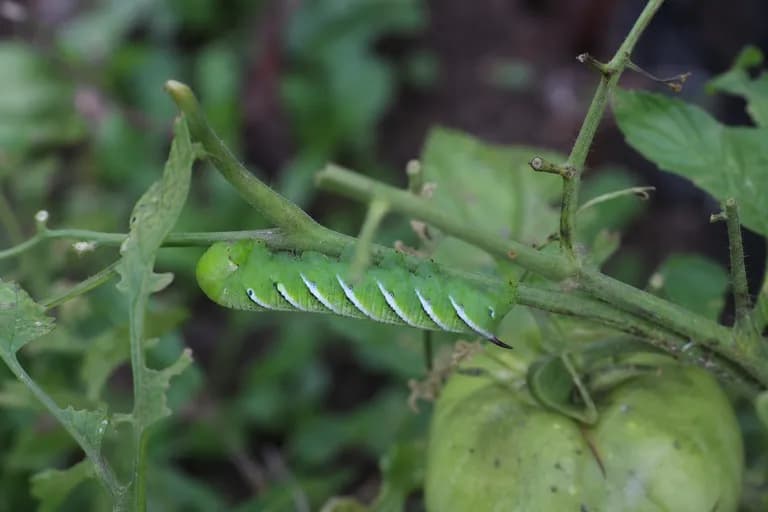
Gusano del tomate (Manduca quinquemaculata)
PlagaOrugas grandes verdes con rayas blancas que devoran hojas y frutos rápidamente. Una sola oruga puede defoliar una rama entera en pocos días.
Solución de problemas comunes
El Brandywine es más susceptible a enfermedades que las variedades modernas híbridas, ya que carece de resistencias genéticas incorporadas. Es una variedad de maduración lenta que necesita una temporada larga y cálida. La producción es menor que la de los híbridos modernos, pero la calidad del sabor compensa con creces. Los frutos grandes son propensos al agrietamiento con riego irregular.
Consejos de cultivo
- Start seeds indoors 8-10 weeks before last frost — this is 2-3 weeks earlier than most tomato varieties. Brandywine's long days-to-maturity (80-100 days from transplant) means a late start can result in green fruits still on the vine when frost arrives.
- Prune to 2-3 main stems by removing suckers when they are small. Brandywine produces excessive vegetative growth as an indeterminate variety, and unpruned plants waste energy on foliage instead of sizing up their famously large fruits.
- Install serious support structures at transplanting time. Standard wire tomato cages will collapse under a mature Brandywine — use 180-240 cm wooden stakes, heavy-duty steel cages, or a string trellis system anchored to overhead support.
- Water deeply and consistently — 2.5-5 cm per week delivered at the soil line, never overhead. Brandywine is highly susceptible to both blossom-end rot (from inconsistent calcium uptake) and fruit cracking (from sudden water surges after dry periods). Drip irrigation on a timer is ideal.
- Accept and embrace lower yields. Brandywine produces fewer but far larger and more flavorful fruits than hybrid varieties. Expecting hybrid-level production leads to frustration — instead, appreciate that each massive, complex-flavored fruit is worth several bland supermarket tomatoes.
- Protect against late blight proactively, as Brandywine has no bred-in disease resistance. Space plants widely (60-90 cm), remove lower leaves up to the first fruit cluster for air circulation, mulch to prevent soil splash, and apply preventive copper fungicide in humid climates.
- Do not refrigerate harvested Brandywine tomatoes under any circumstances. Cold temperatures below 13°C (55°F) permanently destroy the volatile flavor compounds that make this variety legendary. Store at room temperature and eat within 3-5 days of picking for peak flavor.
- Save seeds from your best fruits to build a locally adapted Brandywine strain over time. As an open-pollinated heirloom, Brandywine breeds true from saved seed. Choose the largest, most flavorful, crack-free fruits from the healthiest plants for seed saving.
Cultiva tu mejor Tomate Brandywine — y todo lo que la rodea.
Empieza un plan gratis hoy. Diseña tus bancales, coloca tu Tomate Brandywine y deja que PlotMyGarden gestione el momento, el espaciado, las asociaciones y los recordatorios de la semilla a la cesta.
Elige tu Tomate Brandywine
Brandywine Pink
La variedad original Amish con frutos rosa-rojizo de 300-500 g. Hojas de patata. Considerado el tomate de mejor sabor por muchos expertos. 80-100 días.
Brandywine Red
Variante con frutos de rojo más intenso y hojas regulares. Sabor igualmente excepcional pero ligeramente más ácido que el rosa. 85-95 días.
Brandywine Yellow
Variante de frutos amarillo-dorado con sabor dulce y suave, menos ácido que las versiones rojas. Excelente en ensaladas mixtas con otros colores. 85-95 días.
Brandywine Black
Variante con frutos de color marrón-púrpura oscuro y sabor complejo con notas ahumadas. Una de las variedades heirloom más buscadas. 80-90 días.
Heirloom Brandywine tomatoes command premium prices at farmers markets and specialty grocers — typically $6-12 per pound compared to $2-4 for standard tomatoes. A single productive Brandywine plant yielding 4-7 kg can replace $50-150 worth of market-bought heirloom tomatoes over a season. Growing 3-4 plants provides enough for fresh eating, sauce making, and sharing — all from a $3 seed packet or $5 transplant. As an open-pollinated heirloom, you can save seeds from your best fruits year after year, eliminating even the small annual seed cost entirely.
Recetas rápidas
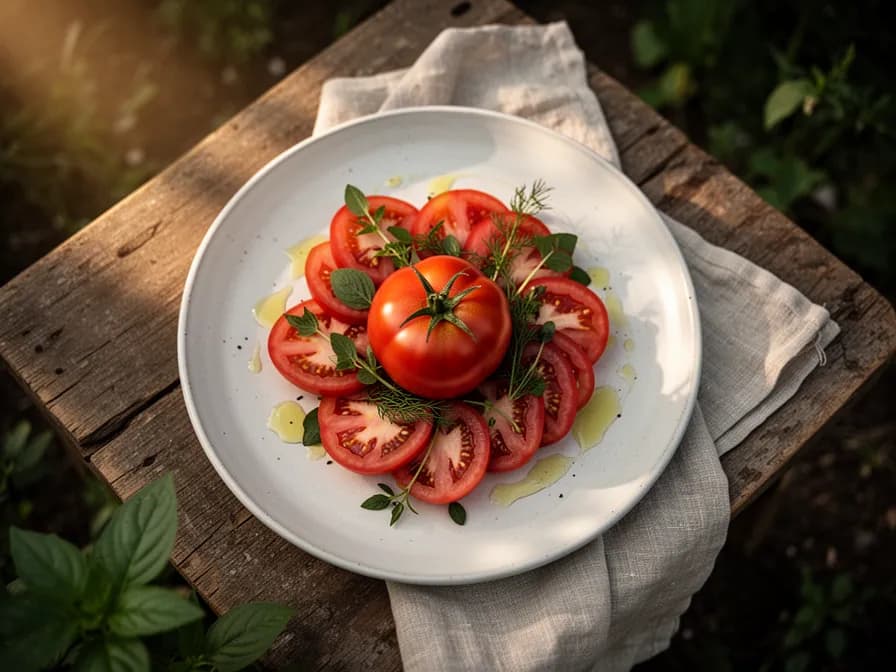
Classic Brandywine Caprese Salad
10 minThe simplest and best way to showcase the legendary Brandywine flavor — thick slices of peak-season tomato layered with fresh mozzarella, torn basil, and a drizzle of the finest olive oil. No cooking required, no distractions from the tomato itself.
6 ingredientesSlow-Roasted Brandywine Tomato Sauce
15 min prep + 90 min roastHalved Brandywine tomatoes roasted low and slow until deeply caramelized and intensely concentrated. The dense, meaty flesh of Brandywine breaks down into a thick, rich sauce with minimal effort — no peeling, straining, or long stovetop simmering required.
7 ingredientesHeirloom Tomato Galette
30 min prep + 35 min bakeA rustic free-form tart that celebrates the beauty and flavor of Brandywine tomatoes on a flaky butter crust spread with herbed ricotta. The irregular shape of this galette matches the gloriously imperfect shapes of heirloom tomatoes.
8 ingredientesUsos culinarios
El Brandywine es considerado el tomate definitivo para consumo fresco. Cortado en rodajas gruesas con un poco de sal, aceite de oliva virgen extra y albahaca fresca, es una experiencia gastronómica suprema. Es el tomate ideal para sándwiches y hamburguesas gourmet, donde su pulpa densa no empapa el pan. También se prepara en caprese con mozzarella fresca, en gazpacho artesanal y en ensaladas donde el tomate es protagonista.
Qué contiene
Beneficios para la salud
- Exceptionally rich in lycopene, a carotenoid antioxidant linked to reduced risk of heart disease, stroke, and certain cancers — Brandywine's deep pink-red flesh indicates high lycopene concentration, and cooking with olive oil increases absorption by up to 5 times.
- Good source of vitamin C, supporting immune defense, collagen production for healthy skin and joints, and enhanced absorption of non-heme iron from plant-based foods — a single large Brandywine provides roughly 30% of the daily value.
- Contains potassium essential for maintaining healthy blood pressure, proper nerve signaling, and muscle function — the high water content of fresh tomatoes also supports overall hydration.
- Provides beta-carotene (converted to vitamin A in the body) for eye health, immune function, and skin integrity, along with other carotenoids like lutein and zeaxanthin that protect against age-related macular degeneration.
- Contains the flavonoid naringenin and the phenolic acid chlorogenic acid, both of which have anti-inflammatory properties — regular tomato consumption is associated with reduced markers of systemic inflammation.
- Low glycemic index and high water content (approximately 95%) make tomatoes an excellent food for blood sugar management and weight maintenance, with only 18 calories per 100g while providing satisfying flavor and volume.
De dónde viene Tomate Brandywine
The Brandywine tomato is an American heirloom variety with roots in the Amish farming communities of southeastern Pennsylvania, dating to at least 1885. The variety takes its name from Brandywine Creek, which flows through Chester County in the heart of Pennsylvania Dutch country. For nearly a century, Brandywine was passed from generation to generation through informal seed-saving networks within Amish and Mennonite communities, who valued its exceptional flavor and large fruit size despite its low yields and susceptibility to cracking.
The modern rediscovery of Brandywine is largely credited to Ben Quisenberry of Syracuse, Ohio, a dedicated seed saver who received seeds in 1982 from Dorris Sudduth Hill, an elderly Amish woman who had maintained the variety for decades. Quisenberry distributed seeds through his small mail-order seed company and through Seed Savers Exchange, the nonprofit organization that became the backbone of the American heirloom seed movement. By the early 1990s, Brandywine had become the signature variety of the heirloom tomato renaissance, appearing at farmers markets, in food magazines, and on restaurant menus as chefs and consumers discovered its extraordinary flavor.
Brandywine's impact on American gardening and food culture has been profound. It demonstrated that industrial agriculture's focus on yield, uniformity, and shelf life had come at a devastating cost to flavor. The variety's success inspired a generation of gardeners and farmers to seek out forgotten heirloom cultivars of all kinds, and it remains the single most recognized heirloom tomato name worldwide. Today, multiple Brandywine sub-strains exist — including Yellow Brandywine, Black Brandywine, and Brandywine OTV — but the original pink Brandywine from the Sudduth strain remains the benchmark against which all other heirloom tomatoes are measured.
Tomate Brandywine: ¿sabías que?
Datos fascinantes sobre Tomate Brandywine
Brandywine is widely considered the gold standard of heirloom tomato flavor — in blind taste tests it consistently ranks among the top varieties, prized for its perfect balance of sweetness, acidity, and complex fruity undertones that no modern hybrid has been able to replicate.
Tomate Brandywine: preguntas frecuentes
¿Cuándo debo plantar Tomate Brandywine?
¿Cuáles son buenas plantas acompañantes para Tomate Brandywine?
¿En qué zonas de rusticidad puede crecer Tomate Brandywine?
¿Cuánto sol necesita Tomate Brandywine?
¿A qué distancia debo espaciar Tomate Brandywine?
¿Qué plagas y enfermedades afectan a Tomate Brandywine?
¿Cómo almaceno Tomate Brandywine después de la cosecha?
¿Cuáles son las mejores variedades de Tomate Brandywine para cultivar?
¿Qué suelo necesita Tomate Brandywine?
Why does my Brandywine tomato crack and split so easily?
Why are the tops of my Brandywine tomatoes still green when the rest is ripe?
Why does my Brandywine produce fewer tomatoes than my hybrid varieties?
What's the difference between the various Brandywine strains?
Can I grow Brandywine in containers?
How do I save seeds from Brandywine tomatoes?
Acabas de leer la teoría. Ahora cultívala en piloto automático.
Todo lo que hace que Tomate Brandywine sea delicado — el momento, el espaciado, las asociaciones, la ventana de cosecha — es justo lo que PlotMyGarden resuelve por ti, para cada planta de tu huerto.
Un plan que conoce tu clima
Indica tu ubicación una vez. Recibe fechas de siembra, abonado y cosecha basadas en tu última helada real y el pronóstico en vivo — sin adivinar con un sobre genérico.
De la sección “Cuándo plantar”Planificador de bancales de arrastrar y soltar
Diseña bancales sobre una cuadrícula. Cada planta encaja con su espaciado correcto y ves toda la temporada antes de gastar un céntimo en semillas.
De la sección “Cultivo”Conflictos de asociación, detectados a tiempo
Más de 200 buenas y malas combinaciones comprobadas en vivo mientras plantas — para que un error que arruine la temporada nunca llegue a la tierra.
De la sección “Asociaciones”Recordatorios que sí vas a seguir
“Riega las judías.” “Recoge hoy antes de que se pase.” Oportunos, concretos y ligados a las plantas que de verdad cultivas.
De la sección “Cosecha”Escalonado, programado
¿Quieres cosechar seis semanas en vez de seis días? Reparte tus siembras automáticamente y te avisa cuando toca el siguiente lote.
De la sección “Cuándo plantar”Un registro que se vuelve más listo
Cada cosecha que registras le enseña tu huerto. El plan del año que viene parte de lo que de verdad funcionó en tu suelo, no en un manual.
De la sección “Resumen”Planta estos junto a Tomate Brandywine
Más Solanáceas
Mantén Tomate Brandywine lejos de estos
Diseños de jardín con Tomate Brandywine
Cultiva tu mejor Tomate Brandywine — y todo lo que la rodea.
Empieza un plan gratis hoy. Diseña tus bancales, coloca tu Tomate Brandywine y deja que PlotMyGarden gestione el momento, el espaciado, las asociaciones y los recordatorios de la semilla a la cesta.