Acelga Ruby
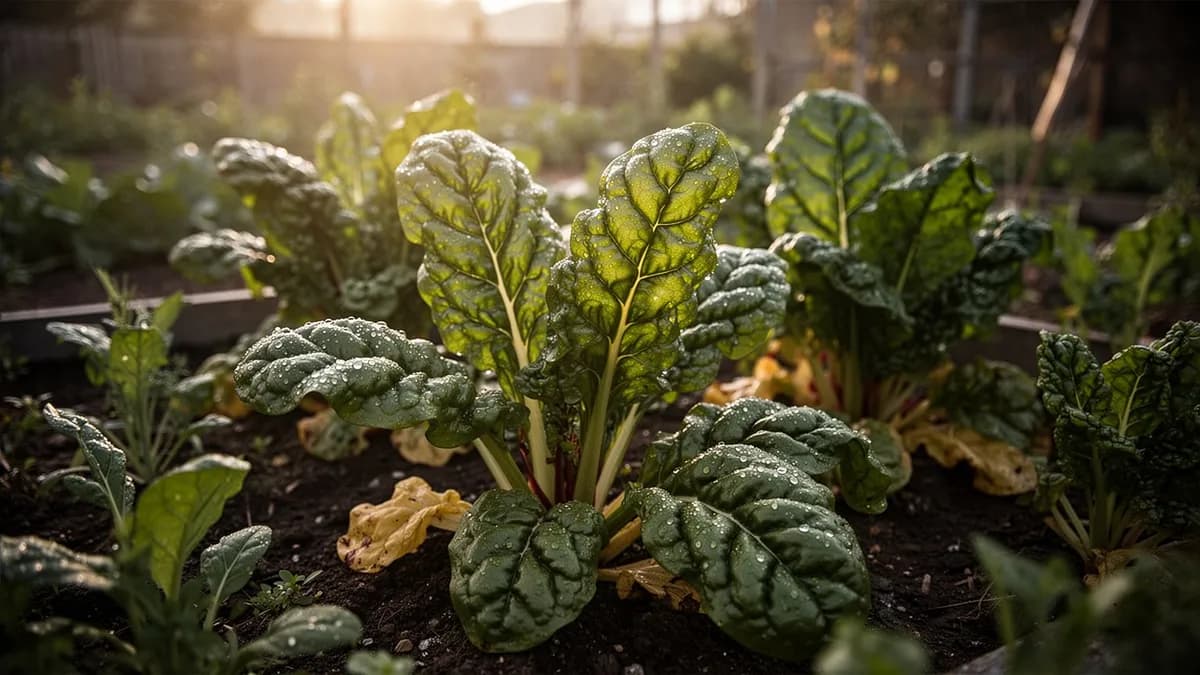
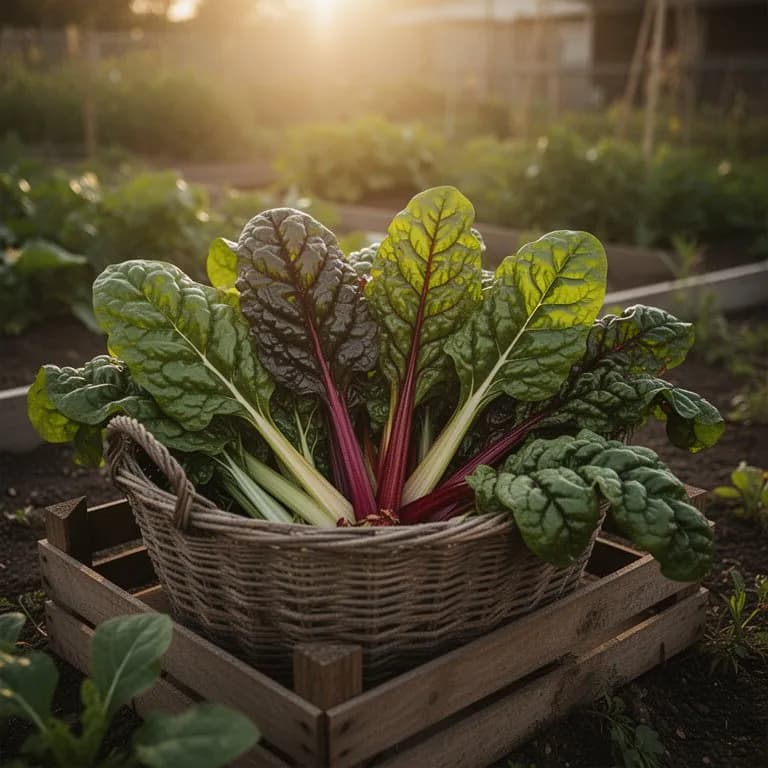
La acelga Ruby (Beta vulgaris var. cicla) es una variedad ornamental y culinaria de acelga que se distingue por sus espectaculares tallos y nervaduras de color rojo rubí brillante que contrastan con las hojas verde oscuro.





En esta páginaResumen
Conoce Acelga Ruby
La acelga Ruby (Beta vulgaris var. cicla) es una variedad ornamental y culinaria de acelga que se distingue por sus espectaculares tallos y nervaduras de color rojo rubí brillante que contrastan con las hojas verde oscuro. Originaria de la región mediterránea, combina un gran valor decorativo en el jardín con un sabor suave y ligeramente terroso, siendo una de las verduras de hoja más atractivas visualmente.
Cuándo plantar Acelga Ruby
Siembre directamente en el exterior desde abril hasta julio, a 2 cm de profundidad y 5 cm de separación. Cada semilla produce múltiples plántulas que deben aclararse a 25-30 cm cuando tengan 10 cm. La germinación ocurre en 7-14 días a 10-25 °C. Para cosecha temprana, inicie en bandejas de semillero 4-6 semanas antes y trasplante cuando las plántulas tengan 4-5 hojas verdaderas.
Tu año de Acelga Ruby
Ajustado a Zona 7 · temporada típica · la helada se va hacia el 2 abr y vuelve hacia el 1 nov
Planta Acelga Ruby Mar – May y cosecha May – Oct. Consulta los métodos de plantación y elige tu clima para adaptar los periodos.
Cómo cultivar Acelga Ruby
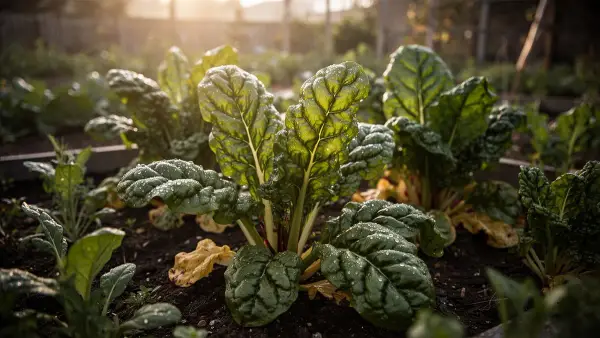
La acelga Ruby es una planta bienal extremadamente fácil de cultivar que tolera tanto el calor como el frío moderado. Siembre en un lugar a pleno sol o semisombra (preferible en climas calurosos), con suelo fértil, rico en materia orgánica y bien drenado, pH entre 6,0 y 7,0.
Siembre las semillas directamente a 2 cm de profundidad con 5 cm de separación y 40-50 cm entre hileras, desde abril hasta julio. Cada semilla es en realidad un glomérulo que contiene varias semillas, por lo que será necesario aclarar a 25-30 cm cuando las plántulas tengan 10 cm. Las plántulas retiradas pueden trasplantarse.
Riegue regularmente para mantener el suelo uniformemente húmedo, especialmente en verano. La acelga es bastante tolerante a la sequía una vez establecida pero produce hojas más tiernas con riego constante. Aplique un acolchado para conservar la humedad y fertilice cada 3-4 semanas con compost o fertilizante equilibrado para estimular la producción continua de hojas.
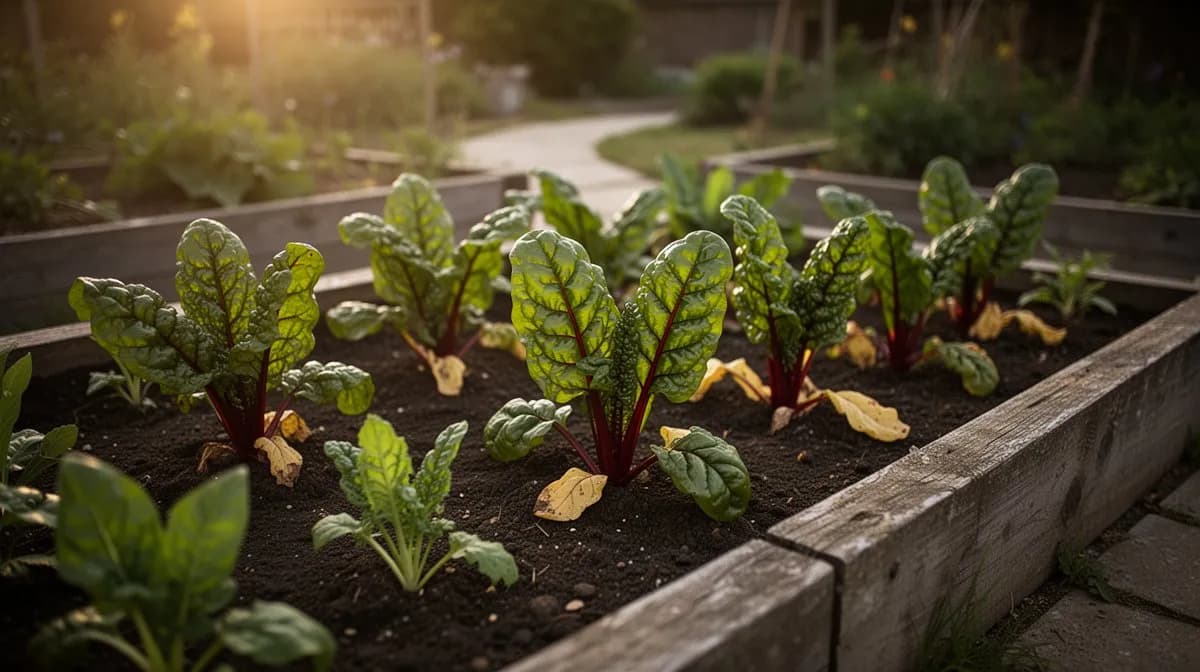
32 plantas caben en un bancal de 120 × 240 cm
Cada Acelga Ruby pide 30 cm de margen. El planificador guarda ese marco por ti — cada planta, cada bancal.
Los mejores vecinos de Acelga Ruby
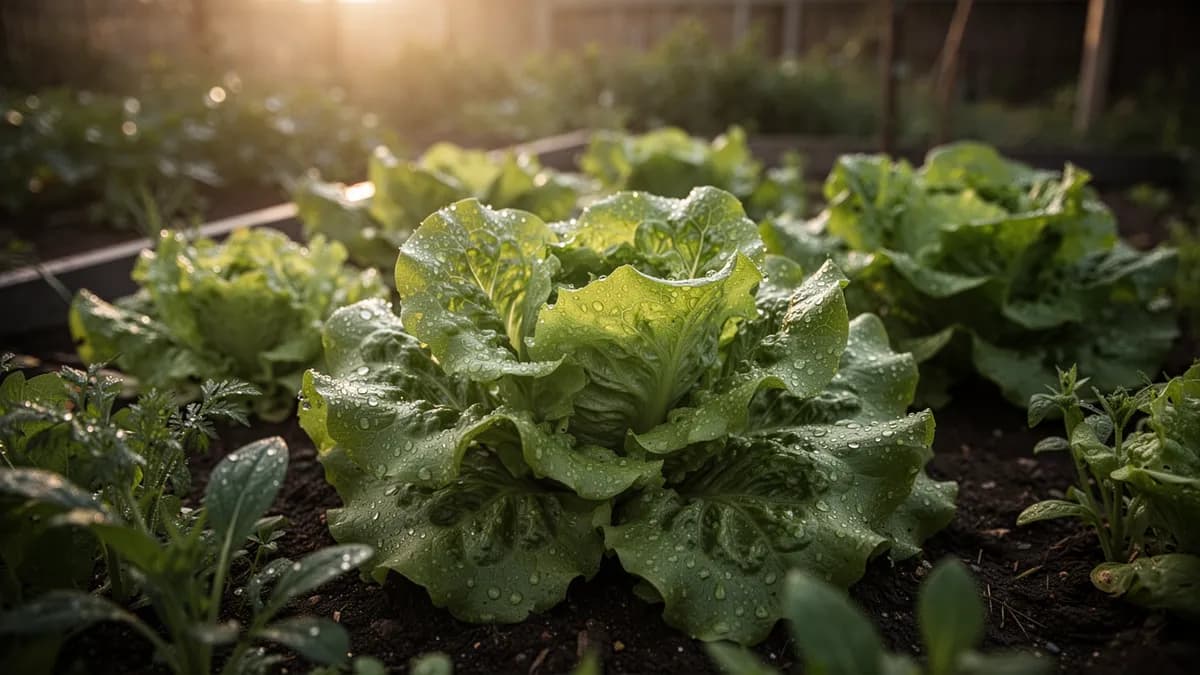
La acelga Ruby crece bien junto a frijoles, col, lechuga y hierbas aromáticas. Su porte erecto y colorido la convierte en un bonito borde de huerto. Evite plantarla junto a espinacas, que son susceptibles a las mismas plagas y enfermedades al pertenecer a la misma familia. Las caléndulas plantadas cerca ayudan a repeler pulgones.
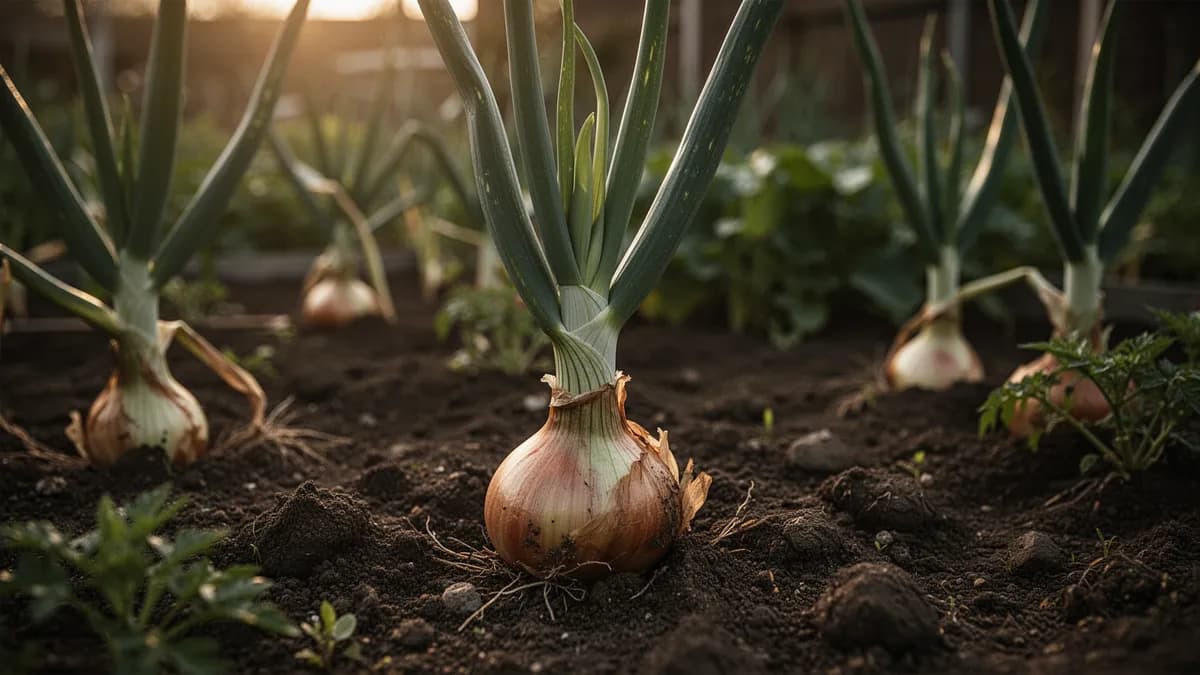
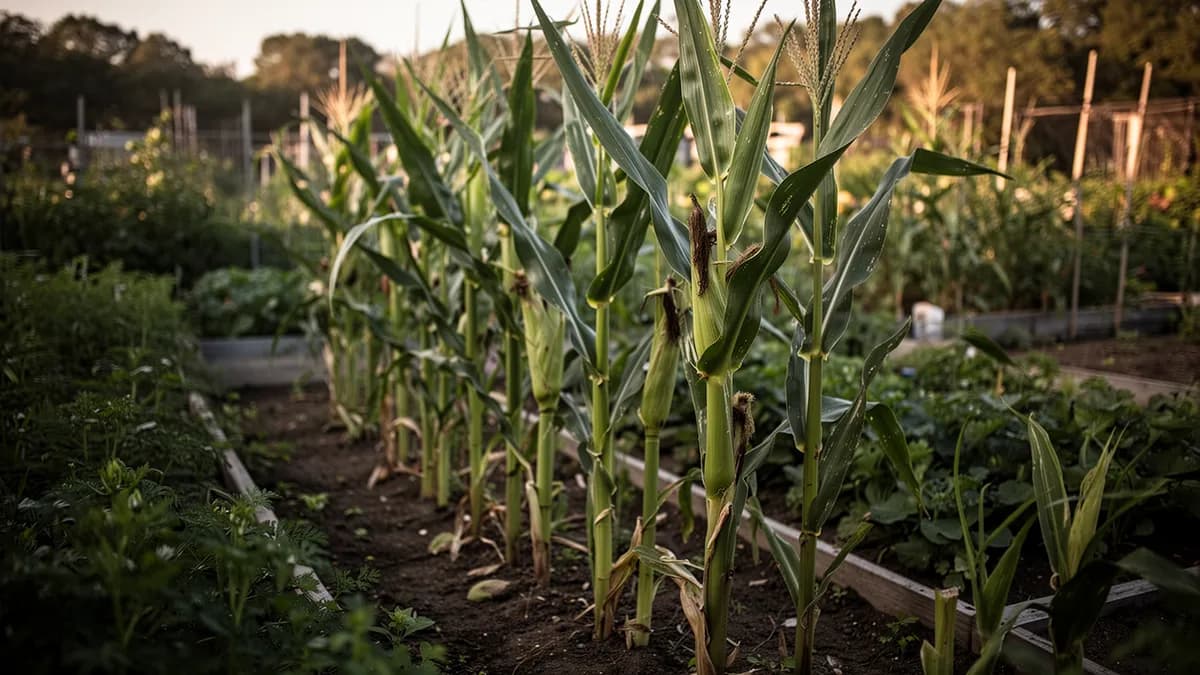
Cebolla va a su lado. Maíz no.
Saber de huerto de siempre, cotejado con la tabla real de Acelga Ruby — prueba cualquier planta que cultives.
Prueba Acelga Ruby en un bancal, aquí mismo
Un bancal real del planificador con Acelga Ruby ya plantado. Toca una planta compañera para colocarla y mira cómo responde la comprobación de vecinos: verde para buenos vecinos, rojo si hay conflicto.


Guías de cultivo relacionadas
Abónalo bien
La acelga Ruby prospera en suelo fértil, rico en materia orgánica y bien drenado, con pH entre 6,0 y 7,0. Incorpore compost o estiércol bien descompuesto antes de la siembra. Aplique fertilizante equilibrado cada 3-4 semanas durante la temporada de crecimiento para mantener una producción continua de hojas. Asegure un aporte adecuado de potasio para intensificar el color rojo de los tallos.
Temperatura ideal
Compatibilidad de zonas de rusticidad
De la semilla a la cosecha, etapa por etapa
Germinación
Las semillas de acelga suiza en realidad son racimos de varios embriones, por lo que de un solo punto suelen brotar varias plántulas. La germinación ocurre en 7-14 días en temperaturas del suelo de 10-30 °C.
Desarrollo de plántulas
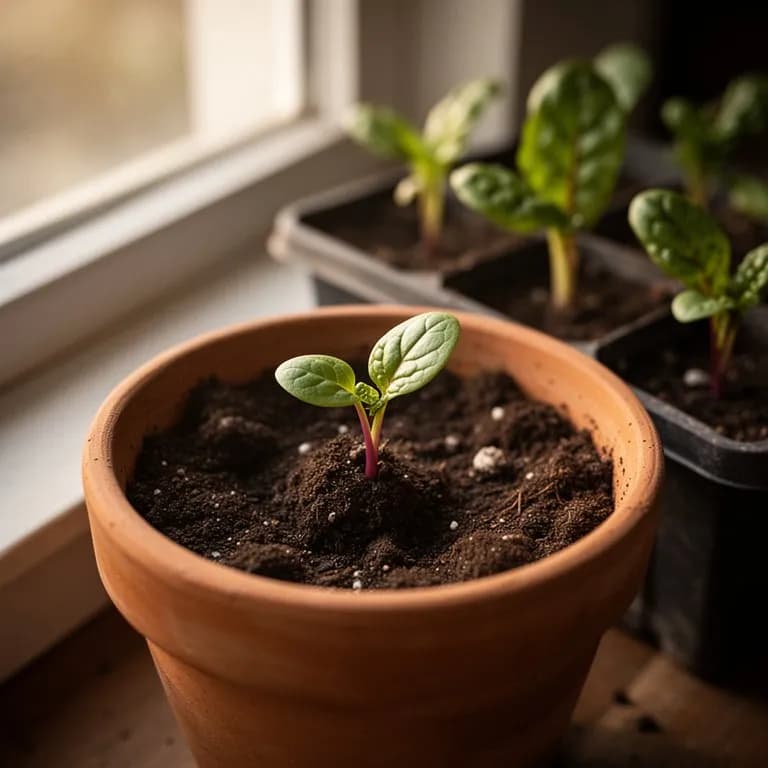
Aparecen las hojas verdaderas con una textura ligeramente arrugada y venación roja marcada. Los tallos comienzan a desarrollar su intenso color carmesí y la raíz principal se establece rápidamente.
Crecimiento rápido de hojas
Las plantas entran en un crecimiento vigoroso y producen nuevas hojas externas con regularidad. La roseta se expande rápidamente y es cuando el color ornamental resulta más llamativo.
Primera cosecha
Las hojas exteriores alcanzan su tamaño completo y están listas para la primera cosecha de corte y rebrote. La planta sigue emitiendo nuevas hojas desde la corona central.
Producción prolongada
Con una cosecha regular, la acelga ruby entra en una larga fase de producción y genera hojas nuevas continuamente desde el centro de la roseta.
Espigado y formación de semillas
Como planta bianual, la acelga ruby normalmente espiga en su segunda primavera después del frío invernal, o antes si sufre frío prolongado seguido de temperaturas más cálidas.
Remoja los racimos de semillas en agua tibia durante 2-4 horas antes de sembrar para acelerar la germinación. Planta a 1-2 cm de profundidad y deja 5 cm entre semillas. Aclara hasta dejar la plántula más fuerte por racimo cuando aparezcan las primeras hojas verdaderas; los brotes aclarados son microverduras comestibles.
Cuidar Acelga Ruby mes a mes
Qué hacer cada mes para tu Acelga Ruby
Octubre
Mes actualHarvest intensifies on autumn-planted crops. Spring-planted chard continues producing through light frosts — cold exposure actually improves the flavor by converting starches to sugars. In zones 4-6, apply a thick mulch layer to extend the harvest season.
Ten claro qué hacer en tu huerto, cada mes
Un correo al empezar cada mes: qué sembrar, plantar y hacer ahora mismo — para tu Acelga Ruby y todo lo que crece alrededor. Más un breve curso inicial para esquivar los errores clásicos.
- Qué hacer ahora mismo
- Ajustado a tu temporada
- Curso inicial incluido
Cosechar Acelga Ruby
Coseche las hojas exteriores de la acelga Ruby a partir de los 55-65 días, cuando tengan al menos 20-25 cm de longitud, cortándolas a 3-5 cm de la base. Deje siempre el corazón central con 4-5 hojas para que la planta continúe produciendo. La cosecha puede extenderse durante toda la temporada con cortes regulares cada 1-2 semanas.
se supone que plantas al comenzar el periodo — indica tu fecha real
Cuando las hojas exteriores midan 20-25 cm, normalmente 55-60 días desde la siembra.
Almacenamiento y conservación
Las hojas frescas se conservan en el refrigerador durante 5-7 días envueltas en un paño húmedo dentro de una bolsa perforada. Para congelación, separe los tallos de las hojas (se cocinan a tiempos diferentes), blanquee por separado (tallos 3 minutos, hojas 2 minutos), enfríe y congele. La acelga congelada se conserva 10-12 meses.
Qué falla — y cómo solucionarlo
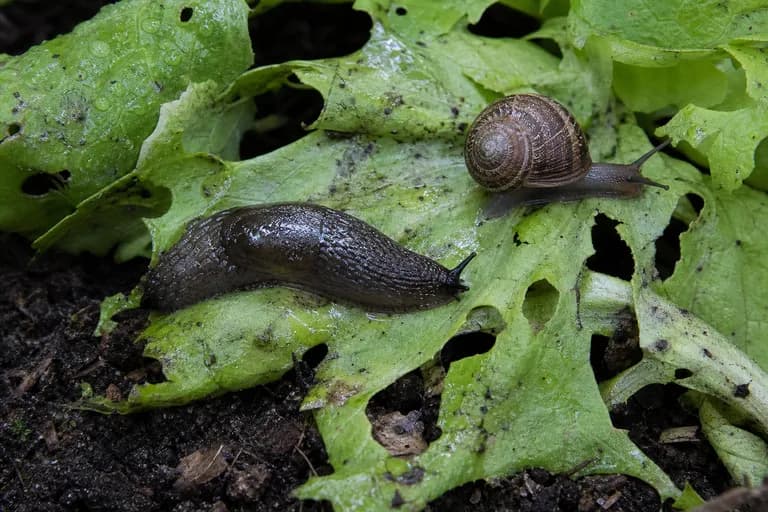
Pulgones (Aphididae)
PlagaColonias de insectos verdes, negros o rosados en el envés de las hojas y en los brotes tiernos. Causan enrollamiento foliar, debilitamiento y pueden transmitir virus.
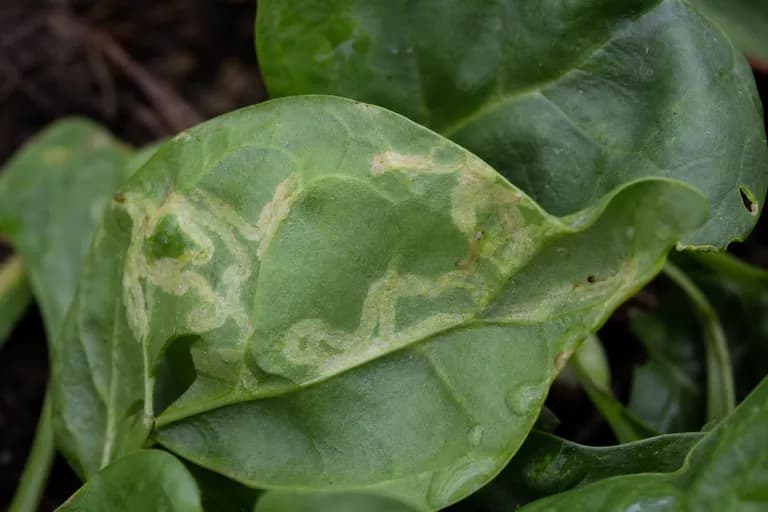
Minador de hojas (Pegomya spp.)
PlagaGalerías serpenteantes o manchas traslúcidas entre las capas de la hoja, creadas por las larvas que se alimentan del tejido foliar interno. Las hojas afectadas son antiestéticas e incomestibles.
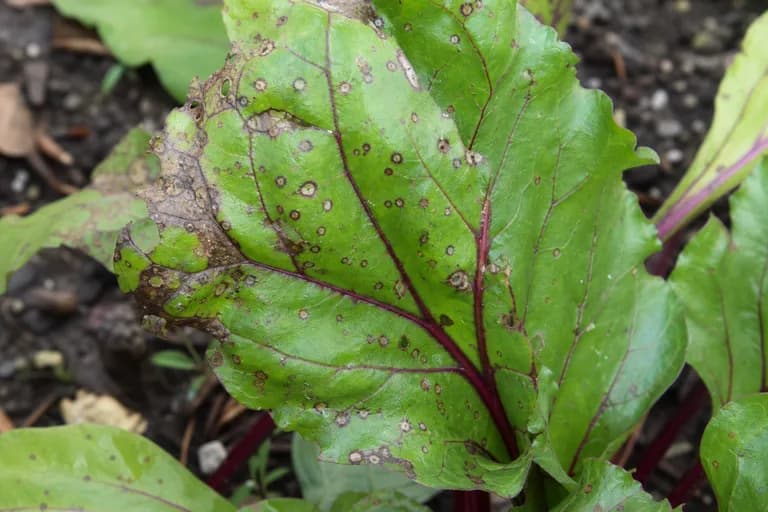
Cercospora (Cercospora beticola)
EnfermedadPequeñas manchas circulares con centro grisáceo y borde rojo-marrón en las hojas. En infestaciones graves, las manchas se fusionan y las hojas se secan y caen.
Solución de problemas comunes
La acelga Ruby es una de las hortalizas con menos problemas. El principal desafío es el minador de hojas, que puede hacer las hojas antiestéticas; la malla anti-insectos es la mejor prevención. En el segundo año, las plantas espigan y florecen, volviéndose amargas; trate la acelga como anual para los mejores resultados culinarios. El exceso de calor puede provocar hojas más pequeñas y amargas.
Consejos de cultivo
- Separate stems and leaves when cooking — they have very different textures and cooking times. Start the diced stems 3-4 minutes before adding the leaves. This one technique transforms chard from 'watery spinach' into a dish with two distinct, perfectly cooked components.
- Sow chard seeds every 3-4 weeks from early spring through midsummer for continuous tender baby leaves. While a single plant produces for months, younger plants yield the most delicate leaves for salads.
- Ruby chard is one of the best vegetables for container growing. Use a pot at least 30 cm wide and deep per plant, fill with rich potting mix, and place in a spot with 5-6 hours of sun. Container-grown chard produces slightly smaller but equally flavorful leaves.
- Leaf miners are the number one pest — their larvae tunnel between the leaf surfaces, creating visible pale trails. Remove and destroy affected leaves immediately (do not compost them). Prevent future infestations with lightweight row cover placed immediately after transplanting.
- Harvest outer leaves by gripping the stem near the base and pulling downward with a slight twist, or cut with a clean knife. Never tear leaves from the crown, which damages the growing point and invites disease. Always leave at least 5 inner leaves on the plant.
- Interplant ruby chard with flowers and herbs in ornamental beds — it is genuinely one of the most beautiful edible plants. The deep red stems contrast spectacularly with yellow marigolds, silver dusty miller, or purple basil. Use it as a 'thriller' centerpiece in container combinations.
- For the sweetest, most tender leaves, time your main harvests for cool weather — spring and autumn crops consistently taste better than midsummer ones. If growing through summer, provide afternoon shade in zones 7 and warmer.
- Blanching and freezing chard is the best preservation method. Blanch leaves for 2 minutes and stems for 3 minutes separately, plunge into ice water, drain thoroughly, and freeze flat in bags. Frozen chard retains its nutritional value for 10-12 months and works perfectly in cooked dishes.
Cultiva tu mejor Acelga Ruby — y todo lo que la rodea.
Empieza un plan gratis hoy. Diseña tus bancales, coloca tu Acelga Ruby y deja que PlotMyGarden gestione el momento, el espaciado, las asociaciones y los recordatorios de la semilla a la cesta.
Elige tu Acelga Ruby
Ruby Red (Rhubarb Chard)
La variedad clásica con tallos rojo rubí intenso y hojas verde oscuro arrugadas. Sabor ligeramente más terroso que las variedades verdes. 55-60 días.
Magenta Sunset
Variedad con tallos de un rojo-magenta extraordinariamente brillante. Hojas verde oscuro con nervaduras rojas. Muy ornamental y sabrosa. 55-60 días.
Vulcan
Variedad de color rojo intenso uniforme con excelente resistencia al espigado. Tallos gruesos y carnosos. Ideal para climas cálidos. 60-65 días.
Bright Lights (multicolor)
Mezcla espectacular con tallos en rojo, amarillo, naranja, rosa y blanco. Incluye plantas de tallo rojo tipo Ruby. Ornamental y productiva. 55-60 días.
Ruby swiss chard is one of the most cost-effective vegetables to grow at home. A packet of seeds costs $2-4 and produces 30-50 plants — far more than most families need. Fresh chard sells for $3-5 per bunch at grocery stores and $4-7 at farmers markets, where a single bunch typically weighs 300-400g. One well-maintained plant producing 3-5 kg over a season replaces 8-15 store-bought bunches worth $24-75. Growing just 4-6 plants can easily save $100-300 per season, and because chard regrows after each harvest, there is no need to succession-plant like lettuce or spinach.
Recetas rápidas
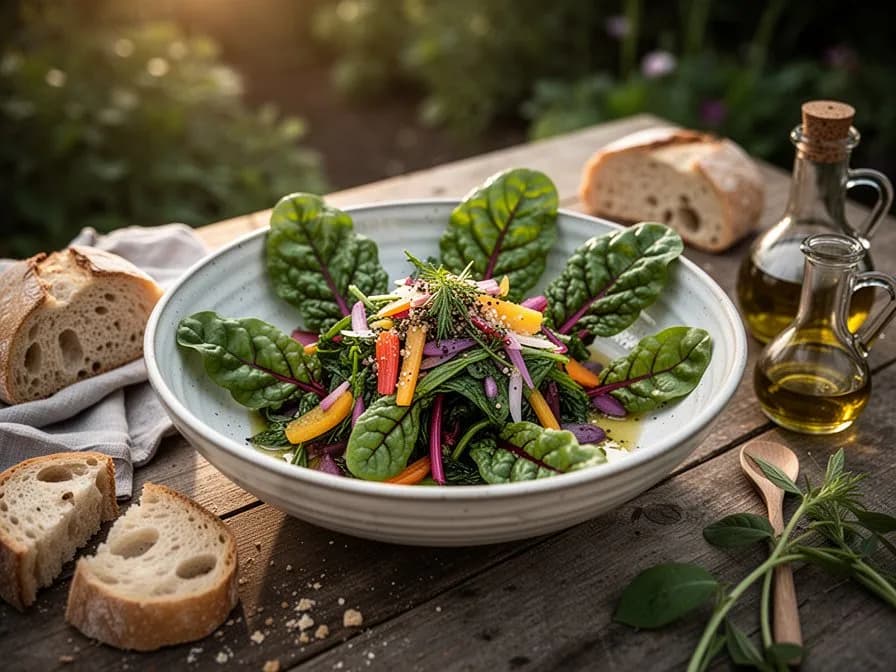
Garlic-Sautéed Ruby Chard with Lemon
12 minThe quintessential preparation for fresh chard — stems and leaves are cooked separately to achieve the perfect texture for each. The stems stay slightly crunchy while the leaves wilt into silky ribbons, finished with bright lemon and garlic.
7 ingredientesRuby Chard and White Bean Gratin
40 minA hearty baked dish where wilted ruby chard is layered with creamy white beans, garlic, and a golden breadcrumb-Parmesan crust. The chard stems add a pleasant texture contrast and their red color bleeds into the beans for a beautiful presentation.
7 ingredientesRuby Chard Stem Pickles
15 min + 24 hrs picklingDo not discard those gorgeous ruby stems! Quick-pickled chard stems turn a brilliant magenta in the brine and develop a tangy crunch that rivals any store-bought pickle. They make a stunning garnish and a delicious snack straight from the jar.
9 ingredientesUsos culinarios
La acelga Ruby es tan decorativa en el plato como en el jardín. Los tallos rojos se cocinan por separado ya que necesitan más tiempo: salteados con ajo y aceite de oliva, gratinados con bechamel o en escabeche. Las hojas se preparan como las espinacas: salteadas, en quiches, lasañas y tortillas. Cruda, la acelga joven aporta color espectacular a ensaladas. Su sabor suave combina bien con quesos, huevos, pasta y legumbres.
Qué contiene
Beneficios para la salud
- One of the richest dietary sources of vitamin K, providing over 300% of the daily value per 100g — essential for calcium regulation in bones, proper blood clotting, and emerging research links adequate vitamin K intake to reduced risk of cardiovascular calcification.
- The betalain pigments unique to ruby chard's red stems and veins have been shown in laboratory studies to support the body's phase II detoxification enzymes, helping neutralize and eliminate potentially harmful compounds.
- Exceptionally high in vitamin A as beta-carotene (122% DV per 100g), which is critical for maintaining healthy vision, supporting immune cell production, and protecting skin from UV damage.
- Contains syringic acid, a phenolic compound studied for its ability to inhibit alpha-glucosidase enzyme activity, which may help regulate blood sugar levels after meals — making chard a valuable food for people managing diabetes.
- Rich in nitrates that the body converts to nitric oxide, a molecule that relaxes blood vessels and lowers blood pressure — regular consumption of nitrate-rich leafy greens like chard is associated with reduced cardiovascular risk.
- Provides a combination of magnesium (20% DV), potassium (11% DV), and calcium that supports muscle and nerve function, electrolyte balance, and may help reduce muscle cramps during exercise.
De dónde viene Acelga Ruby
Swiss chard (Beta vulgaris subsp. vulgaris) descends from the wild sea beet (Beta vulgaris subsp. maritima), a hardy coastal plant still found growing wild along Mediterranean and Atlantic European shorelines. The domestication of this species is one of the most remarkable stories in agriculture — from a single wild ancestor, humans bred both root beets and leaf chards by selecting for different traits over thousands of years.
The ancient Greeks cultivated chard by at least the 4th century BCE, and Aristotle specifically described varieties with colored stems. The Romans grew chard extensively and spread it throughout their empire. After Rome fell, chard persisted in monastic gardens throughout medieval Europe, valued both as food and medicine. Arab agriculturalists refined its cultivation and introduced improved varieties across North Africa and the Iberian Peninsula during the Islamic Golden Age.
Ruby and red-stemmed chard varieties have been documented since antiquity, but the intense, uniform crimson color of modern Ruby Swiss Chard was developed through selective breeding in the 20th century. The variety 'Rhubarb Chard' (also sold as Ruby Red or Ruby Chard) became widely available in the 1950s and gained popularity among both vegetable gardeners and ornamental plantsmen for its extraordinary visual appeal. Today, ruby chard is grown worldwide and has become a staple of farmers markets, restaurant kitchens, and home gardens. It is particularly popular in Mediterranean, Middle Eastern, and South Asian cuisines where leafy greens with robust stems are treasured ingredients.
Acelga Ruby: ¿sabías que?
Datos fascinantes sobre Acelga Ruby
Despite its name, Swiss chard has no special connection to Switzerland. The 'Swiss' label was added by a 19th-century botanist to distinguish it from French spinach — the plant actually originated in the Mediterranean region, likely Sicily or the coastal areas of southern Europe and North Africa.
Acelga Ruby: preguntas frecuentes
¿Cuándo debo plantar Acelga Ruby?
¿Cuáles son buenas plantas acompañantes para Acelga Ruby?
¿En qué zonas de rusticidad puede crecer Acelga Ruby?
¿Cuánto sol necesita Acelga Ruby?
¿A qué distancia debo espaciar Acelga Ruby?
¿Qué plagas y enfermedades afectan a Acelga Ruby?
¿Cómo almaceno Acelga Ruby después de la cosecha?
¿Cuáles son las mejores variedades de Acelga Ruby para cultivar?
¿Qué suelo necesita Acelga Ruby?
What is the difference between ruby chard and rainbow chard?
Can I eat ruby swiss chard raw in salads?
Why is my ruby chard bolting and flowering?
How cold-hardy is ruby swiss chard?
Is ruby chard related to beets? Can they cross-pollinate?
How do I keep ruby chard producing all season without it getting tough or bitter?
Acabas de leer la teoría. Ahora cultívala en piloto automático.
Todo lo que hace que Acelga Ruby sea delicado — el momento, el espaciado, las asociaciones, la ventana de cosecha — es justo lo que PlotMyGarden resuelve por ti, para cada planta de tu huerto.
Un plan que conoce tu clima
Indica tu ubicación una vez. Recibe fechas de siembra, abonado y cosecha basadas en tu última helada real y el pronóstico en vivo — sin adivinar con un sobre genérico.
De la sección “Cuándo plantar”Planificador de bancales de arrastrar y soltar
Diseña bancales sobre una cuadrícula. Cada planta encaja con su espaciado correcto y ves toda la temporada antes de gastar un céntimo en semillas.
De la sección “Cultivo”Conflictos de asociación, detectados a tiempo
Más de 200 buenas y malas combinaciones comprobadas en vivo mientras plantas — para que un error que arruine la temporada nunca llegue a la tierra.
De la sección “Asociaciones”Recordatorios que sí vas a seguir
“Riega las judías.” “Recoge hoy antes de que se pase.” Oportunos, concretos y ligados a las plantas que de verdad cultivas.
De la sección “Cosecha”Escalonado, programado
¿Quieres cosechar seis semanas en vez de seis días? Reparte tus siembras automáticamente y te avisa cuando toca el siguiente lote.
De la sección “Cuándo plantar”Un registro que se vuelve más listo
Cada cosecha que registras le enseña tu huerto. El plan del año que viene parte de lo que de verdad funcionó en tu suelo, no en un manual.
De la sección “Resumen”Planta estos junto a Acelga Ruby
Más Hortalizas de hoja
Mantén Acelga Ruby lejos de estos
Diseños de jardín con Acelga Ruby
Cultiva tu mejor Acelga Ruby — y todo lo que la rodea.
Empieza un plan gratis hoy. Diseña tus bancales, coloca tu Acelga Ruby y deja que PlotMyGarden gestione el momento, el espaciado, las asociaciones y los recordatorios de la semilla a la cesta.