Acedera
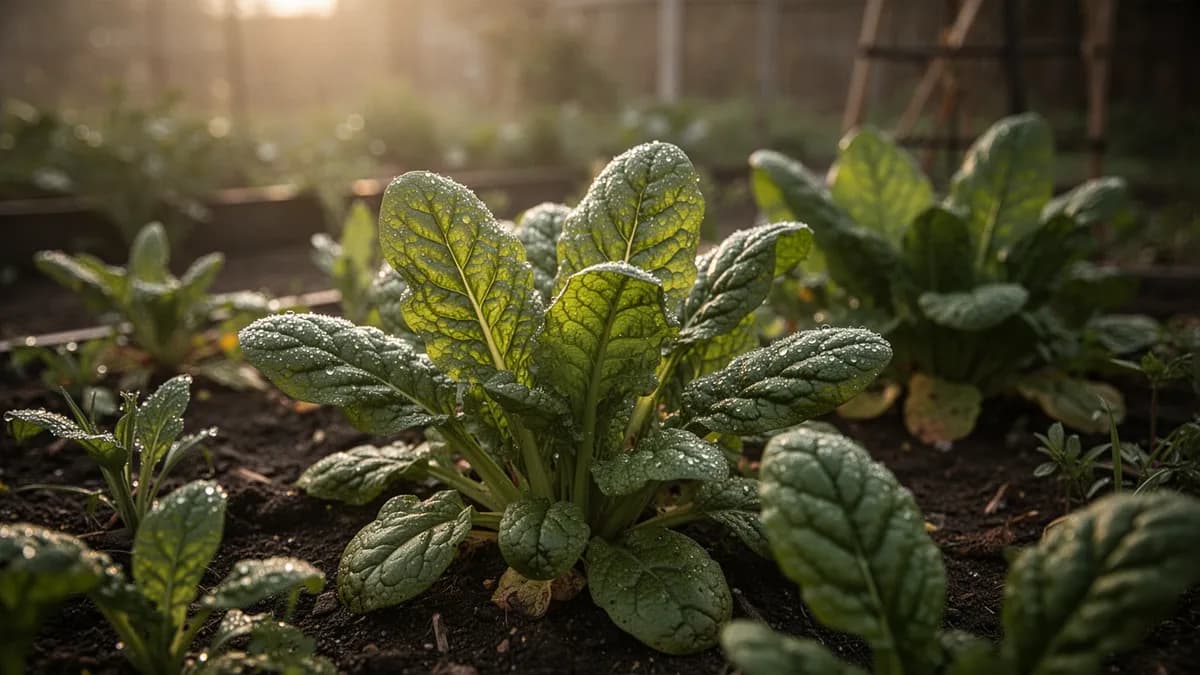
Una verdura de hoja perenne con sabor ácido.





En esta páginaResumen
Conoce Acedera
Una verdura de hoja perenne con sabor ácido. Perfecta para sopas y salsas.
Cuándo plantar Acedera
Siembre directamente o divida plantas.
Tu año de Acedera
Ajustado a Zona 7 · temporada típica · la helada se va hacia el 2 abr y vuelve hacia el 1 nov
Planta Acedera Mar – Abr y cosecha Abr – Oct. Consulta los métodos de plantación y elige tu clima para adaptar los periodos.
Cómo cultivar Acedera
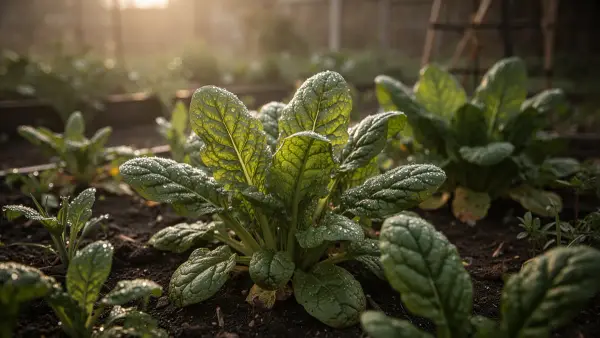
La acedera es perenne y muy fácil de mantener. Crece en sol o sombra parcial.
Dividir cada 3-4 años promueve crecimiento.
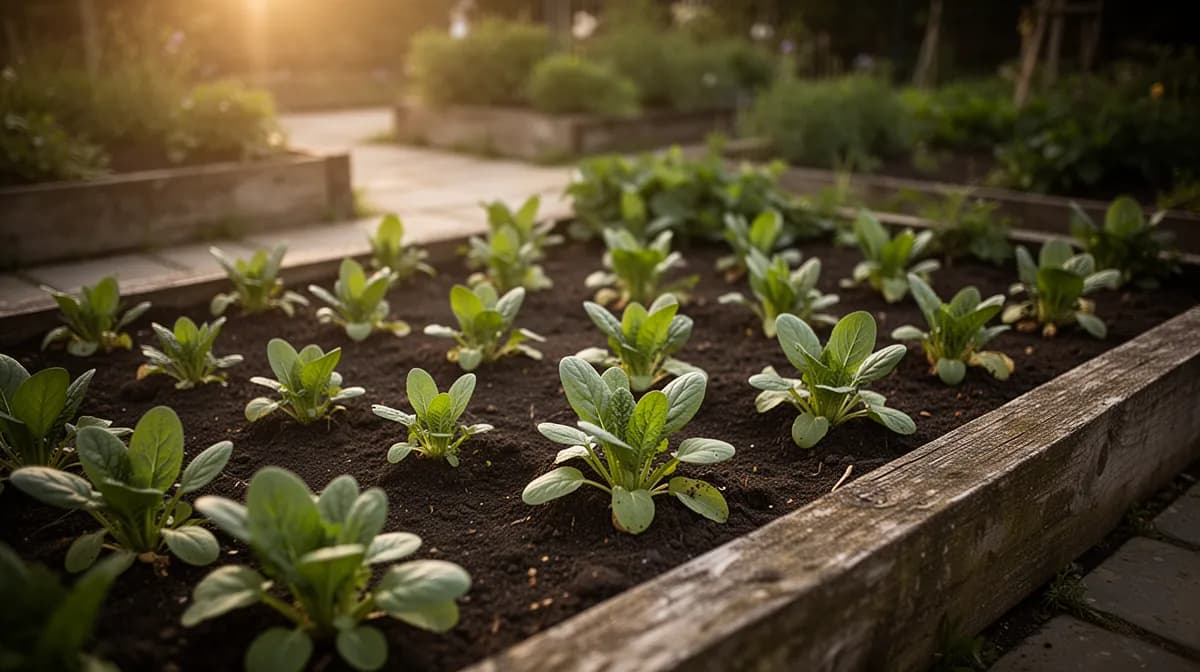
36 plantas caben en un bancal de 120 × 240 cm
Cada Acedera pide 25 cm de margen. El planificador guarda ese marco por ti — cada planta, cada bancal.
Los mejores vecinos de Acedera
Crece bien con otras hierbas.
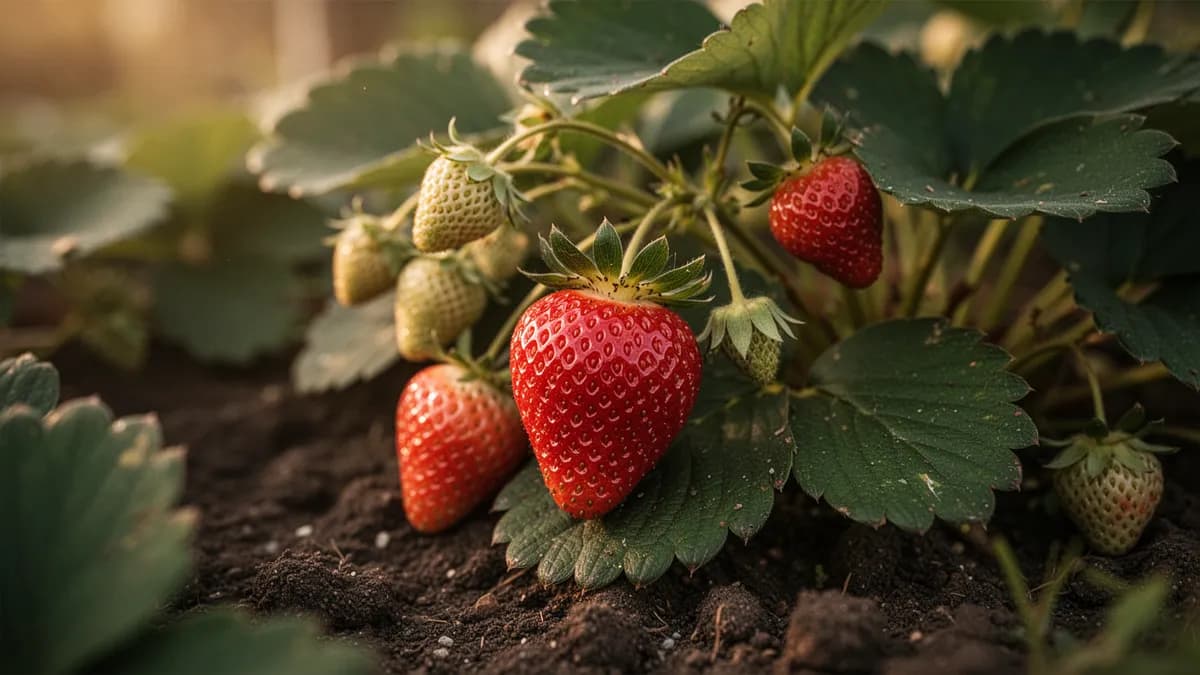
Fresa va a su lado.
Saber de huerto de siempre, cotejado con la tabla real de Acedera — prueba cualquier planta que cultives.
Prueba Acedera en un bancal, aquí mismo
Un bancal real del planificador con Acedera ya plantado. Toca una planta compañera para colocarla y mira cómo responde la comprobación de vecinos: verde para buenos vecinos, rojo si hay conflicto.


Guías de cultivo relacionadas
Abónalo bien
Suelo promedio con pH 5,5-6,5. Mantenga húmedo.
Temperatura ideal
Compatibilidad de zonas de rusticidad
De la semilla a la cosecha, etapa por etapa
Germinación
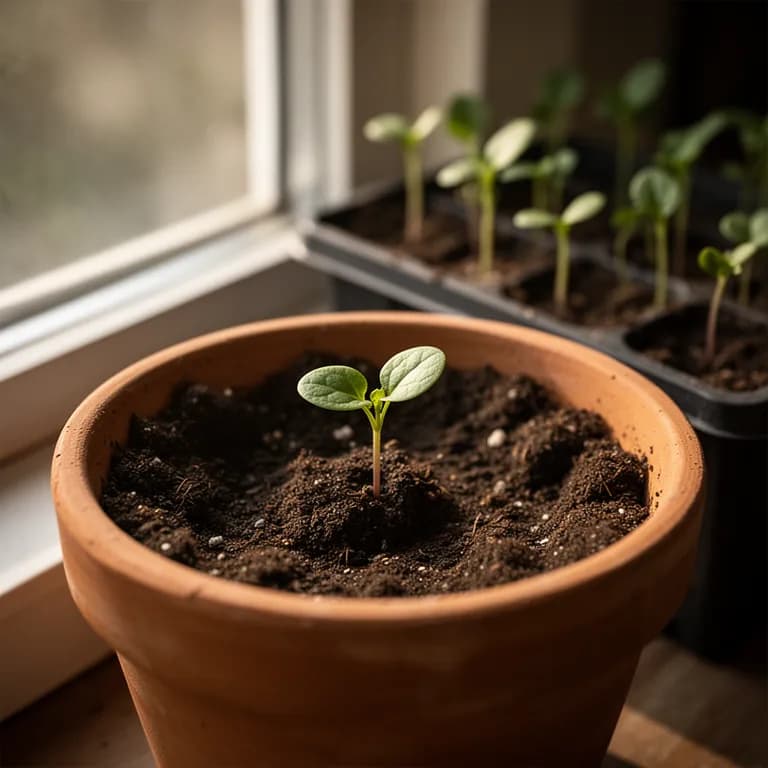
Las diminutas semillas de acedera germinan con temperaturas frescas a templadas del suelo de 15-20 °C (60-70 °F). Las plántulas emergen con cotiledones lisos y ovalados que no se parecen en nada al follaje maduro en forma de flecha. La germinación tarda 7-14 días y es fiable en un suelo constantemente húmedo.
Desarrollo de plántula
Aparecen las hojas verdaderas con la característica forma de flecha o escudo (sagitada) que distingue a la acedera de otras plántulas. La roseta de hojas basales se expande hacia afuera a medida que la raíz pivotante se establece. El crecimiento es constante en el clima fresco de primavera.
Establecimiento de roseta
La planta forma una roseta densa de hojas en forma de flecha de 15-25 cm de largo. El sistema profundo de raíz pivotante queda totalmente establecido, lo que hace que la planta sea cada vez más tolerante a la sequía. La producción de hojas se acelera a medida que madura el sistema radicular, y pueden comenzar las primeras cosechas ligeras.
Producción máxima de hojas
La planta entra en su fase más productiva y genera hojas nuevas de forma continua desde la corona central. En un clima ideal de fresco a templado (15-24 °C), un solo grupo maduro produce suficientes hojas para el uso regular en la cocina. Las hojas alcanzan aquí su mejor sabor: agradablemente ácidas con un toque brillante y cítrico.
Floración y espigado
A medida que aumenta la duración del día y las temperaturas superan los 27 °C (80 °F), la acedera emite tallos florales altos y finos, rematados con pequeñas flores verdosas rojizas que maduran hasta formar semillas marrones y papiráceas. La calidad de las hojas disminuye durante la floración: las hojas se vuelven más pequeñas, más duras y más ácidas.
Reposo y renovación
En climas fríos, la acedera se seca hasta el suelo después de una helada fuerte, mientras la raíz pivotante profunda sobrevive bajo tierra durante el invierno. En climas suaves, la planta puede mantenerse semiperennifolia. Cada primavera emerge un crecimiento nuevo y vigoroso desde la corona, a menudo antes que cualquier otro alimento del huerto.
Siembra las semillas muy superficialmente — apenas a 5 mm de profundidad — ya que necesitan algo de luz para germinar bien. Mantén la superficie del suelo uniformemente húmeda con una neblina fina. No dejes que el semillero se seque ni forme costra.
Cuidar Acedera mes a mes
Qué hacer cada mes para tu Acedera
Octubre
Mes actualContinue autumn harvest of tender regrowth. Flavor is excellent in cool weather — mild and pleasantly lemony. Divide and transplant established clumps if needed. In zones 4-6, begin preparing plants for winter by reducing harvest to allow the crown to store energy.
Ten claro qué hacer en tu huerto, cada mes
Un correo al empezar cada mes: qué sembrar, plantar y hacer ahora mismo — para tu Acedera y todo lo que crece alrededor. Más un breve curso inicial para esquivar los errores clásicos.
- Qué hacer ahora mismo
- Ajustado a tu temporada
- Curso inicial incluido
Cosechar Acedera
Coseche hojas exteriores. No tome todas las hojas de una vez.
se supone que plantas al comenzar el periodo — indica tu fecha real
Cosecha las hojas hasta la llegada de la primera helada fuerte; las hojas jóvenes son las más tiernas.
Almacenamiento y conservación
Use fresca. Puede congelarse.
Qué falla — y cómo solucionarlo
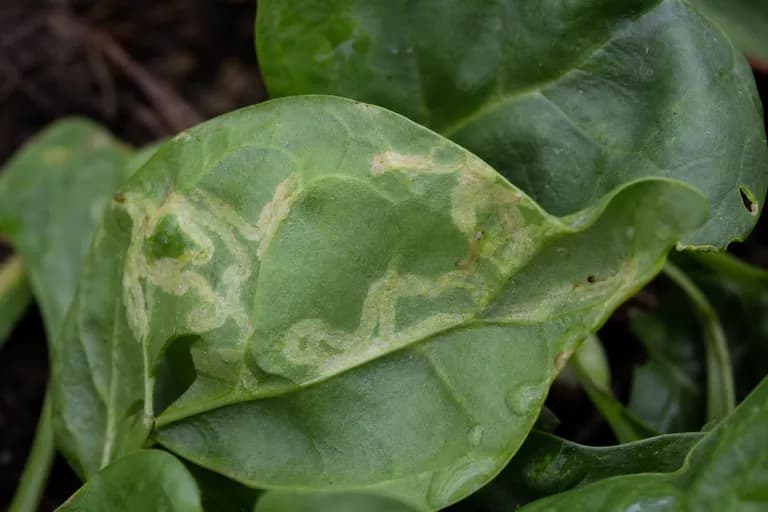
Babosas
PlagaAgujeros en hojas.
Solución de problemas comunes
Auto-siembra puede volverse invasiva.
Consejos de cultivo
- Sorrel is one of the easiest perennials to establish from seed, but patience is key the first year. Resist heavy harvesting until the rosette has at least 10-12 well-developed leaves. From the second year onward, the plant will produce prolifically with almost no attention.
- Remove flower stalks the moment they appear — this is the single most important maintenance task. Each flower stalk that goes to seed dramatically reduces leaf production and allows aggressive self-seeding that can become weedy. Snap stalks off at the base.
- Partial shade is sorrel's friend, especially in warmer climates. Unlike most vegetables, sorrel actually produces better leaves with 4-6 hours of direct sun than in full all-day sun. The ideal spot gets morning sun and afternoon shade.
- When summer heat makes leaves tough and excessively tart, do not hesitate to cut the entire plant down to 5 cm above ground level. This feels drastic but sorrel regenerates aggressively from the crown, producing a flush of tender new leaves within 2-3 weeks.
- Divide established clumps every 3-4 years in early spring or autumn. Each division should have a section of root with at least 2-3 growing points. This keeps plants vigorous and is the easiest way to expand your sorrel patch or share with other gardeners.
- Sorrel's deep taproot makes it surprisingly drought-tolerant once established, but consistent moisture produces the most tender, mild-flavored leaves. Irregular watering causes flavor to swing between mild and aggressively sour.
- Plant sorrel as a permanent edible border along garden paths or bed edges. Its attractive arrow-shaped foliage stays low and tidy when flower stalks are removed, and it returns year after year without replanting. Red-veined varieties are especially ornamental.
- For winter harvests in zones 7-10, protect plants with a cold frame or row cover. Sorrel is remarkably cold-hardy and can produce usable leaves well into December and again from February onward with minimal frost protection.
Cultiva tu mejor Acedera — y todo lo que la rodea.
Empieza un plan gratis hoy. Diseña tus bancales, coloca tu Acedera y deja que PlotMyGarden gestione el momento, el espaciado, las asociaciones y los recordatorios de la semilla a la cesta.
Elige tu Acedera
Broad Leaf
Hojas grandes. Perenne.
Red Veined
Nervaduras rojas. Ornamental.
Fresh sorrel is rarely found in mainstream grocery stores and commands premium prices of $4-8 per small bunch at farmers markets and specialty shops. A single $2-3 seed packet or transplant produces a perennial plant that returns for 5-7 years with zero replanting cost. Over its lifetime, one sorrel plant can easily provide $50-100 worth of fresh greens at market prices. The savings are even greater considering that sorrel is a cut-and-come-again crop — a single plant regenerates its leaves dozens of times per season, making it one of the highest-value perennials for the home kitchen garden.
Recetas rápidas
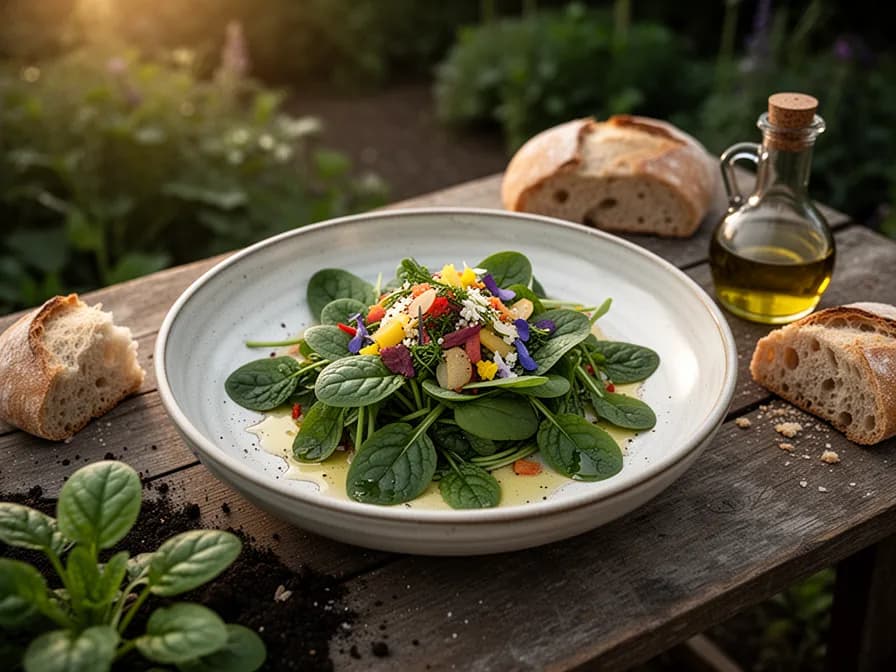
Classic French Cream of Sorrel Soup
30 minThe quintessential French potage — silky, tangy, and elegant. Fresh sorrel wilts into a velvety puree that turns a distinctive olive-green when cooked. Finished with cream and egg yolks for richness, this soup is traditionally served warm or chilled.
8 ingredientesSorrel Sauce for Grilled Fish
15 minA classic French sauce that pairs magnificently with salmon, trout, or any rich fish. The bright acidity of sorrel cuts through the richness of the fish just as lemon would, but with far more depth and complexity. Ready in minutes.
6 ingredientesSpring Sorrel and Potato Frittata
25 minA satisfying egg dish that showcases sorrel's lemony tang beautifully. Thinly sliced potatoes provide substance while the sorrel melts into the eggs, creating pockets of tangy flavor throughout. Perfect for brunch or a light supper with crusty bread.
7 ingredientesUsos culinarios
En sopas, salsas o fresca en ensaladas.
Qué contiene
Beneficios para la salud
- Exceptionally high in vitamin C (53% DV per 100g), supporting immune function, collagen production, and iron absorption — historically used by sailors and explorers to prevent and treat scurvy on long voyages.
- Outstanding source of vitamin A as beta-carotene (80% DV per 100g), crucial for maintaining healthy vision, skin integrity, and mucous membrane function.
- Contains significant iron (2.4mg per 100g) in a form enhanced by the plant's own high vitamin C content, which dramatically improves non-heme iron absorption — particularly beneficial for vegetarians.
- Rich in magnesium (103mg per 100g), supporting over 300 enzymatic reactions in the body including muscle and nerve function, blood sugar regulation, and bone health.
- Provides quercetin and other flavonoid antioxidants that have demonstrated anti-inflammatory properties in studies, potentially helping to reduce oxidative stress and chronic inflammation.
- The high fiber and low calorie content (22 calories per 100g) supports digestive regularity and healthy weight management, while the tangy flavor adds satisfaction to meals without added fat or salt.
De dónde viene Acedera
Sorrel (Rumex acetosa) is native to Europe and northern Asia, where it grows wild across meadows, grasslands, and woodland edges from the British Isles to Siberia. As one of the oldest cultivated greens in human history, sorrel was gathered and eaten long before the development of agriculture — archaeological evidence suggests it was consumed by Neolithic peoples across Europe. The ancient Egyptians, Greeks, and Romans all cultivated sorrel and valued it both as a food and a medicine. The Roman naturalist Pliny the Elder recommended sorrel for improving digestion, and it appeared frequently in the cooking of ancient Rome as a souring agent.
During the Middle Ages, sorrel became one of the most important culinary plants in Northern Europe. Before citrus fruits were widely available north of the Mediterranean, sorrel was the primary source of acidity in cooking — performing the role that lemon juice and vinegar play in modern kitchens. It was a staple in monastery gardens and appeared in nearly every medieval herb garden. The plant's ability to return each spring with minimal care made it especially valuable in an era when reliable perennial food sources were precious.
French cuisine embraced sorrel more passionately than any other culinary tradition. By the 17th century, sorrel soups, sauces, and purees were fixtures of French cooking from peasant farmhouses to royal courts. The dish potage Germiny — a refined cream of sorrel soup — became a classic of haute cuisine. In Eastern Europe, sorrel soup (known as schav in Yiddish, shchavel in Russian, and szczaw in Polish) became an essential spring dish, particularly in Jewish, Russian, Polish, and Ukrainian cooking traditions. Today, sorrel remains widely cultivated in France, Eastern Europe, and Scandinavia, and is experiencing a renaissance among chefs and home gardeners worldwide who value its unique lemony flavor and its remarkable ease of cultivation as a hardy perennial.
Acedera: ¿sabías que?
Datos fascinantes sobre Acedera
Sorrel has been cultivated for at least 5,000 years and was one of the most important vegetables in medieval European cuisine before the introduction of New World crops like tomatoes and peppers. It provided the sour, acidic note in cooking long before lemons became widely available in Northern Europe.
Acedera: preguntas frecuentes
¿Cuándo debo plantar Acedera?
¿Cuáles son buenas plantas acompañantes para Acedera?
¿En qué zonas de rusticidad puede crecer Acedera?
¿Cuánto sol necesita Acedera?
¿A qué distancia debo espaciar Acedera?
¿Qué plagas y enfermedades afectan a Acedera?
¿Cómo almaceno Acedera después de la cosecha?
¿Cuáles son las mejores variedades de Acedera para cultivar?
¿Qué suelo necesita Acedera?
Is sorrel safe to eat in large quantities given its oxalic acid content?
Why do my sorrel leaves turn olive-green when cooked?
What is the difference between garden sorrel, French sorrel, and red-veined sorrel?
How do I prevent sorrel from taking over my garden?
Can I grow sorrel in containers?
When is the best time to harvest sorrel for the mildest flavor?
Acabas de leer la teoría. Ahora cultívala en piloto automático.
Todo lo que hace que Acedera sea delicado — el momento, el espaciado, las asociaciones, la ventana de cosecha — es justo lo que PlotMyGarden resuelve por ti, para cada planta de tu huerto.
Un plan que conoce tu clima
Indica tu ubicación una vez. Recibe fechas de siembra, abonado y cosecha basadas en tu última helada real y el pronóstico en vivo — sin adivinar con un sobre genérico.
De la sección “Cuándo plantar”Planificador de bancales de arrastrar y soltar
Diseña bancales sobre una cuadrícula. Cada planta encaja con su espaciado correcto y ves toda la temporada antes de gastar un céntimo en semillas.
De la sección “Cultivo”Conflictos de asociación, detectados a tiempo
Más de 200 buenas y malas combinaciones comprobadas en vivo mientras plantas — para que un error que arruine la temporada nunca llegue a la tierra.
De la sección “Asociaciones”Recordatorios que sí vas a seguir
“Riega las judías.” “Recoge hoy antes de que se pase.” Oportunos, concretos y ligados a las plantas que de verdad cultivas.
De la sección “Cosecha”Escalonado, programado
¿Quieres cosechar seis semanas en vez de seis días? Reparte tus siembras automáticamente y te avisa cuando toca el siguiente lote.
De la sección “Cuándo plantar”Un registro que se vuelve más listo
Cada cosecha que registras le enseña tu huerto. El plan del año que viene parte de lo que de verdad funcionó en tu suelo, no en un manual.
De la sección “Resumen”Planta estos junto a Acedera
Más Hortalizas de hoja
Diseños de jardín con Acedera
Cultiva tu mejor Acedera — y todo lo que la rodea.
Empieza un plan gratis hoy. Diseña tus bancales, coloca tu Acedera y deja que PlotMyGarden gestione el momento, el espaciado, las asociaciones y los recordatorios de la semilla a la cesta.